
Tag Archives: cult cinema review

Romford Horror Film Festival 2026 & The Cannibal Man (1972) reviews!

Romford Horror Film Festival & The Cannibal Man (1972) review

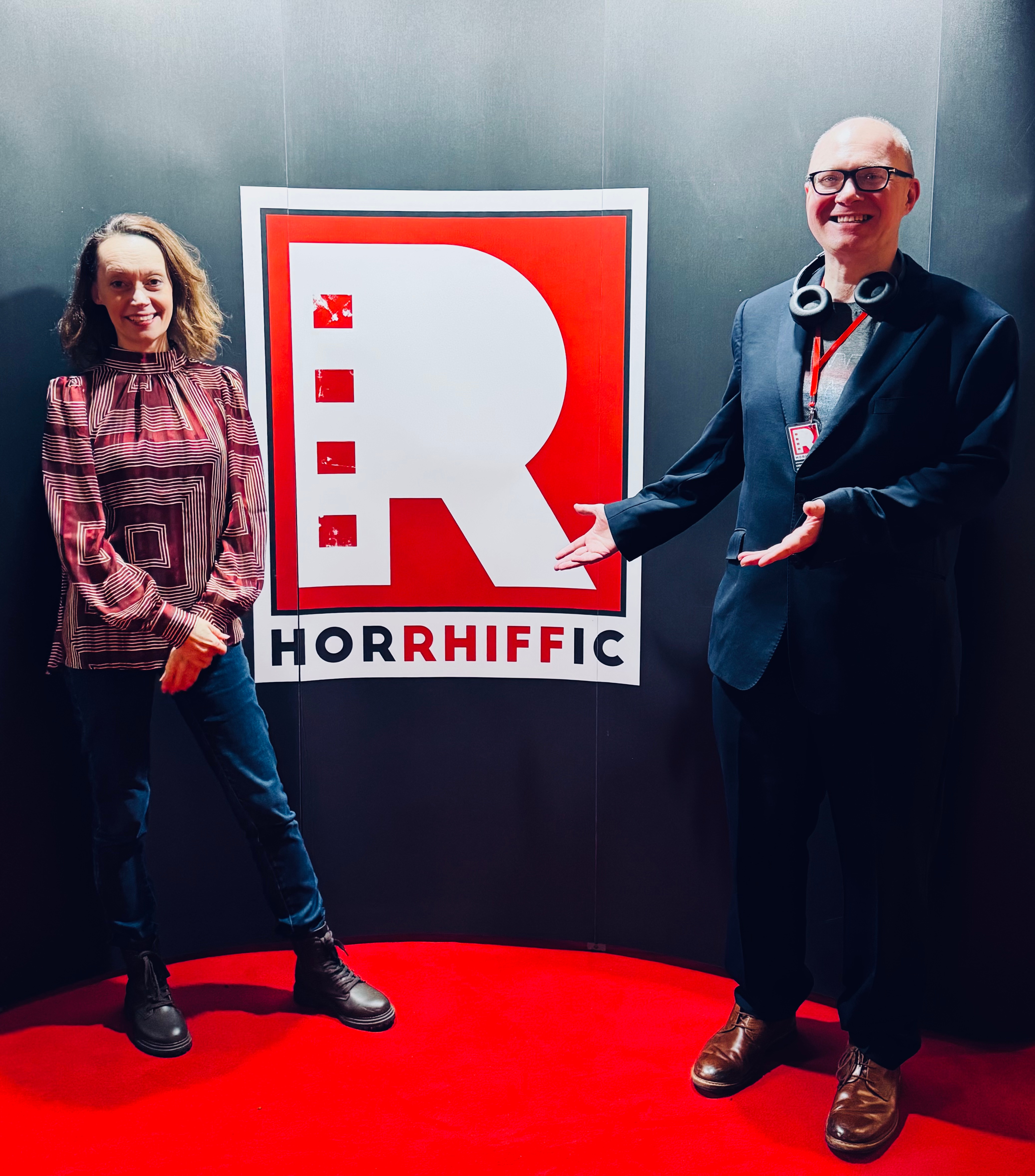
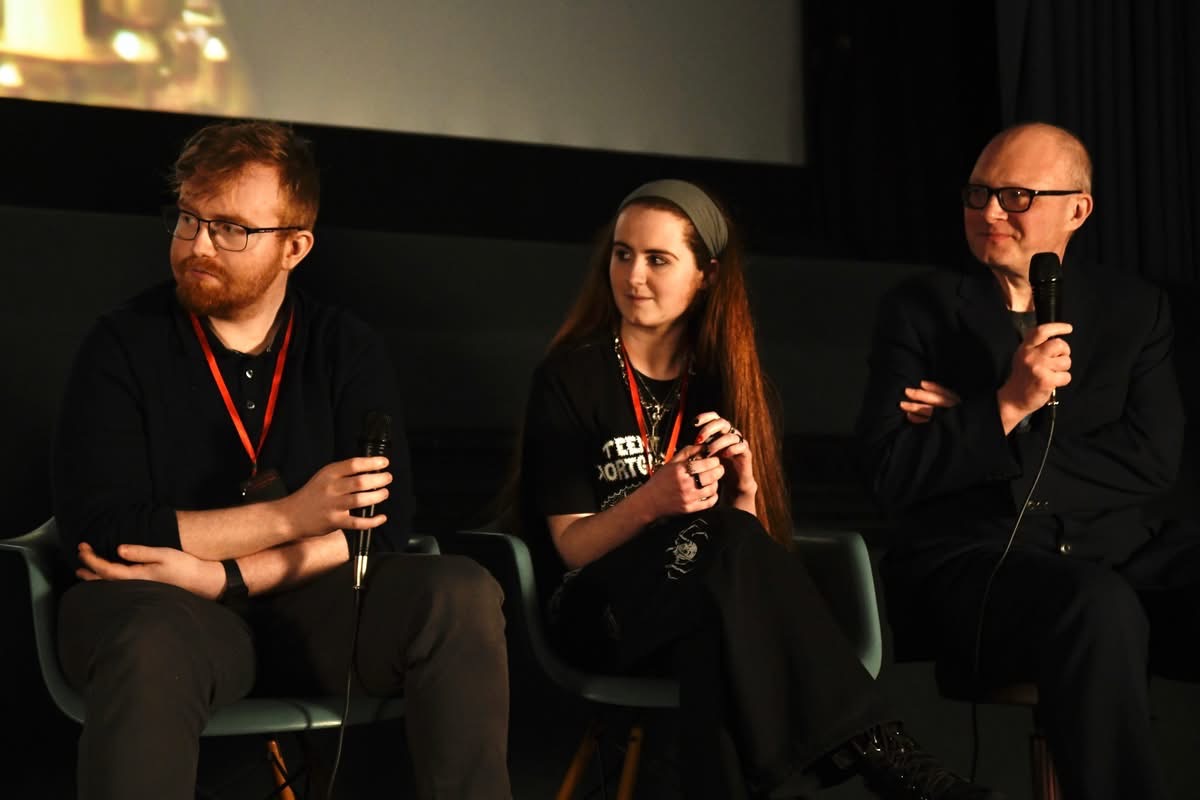
From 19th–22nd February 2026, Romford, Essex emerged not just as a venue, but as a creative crucible for genre storytelling as the Romford Horror International Film Festival — affectionately dubbed HorRHIFFic — returned to the Lumiere Cinema with its most ambitious programme yet – details can be found here: https://www.romfordhorrorfestival.com

This four-day celebration of horror cinema is rooted in the independent filmmaking spirit: championing works from emerging voices around the world, blending them alongside classic cult favourites, and generating an atmosphere of passion, community, and shared reverence for the genre. What makes this festival truly special isn’t just the size of its programme — though over 130 films certainly made for a thrilling schedule — but its wholehearted dedication to independent filmmakers who bring new ideas, daring vision, and personal passion to every frame.



Across its programme, the festival showcased a thrilling mix of guests and films that honour horror’s breadth including: Classic Retro Treats, Special Guests and Actors from Horror, New Independent Features & Shorts from countries such as South Korea, Canada, Spain, USA, and Italy, plus Creative Diversity — with screenings that embraced psychological depth, gory slashers, ghost stories, off-beat genre hybrids, and boundary-pushing work from both early-career filmmakers and seasoned indie pros.

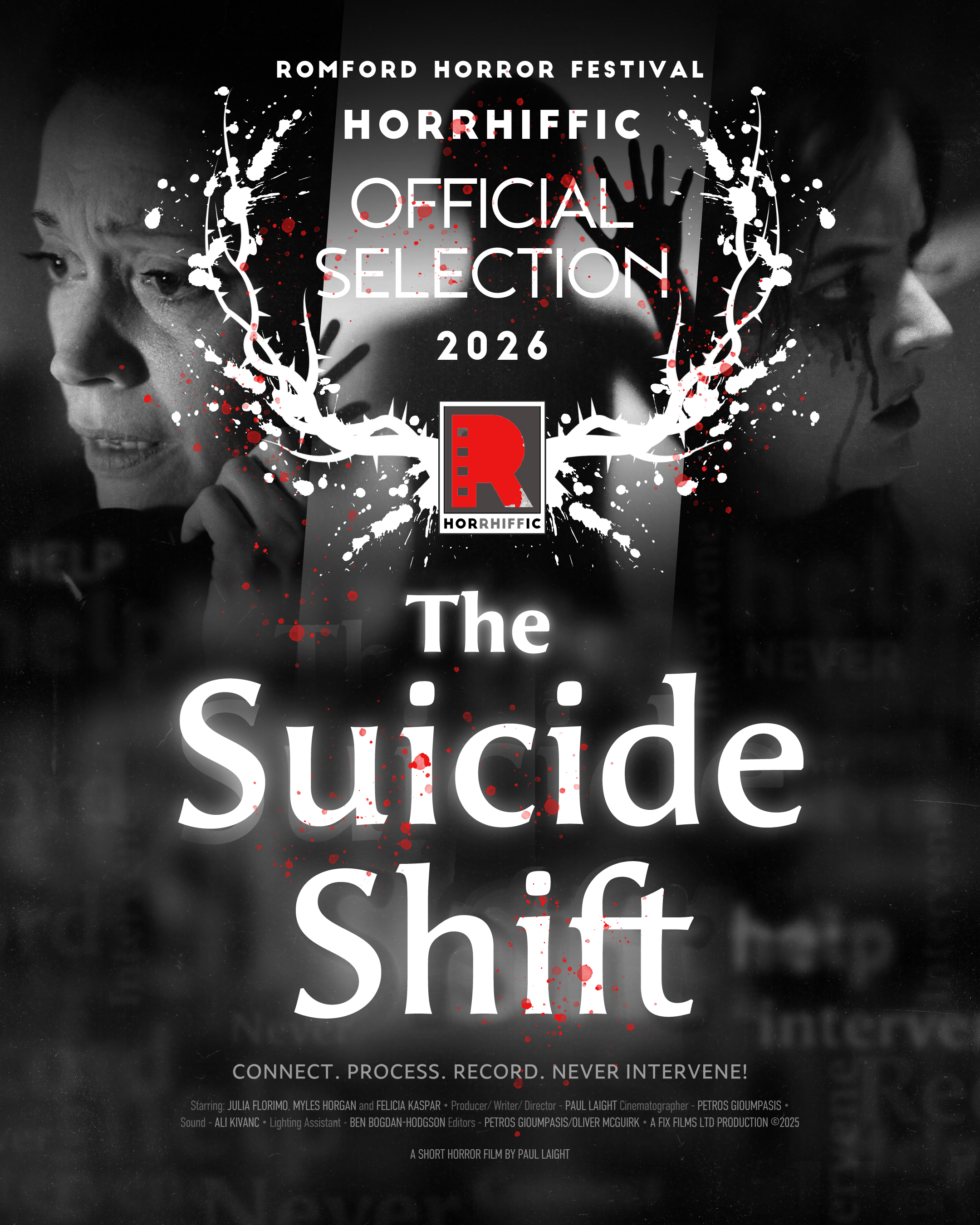
Romford Horror Festival is also renowned for the community it builds. Horror fans come together not just to watch films, but to share experiences, meet creators, and feel at home in an environment that values innovation over commercialism. The Lumiere Cinema, itself a community-saved venue, became a home for filmmakers and fans alike — proving that in Romford, horror isn’t just screened… it’s commemorated. I for one am so grateful they screened my short horror film The Suicide Shift (2026).

As well as the short film showcases I watched a few retro classics including The Cannibal Man (1972) – (original title: La semana del asesino), directed by Eloy de la Iglesia. It is less a horror film than a slow, suffocating moral collapse. What begins as an unfortunate act of violence spirals into a weeklong descent into hell for Marcos, played with haunted fragility by Vicente Parra. Each subsequent killing feels less like cruelty and more like inevitability — the grinding machinery of fate closing in on a man already spiritually trapped.

Set against the decaying outskirts of Madrid in the final years of the Franco regime, The Cannibal Man (1972) doubles as a bleak portrait of a society rotting from repression. The slaughterhouse where Marcos works becomes an unsubtle but potent metaphor: under Francoism, bodies are processed, identities erased, dissent quietly carved up and discarded.
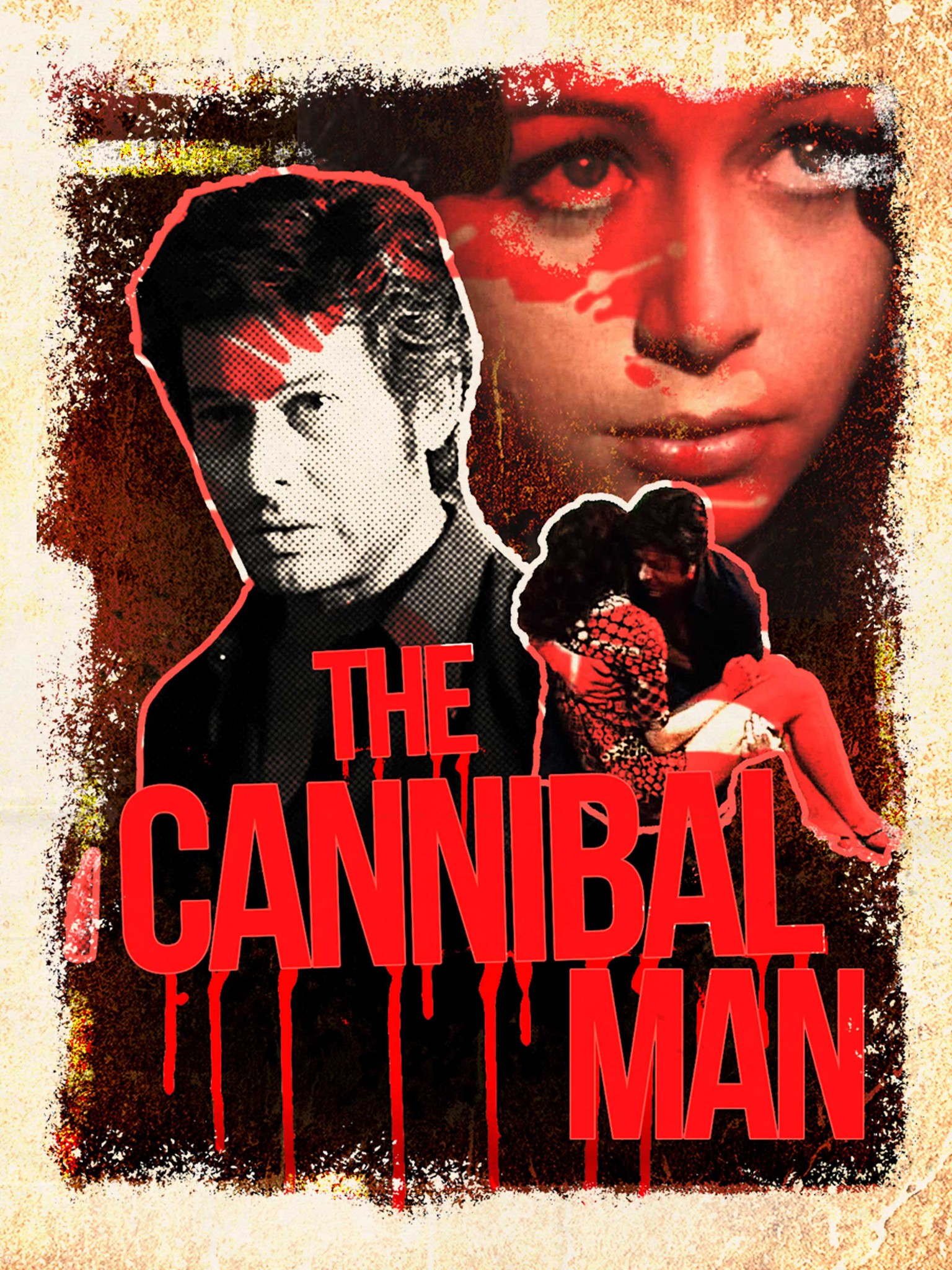


What makes the film especially daring is its undercurrent of homoerotic tension. Marcos’ wealthy, enigmatic neighbour Néstor hovers at the edges of the carnage, offering protection and silent understanding. Their charged glances and coded conversations suggest a longing that cannot safely speak its name under Franco’s moral authoritarianism. In this reading, Marcos’ spiral is not only about guilt but about internalized repression — desire twisted inward until it manifests as self-destruction. The horror is as much psychological as physical.

And yes, the gore is blunt and ugly. Bodies are dismembered with the same cold pragmatism as livestock. But de la Iglesia never lets the blood eclipse the tragedy. Marcos is not a monster in the conventional sense; he is a man cornered by circumstance, class stagnation, and a society that offers no mercy to the weak. By the end, his descent feels preordained — less a fall from grace than a revelation that grace was never available to him.

So, if you love horror films do check out indie film festivals such as – HorRHIFFic – whether it’s the electrifying surprises in the indie showcases or the nostalgic thrill of classic screenings, the Romford Horror Film Festival 2026 made it clear: independent horror cinema is alive, vibrant, and boldly inventive. This festival is a testament to the creativity and ingenuity of filmmakers who refuse to be confined by convention — and to the audiences who cheer them on.


UNDER-RATED CLASSICS #8 – THE NINTH CONFIGURATION (1980)

UNDER-RATED CLASSICS #8 – THE NINTH CONFIGURATION (1980)

Directed, written and produced by: William Peter Blatty

Based on The Ninth Configuration by William Peter Blatty

Starring: Stacy Keach, Scott Wilson, Jason Miller, Ed Flanders, Robert Loggia, Moses Gunn, Joe Spinell, Neville Brand etc.

Music by: Barry De Vorzon

Cinematography: Gerry Fisher

*** MAY CONTAIN SPOILERS ***


“I became insane, with long intervals of horrible sanity.”
― Edgar Allan Poe

Sparked by uber-film critic Mark Kermode waxing lyrical about The Ninth Configuration (1980) in one of his cinema books, I was extremely pleased when I found a remastered 2016 reissue streaming on Amazon Prime. I don’t always agree with Kermode’s effusive praise of certain films, however, his opinion should always be respected. Having watched the film I can concur that it is indeed an under-rated classic. Just to clarify, for me, an under-rated classic can be a film I love, plus satisfy the following criteria:

  1. Must not have won an Oscar.
  2. Must not have won a BAFTA.
  3. Must not appear in the AFI Top 100 list.
  4. Must not appear in the IMDB Top 250 list.
  5. Must not appear in the BFI 100 Great British films.
  6. Must not appear in the all-time highest grossing movies of list.

While the writer and director, William Peter Blatty, won a Golden Globe for best screenplay, I feel that The Ninth Configuration (1980) is somewhat of a lost masterpiece. It was released at the same time as Ordinary People (1980) , The Elephant Man (1980) and Raging Bull (1980) and rarely seems to be discussed or praised at all these days. Well, aside from Mark Kermode’s gratefully received validation. Thematically, it is very strong as it deals with mental breakdown and illness amidst soldiers post-Vietnam. Moreover, it also contains memorable iconography within a curiously foreboding setting.


Based on Blatty’s 1978 novel, which in itself was a reworking of an earlier story called, Twinkle, Twinkle “Killer” Kane, The Ninth Configuration centres the action in a grand chateau located, rather weirdly in America somewhere. The dark, shadowy castle (which was actually in Germany), is surrounded by deep forestation and is used by the U.S. government as an insane asylum for military personnel. Spring-boarding themes and ideas from movies such as: One Flew Over The Cuckoo’s Nest (1975), Mash (1970) and, in regards to its exploration of P.T.S.D., The Deer Hunter (1978), the narrative features a whole host of eccentric and over-the-edge characters. They include an Astronaut, Captain Billy Cutshaw (Scott Wilson), who went mad and sabotaged a space launch, Jason Miller as Lieutenant Frankie Reno, a soldier attempting to direct Hamlet with a cast of dogs; and the recently arrived, new psychiatrist, Colonel Vincent Kane (Stacey Keach). It is Kane’s and Cutshaw’s developing relationship which powers many of the philosophical and existential debates within the film’s incredible script.

For a film set in an asylum Blatty unsurpisingly uses dark humour, hysterical personalities and some incredibly funny lines of dialogue to propel an absurd first half. However, as Cutshaw and Kane’s connection grows deeper, the two men push each other into some very dark places. Exploring the slight gap between insanity and sanity is a tricky thing to get right in terms of tone, however, Blatty, is a brilliant writer and succeeds with a script that zig-zags the line between chaos and structure. He also benefits from an amazing ensemble cast of character actors who throw themselves heartily into the chaos on show. Scott Wilson and Stacey Keach are especially memorable in their intense and honest portrayals of soldiers pushed too far by their respective commands.

Overall, The Ninth Configuration (1980) is a forgotten masterpiece which deserves revisiting. I was blown away by the endlessly quotable dialogue and the risks Blatty took as a director. I mean, he opens with an incongruous Country and Western song-backed montage before the credits. This pop video beginning is jarring, but somehow makes sense in the end. Blatty then veers between farcical humour, crazed episodes involving the lunatics taking over the asylum, and philosophical and theological discourse within the therapy sessions. Finally, the film finishes with a violent and cathartic denouement, yet one which, given the dark existentialism that has unfolded, is amazingly full of hope, faith and optimism.

Mark: 9.5 out of 11