Tag Archives: David Dencik

Cinema Review: Clayface (2026) | Beauty is skin deep – revenge goes much deeper in this entertainingly gruesome DC anti-hero movie!

Cinema Review: Clayface (2026)

Directed by James Watkins

Screenplay by Mike Flanagan and Hossein Amini

Story by Mike Flanagan – Based on Characters from DC

Produced by Matt Reeves, Lynn Harris, James Gunn & Peter Safran

Main cast: Tom Rhys Harries, Naomi Ackie, David Dencik, Max Minghella, Eddie Marsan, Rob Brydon, etc.

Cinematography by Rob Hardy
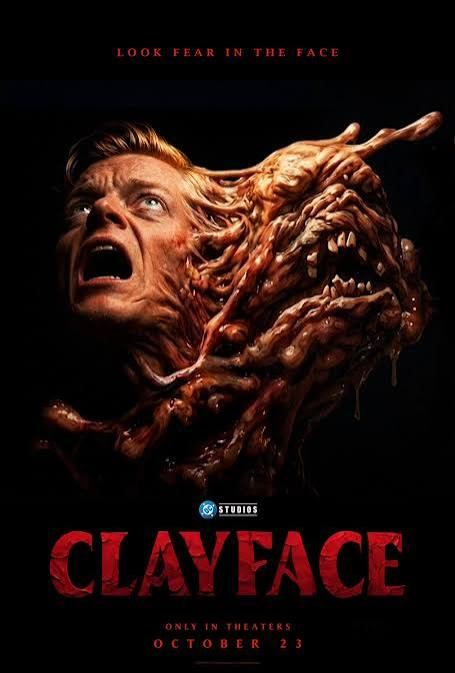


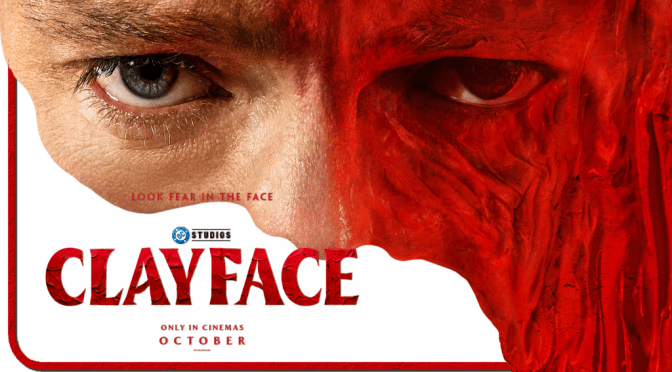
Based on the DC Comics character, Clayface (2026) is a surprisingly effective slice of body horror that successfully channels the spirit of classic films such as Frankenstein (1931), The Phantom of the Opera (1925) and Eyes Without a Face (1960), alongside more contemporary offerings like Darkman (1990), Upgrade (2018) and The Substance (2024).

The story follows an up-and-coming actor Matt Hagen (Tom Rhys Harries) whose promising career takes a horrific turn after he sleeps with the wrong woman and ends up brutally disfigured at the hands of a generic gangster (David Dencik). Enter Naomi Ackie as a scientist who offers him a second chance, using AI-driven nanotechnology to reconstruct his face. Unfortunately, as with all good mad-scientist experiments, things don’t quite go according to FDA regulations, and the results are predictably gruesome.

What makes Clayface (2026) work is that it takes time to establish its characters before plunging them into what is, essentially, a fairly generic revenge story. The narrative doesn’t exactly break new ground, but the character development gives the ensuing carnage some emotional weight. There are some wonderfully grotesque moments of body horror, effective kills, impressive gore and some decent performances that help elevate the material beyond your average comic-book adaptation.
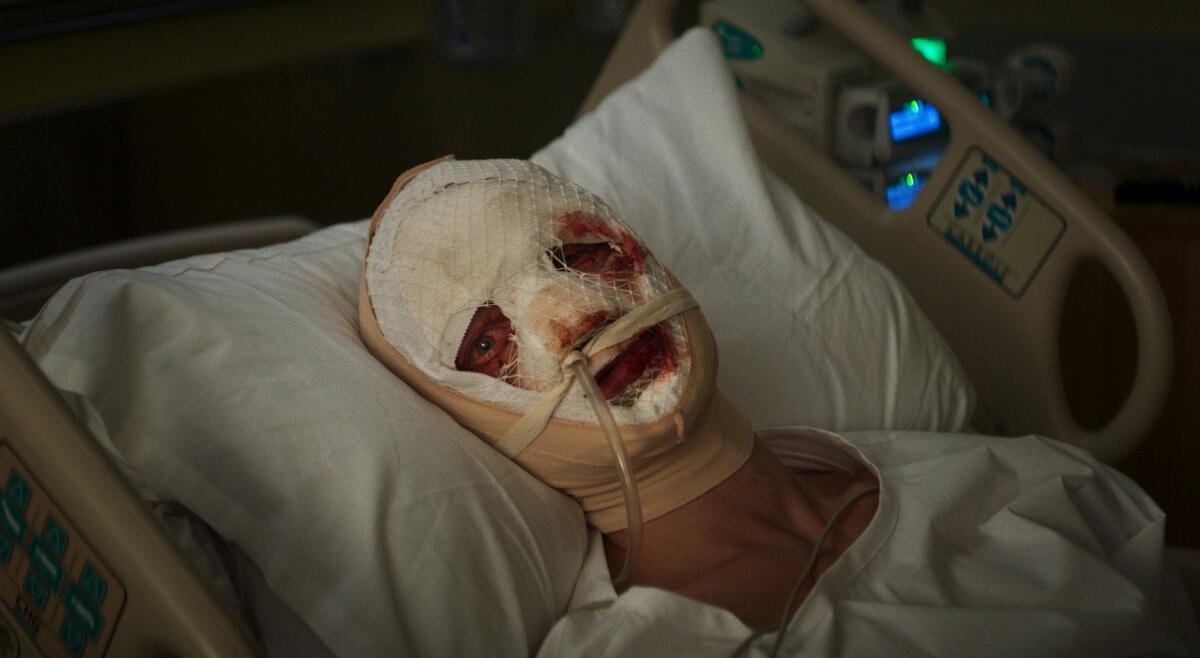


Further, the thematic exploration of the pursuit of narcissistic perfection inherently destabilizing the character of Matt Hagen, is extremely prescient. Given society’s ongoing obsession with surgical and pharmaceutical “enhancements” being employed, his character arc provides some mild thought provocation. The weight-loss drugs and cosmetic surgery photos of skeletal and puffy-faced celebrities that adorn social media today make them look more like the monstrous painting in the attic of Dorian Gray, rather than being the peak of attraction.

My main criticism of Clayface (2026) is the rather jarring use of a 1970s/80s soundtrack, particularly the disco dancing inexplicably interspersed with the climactic fight sequences. It’s a strange tonal choice that occasionally undermines the horror and tension, as though the filmmakers couldn’t decide whether they were making a tragic monster movie or a tongue-in-cheek superhero romp. Basically, James Watkins, a very capable director, could not override the influence of James Gunn’s obsession with pop-culture-trailer-bait nonsense.

Nevertheless, Clayface (2026) is an entertaining, suitably nasty and surprisingly character-driven addition to the DC universe. Harries and Ackie give excellent performances amidst the CGI and practical effects, also sharing great on-screen chemistry. Ultimately, the film wears its literary, comic-book and cinematic influences proudly, delivering some terrific gore and, refreshingly, remembers that even monsters need a little humanity. And, notwithstanding the disco dancing, I actually really enjoyed a DC comic book adaptation for the first time in quite a while.
Mark: 8 out of 11


CHERNOBYL (2019) – HBO TV REVIEW

CHERNOBYL (2019) – HBO TV REVIEW

Created and written by: Craig Mazin

Executive Producers: Craig Mazin, Carolyn Strauss, Jane Featherstone

Producer: Sanne Wohlenberg

Directed by: Johann Renck

Starring: Jared Harris, Stellan Skarsgard, Paul Ritter, Jessie Buckley, Emily Watson, Con O’Neill, Adrian Rawlins, Sam Troughton, Robert Emms, David Dencik, Ralph Ineson, Barry Keoghan etc.

Composer: Hildure Guonadottir

Cinematography: Jakob Ihre

**MAY CONTAIN SPOILERS**

The horror. The human error. The inhumane error. The terror. Meltdown during a safety test. Flaws in the system as ghosts envelop the machine. Science in a brave new world invents progress with which we venture into, only to find we are murdering ourselves.

The terrifying events which took place are chartered with grey, brutalist accuracy. Regular Soviet families live in proximity to a ticking time bomb; believing they are protected by the State. The State trusts the science. The science trusts men to follow nuclear procedures to the letter. But what of pride? What of targets? What price the desire to obsess and force a flawed system?

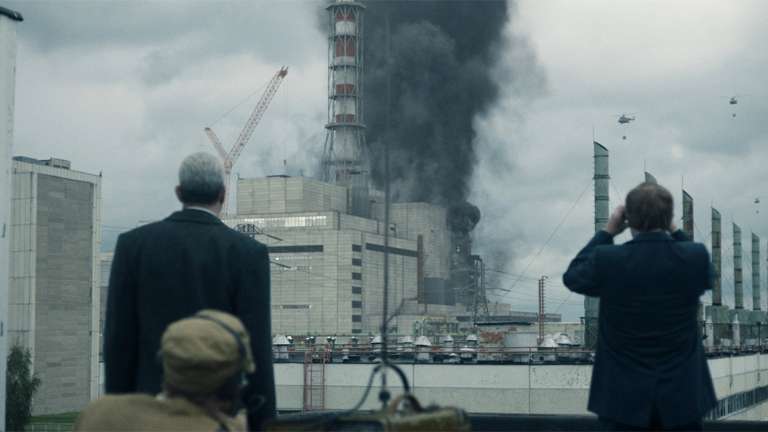
On that fateful day on 26th April 1986, the nuclear time-bomb exploded. Initially, it was believed it could be contained. The Soviet machine could handle the fallout. Heat. Water. Steam. Graphite. Fire. All conspire to create one of the biggest disasters ever perpetrated against nature.

The Chernobyl nuclear disaster is well documented but for years the alleged truth was covered up. Death toll rose but official statistics stayed low. Naked miners, radiation sickness, blood, pus and falling hair. Style and look was natural and under-stated. Verisimilitude only heightening the horror.

Johann Renck directs with steely commitment from an incredible Craig Mazin screenplay. Jared Harris, Stellen Stensgaard, Jessie Buckley and Emily Watson lead a stirling cast of formidable character actors. The attention to detail in the HBO production is second-to-none. Thankfully the vicarious fear is palpable and I am able to view such events in the comfort of my own home.

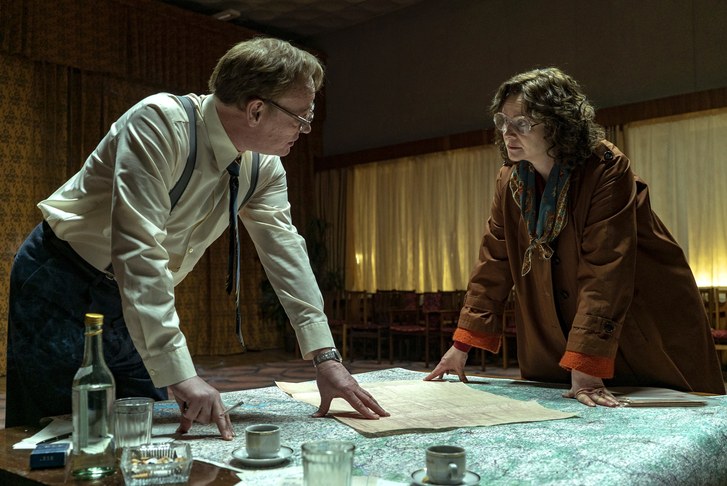
We did this to ourselves but it could have been worse. When will humanity learn that we will bring about our own judgement on Earth. The Scientists led by Valery Legazov and composite character, Ulana Khomyuk, fought at length to contain and prevent this ever happening again. Who really believes it won’t? There are approximately four hundred and fifty nuclear power plants in the world. The threat hangs over humanity like a cancer.

I was at school in April 1986. Just sixteen years old. I saw events on the news. Historical dramas such as Chernobyl make real the fear that was there at the time. The site is still poisoned. The exclusion zone remains two-thousand and six-hundred square metres; uninhabitable for twenty thousand year, according to an online source. This event teaches us to never take anything for granted. We have built our own gallows.

1986. Former Soviet Union. Ukraine. Pripyat. Chernobyl Nuclear Power Plant. Disaster. Recovery. Suppression. Lies. Liquidation. Death. Suicide. Exclusion.

The horror. The horror.

Mark: 10 out of 11