Tag Archives: drama

THE ROMANOFFS (2018) – AMAZON TV REVIEW

THE ROMANOFFS (2018) – AMAZON TV REVIEW

Created and directed by: Matthew Weiner

Writer(s): Matthew Weiner, Michael Goldbach, Mary Sweeney, Semi Challas, Andre Jacquemetton, Maria Jacquemetton, Donald Joh, Kris Turner Towner etc.

Composers: Anton Sanko, David Carbonara, Giona Ostinelli, Sonya Belousova, Marcelo Zarvos etc.

Cinematography: Christopher Manley

Original Network: Amazon Studios

**MAY CONTAIN SPOILERS**

Matthew Weiner and his production team were behind one of the most brilliant television series of recent years in Mad Men. The quality of writing, directing, acting, art direction and attention to period detail on that show was incredibly rich. Overall, Mad Men wasn’t about big surprises and massive plot twists, but rather strong characterisation, evocation of an era and dense analysis of existential moments within romantic, family and industrial relationships.

Weiner’s next project The Romanoffs, finds him in a similar character driven mode. It’s a contemporary anthology series about people who are descendants of the Russian Royal family. The eight stories loosely connect but mainly stand alone, dealing with the lives, loves, turmoil and deaths of privileged people. As such mostly first world and high class problems abide. Altogether, the productions are expertly presented with Amazon clearly throwing a lot of money at them.

As they are self-contained narratives I have decided to order them in personal preference, rather than Amazon’s air order. Thus, here are said mini-reviews with usual marks out of eleven.

THE ONE THAT HOLDS EVERYTHING (EPISODE 8)

Main cast: Hugh Skinner, Hera Hilmar, Ben Miles, JJ Feild

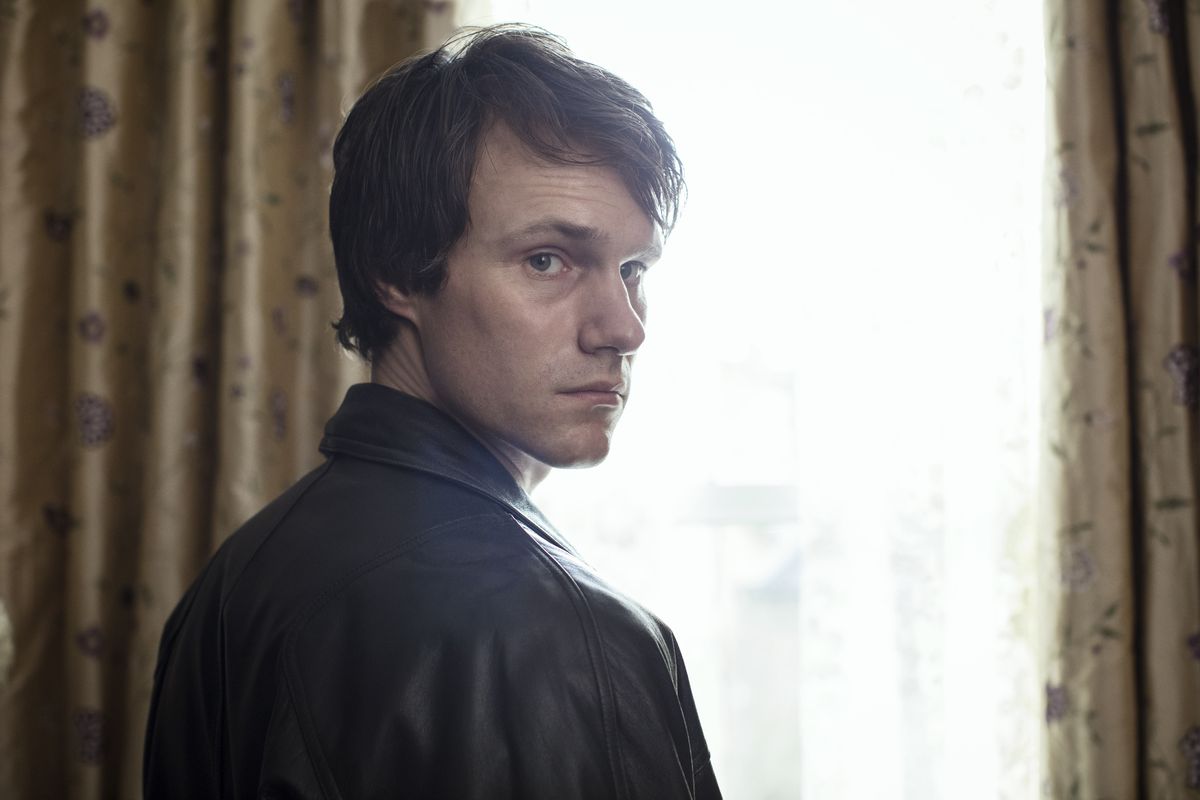
This is the final story in the series and they saved the best until last. It is an incredibly dark exploration of family conflict that traverses the life of Hugh Skinner’s tragic Simon Romanov. Flash-backs entwine with flash-backs as his story unfolds from various perspectives. The script is incredible and certainly one of the best stories I have seen all year.

Mark: 10 out of 11

HOUSE OF SPECIAL PURPOSE (EPISODE 3)

Main cast: Christina Hendricks, Isabelle Huppert, Jack Huston, Paul Reiser

This is an absolutely brilliant satire about the filmmaking process. It finds Hendricks’ movie star on the crazy set of Isabelle Huppert’s eccentric director. The narrative channels horror, surrealist, comedy, drama and romance genres with a complex screenplay. Huppert and Hendricks are superb; as is the jaw-dropping ending!

Mark: 9 out of 11

BRIGHT AND HIGH CIRCLE (EPISODE 5)

Main cast: Diane Lane, Ron Livingston, David Patton

Thematically very strong, the story finds Diane Lane and Ron Livingston as wealthy parents whose children may or may not have been abused by their piano teacher. It’s a subtle exploration of middle class paranoia and universal fear glued together by a superlative performance from Lane.

Mark: 8 out of 11

END OF THE LINE (EPISODE 7)

Main Cast: Kathryn Hahn, Jay R. Ferguson, Annet Mahendru

Like the very watchable Netflix film Private LIves (2018), this story finds Kathryn Hahn portraying another parent desperate for a child. Hahn and her husband, Ferguson, travel to Vladivostock to adopt a Russian child and face all manner of cultural, geographical, health and language barriers. It’s an absorbing piece which really drags you in but ultimately the drama felt protracted by the end.

Mark: 7.5 out of 11

PANORAMA (EPISODE 6)

Main cast: Radha Mitchell, Juan Pable Castaneda, Griffin Dunne

More travelogue and history lesson with a mild romantic drama added, this story promises much but peters out by the end. Castaneda’s journalist investigates medical malpractice but it’s left to Radha Mitchell and the wonderful setting of Mexico City to provide the emotional depth.

Mark: 7 out of 11

THE VIOLET HOUR (EPISODE 1)

Main cast: Aaron Eckhart, Marthe Keller, Louise Bourgoin, Ines Melab

What starts off as a fascinating culture clash dramedy between an elderly racist and her Muslim carer, strangely left-turns into an tacked-on romance story. The cast are excellent and there’s some fine dialogue but it felt unbelievable toward the end for me.

Mark: 6.5 out of 11

THE ROYAL WE (EPISODE 2)

Main cast: Kerry Bishe, Corey Stoll, Janet Montgomery

Mid-life crises and male “seven-year itches” drive the narrative as a bunch of selfish and adulterous actions made me hate Stoll’s character. The Jury Service scenes are interesting but aside from Kerry Bishe’s decent character, I found this a painful way to spend eighty-or-so minutes.

Mark: 6 out of 11

EXPECTATION (EPISODE 4)

Main cast: Amanda Peet, Emily Rudd, John Slattery

Amanda Peet’s character has a bad day – THE END! Even the appearance of the mercurial John Slattery cannot save this disappointingly empty story.

Mark: 4 out of 11

BARRY (2018 – PRESENT) – S1 & S2- HBO TV REVIEW

BARRY (2018 – PRESENT) – S1 & S2- HBO TV REVIEW

Created by: Alec Berg, Bill Hader

Producer(s): Aida Rodgers, Emily Heller

Writer(s): Alec Berg, Bill Hader, Emily Heller, Liz Sarnoff, Sarah Solemani, Ben Smith etc.

Director(s): Alec Berg, Maggie Carey, Bill Hader, Hiro Murai, Liza Johnson, Minkie Spiro etc.

Cast: Sarah Goldberg, Bill Hader, Stephen Root, Glenn Fleshler, Anthony Carrigan, Henry Winkler etc.

Original Network: HBO

**MAY CONTAIN SPOILERS**

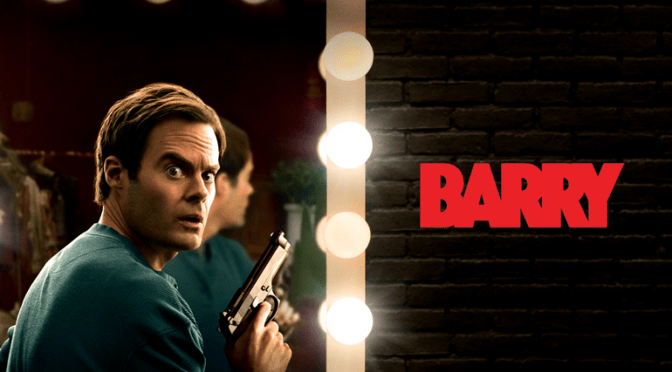
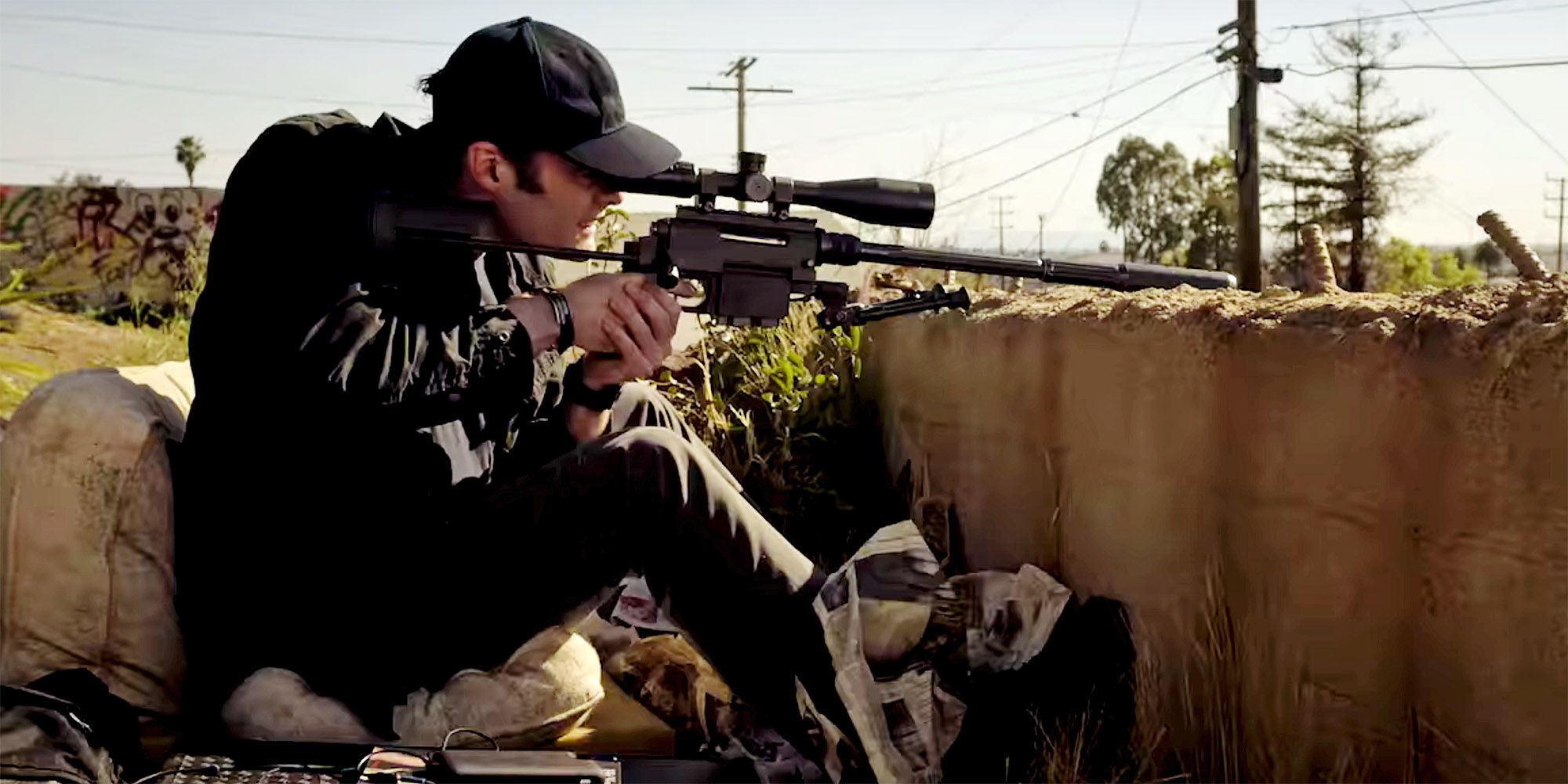
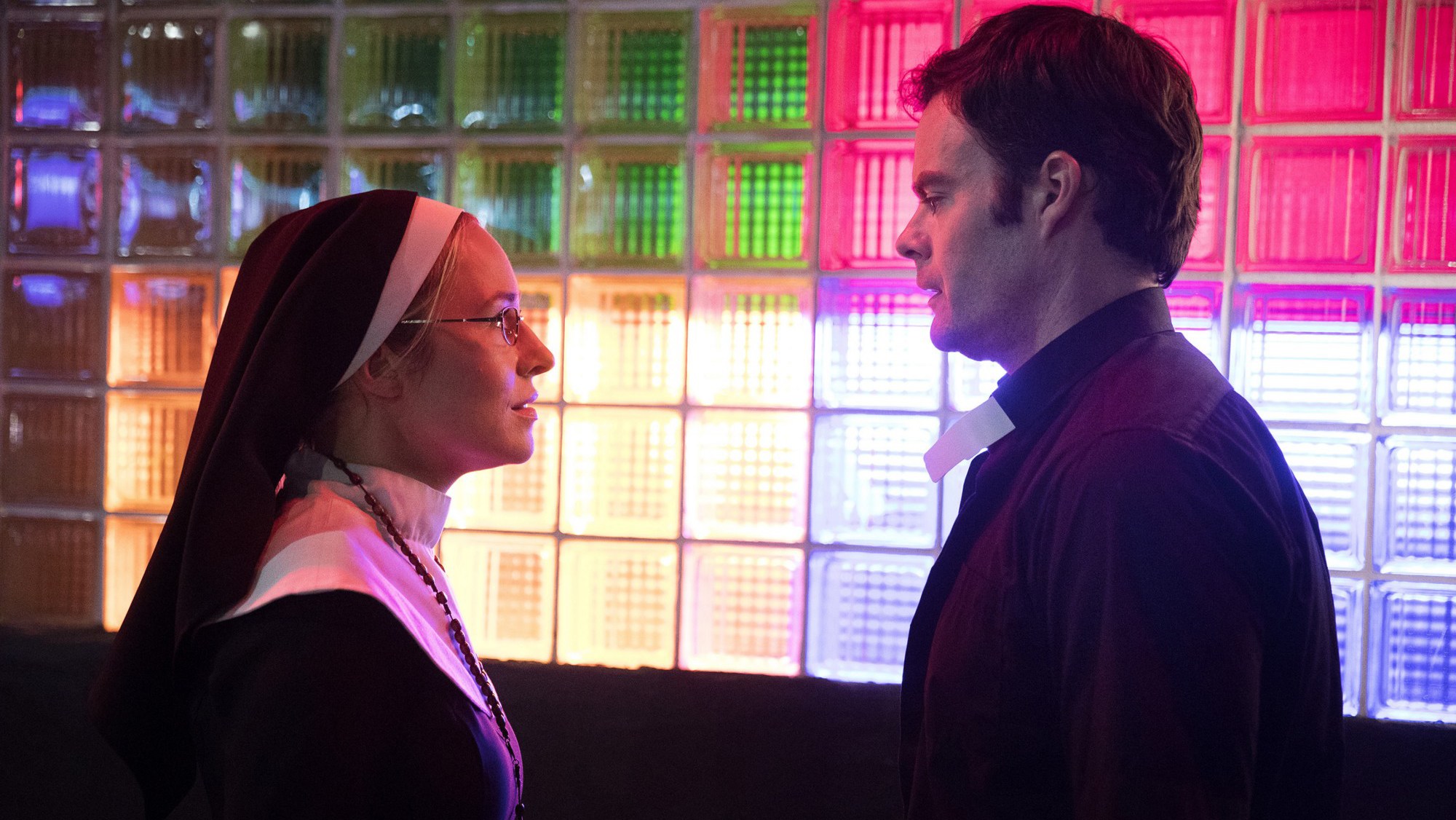
Critically acclaimed and Emmy award-winning dark comedy satire, Barry (2018) stars Bill Hader. He plays the eponymous lead, a hitman, who travels to Los Angeles for “work” and then finds himself joining an acting class by mistake. The comedy and drama of his finely written and directed HBO show derives from the dialectic juxtaposition of crime and war film tropes mixed with narcissistic and delusional Hollywood creative types. But is it any good? Yes and no!

Technically this is first rate and challenging entertainment; obsidian black in its’ humour and at times very compelling as drama. Stylistic influences are clearly the likes of: the Coens, Quentin Tarantino, Robert Altman and Elmore Leonard’s novel/film/TV series Get Shorty. However, I don’t think I liked it as much as those or as much as the panel of Emmy Award judges.

Personally, I don’t like, irrespective of their quality, shows or films titled after a single-name character. It’s just a personal thing. More importantly the show tries so hard to be cool. It has a knowing “everything-but-the-kitchen-sink-cultural-melange” vibe. Plus, tonally it is all over the shop. One scene will be a hilarious situation involving bad acting from the class; and the next Barry will be blowing someone away. How am I meant to feel about such a lunge from comedy to drama involving so many unlikeable characters?

As Barry Block/Berman, Bill Hader is absolutely brilliant. He wants out of the murder business and is haunted by events from the military. Because of this I have much sympathy for him. However, this empathy is tested by some of his more heinous actions. Hader nonetheless delivers an iceberg cool performance with a searing internal pain. In the second season especially, his post-traumatic stress is explored intensely; and when he explodes with anger it resonates powerfully. Conversely, I wanted more of this than the parodic Chechen and Bolivian gangsters, who just aren’t funny.

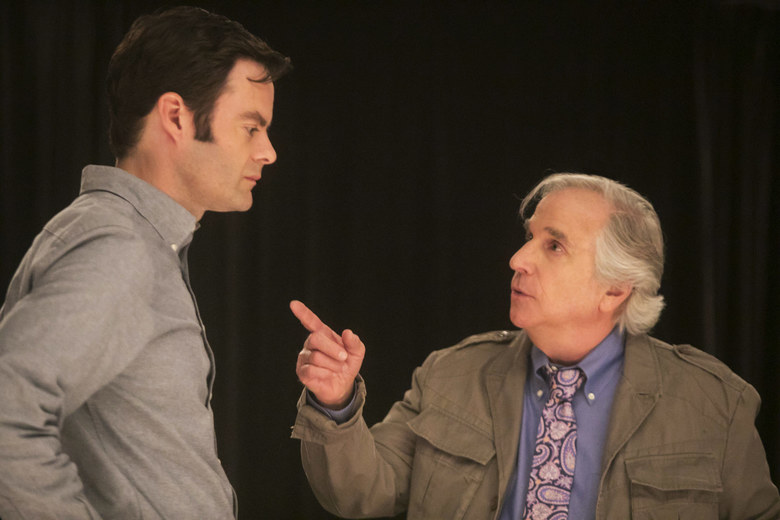
In support, Stephen Root is brilliant as Barry’s exploitative handler and so-called friend. Sarah Goldberg as the neurotic actress, Sally Reed is a revelation. This is especially the case in the second season when her character gets some interesting storylines and great monologues. Likewise, Henry Winkler steals many scenes as the acting coach, Gene Cousineau; forever name-dropping and shilling for a quick buck.

Overall, Barry can be recommended for the excellent cast and mostly complex characters. While I would have preferred the dumb comedy to be reduced, there are indeed some great episodes throughout the two seasons. So, if you are looking for an intense exploration of human existence you get an element of that within the mix of: humour, satire, violence, shoot-outs and plot twists. But maybe, like the lead character, Barry tries to do too much all at once; however, at least it tries.

Mark: 8 out of 11

MY CINEMATIC ROMANCE #15 – JACQUES AUDIARD – WITH: THE SISTERS BROTHERS (2018) – CINEMA REVIEW

MY CINEMATIC ROMANCE #15 – JACQUES AUDIARD

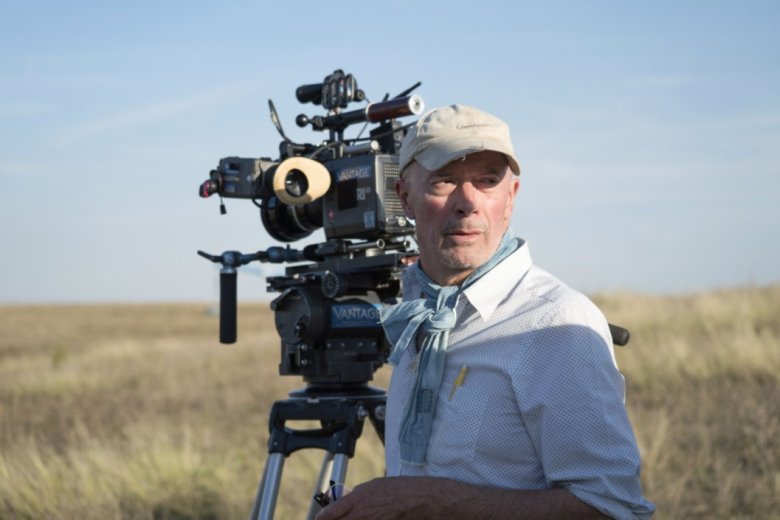
Experienced French filmmaker Jacques Audiard, makes what I call proper films. I mean, have you watched the cinema of yesteryear, notably the 1970s, with stories about characters that are deeply flawed and even possibly unlikeable. Well, Audiard still makes those kind of films. He takes risks representing human beings on the edge of society and perhaps struggling with life; people who often make left-field decisions to improve or escape their existential plight.

For my latest piece in the My Cinematic Romance series, I will look at some key Audiard films well worth watching. I will also incorporate a mini-review of his most recent release, tragi-comedy Western, The Sisters Brothers. If you haven’t seen much of Audiard’s work and are drawn to intense human character studies with absorbing narratives, then I highly recommend it.

**MAY CONTAIN SPOILERS**

THE SISTERS BROTHERS (2018) – CINEMA REVIEW

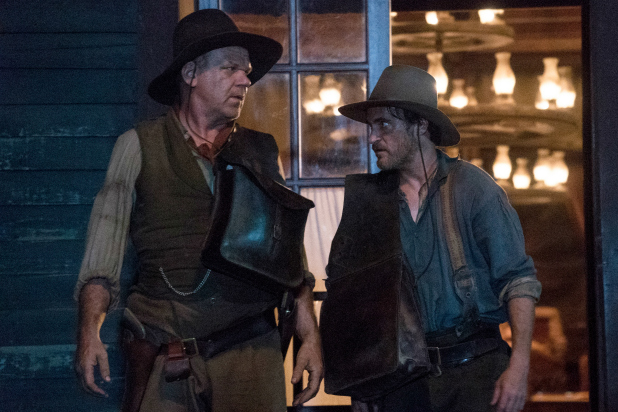
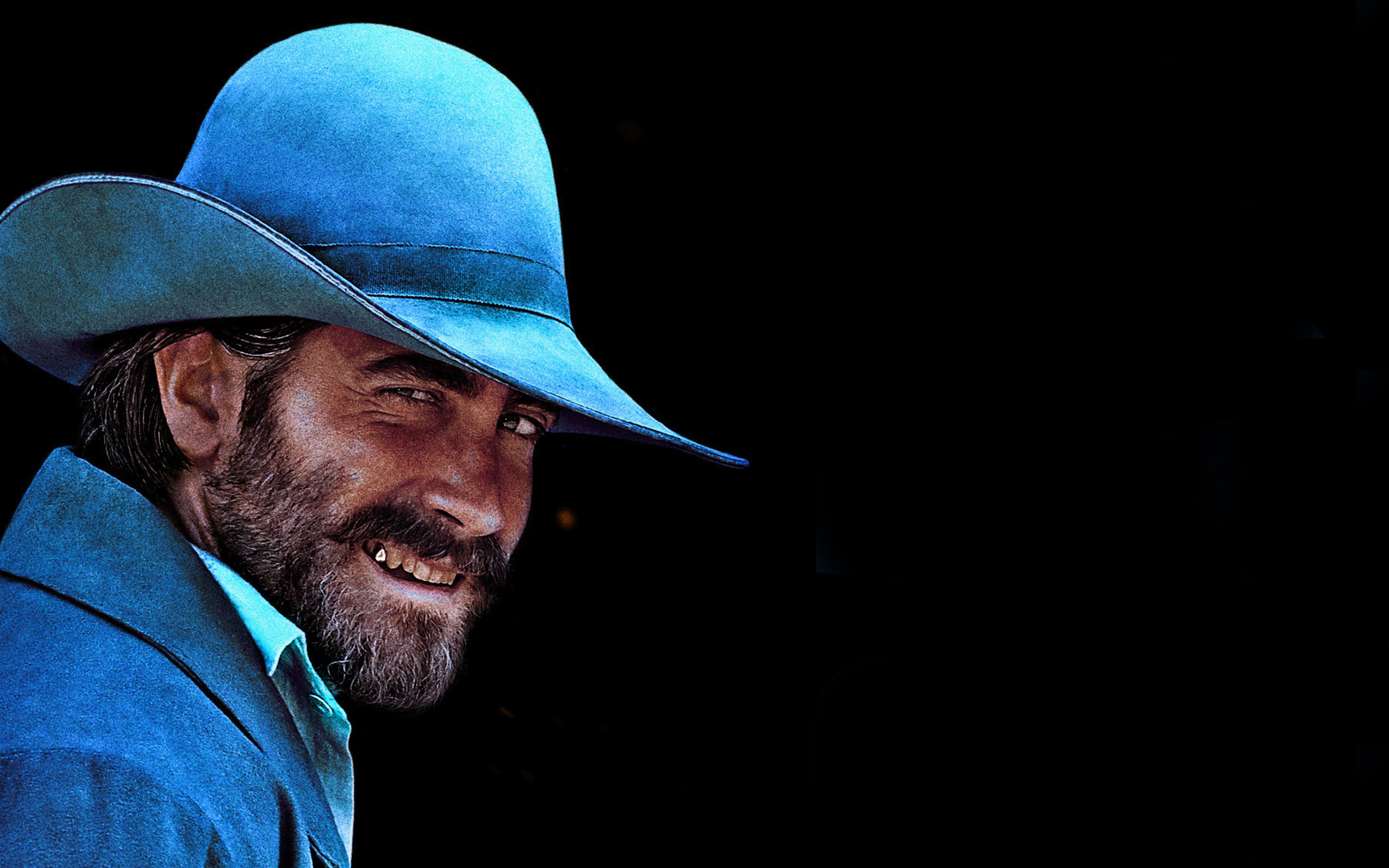
Starring a quartet of fantastic scene-stealing actors in: Riz Ahmed, Jake Gyllenhaal, Joaquin Phoenix and John C. Reilly, this Western bends the genres between drama, comedy and tragedy. Based on Patrick DeWitt’s critically acclaimed novel, the film is set in the 1850s during the Californian Gold Rush. It centres on the titular brethren, easier-going, Eli (Reilly), and drunken Charlie (Phoenix); hired bounty hunters who kill mainly for an enigmatic individual called the Commodore.

The film unfolds in what I would call a curious romp fashion; and it is certainly guaranteed to attain future cult status. Moreover, it also echoes the tone and eccentricity of recent Westerns like: The Ballad of Buster Scruggs (2018) and Slow West (2015). While Reilly and Phoenix’ characters form a humorous double-act in terms of verbal exchanges, their actions betray the fact they are cynical, hard-bitten and murderous. A product of their amoral milieu they remain the antithesis of the stylish and charming outlaws Butch Cassidy and the Sundance Kid.

Their latest quarry and target for the Commodore is Ahmed’s idealistic chemist, Herbert Warm. Assisting them is Gyllenhaal’s likeable tracker, John Morris. The brothers’ haphazard pursuit of Warm is a fun and bloody journey replete with: chaotic shootouts, barnstorming brawls, hilarious bickering and right-turn narrative twists. Overall, it’s probably too idiosyncratic to impact the box office, yet, Audiard directs with his usual love for morally ambiguous characters. Lastly, the natural lighting and colour scheme is beautifully shot throughout; while Alexandre Desplat’s score resonates impeccably. Thus, these elements plus Phoenix and Reilly’s tremenodous on-screen sparring make this a very enjoyable picaresque Western tale.

Mark: 8.5 out of 11

OTHER RECOMMENDED AUDIARD FILMS

READ MY LIPS (2001)

This Audiard thriller centres on Emmanuelle Devos’ office worker, Carla, and has echoes of Hitchcock and Coppola’s paranoiac classic The Conversation (1974). Hiding her deafness from colleagues, Carla enters into a robbery plot with Vincent Cassel’s ex-con and a fascinating serpentine double-crossing narrative ensues.

A PROPHET (2009)

This is one of the best prison films I have ever seen. It is a perfect example of the emotional power of linear filmmaking. As we follow Tahar Rahim’s lowly prisoner rise through the prison ranks using: violence, luck, cunning and smarts, we feel every emotion and tension he does during an incredibly compelling journey.

RUST AND BONE (2012)

Marion Cotillard and Matthias Schoenaerts fizz with passion, star quality and brute sexuality in this “opposites-attract” romance drama. Cotillard is a Marine Park employee who falls for Schoenaerts low level criminal but obviously the path of love is a jagged one. Full of beautiful imagery and brutal violence, it’s a memorable character drama full of bitterness, redemption and pain.

DHEEPAN (2015)

Dheepan starts as a humane story of survival and the immigrant experience, before crossing over into explosive thriller territory by the end. Further, Audiard casts his leads with unknown actors and wrings every ounce of feeling from the sympathetic characters. As the Sri Lankan Tamil, Dheepan, and his “wife”, struggle with life on a Paris council estate, what may seem small in scale is in fact emotionally very epic.

THE NETFLIX MEMORANDUM – INCLUDING REVIEWS OF: AFTERLIFE, THE SINNER (S2), RUSSIAN DOLL, DAREDEVIL (s3) ETC.

THE NETFLIX MEMORANDUM – INCLUDING REVIEWS OF: AFTERLIFE, THE DIRT, RUSSIAN DOLL, DAREDEVIL ETC.

For some insane reason I have given up alcohol for the year and the weight of reality and time burdens my everyday existence. First world problems abide. Anyway, while my liver breathes a huge sigh of relief, my mind still desires stimulus. Thus, I have, in my constant sobriety, had even more time to stream and watch even more films and television. These bitesize reviews look at the latest stuff I’ve seen on the behemoth streamer Netflix; with the usual marks out of eleven.

**MAY CONTAIN SPOILERS**

Image result for netflix

AFTERLIFE (2019)

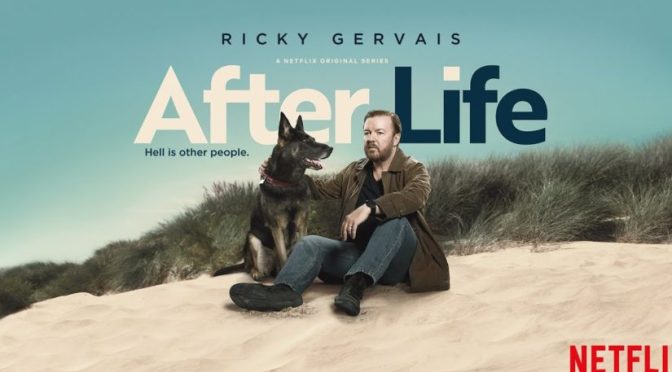
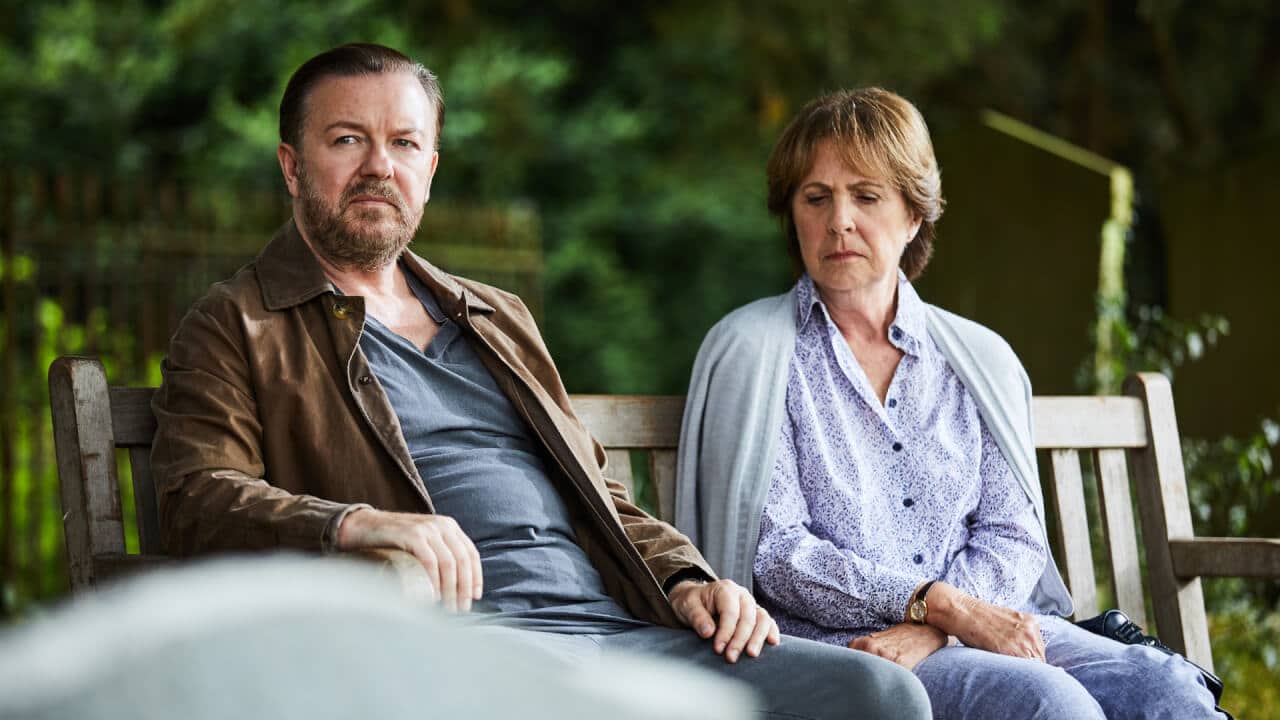
Ricky Gervais’ latest fictional piece is a really enjoyable tragi-comedy. His everyman, Tony, is suffering severe grief following the passing of his wife. Sadly he allows misanthropy and suicidal thoughts to overcome his daily existence in the fictional town of Tambury. The comedy is founded on dark materials but filled with deep humanity as we watch Tony wrestle with his demons.

I especially loved the eccentric characters and jokes concerning Tony’s job as a reporter with the local newspaper. The supporting cast are a joy too and include brilliant comedians like: David Earl, Kerry Godliman, Joe Wilkinson, Tom Basden and Diane Morgan. The ensemble cast and fine writing combine to create a simple, funny and emotional journey through one’s man’s fight with depression and grief. (Mark: 9 out of 11)

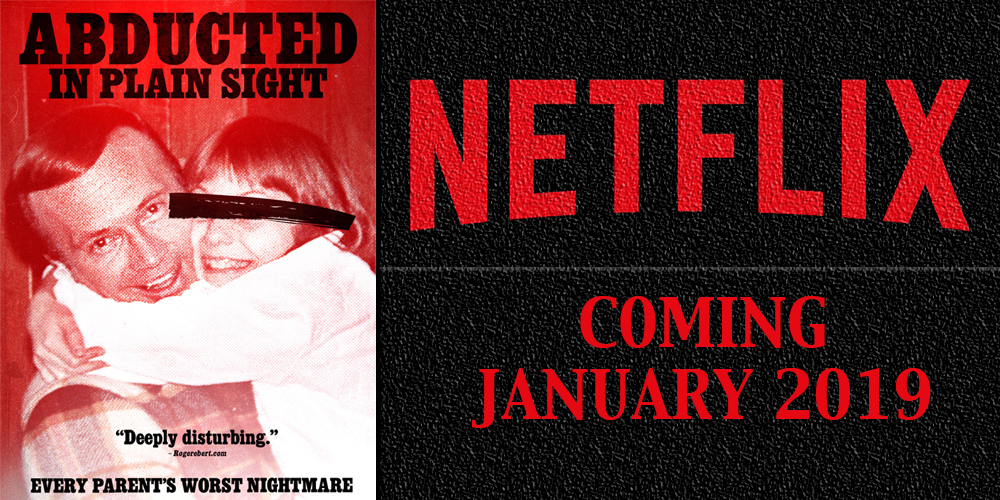
ABDUCTED IN PLAIN SIGHT (2019)

I keep telling myself not to watch such true crime documentaries as they make me feel really sad about the state of human behaviour. This story from the United States was in documentary film form so I got pulled back in by not having to sit through ten episodes of horror. Also, I’d heard it was a pretty incredible story too so my interest was piqued by that.

Safe to say this grim tale of grooming, paedophilia and abduction that one family suffered at the hands of a human monster in the 1970s, is something you wish you could un-see. As a documentary film it is very well made but it does make you lament the gullibility of some people and sickness of others. (Mark: 6 out of 11)

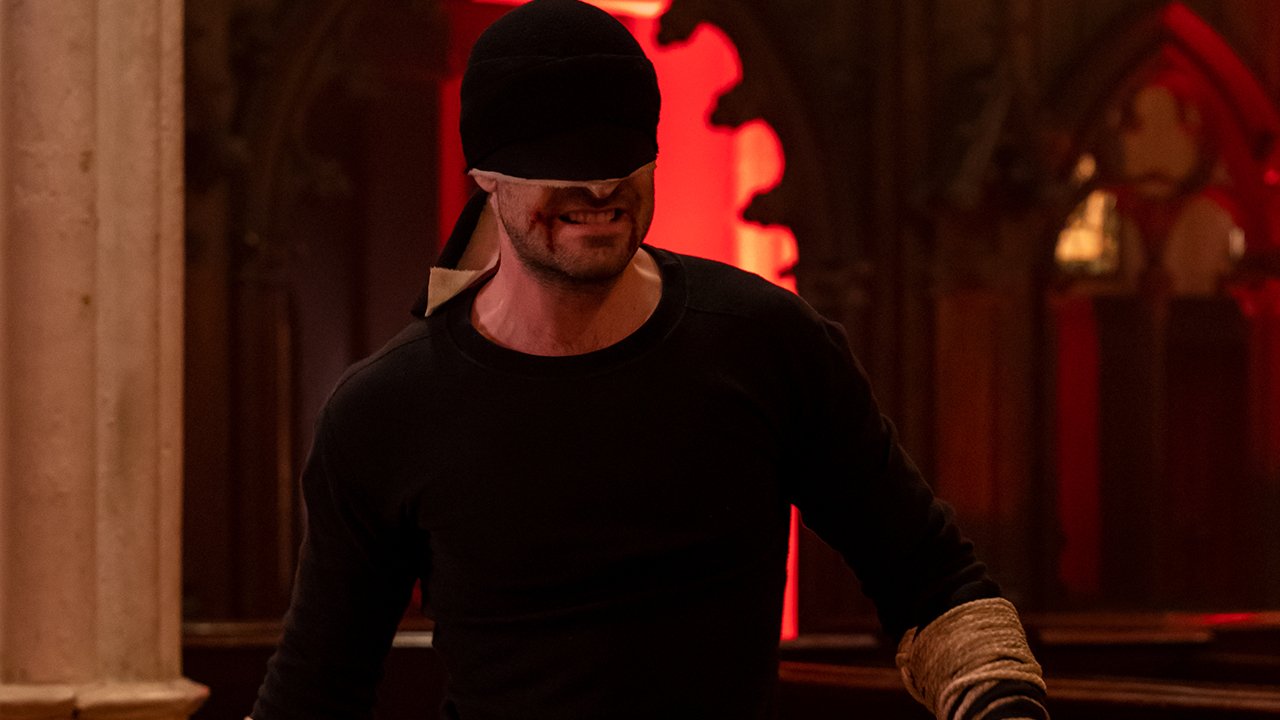
DAREDEVIL (2018) – SEASON 3

I’d say Matt Murdoch’s Daredevil is my favourite of the Marvel/Netflix streamed offerings. Charlie Cox is a fine actor and the drama, fighting and villainous rendition of Wilson Fisk by Vincent D’Onofrio, make it essential viewing. While it takes a huge gulp to believe that a blind guy could be that great at fighting criminals with sight, once you buy into that premise the show offers a lot of fun.

While not scaling the heights of Season 1, and lacking the brutal Punisher (John Bernthal) side-plot of Season 2, this latest Season 3 finds Murdoch up against Fisk again and a new psychopath in rogue FBI agent, Ben Poindexter. Like other Marvel adaptations on Netflix it’s still five episodes too long and bogged down with plodding angst and lengthy dialogue scenes, so doesn’t quite hit the bulls-eye throughout. Nonetheless, it’s still compelling drama and the hand-to-hand fight scenes are an absolute sensation. (Mark: 8 out of 11)

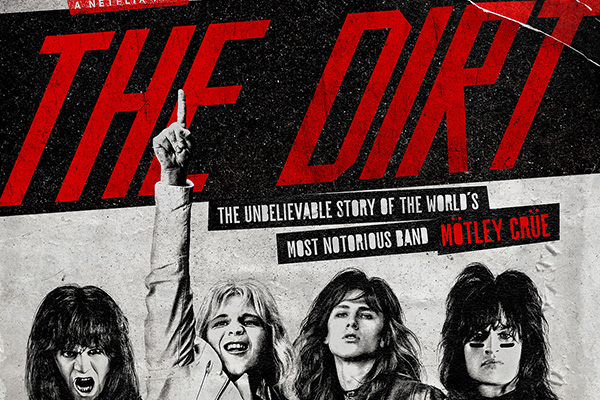
THE DIRT (2019)

Crazed rock stars take drugs, smash up hotel rooms, screw groupies and almost die due to their excess is the unsurprising narrative ups and downs of this Motley Crue biopic. It’s not a bad watch but is essentially like a poorer version of This is Spinal Tap, without the incredible gag-rate. The film fleshes out the caricature members of the band showing their human side; Douglas Booth and Iwan Rheon bringing depth to their paper-thin roles. Moreover, while the era and stadium shows are really well emulated the direction lacks alot of imagination.

I mean, there was an intense film about addiction and human excess in here, and while we do get some moving scenes, notably with singer Vince Neil’s life struggles and Nikki Sixx’s heroin dependancy; ultimately the film did not dig deep enough into their characters. Still, fans of the band and their energetic rock music will love it no doubt. (Mark: 6 out of 11)

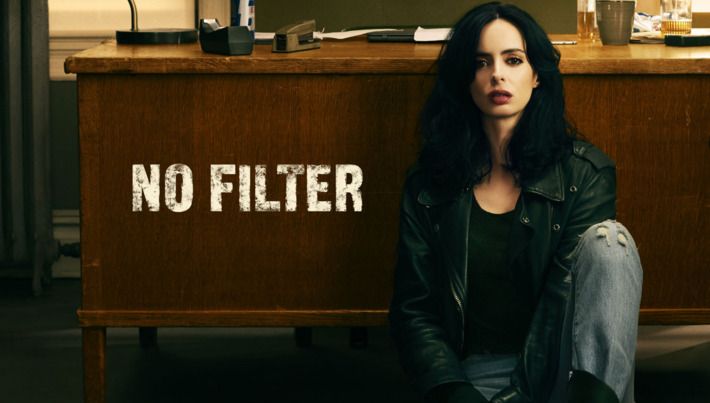
JESSICA JONES (2018) – SEASON 2

Kristen Ritter is back as Marvel’s hard-drinking, misanthropic and super-powered private investigator; and she remains very pissed off. Season 1 of Jessica Jones was absolutely brilliant due to David Tennant’s incredible villain, Kilgrave, and Jones’ character arc reflecting the damaging nature of controlling relationships.

Season 2, alas, is a plodding let-down full of filler episodes and weak sub-plots which quite frankly bored me. While Ritter holds the season together, the investigation into her past gets dragged down by soap operatics and a severe lack of pace and action. Mark: 6 out of 11

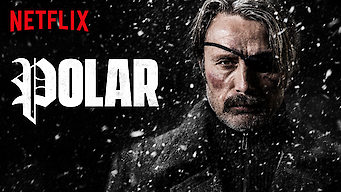
POLAR (2019)

Mads Mikkelsen is one of my favourite actors and he is on good form as a crack hit-man daubed ‘The Black Kaiser’. There’s a decent B-movie in here somewhere but the attention-deficient and showy direction detract from a potentially interesting story of regret and redemption. Moreover, while the action scenes are deftly realised the stupid characterisation, exploitative sex scenes and amoral violence drag the film into the unwatchable territory.

The least said about Matt Lucas’ performance as the amoral ‘Mr Big’ the better; here a usually excellent comic actor is given appalling direction that, like most of the film, lacks subtlety, tone and emotion. (Mark: 3 out of 11)

RUSSIAN DOLL (2019)

Another Groundhog Day copy gets a run out with Natasha Lyonne’s sassy computer programmer finding herself living out the same day over and over with various insane diversions along the way. It starts off really interestingly with lots of crazy deaths, character revelations and existential suffering. However, it soon runs out of steam, adding up to eight dramatically paper-thin episodes, more style than content.

Lyonne, is a fine actor who I like very much, delivers every line like New York comedian Andrew Dice Clay and this grated on me in the end as I felt I was watching a stand-up performance rather than a fully-rounded character searching for the meaning of life. (Mark: 6.5 out of 11)

THE SINNER (2018) – SEASON 2

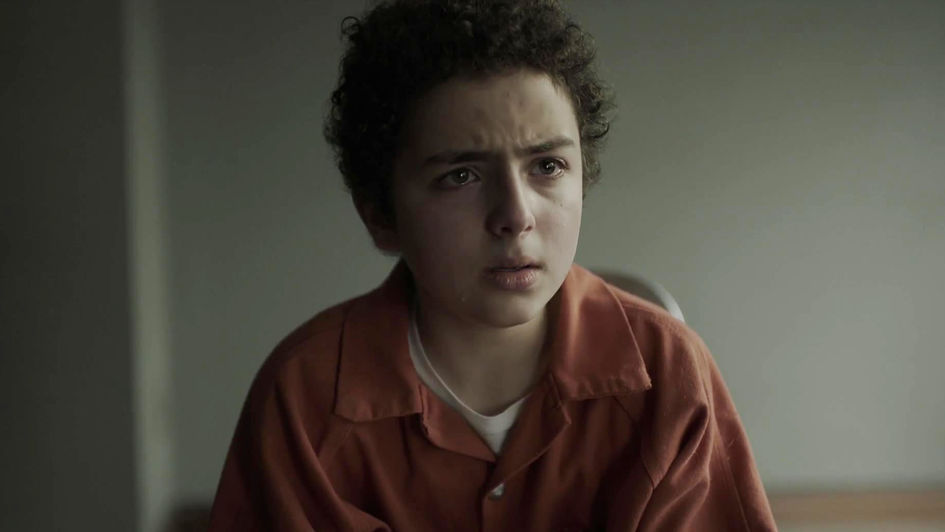
After the surprisingly excellent Season 1 of The Sinner, I was really looking forward to the second season. The cop show format is twisted in a really interesting way as we see the accused commit the crime, yet find the cop, in this case the impressive Bill Pullman, empathising with the criminal. Pullman’s Harry Ambrose is a brilliant creation. He’s not flashy or loquacious but a determined and dogged cop with his own personal demons.

Drawn to the troubled or underdog Ambrose digs for justice and redemption. In this story he sees his own past in the crimes of a 13 year-old boy accused of murder and is determined to find answers. Here the boy in question is given a compelling performance by Elisha Henig; and his characters’ commune existence and family history had me gripped throughout. A supporting cast including Carrie Coon and Tracy Letts also add real quality to this stirring psychological drama with themes relating to: physical and psychological abuse; religious cults; family tragedy; mental illness; and the darkness of the human spirit. (Mark: 9 out of 11)

ESCAPE AT DANNEMORA (2018) – SHOWTIME REVIEW – Cinematic TV drama of the highest quality!

ESCAPE AT DANNEMORA (2018) – SHOWTIME TV REVIEW

Created by: Brett Johnson, Michael Tolkin

Directed by: Ben Stiller

Writers: Brett Johnson, Jerry Stahl, Michael Tolkin

Starring: Patrica Arquette, Benicio del Toro, Paul Dano, Bonnie Hunt, Eric Lange, David Morse etc.

Episodes: 8

**MAY CONTAIN SPOILERS**

Patricia Arquette as Tilly in Escape at Dannemora (Episode 1)

“Based on a true story” is a sentence we often find before many television dramas and feature films. It goes without saying that some are truer to their source events than others. The recent Oscar winner Green Book (2018), is a case in point, with the family of Dr Shirley quite rightly up in arms about the incorrect representations of family history on screen. Having said that, and despite the rather simplistic political rendition of race relations in said film, if I enjoy something I’m not bothered too much about historical accuracy. What one is after is a flavour and authenticity of truth. I accept that the truth should not get in the way of good drama and lets be honest Hollywood has never been frightened of downright fabrication to tell its tall tales. Obviously, one refutes ridiculous or incredible lies but ultimately, if you don’t like the bending of reality then stop watching films and television.

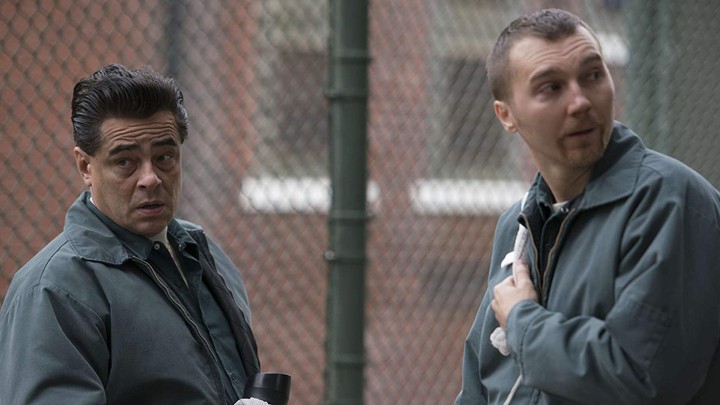
Based on the “true story” of a prison escape from the Clinton Correctional Facility, New York, during 2015, this superior genre serial is gritty and authentic and feels so real in the direction and performances it hurts. Whether it’s the truth is another story, yet what the writers and director Ben Stiller have delivered are eight episodes of cinematic television of the highest order. It begins and moves at a very slow pace establishing the aftermath of the main events, before flashing back and setting the scenes month-by-month of the personalities and their respective actions.

The first character we meet is Patricia Arquette’s brassy machine room supervisor, Tilly Mitchell. She’s bold and ballsy and dominates her relationship with husband, Lyle. Lyle himself, is portrayed effectively by Eric Lange as a tragic and loyal simpleton. Both of them are bad hair, big teeth and strangled accents, trapped by their class, work and lack of finance. While Lyle simply accepts his lot, Tilly is drawn to the prisoners she is meant to be supervising and ventures into illegal and inappropriate behaviour with the inmates. Arquette absolutely nails the humanity of a character who, in her fifties stuck in a dead-end job, desperately seeks attention and excitement. This makes her a hard target in such a masculine and testosteronic environment. However, she is more than happy to encourage and collude with said prisoners.

Prison dramas have always presented a fascinating way of analysing human nature and behaviour. The individuals are trapped in enclosed spaces and given many inmates’ proclivity to violence, they soon become a powder keg of fizzing egos and surging tension. Casting superb actors such as Benicio Del Toro and Paul Dano in the leads was a masterstroke. Both are expert at playing complex human beings and one of the challenges for a writer can be to get empathy for characters that are imprisoned for violent crimes. Yet, the actors, writers and director all manage to balance the tension between representing antagonistic characters in a sympathetic light. Indeed, even though we know Del Toro’s Richard Matt and Dano’s David Sweat are dangerous criminals, the story really drags us into their painstakingly patient escape work. Each episode builds obstacles they must overcome, almost until the suspense becomes unbearable. Lastly, while Dano’s tunnel-vision determination moves them toward the light, Del Toro’s manipulative hard man controls both Tilly and David Morse’s prison guard, Gene Palmer.

Overall, this is a superior prison genre serial; virtually cinematic in its casting, direction, locations, setting and performance. It takes a familiar narrative of a prison escape but transcends the genre with Arquette’s, Del Toro’s and Dano’s incredibly human and believable performances. These are not likable characters and they are not even anti-heroes to root for. Undoubtedly, though the Showtime production delivers as compelling a character drama as you’re likely to see all year. Director Ben Stiller deserves credit too for delivering a consistently balanced body of work here. Known more for his comedic film output there’s a maturity to Escape at Dannemara which offers authenticity in character and setting. If Stiller and his writers have bent the truth in any way then it does not offend my sensibilities; in fact I openly welcome it when the outcome is as absorbing as this.

Mark: 9.5 out of 11

BOY ERASED (2018) – CINEMA REVIEW

BOY ERASED (2018) – CINEMA REVIEW

Directed by: Joel Edgerton

Screenplay by: Joel Edgerton – Based on: Boy Erased: A Memoir by Garrad Conley

Produced by: Joel Edgerton, Steve Golin, Kerry Kochansky Roberts

Cast: Lucas Hedges, Nicole Kidman, Russell Crowe, Joel Edgerton, Joe Alwyn, Xavier Dolan, Cherry Jones, Flea etc.

**MAY CONTAIN SPOILERS**

It never fails to sadden me the horror that other human beings inflict on each other out of ignorance, intolerance and misguided indoctrination. Boy Erased (2018), is a film that highlights such negative practices committed by parents on their actual children because they are perceived to be abnormal in their eyes and the rules of their faith. I’m not religious but respect those who have different beliefs to me, unless of course those beliefs are used to castigate and punish other human beings. Surely, the basic tenet of any religion, including Christianity, should be kindness, understanding and forgiveness. When such integral ideals are broken then such doctrine should be shunned and held up for criticism.

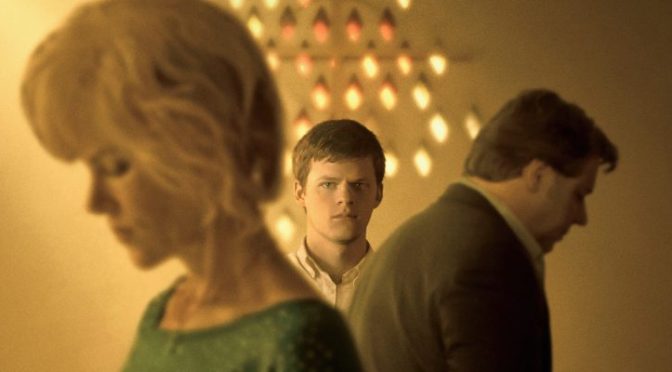
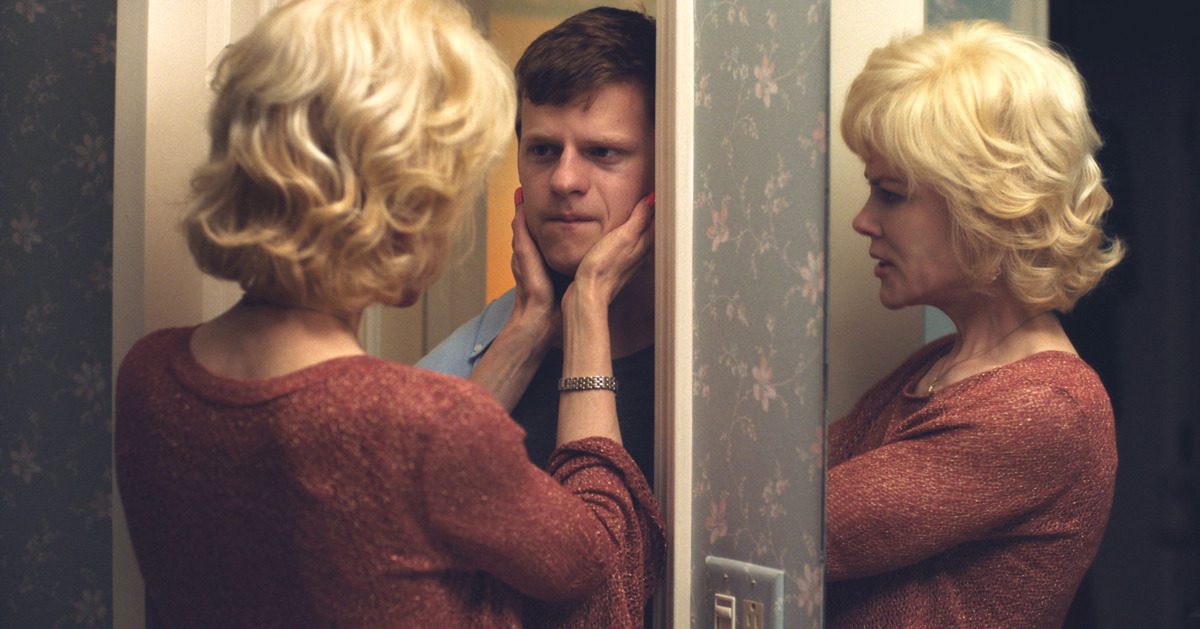
Boy Erased is based on Garrad Conley’s memoir of how his religious parents send him for gay conversion therapy, and the film is structured around the sad events which occurred to Garrad. Conley’s persona and emotional strife is evoked brilliantly in the character of Jared Eamons. Portrayed with sensitivity by the talented Lucas Hedges, the humanity and empathy he delivers is highly impactful. Jared is an innocent who is undeservedly thrust into an unnatural and bullying environment, forcing him to change his sexual identity through shame and persecution.

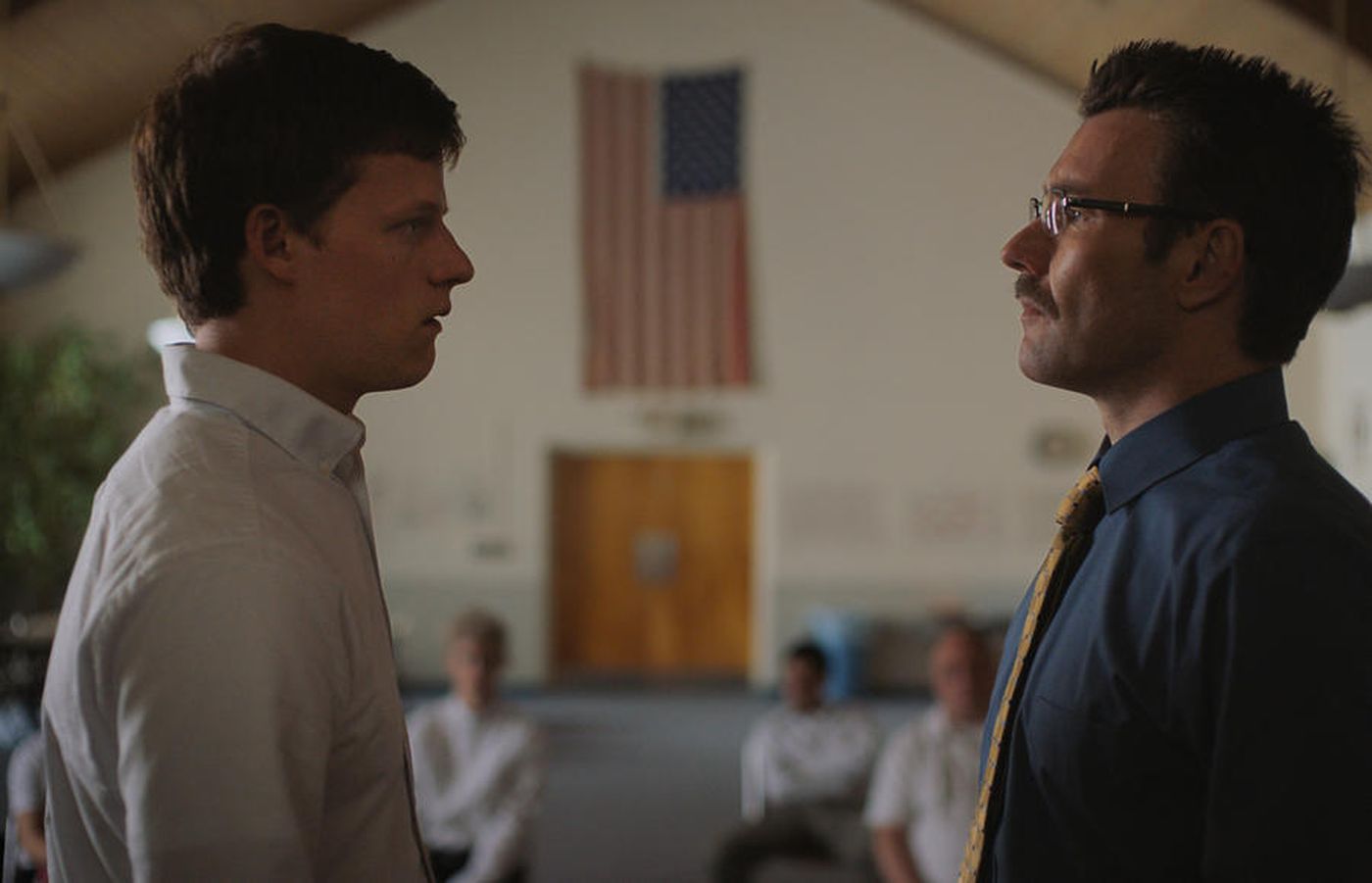
The main thrust of the film finds Jared at the assessment centre and this brings about some harrowing scenes where young men and women are effectivelly imprisoned and vilified in the name of God. While certain scenes are emotionally charged and disturbing the film could have gone even further, however, director Joel Edgerton wisely opts for more subtlety rather than “fire and brimstone” tabloid filmmaking. Indeed, Edgerton and his cinematographer opt for a drained colour scheme and natural lighting style to evoke realism within the action.

Edgerton not only directs and writes with purpose, but also casts himself as the main antagonist and lead “therapist”, Victor Sykes. Sykes is seen as dominating but ultimately weak-willed, deflective and controlling. As Jared’s parents, Nicole Kidman gives a solid performance in the role of his conflicted Mother, while Russell Crowe imbues his preacher with both religious fervour and a sense of torn loyalty. Jared’s parents, in the end, are not bad people. They have just been faced with a difficult situation and are advised badly by their faith and Church.

Ultimately, this is a quietly compelling character drama which highlights very important issues in regard to faith, sexuality and family. I’m not sure why it wasn’t acknowledged more by the Academy Awards, notably in Lucas Hedges fine performace. Nonetheless, it is an important story which is constructed with care. Rather than demonize families and religion, it seeks to highlight and campaign for education, tolerance and love. These things, for me, are what true faith should be about.

Mark: 8.5 out of 11

IF BEALE STREET COULD TALK (2018) – CINEMA REVIEW

IF BEALE STREET COULD TALK (2018) – CINEMA REVIEW

Directed by: Barry Jenkins

Produced by: Megan Ellison, Dede Gardner, Jeremy Kleiner, Adele Romanski, Sara Murphy, Barry Jenkins

Based on: If Beale Street Could Talk by James Baldwin

Starring: Kiki Layne, Stephan James, Colman Domingo, Regina King, Teyonah Parris, Michael Beach, Pedro Pascal etc.

Cinematography: James Laxton

Music: Nicholas Britell

**MAY CONTAIN SPOILERS** 

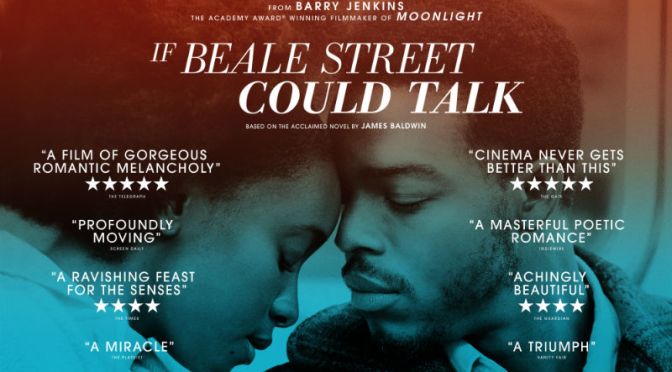
Barry Jenkins is clearly a talented filmmaker who is striving to transcend the boundaries between art and craft where cinema is concerned. His second feature film Moonlight (2016), was a critical smash and a sleeper box office hit, subsequently going on the win the Best Film nod at the Academy Awards. Whether it was worthy of such as award is another matter, but it was certainly a tremendous work of cinema. The rites of passage story was delivered by Jenkins with imaginative choices in casting, structure, look, music and all-round filmic endeavour.

His latest film, If Beale Street Could Talk, is equally stylish and artfully rendered, but not as emotionally impactful as Moonlight. Indeed, while this is in fact his third feature, Beale Street seems to suffer from classic “2nd album syndrome”, inasmuch as Moonlight set the bar so high, it was going to be a difficult act to follow. Moonlight felt like years of heart and passion thrusted upon the screen, as Beale Street struggles to maintain that said peak. That isn’t to say that the film is not without its virtues as Jenkins once again proves himself a brilliant director.

Barry Jenkins’ IF BEALE STREET COULD TALK, an Annapurna Pictures release.

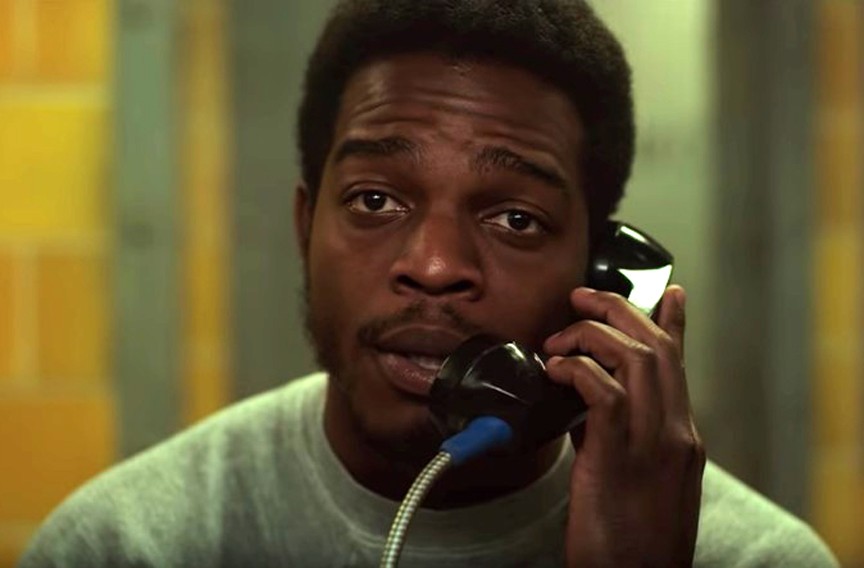
Set in 1970s, Harlem, New York and based on James Baldwin’s novel, the main protagonists are young working class couple Tish (Kiki Layne) and Fonny (Stephen James). Very much in love we open with Tish’s poignant voiceover and a wonderfully lush score supporting the urban and industrial, yet beautifully shot, imagery. Immediately, we realise Jenkins, while basing his story in realism, is presenting his film poetically. Further, Tish’s voiceover lilts and glues the elliptical, non-linear narrative together.

As with Moonlight, Jenkins uses direct address, the characters looking straight back at us drawing us into their emotional core. One may argue the device is over-used and at times distances us from the pace of the story. As Tish recounts events of her and Fonny’s relationship from childhood friends to their currently plight, you really feel a palpable sense of love, but sometimes it moves so painfully slow. Furthermore, the non-linear structure and stylistic devices also undermined the drama of the piece. Indeed, the best scene of the film in my opinion is near the beginning when Tish and Fonny’s family clash over her pregnancy. In this scene the insults spark and spit off the screen; but alas this conflict is sadly under-developed and not revisited later in the film.

Overall, there is a great story here involving: love, romance, social unrest, police brutality, unlawful arrest and injustice, racism, family strife, hope and loyalty; however, Jenkins artistic desires build the narrative in a way that diverts emotion into the cinema style, more so than the characters. Having said that, he is a filmmaker of some brilliance and he gets fantastic performances from the fine ensemble cast, notably the magnetic Regina King. Ultimately, while the story is told slightly pretentiously for my liking,
If Beale Street Could Talk, is a finely tuned work of poetic realism. 

Mark: 8 out of 11

MY BRILLIANT FRIEND (2018) – HBO / SKY TV REVIEW

MY BRILLIANT FRIEND (2018) REVIEW

Based on: My Brilliant Friend by Elena Ferrante

Directed by: Saverio Costanzo

Written by: Elena Ferrante, Francesco Piccolo, Laura Paolucci, Saverio Costanzo

Starring: Elisa Del Genio, Ludovica Nasti, Gaia Girace, Margherita Mazzucco, Anna Rita Vitolo, Luca Gallone, Imma Villa, Antonio Milo, Alessio Gallo etc.

**MAY CONTAIN SPOILERS**

Image result for my brilliant friend

The quality of Italian produced TV dramas in recent years has been spectacularly high. I devoured three bloody seasons of the macho-gangster brutality of Gomorrah (2014 – 2017) with both shock and enthusiasm. I subsequently imbibed avidly the magisterial and philosophical depth of Paulo Sorrentino’s The Young Pope (2016). Thus, expectations were equally raised by HBO’s production of My Brilliant Friend; my confidence eventually rewarded with a moving, fiery, sensual, violent and intelligent drama about friendship and family rivalries.

Based on the first of four Neapolitan novels written by Elena Ferrante, the drama charts the lives of various families who inhabit a 1950s Naples neighbourhood. It’s a traditionally working class environment, set amongst run down blocks with cars travelling along dusty roads which lead to the city, country or sea. While encompassing a large ensembel cast, the story focusses on two specific characters: “Lenu” Greco and “Lilu” Cerullo. Forging a powerful friendship in their primary school years, the narrative unfolds over a ten-year period until they are sixteen. Their lives become entwined in family dramas, fights, romances and death, as both characters rival and connect with each other and those in the neighbourhood.

Image result for my brilliant friend

Class differences underpin the various plots and sub-plots with Lilu displaying incredible academic acumen but held back as her family are too poor to send her to school. Galvanised by competition Lenu pushes herself to get ahead of her friend and despite such division the two are drawn together when facing seemingly insurmountable emotional odds. As such, their friendship and loyalty toward each other drives the story powerfully. Lilu, while contrary and irritating at times, is passionate and principled, while Lenu is more passive and demure. Yet, together they form a resilient whole.

The performances from the cast are brilliant, while the production overall is a thing of beauty. Max Richter’s score is sumptuous and haunting, with the era, setting and locations all wonderfully evoked. But it’s not nostalgia for happier times, rather an honest examination of humanity and rites of passage struggle through puberty and into adulthood. While the sun shines brightly in Naples, these are ultimately hard times. The many stories unfold in sand-hit tenement blocks where men, women and children struggle to make ends meet. Moreover, the show prefaces sisterhood as a means to overcome the misogyny and sexual exploitation of the era.

Toxic masculinity dominates throughout, with men represented as either: sexual predators, gangsters, wife-beaters and Catholic Priests. There are some positive male role models and there is a whiff of solidarity in the air as Communist doctrine is presented; however, there is no escape for the working classes other than to die or struggle onwards. Lastly, the only way out for Lenu and Lilu is sticking and fighting together; educating themselves academically and emotionally to grow and gain the experience necessary to cope with the slings and arrows of Neapolitan life.

Mark: 9 out of 11

BANDERSNATCH (2019) – BLACK MIRROR / NETFLIX REVIEW

BANDERSNATCH (2019) – BLACK MIRROR REVIEW

Directed by: David Slade

Produced by: Russell McLean

Written by: Charlie Brooker

Cast: Fionn Whitehead, Will Poulter, Asim Chaudhry, Craig Parkinson, Alice Lowe etc.

**SPOILER FREE**

Image result for bandersnatch

Choices, choices, choices! We all have so many choices to make every day. Some simple; some much tougher. We didn’t have any choice over whether we were born, but now we are here there’s a myriad of daily selections we get to make. Do we get out of bed? Do we eat? Do we wash? Do we find the strength to get in our car or on the train and face the horrors of employment? Do we engage with violent abandon by calling the driver who cut us up at a roundabout, “a wanker!” Do we wear our clean underwear today or re-use yesterdays? Do we have a salad or burger for lunch? Do we start smoking again? Do we regret having children? Do we tell our partner we love them? Do we have the last beer in the fridge? Do we try and change our life? Do we just give up? Do we watch the new drama box-set or a Netflix special by Black Mirror creator Charlie Brooker. So many tough choices!

Thus, you’ve had a shitty day with so many choices made and you sit down in front of the television in the hope you can switch off your brain. But that darned Brooker won’t let you. The televisual provocateur and his production team are cruelly requesting, for your entertainment, that you make MORE choices. If you’re young enough to remember those: “Go to page 47 to see if your spell vanquished the demon – or go back to page 666 to find out if you are the conqueror of the Universe”, type books, then Bandersnatch is THAT in television form. You may also be used to multiple choice computer games the likes of which I played myself as a kid on the Spectrum 128k computer. This is also the inspiration for Brooker’s twisted vision. But is it any good? I would choose YES! Bandersnatch is dark, hallucinatory and involving “fun”.

Image result for bandersnatch

The story/stories are set rather aptly in 1984. Our main protagonist is a grieving and troubled teenager, Stefan Butler (Fionn Whitehead). Stefan is obsessed by a “choose your adventure” book called Bandersnatch.  Inspired to turn it into a computer game, he soon descends down a veritable black hole mentally, physically and emotionally. The fact that we are vicariously responsible for the characters’ journey create a real sense of dread, doubt and suspense. It’s very clever and immersive and no doubt the writing of it must have been a tortuous process.

While it may not be for some I was engrossed by the show as it felt at times I was living in a Philip K. Dick story. Dick’s novels are often hallucinatory and dream-like with simple yet devastating prose. They deal with reality, alternative reality and beyond reality. You’re often in a place with unreliable narrators or confused protagonists who are existing in some real world, imagined or manufactured nightmare. Paranoia, anxiety and depression infect Dick’s world and Brooker captures that vibe brilliantly in Bandersnatch. However, it’s not also without humour too, albeit incredibly dark sarcastic humour.

Brooker and his filmmaking team achieve a style over substance triumph with Bandersnatch. I have only gone through Stefan’s narrative once but it gripped me from start to finish as an experience. The drained, urban and suburban 1980s colour and council-estate-grey look suited the psychotic breakdown of the main character. Nonetheless, at times, the dizzying twist of choices did take away from the emotional journey of the character. At one point I was so in the meta-hole the whole trip made me feel quite queasy. Having said that, I will be going back into this meta-adventure again; after all, the choices like in life seem endless.

Mark: 9 out of 11

BIRD BOX (2018) and ROMA (2018) – NETFLIX “CINEMA” REVIEWS 

BIRD BOX (2018) & ROMA (2018) – NETFLIX “CINEMA” REVIEWS

Firstly, may I wish you all a happy holiday season and thank all the people who have visited and read my reviews and articles this year. There are a lot of film review sites out there so it’s great so get so many visitors in a saturated online market.

For my final reviews of the year I have decided to double-up two Netflix releases. I watched them pretty much back-to-back in the hope, on top of enjoying them for entertainment purposes; I may be able to add them to my 2018 favourites.

So, here are my quick and concise reviews of Birdbox (2018) and Roma (2018) with the usual marks out of eleven. By the way, if you’re interested my favourite films and TV show lists of 2018 will appear early in January. Happy 2019 in advance!

**MAY CONTAIN SPOILERS**

BIRD BOX (2018)

Directed by: Susanne Bier

Produced by: Chris Morgan, Scott Stuber, Dylan Clark, Clayton Townsend

Screenplay by: Eric Heisserer / Based on: Bird Box by Josh Malerman

Starring: Sandra Bullock, Trevante Rhodes, John Malkovich, Danielle Macdonald etc.

It’s the end of the world as we know it: AGAIN!  I’d say that many of us may be getting apocalypse fatigue by now. So much so that if the end of the world does happen we’ll be mentally ready. Thus, any genre film about the end of the world must fight against the tide of similar films and TV shows released in the last decade or so to gain our attention or praise. Bird Box, for me, was a very entertaining and thrilling addition to the sub-genre. It benefits from an excellent ensemble cast and sterling lead performances from Sandra Bullock and Trevante Rhodes. Moreover, John Malkovich steals every scene he’s in as a cynical and obnoxious lawyer.

The story involves an invisible alien or natural force which infects the world’s population once they look; seeing it is deadly. It grips an individuals’ mind and then forces them to do horrific acts of violence to themselves. The film establishes Bullock’s character, blindfolded, with her two children just about surviving in the wilderness. After which we flash back five years and find Bullock’s pregnant character thrown into a memorably gripping set-piece. After which anyone familiar with George A. Romero’s zombie-film template will recognise many of the twists and turns in the story. Indeed, Bird Box is not that original because the superior, A Quiet Place (2018), also had a very similar premise but used sound rather than vision as the danger. Nonetheless, as a genre film Bird box rips along compellingly and Suzanne Bier has created some intense horror moments throughout.  

Mark: 8 out of 11

ROMA (2018)

Directed by: Alfonso Cuarón

Produced by: Alfonso Cuarón, Gabriela Rodriguez, Nicolas Celis

Written by: Alfonso Cuarón

Starring: Yalitza Aparicio, Marina de Tavira

Alfonso Cuarón writes, directs, edits and shoots a clear love and hate letter to his Mexican childhood. It contains the love he feels for his mother and the maid who helped raise him; and ire towards the men that negatively affected his young life and his country of birth. Set in the 1970s it covers around a year in the life of one middle-class family living in Mexico City; the main focus being the young help, Cleo. We follow her as she carries out her mundane tasks on a daily basis in an Upstairs Downstairs thematic structure. She is committed to her work and it is clear that she dotes and loves the children as if they are her own. As a historical film the era aesthetics are incredibly realistic and Cuaron’s cinematography, presented in crisp black and white imagery, is virtually perfect. You feel like you are there with the characters in 1970s Mexico. Historically too, the film evokes between the lines the politically charged danger of the era; however, Roma is more of a personal film than determinedly socio-political.

Cuarón is an auteur at the height of his powers. His direction on both Children of Men (2006) and Gravity (2013) was phenomenal; utilising technological brilliance with fierce storytelling acumen. Likewise, in Roma his stylistic choices are fascinating, although I think it actually works against the themes and content at times. The long take pans and tracking shots, while expertly done, slow the pace of the story and in my humble opinion are repetitive and overdone. Moreover, Cuaron the editor has fallen in love with own work and to me would have been a masterpiece if trimmed to two hours. There are at least four incredible standout cinematic scenes – that I won’t spoil – which all linger long in the memory. Furthermore, the characters, led by the humble Cleo are empathetic and at times tragically formed against the backdrop of political unrest. Yet, despite evoking the Italian neo-realist era of post-war filmmaking, Cuaron’s film feels padded at times, lacking the economy of Rossellini’s and De Sica’s work. Overall, it’s a touching work of cinema about birth, life and death, which arguably did not need the stylistic flourishes to tell such a simple, slice-of-life story.                                           

Mark: 8.5 out of 11