Tag Archives: Paul Laight

Cinema Review: The Substance (2024) – A Dark Exploration of Identity

THE SUBSTANCE (2024)

Directed by Coralie Fargeat

Written by Coralie Fargeat

Produced by: Coralie Fargeat, Tim Bevan and Eric Fellner

Main Cast: Demi Moore, Margaret Qualley and Dennis Quaid

Cinematography by Benjamin Kracun

*** MAY CONTAIN SPOILERS ***
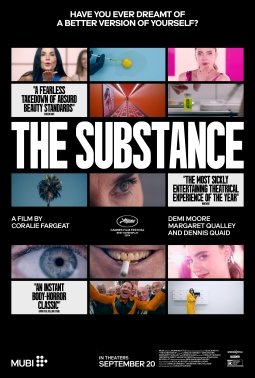


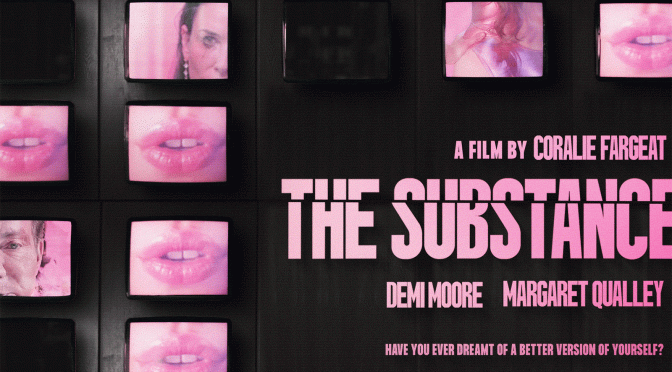
The Substance (2024), directed by Coralie Fargeat, is a visually striking and visceral film that pushes the boundaries of body horror and psychological terror. Fargeat, known for her raw and relentless style in Revenge (2017), once again delivers an unforgettable experience by weaving references to classic literature and horror cinema into a narrative that is at once familiar and entirely original.

Demi Moore portrays a former Hollywood star, Elizabeth Sparkle, now relegated to doing a mildy successful cable TV aerobics show. However, Dennis Quaid’s oily production executive is on the lookout for younger talent. Elizabeth soon finds herself on the media scrapheap. Desperate to regain her youth and career, Elizabeth is drawn to the hypnotic promise of a new product called ‘The Substance.’

Before you can say, “Dorian Gray”, Elizabeth is lured to a strange white room full of lockers and has committed to the process. Similar to Gremlins (1984), there are rules to follow. As she follows the steps and injects the potions, Elizabeth goes through a painful and incredibly impactful transformation process. She literally gives birth to a young and beautiful alter ego called, Sue (Margaret Qualley). Elizabeth and Sue then get seven days each to live their life before they have to swap back. What could go wrong?
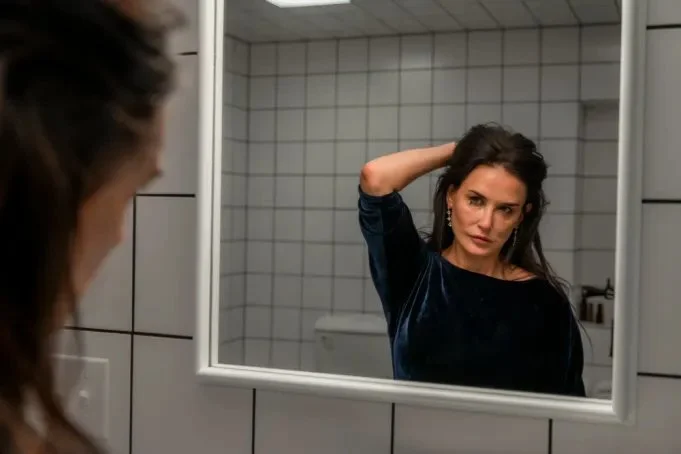


The film’s core themes draw heavily from Robert Louis Stevenson’s Dr. Jekyll and Mr. Hyde, exploring duality, identity, and the monstrous potential hidden within human nature. Like Stevenson’s tale of inner conflict, The Substance delves into the consequences of scientific ambition. It investigates moral transgression but with a modern, feminist twist. Fargeat’s use of body horror, particularly in the transformation sequences, echoes the grotesque, unsettling work of David Cronenberg. The nightmarish atmosphere and surreal visuals are reminiscent of David Lynch’s unsettling dream logic. This is notably seen in Eraserhead (1977) and Mulholland Drive (2001).

The film also pays homage to John Carpenter’s The Thing (1982), with its transmogrifying frights, sense of creeping paranoia and rising conflict. But rather than a group of men fighting each other Elizabeth and Sue turn on each other over ownership of their physical existence and Hollywood status. The final act descends into hellish and bloody satire echoing Peter Jackson’s Braindead (1992), with gore galore. Moreover, Stanley Kubrick’s influence is palpable in the film’s meticulous framing, production design and tension-building. The climactic body-morphing scenes, however, most clearly nod to Brian Yuzna’s Society (1989), with its grotesque depictions of class and conformity, fused with Fargeat’s unique vision of female empowerment, revenge and resistance.

The Substance (2024) feels like a bigger budget film in look and style, but you soon realise the minimal number of sets used and a lack of crowd scenes, finds the narrative effectively becoming a two-hander in the middle act by focusing on Sue and Elizabeth’s internal retaliatory vindictiveness. There are some amazing framing, colour design and cinematographic choices as showers become tombs to trap the protagonists. The book-ended Hollywood star montage and returning final shots are imaginative and unforgettable. Got to say that Demi Moore, as an actress taking on a role of an aging and neurotic former star is genius casting. While Qualley delivers a sexually charged and energetic performance, it is Moore who carries the weight of the complex themes as Elizabeth’s journey dives deeper into the stuff of nightmares.

Overall, The Substance (2024) is a postmodern classic and a film that honors its influences while forging its own path. Fargeat uses these references to enrich the narrative, creating a damned ugly and beautiful satire on those seeking narcissistic perfection through unnatural means, ultimately paying the price of those seeking eternal youth and fame.

Mark: 9 out of 11


FIX FILMS PRESENTS: SIN – EPISODES 4 – 7

SIN – EPISODES 4

Last year I wrote and produced seven monologues inspired by the deadly sins. With careful planning, myself and a quality cast and crew shot them all in one day at Raindance Film School. I’m now releasing them online via YouTube. They are in essence a proof of concept project with an aim for myself to develop them into a feature film screenplay. Below are episodes 4 to 7!


PITCH

“Let those without sin cast the first stone.”

An anthology of 7 monologues based around the seven deadly sins. Moments, drama, humour, character studies and themes exploring the darker side of human nature. Influenced by: Alan Bennett’s Talking Heads, Inside No. 9, Tales of the Unexpected and Amicus/Hammer horror film anthologies.


PRIDE starring Myles Horgan

Bishop, a retired spy with a gun in his face, delivers a powerful monologue as he attempts to deduce the identity of the assassin that faces him.


LUST starring Tom Cavendish

Danny, a police officer racked with guilt, confesses as to why he thinks he cheated on his beloved fiancé with her sister.


ENVY starring Malcolm Jeffries

Len, a covert photographer, reveals how his obsession with a client’s wife brings back haunting memories from his past.


WRATH starring Julia Florimo

Sadie describes in detail how and why she plotted revenge by poisoning her cheating ex-boyfriend, Stephen.


CREDITS

Writer and Producer: Paul Laight
Camera and Post-Production: Gary O’Brien
Sound: Ali Kivanc
Camera Assistant: Maka Natsvlishvili

Music by: Epic Violin Music NO Copyright royalty free music  
Special thanks: Raindance Film School and Universal Video


FIX FILMS PRESENTS: SIN – EPISODES 1 – 3

SIN – EPISODES 1 – 3

Last year I wrote and produced seven monologues inspired by the deadly sins. With careful planning, myself and a quality cast and crew shot them all in one day at Raindance Film School. I’m now releasing them online via YouTube. They are in essence a proof of concept project with an aim for myself to develop them into a feature film screenplay. Below are episodes 1 to 3, with episodes 4 to 7 to come soon.


PITCH

“Let those without sin cast the first stone.”

An anthology of 7 monologues based around the seven deadly sins. Moments, drama, humour, character studies and themes exploring the darker side of human nature. Influenced by: Alan Bennett’s Talking Heads, Inside No. 9, Tales of the Unexpected and Amicus/Hammer horror film anthologies.


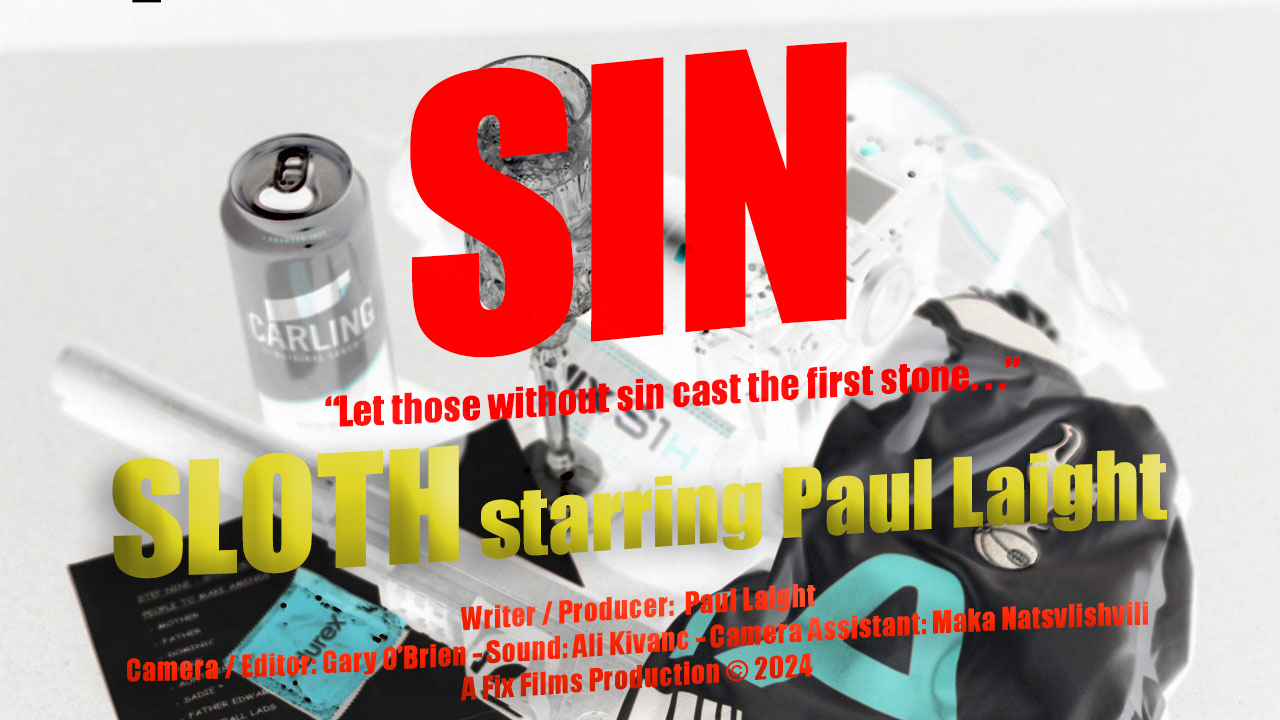
SLOTH starring Paul Laight

Sloth, features Kevin, a Spurs fan, recounting how he took revenge on one of the laziest people he has ever met.


GREED starring Sydney Curtis

This moving monologue features, Gary, at an AA meeting, sharing how he believes greed has contributed to a close friend’s death.


GLUTTONY starring Antigone Duchesne

Kate Briggs serves up a monologue, via a video will, enacting a grudge-driven, but sweet revenge against her gluttonous pig of a brother.


CREDITS

Writer and Producer: Paul Laight
Camera and Post-Production: Gary O’Brien
Sound: Ali Kivanc
Camera Assistant: Maka Natsvlishvili

Music by: Epic Violin Music NO Copyright royalty free music  
Special thanks: Raindance Film School and Universal Video


© 2024 Fix Films Ltd


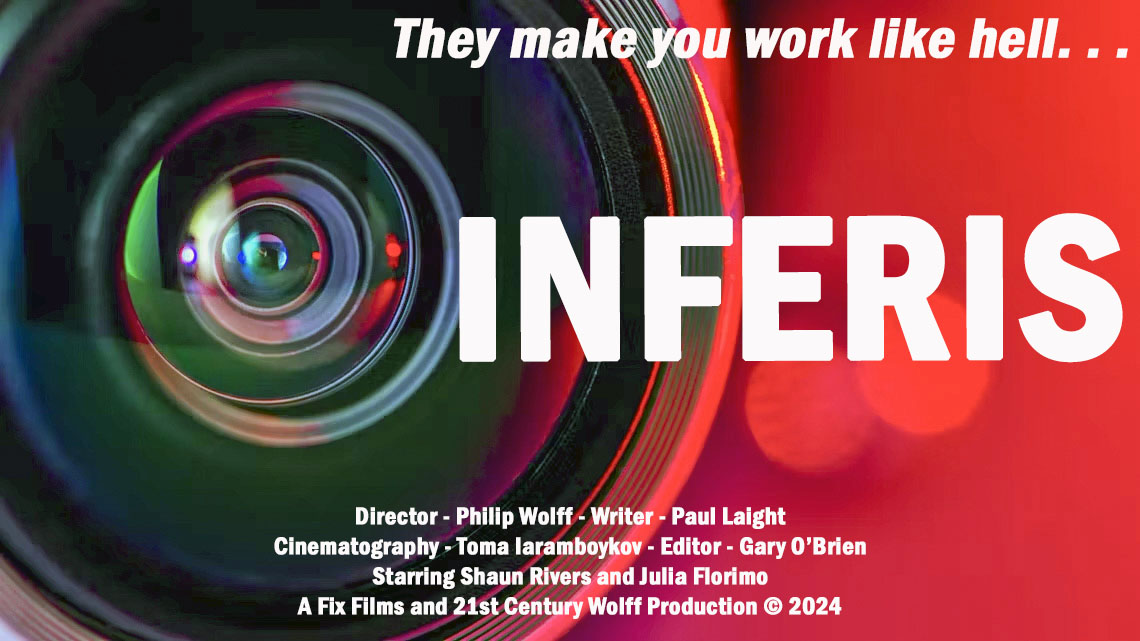
INFERIS (2024) short film POSTER and STILLS

INFERIS (2024) – A new horror short poster and stills.

After a few years gap I finally managed to get back into the short filmmaking process last year with INFERIS (2024).

I wrote and produced it as a very low-budget psychological horror proof of concept short.

It was filmed at Raindance Film School in August 2023 and post was completed in February 2024.

Here’s the poster:


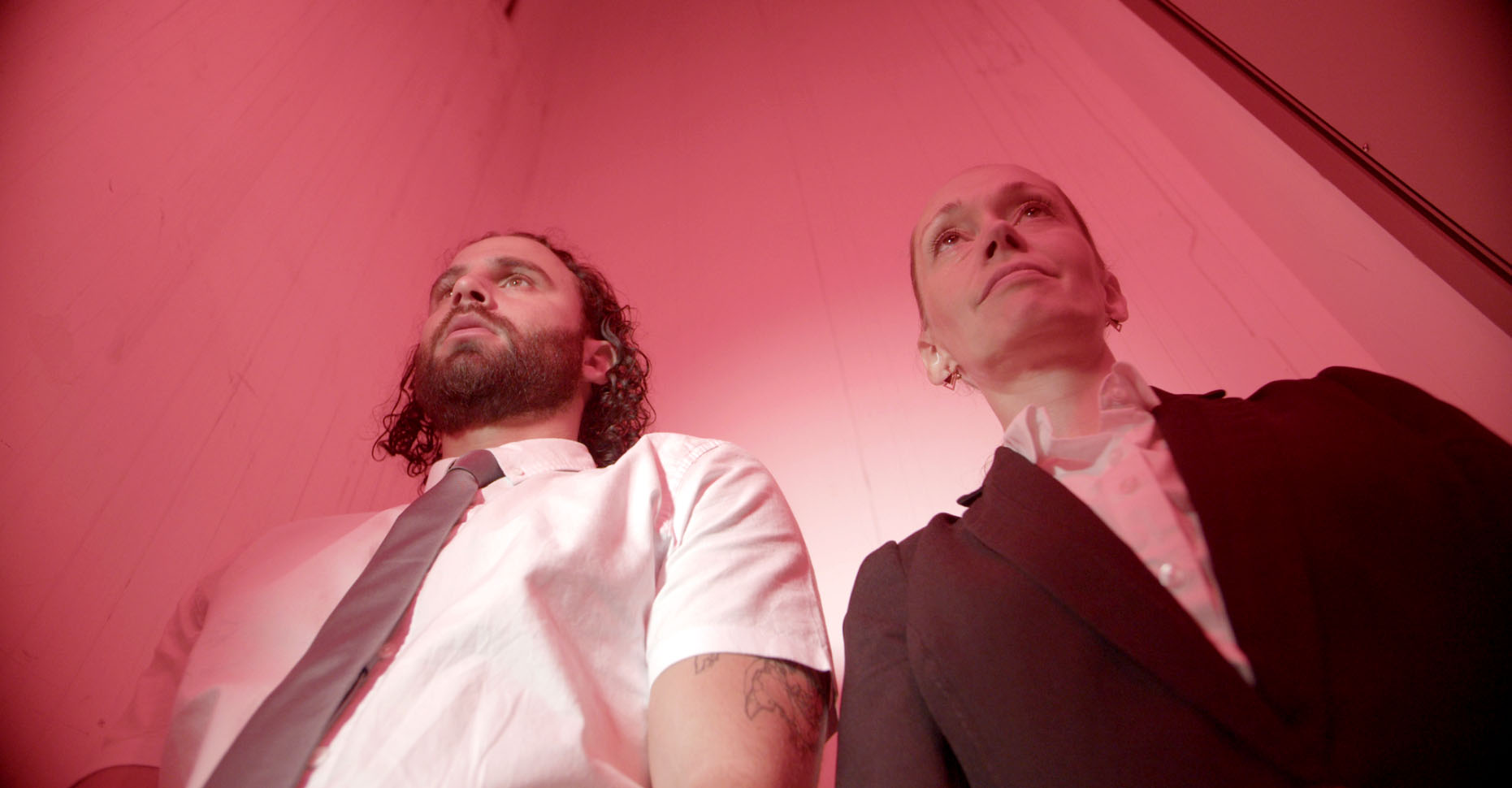
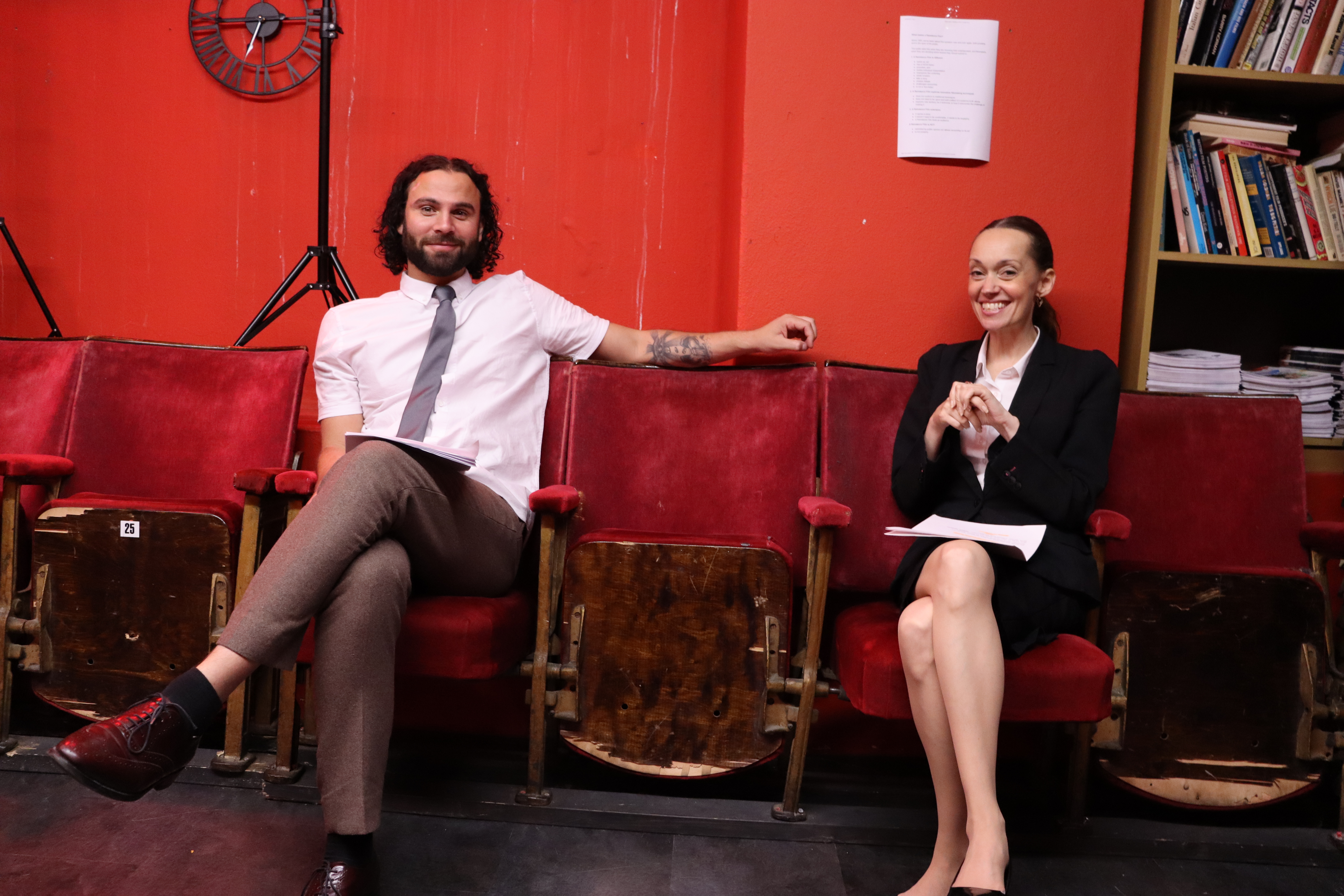
Here are some stills:


If you haven’t seen it, the trailer is here:


INFERIS (2024) – Production Details

Tagline – “They make you work like hell!”

Logline – Recent prison leaver, Joseph Mann, begins a new job at Inferis Security. Hoping for a fresh start he finds himself drawn toward a mysterious door that leads to god knows where.

Cast and Crew

Director: Philip Wolff

Writer: Paul Laight

Producers: Paul Laight and Philip Wolff

Cast: Shaun Rivers and Julia Florimo

Cinematography: Toma Iaramboykov

Sound: Delbert Grady

Camera Assistant: Jackey Limbu

Lighting Assistant: Max Wronka

Editor and Post-Production: Gary O’Brien

Music: Premium Beat & Lord Oscillator

© 2024 A Fix Films and 21st Century Wolff Production


INFERIS (2024) – A new short psychological horror film trailer

INFERIS (2024) – A new horror film trailer

After a few years gap I finally managed to get back into the short filmmaking process last year with INFERIS (2024). I wrote and produced it as a very low-budget psychological horror proof of concept short. It was filmed at Raindance Film School in August 2023 and post was completed in February 2024.

Here is the trailer:


INFERIS (2024) – Production Details

Tagline – “They make you work like hell!”

Logline – Recent prison leaver, Joseph Mann, begins a new job at Inferis Security. Hoping for a fresh start he finds himself drawn toward a mysterious door that leads to god knows where.

Cast and Crew

Director: Philip Wolff

Writer: Paul Laight

Producers: Paul Laight and Philip Wolff

Cast: Shaun Rivers and Julia Florimo

Cinematography: Toma Iaramboykov

Sound: Delbert Grady

Camera Assistant: Jackey Limbu

Lighting Assistant: Max Wronka

Editor and Post-Production: Gary O’Brien

Music: Premium Beat & Lord Oscillator

© 2024 A Fix Films and 21st Century Wolff Production


CINEMA REVIEW: THE HOLDOVERS (2023)

CINEMA REVIEW: THE HOLDOVERS (2023)

Directed by Alexander Payne

Written by David Hemingson

Produced by Mark Johnson, Bill Block & David Hemingson

Main cast: Paul Giamatti, Da’Vine Joy Randolph, Dominic Sessa, Carrie Preston, Gillian Vigman, Tate Donovan etc.

Cinematography: Eigil Bryld

*** MAY CONTAIN SPOILERS ***


The Holdovers (2023) is the latest film from director Alexander Payne. Over the last, coming up to nearly thirty years, Payne has made eight films, often collaborating with writing partner, Jim Taylor. While hardly prolific Payne clearly favours quality over quantity of film product. He tends to gravitate to literary adaptations that are driven by strong characterisations and universally identifiable themes. His films often focus on every-men and women, outsiders, eccentrics, losers and underdogs of society. Such characters may have a certain middle-class privilege, yet they are never alpha-heroes. Payne’s collection of teachers, writers, actuaries, lawyers and therapists are never too far away from career, personal, financial or mental breakdowns.

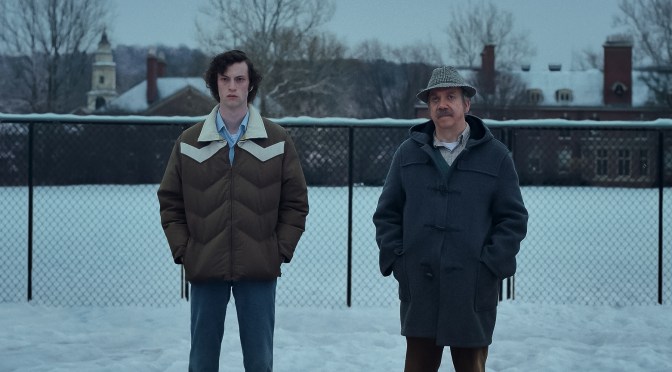
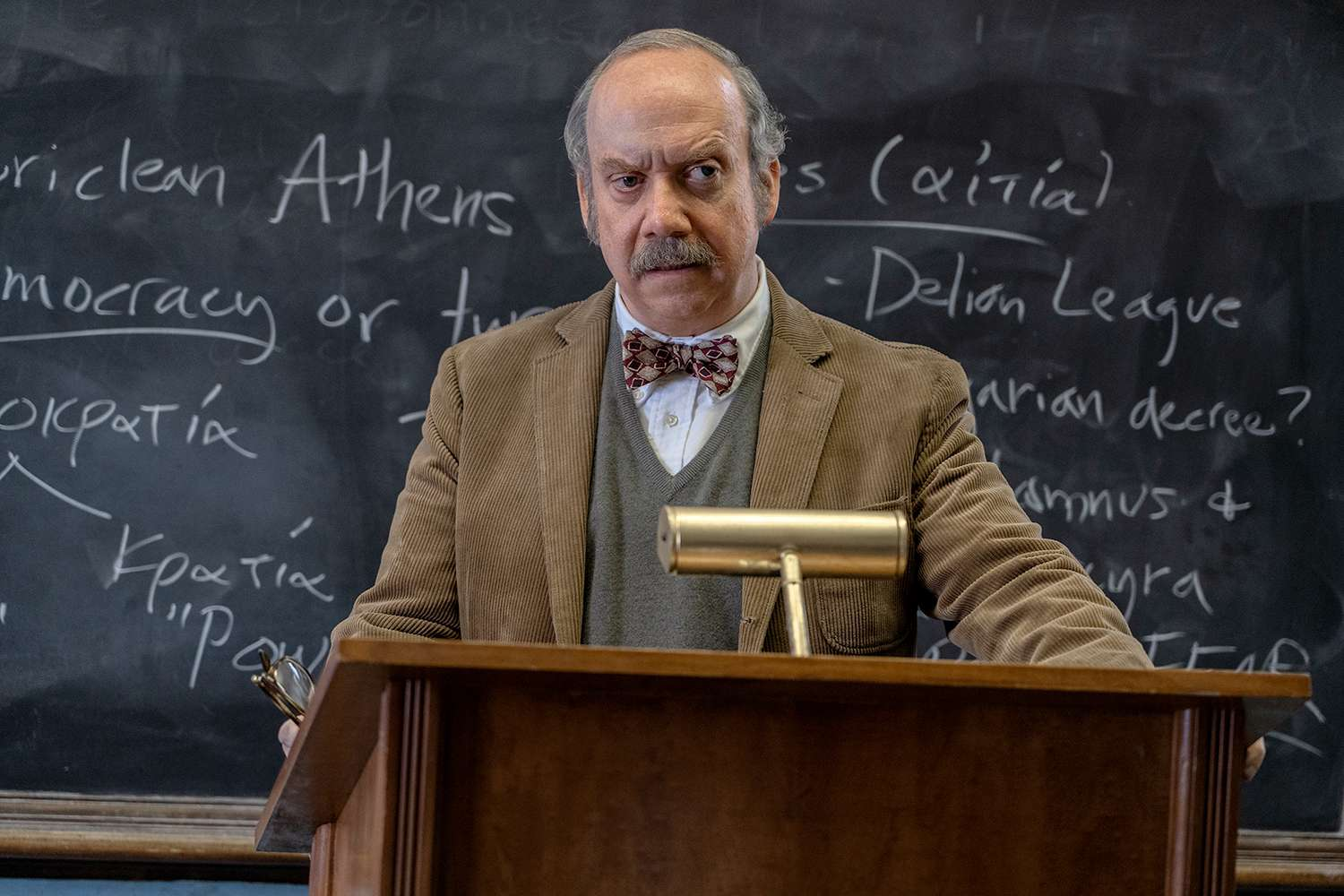
This directorial facet is prevalent in The Holdovers (2023) with Paul Giamatti cast as classics professor, Paul Hunham. He teaches at New England private school, Barton Academy, where he once attended with a scholarship. Giamatti is absolutely perfect as this arrogant and often brutally honest teacher. Linguistically and intellectually superior to those around him, he is pretty much despised by most of the pupils and especially his own boss, the ineffective Principal. Only Carrie Preston as Lydia Crane, another staff member, shows him any warmth. Having cost the school an important donor Hunham still will not compromise his ethics. Thus the Principal forces him to manage the “holdovers”, pupils who cannot, for significant reasons, get home for the Christmas.


The theme of being held over is more than just being trapped in a virtually empty school amidst the wintry landscape of 1970’s New England. The characters of curmudgeon Hunham, troubled student Angus Tully (Dominic Sessa), and grieving head cook, Mary Lamb (Da’Vine Joy Randolph), are also held over by their respective career, familial and emotional conflicts. This trio of memorable characters contain so much feeling within David Hemingson’s often hilarious and moving screenplay. Initially being confined gives way to a road movie of sorts as the narrative carefully builds discord, humour and ultimately a sense of community and understanding between the three.

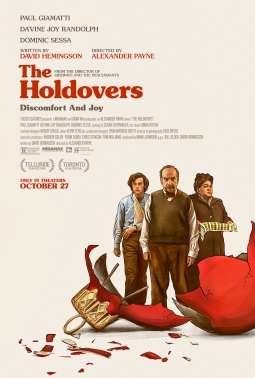
The Holdovers (2023) is a nostalgia film of the highest quality. For me it’s as if Hal Ashby had directed The Breakfast Club (1985). Ashby’s 1970’s films were certainly an influence on the genre, story and rich cinematographic style present here. Moreover, the fantastic trailer and marketing clearly privilege the 1970’s styling, including the font used. However, Payne’s rendition is not as darkly themed as Ashby’s work, even though in Mary Lamb’s character there is a suggestion of social commentary in respect of her son’s death in the Vietnam war. While Payne takes less creative risks, that is unsurprising given the critical and box-office failure of his last film, the highly original but frankly disappointing, Downsizing (2017). Finally, with a terrific screenplay and Paul Giamatti and Da’Vine Joy Randolph on sterling form, The Holdovers (2023) is a sophisticated comedy-drama that stimulates the brain, strengthens the rib muscles and warms the heart.

Mark: 8.5 out of 11


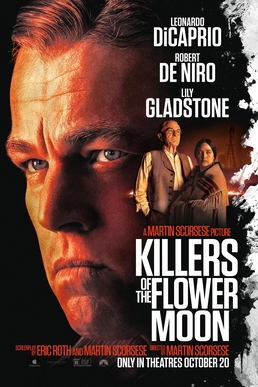
CINEMA REVIEW: KILLERS OF THE FLOWER MOON (2023)

CINEMA REVIEW: KILLERS OF THE FLOWER MOON (2023)

Directed by: Martin Scorsese

Screenplay by: Eric Roth and Martin Scorsese

Based on: Killers of the Flower Moon by David Grann

Produced by: Dan Friedkin, Bradley Thomas, Martin Scorsese and Daniel Lupi

Main cast: Leonardo DiCaprio, Robert De Niro, Lily Gladstone, Jesse Plemons, John Lithgow, Tantoo Cardinal, Scott Shephard, etc.

Cinematography: Rodrigo Prieto

Edited by: Thelma Schoonmaker

*** MAY CONTAIN SPOILERS ***


Who can tell how the world and society as we know it would’ve evolved if Christopher Columbus, the explorer credited with finding the Americas in 1492, had not landed and begun the first steps toward colonising this uncharted part of Earth. Of course, there were existing natives in the Americas and over time they would experience first contact with Spanish, Portuguese, British and other European, predominantly white, settlers. It may be that the natives would have had equally difficult experiences, and colonists brought with them many positive things. But one has to surmise they would not have had their land and lives gradually taken from them over the centuries without the European invasion.

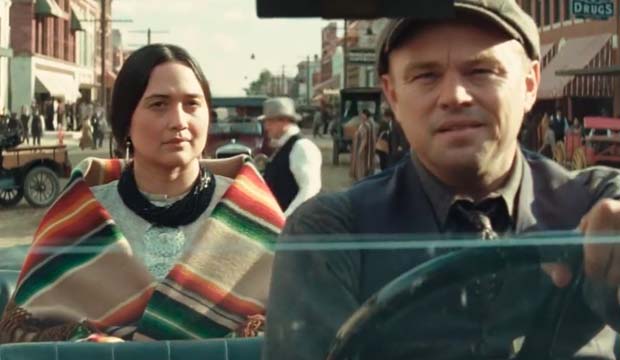
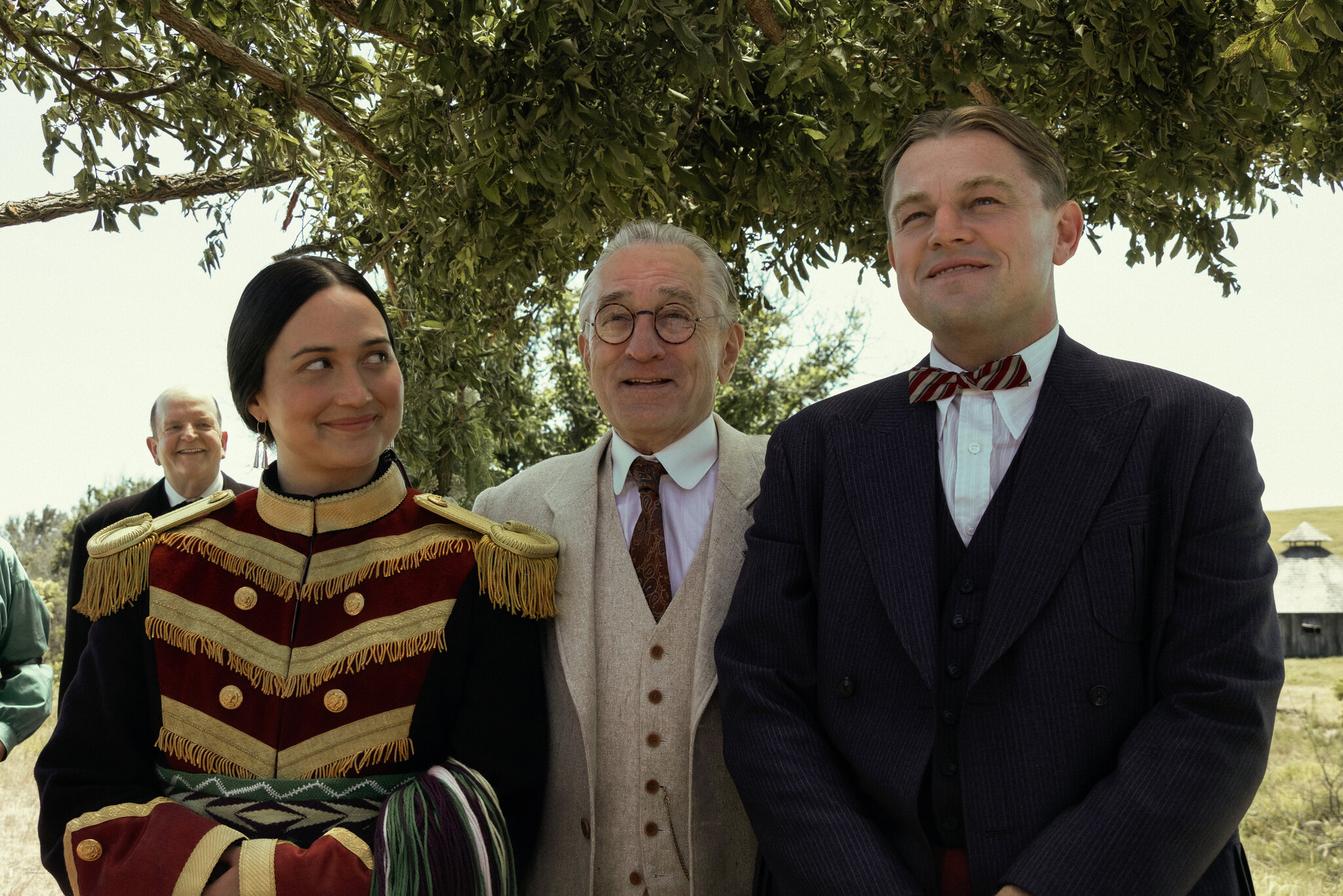
The violent theft of land and wealth from Native Americans forms the bedrock of the narrative of Martin Scorsese’s latest epic drama, Killers of the Flower Moon (2023). Adapted from David Grann’s critically acclaimed nonfiction book, the film centres on the series of murders of wealthy Osage people that occurred in Oklahoma in the early 1920s. The motive for the heinous culling was the greed of white men. Such individuals lusted after the richness present after big oil deposits were discovered beneath the Osage people’s land. Whereas Grann’s book is a monumental study of the murders, perpetrators, the Osage culture, politics of the era, and how the newly formed FBI delved into the crimes, Scorsese’s incredibly slow and long adaptation does all that, while also exploring the romance and murderous treachery between Osage native, Mollie (Lily Gladstone) and war veteran, Ernest Burkhart (Leonardo DiCaprio).


Opening by establishing how the oil erupted and blackened the green land, the film then firmly sets up how the American businessmen used the legality of the headright system to manipulate the flow of sudden wealth that came to the Osage people. One such man is William King Hale (Robert DeNiro) who presents himself as a benefactor to the Osage, but truly speaks with a forked tongue. Having left the infantry unit after World War One, Hale’s nephew Ernest joins him to work and ultimately do his bidding. Hale cajoles Ernest to romance wealthy Mollie and get further feet under the table and closer to that beloved black gold money. Yet, enough is never enough for the likes of Hale and driven by another formidable Scorsese directed performance, De Niro delivers a deviously evil characterisation.

DiCaprio here takes the less charismatic role as the doltish Ernest. As Hale urges him to do further misdeeds the banality of everyday evil is palpable in Ernest’s actions. Along with a litany of professional and thuggish cowboy types Ernest and Hale’s other minions wreak havoc on the Osage people, committing arson, murder, poisonings, robbery, and shootings. All just for more money. The tragedy is that Ernest clearly has feelings for Mollie, serenely portrayed by a revelatory Lily Gladstone, but he just cannot stand up for himself against his wicked uncle. So much so that I just wondered why the hefty runtime was concentrating on Ernest’s character. I mean, Scorsese and DiCaprio give us little in the way of anti-heroism to bounce off, or even some cathartic sense of redemption. Ernest starts out as a loser and finished the story the same. Over three hours spent with a gurning idiot left me frustrated.

Directed, as one would expect with a masterful hand, mind and eye by Scorsese, who once again surrounds himself with an incredibly talented cast and production crew. Not to forget the unbelievable $200 million budget. But Scorsese’s movement of late to ultra-long and methodical cinema is an artistic choice that requires much patience. While Killers of the Flower Moon (2023 is thematically very powerful, beautifully filmed, and contains a number of exceptionally impressive sequences, there was genuinely not enough story to justify such a long running time. Whereas The Irishman (2019) was slow, it was methodically thrilling and absorbing throughout. Killers of the Flower Moon (2023) on the other hand becomes repetitive in its reveals of greedy Cowboys breaking bad and raising hell to the cost of the Osage. The introduction of the FBI and their subsequent investigation comes way too late to save the over-bloated length and pace. However, there is no doubt, the film remains vital in highlighting the historial horror perpetrated upon the Osage land and people. Perhaps Apple TV should have just given the money to the Osage descendants as reparation?

Mark: 8 out of 11


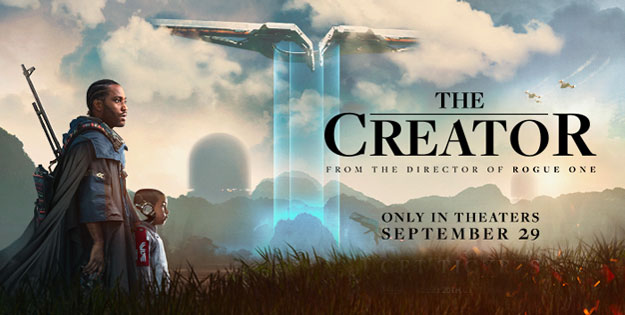
CINEMA REVIEW: THE CREATOR (2023)

CINEMA REVIEW: THE CREATOR (2023)

Directed by: Gareth Edwards

Screenplay by: Gareth Edwards and Chris Weitz

Story by Gareth Edwards

Produced by: Gareth Edwards, Kiri Hart, Jim Spencer, Arnon Milchan

Main Cast: John David Washington, Madeleine Yuna Voyles, Gemma Chan, Ken Watanabe, Sturgill Simpson, Allison Janney, Ralph Ineson and Marc Menchaca.

Cinematography: Greig Fraser and Oren Soffer

*** MAY CONTAIN SPOILERS ***


The Creator (2023) is Gareth Edwards first directorial release since the tremendous Star Wars prequel Rogue One (2016). Of all the Disney-funded Star Wars products that remains my favourite. Overall, Rogue One (2016) is not just a great Star Wars film but a brilliant movie too, as it transcended the franchise while delivering a pulsating, heroic, nostalgic and emotional film experience. It also had an influence on the stunning visual look, action, and effects of The Creator (2023) too. So much so, The Creator (2023), in terms of style, often felt like a Star Wars film in all but name.

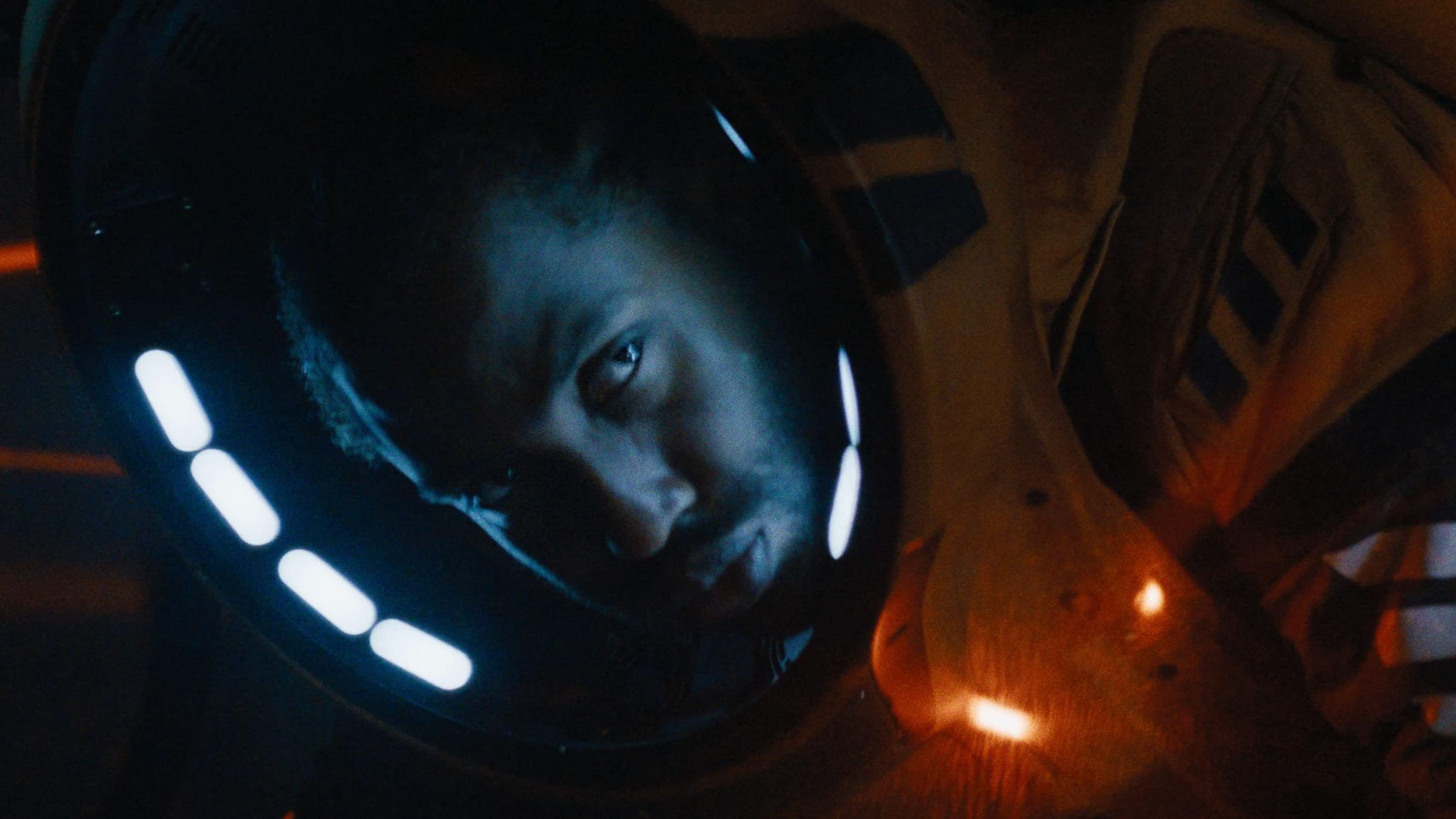
With The Creator (2023), Gareth Edwards and his talented production and effects team have invented a continually innovative futuristic look based around Artificially Intelligent robots and technologically modified humans. Indeed, based on all his directorial works, jaw-dropping visuals and themes of humans overcoming machines and monsters are always very much to the fore. But in The Creator (2023) one of the major themes poses the question – who are the real monsters? The humans or their computerised creations? As the narrative begins, in 2055, with the machines detonating a nuclear attack on Los Angeles the Americans declare war on the robots. More specifically, Southeast Asia, who still utilise A: I technology. Fast forward several years and John David Washington’s Joshua, remains part of the U.S. military plans, as they attempt to finish off the A: I threat for once and for all.

As Joshua is manipulated by the US Government, through a past romantic connection with Gemma Chan’s Maya, he is dropped behind “enemy” lines in Asia to destroy the A: I’s secret weapon called, “Alpha-O.” Along, with a paper-thin characterised group of U.S soldiers, Joshua finds the mission going south and ultimately goes on the run with “Alpha-O.” Edwards and his writers humanize the dangerous processor by giving it the body of a young girl portrayed by Madeleine Yuna Voyles. Despite the powerful visuals of the film, I found The Creator (2023) buckling under the wright of over-used ideas from other films. The cute “genius” kid being just one of those.

It’s The Terminator (1984) meets Artificial: Intelligence (2001) meets Avatar (2009) meets any number of action-hero-saves-young-child narratives. I mean can at least one film TRY and make the American warmongers more nuanced? Yes, the action, cinematography and sound design are especially impressive and thrilling and there is certain emotion on screen. However, I personally did not feel much emotion in my heart, unfortunately. Watch it on the biggest screen you can, because what The Creator (2023) lacks in original narrative and character elements, it more than makes up in nifty robotic concepts and visual cinematic grandeur.

Mark: 7 out of 11


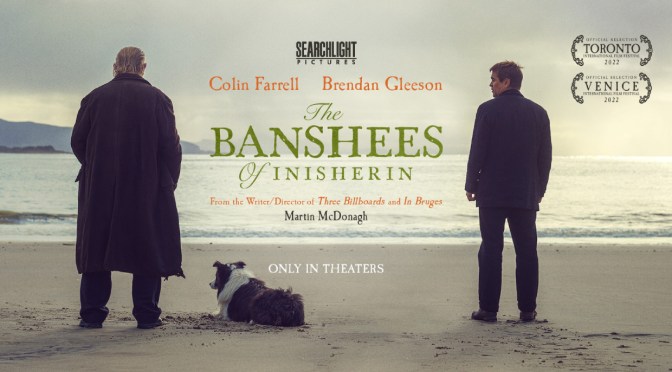
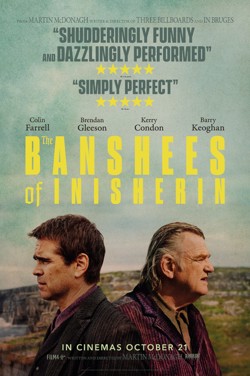
CINEMA REVIEW: THE BANSHEES OF INISHERIN (2022)

CINEMA REVIEW: THE BANSHEES OF INISHERIN (2022)

Written and Directed by Martin McDonagh

Produced by: Graham Broadbent, Peter Czernin & Martin McDonagh

Main Cast: Colin Farrell, Brendan Gleeson, Kerry Condon, Barry Keoghan, etc.

Cinematography: Ben Davis

Edited by: Mikkel E. G. Nielsen

Music by: Carter Burwell

*** MAY CONTAIN SPOILERS ***


The Banshees of Inisherin (2022) is Martin McDonagh’s latest cinematic masterpiece. Not only is it one of the best films of the year he has, as with Three Billboards Outside Ebbing, Missouri (2017), constructed one of the most formidable screenplays of many a year. As a playwright McDonagh has won many awards for his works. His debut film, In Bruges (2008), was a deceptively simple story of two hitmen on the run which, with rich thematic power, became a darkly hilarious existential cult classic. His follow-up Seven Psychopaths (2012), a heady mix of criminals versus writers in a meta-fictional Hollywood-based narrative was brilliantly written and acted, if slightly lacking thematic clarity. Like Three Billboards Outside Ebbing, Missouri (2017), The Banshees of Inisherin (2022) is a highly emotional human drama which contains intelligent allegory, incredible characterization, and cracking dialogue.

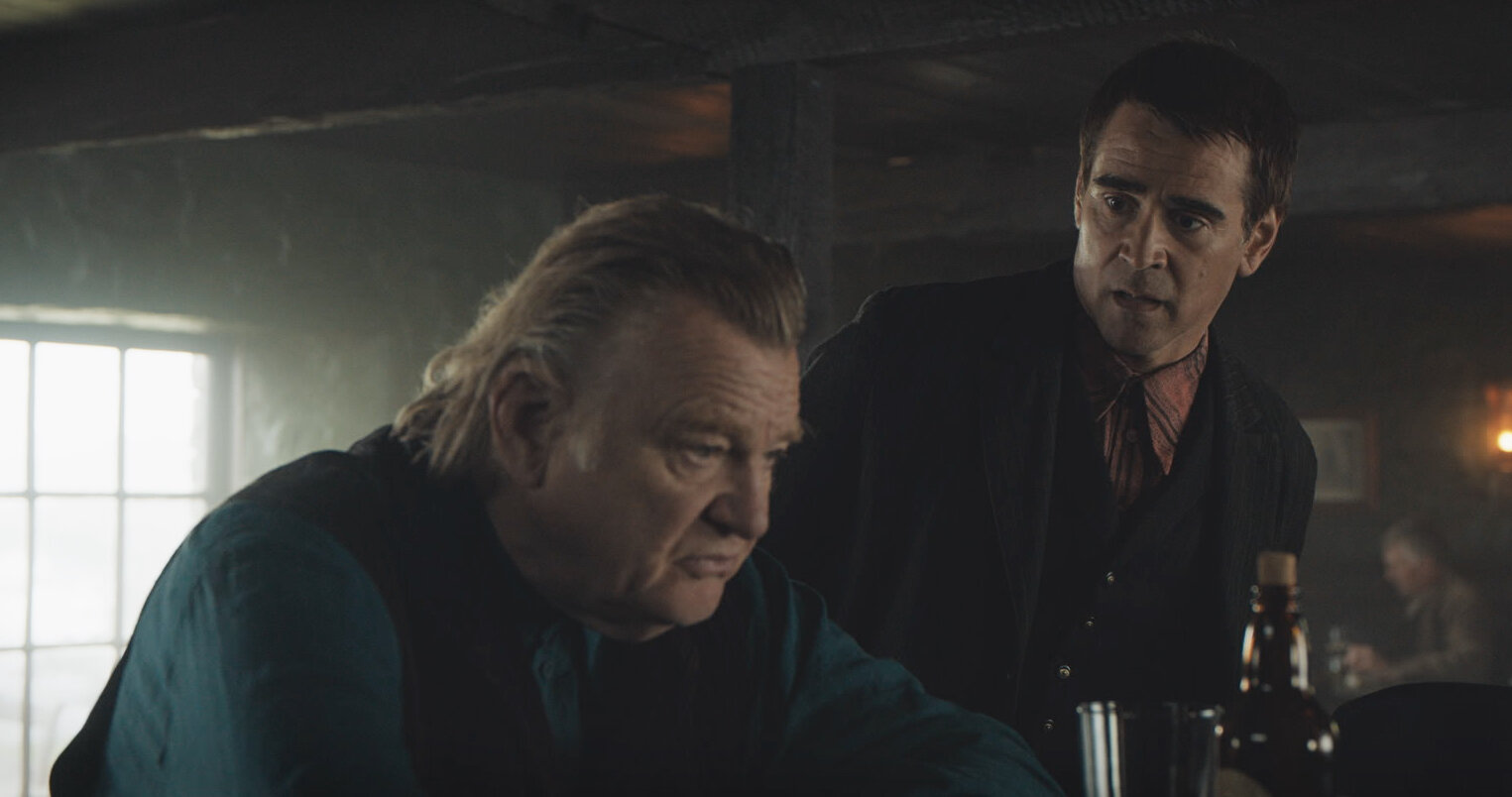
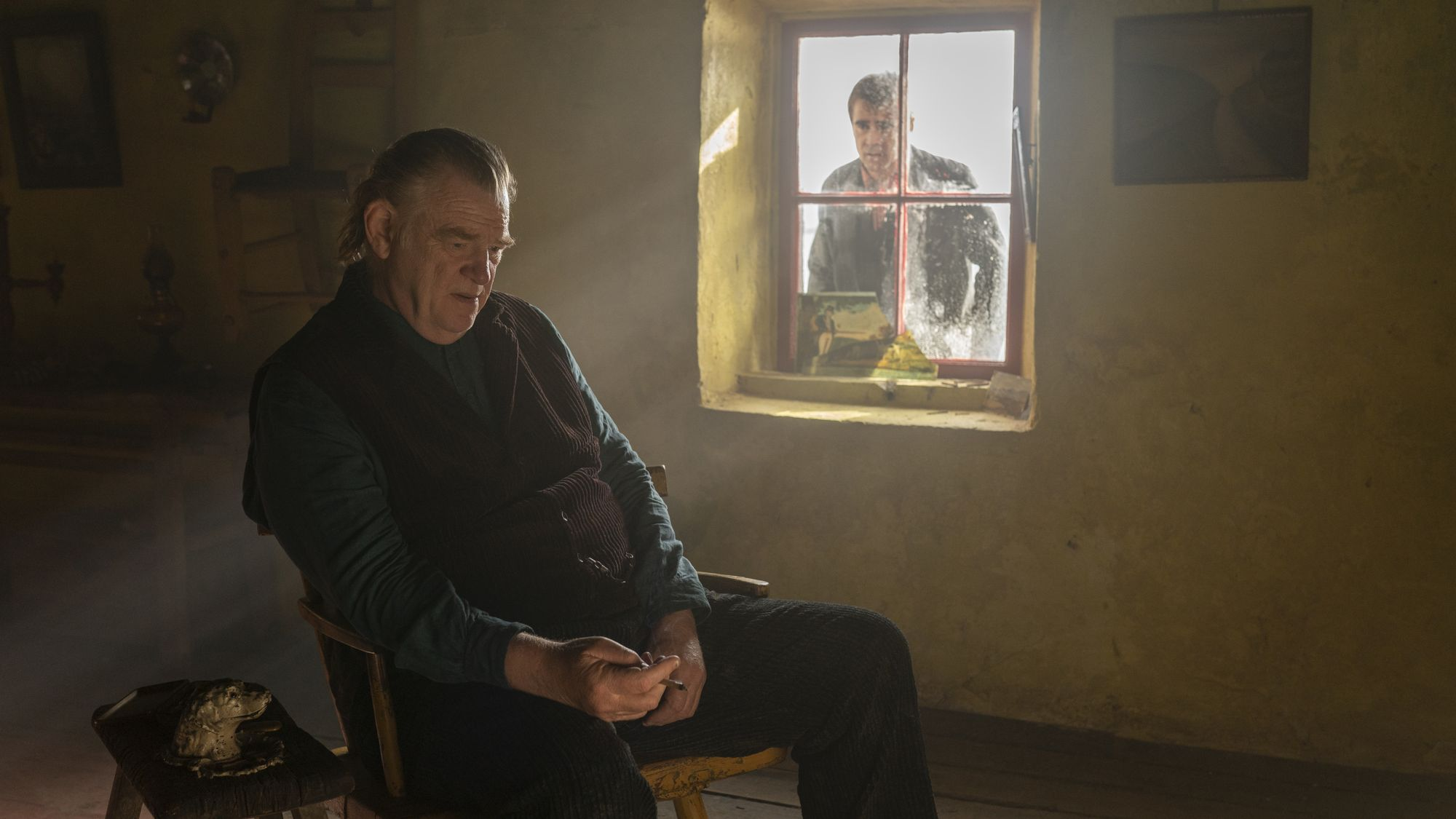
Set in 1923 on an island off of Southern Ireland called aptly Inisherin, the film opens by focussing on genial everyman farmer, Pádraic Súilleabháin (Colin Farrell) and his daily routine. After tending to his animals, he usually calls for his friend, Colm Doherty (Brendan Gleeson) to go to the island pub, the J.J. Devine or Jonjo’s. In England there is an idiom called, “sending someone to Coventry.” This means to ignore or ostracize an individual or individuals. So, basically Colm chooses to do this to his long-standing friend, Pádraic. This shunning completely bemuses Pádraic and despite Colm’s pleading for Pádraic to respect his wishes, he continually seeks an answer to his former friend’s decision.


After this intriguing premise is established, what follows is a tremendously original, darkly funny and emotionally penetrating succession of scenes. The exchanges between the two characters begins as bickering but then descends into some seriously disturbing acts of recrimination. Attempting to make them see sense are various eccentric characters on the island who provide many witty and absurd exchanges that McDonagh specialises in. Further, Pádraic’s sister Siobhán (Kerry Condon) is almost the one voice of reason as the feud escalates. As she tries to diffuse the conflict, even Barry Keoghan’s young idiot, Dominic Kearney, the initial comic relief in the film, attempts to make these two men see sense.

Visually, The Banshees of Inisherin (2022), is incredibly rich. The territory displays gorgeously photographed shots of the rocks, the sea, the stone roads and the lush green countryside. But while there is a sense of expanse and freedom initially, the feeling of isolation pervades. As the story continues the characters feel more and more segregated by the sea and their own or other’s decisions. None more so than Farrell’s Pádraic. A simple man who just wants to do his work and get drunk with his friend, he finds he is sequestered by Colm’s desire to self-isolate and concentrate on his music. Here, Farrell and Gleeson give tremendous character work. Farrell especially has rarely been better as Pádraic’s attitude turns initially from shock to bitterness over the journey of the narrative.


A film director’s job is for me about making key creative choices. Martin McDonagh makes brilliant choices while working from his own exceptional script. I loved everything about The Banshees of Inisherin (2022). The look, the performances, the pacing, the locations and Carter Burwell’s phenomenal score are absolutely first class. I haven’t even mentioned Barry Keoghan’s memorable supporting turn. He surely is one of the most naturally gifted actors of his generation. Not to forget other striking characters in the ensemble such as the creepy, Mrs McCormick (Sheila Flitton), an old harridan who acts as a portent for death on the island.

Martin McDonagh expertly combines a superb ear for dialogue, a psychologically absorbing analysis of the human condition with elements from Waiting For Godot and Channel Four situation comedy, Father Ted. Above all else, The Banshees of Inisherin (2022) is a darkly, spectacular cinematic experience which works on many levels. On one level it is about the isolation of island life and its inhabitants. On another it’s about the death of a friendship. While on yet another level it is about the analogous absurdity of civil war and how conflict can start for the merest of reasons. While the best cinema is certainly about showing and not telling, McDonagh proves again that dialogue-driven films can produce cinematic theatre, comedy and tragedy of the highest order.

Mark: 10 out of 11


SIX OF THE BEST #36 – FILM UNDERDOGS!

Why the canine is considered to be the appropriate animal to represent a character who overcomes great loss and adversity is fascinating. On further digging one will find that etymological history of the term, Underdog, derives from the second half of the 19th century, where its first meaning was “the beaten dog in a fight”. Two dogs fight and the losing one is the underdog. Quite simple and obvious really. It makes sense then that the term has also been used in sporting and filmic language down the years. Here the underdog is a team or individual who faces an insurmountable opponent where defeat is most likely. To then gain victory against the odds makes the winning oh so much sweeter and glorious.

So, for my occasional Six of the Best series I’d like to explore and list some of the finest underdogs from cinema. I’d also like to consider certain conventions from within this subgenre. Clearly, I could just choose six films about sport, so I am going to work a bit harder and provide some less obvious choices too. Hope you agree.

** MAY CONTAIN SPOILERS **


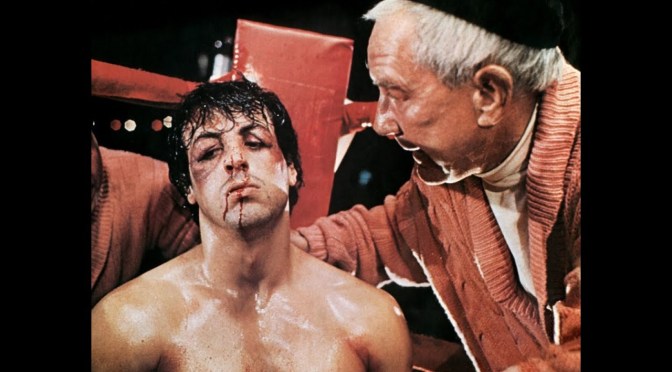
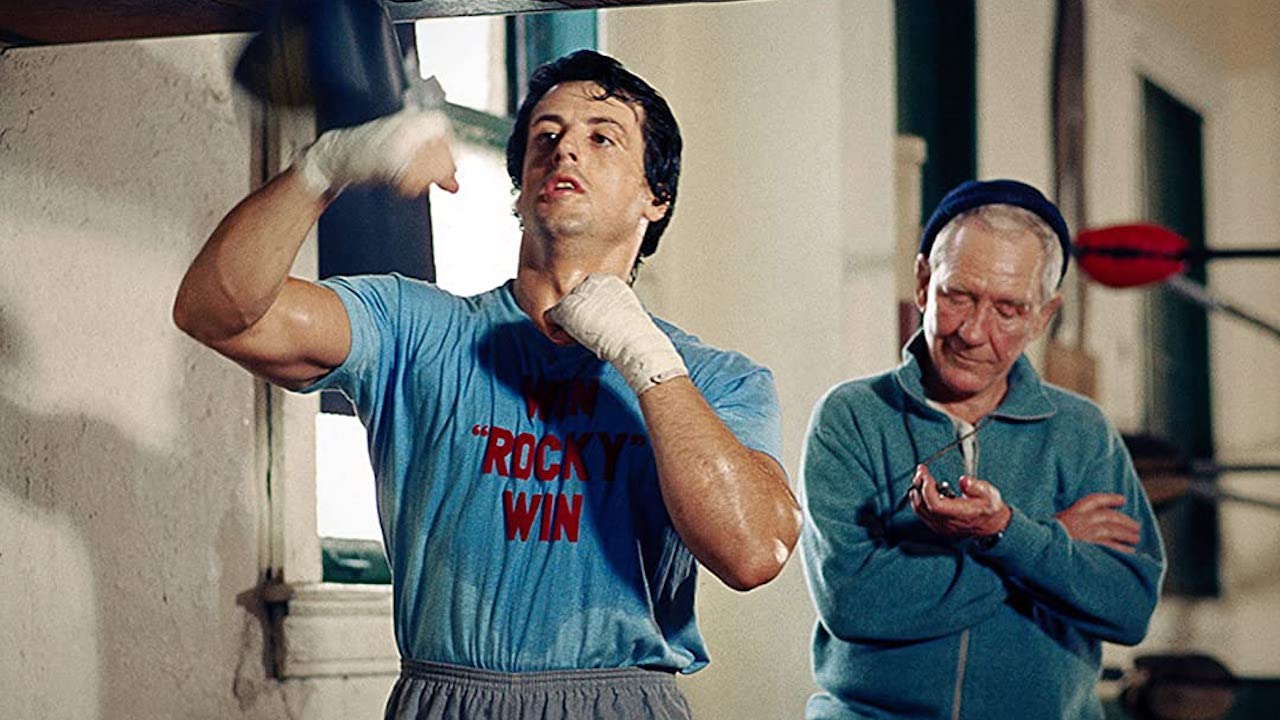
ROCKY (1976) – The individual underdog!

The individual underdog is synonymous with sporting films. Cinderella Man (2005), Eddie the Eagle (2015), Rudy (1993) and The Karate Kid (1984) are just some of the fine narratives which have used the individual overcoming the odds to triumph. Obviously, though the greatest of all time is Stallone’s working-class journeyman, Rocky Balboa, rising up from the gutters of Philadelphia to seeing stars and finding love in the ring. Reflected in Rocky’s incredible journey is Stallone’s own underdog story of a struggling actor, who had to sell his dog, wrote a brilliant script, determined to play the lead, earned his break and became one of the biggest film stars of a generation.


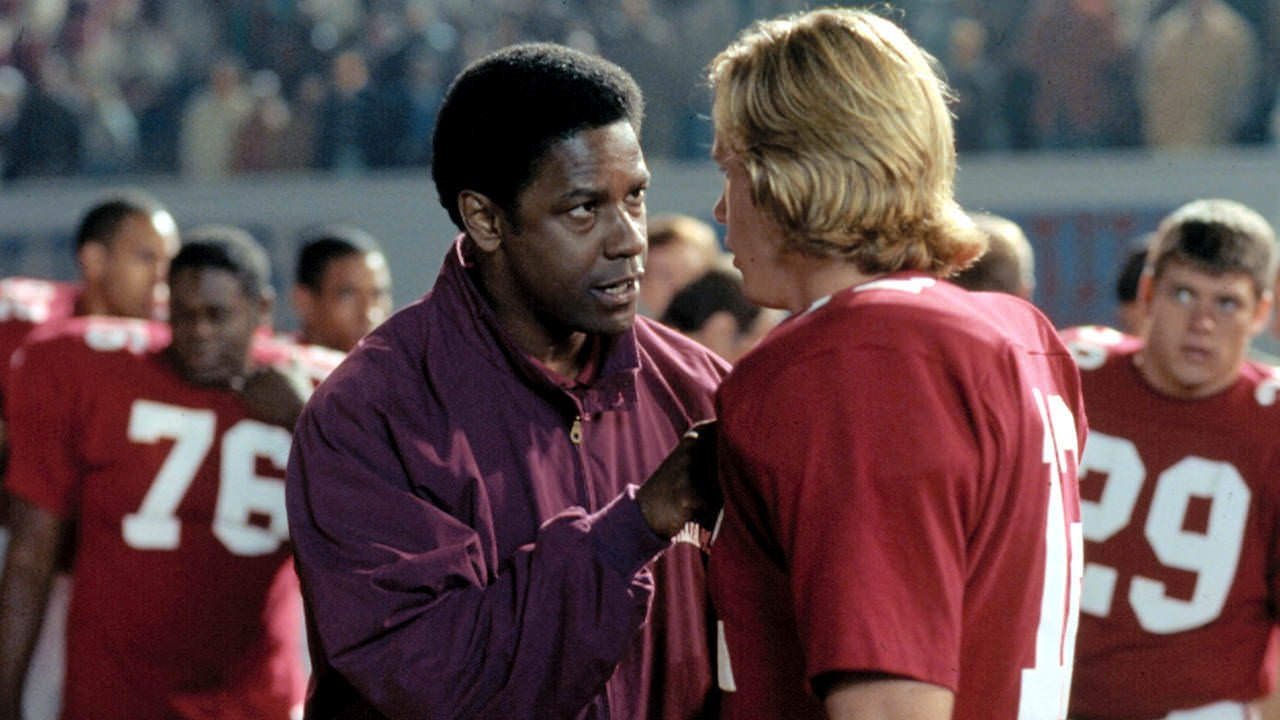
REMEMBER THE TITANS (2000) – the team underdog!

Like the individual underdog sports film, cinema is brimming with crowd pleasers about a bunch of unlikely oddballs or losers joining forces to steal victory from the jaws of defeat. Usually, the team underdogs will overcome singular divisions, while learning about themselves to find formidable communal fighting spirit. The Bad News Bears (1976), The Mighty Ducks (1990), The Longest Yard (1974/2005), Miracle (2004) and the aptly named Dodgeball: A True Underdog Story (2004) are but a few of these excellent team films. However, Remember the Titans (2000) is one of the most powerful sporting team movies featuring Denzel Washington as T. C. Williams High School coach, Herman Boone, whose team not only overcomes sporting obstacles, but political ones including institutional racism and widespread bigotry outside and within the school system.


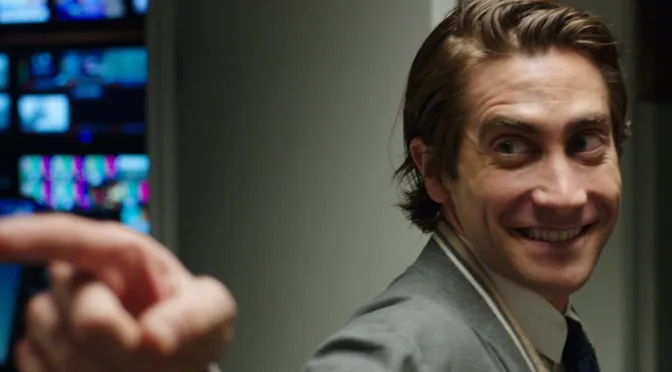
NIGHTCRAWLER (2014) – the villain as underdog!

Here’s a character which is incredibly difficult to write and even more problematic to define due to the paradoxical nature of their personality. If you’re doing bad things can you be considered an underdog? I mean is the underdog’s victory earned and can an audience root for the villain? I think one of the greatest underdogs and most unreliable of protagonists is Verbal Kint in The Usual Suspects (1995). But he was a trickster, genius and fake underdog. Jake Gyllenhaal’s Lou Bloom tops Verbal for me. At the start of the film, Nightcrawler (2014), he has absolutely nothing. But his conniving, planning and preparedness to go the extra mile and expand his media business via sabotage and eventually murder are an unforgettably dark underdog journey.


CAPTAIN AMERICA: THE FIRST AVENGER (2011) – the superhero underdog!

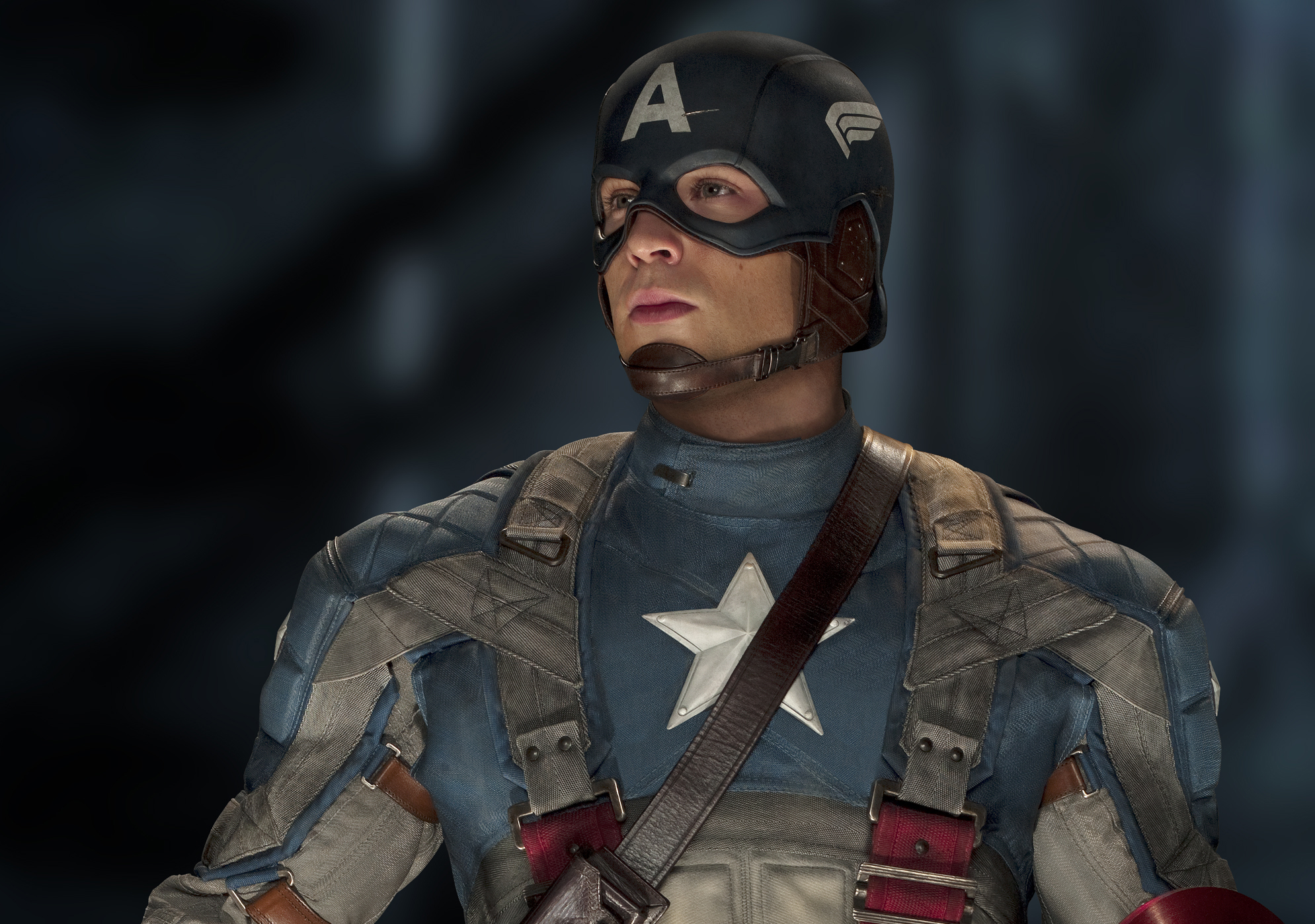
The superhero genre staple for both heroes and villains often finds a character acquiring by accident, fate or design abilities which transform them into beings of immense and fantastic power. The likes of Superman, Thor, and Wonder Woman are god-like superheroes, however, the likes of Steve Rogers, as Captain America, grew from humbler beginnings. Rogers is an admirable underdog because he doesn’t like bullies, his character never knew when he was beaten, he comes from working-class stock and he’s an anachronism as character tension comes from not fitting into the present. Rogers is not a god or scientist or billionaire, but the little guy with a big heart who becomes a hero.


ERIN BROCKOVICH (2000) – the legal underdog!

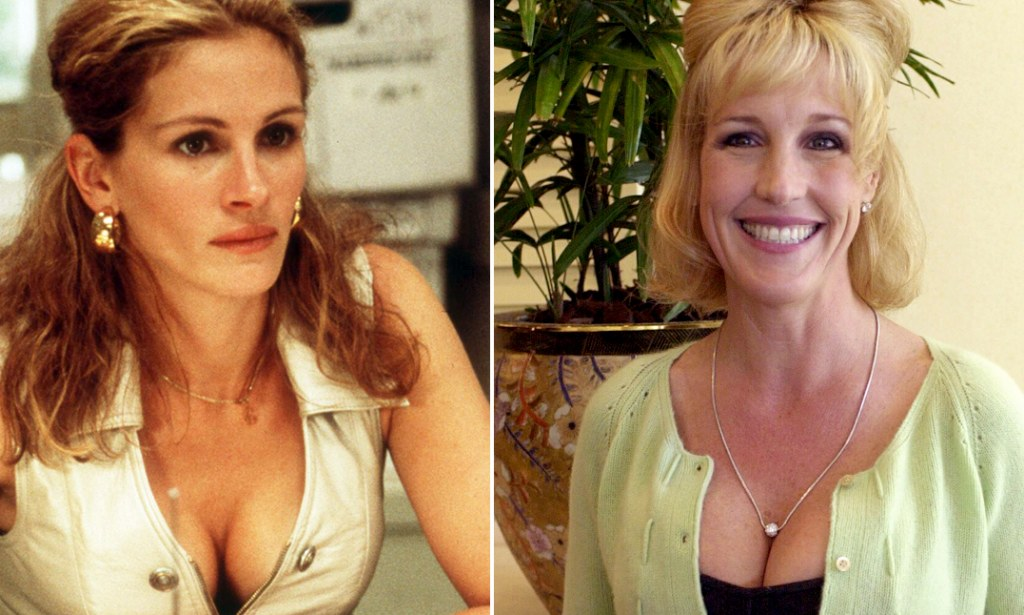
It’s a sad indictment of humanity and the capitalist system that there are so many films showing the evil wrongs corporations have perpetuated against people and the environment. Dark Waters (2019), Silkwood (1983), Class Action (1991) and Erin Brockovich (2000) are but a few of such stories where individuals fight against an unjust legal system which strives to protect the rich and powerful from accepting responsibility for the heinous damage they have wreaked. Erin Brockovich is an especially positive example of an individual who, despite her lack of education in the law, was instrumental in building a case against Pacific Gas & Electric Company (PG&E) involving underground contamination. Brockovich also overcame sexist attitudes in the workplace too which placed certain judgements on the way she behaved and dressed. Brilliantly portrayed by Julia Roberts in the film, Erin Brockovich is a true underdog hero of a generation.


SPARTACUS (1960) – the epic underdog!

Having recently read Kirk Douglas’ enlightening memoir, I Am Spartacus!: Making a Film, Breaking the Blacklist, I have to say it is one of the most excellent books about filmmaking and politics I have experienced. Douglas took up the cause of underdog screenwriter Dalton Trumbo, who having served prison time for refusing to name names to the Joseph McCarthy led House of Un-American Activities Committee, was blacklisted in Hollywood. Writing under a series of fake names, Trumbo scribed the screenplay to the epic Spartacus (1960), with Douglas as the eponymous hero who rises up from slave to Gladiator to leader, defeating the Romans in many battles before dying a martyr. One can see Trumbo’s underdog fight reflected in Spartacus’ epic journey and the fact that Douglas eventually placed Trumbo’s name in the credits of the film was testament to his powerful writing and unjust treatment by the nefarious American government.