Tag Archives: racism

Netflix Film Review: The Piano Lesson (2024) – ghosts of the past and present haunt the screen with resounding power!

Netflix Film Review: The Piano Lesson (2024)

Directed by Malcolm Washington

Screenplay by Virgil Williams & Malcolm Washington

Based on The Piano Lesson by August Wilson

Produced by Denzel Washington & Todd Black

Main cast: John David Washington, Danielle Deadwyler, Samuel L. Jackson, Ray Fisher, Michael Potts, Erykah Badu, Skylar Aleece Smith,
Corey Hawkins, and more.


Cinematography by Mike Gioulakis
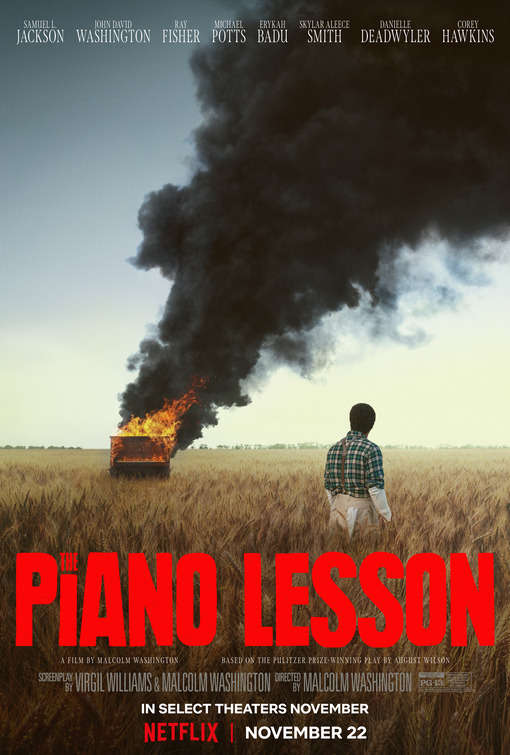


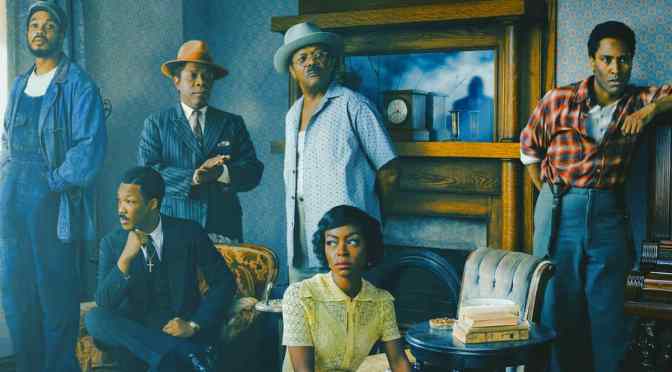
Malcolm Washington’s directorial debut, The Piano Lesson (2024), is a poignant and evocative adaptation of August Wilson’s 1987 play, set in 1936 Pittsburgh. Through a compelling narrative and an exceptional cast, Washington explores themes of heritage, familial conflict, and the enduring impact of racial oppression.

Washington, alongside co-writer Virgil Williams, expands the original stage play’s confines by incorporating flashbacks and supernatural elements, enriching the narrative’s depth and scope. The film centers on the Charles family, particularly siblings Boy Willie (John David Washington) and Berniece (Danielle Deadwyler), who are at odds over the fate of a family heirloom piano. Boy Willie wishes to sell the piano to purchase land that once belonged to their ancestors, while Berniece views the instrument as a sacred connection to their past.

The piano, intricately carved with images of the Charles family’s ancestors, serves as a powerful symbol of their history and resilience. For Boy Willie, it represents a means to break free from the shackles of the past and build a future of self-sufficiency. Conversely, Berniece sees it as a testament to their survival and a link to the sacrifices made by their forebears. This dichotomy underscores the central conflict: the tension between honoring tradition and pursuing progress
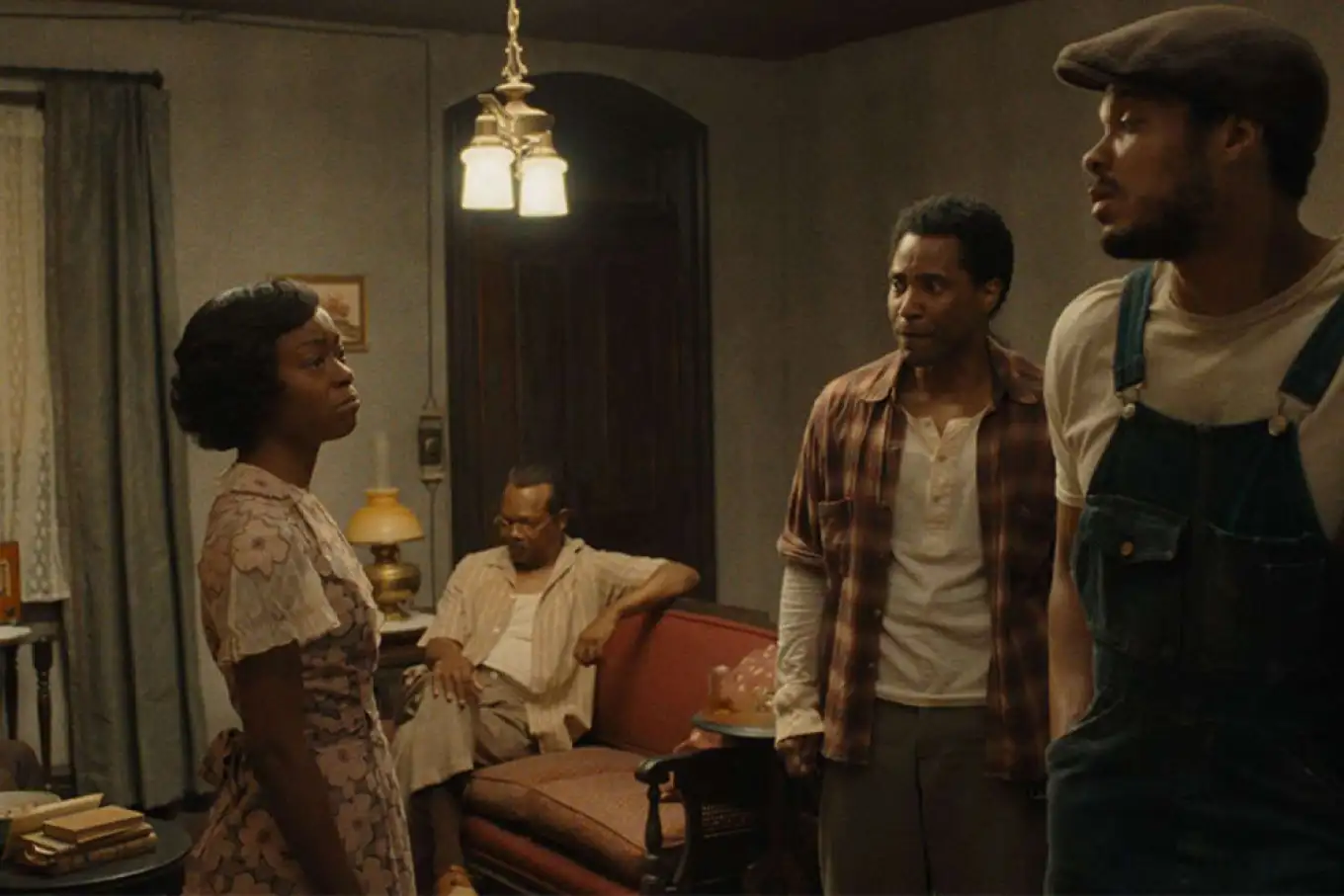


The film delves into the complexities of familial bonds and the differing perceptions of heritage. Boy Willie’s desire to sell the piano reflects a yearning to move beyond the constraints of history, while Berniece’s attachment signifies a commitment to preserving their lineage. At the same time she mourns the loss of her husband and combats romantic offers from local suitors. Her struggles truly power the piece and the familial clashes further embody the broader struggle within African American communities: reconciling the weight of history with the aspirations for advancement. The supernatural elements, particularly the haunting presence of the plantation owner, Sutter’s ghost, are delivered effectively. They also amplify the narrative’s exploration of unresolved trauma and the need for reconciliation.

The ensemble cast delivers standout performances, with John David Washington portraying Boy Willie’s fiery ambition and Danielle Deadwyler capturing Berniece’s steadfast resolve. How Deadwyler did not even get an Oscar nomination for Best Actress in a Supporting Role is beyond me. Moreover, Samuel L. Jackson offers a subtle, unselfish and grounded portrayal of Doaker, the family patriarch. Washington’s direction ensures a respectful adaptation, balancing the play’s rich and passionate dialogue with cinematic elements that enhance its emotional resonance.

Overall, Malcolm Washington’s The Piano Lesson is a resounding adaptation that honours August Wilson’s legacy while providing a fresh perspective on timeless themes. Through its rich symbolism, compelling performances, and thoughtful direction, the film invites audiences to reflect on the complexities of heritage, the burdens of history, and the paths toward healing and progress.
Mark: 8.5 out of 11


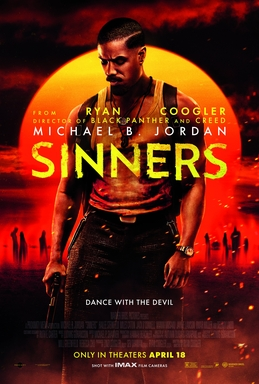
Cinema Review: Sinners (2025) – a blazing, bold and bloody blues opera!

Cinema Review: Sinners (2025)

Directed by Ryan Coogler

Written by Ryan Coogler

Produced by Zinzi Coogler, Sev Ohanian, Ryan Coogler

Main cast: Michael B. Jordan, Hailee Steinfeld, Miles Caton, Jack O’Connell, Wunmi Mosaku, Jayme Lawson, Omar Miller, Delroy Lindo, etc.

Cinematography by Autumn Durald Arkapaw


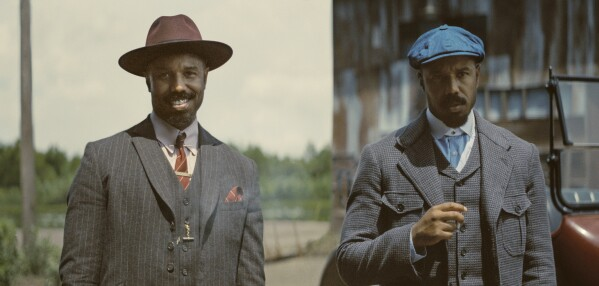
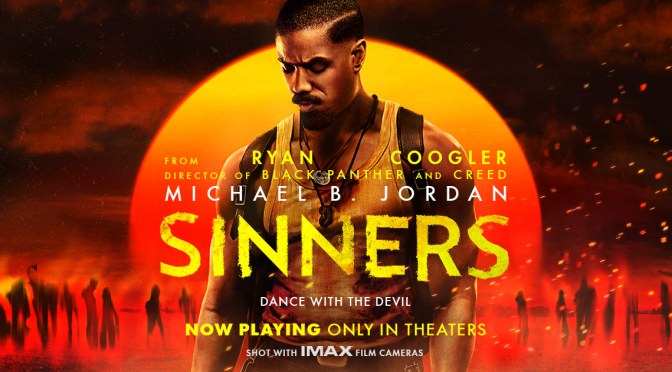
After the bleakly lustful vision of Robert Eggers’ Nosferatu (2024) — a film steeped in shadow, dread, and tragic sensuality — Ryan Coogler offers a wildly different, electrifying take on the vampire mythos: a bold, colourful, and deeply soulful experience that pulses with life even as it drinks from the dead. Where Eggers lingers in gothic majesty, with Sinners (2025), Coogler surges forward with kinetic energy, blending grind-house thrills and emotional depth with From Dusk Till Dawn-style narrative turns.

Coogler’s film is set in the richly textured American South of the 1930s, a world still nursing the scars of the Great War and on the cusp of social upheaval. Into this volatile landscape, he drops the muscular Michael B. Jordan as twin war veterans turned Chicago gangsters, Smoke and Stack — men who carry both physical and spiritual wounds from the trenches — now repurposed as businessman looking to set up a juke joint. These characters feel reminiscent of the working class anti-heroes of Peaky Blinders, their emotional trauma rendered in everything from flickering glances to bursts of brutal, operatic violence. The twins have ghosts of the past and present to battle including relationship issues with Stack’s ex-girlfriend, Mary (Hailee Steinfeld), as well as Smoke’s painful reunion with his wife, Annie (Wunmi Mosaku).

Sinners (2025) plot is muscular and sinewy, establishing the characters impressively before shifting the moody Southern gothic tale into an all-out genre-bender. The film contains a fine ensemble cast knitting a series of substantial supporting characters each with their own personalities, humour and wants. The most striking is Miles Caton as the twins’ cousin, Sammie “Preacher Boy” Moore, a young blues musician with an incredible ability, that proves to be a somewhat dangerous talent. Delroy Lindo also throws in another memorable performance as the ebullient pianist, Delta Slim. With the first night’s festivities in full swing three mysterious strangers appear from the near dark, desiring to be let in. Their leader is charismatic Remmick (Jack O’Connell) and he has more than partying in mind.


Visually, Coogler lets his imagination loose, notably in a memorable cross-generational musical montage that literally burns up the cinema screen. Gone is the shadow-heavy monochrome of Eggers; in its place is a palette of dusk reds, moonlit silvers, and deep bayou greens. The film pulses with colour, sex, motion, and sweat. Blood flows, but it never feels gratuitous — it feels earned, ritualistic, even sacramental. But what ultimately makes Coogler’s film so potent is its soul. Amid the genre thrills and gore, there’s a beating heart full of soul. These vampires are not romanticised, nor merely feared; they are hungry creatures. Coogler gives them back their humanity, and in doing so, reanimates the genre with urgency.

Music is where the film truly soars. Coogler and his production team, attuned to the cultural pulse, curate a soundtrack that fuses Delta blues, Appalachian folk, and early jazz into a feverish, ghostly soundscape. There are scenes where the music alone tells the story: a backwoods funeral scored by a bone-dry slide guitar; a juke joint confrontation where the rhythm of violence matches the stomp of the blues; a haunting lullaby sung by Remmick the migrant vampire that channels generations of sorrow. It is music as memory, as resistance, as raw emotional texture.

Sinners (2025) is not just a vampire film. It’s a blues opera. A folk horror elegy. A pulpy, poignant, and powerfully visceral story about the things that haunt us, and how we fight to keep our humanity intact. What begins as a slow-burning period drama smolders into a blood-soaked explosion of action and moral reckoning. Coogler even delivers a Klan-blasting and redemptive shoot-out final act set-piece. Lastly, in Coogler’s hands, the vampire becomes more than a monster; it’s a metaphor for trauma, addiction, religion, racism, and survival. Coogler reclaims the myth for a new generation, one shaped by history, crime, grief, music, and spiritual struggle, delivering a genre masterpiece that bites deep and lingers long after the lights come up.

Mark: 9.5 out of 11


BBC FILM REVIEWS: SMALL AXE ANTHOLOGY (2020)

BBC FILM REVIEWS: ‘SMALL AXE’ ANTHOLOGY (2020)

Director by: Steve McQueen

Producers by: Anita Overland, Michael Elliot

Writers: Steve McQueen, Courtia Newland, Alastair Siddons

Composer: Mica Levi

Cinematographers: Shabier Kirchner

Original Network: BBC and available on Amazon Prime.

*** CONTAINS HISTORICAL SPOILERS ***


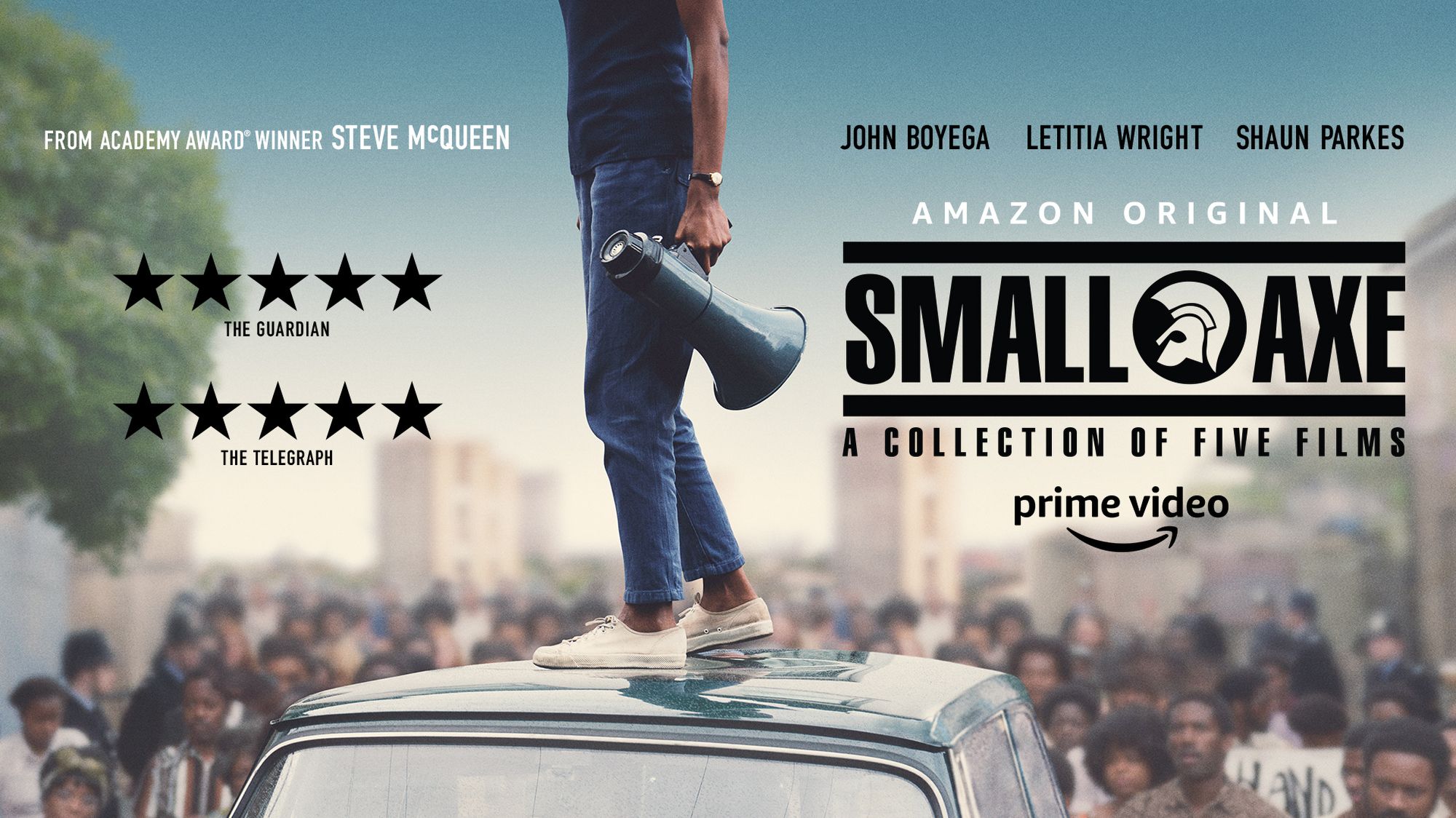
Small Axe could also be described in the vein of ‘Small Acts’. Dramatized and rich slices-of-life that reflect significant historical figures and events from black culture in the 1960s, 1970s and 1980s.  MANGROVE (2020) was the first in a set of five films devised, written and directed by Steve McQueen. It premiered at the London Film Festival in 2020, before being released on the BBC television network. I reviewed the film MANGROVE (2020) here. Such was its power, the searing drama would make my list of favourite films of 2020.

Ultra-talented McQueen was not satisfied with one amazing work. He, his incredible cast and production team also delivered four more high quality dramas called LOVERS ROCK (2020), RED WHITE & BLUE (2020), ALEX WHEATLE (2020) and EDUCATION (2020). I had the privilege of viewing these films via the BBC over the New Year period and provide short reviews here.


LOVERS ROCK (2020)

Main Cast: Micheal Ward, Amarah-Jae St. Aubyn, Kedar Williams-Stirling, Shaniqua Okwok, Ellis George, etc.

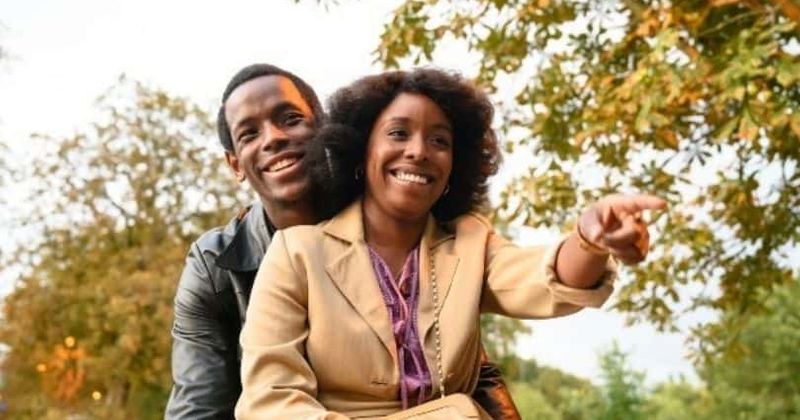
As well as alluding to the main love story within the narrative, Lovers Rock also makes specific reference to a style of reggae music with a romantic sound and content. Set over one night during a London-based birthday party, the film opens with the setting up of a sound system, making of food and preparation of the large house. While mostly an ensemble piece, the story narrows its focus on prospective lovers, Franklyn and Martha, who fall for each other amidst the thumping bass and hearty vocals of the music. Surely, Lovers Rock is a testament to the power of harmony and community and love. There are brief moments of drama to spike the party mood, but ultimately this is about the joy of being alive and drunk on song and romance. Lastly, it’s arguably as close to feelgood as McQueen’s intense filmmaking style gets in this amazing anthology.

Mark: 9.5 out of 11


LOVERS ROCK (2020)

RED, WHITE AND BLUE (2020)

Main Cast: John Boyega, Steve Toussaint, Neil Maskell, Joy Richardson, etc.

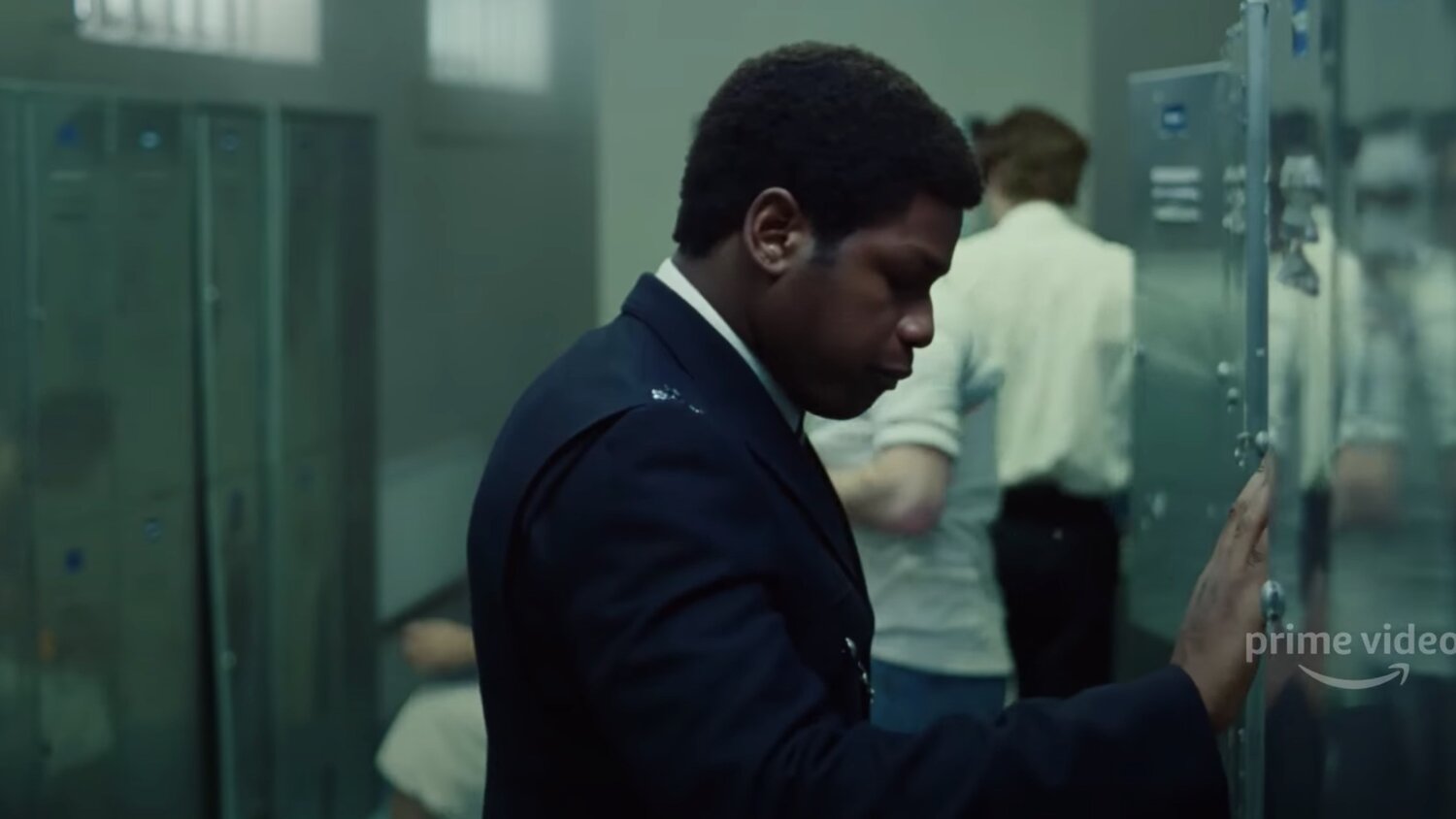
As well as evoking the socio-political landscape of the era so well, the costumes, hair, make-up and location work feel so authentic in all of the Small Axe films. Such authenticity serves the stories well, as does the virtually perfect casting too. Fresh from his energetic portrayals of Finn in the Star Wars trilogy, John Boyega’s performance as Leroy Logan in Red, White and Blue (2020), brings his character into conflict with a whole different kind of dark side. Logan was one of the first prominent black police officers in the Metropolitan police. He subsequently founded the Black Police Association and attempt to reform the police from within. No two ways around it, based on the early part of his police career, Logan is represented as a trailblazing hero. He is intelligent and tough and ready to face up to the barbaric language and violence from both white police officers and members of the black community who saw him as a traitor. Boyega is spellbinding as Logan, navigating his way up the ranks facing rancour and rejection from within the police and his own father too, who was understandably unhappy at Leroy’s controversial choice of career.

Mark: 9.5 out of 11


RED, WHITE & BLUE (2020)

ALEX WHEATLE (2020)

Main Cast: Sheyi Cole, Robbie Gee, Johann Myers, Johnathan Jules, etc.

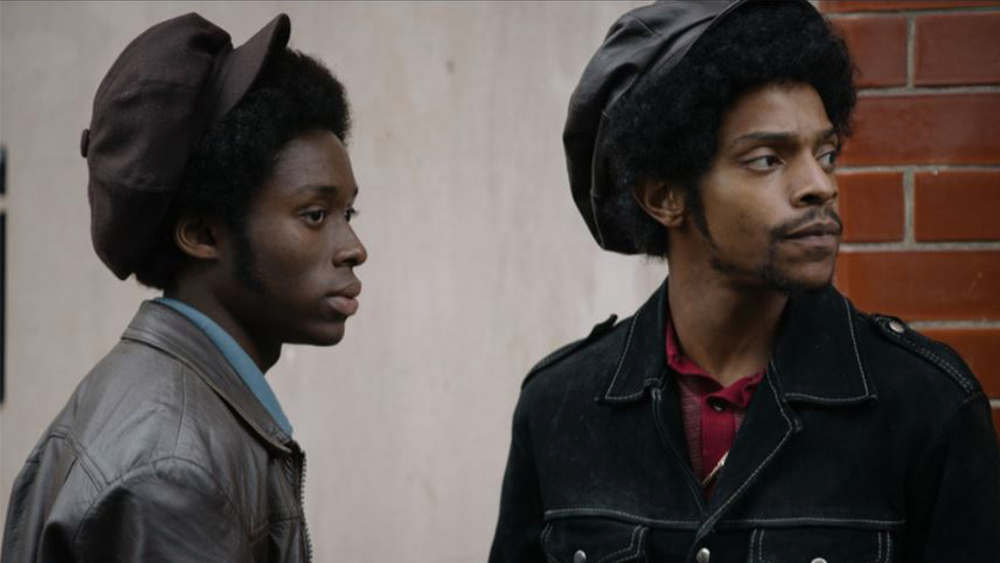
What Steve McQueen deserves praise for with Small Axe, among many other things, is bringing to the fore individuals one may not have heard of, or reminding us of important events from within recent British history. In Alex Wheatle (2020), McQueen weaves the early years of now famous author, Alex Wheatle, with circumstances relating to the Brixton riots and the New Cross fire tragedy of 1981. The latter took the lives of fourteen young black people and fuelled much anger at the time in regard to racist attacks on the black community. Alex himself was brought up in care and grows up an angry young man. He finds solace in music and expressing lyrics in a political and combative style. We first meet him in a prison cell sharing with Rastafarian, Simeon (Robbie Gee). The fractious scenes between the two, with both Gee and Sheyi Cole giving fine performances, are full of anger and humour. Far from being a comedy, there remains both witty banter and pathos fizzing around this profile of Wheatle’s formative years. This fine profile finds a young rebel discovering his voice and identity amidst the urban decay, racism and police brutality of the mean streets of London.

Mark: 10 out of 11


ALEX WHEATLE (2020)

EDUCATION (2020)

Main Cast: Kenyah Shandy, Sharlene White, Josette Simon, Tamara Lawrence, Daniel Francis, etc.

Having addressed social and cultural issues relating to civil liberties, law, music, work and identity, Steve McQueen focussed specifically on educational themes within the black community in the aptly named, Education (2020). The highest praise I can give Education (2020) and all the films in the Small Axe anthology is that I felt genuine emotion for all of the characters and the situations they were in. They may not have been perfect and had their flaws, but ultimately all five of these narratives made me feel and care about the characters. Because they were up against an unfair system which demanded to be challenged and changed to stop the systematic prejudice of the time. Education (2020) feels extremely personal to Steve McQueen as one senses the lead character, twelve-year-old Kingsley Smith (Kenyah Sandy) experiences much of the grief he may have when younger. Considered disruptive at the local Comprehensive, Kingsley is dumped into a “Special School” where he becomes lost and ill-educated. One absurd scene simply shows a teacher playing House of the Rising Sun as part of a lesson. Kingsley’s formidable mother, with help from political forces within the black community, strive to right these educational wrongs in a powerful and moving final chapter to the Small Axe anthology.

Mark: 9.5 out of 11


BBC FILM REVIEW: MANGROVE (2020)

BBC FILM REVIEW: MANGROVE (2020)

Directed by: Steve McQueen

Produced by: Anita Overland, Michael Elliot

Screenplay by: Steve McQueen, Alastair Siddons

Cast: Letitia Wright, Shaun Parkes, Malachi Kirby, Rochenda Sandall, Nathaniel Martello-White, Richie Campbell, Alex Jennings, Jack Lowden, Darren Braithwaite, Sam Spruell, Samuel West, Llewella Gideon, Jodhi May, Gary Beadle, Jumayn Hunter, Duane Facey-Pearson, etc.

Music by: Mica Levi

Cinematography: Shabier Kirchner

Original Network: shown on the BBC as part of the Small Axe anthology

***CONTAINS HISTORICAL SPOILERS***


“So, if you are the big tree… We are the small axe… Ready to cut you down… To cut you down…” — Bob Marley song, Small Axe


You wait for a thought-provoking courtroom drama about individuals battling an oppressive legal system and end up watching two in two days. It wasn’t a specific plan to follow up my viewing of The Trial of the Chicago Seven (2020), by watching Steve McQueen’s majestic adaptation of the ‘Mangrove Nine’ narrative, but it was most certainly historically and culturally serendipitous. However, while Aaron Sorkin’s entertaining distillation of the 1968-1969 events, which occurred at the Democratic National Convention and subsequently in the U.S. courts, were delivered in an irreverent and satirical style, Steve McQueen’s approach to the systematic racism and brutality of the police force and legal battle which followed in Mangrove (2020), is treated with far more intensity and power.

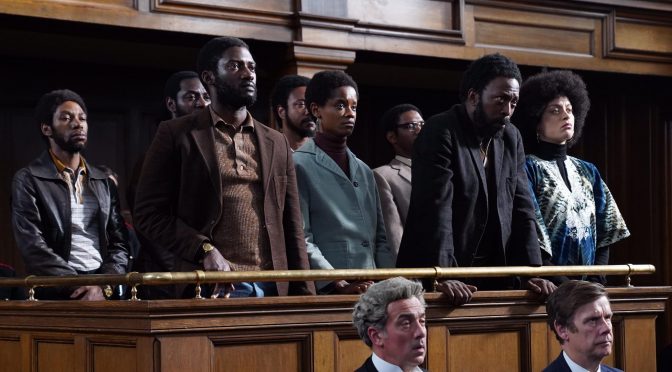
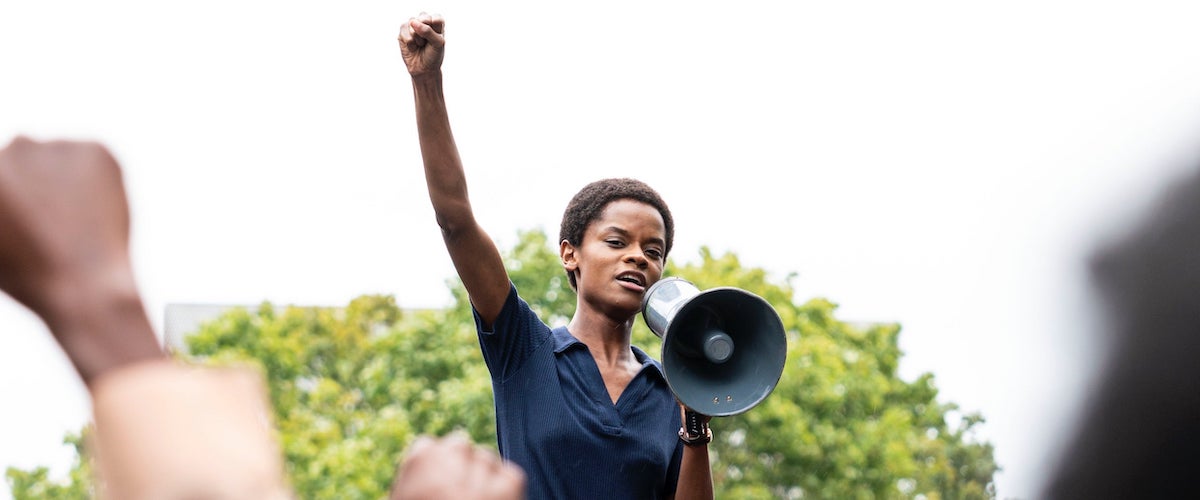
Mangrove (2020) is the first in a set of five films curated, written and directed by Steve McQueen, in what has become known as the ‘Small Axe’ anthology. It premiered at the London Film Festival in 2020, before being released on the BBC television network. The aim of the ultra-talented McQueen, and his writers, cast and crew is to reflect important historical figures and events from West Indian culture in the 1960s, 1970s and 1980s. Mangrove (2020) centres on the trial of the ‘Mangrove 9’, namely Frank Crichlow, Darcus Howe, Althea Jones-Lecointe, Barbara Beese, Rupert Boyce, Rhodan Gordon, Anthony Innis, Rothwell Kentish; and Godfrey Millett. They were seen as leaders of protests which occurred in August 1970, that resulted in battles with police on the Notting Hill streets. While original charges were thrown out by a magistrate, the then Director of Public Prosecutions decided the case should go to court in 1971.


The excellent screenplay by McQueen and his co-writer Alastair Siddons expertly establishes the era and setting of the story. Similarly, the production design perfectly captures the look of late 1960’s West London. Shaun Parkes’ portrayal of Frank Critchlow is both moving and influential in drawing the viewer into the character’s desires and culture. Critchlow opens the Mangrove Restaurant in 1968 with a longing to establish a place that serves West Indian food; and provide a meeting place within the community. Alas, due to the heavy-handed approach by the police in the area, led mercilessly by Sam Spruell’s P. C. Frank Pulley, Critchlow’s dream is left in tatters by constant raids and arrests. It is the Metropolitan Police’s belief that the Mangrove Restaurant is a hive of criminal activity and drug use. No drugs were found during these raids, thus Critchlow filed charges himself of unlawful arrest. Eventually, Critchlow, Howe, Jones-Lecointe and others became involved in marching and protesting at what they saw as clear racial prejudice by the police.

My emotions while watching the events unfold, from the clashes with police to the subsequence court case, was that it is tragic that there was such violence and division between people of the Commonwealth and the authorities. After all, West Indians were invited by the British Government to come to here in the 1950’s, to help rebuild post-war Britain. Obviously, not all British people rejected them, however, clearly there was an incredible amount of racism and abuse, here illustrated by the police’s horrific attitude in Mangrove (2020). Thus, Steve McQueen and his exceptional cast deserve all the plaudits coming their way in bringing such a vital legal case to the screens. The Mangrove 9’s case is emblematic of the horror of ignorance that has occurred in British history and that we must continue to stamp out vitriolic actions based purely on cultural difference and the colour of an individual’s skin. In representing such important events and individuals moreover, Steve McQueen has delivered one of the most powerful films of 2020.

Mark: 10 out of 11


NETFLIX FILM REVIEW: HIS HOUSE (2020)

NETFLIX FILM REVIEW: HIS HOUSE (2020)

Directed by: Remi Weekes

Produced by: Aidan Elliott, Martin Gentles, Arnon Milchan, Ed King, Roy Lee

Screenplay by: Remi Weekes

Story by: Felicity Evans, Toby Venables

Cast: Wunmi Mosaku, Sope Dirisu, Matt Smith, etc.

Cinematography: Jo Willems

***MAY CONTAIN SPOILERS***


Similar in spirit to the Jacques Audiard directed film, Dheepan (2015), the latest Netflix film release, His House (2020), takes the migrant experience as a key narrative driver, then filters it through exciting genre style. While Dheepan (2015) started as a story of survival before crossing over into thriller territory, His House (2020) superbly combines social commentary with the horror genre. Moreover, a key plot reveal later in His House (2020) is extremely similar to that found in Dheepan (2015). Nonetheless, it is a powerful film, both unnerving and thought-provoking in equal measure.

His House (2020) introduces us to Bol (Sope Dirisu) and Rial (Wunmi Mosaku), a refugee husband and wife seeking asylum in Britain from South Sudan. Having survived a treacherous journey from this war-torn part of the world, their young daughter is not so lucky. Alas, Nyagak (Malaika Agibaka) dies during a stormy boat journey. This incident and their social status immediately garners sympathy and empathy for the protagonists. Allied to this, on achieving probational asylum status their jaded case worker, Mark (Matt Smith), brings them to a rundown council estate to live in. It is to Bol and Rial’s credit that they accept their new abode with gratitude. Bol especially is keen to mix with the locals and fit into the British way of living. However, the two soon encounter indifference, racism and prejudice.

This image has an empty alt attribute; its file name is 1024px-his_house_film_poster-1.png

As the narrative continues Bol and Rial have more to contend with than ignorant locals. Rial is resistant to integration as she desperately holds onto her Sudanese clothes and customs. While Bol is clearly trying to distract himself from the tragedy, Rial’s grieving takes the form of clinging onto the memory of her daughter and their Sudanese ways. This familial division is exacerbated by disturbing supernatural phenomena, as a strange dark spirit and the ghost of Nyagak both appear. Could it be grief and guilt manifesting such spectres? Or are they suffering from post-traumatic stress following their harrowing journey to Britain? Or has a genuinely evil spirit hijacked their attempts to build a home and find peace?

Declaring himself as a director to keep tabs on, Remi Weekes, has written and directed an excellent first feature film in, His House (2020). The pacing of the story is excellent as we get flashes of Bol and Rial’s past in Sudan, juxtaposed with their attempts to acclimatise in Britain. As someone whose life is extremely privileged when compared to that of such characters, I was both moved and fearful for the protagonists. This is not only down to an excellent script full of subtext, symbolism and dread, but also due to Sope Dirisu and Wunmi Mosaku’s compelling performances. Furthermore, you really feel the pain of the couple’s loss and suspense created by that which lurks within the stained walls of their apartment. While there are many tense moments, my one reservation with His House (2020) was there arguably wasn’t enough true horror moments. Having said that, the actual reality of Bol and Rial’s situation in losing a daughter, suffering British administrative red-tape and living amidst everyday prejudice, is far scarier than ghosts and monsters can ever be.

Mark: 8.5 out of 11

“CINEMA” REVIEW: THE NIGHTINGALE (2019)

“CINEMA” REVIEW: THE NIGHTINGALE (2019)

Directed by: Jennifer Kent

Produced by: Kristina Ceyton, Steve Hutensky, Jennifer Kent, Bruna Papandrea

Written by: Jennifer Kent

Cast: Aisling Franciosi, Sam Claflin, Baykali Ganambarr, Damon Herriman, Harry Greenwood, Ewen Leslie, Charlie Shotwell, Michael Sheasby, etc.

Music by: Jed Kurzel

Cinematography: Radek Ladczuk

***MAY CONTAIN SPOILERS***


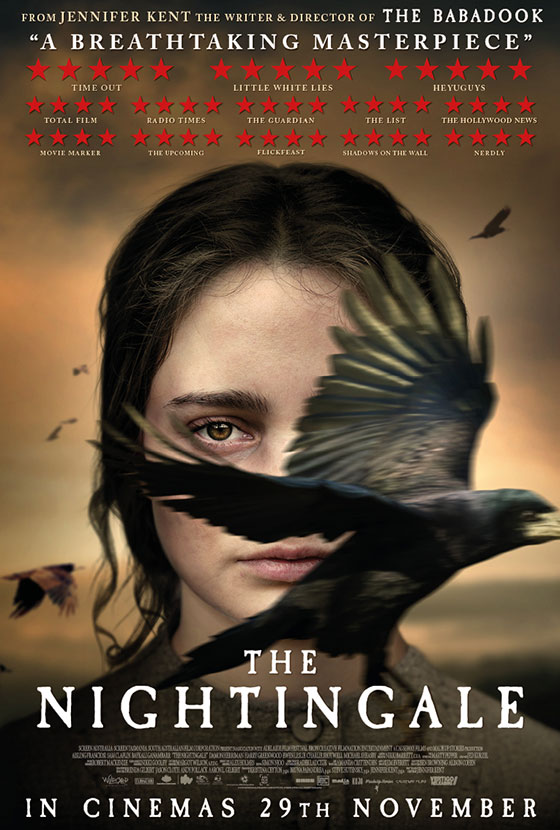
THE NIGHTINGALE (2019) is a brutal film about rape and murder. It’s about the rape of an individual. The rape of a nation. The murders of youth, race, nature, humanity and life itself. It is an extremely powerful and impactful viewing experience, but not for those of a faint heart or sensitive disposition. When released it caused much controversy with some audience members walking out during festival screenings. This is no doubt due to several scenes displaying sickening moments of violence against men, women and children. However, the director Jennifer Kent, has not written and helmed a mere exploitation revenge film here. Instead, she has fashioned a beautiful and ugly tragedy, which prevails damning indictment against masculine savagery, colonialism and British rule.

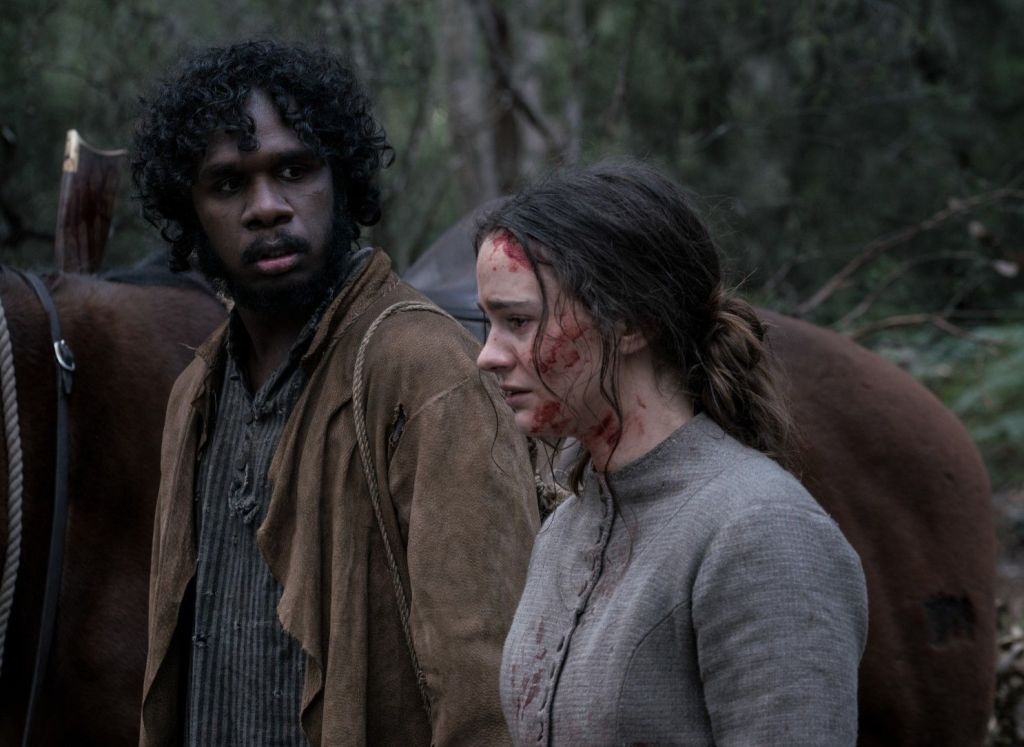
Set in 1825 in the penal colony of Van Diemen’s Land (presently Tasmania), THE NIGHTINGALE (2019), follows a young female convict seeking revenge for an unspeakable act of violence committed against her family. Clare Carroll, nicknamed “Nightingale” due to her lovely singing voice, is a young mother and wife looking to be given her freedom. It is held by Sam Claflin’s abusive British officer, Hawkins. Rather than free her he decides to thrust himself upon her sexually. Yet, when she rebuffs his drunken and lurid behaviour, he goes mob-handed to take her. Then when her husband intervenes, Hawkins and his soldiers act without honour or courage, leaving a family wrecked in their wake.


Hawkins and his men venture through the bush to Launceston the next day, to gain a promotion from the top brass he believes he deserves. Claire rallies and pursues them with bloody revenge in mind. She is assisted in her search by Aboriginal guide, “Billy” Mangana (Baykali Ganambarr). Billy is initially reluctant to chase British soldiers. Not surprising as the British have ravaged his people, land and culture, leaving the indigenous people outcasts in their own country. While Claire and Billy initially conflict they soon realise they have a common foe. Thus, while revenge supplies the bones for the narrative, the screenplay fleshes out their chase with intriguing cultural clashes and reconciliation. Indeed, the unlikely pair will eventually come to respect each other’s differences and find common ground over the course of the story.

Having received much critical acclaim with the low-budget horror film THE BABADOOK (2014), Jennifer Kent has moved from inner demonic possession to a more epic and external approach to horror. Because amidst the bucolic wonder of the Australian wilderness, the British brought death and chaos to the area. While one understands the need to have a place to house its prisoners (the barbarous treatment of the working classes is a whole different story), the rapacious desolation of the indigenous culture is a vital message within the film. Claire Carroll and Billy Mangana are symbols of a lost and damaged generation. They are emblems of people who deserve justice and reparation. Moreover, the message remains valid today, especially with the rise of the alternative-right and the continued sexual abuse faced by women everyday. Lastly, with a moving and tough leading portrayal by Aisling Franciosi, Baykali Ganambarr providing a spiritual heart, and Sam Claflin giving a fearlessly repugnant representation of British aggression, THE NIGHTINGALE (2019), tells a horrific, disturbing, but righteously relevant tale.

Mark: 9 out of 11


NETFLIX FILM REVIEW: DA 5 BLOODS (2020)

NETFLIX FILM REVIEW: DA 5 BLOODS (2020)

Directed by: Spike Lee

Produced by: Jon Kilik, Spike Lee, Beatriz Levin, Lloyd Levin

Written by: Danny Bilson, Paul De Meo, Spike Lee, Kevin Willmott

Cast: Delroy Lindo, Jonathan Majors, Clarke Peters, Norm Lewis, Isiah Whitlock Jr., Mélanie Thierry, Paul Walter Hauser, Jasper Pääkkönen, Jean Reno, Chadwick Boseman etc.

Music by: Terence Blanchard, Marvin Gaye

Cinematography: Newton Thomas Sigel

Distribution: Netflix

***MAY CONTAIN SPOILERS***


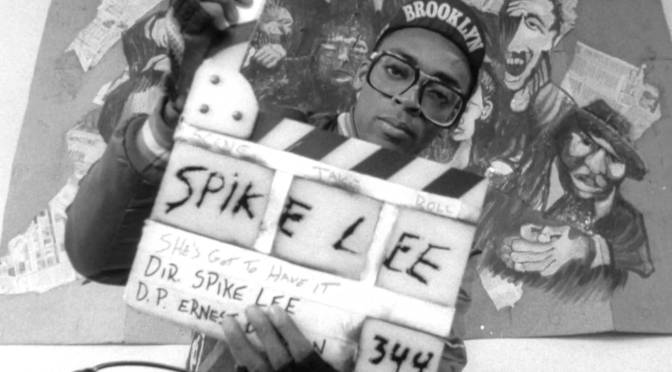
Shelton Jackson “Spike” Lee has been a prolific actor, director, producer and polemicist for some time now. An ultra-talented and outspoken cinematic artist, he has directed thirty fiction and documentary films since his debut feature film She’s Gotta Have It (1986). Plus, all manner of promos, commercials, music videos, short films and television series. An energetic firebrand of a director he has made films in many genres and is a risk-taker in subject, theme and style. Whether you agree with what he has to say he is a filmmaker who is always creating situations and characters who must be heard.  

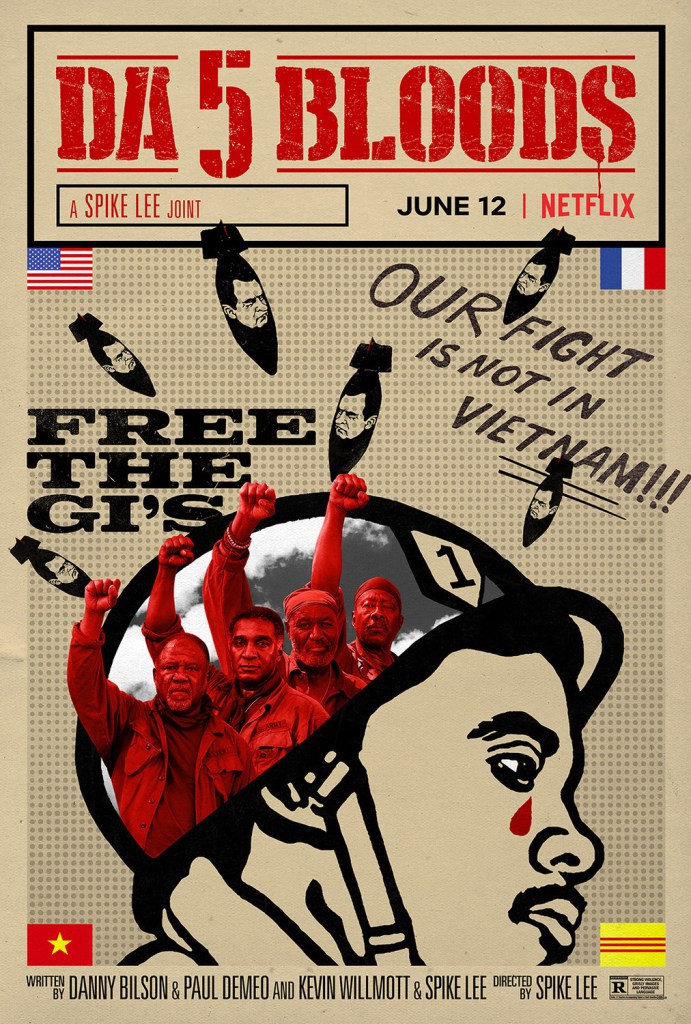
His latest film, Da 5 Bloods (2020), is a timely Netflix film release which encapsulates crime, heist, political, war, drama, Blaxploitation, comedy, documentary, love and experimental film genres. Lee has never been afraid of taking risks and sometimes his films have not worked because of it. However, with BlacKKKlansman (2018) he succeeded in making one of the best films of 2018 and should have won Best Film Oscar in my view. Da 5 Bloods (2020) grabs the power baton of Lee’s prior film and runs with it, delivering an entertaining, funny, thought-provoking, stylish and brilliant genre-blending story full of sustainable socio-political arguments in the era of the Black Lives Matter movement.


The narrative begins by establishing four aging Vietnam veterans, portrayed by the magnetic ensemble of Delroy Lindo, Clarke Peters, Norm Lewis and Isiah Whitlock Jr. They meet in Ho Chi Minh City in order to venture into the jungle and locate the remains of their squad leader. During some very stylised, richly colour-saturated and impactful flashbacks, it is revealed their friend, “Stormin Norman” (the charismatic, Chadwick Boseman), was killed in combat. Furthermore, and this is the money reason they are back in ‘Nam – there is army gold in those hills. Thus, the comrades set out to locate their friend’s body, and the gold, in order to find reparation and hopefully some form of redemption.

The film begins warmly as we enjoy the company of these great actors portraying reunited friends on an old boys outing. However, the film, as it introduces further subplots involving Jean Reno’s suspicious businessmen, Desroche and Delroy Lindo’s Paul crumbling mental state, moves into far darker territory the further the men get into the jungle. Lindo himself gives arguably the best performance of his career as a soldier grieving for his lost friend and desperate to get compensation for the unjust loss of so many lives in Vietnam. His character’s downward mental trajectory is one of the most powerful elements of Da 5 Bloods (2020). No doubt Lindo will be nominated come awards time and so he should be.

The cinematic excellence on show too from Spike Lee and his production crew is to be applauded too. Lee’s box of magic tricks includes: jump cuts, aspect ratio switches, colour saturation, Shakespearean soliloquies, documentary footage, flashbacks, conveyor-belt camera tracks, stills photography, slow-motion, direct address and many other devices. The exceptional cinematography is drenched in an opulent score from Terence Blanchard and the incredible voice of Marvin Gaye. I guess my main reservations about the film would be the elongated running time, with some scenes indulgently over-running. Moreover, there were also a couple of convenient plot coincidences which could have been ironed out. Nonetheless, with Da 5 Bloods (2020), Spike Lee has delivered another bravura mix of genre and socio-political filmmaking which, like classics such as The Treasure of Sierra Madre (1948) and Apocalypse Now (1979), stare into the dark heart of humanity and find greed, war and death there. Unlike those two films though, Da 5 Bloods (2020), also contains hope, light in the tunnel, and the idea that togetherness brings strength in the face of adversity.

Mark: 9 out 11


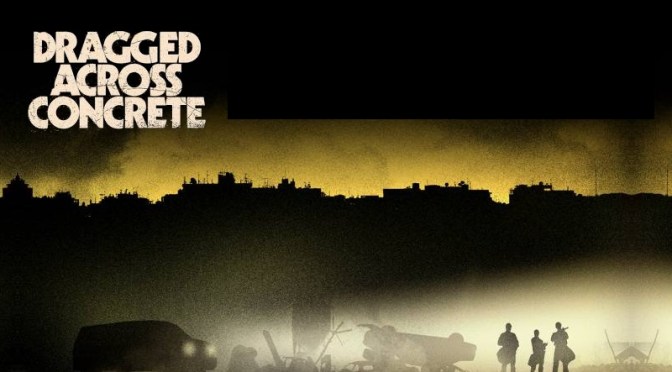
FILMS THAT GOT AWAY #8 – DRAGGED ACROSS CONCRETE (2018)

FILMS THAT GOT AWAY #8 – DRAGGED ACROSS CONCRETE (2018)

Written and directed by: S. Craig Zahler

Produced by: Sefton Fincham, Jack Heller, Tyler Jackson, Keith Kjarval, Dallas Sonnier

Cast: Vince Vaughn, Mel Gibson, Tory Kittles, Michael Jai White, Jennifer Carpenter, Laurie Holden, Don Johnson, Thomas Kretschmann etc.

Cinematography: Benji Bakshi

*** MAY CONTAIN SPOILERS ***


As a major fan of S. Craig Zahler’s first two film releases, namely Bone Tomahawk (2015) and Brawl in Cell Block 99 (2017), I was really looking forward to another example of pulpy, slow burn and hard-bitten genre filmmaking with Dragged Across Concrete (2018). Thus, I was very upset when I found out the Mel Gibson and Vince Vaughn starring cop drama was not released in UK cinemas. I finally caught up with it on Amazon Prime and, while it was probably too long, it was a hypnotically powerful crime thriller.

Set in the city of Bulwark, the film opens with a lengthy preamble which introduces disparate characters whose paths are destined to cross later in the film. These include recent parolee, Henry Johns (Tory Kittles), grizzled-long-in-the-tooth-cop, Brett Ridgeman (Mel Gibson) and his younger, but equally cynical partner, Anthony Lusaretti (Vince Vaughn). Later, Zahler throws professional criminal, Lorentz Vogelmann (Thomas Kretschmann), and his dressed-in-black crew into the dark city soup. After a glacial set-up, the plot kicks in when Ridgeman and Lusaretti are suspended for what is perceived as a racially motivated attack on a suspect. Desiring a way out of the neo-noir and industrial decay, Ridgeman sets up a plan to steal from Vogelmann’s gang. Safe to say that given this is a Zahler film, we do not end up with a soft toy and candy apple ending.

Throwing a succession of anti-heroes at the audience and a litany of cursing and politically incorrect language makes Dragged Across Concrete (2018) a morally questionable film to experience. Do not watch if you are easily offended. Nonetheless, my feeling is Zahler, like Tarantino, is reflecting the world as it is rather than how it should be. Humanity is in the gutter and the only way out of it, in his mind, is to swear and fight and steal and kill. That isn’t to say that the characters are not empathetic. As Zahler’s hard-boiled dialogue is very poetic in places it draws you to them in a way Raymond Chandler used to do. Similarly, the performances from Gibson and Vaughn are brilliant. The scenes where they just sit in the car and eat sandwiches while staking out their quarry, are both hilarious and absorbing. Ultimately, it’s the lengthy second half robbery and final act ultra-violence which makes the film a pulsating and brutally rewarding experience.

Mark: 8.5 out of 11


HBO TV REVIEW: WATCHMEN (2019) – META-GONZO TV OF THE HIGHEST ORDER!

HBO TV REVIEW: WATCHMEN (2019)

Adapted by: Damon Lindelhof

Based on: Watchmen by Alan Moore and Dave Gibbons

Writers: Damon Lindelhof, Nick Cuse, Lila Byock, Christal Henry, Carly Wray, Cord Jefferson, Stacy Kuffour-Osei, Claire Kiechel, Jeff Jensen

Directors: Nicole Kassell, Stephen Williams, Andrij Parekh, Steph Green, David Semel, Frederick E. O. Toye

Cast: Regina King, Jeremy Irons, Don Johnson, Jean Smart, Tim Blake Nelson, Louis Gossett Jr., Yahya Abdul-Mateen II, Hong Chau, Andrew Howard, Tom Mison, Frances Fisher, Jacob Ming-Trent, Sara Vickers, Dylan Schombing, and James Wolk.

**SPOILER FREE**


Maybe I am imagining it, but I think we are now entering a different kind of TV narrative storytelling. Perhaps it has always been there? However, I am sure I can now see through the ‘Matrix’ of the internet’s all-powerful influence. My point is that we are moving away from traditional television storytelling which is solely interested in telling an emotionally whole and linear narrative. Is television that has a predictable soul and a beginning, middle and end — in THAT order — disappearing? Or am I just choosing to ignore the saturation of standard dramas involving cops, criminals and medics to watch more complex TV stuff?

Recent television shows such as Legion (2017), Westworld (2016), Dark (2017) and now Watchmen (2019) take stylish, cinematic and transgressive structural and thematic approaches to narrative. One could accuse them of being postmodern fakery or postmodern genius; or both. There does appear to be a movement toward over-complicated-clickbait-viral-trailer-led-ADHD-TV which fragments and shatters its’ story lines. The creators want us to experience their productions not in the traditional beginning, middle and end standard, but rather through shifting timelines, unreliable narrators and a blurred sense of what is right and wrong.


Image result for watchmen comic book

Damon Lindelhof, who is a brilliant writer and very experienced TV creative, does tend toward the pretentious and over-complex in his work. Having said that his recent production The Leftovers (2014 – 2017) contained some absolutely sensational thematic explorations of the apocalypse, damaged humanity and religious fervour. For his latest project HBO has given him a truckload of money to emulate and remix Alan Moore and Dave Gibbon’s seminal 1980’s comic book Watchmen. The original itself was a subversive tome of genius which subverted the mythology of comic book and superhero storytelling.

The main action is set in 2019 Tulsa, but also spans decades of alternative U.S. history and locations on Earth and not on Earth. If you don’t know the original source material or have not seen Zach Snyder’s valiant adaptation Watchmen (2009), you will be very confused initially and throughout. Because Lindelhof’s approach to this alt-world version of masked cops, criminals and vigilantes is via a chopping meta-storytelling structure. The various plots events and character histories are delivered via flashbacks, flash-forwards, narcotic visions, hallucinogenic dreams, splintered timelines and even a TV show within this television show. It’s a very stylish smorgasbord, splashed with crazy characters, witty hard-boiled dialogue, wild science fiction twists, lashings of violence, pockets of substance, cinematic visuals, high class production values and a cast to die for.

Yes, but Paul, what’s it actually about? How about love, hate, racism, superheroes, corruption, giant squids, cloning, rogue scientists, good versus evil, vigilantism, revenge, megalomania, transcendent beings, war, violence, rogue politicians, superheroes, masked identities, nuclear threat; and that the United States continues to be sown with the seeds of intolerance, blood and death. Watch the Watchmen (2019), take your time and piece the crazy jigsaw together for yourself. If not, and you prefer to play it safe, there’s always Law and Order for those who want something less mind-blowing.

Mark: 9 out of 11


MY CINEMATIC ROMANCE #17 – SPIKE LEE

MY CINEMATIC ROMANCE #17 – SPIKE LEE

Shelton Jackson “Spike” Lee has been a prolific actor, director, producer and polemicist for some time now. An ultra talented and outspoken cinematic artist, he has directed thirty fiction and documentary films since his debut feature film She’s Gotta Have It (1986). Plus, all manner of promos, commercials, music videos, short films and television series.

To celebrate his work and the fact he finally got recognised for his amazing filmmaking skills by the Oscars this year, I would like to highlight, five of his finest films that are worth watching and rewatching. An energetic firebrand of a director he has made films in many genres and is a risk-taker in subject, theme and style. Whether you agree with what he has to say he is a filmmaker who is always creating situations and characters who must be heard. Here are some great examples of his cinematic work.

**MAY CONTAIN SPOILERS**

DO THE RIGHT THING (1986)

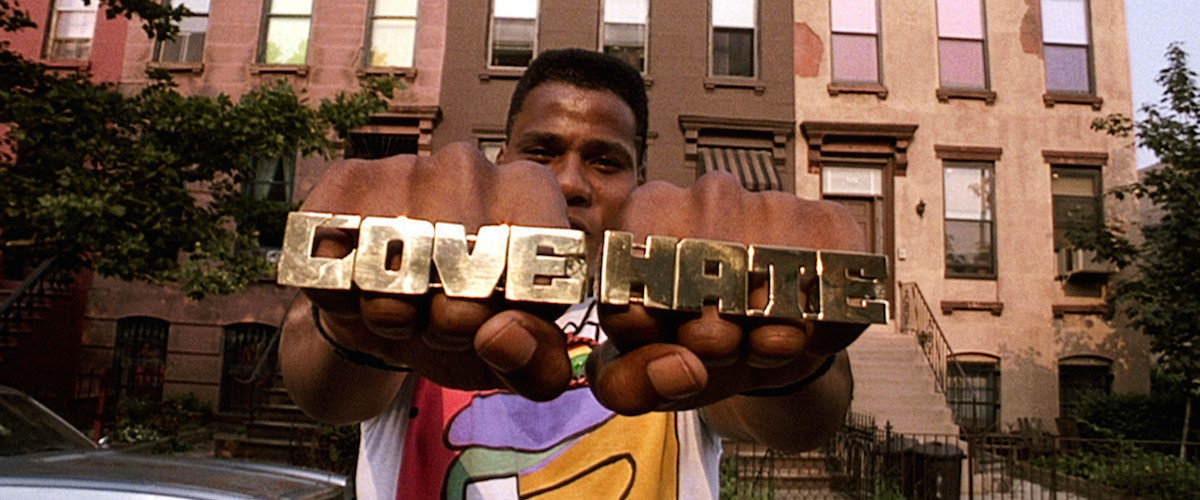
Spike Lee’s incendiary look at the day in the life of a Brooklyn neighbourhood finds a variety of characters coping with both rising temperatures and simmering racial tension. Lee’s brilliant script is fully of boldly written and brightly sketched characters presented via a succession of hilarious and dramatic vignettes. The formal excellence on show too from Lee is to be applauded as he uses devices from: music video and cinema to tell his rich stories. The day does not end well as the neighbourhood erupts into tragic violence with Lee proving himself adept at balancing humour, politics and tragedy in equal measure.

MALCOLM X (1992)

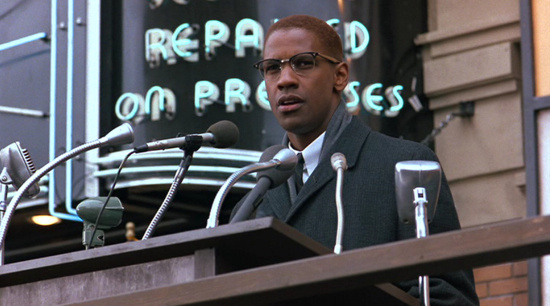
Arguably, Malcolm X (1992), is Spike Lee’s most significant and impressive film. It charts the life and death of a man born Malcolm Little who would grow to be anything but. After a troubled childhood he became a drug dealer and criminal in order to survive. Having converted to Islam he rejected his slave roots, going on to become one of the most outspoken voices against black oppression the world has ever seen. The project took decades to come to the screen and Lee and Washington both faced objections from many parties for their involvement. However, the finished film a masterful biography capturing the spirit of an intelligent, passionate and outspoken individual trying to right the wrongs within American society and history. Both Lee and Washington should have won Oscars for their work. The film stands ultimately as a fine cinematic tribute to a true spokesperson for a generation.

HE GOT GAME (1998)

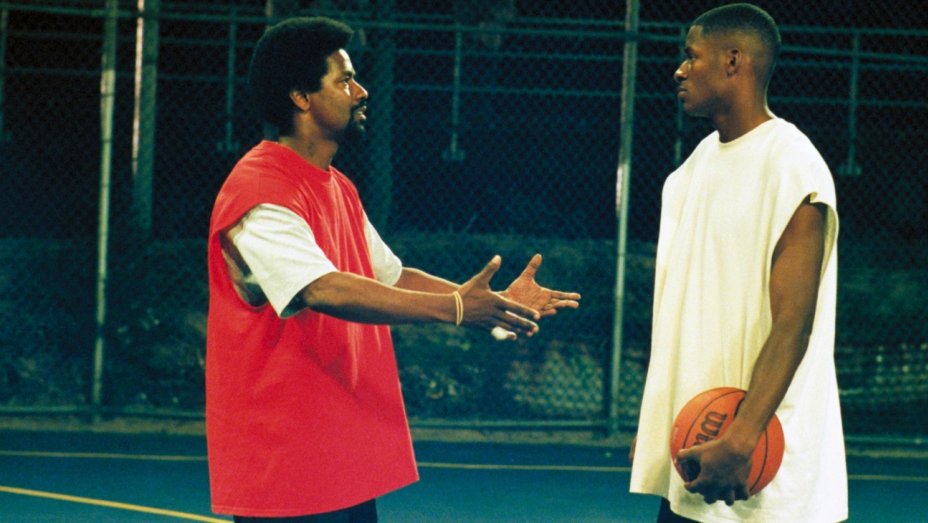
From my basic research Spike Lee is revealed to be a New York Knicks fan. It’s no surprise then his love of basketball really shines through in this mix of sport, crime and personal drama. The story follows young hot-shot basketball prospect, Jesus Shuttlesworth, and the decision he has to make in regard to which college he goes to. On paper it’s Jesus’ choice but in reality he has all manner of people attempting to influence him. These include: his girlfriend, his coach, agents, local gangsters and most pressing of all, his jailed father portrayed by Denzel Washington. Ray Allen is excellent as Jesus and Lee invokes an empathetic character study with lashings of verve and style.

INSIDE MAN (2006)

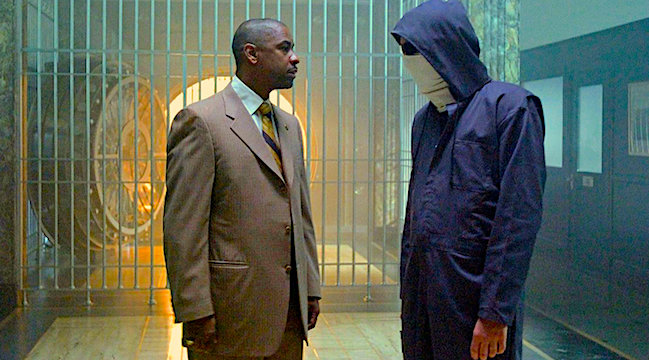
Spike Lee directs in confident style, with Denzel Washington and Clive Owen both excellent as the lead cop and main criminal. Jodie Foster is brilliant too as a venal fixer brought in by Christopher Plummer’s bank owner. What makes Lee’s direction ping here is his deft handling of a complex structure within the heist genre. Moreover, Lee demonstrates he is able to convey a genre story with impeccable skill and deliver fine screen performances to boot. I especially loved the diversity of the supporting characters and the film oozes a pure New York atmosphere throughout.

BLACKKKLANSMAN (2018)

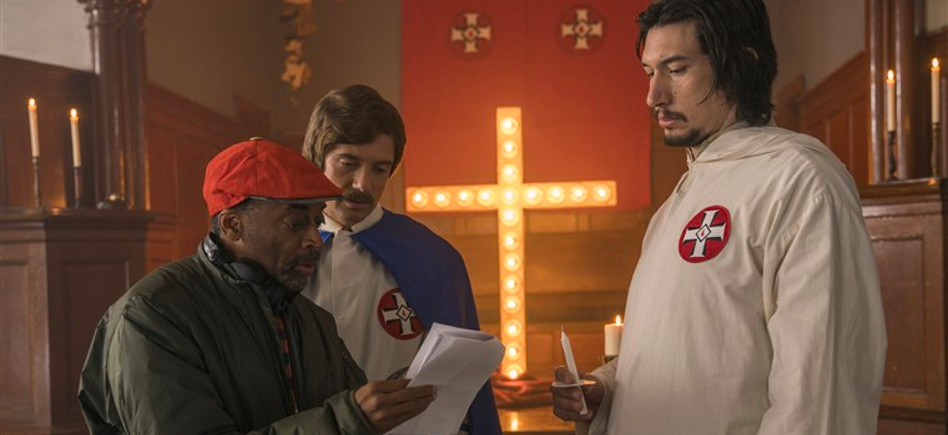
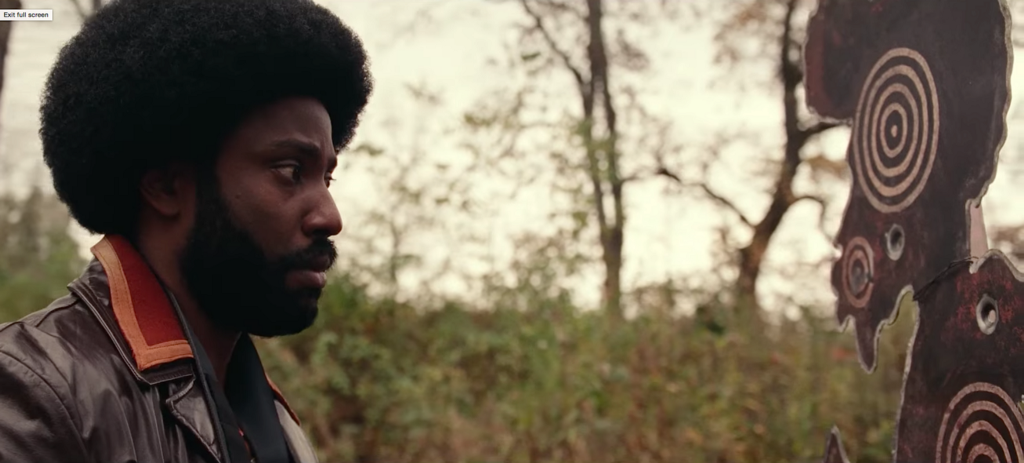
BlacKKKlansman (2018) is a complex film which expertly mixes many genres, infusing musical, thriller, Blaxploitation, comedy and documentary styles, making it a joy to experience. Spike Lee has never been afraid of experimenting and sometimes his films have not worked because of it. However, with this he succeeded in making one of the best films of 2018. It should have won Best Film Oscar in my view. It is thought-provoking but never preachy for the sake of it and uses humour most often as a weapon to undermine the senseless ideologies of the KKK. Indeed, in ridicule there is hope they may eventually be side-lined to the shadows of history.