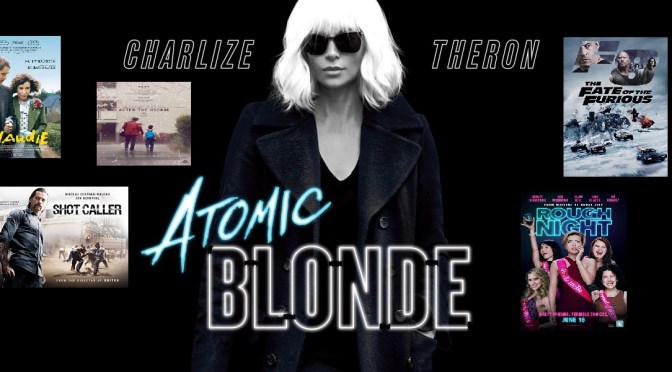
There are so many films released at the cinema each year that it’s impossible to catch them all. Unfortunately, for me, and billions across the world that damned thing called employment gets in the way. Nonetheless, there are many other avenues to catch up with movies and SKY CINEMA is one such route. So, here are some reviews of films I have caught up with recently on SKY, with the usual marks out of eleven.
**MAY CONTAIN SPOILERS**
AFTER THE STORM (2016)
This Japanese family drama is slow moving but quietly unfolds in a compelling fashion. Former prize-winning novelist, Ryota (Hiroshi Abe), is a gambling addict “researching” his next book and making ends meet with private detective work. He tries to become a better son and father but his hereditary flaws and addiction haunt him. That’s about it for Hirokazu Kore-eda’s character drama which features some excellent dialogue and a wonderful acting performance from Ryota’s mother, portrayed by Kirin Kiki. (Mark: 8.5 out of 11)
ATOMIC BLONDE (2017)
Charlize Theron portrays a sullen yet kick-ass spy in this style-over-substance-action-thriller. Directed by David Leitch, who also helmed John Wick 2 (2016), rather amusingly doesn’t even have the depth of Keanu Reeves’ B-movie-assassin-classics. Adapted from the comic book novel The Coldest City (2012) and set in late 1980s Berlin, it uses the unstable politics of the time loosely as a means to hang a slender narrative on. This essentially is all rocking soundtrack, kinetic action, and sexy fighting with NO story. Theron and co-star James McAvoy do their best with the spy McGuffins but it’s main redeeming feature is a barnstorming “one-take” fight scene in the middle of the film. Now THAT rocks! (Mark: 7 out of 11)
THE FATE OF THE FURIOUS (2017)
Charlize Theron pops up again in eighth film of the franchise, this time as cyber-baddie hell-bent on doing something bad for some heinous reason. Anyway, her fiendish plot is just an excuse to blow up cars, planes, jails, roads, buildings, and submarines in the usual explosive fashion. Vin Diesel, Jason Statham, Michelle Rodriguez, Tyrese Gibson, Dwayne “The Rock” Johnson and the rest of the team (minus Paul Walker R.I.P) are all back trying to stop her. There’s something both obscene and incredibly satisfying witnessing stunts and action this over-the-top! I mean the carnage present in the final-submarine-versus-vehicle-set-piece is absolutely breath-taking and its worth watching the film for that alone. (Mark: 7.5 out of 11)
MAUDIE (2016)
Since her striking performance in Mike Leigh’s excellent character piece Happy Go Lucky (2008), Sally Hawkins has been carving out quite the number of brilliant acting roles. Perhaps overshadowed by the success of the big budget monster/love story The Shape of Water (2017), the low-budget Maudie features another stunning Hawkins turn. She is quietly powerful in the role of Nova Scotia painter Maud Dowling. Maud came to mild prominence for her painting in the late 1960s and became somewhat of a cult treasure. Hawkins and Ethan Hawke steal the acting honours as the unlikely husband and wife, as Aisling Walsh directs a fine tribute to a small woman with a massive artistic talent. (Mark: 8.5 out of 11)
SHOT CALLER (2017)
This is a hard-boiled and brutal crime thriller which moves very slowly but with highly confident direction. Ric Roman Waugh has marshalled a very decent B-movie with Game of Thrones Nikolaj Coster-Waldaj excelling in the muscular lead role. He portrays a banker sent down for manslaughter who suddenly finds himself at the mercy of white supremacist gangs. Rather than lay down and get screwed he jumps straight in and sets in motion a gruesome set of events. Jon Bernthal pops up as a hard-piped criminal while Lake Bell is excellent as the anti-hero’s long-suffering wife. You need some patience but ultimately the ending pays off in an enjoyable, if incredibly contrived, finale. (Mark: 7.5 out of 11)
ROUGH NIGHT (2017)
This ridiculous over-the-top mixture of sex, crime and comedy rips off Very Bad Things (1998) and The Hangover (2009), with a smattering of Weekend at Bernie’s (1989). Having said that I really enjoyed it despite the incredibly broad comedy and implausible nature of the plot which takes five buddies on a Bachelorette party and throws a dead hooker into the mix. Zoe Kravitz, Scarlet Johannsson, Kate McKinnon, Illana Glazer and Jillian Bell, while slumming it in this often-filthy material, commit to their roles with ludicrous abandon. While very derivative I couldn’t help but laugh on several occasions, most notably at Ty Burrell and Demi Moore as the lascivious “sex-people” neighbours. (Mark: 7 out of 11)
Produced by: Kristian Brodie, Lauren Dark, Ivana MacKinnon
Written by: Michael Pearce
Starring: Jessie Buckley, Johnny Flynn, Geraldine James
Cinematography: Benjamin Kracun
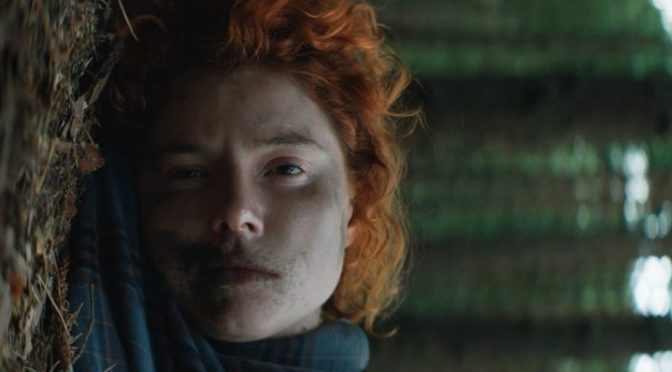
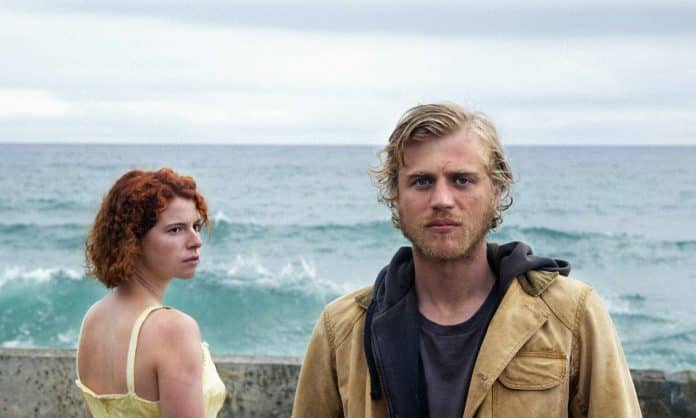
With Marvel’s juggernaut Infinity War (2018) smashing through the Cineplexes this week it takes a brave distributor to release a low budget British thriller at the same time. Nonetheless, Beast (2017) is here secreting paranoia, sexual tension and animal magnetism amidst the super-hero saturation. Beast is the debut directorial feature of Michael Pearce and he certainly demonstrates a lot of talent in the writing and filmmaking stakes. He also gives us arguably one, if not two, film acting breakthrough roles in the casting of the incredible Jessie Buckley and equally alluring Johnny Flynn.
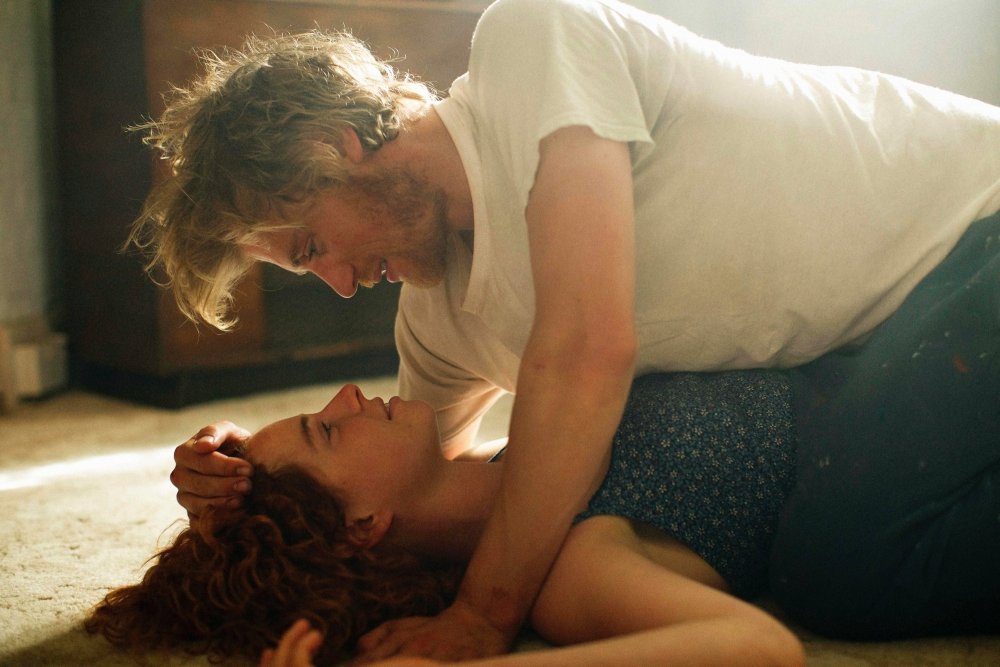
Beast is a slow-burner of a film. It moves at its own pace and quite often this works to heighten the suspense and on other occasions it perhaps slows the story too much. The central character is Buckley’s Moll Huntington, a coach tour guide living on the island of Jersey. Her middle-class life seems safe and comfortable but beneath the surface her controlling Mother (Geraldine James) and religious background make her feel trapped and isolated. Beneath Moll’s quiet surface is an anger and sexual energy waiting to break out. When she meets Johnny Flynn’s handsome “bit of rough” Pascal Renouf, Moll’s rebellious nature is released as she fights against her mother and her middle-class upbringing.
Simultaneously, Jersey is under threat from a serial killer who is brutally murdering teenage girls. Thus, the film presents two main plots: a coming-of-age romantic drama, plus a police thriller full of suspense. Writer-director Michael Pearce weaves these strands, on the main, very successfully as the police become more and more certain Pascal is the murderer. Moll’s love and loyalty to Pascal then becomes twisted and her turmoil drives the story into very dark places. I would say, however, the police investigation side was not as successful as Moll’s character study. In fact, there were a couple of plot-holes which let the story down, as did a tad long running time. Yet, these are minor gripes in a beautifully shot and rendered cinema release that makes the most of the Jersey shore, dirt and forestation.
Overall, Beast deserves a lot of praise for the intense acting of Buckley and Flynn. Their relationship crackles with sexuality on the screen and Buckley excels in many scenes when the rage inside her just explodes. Flynn, who was unrecognizable from his role as young Albert Einstein in the show Genius (2017), has an off-centre charm which captures the outsider perfectly. Geraldine James, as Moll’s mother is also on formidable form too. Yet, Jesse Buckley’s owns this film as the complex protagonist; while filmmaker Pearce must be commended for creating a slow-burning and intelligent psychological thriller which stays with you once the credits have rolled.
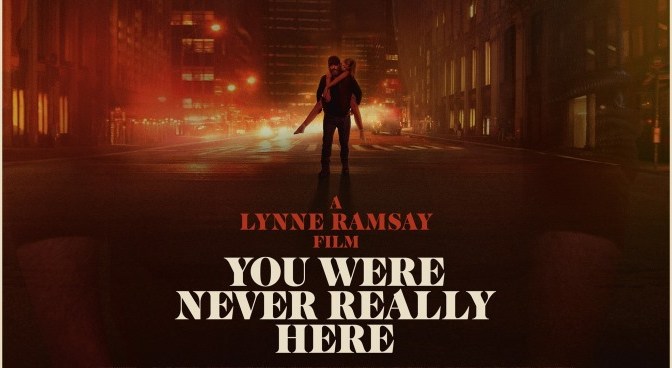
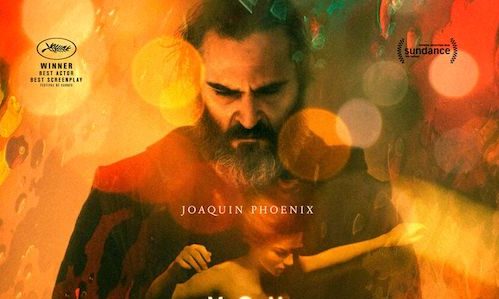
Produced by: Rosa Attab, Pascal Caucheteux, James Wilson, Lynne Ramsay Writer: Lynne Ramsay (Based on: You Were Never Really Here by Jonathan Ames)
Starring: Joaquin Phoenix, Ekaterina Samsonov, John Doman, Judith Roberts
Music by: Jonny Greenwood
Editor: Joe Bini
**CONTAINS MILD SPOILERS**
Lynne Ramsay’s latest film will not be for everyone; be warned it has some very disturbing sequences relating to abuse and violence. The pitch is simple and accessible: a hired gun hunts down a kidnapped girl. But the delivery is twisted, violent, fragmented, mesmerising and thoroughly hellish. The story beats along the same drum as the action thriller Taken (2009), but unlike Liam Neeson, Joaquin Phoenix’s Joe has a slightly different set of skills to work with. They are both ex-military but Joe’s past actions haunt him to the point of near-suicide and his preferred weapon is a trusty hammer from the local home improvement store.
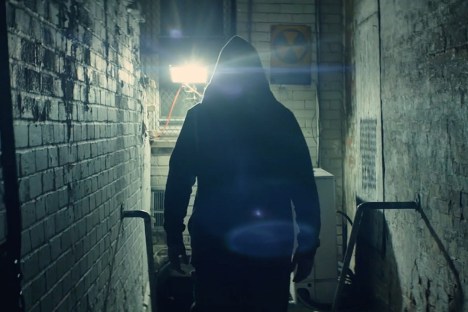
It was fascinating seeing Lynne Ramsay taking on a narrative so full of such familiar genre tropes. This story covers aspects such as: kidnapped children; nefarious US government corruption; paedophile rings run by the rich; post-traumatic stress disorder; and the lone wolf ‘soldier’ seeking redemption. Indeed, the film crossed over into territory covered by the likes of: Man on Fire (2004), Hardcore (1979), and the aforementioned Taken trilogy. However, through Ramsay’s skewed and compelling direction I Was Never Really Here is an altogether different beast; spiritually evoking the seminal Schrader scribed story of Taxi Driver (1976). Similarly, I Was Never Really There is an existential anti-thriller which asphyxiates the audience with: close-ups; canted frames; blurred and obscured shots; oblique angles; claustrophobic urban locations; jolting violence; blinding light; eerie shadows; and jumpy cutting which shreds the nerves throughout.
The fragmented narrative delivery adds further to the viewer’s creeping tension and developing sense of dread. The character of Joe is essentially in a psychological nightmare, haunted by several events from his past; during his childhood and while in the military and FBI service. Ramsay and her editor Joe Bini cut and chop us into the past before slamming us back to the present abruptly. The effect is to place us in Joe’s disturbed mind-set, creating a psychologically unhinged trip into the heart of darkness. It takes a special filmmaker to manufacture such feelings via the editing dialectic; and I hadn’t felt such nervousness in the cinema since experiencing Dunkirk (2017).
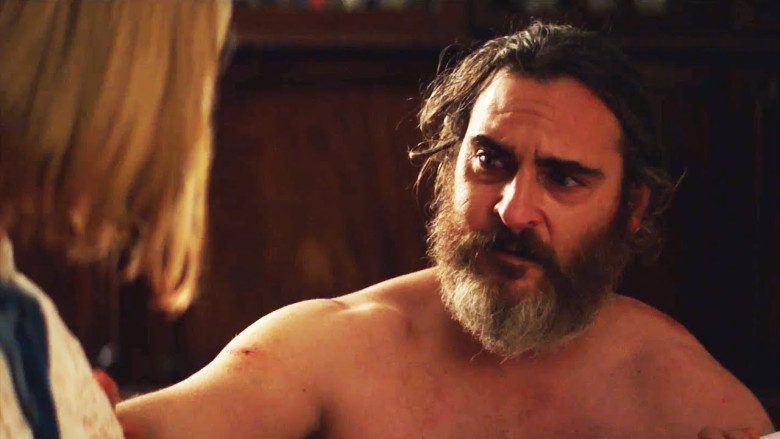
Ramsay is ably supported in her vision by an incredibly eerie soundtrack from the genius that is Jonny Greenwood. His score scratches under one’s skin like a junkie curse while somehow managing to cling to melody too. Of course, the film would not be so compelling if it was not for Joaquin Phoenix’ battered, bearded bear of a performance. He invokes the naked pain and desperation of the character in his huge frame and determined shark eyes. When faced with an enemy he is a brutal killer but altogether gentler and, dare I say it, fun, while looking after his beloved mother. Overall, this is a nihilistic, gory, scary, unsettling and stunning work of cinema; and while it treads a familiar narrative road it’s presented with such dark energy and meticulous care one cannot fail to be moved.
A few weeks ago it was very cold and snowy in London and the UK in general. For the end of February and beginning of March the second coming of winter was most unexpected. My eighteen year old Ford Mondeo had been frozen to death with the battery at some kind of half-life and smoke pouring out of the bonnet; no doubt from the fusion of water and oil and air-conditioning liquid. I managed to park it up safely with no harm done and walked the half-an-hour to work. On route I saw a Supermarket delivery driver lugging shopping to someone’s doorstep in the bitter wind on the treacherous icy pavement. I suddenly thought: why do we do this? Why do we carry on? What is the point in it all?
I cannot complain; because things are actually good for me. I’m grateful because alas some people lose their lives in weather like this and have it much worse in regard to such conditions. How they cope I have no idea. I mean, we carry on don’t we? I thought about my current situation: the trivial issue of my car dying; having to walk in the snow; and the Supermarket worker delivering shopping in the freezing cold. I came to the conclusion it all pales into insignificance considering some of the major issues in the world. But we all carry on. We desire to continue living. The eternal existential question remains: why?!
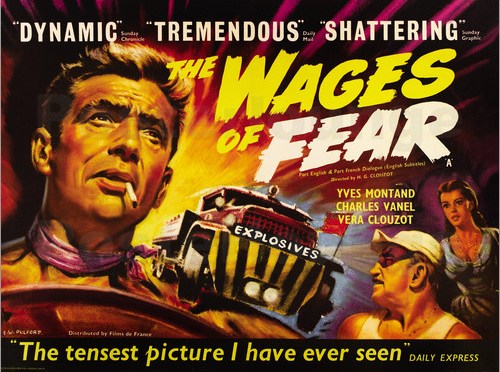
The Wages of Fear
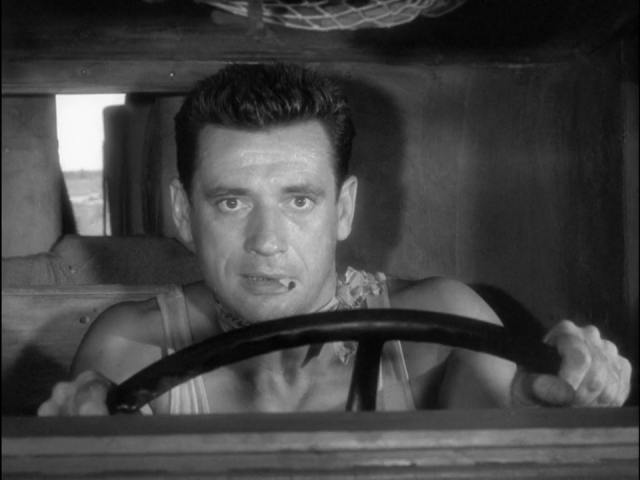
George Arneud’s Le salaire de la peur translated as The Wages of Fear has been made three times into a film; notably by the great directors Henry-George Clouzot and William Friedkin. The desire to survive and fight and live and abide life is an incredibly powerful thing. It’s instinct in all of us; well, until life, poor decisions, bad luck, other humans’ behaviour or extraneous circumstances beat you into submission. Some people take their lives while others fight to the last breath. This, for me is the intrinsic nature of the film. Why carry on living even when it seems pointless to continue?
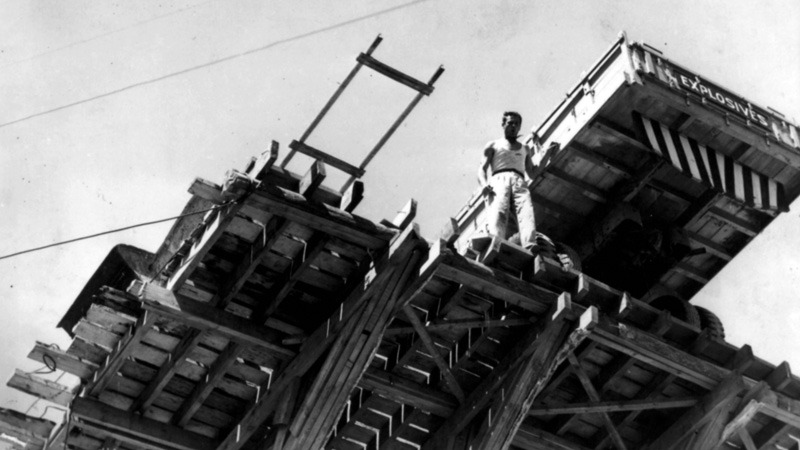
The Wages of Fear (1953) is a film I first saw on May 8th 1994 as a twenty-three year old; introduced by screenwriting guru Robert McKee on his brilliant movie season called Filmworks. It concerns a motley crew of European misfits trapped in an unnamed South American shanty town. They are invited to escape their plight by driving trucks of nitro-glycerine over deadly terrain to put out a massive oilfield fire. With McKee’s foreboding gravel voice introducing the film and the spellbinding premise in mind I was immediately compelled to watch.
I had, since the age of sixteen, worked at the Department of Social Security and as a civil servant I had often felt trapped in my job with no end in sight. Of course, I was over-dramatizing my situation somewhat as the next year I just left for University. However, that feeling of being existentially walled in has meant I’m drawn to such stories in film, literature, music and art etc. The Wages of Fear is all about desperate characters who are forced to risk their life to escape their current plight. Clouzot is careful to establish the terrain, motivation and context of the setting and characters. Thus, by the time the action starts and our anti-heroes – Yves Montand (cool and handsome Mario), Peter Van Eyck (laconic Bimba), Folco Lulli (energetic Luigi) and Charles Vanel (back-stabbing Jo) – are on their treacherous suicide mission we have some semblance of connection with them.
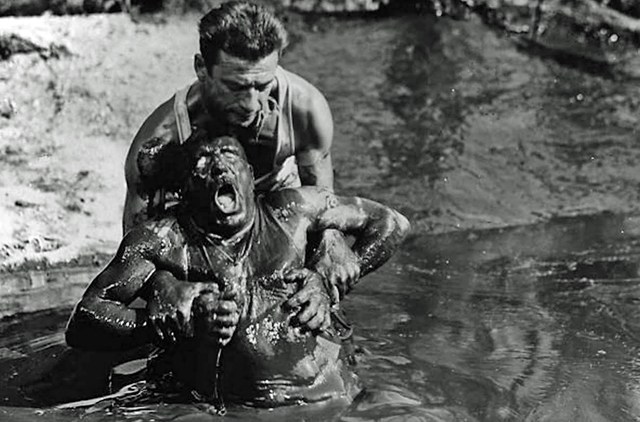
The suspense on the road is incredible. With tight, rocky trails ahead the trucks can only travel at a certain low speed or one bump could blow the vehicles to kingdom come. You have to wonder about the human spirit here and how desperate these characters must be to risk their lives. Clouzot directs the set-pieces with a razor-like precision as each of the trucks must face: oil-filled craters, rickety bridges, boulders and precipices; all while holding their shredded nerves together. Allied to the thriller aspect there is a strong socio-economic context which illustrates the dangerous capitalist ventures of the American oil company draining the 3rd world country of a valuable resource, while scorching the earth and exploiting the indigenous population.
On release The Wages of Fear won the Palm D’Or at Cannes and the Golden Bear at Berlin. It also holds 100% rating at Rotten Tomatoes and is regularly voted one of the best films ever made. The book / film has been adapted / remade twice as Violent Road (1958) and by the aforementioned William Friedkin. His film Sorceror (1977) is an over-looked classic as it transplants the action to a jungle in South America. Sorceror was a box office flop. It failed to find an audience during the summer of 1977 which was dominated by a certain George Lucas space adventure called Star Wars (1977). I finally watched it recently on Film Four and it’s a hard-bitten, cynical and explosive experience which despite the loathsome characters, led by Roy Scheider’s career criminal, still manages to thrill and chill in equal measures.
FIN
The ending to The Wages of Fear is one of the most startling denouements to a film I’ve ever seen. It confirms the futility of existence and reflects deep down what we all feel about life and spend our days trying to block out. It’s that nagging feeling which never lets us off the hook, which haunts our sleep and whispers to us in the dark: what’s the point? Why carry on? What’s the point? Why bother? But of course you must carry on because life is a gift and life is good; especially when you can watch classic films like The Wages of Fear. Because while they hold a mirror up to the dark nature of existence, the sheer intensity of watching such films, paradoxically make life well worth living.
NINE REASONS WHY INSIDE NO. 9 IS ONE OF THE BEST TV SHOWS EVER!
Having just finished watching Season 4 of the incredible anthology TV show Inside No. 9, I felt compelled to write why it is so good! So here are NINE reasons why it is one of the best TV shows I have ever seen.
1. League of (Two) Gentlemen
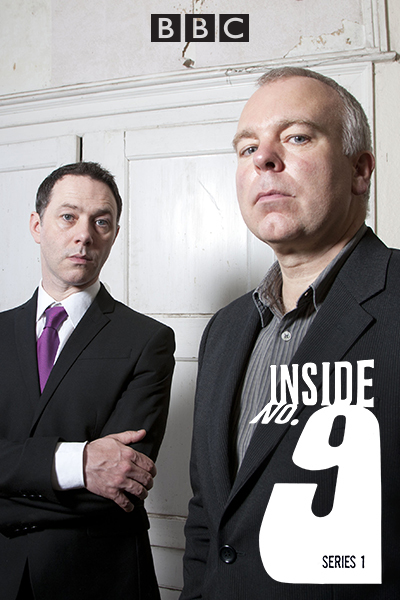
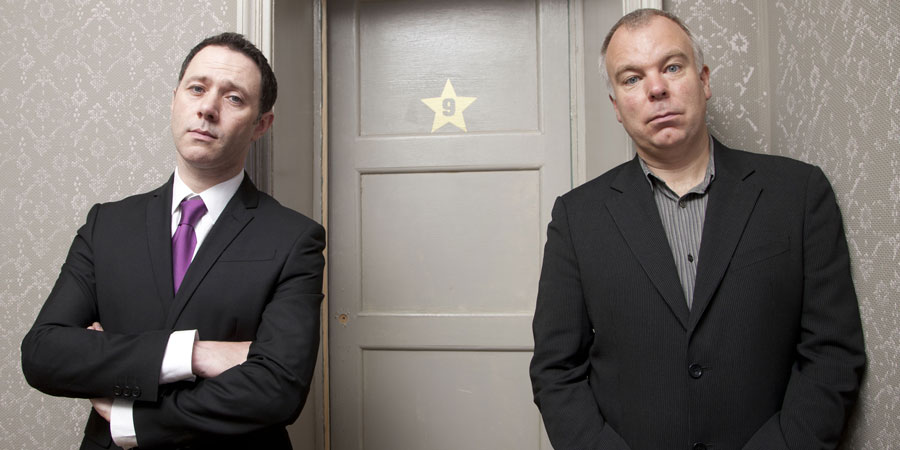
Inside No. 9 is written by and stars Steve Pemberton and Reece Shearsmith. Both are brilliant comedic and dramatic actors having appeared in many TV shows and films down the years. They are arguably most famous for beginning their careers in cult comedic troupe The League of Gentlemen; however, their work on Inside No. 9 actually surpasses the ‘League’ in my view.
2. Cast
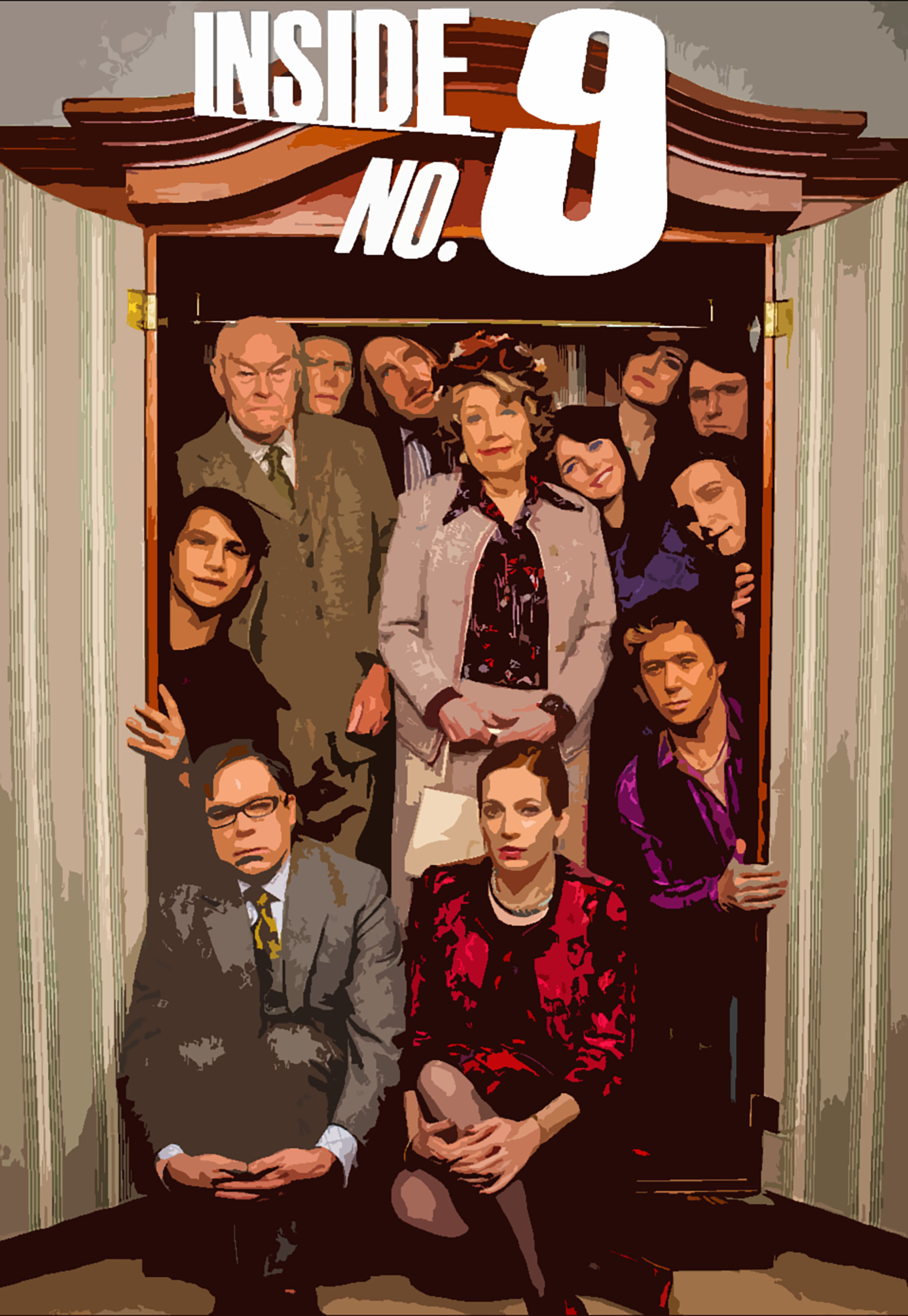
Shearsmith and Pemberton, along with themselves, are able to cast well-known actors from stage and screen in supporting roles. Part of the fun of many episodes is spotting such guest appearances with, in many cases, the ensemble brilliance of the actors bouncing sparks of each other. Inside No. 9 has featured talented performers including: Timothy West, Fiona Shaw, Jack Whitehall, David Warner, Denis Lawson, Sheridan Smith, Rory Kinnear, Conleth Hill, Alison Steadman, Noel Clarke, Philip Glenister, Zoe Wanamaker, Keeley Hawes, Nikki Amuka-Bird, Derek Jacobi and many more.
3. Writing
Each episode is self-contained within a 30 minute one-off story. The challenge therefore is to create a compelling narrative which establishes: theme, character, setting and the drama quickly in order to draw the audience in and subsequently entertain. Like similar classic anthology shows such as The Twilight Zone and Tales of the Unexpected the writers do this brilliantly and conversely, for me, every script is a joy to experience again and again.
4. Genre
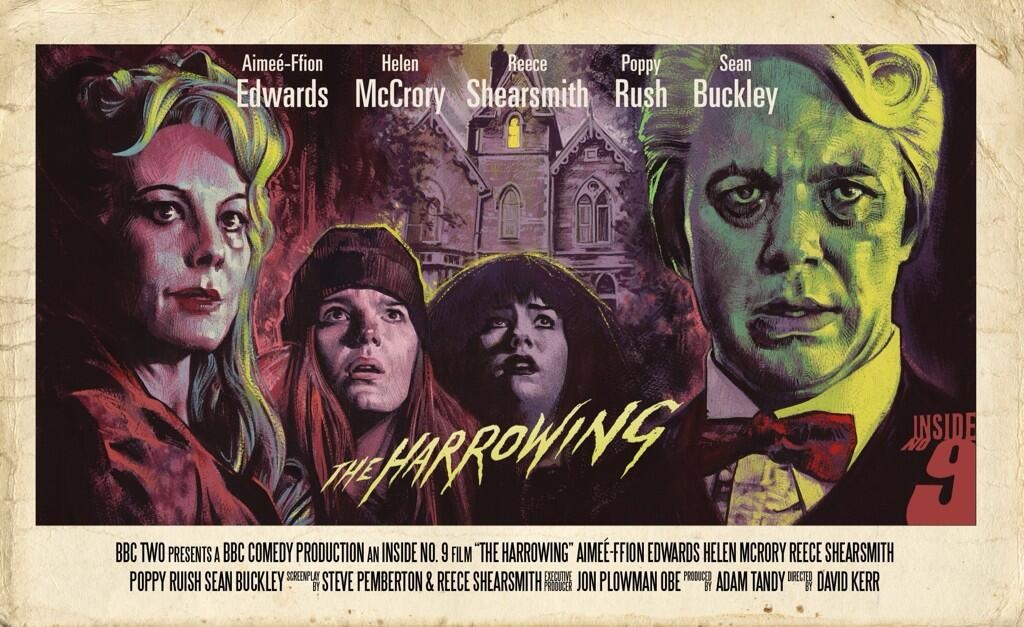
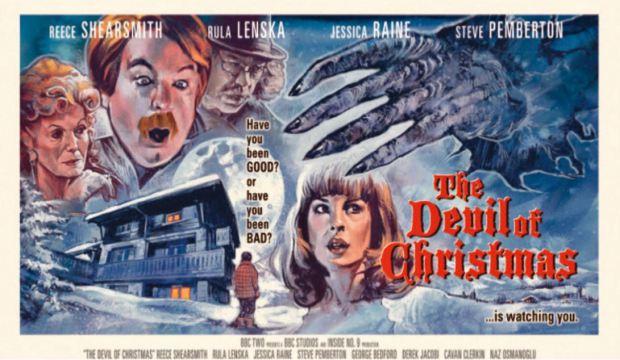
Shearsmith and Pemberton are experienced actor and performers with great range. They initially worked in comedy, however, The League of Gentlemen and Psychoville contained heavy infusions of horror and grotesque which scared and disgusted amidst the laughter. Inside No. 9 could be described as comedy but it crosses many other genres too. Episodes such as: The Harrowing (Season 1) and Séance Time (S2) and Devil of Christmas (S3) are firmly fixed in the horror genre; Tom and Gerri (S1) and Diddle, Diddle Dumpling (S3) and Nana’s Party (S2) are contemporary domestic dramas; The Trial of Elizabeth Gadge (S2) evoked historical dramas; and silent and slapstick comedy is represented by the sublime A Quiet Night In (S1). Every episode is beautifully devised within its set milieu and genre creating a rewarding viewing experience.
5. Number 9
During the whole four seasons, as well as the writing being spot on, there is much imagination in the details. For example, the No. 9 is not just the house number of the story location it is also a: dressing room, sleeper car, barn, call centre, shoe-size, study, karaoke booth, gallery space and church hall. Such locations show the diverse imagination of the writers and various spaces of these wonderful stories.
6. Emotion
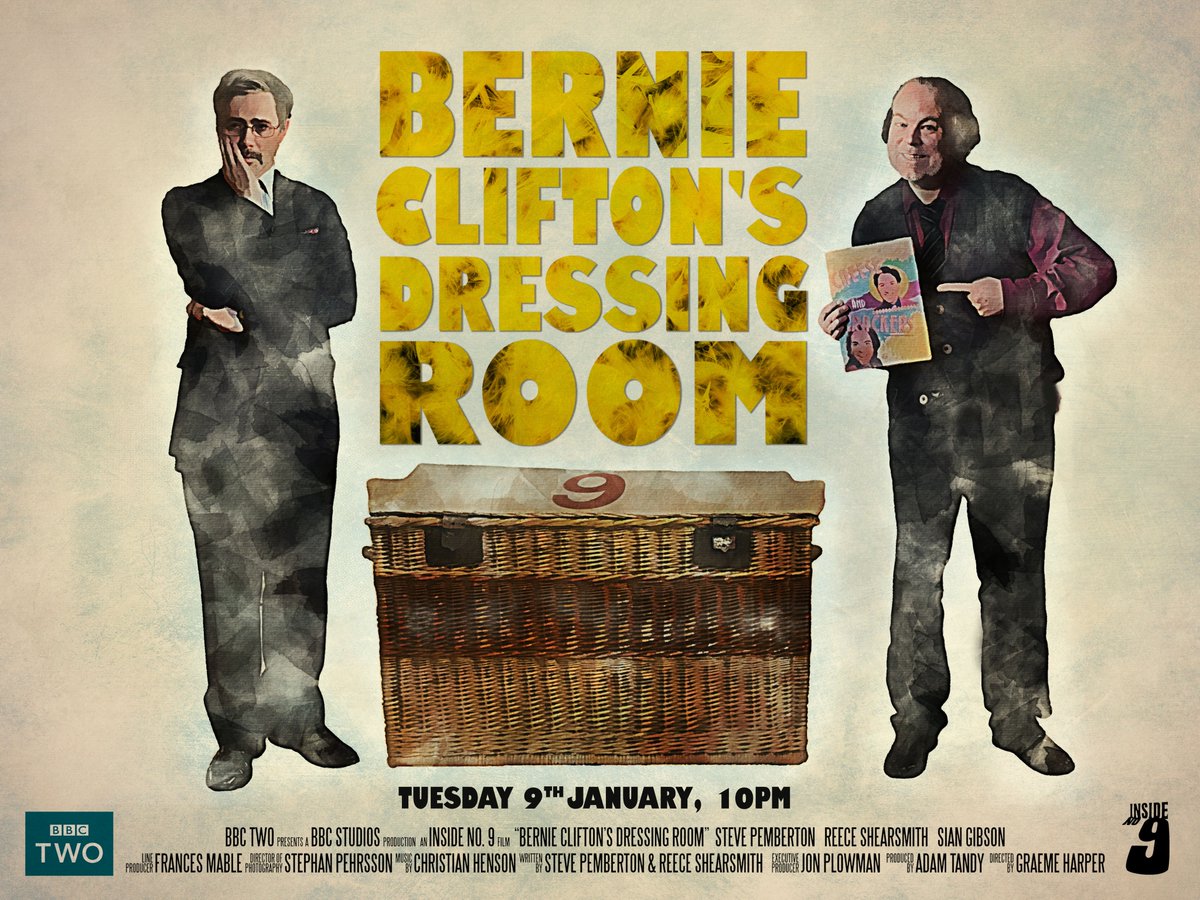
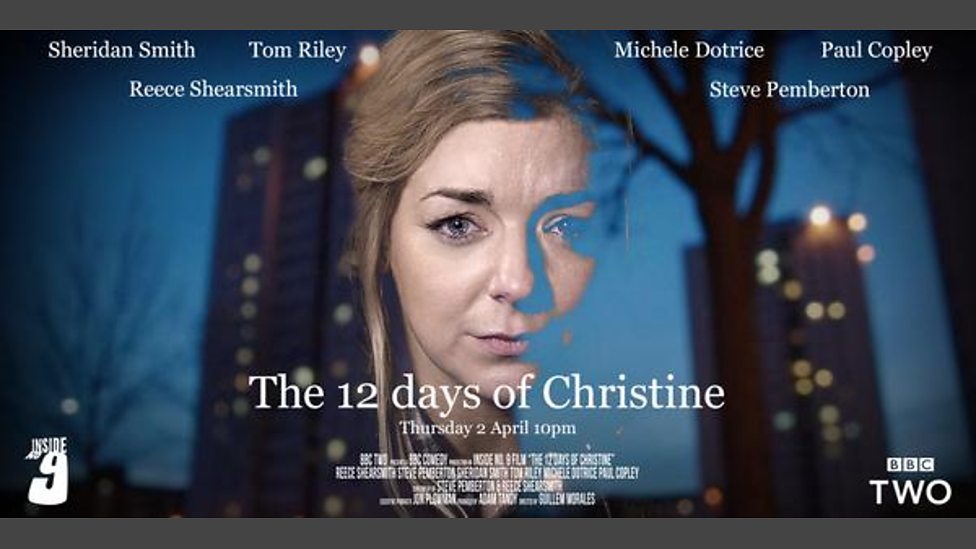
Stories are nothing without compelling characters. Amidst the gags, one-liners, horror, drama and clever writing you have to care about what happens to the characters. Indeed, Inside No. 9 also delivers some compelling stories which contain much emotion and pathos. The 12 Days Of Christine (S2) is one of the most blistering dramatic arcs I have seen within a short form TV show. Similarly, Tom and Gerri (S1), Diddle, Diddle Dumpling (S3), To Have and To Hold (S4) and Bernie Clifton’s Dressing Room (S4) contain very powerful endings that shock the heart as well as the mind.
7. Form and Style
Shearsmith and Pemberton are not only great actors and writers; they are also drenched in film, TV and cultural knowledge. As such, their work on Inside No. 9 is consistently reflexive and inter-textually referencing pop culture. In the: The Devil of Christmas (S3) they reference DVD commentaries and 1970s horror TV; in Once Removed (S4) they do a Memento (2000) and tell the story backwards; while in Zanzibar (S4) the characters deliver lines in iambic pentameter. However, stylistic or formalistic devices do not impinge on the narrative polarity but enhance the viewing experience.
8. Twists in the Tale
Ah, I love a good story twist as I grew up watching shows such as: Hitchcock Presents, Tales of the Unexpected, The Twilight Zone, Armchair Theatre and The Outer Limits to name a few. Inside No. 9 follows in the tradition of these classic programmes by often flipping narrative expectations with delicious results. Much fun can be derived trying to work out the twist too and even if you can see it coming that still adds to the entertainment factor to me. But WHEN YOU DON’T see it the programme becomes something else altogether!
9. Favourite Six Episodes
Tough one this but if I had to choose my favourite six episodes (out of 24 so far) I would go with the following (in production order):
A Quiet Night In (2014) – two burglars try to steal a painting in silent comedy classic.
La Couchette (2015) – a train sleeper car provides the setting for a hilarious night of comedy chaos.
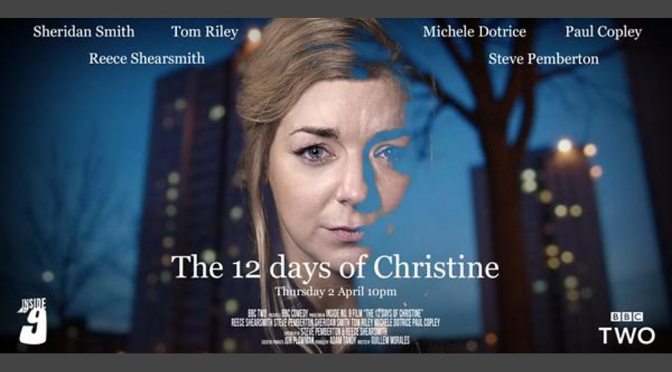
The 12 Days of Christine (2015) – Sheridan Smith shines in this haunting and beautiful character profile of a young woman.
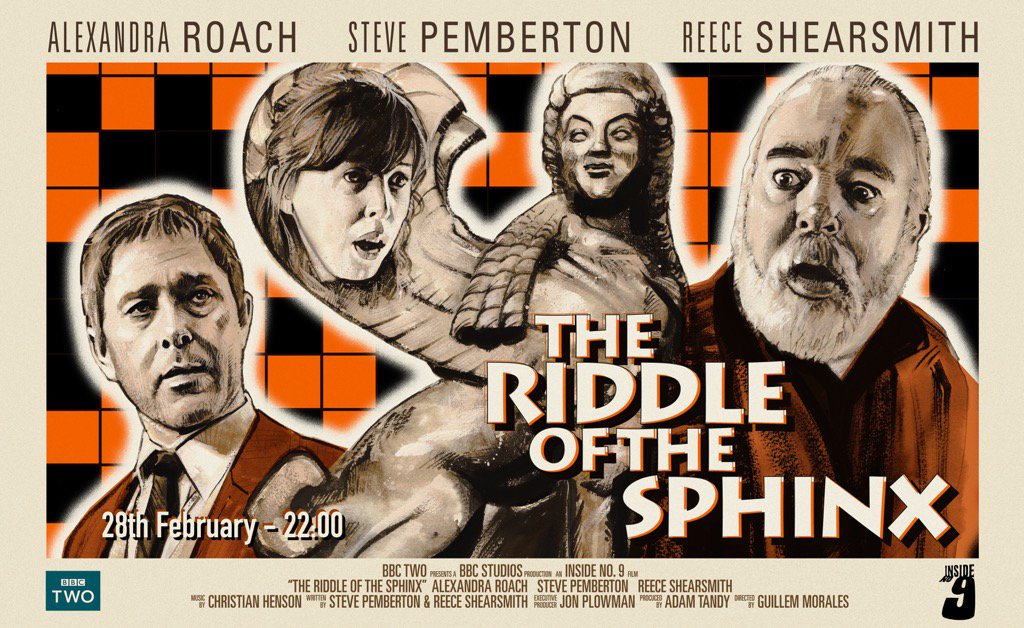
The Riddle of the Sphinx (2016) – ultra clever crossword dominated thriller set in a University study.
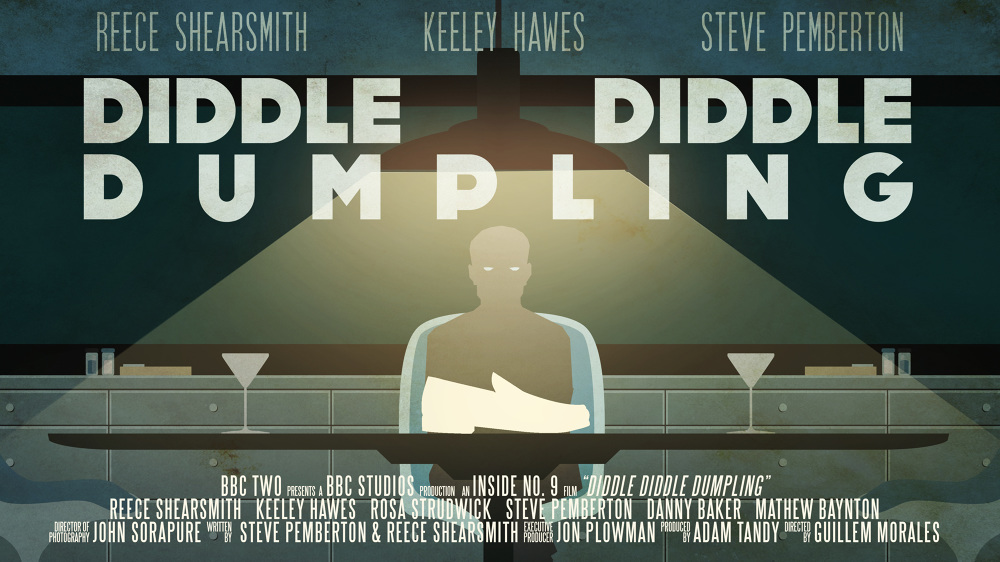
Diddle Diddle Dumpling (2017) – Shearsmith and Keeley Hawes excel as a couple whose lives are impacted by obsession and a lost shoe.
Bernie Clifton’s Dressing Room (2018) – two failed TV entertainers bicker as they prepare to perform their act one last time.
I started writing film reviews a few years ago and the main reason was because I wanted to try and understand why I liked or disliked a film. I also wanted to improve my creative writing by understanding the thought process of others. Living filmmakers whose work I have consistently enjoyed, save for the odd one here or there, are: Martin Scorsese, Quentin Tarantino, The Coen Brothers, Lynn Ramsay, Jonathan Glazer, Woody Allen (even some of the later ones), Park Chan Wook, David Fincher, Edgar Wright, Jacques Audiard, Darren Aronofsky, Kathryn Bigelow; and many others no doubt!
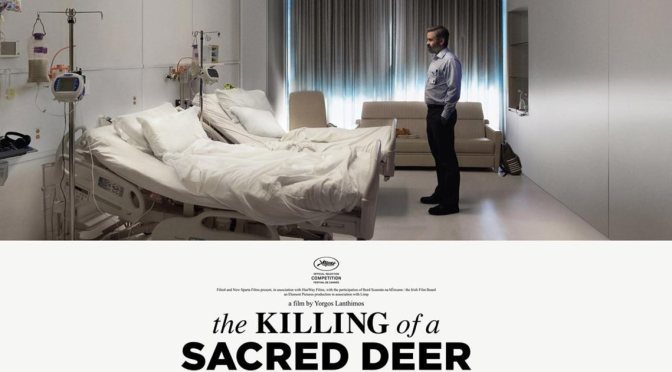
Such directors capture the quintessence of what cinema is for me. Not simply just in style and form but also powerful themes, imaginative concepts and sheer bloody entertainment. Filmmakers, of late, you can add to that list are: Denis Villeneuve, S. Craig ZAHLER and Greek filmmaker Yorgos Lanthimos. I have now seen three of his films, namely: Dogtooth (2009), The Lobster (2015) and his next release The Killing of a Sacred Deer (2017), and they all defy conventional film conventions to deliver absurd, surreal, funny, dark, thought-provoking and imaginative visions of human nature. Also, let’s not forget the writer too; so kudos to his writing partner Efthymis Filippou, who combines with Lanthimos to create such memorable cinematic offerings.
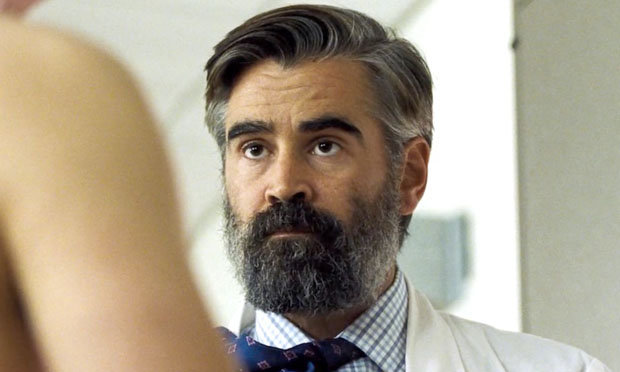
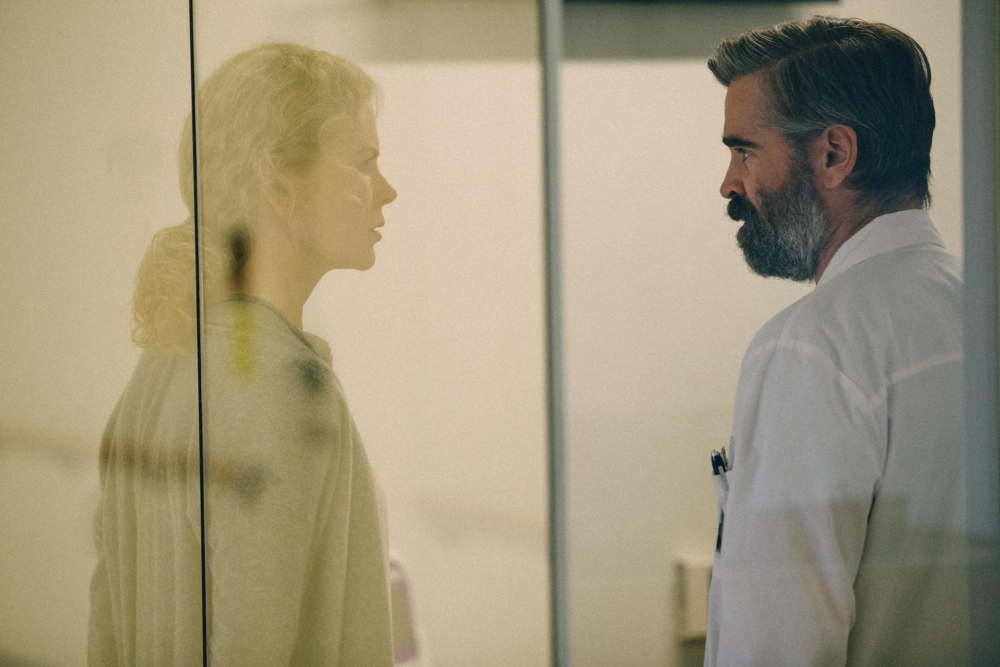
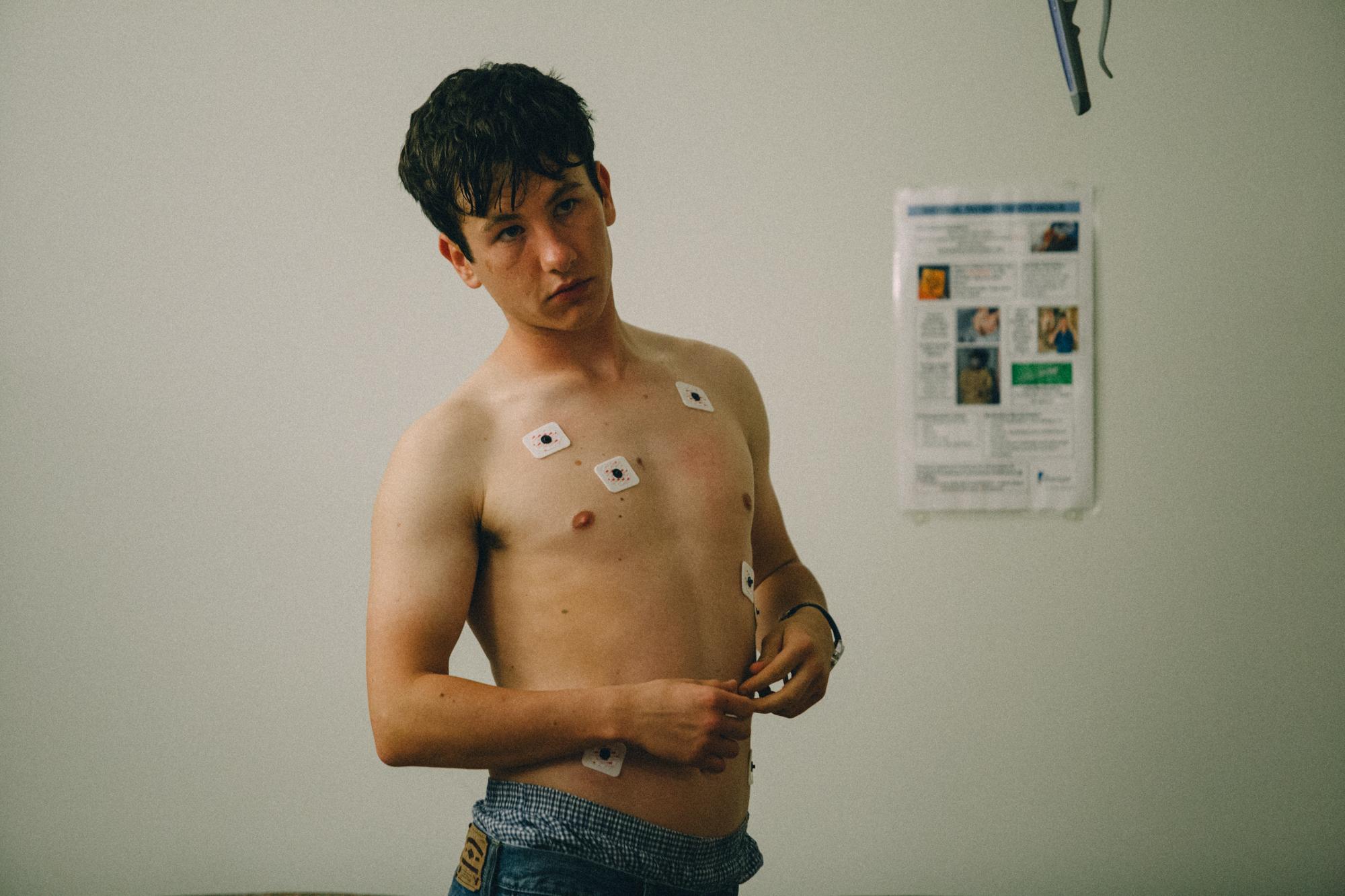
The story itself begins in a reasonably conventional fashion. Colin Farrell’s successful surgeon, Steven Murphy, is happily married to his wife, Anna, portrayed with glacial precision by Nicole Kidman. They have two healthy and intelligent children, a boy and a girl, and their lives are a picture of upper middle class contentment. Steven and Anna’s family equilibrium is skewed when a teenage boy, Martin, brilliantly portrayed by Barry Keoghan, inveigles his way into their lives through a combination of innocent charm and surreptitious pathos. Martin is a dark angel representative of the cloud of sickness and guilt and remorse and his actions force Steven and Anna to have to face up to a parents’ worst nightmares.
Lanthimos and Filippou, in Godardian fashion, constantly calls attention to cinema form; especially with a strangely effective form of anti-acting where, Farrell notably, dryly delivers dialogue as unconnected non-sequiturs. The words also constantly surprise us as the characters speak at each other with phrases that create humour and emotional disassociation. Nonetheless, such artifice only adds to the off-centre and sinister nature of the piece. The film is also beautifully shot with a wonderful symmetry to the composition of many shots. I also liked the choice of wide-angle lenses and the flowing Steadicam shots. Many were pitched at just over head-height, and provided an eerie floating sensation throughout the drama.
Colin Farrell (as he did in The Lobster (2015), Nicole Kidman and the rest of the cast buy completely into Lanthimos and Filippou’s striking vision which takes its’ influence from l Greek tragedy. But while Farrell excels in another praiseworthy under-stated deadpan performance, Barry Keoghan steals the show. The young actor follows up his impactful supporting appearance in Dunkirk (2017), with a compelling character study and eerily mature portrayal. Overall, this is a gripping, absurd thriller-turned-horror film which constantly wrong-footed me with its plot turns. It is a truly chilling, yet darkly comical and surreal genre film that manages to be somehow extremely accessible too.
As I’ve written before I’m an avid short film viewer and maker. To tell an impactful story in a lesser period of time to a feature film can be a very difficult but ultimately rewarding experience. Plus, as a member of the audience and filmmaker myself I love seeing the different ways other creatives tell their stories in this medium.
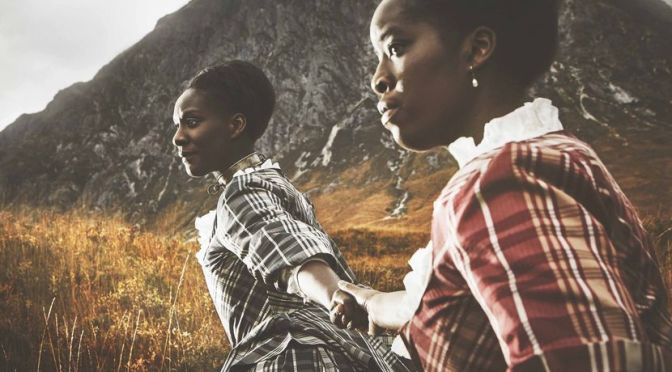
‘Thrill of the Chase’ was curated by the London Film Festival and featured five shorts from Europe and I must say they were of the highest quality. I mean some of the budgets on these must have been very good because they were shot, acted and edited to an exceptionally brilliant standard.The first short, 1745, was a period pursuit drama. Two slaves, wearing big, colourful, tartan, traditional and unwieldy dresses of the Jacobean era, have escaped from a nearby castle and are chased by a steely Scottish Laird, hell bent on recovering his “property”. It’s incredibly well shot as the colour of the costumes countered the misty, green and vast mountainous landscapes up close and from a spectacular god’s-eye view. Overall, it’s a commendable story of two women escaping patriarchal oppression and abuse, set amidst an exquisite looking but harsh Scottish Highlands.
Next up was Oksijan. Set in the harsh contemporary now it also involved a set of characters escaping an oppressive regime. This time is was a group of Asylum seekers, adults and children, encased in the potential moving tomb of an articulated lorry transporting them from a refugee camp. Their deadly journey from Calais to the United Kingdom was made perilous by the air running out. A thrilling and suspenseful short it both raised the pulse and important issues in regard to the plight of human beings fleeing war torn countries.
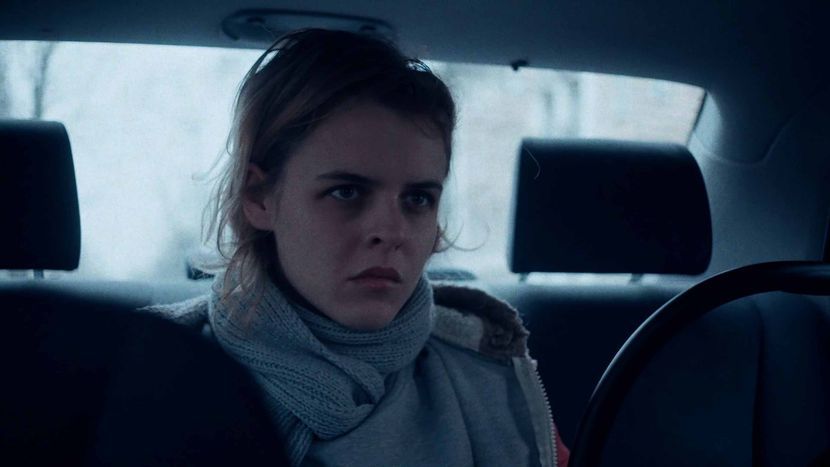
After Scottish and English film productions we next had Hot and Cold from Poland. This was a very harsh film, thirty-five minutes long, and all shot in one take. Technically, it was incredible as the camera follows a young junkie mother throughout her day and her encounter with woman looking to get revenge on her husband. It’s a towering study of motherhood, grief and addiction which creates a claustrophobic nightmarish drama with the colour-bled bleakness of Polish council estates. I wasn’t sure the one-take was actually necessary as the narrative could’ve been pruned but it was very powerful nonetheless.
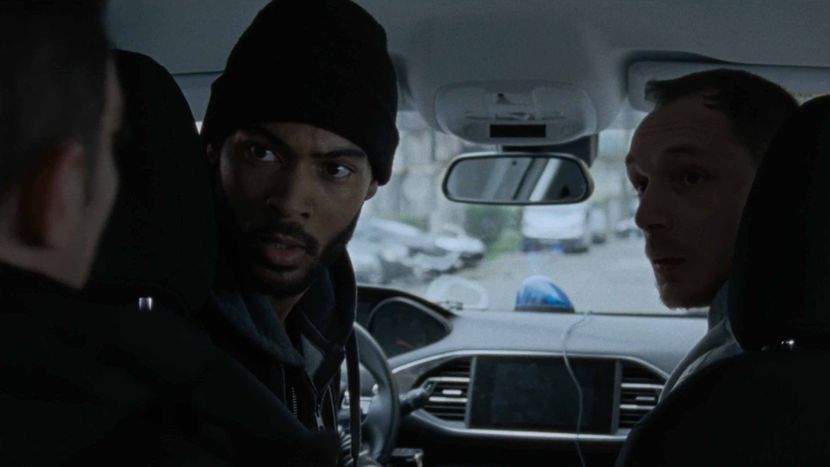
The final two films came from France and Germany respectively. Both reminded me of mini-versions of excellent feature films. The French film Les Miserables (not the Victor Hugo version) concerned cops on a dangerous estate and their heavy-handed dealings with gang-members. It’s well filmed and acted, containing the bruising feel of the classic French movie La Haine (1995).
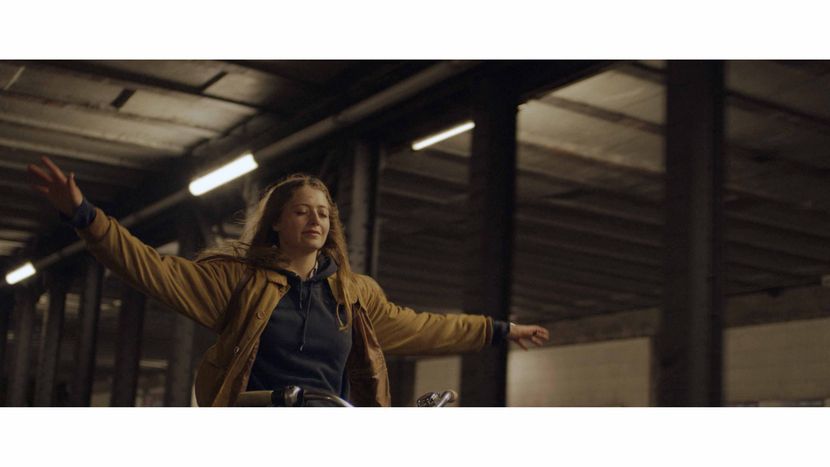
Similarly, the final short was another drama but this time of the romantic kind. Till One Cries concerned two drug-addled millennials sharing a crazy night within an urban German milieu. It reminded me somewhat, without the shot-all-in-one-take business, of the brilliant crime-romance Victoria (2015) and showed the hedonistic highs and lows of two free-wheeling characters.
Overall, the programme was full of gripping drama and thought-provoking subject matter. I’d say the ‘Thrill of the Chase’ title was slightly misleading in my mind, as the films tended toward, not your classic genre thrillers, but rather more social realism and cinema verité than movie artifice. Indeed, it may have benefited throwing in a shorter, punchier thriller with an element of comedy to break up the incredibly heavy themes of the films presented. Nevertheless, this was a set of Premier League short films, in terms of production, performance and storytelling quality.
KILLING ME SOFTLY: THE EVOLUTION OF THE HOLLYWOOD THRILLER!
“It is indeed impossible to imagine our own death. Whenever we attempt to do so we can perceive that we are in fact still present as spectators.” Sigmund Freud
Most of us like to be scared and thrilled and made tense, especially if it is in the darkened recesses of the cinema. Because as the adrenaline and stress levels rise we know, at the back of our minds, we’re safe. Nothing can actually harm us because it’s happening on a screen. Yet witnessing characters in danger of harm or death can be an exhilarating and cathartic experience for many. Indeed, as the above quote from Freud suggests watching films of the horror or thriller genres is subconsciously akin to a near-death experience. Facing the reaper from a position of relative safety is part of the thrill of going to the movies.
The thriller genre is one of my favourite types of film and in this piece I would like to draw on elements of psychology, genre and culture theories to examine classic, postmodern and neo-thriller tropes. I also want to investigate some recent cinema offerings which defy certain genre conventions and have what could be described as a subtle less-is-more approach to building suspense and thrilling the audience. For this I will examine three scenes from the work of David Fincher, Denis Villeneuve and Joel and Ethan Coen where, while adhering to thriller genre conventions, they also softly kill us in an arguably more unconventional fashion.
But what draws us toward the darkness of the thriller and, psychologically speaking, why do we enjoy them so much? According to research conducted by Dr Deirdre Johnston in 1995, viewing motivations for watching the horror or thriller genres include: sensation seeking and overcoming fear, whether you’re identifying with the killer or the victim. Moreover, Peter G. Stromberg argues in his piece The Mysteries of Suspense that uncertainty and surprise are powerful tools in the thriller genre. As humans we are uncertain of our mortality and thrillers tap into that innate fear. Also that as social mammals we have the power to experience and feel the fear as characters on a cinema screen do. Lastly, Sheila Kohler opines that a fascination with violence draws us to the thriller genre. While most of us are scared of hurt and pain, by placing violence within the structure and order of a story we both enjoy the sensation of danger while controlling said violence.
These are just a few of the psychological reasons why we are drawn to the thriller genre. Formally and stylistically the thriller also offers a myriad of entertaining devices including: McGuffins (or red-herring), twists, cliff-hangers, flashbacks, flash-forwards, voice-overs etc. Moreover, it also features characteristics like: unreliable narrators, innocents-as-victims, mistaken identity, monstrous villains, revenge, kidnappings, and ticking-time bomb countdowns to name a few. According to James Patterson one of the thrillers enduring characteristic is openness to expansion into subgenres such as: spy, historical, police, medical, religious, tech, and military settings. Essentially, the structural flexibility of the threat of death is far-reaching and the ability to create suspense is very progressive within the thriller genre hence why it has proved popular to audiences and filmmakers alike.
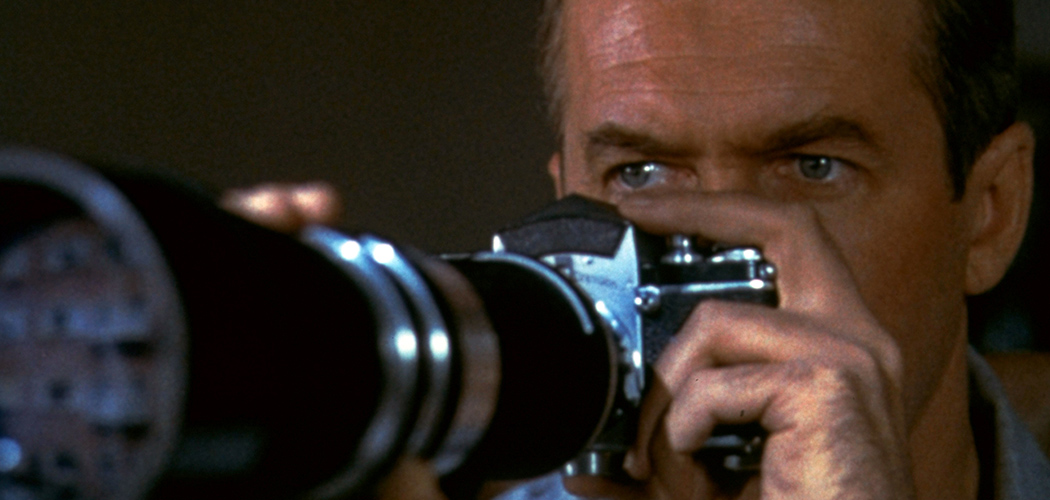
One of the greatest proponents of the thriller was of course Alfred Hitchcock. Often cited as the “Master of Suspense”, Hitchcock is quoted as saying, “Always make the audience suffer as much as possible.” He certainly made us suffer beautifully in all manner of classic films such as: The 39 Steps (1935), Rope (1948), Strangers on a Train (1951), Rear Window (1954), Psycho (1960) and countless others. Aside from Hitchcock’s dazzling skill with form and style his narratives always contained powerful villains or external forces of authority which symbolised death. Thus, while coming close to death throughout Hitchcock’s protagonists more often than not survive while the villain or force perished. Thus, a Hitchcock thriller offers catharsis, which is a Greek term Aristotle used to describe the purging of negative emotions.
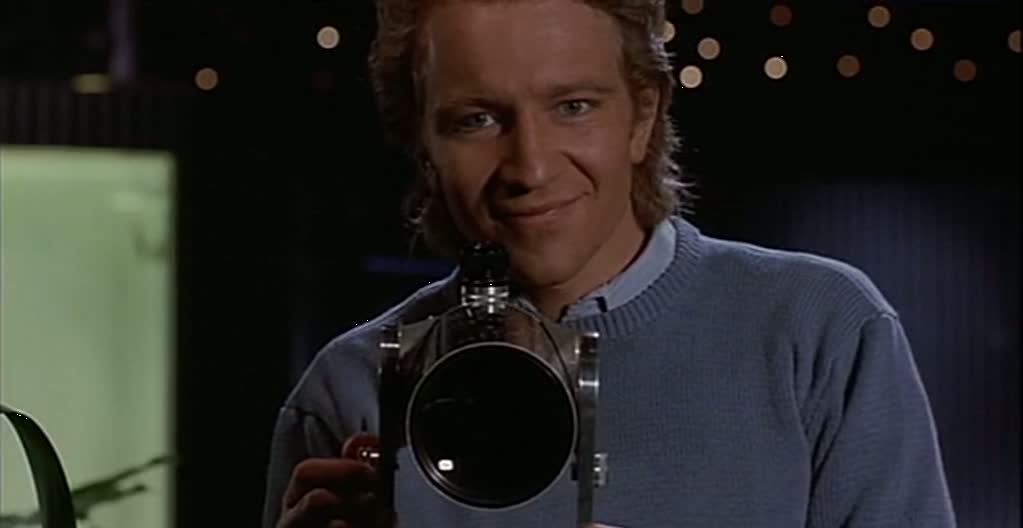
Without a shadow of a doubt Hitchcock had an incredible influence of filmmakers throughout film history. Indeed, the term Hitchockian thriller has entered the vocabulary of cinema. His films have influenced great filmmakers like: Steven Spielberg, Jonathan Demme, Martin Scorcese, and arguably most of all thriller expert Brian DePalma. He, in my opinion is a postmodern filmmaker as he uses devices like homage and pastiche within his filmic style, echoing many of Hitchcock’s films in: Obsession (1976), Dressed to Kill (1980) and Body Double (1984). Within DePalma’s ouevre there are also impressive set-pieces lifted from other films such as the Battleship Potemkin (1925)/Odessa Steps homage in The Untouchables (1987). Likewise in the spy thriller Mission Impossible (1996), DePalma’s iconic Langley heist set-piece was done with no dialogue in a major nod to classic French crime thriller Rififi (1955).
What DePalma has in common with Hitchcock too is the use of humour in his films to provide catharsis or pay off suspenseful moments. I liken this to releasing a valve and letting the audience off the hook somewhat. This is seen none more so than in the wildly over-the-top film Body Double (1984), which is a pastiche of both Rear Window and Vertigo (1958). In a particularly suspenseful scene our protagonist is about to be skewered by a pneumatic drill and just on moment of impact the plug from the wall is pulled, thus releasing the threat of death and finding some sick humour in an especially tense moment. Of late, however, I have noticed a movement away from such humour or release-the-valve safety. Where both Hitchcock and DePalma employed the convention of catharsis and overcoming death, recent cinema releases have taken a slightly different approach.
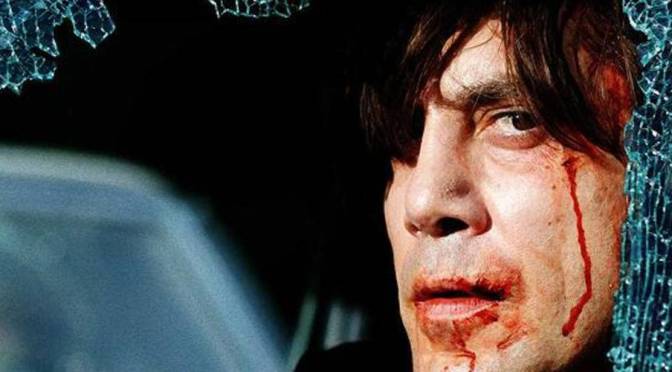
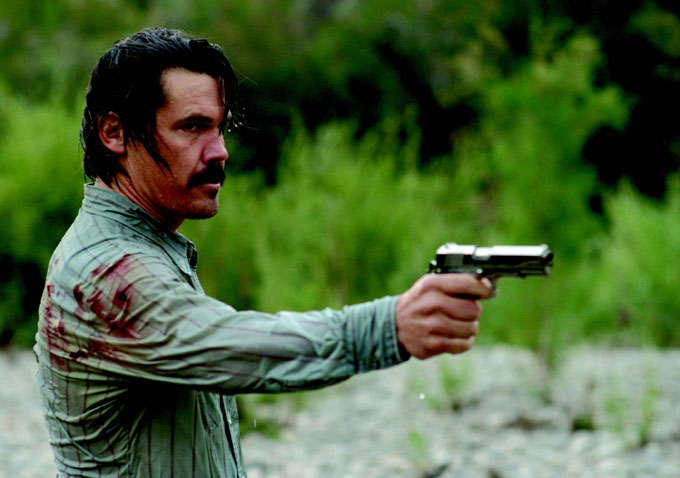
While Hitchcock and DePalma often favoured the highly stylized approach to building suspense it’s interesting to compare their work to some recent films which I feel take a more subtle, yet just as effective, approach. The Coen Brothers adaptation of Cormac McCarthy’s No Country for Old Men (2007) is such a film. The story is a dark crime narrative involving a tense pursuit across country involving heinous hitman, Anton Chigurh (Javier Bardem). The filmmakers establish Chigurh as a force of nature and create suspense through uncertainty, as he kills both law enforcement officers and the people who hired him.
The most tension-inducing scene is Chigurh favouring a coin toss to decide if someone lives or dies. He uses this method both in a scene with a store clerk and at the end with Kelly McDonald’s character Carla Jean. While, the innocents-as-victim is an often used convention in thrillers, the nature of fate or luck within the scene creates unbearable suspense as Chigurh’s crimes become not motivated by a sense of professionalism, but rather scarily, the flick of a coin. There’s some relief when luck seems to shine on the store clerk but no such fortune for the unfortunate Carla Jean. Even then there is ambiguity as we, like her husband, do not see her die; however it is implicit within the editing and performance that sadly she does.
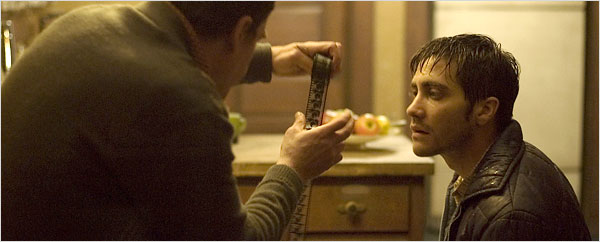
Arguably, the finest thriller director around at the moment is David Fincher and his film Zodiac (2007) was a detailed analysis of the characters involved in the hunt for the eponymous serial killer. It’s a film full of brutal murders and obsessive characters, notably Jake Gyllenhaal’s cartoonist turned investigator, Robert Graysmith. His character becomes obsessive about discovering who the Zodiac killer is and even loses his family and job in the process. Toward the end of the film, Graysmith interviews Bob Vaughn (Charles Fleischer), a film projectionist, and the suspense is created literally out of nothing. The total absence of a known nemesis creates an unlikely amount of tension, especially allied with the way Fincher shoots in shadows and frames his characters. Graysmith is not seemingly in any danger but his paranoia, claustrophobia and growing sense of unease petrifies him until he is forced to flee. In fact, the thriller genre convention of revealing the murderer is, like in the real-life case of the Zodiac, rejected; thus catharsis is denied to the audience throughout this nail-biting paranoiac thriller classic.
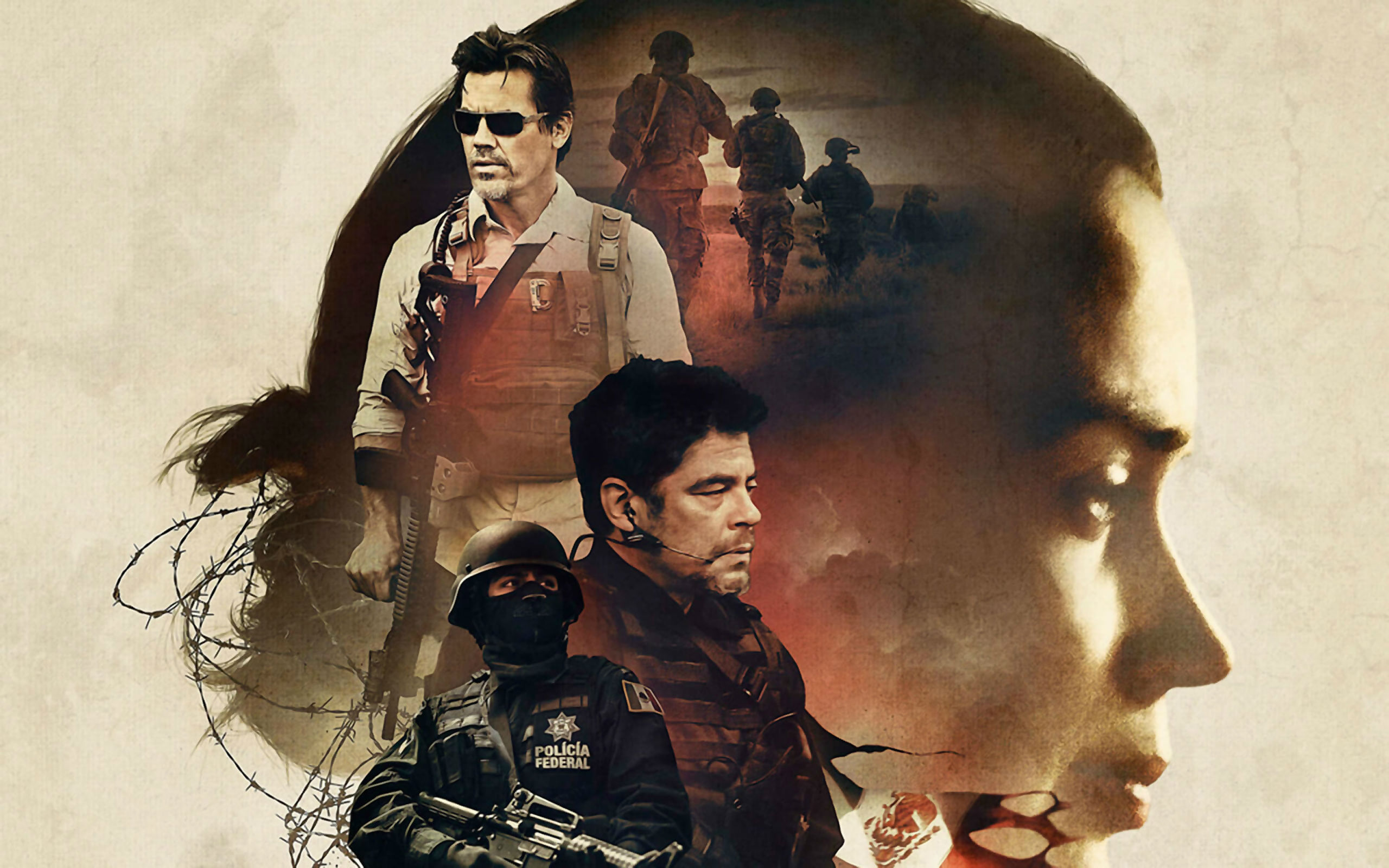
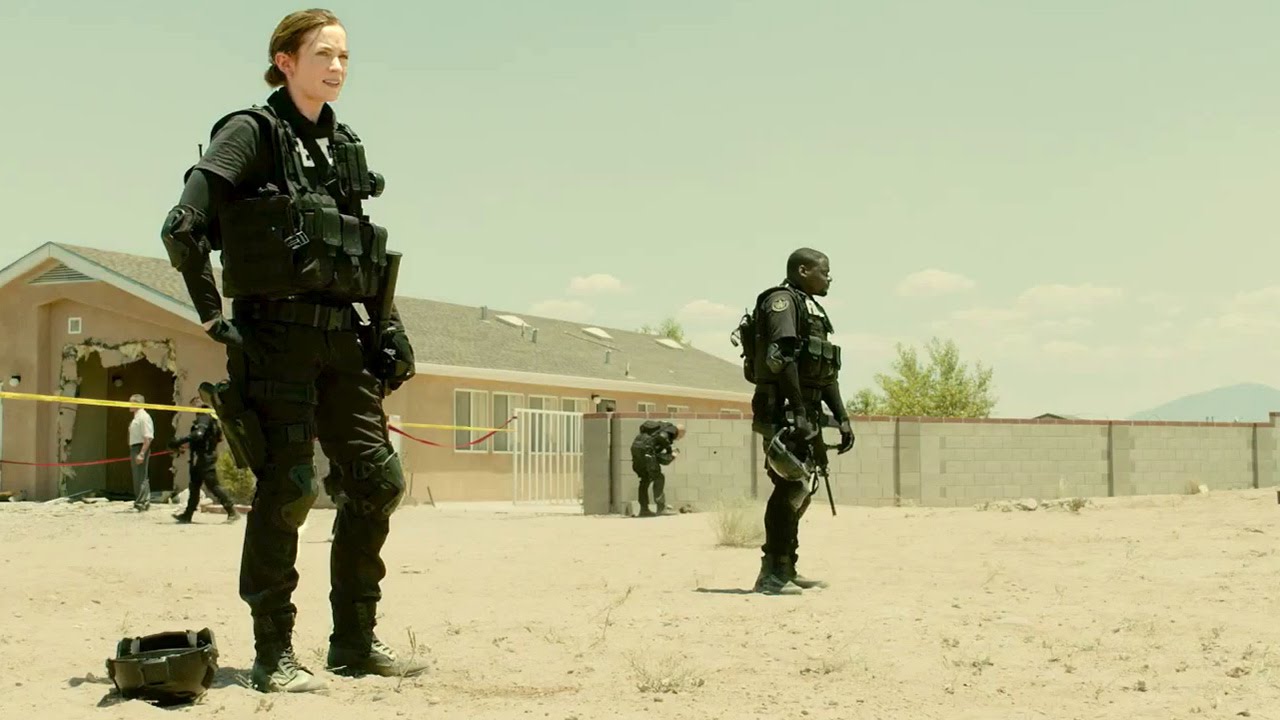
Similarly, in the recent crime thriller Sicario (2015), aside from a the conventional exploding bomb opening, the director Denis Villeneuve uses more subtle techniques to get under the skin of the audience. Often thrillers will have a brutal showdown between our hero and the villain resulting in the nemeses’ death, but at the end of Sicario it is a far more quiet and unnerving scene. Here Emily Blunt’s moralistic Kate Macer realises she has been used to collude the black-ops Cartel murders by CIA-sanctioned assassin Alejandro Gillick (Benecio Del Toro). While Gillick has a gun to Macer’s head the threat is palpable but what makes the filmmaking so striking is it has the confidence to eschew the standard car chase or big fight finale for something so tense and disquieting. The tragedy of humanity here is the realisation for Macer that she will not make a difference in the CIA and the law cannot protect her. Gillick represents as he puts it, “the land of wolves”; thus once again, similar to No Country For Old Men, we as the audience, are given no escape or purging from death as Gillick walks away to continue his morally ambiguous endeavours.
What all these scenes and films provide are a denial of releasing the valve and consequently allaying our fear of death. Moreover, in contravention of the classical thriller model the villains and monsters in these scenes actually get away so while the likes of Alfred Hitchcock and Brian DePalma allow catharsis by generally defeating the bad guy, neo-Hollywood filmmakers like those mentioned above, kill us softly with a creeping nihilism and feeling of dread which remains even after you’ve exited the cinema.
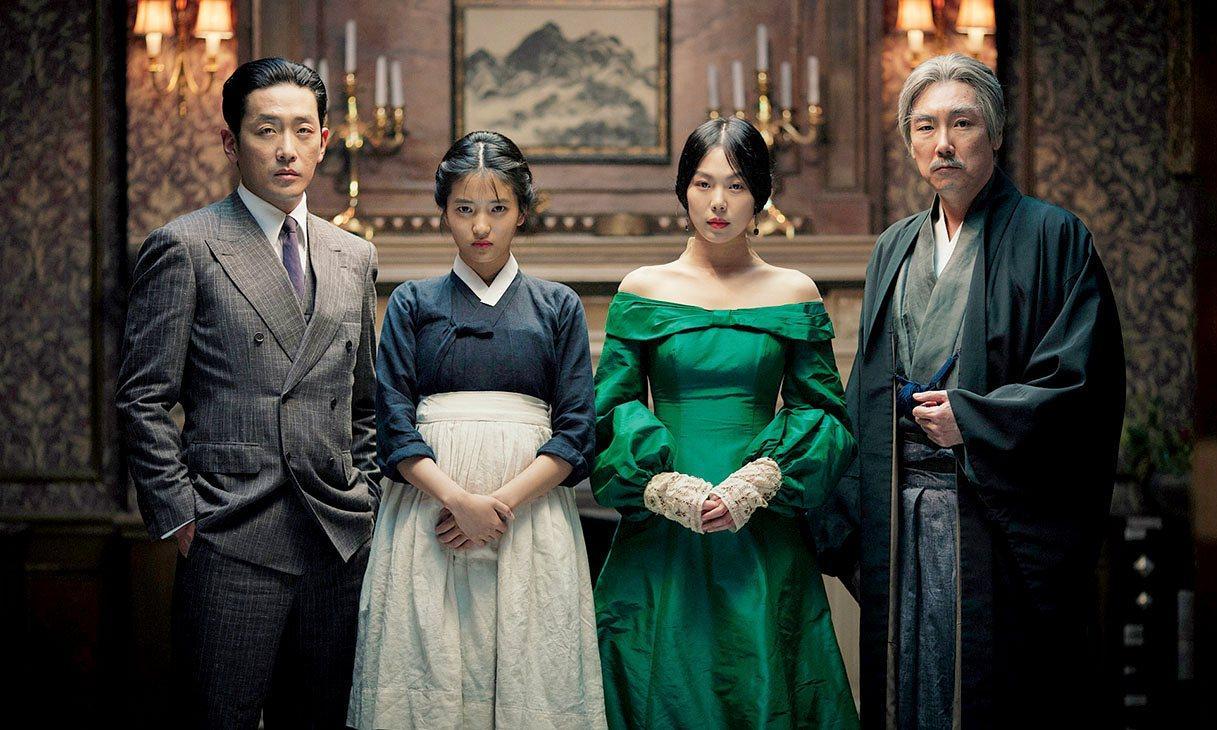
WRITERS: Park Chan-Wook, Chung Seo-kyung (from the novel Fingersmith by Sarah Waters)
CAST: Kim Min-hee, Kim Tae-ri, Ha Jung-woo, Cho Jin-woong
**MAY CONTAIN SPOILERS**
You may be too young to know or too old to remember but Channel 4 in the 1980s used to have an eclectic choice of arty independent and World Cinema films. Now you get a few on Film Four but Channel 4 was a main outlet for interesting cinema not shown on the BBC or ITV channels. Channel 4 also used to, for a short period between 1986 and 1987 have a ‘Red Triangle’ on certain films to advise of sexual scenes and material that may be considered controversial. Not surprisingly the films with a ‘Red Triangle’ guaranteed nudity and erotic scenes causing audience figures to actually rise. After some moaning from the likes of Mary Whitehouse – a right-wing puritanical harpy who was a self-appointed anti-everything woman – the ‘Red Triangle’ was vanquished by Channel 4, but not before gaining notoriety and publicity.
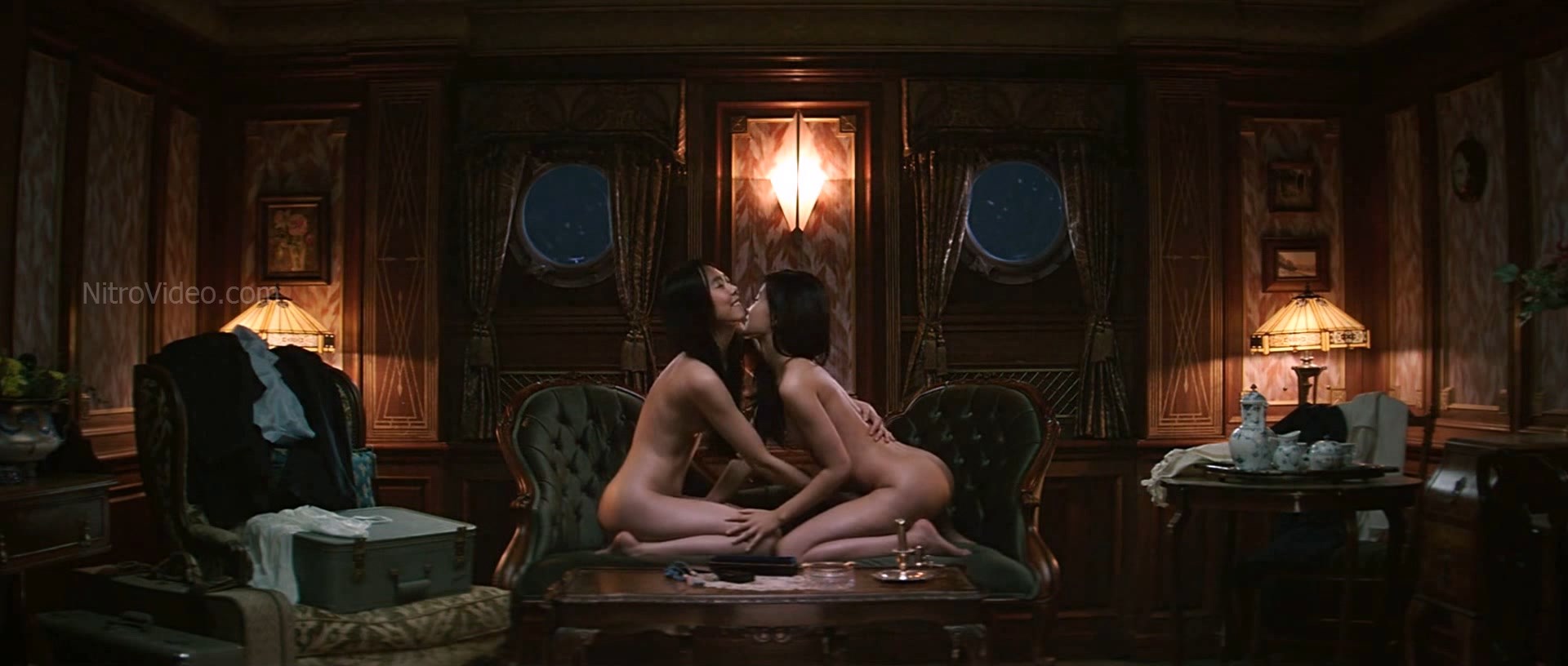
As a teenager I used to look forward to the more risqué content on Channel 4 as the Internet was at the virgin stage and yet to be invented; so titillation was often confined to late night films on a Friday night. Flash forward thirty years and because I’m more mature and it’s very easy to access pornography online I’m not a big fan of overtly sexual material in mainstream or independent features. Not sure why but I prefer subtlety and suggestion over all-out copulation. In Park Chan-Wook’s majestic erotic con-artist thriller there are some wonderfully subtle erotic scenes which raise the blood pressure and enhance the characterisation. There is also some serious scissoring between the two female leads going on too which in my view pushes the boundaries between eroticism, controversy and exploitation. However, this is the line Chan-Wook has always skipped along in classic films such as: Old Boy (2003), Sympathy for Mr Vengeance (2002), and Thirst (2009).
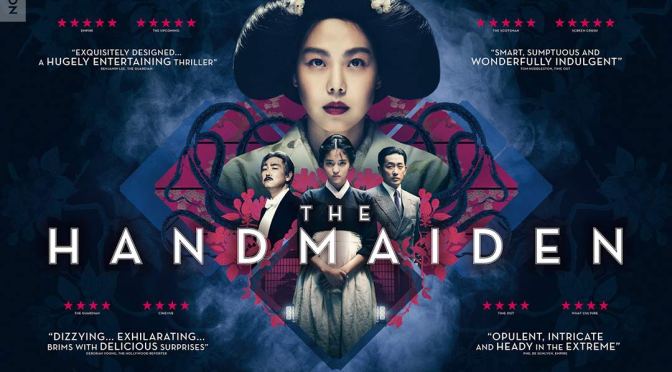
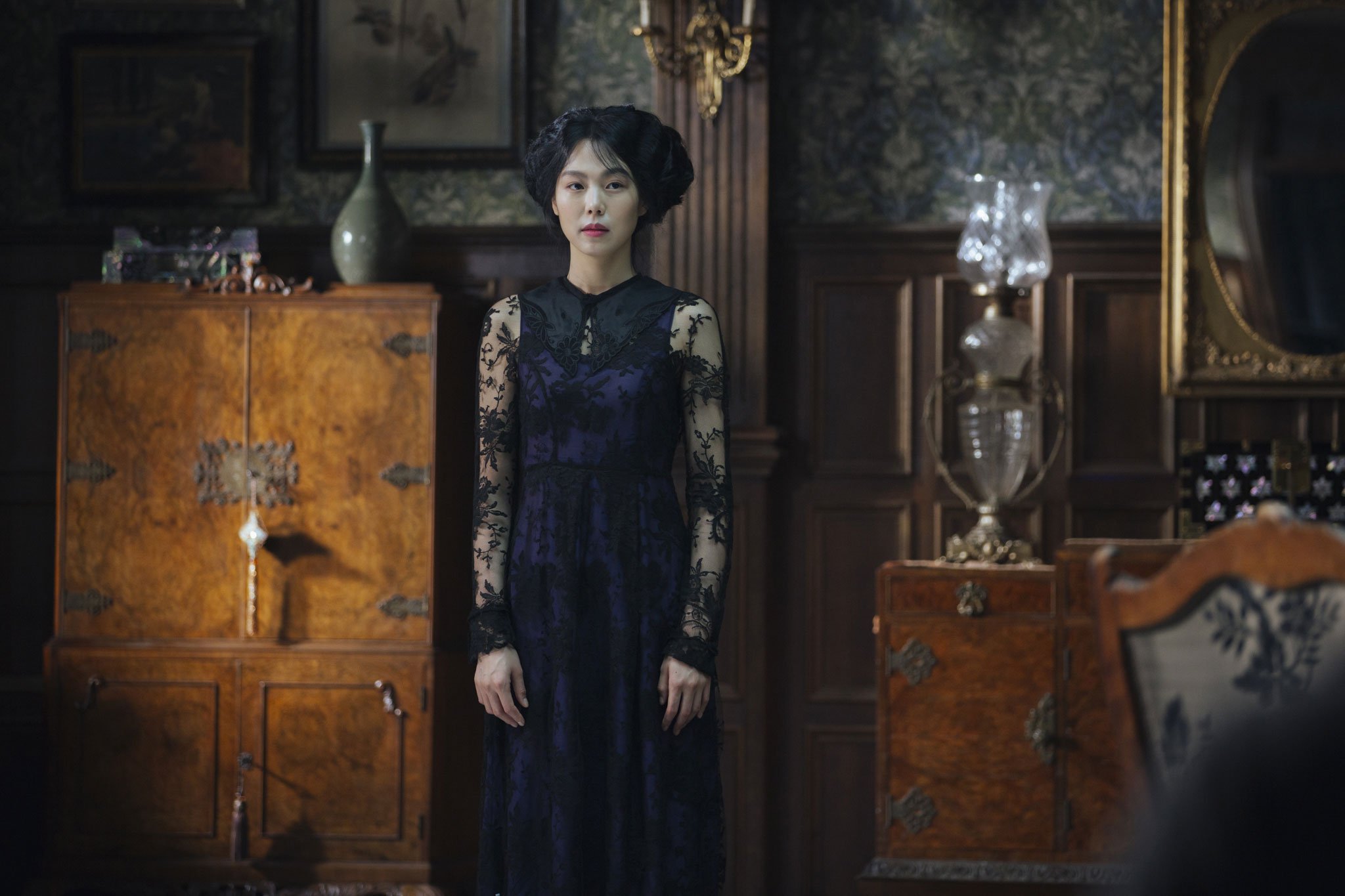
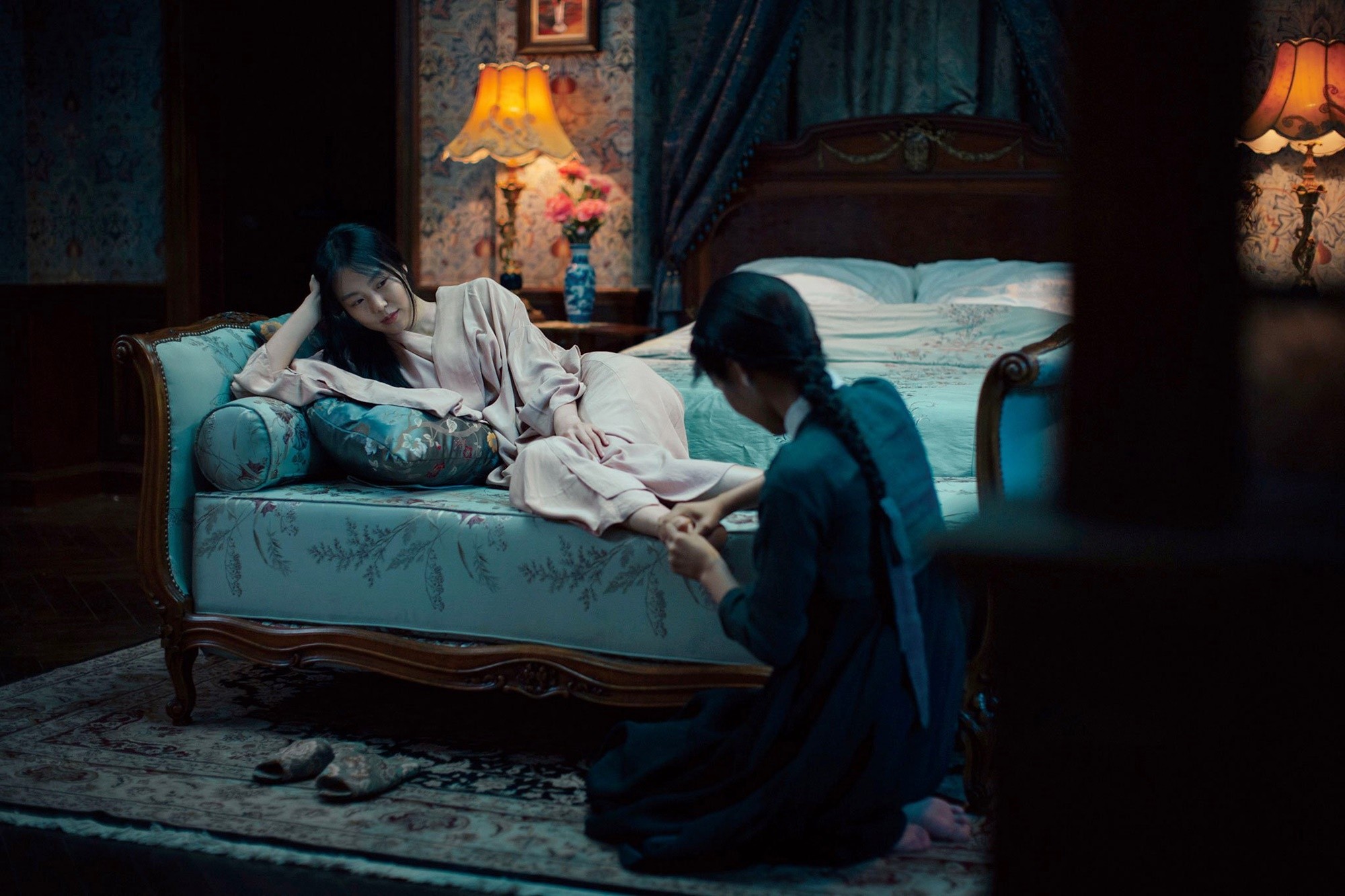
The Handmaiden is set in 1930’s Korea amidst the backdrop of the Japanese occupation and the cultural differences between the two nations are expertly drawn and examined in the story. Class differences are also highlighted in a rich text which finds Sook-hee seconded to look after the neurotic Lady Izumi Hideko, who is a ward and being groomed for marriage by her controlling Uncle Kouzuki. I will not give any further of the plot away but safe to say it is an incredibly complex narrative structured into three parts which overlap different perspectives within flashbacks and contrasting character voiceovers and angles. Did I enjoy it? Absolutely, this is a beautifully shot period masterpiece which I took great pleasure in viewing. In my view the running time was arguably over-long and a couple of the more overt sex scenes could have been trimmed. Nonetheless, the film had me gripped throughout.
Park Chan-Wook directed a gem of a noir thriller called Stoker (2013) for his first Hollywood film, but here is a bigger-budgeted and thematically richer cinema affair. It takes a complex con-artist-twisting-plot and imbues it with an erotically charged and explicit feminist love story which finds sharp-witted female characters overcoming the dominant and deviant patriarchal beast. Moreover, Chan Wook’s screenplay is a masterful adaptation of the original novel, the wonderfully titled Fingersmith, by Sarah Waters. Like the Coen Brothers, Quentin Tarantino, Martin Scorcese, Christopher Nolan, Jacques Audiard, Michael Haneke to name a few, Chan-Wook’s work is always a must-see-at-the-cinema-event and you don’t need a ‘Red Triangle’ to ensure you watch it.
WRITER: DAVID BIRKE based on the novel Oh by Phillipe Dijan
CAST: ISABEL HUPPERT, LAURENT LAFITTE, ANNE CONSIGNY, CHARLES BERLING, VIRGINIE EFIRA
**MAY CONTAIN SPOILERS**
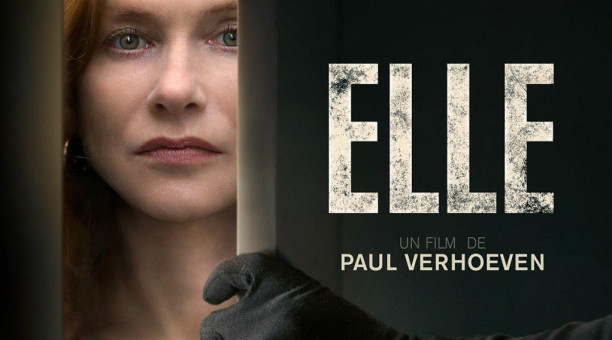
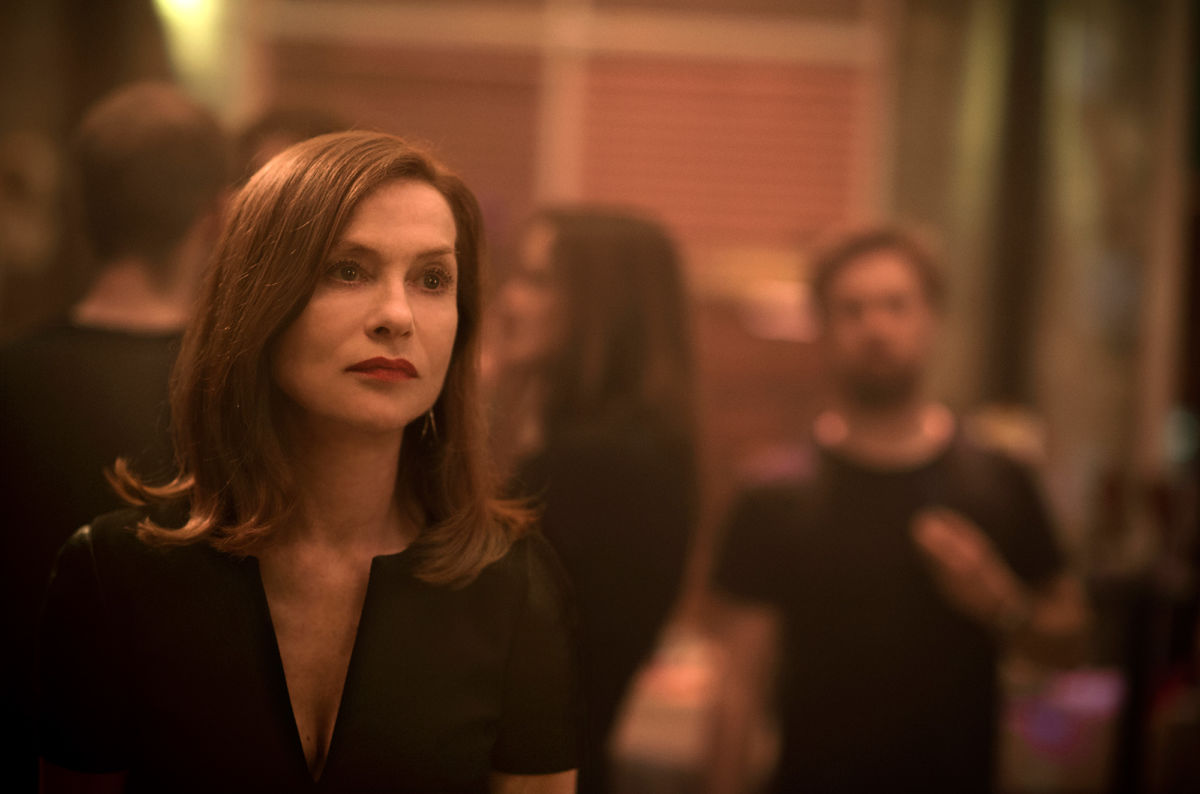
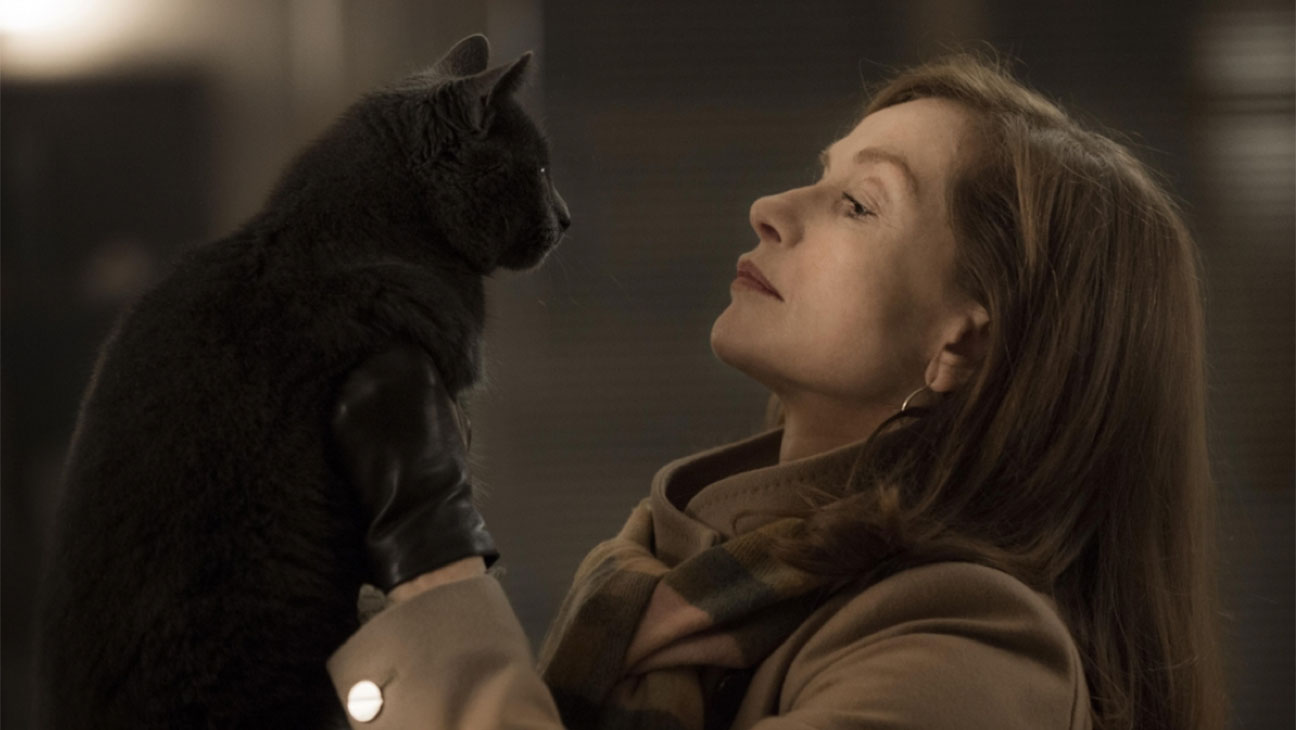
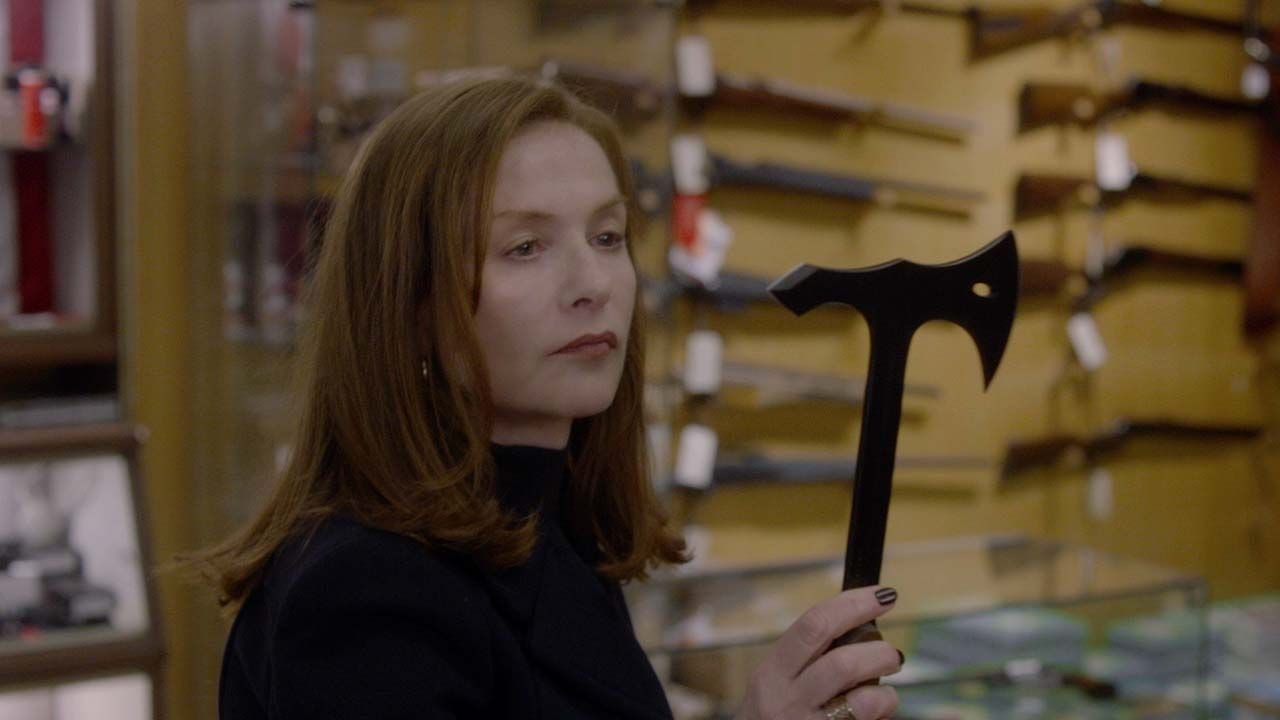
Where do I begin with this film? Is it a comedy? Is it a satire? Is it a drama? Is it a horror film? Well, all of the above I would say and then some. For starters Isabel Huppert SHOULD have won the Oscar for best actress over the candy floss performance of Emma Stone. That genuinely was a first world artistic travesty! Huppert is absolutely sensational as the damaged anti-heroine who having been part of a horrific childhood event is then subjected to a vicious sexual attack in the very first scene. Thus, immediately the film brutalises the main character and makes the audience complicit with her subsequent actions which are complex to say the least. Because as a successful business-woman with a murky past she doesn’t go down the route of victim but rather something completely different.
As it’s directed by the rambunctious cinema satirist Paul Verhoeven I expected a difficult yet entertaining ride, however, this film at times was painful to watch and not what I would call easy entertainment at all. In fact, I’m surprised there hasn’t been more controversy or outrage from the liberal left in the queasy representation of sexual violence. Don’t get me wrong there is a lot to like about the film, especially: the darkly humorous screenplay; the hilarious representations of bourgeois-middle-class-family life; and the unexpected twists in the plots take the breath away. Yet, both male and female humiliation is at the heart of the story and Huppert’s character is kind of unlikeable, making it is difficult to get behind many of her decisions.
Overall, Elle has been laden with awards and received much critical acclaim and I can certainly confirm it is a brave and challenging character drama with very risky themes at its heart. My interpretation is that the writer and filmmakers have a nihilistic view of the French bourgeoisie and that humanity in general is full of damaged lunatics out for what they can get. Essentially too, Huppert’s character has been ruined by the actions of men and her motivations are borne out of trying to gain control of a horrific situation. Thus, I would recommend this film for those who prefer their cinema to challenge, shock and question the nature of sexual politics, rather than spoon feed us fluffy and patriarchal love stories. Because, mainly, this is not a love story but rather one of hate.
(Mark: 8 out of 11 for the film)
(Mark: 11 out of 11 for Isabelle Huppert)