Aside from my longer, pretentious and pontificating reviews I also like to chuck in a few quick-fire posts for films I’ve watched on cable, satellite TV, catch-up, DVD and cinema over the past few months. Think of them as movie reviews for the attention deficient or for the lazy bastards like me, who from time to time, skim-read before catching the mark at the bottom. As usual I accompany the reviews with marks out of eleven.
BLOOD TIES (2013) – FILM FOUR
Very solid 1970s set crime drama boasts an excellent cast including: Clive Owen, Billy Crudup and Marion Cotillard. (Mark: 7.5 out of 11)
CLOVERFIELD PARADOX (2018) – NETFLIX
Brilliant ensemble cast propel this sub-Star-Trek-story that’s been crow-barred into the Cloverfield franchise. (Mark: 5.5 out of 11)
THE COMMUNE (2016) – SKY TV CINEMA
Thomas Vinterberg directs this appealing slice of ‘70s Swedish life as a group of adults attempt to find “perfect” living within a commune situation. (Mark: 8 out of 11)
THE CURE FOR WELLNESS (2016) – SKY TV CINEMA
Overblown, overdone and overlong gothic horror finds Dane DeHaan struggling against evil doctors and an even more unbalanced screenplay. (Mark: 6 out of 11)
DAVID BRENT: LIFE ON THE ROAD (2017) – NETFLIX
Ricky Gervais is on funny form as the deluded David Brent, as the Office ‘star’ goes on the road trying to gain fame as a pop star. (Mark: 7.5 out of 11)
DAZED AND CONFUSED (1993) – SKY TV CINEMA
Richard Linklater’s brilliantly orchestrated end-of-school-year-stoner-comedy features an incredible cast of soon-to-be-famous actors! (Mark: 8 out of 11)
DRIFTER (AKA DETOUR) (2016) – SKY TV CINEMA
Horrifically poor and uneven Mad-Max-Texas-Chainsaw rip off which while very stylish is completely unwatchable with unlikeable characters. (Mark: 3 out of 11)
FRANTZ (2016) – SKY TV CINEMA
This touching WW2 set love story, shot on crisp black and white and deftly directed by Francois Ozon, breaks and mends one’s heart in equal measures. (Mark: 8 out of 11)
IN A VALLEY OF VIOLENCE (2016) – SKY TV CINEMA
Ethan Hawke excels in an offbeat, violent revenge Western which fails dramatically because of the irritating villain and over-familiar plot. (Mark: 6 out of 11)
KING ARTHUR: LEGEND OF THE SWORD (2017) – SKY TV CINEMA
Guy Ritchie’s take on the Camelot legend suffers a total personality breakdown; neither committing fully to Charlie Hunnam’s geezer-King-Arthur (good) or the swords and sorcery subplots (bad!). (Mark: 6.5 out of 11)
LOVING (2016) – SKY CINEMA
Ruth Negga and Joel Edgerton are never less than brilliant in their performances as a mixed race couple battling the racist law which strives to keep them apart. (Mark: 8.5 out of 11)
LOVELESS (2017) – PICTUREHOUSE CENTRAL – CINEMA
Raising bleakness to the level of poetry, this tragic Russian ‘missing child’ thriller is expertly constructed, but features two of the most selfish characters I’ve ever experienced in a movie. (Mark: 8 out of 11)
MY BEAUTIFUL LAUNDERETTE (1985) – BFI BLU RAY
Classic 1980s British drama written by Hanif Kureishi features Daniel Day Lewis in an early role finds cultures, sexuality and politics clashing in dirty old South London. (Mark: 8 out of 11)
THE POST (2017) – WIMBLEDON ODEON – CINEMA
Steven Spielberg’s worthy freedom-of-speech drama is wonderfully shot and acted but felt too subtle and dramatically under-cooked for such an important moment in American history. (Mark: 7 out of 11)
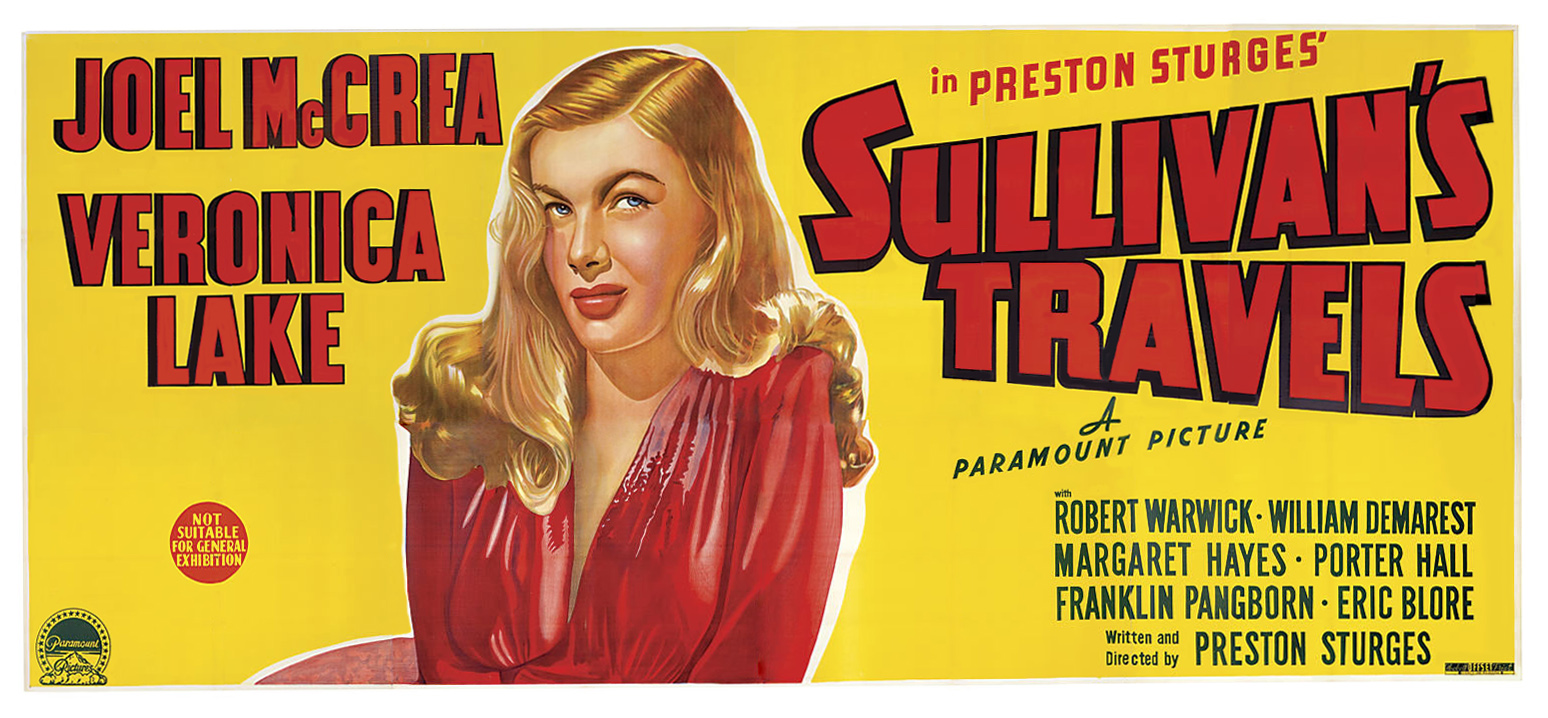
SULLIVANS’ TRAVELS (1941) – SKY TV CINEMA
Preston Sturges brilliant comedy combines slapstick, romance and social satire as Joel McCrea’s pampered film director attempts to find the “meaning of life” in depression-hit America. (Mark: 10 out of 11)
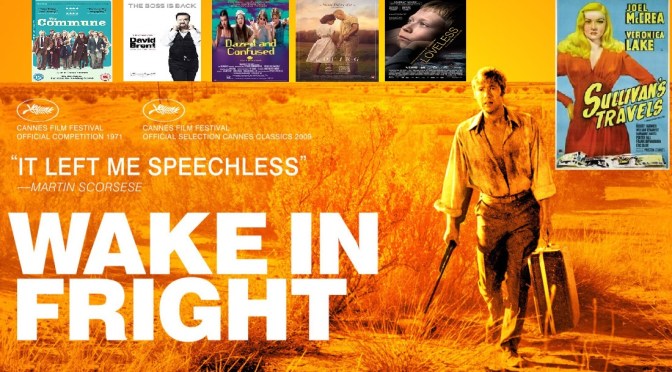
WAKE IN FRIGHT (1971) – FILM FOUR
Cult existential Aussie psychological thriller finds Gary Bond’s English teacher attempting to escape his pitiful lot but falling further and further into a nightmarish outback abyss. (Mark: 8 out of 11)
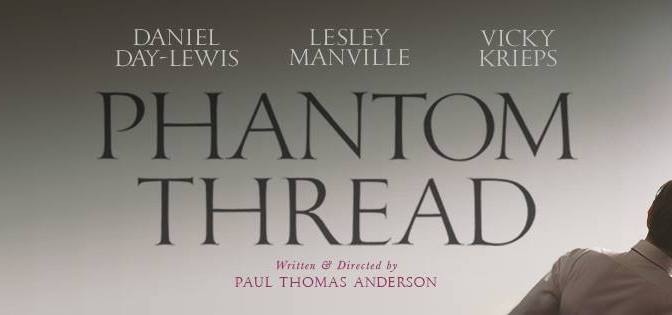
Produced by: Paul Thomas Anderson, Megan Ellison, JoAnne Sellar, Daniel Lupi
Starring: Daniel Day-Lewis, Lesley Manville, Vicky Krieps, Julia Davis etc.
Music by: Jonny Greenwood
One of the great cultural pleasures in life is finding a new filmmaker and building a relationship with them over time. When I found myself watching the quirky low-budget film Hard Eight (1996) in the late 1990s, little did I know that that film would be the beginning of a cinematic friendship with Paul Thomas Anderson. It was only when the sublime 1970s-set-ensemble-drama Boogie Nights (1997) was released that I knew I was watching a filmmaker of incredible talent; and so with subsequent releases that came to pass.
Anderson, can certainly be described, to use old-fashioned film theory parlance, as an auteur. His films formally, technically and thematically all contain recurring tropes and stylistic devices. Although one could argue he leant on his cinematic influences within his earlier works before stamping his own inimitable style in later films. Indeed, films such as: Boogie Nights and Magnolia (1999) – with their talented ensemble casts, whipping camera-moves, over-lapping music montages and a whole host of disintegrating familial and romantic relationships – echoed the films of Robert Altman and Martin Scorsese. Moreover, at the core of his films are father and son relationships, where literal and quasi-parentage is explored. Similarly in Hard Eight, Boogie Nights, Magnolia, There Will Be Blood (2007) and The Master (2012) obsession, duplicity and dysfunctional family units are examined within their respective settings.
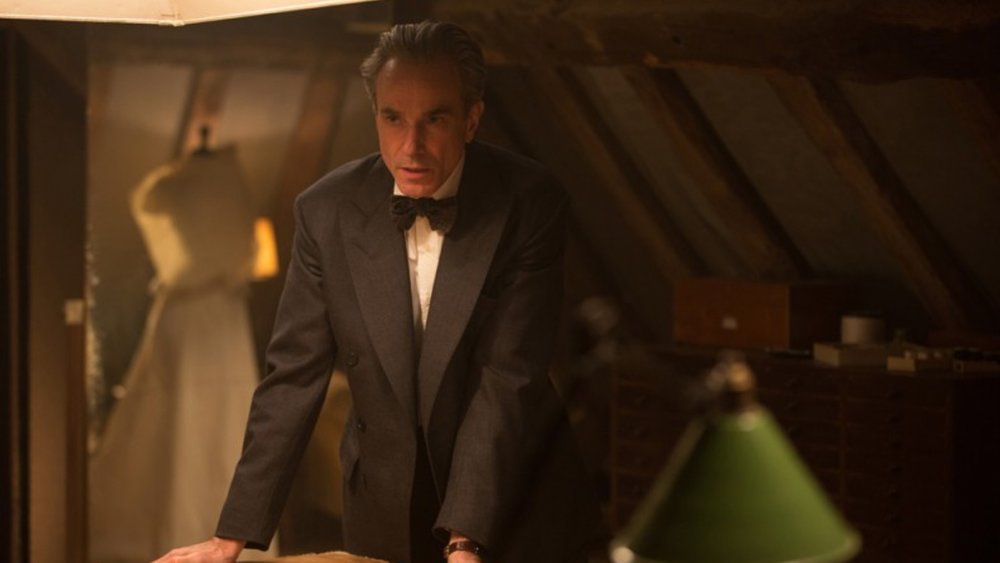
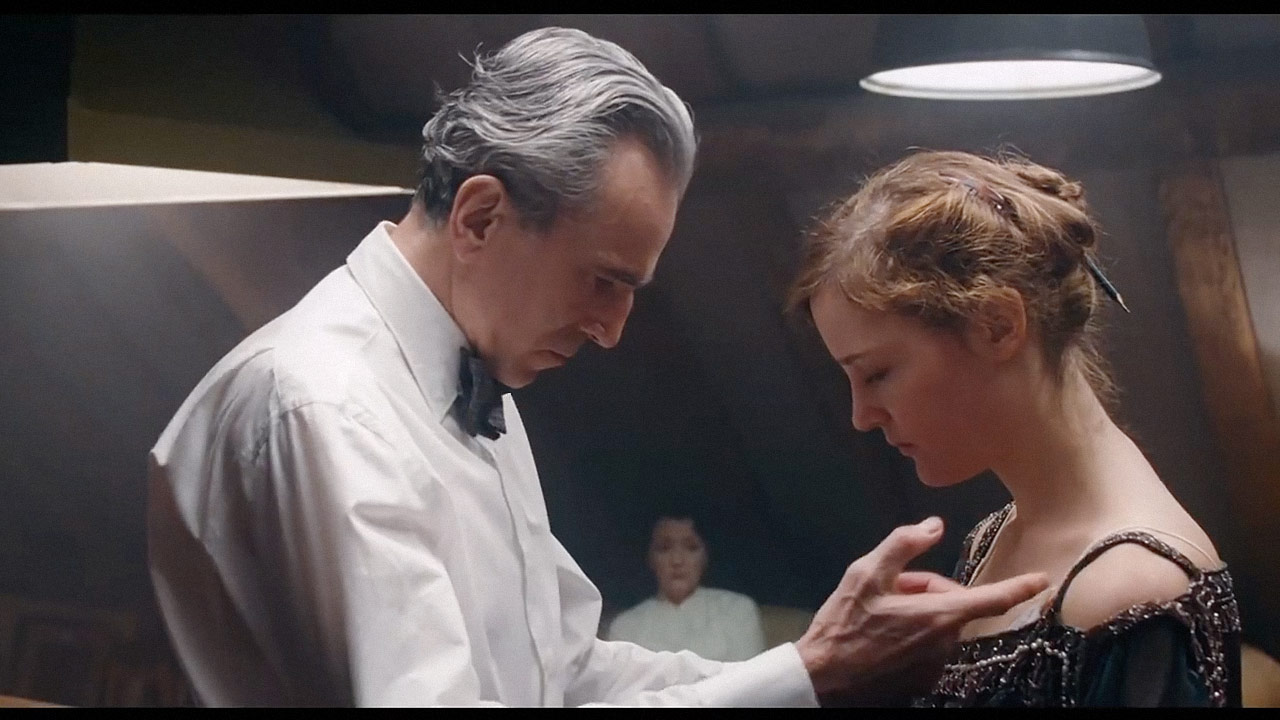
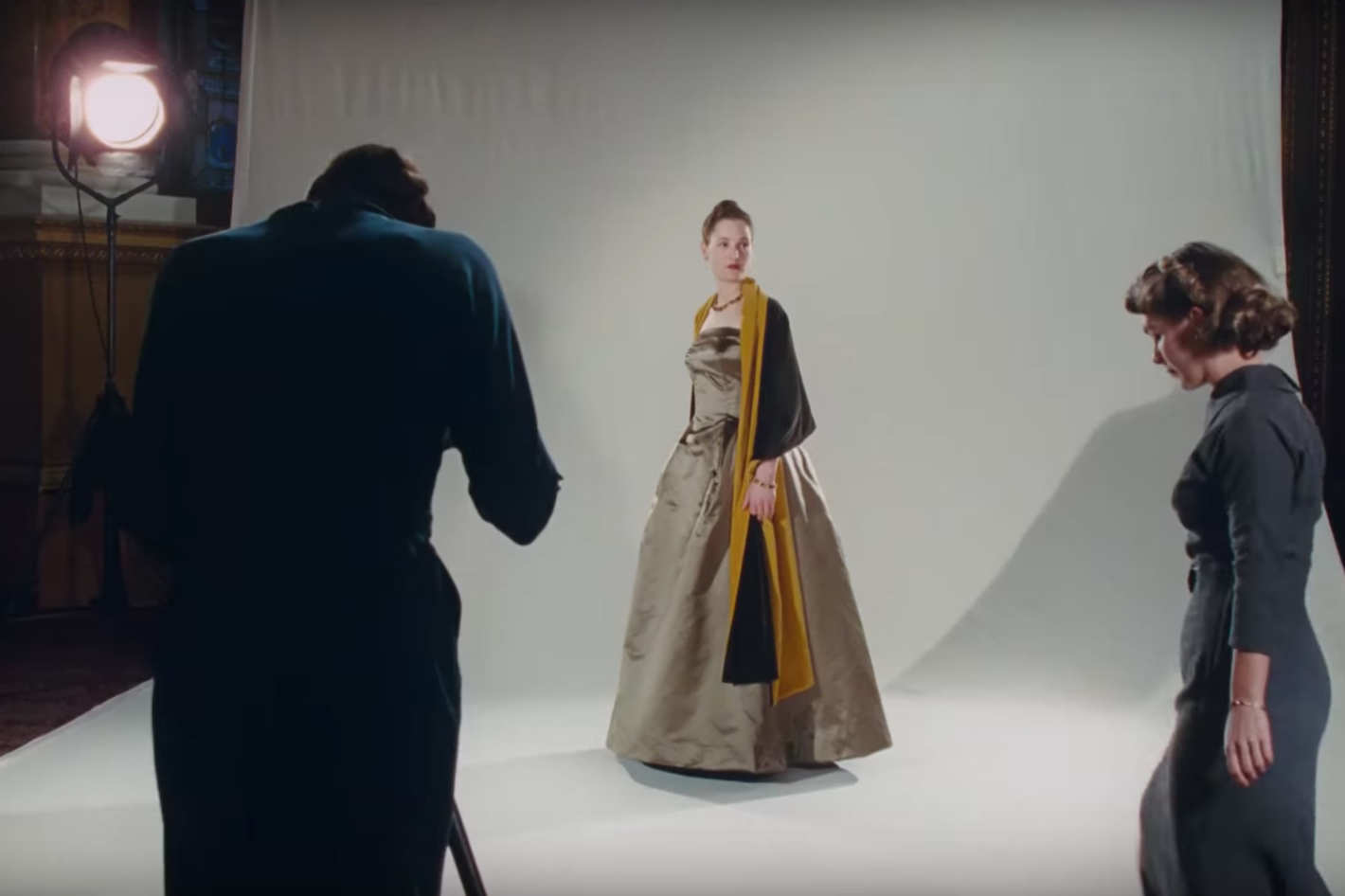
Anderson has worked a lot in the past. He has covered the 1900s with There Will Be Blood; 1950s with The Master; 1970s with Boogie Nights and strange stoner comedy Inherent Vice (2014). In his latest release, the exquisite Phantom Thread (2018) we are in 1950s London, following the elegant yet idiosyncratic life of fashion designer Reynolds Woodcock; portrayed with formidable zeal by Daniel Day Lewis. Anderson and Day Lewis are, like they were with the fierce Daniel Plainview, in complete control of this fascinating character. He is brilliant at his job but also very specific in how his work, staff and routine must go. When he meets a waitress, Alma, the impressive Luxembourg actor Vicky Krieps, the two become entwined within a less than straightforward employer-employee-lover-master-servant romance. Their complex relationship is driven by attraction, rivalry, pettiness, admiration and envy; propelling the drama as the two enter into an understated and curious battle of wills throughout the narrative.
Once again Paul Thomas Anderson, along with his incredible filmmaking team, has delivered a masterclass in cinematic storytelling with exceptional camera work, costume design, acting, lighting, plus a score to die for from Jonny Greenwood. I have to admit I was slightly alienated by Anderson’s last two films Inherent Vice and The Master due to the ambiguity of the lead characters. But I can certainly say that emotionally Phantom Thread works way better as an elegant mix of romance, thriller, character study and fashionista drama respectively. Throughout the magnificent 70mm cinema presentation I was mesmerized by the elaborate patterns my old “friend” Anderson has woven within.
100 NOT OUT! #2 – MORE GREAT FILMS OF 100 MINUTES OR LESS
Almost two years ago I did a piece on great films 100 minutes or less (read here) and it pretty much – aside from the Game of Thrones “great monologues” piece – got the most views of any articles I’ve done. So in keeping with the spirit of the Hollywood movie system I have decided to do a sequel.
On the previous one the classic films I listed HERE were the following:
12 ANGRY MEN (1957)
ASSAULT ON PRECINCT 13 (1976)
BROADWAY DANNY ROSE (1984)
FARGO (1996)
THE KILLING (1956)
MAD MAX: ROAD WARRIOR (1981)
NIGHT OF THE LIVING DEAD (1968)
PREDESTINATION (2014)
RESERVOIR DOGS (1992)
TRAINSPOTTING (1996)
TREMORS (1990)
UP (2009)
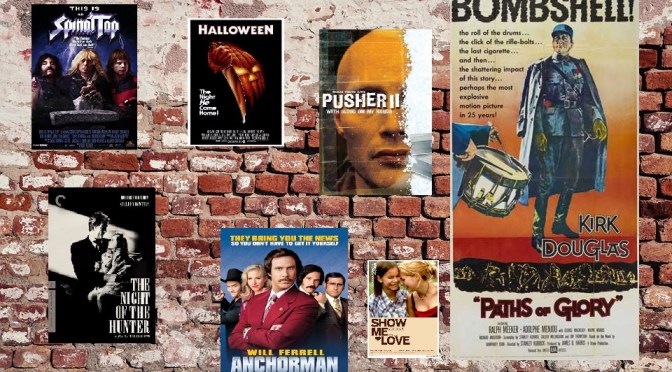
And in true sequel fashion I have decided to not mess with the formula and thus, here are twelve more great feature films 100 minutes or less. Feel free to suggest your own in the comments.
ANCHORMAN: LEGEND OF RON BURGUNDY (2004)
To some Will Ferrell is either a complete waste of space or a comedic genius. While some of his later stuff has been very hit or miss, his earlier movies are pure gold. Arguably his finest role remains the sexist and idiotic news reporter Ron Burgundy; his first outing being a riotous gag-a-second mix of satire, stupidity and songs.
BLOOD SIMPLE (1984)
The Coen Brothers’ debut film is a dirty-criss-cross-bloody-neo-noir-thriller which both contemporises and subverts the work of James M. Cain. As with their later movies the Coen Brothers create a set of characters whose various plans unhinge and devolve in to murderous and at times blackly humorous tragedy.
BREATHLESS (1960)
Jean Luc Godard’s debut “nouvelle vague” feature remains one of his most accessible films. Filtering the Hollywood crime thriller through Godard’s iconoclastic filmic style, it stars the impossibly cool Jean-Paul Belmondo and sweet Jean Seberg. Influential, simple and impactful it remains a French film classic to this day.
DARK MAN (1990)
Sam Raimi is better known for his Evil Dead and Spiderman trilogies but he has also created some other fantastic works too. The comic book stylings of Dark Man are one such B-movie as Liam Neeson portrays a scientist whose work is destroyed; leaving him burnt to a crisp and seeking revenge on those who did him wrong.
GHOST STORY (2017)
David Lowery has created one of the most original stories of recent years and his handling of composition; editing and temporal structure is a masterclass in pure cinema. This film is hypnotic, tragic and echoes the work of Bergman, Kubrik and Tarkovsky as departed Affleck haunts and loves Rooney Mara’s from the ether.
HALLOWEEN (1978)
John Carpenter’s horror classic provided the template for loads of copy-cat slasher films and unnecessary sequels. The original is easily the best as killing machine Michael Myers escapes the asylum to hunt down Jamie Lee Curtis and her school mates. The score, scares and Donald Pleasance all combine to chilling impact.
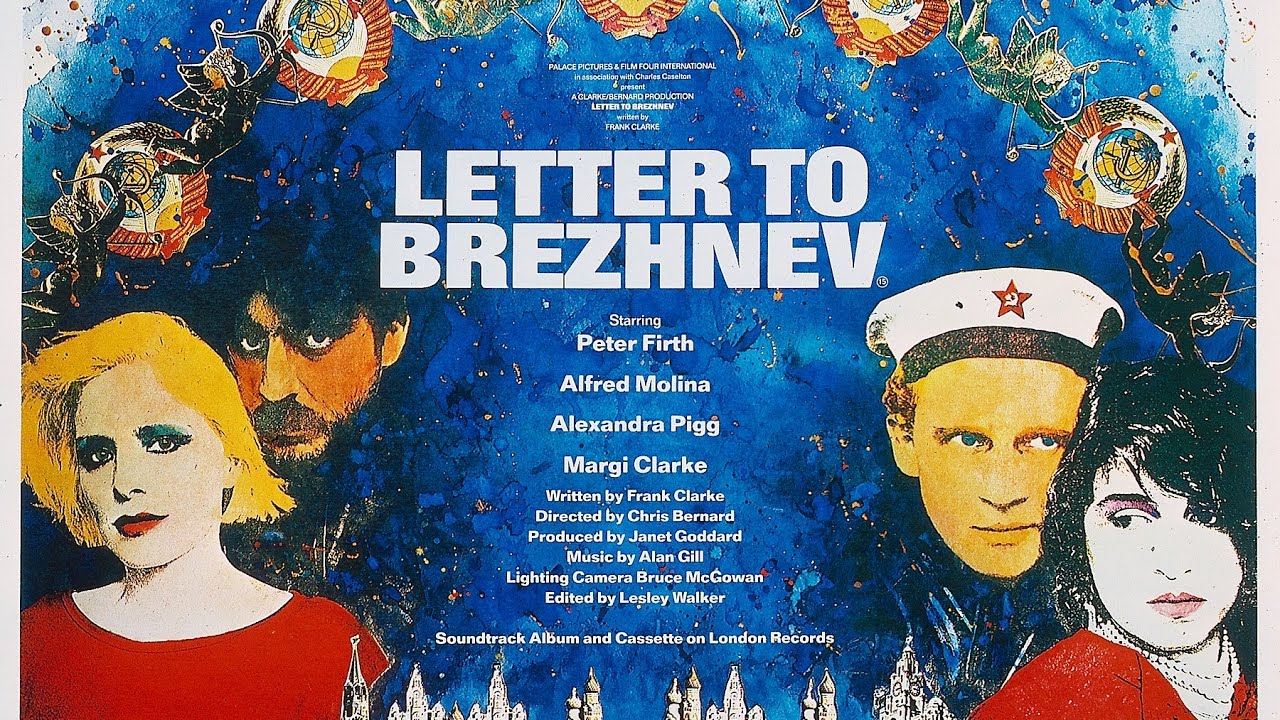
LETTER TO BREZHNEV (1985)
This classic slice-of-life-80s-set romance story finds Alexandra Pigg and Marjorie Clarke as working class Liverpool lasses looking to escape their humdrum lives. Enter Peter Finch and Alfred Molina, as Russian sailors on shore leave who spend a night with them. Full of earthy humour this is a great little film with a lot of heart.
NIGHT OF THE HUNTER (1953)
This is a genuine classic due to the fine performances, direction and amazing cinematography which places our characters in murky shadows and danger throughout. Robert Mitchum’s preacher is big and scary and money-grabbing and murderous; a symbol of religion as seen by the writer and filmmakers.
PATHS OF GLORY (1957)
Stanley Kubrik’s Paths of Glory has been proclaimed a masterpiece and one of the greatest anti-war films of all time. I have watched this classic many times when young and having seen it on the big screen at the BFI recently I can testify that it has lost NONE of its grandstanding power. A genuine ninety-minute movie classic!
PUSHER II (2004)
Nicolas Winding Refn’s early Danish films are dirty and brutal affairs. They show career criminals, dealers and addicts inhabiting the mean streets of Copenhagen. The Pusher trilogy is a grim but absorbing narrative as it finds petty thief Tonny – portrayed brilliantly by Mads Mikkelsen – trying and failing to go straight.
SHOW ME LOVE (1998)
Talented Swedish film director Lukas Moodysson has seemingly sabotaged his career by producing riskier narratives of late. Yet, his first two films Show Me Love and Together (2000) were accessible slices of life; both very funny and emotional. Show Me Love was a great coming-of-age story: warm, cold, bitter and sweet.
THIS IS SPINAL TAP (1984)
Oh, what a classic this is and in less than even ninety minutes we get one of the funniest films ever committed to celluloid. Charting the misadventures of heavy rock band Spinal Tap, this mockumentary starring Christopher Guest and Michael McKean genuinely goes up to eleven with scene after scene of parodic hilarity.
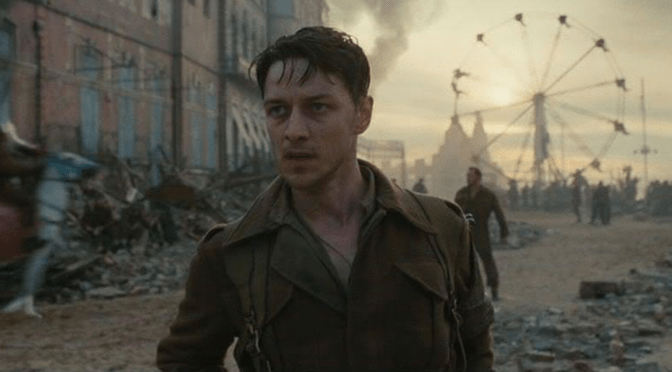
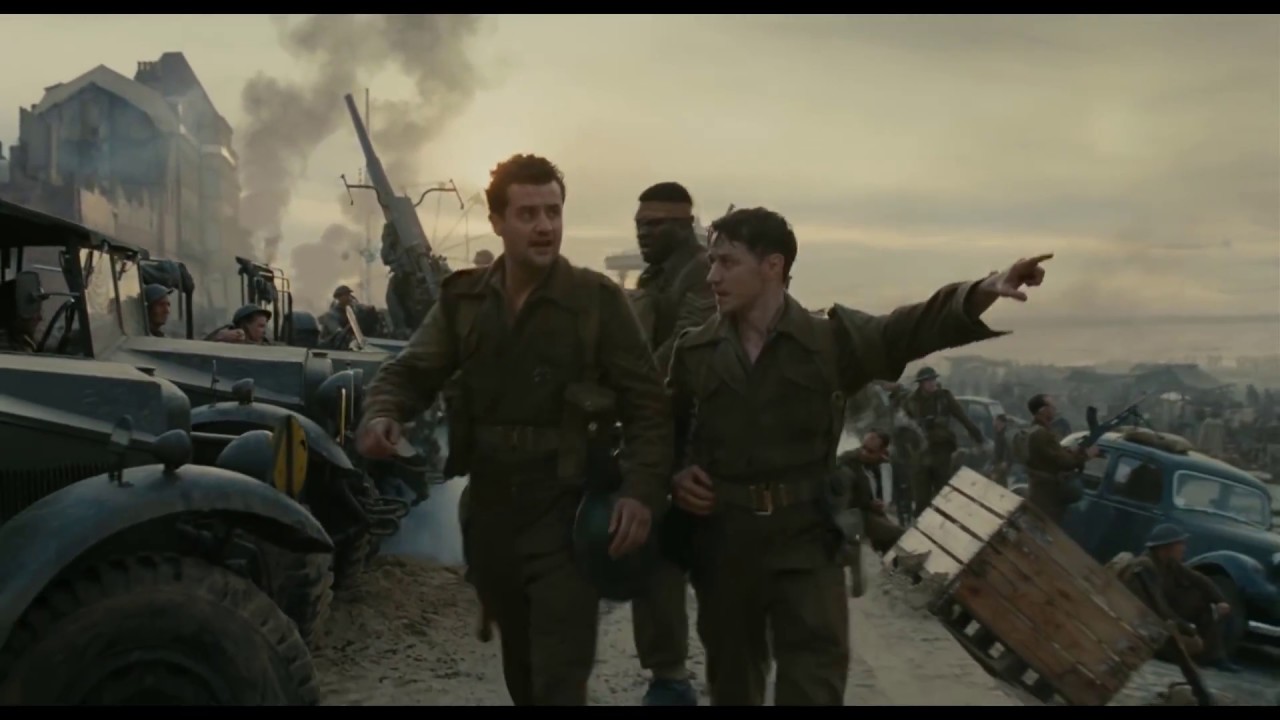
Joe Wright’s majestic directorial adaptation of Ian McEwan’s tragic romantic war story is a poignant study of petty revenge and class conflict. The scene on Dunkirk beach is the standout cinematic moment of the film as James McEvoy’s weakened soldier, Robbie Turner, flanked by compatriots portrayed by Daniel Mays and Nonso Anonzie, vainly attempts to find a way off the beach.
The scene is shown in one long five minute take and involves a certain beautiful, poetic and brutal chaos. Dario Marianelli’s soaring score and a male choir on the beach accompany images of: naked men skinny-dipping, horses being shot, crushed boats, blazing fires, spinning carousels and big wheels; as trapped soldiers remain in peril from bombs overhead.
Aside from the cinematic and technical achievement on display the emotional impact is surreal, heartfelt and haunting. The power from the film’s denouement when we discover much of the episode has been filtered through Saoirse Ronan’s unreliable narration makes the scene all the more heart-breaking.
Produced by: Tim Bevan, Lisa Bruce, Eric Fellner, Anthony McCarten, Douglas
Written by: Anthony McCarten
Starring: Gary Oldman, Kristin Scott Thomas, Lily James, Stephen Dillane, Ben Mendelsohn
What makes human beings want to go to war? What is it that determines thoughts and actions which will lead to the death of another human being? Is it: a genetic trait; a tribal desire; a psychological defect; financial gain; jealousy; boredom; passion; political chicanery; religion; greed; anger; revenge; or quite simply madness. Taking a life is something I have never understood. I mean, unless you are forced to defend yourself against a foe hell-bent on your destruction why would you wish to harm anyone else?
So, Adolf Hitler has a lot to answer for because, even accepting the political and social reasons for the rise of the Nazi party and his desire to repair national pride after the first World War, what the hell gives a nation the right to invade and conquer other countries. If you choose to go down that road you are signing the death certificate of a generation men and women and children. It’s not just Germany either. The British Empire, Roman Empire, Vikings, Mongols, United States of America, France and many more have waged war against humanity down the years. Will it ever stop? Sadly, I doubt it.
In times of war what is needed is obviously bravery, steel, fight, intelligence and more than a little luck. You need hearty human beings to stand and be counted and to die on the battlefields and in the air and in the sea. You also need leaders; figureheads who can rally the troops and galvanise that last ounce of fight in order to repel the enemy. During World War II, with the country on its knees and backs to the walls we had many leaders, but Winston Churchill, above all else, became synonymous with victory.
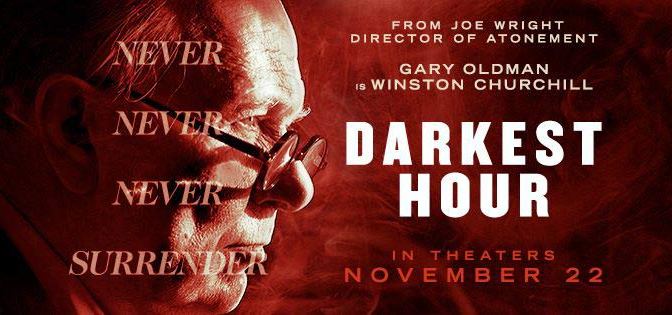
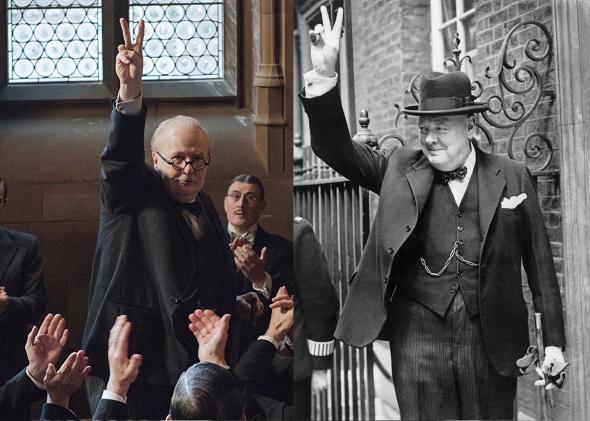
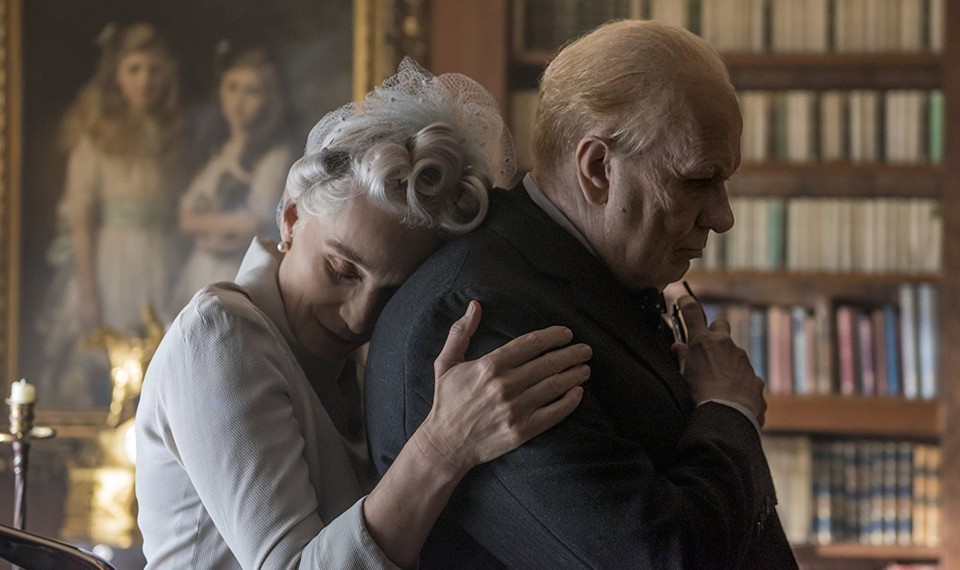
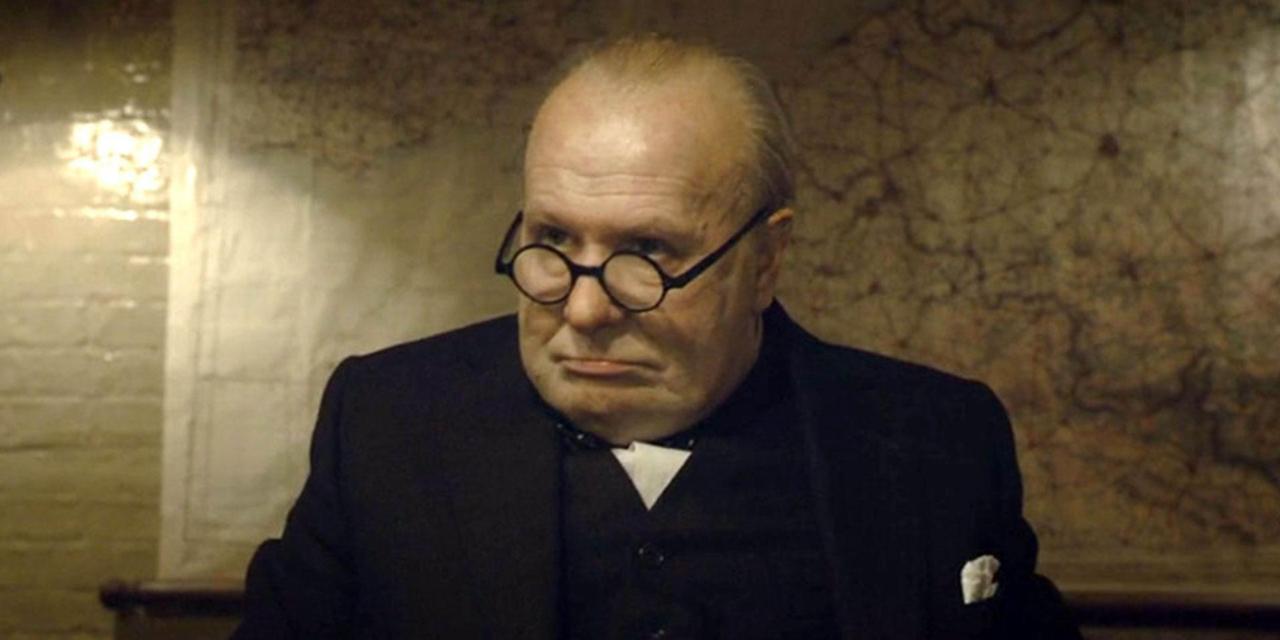
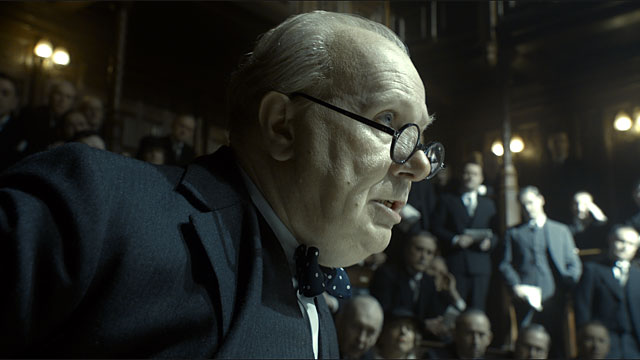
As portrayed in Joe Wright’s beautifully shot microcosmic epic, Darkest Hour, Churchill is presented as a flawed-pink-pyjama’d-cigar-chuffing-blustering-iconoclastic-functioning-alcholic prone to fits of rage, melancholy and depression. He also happens to be devilishly intelligent, full of energy, with a wicked tongue and talent for brilliant oration. Much of the plaudits must go to Gary Oldman, and his make-up team, for creating such a wonderfully human portrait. Indeed, Oldman owns the screen with his damned-near perfect impression.
Anthony McCarten’s fine script centres on a finite number of days during World War II when Churchill became Prime Minister. Aside from one emotionally effective yet historically grating symbolic scene on the London underground, is it well written with fantastic one-liners and Churchill’s greatest verbal ‘hits’. Joe Wright is a talented director (the mis-guided Pan (2015) aside) and he evocatively conveys the shadow of looming defeat. Wright traps Churchill and ensemble in cars, lifts and in underground chambers. Shafts of light also pin the characters to the corners of the screen; pushing them toward the darkness. But through the spirit of Churchill’s never-say-die attitude we fought back against the Nazis and eventually stole victory from the jaws of defeat. War is hell. War is madness. But sometimes it is unfortunately a necessity to prevent the bullies from winning.
THREE BILLBOARDS OUTSIDE EBBING, MISSOURI (2017) – CINEMA REVIEW
Directed by: Martin McDonagh
Produced by: Graham Broadbent, Pete Czernin, Martin McDonagh
Written by: Martin McDonagh
Cast: Frances McDormand, Woody Harrelson, Sam Rockwell, John Hawkes, Peter Dinklage
Marvel and DC comics continue to punt their wares in cinemas and on TV providing us with comforting visions of super-people and alien heroes guarding Earth and galaxies far, far away. We need these characters and events to, amidst the fighting and explosions, make us feel safe by providing neat, happy, ribbon-tied endings which find the evil-doers crushed and our spirits raised as we return to reality. However, there are also writers and filmmakers who challenge our perception of reality, presenting it not as black and white; good and bad; with justice and redemption prevailing. No, certain filmmakers present a muddied view of the world; an unjust and angry vision of humanity; a complex perspective where there aren’t necessarily good people doing good things but rather good people doing bad and bad people, sometimes, just sometimes, trying to be good.
Screenwriter (and director) Martin McDonagh has, in Three Billboards Outside Ebbing, Missouri constructed one of most challenging screenplays of the year. It does not hold up to any politically correct agenda as it paints the world as a cancerous, racist and vicious place where murder and rape crimes go unsolved and grief-stricken vigilantism seems to be the only means of gaining some movement toward closure. As a playwright Martin McDonagh was always drawn to violence and dark humour. His first film, In Bruges (2008), was a darkly hilarious existential comedy-drama. His follow-up Seven Psychopaths (2012) was a heady mix of criminals versus writers in a meta-fictional Hollywood-based narrative; yet with Three Billboards, McDonagh has delivered his best film to date. With its’ singing and stinging script we have a highly emotional drama brimming with incredible characterization, dialogue and zinging one-liners.
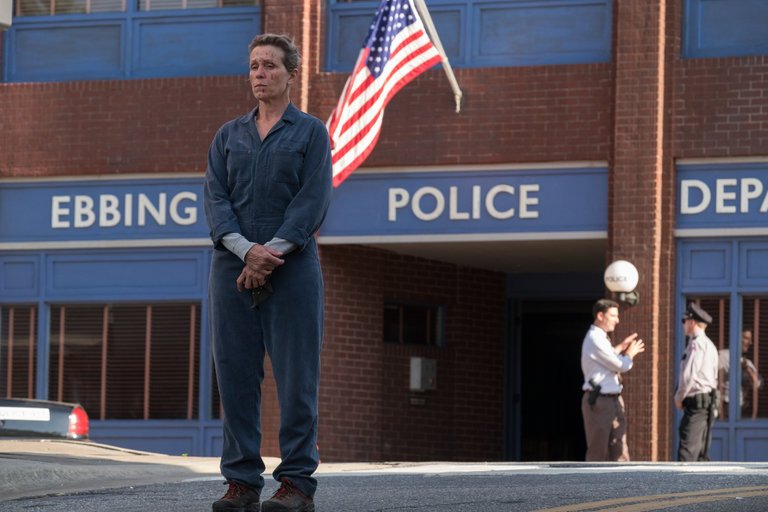
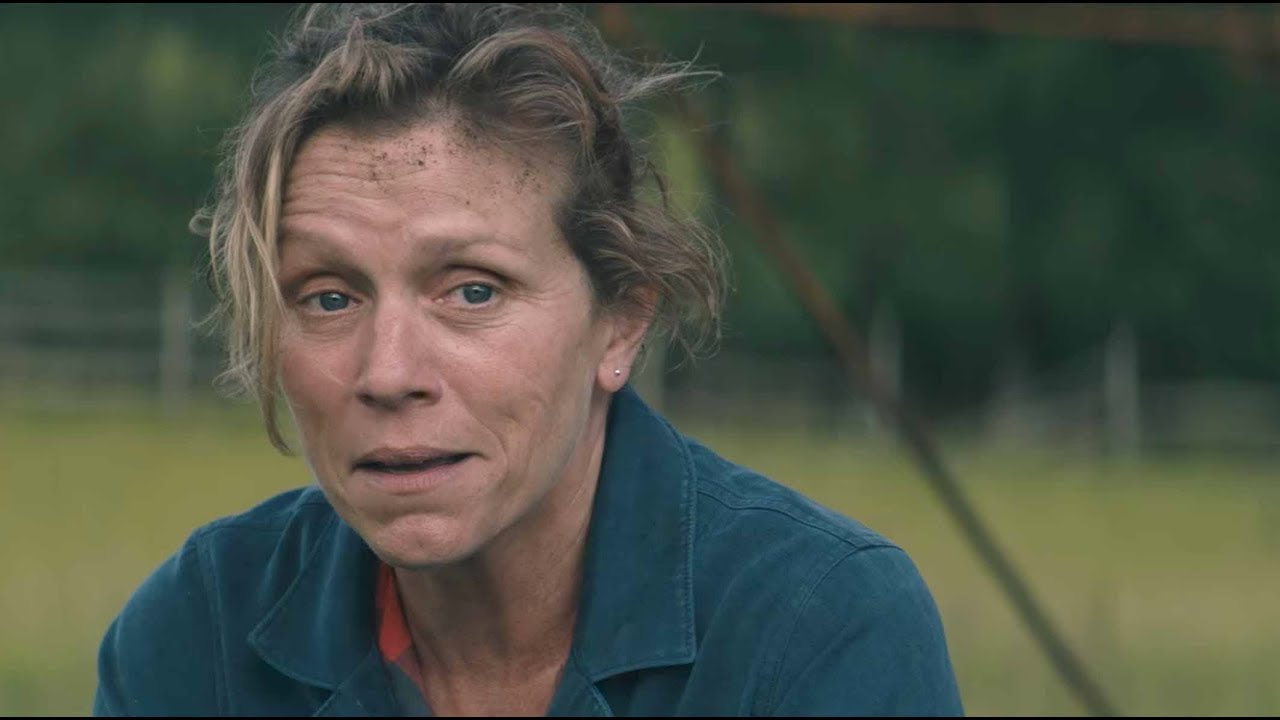
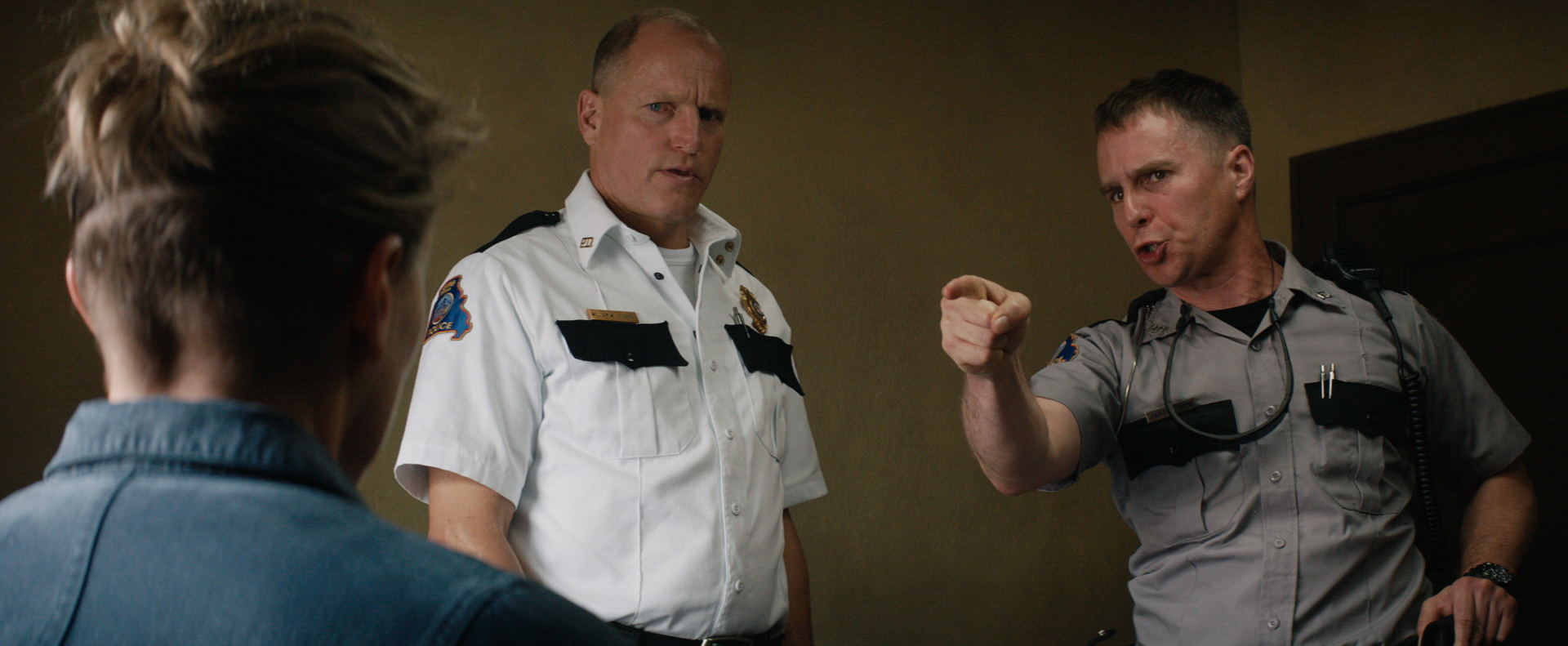
Following the murder of her daughter Mildred Hayes, portrayed with an iron veneer by the remarkable Frances McDormand, no longer prepared to sit by and wait for her daughter’s killers to be found. Firing a rocket into the patriarchal-dominated police department ran by Chief Bill Willoughby (a brilliant Woody Harrelson) she sets in motion a series of unforgettably tragic, violent and blackly comedic scenes. In using the three billboards to question Willoughby’s investigation she utilises physical media as a larger form of the ‘Scarlet Letter’; an old fashioned “name and shame” device. Because Mildred, is refreshingly traditional and old-fashioned and in rural, small-town America the Internet just won’t hack it for her. She is about direct, in-your-face and ballsy action.
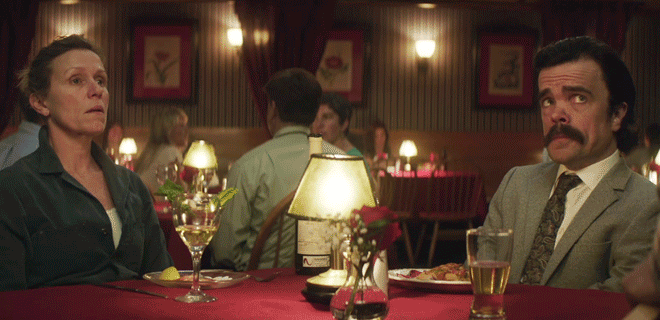
Supporting McDormand is phenomenal ensemble cast including: Harrelson, Peter Dinklage, John Hawkes, Lucas Hedges, and Abbie Cornish etc. Sam Rockwell is especially memorable as the immature, inept and thuggish mother’s boy, Jason Dixon. His scenes with both Frances McDormand and his on-screen Mother, played with deadpan gusto by Sandy Martin, crack with complex emotion and humour. Collectively they portray imperfect characters whose lives have not just been dealt a bum hand but their situation is exacerbated by poor decisions based on grief and frustration with life and the world. Rockwell’s Dixon is arguably the most controversial character as he is essentially a racist man-child and a terrible cop who, via Mildred’s violent actions, awakes from his moronic coma to strive for redemption.
McDonagh script is fantastically dark as he imbues each of the characters with a flawed, yet rounded humanity. He takes risks by making his main protagonist, despite her loss, kind of unlikeable. Yet we are always with Mildred because she is righteous and swimming against the tide of authority. Below the tough exterior though there is also a vulnerability which makes us love her too and empathise fully with her loss. Ultimately, this is an excellent cinematic experience funny, shocking and moving; only possible because of the expert script from a great writer.
Produced by: Mark Gordon, Amy Pascal, Matt Jackson
Screenplay by: Aaron Sorkin
Based on: Molly’s Game by Molly Bloom
Starring: Jessica Chastain, Idris Elba, Kevin Costner, Michael Cera, Jeremy Strong, Bill Camp
As a species we like to have fun. It makes us feel good to manufacture a chemical reaction in our minds and body to create a high and distance ourselves from our own mortality. One such means of fun is gambling. It is fun right: placing bets on the outcome of a game be it chance or skill? I mean it must be fun because so many humans do it, right? Nothing bad comes of fun surely! Nothing bad comes of gambling? Wrong! Of course it does.
Gambling is one of the stupidest things a human being can do. You are willingly handing your money to a bookie or competitor or casino in a game of chance in the hope of winning money. Your hard earned cash is at the mercy of: the turn of a card; the roll of a dice; the kick of a ball; the speed of a horse; and the spin of a wheel. To me THAT is crazy. I know because I used to gamble on the horses and loved it but not when I lost. That high soon dissipated and fun twisted and dug and before you know it you’re in a low-hole and light is getting further and further away the deeper you go.
There are many players out there who will say poker is not a game of chance. It is a keen game of skill relying on intelligence, guts and psychological warfare. I would go along with that but it is, unless fixed, always reliant on major elements of fate. There are a plethora of multi-millionaires out there who have got rich playing poker no doubt. Yet, I bet there are some sob stories too of players who have lost everything at the table.
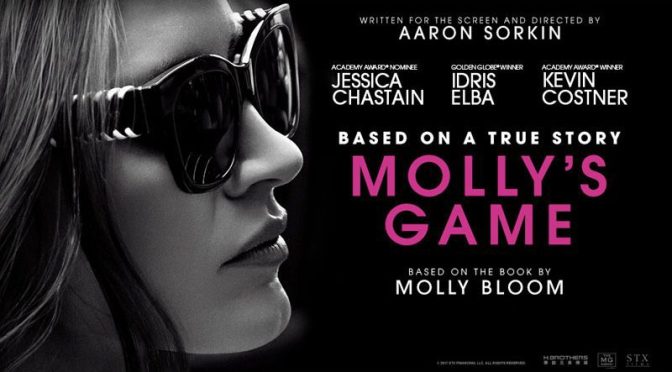
Such characters litter Aaron Sorkin’s excellent biopic of poker “madam” Molly Bloom. You’ve got the bankers, hedge-funders, cowboys, sporting legends, A-list actors and gangsters; all co-mingling around a green baize table facing off over the turn of a card. For me it’s an ostentatious representation of hedonistic narcissism. I mean: that money could be used for good but instead is being used for pointless card games which only serve to boost egos and satisfy bottomless, black-hole addictions. Nonetheless, that doesn’t mean the film is not entertaining because it is.
Sorkin asks us to, at times, empathise for a criminal in Molly Bloom, however, she must be admired for her ballsy attitude, intelligence and organisational skills. Much of the kudos for the film goes to Sorkin’s fantastic script and the sterling performance from Jessica Chastain; who possesses a magnetic on-screen aura reminiscent of the Hollywood stars of yesteryear. Couple of reservations in that with a story about a powerful woman it was disappointing that Costner’s father and Idris Elba’s lawyer got the best speeches at the end of the film. Moreover, at no point did I REALLY care about anyone, aside from Molly when she gets in too deep. But that’s the point: the professional poker world is a shark pool full of predators and Bloom’s story is a complex one, raised above that of your standard crime drama by a zinging screenplay and Jessica Chastain’s nuanced acting.
Starring: Christian Bale, Rosamund Pike, Wes Studi, Adam Beach
Music by: Max Richter
Death and America seem to go hand in hand down the realms of history; entwined bedfellows with society, industry and apparent civilisation being watered by blood and bone and marrow of humanity. The coagulation of Native American lives spread to the dust could be argued to be one of the most despicable genocidal acts ever perpetrated against a generation. And what was it all for? So, human beings from one side of a huge ocean can take what essentially belonged to the indigenous men, women and children of what we now know is called the United States of America. Red dust scorches that land and people and it’s a stain which will never ever be removed.
Even in the last one hundred years and more the Neo-Americans have militarized and invaded many other countries borne, on occasion for the greater good but generally to colonize, re-politicize and scavenge the goods of those said lands. Thus, it is never surprising when the natives choose to repel their invaders as they’d prefer their land to remain their own. For the price of defending their land history has named them savages and other cruel labels in an attempt to differentiate their culture and make them the enemy. Of course, there are good people within the U.S.A who oppose such invasions but the truth remains even they live on blooded ground.
The weight of guilt and pain and death hang heavy in Scott Cooper’s slow-moving and elegant Western. It’s a character driven piece with Christian Bale, Rosamund Pike, Wes Studi and Rory Cochrane putting in dominant performances which convey the depressing murderous times borne out of the heinous and greedy need for progress. White man / woman’s guilt drives the narrative as at first Bale’s soldier refuses to accompany his enemy back to his homeland. Is it more because of the deaths of his own men on the battlefield or because he does not want to face up to his own crimes against the Native Americans?
There are no easy solutions in this glacial paced, beautifully shot Western. The audience is required to analyse the characters actions and make up one’s own mind. There are no black hats or white hats save for the denouement involving the four horsemen that drift over the horizon with death in their eyes. Even the Comanche horde who perpetrate the wicked attack on Pike’s family at the beginning, while unsympathetic, are a product of the barbarity committed by the American army. Overall, this is a genre-defying Western built more on character rather than all-out action. Each slow plot turn went against my expectations and that was a positive. It’s a rich, deep and heavy film which benefits from great performances and an incredible Max Richter score.
Stanley Kubrick and I do not have many things in common. But one of them is we both, when he was still with us, hate flying. From some limited research I learnt that Kubrick was in fact a qualified pilot but following an incident in the air it scared him to the extent he refused to fly again. The famous story of recreating the major parts of war-torn Vietnam in London because of this during the making of Full Metal Jacket (1987) has subsequently gone into cinematic folklore.
I hate flying for a number of reasons. Firstly, I am a science ignoramus and therefore cannot get my head around how that big hunk of metal can actually take off. Moreover, the fear of being trapped somewhere that in a crash situation means I am NOT getting out alive is too much to bear. I mean, on a boat or train or driving in your car you’ve got a fighting chance, but on a plane you’re up cloud creek without a paddle. More prosaically, I do NOT enjoy travelling on planes. Aside from being able to get a beer at seven in the morning, flying is just pointless to me. I don’t really even like holidays. You only have to come back and the relaxation you earned is ruined by the stress of having to fly back home.
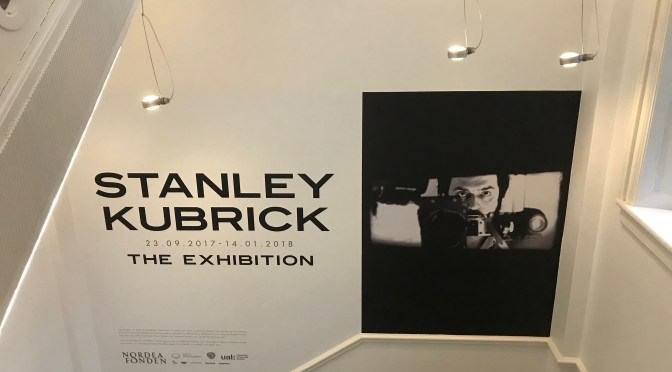
I realise these are first world problems but for me to get on a plane is a big deal. Yet, my wife loves travelling and visiting new places so as an appeasement exercise I agreed to go to Copenhagen. What sweetened the deal though is we both love the films of Stanley Kubrick and, given it has yet to come to London, decided to go visit said exhibition before it ended in January 2018. I am glad I did. It was brilliant.
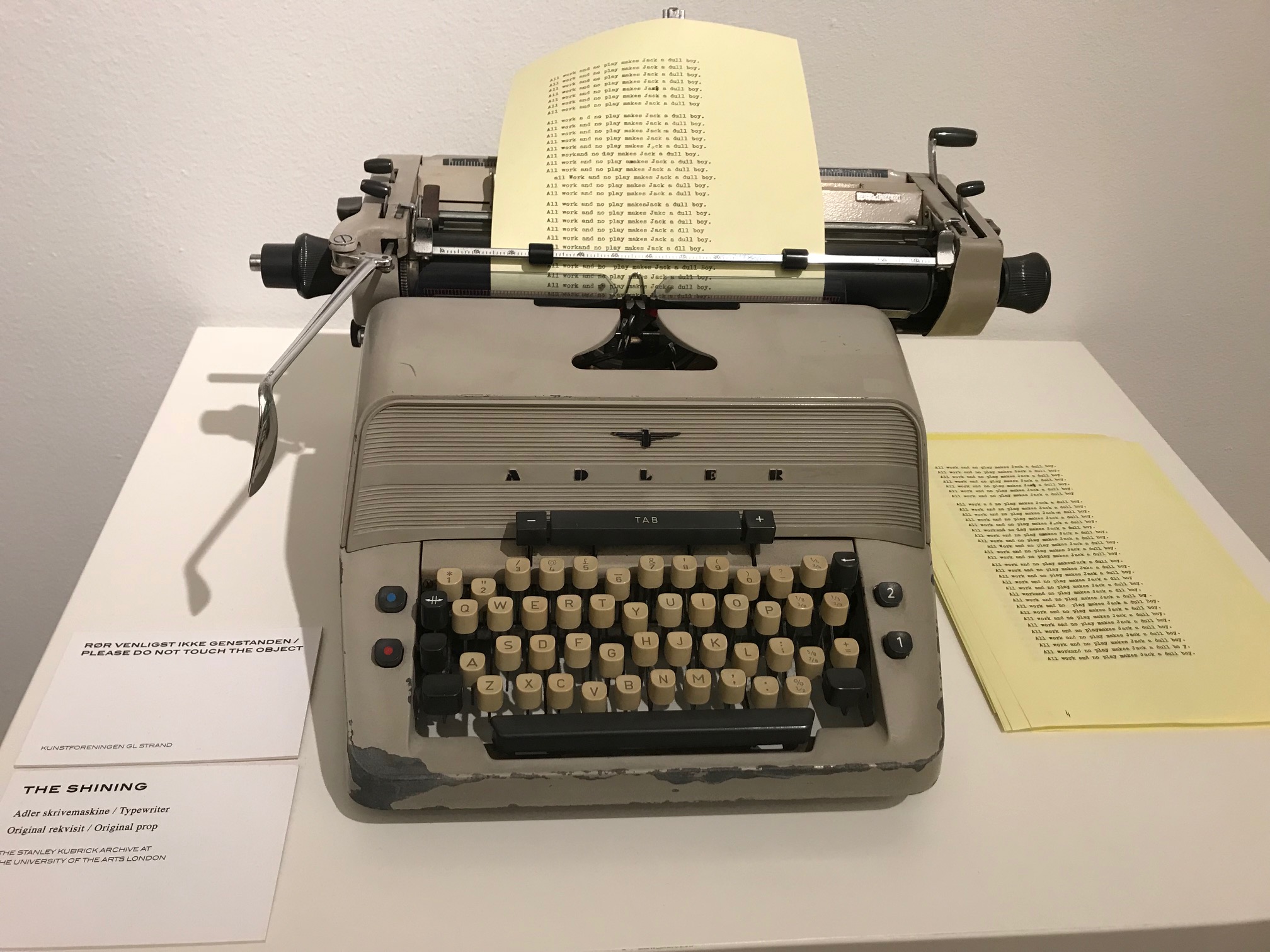
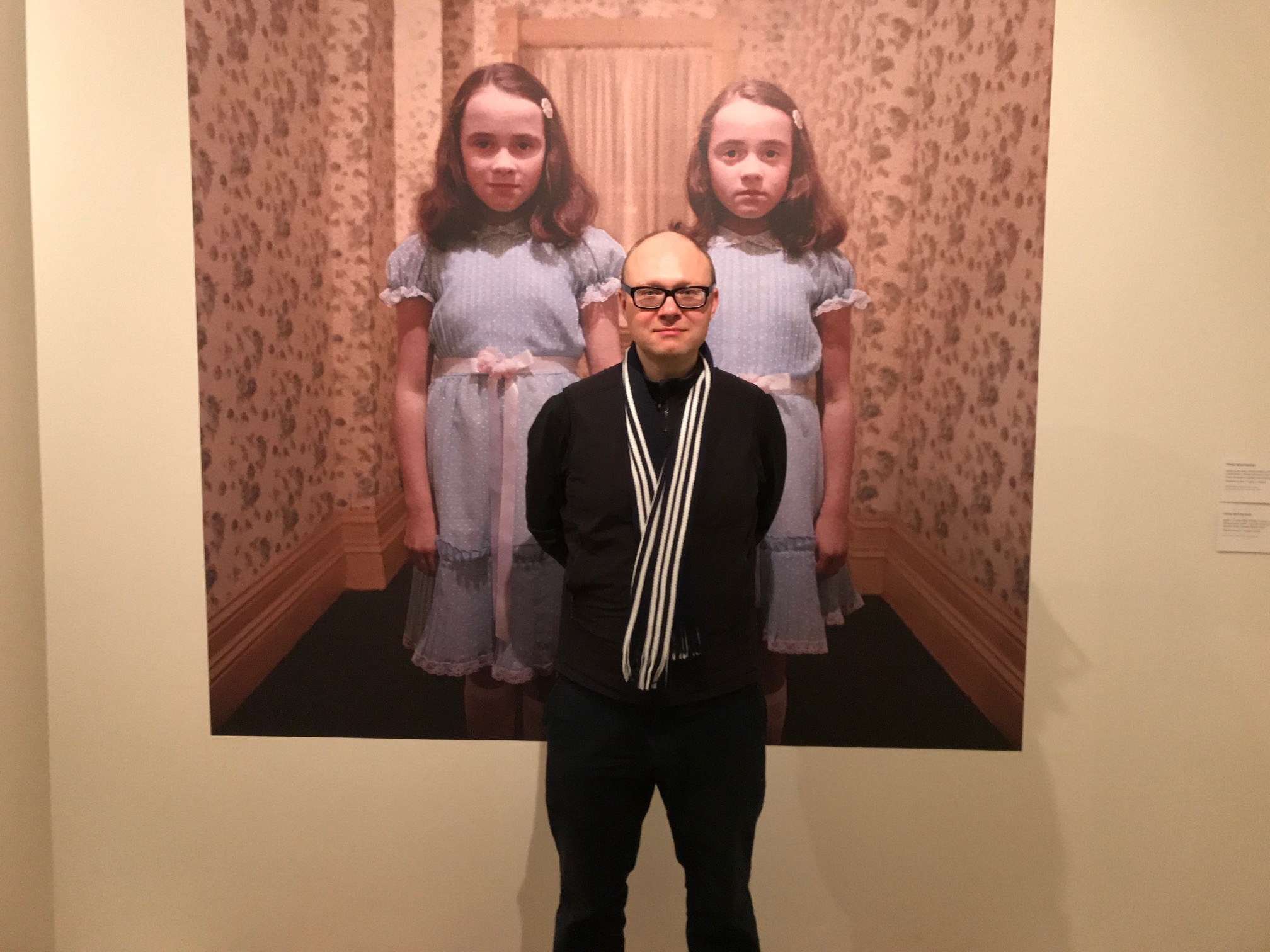
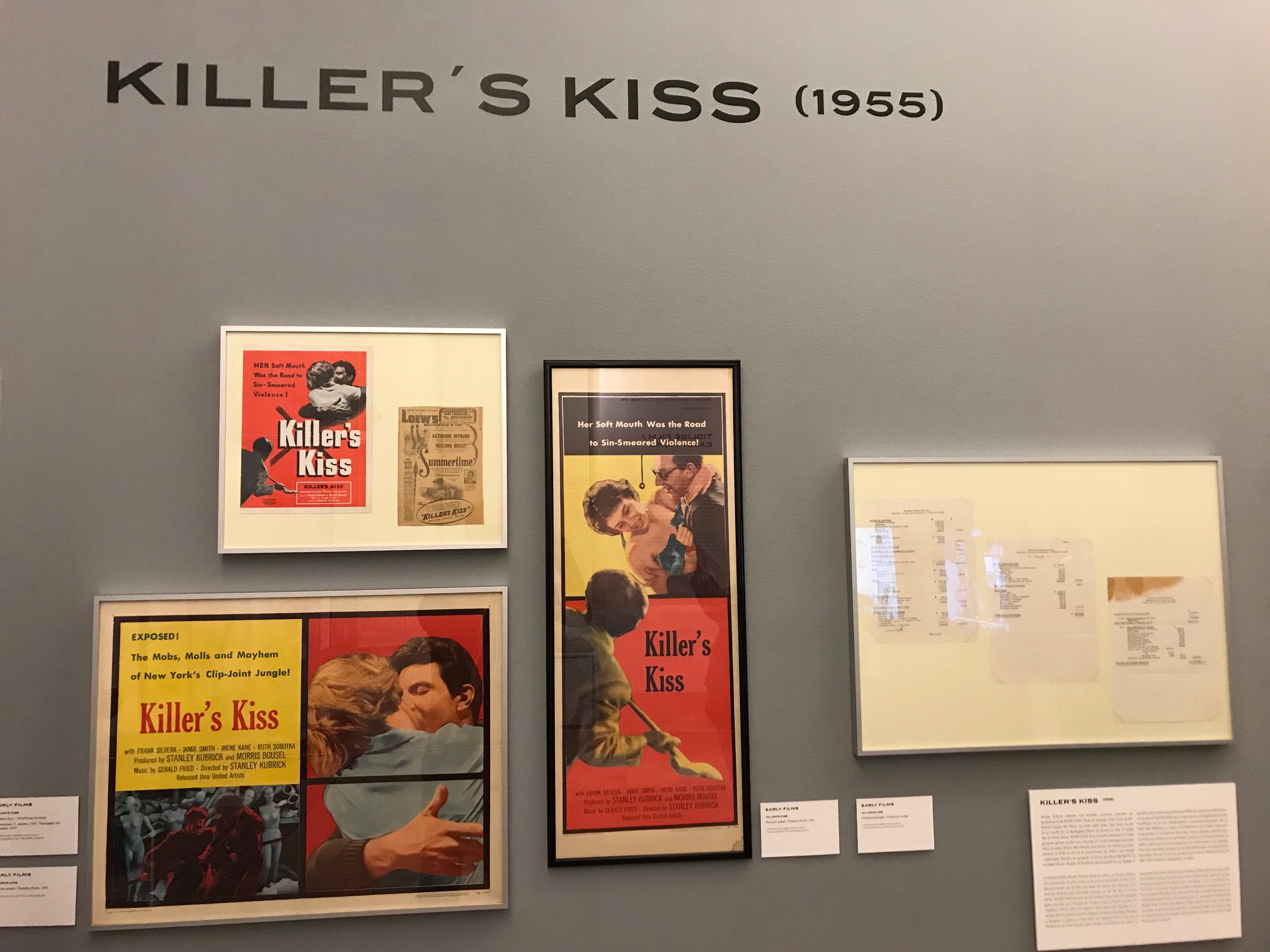
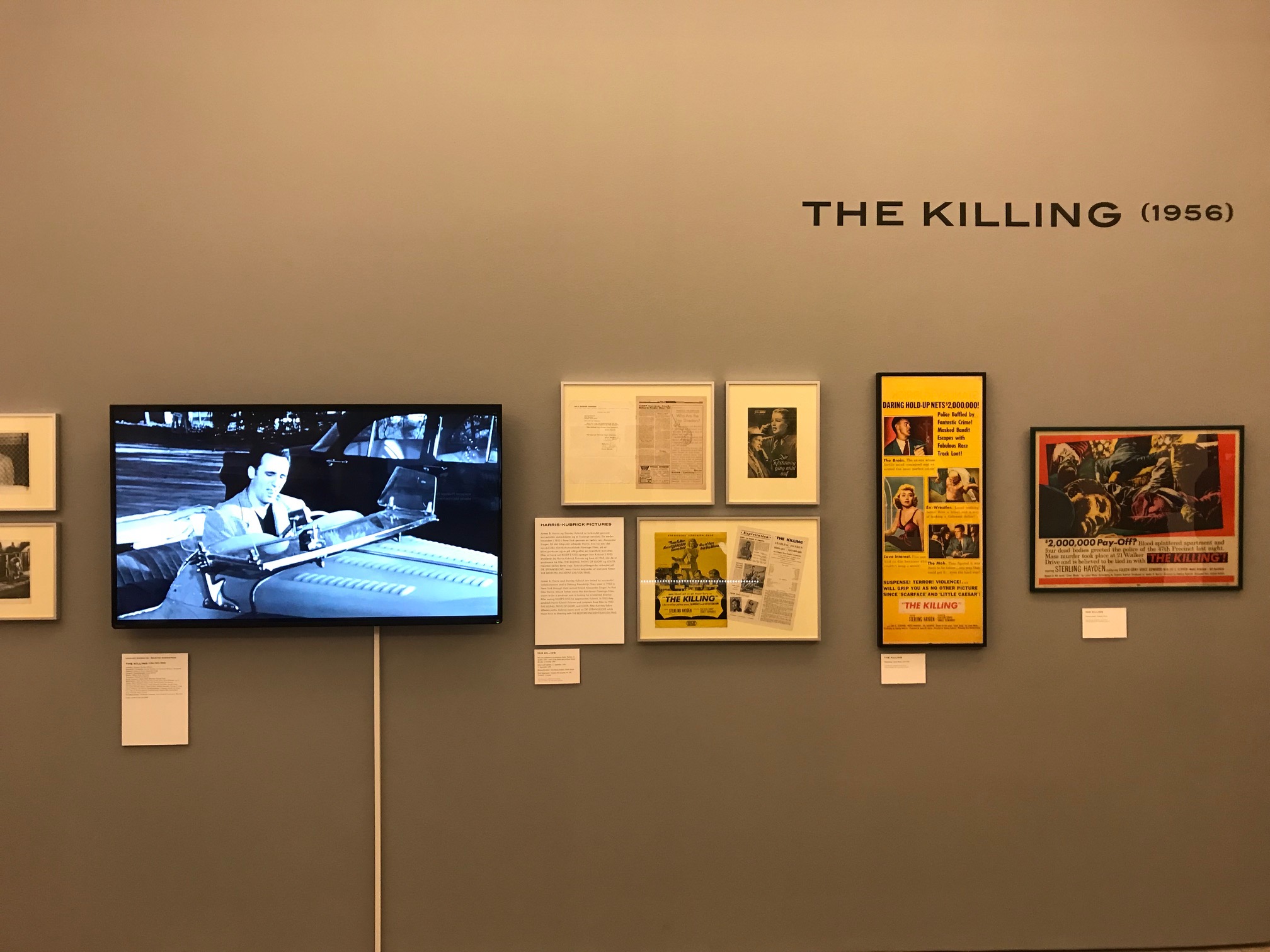
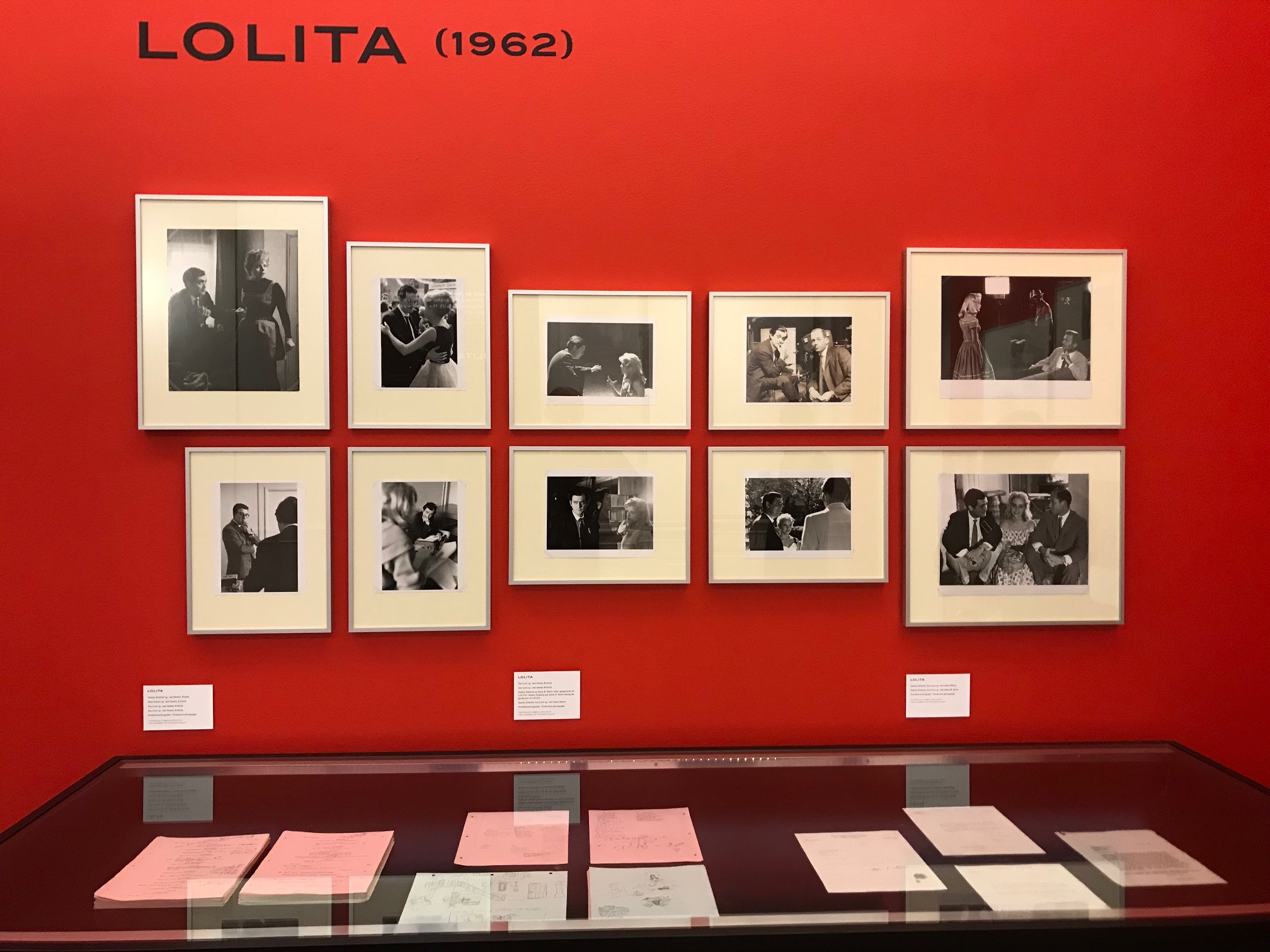
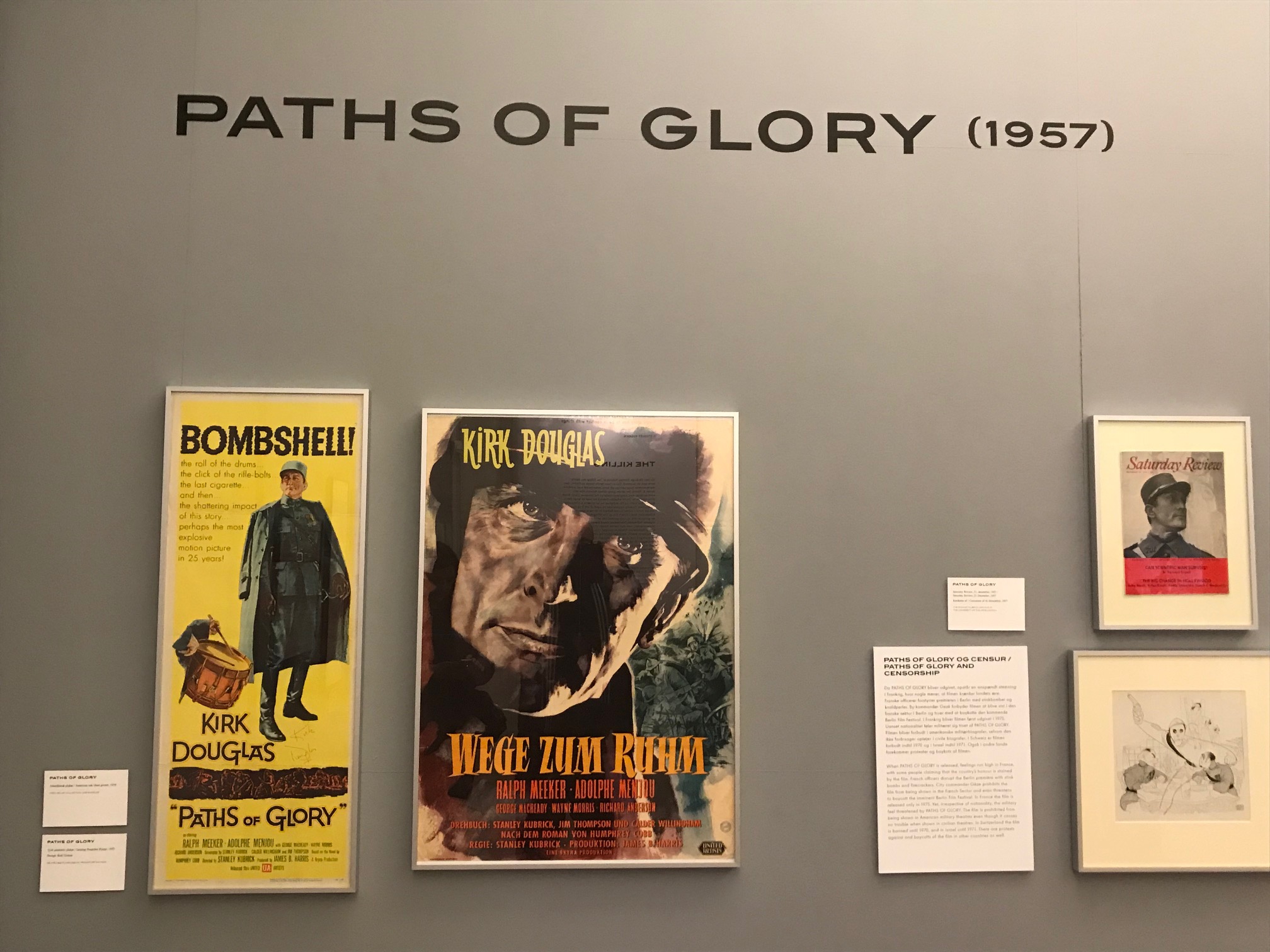
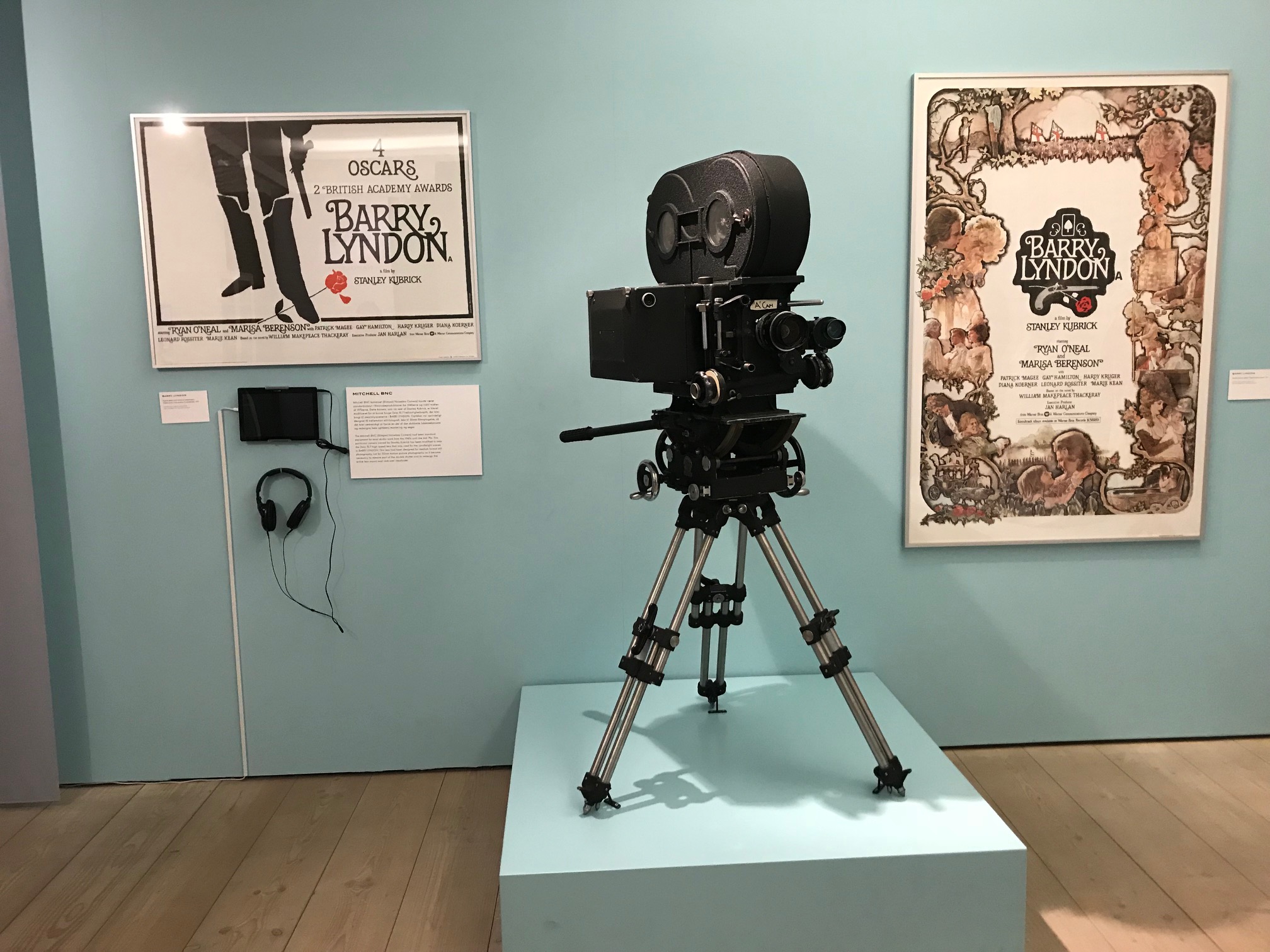
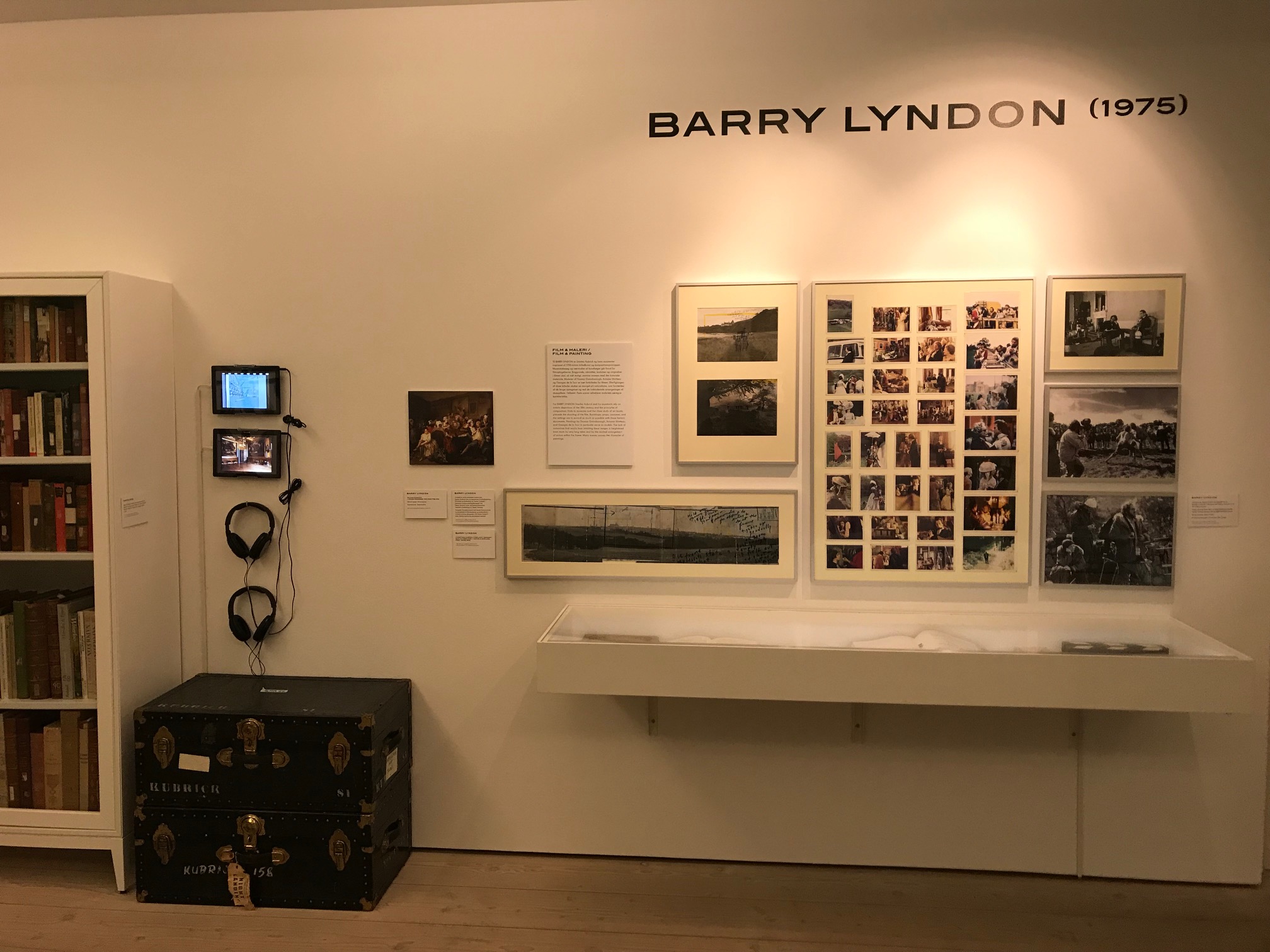
As the photos show every one of Kubrick’s completed and non-completed projects were given a wonderfully curated and considered display. There were: props; scripts; clapperboards, letters from fans; video and audio-clips; letters of protests from angry cinemagoers; costumes; set miniatures; and hundreds of production documents identifying the famed meticulousness of Kubrick’s productions. It was an Aladdin’s Cave of Kubrick’s filmic life and well worth getting lost in for several hours. One hopes it comes to London soon so I can go again!
So much has been written about Stanley Kubrick’s techniques, philosophies and film modus operandi, that rather than offer technical or thematic analysis I’d like to consider the personal impact Kubrick has had on my life. All I can say is that from an emotional level here is a filmmaker who has been with me as far back as I can remember. I recall watching The Killing (1956) on BBC2 in England when I was eleven and marvelling at the incredibly metronomic and overlapping structure. Then, at Christmas later that year, I recall watching Spartacus (1960) on TV with the family and enjoying the blood and guts and heroism of the lead character. I revelled in the Roman baddies being thwarted by a mere slave. When I found out a few years later they were directed by the same person I did not believe it; it blew my mind.
With this knowledge and experience in mind, I consciously or otherwise looked out for other works by Stanley Kubrick. My memory is hazy but in my late teens I found Paths of Glory (1957) showing, no doubt on BBC2 (we still only had four channels then in England), and I recorded it on VHS and watched it over and over. Knowing nothing of the filmmaking process I was impacted by the incredible tracking shots putting us in the heart of the action. Timothy Carey, who stole the show as a vicious criminal in The Killing, again really stood out in this classic WWI anti-war film. But like in Spartacus, Kirk Douglas was fierce in his performance and his noble character protests against the injustice of the ruling powers within the poisonous French hierarchy.
One film of Kubrick’s I never quite got into was Lolita (1962). I tried to read the novel many years ago but my young brain found it impenetrable. Similarly, the film is a very dark comedy with a risqué theme of illicit romance and sexual awakening. The film was very controversial on release and Kubrick’s one film I have not watched many times but my feeling is that Kubrick was attracted to the weaknesses of masculinity in this work. Now, perhaps it is a sexist and lascivious film but I would need to re-watch it now to be able to fully commit to a clear critical view. One wonders if it would be made now given its context and complexity of gender and paedophilic representations. The PC, Neo-Millenials and feminist agendas would certainly have something to say about it and they would probably have a point. My feeling is though we should be allowed to make up our own mind on controversial works rather than carrying flaming torches on the internet threatening to burn anything that may be deemed controversial.
Another film which is sexual, but this time more symbolically when compared to Lolita, is the anti-nuclear masterpiece Dr Strangelove: or: How I Learned to Stop Worrying and Love the Bomb (1964). Having watched it more recently and gained knowledge from the wonderful Kubrick exhibition, this scary and hilarious satire is filled with stupid, impotent and warring men bickering and squabbling over the future of a possible nuclear attack. It’s incredible to think that at the time of the Cold War a filmmaker could turn the fear of an atomic bomb attack into a comedy. But that is the genius of Stanley Kubrick because as an iconoclast he did just that. Like Paths of Glory, which was banned by the French government, the film garnered the ire of the military as Kubrick showed he wasn’t afraid to criticize those in power once again.
2001: A Space Odyssey (1968) is another film which, like Lolita, was one I did not see until years later. It was rarely on the television and only watching subsequent cinematic re-releases have I basked in the glory of this science-fiction classic. Kubrick’s work has sometimes been accused of formalism and technique over emotion and arguably 2001: A Space Odyssey is his most accomplished technical achievement. Yet the emotion is derived from the intellectual and philosophical journey of early man to that of enigmatic ‘Star Child’. One wonders at the combination of music and images to create a startling dialectic of wonderment, awe and enigma. What it all means is open to many interpretations and that too was the genius of Kubrick; there was rarely an easy answer to the themes raised in his films.
While I admire 2001: A Space Odyssey more from afar, his next film A Clockwork Orange (1971), is one which I have close cultural connections to. Of course, it was released when I was a baby but on entering my late teens the controversy caused on its release had still managed to reach the chattering testosterone of the boys’ school I attended. Here was a violent, sexual, sexist, profane, dystopic, misanthropic film with blood and nudity that had been banned (later I would find it had been withdrawn by Kubrick himself) AND WE MUST NOT SEE! Obviously that meant we HAD to see it. Alas, I didn’t see it until one evening, as a surprised 22 year old, at the Scala Cinema in King’s Cross when it shown illegally as a ‘secret’ film. Subsequently, this action by the above-underground repertory cinema caused legal action by Warner Bros., eventually forcing the cinema to close.
Even without seeing A Clockwork Orange, before it’s bootleg London screening, I had immersed myself in the music on vinyl, bought posters, watched a theatrical presentation starring Phil Daniels; and of course read Burgess’s incredible novel a number of times. Myself and my brother loved the language and iconography and the danger of the piece. This is why censorship of all kinds can backfire because when you’re told you’re not allowed to see something it makes you want to watch it even more. Nonetheless, A Clockwork Orange would eventually be released openly and it still stands the test of time as a virulent and scathing attack on Governmental control of the proletariat. Of course, Alex the anti-hero is a psychopathic nightmare and a reflection of the brutal society established within the film and book. Again, Kubrick and Burgess’ original book can offer little in the way of solutions but rather a coruscating critique of humanity via an ultra-stylish and formidable cinematic and literary language.
Kubrick’s next film following the Clockwork Orange controversy was Barry Lyndon (1975). Kubrick had put his typically meticulous planning into a film about Napoleon Bonaparte only for this to fall down for commercial reasons and the budget was then put towards another period drama. I have to admit I did not see Barry Lyndon in full until it was shown on Film Four a few years ago. I subsequently saw it again last year – restored to a 35mm print – at the Prince Charles Cinema in Leicester Square and was thoroughly absorbed by the tragic tale of the eponymous leading character. Kubrick’s insistent to shoot in low or candlelight gave the film a heavenly and picturesque glow; fascinating also was the structure of the film as Barry Lyndon’s life plays out via fate and a series of random misadventures. It reminded me somewhat of Forrest Gump (1994) where war and misfortune happen to and around him, while both films end similarly with familial tragedy. Many of Kubrick’s other films have rightly gained classic status with Barry Lyndon perhaps seen as a lesser film. But for me, the imagery and cinematography alone make it a masterpiece for me.
Like A Clockwork Orange, Kubrick’s adaptation of Stephen King’s The Shining was a film released around the time of the 1980s “video-nasty” era and I watched a lot of those films on VHS. This was the time where my love of horror was formed and despite the enigmatic ending being lost on a dopey 12 year-old, I loved this story of a psychotic Jack Nicholson going mad and attacking his family. It was only years later on further re-watches that I fully appreciated the macabre psychological subtlety of the unfolding detachment from reality, which occurs to Jack Torrance. Of course, everyone recalls the “Here’s Johnny!” moment and is scared to death by his twisted actions, but everything before that is brilliant, as it masterfully builds and creates dread amidst iconic images including: the twin girls, red-patterned carpet, the maze and the creepy barman in the Overlook Hotel. Stephen King, apparently doesn’t rate Kubrick’s The Shining but I think he is wrong. I know he changed King’s excellent novel to fit his own vision but Kubrick’s The Shining stands the test of time today.
Kubrick’s final two films, Full Metal Jacket (1987) and Eyes Wide Shut (1999) thankfully came out when I was old enough to see them at the cinema. Both are what I consider classic Kubrick mirrored structures. That is they are split into two long acts rather than the traditional three-act structure present in most classical Hollywood films. In Full Metal Jacket we establish the rigours of training Marines involving, from the film’s point-of-view, the dehumanizing stripping of humanity in order to turn men into killing machines. The second-half places such men into the Vietnam War and finds them lost in a black mirror of death and despair, attempting to make sense of the carnage around them. Such themes as the follies of war and damaging arrogance of those in rule are prevalent throughout his work including this film, Barry Lyndon, Dr Strangelove and Paths of Glory.
Having failed to get projects such as The Aryan Papers and Artificial Intelligence to the screen his next feature, Eyes Wide Shut, alas, was Kubrick’s final film. It benefits from close to career best performances from then married Nicole Kidman and Hollywood star Tom Cruise. I recall seeing it at a cinema in Fulham Road and my first reaction was it seemed unreal and ungrounded. The explicit sex scenes seemed stagey and were exploitational; plus Nicole Kidman’s acting aside the whole thing did not work for me on any level. Of course though the film, like many of Kubrick’s works, need to be viewed more than once for the nuance and subtle psychologies at work to seep through into one’s psyche. On further views of Eyes Wide Shut, the dark comedy and tragedy at work contextualises the sexual depravity on show revealing a dreamlike structure and strong moral compass which leads you to the conclusion hedonism and freedom of physical expression are empty vessels and vacuous pursuits compared to the relative safety of love, family and marriage.
Walking round the Stanley Kubrick exhibition was a fantastic experience. Not only to revel in the artistic bricolage of the genius filmmakers’ oeuvre and history, but also to tread through my own memories of growing older watching Kubrick’s works. This and Copenhagen as a whole made it worth my while getting on a plane and suffering the stress of flight to venture to Denmark; where something totally not rotten was going on.
FLATMATES (2018): A SHORT HORROR FILM PRODUCTION UPDATE #2
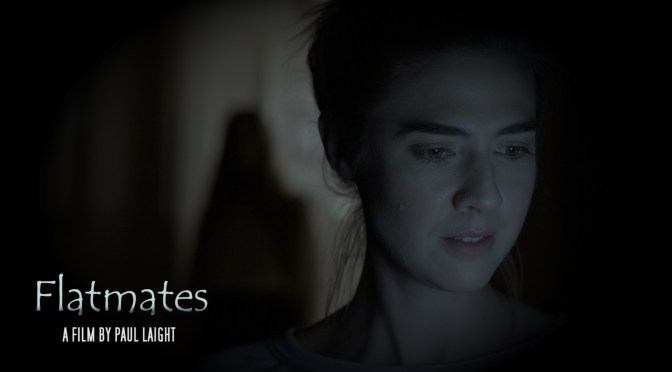
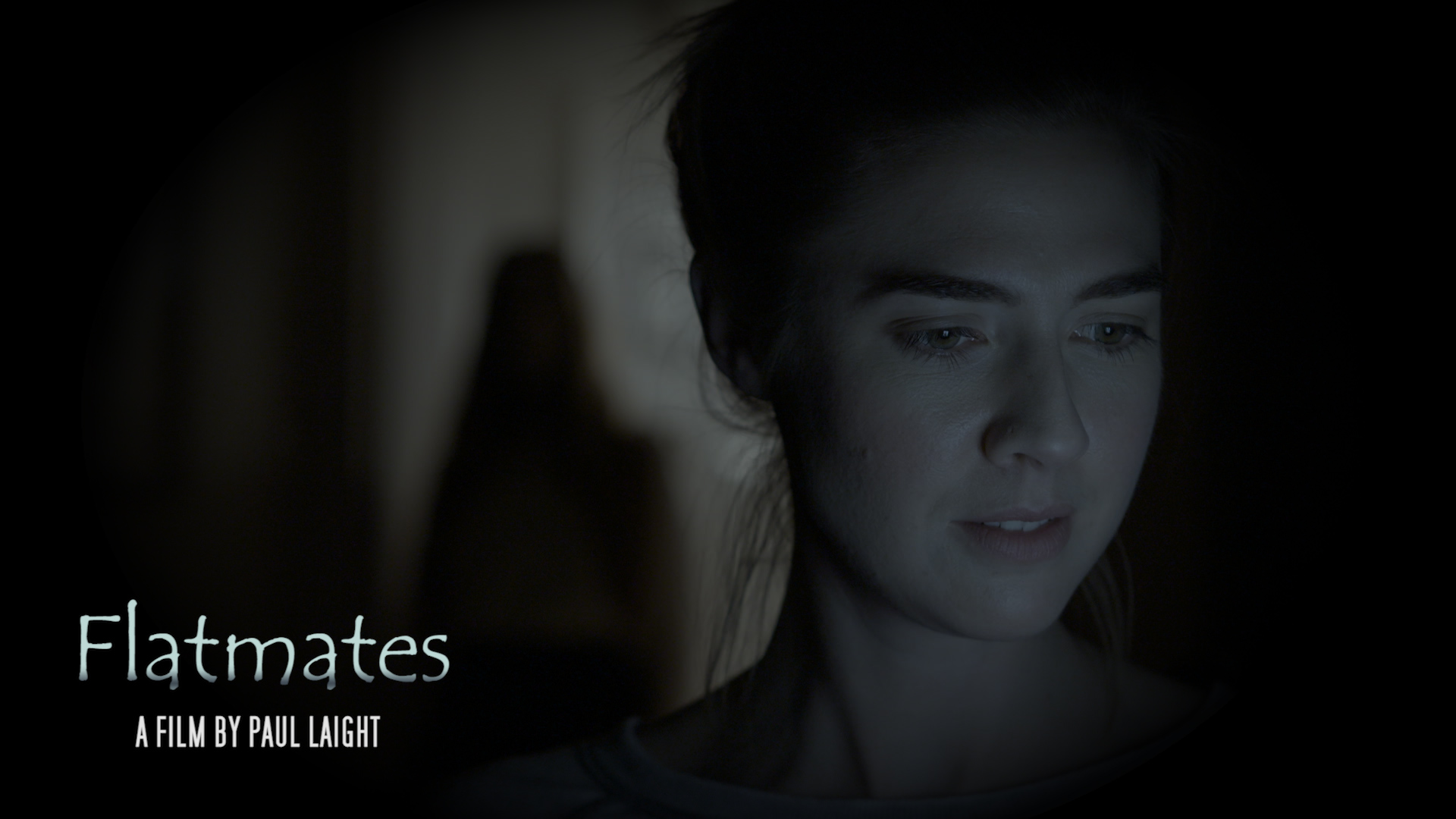
Just a quick update on my short film production FLATMATES (2018), which has now entered the the final stages of post-production with editor Gary O’Brien.
I have a teaser POSTER:
And a TRAILER online for viewing too:
I will be entering the films for screenings and festivals throughout the year and will release it online in the next few months once the editing is done. Cheers for reading.

















 The Cinema Fix presents