Screenplay by Will Tracy – Based on Save the Green Planet! (2003) by Jang Joon-hwan Produced by Ed Guiney, Andrew Lowe, Yorgos Lanthimos, Emma Stone, Ari Aster, Lars Knudsen, Miky Lee, Jerry Kyoungboum Ko
Main Cast: Emma Stone, Jesse Plemons, Aidan Delbis, Stavros Halkias, Alicia Silverstone, etc.
Cinematography by Robbie Ryan
*** MAY CONTAIN SPOILERS ***
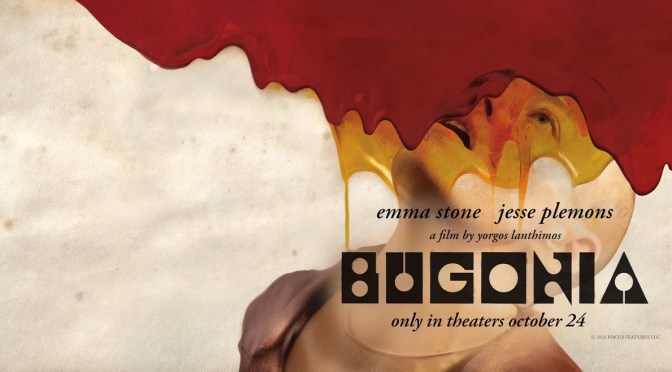
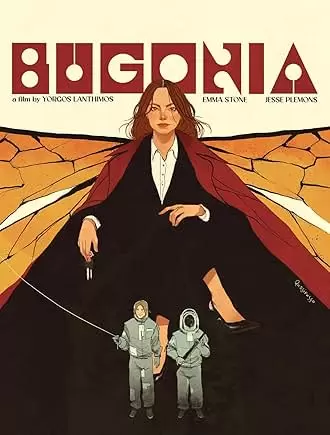
Yorgos Lanthimos has once again sneaked out of his uncanny terrarium and unleashed another piece of beautifully deranged cinema. Bugonia(2025)—a remake of Jang Joon-hwan’s cult classic Save the Green Planet!—is part sci-fi fever dream, part hostage farce, and part spiritual meltdown. It’s like Ruthless People (1986) got trapped in a socio-political, beekeeping suit and force-fed ayahuasca.
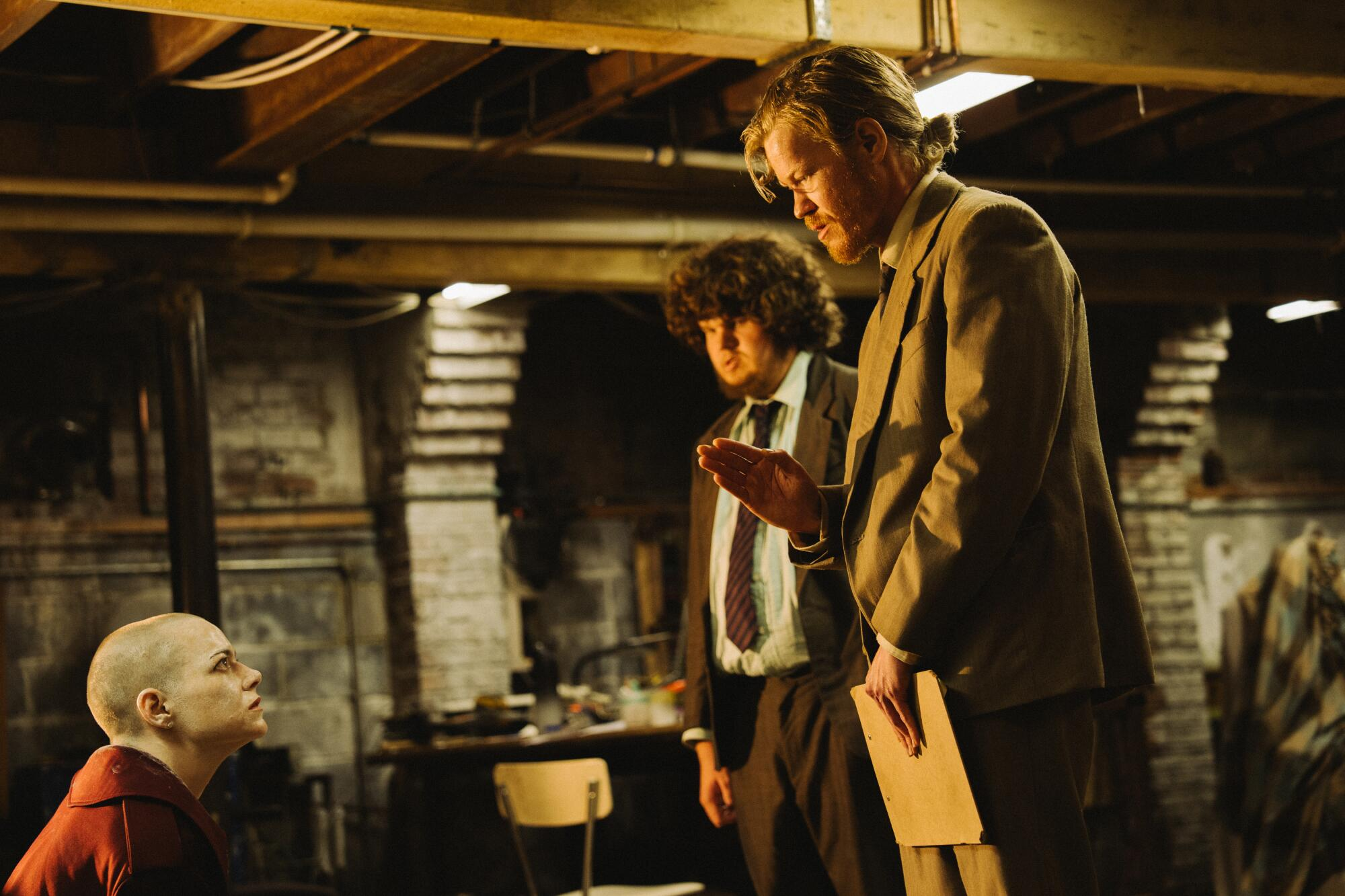
Will Tracy’s script hums with the manic energy of someone who’s read too many conspiracy subreddits and decided to turn it into Oscar bait. The film pairs Jesse Plemons (whose face seems genetically engineered for moral unease) with Alden Delbis (playing his twitchy, Kool-Aid-eyed partner in cosmic delusion) as two eco-anarchist truthers who kidnap a pharma/tech CEO, played with imperial chill by Emma Stone. Their reasoning? Well, just wait and see. It is incredibly crazy with some severe plot turns. Yet, somehow Lanthimos and his terrific cast maintain verisimilitude within the setting and just about hang onto emotional connection for the characters.
What follows is a deranged pas de trois of torture, empathy, and total philosophical collapse. Plemons and Delbis interrogate Stone with the intensity of people who’ve seen too many YouTube conspiracy documentaries, while Lanthimos and cinematographer, Robbie Ryan shoot it with the intensity of a nature documentary directed by Lucifer. There are bees. There is honey. There are monologues about pollution, pharmaceutical company threat and environmental collapse. Further, Stone, who has now fully ascended into Lanthimos’ personal pantheon of holy weirdness, plays her role like a woman being both worshipped and flayed at the same time. She’s terrifyingly serene—like she’s founded a doomsday cult and smiled through the apocalypse.
It’s all utterly ridiculous, but Bugonia (2025) thrives in that space between laughter and dread. Lanthimos once again proves that absurdism isn’t about nonsense—it’s that nonsense is the only sane response to the modern world. I enjoyed this film way more than the obtuseKinds of Kindness (2024). It has more akin, although not as devastatingly memorable, as his earlier Greek-language classics or The Killing of a Sacred Deer (2017). Moreover, ifThe Favourite (2018) was about power, and Poor Things (2024) was about rebirth, Bugonia (2025) is bleak, fatalistic morality tale about environmental apocalypse.
By the time the film’s final shots roll I was equal parts horrified, moved, and deeply amused. It’s an eco-horror-comedy that gorily plays likeSaw (2004) meets famous beekeeping philosopher, Aristotle. Overall, Bugonia (2025) proves once again that Yorgos Lanthimos is cinema’s reigning apiarist of absurdity—and his audience are all his buzzing little drones.
Cult Film Review: Entertainment (2015) at The Nickel Cinema
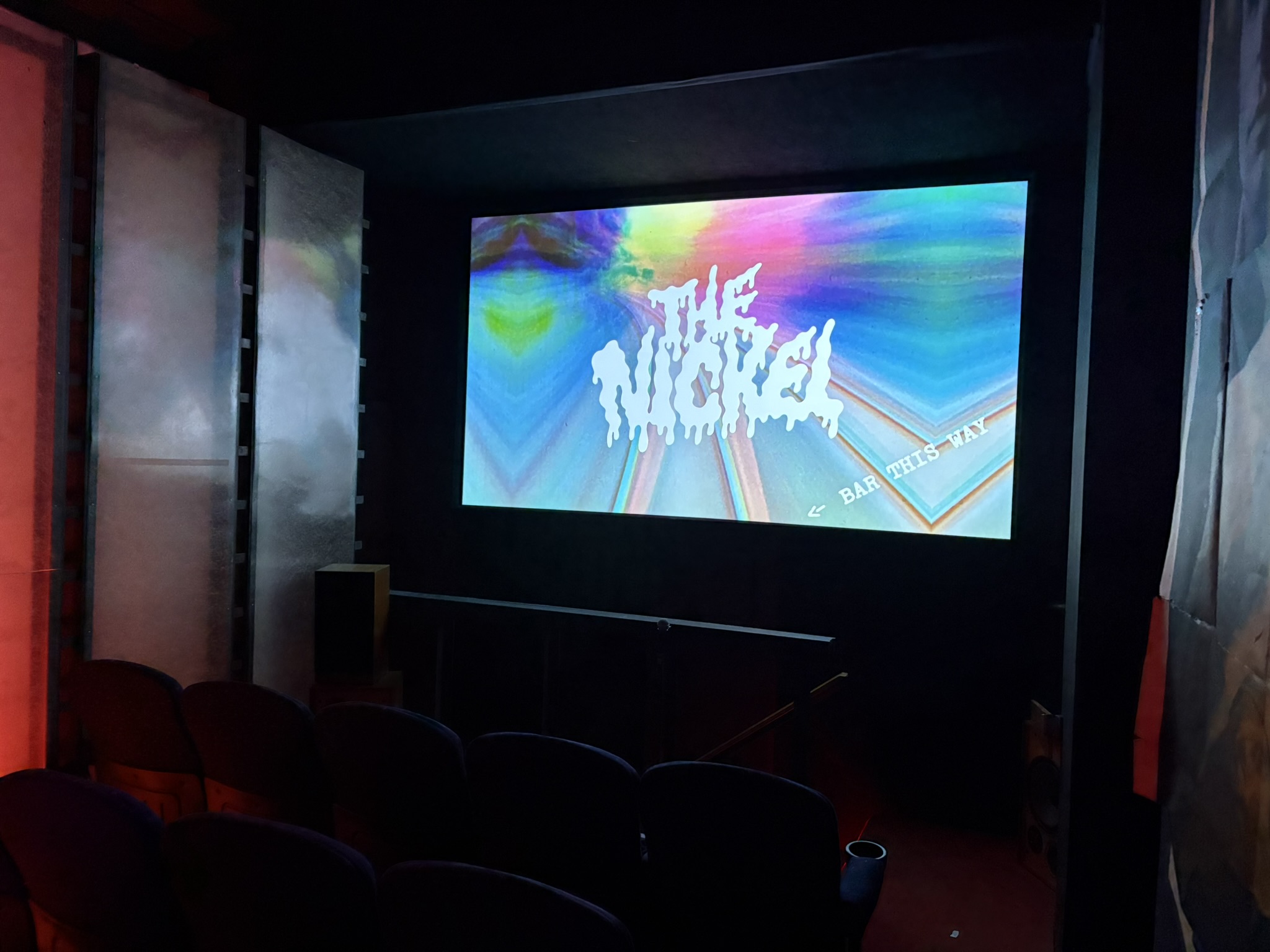
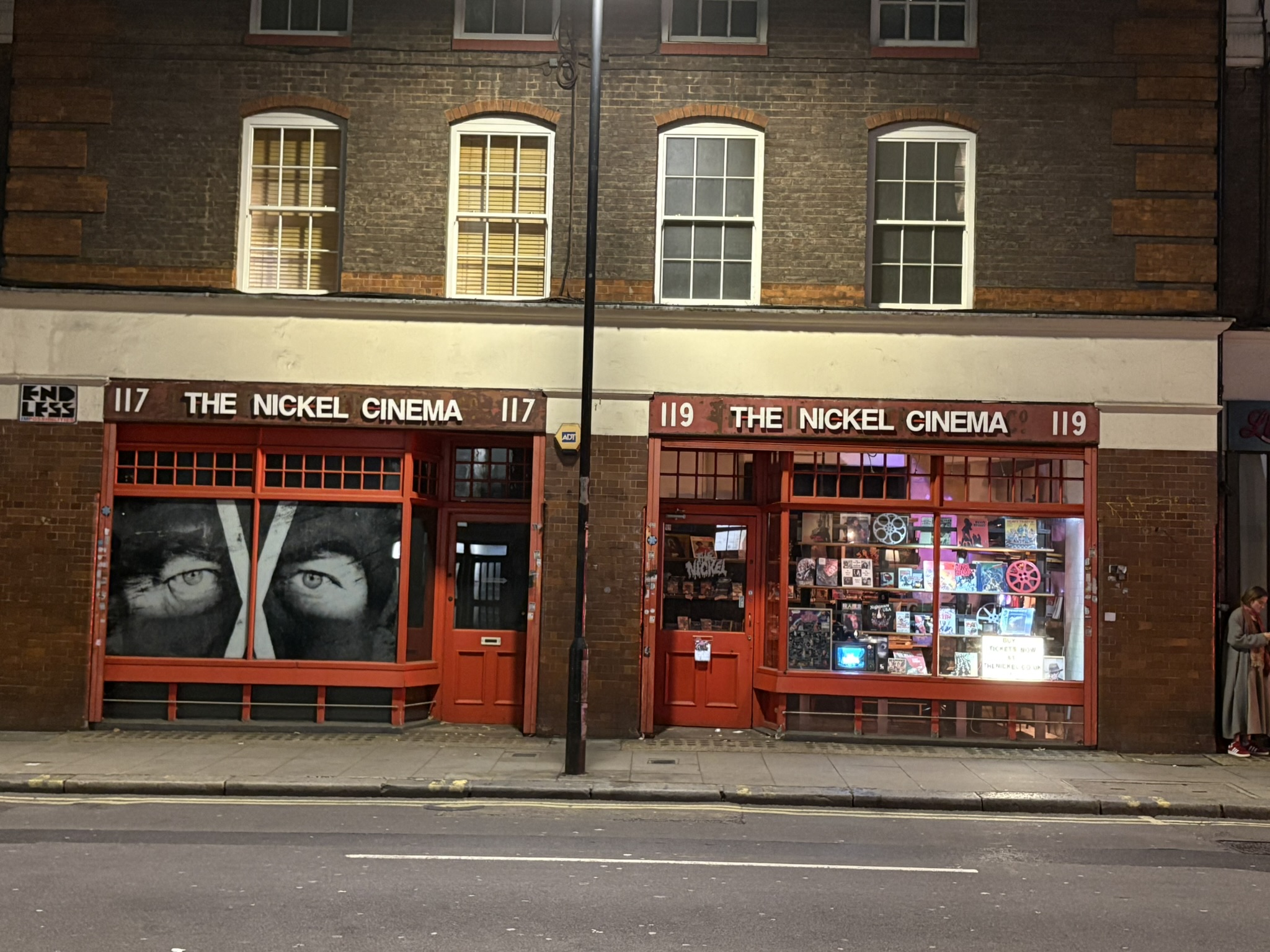
The Nickel Cinema in Clerkenwell feels like a hidden temple for London’s true film obsessives — a grindhouse gem tucked into the city’s polished heart. It’s the kind of place where the air hums with cigarette ghosts and celluloid dreams, where the screen flickers with everything from outlaw art films to midnight slashers and sleazy euro-thrillers. The décor has that lived-in, clandestine vibe — red velvet worn thin, neon bleeding through the dark, and an underground bar serving the kind of cocktails that taste like trouble.
It’s not just a cinema — it’s a refuge for the subversive, the cultish, the weird and the wonderful. You’ll find Anger next to Fassbinder, Fulci, Lynch, Jodorowsky, Korine, Ferrara, Argento, Waters, Kern, Miike, Ferrara, Korine Noe, Cohen, Breillat, Refn and many more bleeding into audiences who actually cheer when the projector rattles. The Nickel doesn’t chase trends; it worships the offbeat, the forgotten, and the dangerous. While feeling still quite new, the place somehow still feels gloriously dirty — and absolutely right up your alley. If not there is a strip club next door if that kind of business takes your fancy.
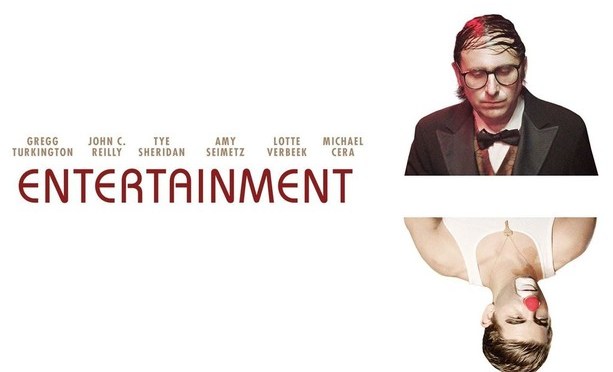
Last month I watched Rick Alverson’s Entertainment (2015) at The Nickel Cinema.
Entertainment is like watching the American dream rot in real time — a hypnotic, desolate odyssey through the dust and despair of the open road. Gregg Turkington is excellent as he plays “The Comedian,” a hollowed-out version of his Neil Hamburger persona, trudging through a series of soul-scorching stand-up gigs in half-empty bars, bowling alleys, and desert motels. Each performance is a small act of self-immolation — jokes that fall flat, laughter that curdles, a man dissolving behind the microphone as his identity blurs into the toxic sludge of showbiz delusion.
Director Rick Alverson shoots it all with a slow, clinical beauty — wide, frozen frames that turn America’s forgotten corners into alien landscapes. “The Comedian” drifts from neon-soaked diners to sulfurous desert plains, to prisons, to dead Western towns. Further, it contains some incredible locations including an unforgettable sequence at an aircraft graveyard — rows of dead machines basking in the sun, like monuments to ambition and decay. While low in budget the film makes use of such stunning locales, plus impactful acting interludes from John C. Reilly, Michael Cera and Tye Sheridan.
The film is not a comedy, not really — more anti-comedy or like an autopsy of one. Entertainment (2015) is a brutal, mesmeric study of loneliness, alienation, and the sick joke at the heart of performance itself. It’s the road movie as existential purgatory — unbearably awkward, strangely poetic, and utterly unforgettable. It doesn’t so much as have a beginning, middle and end, but a series of events which we are dropped into and experience until the credits suddenly roll. I like to ponder “The Comedian” is still out there, living and dying, on and off stage.
Halloween Review Special: Werewolf Films – Part #2
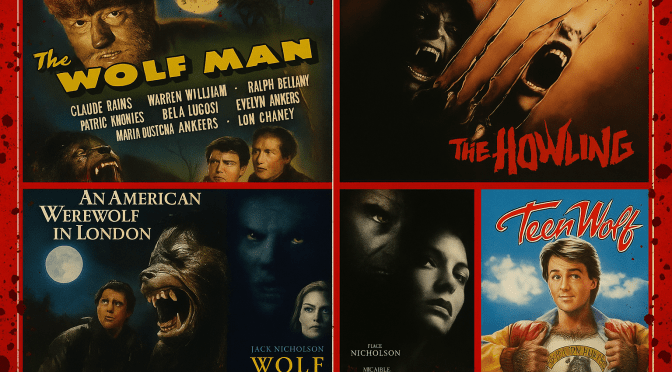
Happy Halloween again! Part 1 of my Werewolf film reviews can be found here on this link. So, on with Part #2 with all films marked out of 11!
*** CONTAINS SPOILERS ***
Ginger Snaps (2000)
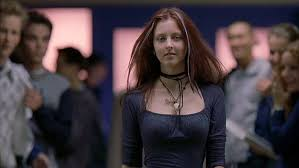
Ginger Snaps (2000) is a rare and refreshing take on the werewolf myth, shifting the focus to the female experience with wit and bite. As the awkward Bridget, Emily Perkins gives a wonderfully grounded performance, desperately trying to save her sister Ginger after a fateful wolf attack. Cleverly linking the lunar and menstrual cycles, the film transforms body horror into a sharp coming-of-age allegory. Smart, sexy, and darkly funny, it’s packed with gallows humour, fantastic gore, and a subversive energy that makes it one of the standout horror films of its era. Mark: 9 out of 11
Howl (2015)
Howl (2015) is an underrated British werewolf gem that feels like Dog Soldiers (2002) set on a train — claustrophobic, gritty, and laced with dark humour. Ed Speleers plays a weary, beta-male guard whose routine night shift derails into a fight for survival when the train breaks down in the woods. As tensions rise among the stranded passengers, he’s forced to find his courage against something far more terrifying than “leaves on the line.” Mark: 8.5 out of 11
The Howling (1981)
Joe Dante’s The Howling (1981) may now feel almost plotless in retrospect, but it remains a deliriously inventive slice of horror cinema. The film thrives on unforgettable set-pieces and grotesque energy — from a chillingly unrecognisable Robert Picardo as the predatory Eddie Quist to Elisabeth Brooks’ hypnotic, sensual menace. Dee Wallace delivers a strong turn as the quintessential scream queen, leading to an unintentionally funny change at the end, while Rob Bottin’s groundbreaking transformation effects still stand among the genre’s finest. Mark: 8 out of 11
Red Riding Hood (2011)
A messy yet oddly entertaining blend of Twilight-style romance, fairy-tale gothic, and werewolf whodunnit. Amanda Seyfried glows at the center of the melodrama, giving the film more heart than it deserves, while Gary Oldman chews through his lines — and the scenery — with the gusto of a man earning a very comfortable Hollywood paycheck. Mark: 5.5 out of 11
Silver Bullet (1985)
Silver Bullet (1985) carries many of the familiar hallmarks of Stephen King’s storytelling — small-town paranoia, moral rot beneath the surface, and a sense of homespun Americana under siege — but lacks the sharpness of stronger King adaptations. While it holds a nostalgic charm for 1980’s horror fans, thanks to its mix of pulp, sentimentality, Gary Busey-on-butane, and Corey Haim’s spirited performance, it’s far from essential and not one of my go-to werewolf films. Mark 6.5 out of 11
Teen Wolf (1985)
I’m ashamed to admit I’d never seen Teen Wolf (1985) until now — but it’s a charming coming-of-age comedy that finds Michael J. Fox as Scott Howard, a teenager who discovers a very hairy family secret. Scott juggles puberty, romance, bullies, and basketball glory. The adults are enjoyably eccentric, but it’s James Hampton as Scott’s warm, understanding father who grounds the film with genuine heart. Mark 7 out of 11
Werewolves (2024)
Werewolves (2024) boasts an intriguing premise — scientists racing to cure humanity of a wolf-mutant virus unleashed under a supermoon — and delivers plenty of muscular action-horror energy. Frank Grillo anchors the nocturnal mayhem with his trademark grit, like a U.S. Statham. It’s entertaining, but the world-building feels rushed, as if we’ve dropped into the sequel to an origin story that doesn’t exist yet. Mark 6 out of 11
Werewolves: The Beast Amongst Us (2012)
Werewolves: The Beast Amongst Us (2012) is an entertaining but clearly made-for-TV creature feature that feels like a bargain-bin mashup of Stephen Sommers’ The Mummyand Van Helsing — all gothic flair and monster mayhem, but without the budget, stars, or polish. Still, its pulpy enthusiasm and old-school monster-hunting energy make it a mildly fun watch for fans of B-movie beast action. Mark 6 out of 11
Werewolves Within (2021)
Werewolves Within (2021) has a sharp, witty script packed with humour and clever twists, but its over-the-top direction and eccentric ensemble make it hard to fully connect with. Sam Richardson shines as the affable Forest Ranger caught amid a group of oddball townsfolk — and a monster on the loose. Fast-paced, funny, and gory, it plays like Tremors set in the snow — just without the magic that made that classic so effortlessly great. Mark 7 out of 11
Wolf (1994)
Wolf (1994) suffers from an under cooked corporate-werewolf concept that never quite decides if it wants to be a horror film, a romance, or a satire — and ends up failing at all three. Jack Nicholson and Michelle Pfeiffer, both usually magnetic, seem oddly disengaged under Mike Nichols’ overly restrained direction. The film has flashes of intrigue and style, but it lacks bite; James Spader, simmering with sleaze and menace, could have stolen the show if only he’d been let off the leash. Mark: 6 out of 11
Wolfcop (2014)
WolfCop (2014) is a gloriously bonkers B-movie romp about an alcoholic small-town cop, Lou Garou (Leo Fafard), who becomes a werewolf and stumbles into a plot of witchcraft and sacrifice. Director Lowell Dean brings wild energy and gleeful chaos to the mix, delivering gory action and sharp humor that far outshine the film’s modest budget. It’s ridiculous, rowdy, and an absolute blast from start to finish. Mark: 7.5 out of 11
The Wolf Man (2010)
The Wolfman (2010) is a stylish, brooding gothic remake elevated by Rick Baker’s stunning creature effects and an atmosphere dripping with fog, blood, and tragedy. On rewatch, it’s far more enjoyable than it first seemed, with Benicio Del Toro and Emily Blunt grounding the film’s emotional heart while Anthony Hopkins bellows through his expositional monologues with Shakespearean gravitas. The production design, lighting, and Danny Elfman’s sweeping score are all superb, but the film’s flaws are clear — studio meddling and re-shoots leave the opening character setup feeling rushed and the narrative uneven, hinting at a richer version lost to the editing room. Mark: 7 out of 11
For fans of Upgrade (2018) and The Invisible Man (2020), Wolf Man may feel like a missed opportunity. Those films balanced high-concept storytelling with sharp social commentary, whereas Leigh Whannell’s latest effort feels more like a half-formed howl in the night. See my full review here. Mark: 6.5 out of 11
The Wolf of Snow Hollow(2020)
The Wolf of Snow Hollow (2020) delivers an effective monster story filtered through Jim Cummings’ uniquely neurotic, darkly comedic lens. Cummings stars as a frazzled small-town cop juggling alcoholism, a dementia-stricken father, and a teenage daughter — all while a vicious creature tears through the community. It’s an offbeat, entertaining indie horror with sharp writing, emotional bite, and a fantastic twist buried in the chaotic narrative pile-up of its finale. Mark 8 out of 11
The Wolfman (1941) / Frankenstein meets The Wolfman (1943)
Lon Chaney Jr. has always been my favorite tragic werewolf — a figure of deep sadness and empathy rather than pure monstrosity. I grew up watching those classic Universal horror films, and his portrayal of Larry Talbot still resonates as one of cinema’s most heartbreaking depictions of the cursed outsider. There’s a weary humanity to Chaney’s performance, a sense of a man doomed to repeat his suffering under the full moon, forever torn between guilt and fate.
While the scripts in those early Wolf Man films are often simple and melodramatic, their emotional weight endures thanks to Chaney’s sincerity and Jack Pierce’s groundbreaking makeup effects. Pierce’s work transformed the genre, creating an iconic design that remains unmatched in its tactile, hand-crafted artistry. Together, Chaney and Pierce gave the werewolf myth its soul — one that was less about savagery, and more about the tragedy of being human within a cursed lunar cycle. Mark: 9 out of 11
Halloween Review Special: Werewolf Films – Part #1
Happy Halloween! As loyal readers of this blog will know I am a massive horror film fan. Therefore I have focused August’s viewing on the Werewolf sub-genre and present some short reviews of some of my favourites and some not so good. As usual all marked out of 11!
Werewolf films have long captivated both filmmakers and audiences because they tap into primal fears and psychological complexities that transcend genre. At their core, these stories explore the theme of transformation—both physical and psychological—which resonates deeply with viewers. The metamorphosis from human to beast is not just a spectacle of horror; it’s a metaphor for the loss of control, the unleashing of suppressed desires, and the tension between civilization and instinct. This duality offers rich narrative terrain for directors and screenwriters to explore identity, morality, and the boundaries of human nature.
Psychologically, the werewolf embodies the Freudian concept of the id—the raw, instinctual part of the psyche driven by aggression and desire. The human persona represents the ego, trying to mediate between the id and the constraints of society, or the superego. When the transformation occurs, the id overwhelms the ego, resulting in violent, animalistic behavior that defies social norms. This internal conflict is dramatized through the werewolf’s struggle to reconcile their human conscience with their monstrous impulses, making the character both terrifying and tragically relatable.
The tension between animal and human also reflects broader cultural anxieties. Werewolf films often surface during times of social upheaval, when questions about identity, repression, and conformity are especially potent. The creature’s split identity—man or woman by day, beast by night—mirrors the psychological fragmentation many experience in modern life. For filmmakers, this duality offers a visual and thematic playground: the grotesque transformation scenes, the haunting aftermath, and the moral ambiguity of the protagonist all contribute to a compelling cinematic experience. For audiences, the werewolf is not just a monster—it’s a mirror, reflecting the parts of ourselves we fear, repress, and sometimes secretly crave to unleash.
American Werewolf in London(1981)
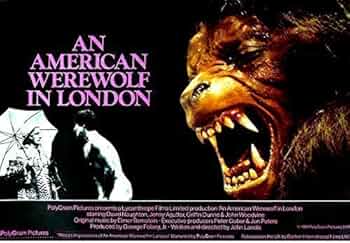
One of the greatest lycanthrope films of all time. Full of iconic scenes, scares, gore, jokes, sex and an incredible lunar-inspired soundtrack. John Landis, in a directorial purple patch at the time, managed to combine horror, comedy, mystery and a moving love story to memorable impact. Rick Baker’s make-up effects literally transformed further the art and craft of practical special effects going forward. Mark: 10 out of 11
Bad Moon (1996)
Truly dreadful film with a script that fails on most levels, notably logic. The beast is not only the werewolf in the guise of Michael Paré’s Uncle Ted, but also toxic masculinity. Single mum, Mariel Hemingway and her son spend most of the film failing to guess who the big bad wolf is until it is nearly too late. Mark: 3 out of 11
The Beast Must Die (1974)
So bad it’s almost good! The British studio, Amicus Productions, wolf-dunnit, even has the audience take a “werewolf break” where they get 30-seconds to work out who the monster is. Calvin Lockhart, Michael Gambon, and Tom Chadbon et al chew up the scenery, washing it down with bloody terrible effects. The budget was so low they had to use German Shepherd’s with mock fur as the werewolves. Mark 6 out of 11.
The Company of Wolves (1984)
Neil Jordan’s artful adaptation of Angela Carter’s short stories is a richly atmospheric triumph of mood. Though the film’s episodic structure and bookending narrative can feel a touch uneven, Jordan’s poetic direction and Carter’s dreamlike sensibility merge into something intoxicatingly strange. An excellent ensemble of character actors brings the fable-like vignettes to life, with Angela Lansbury delivering a particularly commanding and memorable turn. Mark 8 out of 11
Cursed (2005)
Wes Craven’s 2005 film The Cursed is a case where the behind-the-scenes turmoil proves far more frightening than the movie itself. A troubled production that saw Craven effectively abandon ship midway through, and it bears the scars of hasty reshoots and studio meddling. What emerges is a patchy, uneven werewolf tale with flashes of potential buried beneath the chaos. Still, a young Jesse Eisenberg lends surprising depth to the material, offering a glimpse of quality amid the hairy dross. Mark: 4 out of 11
The Cursed (2021)
Sean Ellis’s The Cursed (2021) delivers a potent blend of gothic grandeur and visceral horror, transforming familiar werewolf and Gypsy tropes into something deeply atmospheric and unsettling. With its striking visuals, meticulous period detail, and haunting score, the film conjures an eerie, painterly world where the sins of the past literally come back to bite. Beneath the blood and fog lies a thoughtful allegory about greed and the gentry’s theft of land, lending the stylish horror a surprising moral weight and emotional resonance. Mark: 8 out of 11
The Curse of the Werewolf (1961)
Hammer’s The Curse of the Werewolf (1961), is anchored by a powerful, brooding performance from Oliver Reed in his breakout role. A staple of my childhood viewing, it’s a film that surprises with its thoughtful set-up—using its Spanish setting to critique class divisions while evoking real empathy for Reed’s tragic, cursed Wolfman. The gothic atmosphere and emotional depth elevate it above typical monster fare, and Warren Mitchell’s turn as a Spanish watchman adds an unexpected and delightful touch of humour amid the savage murders. Mark: 7.5 out of 11
Dog Soldiers(2002)
Neil Marshall’s Dog Soldiers (2002) is an absolute gem of British horror and easily one of my favourites of the genre. Set in the misty isolation of the Scottish Highlands, it combines gritty military camaraderie with ferocious werewolf mayhem to brilliant effect. Kevin McKidd, Sean Pertwee, and Liam Cunningham are all superb, grounding the film with sharp performances that balance humour, heart, and genuine terror. Funny, moving, bloody, and properly scary, Dog Soldiersis a masterclass in doing a lot with a little—its creature effects and atmosphere are astonishing given the budget. A true modern classic that respects the genre with intelligently terrifying monsters and the film still howls with lunar power. Mark: 10 out of 11
Produced by Adam Somner, Sara Murphy, Paul Thomas Anderson
Main Cast: Leonardo DiCaprio, Sean Penn, Benicio del Toro, Regina Hall, Teyana Taylor, Chase Infiniti, Wood Harris, Tony Goldwyn, Kevin Tighe, Shayna McHayle, etc.
Cinematography by Michael Bauman
Music by Jonny Greenwood
*** CONTAINS SPOILERS ***
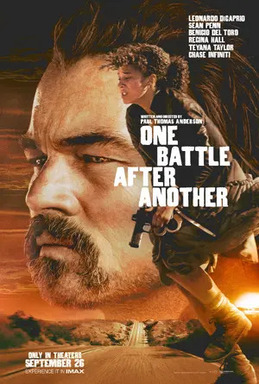
It’s a brave filmmaker that quotes one of the greatest revolutionary films of all time during it’s runtime, namely Battle of Algiers (1966). But Paul Thomas Anderson’s formidable cinematic career more than earns him the right to quote a film as towering as The Battle of Algiers (1966) in his latest release One Battle After Another (2025).
Across works like Boogie Nights (1997) andMagnolia (1999), he has demonstrated a mastery of ensemble storytelling and emotional crescendo; with Punch-Drunk Love (2002) he revealed a gift for intimate, offbeat romance; and in There Will Be Blood (2007) and Phantom Thread (2017) he proved himself one of the most rigorous visual stylists and psychological dramatists of his generation. Such a body of work grants him the authority to converse with cinema’s political masterpieces, even if his more recent Licorice Pizza (2021) felt comparatively diffuse and lacking in urgency. His filmography, at its strongest, stands as evidence of a filmmaker deeply attuned to the legacies and possibilities of the medium.
Having said that, Gillo Pontecorvo’s The Battle of Algiers (1966) wields revolutionary power through its raw immediacy, embedding viewers in the lived experience of anti-colonial struggle with a documentary-like realism that blurs the line between record and re-creation. By contrast, Anderson’s One Battle After Another (2025) approaches revolution less as lived history than as a cinematic genre to be emulated, drawing on the tropes and textures of upheaval without grounding itself in the direct urgency of political struggle. Where Pontecorvo conjures revolution as something happening before our eyes, Anderson refracts it through the prism of style, making revolution as much a matter of aesthetic construction as lived reality. It is during its lengthy running time extremely entertaining though.
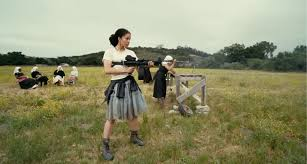
The opening hour is fast-paced and crams in a lot of action and personality. It establishes a fine ensemble cast, strong characters, striking palette and compelling themes which bring to life Anderson’s sharply written and fantastically filmed screenplay. The narrative focuses on “Ghetto” Pat Calhoun (Leonardo DiCaprio) and Perfidia Beverly Hills (Teyana Taylor), lovers and leaders of the far-left French 75, who storm detention centres, bomb banks, and sabotage power grids, while their soon-to-become nemesis—Officer Steven Lockjaw (Sean Penn)—becomes erotically obsessed with Perfidia, sparing her life when he catches her planting a bomb in exchange for a sexually masochistic tryst. Thus, begins a warped love/hate triangle and rivalry which provides the backbone for the action.
The second hour pivots sharply after establishing Perfidia as a commanding revolutionary presence. The focus pulls to her daughter, Willa (Chase Infiniti), some sixteen years later, now living off the grid and avoiding all but the most basic technology out of fear of surveillance. ‘Pothead’ Pat, has withered into a paranoid and barely functioning stoner-alcoholic, leaving Willa to emerge as the steadier, more mentally resilient figure in their fractured household. The film undeniably suffers from the absence of Perfidia’s charisma and drive, yet it regains momentum when the now Colonel Lockjaw revives his obsessive pursuit, setting the stage for a tense reconfiguration of the story’s revolutionary stakes.
The acting in One Battle After Another (2025) crackles with intensity, led by standout turns from Taylor, Penn, and crafty scene-stealer, Benicio Del Toro. Further, Anderson’s casting team find some amazing supporting military personnel who deliver with uncanny authenticity. Sean Penn’s performance as a swaggering officer radiates brute masculinity—his very walk and gait dripping with testosterone and worthy of awards consideration on their own. Leonardo DiCaprio, meanwhile, folds another eccentric, messy, and deeply contradictory figure into his already remarkable CV, a creation that resonates with the layered complexity of his recent work in Scorsese’s Killers of the Flower Moon (2023). He is actually far more hilarious here, as demonstrated in his desperate attempts to overcome the revolutionary helpline he calls for instructions.
Overall, One Battle After Another (2025) works best as a searing, darkly funny revolutionary black comedy, blending sexual, military, conspiracy, and social politics into a heady mix of action, crime, road movie, and romance tropes. The result is a wildly entertaining visual and musical feast, even if it stops short of delivering true socio-political depth. While the film’s closing stretch leans into deliberate plot ambiguities that complicate its resolution, Anderson ultimately serves up a combative cinematic blast—stylish, sharp, and exhilarating—if just shy of a bona fide classic.
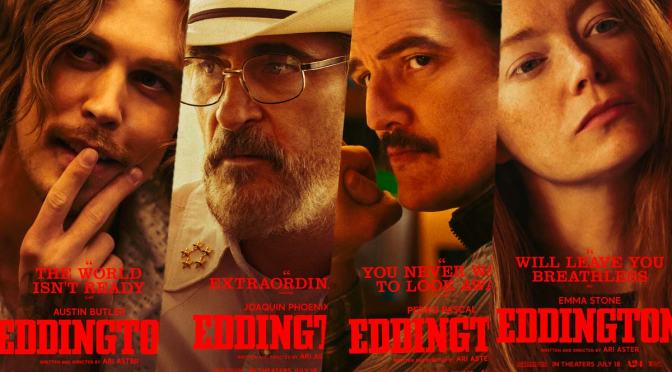
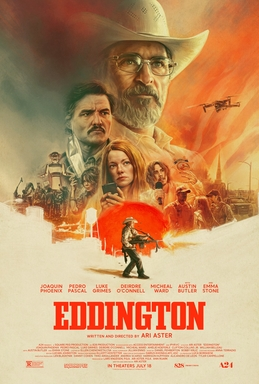
Main Cast: Joaquin Phoenix, Pedro Pascal, Luke Grimes, Deirdre O’Connell, Micheal Ward, Austin Butler and Emma Stone. Cinematography by Darius Khondji
*** MAY CONTAIN SPOILERS ***
Ari Aster’s first two horror films, Hereditary (2018) and Midsommar (2019) were rightly critically acclaimed and delivered at the box office too. His third film Beau is Afraid (2023) was a flop when compared and in my view not surprising. The film was arguably, depending on your view, a hilarious, risk-taking arthouse tragi-comedy or a self-indulgent act of egregious career self-sabotage. Safe to say I did not enjoy it, so approached the latest A24-produced film of Aster’s,Eddington (2025), with emotional caution.
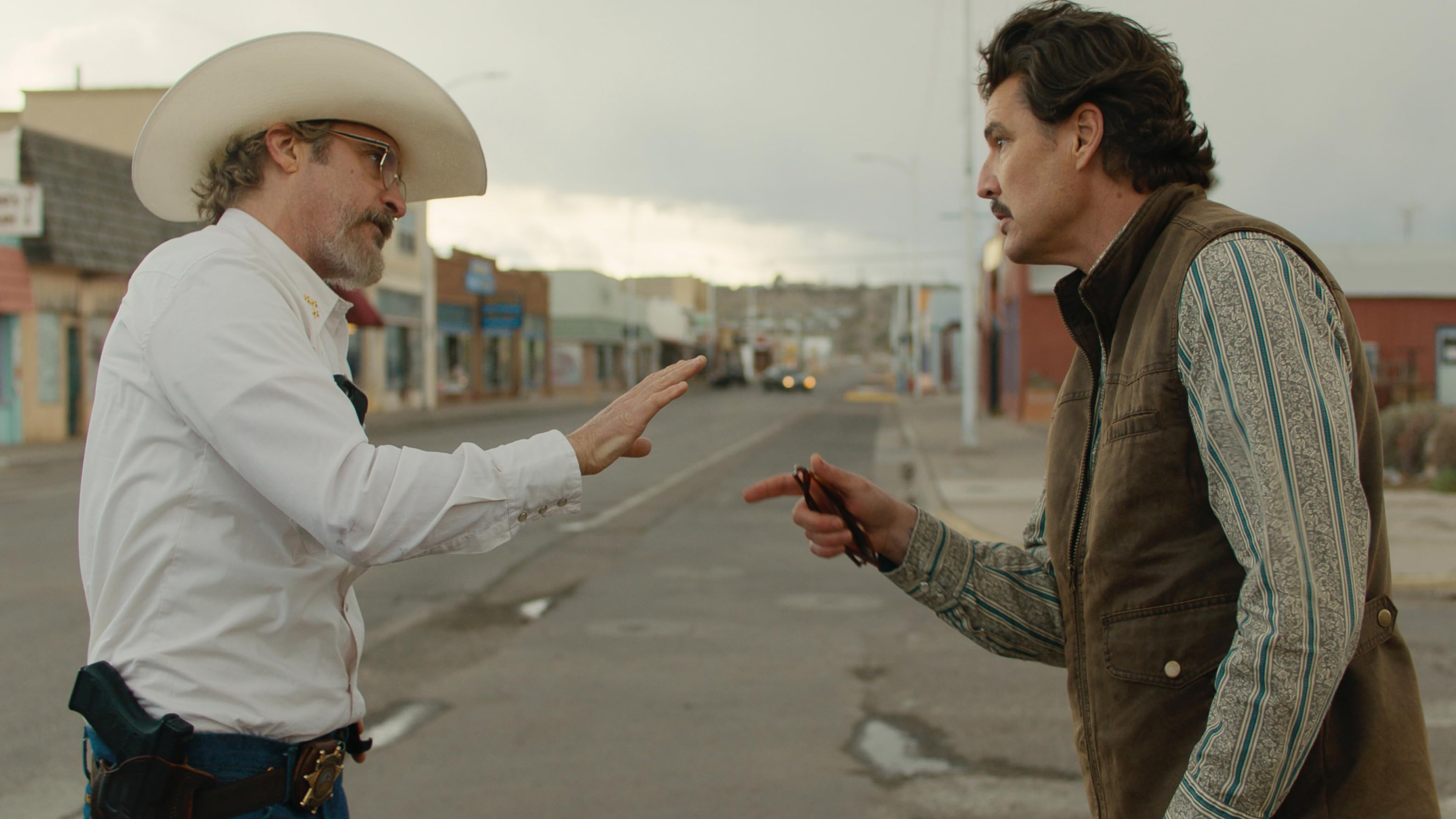
Thankfully Aster’s screenplay, characters and all-round production of Eddington (2025), are far more accessible and focused than his third feature. Pedro Pascal and Joaquin Phoenix anchor Eddington (2025) superbly, as Aster delivers a blistering small-town allegory that uses a public health crisis as the spark for something far larger. What begins with Mayor Ted Garcia (Pascal) dutifully following the Governor’s lockdown orders quickly escalates when Sheriff Joe Cross (Phoenix) refuses to comply and runs for Mayor himself. This casts the town and people into a conflict that mirrors America’s own political division.
Phoenix brings his trademark intensity to Sheriff Cross, whose defiance feels equal parts principled and unhinged, while Pascal’s Mayor, revealed to be a corporate puppet, balances him as a leader losing grip on his authority. Thus, Eddington (2025) is a powerful film whose strength lies in the performances and a brave, intelligent screenplay which asks many questions. The main issues I had were under-developed character arcs for Emma Stone’s and Austin Butler’s characters. Further, as in previous films Aster relies heavily on left-field plot turns, which go more for shock, rather than understandable character development. Indeed, the final act Western-style shootout, while incredibly exciting, seems out-of-sync with the thoughtful build-up and drama established in the first hour.
Ultimately, Director Ari Aster resists turning Eddington (2025) into just a COVID-era-morality tale; instead, the film confidently threads together a powerful mix of left and right-wing US politics, toxic masculinity, historical sexual abuse, conspiracy and alternative theories, cultish religious fervour, white saviour virtue-signalling, homegrown terrorism, algorithmic influence of social media, and the creeping threat of corporate greed. Each theme and subplot fold back into the central question: who really controls the narrative in modern America or is it a nation spiraling out of control toward inevitable civil war? The result is a tense, unsettling portrait of a town—and a country—at war with itself.
Produced by Christine Vachon, Vanessa McDonnell & Gabriel Mayers
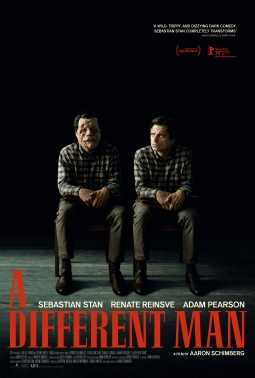
Main cast: Sebastian Stan, Renate Reinsve, and Adam Pearson.
Cinematography by Wyatt Garfield
*** MAY CONTAIN SPOILERS ***
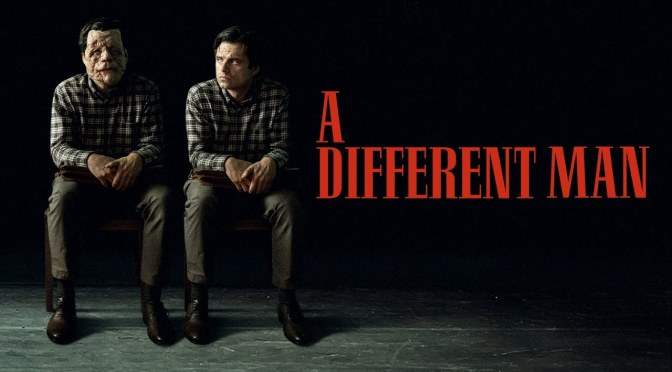
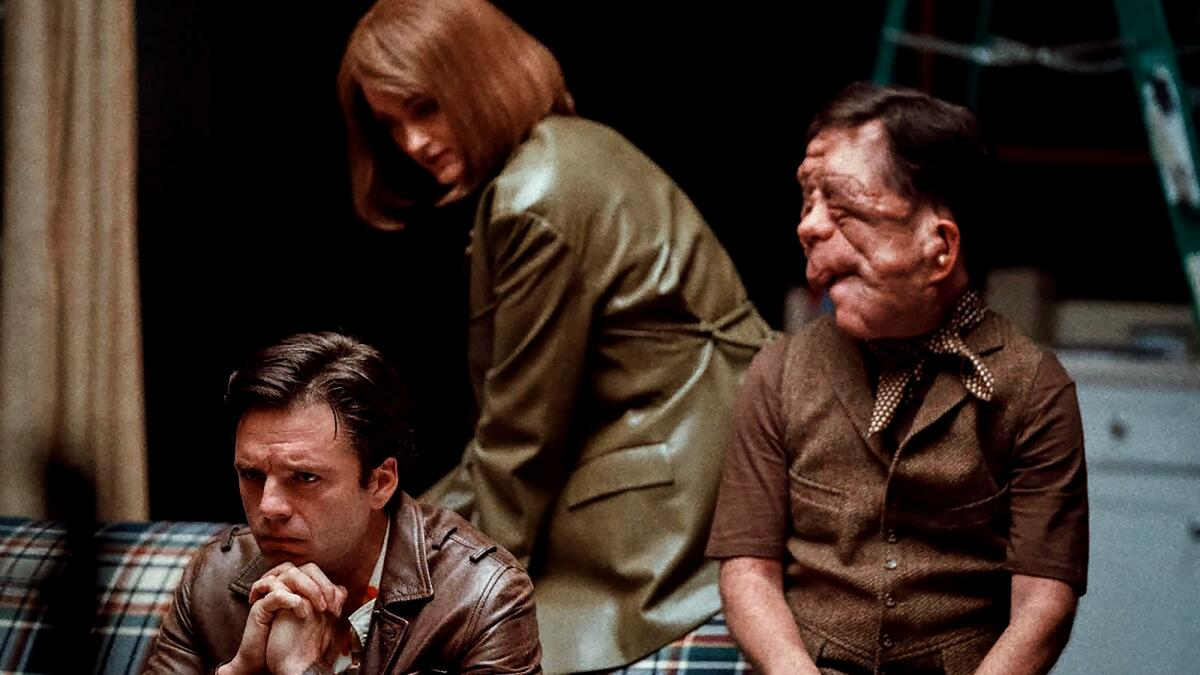
Few films in recent years feel as startlingly original as A Different Man(2024) —and yet, paradoxically, it’s a film made almost entirely from borrowed pieces. Aaron Schimberg’s latest begins as a bracing character study, anchored by Sebastian Stan’s Edward Lemuel, a socially awkward, struggling actor whose neurofibromatosis manifests in a disfiguring facial condition. These early passages are its strongest: Edward’s halting existence, his quiet desperation, disintegrating ceiling and the unnerving, tactile authenticity of his world call to mind the seedy New York grit of Abel Ferrara and Frank Henenlotter.
But just as the viewer settles into this world, the film veers via a sci-fi twist. An experimental procedure transforms Edward’s face, and with it, the narrative mutates. Suddenly we’re in a Woody Allenesque romantic entanglement—wry, neurotic, and tinged with irony—as Edward’s new identity draws him into a triangular relationship with Renate Reinsve as Ingrid and Adam Pearson as Oswald. Oswald also has neurofibromatosis, but has a confidence and popularity that Edward envies. As Oswald usurps Edward’s place in the off-Broadway play Ingrid is directing the film’s tone teeters between comedy and cruelty.
From there, A Different Man (2024) shape-shifts yet again. The third act discards linearity for a fragmented, Charlie Kaufmanesque unraveling: episodic bursts, narrative cul-de-sacs, and surreal detours that question not just Edward’s identity but the film’s own. It’s at once exhilarating and frustrating. Schimberg seems intent on deconstructing his own story midstream, leaving us with shards of multiple films rather than one fully integrated work. The ending works artistically but could, for me, have been way more dramatic with Edward confronting Oswald for, in his neurotic mind, stealing his life and identity.
That tension—between raw originality and homage—defines A Different Man(2024). It begins with remarkable clarity and empathy, only to succumb to a kind of cinematic identity crisis. Nonetheless, the film is very funny and moving and the themes are also very thought-provoking. Further, the script, direction and performances, especially from Sebastian Stan and Adam Pearson, make the film consistently compelling. Indeed, even in its unevenness, it remains one of the most daring and distinctive works of the past few years: a film that refuses to be just one thing, even if that refusal undermines certain dramatic potential.
Written by James Gunn (Based on Characters from DC)
Produced by: Peter Safran, James Gunn
Main Cast: David Corenswet, Rachel Brosnahan, Nicholas Hoult, Edi Gathegi, Anthony Carrigan, Nathan Fillion, Isabela Merced, etc.
Cinematography by: Henry Braham
Edited by: William Hoy & Craig Alper
*** MAY CONTAIN SPOILERS ***
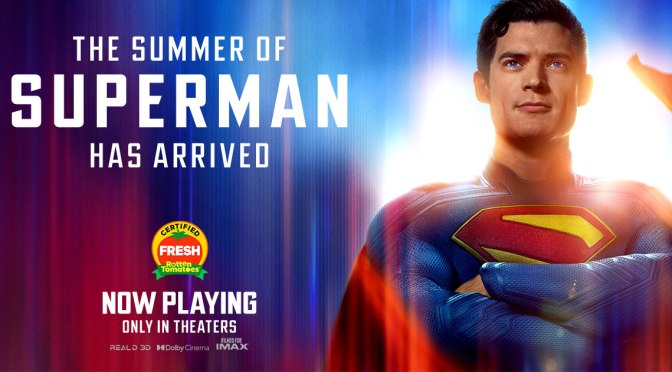
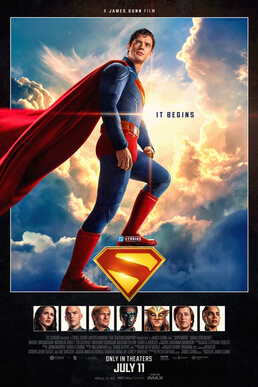
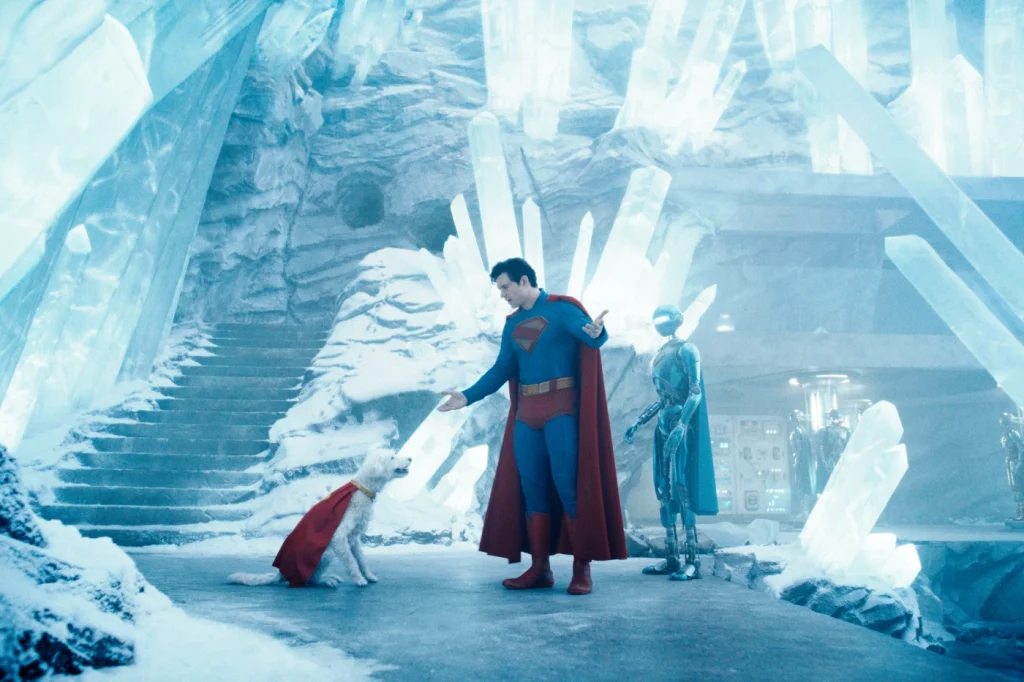
James Gunn’s wacky adaptation Superman (2025) unfolds less like a coherent narrative and more like a frenetic sketch show, veering from one oddball choice to the next with little tonal or emotional consistency. It’s a film that seems more interested in quirky vignettes and fan-service eccentricities than in telling a grounded or resonant Superman story. The result is a fragmented, overcooked spectacle—an atonal mess that struggles to resemble proper cinema in any meaningful sense.
This is especially disappointing considering Gunn’s earlier, more focused efforts. Lower budgeted Slither (2006), Super (2010), and even the first Guardians of the Galaxy (2014) were all infused with his irreverent flair, but they also benefited from creative restraint and clear narrative through-lines. Those films felt punchy, heartfelt, and cohesive. Here, Gunn appears unchecked, indulging in whimsy for whimsy’s sake, and the film buckles under the weight of Gunn seemingly being off given too much creative control.
Despite commendable performances from Nicholas Hoult as Lex Luthor and David Corenswet as Superman—both actors working hard to inject gravitas and humanity into the chaos—they’re ultimately overshadowed by the film’s tonal whiplash and scattershot storytelling. Hoult, who is one of the best actors around at the moment, is thrown under the bus by Gunn’s spectacularly bad directorial choices. And then there’s Krypto, Superman’s dog. In what universe does that choice feel appropriate for a reboot seeking to reestablish the character’s mythos? It lands like a joke without a punchline, symbolic of the film’s broader issues. Moreover, Gunn even tries to make political points reflecting current events, but it is a truly embarrassing attempt which fails to elicit any emotional clout.
Worse still, the lack of a meaningful origin story robs the character of emotional grounding. Instead of reintroducing Superman in a way that earns his place in this new cinematic universe, the film takes shortcuts, assuming audience investment without doing the work. In a media landscape already drowning in capes and cliches, Superman had the opportunity to reignite interest in the genre. Instead, it accelerates superhero fatigue, offering more noise when clarity and restraint were desperately needed.
In short, Superman (2025) is an overblown trifle—a hot mess that left me cold—a film that wants to be everything, ends up being very little, and reminds us that bigger is not always better. Yes. I am a bitter and grumpy old man by the way and I realise this film is probably aimed at people much younger and stupider than me, but I paid my entrance fee and this is how I felt.
Written by Mike Leigh – Based on 1970 stage play by Mike Leigh
Produced by Leslie Blair
Cast: Anne Raitt, Sarah Stephenson, Eric Allan, Joolia Cappleman, Mike Bradwell, Donald Sumpter etc.
Cinematography by Bahram Manocheri
Camera Assistant: Roger Pratt
Edited by Leslie Blair
One of the quiet yet profound joys of cultural life is finding a creative or sporting figure—or team—whose journey you follow from an early age, growing alongside their work as it evolves. Whether it’s the cinematic brilliance of the Coen Brothers or Mike Leigh, the ever-shifting energy of Primal Scream, or the lifelong, often agonising commitment to Tottenham Hotspur FC, these long-term relationships offer a deep sense of continuity. They become personal landmarks in our emotional and cultural landscapes, threading through decades of change and grounding us with shared history, joy, and—especially in Spurs’ case—a touch of heartache.
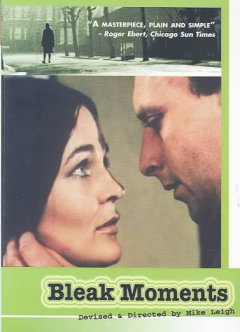
I was born just a year before Mike Leigh’sBleak Moments debuted in 1971, and it became a defining cultural touchstone for me. First encountering it in the early 1980’s, I was captivated by its raw honesty and quiet power—a film I returned to again and again on that solid-format VHS tape over the years. It marked the beginning of a lifelong relationship with Leigh’s work, a body of cinema that has shaped and shadowed my own personal and cultural journey. That connection endures to this day, most recently renewed with his 2025 release, Hard Truths—a testament to a career and vision that continue to evolve with undiminished integrity.
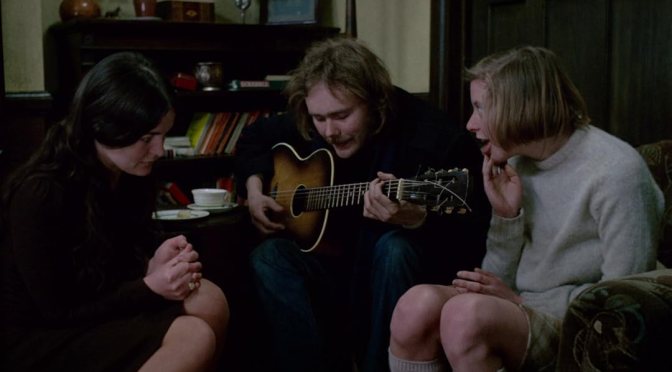
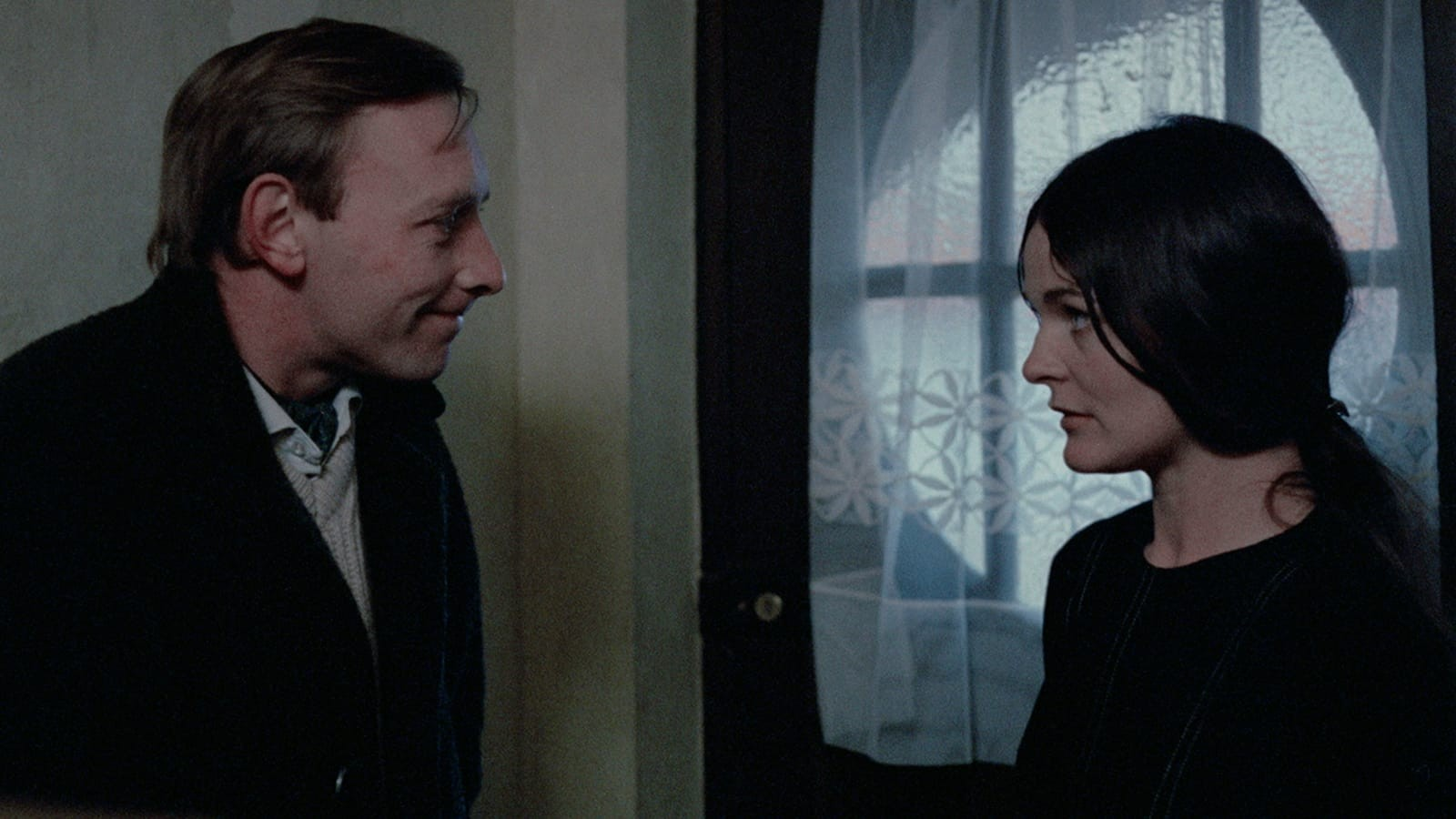
Bleak Moments centres on Sylvia (Anne Raitt), a lonely, introspective young woman navigating the quiet desolation of her suburban life while caring for her mentally challenged sister, Hilda (Sarah Stephenson). Trapped between duty and desire, Sylvia reaches tentatively toward human connection—most notably with a shy schoolteacher—yet every encounter is marked by awkward silences and emotional hesitations. Mike Leigh crafts a delicate, unflinching portrait of isolation and unmet longing, where the most powerful moments are found in what remains unsaid. Indeed, I would say it would have a powerful influence on awkward cinema or television such as Gervais and Merchant’s, seminal show The Office.
I hadn’t seen the film for twenty years and in a packed Prince Charles Cinema, what struck me was how Bleak Moments, while raw and unvarnished in style, unfolds with a beautifully episodic structure that gently accumulates emotional weight. Each scene offers a quiet vignette—moments of everyday awkwardness, tentative exchanges, and domestic stillness—that together create a deeply human portrait of loneliness and restraint. Despite its sombre tone, the film is laced with dry, observational humour and a deep sense of pathos, revealing the absurdity and ache of unspoken lives.
Mike Bradwell’s Norman and his dryly hilarious songs, and the most awkward of “romantic” dinner scenes in the Chinese restaurant just stood out to me as deeply funny. Raitt’s performance too is a masterclass of comedic understatement. Overall, these qualities—emotional nuance, character-driven storytelling, and a commitment to realism—would become defining hallmarks of Mike Leigh’s oeuvre, already fully formed in this striking debut. Finally, it was great to see and hear from Leigh, now in his eighties, answering some great questions with sharp wit and batting away some stupid ones too with his usual intelligence and droll honesty. Leigh remains a hero in my life’s cultural journey.
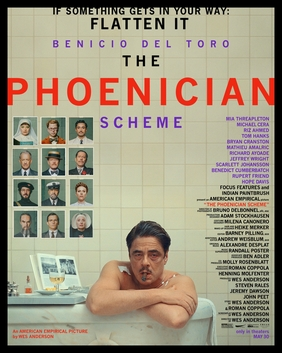
Produced by Wes Anderson, Steven Rales, Jeremy Dawson, John Peet
Cinematography by Bruno Delbonnel
Main cast: Benicio del Toro, Mia Threapleton, Michael Cera, Riz Ahmed, Tom Hanks, Bryan Cranston, Mathieu Amalric, Richard Ayoade, Jeffrey Wright, Scarlett Johansson, Benedict Cumberbatch, Rupert Friend, Hope Davis, etc.
Reviewing films for me is a form of study—a way to sharpen one’s eye, expand one’s perspective, and gain insight into the craft of filmmaking. It’s a dialogue between the film and the viewer, where curiosity, analysis, and empathy fuel a deeper appreciation for the storytelling process. Yet, Wes Anderson’s films often feel unreviewable in the traditional sense because they exist entirely within their own meticulously crafted universe—one governed by its own visual grammar, emotional tone, and narrative rhythm. His work defies conventional cinematic benchmarks not because it fails to meet them, but because it invents new ones.
His films are stylized to the point of abstraction: symmetrical compositions, pastel palettes, theatrical performances, deadpan dialogue, and storybook framing devices. These are not aesthetic flourishes added to conventional storytelling—they are the storytelling. Every element is calibrated to serve a singular artistic vision that prioritizes mood, irony, and emotional restraint in a way that often bypasses mainstream emotional cues. As a result, trying to evaluate Anderson’s films on the basis of relatability or realism can feel like trying to critique a painting for not being a photograph. You either enter his world and accept its rules, or you don’t.
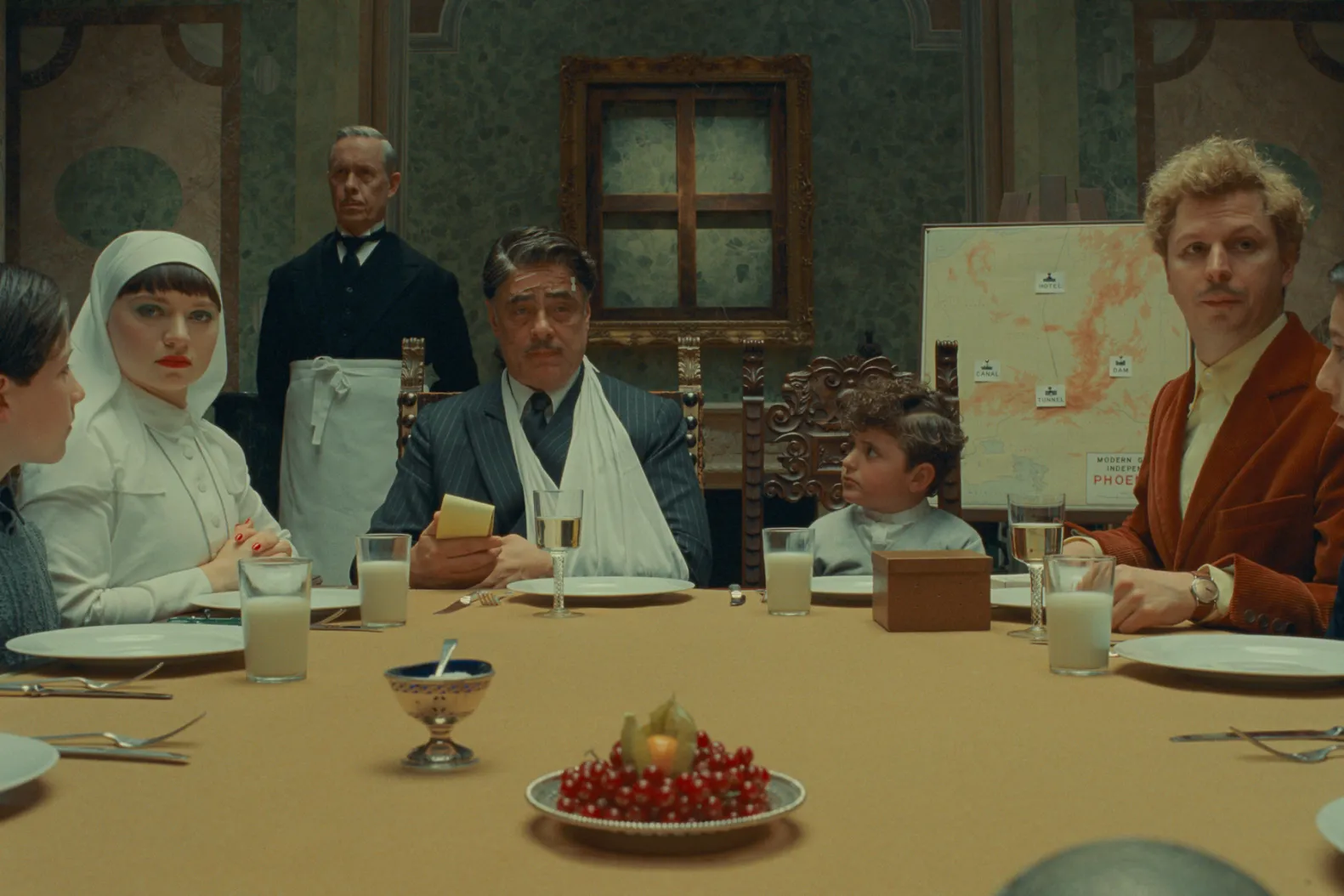
The Phoenician Scheme (2025) is a whimsically convoluted tale of betrayal, bureaucracy, and buried emotion, anchored by a surprisingly tender pairing: Benicio Del Toro and Mia Threapleton as an estranged father and daughter navigating a pastel-hued world of espionage, assassination attempts and eccentricity. Del Toro brings his signature quiet intensity—filtered through Anderson’s signature deadpan—as Anatole “Zsa-Zsa” Korda, a controversial businessman seeking backing from an array of peculiar business types. Threapleton, in a breakout performance, plays Sister Liesl, a guarded young nun.
As always, Anderson’s aesthetic is immaculately controlled—every frame a still life, every line delivered with just-so detachment. But where the plot sometimes meanders through its own labyrinth of quirk, the film’s emotional core remains grounded in Del Toro and Threapleton’s quiet push-and-pull: a relationship built on misread intentions, half-kept promises, and a strange kind of inherited stoicism. Michael Cera is on splendid form too as Bjørn Lund, a Norwegian entomologist, tutor, and Korda’s administrative assistant.
Overall, The Phoenician Scheme (2025) is best enjoyed as a moving art installation and while thematically strong in terms of the father-daughter-reconciliation theme, doesn’t reach the narrative heights of Anderson’s best work. It’s a visually charming and emotionally sincere entry—proof that even in a world of plane crashes, quirky business deals, weird relatives, religious fervour, eccentric guerrillas, the arc of connection between a father and daughter can still feel radical.
Mark: 7.5 out of 11
Wes Anderson’s Top 11 films ranked in order of MY favourites!







 The Cinema Fix presents