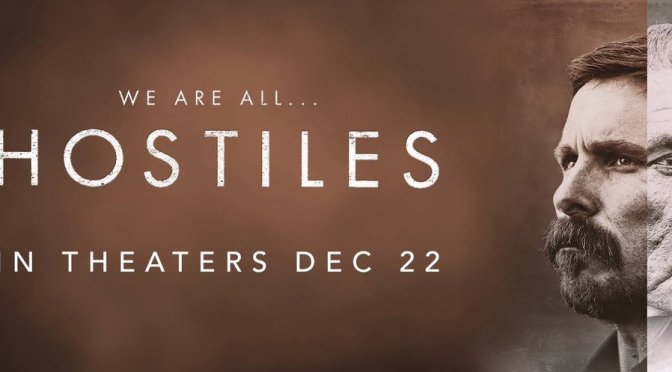
Starring: Christian Bale, Rosamund Pike, Wes Studi, Adam Beach
Music by: Max Richter
Death and America seem to go hand in hand down the realms of history; entwined bedfellows with society, industry and apparent civilisation being watered by blood and bone and marrow of humanity. The coagulation of Native American lives spread to the dust could be argued to be one of the most despicable genocidal acts ever perpetrated against a generation. And what was it all for? So, human beings from one side of a huge ocean can take what essentially belonged to the indigenous men, women and children of what we now know is called the United States of America. Red dust scorches that land and people and it’s a stain which will never ever be removed.
Even in the last one hundred years and more the Neo-Americans have militarized and invaded many other countries borne, on occasion for the greater good but generally to colonize, re-politicize and scavenge the goods of those said lands. Thus, it is never surprising when the natives choose to repel their invaders as they’d prefer their land to remain their own. For the price of defending their land history has named them savages and other cruel labels in an attempt to differentiate their culture and make them the enemy. Of course, there are good people within the U.S.A who oppose such invasions but the truth remains even they live on blooded ground.
The weight of guilt and pain and death hang heavy in Scott Cooper’s slow-moving and elegant Western. It’s a character driven piece with Christian Bale, Rosamund Pike, Wes Studi and Rory Cochrane putting in dominant performances which convey the depressing murderous times borne out of the heinous and greedy need for progress. White man / woman’s guilt drives the narrative as at first Bale’s soldier refuses to accompany his enemy back to his homeland. Is it more because of the deaths of his own men on the battlefield or because he does not want to face up to his own crimes against the Native Americans?
There are no easy solutions in this glacial paced, beautifully shot Western. The audience is required to analyse the characters actions and make up one’s own mind. There are no black hats or white hats save for the denouement involving the four horsemen that drift over the horizon with death in their eyes. Even the Comanche horde who perpetrate the wicked attack on Pike’s family at the beginning, while unsympathetic, are a product of the barbarity committed by the American army. Overall, this is a genre-defying Western built more on character rather than all-out action. Each slow plot turn went against my expectations and that was a positive. It’s a rich, deep and heavy film which benefits from great performances and an incredible Max Richter score.
HEARING STORIES: SOME THOUGHTS AND REVIEWS ON AUDIO-BOOKS
Six months ago I was reading a physical book of Joseph Heller’s Catch 22 and I was just not feeling it. Not the actual book as it is a classic novel of our time but the actual activity of reading itself. I just did not want to read anymore. Of course, I can do it but my mind just didn’t have the desire or energy. What did this mean?
Had I been dumbed down and rendered attention deficient by virtue of the constant viewing of films, TV and the barrage of internet viewing. Perhaps my brain had been become punch-drunk and distorted my mind, like an over-the-hill boxer who’d just had one too many fights. It was confusing. I’ve always loved reading and did not want to stop.
So, I thought why not try out the Audio-book route? What’s the worst that could happen? I could LISTEN to someone reading the book to me and experience the literature from an aural perspective. I have to be honest – I’m glad I did! Because I have been listening to a number of audio-book productions and they have been very rewarding from all manner of dramatic, artistic, comical and emotional directions. Moreover, I listen to these books while walking and at the gym so my “reading” has become a very pleasing mobile pursuit.
Anyhow, here are some reviews of the books I have been listening to over the past months. If you also listen to audiobooks please feel free to suggest any good “reads” or narrations.
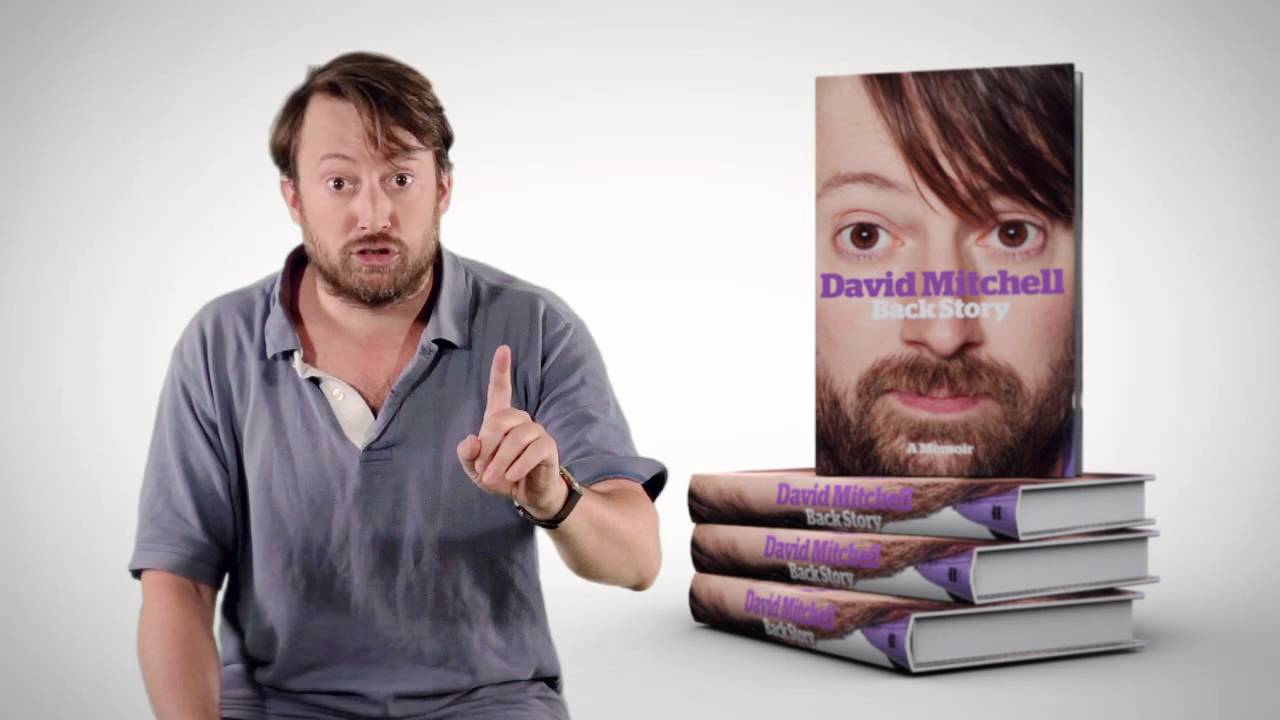
BACK STORY – DAVID MITCHELL (narrated by David Mitchell)
Comedian, actor, panel-show humourist and writer David Mitchell takes us on a literal walk of London landmarks and streets, while also wandering down his own personal memory lanes and avenues. Pedantic, neurotic, angry and insightful in equal measures this is an entertaining and intelligent journey full of hilarious rants and stories relating to Mitchell’s life; one which is blighted, not by personal tragedy, but rather a very painful bad back. His narration too is very funny and listening to him speak is like having your very own personal version of the brilliant comedy show Peep Show in your head. I especially, from a creative point-of-view, enjoyed his analysis of comedy past, present and the actualities of writing sketches, jokes and performing too.
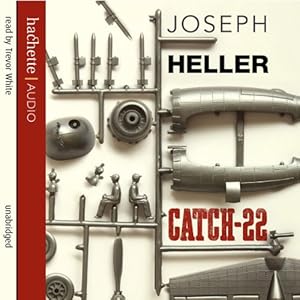
CATCH 22 – JOSEPH HELLER (narrated by Trevor White)
The novel which began my whole diversification into the audiobook territories is a startling anti-war character drama full of tragedy and black comedy, highlighting the folly of humanity during conflict. I was both laughing out loud and crying inside as Heller’s seminal work crashes us into the heart of madness during World War II. Featuring any number of crazed pilots either being killed or trying not to be killed while flying over Italy, this novel expertly takes you up and down and up and down. Heller does this with a meticulously acute writing style and via characters such as the wonderfully named: Yossarian, Milo Minderbinder, Doc Daneeka, Snowden, Nately, Nurse Cramer, Captain Aardvark, Colonel Cathcart and many more lunatics. This is a sprawling insane war-set epic which satirizes and laments the folly and destructive behaviour of mankind, and is all the more relevant today because we still can’t fucking learn to stop killing each other over ridiculous things like money, land, God and love.
DO ANDROIDS DREAM OF ELECTRIC SHEEP – PHILIP K. DICK (narrated by Scott Brick)
Dick’s classic science-fiction novel is better known now as Blade Runner and the film versions are incredibly stylish and powerful genre works. Yet, Scott Brick’s narration of Dick’s source novel is absolutely perfect in its rendition, creating a haunting pathos beyond that featured in the film. The story covers one day in the life of Rick Deckard – an “Andy” or android bounty hunter who must track down a series of superior robots of the Nexus Six variety. The original Blade Runner (1982) film did well to distil and simplify the narrative but it only touched the sides where the complex themes are concerned. The novel is far more involved with subtext relating to: simulations; animal husbandry; Artificial Intelligence; Virtual-reality religious fervour; and the existential pain or humans and robots, being explored within the rotting dystopic, Earth setting.
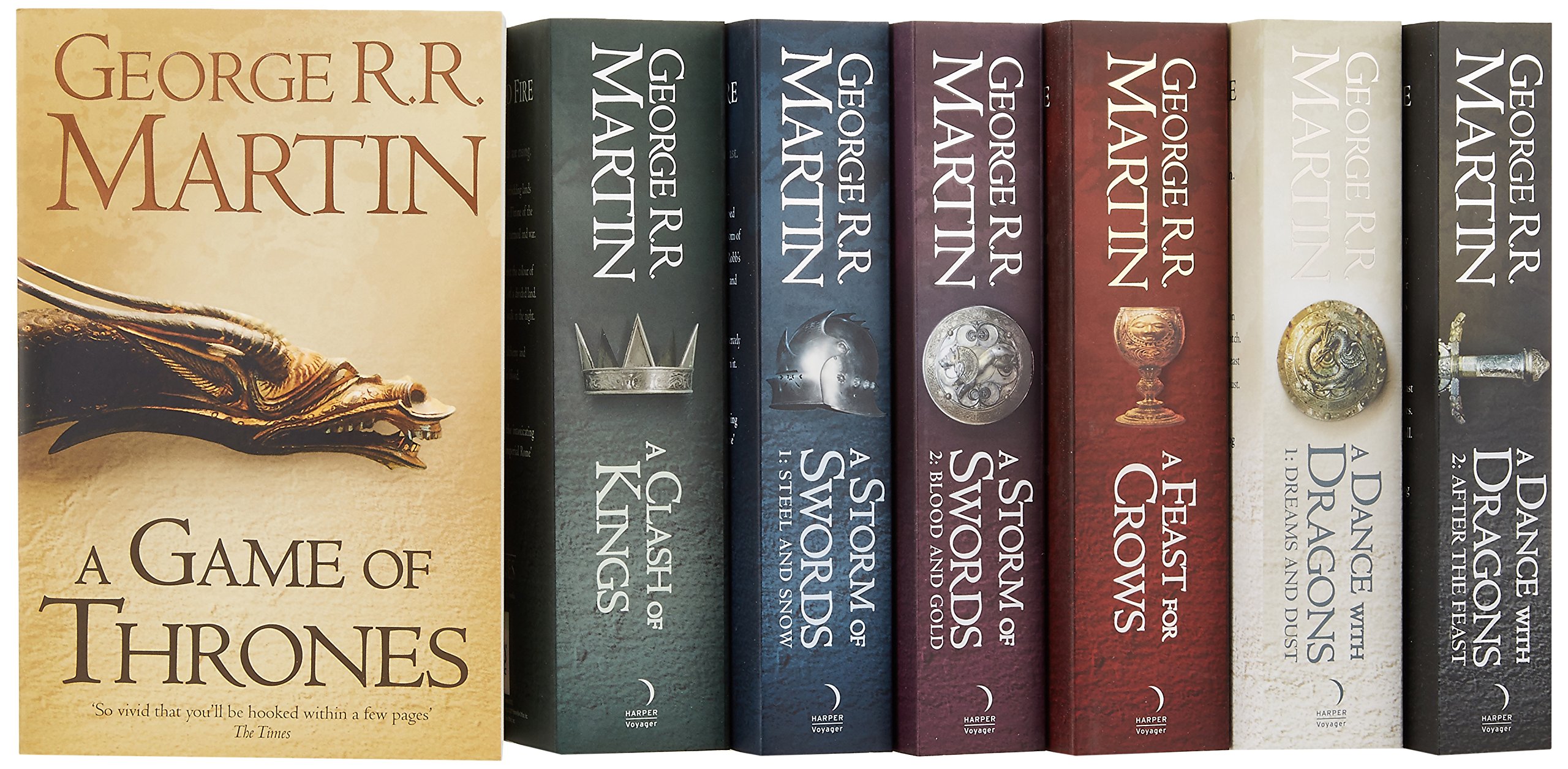
GAME OF THRONES – GEORGE R.R. MARTIN (narrated by Roy Dotrice)
George R. R. Martin’s North-versus-South-Westerosian fantasy epic has provided hours of entertainment via HBO’s massive hit TV adaptation. The original source novel is a literary monster of a book with an over 33 hours running time, so kudos to the talented, yet ageing actor, Roy Dotrice for staying alive during the recording and finding the energy to narrate it. If you don’t know the Game of Thrones TV show, it has become an iconic narrative of Starks versus Lannister’s versus Targaryen’s versus zombies versus dragons and all manner of: lords, ladies, monsters, whores, hordes, henchmen, sorcerers, warriors, Kings, Queens and peasant scum; all fighting and spitting hate at each other for a baying public’s bloodthirsty satisfaction.
The book, of which Game of Thrones is based, is an intricately plotted, brilliantly characterised and action-packed joy. Not for the faint-hearted it is explicit from a violence and erotic perspective and Martin’s writing is believable unbelievability of the highest order. While it may be fantastic in regard to many of the concepts it is grounded in a raw and human reality as the flawed characters conflict with each other in all manner of familial jousting, hearty battling and political chicanery. The book has all the greatest qualities of the television show and much more besides and well worth the many hours it took me to “read”.
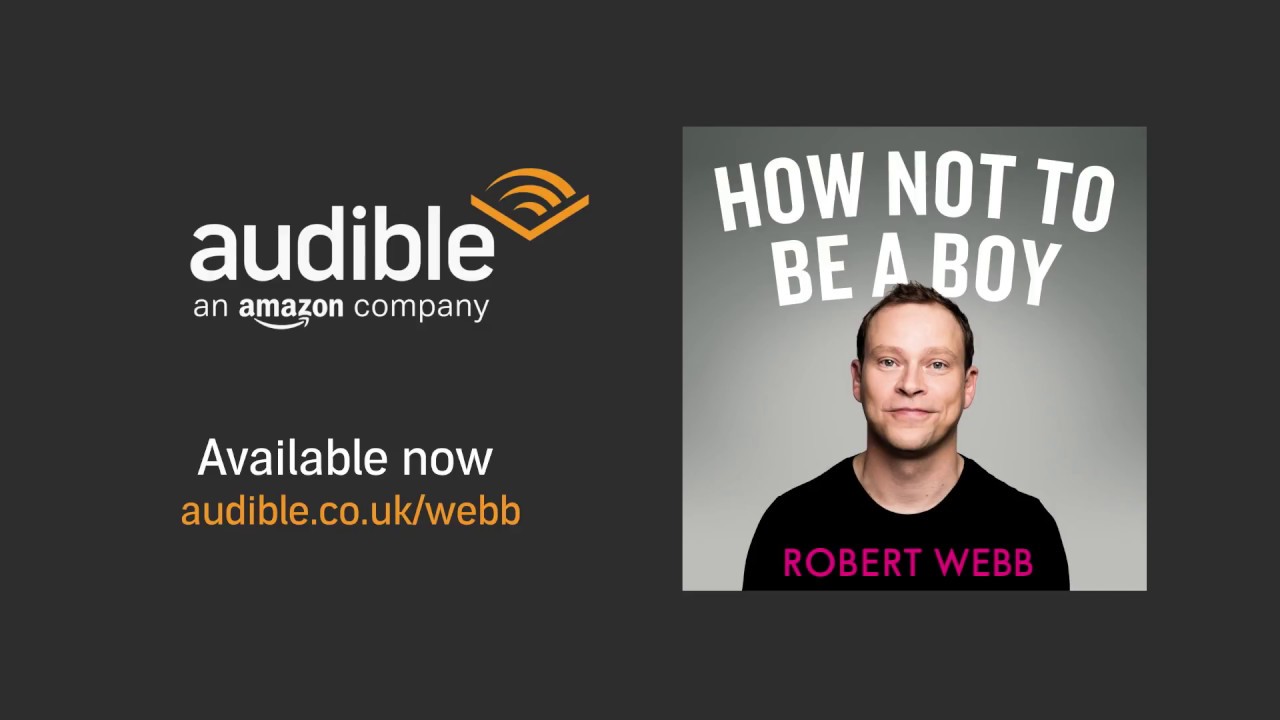
HOW NOT TO BE A BOY – ROBERT WEBB (narrated by Robert Webb)
The other half of the Mitchell and Webb double-act, Robert, narrates his own story with an adept sarcasm, intelligence and over-riding sense of grief throughout. As a big fan of Peepshow, his brilliance as an actor is playing unlikeable-selfish-man-boys with devilish charisma. He’s obviously very funny too and his anecdotes and memories of growing up in a Lincolnshire town and overcoming family heartache before joining the so-called Cambridge academic elite are very honest and personable. I would have liked a bit more detail about his creative process but reading between the lines I felt that it all came very naturally and unpretentiously to Webb. Overall, this is a terrific listen, full of funny and tragic moments; plus given I’m the same age as Webb, his references to televisual, pop, film and comedy culture were immediately recognisable to me, only adding to the book’s enjoyment.
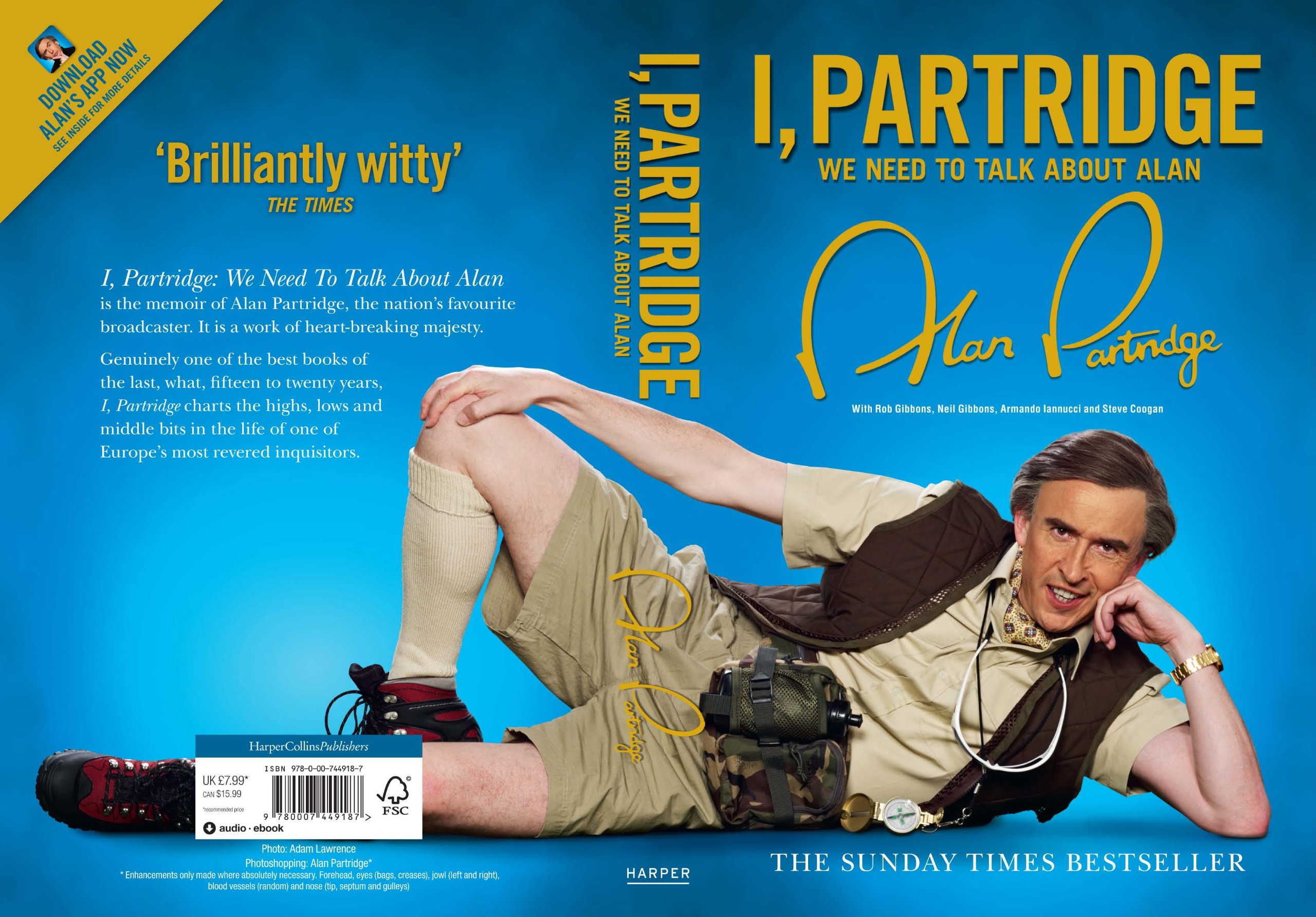
I, PARTRIDGE: WE NEED TO TALK ABOUT ALAN – ALAN PARTRIDGE (read by Alan Partridge)
Steve Coogan’s genius comedy creation Alan Partridge has been part of my life since the 1990s when I first saw him on the brilliant satire show The Day Today. There he presented the sports and would subsequently go on to a kind of greatness as a chat show host on Knowing Me, Knowing You and starring in one of the best sitcoms of all time, I’m Alan Partridge. It is a testament to the acting ability, quality of writing and sheer stamina of Coogan that he continues to mine comedy gold from the hills of Partridge, as it were. Coogan narrates (in the glorious character of Partridge) a fictional autobiography from actual cradle to career grave. It also hilariously covers how he bounced back from the precipice of a chocolate-driven-frenzied-nervous-breakdown-suicide-attempt in Dundee. I have never laughed so much as six hours of comedic gold entered my brain and left me in stitches throughout. This is one of the funniest things I have had the pleasure to listen too; full of bitter rants, vengeful asides, over-elaborate similes and a litany of what I can only call Partridgeisms! Is that a word: well it is now!
Philip K. Dick’s dense, dystopic and futuristic novel, Do Androids Dream of Electric Sheep (1968), is an ugly, beautiful, depressing, obtuse, hypnotic wade-through-treacle read full of incredible concepts relating to: Artificial Intelligence; robot technology; android simulacra; animal husbandry; apocalyptic disease; virtual reality/empathy mood tech; extinguished humanity; and ultimately, of course, mortality and death. The fact that Hampton Fancher and David Webb Peoples were able to fashion a workable screenplay for Ridley Scott to direct is a creative miracle in itself. Moreover, it is testament to the writing and Scott’s incredible production team that Bladerunner (1982) is held in such high esteem among cinema fans now.
The original Bladerunner, despite bombing at the box office and subsequently going through a number of cuts, re-cuts, final cuts and re-re-re-releases, has become a bona fide science fiction cinema classic. I watched the original theatrical version recently and despite the deadpan Harrison Ford voiceover and spurious, tacked on “happy” ending, it actually has a lot going for it. Obviously the ‘Unicorn Dream’ re-edits released under the guidance of Ridley Scott are the purer versions but the film holds up notably because of Ford’s gruff, depressive and world-weary performance as Rick Deckard; the imperious psychopathy of Rutger Hauer as android assassin Roy Batty; Scott’s glorious tech noir rendition of our desecrated future; as well as the evocation of Philip K Dick’s thematic existential power.
Thus, to offer up a near three-hour sequel to a box office bomb of an almost unfilmable novel was something I thought extremely brave from a creative and business perspective. However, as soon as I saw the director Denis Villeneuve was attached, I immediately knew that Bladerunner 2049 was a must-see! This filmmaker has elevated himself to the higher echelons of Hollywood directors with superlative work such as: Incendies (2010), Prisoners (2013), Enemy (2014), Sicario (2016) and Arrival (2016). In such films he was able to meld story, style, character and performance to create very accessible genre films which encapsulate the pain and drama of the human condition adroitly.
In Bladerunner 2049, the future’s orange but, like the original novel and film adaptation, it’s definitely not bright! We are in a sick, unforgiving and murderous world where a dying Earth, specifically California, is inhabited by killer replicants, pleasure models, and totalitarian law enforcement and overseen by the venal, profit driven capitalist oligarchic Wallace Corporation. In this vision of Earth, men, women, children, animals and robots are all slaves to be bought and sold to the highest bidder. I have seen some critique that the film is exploitative in its female representations but the films reflects much that is wrong with our world today and the original novel’s dystopic and misanthropic themes.
Both male and females are objectified and deemed commodities and alas that is true too of the sick world we live in today, yet perhaps just not as blatant? Bladerunner 2049, I does not offer solutions but depressingly mirrors society’s desire to sexualise and exploit others. Our “hero” the replicant cop ‘K’ (Ryan Gosling) is a victim of such exploitation in his touching relationship with A: I hologram Joi (Ana De Armas). Ultimately, he learns that they’re all being faked by the horrific technological nightmare they call existence. I think it extremely interesting that K’s wry smile when he realises he has been exploited by the Wallace Corp. product Joi; and paradoxically this demonstrates his humanity.
Villeneuve, aided with startling artistry by cinematographer Roger Deakins directs from a screenplay written by original writer Hampton Fancher, plus Michael Green. One could argue that the original Bladerunner is style over content, as the story was distilled to that of Deckard basically hunting down a bunch of outlaw robots. However, the style WAS the content along with the dense richness of the themes. Similarly, Bladerunner 2049 does not have a particularly complex plot, save for one fantastic thematic reversal, yet at its heart it explores the powerful question of what it means to be human? I think all intriguing narratives should ask this and explore important notions of existence. I mean, it’s not surprise Gosling’s character is called ‘K’ – because the story echoes Kafka’s The Trial in many ways. Indeed, is his seemingly futile search for meaning or humanity just a pointless pursuit or is it reward enough to delude oneself with the possibility of hope or love? Life and the decision whether to carry on regardless is therefore very much on trial.
I think this is a film which will benefit from further viewings. I felt like I was watching a Tarkovsky or Bergman film on a massive budget. It’s like Denis Villeneuve managed to combine, with the writers and designers, an indie-Hollywood-art film installation. I would say this is a character and theme led narrative rather than purely plot driven. Even Niander Wallace’s (Jared Leto) weirdness, while not essential for the plot, added to the depth of character and surface emotion. He felt like a Colonel Kurtz figure trapped in his own insane delusion and obsession. Could he have been a replicant too? Likewise, Harrison Ford’s reappearance as Deckard adds great flavour to a wonderful sci-fi broth. Yet, his aging persona is integral to the plot and not simply a meta-textual nod to the original film.
Ultimately, we mere mortals are arguably not worthy to critique this fantastic work of genre art cinema. I understand it was slow but that almost increased the joy for me. It moved glacially but with high confidence and in Ryan Gosling it had a bona fide star to guide us through this sick yet beautiful world. Moreover, the sound design and music from Hans Zimmer and Benjamin Wallfisch was a powerful force which heightened the suspense and paranoia. While the visuals are absolutely breath-taking I was also drawn in by the existential intrigue of the themes. Technically, within the story, the replicants are not living people but we empathise with their plight nonetheless because THEY are US. There lies the paradox and beauty of this film, in that I cared and was fascinated by what happened to actors playing robots on the cinema screen.
“There’s no question that a great script is absolutely essential, maybe the essential thing for a movie to succeed.” – Sydney Pollack
Directors are often held up by critics and audience alike as the God’s of film; controlling and pointing and designing and envisioning and corralling their mass creative power to thrust upon the cinema screen. Of course, with many directors or auteurs, the lofty praise is deserved but hey, did they create that vision or story or character arc in a vacuum? No, they had blueprint on a page first. They had a screenplay written by themselves or a determined writer or writing team sitting in a windowless office smoking a thousand cigarettes while slaving to get words on a page in some semblance of a coherent filmic fashion. It seems obvious to say but a great screenplay is the (skeleton) key for any great film; it’s the bones with which to hang the meat and muscle and later the clothes of any movie. Without powerful bones a film will not stand strong. It will fall.
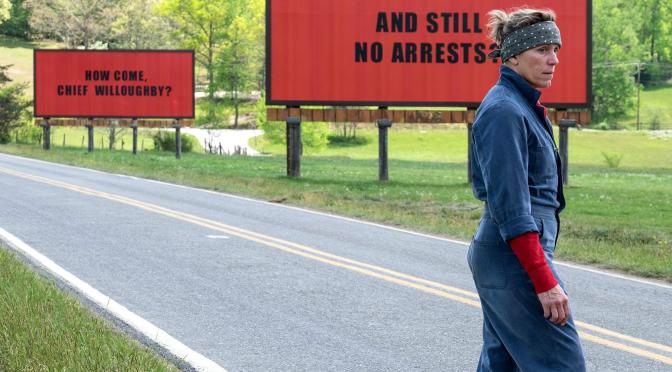
Screenwriter (and director) Martin McDonagh has, in Three Billboards Outside Ebbing, Missouri constructed one of, if not the most, formidable screenplays of the year. As a playwright he won many awards for his works and his film, In Bruges (2008), was a deceptively simple story of two hitmen on the run which, with rich thematic power, became a darkly hilarious existential comedy-drama. His follow-up Seven Psychopaths (2012) was a heady mix of criminals versus writers in a meta-fictional Hollywood-based narrative; which while brilliantly written and performed arguably lacked the punch of In Bruges. Now, with Three Billboards Outside Ebbing, Missouri, McDonagh has delivered his best film to date; a highly emotional human drama which contains some of incredible characterization, dialogue and zinging one-liners which bounce off the page and crackle on the screen.
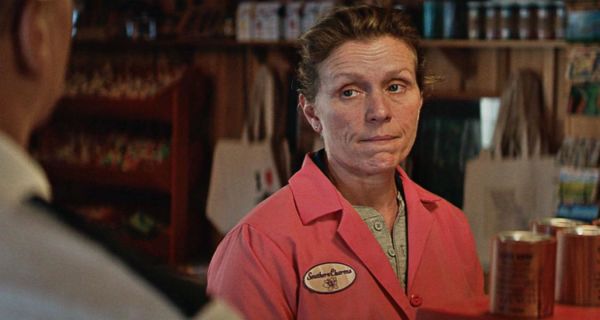
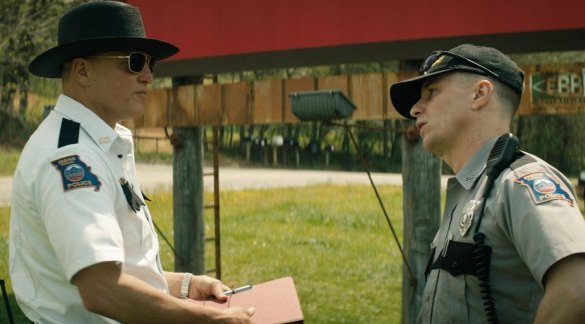
Eschewing a more traditional structure the script’s inciting event – the murder of a young girl called Angela Hayes (Kathryn Newton) – has already occurred and therefore we are thrust immediately into the grief of main protagonist Mildred Hayes, portrayed with an iron veneer by the remarkable Frances McDormand. Her study of a grieving Mother, who is no longer prepared to sit by and wait for her daughter’s killers to be found, is awe-inspiring. Firing a rocket into the patriarchal-dominated police department ran by Chief Bill Willoughby (Woody Harrelson) she sets in motion a series of unforgettably tragic, violent and blackly comedic scenes. In using the three billboards to question Willoughby’s investigation she utilises physical media as a larger form of the ‘Scarlet Letter’; an old fashioned “name and shame” device. Because Mildred, is refreshingly traditional and old-fashioned and in rural, small-town America the Internet just won’t hack it for her. She is about direct, in-your-face and ballsy action.
As a study of grief this is similar in feel to the majestic Manchester-by-the-Sea (2016) and no doubt, like Kenneth Lonergan, McDonagh will be picking up many awards for his nuanced screenplay. He imbues each of the characters with a flawed, yet rounded humanity. He takes risks by making his main protagonist, despite her loss, kind of unlikeable. Yet we are always with Mildred because she is righteous and swimming against the tide of authority and masculine dominance. Plus, she surprises us with her actions and language and violence. Below the tough exterior though there is also a vulnerability which makes us love her too and empathise fully with her loss.
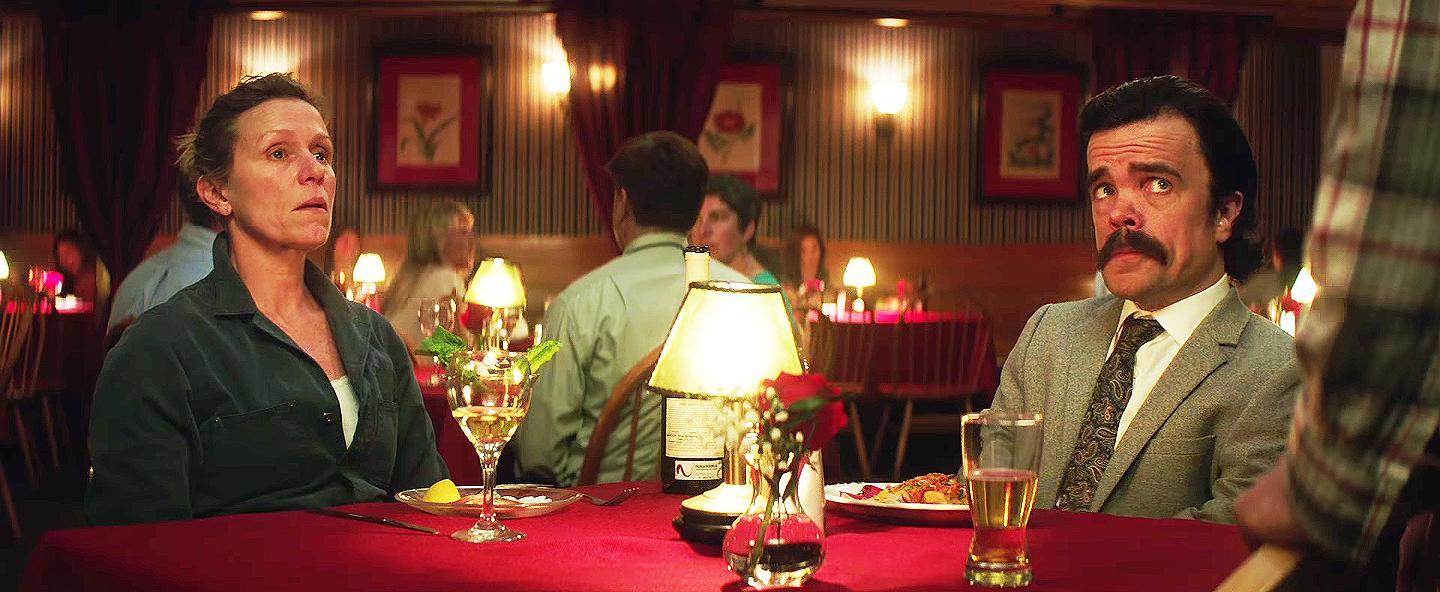
McDonagh and his filmmaking team have also put together a phenomenal ensemble cast including: Woody Harrelson, Peter Dinklage, John Hawkes, and Abbie Cornish etc. Sam Rockwell is especially memorable as the immature, inept and thuggish mother’s boy, Jason Dixon. His scenes with both Frances McDormand and his on-screen Mother, played with deadpan gusto by Sandy Martin, crack with complex emotion and humour. Collectively they portray imperfect characters whose lives have not just been dealt a bum hand but their situation is exacerbated by poor decisions based on emotion and frustration with life and the world. Ultimately, this is an excellent cinematic experience funny, shocking and moving; only possible because of the expert script from a great writer.
(Mark: 10 out of 11 – and the script goes up to 11!)
GAME OF THRONES – SEASON 7 REVIEW & RANDOM THOUGHTS
**ABSOLUTELY NO SPOILERS**
I’ll be honest: in my younger days of arrogance or confidence or know-it-all-prideful-youth – whatever you want to call it – I used to be an ultra-critical, negative and a bit of a spoilt moaner. But, as my time ticks away ever so slowly and I crawl closer to death, I believe I have grown more mature and reasonable. I remain analytical and active in my viewing and while I am someone who mildly obsesses about certain movies, TV shows, sports and other cultural stuff, I still recoil with embarrassment at the negative hysteria you get online and in social media in regard to life, politics, celebrities, pop videos and more specifically TV programmes or films.
Of late the fury of the Internet “haters” or “trolls” was aimed with fundamental ire at the all-female-led-cast Ghostbusters movie. Who really cared?!? It was an okay film; not great. My main problem was that it was not particularly well written or directed despite the excellent efforts of the cast. In another sexist tirade the online public hacks also attacked the casting of excellent actress Jodie Whittaker as the new Doctor Who. I mean the Doctor is a shape-shifting alien who changes bodies and heaven forbid that, after thirteen men (including John Hurt’s War Doctor) in the role, a woman suddenly be cast!
Why are people so over-the-top with their reactions I ask myself? Maybe they are channelling their life disappointments or existential anger by way of dissociative behaviour. Criticizing these casting decisions could be a way of distancing themselves from the pain of life. Or perhaps the more socially-charged analysts could argue that filmmakers and TV showrunners are cowering to the liberal left and changing such roles to be more PC! Or maybe they are simply just nuts!?
I guess everyone is entitled to an opinion and the Internet, for better or worse, has given power to those opinions. I just don’t understand why people get so angry though! I mean some of the criticisms aimed at the latest season of Game of Thrones were admittedly erudite and thoughtful; however, much of the wrath toward the writers ranged from the silly to the furious to nit-picking pedantry of the highest order. It’s as if the online villagers of YouTube, Facebook and Twitter had been sharpening their pitchforks and lighting their torches before the show had even aired.
My view of Game of Thrones is simple. The first six seasons gave me some of the greatest televisual enjoyment I have ever experienced. In terms of character, plotting, dialogue, action, reversals, twists, shocks, romance, performance, political intrigue, editing, direction and jaw-dropping-heart-pounding-tension it is ONE OF THE GREATEST TV SHOWS EVER!
Thus, Season 7 had a lot to live up to and in some ways it has been a victim of its own success. When you raise the bar that high it is of no surprise if such heights dip on occasions. Having said that I thought Season 7 was fantastic TV; and I’m not the only one. It was seven episodes of brilliant entertainment with too many wonderful moments to mention. But the online village hordes were quick to complain with vehement cries of “Burn the Writers!” Moans included:
The writing’s not as good as the earlier Seasons!
George R. R. Martin’s careful characterisation and plots have gone!
The pace is TOO quick compared to the prior Seasons!
Too many character reunions!
The map has been compressed and characters seem to teleport!
Too many plot-holes and character inconsistencies.
The White Walkers / Night King enemy are too one-dimensional.
It’s just not as good as the books!
It’s become too predictable!
Show-runners D.B. Weiss and David Benioff are the Anti-Christ!
While I agree in regard to the geographical shifts of characters and speeding up of the plot points is different to the previous Seasons, I don’t believe the entertainment value has been lost; in fact it has been heightened. I also don’t agree that the writing is bad. The show, having built up much good faith in the earlier more politically charged Seasons has now shifted to a faster more cinematic pace rather than the steady literary tread of George R. R. Martin’s work. Of course, the book is ALWAYS better than the film or show as a rule but it’s a different medium altogether. We’re reaching the end of the show and the characters’ arcs are peaking toward denouement so the increased pace is understandable. In regard to predictability, well, there’s only one way the whole show was going and the battle between Ice and Fire has been on the cards since the first episode! WINTER IS HERE!! I realise many are disappointed in this shift having committed many hours to watching the show; but I honestly think the show remains as powerful as ever.
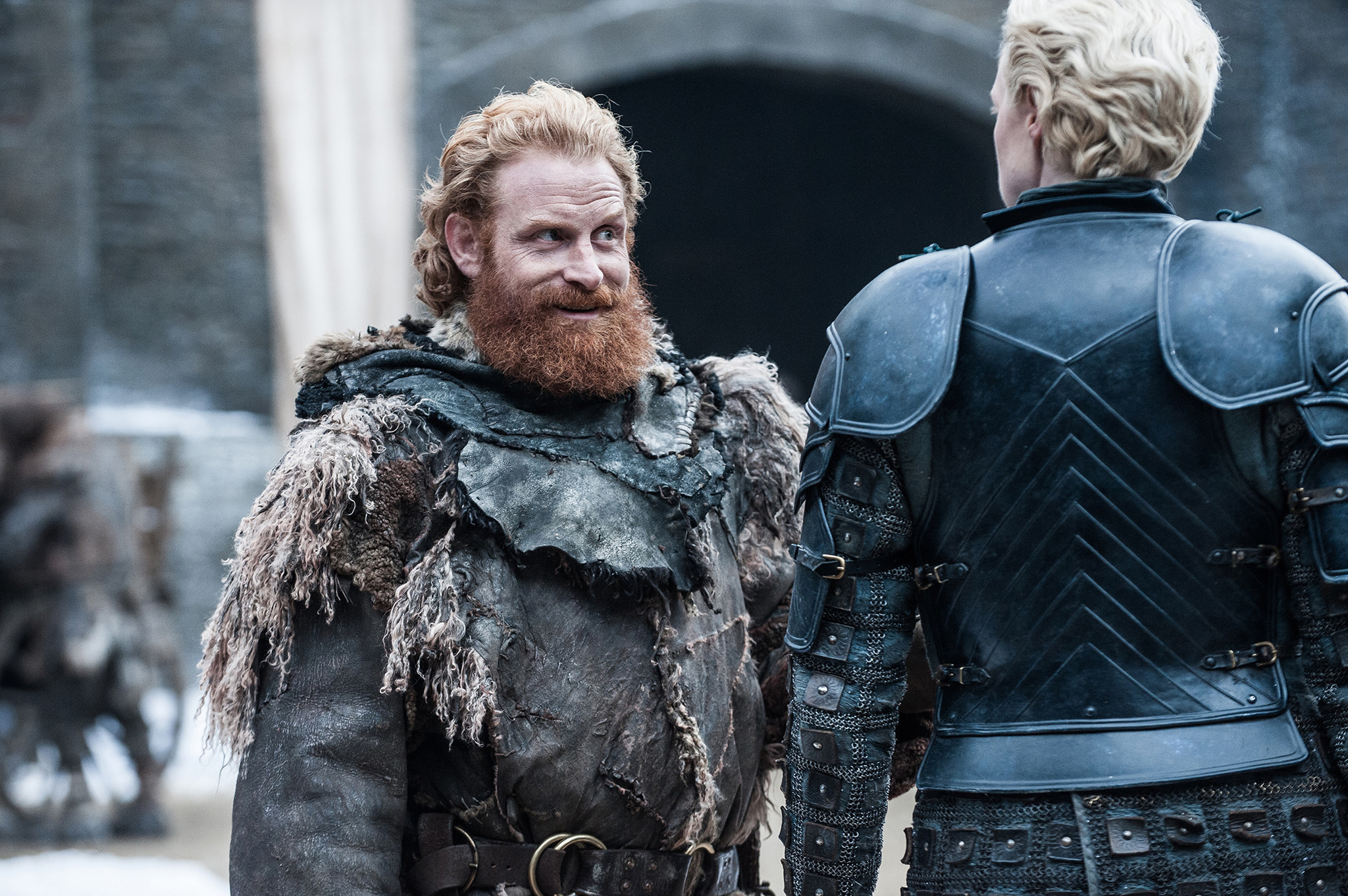
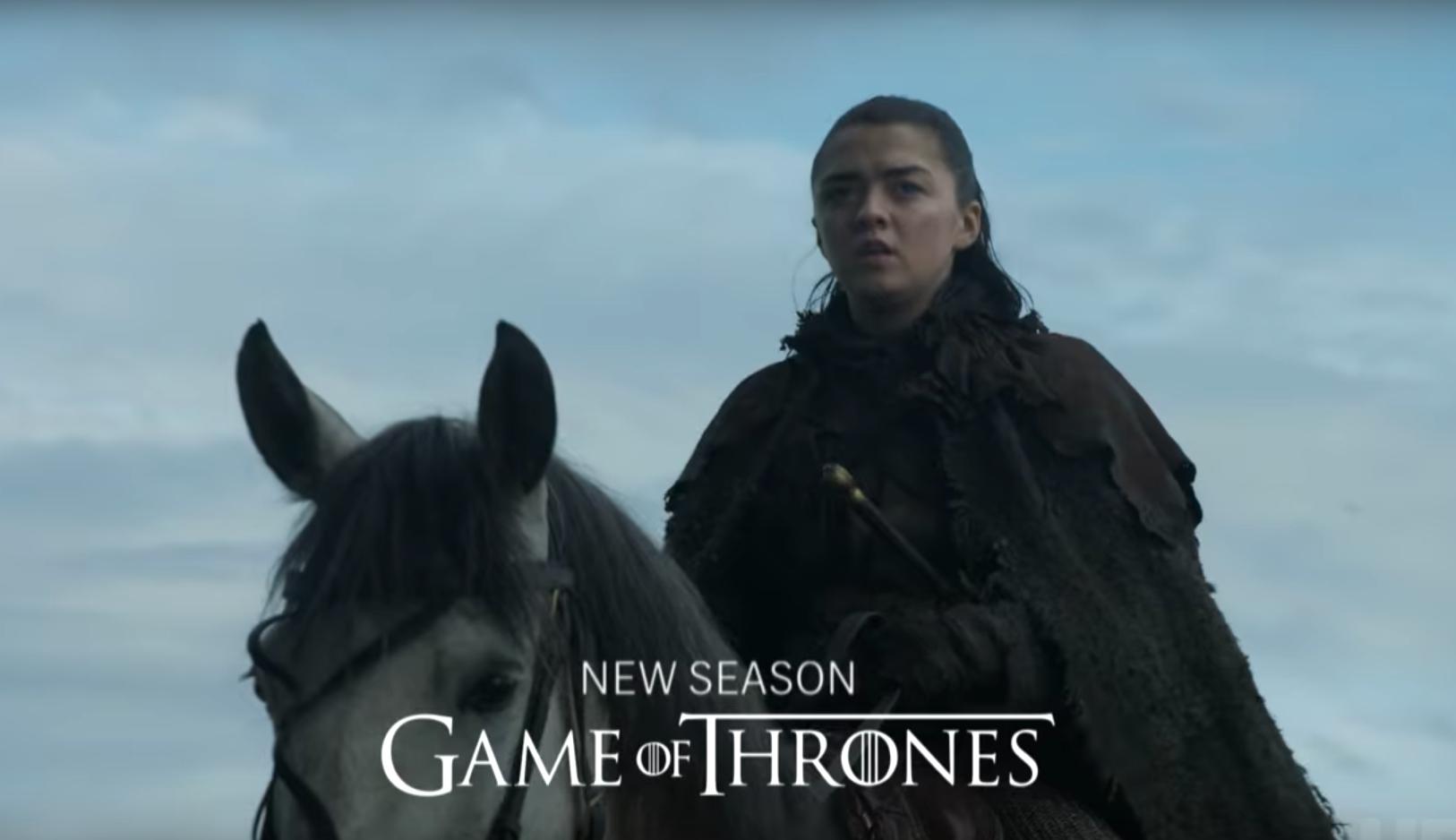
EVERYONE is now a screenwriter and while it is much fun to decide how you want the characters you love to behave, just because they do something slightly different to what you, or George R.R. Martin would do, it doesn’t mean it is bad writing or illogical. On the contrary Season 7 contained some exciting writing and an incredible amount of memorable moments. These included: Daenerys’ dragons wreaking havoc; the magnificent masculine mission beyond the Wall; Oleanna and Jamie’s words; Cersei’s continued despotic mania; a summit meeting between many of our major characters; the Hound; Jorah’s redemption; Arya’s special set of skills;the Night King and his horde; Jamie’s doubts; Brienne’s loyalty; the weirdo Bran; and all manner of incredible battle scenes on sea, air, ice and land.
These sequences plus many more and the great direction, acting, design and character twists throughout meant that I was transfixed from start to finish. I do agree that at times it felt rushed in places and ten episodes would have fleshed out some of the more temporal issues. But hey, it was still amazing from my perspective.
Game of Thrones, ultimately is a TV programmes with dragons and zombies and in between human beings attempting to out-plot and out-kill each other. I agree there was a more Shakespearean feel to the earlier episodes and we have experienced a shift from a literary style to the cinematic. However, I couldn’t care less and would advise the armchair screenwriters, clickbait critics and online trolls to cease bitching and stop watching the show if you don’t enjoy it any more. Because unlike this highly entertaining show YOU ARE GETTING VERY BORING!
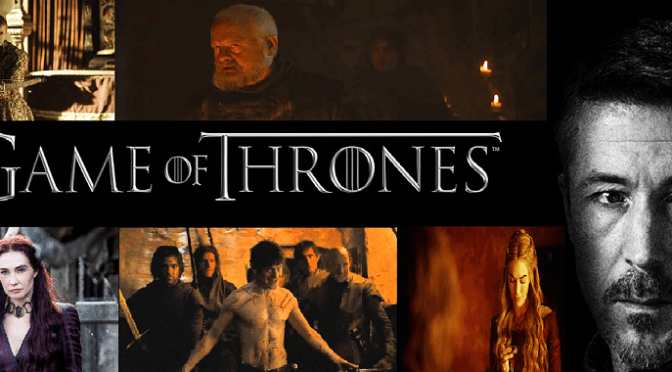
SIX OF THE BEST #8 – GAME OF THRONES’ MOST EVIL VILLAINS
I’ve been enjoying the hell out of re-watching all the seasons of Game of Thrones and once again I take a look at six of the best things from HBO’s adaptation of George R.R. Martin’s amazing literary fantasy epics! Game of Thrones has its fair share of nasty pieces of work so here, in my opinion, are the worst of the lot!
**CONTAINS MASSIVE SPOILERS – SEASONS 1 – 6**
CERSEI LANNISTER – LENA HEADEY
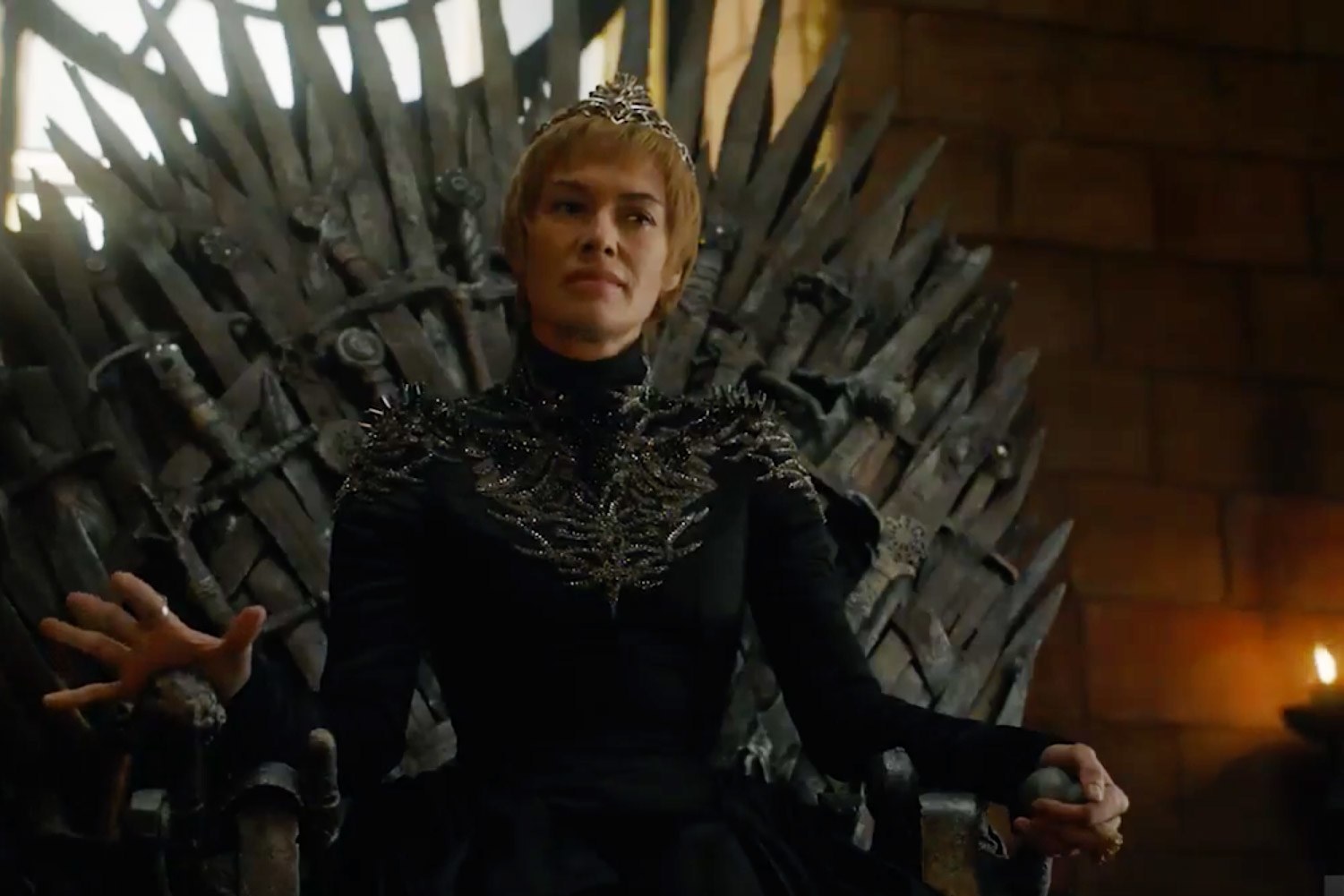
The quote, “Hell hath no fury like a woman scorned” was never more appropriate where Cersei Lannister is concerned. Brilliantly portrayed by Lena Headey her spite and evil is borne out of a sense of injustice; having been overlooked for leadership due to her gender by her father and the sexist nature of the time. This, I think, is forgivable if she wasn’t so bitter and twisted towards the likes of Tyrion (Peter Dinklage), Sansa Stark (Sophie Turner) and Margaery Tyrell (Nathalie Dormer) and didn’t openly revel in their suffering. Her plots aren’t always successful though because having given power to the ‘Faith Militant’ her plan backfired and she had to do the ‘Walk of Shame’. Having said that her revenge on the High Sparrow and his lot for this was, you have to hand it to her, explosive and devilishly realised.
CRASTER – ROBERT PUGH
Craster was Wildling pig of a man who was not only raping his own daughters for pleasure but using the male offspring as White Walker sacrifices in order to maintain his own safety. I understand that in desperate times desperate measures are required but to incestuously rape your own kin and farm them off to the deadly enemy takes the cake. Ultimately, he got his bloody comeuppance at the hands of another violent thug, the double-knifed traitor Karl Tanner (Burn Gorman). Having said that Tanner was just as vicious and having taken Craster’s Keep, he got a sword through the mouth from the heroic Jon Snow (Kit Harrington).
JOFFREY LANNISTER – JACK GLEASON
This snivelling-out-of-incest-born-cowardly-prick was a complete arsehole from the first episode. In true pantomime villain style, you could hear the screams of delight across the TV audience when he was poisoned at his own wedding in Season 4. He bullied all those around him that were weaker including the much maligned Sansa Stark and butchered prostitutes without a care in the world. What made this sister-brother-bastard-offspring even more odious is he was a complete coward too. He bottled it at the Battle of Blackwater and when he had the chance to show mercy for Ned Stark, gave the order for his decapitation. What a c—t!
LORD PETYR BAELISH – AIDEN GILLEN
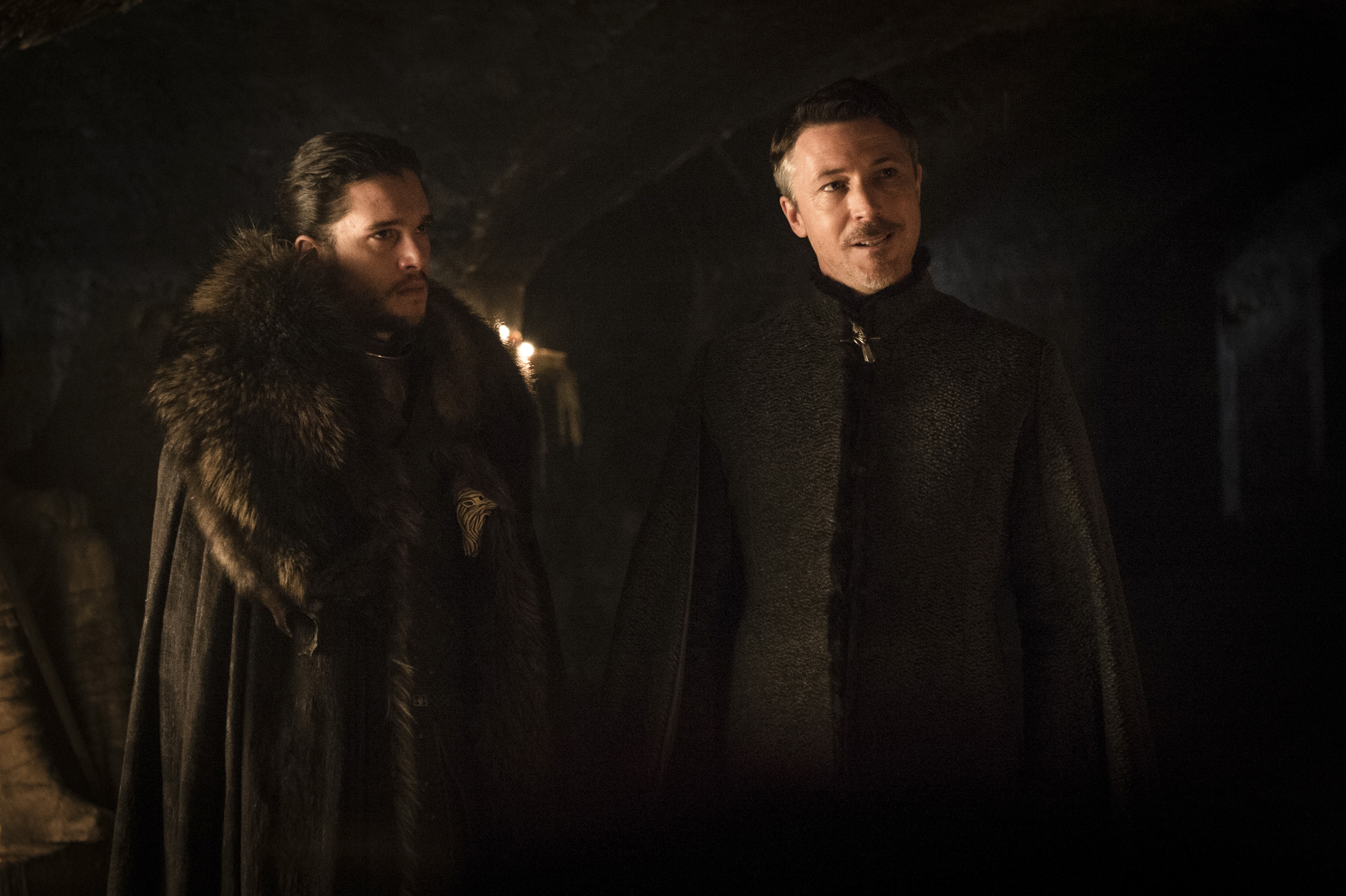
With the voice of a hypnotic snake ‘Littlefinger’ is a very dangerous man indeed. In fact, he’s arguably the most evil of the lot as his plotting is virtually invisible and yet done in plain sight. A true Machiavellian he manipulates everyone using spies, soldiers, servants and prostitutes to do his watching and listening. His crimes are legion and include: turning on Ned Stark to favour the Lannister’s; helping the Tyrell’s poison Joffrey to turn on the Lannister’s; pushing madwoman Lady Lysa Arryn to her death through the Moon Door to benefit himself; gaining Sansa Stark’s trust before finagling her into marrying the complete bastard Ramsay Bolton; and then turning on the Bolton family by taking the Knights of the Vale to defeat them. In short: he’s a brilliant and fiendish tactician up to the end of Season 6 that is, when he finds further rivals stopping his path to the Iron Throne.
MELISANDRE THE RED WOMAN – CARICE VAN HOUTEN
The Red Woman is a constant threat to all characters throughout the seasons of the show. She uses her committed fervour to the Lord of the Light, and her sexual wares, to suck the life out of the people around her and bring bloody death to others. Essentially a human embodiment of the Succubus creature she gets her claws into Stannis Baratheon (Stephen Dillane) and convinces him the fire has named him the one and true King. Only after Stannis’ daughter is burnt at the stake as a sacrifice and Stannis is killed in the Battle for Winterfell does she admit she may have got it wrong?!? Having previously killed Renley Baratheon with black magic; leech-raped Gendry (Joe Dempsie) for his blood; done for Stannis; she then turns her attention to Jon Snow. Indeed, even though she had brought him back to life he banishes her for the witch and jinx that she is.
RAMSAY BOLTON – IWAN RHEON
Beginning in some ways like a Northern Joffrey, the bastard Ramsay Snow was introduced as a possible ally to Theon Greyjoy (Alfie Allen), only to sneakily turn the tables and in fact reveal himself to be Theon’s captor. Unlike Joffrey he is cunning, as he proved getting information out of Theon, and actually a fierce fighter and killer. While he genuinely backs up his psychopathy with violent acts his means of killing people is gruesome to say the least. The Bolton’s do not take prisoners and instead skin their foes alive. While Ramsay delights in not only feeding his enemies to the dogs and sexually humiliating poor Sansa, he also cut Theon’s cock off in one of the most sickening acts of violence. In a TV show that is always imaginatively near-the-knuckle when it comes to torture this was utterly sickening. Sansa’s revenge on Ramsay has to be one of the most satisfying moments in the show’s history.
I love Doctor Who and have written many times about it on this blog with reviews and articles. I think what I love about it most is that within the genre structure of a Time Lord and companions doing battle against foes is the fact that you can end up anywhere in time and space; in scientific reality and magical fantasy. Each episode contains surprise and mystery and imaginative ideas which draw you in again and again. So, here I go with a review of the at times completely genius, occasionally so-so, but mainly brilliant entertainment that is Season 10. If you also wish to read last season’s review please do so here.
SPOILERS AHEAD, DARLING
Couple of minor gripes before I start! Please stop with the preview spoilers BBC! There were too many dramatic surprises within the series given away across the TV screens and T’internet. Firstly Capaldi’s departure from the show AND John Simm would be coming back as The Master. Oh, and the origins of the Mondasian Cybermen was revealed too giving away another surprise from the exceptional double-headed finale. Lastly, now Chris Chibnall is to take over from Steven Moffat as showrunner, I hope he’ll dispense with the incessant characters dying and coming back to life trope. This has now literally been done to death. However, putting these minor grumbles aside I was very entertained by the season overall.
WHAT’S IN THE VAULT?
When the commanding character actor, musician, director and writer Peter Capaldi was announced as the new Doctor Who a few years ago, I was very excited. Here was an experienced actor full of gravitas, energy, wit, light and dark humour, who would no doubt bring his own vision to the role of the ancient Gallefreyan. And I was not disappointed at all! I really loved Capaldi’s Doctor because he was very rounded and in his face you could see the years of time-travelling experience. And wow – can he deliver a grandstanding monologue too!
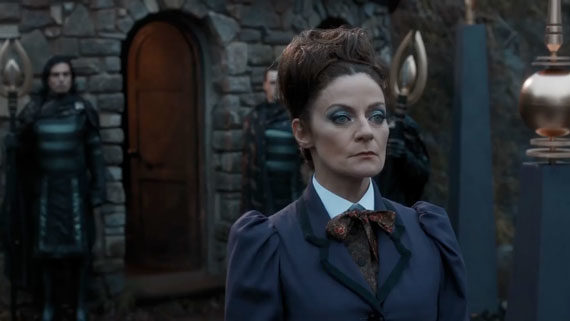
In Season 10, he was meant to be anchored to Earth guarding the Vault, having taken an oath to ensure Missy/The Master does not escape. Instead he attempted to redeem Missy – portrayed with devilish brio – by Michelle Gomez. Did he succeed? Well, it’s open to interpretation. Nonetheless, this story arc was way more convincing and emotional than Season 9’s confusing “Hybrid” arc. In fact, I’d say Steven Moffatt nailed the dramatic arc and emotion on this one.
THE NEW FACES
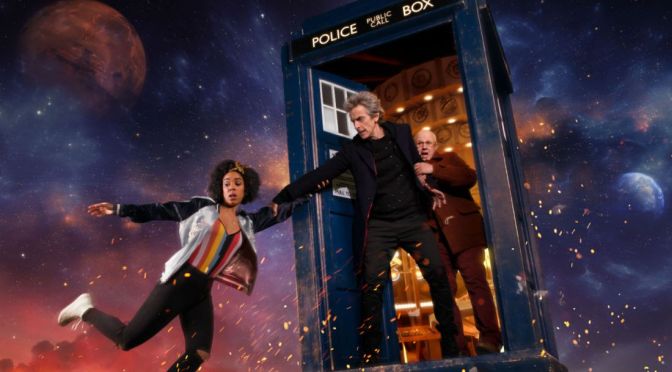
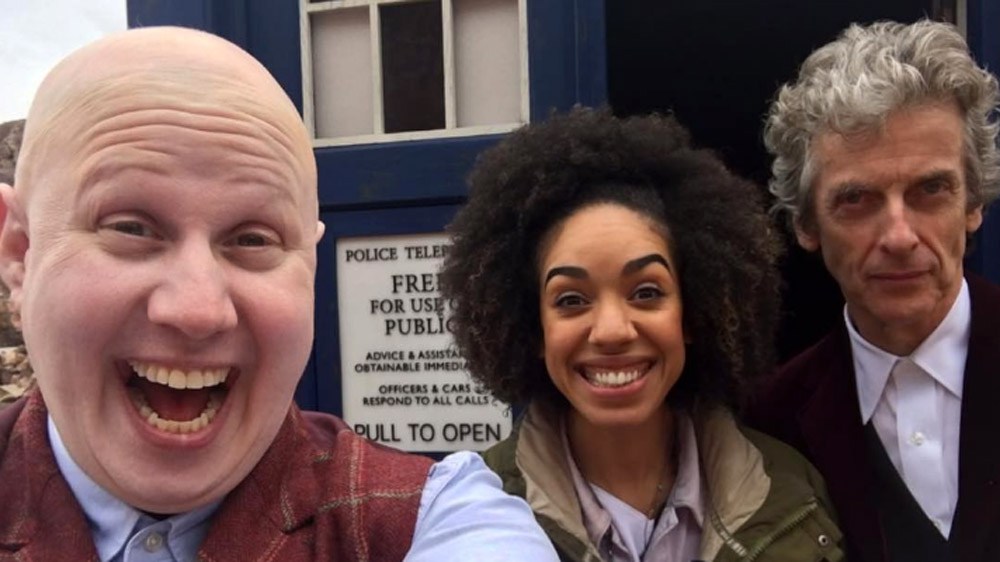
The Doctor, as well as looking after the Vault, found two new companions in tow. They were Bill Potts, played with a wide-eyed and naïve charm by Pearl Mackie. We also had a former rogue-but-now-kinda-sweet cyborg called Nardole, portrayed by the brilliant comedic actor Matt Lucas. In a terrific meta-gag from Steven Moffat, during World Enough and Time, Missy called them “Exposition” and “Comic Relief”; however, I think they were a bit more than that.
As usual the audience were reflected in Bill’s character as her initial wide-eyed and open-mouthed awe at the Doctor and the Tardis’ capabilities gave way to an awe and wonderment at the space adventures that ensued. Bill proved herself a valuable sidekick to the Doctor. She had a kind soul and there were some emotional pull to her due her being an orphan, plus being gay created an extra dynamic in the storylines as well as some humour too.
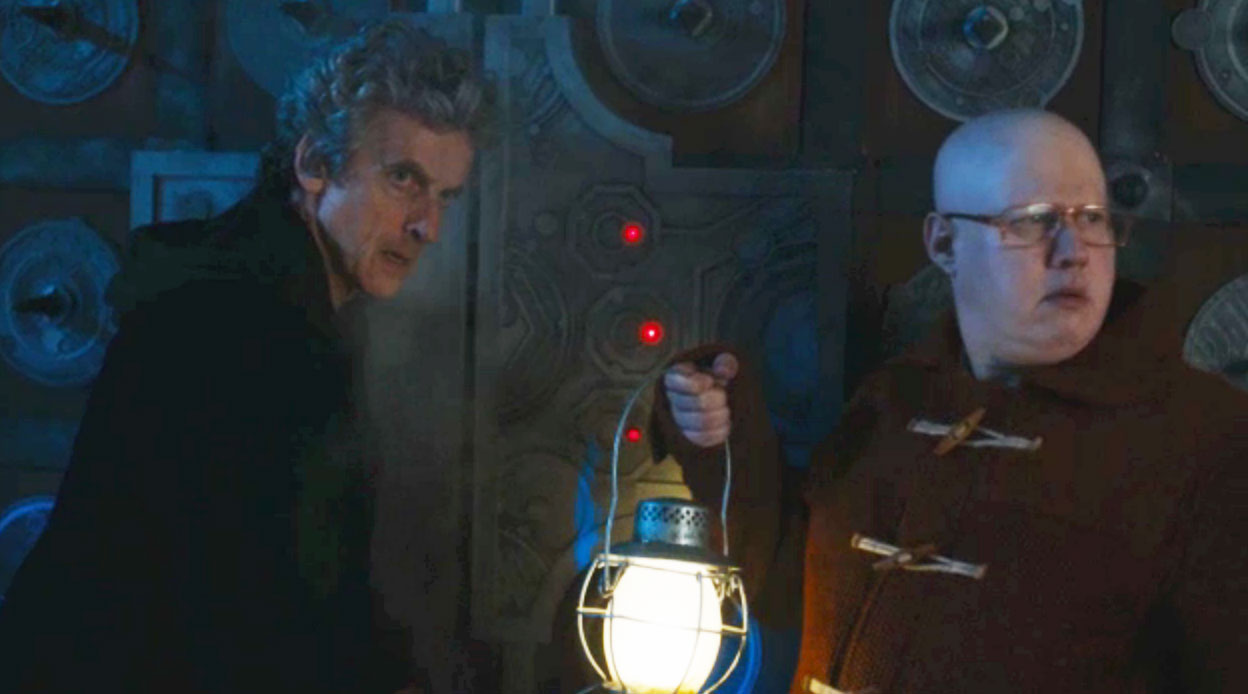
Nardole, on the other hand, was mainly played for laughs as he had some fantastic banter with the Doctor. Lucas did not go over-the-top wacky though and gave Nardole a world-weary trudge and set of grumpy looks and fine one-liners. At the same time he remained very loyal to the Doctor and really came into his own in the latter episodes when his hacking skills were used to combat the Cybermen.
THEMES
Thematically this season of Doctor Who was very strong. Of course the Doctor remained stalwart in his world view of protecting the oppressed against evil. But he also had a redemptive plan where Nardole and Missy were concerned. Reading between the lines it appeared Nardole had a shady past so the Doctor employs him to do right by his oath to guard Missy in the Vault. Missy however, was a more difficult proposition and during Extremis it is revealed the Doctor saves her from death, with a view to redeeming her soul. This theme plays out really well within the individual episodes, especially in the wonderful denouement of The Doctor Falls where Missy and her older self, The Master (fiendishly portrayed by John Simm) join forces against the Doctor; only for Missy to kind of atone and attempt to join the Doctor in the fight against the Cybermen.
Love was another powerful emotion and theme to pervade the season. The Doctor’s love for, or at least yearning for the childhood friendship he had with Missy/Master shone through during those final episodes. Bill’s love for her deceased Mother was palpable too, playing a big part in defeating the Monks in The Lie of the Land. Also, it was Bill’s love for Heather during the The Pilot episode which eventually saved her and the Doctor from certain death during The Doctor Falls. It was a big leap of faith in the storyline to believe this substantive narrative call-back, but I think it really worked and I was pleased Bill survived. What becomes of the Doctor we shall see?
The episodes generally were very strong and Doctor Who also gave some terrific social commentary in between the monsters, robots and general temporal trickery. Thin Ice critiqued racism, while Oxygen did the same with corporate greed. Rogue landlords and the student life were satirized in Knock Knock and most powerfully religious, medical and military control were examined and disparaged during the trilogy episodes: Extremis, Pyramid at the End of the World and Lie of the Land. Visually the show was also very striking with agricultural, urban and futuristic locales merging with some wonderful beasts, humanoids, robots and space zombie foes. Thus, overall, in my humble opinion, it was a very impressive and rich raft of Doctor Who episodes.
EPISODE REVIEW AND RATINGS (with more SPOLIERS)
THE PILOT – Steven Moffat
This was a terrific opening episode full of fine sci-fi and fantasy concepts which established a melancholic desire for belonging and love across the stars. Bill meets the Doctor and is pursued by a strange alien force in oil form and we see the Vault for the first time. (Mark: 8 out of 10)
SMILE – Frank Cottrell Bryce
Bill and The Doctor visit an Earth colony run by Emoji-faced robots which somehow had been programmed to treat grief and depression as a disease. A beautifully designed other world setting mixing future and agricultural landscapes is the strength of this episode. The Bill and Doctor dynamic also developed very nicely too. (Mark: 7.5 out of 10)
THIN ICE – Sarah Dollard
Set in London 1814, the story found a nasty English Toff exploiting a beast below the iced river of the Thames for super-fuel. Bill discovers the Doctor is not a stranger to death and as a critique of the racist and prejudicial nature of the upper classes the episode works very well. (Mark: 8 out of 10)
KNOCK-KNOCK – Mike Bartlett
Strange landlords, cockroaches and a house that eats people are the dangers that face Bill and her flatmates in this episode. David Suchet is on excellent form as the antagonist compelled to keep his Mother alive in a touching reveal at the story end. Capaldi’s Doctor is kind of in the background but, of course, comes to the fore when danger strikes. (Mark: 8 out of 10)
OXYGEN – Jamie Mathieson
This was a terrific episode set on a space station where the air is literally paid for by the breath. Space zombies run amok as the Doctor, Bill and Nardole join a panicked crew into battling both monsters and a capitalist algorithm hell-bent on increasing profits. It’s full of great space mechanics, plot twists and race-against-the-clock excitement. Plus, the biggest gut-kicker is the Doctor goes blind; and the ramifications are very dramatic in later episodes. (Mark: 8.5 out of 10)
EXTREMIS – Steve Moffat
This was a tricksy episode because, amidst the Doctor’s blindness, we also got the Doctor saving Missy from a fate worse than a fate worse than death. We also got The Monks who, similar to the skull-faced Silence were a religious baddie determined to take over Earth. It was wonderfully crafted with a fine Monty Python “Killing Joke” homage and convincing critique of organised religion and suicide cults. Arguably the simulacra-twist at the end undermined the drama a tad, but on second watch it was a very clever and well-written episode. (Mark: 8.5 out of 10)
THE PYRAMID AT THE END OF THE WORLD – Peter Harkness and Steven Moffat
Following on from the religion heavy previous episode here the writers took a swipe at the military and the scientific folly of humanity. The Monks now reveal themselves openly and clearly to the world and that they will save the Earth from a biochemical catastrophe. The most powerful aspect of this episode is Bill’s decision to save the Doctor’s sight even though it means the Monks gaining control. Here the emotional power of the script was impressive and Capaldi was awesome in both wit and gravitas. (Mark: 8 out of 10)
THE LIE OF THE LAND – Toby Whithouse
The Monks trilogy came to an end with the world plunged into a dystopic Big Brother style mind-controlling of stupid and gullible human beings. The Doctor has sided with the Monks and Bill and Nardole must track him down to attempt a reversal of fortune. Again Bill is at the centre of the emotion here as Pearl Mackie delivers a fine dramatic performance. Safe to say the Doctor and Bill’s love for her mother defeat the Monks somewhat fantastically but a strong denouement nonetheless. (Mark: 7.5 out of 10)
EMPRESS OF MARS – Mark Gatiss
A meta-mish-mash episode from Mark Gatiss, as Zulu meets the Icemen of Mars! This fast-paced episode was reminiscent of old Doctor Who as the British Empire soldiers find they are no match for the Icemen and their recently awoken Empress. A direct cousin to the Gatiss-penned episode Cold War, what it lacked in emotion it made up with in humour and derring-do. (Mark: 7 out of 10)
THE EATERS OF LIGHT – Rona Munro
More soldiers but this time the episode features the Picts and legendary 9th Roman Legion which mysteriously went missing in 2nd century Scotland. There was a lilting Celtic vibe to the music and cold landscape as a vicious beast feeds on the light and any humans in its way. I enjoyed the witty script and mix of historical and science fantasy made it very watchable indeed. (Mark: 7.5 out of 10)
WORLD ENOUGH AND TIME – Steve Moffat
This was my favourite episode of the season; only spoilt by the BBC ridiculous policy of giving away plot details in the trailers. Here the Doctor, Nardole and Bill land on a humungous space-ship over 400 miles high which is perilously close to a black hole. The Doctor gives Missy a chance to shine as er… The Doctor and much hilarity ensues. Michelle Gomez owns this episode and the moment she meets her past Master is a wonderful twist. I loved the duality of evil theme and the ship with different temporal states was just a brilliant concept from Moffat. Bill’s slow transition into a Mondasian Cyberman is directed with creepy imagery and fear-inducing dread; while Capaldi’s face when he realises he’s too late is damned heart-breaking. (Mark: 10 out of 10)
THE DOCTOR FALLS – Steven Moffat
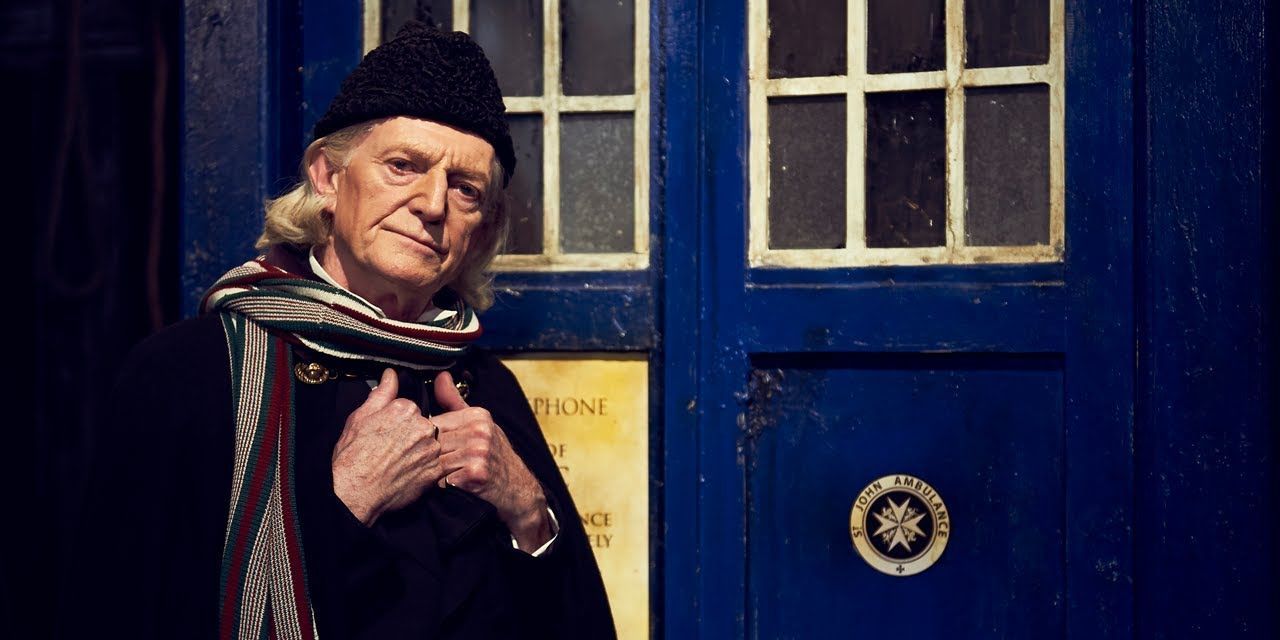
The Doctor, Nardole and Cyber-Bill join together to battle the gathering Cybernetic storm. In their way though are the old Master and an on-the-fence-good-bad Missy. Bill’s realisation that she is a Cyber-person adds real pathos, while the Missy/Master axis of evil contains some dark wit between the action. The Doctor stands strong, until even he cannot sustain life amidst the beatings, electrocutions and explosions he suffers. With the Doctor and Bill virtually dead, and the Master and Missy killing each other, it is left to Heather (from The Pilot) to save the day. It was a big narrative pill to swallow but I loved the sentiment of love conquering space and time. Lastly, the final image of the Doctor, dying in the snow, being found by his original self was a wonderful payoff to lead into the Capaldi’s regeneration episode.(Mark: 9 out of 10)
THE FUTURE
I read on the social media forums a lot that, amidst the more level-headed Dr Who fans, people are very critical of how the show has gone under Steven Moffat. Like a football supporter unhappy with their manager they have been complaining that Moffat’s writing is not very good and episodes have become stale and repetitive or even worse boring. Everyone is entitled to their opinion but I say to those people to stop watching.
Having viewed all of the rebooted Dr Who seasons many times I think, for a science-fiction family show screened at teatime on a Saturday it is actually on the main brilliant. Some of Moffat’s over-elaborate timey-wimey arcs have probably been too complex and fantastical, however, he has tried to be imaginative and experimental and for that should be congratulated. He has done great service to the grand Time Lord and he, the production crew, actors and writers should be proud of their wonderful efforts.
We await a new Doctor and a regenerating writing team led by Chris Chibnall of Broadchurch fame. Broadchurch was a brilliant police show set in a coastal community and if he can bring the emotion and depth of character to Doctor Who, I believe the show will be in safe hands. And who will be the next Doctor! Well, my choice would be the superb actor Reece Shearsmith and if they so happen to make the character female then I would go for Olivia Colman. Who it will be only time (and space) will tell.
SIX OF THE BEST #7 – GAME OF THRONES: SCENE STEALERS!
Game of Thrones is one of the biggest literary and TV phenomena of recent years. It has entered Western cultures’ psyche offering a glut of: plotting, death, sex, class-divide, war, fantastical beasts and devilish sorcery! I think the main strength lies though in the wonderful writing that stems first from George R.R. Martin’s behemoth tomes and the incredible production values of the show. Plus, the casting, acting and directing is more often than not better than most cinema offerings.
With Season Seven almost upon us I have been re-watching the show on Sky Atlantic and decided to run a few blog items over the next few weeks dedicated to Game of Thrones. Today, I choose six characters that for me have excelled in essentially supporting roles and usually end up stealing scenes from the main characters. One could argue that some of these are now main characters, however, in an ensemble cast I consider Tyrion, Daenerys, Cersei, Jamie, Arya, Sansa, Bran, Jon Snow, Varys and – due to his heavy plot machinations – Petyr Baelish etc. to arguably be the main characters. Well, of the ones who are still alive that is!
**CONTAINS SPOILERS**
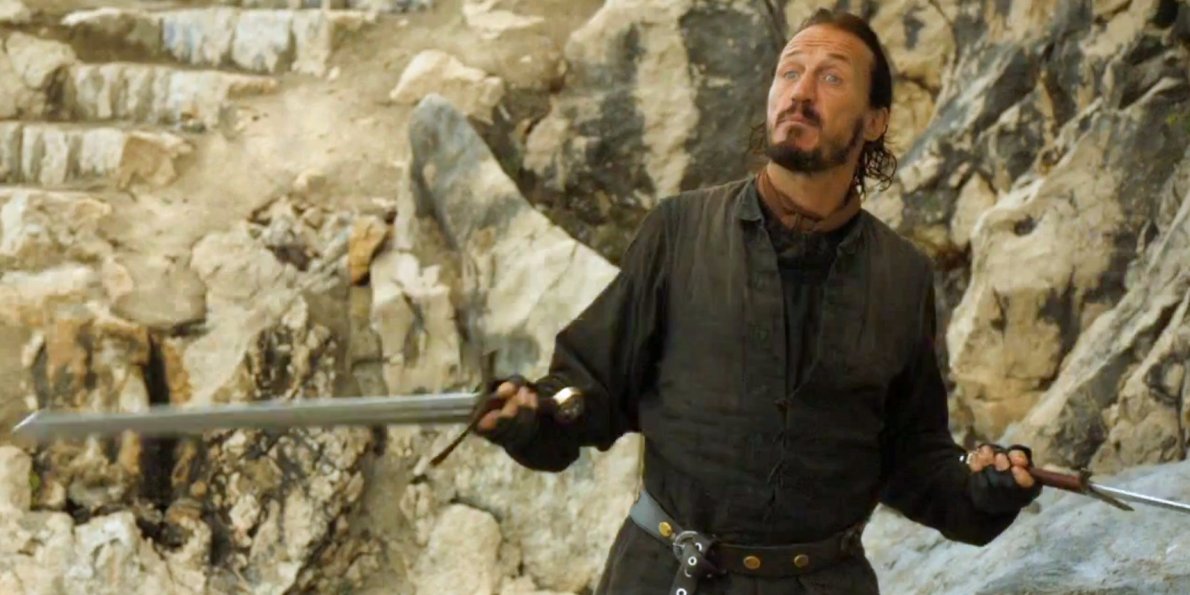
BRONN – JEROME FLYNN
“Give me ten good men and some climbing spikes. I’ll impregnate the bitch.”
Bronn initially appeared in the first season and championed for Tyrion Lannister when he faced certain death in the Eyrie. Subsequently his Northern working class “charm”, philandering and brilliant fighting skills have provided many scene-stealing moments as Jerome Flynn presents a likeable and honest sword-for-hire-killer to a tee.
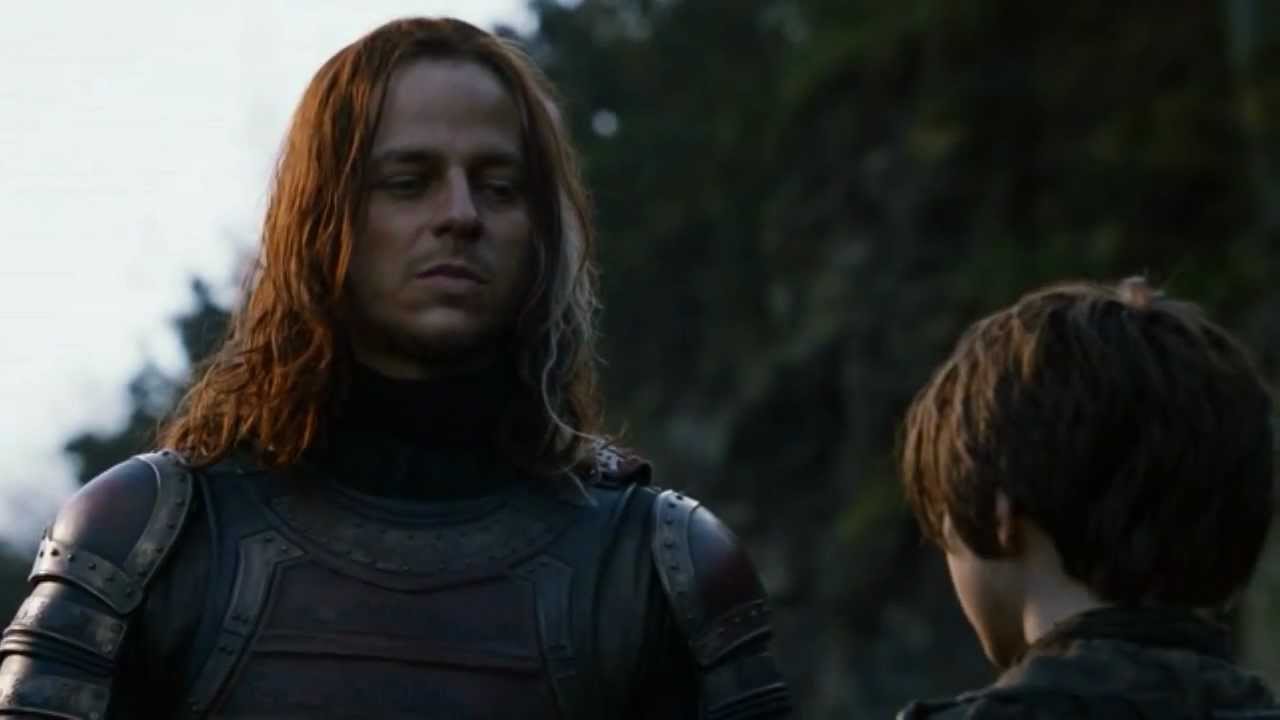
JAQEN H’GHAR/THE FACELESS MAN – TOM WLASCHIBA
“Help was not promised. Only death. Give a name, any name.”
Another assassin but this time one that is more mysterious and fantastical. Jaqen first appeared as a “tutor” of death and magical helper to Arya as he aided her escape from a Harrenhal bolthole. Subsequently, we saw nothing of him until seasons 5 and 6 when he takes Arya into his Braavos school for assassins and teaches her to become a “Faceless Man”, well women, or person of non-face and non-gendered persuasion.
SANDOR “THE HOUND” CLEGANE – RORY McCANN
“Any man dies with a clean sword, I’ll rape his fucking corpse!”
He may have a burnt face and rotten murderous soul but I love the Hound. First seen as part of the Lannister’s sworn swords he bailed at the battle of Blackwater due to the wildfire burning bodies, ships and the horizon. After which he became a Ronin, walking the land and attempting some kind of symbolic redemption. Left for dead by Brienne of Tarth (who should be on this list) we thought we’d never see him again. But in the last season he was back; swearing, murderising and spitting out brutal one-liners with disgusting joy!
WALDER FREY – DAVID BRADLEY
“Stark, Tully, Lannister, Baratheon. Give me one good reason why I should waste a single thought on any of you?”
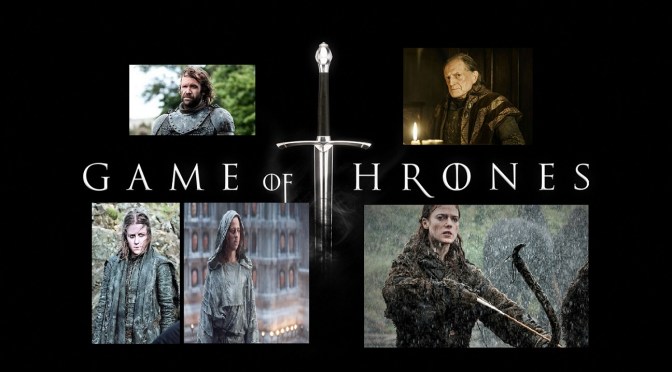
The brilliant character actor David Bradley plays the nastiest, grim, old, sexist, racist, murderous bastard perfectly. You are both squirming in shock and then grimacing in horror at the words which leave his gnarled mouth. Of course, Robb Stark and his mother will never forget Walder Frey as he was the host at the infamous Red Wedding; which has a reception no one will ever forget.
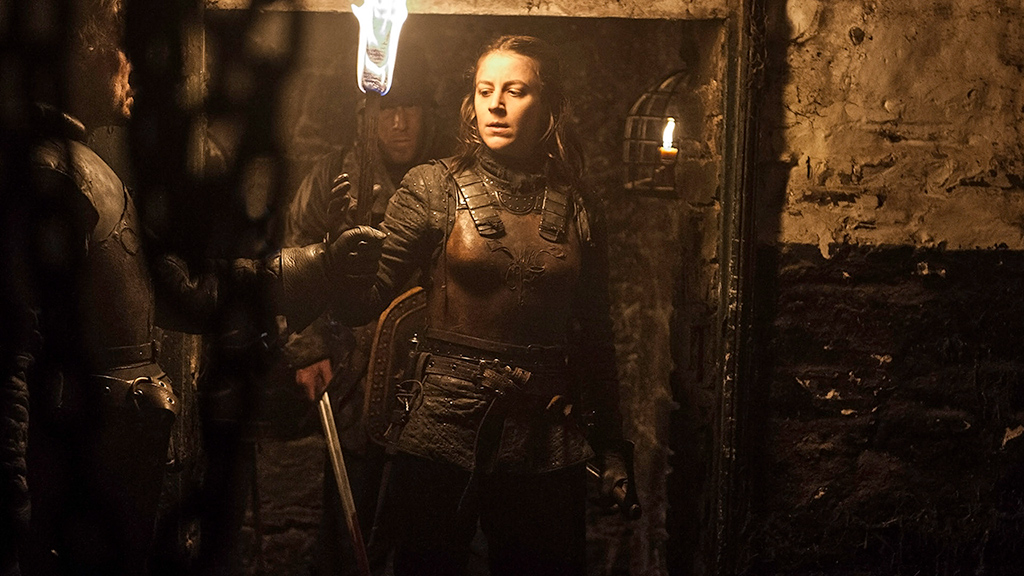
YARA GREYJOY – GEMMA WHELAN
“Anything with a cock is easy to fool.”
Sister of the tragic Theon Greyjoy, Yara is the one with the proper balls in the family. Her character is first seen in Season 2, when from the start she tricks her brother with an incestuous practical joke. Yara impresses with her no nonsense attitude, intelligence and fearless confidence throughout as Gemma Whelan instils her character with a playful, yet fierce and probably psychotic depth and determination.
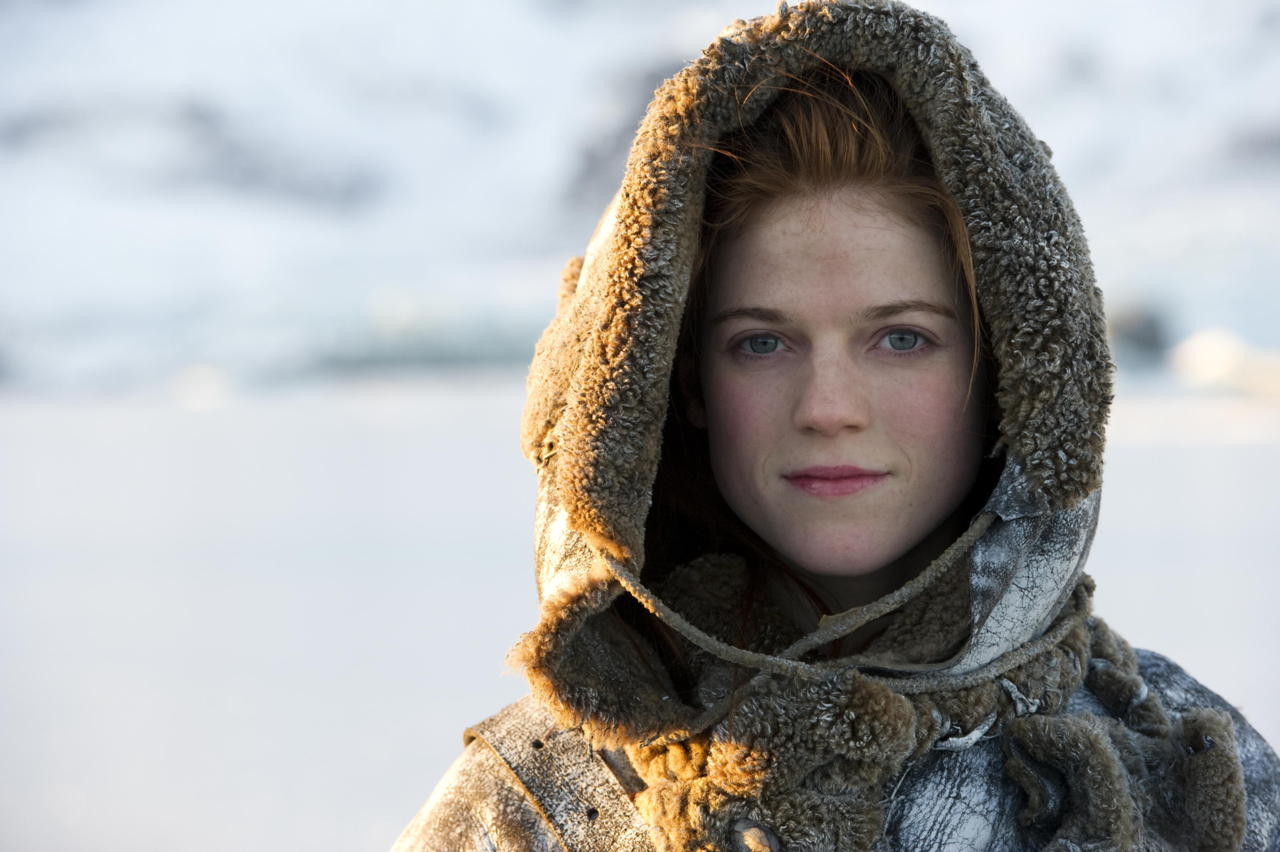
YGRITTE – ROSE LESLIE
“I’ll cut your pretty cock right off and wear it round me neck.”
Ygritte was a feisty, fiery but sharp player who belied her Wildling roots to develop a passion and love for Jon Snow amidst the cold landscape beyond the wall. Initially taken prisoner by Jon she turns the tables and eventually the two become entwined. Even watching today the chemistry between the two actors on-screen is very powerful as Rose Leslie brings real passion to the role. Moreover, their relationship also propels Jon’s softening in attitude toward the Wildling people; ultimately forging a powerful alliance.
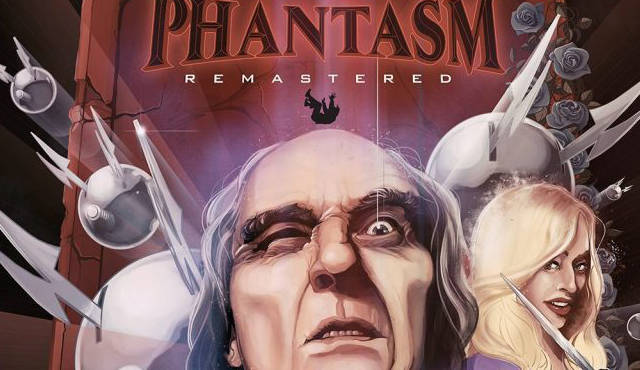
2016 BFI – LONDON FILM FESTIVAL – PHANTASM REMASTERED (1979) – REVIEW
TITLE: PHANTASM REMASTERED (1979 / 2016)
DIRECTOR/SCREENPLAY: Don Coscarelli
CAST: Michael Baldwin, Reggie Bannister, Bill Thornbury
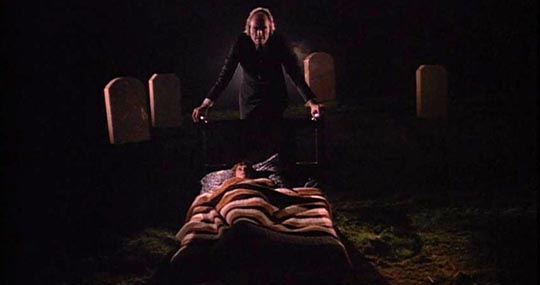
STORY: A grieving boy and his older brother come face-to-face with an evil Funeral director named ‘The Tall Man’ and all hell breaks loose.
REVIEW (CONTAINS SPOILERS):
This brilliant low-budget cult horror film from 1979 was made independently for around $300,000 by then twentysomething Don Coscarelli. It has subsequently been lovingly remastered by J.J. Abrams production company Bad Robot and comes back to the screens in a glistening, shiny and bloody new print. Director Coscarelli introduced this screening and seeing it at the Central Picturehouse in Piccadilly was certainly a wonderful experience for this horror fan!
Where do you start with a bizarre story such as this? Well, firstly Phantasm is a great example of ideas and imagination being worth more than any big Hollywood budget. It’s the reason the film is held in such high regard by horror film fans. Indeed, if you can conjure up a series of iconic images, empathetic characters and scary moments and manage to tell a half-decent story then you have got a great chance to create a memorable experience for a cinema-going audience.
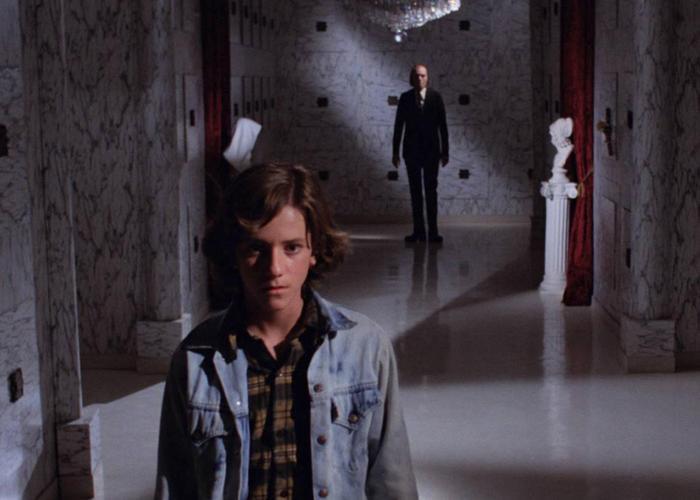
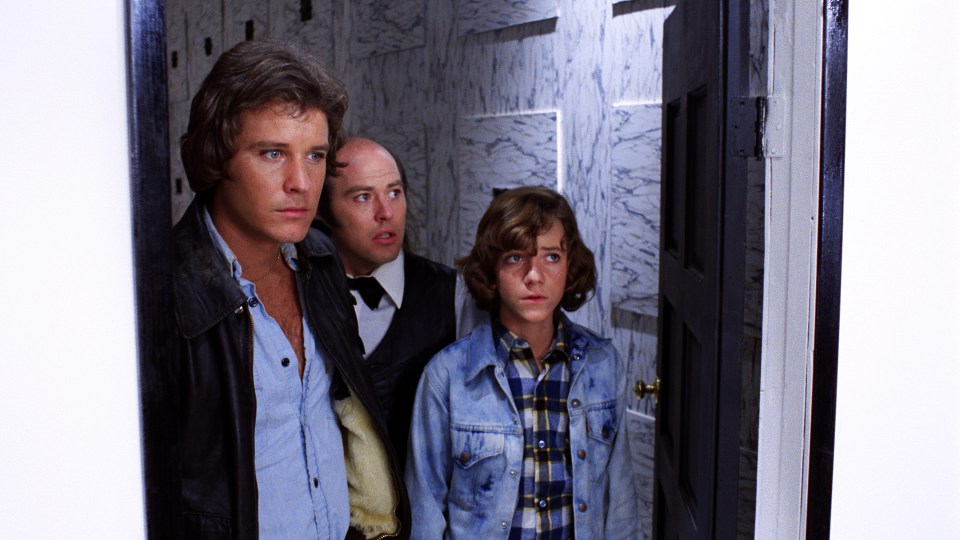
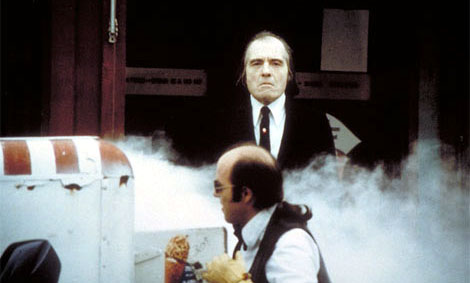
The film opens with a grisly murder and then a funeral, before we are introduced to thirteen-year-old Mike and his older brother Jody. The brothers are grieving for the recent loss of their parents but remain close. Mike hangs out at the graveyard and then becomes suspicious of the funeral director when he incredibly picks up a heavy coffin on his own. Mike manages to convince Jody and their friend Reggie (Reggie Bannister), a local ice-cream man, to investigate further and they are drawn into a series of insane and life-threatening situations.
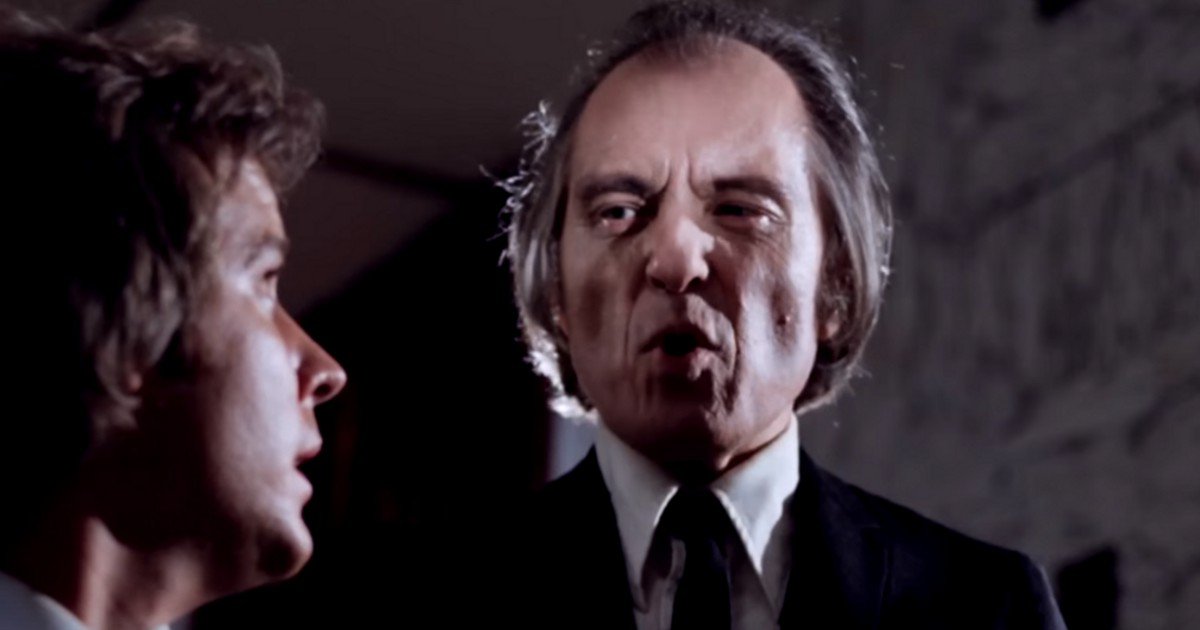
The narrative seemingly linear jumps from one surreal set-piece to another and contains memorable images and characters such as: ‘The Tall Man’ portrayed menacingly by Angus Scrimm; the silver killing spheres; the murderous yellow-blooded dwarves; and the inter-dimensional portal which leads to a strange slave-planet. These are all unforgettable and the stuff of bloody death and nightmares. While the plot lacks clarity at times it moves at some pace and the combination of small town life mixed with insane killing devices and crazed creatures creates a wholly memorable mix.
Phantasm is a synthesis of genres from rites-of-passage, suspense, horror and science fiction. Ultimately, it’s the epitome of a cult classic and a triumph of concepts over finance. It’s full of mood and atmosphere and has a creepy synth-based soundtrack that cranks up the fear factor. Overall, super-positive Coscarelli created an imaginative fantasy concerned with death and mourning that has stood the test of time. It may lack the polish of big budget productions but the scares and surrealism reminded me of the works of Italian horror-master Lucio Fulci and Spanish filmmaking genius Luis Bunuel. It’s a film I would wholly recommend for devotees of horror and science-fiction and for those who like their movies raw, inventive and nightmarish.
May was a decent month of viewing with some things old, some things new and nothing blue watched at all. So, here are my TV, film and comedy reviews for the month of May – with marks out of 11 as usual.
THE AFFAIR (2014) – SEASON ONE – NOW TV
Very much a “first world” problem drama starring the excellent Dominic West, Maura Tierney and the effervescent Ruth Wilson, it shows the events an extramarital affair causes to two different families. The acting and writing are just superb as West and Wilson’s sexually charged attraction spills into duplicity, body heat and suspense. The storytelling is excellent too as each episode shows multiple events from different perspectives and the characters are both irritating and intriguing with their wonky moral compasses and poor life choices. The Affair is highly compelling and keeps you gripped throughout. (Mark: 8 out of 11)
ARRESTED DEVELOPMENT (2003 – 2004) – NETFLIX
How the hell did I miss this cracking comedy first time round beats me?! The hilarious show centres on the disastrous Bluth family who are all narcissistic egoists all trying to manipulate each other in some financial or emotional way. Even the sanest of the lot Michael Bluth (Jason Bateman) is a flawed “hero”, although he is positively angelic compared to the other members of his family including failed magician Gob (Will Arnett), pill-popping matriarch Lucille (Jessica Walter), deluded Lindsay (Portia De Rossi) and imprisoned father portrayed with sociopathic insouciance by Jeffrey Tambor. The brilliant ensemble cast (including among others: David Cross, Michael Cera, Henry Winkler, Liza Minnelli, Tony Hale etc.) hit the rapid-fire gags and deranged scenarios out of the ballpark; as the show perfectly encapsulates the very epitome of a dysfunctional family. (Mark: 9.5 out of 11)
THE ASSASSINATION OF JESSE JAMES BY THE COWARD ROBERT FORD (2007) – BLU RAY
Andrew Dominik’s moody Western is one of the BEST films I have seen in the last 10 years. It was a box-office flop but everything about it screamed greatness to me: stunning cinematography; wonderful cast; beautiful vistas; elegant pace; resonating themes regarding notoriety; and so on and so forth. Sam Rockwell excels in a supporting role as Charley Ford who gets caught between the eerie homo-erotic hero-worship-then-rivalry of his brother Robert (stunning Casey Affleck) and eponymous Jesse James (never better Brad Pitt). The film moves at a glacial pace, building character and suspense, while in between, the sporadic bursts of violence startle and raise the pulse in an altogether memorable cinematic experience. (Mark: 10 out of 11)
CAPTAIN AMERICA 3: CIVIL WAR (2016) – CINEMA
Historical reviews on this very blog have been favourable about Captain America and his exploits; in fact he is probably my favourite Marvel Avenger I’d say. His last outing Captain America: Winter Soldier (2014) was one of my films of the year, so I had high hopes for Civil War. The final film in the trilogy delivers a cracking rollercoaster ride filled with tremendous action, set-pieces and plot twists. As usual the army of Marvel effects technicians deliver an array of computer-generated mastery with a cacophony of colour, explosions, chases, fighting and bone-crunching sound effects.
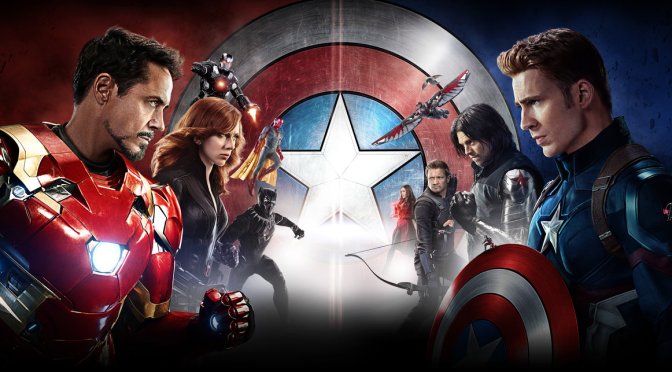
The strong narrative involves a number of strands which link the prior two films as Steve Rogers protects his brainwashed buddy Bucky Barnes from the US government and allied Avengers attempting to bring him to justice for his crimes. Moreover, Iron Man, Black Widow, Vision and others face off against Captain America and his team in order to make the Avengers more accountable for their actions. This culminates in THE BEST ACTION SEQUENCE of the year as the Avengers have a battle royale on an airstrip in Germany. Overall, it’s a brilliant film which has welcome cameos from Ant-Man and another new Spiderman; while also introducing the all-action nobility of the Black Panther. Again the Russo Brothers direct with whip-cracking pace and humour, making this easily the blockbuster of the year. (Mark: 9.5 out of 11)
GOTHAM (2015) – SEASON 1 – NETFLIX
TV boxset watching is often like a cultural version of Stockholm syndrome. Some programmes grab you immediately while others you have to watch enough of before you give in to their demands. With that in mind, it took about 11 episodes before started enjoying Gotham. It began poorly with terrible dialogue and hammy acting and the Batman canon timeline, tone and characters are all over the shop. However, by the end it had won me over as a trashy guilty pleasure mixing horror, comic-book, crime, Western and fantasy genres. Highlights are the succession of violent cartoon villains and young versions of villains-to-come while Ben Mckenzie (Gordon), Robin Lord Taylor (Penguin), Sean Pertwee (Alfred) and Corey Michael Smith (Edward Nygma) steal the show. (Mark: 7.5 out of 11)
GREEN ROOM (2015) – CINEMA
This was an excellent sophomore feature film from writer/director Jeremy “Blue Ruin” Saulnier, as we find a punk band pitted against neo-Nazis in the back beyond of Portland, USA. It borrows heavily from George Romero and John Carpenter but the filmmakers and cast create a really nasty horror-show as the death of a rock fan spirals totally out of control. A fine cast including: Alia Shawkat, Joe Cole, Anton Yelchin, Amanda Poot, and an against-the-grain-playing-nasty Patrick Stewart. Despite the stupidity of the band and Nazis I was gripped throughout and there is some terrific gore and box-cutting violence and recommended for those who like their thrills rare and bloody. (Mark: 8 out of 11)
IT’S ALWAYS SUNNY IN PHILADELPHIA – SEASON 11 – NETFLIX
Oh the man-children, Dennis, Charlie, Mac and Frank – and not forgetting bird-girl Dee – are back for another season of anarchic derring-do at Paddy’s Pub and beyond. As a massive fan of this very naughty show I was very much looking forward to the mayhem of Season 11; and they did not let us down. In this season we had episodes: parodying 80s ski films; Charlie capturing a Leprechaun; the gang getting trapped on a Christian cruise; Charlie and Mac move to the suburbs; Dee gets involved in porn; a whole episode, rather scarily, shot from Frank’s point-of-view; and all manner of other bizarre incidents and behavior. The gags explode like fireworks throughout the series as things go south and very dark; more often than not ending in chaotic hilarity. (Mark: 9 out of 11)
LINE OF DUTY (2013 – 2014) – SEASONS 1 & 2 – NETFLIX
Very solid cop drama written and produced by Jed Mercurio, this story of cops investigating cops has an excellent British cast across two seasons including: Lennie James, Craig Parkinson, Neil Morrissey, Adrian Dunbar plus leads Martin Crompston and Vicky McClure. It’s tightly plotted with some brilliant twists and great suspense as you never quite know who’s on whose side. Special mention for Keeley Hawes who is a revelation as the cop being chased in the second season; as her acting is so brilliant, you never know if she’s good, bad, manipulative, a victim or just plain evil. (Mark: 8.5 out of 11)
LIVING DAYLIGHTS (1987) – PRINCE CHARLES 007 RETROSPECTIVE
The Living Daylights, for me, is a very fine Bond film and Dalton is an incredibly under-rated 007. He only did two films but brought a pathos, depth and unpredictability to the role that Moore severely lacked. Bond is a stone-cold-killer-burnt-out-anti-authoritarian-adrenaline-junkie who has seen death a thousand times over; and Dalton plays him as such. Connery, Craig and at times Brosnan got this over in their performances but none as much as Dalton. The film works brilliantly on the big screen too and stands the test of time as both a sterling Bond film and cracking espionage action thriller.For my full classic review clink on this link: (Mark: 9 out of 11)
NOSFERATU (1979) – SKY MOVIES
Werner Herzog’s atmospheric and moody adaptation of Stoker’s Dracula works brilliantly as both a horror film and homage to Murnau’s silent classic of the same name. Bruno Ganz excels as the unlucky Harker, sent to Transylvania to complete a property deal for his firm. Moreover, Klaus Kinski is chilling as the vampiric Count hell-bent on sucking the blood out of anyone who gets close. This has some exquisite cinematography plus an ethereal and dream-like style which makes this a memorable horror classic. (Mark: 8 out of 11)
OF MICE AND MEN (1992) – DVD
Steinbeck’s classic novel about two itinerant drifters is one of the best stories I have ever read. This film version directed and starring Gary Sinise, with John Malkovich as the tragic Lennie Small, is a touching rendition of the depression-set story. It’s such a brilliant book that any screen version will pale in comparison but Sinise and Malkovich excel in their respective roles and it’s great to see Steinbeck’s rich, authentic and grim tale of existence brought to life and death. (Mark: 7.5 out of 11)
SON OF SAUL (2016) – SKY MOVIES
This is a heavy-as-hell-Hungarian-holocaust drama deserved won Best Film in a Foreign Language at the Oscars. The story focusses on the intense Saul (Geza Rohrig) and his search for a Rabbi to give his son the Kaddish to allow him a correct Jewish burial. It is a harrowing experience, presented in a 4:3 screen ratio and pretty much all over-the-shoulder of the protagonist. These stylistic choices narrow the focus on Saul’s tireless journey through the camps in vain pursuit of said Rabbi. Amidst his search death, fire and flesh bleed through the landscape and the whole experience is gruelling, overwhelming and upsetting. (Mark: 8 out of 11)
YAKUZA APOCALYPSE (2016) – SKY MOVIES
This film from insane Japanese director Takeshi Miike is just mental. I enjoy Asian cinema films and Miike’s previous movies such as Audition and Ichi the Killer were excellent just-the-right-side-of-bizarre spectacles, yet this is an unwatchable mix of martial arts, horror, and gangster and monster movies. Recommended only for the brave, foolhardy or clinically insane. (Mark: 3.5 out of 11)
THE WATER DIVINER (2014) – AMAZON PRIME
A muddled mix of war, family, romance and period drama genres from debutant director and star Russell Crowe, The Water Diviner, boasts some wonderful scenery and highly moving scenes, notably in the WW1 Gallipoli flashbacks. However, Crowe the director is let down by a hamstrung script plus the miscasting of Olga Kurylenko who just seemed too glamorous to fall for Crowe’s recently widowed character searching for the bodies of his three dead sons. While it fails as a movie epic there’s enough to recommend it as a matinee rental on a wet Sunday afternoon while nursing an uber-hangover. (Mark: 6 out of 11)
WILD (2014) – NOW TV
Reese Witherspoon as Cheryl Strayed is excellent in this road-movie-true-story-drama as she trudges the Pacific Crest Trail in order to exorcise the demons of her past and somehow redeem her soul. It’s very well directed and structured by director Jean-Marc Vallee and screenwriter Nick Hornby and works really well as a pathos-driven character study; as well as stunningly shot travelogue with wonderful vistas. (Mark: 7 out of 11)







 The Cinema Fix presents