Tag Archives: Film

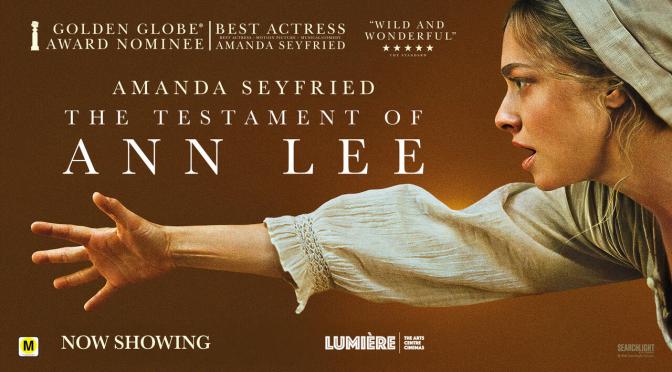
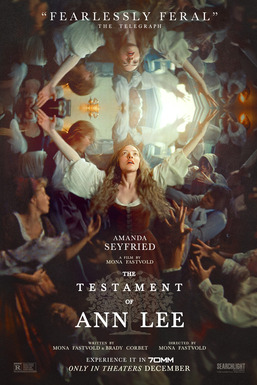
Cinema Review: The Testament of Ann Lee (2026) – a transcendental Amanda Seyfried performance illuminates the screen.

Cinema Review: The Testament of Ann Lee (2026)

Directed by Mona Fastvold

Written by Mona Fastvold & Brady Corbet

Produced by: Andrew Morrison, Joshua Horsfield, Viktória Petrányi, Mona Fastvold, Brady Corbet, Gregory Jankilevitsch, Klaudia Śmieja-Rostworowska, Lillian LaSalle, Mark Lampert, etc.

Main cast: Amanda Seyfried, Thomasin McKenzie, Lewis Pullman, Stacy Martin, Tim Blake Nelson, Christopher Abbott, etc.

Cinematography by William Rexer

** MAY CONTAIN SPOILERS **


The Testament of Ann Lee (2025), directed by Mona Fastvold and co-written with Brady Corbet, is an ambitious historical musical drama that explores the life of Ann Lee, the charismatic 18th-century founder of the Shaker religious movement. With Amanda Seyfried at its centre, the film approaches Lee less as a traditional saintly figure and more as a woman shaped by trauma, conviction, and spiritual fervour. Fastvold’s direction leans heavily into atmosphere, presenting Lee’s rise to spiritual leadership as something both mystical and deeply human. The result is a film that feels reverent yet curious, as if studying a figure whose faith borders on mania.

Amanda Seyfried delivers an extraordinary performance that anchors the entire film. She plays Ann Lee with an intense interiority—equal parts fragile and formidable—capturing the fervent certainty of a woman who believes she has been chosen for a divine purpose. Seyfried’s physicality, particularly in the film’s musical and ritual sequences, gives Lee a magnetic presence that makes it easy to understand why followers might be drawn to her. It’s the kind of performance that lingers long after the film ends, and it stands as one of Seyfried’s most committed and transformative roles.


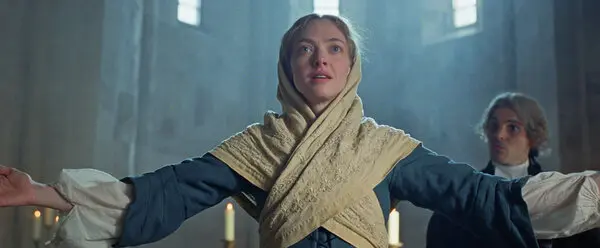
Visually, The Testament of Ann Lee (2025), is stunning. The film’s cinematography and production design immerse viewers in the harsh textures of 18th-century religious life, favouring natural light, muted palettes, and a palpable sense of dirt, wood, and candle smoke. The musical sequences—staged as ecstatic communal expressions of faith—are beautifully choreographed and filmed, capturing the hypnotic rhythms of Shaker worship. Yet while these moments are striking, they begin to feel somewhat repetitive as the film progresses, emphasizing mood over narrative momentum.

For viewers fascinated by charismatic religious figures or the psychology of belief, the film offers a compelling entry point. As someone not particularly religious but drawn to stories of spiritual zeal and cult-like devotion, I found the story initially captivating. Still, Ann Lee’s narrative arc ultimately feels less dramatically satisfying than the film’s aesthetic ambitions might suggest. Rather than a searing drama or a definitive testament to a heroic religious figure, The Testament of Ann Lee (2025), settles into something quieter: a haunting, beautifully crafted piece of moving art that observes its subject with reverence but stops just short of fully interrogating her legacy.

Mark: 7 out of 11


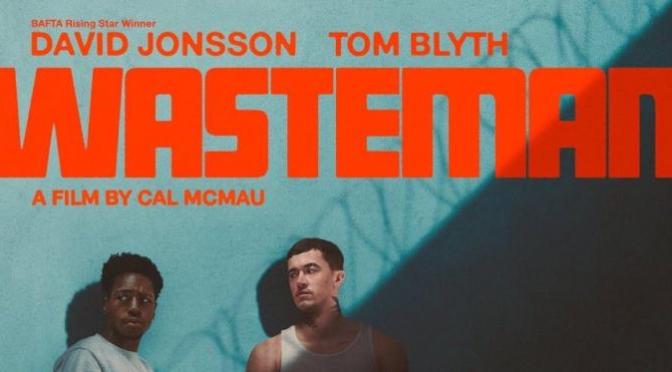
Cinema Review: Wasteman (2026) – a brutal British prison drama with two intense lead performances!

Cinema Review: Wasteman (2026)

Directed by Cal McMau

Screenplay by Hunter Andrews & Eoin Doran

Produced by Sophia Gibber, Myles Payne, Philip Barantini & Samantha Beddoe

Main cast: David Jonsson, Tom Blyth, Corin Silva, Alex Hassell, Paul Hilton, etc.

Cinematography by Lorenzo Levrini

Edited by James A. Demetriou

*** MAY CONTAIN SPOILERS ***


Wasteman (2026) presents another opportunity for David Jonsson to showcase his ample acting abilities. He first stole hearts with under-stated charm in low-budget rom-com, Rye Lane (2023), then proved he could spar at a higher-budgeted level in, Alien: Romulus (2024). He then delivered another strong performance in, The Long Walk (2025), further cementing his instinct for emotionally grounded genre work. Across romance, horror, drama and dystopian thriller, Jonsson doesn’t just adapt — he deepens.

In Wasteman (2026) his character. Taylor, is an inmate close to getting out having served a lengthy sentence. He must keep out of trouble in order to get a successful release. However, that proves difficult when a new cellmate, Dee (Tom Blyth) muscles his way into his four-walled existence. The narrative conflict and tension is built on a stark clash of personalities. Taylor is quiet, cautious, and emotionally guarded — a man who keeps his head down in prison, desperate to survive. He avoids confrontation and moves through the system almost invisibly, shaped by drug addiction, guilt and the need for redemption.

Dee, on the other hand, is the complete opposite: loud, aggressive, and unmistakably alpha. He walks into the prison with dominance in his bones, quickly asserting control through intimidation, charisma, and violence. Where Taylor retreats, Dee advances desiring to take over the prison wing. Where Taylor stays silent, Dee provokes the other drug dealers on their floor stealing their trade. Their dynamic becomes the film’s central pressure point — a volatile relationship between a man trying to disappear and another who refuses to be anything but the most powerful person in the room.


Prison dramas are always enthralling as the characters are trapped like caged animals. Further, where there is masculinity, ego and mental fragility, violence is likely to follow. There are a number of fearful scenes and harsh encounters that raise the heart rate, especially between Dee and his prison rivals. Taylor tries to navigate the war but unfortunately gets dragged into a series of highly brutal battles. Dee also strives to manipulate Taylor too with a carrot and stick approach. How Taylor extricates himself from this dangerous situation proves very suspenseful.

Overall, Wasteman (2026) is not for the faint-hearted. Director, Cal McMau and his cinematographer, Lorenzo Levrini, make the most of the crammed jails, using big-close-ups to get in the face of the characters and audience with searing intensity. Moreover, the interspersing of vertical phone 9:16 aspect ratio shots also heightens the verisimilitude, giving it a raw documentary style. Finally, the end pivot of Taylor and Dee’s power struggle provides a subtle narrative conclusion rewarding David Jonsson and Tom Blyth tour-de-force performances with a cathartic and memorable denouement.

Mark: 8.5 out of 11


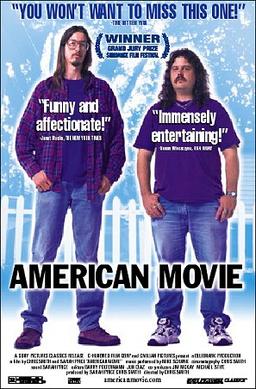
Cult Film Review: American Movie (1999) – a bittersweet documentary profiling the ups and downs of a low-budget filmmaker!

Cult Film Review: American Movie (1999)

Directed by Chris Smith

Produced by Sarah Price & Chris Smith

Main “Cast”: Mark Borchardt and Mike Schank

Cinematography by Chris Smith

Edited by Barry Poltermann & Jun Diaz

Music by Mike Schank

*** MAY CONTAIN SPOILERS ***


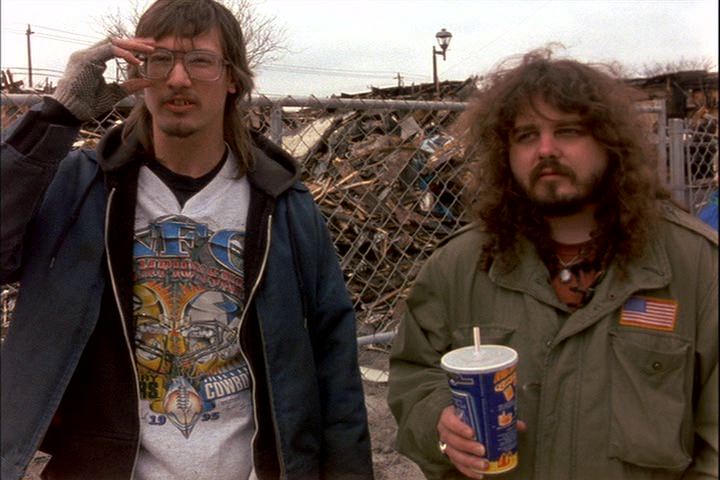
Given I am a low-budget filmmaker myself I am amazed I had never seen, American Movie (1999) before. Thankfully The Nickel Cinema in London screened it at the weekend and I really enjoyed it. Filmed between 1995 and 1997, this cult classic documentary American Movie (1999) chronicles Borchardt’s heroic, chaotic, and deeply Midwestern quest to finish his indie horror short Coven (pronounced ‘COH-ven’, and yes, he will correct you). The short is meant to raise money for his real passion project, a feature called Northwestern. But first? He has to survive reality. And reality is brutal.

Mark has not just zero money; zero organization; a rotating cast of confused friends and relatives as crew; functioning alcoholism; mounting debts, but also has the gift of the gab and a never ending passion for filmmaking. What unfolds is less “behind-the-scenes documentary” and more Shakespearean comedy AND tragedy staged in Milwaukee houses, static caravans, cars, junkyards and local woods.

Borchardt is equal parts Ed Wood and tortured auteur — passionately explaining his artistic vision one minute, begging his elderly uncle for production money and picking up his editing assistant from prison the next. His crew ranges from loyal-but-clueless to openly skeptical, yet somehow the production lurches forward. Barely.


The documentary crew shot over 90 hours of 16mm footage, capturing every awkward take, every blown line, and every moment of Mark’s delusional optimism. We watch as Coven repeatedly derails thanks to bad planning, worse luck, and the universal law that says: if something can go wrong on an indie film set, it absolutely will. But here’s the twist — it’s weirdly inspiring. Because underneath the chaos is something pure: a guy who just refuses to stop making movies. No money. No resources. No safety net. Just pure passion and obsession.

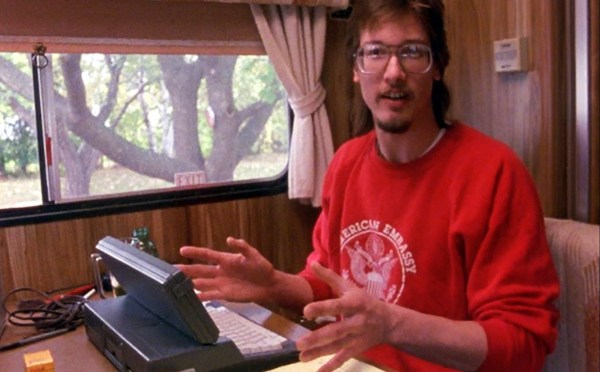
What’s most hilarious is the double act comedy exchanges between Mark and his best friend and Mike Schank. Mike, a very capable musician, has a permanent grin and the look of an acid-trip casualty, yet almost-perfect comedy timing. He clearly loves Mark’s passion and helps as best he can. I was sad to read Mike had passed away in 2022 from cancer.

If you stumbled into American Movie (1999) blind, you’d swear it was a proto-sitcom about delusional dreamers armed with a battered 16mm camera, a camcorder and misplaced confidence — a spiritual ancestor to Trailer Park Boys and It’s Always Sunny in Philadelphia. It plays like a painfully funny hangout comedy about a self-proclaimed auteur and his band of well-meaning screw-ups trying — and repeatedly failing — to make something “serious.” The arguments are petty, the ambition is sky-high, and the incompetence is operatic. You laugh, you cringe, and somewhere along the way you realize this isn’t scripted chaos — it’s just raw, unfiltered obsession captured on camera.

Mark: 9 out of 11


Romford Horror Film Festival 2026 & The Cannibal Man (1972) reviews!

Romford Horror Film Festival & The Cannibal Man (1972) review

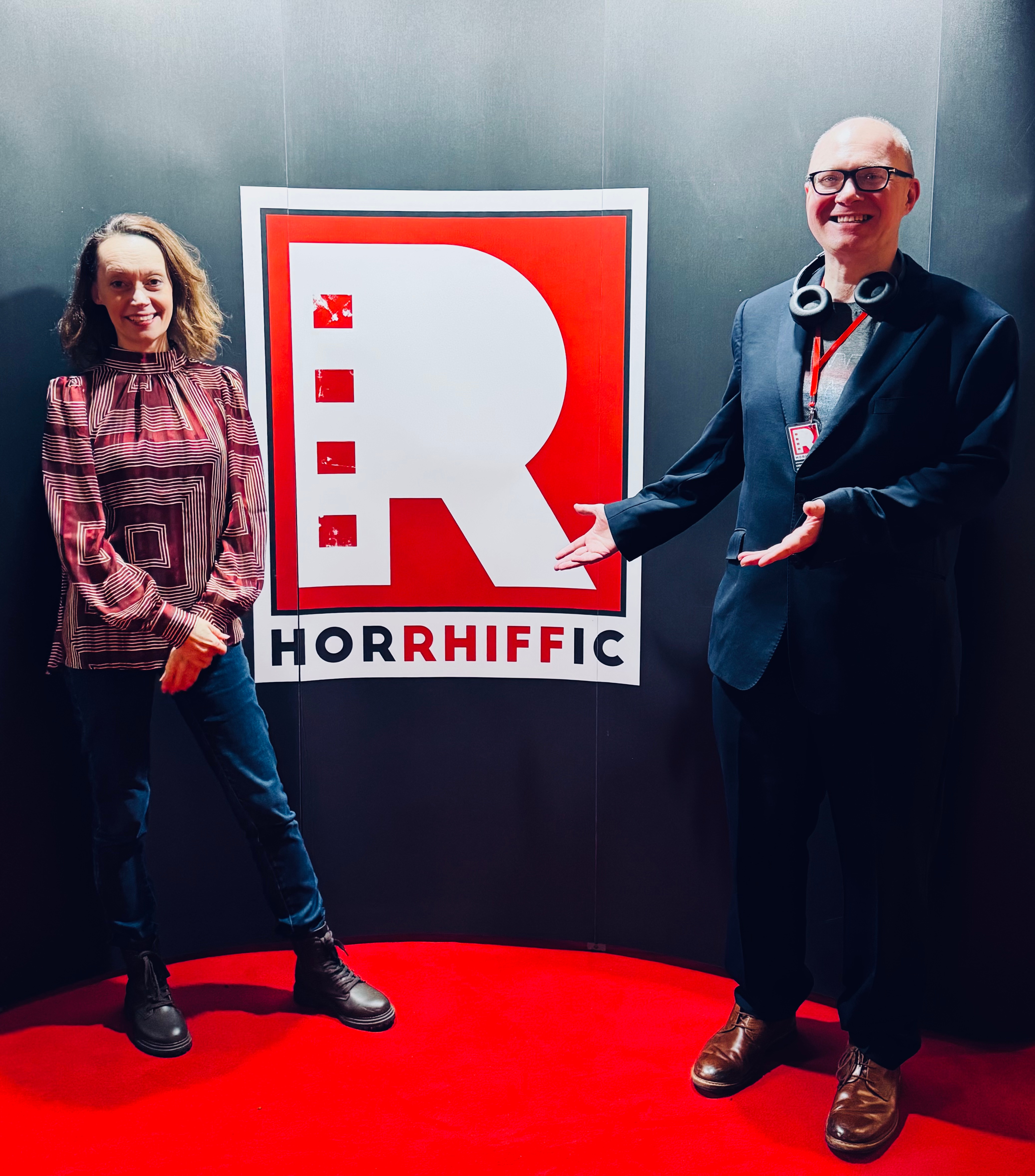
From 19th–22nd February 2026, Romford, Essex emerged not just as a venue, but as a creative crucible for genre storytelling as the Romford Horror International Film Festival — affectionately dubbed HorRHIFFic — returned to the Lumiere Cinema with its most ambitious programme yet – details can be found here: https://www.romfordhorrorfestival.com

This four-day celebration of horror cinema is rooted in the independent filmmaking spirit: championing works from emerging voices around the world, blending them alongside classic cult favourites, and generating an atmosphere of passion, community, and shared reverence for the genre. What makes this festival truly special isn’t just the size of its programme — though over 130 films certainly made for a thrilling schedule — but its wholehearted dedication to independent filmmakers who bring new ideas, daring vision, and personal passion to every frame.


Across its programme, the festival showcased a thrilling mix of guests and films that honour horror’s breadth including: Classic Retro Treats, Special Guests and Actors from Horror, New Independent Features & Shorts from countries such as South Korea, Canada, Spain, USA, and Italy, plus Creative Diversity — with screenings that embraced psychological depth, gory slashers, ghost stories, off-beat genre hybrids, and boundary-pushing work from both early-career filmmakers and seasoned indie pros.

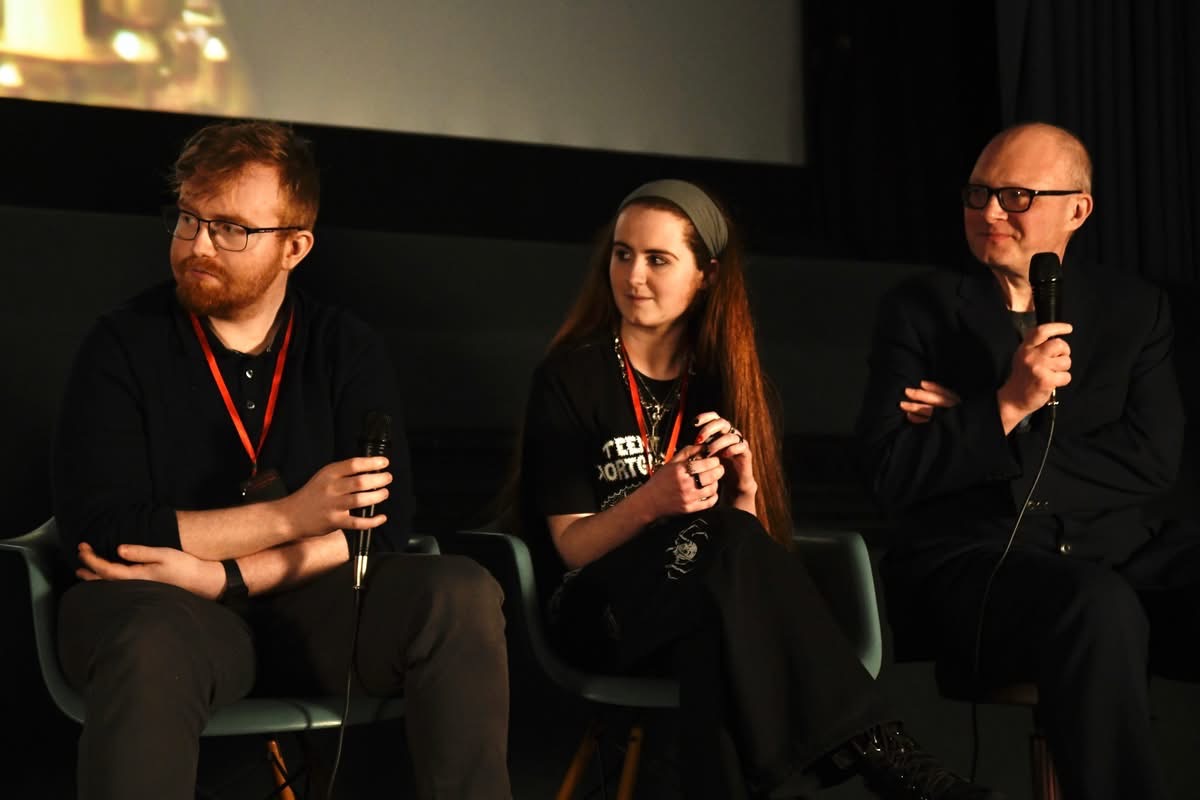
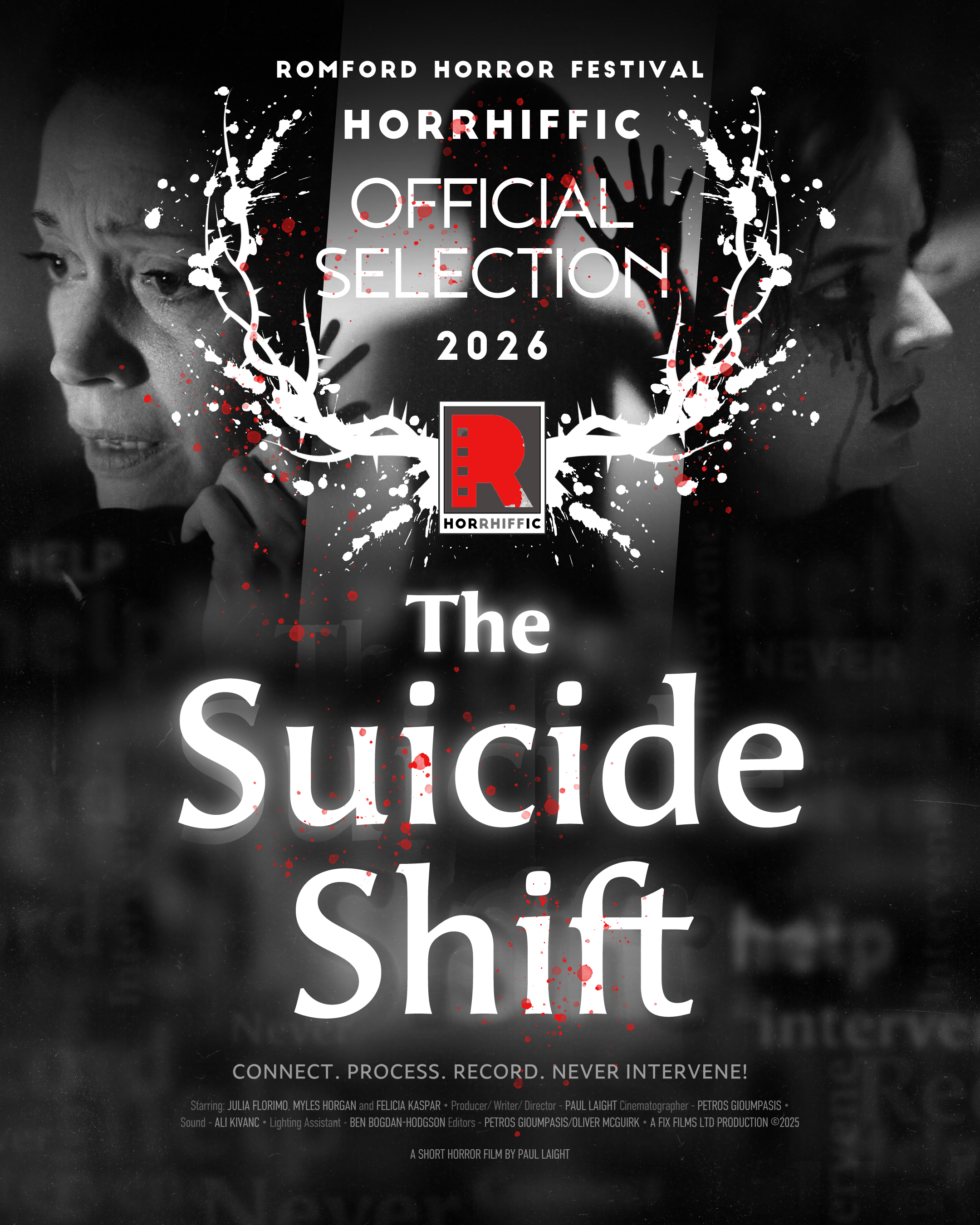
Romford Horror Festival is also renowned for the community it builds. Horror fans come together not just to watch films, but to share experiences, meet creators, and feel at home in an environment that values innovation over commercialism. The Lumiere Cinema, itself a community-saved venue, became a home for filmmakers and fans alike — proving that in Romford, horror isn’t just screened… it’s commemorated. I for one am so grateful they screened my short horror film The Suicide Shift (2026).


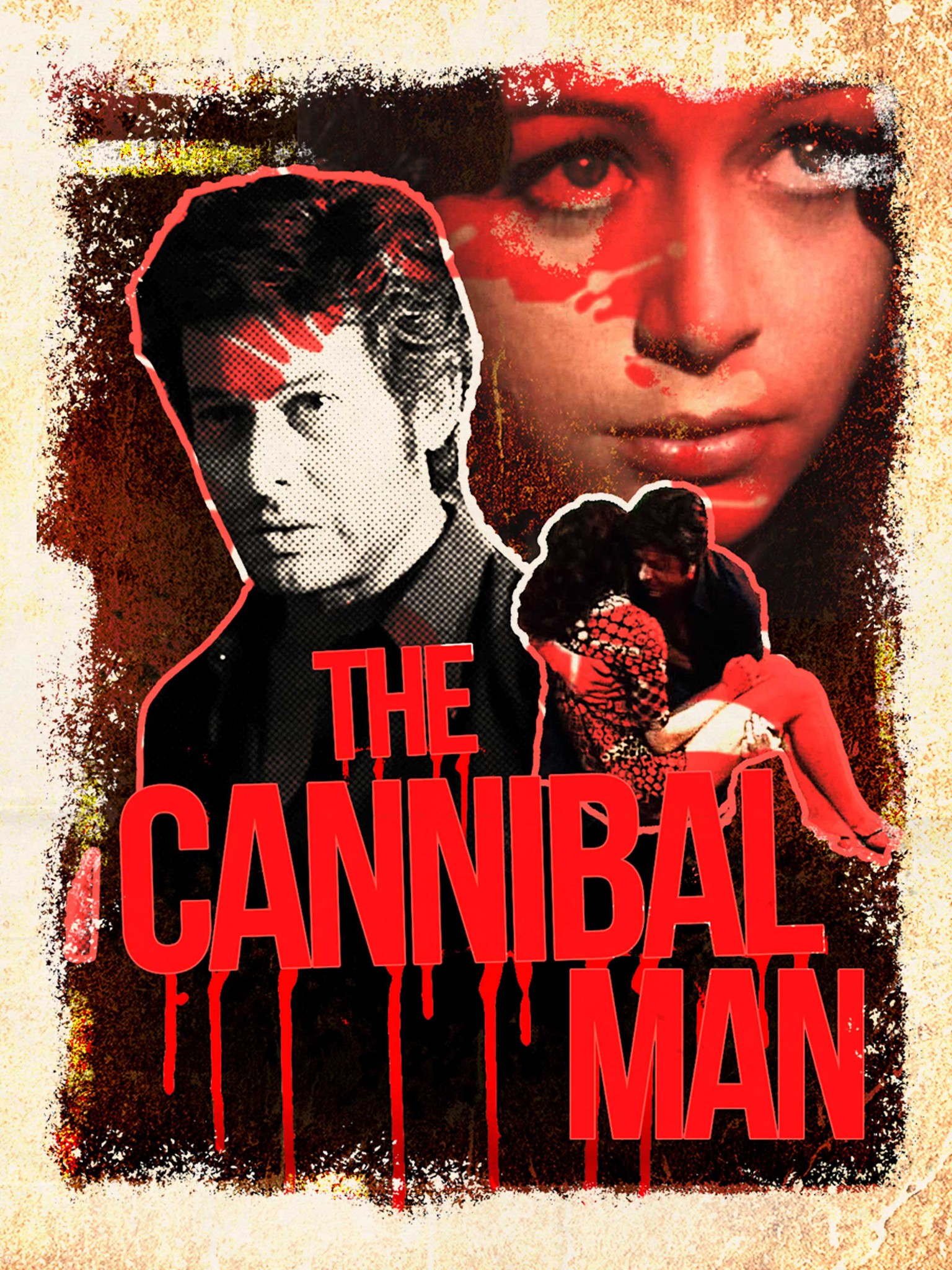
As well as the short film showcases I watched a few retro classics including The Cannibal Man (1972) – (original title: La semana del asesino), directed by Eloy de la Iglesia. It is less a horror film than a slow, suffocating moral collapse. What begins as an unfortunate act of violence spirals into a weeklong descent into hell for Marcos, played with haunted fragility by Vicente Parra. Each subsequent killing feels less like cruelty and more like inevitability — the grinding machinery of fate closing in on a man already spiritually trapped.

Set against the decaying outskirts of Madrid in the final years of the Franco regime, The Cannibal Man (1972) doubles as a bleak portrait of a society rotting from repression. The slaughterhouse where Marcos works becomes an unsubtle but potent metaphor: under Francoism, bodies are processed, identities erased, dissent quietly carved up and discarded.


What makes the film especially daring is its undercurrent of homoerotic tension. Marcos’ wealthy, enigmatic neighbour Néstor hovers at the edges of the carnage, offering protection and silent understanding. Their charged glances and coded conversations suggest a longing that cannot safely speak its name under Franco’s moral authoritarianism. In this reading, Marcos’ spiral is not only about guilt but about internalized repression — desire twisted inward until it manifests as self-destruction. The horror is as much psychological as physical.

And yes, the gore is blunt and ugly. Bodies are dismembered with the same cold pragmatism as livestock. But de la Iglesia never lets the blood eclipse the tragedy. Marcos is not a monster in the conventional sense; he is a man cornered by circumstance, class stagnation, and a society that offers no mercy to the weak. By the end, his descent feels preordained — less a fall from grace than a revelation that grace was never available to him.

So, if you love horror films do check out indie film festivals such as – HorRHIFFic – whether it’s the electrifying surprises in the indie showcases or the nostalgic thrill of classic screenings, the Romford Horror Film Festival 2026 made it clear: independent horror cinema is alive, vibrant, and boldly inventive. This festival is a testament to the creativity and ingenuity of filmmakers who refuse to be confined by convention — and to the audiences who cheer them on.


Cinema Review: Send Help (2026) – a riotous survivalist horror treat!

Cinema Review: Send Help (2026)

Directed by Sam Raimi

Written by Damian Shannon & Mark Swift

Produced by Sam Raimi & Zainab Azizi

Main cast: Rachel McAdams, Dylan O’Brien, Edyll Ismail, Xavier Samuel, Chris Pang, Dennis Haysbert, etc.

Cinematography by Bill Pope

** MAY CONTAIN SPOILERS **


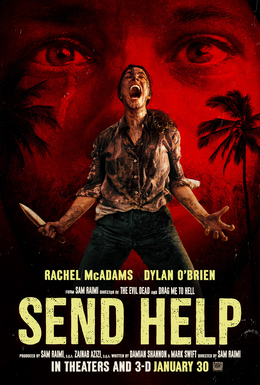
Having watched the trailer for survivalist horror-comedy, Send Help (2025), starring Rachel McAdams and Dylan O’Brien, I thought the blend of bloody chaos and desert island class warfare was right up my street, well, beach. But when I knew one of my favourite directors, Sam Raimi, and film composers, Danny Elfman, were involved, I realized it was not just a recommendation but a personal summons to the cinema.

Send Help (2025), takes inspiration and feels spiritually indebted to the extended final act island meltdown of Triangle of Sadness (2022). But this is an all the more riotous, funny and gory battle of survival. Overlooked for promotion by new-CEO-son-of-deceased-boss, Bradley Preston (O’Brien), Linda Liddle – a fantastic McAdams – is full of downtrodden and bubbling rage. Preston, an arrogant, apparent-alpha wants to sack her, but the business needs her prodigious work ethic for an upcoming business summit to Bangkok. Following an exhilarating plane crash set-piece, that Raimi rinses brilliantly for suspense and surprises, the two become the only survivors. With Linda armed with survival knowledge, and Preston’s leg smashed, the tables, in terms of power, are turned, resulting in all manner of twisted, mental and bodily torture.


What starts as survival thriller territory quickly mutates into full-blown horror farce, complete with makeshift weapons, crustacean poison, tropical storms, shifting power dynamics, and the kind of escalating insanity that feels one chainsaw away from Evil Dead 2 (1987) territory. Not only do the horror beats land, but the tit-for-tat power struggle and verbal sparring between Linda and Preston also heighten the the conflict and dramatic stakes. Indeed, Linda inhabits the alpha-hunter role on the island, culminating in a bloodening and sacrificial slaying of a wild boar. Preston, once he is on his feet, is keen to even up the power balance and challenges Linda’s authority in a desperate attempt to get off the island.

McAdams and O’Brien’s combative chemistry on-screen adds to the enjoyment and at one point I even wondered if Raimi and the screenwriters were going to redeem their battle with a potential romance. Instead they double and triple down on the twisted violence in the final act to much eye-gouging hilarity. Lastly, like Triangle of Sadness (2022), the film weaponizes the underdog’s survival against privilege, flips hierarchies and skewers toxic masculinity in the process. The final act becomes particularly frantic, pushing the horror genre framework, and the class satire into a brilliant pay-off of Linda’s ascendant arc. This ensures Send Help (2026) launches a flare into the sky as an early contender for one of my favourite films of the year.

Mark: 9 out of 11


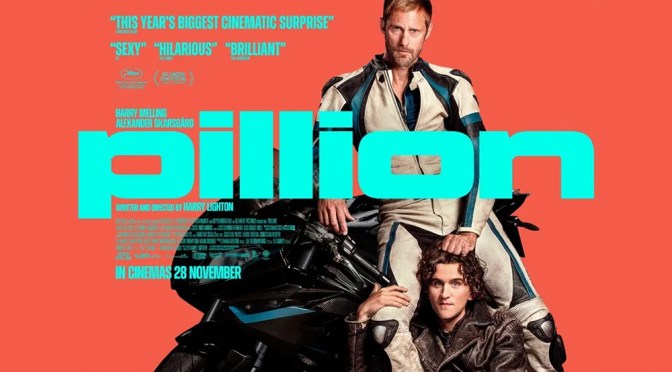
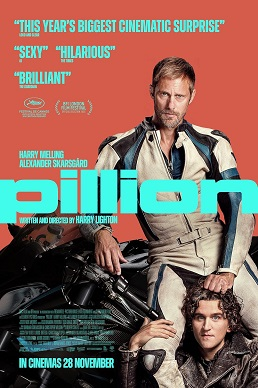
Cinema Review: Pillion (2025) – a fantastically acted and directed erotic rom-dom-com!

Cinema Review: Pillion (2025)

Directed by Harry Lighton

Written by Harry Lighton – Based on Box Hill by Adam Mars-Jones


Produced by Emma Norton, Lee Groombridge, Ed Guiney &
Andrew Lowe

Main cast: Harry Melling, Alexander Skarsgård, Douglas Hodge, Lesley Sharp, Jake Shears, etc.

Cinematography by Nick Morris

Edited by Gareth C. Scales


There’s a tender audacity to Pillion (2025), an erotic rom-dom-com that sneaks up on you with the gentleness of a confession. What begins as an off-kilter meet-cute blooms into something far more vulnerable: a rites-of-passage story about sexual awakening, self-recognition, and the courage it takes to accept pleasure without apology.

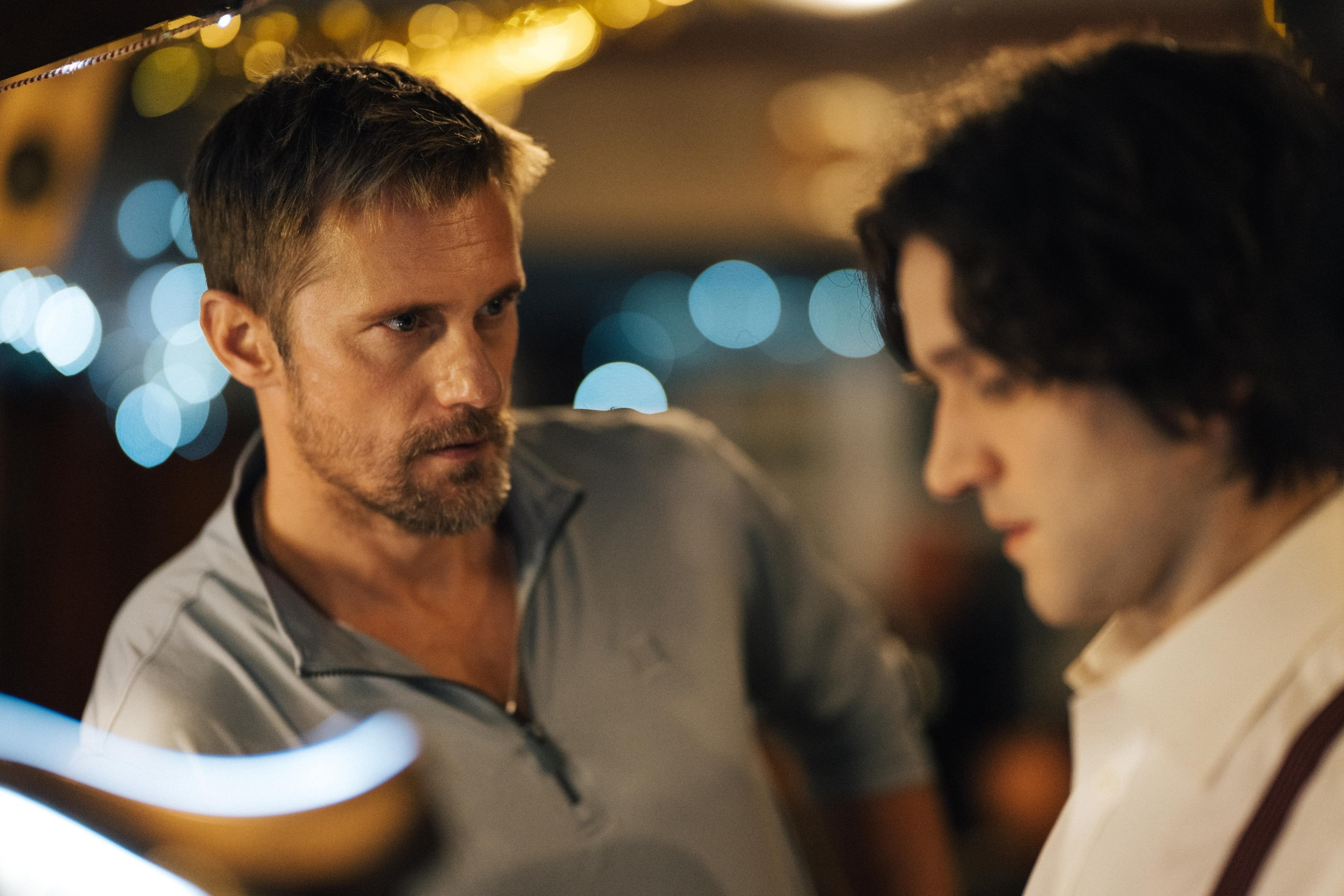
At its heart is Colin, played with exquisite restraint by Harry Melling. Melling has always been an actor of intelligence, but here he finds a new register—soft-spoken, watchful, quietly aching. His performance never reaches for easy beats; instead, it accumulates detail. A look held a fraction too long. A smile that arrives late. Colin’s desire isn’t announced; it’s discovered, moment by moment, and the effect is deeply empathetic.

Opposite him, Alexander Skarsgård’s Ray is all smoulder and swagger on first impression—an insouciant masculinity that seems effortless, almost cocky. But Skarsgård is doing something more interesting beneath the surface. The sexuality is undeniable, yes, but it’s armoured. Pain leaks through the cracks, giving Ray a bruised romanticism that complicates the dominant energy he projects. The push and pull between the two men becomes the film’s most potent charge.


Director Harry Lighton deserves enormous credit for navigating this tonal tightrope. His direction is fantastically nuanced, allowing intimacy and humour to coexist without deflating either. The film understands that eroticism can be funny, awkward, even faintly ridiculous—especially when it’s new—while still honouring its emotional stakes. The explicit moments are handled with confidence rather than coyness, lacing the heartfelt beats with risqué shocks that provoke gasps, laughter, and the occasional wince. The physical opposites of Harry’s mild-mannered traffic warden versus Ray’s macho biker also add characterful humour to the mix.

The contemporary setting, rooted in the London suburb of Bromley, is another inspired choice. This is not a glossy, aspirational London; it’s resolutely unglamorous, familiar, and quietly stifling. That ordinariness makes Colin’s awakening feel all the more radical, a private revolution unfolding in plain sight. Furthermore, strong support comes from Lesley Sharp and Douglas Hodge as Colin’s parents, whose love is real but imperfect, shaped by generational discomfort and unspoken fears. Their scenes add texture rather than judgment, grounding the film in a recognisable family dynamic.

Be warned: Pillion (2025) doesn’t shy away from explicit sex scenes or moments of leather-adorned domination (including BDSM), and those elements may provoke strong reactions. But they’re not there for provocation alone. Lighton uses them as part of the emotional grammar of the film, insisting that tenderness and risk, humour and heat, can occupy the same frame. Ultimately, Pillion (2025) reveals itself as something quietly radical—a deeply touching romantic comedy that treats sexual self-discovery with empathy, intelligence, and a disarming lack of shame. It lingers not because of what it shows, but because of how carefully it listens to its characters while they learn who they are.

Mark: 8.5 out of 11


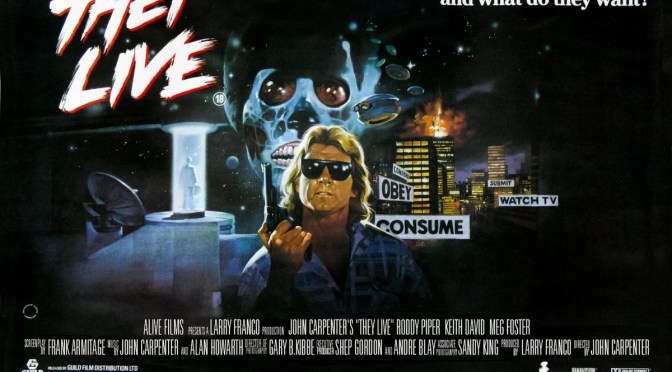
Classic Movie Scenes #16- They Live (1988) – the really long fight scene!

Classic Movie Scenes #16- They Live (1988) – the really long fight scene!

Directed by John Carpenter

Screenplay by John Carpenter

Based on: “Eight O’Clock in the Morning” by Ray Nelson

Produced by Larry Franco

Main cast: Roddy Piper, Keith David, Meg Foster, etc.

Cinematography by Gary B. Kibbe

Music by John Carpenter & Alan Howarth

** CONTAINS SPOILERS **


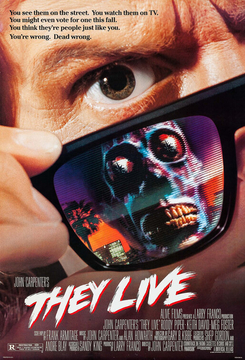
They Live (1988) is the kind of action sci-fi film that only John Carpenter could turn into a cult classic. On paper, it’s gloriously bizarre: a nameless drifter called Nada—Spanish for nothing—wanders into Los Angeles looking for work and instead stumbles into a hidden alien occupation. The key to the whole rotten system? A pair of hacked sunglasses that reveal the truth behind billboards, TV, and smiling authority figures. OBEY. CONSUME. CONFORM. No metaphor required.

Nada is played by professional wrestler Roddy Piper, whose performance is all flint-eyed suspicion and working-class fury. He’s not a chosen one or a scientist or a cop—he’s a guy at the bottom of the ladder who starts noticing the ladder itself is rigged. When Nada puts on the glasses, the world drains of colour and illusion, revealing a bleak black-and-white nightmare of propaganda and skull-faced elites hiding in plain sight. It’s one of Carpenter’s smartest tricks: truth isn’t glamorous, it’s ugly and exhausting.

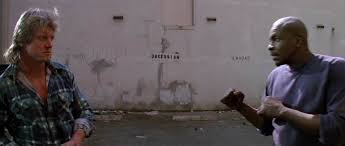
The film’s low budget sometimes shows—rubber masks, stripped-down sets, and a finale that feels like Carpenter had to sprint to the finish line before the money ran out. But that rawness is also part of They Live’s (1988) charm. It plays like a B-movie manifesto, a midnight scream against a world quietly selling your soul back to you at retail prices. And yes, the legendary alleyway fistfight is absurdly long, but it also feels like the point: waking someone up hurts, takes effort, and nobody thanks you for it.


Carpenter has been clear that They Live (1988) is a critique of consumerism, Reagan-era greed, and the way capitalism anesthetizes resistance. But watching it today, the film has mutated—like all good cult cinema—into something more unstable and more dangerous. In the age of culture wars, algorithmic outrage, and weaponized paranoia, They Live (1988) can be read in a dozen conflicting ways. Is it anti-corporate? Anti-elite? A warning about media manipulation? A Rorschach test for conspiracy culture itself? That ambiguity is why it endures.

They Live (1988) doesn’t tell you what to think—it hands you the glasses and dares you to look. And once you do, it’s hard not to feel a little like Nada: broke, angry, awake, and deeply suspicious of anyone telling you everything is just fine. As someone who has recently been researching a lot about conspiracy theories or apparent truther activists, I have my feet dangling above the rabbit hole while simultaneously holding a red pill in my hand. Yet, I am hesitant to jump in. How do I know the so-called “truthers” are not lying or serving their own agenda or career too? Which is why the fight scene is so good. Because, it shows the struggle one can have as to what to believe and who to trust. In this case, Nada is telling the truth and he is prepared to fight to reveal it.

According to IMDb “the big fight sequence was designed, rehearsed and choreographed in the back-yard of director John Carpenter’s production office. The fight between Nada (Roddy Piper) and Frank (Keith David) was only supposed to last twenty seconds, but Piper and David decided to fight it out for real, only faking the hits to the face and groin. They rehearsed the fight for three weeks. Carpenter was so impressed he kept the scene intact, which runs five minutes, twenty seconds. David recounted the event, smiling giddily as he said, “It was good fun! I never felt safer in any fight,” as Piper, a professional wrestler, coached David on how to sell the look of the punches and savage moves in exaggerated form, making it appear more brutal than it actually was.”


Cinema Review: 28 Years Later: The Bone Temple – a visceral journey into satanic cults, full of head-ripping gore and fiery devilment!

Cinema Review: 28 Years Later: The Bone Temple

Directed by Nia DaCosta

Written by Alex Garland

Produced by Andrew Macdonald, Peter Rice, Bernie Bellew, Danny Boyle, Alex Garland, etc.

Main cast: Ralph Fiennes, Jack O’Connell, Alfie Williams, Erin Kellyman, Chi Lewis-Parry, etc.

Cinematography by Sean Bobbitt


28 Years Later: Bone Temple (2025) is not a film that eases you in. It grabs you by the throat and refuses to let go, piling atrocity upon atrocity until meaning begins to seep through the blood. This is apocalyptic cinema as ritual punishment, and under Nia DaCosta’s direction, it becomes something ferociously alive.

At the calm, moral centre of the chaos stands Ralph Fiennes, delivering a performance of astonishing gravitas and unexpected tenderness as Dr. Ian Kelson. In a world rotted by infection and cruelty, Kelson represents something almost radical: goodness without irony. Fiennes plays him not as a saint, but as a weary human being who still believes care, cure and compassion matter, even when the world insists otherwise. His presence anchors the film, giving its excess a conscience.

Opposing him is Jack O’Connell’s Jimmy Crystal, a vicious cult leader whose charisma curdles into something genuinely frightening. Crystal preaches violent “charity” in the name of Satan, offering salvation through brutality, and O’Connell leans hard into the performance’s ugliness. Leading his young, droogy, Savile-esque followers, he wages war not just on human survivors, but on the infected as well, collapsing any moral distinction between mercy and massacre. It’s a performance that feels designed to make your skin crawl—and it succeeds. Alas, Spike (Alfie Williams) gets caught up in Jimmy’s insanity and the sense of fear for him reigns throughout.


DaCosta directs with visceral energy, staging sequences that are frequently jaw-dropping in their gore and sadism. This is not a film particularly interested in an actual plot, clean narrative arcs or deep psychological excavation. Instead, Bone Temple unfolds as a succession of brutal set-pieces, each more punishing than the last. Some viewers will undoubtedly find it too much—too loud, too violent, too relentless.

But that relentlessness is also the point. What makes 28 Years Later: Bone Temple so compelling is how it mashes thematic power with B-movie exploitation ultra-violence. Beneath the spray of blood and bone is a furious meditation on false charity, moral absolutism, and the terrifying ease with which cruelty dresses itself up as righteousness. It’s ugly, abrasive, and often overwhelming—but it’s never empty. Indeed, if there is a more stylish and powerful scene in cinema all year than the ‘Number of the Beast’- Iron Maiden-soundtracked-fiery-ritual-sequence then I can’t wait to see it.

Ultimately, this is apocalypse horror as endurance test and sermon, and while it won’t be for everyone, I found it exhilarating. In its refusal to soften its blows, 28 Years Later: Bone Temple (2025) earns its place as one the most savage entries in the franchise, so far.

Mark: 8.5 out of 11


Cinema Review: Hamnet (2025) – spectacularly emotional with Jessie Buckley delivering a spiritually transcendent performance!

Cinema Review: Hamnet (2025)

Directed by Chloé Zhao

Screenplay by Chloé Zhao & Maggie O’Farrell – Based on Hamnet
by Maggie O’Farrell


Produced by Liza Marshall, Pippa Harris, Nicolas Gonda, Steven Spielberg & Sam Mendes


Main cast: Jessie Buckley, Paul Mescal, Emily Watson, Joe Alwyn
, David Wilmot, Jacobi Jupe, Olivia Lynes, etc.

Cinematography by Łukasz Żal


There are actors who impress, and then there is Jessie Buckley, who seems to detonate the screen every time she appears. From the feral menace and vulnerability of Beast (2017) to the raw, soul-baring musical grit of Wild Rose (2018), Buckley has proven herself fearless; from the existential unravelling of I’m Thinking of Ending Things (2020) to her razor-sharp, unclassifiable turn in Fargo (2020) – Season 4, and the aching restraint of Fingernails (2023), her work consistently redefines what emotional truth on screen can look like. Now, with an earth-shattering rendition of Agnes Shakespeare in Hamnet (2025), Buckley doesn’t just command attention—she claims her place as one of the most electrifying actors of her generation.

Hamnet (2025) is an adaptation of Maggie O’Farrell’s critically acclaimed novel is a quietly thunderous piece of cinema—one that chooses intimacy over spectacle and emotion over mythology. At its core is the relationship between Agnes and William Shakespeare, charted from their first, tentative connection through marriage, parenthood, and the fractures that emerge when love collides with loss and ambition.

The film is less concerned with the legend of Shakespeare than with the human beings behind it: a scholar and poet struggling to find his literary voice, set against Agnes, a woman of the land and forest, spiritually attuned to nature, instinct, and ritual. Their romance blooms in the space between these worlds, with Agnes’s chanting communion with the natural world acting as an unspoken counterpoint to Will’s search for language and form.


Director Chloé Zhao brings her signature elegance and patience to the material, allowing moments to breathe and emotions to surface organically. Her collaboration with cinematographer Łukasz Żal results in imagery that feels almost painterly—soft, natural light spilling across interiors and fields, rendering the English countryside as something tactile and alive. Every frame seems steeped in earth, wind, and time, reinforcing the film’s grounding in the physical and the elemental.

At the centre of it all is Jessie Buckley, delivering a stunningly embodied performance as Agnes. Her work is raw, intuitive, and deeply moving—she plays grief not as a single rupture but as a living force that reshapes the body and spirit. Paul Mescal brings a quiet intelligence and aching restraint to William, capturing the tension between domestic devotion and creative restlessness, while the incredible, Jacobi Jupe, as the young son, Hamnet, adds genuine emotional resonance, grounding the family dynamic with heart-breaking sincerity.

Hamnet (2025) is ultimately a powerhouse drama about family, grief, and the curative—often painful—power of the creative process. It understands art not as triumph but as transformation, something born from love and loss in equal measure. My one reservation is a personal one: I found myself wanting more of Shakespeare’s journey in London and his struggle toward theatrical success and subsequent writing on the classic, Hamlet. But this absence is deliberate and understandable. The film is weighted toward the emotional interiority of Agnes’s experience, and in centring her perspective—so exquisitely rendered by Buckley—Hamnet (2025) finds its true, devastating strength.

Mark: 9 out of 11


Cinema Review: Song Sung Blue (2025) – a heartfelt celebration of love and music!

Cinema Review: Song Sung Blue (2025)

Directed by Craig Brewer

Written by Craig Brewer – Based on Song Sung Blue – documentary by
Greg Kohs


Produced by John Davis, John Fox, Craig Brewer

Main cast: Hugh Jackman, Kate Hudson, Michael Imperioli, Ella Anderson, Mustafa Shakir, Fisher Stevens, Jim Belushi, King Princess, etc.

Cinematography by Amy Vincent

** MAY CONTAIN SPOILERS **


Song Sung Blue (2025) is a warm, big-hearted musical drama that wears its love for music—and for people—proudly on its sleeve. Based on the 2008 documentary of the same name, the film arrives as a crowd-pleasing celebration of performance, devotion, and the quietly heroic act of expressing emotion through song. Under Craig Brewer’s direction, the film hums with sincerity, lifted by a strong ensemble cast and the enduring power of Neil Diamond’s music.

At the centre of the story are Mike and Claire Sardina, known on stage as Thunder and Lightning from Milwaukee. They are not presented as mere lookalikes or imitators, but as fully formed performers who carry the Neil Diamond torch with genuine artistry and respect. Their performances are less about mimicry and more about connection—channeling Diamond’s songs as emotional vessels for love, longing, and resilience. The film is at its best when it allows music to speak where words fall short, and Thunder and Lightning embody that truth beautifully.

The acting across the board is excellent. Hugh Jackman and Kate Hudson bring warmth, vulnerability, and an easy chemistry that grounds the film’s emotional core. Their characters feel lived-in and deeply human, making their shared journey feel earned rather than sentimental. Supporting turns from Michael Imperioli, Fisher Stevens, Jim Belushi, Ella Anderson, King Princess, and Mustafa Shakir add texture and personality, giving the film a rich, communal feel that mirrors the supportive world of local performance and fandom it portrays.


Craig Brewer’s vibrant direction leans into the idea that music is not just entertainment, but a lifeline. The film’s big-hearted characters use performance as a way to communicate love, heal wounds, and navigate life’s many trials and tribulations. In that sense, Song Sung Blue (2025) doubles as a loving tribute to Neil Diamond’s songwriting genius—his songs serving as emotional shorthand for feelings that are often too large or too complicated to articulate otherwise.

The film is incredibly dramatic too dealing with life themes relating addiction, depression, debt, disability and family trauma. Arguably it tries to cover too much in the two-or-so-hours finding topics such as the adoption subplot skimmed over in favour of maintaining pace and momentum. While this keeps the film buoyant and accessible, it occasionally feels like a missed opportunity to explore those themes with greater depth.

Still, these minor shortcomings do little to diminish the overall impact. Jackman and Hudson just fly throughout, making Song Sung Blue (2025), a heartfelt, affirming experience—one that understands how music can bind people together and how love, expressed through song, can carry us through even the most difficult chapters of life. It’s a film that leaves you smiling, misty-eyed, and humming a Neil Diamond tune on the way out of the theatre.

Mark: 8.5 out of 11