Tag Archives: horror

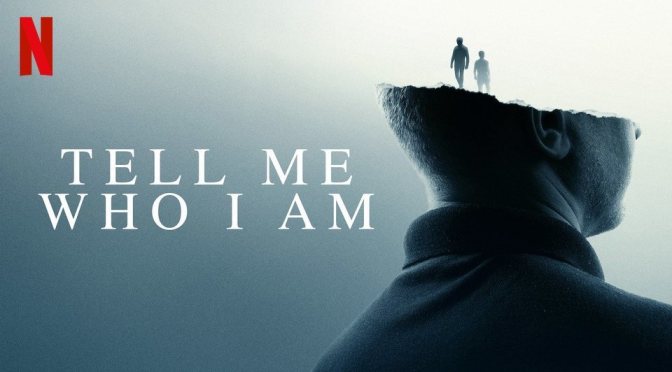
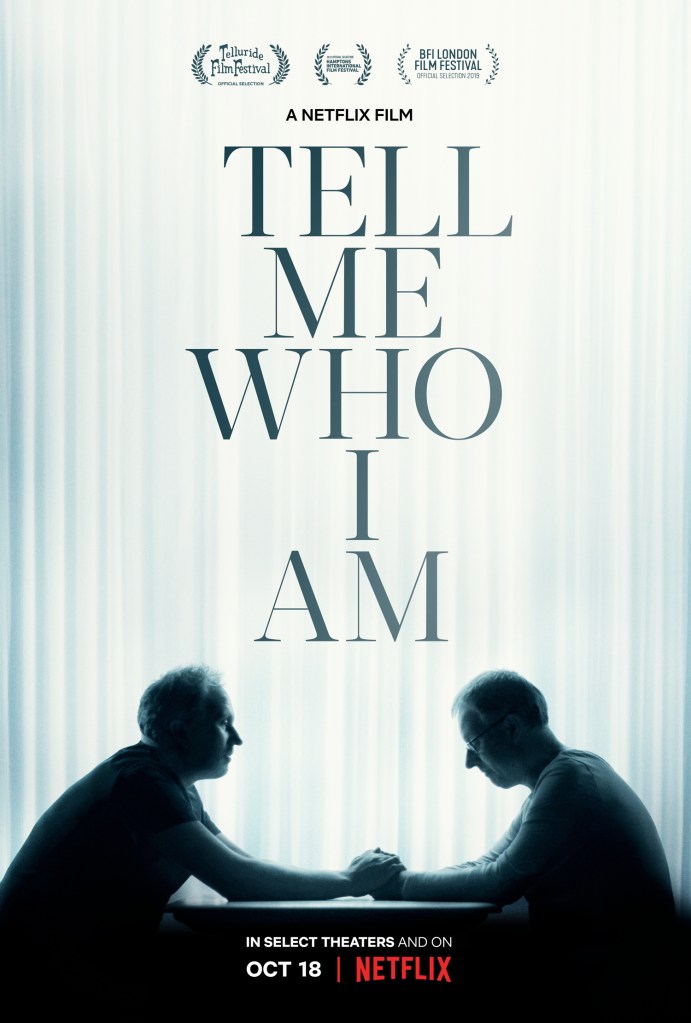
TELL ME WHO I AM (2019) – NETFLIX REVIEW

TELL ME WHO I AM (2019) – NETFLIX REVIEW

Directed by: Ed Perkins

Produced by: Simon Chinn

Based on: Tell Me Who I Am by Joanna Hodgkin, Alex Lewis and Marcus Lewis

Cinematography: Erik Alexander Wilson

***SPOILER FREE***


I recently reviewed a number of documentaries here, but it was only during a catch-up of Netflix films did I watch the harrowing family drama, Tell Me Who I Am (2019). Now, in my younger days I was naive enough to think documentaries were a representation of the whole truth and not a mediated version of events. There was fiction on one side and documentaries on the other. It’s a documentary so it must be true and must not be questioned.

That isn’t to say that the events of this incredible story are not true. No, my point is that Tell Me Who I Am (2019) is, while based on a true story, structured like a classic Hollywood thriller akin to something Hitchcock may have produced. Conversely, I was gripped throughout by the mystery, suspense and a gut-kicking reveal halfway through. Do not read anything about this moving family story beforehand, as going in with NO knowledge will make it all the more powerful.


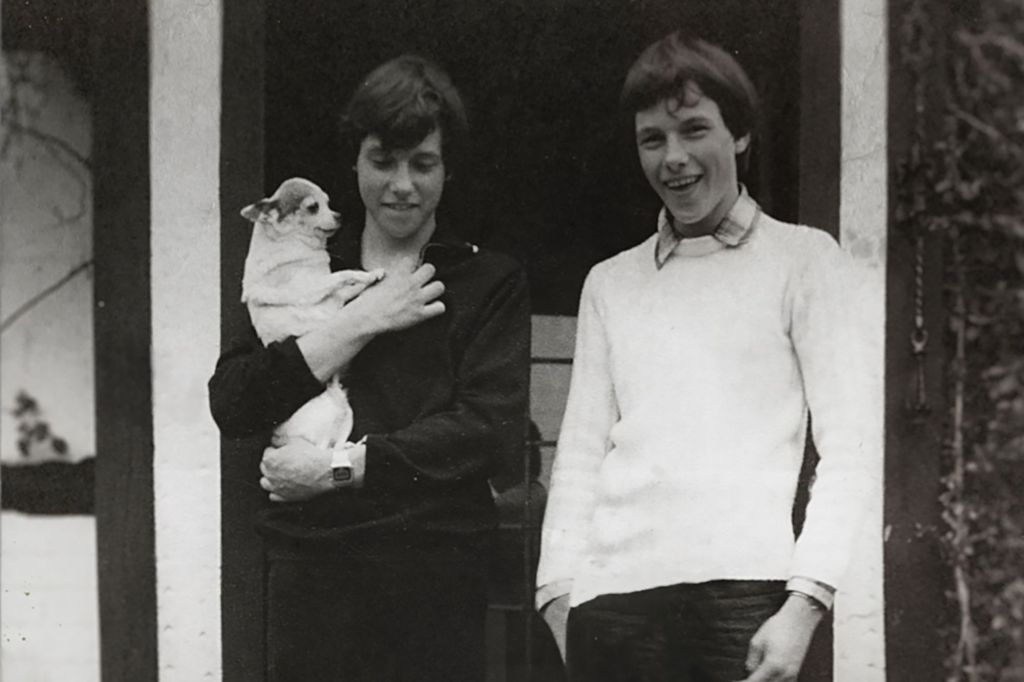
The film is structured in the classic three act fashion. Firstly, we find Alex Lewis describing events of an accident he had when 18. The incident led to him totally losing his memory. The only thing he remembered was he had a twin brother, Marcus. His mother, father, friends, their farmhouse, the privileged background and their dogs were all forgotten. Like a film noir protagonist he was left in the dark as to his whole history. With the help of Marcus, he slowly begins to learn about his past and rehabilitate for the future. Thus, at first one feels this is a story of an individual overcoming near-tragedy and rebuilding their life moment by moment. However, it becomes something much more than that. I shall say no more.

Shot through talking heads, photo montage and reconstruction, this is an exquisitely edited and filmed documentary. The twins, Alex and Marcus are framed in close-ups, with pale backgrounds and shadowed foregrounds. As we move back and forth between their respective sides of the story, one is slowly pulled into the incredible events that confirm truth is more horrifying than fiction. By the resolution I was shook and deeply affected by the film, with still some questions left unanswered. Ultimately though, Tell Me Who I Am (2019) is a satisfying and very emotionally charged story about searching for truth amidst familial conflict, betrayal and a longing for redemption.


THE INVISIBLE MAN (2020) – MOVIE REVIEW

THE INVISIBLE MAN (2020)

Directed by: Leigh Whannell

Screenplay by Leigh Whannell – based on H. G. Wells The Invisible Man

Produced by: Jason Blum, Kylie du Fresne

Main cast: Elisabeth Moss, Aldis Hodge, Storm Reid, Harriet Dyer, Oliver Jackson-Cohen, Michael Dorman,

Music: Benjamin Wallfisch

Cinematography: Stefan Duscio

***MAY CONTAIN SPOILERS***


Many a work, home, pub, dinner party and school conversation has started with the following question: what would YOU do if you were invisible? Depending on the company it’s something that can descend into wild fantasy territory. Being invisible will allow you the freedom to spy and become the ultimate voyeur. You could also become a criminal and creep into places without being seen to thieve. You could be a prankster and play tricks on your friends and family. You could become a superhero, battle crime and help people. You could simply just disappear not just literally, but philosophically from society. The possibilities are endless.

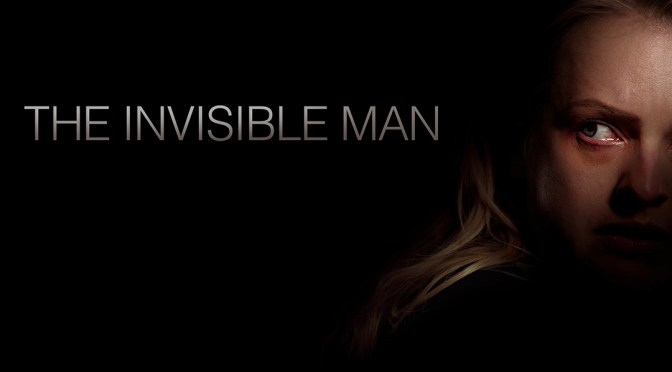
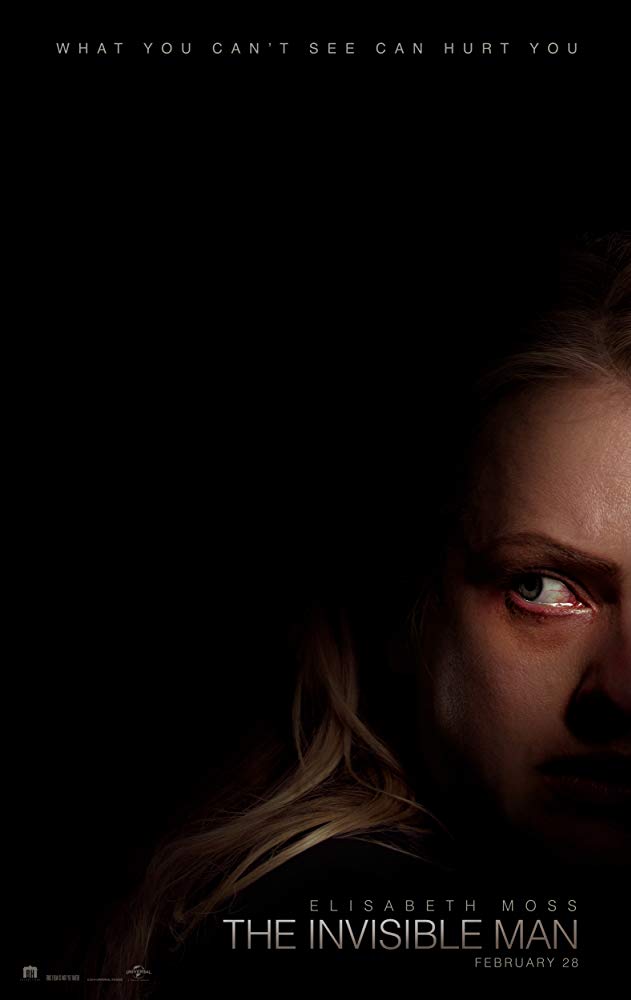
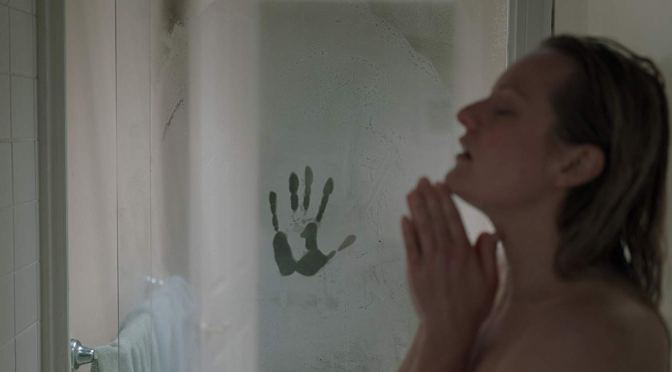
H. G. Wells original novel is an absolute genre masterpiece. Arguably the most famous version was filmed in 1933 with incredible practical effects and an exceptional performance from Claude Rains. In this new version the conventional invisible scientist-goes-mad story is twisted successfully into an exhilarating horror suspense film with themes relating to toxic masculinity and abusive relationships. Here invisibility is used to control and instil fear, as the recently deceased Griffin (Oliver Jackson-Cohen) is, according to his ex-partner, Cecilia (Elisabeth Moss), targeting her from the grave.


Leigh Whannell has great experience writing and producing low-budget horror films including: Saw (2004) and Insidious (2010). His last directorial release, Upgrade (2018), was a fantastic mix of 1980’s B-movies, sci-fi and horror cinema. Building on the crowd-pleasing thrills of Upgrade, Whannell has crafted a paranoiac classic with Elisabeth Moss giving a fantastically nerve-shredding and physically adept performance. From the tense opening scene, we empathise with her desire to escape a controlling and malevolent force. Building slowly throughout the first act, Whannell’s script brilliantly picks up the pace and plots Cecilia’s descent into a living hell. Consequently, Cecilia’s anxiety reaches peak stress as no one believes she is being set up by a gas-lighting, unseen and venal monster.

It pays to see this film on the big screen with the finest sound quality available. I watched it on an IMAX screen where the sound design and Benjamin Wallfisch’s amazing score really enhance the fear-inducing visuals. How the production team made this film for a reported $7 million dollars is beyond me. Yet, Whannell is an economical and highly efficient filmmaker. His writing is lean and mean, as the script is full of fantastic set-pieces and plot reversals. Moreover, the story is very relevant, exploring the themes of the day relating to domestic abuse, depression and mental illness. However, it’s not an overbearing message movie, but rather a smart and surprising thriller.

Overall, The Invisible Man (2020) starts strongly and proceeds to deliver a series of gripping and, at times, heart-in-the-mouth cinematic moments. There are none of the usual scientific and over-expositional set-ups that can slow down such films. The visuals, sound, score and performances deliver the story most effectively. I felt like there were a few fuzzy plot moments that Whannell could have explained in more detail, however, that could have hindered the pace of the story. Finally, with Elisabeth Moss imbuing her character with resilience, energy and steel, we get an individual who will never give up. She sees through her ghosting nemesis and will fight to the last breath to prove her innocence and remain in control.

Mark: 9 out of 11


MEMORABLE FILM CHARACTERS #3 – LOU BLOOM – NIGHTCRAWLER (2014)

MEMORABLE FILM CHARACTERS #3 – LOU BLOOM

Written and directed by Dan Gilroy

Produced by: Jennifer Fox, Tony Gilroy, Michel Litvak, Jake Gyllenhaal, David Lancaster

Cast: Jake Gyllenhaal, Riz Ahmed, Rene Russo, Bill Paxton

**** CONTAINS SPOILERS ****


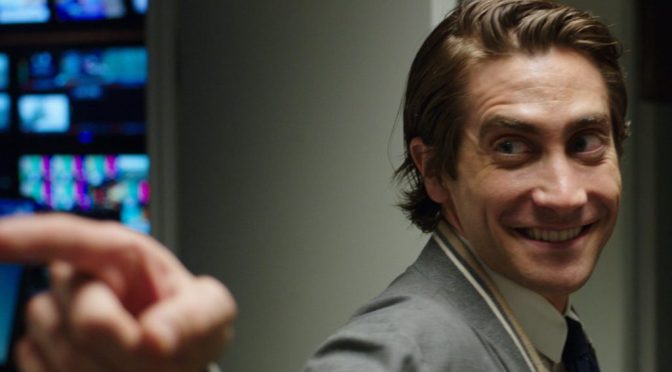
Along with Toni Collette in Hereditary (2018) and Lupita N’yongo in Us (2019), Jake Gyllenhaal’s failure to be nominated for a Best Acting Oscar for his performance as Lou Bloom never fails to astonish me. His committed acting in the thrilling and violent social satire, Nightcrawler (2014), is one of the greatest of this century so far. He inhabits the skin within this sociopathic, self-starting capitalistic hustler with such energy it’s a film I can watch over and over again.

With so many films about superheroes, it’s rare to see one about an anti-hero that is done so brilliantly and without redemption. Lou Bloom’s conniving, planning and preparedness to go the extra mile and expand his media business via sabotage and eventually murder is expertly rendered in Dan Gilroy’s stupendously good screenplay.  Bloom is a drifting social outsider until he becomes a “stringer”; a “nightcrawler” filming bloody events to sell to news stations. Bloom then becomes a monster of ambition. A monster of obsession. A monster of humanity. He’s a symbol of a monstrous media and of a bloodthirsty public searching for the next violent clip to trend or share on Twitter or Facebook over their morning coffee. Bloom is an anti-anti-anti-hero of our times. A personification of capitalist evil.

Dan Gilroy’s cutting script makes no attempt to make Bloom likeable or even sympathetic. But you kind of admire his drive, linguistic charisma and thirst for success. That is until he goes way too far filming death and selling it for profit. Ultimately Lou Bloom is a vampire; a night creature creeping between the shadows. Through Bloom, the parasitic Media New Networks and public are also shown to both be vampires draining the life out of humanity. Gyllenhaal’s performance, as I say, is one of physical, verbal and mental brilliance. In some ways it foreshadows Joaquin Phoenix’s stunning acting work in Joker (2019). Phoenix was rightly rewarded by the Academy, with Gyllenhaal’s Bloom cruelly overlooked.


5 REASONS THIS COULD BE GOOD – THE INVISIBLE MAN (2020)

5 REASONS THIS COULD BE GOOD – THE INVISIBLE MAN (2020)

Directed by: Leigh Whannell

Screenplay by Leigh Whannell – based on H. G. Wells The Invisible Man

Produced by: Jason Blum, Kylie du Fresne

Main cast: Elisabeth Moss, Aldis Hodge, Storm Reid, Harriet Dyer, Oliver Jackson-Cohen

UK Release date: 28th February 2020

*****SPOILER FREE*****


THE INVISIBLE MAN (2020)

A contemporary version of the science fiction classic The Invisible Man has been made. Here are five reasons it could be good.

1. LEIGH WHANNELL

Whannell has great experience writing and producing low-budget horror films including: Saw (2004) and Insidious (2010). His directorial debut Upgrade (2018) was a fantastic mix of 1980’s, sci-fi and horror movies. I loved it and it proved to be one of my favourite films of 2018.

2. ELISABETH MOSS

Elisabeth Moss is one of the best actresses around as she has proved with her brilliant work in television classics Mad Men and The Handmaid’s Tale. Moss is now breaking out in cinematic releases and proved she excels in horror having starred in Jordan Peele’s frightening film Us (2019).

3. BLUMHOUSE PRODUCTIONS

The prolific Blumhouse Productions certainly turn out a lot of product each year. Their modus operandi is to keep film budgets low in order to maximise profits on release. You could be forgiven for thinking Jason Blum greenlights just cheap exploitation films, however, Whiplash (2014) The Gift (2015), Split (2016), Get Out (2017), BlackKklansman (2018) and Us (2019) transcend the low-budget model to provide excellent cinematic experiences.

4. BASED ON A LITERARY CLASSIC

H. G. Wells original novel is an absolute genre masterpiece. It has been made, remade, re-imagined and re-booted in horror, comedy, thriller and romance genres. Arguably the most famous version was filmed in 1933 with incredible practical effects and an exceptional performance from Claude Rains. In this new version the conventional scientist-goes-mad following successful experimentation into invisibility remains, but he now seems to be targeting Elisabeth Moss’s character.

5. THEMES

The trailer reveals a slightly conventional female-protagonist-as-victim narrative. But I expect Leigh Whannell will have a number of twists and surprises up his sleeve. Indeed, science fiction and invisibility are ripe for the exploration of themes relating to toxic masculinity and hidden identity. Either that or it will simply be a fun, scary and suspenseful experience in the hands of the reliable Whannell.


THANKS TO HORROR-ON-SEA 2020!

THANKS TO HORROR-ON-SEA 2020!

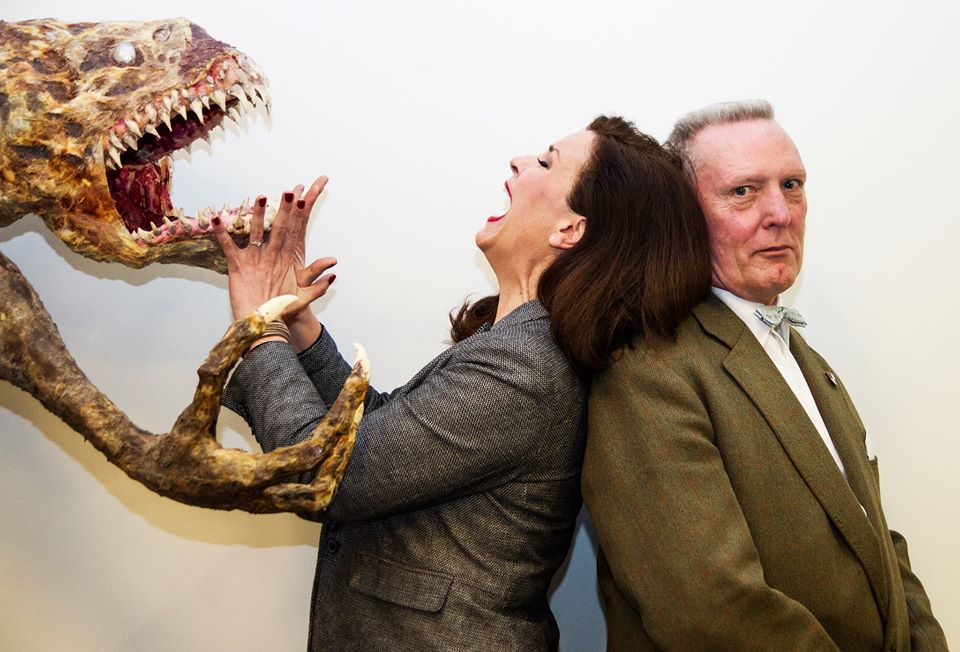
HORROR-ON-SEA FILM FESTIVAL is an amazing gathering in Southend-on-Sea, Essex. Every year horror filmmakers and fans flock to the Essex coastal town to satisfy their lust for all things horror.

The festival screens, over two weekends in January, some of the most gruesome, scariest, funniest and entertaining independent horror films you’ll ever find. For more information please check out their Facebook page here. And the website here.


I would personally like to thank Horror-on-Sea for screening my short psychological thriller, TOLERANCE (2019). It was a great crowd who seemed to enjoy the film last Sunday night. You can see the film by clicking on link below. Also, please subscribe to the YouTube channel by clicking here.


Lastly, a big shout out to Paul Cotgrove and his army of assistants who make the festival such a success. Also, congratulations to all the filmmakers who commit to making their horror films so bloody entertaining. Many of these films are self-funded and produced so well done to them.

This was my third visit to Horror-on-Sea Film Festival and this year I stayed for two nights. That enabled me to watch even more short and feature horror films. Here is a list of films I watched with promotional links (where possible). They were all really entertaining with horror, comedy, fear, sex and gore all combining to wonderful effect. There were many, many more films shown too so I recommend you go next year as it’s back in 2021!


HORROR-ON-SEA 2020 – FILMS WATCHED

The Dead Ones (Short) – Director: Stefan Georgiou – Link

The Front Door (Short) – Director: Andrew Rutter – Link

Pandamonium (Feature) – Director: MJ Dixon – Link

Long Pig (Short) – Directors: Sam and Tom Connelly

One Touch (Short) – Director: Stephen Lancefield – Link

Inner Ghosts (Feature) – Director: Paulo Leite – Link

Deep Shock (Short) – Director: Davide Mellini

Bleed (Short) – Director: Andre Harrison – Link

The Lost Reel / Idle Hands (both shorts) – Director: Simon Cluett

We Wait in the Woods (Feature) – Director: Joe Duncombe – Link

No Strings (Short) – Director: Pablo Raybould – Link

The Barge People (Feature) – Director: Charlie Steeds – Link


1917 (2019) – CINEMA REVIEW

1917 (2020) – CINEMA REVIEW

Directed by: Sam Mendes

Produced by: Sam Mendes, Pippa Harris, Jaybe-Ann Tenggren, Callum McDougall, Brian Oliver

Written by: Sam Mendes, Krysty Wilson-Cairns

Cast: George McKay, Dean Charles-Chapman, Mark Strong, Andrew Scott, Colin Firth, Claire Duburcq, Benedict Cumberbatch etc.

Cinematography: Roger Deakins

Music by: Thomas Newman

**CONTAINS HISTORICAL SPOILERS**


Image result for 1917 film

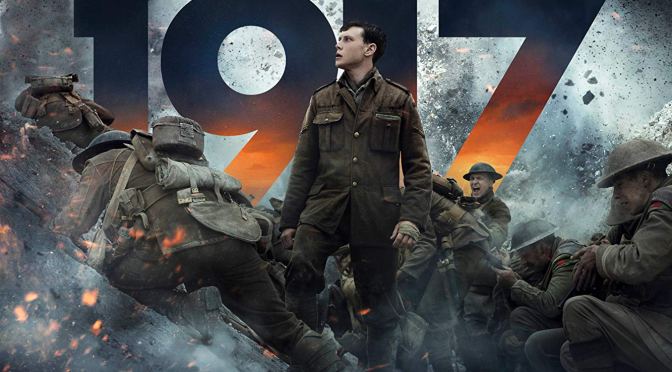
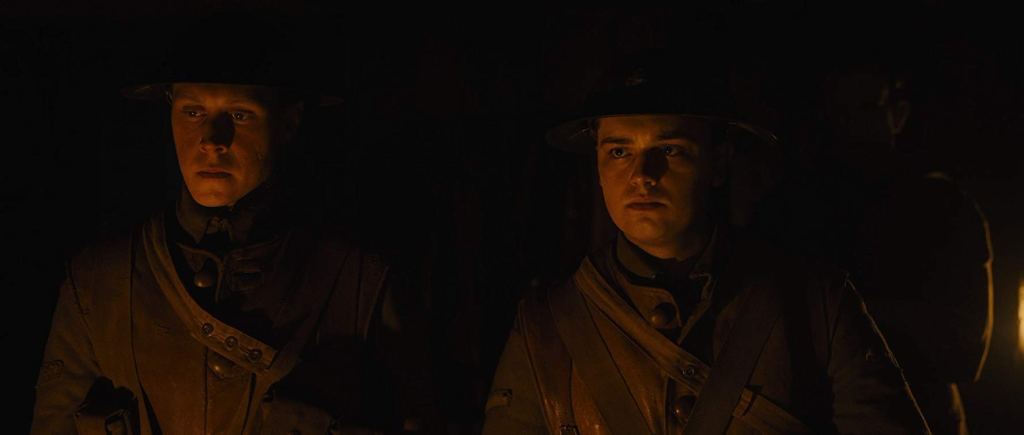
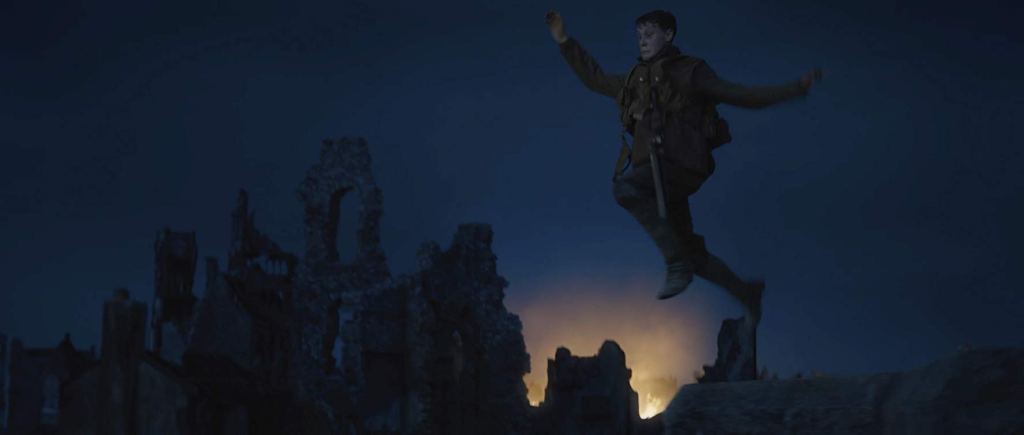
If Roger Deakins doesn’t win every single award for best cinematography in the world, I will be completely shocked! Together with Sam Mendes’ and their respective creative and production teams they have delivered a barnstorming, aggressive and beautiful work of pulsating cinema with 1917 (2019). In fact, the whole project is such a feat of technical brilliance, I think Sam Mendes will probably win best direction and the film will most likely win best film at the 2020 Academy Awards.

The form and style of the film are dictated by Mendes and Deakins audacious decision to film in one long continuous take. Set, as the title states in 1917 during World War I, we open with a long tracking shot and from there the shot never ends. Establishing the main protagonists Lance Corporal Will Schofield (George MacKay) and Lance Corporal Tom Blake (Dean-Charles Chapman), the camera glides along as they make small-talk, creating humour, warmth and calm before the storm to come. That storm derives from their mission to carry a message through perilous territory and prevent 1,600 British soldiers falling into a German trap. Immediately the stakes are high and these two brave men set out to achieve this dangerous task.


The choice to film in one continuous shot is a fascinating one and here it is executed brilliantly. Of course, there are occasions where a cut has occurred, but this is masked by darkness, water, camera movement or CGI. I personally am not a massive fan of longer takes though. They can be seen as a stylish, but empty process and usually work best in opening scenes. Moreover, by not cutting or using montage techniques I feel you can lose suspense, impact and pace from a film. However, that is certainly not the case with 1917 (2019). Here it works perfectly with the camera following, tracking, running, falling and stalking the characters, so much so, the audience becomes the camera. We are right in this war with them!

As we track Blake and Schofield through bunkers, trenches, fields, farmhouses, derelict buildings and villages, the stench of death and destruction surrounds them. Mendes and his writing partner, Krysty Wilson-Cairns, also create some heart-sweating and explosive set-pieces for the soldiers to overcome. Indeed, the pace with which they regularly find themselves under attack, married with the filmmaking style, puts you in the heart of the action and fight. The final battle where Schofield valiantly strives to reach his final destination and relay the message is utterly exhilarating and spellbinding cinema.


As the two everyman soldiers, George MacKay and Dean-Charles Chapman give convincing performances. MacKay is especially memorable as his tall frame, hollowed cheekbones and haunted eyes dominate the screen. Furthermore, the two leads are supported ably by a “who’s-who” of British actors. The likes of: Mark Strong, Colin Firth, Benedict Cumberbatch and Andrew Scott puncture the action throughout with their quality. Scott is especially excellent as a cynical officer, drunk and bereft of hope. The two heroes ignore his jaded battle worn persona, but soon find themselves surrounded by corpses, quickly coming to understand this character’s despairing heart.

Like Dunkirk (2017), the film is arguably thin on characterisation and character development, but stylistically impressive in it’s rendition of the horrors of war. Indeed, when the events switch to night, Deakin’s lighting skills dominate as he paints images with darkness, moonlight and fire with majestic results. Thus, overall, one could argue this is just one long chase film; an extended version of the climax of another World War I classic, Gallipoli (1981). However, the cinematic marvel that is, 1917 (2019), overcomes it’s narrative and thematic familiarity with an amazing technical achievement in both form and style. Awards glory beckons for all involved; and more importantly the film pays fine tribute to the gallant soldiers who served in an ultimately senseless war.

Mark: 9.5 out of 11


BBC TV REVIEW – DRACULA (2020)

BBC TV REVIEW – DRACULA (2020)

Created and Written by: Mark Gatiss, Steven Moffat

Based on: Dracula by Bram Stoker

Producer: Sue Vertue

Directors: Jonny Campbell, Paul McGuigan, Damon Thomas

Cast: Claes Bang, Dolly Wells, John Heffernan, Morfydd Clark, Joanna Scanlan, Lujza Richter, Jonathan Aris, Sacha Dhawan, Nathan Stewart-Jarrett, Clive Russell, Mark Gatiss, Catherine Schell etc.

**MAY CONTAIN SPOILERS**


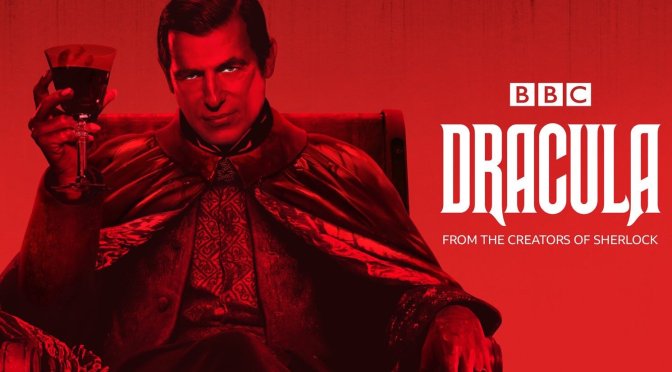
Mark Gatiss and Steven Moffat are uber-television scriptwriters of vast experience and expertise. Solo and together they have been involved with fine TV programmes including: Sherlock, Doctor Who, Coupling, The League of Gentlemen, Press Gang, Jekyll and many other films, comedies and dramas. Their latest BBC project found them combining forces again and breathing new life into Bram Stoker’s classic vampire novel. Screened over three dark nights on BBC1 from January 1st, 2020 onwards, this horror adaptation mixed Stoker’s traditional vampiric tropes with fresh and bloody ingredients infused by Moffat and Gatiss’ typically iconoclastic approach to genre.

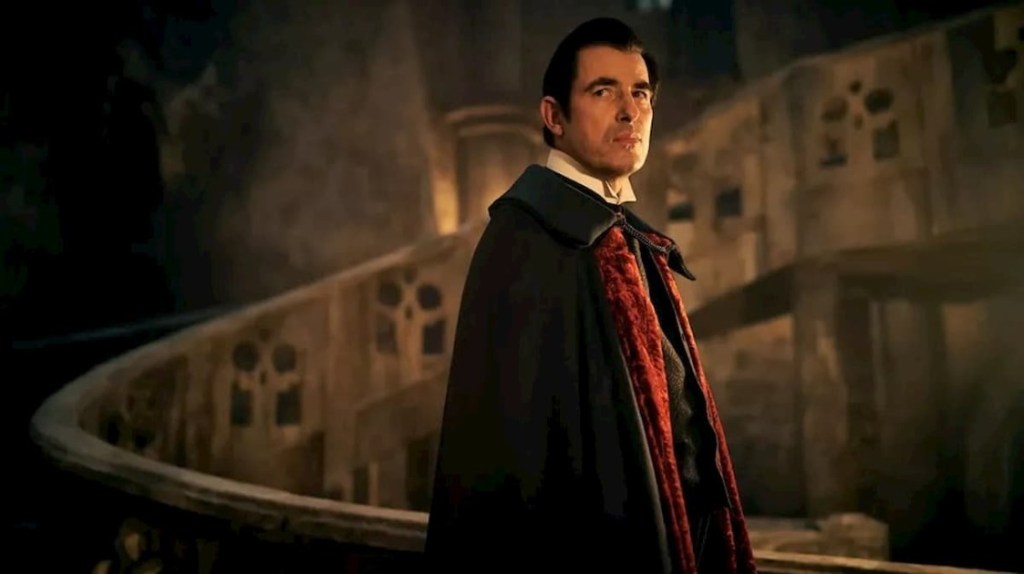
The structure of the first episode, Rules of the Beast, finds a gravely ill Jonathan Harker (John Heffernan), recounting his misadventures having travelled to Count Dracula’s (Claes Bang) castle in Transylvania. A haunted shell of a man, his stories of doomed employment, entrapment and the “children of the night” are delivered to Sister Agatha (Dolly Wells). Somewhat incisive, intelligent and irreverent for a nun, Sister Agatha becomes both our hero and main foe to Dracula’s nefarious uber-villain. Having said that, the fantastically witty script and Claes Bang’s charismatic representation of Dracula almost succeed in making him the hero. Indeed, other than being a life-sucking, murderous, blood-addicted, shape-shifting, immortal and homicidal maniac he’s actually quite charming and likeable.


Image result for dracula and sister agatha

The first episode, apart from certain structural alterations and differences in characterisation, stays kind of faithful to the spirit of Stoker’s gothic vision. The second episode especially is one of the best examples of horror television I have seen in a long time. Cleverly called Blood Vessel, the action merges suspense and terror with an Agatha Christie style of plot. Here the crew and passengers of the ship Demeter find they are at the mercy of a vicious killer. It doesn’t take a genius to work out who is picking them off one-by-one. The episode also contains an ingenious reference to the BBC anthology series Inside No. 9. Thus, overall, this was my favourite episode of the series.

By the third episode though, Gatiss and Moffatt couldn’t stop themselves taking a bold leap away from the original text. The Dark Compass contains some fantastic twists and ideas, but arguably the writers strive too much for reinvention and originality. So much so, it lost some of the narrative impetus of the first two in the mini-series. Nonetheless, I would love to see more of Claes Bang’s Dracula in the future. His performance and chemistry with Dolly Well’s Sister Agatha were a bloody joy. Likewise, the script was brilliant; full of fangtastic one-liners, poetic turns of phrase and fascinating plot developments. Lastly, I was grateful they did not spare us the horror too. There were many memorably gory deaths throughout, as Dracula and his wolves wreaked devilish havoc across land, time and the television screen.

Mark: 8.5 out of 11


FILMS THAT GOT AWAY #7 – LITTLE MONSTERS (2019)

FILMS THAT GOT AWAY #7 – LITTLE MONSTERS (2019)

Written and directed by: Abe Forsythe

Produced by: Jodi Matterson, Bruna Papandrea, Steve Hutensky, Keith Calder, Jessica Calder

Cast: Lupita Nyong’o, Alexander England, Kat Stewart, Diesel La Torraca, Josh Gad etc.

**MAY CONTAIN SPOILERS**


While I’m not a massive fan of awards ceremonies, I do check out the nominations for the big ones. The Academy Awards or ‘Oscars’ are obviously the most esteemed annual celebration of commercial filmmaking. But, they often get their nominations, from an artistic and diversity perspective, horrifically wrong. Of course, it’s a matter of opinion, but this year I do not know how Lupita Nyong’o was not nominated for her performances in Jordan Peele’s brilliant horror satire, Us (2019). She is now proving herself to be one of the best actresses around and definitely should have been nominated in the ‘Best Actress in a Leading Role’ category.

As well as Us (2019), Nyong’o also appeared in another horror film released last year called Little Monsters (2019). This one got away from me though because for some reason it did not get a major cinema release in the UK. Little Monsters (2019) is nowhere as imaginative, dark or intelligent as Jordan Peele’s searing exploration of duality, class, race and identity. However, as zombie-romance-comedies go it’s a lot of fun. Nyong’o portrays a likeable, professional and positive school teacher who, along with Alexander England’s failed musician loser, Dave, must protect a group of children from hordes of zombies on a school trip.

It’s an unpretentious, funny and gory comedy romp that owes a massive debt in tone and delivery to Shaun of the Dead (2004). Furthermore, stock genre conventions such as the slow zombies, ubiquitous military nuke ticking time bomb ending, loser character redemption and cute children who “think it’s all a game”, are all relied upon heavily. Nonetheless, the script is fast-paced, witty and has a lot of heart. The direction is effective, although there were probably too many songs in there as filler. Overall, this is a fun film with a brilliant turn by Josh Gad as foul-mouthed children’s TV presenter, and of course, the starry effervescence of ultra-talented, Lupita Nyong’o.

Mark: 8 out of 11


MEMORABLE FILM CHARACTERS #2 – KING KONG

MEMORABLE FILM CHARACTERS #2 – KING KONG


**CONTAINS SPOILERS**


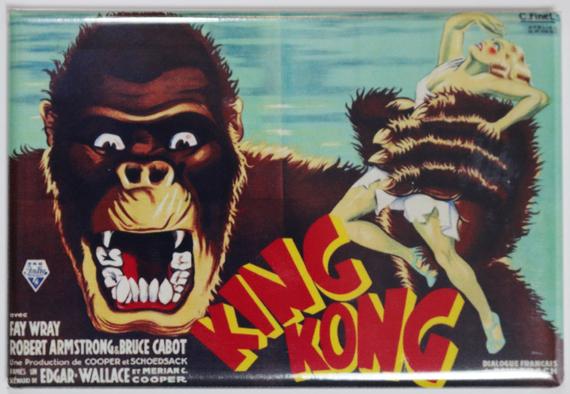
In the second of this series which looks at great film characters, I want to explore one of the most memorable monsters of all time: King Kong! In this short piece I will consider the original classic film creation in RKO’s King Kong (1933). It’s fascinating to examine the technical feats required to bring the character to the screen, the characterisation and narrative aspects which make Kong so memorable; and finally, the sociological and cultural impact of the film.

Working with a story by mystery writer Edgar Wallace and co-director Merian C. Cooper, the script was developed in 1932 by James Creelman and Ruth Rose. They structured this big adventure around filmmaker, Carl Denham, and his obsessive desire to shoot the legendary Kong on the ominously named Skull Island. What follows is a film of spectacular power and great innovation. In order to create Kong and the other prehistoric creatures the production team developed groundbreaking techniques such as stop-motion, rear projection, matte painting and miniatures. To this day the effects are breathtaking and still more emotionally engaging than most modern CGI.


As well as the incredible stop-motion photography painstakingly rendered by Willis O’Brien and Buzz Gibson’s team, the character of Kong is quite unique. Here is a monster in a horror B-movie who is in fact the most sympathetic character of the whole film. Moreover, the script builds suspense and dread with a long wait before we even see Kong. And what a sight it is! At first it would seem he is a merely a large ape, but he is revered as a god and protector. However, it is the humans who are the actual monsters. They steal Kong from his natural habitat and proceed to shackle him and treat him like an exhibit. But this exhibit has teeth and is about to bite back.

On release and in more recent years King Kong (1933) has rightly received much critical praise. It’s often ranked in the top horror films and all-time favourite 100 films of all time. More importantly, it’s actually gained attention as a film that subtextually reflects notions of colonialism, racism and the slave trade. In Quentin Tarantino’s superb revisionist war film, Inglourious Basterds (2009), a Nazi Officer reflects on this issue with specific reference to Kong. Similarly in this fantastic article, From Spectacle to Elegy: The Cinematic Myth of King Kong, Ross Langager, opines eloquently on the power of King Kong (1933) even now. Thus, while he may be a model made from clay, paint and metal, rendered real by the magic of cinema, Kong’s character is so much more than the sum of his parts. He is not simply a monster, but the ultimate tragic hero.


TOLERANCE (2019) – MY SHORT FILM WINS FESTIVAL AWARD

TOLERANCE (2019) – MY SHORT FILM WINS FESTIVAL AWARD

Just a quick post to say that my short film Tolerance (2019) won best short film at the 2019 UK Offline Webfest. It’s a great independent film festival with the awards held at the Etcetera Theatre in London. As a low budget filmmaker it’s great to get screenings for my films, and while I am not a massive fan of competitions or awards, it was also fantastic to be acknowledged. If you haven’t seen the film you can watch it at the link below.


TOLERANCE (2019)

“What’s your poison?”

Tolerance is a story of obsession, addiction, revenge and murder. It concerns a dinner “date” which takes a twisted turn. Inspired by narratives like those of Hitchcock, Tales of the Unexpected and Inside No. 9, it explores the damage toxic relationships can cause. It is both a thriller and a very dark comedy.


CAST & CREW

Written and directed by Paul Laight
Starring: Georgia Kerr and Patrick Tolan
Sound: Marina Fusella
Camera: Edward Lomas
Lighting: Kato Murphy
Make-up: Camille Nava
Music: James Wedlock
Editor: Jodie Williams
Set Designer: Melissa Zajk

Website: www.fixfilms.co.uk

A Fix Films Production © 2019