Tag Archives: humour

Classic Film Review: Bleak Moments (1971) plus Mike Leigh Q & A (Prince Charles Cinema, London.)

Classic Film Review: Bleak Moments (1971)

Directed by Mike Leigh

Written by Mike Leigh – Based on 1970 stage play by Mike Leigh

Produced by Leslie Blair

Cast: Anne Raitt, Sarah Stephenson, Eric Allan, Joolia Cappleman, Mike Bradwell, Donald Sumpter etc.

Cinematography by Bahram Manocheri

Camera Assistant: Roger Pratt

Edited by Leslie Blair
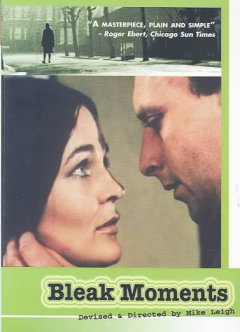


One of the quiet yet profound joys of cultural life is finding a creative or sporting figure—or team—whose journey you follow from an early age, growing alongside their work as it evolves. Whether it’s the cinematic brilliance of the Coen Brothers or Mike Leigh, the ever-shifting energy of Primal Scream, or the lifelong, often agonising commitment to Tottenham Hotspur FC, these long-term relationships offer a deep sense of continuity. They become personal landmarks in our emotional and cultural landscapes, threading through decades of change and grounding us with shared history, joy, and—especially in Spurs’ case—a touch of heartache.

I was born just a year before Mike Leigh’s Bleak Moments debuted in 1971, and it became a defining cultural touchstone for me. First encountering it in the early 1980’s, I was captivated by its raw honesty and quiet power—a film I returned to again and again on that solid-format VHS tape over the years. It marked the beginning of a lifelong relationship with Leigh’s work, a body of cinema that has shaped and shadowed my own personal and cultural journey. That connection endures to this day, most recently renewed with his 2025 release, Hard Truths—a testament to a career and vision that continue to evolve with undiminished integrity.
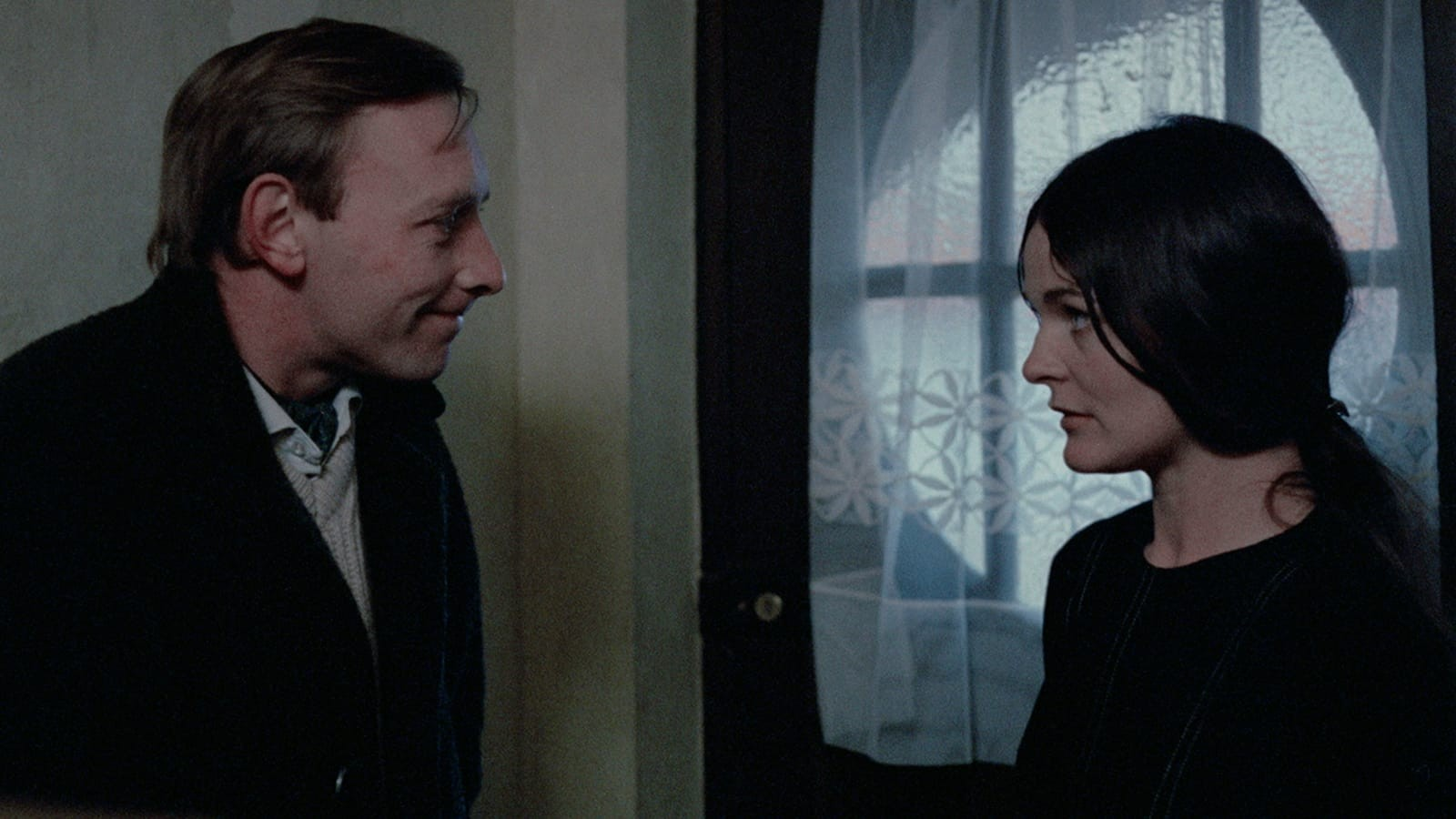


Bleak Moments centres on Sylvia (Anne Raitt), a lonely, introspective young woman navigating the quiet desolation of her suburban life while caring for her mentally challenged sister, Hilda (Sarah Stephenson). Trapped between duty and desire, Sylvia reaches tentatively toward human connection—most notably with a shy schoolteacher—yet every encounter is marked by awkward silences and emotional hesitations. Mike Leigh crafts a delicate, unflinching portrait of isolation and unmet longing, where the most powerful moments are found in what remains unsaid. Indeed, I would say it would have a powerful influence on awkward cinema or television such as Gervais and Merchant’s, seminal show The Office.

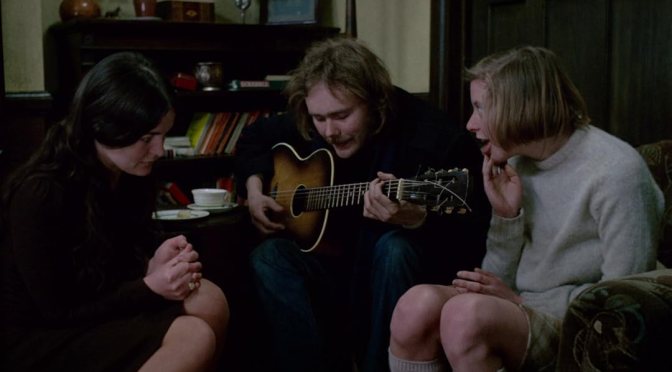
I hadn’t seen the film for twenty years and in a packed Prince Charles Cinema, what struck me was how Bleak Moments, while raw and unvarnished in style, unfolds with a beautifully episodic structure that gently accumulates emotional weight. Each scene offers a quiet vignette—moments of everyday awkwardness, tentative exchanges, and domestic stillness—that together create a deeply human portrait of loneliness and restraint. Despite its sombre tone, the film is laced with dry, observational humour and a deep sense of pathos, revealing the absurdity and ache of unspoken lives.

Mike Bradwell’s Norman and his dryly hilarious songs, and the most awkward of “romantic” dinner scenes in the Chinese restaurant just stood out to me as deeply funny. Raitt’s performance too is a masterclass of comedic understatement. Overall, these qualities—emotional nuance, character-driven storytelling, and a commitment to realism—would become defining hallmarks of Mike Leigh’s oeuvre, already fully formed in this striking debut. Finally, it was great to see and hear from Leigh, now in his eighties, answering some great questions with sharp wit and batting away some stupid ones too with his usual intelligence and droll honesty. Leigh remains a hero in my life’s cultural journey.

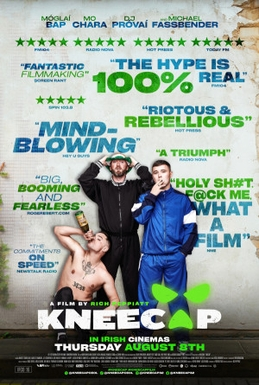

Amazon Prime Film Review: Kneecap (2024) – Irish rap rebels substitute words-for-bombs in riotous youth-in-revolt triumph!

Amazon Prime Film Review: Kneecap (2024)

Directed by Rich Peppiatt

Screenplay by Rich Peppiatt

Story by Rich Peppiatt, Liam Óg Ó hAnnaidh, Naoise Ó Cairealláin, JJ Ó Dochartaigh

Produced by Jack Tarling and Trevor Birney

Main cast: Naoise Ó Cairealláin, Liam Óg Ó hAnnaidh, JJ Ó Dochartaigh, Josie Walker, Fionnuala Flaherty, Jessica Reynolds, Adam Best, Simone Kirby, Michael Fassbender, etc.

Cinematography by Ryan Kernaghan

*** MAY CONTAIN SPOILERS ***


The 2024 film Kneecap is a riotous, politically charged portrait of youth in revolt, channeling the raw energy of punk and hip-hop into a uniquely Irish-language rebellion. Starring the real-life Belfast rap trio—Mo Chara, Móglaí Bap, and DJ Próvaí—as fictionalized versions of themselves, the film blends anarchic humour, biting satire, rites of passage, and cultural defiance to tell the story of how a group of working-class misfits wove their frustrations into musical gold.

Set in post-Troubles West Belfast, the film captures the lingering scars of British occupation and the generational trauma it left behind. Liam (Mo Chara) and Naoise (Móglaí Bap) are introduced as small-time drug dealers navigating poverty, police harassment, and fractured families. Their lives take a turn when JJ Ó Dochartaigh, a disillusioned Irish-language teacher, discovers their lyrical talents and joins them as DJ Próvaí. Together, they form the eponymous group, an Irish-language rap group that weaponizes music as a form of cultural resistance.

The film is unapologetically rebellious, using the Irish language not just as a means of communication but as a symbol of defiance. Arlo (Michael Fassbender), Naoise’s father and a former republican paramilitary, encapsulates this sentiment when he declares, “Every word of Irish spoken is a bullet fired for Irish freedom” . This philosophy permeates the group’s music, which tackles issues like British colonialism, drug culture, and the complexities of identity in a divided society.


Kneecap (2024), while a bold and electric celebration of youth rebellion arguably overstretches itself emotionally by attempting to cover too many themes at once. In its ambition to be both a political statement and a coming-of-age tale, a musical odyssey and a generational cry for recognition, the film occasionally dilutes its emotional impact. As the film juggles a multitude of weighty themes: the trauma of post-Troubles Northern Ireland, the fight for Irish-language preservation, the drug culture plaguing working-class communities, the fractured nature of family life, absent fathers and mothers, and the burden of political legacy. Add to this the rise of a rap group in an unexpected cultural context, and the film becomes a whirlwind of ideas competing for attention. The result is a film that sometimes feels like it’s racing to say everything at once, rather than letting its most resonant emotional threads breathe.

Nonetheless, director and co-writer, Rich Peppiatt, displays strong visual flair evoking the urban vibrancy of Trainspotting (1996) and underdog musical joy of The Commitments (1991). It helps that the film is often fucking hilarious. Plus, I realise it’s a raw reflection of their life choices, I could take or leave the perpetual scenes of gratuitous drug-taking. At the same time, the film doesn’t shy away from the gritty realities of its setting. It portrays the trio’s clashes with radical republican groups, their run-ins with the police, and the family and romantic struggles that come with their newfound fame.

Amidst the chaos, Kneecap (2024) maintains a sense of humour and humanity, offering a nuanced look at the power of art to challenge the status quo and inspire change. In essence, Kneecap is a ballsy and risk-taking celebration of rebellion, a testament to the enduring power of language and music as tools of resistance, and a vivid portrayal of youth challenging the remnants of a colonial past and a country attempting to find peace and identity after centuries of conflict.

Mark: 8.5 out of 11


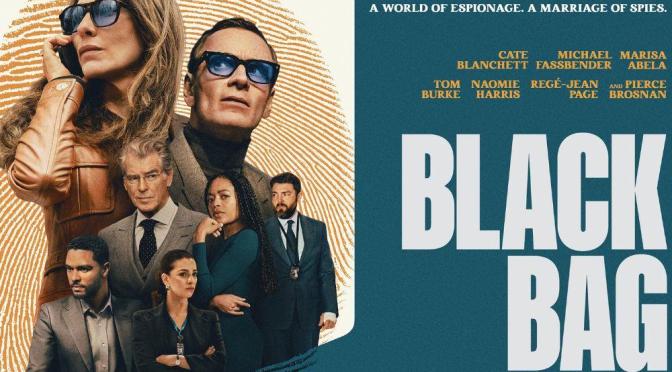
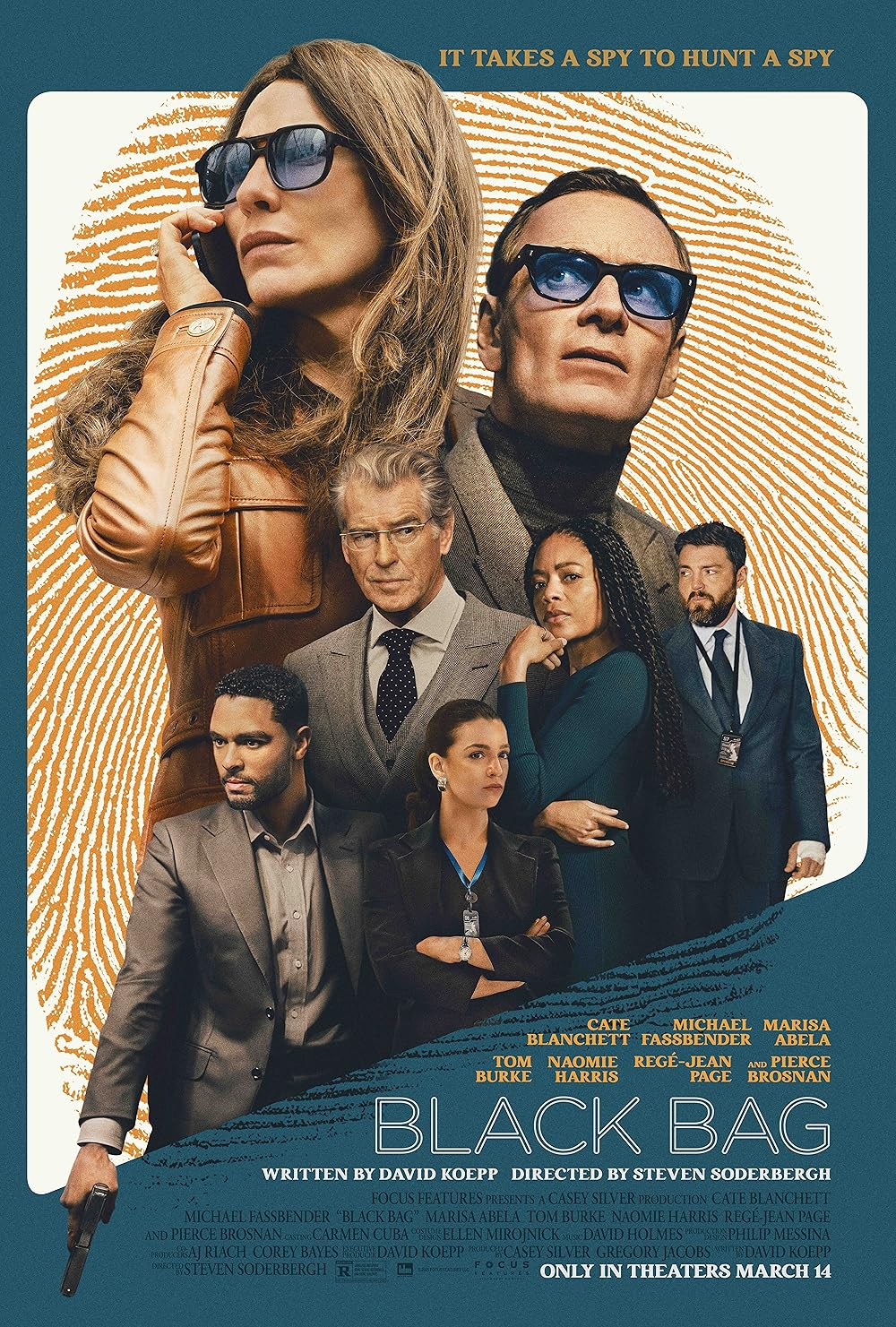
Cinema Review: Black Bag (2025) – Christie meets le Carré in this stylish, sexy and witty spy whodunnit!

CINEMA REVIEW: BLACK BAG (2025)

Directed by Steven Soderbergh

Written by David Koepp

Produced by: Casey Silver, Gregory Jacobs

Main cast: Cate Blanchett, Michael Fassbender, Marisa Abela, Tom Burke, Naomie Harris, Regé-Jean Page, Pierce Brosnan, etc.


Cinematography by Peter Andrews

*** MAY CONTAIN SPOILERS ***


Steven Soderbergh’s career has been nothing short of a cinematic roller-coaster, blending big-budget spectacle, indie sensibilities, and a keen embrace of genre films in ways that defy easy categorisation. What makes his career so distinctive is his ability to seamlessly navigate between these different filmmaking realms, constantly evolving while retaining a unique voice and artistic freedom. His latest film Black Bag (2025) is a striking, starry, and decent-budgeted genre effort.

Soderbergh first rose to prominence with Sex, Lies, and Videotape (1989), a low-budget indie that catapulted him into the spotlight. The film’s success established him as one of the defining voices of American independent cinema during the 1990s. His subsequent works, such as Kafka (1991) and The Underneath (1995), reflected his interest in experimenting with narrative structures and visual styles, blending genre conventions with deep, sometimes surreal exploration of characters. These works were still firmly rooted in indie filmmaking, but they hinted at a growing ambition and versatility in his cinematic process.

Then, in the late ’90s and early 2000s, Soderbergh took a bold leap into big-budget territory. His Ocean’s Eleven (2001) series stands as a perfect example of his ability to handle mainstream, star-studded films with finesse. It combined slick, fast-paced storytelling with elements of the heist genre, demonstrating that Soderbergh could not only handle massive budgets but could also bring style, wit, and substance to a genre film. However, Soderbergh was never one to be pigeonholed, and in the same decade, he also directed both Erin Brockovich (2000) and Traffic (2000), both socially conscious, multi-layered dramas, with the latter about the war on drugs. Traffic earned him an Academy Award for Best Director, proving that Soderbergh but could also tackle politically charged narratives with profound depth.

Having moved back to indie filmmaking with The Bubble (2005) and The Girlfriend Experience (2009), Soderbergh made another unexpected turn with Magic Mike (2012), which, despite its premise (a male stripper drama), was a sharp social commentary on gender, exploitation, and masculinity. This film not only tapped into a niche market but was also a critical success, further cementing his ability to bring depth to various genres, whether mainstream or niche. Even when he announced his “retirement” from directing in 2013, he still found ways to work in other mediums, such as producing and experimenting with quality television (The Knick), and in 2017, he returned to directing with Logan Lucky (2017), a heist comedy that balanced mainstream appeal with Soderbergh’s signature offbeat style.


Soderbergh’s ability to jump between blockbuster entertainment and intimate, experimental narratives has been the hallmark of his career. Yet for me his serious genre dramas like the aforementioned Traffic (2000), plus Contagion (2011), Side Effects (2013), and his most recent project, Black Bag (2025) represent the pinnacle of his narrative precision and impact, solidifying his reputation as one of the best directors in genre cinema. One could argue that Black Bag (2025) leans heavily on spy film tropes, yet it has a certain emotional and conspiratorial depth beneath the familiar beats and sheen.

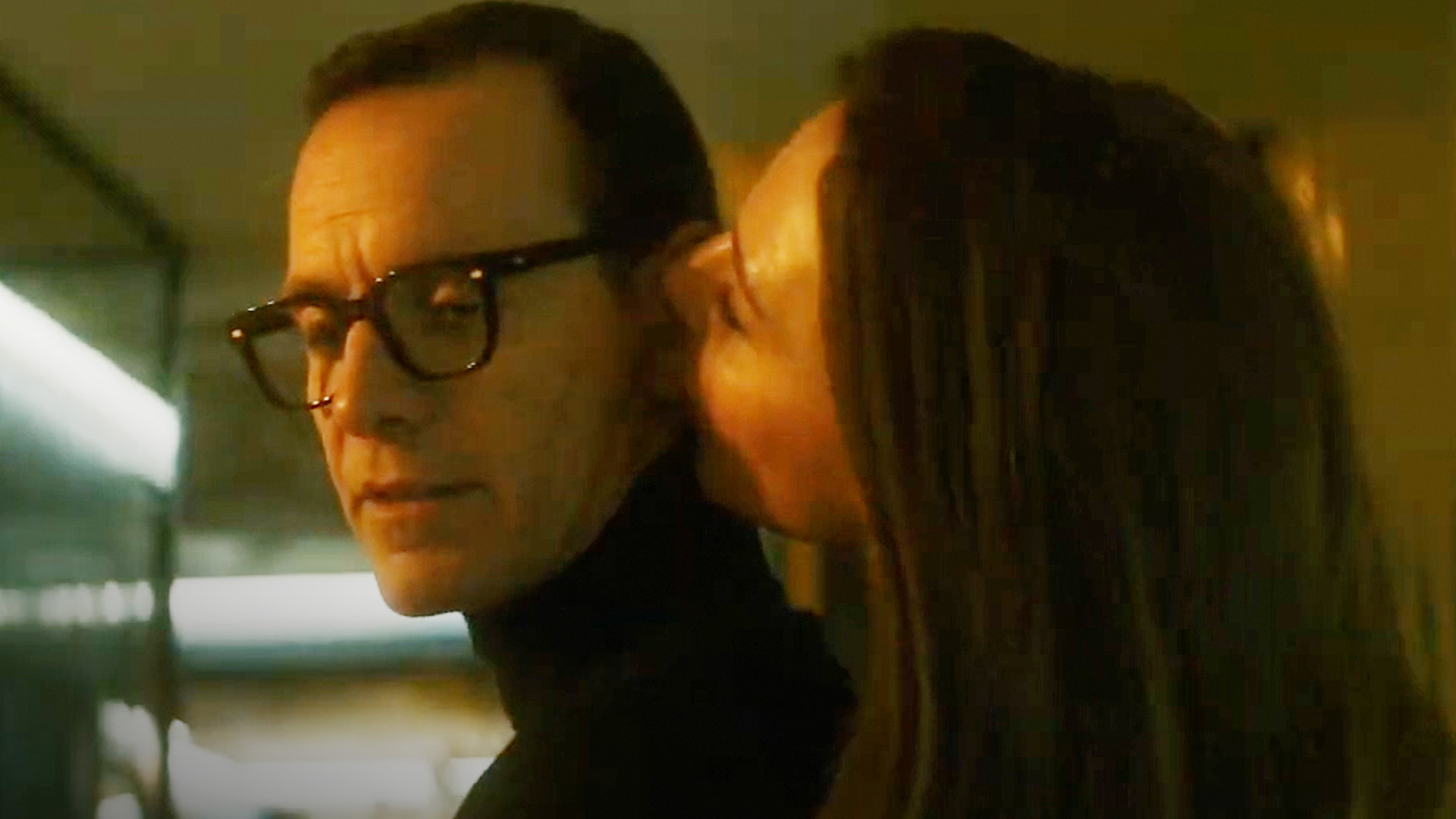
What sets these films apart from the rest of Soderbergh’s career is the seamless way in which he blends his usual intellectual ambition with a masterful, almost surgical delivery of genre tropes. Whether tackling the global panic of a viral outbreak in Contagion (2011), the psychological twists of a modern Hitchcockian thriller in Side Effects (2013), or the high-stakes political intrigue in Black Bag (2025), where a deadly uber-weapon McGuffin falls into the wrong hands. Here master-agent George Woodhouse (Michael Fassbender) must track down a mole, who may-or-may-not be one of his colleagues or indeed his wife, Kathryn (Cate Blanchett).

Black Bag (2025), expertly combines spy-game thrills within a series of “who’s-cheating-on-who” twists. It certainly helps that Soderbergh is working with an exceptionally crafted script from David Koepp and a cast to die for. Fassbender, Blanchett and Tom Burke especially stand-out, with Fassbender delivering yet another masterclass in filmic understatement. Overall, it’s a viciously funny and sexy genre piece that combines Agatha Christie, classic espionage thrillers and Soderbergh’s trademark framing, lens and lighting tricks. It’s the kind of genre filmmaking where every scene, every act, every word, every frame and every moment serves a narrative purpose. It’s a handsome bit of cinema and my word is my Bond!

Mark: 8.5 out of 11


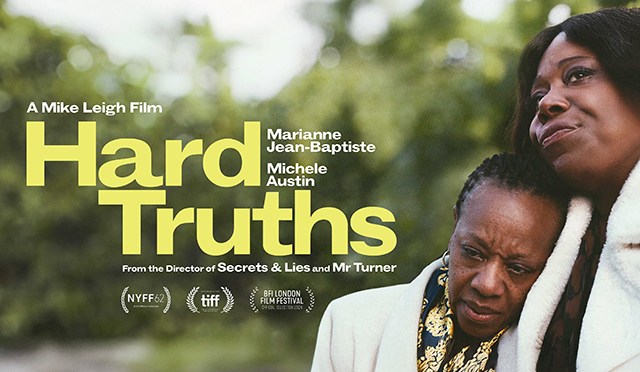
Cinema Review: Hard Truths (2024) – an unflinching look at a family struggling with depression.

CINEMA REVIEW: HARD TRUTHS (2024)

Directed by Mike Leigh

Written by Mike Leigh

Produced by Georgina Lowe

Main Cast: Marianne Jean-Baptiste, Michele Austin, David Webber, Tuwaine Barrett, Ani Nelson, Sophia Brown, Jonathan Livingstone, etc.

Cinematography by Dick Pope

*** MAY CONTAIN SPOILERS ***


Mike Leigh’s career has been defined by an unflinching exploration of everyday existence, shaped by a commitment to realism and a deep understanding of human behaviour. His films, whether contemporary or period pieces, dissect the nuances of ordinary lives, often capturing the struggles, aspirations, and quiet triumphs of working- and middle-class individuals. His signature improvisational approach—where actors develop their characters through extensive rehearsal—allows for an organic authenticity that makes his work resonate with honesty and emotional depth.

Leigh’s early films, such as Bleak Moments (1971) and Nuts in May (1976), established his interest in the mundanities and disappointments of daily life. His later films, such as High Hopes (1988) and Life is Sweet (1990), continued this trend, portraying ordinary people navigating personal and societal challenges with humour and pathos. Secrets & Lies (1996), one of his most acclaimed works, epitomizes his fascination with human vulnerability, as it dissects family relationships, race, and identity in a way that feels raw yet tender.

Leigh’s career trajectory has also included excursions into period dramas, notably the heart-wrenching, Vera Drake (2004) and arguably his most political film, Peterloo (2018). But rather than abandoning his focus on the intricacies of human experience, he applies the same observational precision to historical subjects. Topsy-Turvy (1999), about the creation of Gilbert and Sullivan’s The Mikado, examines the creative process with the same detail he grants his modern-day working-class protagonists. Mr. Turner (2014), a biopic of the painter J.M.W. Turner, similarly explores the artist’s struggles, eccentricities, and societal context without falling into the clichés of the genre. These films reveal that, for Leigh, the past is not a grand spectacle but an extension of the same human complexities that define his contemporary work.


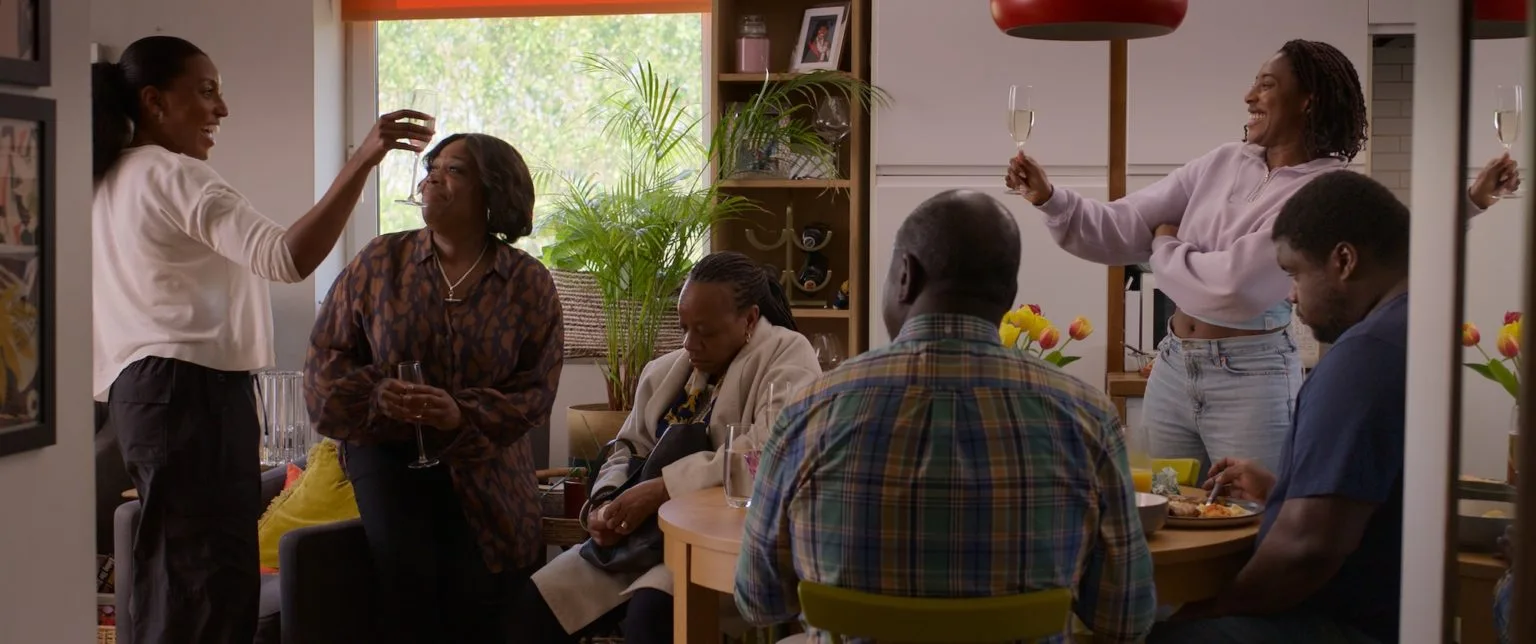
His latest film, Hard Truths (2024), follows in this tradition, delving into the stark realities of its characters with the same empathy and directness. Set in London in the present day, it focuses on the Deacon family unit and extended relations, notably two personality-divergent sisters, Pansy Deacon (Marianne Jean-Baptiste) and sibling, Chantelle (Michele Austin). Pansy is a middle-aged London housewife whose relentless irritability and sharp tongue mask a deep-seated inner turmoil. Her acerbic interactions—whether berating her husband Curtley, chastising her son Moses, or lashing out at unsuspecting strangers—serve as both a source of dark humour and a window into her dissatisfaction with life. Indeed, some of her rants are absolutely laugh-out-loud hilarious.

Leigh’s nuanced direction ensures that while Pansy’s outbursts may elicit laughter, they simultaneously reveal the tragic underpinnings of her character. Her vitriolic remarks, often delivered with biting wit, are symptomatic of her internal struggles, painting a portrait of a woman grappling with unarticulated pain. This duality is evident in scenes where Pansy’s caustic rants thinly veils her profound sense of isolation and despair. The film delves deeper into Pansy’s psyche during interactions with the more upbeat, Chantelle. A pivotal moment occurs during a Mother’s Day visit to their mother’s grave, where Chantelle confronts Pansy about her pervasive anger. Pansy’s anguished admission, “I don’t know!” encapsulates the bewildering nature of her depression, highlighting how her defensive humour serves as a barrier against this insidious mental illness.

Marianne Jean-Baptiste’s absorbing portrayal brings emotional depth to Pansy’s character, capturing the delicate interplay between her abrasive exterior and the fragility it conceals. Similarly, Michele Austin brings light and optimism to the screen, along with her effervescent daughters, somehow striving to combat the all-pervasive cloud of depression. Some of my favourite scenes of the film were with Chantelle in conversation with customers in her hair salon. Thus, in essence, Hard Truths (2024) presents a compelling character study that intertwines humour with the sombre realities of depression. Through Pansy Deacon, Leigh illustrates there are no easy answers to the pain of an affliction that remains silent and invisible but is ever-present within everyone’s lives.

Mark: 8 out of 11


FIX FILMS PRESENTS: SIN – EPISODES 1 – 3

SIN – EPISODES 1 – 3

Last year I wrote and produced seven monologues inspired by the deadly sins. With careful planning, myself and a quality cast and crew shot them all in one day at Raindance Film School. I’m now releasing them online via YouTube. They are in essence a proof of concept project with an aim for myself to develop them into a feature film screenplay. Below are episodes 1 to 3, with episodes 4 to 7 to come soon.


PITCH

“Let those without sin cast the first stone.”

An anthology of 7 monologues based around the seven deadly sins. Moments, drama, humour, character studies and themes exploring the darker side of human nature. Influenced by: Alan Bennett’s Talking Heads, Inside No. 9, Tales of the Unexpected and Amicus/Hammer horror film anthologies.


SLOTH starring Paul Laight

Sloth, features Kevin, a Spurs fan, recounting how he took revenge on one of the laziest people he has ever met.


GREED starring Sydney Curtis

This moving monologue features, Gary, at an AA meeting, sharing how he believes greed has contributed to a close friend’s death.


GLUTTONY starring Antigone Duchesne

Kate Briggs serves up a monologue, via a video will, enacting a grudge-driven, but sweet revenge against her gluttonous pig of a brother.


CREDITS

Writer and Producer: Paul Laight
Camera and Post-Production: Gary O’Brien
Sound: Ali Kivanc
Camera Assistant: Maka Natsvlishvili

Music by: Epic Violin Music NO Copyright royalty free music  
Special thanks: Raindance Film School and Universal Video


© 2024 Fix Films Ltd


FILMS THAT GOT AWAY #16: OFFICIAL COMPETITION (2021)

FILMS THAT GOT AWAY #16: OFFICIAL COMPETITION (2021)

Directed by Gastón Duprat and Mariano Cohn

Written by: Mariano Cohn, Andrés Duprat and Gastón Duprat

Produced by: Jaume Roures

Main cast: Penélope Cruz, Antonio Banderas, Oscar Martínez, José Luis Gómez, Irene Escolar, Manolo Solo, Nagore Aranburu, Pilar Castro
Koldo Olabarri, etc.

Cinematography Arnau Valls Colomer

**MAY CONTAIN SPOILERS**


It’s no surprise there are an abundance of films about the actual process of filmmaking. The film industry is full of rich possibilities in terms of drama, action, tragedy, romance and comedy. Moreover, cinema down the years is replete with imaginative, tough, evil, spoilt, egotistical, eccentric, pretentious and frankly insane individuals working in the film industry. 8 1/2 (1963), Dolemite is My Name (2019), Shadow of the Vampire (2000), Sullivan’s Travels (1941), Barton Fink (1991), State and Main (2000), Once Upon A Time In Hollywood (2019), Hugo (2011)Living In Oblivion (1995), Boogie Nights (1997), The Disaster Artist (2017), Ed Wood (1994), The Player (1992), and Tropic Thunder (2008) are just a few brilliant films about filmmaking. Now you can add the hilarious Argentinian-Spanish co-production, Official Competition (2021) to that list.

With stunningly funny performances from Penelope Cruz, Antonio Banderas and Oscar Martinez, Official Competition (2021), centres on a film-within-a-film production, as Cruz’s ostentatious director, Lola Cuevas, helms a billionaire-backed-big-budget adaptation of a critically acclaimed book. Banderas is Felix Rivero, a famous movie star, while Martinez is a method-driven actor, and with the wildly unpredictable Cuevas between them, a rivalry soon develops between their different acting styles and personalities. As the production progresses any respect they had evaporates and descends into hilarious acrimony amidst a series of expertly staged comedic set-pieces.

I find it incredibly irritating that so many films get critical praise and win awards and you watch them and, while technically brilliant, they are ultimately boring and pretentious. Then we get Official Competition (2021), with a perpetually inventive screenplay by Mariano Cohn, Andrés Duprat and Gastón Duprat, that has not received nearly enough critical praise or awards. In fact, it mocks those artistically inflated directors and actors whom often get over-praised by fawning film critics and journalists. So, if you love films about filmmaking and funny ones at that, please do check this film out streaming on Netflix. It is certainly a cut above the pretentious films, actors and directors it is cleverly satirising.


CINEMA REVIEW: COCAINE BEAR (2023)

CINEMA REVIEW: COCAINE BEAR (2023)

Directed by Elizabeth Banks

Written by Jimmy Warden

Produced by: Phil Lord, Christopher Miller, Aditya Sood, Elizabeth Banks, Max Handelman and Brian Duffield

Main Cast: Keri Russell, O’Shea Jackson Jr., Christian Convery, Alden Ehrenreich, Brooklynn Prince, Isiah Whitlock Jr., Margo Martindale and Ray Liotta

*** CONTAINS SPOILERS ***


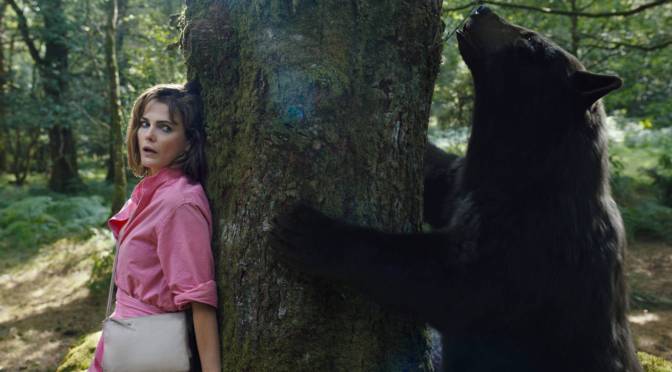
Every now and then a film title hooks you in immediately. Snakes on a Plane (2006) anyone? Now, another beast driven movie comes along and says, “Hold. . . My. . . Bear!” Enter based-on-a-crazy-true-story Cocaine Bear (2023)! Yes, incredibly, the B-movie comedy-horror film is based on the real-life events in 1985, when a drug smuggler chucked themselves, and over forty bags of cocaine, out of a mechanically flailing aeroplane. When his parachute failed to open the smuggler plummeted to his death. The raining coke fell into Georgia forest terrain, only to be found by a black bear who, thinking it was food perhaps, tucked into the white powder.

Cocaine Bear (2023) imagines what happened next to this bizarre but somehow tragic series of unfortunate events. Let’s just say that P.E.T.A would certainly not approve of what happens to the bear in this film. Although they may enjoy the many grisly and bone-crunching deaths that occur to the mostly two-dimensional human characters on show. But while the cast, notably Alden Ehrenreich and Keri Russell, do their best with the material, the film lacks the wit and ensemble acting strength of a far superior movie involving an apex predator gone rogue, Lake Placid (1999).

Safe to say that Cocaine Bear (2023) is a pretty terrible movie. It is, however, very entertaining in a stupid way. It is deliberately intended to be that way by the writer, Jimmy Warden and director Elizabeth Banks. The flimsy characterisation, over-acting and half-witted plotting place the film on the verge of parody, without reaching the richly, gag-heavy scripts of say the Naked Gun series. There are some fantastically funny scenes involving the kids finding the cocaine and the realistic CGI bear causing carnage killing dumb teenage gang members and bickering gangsters. So, go into Cocaine Bear (2023) with low expectations and you will be rewarded with a funny and bloody B-movie monster flick. Ultimately, it has a great trailer and clickbait title, and contains enough crowd-pleasing carnage and dumb fun to make it worth a trip to the cinema.

Mark: 6.5 out of 11


CINEMA REVIEW: TRIANGLE OF SADNESS (2022)

CINEMA REVIEW: TRIANGLE OF SADNESS (2022)

Directed by Ruben Östlund

Written by: Ruben Östlund

Produced by: Erik Hemmendorff, Philippe Bober

Main cast: Harris Dickinson, Charlbi Dean, Dolly de Leon, Zlatko Burić, Henrik Dorsin, Vicki Berlin, Woody Harrelson etc.

Cinematography: Fredrik Wenzel

Edited by: Ruben Östlund, Mikel Cee Karlsson

Music by: Mikkel Maltha, Leslie Ming

*** MAY CONTAIN SPOILERS ***


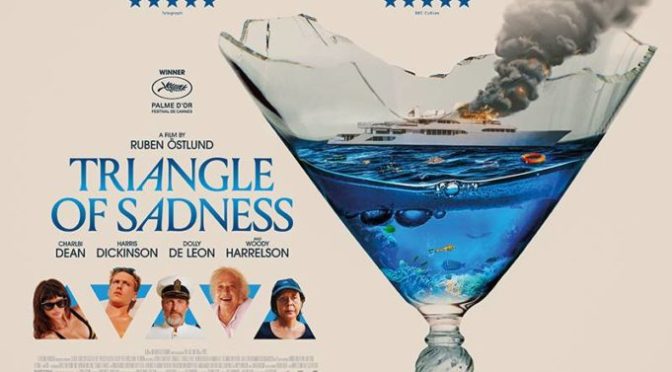
Ruben Ostlund is fast becoming one of those go to directors who can be relied upon to deliver cinema of the highest quality. His latest film, Triangle of Sadness (2022) is his finest to date. Having said that, his Force Majeure (2014) was one of those excellent films I hated.  Technically, it was beautifully shot, performed, and directed, however, I just found the characters too irritating. Personally despising ski holidays probably didn’t help either. I actually wished the characters had been killed in the avalanche to save on all the middle-class matrimonial moaning.

Ostlund’s next film The Square (2017) was bravura arthouse storytelling containing wonderful digs at the nature of modern art and how rich people will buy any old crap if it is put in a gallery. While a tad overlong, it was wonderfully funny with hilarious mocking of the bourgeoisie, art and the rise of social media. With Triangle of Sadness (2022), Ostlund has moved up the social strata and focussed his satirical eye on the uber-wealthy, combining socialist dialectic with gross-out comedy, as Das Kapital meets Monty Python’s The Meaning of Life (1983).


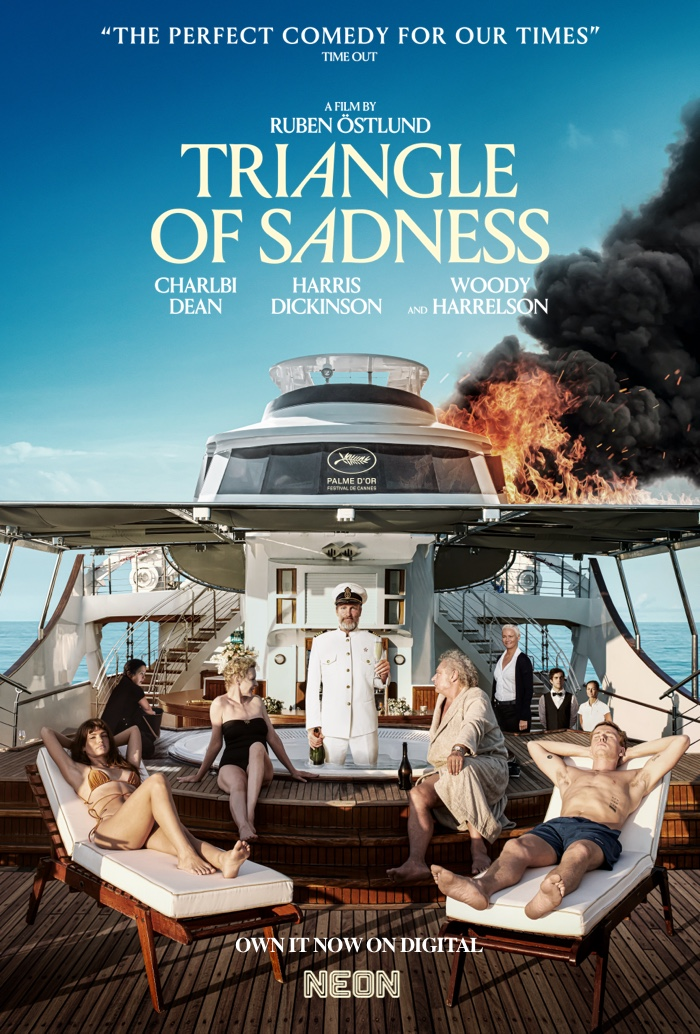
The film opens with Carl (Harris Dickinson) and Yaya (Charlbi Dean), a model and Social Media influencer, as a couple whose relationship is fraught with problems. Through Yaya’s connections she secures them free passage on one of the most luxurious yachting holidays on the ocean. While they aren’t short of money, they have nothing compared to the wealthy millionaires and business types on the boat. As Carl and Yaya act as our conduits in the story, Ostlund uses them to explore the petty first world problems which impact many romances. The staff are also introduced as key players in the “Upstairs, Downstairs” character dynamic, notably Woody Harrelson’s drunken socialist Captain Thomas Smith, and Vicki Berlin’s staff supervisor, Paula. Lastly, the money is represented essentially by lonely tech millionaire, Jarmo (Henrik Dorsin), obnoxious Russian, Dimitry (Zlatko Burić) and stroke victim, Therese (Iris Berben) and her husband.

Throwing these disparate, and latterly desperate personalities, into the trapped spaces of a superyacht is great writing by Ostlund. What unfolds in the second act of the film is an extended set-piece of riotous fun. As the yacht becomes battered by the stormy sea and weather, the guests all become violently ill to devasting impact. While it may not be to everyone’s taste, I was laughing for twenty odd minutes straight at this sickening skewering of these privileged people. At the same time the drunken Dimitry and Captain Smith argue relentlessly about the differences and merits of capitalist and Marxist ideologies. It’s easily one of the funniest and impressively directed sequences of this cinematic year.

But Ostlund isn’t finished yet. These characters have not suffered enough for him, and the final section of Triangle of Sadness (2022) drenches the story in another hilarious and satirical direction. I won’t spoil the events which unfold, but Carl and Yaya’s relationship issues come to the fore as a darkly comedic peril strikes the yacht and passengers. Here Ostlund strikes a further blow against capitalism, exploring the nature of survival of the fittest and true values of human currency in a savage indictment against the obscenely rich. Overall, while the characters may not be the most likeable, that is never Ostlund’s aim. Ostlund’s desire is to critique capitalist hegemony through both high and low brow humour. He succeeds, making Triangle of Sadness (2022) one of the most thought-provoking and exhilarating cinema experiences of the year.

Mark: 9.5 out of 11


CINEMA REVIEW: EVERYTHING, EVERYWHERE, ALL AT ONCE (2022)

CINEMA REVIEW: EVERYTHING, EVERYWHERE, ALL AT ONCE (2022)

Directed by: Dan Kwan & Daniel Scheinert

Written by: Dan Kwan & Daniel Scheinert

Produced by: Anthony Russo, Joe Russo, Mike Larocca, Dan Kwan, Daniel Scheinert, Jonathan Wang, Michelle Yeoh, etc.

Cast: Michelle Yeoh, Stephanie Hsu, Ke Huy Quan, Jenny Slate, Harry Shum Jr., James Hong, Jamie Lee Curtis, etc.

Cinematography: Larkin Seiple

Editor: Paul Rogers

*** CONTAINS MILD SPOILERS ***


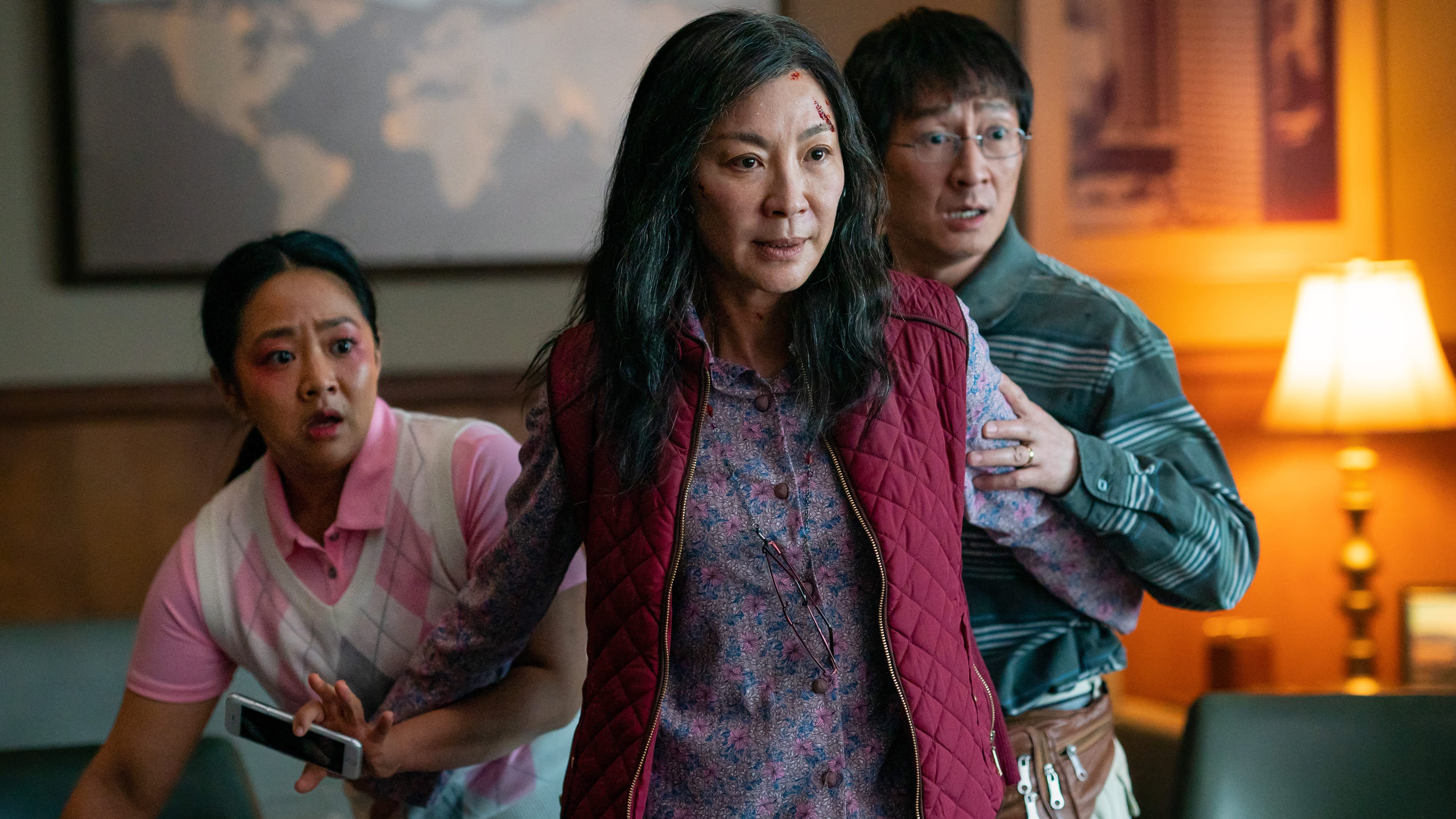
Wow, where does one start when reviewing Dan Kwan and Daniel Scheinert’s highly entertaining and genre-colliding film, Everything, Everywhere, All at Once (2022)? Well, let’s start inward and work outwards. Thus, overall, it is one of the most exhilarating cinema releases of the year. Michelle Yeoh gives a spectacular series of performances as middle-aged wife, mother, business person, actor, chef, martial artist, sign-flipper, lesbian pianist, planet saviour, and rock named simultaneously Evelyn Wang, Evelyn Wang, Evelyn Wang, Evelyn Wang and yet more Evelyn Wang’s. Yes, if you didn’t know this is another multiverse narrative, but arguably the best and most fun of the lot.

Spinning a plot that could be pitched as Crouching Matrix, Hidden Beauty the relentless Everything, Everywhere, All at Once (2022) has a seriously insane story and series of crazy, funny set-pieces throughout, with the filmmakers throwing drama, science-fiction, kung-fu, horror, comedy, rites-of-passage, romance, surrealism, and kitchen sink genres at the page and screen in a riotous visual and aural feast. I mean what other films deliver a talking raccoon, giant dildo fight and homage to Stanley Kubrick into the creative mixer. And that’s just for starters. I could say more but don’t want to spoil all the spectacular surprises on show. Safe to say, I won’t look at a bagel the same after watching this devastating cinematic smorgasbord. Word of warning the tone of this film smash cuts all over the place, and while I could find fault with this, the sheer pace, imagination and diversity of the concepts did not just win me over, but smashed me into submission.


But what the hell is the story, Paul? Oh yes, there is a narrative core and spine with which to hang the madness on. I said I was going outwards didn’t I? So, Michelle Yeoh, Evelyn, is married to Waymond (Ke Huy Quan) and their relationship is slowly cooling like campfire embers. The family business is in financial strife and as the launderette struggles, Evelyn finds herself being audited by the I.R.S. Adding to these woes are stressful relationships with her daughter, Joy (Stephanie Hsu) and elderly father, Gong Gong (James Hong), thus Evelyn’s mid-life is not so much in crisis as about to explode. She needs a miracle. An escape. A means with which to resolve and work through her issues. But this reality bites. Hard. Thankfully, this isn’t real life. It is cinema. And there are alternatives universes. Many alternative Evelyn’s in fact. But is this Evelyn the chosen one? So a journey of identity and discovery begins. Will Evelyn save herself? Will Evelyn save the world(s)? And does it even matter?

I would probably need to watch Everything, Everywhere, All at Once (2022) again to see if the myriad of plot concepts actually make sense. My instinct was that the writers were in control and deliberately out of control with their material. Throwing punchlines, taking risks, improvising and not so much pushing but burning many, many envelopes. Yet, they have found a rock in Michelle Yeoh to build their multi-stranded narratives and themes around. She superbly anchors the film allowing the filmmakers to simultaneously explore the meaning of life, identity and existence in two-hours-or-so of exhilarating cinemas. Yeoh deserves award nominations galore for the energy, strength and emotion shown within the many lives of Evelyn Wang. It was also terrific too to see Ke Huy Quan return to a prominent movie role. He is so likeable and funny. Please never retire again!

Lastly, kudos to Dan Kwan and Daniel Scheinert for delivering one of the most extraordinary films about ordinary people of the year. They potentially could have shaved some minutes of the runtime for pace. Because, by the time yet another smashing fight scene had finished I was almost too exhausted to feel at one with the final act familial reconciliation. But, Kwan and Scheinert succeed with Everything, Everywhere, All at Once (2022) because as well as a machine-gun splattering of hilarious ideas and gags combined with some pretty lofty themes, this film ultimately has a hell of a heart. More than one; a multiverse of hearts in fact. All beating as one.

Mark: 9 out of 11


SKY CINEMA REVIEW: MINARI (2020)

SKY CINEMA REVIEW: MINARI (2020)

Directed by Lee Isaac Chung

Written by Lee Isaac Chung

Produced by: Dede Gardner, Jeremy Kleiner, Christina Oh

Cast: Steven Yeun, Han Ye-ri, Alan Kim, Noel Kate Cho, Youn Yuh-jung, Will Patton, etc.

Cinematography: Lachlan Milne

Music by: Emile Messeri

*** MAY CONTAIN SPOILERS ***


See the source image

I missed Minari (2020) at the cinema. Which is a shame because out of all the Oscar-nominated films from earlier in the year it is now my favourite. Further, it should certainly have won the best film award. (Note: I have yet to see The Father (2020).) It has the heart and warmth and realistic hope that eventual winner, Nomadland (2020) lacked. Chloe Zhao’s powerful character study was arguably too meditative and glacially paced, without any real diversion from the plodding repetition of monotonous existence. I love slice-of-life and character-driven work, but I want some drama too. While Minari (2020) has certain meditative qualities, writer-director Lee Isaac Chung has crafted a supeb cinematic memoir of tender power and emotion.

Set in 1983, Minari (2020), centres around the Yi family. They had been working in California, but have moved to Arkansas to farm the land. The father, Jacob (Steven Yuen) dreams of growing produce to sell to fellow Korean businesses. However, the farm and static caravan he has purchased is remote with no guarantee of water to ripen the fruits and vegetables. Jacob must either pay exorbitant prices from the water company or find a natural spring underground. Alas, rain rarely threatens the Arkansas plains.

Jacob’s wife, Monica (Han Ye-ri) hates the caravan and does not share his farming dream. This marital conflict drives the much of the narrative as the two argue constantly. Monica is especially angry that her young son, David (Alan Kim) is so far from a hospital. The boy has a heart condition and like any good mother she consistently worries. Their teenage daughter, Anne (Noel Kate Cho) is too young to be a full-time caregiver to David while Jacob and Monica support themselves working at a local chicken factory. To placate Monica, Jacob brings grandmother, Soon-ja (Youn Yuh-jung) to the farm for support. Here a beautiful and funny parallel plot begins as David and his grandmother’s relationship comes to the fore.


See the source image

I watched Minari (2020) on a Sunday morning at home, relaxed and cosy, filled with breakfast and coffee. I loved experiencing the film. The music wondrously supports the beautiful photography that illuminates the green and wheats that fill the lens’ gorgeous palette. Like the masterpiece, Parasite (2019), Minari (2020) represents a working-class family striving to stay together and survive in difficult times. The main difference though is the Yi family were doing it with honest hard graft rather that grifting, ducking and diving. The Yi’s connect with nature and the land rather than skimming the city and the rich. I really rooted for the Yi’s. Jacob’s desires and battles to find water reminded me of the equally moving French classic, Jean De Florette (1986).

Minari (2020) doesn’t take the obvious route of making the Arkansas locals racists who rail against the Yi’s. While there are some scenes involving cultural clashes, much of the drama and humour derives from the families interactions with each other. Indeed, the scenes where David antagonises his unconventional grandmother are hilarious. Youn Yuh-jung as the elderly matriarch is fantastic, deservedly winning a best supporting actress role at the Oscars. Moreover, Lee Isaac Chung gets a miraculous performance from child actor, Alan Kim. Special mention for a busy, but nuanced portrayal of a troubled but helpful worker, Paul, by Will Patton. His deeply pious character could have easily been made an antagonist, but Chung ensures he is another relatable human being in a film full of them.

Mark: 9.5 out of 11