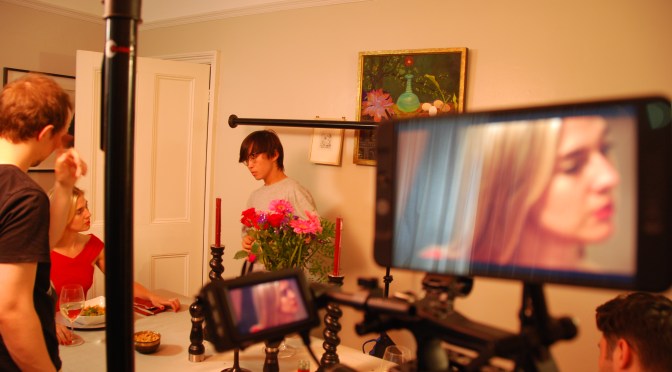
After a few years gap I finally managed to get back into the short filmmaking process last year with INFERIS (2024). I wrote and produced it as a very low-budget psychological horror proof of concept short. It was filmed at Raindance Film School in August 2023 and post was completed in February 2024.
Here is the trailer:
INFERIS (2024) – Production Details
Tagline – “They make you work like hell!”
Logline – Recent prison leaver, Joseph Mann, begins a new job at Inferis Security. Hoping for a fresh start he finds himself drawn toward a mysterious door that leads to god knows where.
Produced by: Maren Olson, Asher Goldstein, Joshua Astrachan, Ron Najor
Cast: Brie Larson, John Gallagher, Jr., Kaitlyn Dever, Rami Malek, Lakeith Stanfield, Kevin Hernandez, Melora Walters, Stephanie Beatriz, etc.
Cinematography: Brett Pawlak
Bloody Marvel!
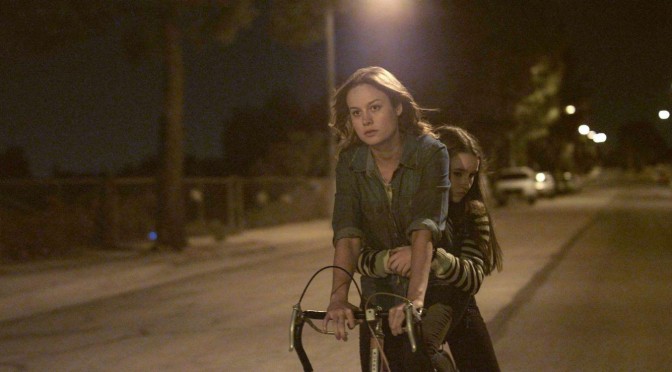
I refer to both this film, Short Term 12 (2013), and the Disney-owned behemoth studio which, while releasing some incredible film works over the years, currently pumps out generic product of variant quality. I say “Bloody Marvel” because the studio continue to poach some amazingly talented filmmakers with indie roots to front their entertaining cookie-cutter templates. I, of course, include Short Term 12 (2013), writer-director, Destin Daniel Cretton who, having adapted his own short film for a reported $400,000, has subsequently been directing stupidly expensive super-hero films for the studio giant.
Short Term 12 (2013) is one of those films I missed seeing on release. I then, for some unknown series of reasons, did not see it on video until earlier this month. It is a brilliant drama, full of fascinating characters, amazing dialogue, poignant moments of humanity and some really funny scenes also. Moreover, it has almost the perfect low-budget film screenplay, so it is no surprise to find out Destin Daniel Cretton’s script won a Nicholls Fellowship Screenwriting Award. The casting director also deserves a mention too. I am not sure what kind of crystal ball they had because the ensemble is a who’s-who of “before they were famous” castings including: Brie Larson, Lakeith Stanfield, Rami Malek, John Gallagher, Kaitlyn Dever and Stephanie Beatriz.
Set in a group care home, Short Term 12 (2013), centres around the staff and teenage children and their daily ups and downs. At the heart of the story is Grace (Brie Larson) and her work/romance partner, Mason (John Gallagher). As well as working to resolve the often harrowing issues of teenagers such as Marcus (Lakeith Stanfield) and Jayden (Kaitlyn Dever), Grace strives to overcome the post-traumatic scars her childhood has caused her. Aside from a slight tragedy overload in the final act, Short Term 12 (2013), is one of the best films I have seen in a long time. The emotional gravity I felt for many of these characters was so powerful. It is very rare that a film can make me laugh and cry in equal measures. And it was all shot, acted and directed in just twenty days. Destin Daniel Cretton’s sophomore feature film is a true indie marvel!
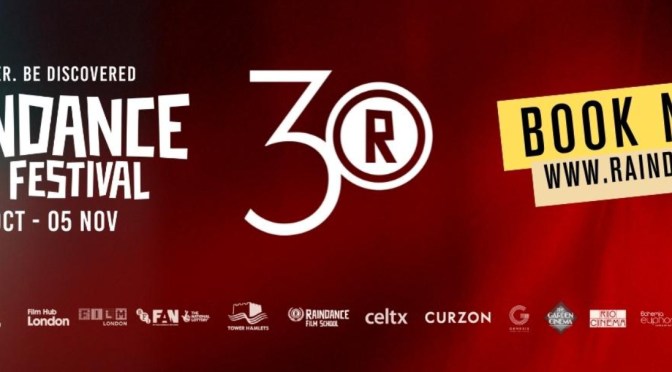
Raindance Film Festival is the largest independent film festival in the UK. Holding the 30th festival in 2022, Raindance is based in the heart of London’s buzzing West End film district.
Raindance Film Festival is officially recognised by the Academy of Motion Picture Arts and Sciences USA, the British Academy of Film and Television Arts and the British Independent Film Awards. Selected shorts will qualify for Oscar® and BAFTA considerations.
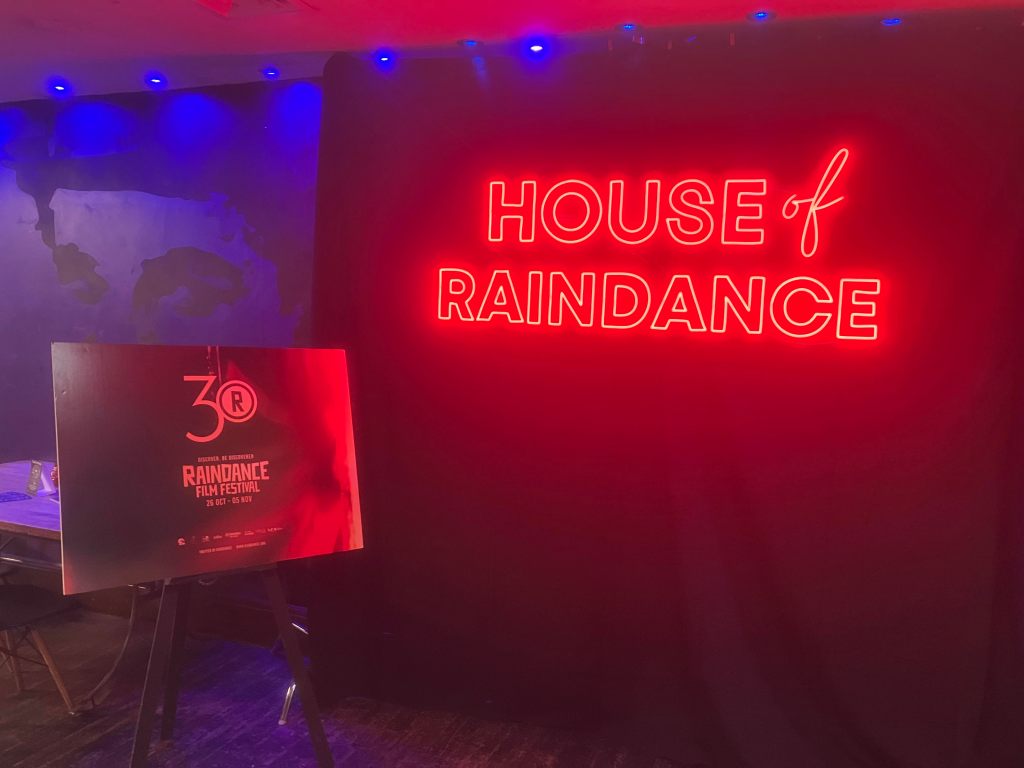
Festival Sections: – World-renowned programme of the best UK and international independent films. – House of Raindance – talks and panels at Genesis Cinema – Raindance VRX programme for virtual reality and new media Networking events – Attracting 16,000 visitors including 500 industry professionals into London.
The 30th Raindance took place between October 26 – November 5 2022 in Central and East London. I attended many of the amazing events.
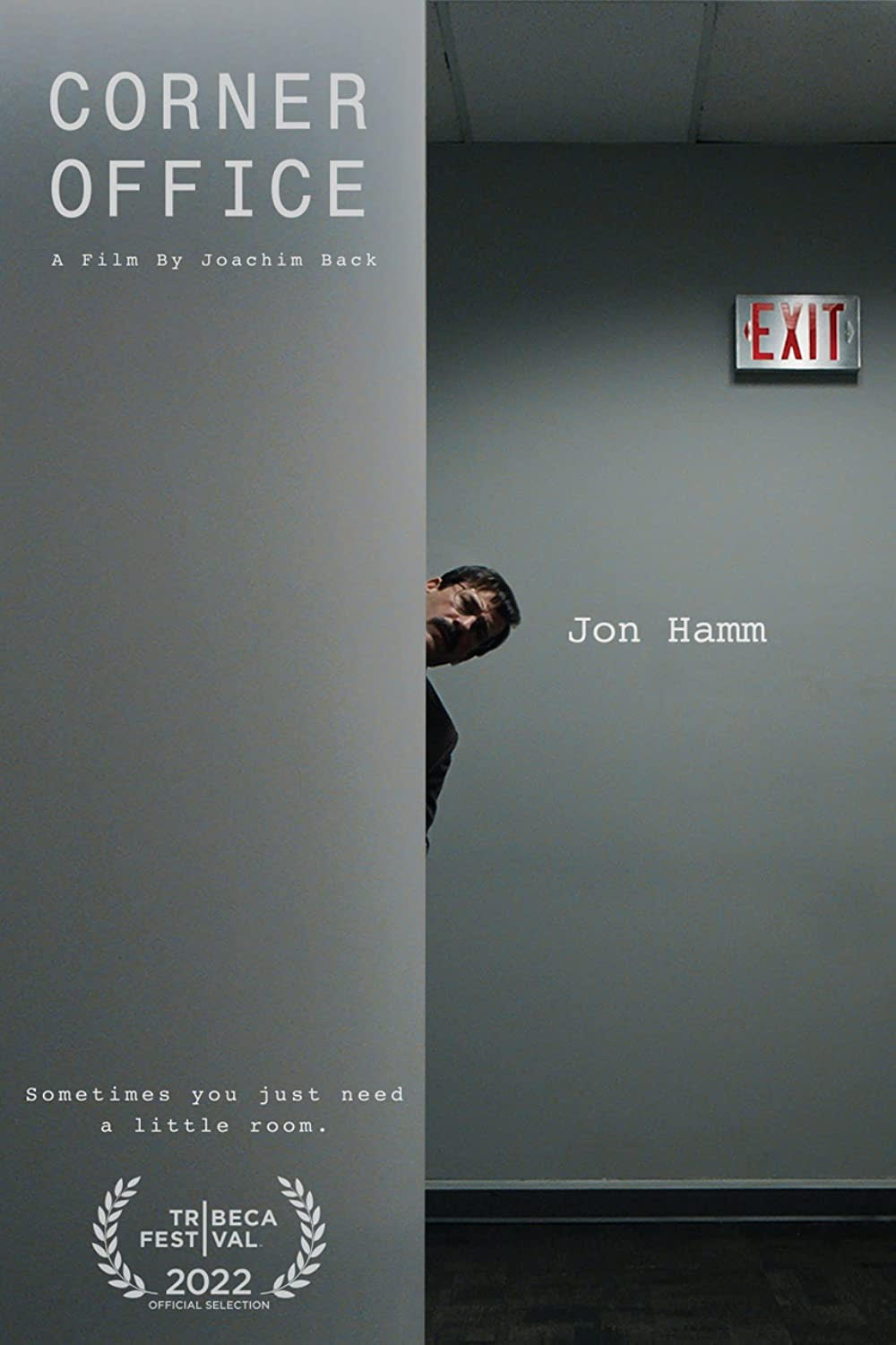
Opening Night Gala and Film – Corner Office (2022)
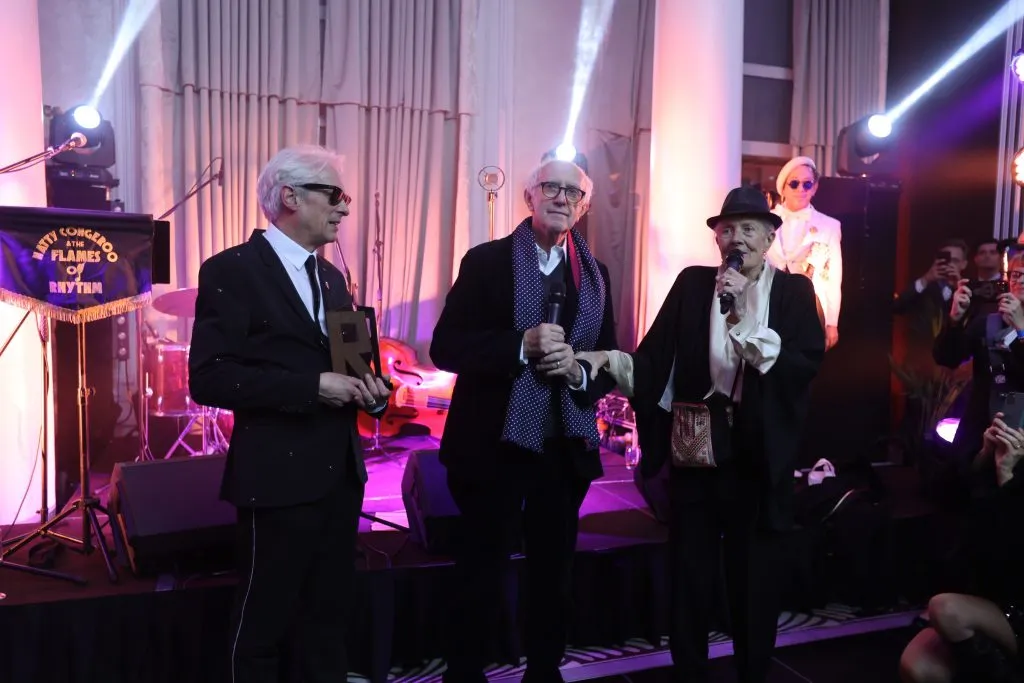
The opening night Gala at the Waldorf Hotel, was a fantastic event and Jonathan Pryce and Vanessa Redgrave deservedly received Raindance icon awards.
The opening gala was preceded by the opening film. Starring the cast-against-type, Jon Hamm,Corner Office (2022) is a fine surreal comedy. He portrays an office worker who finds a room in the office which no other worker can see. Is he crazy or the sanest person in the company? Joachim Back directs a stylish and offbeat indie cinema treat!
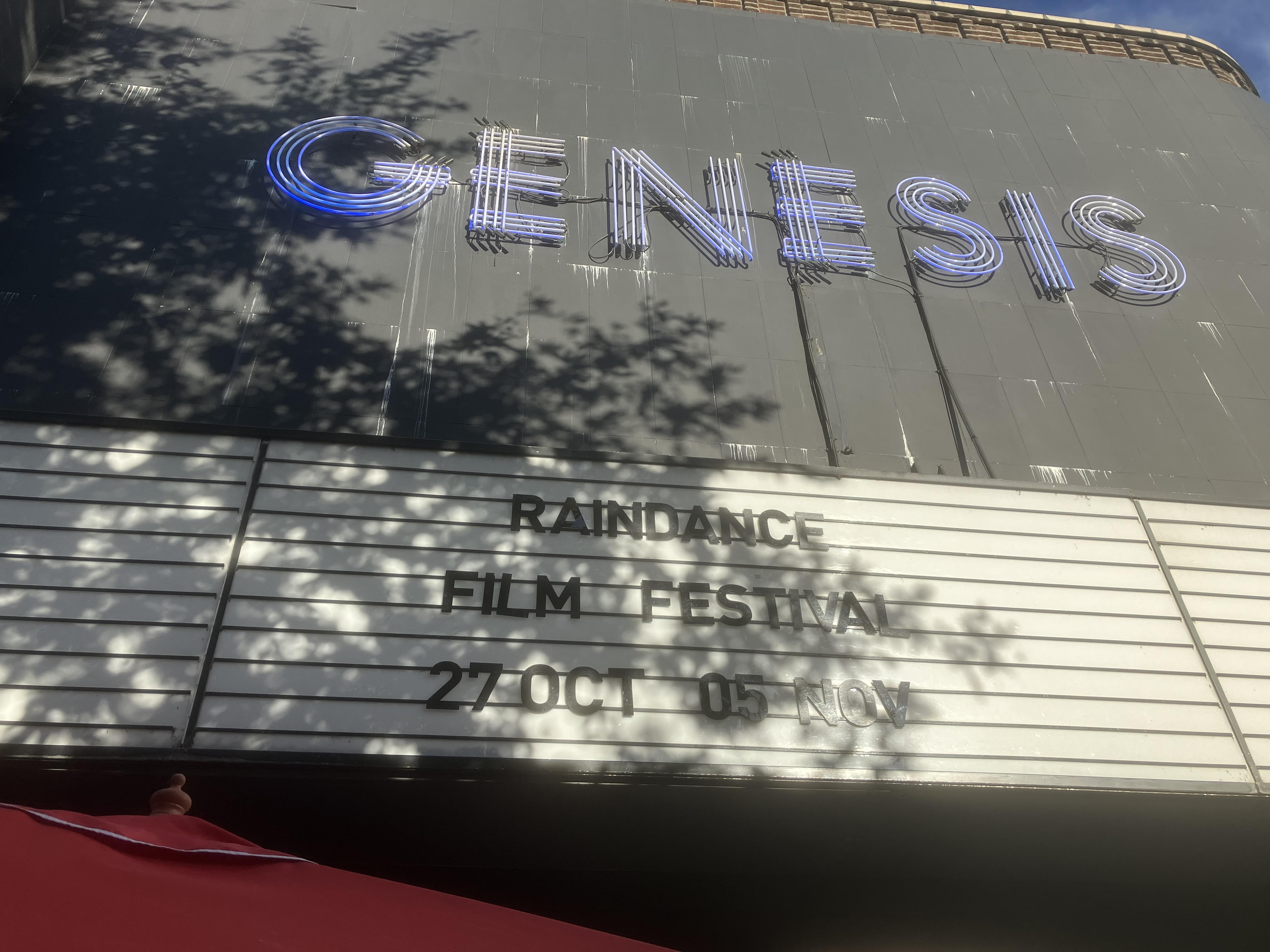
House of Raindance at Genesis Cinema
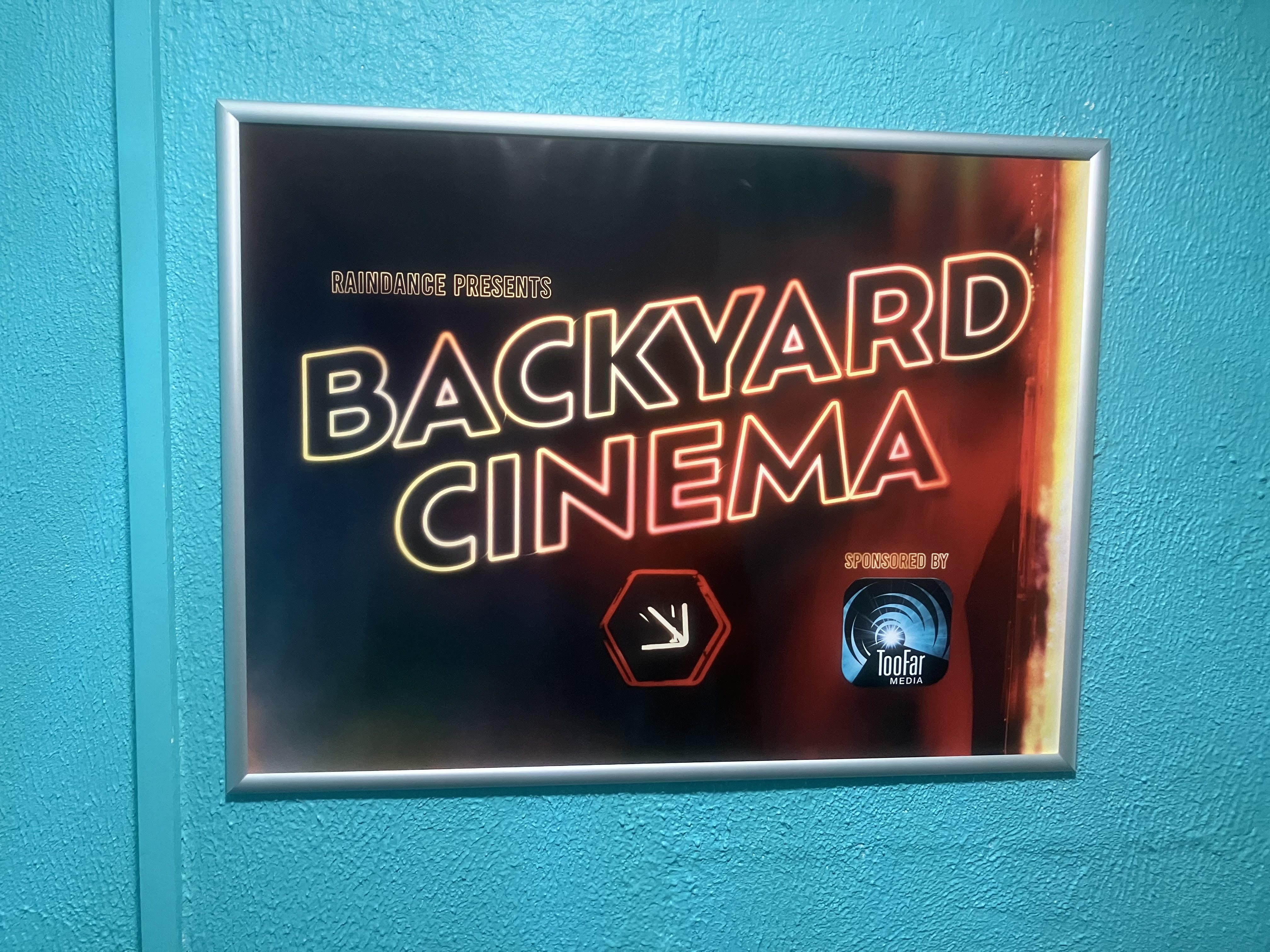
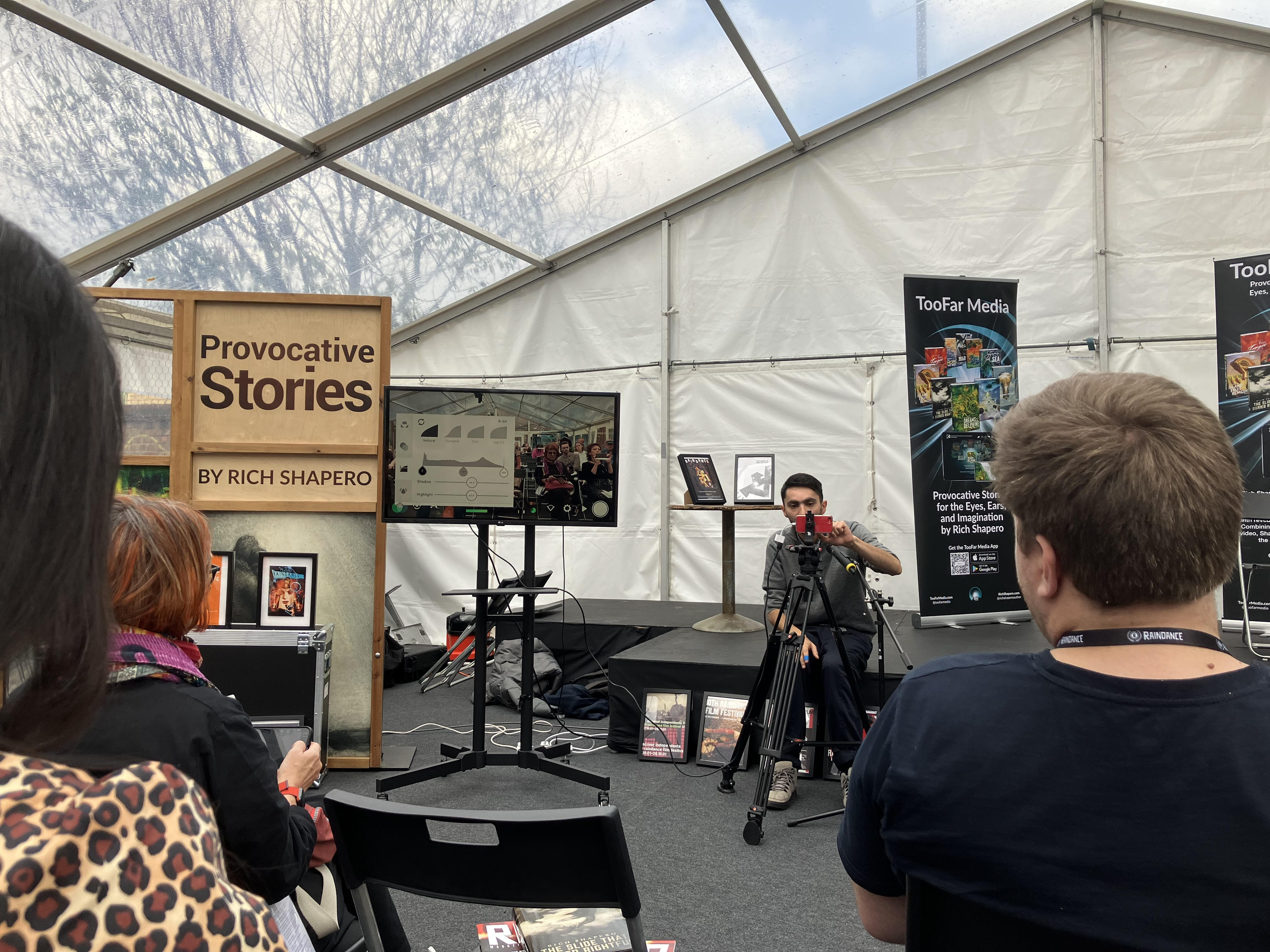
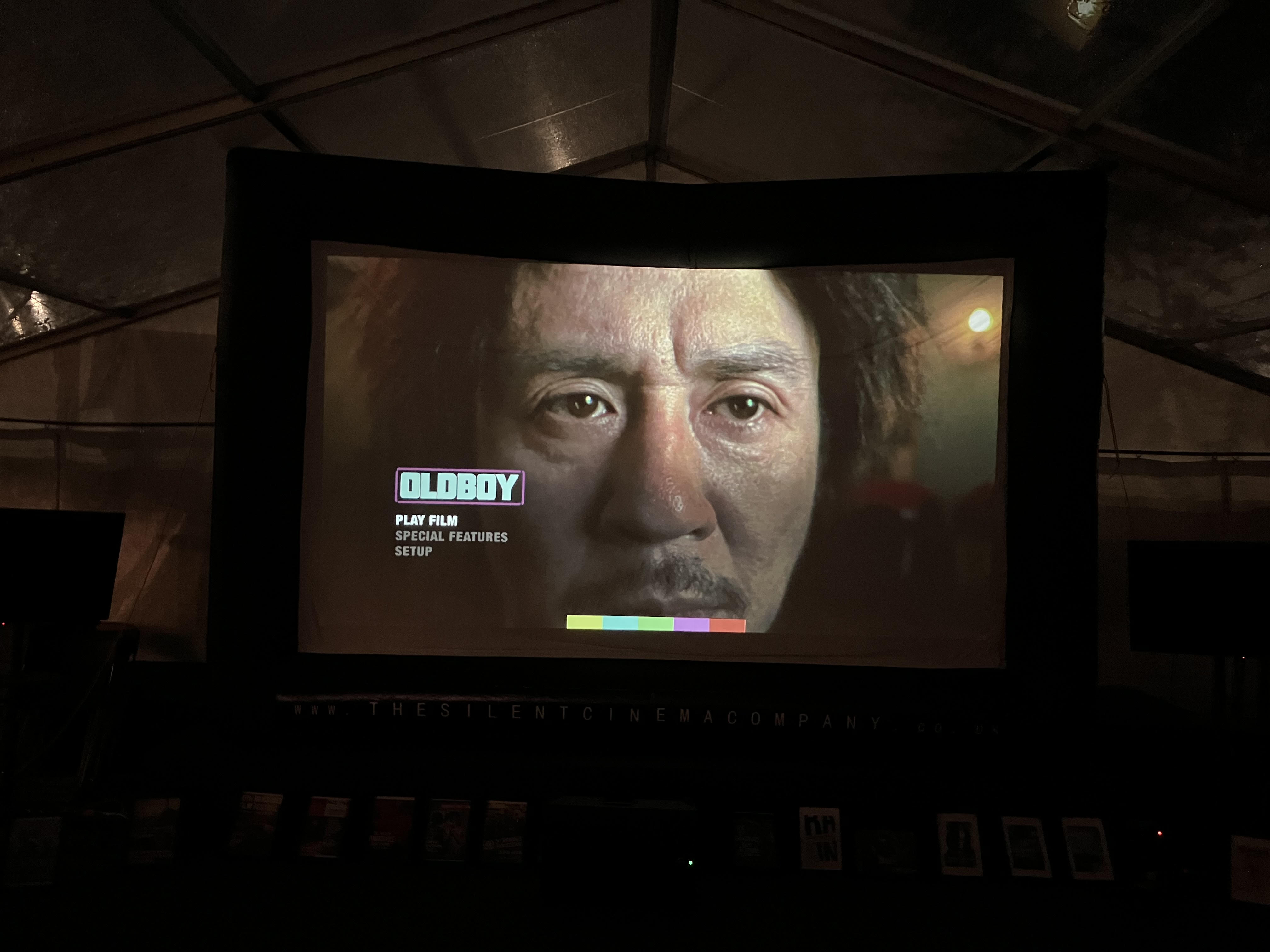
At the wonderful Genesis Cinema, near Stepney Green in East London, the Raindance Film Festival created the House of Raindance and Backyard cinema marquee full of fantastic industry events and screening. These included: panels with industry professionals from TooFar Media, Paus TV, and Celtx; masterclasses with filmmaking experts and retrospective screenings of classics such as Pulp Fiction (1994), Memento (2000) andOld Boy (2003).
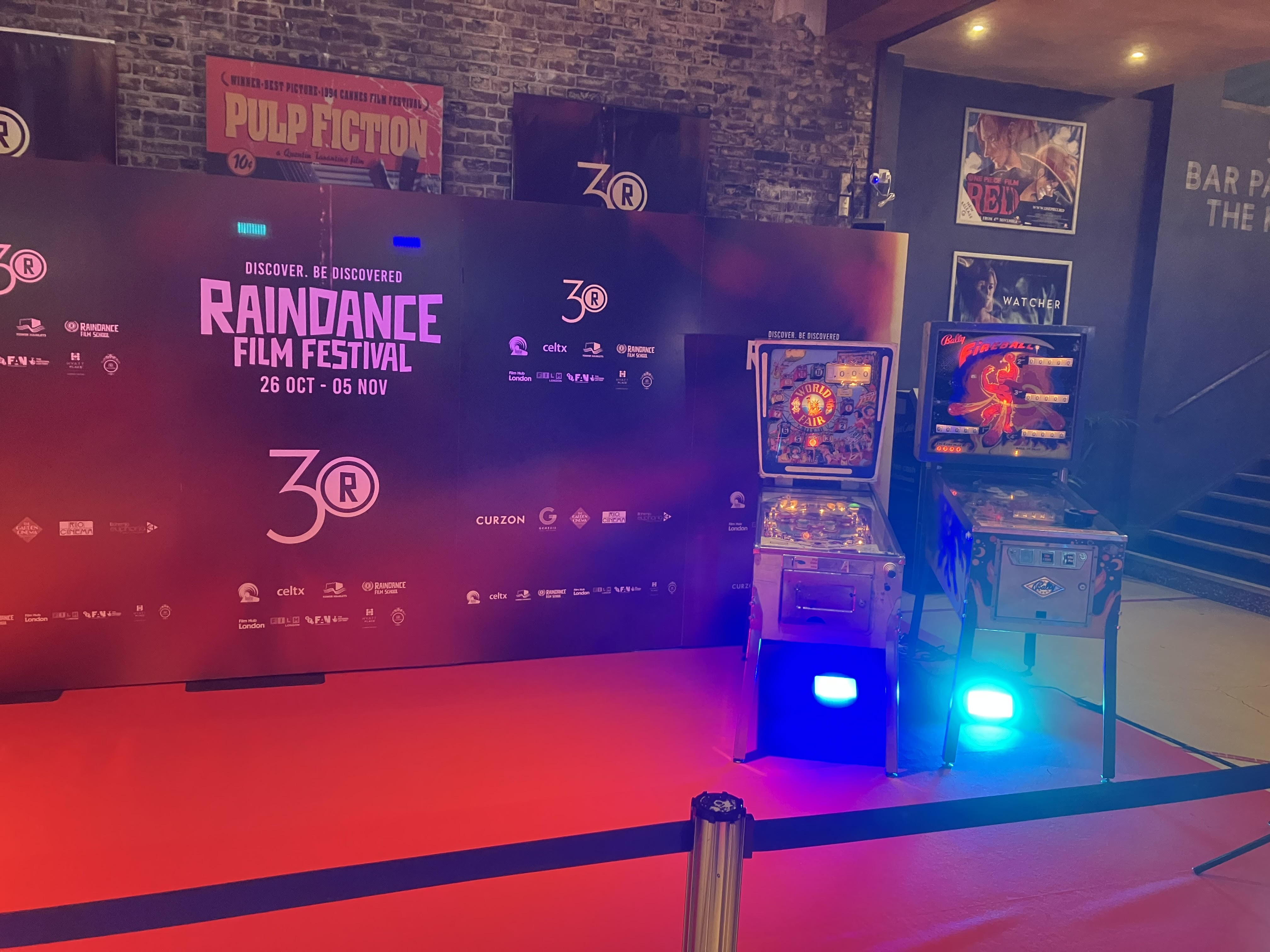
Closing Party and Film – Pinball: The Man Who Saved the Game (2022)
After watching over 15,000 feature and short film submissions, the Raindance programmers delivered an array of amazing cinematic works. Films screened from all over the world included: Erin’s Guide to Kissing Girls (2022), Iguana (2022), Pantafa (2022), Karaoke (2022), Little Axel (2022), Swallow (2022), Razorlight: Fall to Pieces (2022); and many shorts programmes including Raindance Film School Student Showcase, Queer, Horror, Radical Agendas and Transient Venture strands.
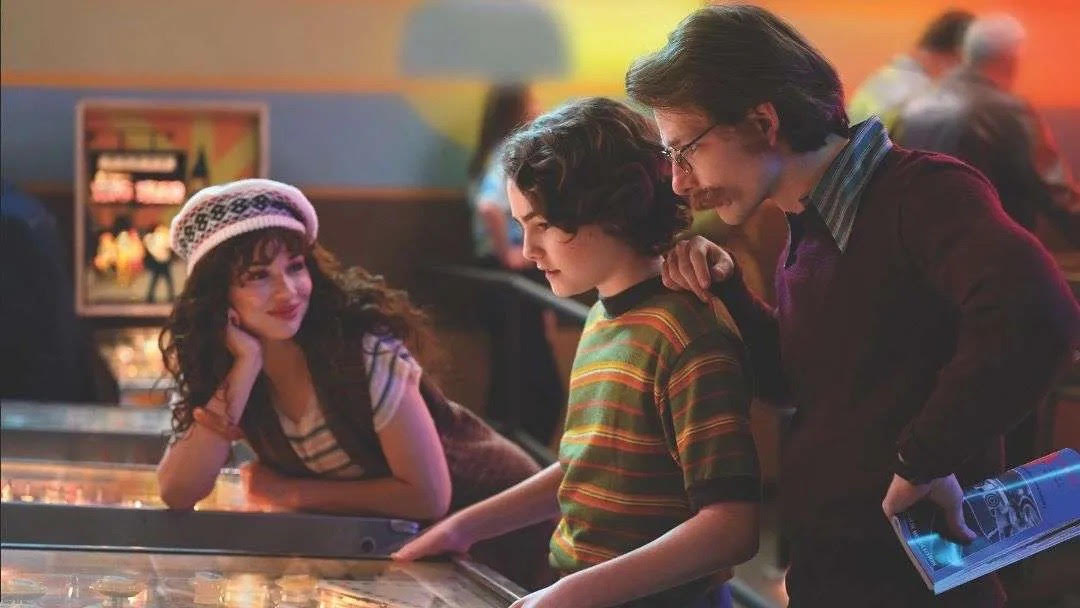
Having opened with a brilliant film, Raindance 30th Film Festival closed with another entertaining one too. It was the romantic, heroic and comedic 1970s period film, Pinball: The Man Who Saved the Game (2022). It’s the story of Roger Sharpe, the young midwesterner who overturned New York City’s 35 year-old ban on pinball machines. Influenced stylistically by Martin Scorsese, it is a niche but fascinating and bumping slice of American legal historia. Safe to say to the closing party at Genesis Cinema was flipping marvellous too.
See you next year at the 31st Raindance Film Festival!
As an emerging filmmaker for the last twenty years (and counting), I am always looking out for fresh presentations and potential collaboration in regard to film production. Most of all I love watching quality short films. Thus, I was thrilled to attend the ‘Best of EFN’ Screening and Networking Event on Friday 11th March 2022. Find out more about them here:
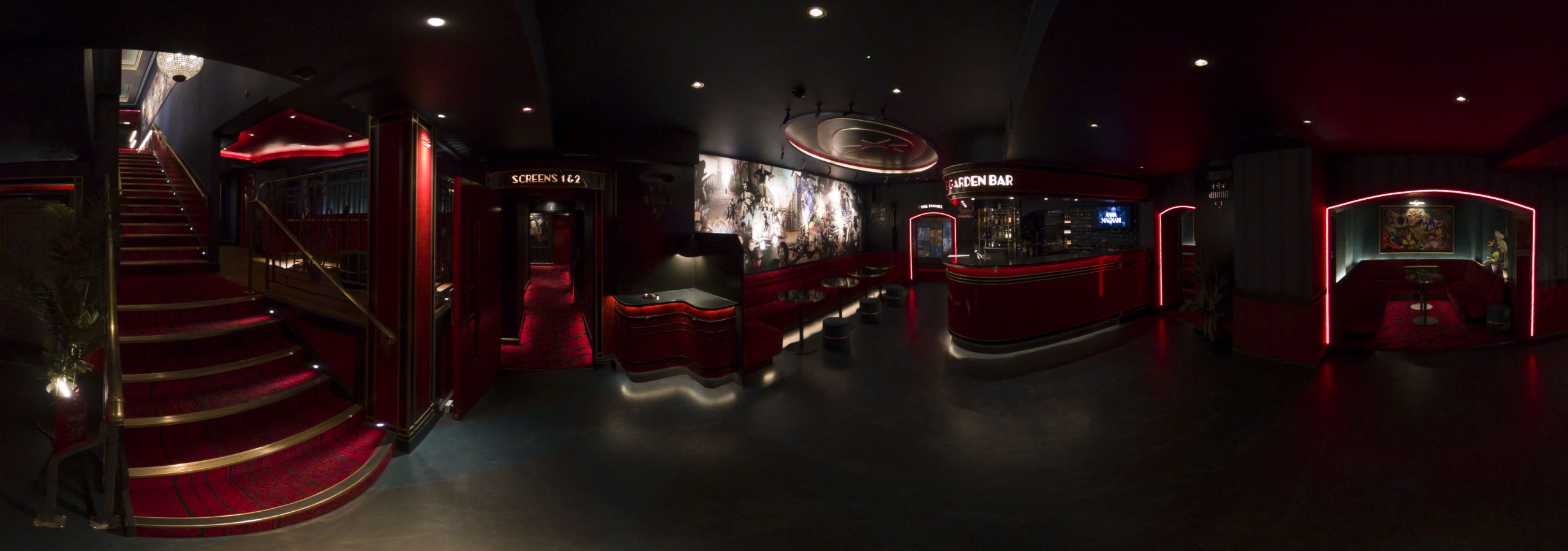
The event took place at The Garden Cinema in Covent Garden – a new fully independent art-house cinema in the heart of London. If you ever want a break from the standard multiplexes, then check out this stylish art-deco delight.
Not only was it an incredible venue, but the night had an selection of some the best short films around. The line-up offered fine drinks, decent networking, a quality audience, a fun raffle, plus the finest shorts screened over the many great Emerging Film and Festival Nights.
SHORT FILM LINE UP
Films of Fury – Dir: Mila Araoz Ellis (2020) 12’57
The Sappho Project: fragment 147 Dir: Sari Katharyn (2021) 7’40
Moth Dir: Wai Ying Tiffany Tong (2020) 3′
Staying (Aros Mae) Dir: Zillah Bowes (2020) 19’23
Friends Online Dir: Samantha White (2019) 5’21
Vincent before Noon Dir: Guillaume Mainguet (2019) 17’
Crashing Waves Dir: Emma Gilbertson (2018) 3’39
Stationary Dir: Louis Chan (2019) 12’38
Single Dir: Ashley Eakin (2020) 14’09
All Stretched Out Dir: Alastair Train (2019) 3’33
— EFN International Short Film Festival
Emerging Filmmakers Night (EFN) is a quarterly International Short Film Festival that showcases work by emerging talent.
EFN is a BIFA (British Independent Film Awards) Qualifying Short Film Festival
Featuring: Larry Cohen, J.J. Abrams, Rick Baker, Eric Bogosian, Richard J. Brewer, Jon Burlingame, Barbara Carrera, Joe Dante, James Dixon, F.X. Feeney, Robert Forster, Megan Gallagher, Mick Garris, Paul Glickman, Frederick King Keller, David Kern, Yaphet Kotto, Paul Kurta, John Landis, Laurene Landon, Traci Lords, Michael Moriarty, Daniel Pearl, Eric Roberts, Martin Scorsese, Nathaniel Thompson, Ryan Turek, Janelle Webb, Fred Williamson etc.
In England, where I grew up in the 1970’s, we used to used have only THREE television channels to choose from. Latterly in the 1980’s that increased to four. Now, we have what seems like millions of streaming and cable channels to choose from. They’re coming out of our ears and minds and from the skies and the darkened underground. Of course, we have the major channels such as Sky, Apple, BBC, ITV, Netflix, Disney + and Amazon, to but name a few, however, there are now specific streaming outlets geared toward whole genres.
One of these is Shudder – https://www.shudder.com/ – and they specialise in screening B-movies, video nasties, slasher, serial killer, monster, essential and non-essential horror films from past and present. Fellow blogger, Bobby Carroll, has recently been reviewing some of Shudder’s catalogue and I too will be doing the same. Check out his site here – it’s very good! So, over the last few weeks I have binged on so many horror films. Some are very good ones, some pretty bad ones and some just absolutely downright ugly releases. I guess one could consider me strange to immerse myself in so many horror films back-to-back; however, I love to be moved by fear and sickened with fright. Having said that the true terror on this Earth is happening out there in the real world. What occurs on the cinema or TV screen within the horror genre is actually an escape for me; albeit a gruesome, deathly and bloody one.
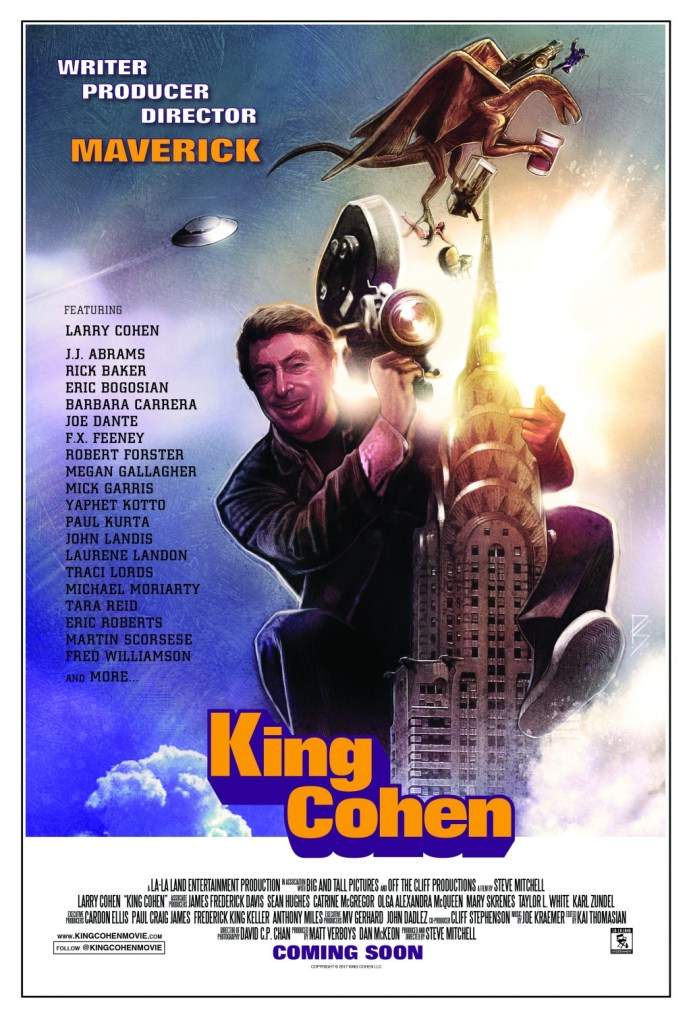
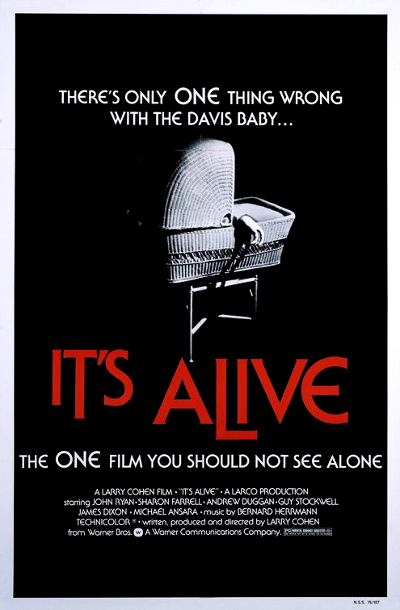
The first film I’d like to review is King Cohen (2018). It is a very lively jaunt through the career of independent filmmaker Larry Cohen. If you didn’t know Larry Cohen, he is one of the most prolific screenwriters ever. Born in 1941 in Washington Heights, New York, he began a stand-up career at the age of seventeen, before moving onto writing teleplays and TV scripts for CBS and NBC. Working within the TV and Hollywood system was creatively stifling for Cohen, so he decided to write, produce and direct his own films as a true independent. Examples of his directorial work include: Bone (1972), Black Caesar (1973), It’s Alive (1974), God Told Me To (1976), The Private Files of J. Edgar Hoover (1977), Q-The Winged Serpent (1982), The Stuff (1985), plus he wrote the screenplays forBest Seller (1987), Maniac Cop (1988), Phone Booth (2002) andCellular (2004).
As a tribute to Larry Cohen, who passed away last year, this is a tremendously lively and positive documentary about a true maverick filmmaker. Larry Cohen indeed features heavily in the interviews. He comes across as energetic, intelligent, funny and ballsy. Testimonies from Fred Williamson, Martin Scorsese, Joe Dante, Rick Baker, Eric Roberts and many, many more people who worked with Cohen bear witness to his prolific output and unorthodox ways of shooting films. Because he wanted control over his writing, many of his directorial releases were very low budget and he would often film in a guerrilla style on the streets of New York or even in his own house. He became famous for “stealing” scenes which included, unbeknown to them, the general public and NO film or work permits. I admired both his hubris and determination to tell his cinematic stories, and despite the lack of money his scripts were full of ingenuity, humour and much intelligence. Thus, if you love films about filmmaking and exploitation movies in general, then you should definitely check out King Cohen (2019) and Larry Cohen’s back catalogue of horrors too.
Original songs by: Glenn Hansard, Marketa Irglova and Interference.
Cinematography: Tim Fleming
**** MAY CONTAIN SPOILERS ****
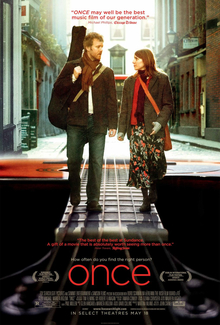
I am not sure why I missed this film first time around, however, it’s most likely due to prior prejudices against musical or music-based films. Yet, since I married in 2016, I have began to watch and enjoy more musicals. This is mainly due to my wife being a massive fan of musical cinema and theatre. While it’s still not necessarily my favourite genre, every now and then an utter gem of a musical will emerge. John Carney’s beautifully moving love story between a hoover repair guy and a flower-selling girl, Once (2007), is certainly one of those.
John Carney is an honest filmmaker who is attracted to outsiders and people with real emotional turmoil. They tend to be at crossroads in their lives and are struggling either with their dreams or their relationships. He also loves musicians, flaws and all. In Begin Again (2013), a washed-up musical executive, portrayed by Mark Ruffalo, meets unhappy singer-songwriter, Keira Knightley and their first-world romance is played out to bittersweet consequences. Similarly, in Sing Street (2016), a troubled teenager comes of age through his 1980’s pop band and bittersweet romance with a rebellious and equally-troubled schoolgirl. Notice a pattern? Well, this style of music, gritty city backdrops and salty romances were established in Carney’s breakout hit, Once (2007).
Made for a ridiculously low budget of around $150,000, this ultra-realistic musical contains songs that burst with love and pain from the characters of Guy (Glenn Hansard) and Girl (Marketa Irglova). The two meet and connect, but this is no conventional romance as they both have powerful emotional histories between them. It’s the beautiful music and their authentic dialogue exchanges which drive the story. Hansard’s singing and guitar playing are so powerful and moving. Their duet in the music shop of the song, Falling Slowly is a tour-de-force. I was not surprised when I saw it had won the Oscar for best original film. Overall, Once (2007) is a surprisingly brilliant no-budget feature, shot on the streets of Dublin, which deservedly became a big hit.
Produced by: Kitty Green, James Schamus, Scott Macauley, P. Jennifer Dana, Ross Jacobson
Cinematography: Michael Latham
Cast: Julia Garner, Matthew Macfadyen, Mackenzie Leigh, Kristine Froseth, Noah Robbins etc.
*** MAY CONTAIN SPOILERS ***
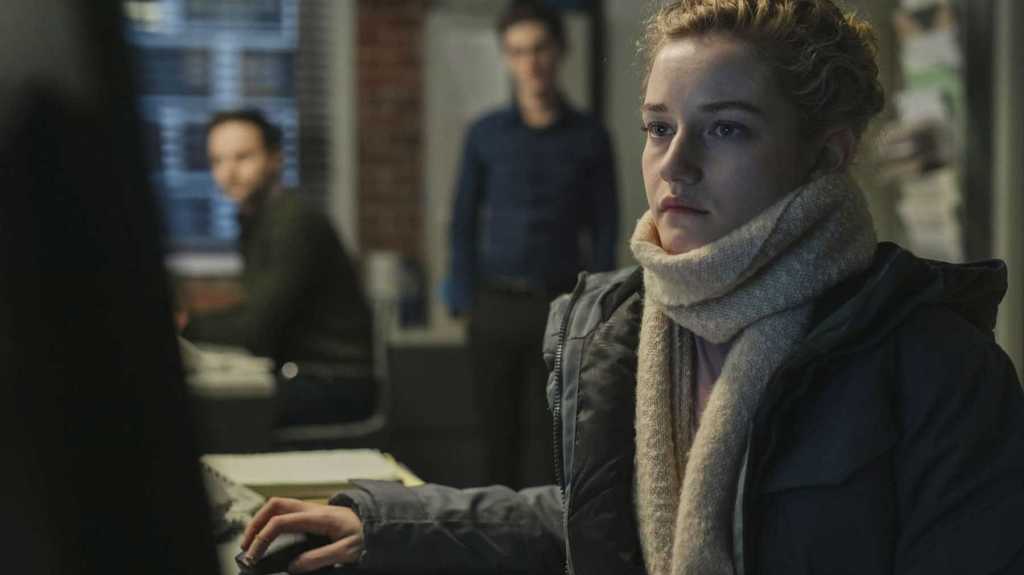
Having worked initially in the documentary genre, Kitty Green now presents her first fictional film, The Assistant (2019), with the ever-impressive Julia Garner in the lead. Garner portrays the titular assistant, Jane, a PA in an unnamed New York based film production company. However, while the characters may be fictional, the events reflected are very much based in reality, as the film explores endemic sexism within the film industry and office workplaces more generally. This isn’t a sensationalist #MeToo expose or revenge story, but rather a subtle narrative which conveys it’s criticisms with hushed and damning power.
The film is structured over one day. I’m a big fan of such a convention and wrote about the positives of single day narratives here. Anyway, The Assistant (2019), begins with Jane first in the office, and ends with her being one of the last there at night. In the middle we get a succession of expertly composed scenes which find Jane working for a big-shot movie producer. The fact that we never see him, but hear him and experience the aftermath of his behaviour through Jane is an ingenious concept. By showing rather telling us directly about his covert sexist exploitation, one is truly brought into Jane’s painful situation. She is told she is lucky to have this job and it presents a great opportunity to eventually become a film producer. Yet, to do so requires her to turn a blind eye to events which other employees horrifically consider to be the norm in a media company.
Weinstein’s name is never mentioned. It doesn’t have to be. He is the sexual predator in the room and probably among many film producers who have utilised the casting couch to have their disgusting way with budding actors and actresses. That is why Kitty Green deserves so much praise because she chose a directorial style that really works for the story. Green and her cinematographer suck all of the colour out of the film industry, making it grey and beige and stark and unglamorous. Via the character of Jane, and Garner’s exquisitely reserved performance, we learn that such bullying cultures exist, and the character must choose to accept it or move on. Garner’s scene with the HR Executive, played by Matthew Macfadyen, is superb in conveying the difficult choice Jane faces.
Lastly, as well as making important points about the patriarchal corruption within the film industry, I enjoyed that it also captured the repetitive nature of administration work. Photocopiers hum, phones ring, paper flaps, printers and faxes whir, while florescent strip lights glow amidst the drudge of the daily office grind. Jane is a prisoner within a myriad of shadowy walls and filing cabinets. Further, Jane is also torn between being a just person and following her dream of working in the movies. But, at the end of another exceptionally exhausting day, that dream is soured by the insidious lust of human behaviour. Thus, The Assistant (2019) asks, will things ever change? Go watch it and decide if you think they will.
I’ve been busy trying to avoid the booze in the fridge most days, although I did fail miserably on Saturday. But I was kind of celebrating fifteen years of low budget short filmmaking. If you didn’t know my production company is called Fix Films Ltd. Here is my latest showreel video. It’s basically a look back at all the films we have made. Also, it’s a tribute to all of the talented people we have worked with.
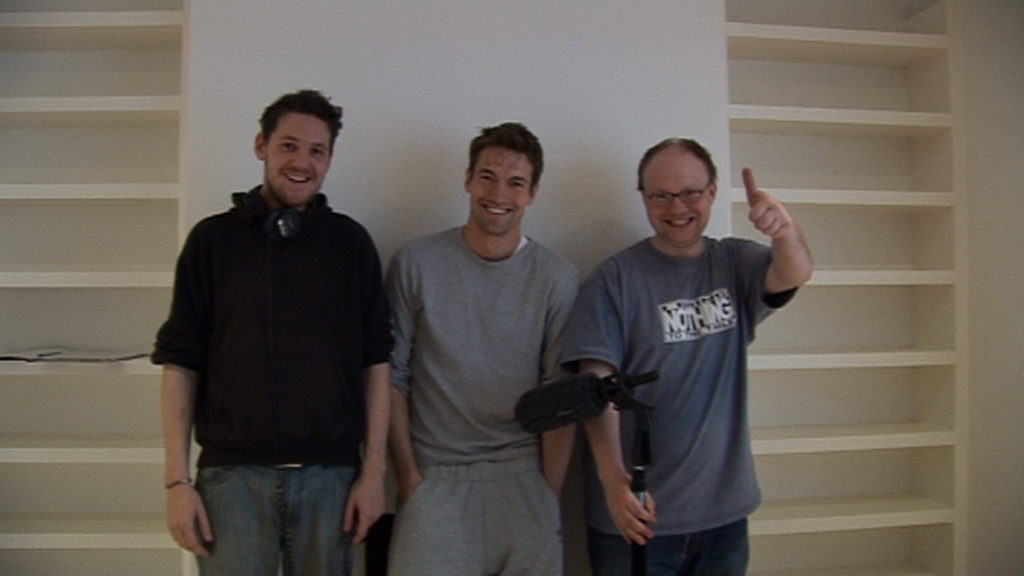
Fix Films are a filmmaking collective. Since 2005 they have been involved in the creation of many, many short films and promos. They self-produce, write, direct, edit and score their own films to a very high standard despite the low budgets. They are true independent filmmakers.
This showreel features images, clips and music from most of our major short films productions.
Fix Films Ltd are:
Paul Laight, Gary O’Brien and all the amazing people we have worked with.
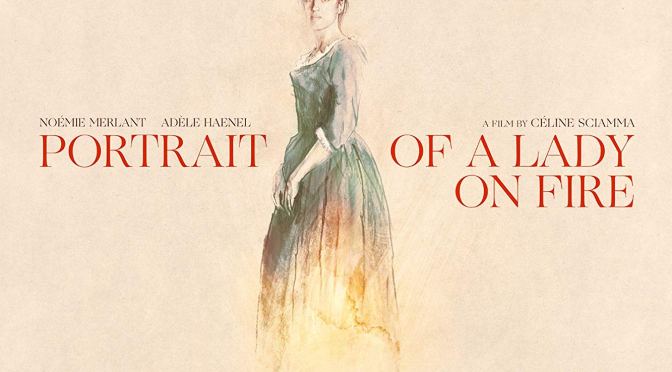
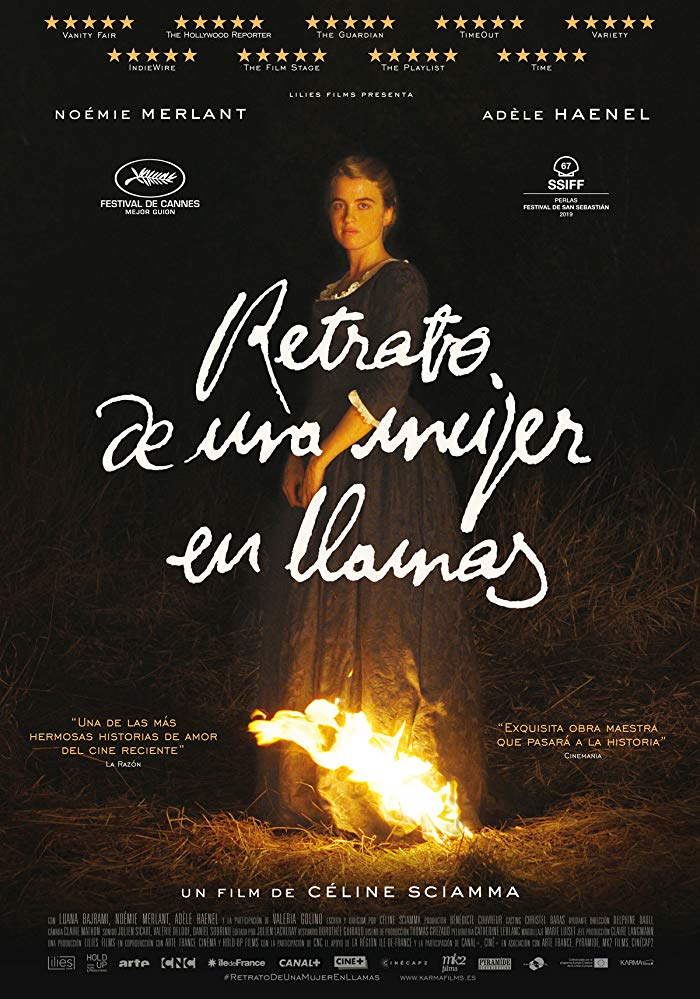
I haven’t seen any of Celine Sciamma’s previous films, but based on the romantic drama, Portrait of a Lady on Fire (2019), she is a filmmaker of formidable power and vision. I believe this is her fourth feature film directorial release and it is as sumptuous, moving, exquisitely shot and constructed a love story as you are going to witness. Moreover, it is proof that the art of screenwriting, compared to many by-the-numbers Hollywood film productions, is NOT dead.
The story is very simple. At the end of the 18th century, a young painter, Marianne, (Noemie Merlant) is commissioned to create a portrait of a young woman, Heloise (Adele Haenel). Heloise is, as is the tradition of the time, required by her mother (Valeria Golino), to marry a Milanese nobleman. He needs to see the portrait in advance in order to agree to the wedding. The only catch is, the insular Heloise, does not want to be painted for all manner of understandable reasons. What this establishes is two very intriguing characters, both with different emotions and desires.
Following the beautifully rendered story foundation, what follows is a magnetic series of scenes which subtly push these two empathetic characters together. Marianne is the artist who, at first keeps her distance, spying and analysing Heloise. Heloise is cool, sensitive and a prisoner on the Brittany island, trapped by the waves of the sea and her mother’s insistence on a society wedding. Over the space of a few days the walking companions become drawn to each other both artistically and emotionally. But, it’s no sordid desire for lust, rather a respectful and honest joining in romance. We, as the audience, literally see love grow before us thanks to some incredible acting from the leads.
Often the cinema critics will heap praise on a film and I will wonder what they have been watching. However, in regard to both Parasite (2019) and Portrait of a Lady on Fire (2019), the plaudits are so well deserved. Both are brilliantly written and shot works of cinema, that in the past may have been consigned to just the arthouse circuit. Further, given the film is about painting, it is unsurprisingly Portrait of a Lady on Fire (2019) is framed, lit and composed with an eye for the artistic. Yet, it isn’t just the look and colour of the film that impresses. Sciamma and her cinematographer, Claire Mathon, also create a series of haunting shots which will be indelibly scorched on my mind.
In terms of the themes, the film is very powerful too. As well the notion of art as a means of representing love, the narrative explores concepts of female equality and solidarity. There is an interesting subplot involving a member of the household staff, which adds to the thematic texture. Furthermore, the performances by all the actresses are superb too as Sciamma directs with such confidence. I also liked that the critique of patriarchal society was implicit rather than didactic. Also subtly realised are the tasteful love scenes, which never feel exploitational. My only minor criticism is that the opening hour could, arguably, have been trimmed slightly. However, what do you leave out of a film as beautifully composed, delicately written and emotionally compelling as Portrait of a Lady on Fire (2019)? I, a mere mortal, am not qualified to say in the face of such mesmerizing cinema.










 The Cinema Fix presents