Tag Archives: obsession

Cinema Review: Him (2025) – find blood, sweat, and meltdowns galore in this visceral NFL thriller!

Cinema Review: Him (2025)

Directed by Justin Tipping

Written by Skip Bronkie, Zack Akers & Justin Tipping

Produced by Jordan Peele, Win Rosenfeld, Ian Cooper & Jamal Watson

Main cast: Marlon Wayans, Tyriq Withers, Julia Fox, Tim Heidecker, Jim Jeffries, Maurice Greene etc.

Cinematography by Kira Kelly

** MAY CONTAIN SPOILERS **
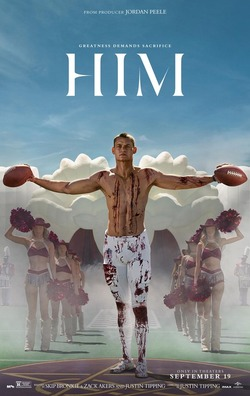


“In modern slang, “Him” is used to signify a person who is considered a standout or a “star” in their field, often in sports or entertainment.” — Google search result.


Him (2025) is a visually arresting and thematically potent descent into the underbelly of American athletic obsession — a pitch-black thriller that trades stadium lights for the strobe of psychological torment. Centered on Cameron “Cam” Cade, a young quarterback hungry to dethrone San Antonio Saviors’ reigning legend Isaiah White (a commanding Marlon Wayans), the film begins as a standard sports drama and swiftly morphs into something far darker. Director Justin Tipping captures the suffocating intensity of modern competition with a painter’s eye — sweat, blood, and neon collide in every frame, turning locker rooms and training fields into cathedrals of self-destruction.

As Cam endures Isaiah’s brutal “boot camp,” the film exposes the rot beneath the rhetoric of greatness. Fear, humiliation, and violence dominate the regimen, transforming mentorship into a form of ritualized hazing. Themes of steroid abuse, distorted masculinity, and father-son guilt weave through the story like poison veins. The omnipresence of social media — the constant surveillance, the demand for curated perfection — amplifies the claustrophobia. In its best moments, Him (2025) feels like a nightmarish hallucination of ambition, where performance and identity blur until nothing human remains.
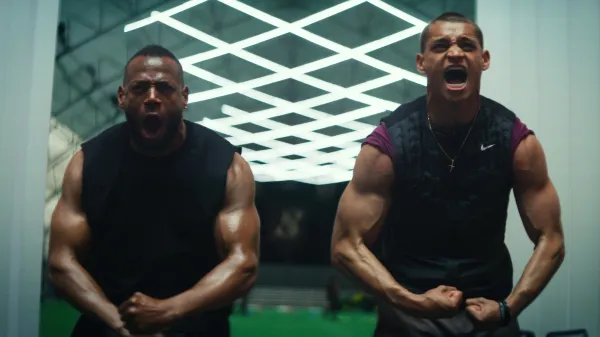


Yet for all its kinetic power and aesthetic daring, Him (2025) stumbles when it comes to coherence. The screenplay rushes through emotional beats, failing to give its characters space to breathe or evolve. Key relationships and motivations are truncated by editing that favours rapid cuts over logic — the film’s pulse races, but its heart falters. The result is an experience that dazzles visually but feels narratively hollow, more like a hypnotic music video than a fully realized character study. Indeed, the ending drops the ball most of all. The nightmarish satire culminates in a bloodbath which, while visually powerful, feels like something more twisted and subtle would have served Cam’s character arc better.

Overall, there’s no denying Him (2025) and its impact as a cinematic spectacle, with Wayans and Withers delivering standout performances. Its imagery lingers — bodies breaking under fluorescent light, cheers warping into screams — as does its commentary on the performative nature of modern masculinity, crazy fan worship, monetization of athletes and sporting sacrifice. If only the script matched its visuals, Him (2025), might have stood shoulder to shoulder with the psychological thrillers it so clearly reveres.
Mark: 6.5 out of 11


Cinema Review: Bring Her Back (2025) – a powerfully disturbing study of grief, obsession and matriarchal mania!

Cinema Review: Bring Her Back (2025)

Directed by Danny and Michael Philippou

Written by Danny Philippou and Bill Hinzman

Produced by Samantha Jennings, Kristina Ceyton

Cast: Billy Barratt, Sora Wong, Jonah Wren Phillips, Sally Hawkins, Sally-Anne Upton, etc.

Cinematography by Aaron McLisky

*** MAY CONTAIN SPOILERS ***


It’s become something of a cliché to lament the state of theatrical cinema: superhero fatigue, endless sequels, spin-offs and reboots, streaming overflow. Original stories—particularly in multiplexes—feel increasingly rare. Yet one genre has bucked the trend and, against all industry logic, placed original visions front and centre: horror. In an era of IP dominance, horror’s persistence as the great innovator is growing. It thrives on shadows, but in today’s cinema landscape, it’s also the brightest light.

Across the last few years, titles like Barbarian (2022), Pearl (2022), Skinamarink (2022), Nope (2022), Talk to Me (2023), Infinity Pool (2023), When Evil Lurks (2023), Late Night With the Devil (2023), Totally Killer (2023), Heretic (2024), Longlegs (2024), Sinners (2025), and the soon-to-be-reviewed, Weapons (2025) have proved again and again that audiences crave fresh nightmares. Even 28 Years Later (2025), though technically part of an ongoing series, represents a rare franchise event grounded less in brand synergy than in directorial reinvention and raw cultural appetite.

Unlike superhero spectacles or sci-fi epics, horror thrives on modest budgets and audacious ideas. A film like Skinamarink (2022), shot for a reported $15,000, can turn experimental textures into a viral theatrical moment. Personally, I found this film difficult to digest, however, the more commercial, Talk to Me (2023), made for $4.5 million, earned nearly twenty times that worldwide. These aren’t just hits; they’re validations of originality as a business model.


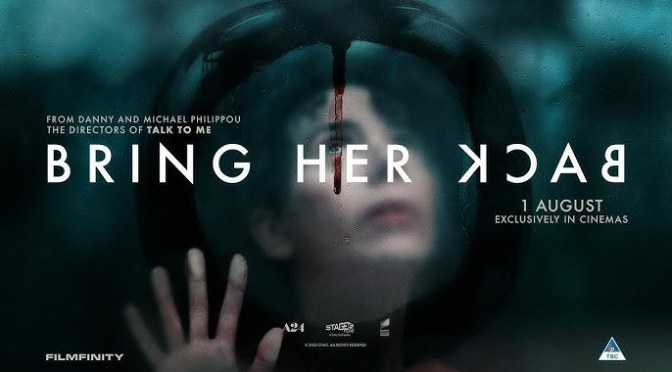
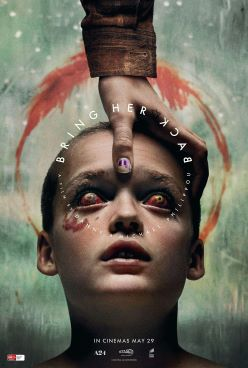
Horror is also a proving ground where young or unexpected filmmakers leap into the cultural spotlight. Zach Cregger (Barbarian (2022) twisted narrative structure into something memorable. The Philippou brothers Talk to Me (2023) translated YouTube viral adrenaline into terrifying cinematic language. But, what of their latest film, Bring Her Back (2025)? Well, for me they have surpassed their debut feature not only in genuinely sickening moments of dread, but also in terms of powerfully emotional horror scenes.

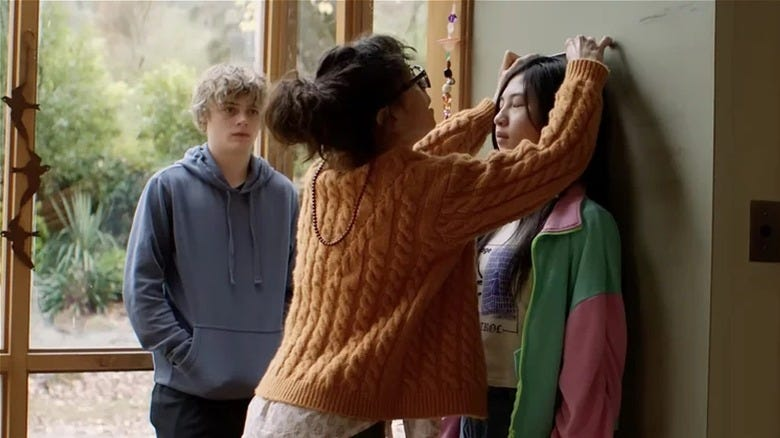
The narrative of Bring Her Back (2025) begins as it means to go on with a rapidly series of unsettling scenes. After discovering their father dead in the shower, 17-year-old Andy (Billy Barratt) and his partially sighted step-sister Piper (Sora Wong) are placed in the care of Laura (Sally Hawkins). Laura is an eccentric former counselor living on the outskirts of town and suffered the loss of her teenage daughter to drowning. In her home, the siblings encounter Oliver (Jonah Wren Phillips), a mute foster boy who seems terrified of the house’s locked outhouse. Andy eventually realizes Laura’s obsessive behaviour is far more threatening than he could imagine and they are all in danger.

Like Toni Collette in Hereditary (2018) and Lupita Nyong’o in Us (2019), Sally Hawkins delivers a powerfully intense performance that pushes horror into the realm of high drama. She carries the film with raw, nerve-shredding vulnerability, shifting from fragile grief to volcanic fury with startling precision. Every gesture—whether a whispered plea or a full-bodied breakdown—feels lived-in and emotionally scalding, grounding the supernatural terror in something painfully human. Also, Billy Barratt and newcomer Sora Wong offer excellent support as the in-peril ‘Hansel and Gretel’ siblings. Barratt is especially good carrying the audience’s fearful perspective.


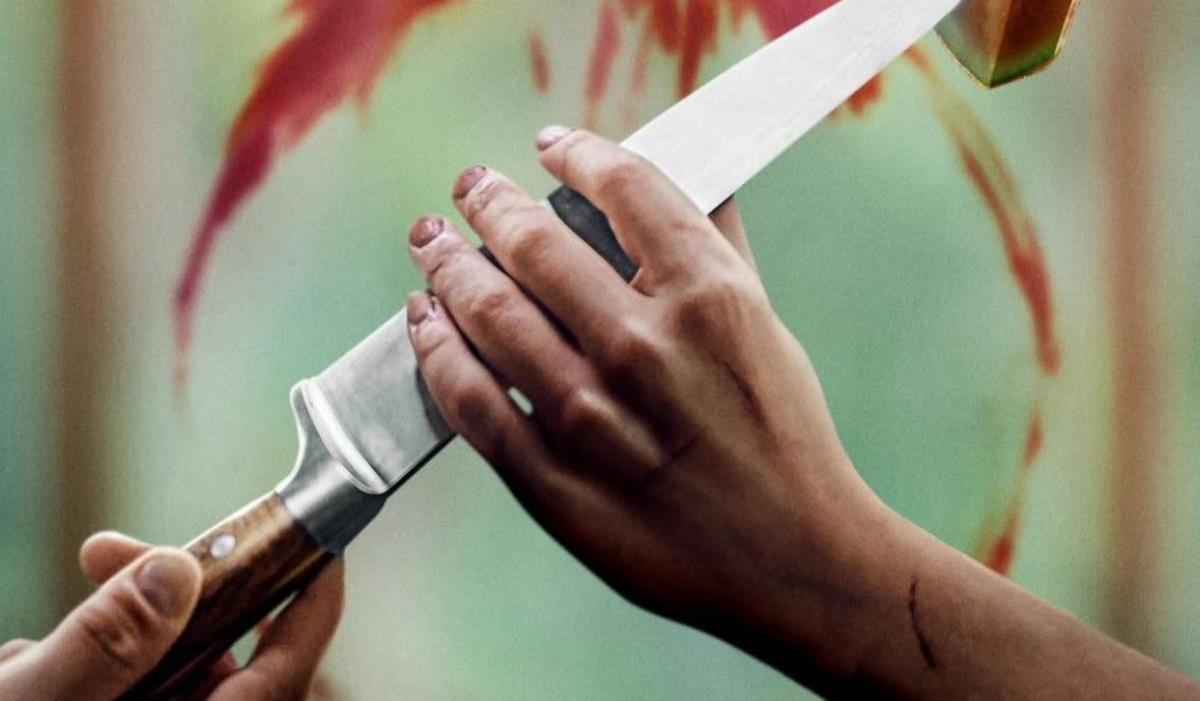
The Philippou brothers draw on a potent brew of horror traditions—satanic ritual, grief, abduction, parental abandonment, and matriarchal hysteria—to craft Bring Her Back, a haunting and gut-wrenching descent into obsession. The film thrives on its willingness to plunge into emotional extremity, channeling raw pain into sequences of near-operatic dread. Several knife-in-the-teeth jolts of terror punctuate the story, as everyday necessities such as water, food and parental love are twisted into deathly hazards.

While the script occasionally wavers and certain narrative and backstory elements required sharpening, the thematic and emotional core remains undeniable. At its best, Bring Her Back (2025) isn’t just another exercise in occult horror—it’s a powerful study of grieving obsession, of the lengths people will go to fill a void that cannot be healed. The result is a film that lingers, not only for its shocks but for the raw ache that underpins them.

Mark: 9 out of 11


MY CINEMATIC ROMANCE #23 – CHRISTIAN BALE

MY CINEMATIC ROMANCE #23 – CHRISTIAN BALE

“Essentially, I’m untrained, so I just go with my imagination and try to put myself as solidly as I can into the shoes of whatever person I’m going to be playing.” Christian Bale


It’s easy to forget that Christian Charles Philip Bale was only thirteen years old when he was chosen out of thousands of young actors for a starring role in Steven Spielberg’s war drama, Empire of the Sun (1987). From there on in he has become one of the most formidable actors of a generation. Unlike many young actors he has not fallen by the wayside, but rather delivered a series of tour-de-force and award-winning performances in both independent and big budget Hollywood blockbusters.

So, for my occasional look at the major talents of cinema I have turned to one of the greatest actors of the last twenty-something years, and chosen five of his best roles to illustrate that. An intense and natural talent he has been in many outstanding films and some not so good. However, whatever role Christian Bale chooses he is usually never less than powerfully magnetic. I must say, I have not selected any of his portrayals of Bruce Wayne and that very fine Batman performance, notably from a physical perspective. Even though in, Batman Begins (2005), he created a stirring existential vision of a wealthy child growing out of grief into the dark saviour of Gotham City. I just think he has given five better acting transformations on screen. Here they are.

***CONTAINS FILM SPOILERS***


AMERICAN PSYCHO (2000)

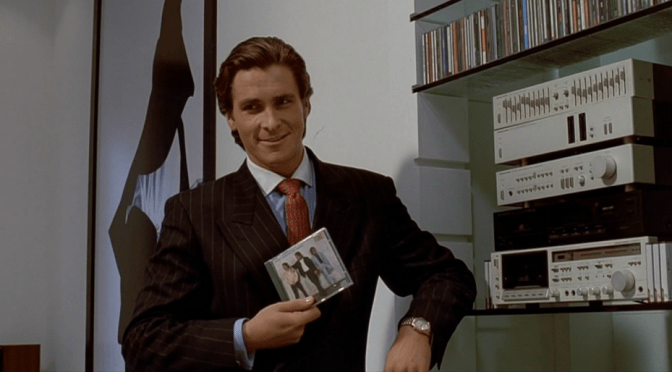
Having tread water in a career-sense attempting to traverse the difficult bridge from child actor to the leading man we have come to know, Christian Bale got a break in Mary Harron’s adaptation of Bret Easton Ellis’s notorious novel, American Psycho. And boy – did he make the most of it! I watched the film again recently and I have to say, other than perhaps Leonardo DiCaprio (who was originally cast in the role), no other actor could have delivered such an unhinged, evil and funny (yes he’s hilarious) portrayal of the Wall Street banker-turned-serial killer, Patrick Bateman. It’s a dangerous and sick character who Bale somehow manages to make you despise, yet simultaneously humanise.


THE MACHINIST (2004)

Possibly the greatest Christian Bale performance that hardly anyone has seen. Oh you have seen it? Wow, what an intense performance Bale gives as lonely blue collar worker, Trevor Reznik. Reznik is a haunted man who cannot sleep. He is also anorexic as Bale reduced his weight to 62kg for the role, demonstrating, not for the last time, a dangerous method of obsessive physical transformation. It works too as the skeletal Reznik struggles to overcome a slow descent into madness, with Bale, once again, showing incredible commitment to his craft in this under-rated and haunting noir nightmare of a film.


THE FIGHTER (2010)

While Mark Wahlberg was excellent as the lead actor in David O. Russell’s profile of tough Massachusetts fighter, Micky Ward, Bale absolutely steals the thunder with an incredible acting performance as Ward’s half-brother, Dicky Eklund. As a study of the nefarious curse of addiction, Bale makes the charismatic, but unreliable, Ekland both a loathsome and somehow empathetic character. Because while his crack cocaine addiction drives him to make bad choices for both him and his brother, there is at his heart a loving person battling to win over his illness and make his brother a champion. A story about family and human beings overcoming the odds, Bale punches out another memorably flawed individual in The Fighter (2010), deservedly winning an Oscar in the process.


HOSTILES (2017)

This revisionist Western did not get nearly enough attention on release. Yet buried in here is another quietly intense acting performance from Christian Bale. His other Western, 3:10 to Yuma (2007) is the more entertaining film, but in Hostiles (2017), he gives a much more complex characterisation as Captain Joseph Blocker. The weight of guilt and pain and death hang heavy on Blocker following years of brutal conflict. Scott Cooper’s film conveys the depressing murderous times borne out of the greedy need for progress. Hatred and white man’s guilt drives his character as Bale’s soldier initially refuses to take Chief Yellow Hawk back to his homeland. Is it more because of the deaths of his own men on the battlefield or because he does not want to face up to his own crimes against the Native Americans? The film explores this question superbly with Bale at the heart of the conflict from savage beginning to bloody end.


VICE (2018)

While I agree with critics of Vice (2018), that it is cartoonish and simplistic, it is also a brilliant and scabrous work of satire. Yes, sure it’s preaching to the liberal and left-winged Hollywood choir, but it definitely presents a fascinating snapshot of Dick Cheney’s rise from alcoholic wastrel to powerful political figure. I mean let’s face it, Cheney, based on his reign in U.S. politics, is arguably one of the most dangerous men who ever existed. In Adam Mckay’s black political comedy Cheney is shown to be a manipulative puppet-master to Bush’s marionette President. McKay’s film, while certainly one-tracked, powers along picking apart one of the most shadowy political figures of recent years. But what about, Bale? Why take a role where he had to live on doughnuts for year to gain the weight required for the film? Well, because he likes to challenge himself and Bale should have won the Best acting Oscar! Rami Malek was decent as Freddie Mercury, but Christian Bale is astonishing. Fair enough, he takes a real person and delivers an emulation performance, but he also brings to Cheney to life with such intelligent style. Of course, the physical transformation takes the headlines, but in terms of emotion and mentality he really raises the bar. Cheney may be an enigmatic character but Bale brings menace, whispers and evil to the role. There is also a sly humour there too which makes Bale’s Cheney another unforgettable monster he’s brought to the screen.


SIX OF THE BEST #18 – FILM ANTHOLOGIES

SIX OF THE BEST #18 – FILM ANTHOLOGIES

While we all love a good proper feature film containing one continuous narrative, the anthology or portmanteau film has thrown up some fine cinematic entertainment over the years. Generally, an anthology film can be described as a collection of works with a linked theme, genre, style and author etc.

Thus, in my occasional Six of the Best series I have decided to pick some favourite ones. To make it more interesting I have chosen them from different genres. Otherwise, I would have just chosen all horror films. So, here are six of the film anthology films worth watching.

**MAY CONTAIN SPOILERS**


THE BALLAD OF BUSTER SCRUGGS (2018) – WESTERN

The Ballad of Buster Scruggs is a mischievous alchemy of stories. Here, the Coen Brothers reach into their cinematic bag of tricks to deliver an entertaining and memorable collection of characters, songs, bloody death, jokes, pathos, landscapes, snappy dialogue, dark humour and action. Coen’s films often improve with each viewing as their work is so full of stylish depth and this is no different. Quite often, you’re laughing so much you miss the philosophical happenstance which is occurring in many of these fine stories.

Image result for buster scruggs

DEAD OF NIGHT (1945) – HORROR

It seems sacrilege not to include the likes of George Romero’s Creepshow (1982) or one of Amicus’ unhinged collections such as Dr Terror’s House of Horror (1965). But, having watched this classic recently I can certainly say it has some brilliant and scary stories which stand the test of time. Full to the brim with the cream of British acting, writing and directing talent, the standout tale is Michael Redgrave’s troubled ventriloquist, although the whole film is a nightmarish treat for horror fans.

Image result for DEAD OF NIGHT

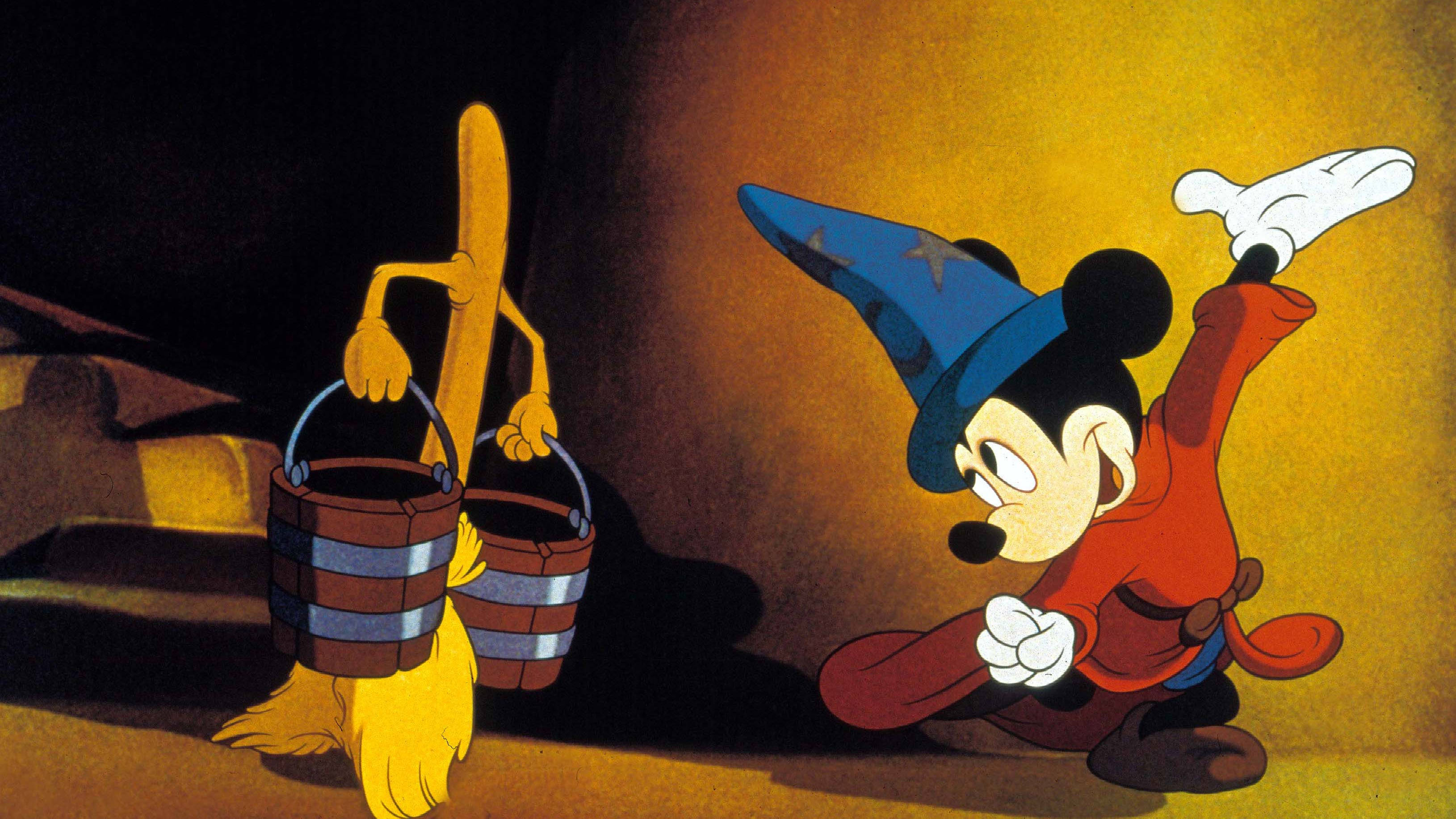
FANTASIA (1940) – ANIMATION

With the current trend for Disney to remake their back catalogue as “live” action films in mind, I very much doubt they will doing this with Fantasia. Conceived as a short to re-invigorate the slowing career of Mickey Mouse, the film is unlike any other Disney have made. It consists of experimental, non-narrative and hallucinogenic vignettes mainly set to wondrous classical music. A masterpiece of hand-drawn animation, style, colour and design, it’s certainly not just for kids. I recall many images giving me nightmares when saw it as a child and it remains a powerful cinematic work to this day.

Image result for fantasia

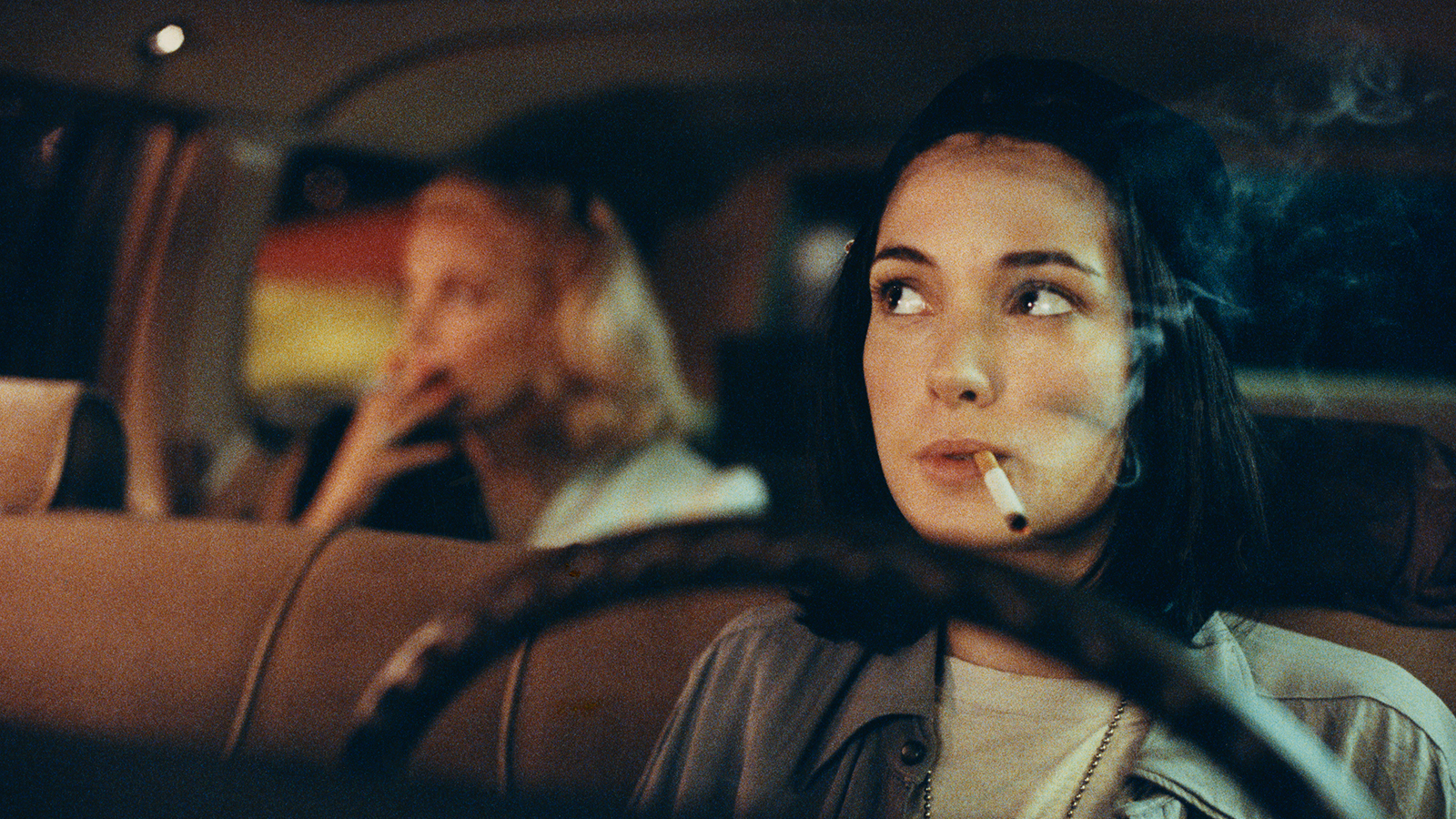
NIGHT ON EARTH (1991) – COMEDY

I was going to choose Woody Allen’s erotic sketch film, Everything You Wanted to Ask About Sex but were Afraid to Ask (1972), for the comedy section. However, I decided to select a more deadpan and character oriented film. What better then, than a Jim Jarmusch curiosity. I love the concept of the film as Jarmusch sets several themes and parameters in place. There are five slice-of-life vignettes set on the same night in the cities of Helsinki, New York, Rome, Paris and Los Angeles, all starring some of Jarmusch’s favourite actors. Relationships and quirky interactions between cab driver and passenger are explored in the filmmakers’ inimitable style.


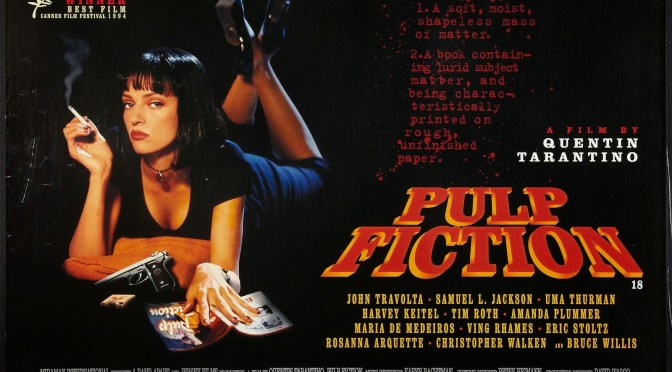
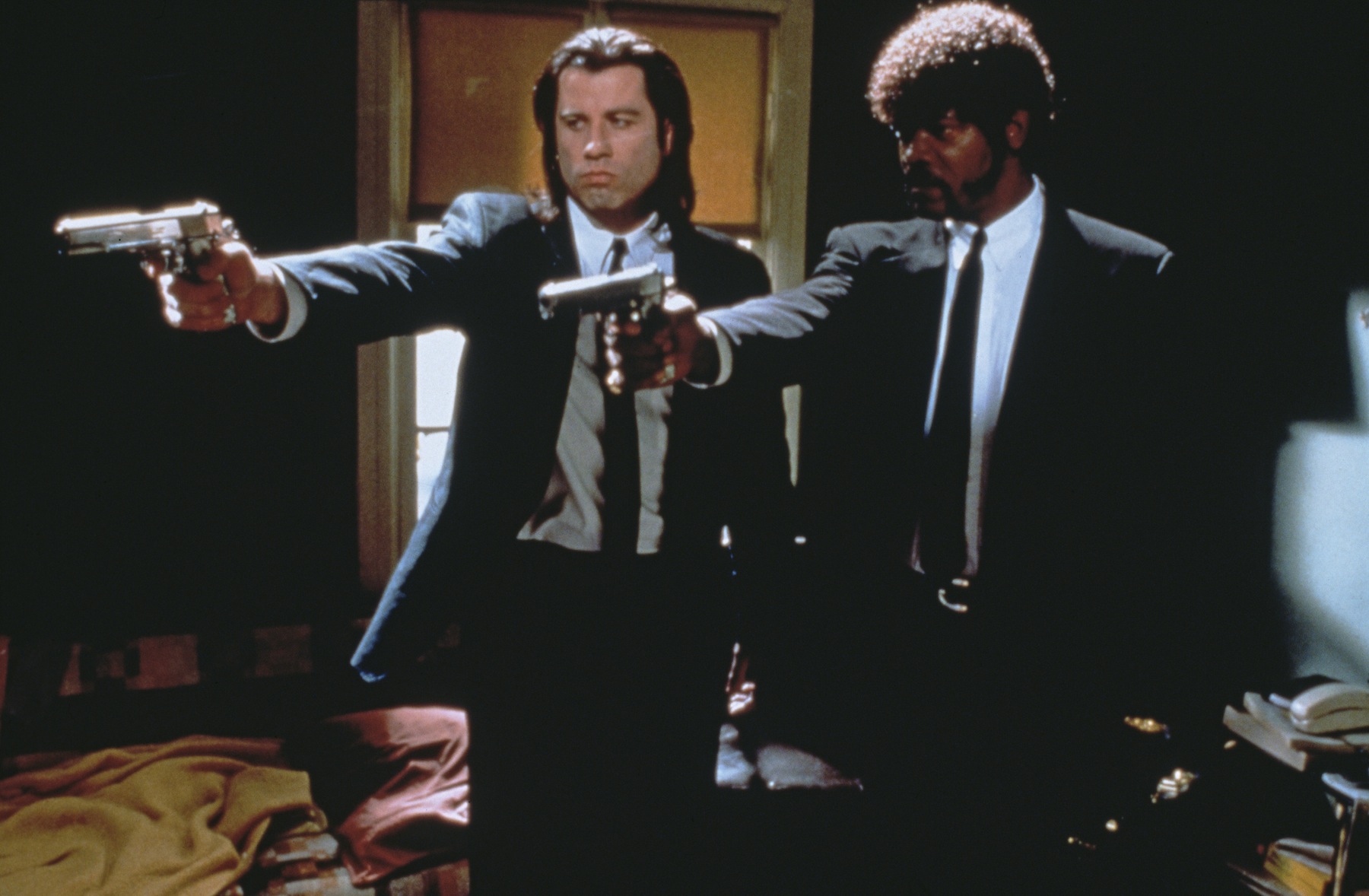
PULP FICTION (1994) – CRIME

Quentin Tarantino’s second feature film remains a fresh masterpiece of colliding gangsters, uber-cool hitmen, fixers, boxers, sexual deviants, femme fatales, drug addicts and general criminal types. With an over-lapping timeline that kind of does a figure of eight, we get stories ranging from a couple robbing a diner; a boxer double-crossing a crime boss; and an employee almost killing his boss’s wife. Tarantino breathes life into the crime genre and the stock pulp characters with one of the greatest screenplays ever written; full of incredible dialogue, startling twists and a brilliant ensemble cast.


WILD TALES (2014) – DRAMA

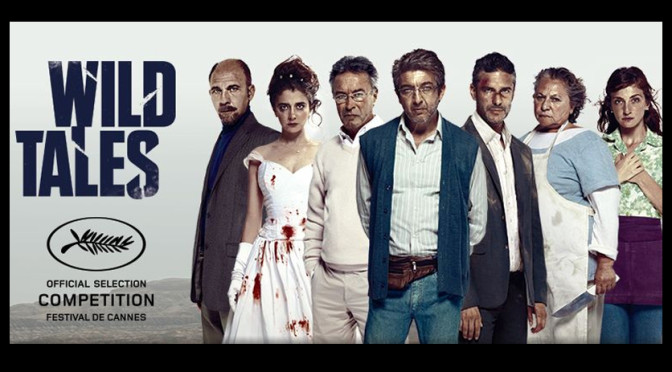
Damián Szifron conjures up a delectable and devilish set of stories mostly based around the themes of obsession and revenge.  It opens with a breath-taking little prologue featuring a horrific incident on a plane and culminates in arguably the wildest tale when the Bride goes on the rampage at her wedding.  Everyone’s favourite Argentinian actor Ricardo Darin pops up in the middle as an explosives expert who enacts revenge on City Parking fascists. I love the whole thing as the film delivers a full deck of twists that master of the macabre Roald Dahl would be proud of. 


THE PRESTIGE – CLASSIC FILM REVIEW

THE PRESTIGE (2006) – CLASSIC FILM REVIEW

**YOU KNOW THE DRILL – SPOILERS!**

ThePrestige4

With Christopher Nolan’s Interstellar (2014) orbiting the cinemas this week I thought I’d look back at the film which he made in between breathing life into the Batman franchise.   No doubt Nolan is an important genre filmmaker and as his budgets have got more grandiose then so have his ideas.  I just love that he is interested in attempting to make intelligent blockbusters where ideas, character and theme lead the story rather than rely simply on action, explosions and special effects (no offence Michael Bay.)

thePrestige1

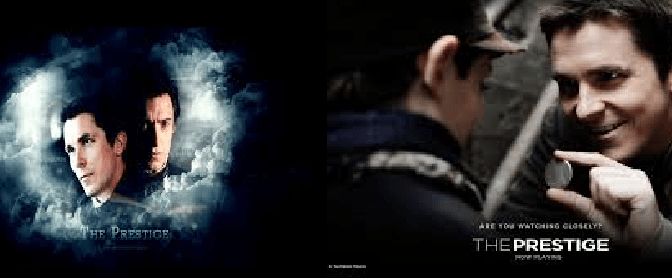
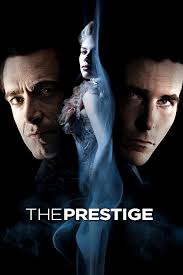
Memento (2000) was a stunning and complex low-budget noir which dealt with obsession, murder and memory and Nolan continued these themes in superior cop thriller Insomnia (2002). Having delivered a cracking origins film in Batman Begins (2005) the director followed this up with a story about battling magicians based on Christopher Priest’s novel called The Prestige (2006).  For me it confirmed him as a force-to-be-reckoned with director. Following on the themes and tropes established in his prior films, The Prestige is centred around two obsessives brilliantly portrayed by the always excellent Christian Bale as Alfred Borden and the never-been-better (until Prisoners (2013), Hugh Jackman, playing his bitter rival, Robert Angier. The story starts at the end with Borden facing the hangman for Angier’s murder. After which the narrative flashes back to a time when the pair were freshman trick-smiths learning the ropes from mentor Cutter (always solid Michael Caine). When the cockney and cocky Bordens’ actions accidentally lead to the death of Angiers’ wife (Piper Perabo) – during a particularly complex and dangerous trick – the two go their separate ways. This sets in motion a story full of bitter twists of active and reactive vengeance. Each protagonist becomes so obsessed outdoing the other –  with the ultimate trick – they are prepared to sacrifice the ones they love in doing so.

The film is rich in plot, character and theme and investigates thoroughly the very human aspects of obsession and revenge. The double or doppleganger trope is also integral to the story as the writers Jonathan and Christopher Nolan literally dissect the characters’ souls. The gritty, dirty period of Victorian London is wonderfully evoked and the fascinating world of magicians and their mysterious secrets is expertly represented. At it’s heart the story begins by showing us the cons of the magicians and the lengths they will go to amaze and astound an audience. By the end though the film becomes something much different with a chilling and fantastic turn which you think you see but ultimately don’t see coming.

Brilliantly directed by Christopher Nolan The Prestige is inventive, intelligent and ingenious. His cast does not let the magical screenplay down with the gorgeous Scarlett Johannson and – albeit briefly – pretty Piper Perabo bringing some glamour to the gritty proceedings. Rebecca Hall is also on commanding form bringing a subtle pain to the role of Borden’s wife.

Overall, it’s a challenging big-budget tale in which you never quite know what is real or what is a con. It keeps you guessing to the end, leaving you with a jaw-dropping final act as the story moves from sleight-of-hand tricks to science fact and finally science fiction. Ultimately, the film successfully combines fantastical, existential, and scientific elements. The film gives us a kind of magic but asks whether it’s worth the damage it causes to lives? THAT, for me, is The Prestige’s greatest trick.