Produced by: Maren Olson, Asher Goldstein, Joshua Astrachan, Ron Najor
Cast: Brie Larson, John Gallagher, Jr., Kaitlyn Dever, Rami Malek, Lakeith Stanfield, Kevin Hernandez, Melora Walters, Stephanie Beatriz, etc.
Cinematography: Brett Pawlak
Bloody Marvel!
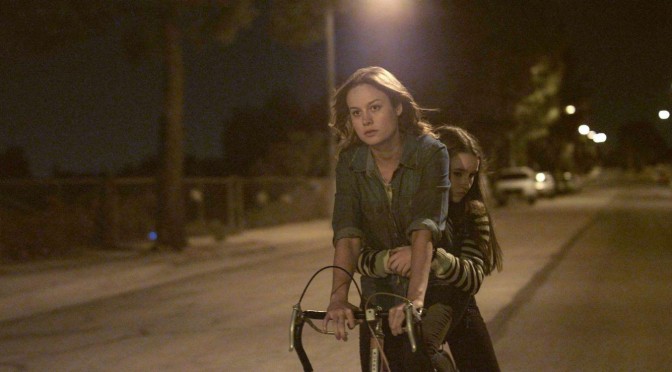
I refer to both this film, Short Term 12 (2013), and the Disney-owned behemoth studio which, while releasing some incredible film works over the years, currently pumps out generic product of variant quality. I say “Bloody Marvel” because the studio continue to poach some amazingly talented filmmakers with indie roots to front their entertaining cookie-cutter templates. I, of course, include Short Term 12 (2013), writer-director, Destin Daniel Cretton who, having adapted his own short film for a reported $400,000, has subsequently been directing stupidly expensive super-hero films for the studio giant.
Short Term 12 (2013) is one of those films I missed seeing on release. I then, for some unknown series of reasons, did not see it on video until earlier this month. It is a brilliant drama, full of fascinating characters, amazing dialogue, poignant moments of humanity and some really funny scenes also. Moreover, it has almost the perfect low-budget film screenplay, so it is no surprise to find out Destin Daniel Cretton’s script won a Nicholls Fellowship Screenwriting Award. The casting director also deserves a mention too. I am not sure what kind of crystal ball they had because the ensemble is a who’s-who of “before they were famous” castings including: Brie Larson, Lakeith Stanfield, Rami Malek, John Gallagher, Kaitlyn Dever and Stephanie Beatriz.
Set in a group care home, Short Term 12 (2013), centres around the staff and teenage children and their daily ups and downs. At the heart of the story is Grace (Brie Larson) and her work/romance partner, Mason (John Gallagher). As well as working to resolve the often harrowing issues of teenagers such as Marcus (Lakeith Stanfield) and Jayden (Kaitlyn Dever), Grace strives to overcome the post-traumatic scars her childhood has caused her. Aside from a slight tragedy overload in the final act, Short Term 12 (2013), is one of the best films I have seen in a long time. The emotional gravity I felt for many of these characters was so powerful. It is very rare that a film can make me laugh and cry in equal measures. And it was all shot, acted and directed in just twenty days. Destin Daniel Cretton’s sophomore feature film is a true indie marvel!
So, here’s PART TWO of my Netflix spring film reviews. PART ONE is HERE if you are interested.
Happy Holidays everyone!
THE PALE BLUE EYE (2022)
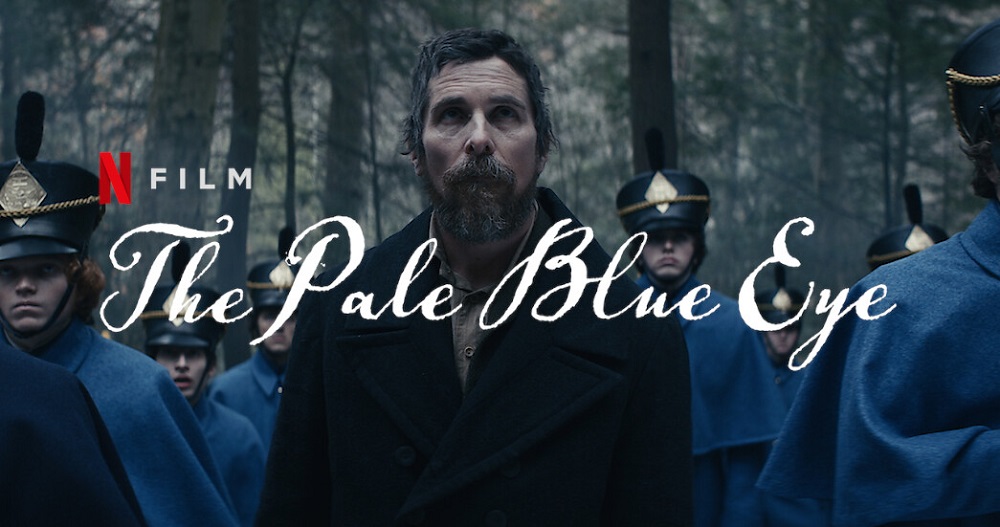
Scott Cooper and Christian Bale combined to brutal and intense impact with the dark Western, Hostiles (2017). Their follow-up is an equally bleak, but not so riveting character study, based on the detective novel by Louis Bayard. Bale portrays a world-weary detective, during the 1830s, tasked with solving the suspicious deaths of cadets at military school, West Point. Moody, murky, and dour in performance, production design and plotting, The Pale Blue Eye (2022), is a draining experience. Further, Bale’s Augustus Landor is not the most charismatic of protagonists and only Harry Melling’s eccentric rendition of a young Edgar Allen Poe, occasionally raises the gloom. There’s some terrific cinematography in this cold thriller and a great story in there. I especially enjoyed the Edgar Allen Poe elements too. But, the film is suffocated by the slow pacing and lack of empathy for the victims or lead characters.
Mark: 7 out of 11
PINOCCHIO (2022)
I have to be honest, but I have never really had a big emotional connection with the story of Pinocchio. It’s great to have goals in life, but the desire to ascend to a higher plain of humanity and be “real”, whether you are made of wood or machine (see Artificial Intelligence (2001)) is a desire I cannot align too. Maybe I am too dumb or privileged? However, I think that is probably the point of the writer Carlo Colludi’s classic tale. Because it is all about finding peace within yourself whatever you are made of. Indeed, it is a fantastic rites-of-passage, journey of discovery narrative and deserving of classic status. Let’s not forget that Disney, Kubrick, Spielberg, Garrone, Zemeckis, and now Guillermo Del Toro have produced versions of Pinocchio (2022). But how many more do we need? Del Toro, Mark Gustafson and their genius production team’s stop-motion version is a stunning rendition though. Setting it during World War II darkens the flavour and colour, with Del Toro breathing fresh life into this overfamiliar fairy story.
Mark: 8.5 out of 11
THE TRIP (2021)
Norwegian genre movie director, Tommy Wirkola, unofficially remakes Haneke’s Funny Games (1997), with this bloody hilarious live-action cartoon comedy. Noomi Rapace and Aksel Hannie are Lars and Lisa, a couple whose marriage is crumbling. Both decide that divorce is not the best way to end their relationship. A trip away is not an attempt for the couple to reconcile, but to destroy each other. Before you can sayWar of the Roses (1989), the film takes a violent twist as their unromantic getaway descends further into destruction with the introduction of a surprising criminal element. I won’t give it away, but I was thoroughly entertained by the gory and bone-shredding silliness of it all. Noomi Rapace is always brilliant too!
Mark: 8 out of 11
WHITE NOISE (2022)
Kubrick is quoted as saying, “If it can be written, or thought, it can be filmed.” But does that necessarily mean it should be filmed? So, when you read a literary classic is apparently unfilmable, and then discover that it is being filmed, you wonder how they have filmed it. Well, in the case of Noah Baumbach’s adaptation of postmodern classic, Dom DeLillo’s White Noise (2022), I genuinely wonder why they bothered. Perhaps, the apparent $100 million spent will allow Noel Baumbach and Greta Gerwig to develop more interesting projects in the future, but this really is an over-expensive 1980s set cinematic folly. Having said that Gerwig and Adam Driver light up the screen and Baumbach’s witty script had some genuinely delightful dialogue exchanges between the energetic and intellectual ensemble. However, overall the film was too self-consciously eccentric and over-long. I’m glad the filmmaking team got a grand payday, but arguably the book should have remained unfilmed and on the page. Sticking it out to the bitter end is well worth it though. It has a fantastic final credits sequence.
Mark: 7 out of 11
THE WONDER (2022)
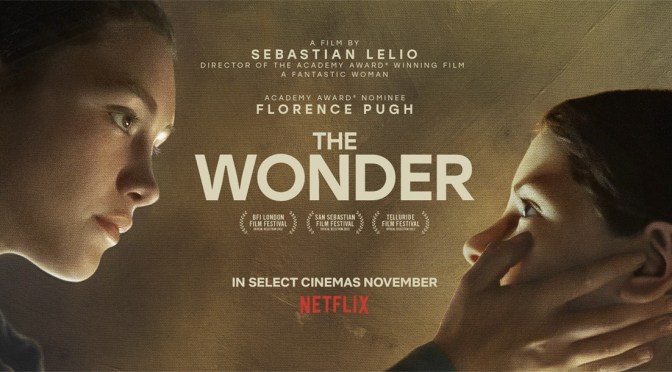
Is there a better actor around than Florence Pugh? I am not so sure. She is formidably brilliant in every role I have seen her in. I think that Pugh is so clever, emotional and magnetic in her screen performances, none more so than in this intense period drama directed by Sebastian Lelio.The Wonder (2022), an adaptation of a novel by Emma Donoghue, is set during 1862 in rural Ireland shortly after the Great Famine. Pugh’s English nurse, Elizabeth Wright, is summoned to attend a young girl who apparently has not eaten for months. Is it a religious miracle or are there supernatural forces at play? Such themes are intelligently explored in this atmospheric and brooding drama which had me gripped throughout. The subtext of religious control, Catholic guilt and the English stranglehold over Ireland also exist between the dramatic lines in an intimate epic, anchored by Pugh’s dominant force-of-human-nature performance.
Having not been too impressed by Netflix’s summer 2022 blockbuster releases – see my reviews here – I questioned the amount of money spent on big budget productions which had very average scripts and indifferent storytelling. Well, Netflix have certainly redeemed themselves of late, because the majority of the films I have seen on the platform recently have been excellent.
Indeed, I have watched so many Netflix films since the turn of 2023, I have decided to split the reviews into two parts. I have been so busy at work that I just don’t have time to review them all separately. Many of these films are so impressive they do deserve longer critical pieces, but there you go. I have even passed over reviewing John Wick 4 (2023) and Scream 6 (2023). While they are decent genre films, they offer nothing new to TheCinema Fix reviewing realm.
Ultimately, I hope you enjoyed these films as much as did. All power to Netflix – keep up the amazing work!
ALL QUIET ON THE WESTERN FRONT (2022)
The German war film adaptation of the classic novel by Erich Maria Remarque has been made twice before. This big budget version is directed by Edward Berger and certainly has a powerful and spectacular visual style, allied to some formidable filmmaking expertise. I fear the television screen was not the right medium to witness the muddy majesty on show as it can barely contain the crunching metallic and bloody horrors of the first World War. The film has unsurprisingly been nominated for and won many awards, and benefits from a brilliant debutant screen performance from Felix Kammerer. Personally, I still feel that the original 1930 film adaptation has more human emotion to it, as the characters in this version aren’t as well set-up from the start in comparison. A phenomenal achievement in sound and vision though nonetheless. The cinematography and soundtrack are as good as gets.
Mark: 8.5 out 11
ATHENA (2022)
Imagine taking the anger and social commentary within La Haine (1996), and adding vivid colour, pyrotechnics, kinetic cameras, long takes, and turning it all the way up to eleven? If so, then you have an idea of what Roman Gavras’ socio-political-action-thriller, Athena (2022) delivers. The death of a youth at the hands of police brutality kicks off rioting from the underclasses on a French council estate. What follows is a stunning group of frantic and explosive action set-pieces as fraternal loyalties are tested between the main protagonists with police, youth and gangsters at each other’s throats. Arguably though, the fast pace and fireworks dampen the sociological message in an otherwise breath-taking directorial and cinematographic achievement.
Mark: 8.5 out of 11
GLASS ONION: A KNIVES OUT MYSTERY (2022)
I really enjoyed the firstKnives Out (2019) reviewed here. It was one of my films of the year. I also absolutely love Agatha Christie’s model of ensemble characters being investigated by a brilliant detective, with complex plotting and surprise twists and dark secrets being uncovered as a “whodunnit” is solved. Rian Johnson’s brilliant screenwriting abilities also breathed fresh air into a well-worn subgenre. He attempts to capture lightning in a bottle again with Glass Onion (2022), and while the famous cast, notably Dave Bautista, Janelle Monae, and Kathryn Hahn stand out among the over-actors, the devilish plot concerning rich people trying to out-do each other just did not connect and make me care. Also, am I the only one who still thinks Daniel Craig is miscast in this role? Even though I really enjoyed the cleverness of the script, his appalling “Foghorn Leghorn” accent still grates me.
Mark: 7.5 out of 11
THE HOUSE (2022)
From the leading voices in independent stop motion animation – Emma de Swaef & Marc Roels, Niki Lindroth von Bahr and Paloma Baeza – The House (2022) is a triumph of eccentric imagination, artistic talent and surreal vision. But the three bizarre tales contained within this anthology, while kind of enjoyable, were just TOO weird for me to thoroughly enjoy in a conventional sense. File under impressive avant-garde and experimental genius, rather than safe popcorn entertainment, and that is probably what the filmmakers were aiming for.
Mark: 7 out of 11
PASSING (2021)
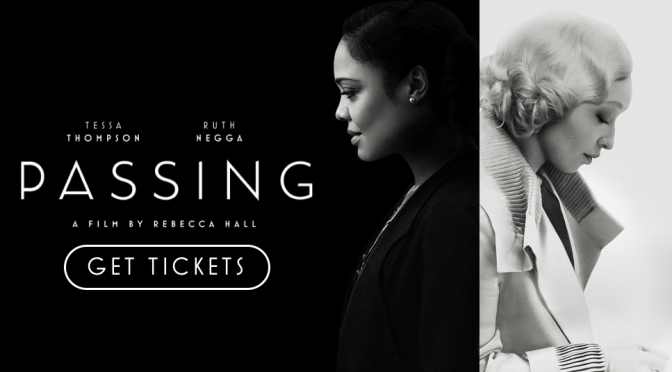
I wish I’d seen this amazingly powerful film on release as it would certainly have been in my top ten films of the year. It’s a low budget, intimate and yet emotionally resonant adaptation of Nella Larson’s novel. Set in 1920s New York, the heartfelt drama juxtaposes the lives of two black women, portrayed by Tessa Thompson and Ruth Negga, with the latter passing herself as white within the racially charged era of the time. As their friendship develops their respective life choices are explored with subtlety and intensity by the impressive cast and director, Rebecca Hall. The choice to employ black-and-white cinematography, while often an over-used artistic indie-film trope, is absolutely the right choice. Lastly, Tessa Thompson is wonderful, but Ruth Negga is quite sublime in a complex, pathos-laden and unforgettable tragic screen personification.
Produced by: Phil Lord, Christopher Miller, Aditya Sood, Elizabeth Banks, Max Handelman and Brian Duffield
Main Cast: Keri Russell, O’Shea Jackson Jr., Christian Convery, Alden Ehrenreich, Brooklynn Prince, Isiah Whitlock Jr., Margo Martindale and Ray Liotta
*** CONTAINS SPOILERS ***
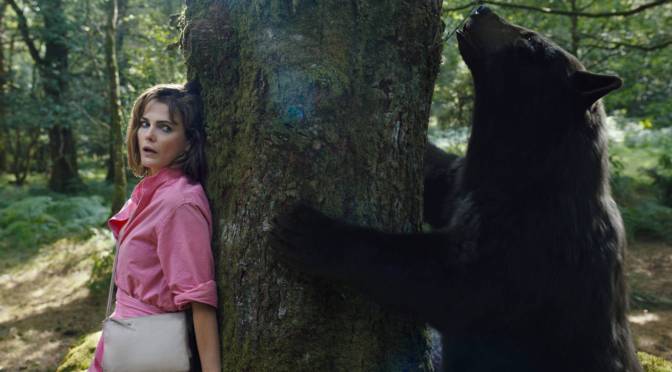
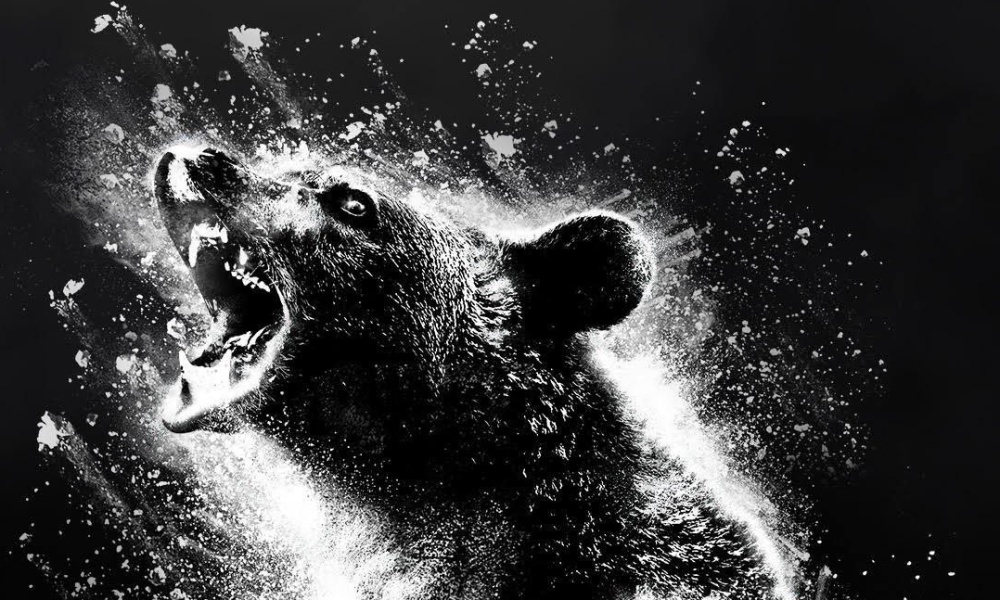
Every now and then a film title hooks you in immediately. Snakes on a Plane (2006) anyone? Now, another beast driven movie comes along and says, “Hold. . . My. . . Bear!” Enter based-on-a-crazy-true-story Cocaine Bear (2023)! Yes, incredibly, the B-movie comedy-horror film is based on the real-life events in 1985, when a drug smuggler chucked themselves, and over forty bags of cocaine, out of a mechanically flailing aeroplane. When his parachute failed to open the smuggler plummeted to his death. The raining coke fell into Georgia forest terrain, only to be found by a black bear who, thinking it was food perhaps, tucked into the white powder.
Cocaine Bear (2023) imagines what happened next to this bizarre but somehow tragic series of unfortunate events. Let’s just say that P.E.T.A would certainly not approve of what happens to the bear in this film. Although they may enjoy the many grisly and bone-crunching deaths that occur to the mostly two-dimensional human characters on show. But while the cast, notably Alden Ehrenreich and Keri Russell, do their best with the material, the film lacks the wit and ensemble acting strength of a far superior movie involving an apex predator gone rogue,Lake Placid (1999).
Safe to say that Cocaine Bear (2023) is a pretty terrible movie. It is, however, very entertaining in a stupid way. It is deliberately intended to be that way by the writer, Jimmy Warden and director Elizabeth Banks. The flimsy characterisation, over-acting and half-witted plotting place the film on the verge of parody, without reaching the richly, gag-heavy scripts of say the Naked Gun series. There are some fantastically funny scenes involving the kids finding the cocaine and the realistic CGI bear causing carnage killing dumb teenage gang members and bickering gangsters. So, go into Cocaine Bear (2023) with low expectations and you will be rewarded with a funny and bloody B-movie monster flick. Ultimately, it has a great trailer and clickbait title, and contains enough crowd-pleasing carnage and dumb fun to make it worth a trip to the cinema.
Screenplay by: M. Night Shyamalan, Steve Desmond and Michael Sherman Based on The Cabin at the End of the World by Paul G. Tremblay
Produced by: M. Night Shyamalan, Marc Bienstock, Ashwin Rajan
Main cast: Dave Bautista, Jonathan Groff, Ben Aldridge, Nikki Amuka-Bird, Kristen Cui, Abby Quinn, Rupert Grint etc.
Cinematography: Jarin Blaschke, Lowell A. Meyer
*** MAY CONTAIN SPOILERS ***
M. Night Shyamalan is arguably one of the most critically divisive directors working today. Not because his films are particularly controversial, but mainly because he is a risk-taker that tests the boundaries of genre expectations. He has so many different ideas and concepts that quite often his movies have back-fired spectacularly, however, when he gets it right his genre films are highly entertaining and compelling. Superior genre films such as: The Sixth Sense (1999), Unbreakable (2000), Signs (2002), andThe Village (2004), were full of invention, suspense and wicked twists. Many people felt The Village stretched the limits of suspending disbelief, but it was a masterpiece compared to his filmic failures like: The Lady in the Water (2006), The Happening (2008) and The Last Airbender (2010).
I missed seeing the apparent disaster that was After Earth (2013), yet it was opined that Shyamalan returned to some essence of form with the horror film The Visit (2015). However, I still felt there were some dodgy creative decisions in that, such as the story-filler-white-middle-class-rapping kid in amidst a creepy thriller. Yet, with Split (2016), Shyamalan was back to his best, weaving an exploitational B-movie kidnap-plot with a searing psycho-performance from James McAvoy. The ending, which found Anya Taylor-Joy’s ultra resilient Casey fighting back against McAvoy’s twenty-plus split-personality maniac, then brilliantly linked the film to Shyamalan’s Unbreakable (2000). Glass (2019), was a solid finale to the unlikely trilogy and his adaptation of the novel, Sandcastle, titled Old (2021), received mixed reviews. However, despite the over-cooked ending, I thought it was a brilliant Twilight Zone infused ensemble suspense twister.
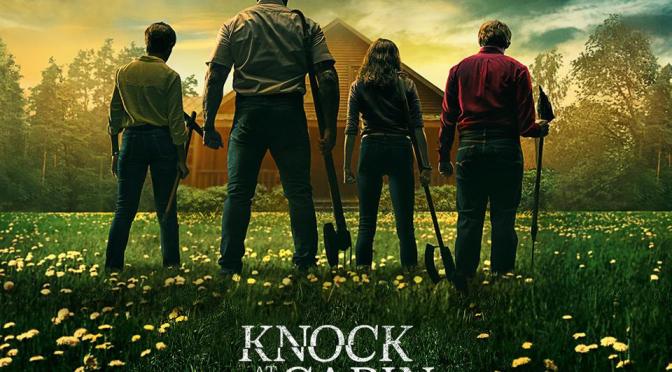
Shyamalan’s latest cinema offering,Knock at the Cabin (2023) is another literary adaptation and contains a simple yet compelling premise. As same-sex couple, Eric and Andrew, plus their adopted daughter, Wen, are enjoying a relaxing getaway in a peaceful and bucolic wood, four strangers carrying home made medieval-type weapons arrive and give them a horrific choice. If they do not sacrifice and kill one of their family, the end of the world will begin. This apocalyptic game of “would you rather” immediately raises the drama and stakes to a critical point, after which events become darker and tense. I was immediately drawn in as I really enjoy narratives where the characters have unenviable choices to make. What would I do in that situation?
As the family are tied up and threatened, the four strangers introduce themselves and how they came to the cabin. The tension increases as the world events seem to back up what the seemingly crazy people are saying. Interspersed with the scenes in the cabin are some moving flashbacks which establish the humanity and relationships of the victims. This creates empathy and texture to the middle-class every-couple family unit. They are not action stars or superheroes, but are us, the audience, facing a hard-to-stomach decision. Of course, a certain amount of suspension of disbelief is asked by Knock at the Cabin (2023). However, I was certainly gripped by the narrative throughout.
M. Night Shyamalan’s films often contain social commentary or reference to larger external forces impacting the characters. Here my interpretation was that, the book it is adapted from and the script, are dealing with themes relating to environmental allegory. If we, as a species, are all prepared to make a sacrifice we can ultimately save the world from disaster. Yet, Shyamalan succeeds here where The Happening (2008) failed because the message is more subtle, without bludgeoning us over the head with a massive weapon. Talking of which Dave Bautista gives a revelatory performance as the gentle giant, Leonard, a man cursed to carry out the portentous visions which haunt him and his group of deadly seers. His performance, some fascinating frame and shot choices, and Shyamalan’s ability to create psychological tension without resorting to shock tactics are all great reasons to answer the door to this apocalyptic thriller.
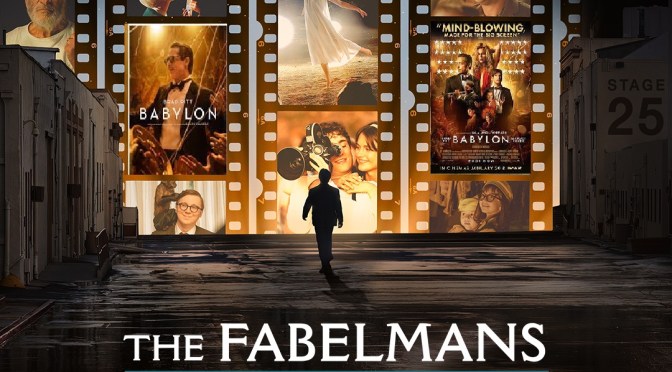
CINEMA REVIEWS: BABYLON (2022) and THE FABELMANS (2022)
I have been extremely busy with the day-job, itself working with the filmmakers of the future at Raindance Film School, so I have a number of reviews backed-up in “pre-production.” Meaning I am thematically linking the latest films from Damian Chazelle and Steven Spielberg in one double-bill review show. Both Babylon (2022) and The Fabelmans (2022) celebrate the seismic and life-changing power cinema has had on the culture and society, from a historical, professional and very personal perspective.
While I love watching, writing and making films, cinema offerings about filmmaking and the love of cinema can be construed as somewhat of an indulgence on the part of the filmmaker. Quentin Tarantino recently achieved high level juxtaposition between homage and impressive narrative style with Once Upon a Time in Hollywood (2019). Moreover, there have been some brilliant films about filmmaking as this Six of the Best Films about Filmmaking article illustrates. But when two of the finest directors around produce extremely different visions of the filmmaking process, then one immediately takes notice.
BABYLON (2022)
Directed and written by Damien Chazelle
Main cast: Brad Pitt, Margot Robbie, Diego Calva, Jean Smart, Jovan Adepo, Li Jun Lietc.
Damian Chazelle has proved himself one of the most exciting cinematic voices of recent years. Whiplash (2014), La La Land (2016) and First Man (2018) are all masterpieces of filmic storytelling. The absolute control displayed within First Man (2018) when contrasted with the aggression of his debut film and romantic vibrancy of his Oscar winning musical is a wonder to behold. Thus, I came to gonzo-period-drama-jazz-and-coke-fuelled-black-comedy-mash-up,Babylon (2022) with high expectations.
The opening scene of an elephant shitting on the camera / audience from a great height sets the tone of Chazelle’s unofficial adaptation of Kenneth Anger’s scurrilous book, Hollywood Babylon. And so at breakneck speed we hurtle, from 1926 onwards and a orgiastic party through the on and off-set lives, loves, highs and lows of Margot Robbie’s wild “child” actress, Brad Pitt’s silent movie heartthrob, Diego Calva’s ever-optimistic, Manny Torres, and the squeezed-out-of-the-story, jazz musician, portrayed by the under-used Jovan Adepo. It’s brash, bold and challenging cinema that left me with, I have to admit, motion picture sickness.
Babylon (2022) is not so much a love letter to Hollywood as a ratcheted-up-to-eleven tribute to the tragic heroes of the past who were chewed up and spat out by the relentless Hollywood machine. Despite Chazelle and his production team’s incredible dedication and attention to detail in creating a slew of astounding filmmaking set-pieces, I rarely cared about any of these mostly obnoxious characters and could not wait for this Hollywood rollercoaster to stop. Sadly, it goes on for far too long, with too many endings. Don’t get me wrong there are moments of genius, hilarity and grotesque pleasure to be had during Babylon (2022), however, this type of dysfunctional character-driven drama was done with way more heart by Paul Thomas Anderson’s far superior, Boogie Nights (1997).
Mark: 7 out of 11
THE FABELMANS (2022)
Directed by Steven Spielberg
Written by: Steven Spielberg and Tony Kushner
Main cast: Michelle Williams, Paul Dano, Seth Rogen, Gabriel LaBelle Judd Hirsch, Jeannie Berlin etc.
“Movies are dreams!“, says a glowing, Mitzi (Michelle Williams), to her young son, Sammy, as she presents him with a camera. So it proved for Steven Spielberg with his career in filmmaking working like a dream, both behind the camera and up on the cinema screen. Indeed, there is no doubting Spielberg is one of the greatest directors of all time, having delivered a succession of incredibly popular film blockbusters and some seriously impressive genre films of spellbinding quality. Jaws (1975) is regularly screened on Sky Cinema and there isn’t a wasted scene or action or performance or line of dialogue in one of my favourite films of all time. The rest of Spielberg’s cinematic curriculum vitae isn’t too bad either.
So, what about The Fabelmans (2022)? Well, it’s a more loose and episodic when compared with Spielberg’s tightly plotted genre films. But if anyone has earned that right it’s one of the finest film storytellers. It’s such a personal project Spielberg even thanked the audience for coming to the cinema to watch it in a recorded clip. At the heart of the action is the aforementioned Sammy, who after his initial visit to the cinema is smitten at first sight. So much so he strives to create the spectacle on his Dad’s 8mm camera. As Sammy’s love affair with film grows into his teenage years he finds himself in the midst of a tug-of-war between his mother’s artistic and highly emotional personality and his father’s (Paul Dano) scientific, more logical mind.
Beautifully filmed, designed and edited, The Fabelmans (2022), is a majestic experience from an emotional and visual perspective. Spielberg’s love for cinema and his family is palpable, as he and Tony Kushner’s screenplay cleverly juxtaposes the filmmaking process with key emotional scenes from the director’s life. One specific moment where teenage Sammy (Gabriel LaBelle) edits a home movie only to reveal something very painful is certainly one of the most memorable scenes of the year. Performances are intriguingly varied with LaBelle and Dano both impressing. The usually superlative Michelle Williams was great, but her character felt like she was from an otherworldly realm. I imagine that was Spielberg’s intention. In conclusion, The Fabelmans (2022), is a stunning and big-budgeted home movie. If you are captured by Spielberg’s personal journey and enjoy watching characters on a cinema screen as they stare in wonder at the cinema screen, then you will love this.
Produced by: Todd Field, Alexandra Milchan and Scott Lambert
Cast: Cate Blanchett, Noémie Merlant, Nina Hoss, Sophie Kauer, Julian Glover, Allan Corduner, Mark Strong etc.
Cinematography Florian Hoffmeister
*** MAY CONTAIN SPOILERS ***
Tar (definition): a dark, thick flammable liquid distilled from wood or coal, consisting of a mixture of hydrocarbons, resins, alcohols, and other compounds. It is used in road-making and for coating and preserving timber.
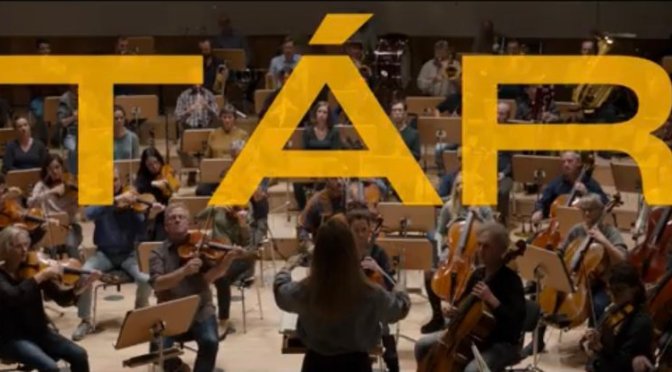
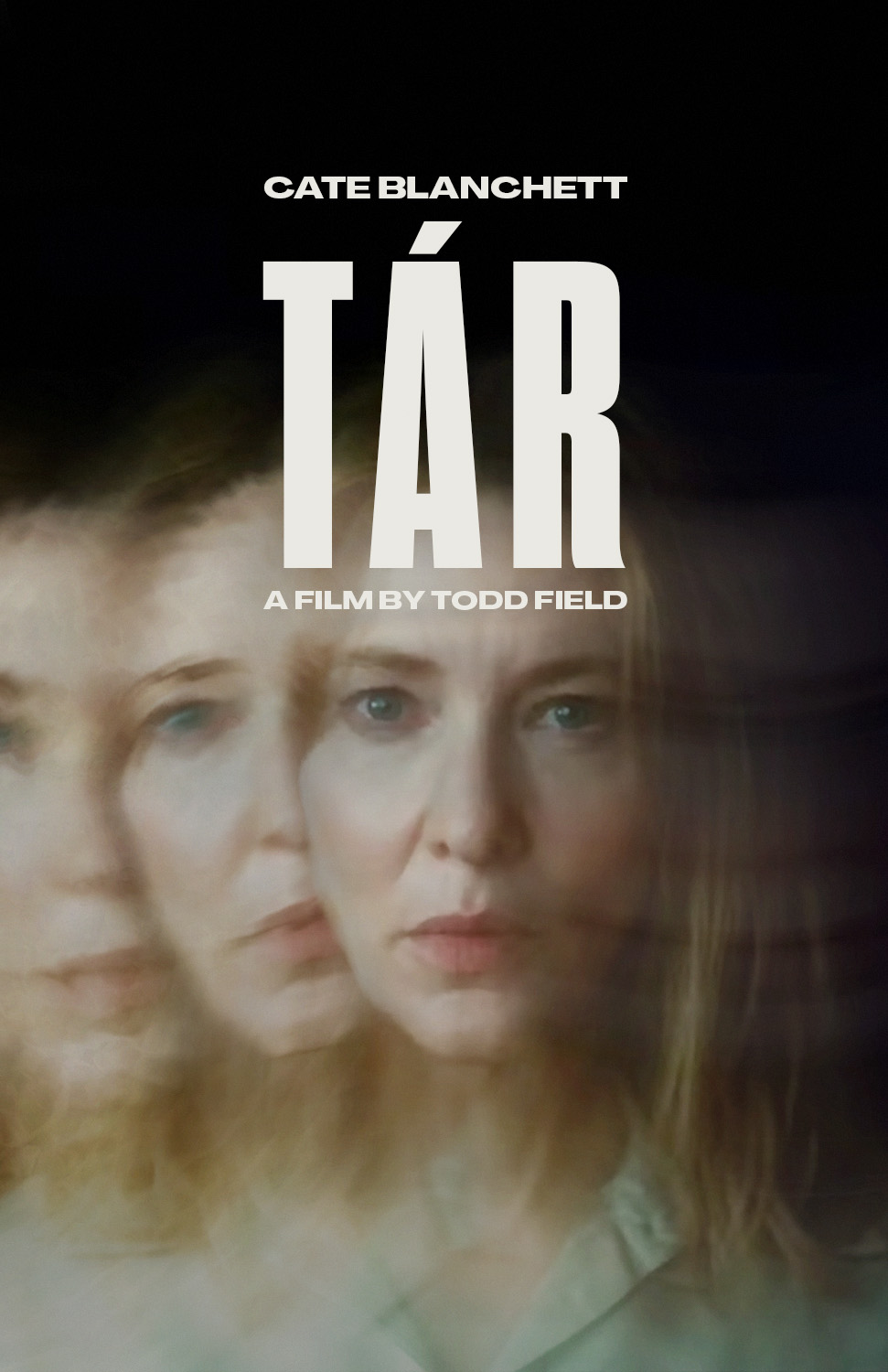
Todd Field’s classical film masterpiece, Tár (2022), was hailed by critics when released late last year in the U.S.A and made many top ten film of the year lists. I saw it in the first week of 2023 and while I don’t always concur with the gushing hyperbole of professional film critics, I have to say if I see a better cinema release all year I will be amazed. Let’s hope I do.
Tár (2022) is a film which works on many genre and narrative layers. It is a psychological drama, an absorbing character study, a backstage musical, a complex morality play, with suggestions of hallucinatory horror during the final act of the film. It is a triumph of filmic brilliance expertly delivered by Todd Field. It is incredible to think this is only the third film he has directed. Certainly a case of high quality over quantity. But Field confirms himself an auteur, exerting absolute control over the material. Such is his, and the production team’s, meticulous research, writing, planning, design and execution that if I hadn’t seen the credits, I would have said the maestro Stanley Kubrick had made this film.
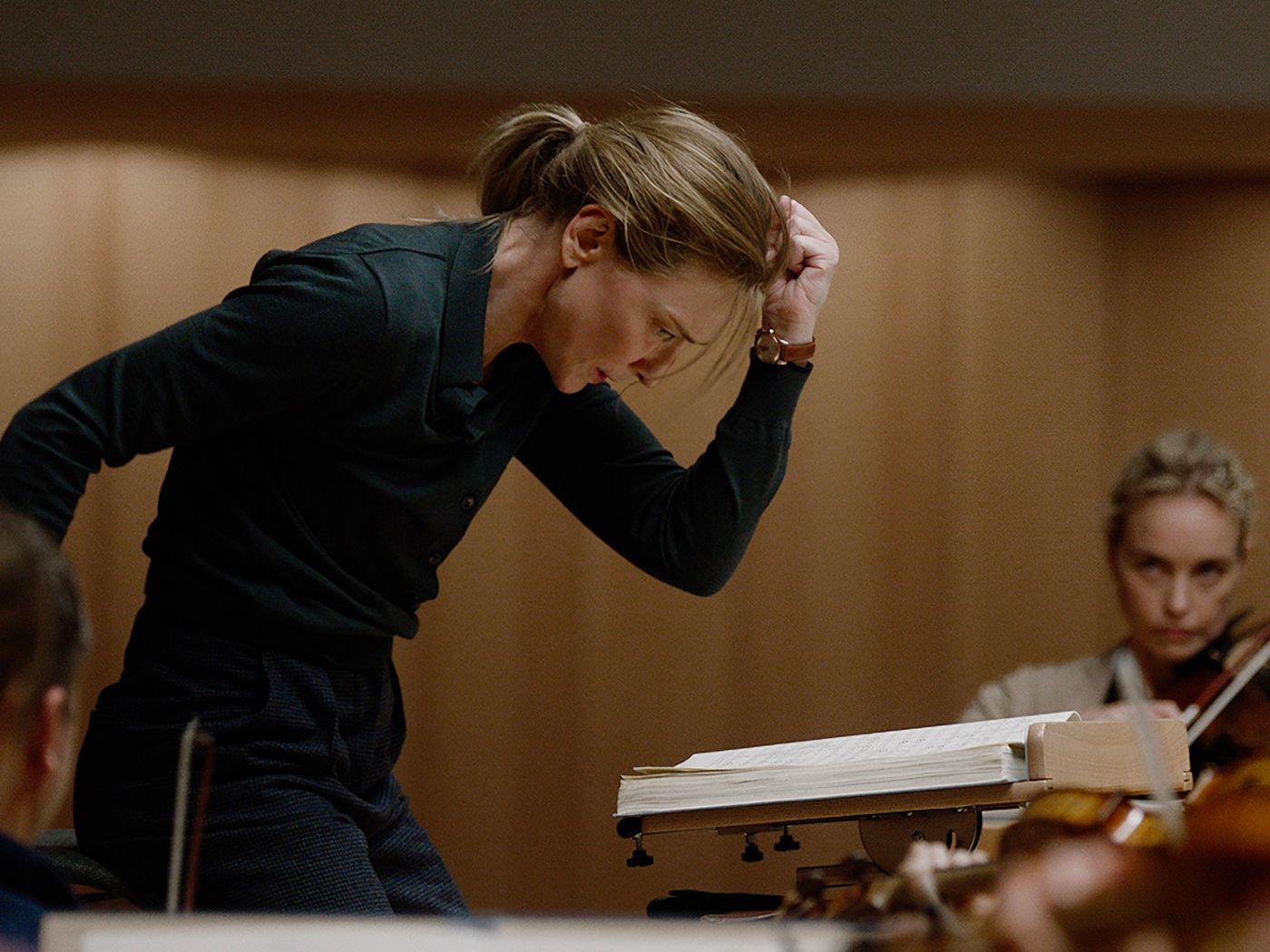
Tár (2022) opens with haunting singing over the imaginatively presented credits that slowly fill a black screen. Field demonstrates control from the start before we are introduced to Lydia Tár (Cate Blanchett). Now, I thought the film may have been a story about a female conductor attempting to break into a traditionally male dominated world. However, Lydia Tár is at the top of her game as a conductor and composer, heralded for her genius interpretations of the music of Mahler and own oeuvre. Plus, having won numerous awards for her cinema, theatre and television compositions. Lydia Tár is soaring and about to release a book Tár on Tár and conduct a live recording of Mahler’s Fifth Symphony for the Berlin Philharmonic. So, where’s the drama? What could go wrong?
Field structures the linear narrative around Tár’s day-to-day working and family life and the process of rehearsing Mahler’s Fifth. Methodically we are then introduced to actions from Tár’s recent past which threaten to haunt her. As a character who is so revered and in control of her world, Tár’s talent and confidence is magnetic and admirable. However, having no doubt been a force of nature to make it this competitive world, her arrogance and lack of awareness of a changing culture threatens to cancel her prodigiously built dominion. I won’t say anymore but Todd Field brilliantly explores resonating themes of the zeitgeist with razor-sharp intelligence. There are no easy answers either.
I could not take my eyes or mind off the screen during Tár (2022). It is cerebrally, aesthetically and psychologically all-encompassing. The stark cinematography, exhilarating classically-driven soundtrack, imposing Berlin architecture and claustrophobic feel of the Philharmonic offices and rehearsal spaces collude to create further emotional tension. Further, the film not only works impressively as absorbing drama, but also as interpretive ambiguity with subtle and mysterious suspense. Lastly, if Cate Blanchett does not win a best acting Oscar for her performance in Tár (2022) I will be stunned. Never less than metronomically astounding, Blanchett has taken Field’s precise writing and breathed physical, mental and spiritual vivacity into a challenging personality. Thus, take many-a-bow maestros, Blanchett and Field. Encore! Encore! Encore!
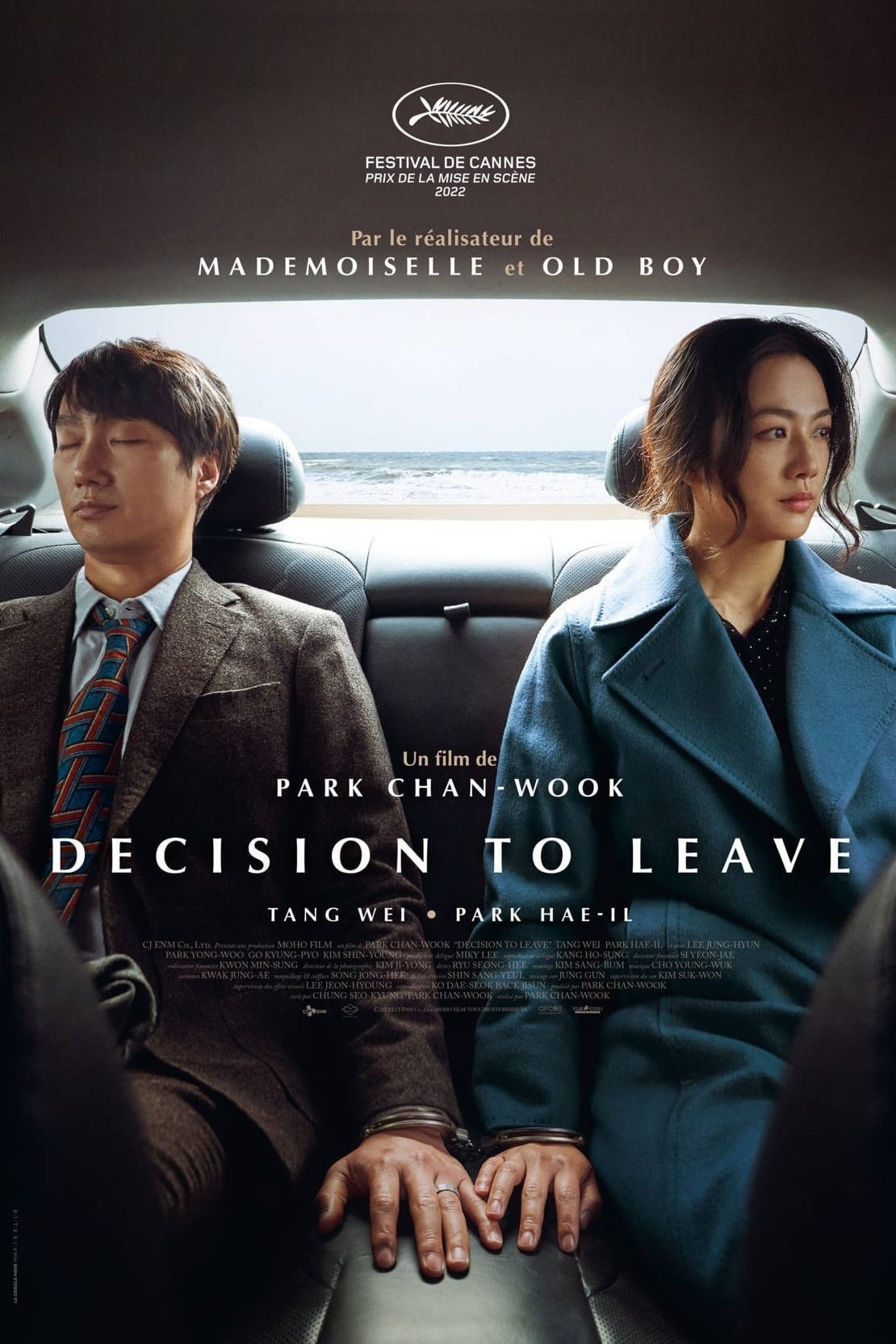
Main cast: Tang Wei, Park Hae-il, Lee Jung-hyun, Go Kyung-pyo, etc.
Cinematography Kim Ji-yong
Edited by Kim Sang-bum
*** MAY CONTAIN SPOILERS ***
Park Chan-wook is a proper filmmaker. Like Quentin Tarantino and Martin Scorsese, he embraces the artifice of the visual and aural medium crafting intelligent, thematically surprising and stylistically dazzling works of cinema. While watching his work one can see the clockwork precision of his filmic mind devising every frame, sound, camera move, cut, character action, acting nuance, being thought out expertly. In short: Park Chan-wook’s films are always an event for me and demand attention.
Chan-wook’s only Hollywood directed film was an under-rated gem of a noir thriller called Stoker (2013), after which he returned home to direct erotically charged period thriller, The Handmaiden (2016). This was a bigger-budgeted and thematically richer affair, taking a complex con-artist-twisting-plot and interweaving an explicit feminist love story. Of course, lest we forget Chan-wook’s classic early work, notably the gonzo revenger, Old Boy (2003). I re-watched it recently at the Raindance Film Festival and the furiously inventive exploitation film retains its beautifully transgressive power.
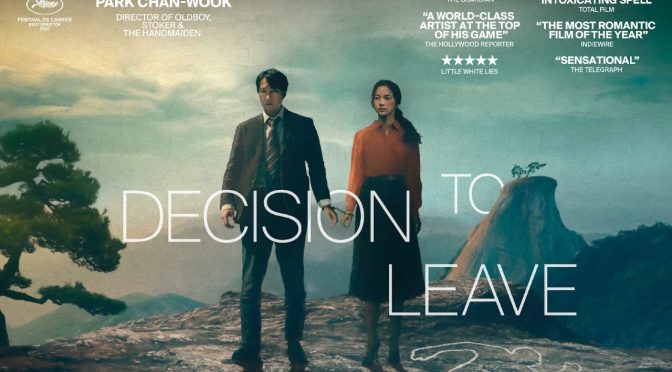
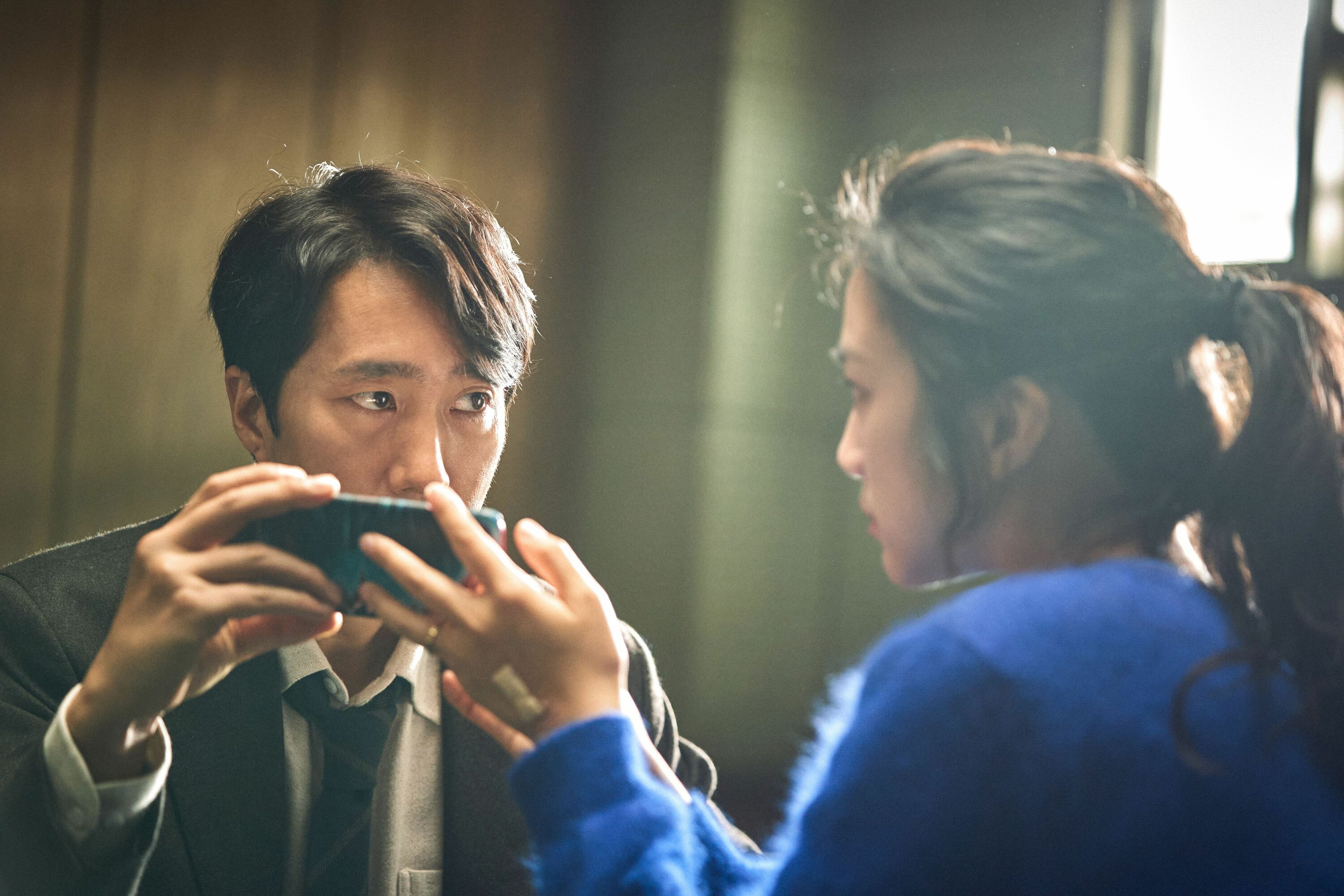
Like The Handmaiden (2016), Decision to Leave (2022) is a romance story set within a complex genre plot. While the former was a period crime film, Decision to Leave (2022) is a contemporary set police procedural with a central premise highly reminiscent of Basic Instinct (1992). Tang Wei as Song Seo-rae is suspected of killing her husband and as investigating cop, Park Hae-il as Det. Jang Hae-jun, delves deeper he finds himself more and more attracted to her. Where The Handmaiden (2016) and Basic Instinct (1992) used nudity and sexual imagery liberally, Decision to Leave (2022) is far more subtle and cerebral. The compelling romance is built on two fine lead performances, the cunning twists in the crime plot and Chan-wook’s masterful visuals with mountain, coastal and city landscapes being employed to powerful impact.
Now I must admit after watching Decision to Leave (2022) I was left slightly underwhelmed at the end from an emotional perspective. The visuals and storytelling were phenomenal, with Chan-wook and his writing partner crafting a devious series of inventive cat-and-mouse set-pieces. The suspense and doubt instilled as to whether Song Seo-rae is a murderer, despite her cast-iron alibi, is palpable. Simultaneously, the arc of the married mid-life crisis-detective, drawn to the suspect, flirting with disaster through flawed choices, creates much tension also. However, I didn’t immediately warm to the detective’s persona and wasn’t sure if I really cared. But I suspect, due to the complexity of the passion on show, a further watch will cement Chan-wook’s specific and symbolic vision.
Beneath the melding of romance, crime, mystery and action genres, I also considered the potential subtext in the screenplay. I wondered if Decision to Leave (2022) sought to explore the socio-political relationship between the nations of South Korea and China via the characters? Song Seo-rae is a Chinese migrant who came to Korea and via marriage was able to remain. An enigmatic soul she uses her wiles to survive, serenely attracting a series of men. But death follows her as closely as the male. Detective Hae-jun is drawn to her both professionally and romantically, no doubt thrilled by the danger. Yet, Chan-wook denies displaying physical consummation, and this makes the film more erotic than endless sex scenes do.
Lastly, Decision to Leave’s (2022) examination of language, both bodily and verbal, is deftly presented as a theme within the romance. The central crime of murder creates suspicion between the Korean and Chinese characters, but there’s a mutual and irresistible pull that cannot be denied. Song Seo-rae’s use of her phone translation application during her exchanges with the Detective create both a barrier and paradoxical intimacy. It’s just one of the fascinating bits of business, as well as the chainmail gauntlet used by the Detective, which elevate an already impressive script. But did Decision to Leave (2022) need to be so evasively complex and full of radiant ambiguity? The ending especially is both poetically exquisite and frustratingly cryptic. With a Park Chan-wook film, would I have it any other way?
Produced by: Luca Guadagnino, Theresa Park, Marco Morabito, David Kajganich, Francesco Melzi d’Eril, Lorenzo Mieli, Gabriele Moratti, Peter Spears, Timothée Chalamet
Cast: Taylor Russell, Timothée Chalamet, Michael Stuhlbarg, André Holland, Chloë Sevigny, David Gordon Green, Jessica Harper, Jake Horowitz, Mark Rylance, etc.
Cinematography: Arseni Khachaturan
*** CONTAINS STORY SPOILERS ***
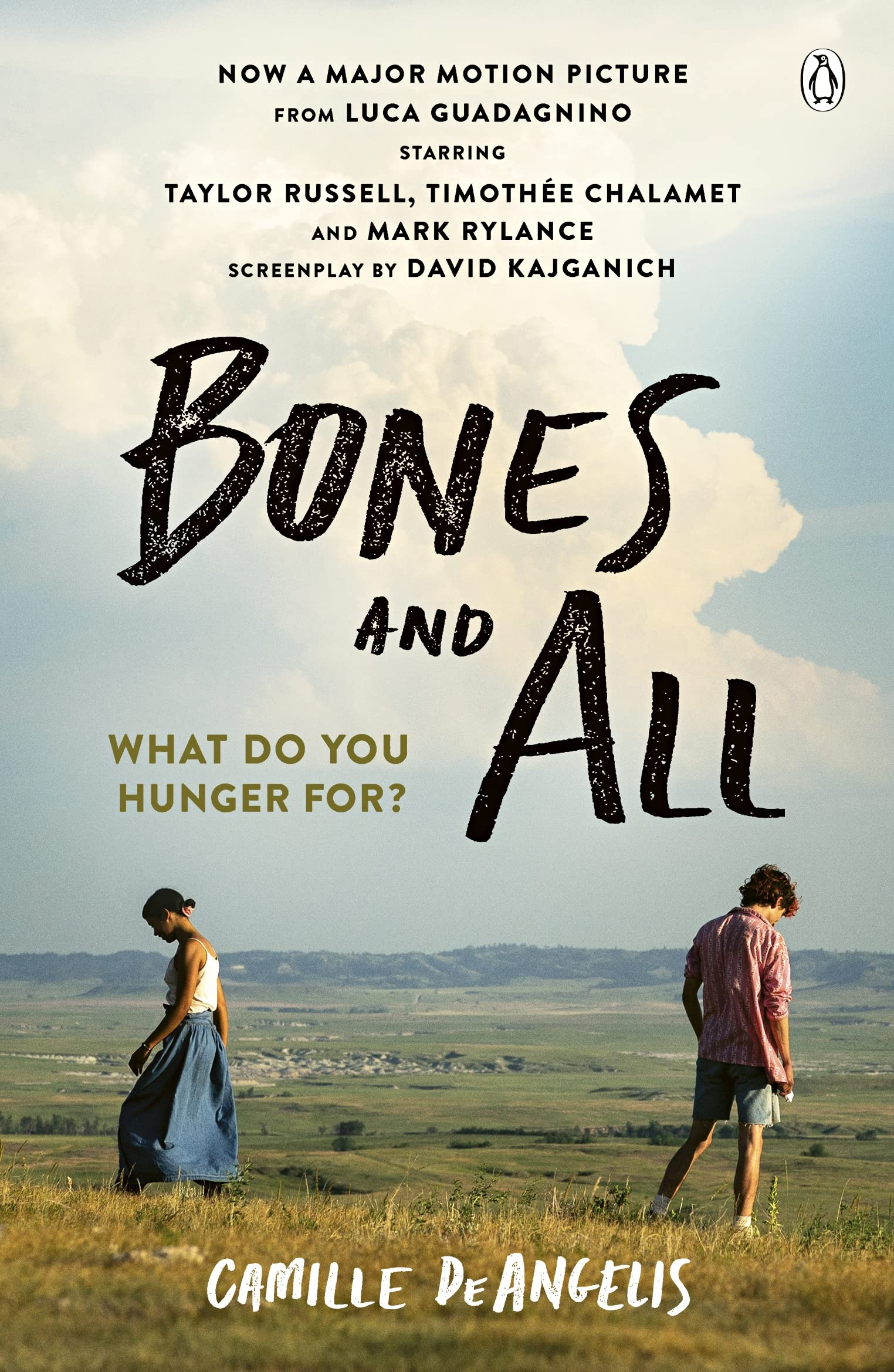
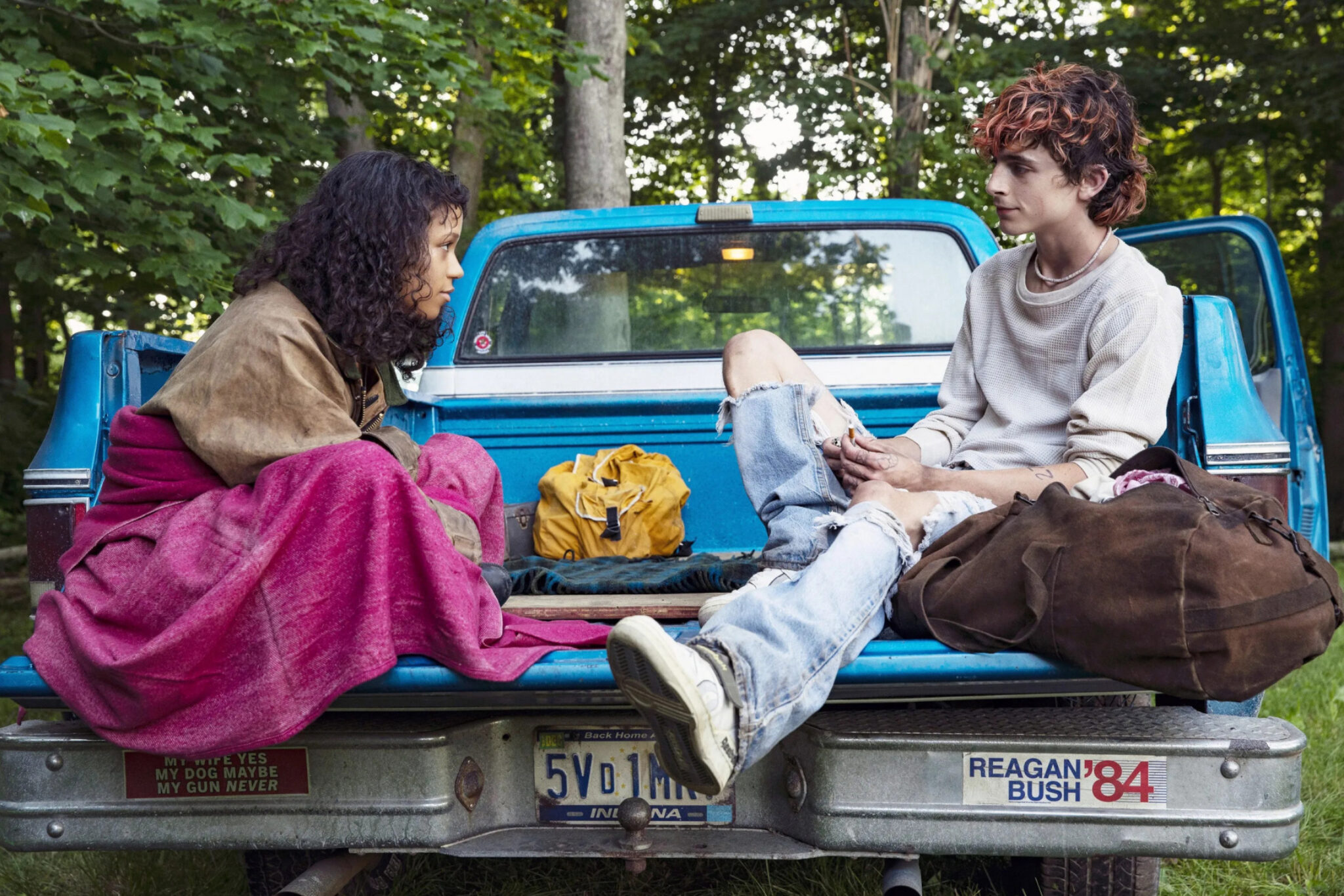
After reviewing The Menu (2022) last time out, here’s another film where food and eating and death are at the very marrow of the narrative. I must confess though it’s very difficult to discuss the excellent hybrid genre film, Bones and All (2022) without giving away the main ingredient within this film. So, I give prior warning that I’m going to have to reveal it in the review. I will state therefore if this film had been called, Fine Young Cannibals, I would not have been surprised in the least. Because the theme of people eating human meat is at the heart of the story.
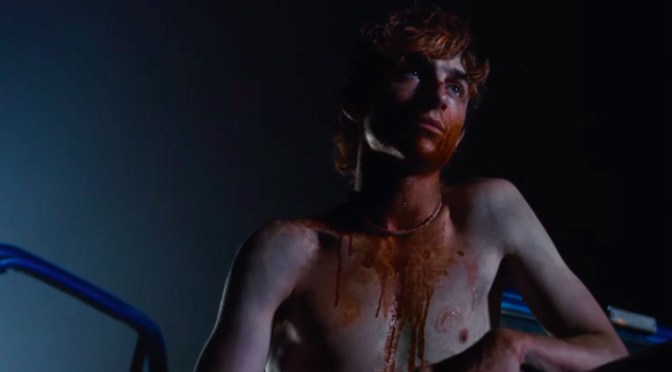
Bones and All (2022) is not a B-movie zombie film with bloody images of flesh-eating monsters devouring people. Yes, there are some gory scenes to satisfy horror fans, however, this arthouse adaptation of Camille DeAngelis’ 2016 novel, is more subtle and sympathetic to the young protagonists with a yearning for mortal flesh. Here murder and cannibalism occur, but it is represented as a curse for both Maren (Taylor Russell) and Lee (Timothee Chalamet), who struggle with their consumptive urges. Moreover, the feeding on flesh is highly symbolic, representing a sensual and almost religious experience for the couple. As they travel across various States, they grow as characters and people. They also explore their own love and share other people’s bodies, romance bleeding through in the process.
Bones and All (2022) is set in the 1980s. It begins with teenager Maren living with her father (Andre Holland) in Virginia. After hitting eighteen years of age, and causing a particularly nasty event at a friend’s sleepover, she is abandoned by him. Left with a cassette tape explaining her family history, Maren sets out to find her mother, meeting Lee along the way. The two are immediately drawn to each other and while driving set about sating their desire for fresh meat. This causes conflict between the couple as it is clear they are not comfortable with the nasty business of killing. Unlike the pursuing serial-killer-trophy-collecting antagonist, Sully (Mark Rylance). He is a venal force of nature, taking animalistic glee during the sacrifice of his victims.
Bones and All (2022) is directed with glacial majesty by Luca Guadagnino. He expertly blends and cooks the genres of horror, period drama, rites-of-passage, romance and road movie with a well balanced approach to tone. Extracting attractive performances from Chalamet and Russell, their onscreen chemistry is potent and touching. Acting legend Mark Rylance steals the show though as the slithery Sully. Overall, I felt the film could have been cut for pace slightly and the Romeo and Juliet-with-a-twist ending was too tragic for me. I think, despite their cannibalistic needs, Maren and Lee deserved a future together. But ultimately it’s all a matter of taste.
Produced by: Brad Pitt, Dede Gardner, Jeremy Kleiner, Tracey Landon, Scott Robertson
Main cast: Ana de Armas, Adrien Brody, Bobby Cannavale, Xavier Samuel, Julianne Nicholson, Evan Williams, Toby Huss, David Warshofsky, Caspar Phillipson, etc.
Cinematography: Chayse Irvin
*** CONTAINS HISTORICAL SPOILERS ***
Aside from expertly directing episodes of the Netflix drama, Mindhunter and the documentary One More Time with Feeling (2016), filmmaker Andrew Dominik’s directorial output has been sparse of late. Indeed, he hasn’t released a feature film since quirky gangster drama, Killing Them Softly (2012). I imagine this is due to many reasons including: slow-gestating methodology, several unrealized projects failing to see a greenlight, and the dreaded COVID-19. It’s a shame as I believe he is one of the most compelling filmmakers around at present. Chopper (2000) remains one of my favourite cult stories about a charismatic, larger-than-life criminal anti-hero. Similarly, The Assassination of Jesse James by the Coward Robert Ford (2007) is one of the best films I have seen from the last twenty years. It was pretty much a box-office flop but everything about it screamed greatness to me: stunning cinematography; brilliant cast; and resonating themes regarding celebrity and legend in the Wild West.
After Chopper Read and Jesse James, once again Dominik explores the iconic life of a real person in Blonde (2022). You may have heard of her, Norma Jean Mortenson/Baker, or as she was more famously known: Marilyn Monroe. Using Joyce Carol Oates’ book as a springboard, plus no doubt many other written, visual and media sources available, Dominik has crafted a stylish and singular vision of the peroxide icon’s life and career. In no doubt should a viewer believe this to be a “true” story in the documentary-drama style, but rather an impressionistic, poetic and compelling imagining of Marilyn’s short, yet tumultuous, existence on this planet.
For me, Marilyn Monroe was one of the most stunning movie stars who ever existed. She lit up the screen and was a mightily under-rated actor also. In her heyday she was the biggest star in the world. Her role as Sugar in Some Like it Hot (1959), is one of the most gorgeously funny, beautiful and vulnerable performances ever committed to celluloid. Enter Ana De Armas as Marilyn in Blonde (2022). De Armas is a revelation on-screen in terms of her looks, movement, body language and the nuanced depth she brings to the screen siren. It’s a brave role too as the script demands much of her. Throughout many exquisitely filmed and edited scenes lies the ugly degradation of Marilyn’s body and soul. De Armas gives her all in these vignettes of domestic abuse, sexual assault, rape, abortions, overdoses, miscarriages, mental breakdowns and further sexual gaslighting at the hands of people she believed were friends.
So, why should you want to watch Blonde (2022), you may ask yourself. Well, De Armas’s performance alone is worth enduring much of the emotionally draining misery. Moreover, Dominik again proves himself to be a director of the highest quality. He’s a maverick and iconoclast who has an impressive and intelligent cinematic eye. The opening sequence where Norma, as a young child, is driven by her unwell mother through Los Angeles forest fires is a frightening and imperious interpretation of mental health, full of fear, heat, and portentous symbolism. Such fire and trauma foreshadows the distress and torment that is to come to young Norma throughout her life. A schizophrenic Mother also echoes the schism of persona that impacts Norma the individual, and Marilyn the movie star. The division of personalities is a theme which the screenplay sensitively explores, despite being buried in the more lurid and shocking events of Marilyn’s sad life.
Overall, Blonde (2022) is a startling and shocking rendition of Marilyn Monroe. Of course, hers was an existence full of drama, intensity, darkness and tragedy. But you have to think there was some light in there, some happiness, humour and joy. On some fleeting occasions during Blonde (2022), Dominik presents this, but ultimately this is a beautifully filmed yet ugly-hearted cinematic tragedy. On the surface the film genre is biopic, but it really is a horror film, as Marilyn’s exploitation by the men in her life is laid bare on the screen. I’ve read some critics describe the film as exploitational, however, this is a film ABOUT exploitation. Marilyn was exploited by agents, photographers, directors, producers, the press, the Hollywood system, the audience, her doctors, her lovers, her husbands and a President of the United States.
Dominik is perhaps suggesting Monroe did not kill herself, but was disintegrated by those who should have loved and cared for her. The ultimate tragedy is that Norma/Marilyn could not find the love and mental strength inside herself to survive those who perpetually sought to profit from this beautiful shining star. If the events realised inBlonde (2022) are to be believed, what person could?








 The Cinema Fix presents