Tag Archives: BFI

THE CINEMA FIX: 10 FAVOURITE FILMS OF 2023!

THE CINEMA FIX: 10 FAVOURITE FILMS OF 2023!

Happy New Year and welcome to 2024!

Thankfully 2023 was less turbulent year on the cultural landscape than the previous years impacted by THAT virus. Nonetheless, we remain in an era where streaming platforms continue to thrive. I have lost count how many there are now and have now drawn a line under the number of subscriptions I have.

Apple TV, BBC iPlayer, BFI, Channel 4 online, Disney+, MUBI, Netflix and Sky Movies subscriptions are enough!

I still have my ODEON membership and do attend the cinema too though.

So, here are my favourite TEN films of the year containing choices watched both at home and in the cinema. If they are new releases and I saw them in 2023, they qualify.

Obviously, I have not seen every new release from 2023, so if there are any glaring omissions from my list please recommend away! 

As an aperitif I include my ten favourite films of 2022. Good luck and bon voyage in 2024!


TEN FAVOURITE FILMS OF 2022!

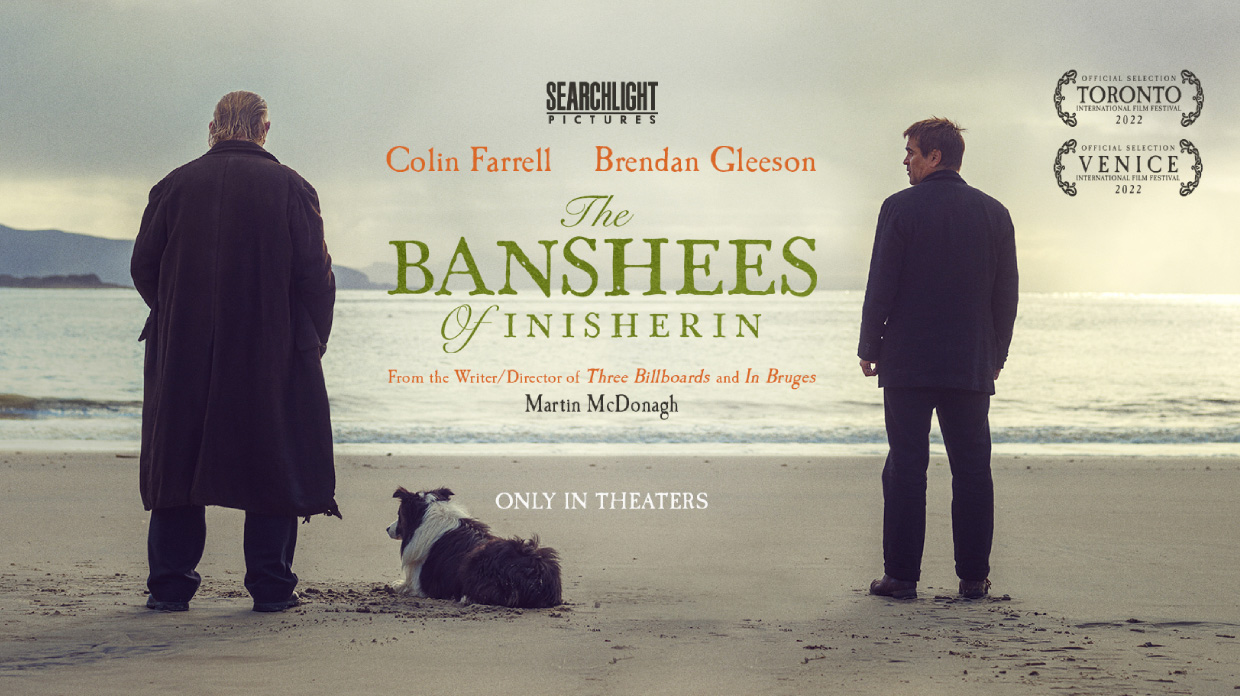
THE BANSHEES OF INISHERIN (2022)
BONES AND ALL (2022)
CODA (2021)
DECISION TO LEAVE (2022)
DOCTOR STRANGE AND THE MULTIVERSE OF MADNESS (2022)
ELVIS (2022)
EVERYTHING, EVERYWHERE, ALL AT ONCE (2022)
THE MENU (2022)
RRR (2022)
TRIANGLE OF SADNESS (2022)


TEN FAVOURITE FILMS OF 2023!

ANATOMY OF A FALL (2023)

“. . . Anatomy of the Fall (2023) is an extremely complex film, both intelligent and thematically powerful. The courtroom exchanges between Sandra, her son Daniel, Samuel’s psychotherapist, the prosecution and defense lawyers are brilliantly written and acted. The flashback arguments between Samuel and Sandra are gut-wrenching and all too familiar to anyone who has been in or witnessed the crumbling of a marital or parental relationship. “


ASTEROID CITY (2023)

“. . .Asteroid City (2023) proves once again Wes Anderson is one of the most original filmmakers of this generation. Will he gain some more converts to his particular set of cinematic bag of tricks? Who knows. What I do know is that I was completely immersed in the colour, movement, pace, humour, aesthetics, performances and themes with the film.


BROKER (2022)

“. . . Broker (2022) arguably has too many intertwining subplots as it strives to redeem all of the complex characters, but the wonderfully believable performances and a brilliant screenplay really grabs you and rarely lets you go. Kore-eda’s direction is, as usual, masterly and assured as he balances the various tones confidently. Overall, this film makes you laugh, cry and is really moving as it highlights that family units can be lovingly born from collective experience, as well as blood.


MAY DECEMBER (2023)

“. . . what unfolds is a superbly acted and understated drama which really gets under the skin and into the mind. While watching the ever-shifting points-of-view and identification with the characters May December (2023) became so compelling to me. . .Acclaimed director Todd Haynes directs this tonally awkward story with a deft touch drawing on the constant grey areas of drama so expertly. “


OPPENHEIMER (2023)

“. . . Where the film truly blooms is when Oppenheimer makes his scientific breakthrough, builds his team of geniuses and the actual construction of the nuclear weapons at Los Alamos. There is palpable suspense (even though we know what happens) in the race with the Germans to make the bomb first. I mean, imagine if the Germans had won the race. It does not bear thinking about. The history of the world would have been irrevocably altered beyond comprehension.


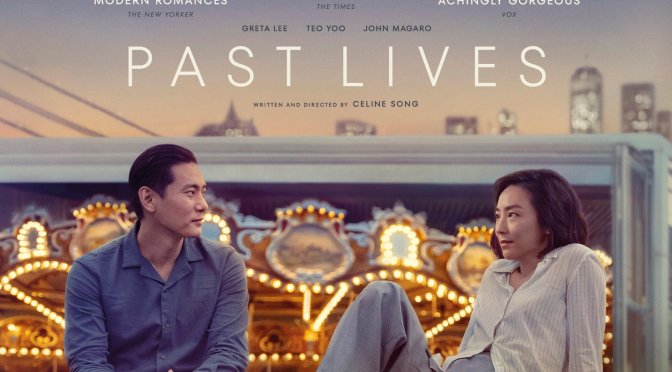
PAST LIVES (2023)

“. . . Without explosions, or car chases, or superheroes or fast-paced cutting or extraordinary heroes defeating powerful foes, Past Lives (2023), is one of the most impactful and memorable films of this year. Celine Song achieves this with a delicate hand in the writing and direction, plus a purposeful naturalistic cinematographic palette delivered by Shabier Kirchner. Above all else Song creates two characters who you root for from the start, willing them to be together, as the one feels the romantic electricity build on the screen. ”


SALTBURN (2023)

“. . . I cannot recommend Saltburn (2023) enough for its fantastically witty script, devastatingly brilliant cast and some quite disgustingly explicit, but contextually justifiable, character moments and scenes. Fennell takes the setting and structure of Evelyn Waugh’s Brideshead Revisited and turns it upside down, spinning a devious tale of infatuation, love, privilege and social climbing. Through the character Oliver Quick, and I really don’t want to give anything away, there is a powerful and jaw-dropping character arc of upward mobility. Rosamund Pike’s and Keoghan’s performances are both amazing and award-worthy.


TAR (2022)

“Tár (2022) is a film which works on many genre and narrative layers. It is a psychological drama, an absorbing character study, a backstage musical, a complex morality play, with suggestions of hallucinatory horror during the final act of the film. It is a triumph of filmic brilliance expertly delivered by Todd Field. It is incredible to think this is only the third film he has directed. “


TOTALLY KILLER (2023)

“. . . I realise Totally Killer (2023) seems so contrived and derivative, but I found it to be an absolute blast. The script is clever and knowing with energetic and fun characters. Kiernan Shipka as Jamie is especially brilliant with great comedy timing and delivery. The filmmakers embrace the joy of time-travel and horror film tropes, and there’s also some excellent set-pieces involving the obligatory 1980’s false-faced psycho with a grudge. “


THE WONDER (2022)

“. . . Is there a better actor around than Florence Pugh? I am not so sure. She is formidably brilliant in every role I have seen her in. I think that Pugh is so clever, emotional and magnetic in her screen performances, none more so than in this intense period drama. Rich in themes including religious control, Catholic guilt and the English stranglehold over Ireland between the dramatic lines in an intimate epic, anchored by Pugh’s dominant force-of-human-nature performance.”


MUBI REVIEW: AFTERSUN (2022)

MUBI REVIEW: AFTERSUN (2022)

Directed by: Charlotte Wells

Written by: Charlotte Wells


Produced by: Adele Romanski, Amy Jackson, Barry Jenkins & Mark Ceryak.

Main cast: Paul Mescal, Frankie Corio, Celia Rowlson-Hall, etc.

Cinematography: Gregory Oke

Edited by: Blair McClendon

Music by: Oliver Coates

***CONTAINS SPOILERS ***


The invisible mist that envelops many human beings and imperceptibly cannot be treated in conventional ways like that of a broken bone, headache or a skin rash. It can be experiential, dependent on one’s life situation or genetically sewn into the mind, blood and persona with often no evident cure. Sure, medicine can be used to push back the fog. However, it’s hit and hope treatment to a chastening fugue that is all encompassing and never ending. According to research, depression effects around 1 in 6 people in the UK each year alone.

Aftersun (2022) is an intimate character study on film written and directed by Charlotte Wells. After creating several critically acclaimed shorts, Aftersun (2022) is Wells debut feature film. It welcomes an intelligent, perceptive and brave new visionary in world cinema. Aftersun (2022) is a hypnotic, mournful and heartbreaking exploration of depression, love, loss and family which quietly pushes the viewer into a beautiful pain that makes it difficult to breathe at times.


This artful drama features Paul Mescal as Calum and Frankie Corio as his 11-year-old daughter, Sophie. It follows their holiday at a Turkish resort on the eve of his 31st birthday. Together, the actors performances and Wells’ subtle direction effortlessly builds emotional power in the father and daughter relationship on screen. Mescal especially is as magnetic as a modern-day Brando, with many soulful scenes of him trying to handle his invisible pain. Sophie is unaware of Calum’s clouding moods as he battles to keep it from her. Holidays are meant to be fun and the father does his best to ensure his daughter is protected from the existential despair. Wells hints at what may happen to Calum in the future, juxtaposing an adult Sophie recalling key moments from the holiday that play out like a raw home movie of haunting reminiscence.

Attempting to portray depression visually is a challenge for any filmmaker. Yet, Wells and their cinematographer, Gregory Oke, use a number of styles to propel the internal conflict of the characters. Sophie often sees her father through the eyes of a camcorder lens and mini-screen. Calum is also framed from behind and through the mirrored distance of a television screen. On occasions, Wells overdoes the artiness of such photographic choices. Mainly because Mescal’s portrayal of Calum is so good, I wanted even more direct focus on his character acting. Yet, one cannot argue with the creative power of Wells’ dialectic choices, notably in the contrast between the sunny Turkish landscapes and pulsating strobe-lit nightclub scenes linking older Sophie and Calum’s internal mindscapes.

Aftersun (2022) has rightfully received critical acclaim and accolades from BAFTA, BIFA and the Oscars. It is a slow burning film which takes patience to connect to. But once you get into the film’s rhythm there are an abundance of cerebral and emotional rewards. As an arthouse genre film Wells combines rites of passage with a deep analysis of grief. Sophie’s family holiday in Turkey is not without humour and joy as she finds real affection and love with her brave father. The tragedy is the not-knowing that this is the last time she will ever spend time with him. Sophie has her home movies and memories of Calum. But it is no substitute for her father being alive. If only he hadn’t stayed forever in life’s departure lounge.

Mark: 9.5 out of 11


CLASSIC FILM REVIEW: THE BATTLE OF ALGIERS (1966)

CLASSIC FILM REVIEW: THE BATTLE OF ALGIERS (1966)

Directed by Gillo Pontecorvo

Written by Franco Solinas

Story by Franco Solinas and Gillo Pontecorvo – Based on Souvenirs de la Bataille d’Alger by Saadi Yacef


Produced by Antonio Musu and Saadi Yacef

Main Cast: Jean Martin, Saadi Yacef, Brahim Haggiag, Tommaso Neri and ensemble.

Cinematography by Marcello Gatti

Edited by Mario Morra and Mario Serandrei

Music by Ennio Morricone and Gillo Pontecorvo

*** MAY CONTAIN SPOILERS ***


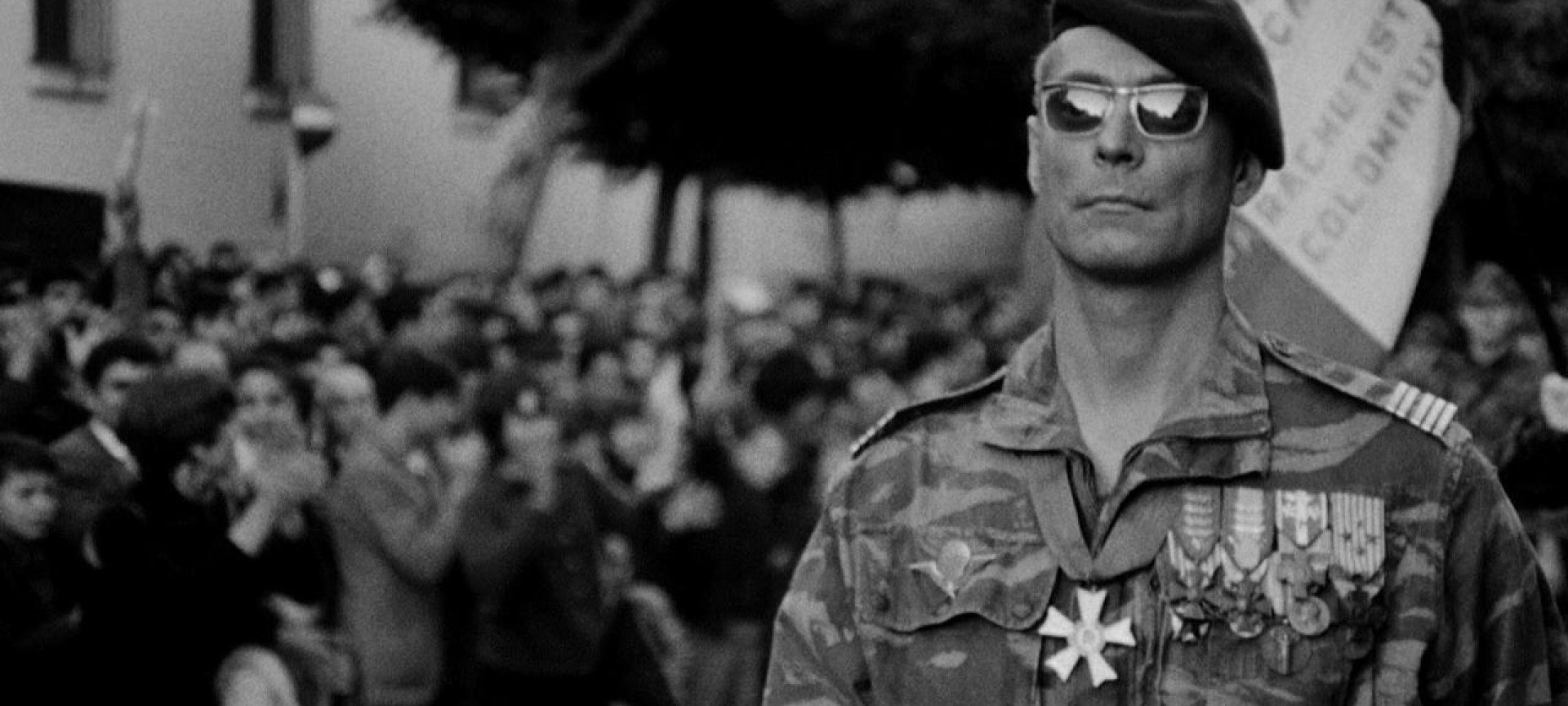
The Battle of Algiers (1966) was one of the greatest films I had NEVER seen. Now, The Battle of Algiers (1966) is one of the greatest films I have EVER seen. I’m embarrassed to admit that I had, for some unknown reason, not found the time to watch it. But wow, the “best films of all time” lists it appears on are NOT wrong. For sure, I don’t always get on with the critics’ list released by respected publications such as Sight and Sound, nevertheless with this incendiary work of cinema I am in total agreement of its deserved high ranking. In fact it could be higher.

The Battle of Algiers (1966) is set during a particularly brutal period of the Algerian War of Independence which occurred between 1954 and 1962. It is not a conflict I am too familiar with historically, nonetheless, I am aware of the desire by the Algerian National Liberation Front to decolonize themselves from French rule. Their demands were rejected by French leaders, thus the Algerian people took to the streets to wage a guerrilla campaign against both civilian and military targets.

Like many a bloody conflict lives, families, businesses, homes, properties and animals were savagely hurt and left irreparably damaged. As the prolonged fighting ensued in Algiers both sides resorted to more extreme combat measures. But with Algiers becoming a politically adverse battlefield, France’s external allies, such as the USA, moved their support away and eventually the Algerian people would overcome the hostile landlords. For the French, the Algerian rebels were terrorists. But remember, one person’s terrorist is another person’s freedom fighter.


A short review on a humble film blog cannot pretend to imagine the currency of horror, grief and pain encapsulated within this brutal conflict. Yet, incredibly, Gillo Pontercorvo, as well as producing a searing indictment against the barbarity of war, has in The Battle of Algiers (1966) made palpable such horror, grief and pain through sheer formal cinematic ingenuity. In two hours, Pontercorvo and his production team, employ a stark black-and-white-film-documentary-style, non-professional actors, chopping episodic narrative, percussive and beating sounds, handheld cameras, vérité production design and dynamic, dialectic montage to spectacularly bring the psychological power of war to the screen. Not to mention the iconic Morricone and Pontercorvo composition which pulsates throughout the soundtrack.

Intrinsically focussed on events in the Casbah, Algiers between 1954 and 1957, as the story is bookended from the perspective of Ali la Pointe (Brahim Haggiag). La Pointe is a petty criminal who is politically radicalized while in prison, but becomes a formidable force in the fight. The narrative events display a variety of bombings he organizes against the French and his attacks lead the French to bringing in experienced soldier, Lieutenant-Colonel Mathieu (the sole professional actor, Jean Martin). The paratrooper commander is tasked with bringing down the Algerian Liberation Front and his methods of torturing prisoners soon begin to turn the bloody tide.

I cannot overstate how moved I was emotionally and intellectually by The Battle of Algiers (1966). It is momentous filmmaking and made me feel both a fraud and horribly depressed at how evil human beings can behave. I am a fraud because I am safely able to live out my privileged life thankfully free of the horror I have witnessed in the film. Moreover, it is so depressing that we never learn as conflict continues to blight this poisoned planet we exist on. Lastly, Pontercorvo, redefines for me the job a what a director does. The Battle of Algiers (1966) is a pinnacle of how filmmaking style and form can match the heartfelt agony of the narrative themes on show. It is not only one of the greatest anti-war films of all time, but simply one of the most complete films ever made.


BFI FILM REVIEW: BAIT (2019)

BFI FILM REVIEW: BAIT (2019)

Directed, written, shot and edited by: Mark Jenkin

Produced by: Kate Byers, Linn Waite

Cast: Edward Rowe, Mary Woodvine, Simon Shepherd, Giles King etc.

Production company: Early Day Films

Distributed by: BFI (UK)


**MAY CONTAIN SPOILERS**


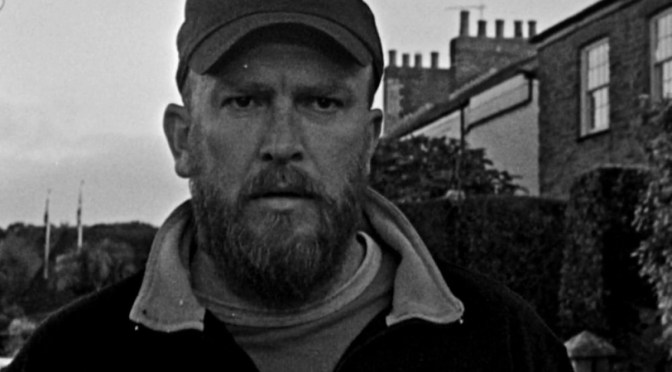
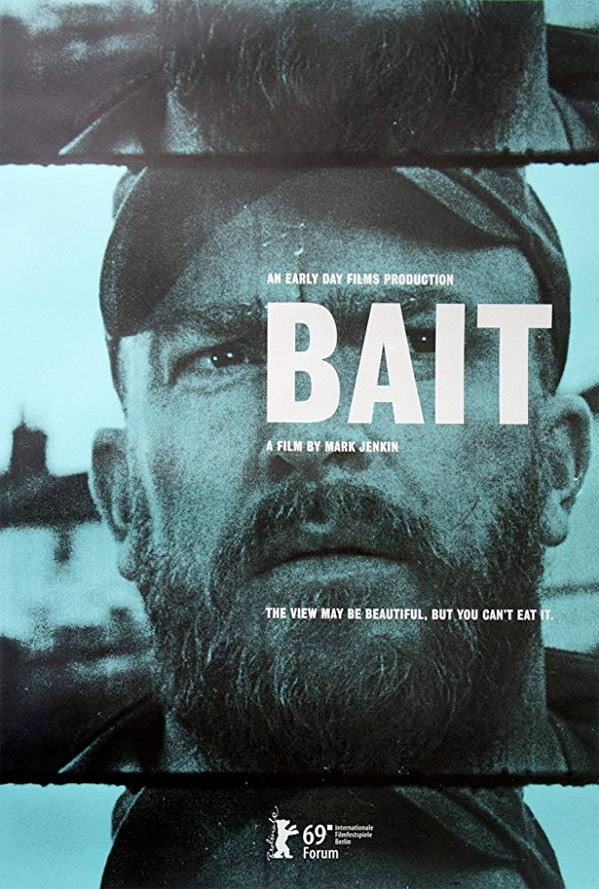
Not to be confused with the B-Movie shark movie, Bait (2015), Mark Jenkin’s tour-de-force arthouse classic, Bait (2019), is a whole together different kettle of fish. The story is set in Cornwall and centres around local fisherman, Martin Ward (Edward Rowe), and his various day-to-day struggles. Having had to sell the family cottage to middle-class city types, the Leigh family, Martin is fiercely determined to save up for a boat. In the meantime, he fishes with nets on the beach, as his brother, Steven (Giles King), uses their deceased father’s vessel for tourist cruises. Martin is resentful toward Steven and clashes with his brother and the Leigh’s throughout the film.

Bait (2019) is a low-budget and independent passion project. Mark Jenkin used a vintage hand-cranked Bolex camera, using 16mm monochrome film that he hand processed. He wrote, directed, lit, filmed and edited the film, but also used an army of local people to assist with the production. The story and themes of gentrification and city versus coastal types are explored very effectively in Bait (2019). Wherever you stand on the point of traditionalism versus upward mobility and financial appropriation, via the character of Martin and Edward Rowe’s bruising and hulking performance there are very powerful emotions of grief, loss and cultural absorption represented. The writing is initially quite simple in that the Leigh family are a negative force within the Cornish village. The son, Hugo, creates a lot of conflict by destroying Martin’s lobster traps and clashing with local hothead youth, Wenna (Chloe Endean). However, the Leigh’s are not mere stereotypes, but rather just shown as a family unit, like the Wards, who are trying to make a living.

Bait (2019) won’t be for everyone though as it is very experimental in nature. While the story and themes are clear, the editing, black-and-white-scratchy photography, dubbed dialogue and sound creates a self-consciously arty experience. Indeed, while some may proclaim the style as original, it is obviously influenced by cinematic formalists including Jean-Luc Godard, Ingmar Bergman and Sergei Eisenstein. The elliptical montage editing style, direct address (actors stare either at or just off camera) and overlapping dialogue will certainly appeal to film students and scholars alike. Overall, Bait (2019) treads a fine line between genius cinema and what could be classed as plain bad filmmaking. Thankfully, we have wonderful film critics, like Mark Kermode, to tell us it is one of the best and most important British films released in the last decade.

Mark: 9.5 out of 11

BFI FILM REVIEW: DAUGHTERS OF THE DUST (1991)

BFI FILM REVIEW: DAUGHTERS OF THE DUST (1991)

Directed by: Julie Dash

Produced by: Lindsay Law, Julie Dash, Arthur Jafa, Steven Jones

Written by: Julie Dash

Cast: Cora Lee Day, Barbara O, Alva Rogers, Trula Hoosier, Umar Abdurrahamn, Adisa Anderson, Kaycee Moore etc.

Music by: John Barnes

Cinematography: Arthur Jafa

***MAY CONTAIN SPOILERS***


“I didn’t want to tell a historical drama about African-American women in the same way that I had seen other dramas. I decided to work with a different type of narrative structure…[and] that the typical male-oriented western-narrative structure was not appropriate for this particular film. So I let the story unravel and reveal itself in a way in which an African Gullah would tell the story, because that’s part of our tradition. The story unfolds throughout this day-and-a-half in various vignettes. It unfolds and comes back. It’s a different way of telling a story. It’s totally different, new.” — Julie Dash

If you didn’t know the British Film Institute (or BFI) is the UK’s lead organisation for film, television and the moving image. It is a cultural charity that: presents world cinema for audiences in cinemas, at festivals and online; cares for the BFI National Archive, the most significant film and television archive in the world; is a registered charity that actively seeks out and supports the next generation of filmmakers; organises and runs the annual London Film Festival; and works with the government and industry to make the UK the most creatively exciting place to make film internationally. As my wife and I are members we get sent films on Blu-Ray/DVD as part of the membership. These can be re-released classics or remastered arthouse masterpieces such as Daughters of the Dust (1991).

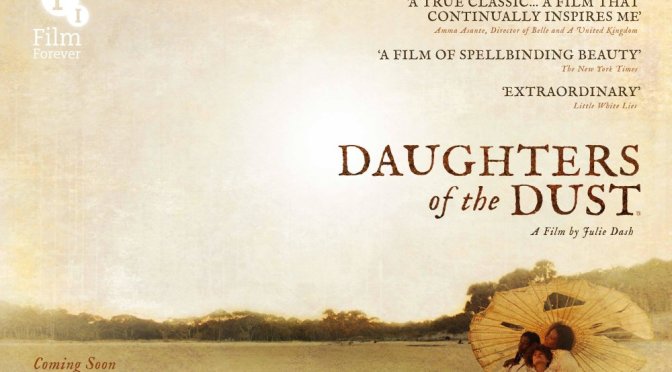
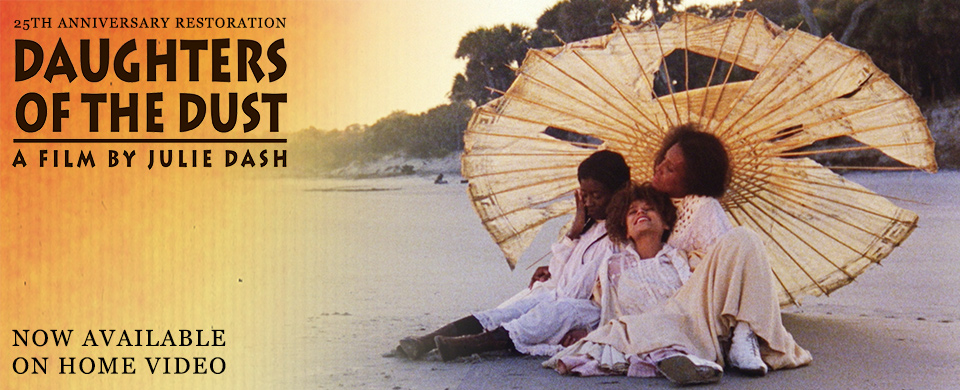
Daughters of the Dust (1991) was a labour of love for writer and director Julie Dash. Originally inspired, way back in 1975, by her father’s experiences, she strived to create a short, poetic and cinematic account of a Gullah family’s migration from idyllic island life to New York at the turn of the century. Eventually, and after many year’s of development and struggle, PBS’ American Playhouse would grant the low budget for a feature film. The film is set in 1902. It tells the story of three generations of Gullah women in the Peazant family and their varying viewpoints, thoughts and philosophies in regard to the move from Helena Island.


Daughters of the Dust review – the dreamlike film that inspired Beyoncé's  Lemonade | Film | The Guardian

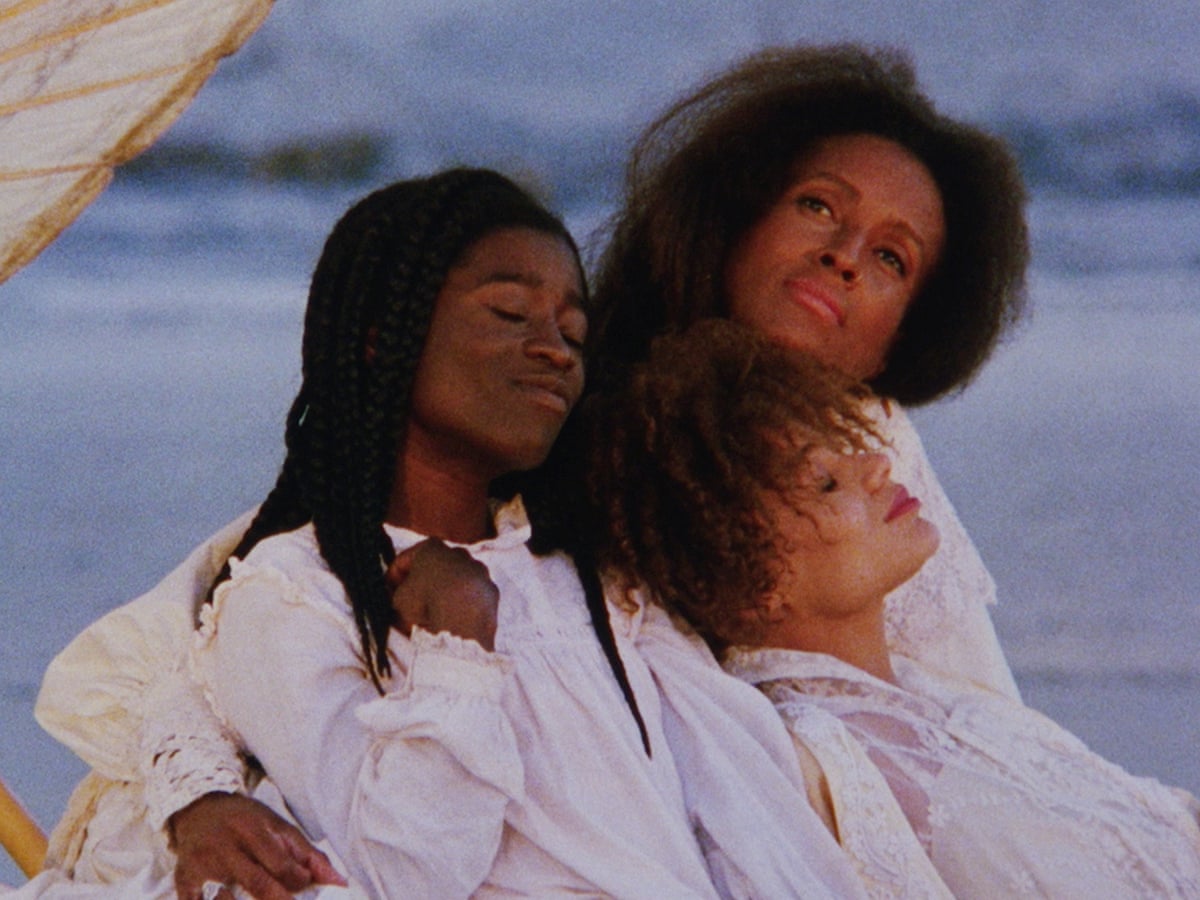
Daughters of the Dust (1991) was made for a reported $800,000, but it looks worth far more in terms of cinematography, costumes and settings. Arthur Jafa’s camera placement and use of the natural light, on the beach and swamp land especially, conjures up some magical imagery. The iconic images of the women on the beaches in their bright white dresses are stunningly memorable. While watching I felt like I was viewing a gallery of moving paintings, such was the exceptional nature of the composition. Again, despite a low budget and use of actors from independent cinema, Julie Dash, gets some incredibly natural and compelling performances from her cast. It’s all the more amazing as most of the cast had to learn the Gullah language employed from scratch.

Thematically the film is very powerful too. Conflict derives from dialectics such as the clashing of elder versus younger people, ancient beliefs versus Christian religion, African heritage versus Neo-American capitalism and nature versus technology. Julie Dash structures these themes and the character’s desires in a non-linear fashion over a period of a long weekend. There are poetic flashbacks and flashforwards too as the imagery is supported by a voiceover from a yet to be born child of parents, Eli and Eula. Ultimately, this film is a very immersive experience. There are no subtitles, so the language can be tricky to understand, but for me that enhanced the desire to feel the narrative. Indeed, the lyrical beauty of Daughters of the Dust (1991), combined with the humming percussion-driven music, stunning landscapes and inventive cinematic language mean you are swept out to sea by the powerful emotions of Julie Dash’s spectacular vision.

Mark: 9 out of 11


GREAT ENSEMBLE FILM CASTS #4 – HELL DRIVERS (1957)

GREAT ENSEMBLE FILM CASTS #4 – HELL DRIVERS (1957)

Directed by: Cy Endfield

Produced by: Benjamin Fisz and Earl St John

Written by: Cy Endfield and John Kruse

Cast: Stanley Baker, Peggy Cummins, Patrick McGoohan, Herbert Lom, Sean Connery, William Hartnell, Alfie Bass, Sid James, David McCallum, Gordon Jackson, Jill Ireland etc.

**** CONTAINS SPOILERS ****


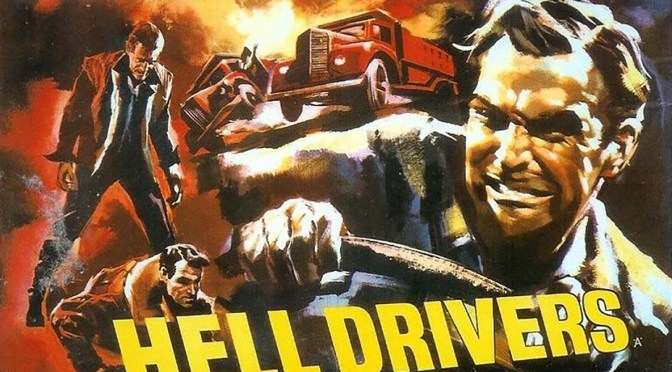
Often on this blog I will write about very well-known actors or films, however, sometimes it’s good to explore more forgotten cinematic gems. Hell Drivers (1957), is one such film from the past that certainly deserves revisiting. Not simply because it is an excellent action drama, but because it contains an incredible cast, with most of the players going on to have major parts in some iconic screen roles. I caught the film again on the cable channel, Talking Pictures, and it’s a really gripping low-budget British thriller.

The plot of Hell Drivers (1957) is quite simple. Tom Yateley (Stanley Baker), a drifter with an unknown past, turns up looking for work at Hawlett’s truck yard. Their group of drivers carry gravel/ballast from a quarry to site. The drama derives from the fact they must meet a certain quota per day, and this involves driving like maniacs to achieve this. Let’s just say that the Health and Safety executive would have a field day now. But that’s one of the strengths of the script. In post-war Britain men and women were desperate for work and money and therefore prepared to do anything to survive. Thus, the film, amidst the helter-skelter driving action, contains a strong social commentary in regard to the exploitation of the workers. There is of course camaraderie among the men, but fierce rivalries also develop. Such competitiveness drives the conflict within the film.

Cy Endfield, a solid American genre filmmaker, directs the ensemble cast brilliantly. What a cast it is too! It’s essentially a “who’s who?” of “before they were famous” actors, all combining to incredible effect. Stanley Baker as Tom carries the lead role. Baker would gain further success in Endfield’s war epic Zulu (1964), and become a renowned lead until his death at the age of 48. The supporting cast though, is something else. Patrick McGoohan, who plays the bruising antagonist, Red, would cement his fame in the incredible 1960’s cult classic, The Prisoner. Furthermore, we have the first Doctor Who in William Hartnell and of course, James Bond himself, Sean Connery. If that wasn’t all, The Man From Uncle star, David McCallum, features in an early role. So does the already established comedic actor Sid James. James would become synonymous with the quintessentially English, Carry On…, film series. Throw in great characters actors Herbert Lom, Gordon Jackson, Alfie Bass and a very young, Jill Ireland, and you have one hell of a cast; all starring in this excellent British film gem.


FILMS THAT GOT AWAY #6 – THE UMBRELLAS OF CHERBOURG (1964)

FILMS THAT GOT AWAY #6 – THE UMBRELLAS OF CHERBOURG (1964)

Written and Directed by: Jacques Demy

Produced by: Mag Bodard

Music by: Michel Legrand

Cast: Catherine Deneuve, Anne Vernon, Nino Castelnuovo, Marc Michel, Ellen Farmer, Mirielle Perrey etc.

**MAY CONTAIN SPOILERS**


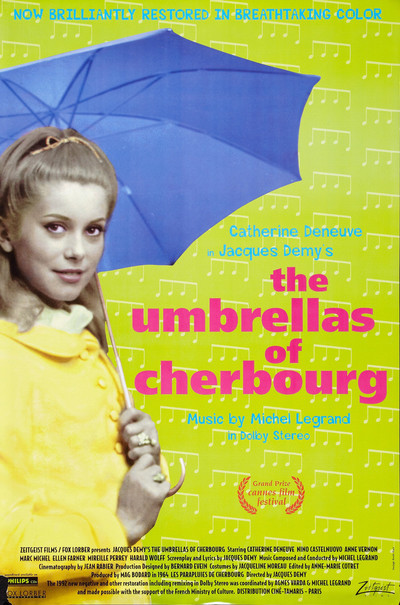
I knew there were good reasons to get married. The obvious one is the positive nature of a caring relationship and not becoming a lonely, bitter old man. The other is that given my wife loves films too, she will introduce me to the occasional classic film I may have missed. Thus, we went to the BFI and watched the classic musical The Umbrellas of Cherbourg (1964). While she is a massive fan of the musical genre, I can take or leave it generally. Every now and then though I will really love a musical film. The Umbrellas of Cherbourg (1964) is now one of them.

Starting in 1957 and structured over three acts that end in 1963, we follow the lives and loves of two main protagonists, Genevieve (Catherine Deneuve) and Guy (Nino Castelnuovo). The ups and downs of their romance drives the narrative. The two struggle to keep their love alive amidst the obstacles of military conflict, social convention and family pressure. While the story is relatively simple, Jacques Demy’s wonderful script and direction warms you to the two young lovers. So much so, by the emotionally gut-wrenching ending, even a grizzled cynic like myself felt like crying.

The Umbrellas of Cherbourg (1964) is not your classic all-singing-all-dancing musical. It is more an opera of everyday life and love. The actors sing the dialogue all the way through and once I got used to this, the device really worked well for the story. Of course, Michel Legrand’s incredible score literally drenches the colourful sets and mise-en-scene with wonder. Moreover, Demy’s cinematographer, Jean Rabier, works miracles; his camera gliding around the actors in small spaces such as shops, garages, apartments and French cafes. Lastly, Catherine Deneuve and Nino Castelnuovo are such an attractive, but beautifully tragic screen couple. Clearly their touching story, amazing music and Jacques Demy’s cinematic brilliance had a massive influence of Damian Chazelle’s splendid La La Land (2016).

Mark: 9.5 out of 11


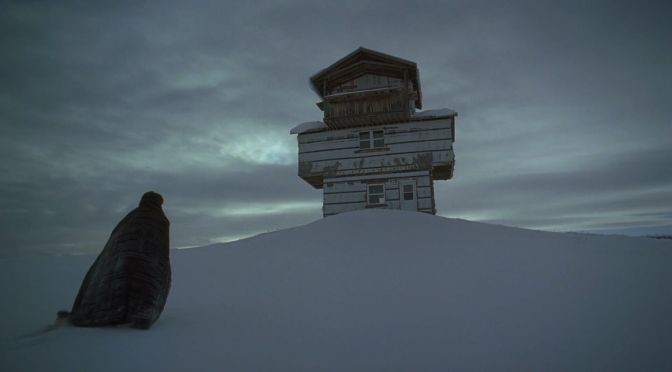
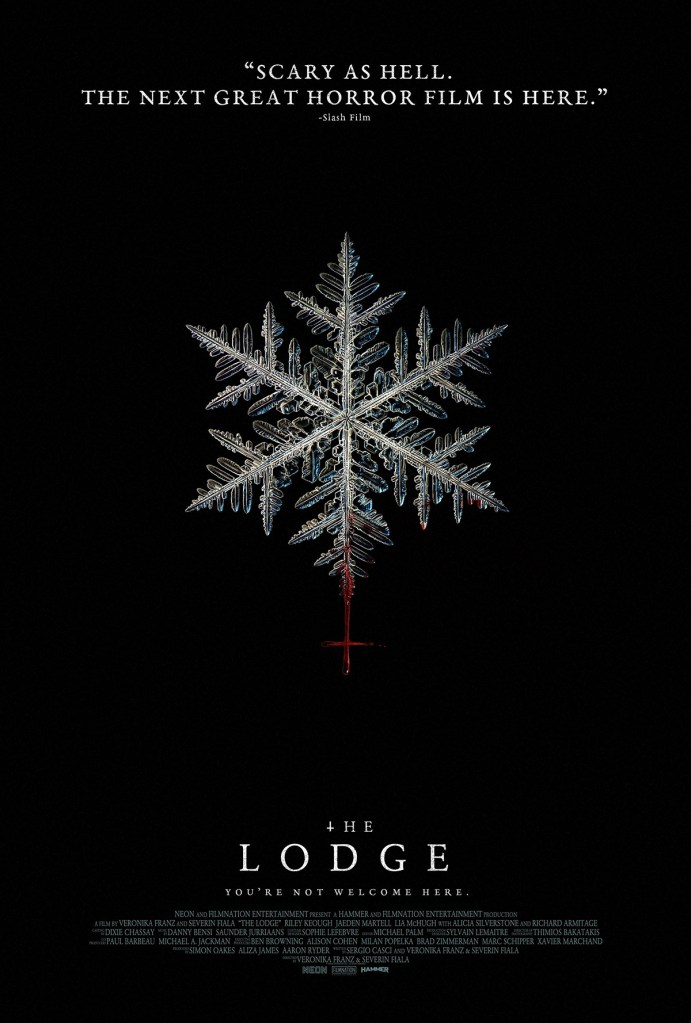
LFF REVIEW – THE LODGE (2019) – SPOILER FREE

LFF REVIEW – THE LODGE (2019)

Directed by: Veronika Franz, Severin Fiala

Written by: Sergio Casci, Veronika Franz, Severin Fiala

Produced by: Simon Oakes, Aliza James, Aaron Ryder

Cast: Riley Keough, Jaeden Martell, Lia McHugh, Alicia Silverstone, Richard Armitage

Music by: Danny Bensi, Saunder Jurriaans

******* SPOILER FREE *******


If you haven’t seen the Austrian horror film Goodnight Mommy (2014), then I urge you to do so. It is genuinely one of the most startling and creepy films of recent years. It psychologically gets under the skin with the story of a mother and her two children, isolated, as she recovers from reconstructive surgery. The directors, Veronika Franz and Severin Fiala, proved themselves adept at creating memorable imagery, tense dread and a shocking ending up there with the horror classics.

With their latest film The Lodge (2019), they have once again ventured into the horror genre. Working with a fascinating screenplay from Silvio Casci, the film is full of intriguing themes relating to religious cults, grief, isolation, post-traumatic stress and family dysfunction. However, despite stellar work from the cast and compelling direction, the film never quite filled me with fear, nor shocked me enough to satisfy my horror needs. It works well as a slow turning of the screw type story, but at times it was too slow for me.


In essence the narrative is similar to Goodnight Mommy (2019); two kids and a maternal character are trapped together in one location and things get weird. Richard Armitage portrays Richard, a father to Aidan (Jaden Martell) and Mia (Lia McHugh), who is desperate for them to connect with his new girlfriend, Grace (Riley Keough). To precipitate this they spend Christmas at their remote holiday lodge, as you do. When Richard is called back to the city for work, Grace and the kids’ relationship begins to get cold. Thus, amidst the isolation and snowy landscape, a frozen atmosphere exists inside and outside the cabin.

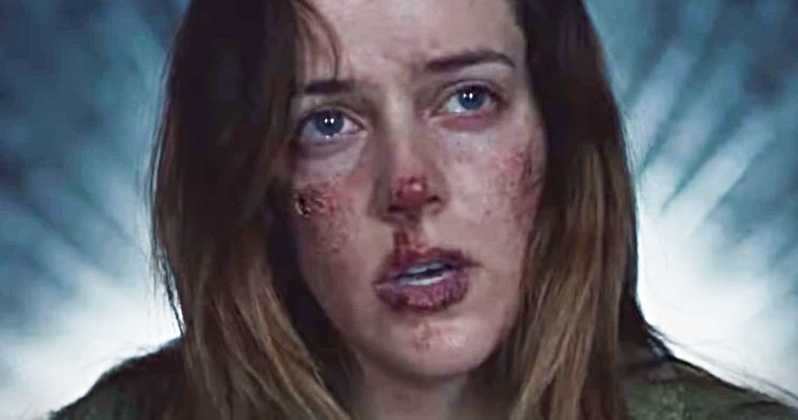
Overall, the film is worth watching for Riley Keough’s committed performance as Grace; a victim of childhood trauma trying to be part of a caring family. Her character is striving for sanity, however, she gets something else altogether. The directors also do sterling work and create a compelling image system, notably around dolls, snow and religious iconography. The lodge itself is rendered creepy with sharp angles, overhead shots, skin-crawling music and darkness all used to sinister effect. But, despite the quality of the production, the central premise, slow pace and confusing plot developments drained any fear I felt by the end. Nonetheless, fans of The Shining (1980), The Thing (1982) and any number of cabin-in-the woods-horror films will find something to chill them here.

Mark: 7 out of 11


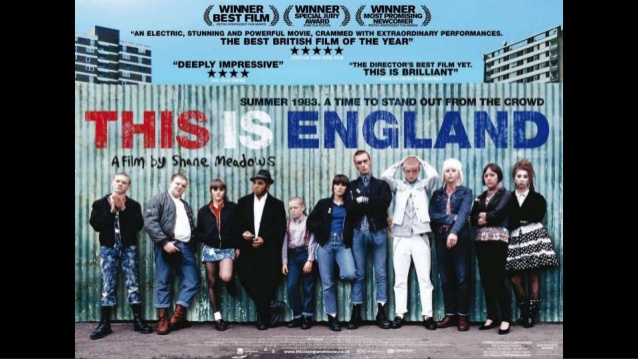
CLASSIC FILM REVIEW: THIS IS ENGLAND (2006)

CLASSIC FILM REVIEW: THIS IS ENGLAND (2006)

Written and directed by: Shane Meadows

Produced by: Mark Herbert

Cast: Thomas Turgoose, Vicky McClure, Joseph Gilgun, Stephen Graham, Andrew Shim, Stephen Graham, Andrew Ellis, Jack O’Connell, Rosamund Hanson, Danielle James, Kriss Dosanjh, Chanel Cresswell etc.

Cinematography: Danny Cohen

Music by: Ludovico Einaudi

**CONTAINS SPOILERS**

I remember the early 1980’s for: Thatcher, miners’ strikes, racism, teacher strikes, Shergar, penny sweets, Wham, bicycle tyres round lamp posts, white dog-shit, the IRA, hating school, riots, racism, heatwaves, Spitting Image, Duran Duran, caravan holidays in Canvey Island, Sergio Tacchini tracksuits, Bjorn Borg, bombs, the Falklands War, Raiders of the Lost Ark (1981), sherbet, cap-guns, Spurs winning the FA Cup, Fred Perry, glue-sniffing, school bullies and much, much more.

The early 1980’s were the primary years of awakening for me. I was ten when they started and grew into my teens as they drifted along. I was at a school I hated and was just becoming fully aware of what life and the world around me was about. It seemed to me, for various reasons, a place full of wonder but also injustice, fear and negativity. I grew up on a concrete Battersea council estate full of ruffians, stray dogs, sunshine, cold winters and family dysfunction.

Tapping into such emotions and memories is Shane Meadows’ gritty slice-of-life drama, This is England (2006). Set in the Midlands, it centres on twelve-year-old Shaun, portrayed by newcomer, Thomas Turgoose. Shaun and his mum are grieving the loss of his father; a soldier killed during the Falklands War. Shaun is angry, confused and an outsider at school. But he finds community when he meets Woody, Lol, Milky, Michelle, Gadget and other members of a group of skinheads. They are non-violent and into the music, fashion and generally fending off boredom together.

The first forty minutes of the show are politically infused but relatively light compared to the last hour. When Stephen Graham’s dominant alpha-male, Combo, is released from jail, the narrative dynamic changes and goes very dark. Combo is a bitter racist and angry at the world, blaming, like many ignorant people the influx of people from outside England of diluting the heritage of the nation. Meadows, through the character of Shaun, shows both sides of the impact of skinhead culture. Similar to the film, Platoon (1986), a younger, naive character becomes torn between two surrogate fathers. In this case the violent Combo and the passive, happy-go-lucky, Woody (Joseph Gilgun).

The film has no easy answers and what starts as a reasonably pleasant nostalgia trip backed by a superb soundtrack of punk, ska and reggae music, ends violently and in despair. The socio-political reflections of society through Shaun’s character arc finds a young boy even more lost in this forgotten Midland town by the end. The damning image of this lad chucking an English flag into the sea haunted me.

Shane Meadows, on a relatively low budget, has created a British film masterpiece worthy of the likes of Alan Clarke, Ken Loach and Mike Leigh. He captures the look, feel, sounds and even smell of the era so evocatively. As a rites of passage film it works as an antithesis to the shiny Hollywood films with tightly wrapped happy endings. It’s a brutal exploration of identity, politics and racism which lingers long in the heart and mind. In Turgoose’ debut acting performance we get echoes of Englands’ innocence lost forever.

Lastly, the cast are incredible. This film has some familiar faces, all who would become pretty famous. They include: Stephen Graham, Vicky McClure, Joe Gilgun, Jo Hartley and a very young Jack O’Connell. Such actors would go on to bigger things but, collectively, they are never better than in this amazing film. It’s a true and proper drama which spawned an equally memorable and dramatically impressive television series. But, more about that in the future.

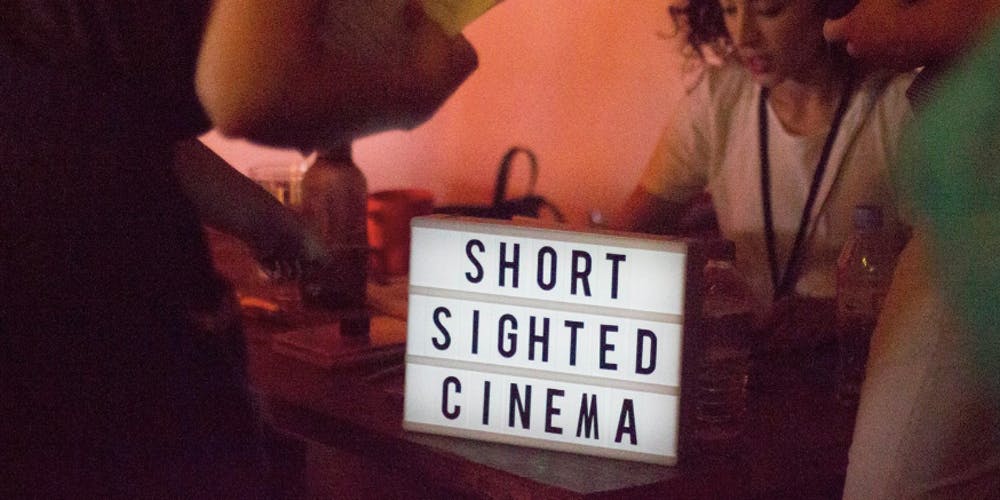
SHORT SIGHTED CINEMA 2019 – BRITISH SHORT FILM PROGRAMME REVIEW

THE SHORTEST NIGHTS – 2019

On Sunday the 30th June 2019 I did two of my favourite things. I took a long walk through the city of London and watched loads of short films.

London is obviously a very busy city and hive of activity during the week. However, on a Sunday it, despite there still being traffic, is way more peaceful. Well, especially from eight in the morning until around lunchtime. Indeed, until I got to the tourist trap that is Westminster it had been a pleasure to walk down the Thames Embankment and through the city of London.

I set out to walk from Clapham to Hackney and my destination was the Yard Theatre, Hackney. I made the walk of around ten miles in good time and the event was The Shortest Nights 2019 – Short Film Festival.

Details can be found here:

https://shortsightedcinema.com/

The Shortest Nights is an annual celebration of British short film. They bring you five cutting-edge programmes across a range of themes and genres featuring new works from emerging British filmmakers.

The people running the event are so enthusiastic and put on a great array of different British short film productions. Overall, there were thirty-nine short films and I watched all of them. It was a great day and I was especially impressed by the: comedies, horrors, documentaries, dramas, animation and art-house films on show.

There were low-to-high budget short films of brilliant quality and the programmes were broken down into five categories. So, if you ever get a chance to go to their film events I recommend it to all filmmakers and film fans alike.