Tag Archives: LONDON

Cult Film Review: Entertainment (2015) at The Nickel Cinema, London

Cult Film Review: Entertainment (2015) at The Nickel Cinema
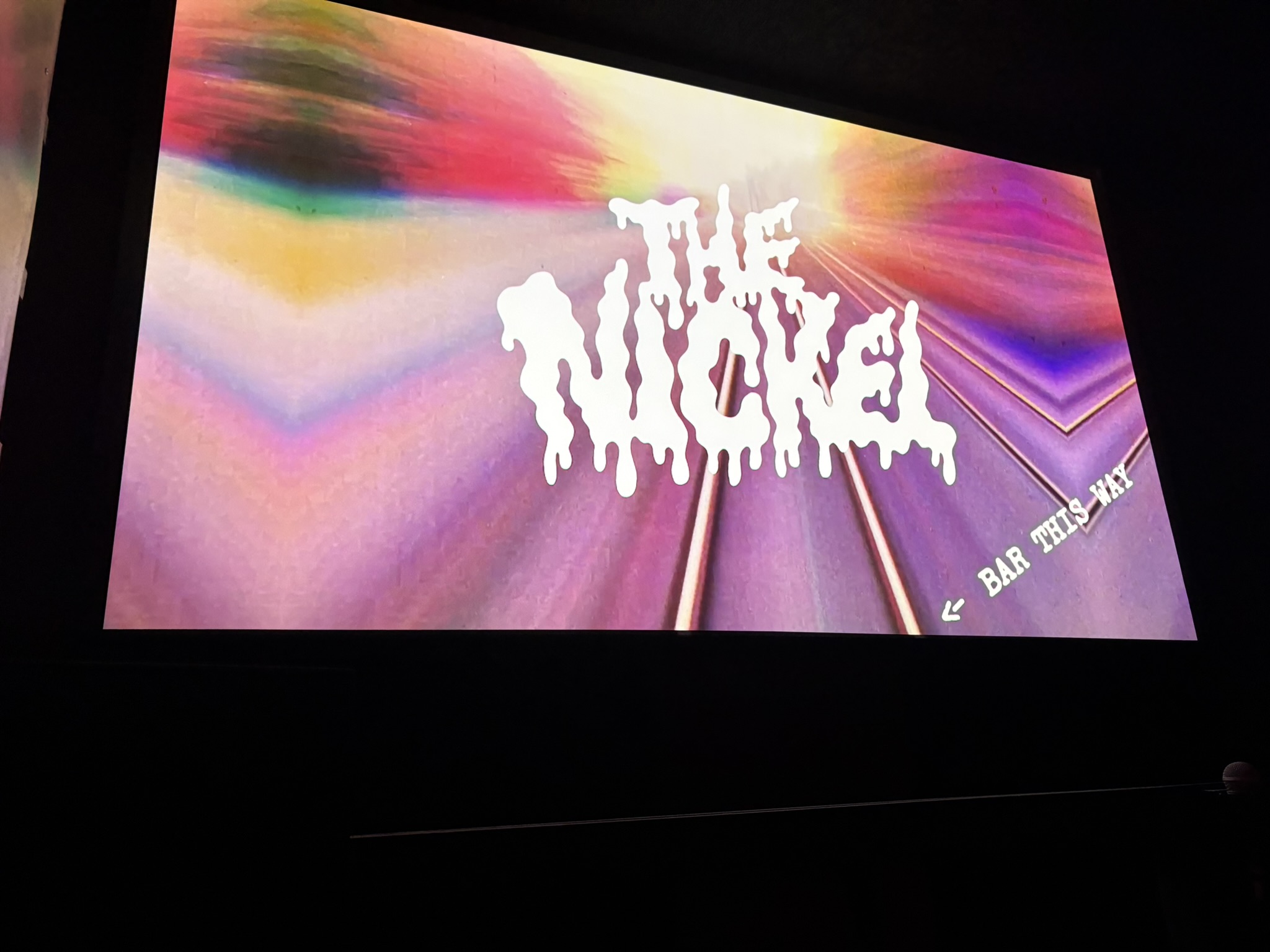


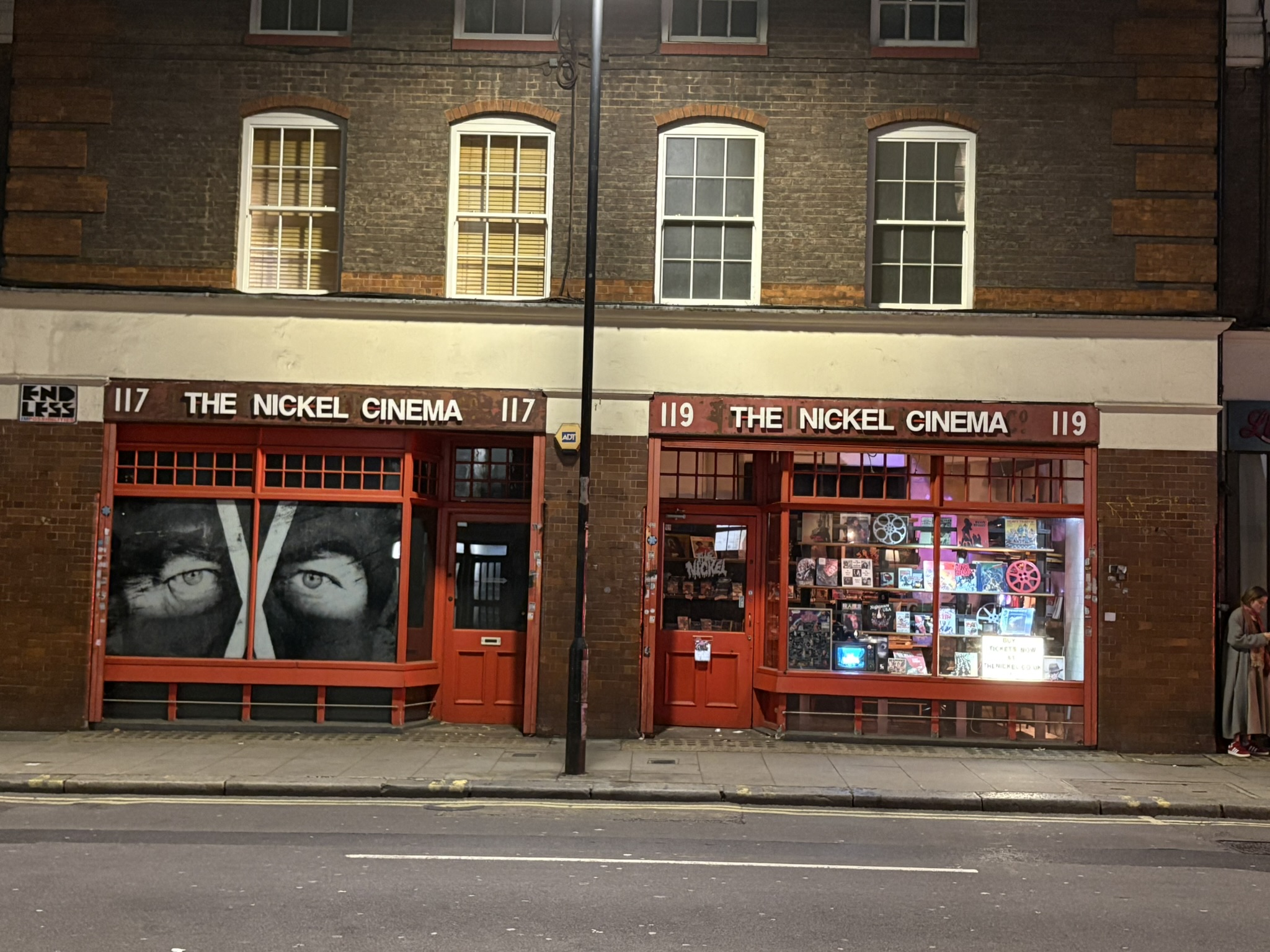
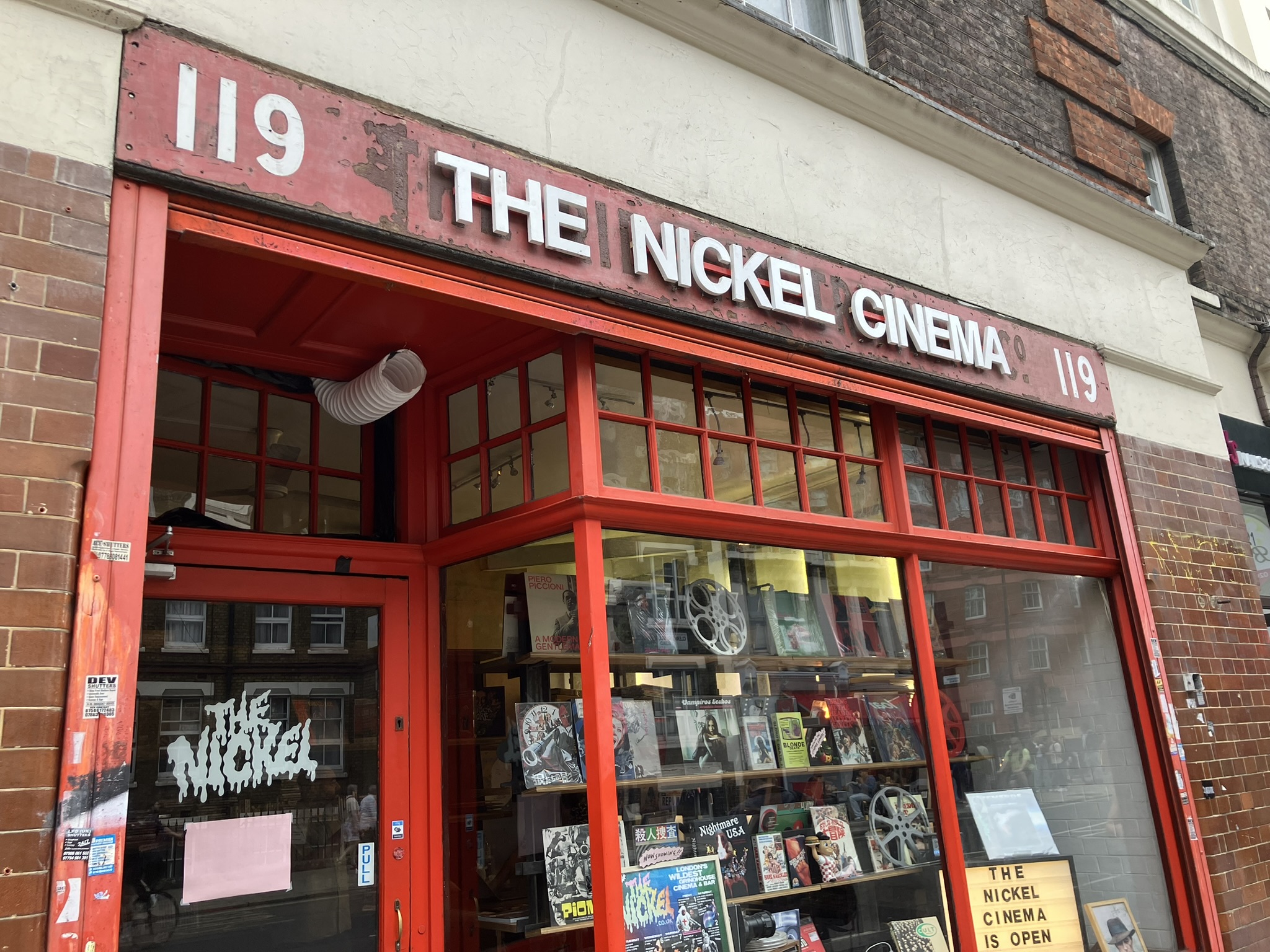
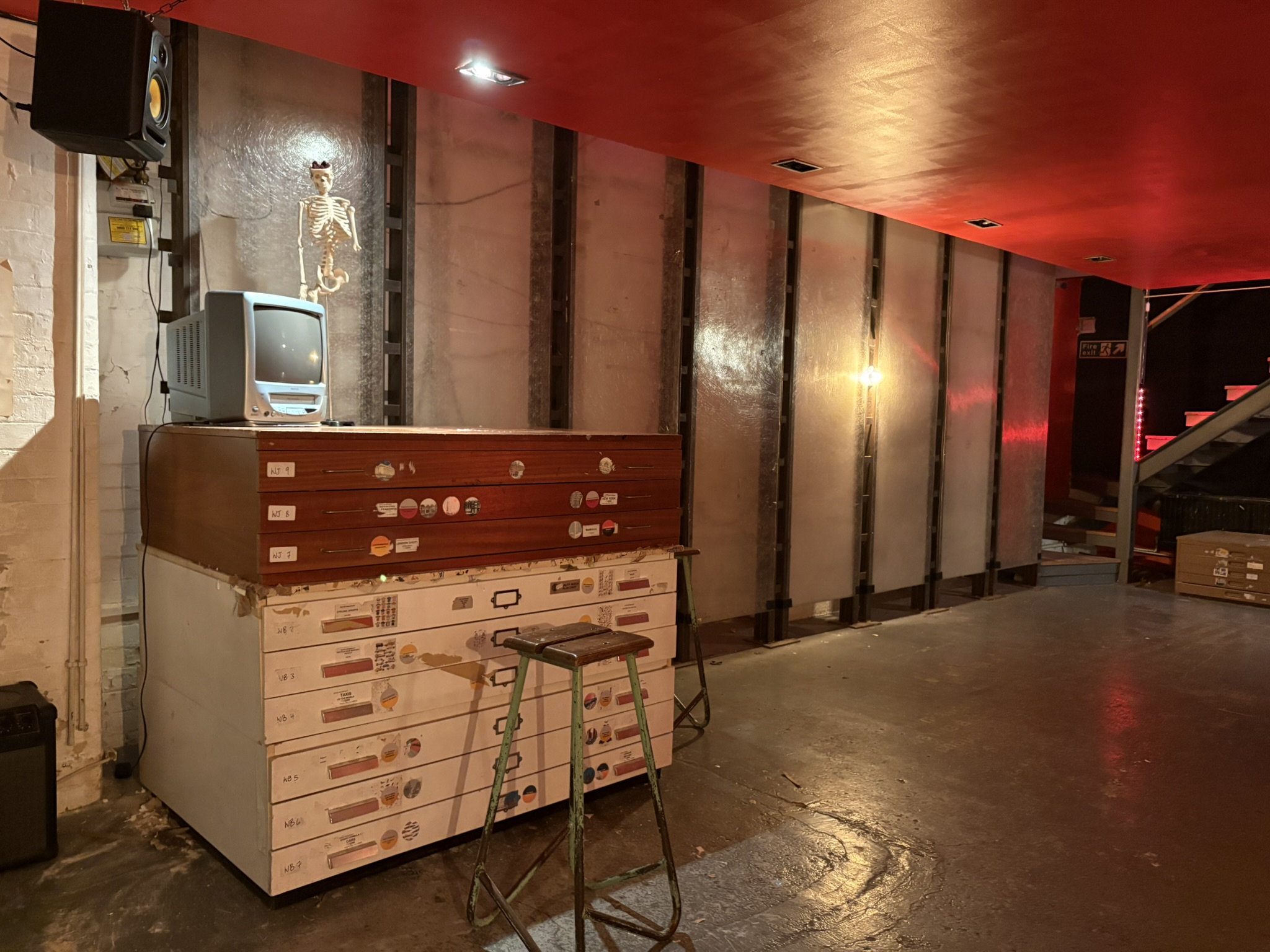
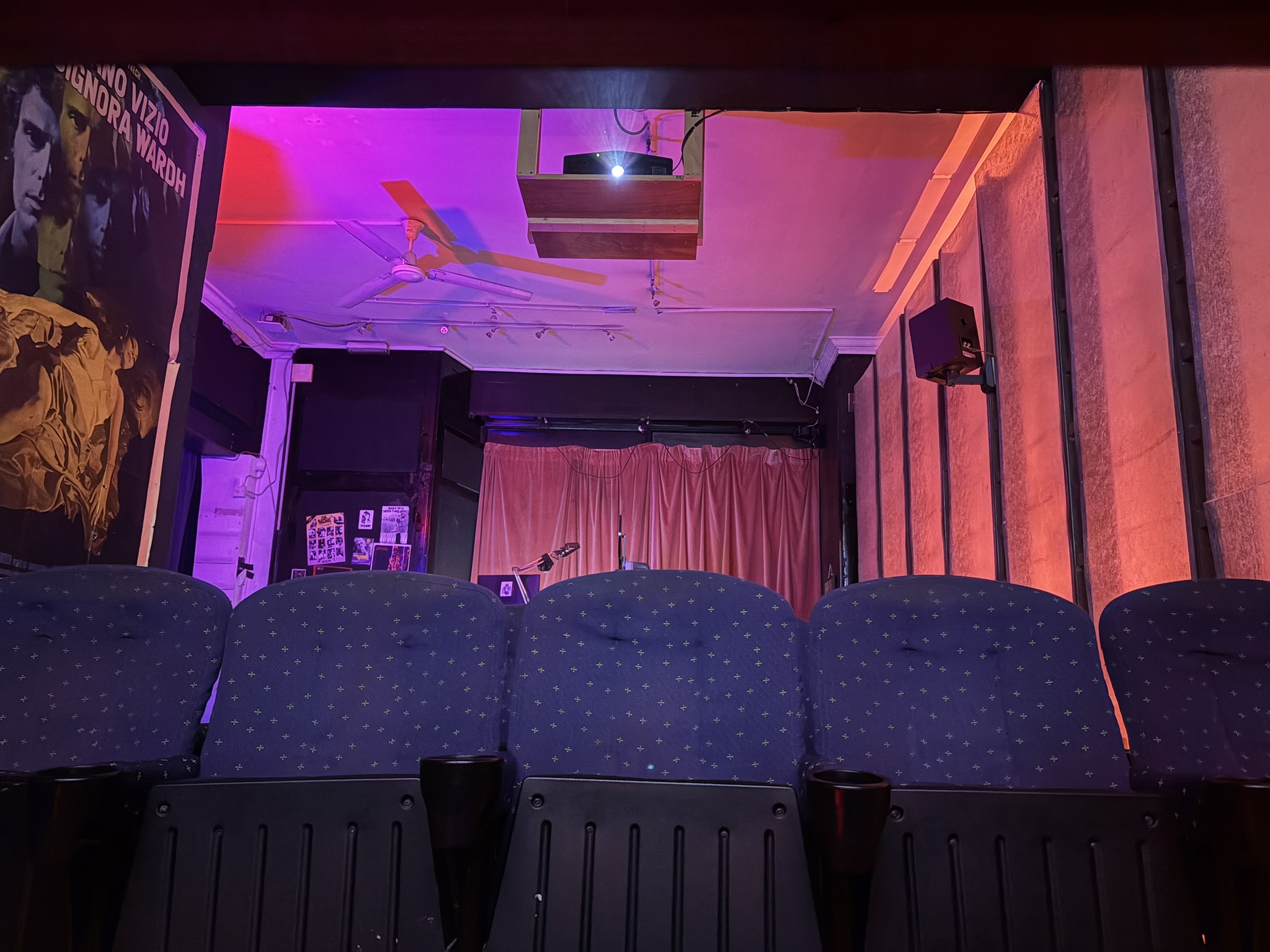
The Nickel Cinema in Clerkenwell feels like a hidden temple for London’s true film obsessives — a grindhouse gem tucked into the city’s polished heart. It’s the kind of place where the air hums with cigarette ghosts and celluloid dreams, where the screen flickers with everything from outlaw art films to midnight slashers and sleazy euro-thrillers. The décor has that lived-in, clandestine vibe — red velvet worn thin, neon bleeding through the dark, and an underground bar serving the kind of cocktails that taste like trouble.

It’s not just a cinema — it’s a refuge for the subversive, the cultish, the weird and the wonderful. You’ll find Anger next to Fassbinder, Fulci, Lynch, Jodorowsky, Korine, Ferrara, Argento, Waters, Kern, Miike, Ferrara, Korine Noe, Cohen, Breillat, Refn and many more bleeding into audiences who actually cheer when the projector rattles. The Nickel doesn’t chase trends; it worships the offbeat, the forgotten, and the dangerous. While feeling still quite new, the place somehow still feels gloriously dirty — and absolutely right up your alley. If not there is a strip club next door if that kind of business takes your fancy.

Check out their website for the latest screenings here: https://thenickel.co.uk/
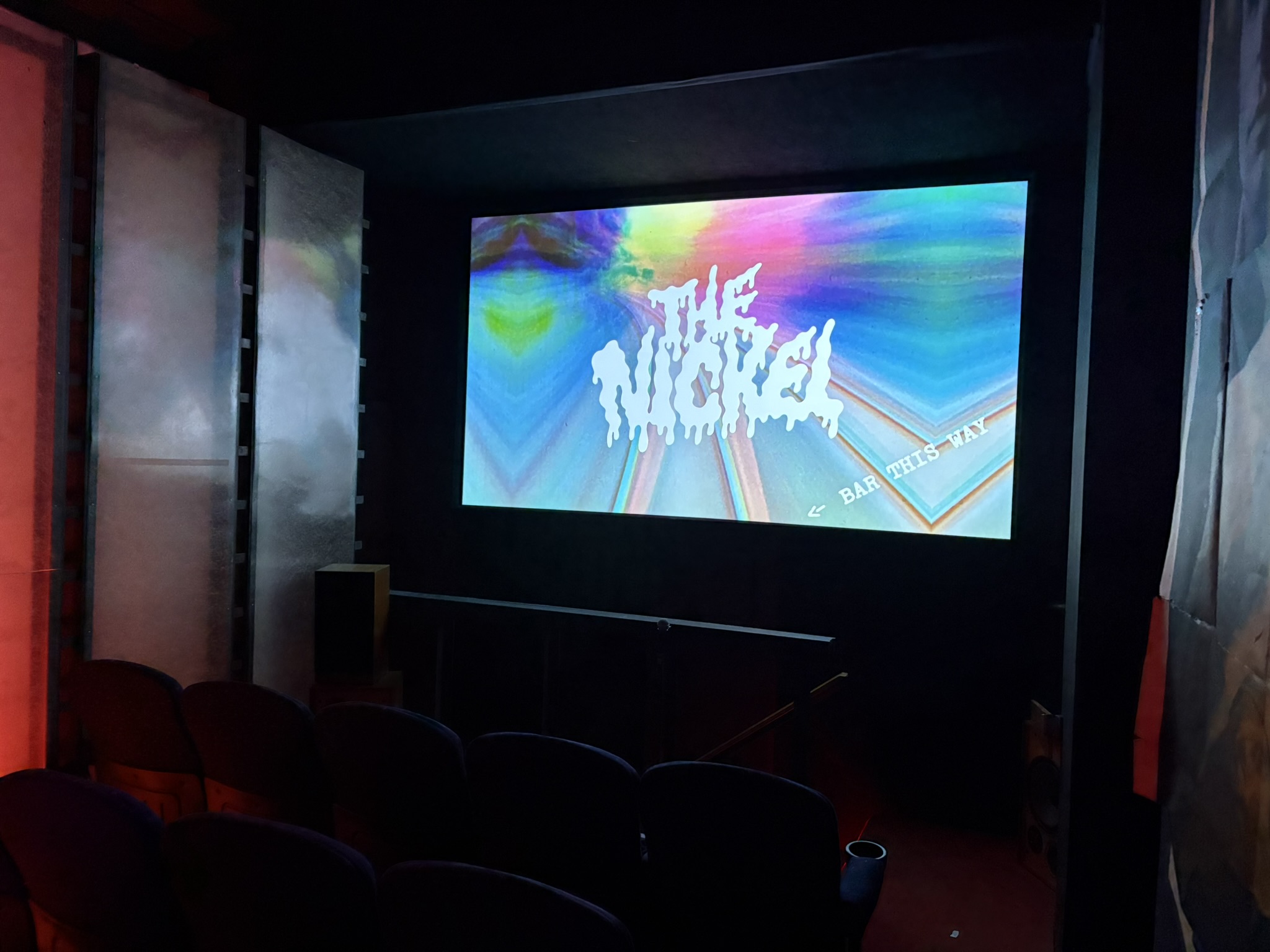


Last month I watched Rick Alverson’s Entertainment (2015) at The Nickel Cinema.

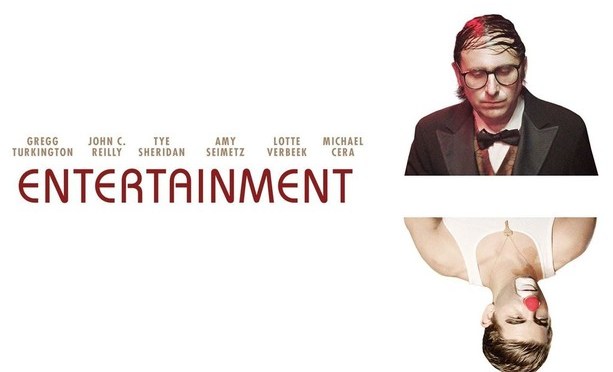
Entertainment is like watching the American dream rot in real time — a hypnotic, desolate odyssey through the dust and despair of the open road. Gregg Turkington is excellent as he plays “The Comedian,” a hollowed-out version of his Neil Hamburger persona, trudging through a series of soul-scorching stand-up gigs in half-empty bars, bowling alleys, and desert motels. Each performance is a small act of self-immolation — jokes that fall flat, laughter that curdles, a man dissolving behind the microphone as his identity blurs into the toxic sludge of showbiz delusion.

Director Rick Alverson shoots it all with a slow, clinical beauty — wide, frozen frames that turn America’s forgotten corners into alien landscapes. “The Comedian” drifts from neon-soaked diners to sulfurous desert plains, to prisons, to dead Western towns. Further, it contains some incredible locations including an unforgettable sequence at an aircraft graveyard — rows of dead machines basking in the sun, like monuments to ambition and decay. While low in budget the film makes use of such stunning locales, plus impactful acting interludes from John C. Reilly, Michael Cera and Tye Sheridan.

The film is not a comedy, not really — more anti-comedy or like an autopsy of one. Entertainment (2015) is a brutal, mesmeric study of loneliness, alienation, and the sick joke at the heart of performance itself. It’s the road movie as existential purgatory — unbearably awkward, strangely poetic, and utterly unforgettable. It doesn’t so much as have a beginning, middle and end, but a series of events which we are dropped into and experience until the credits suddenly roll. I like to ponder “The Comedian” is still out there, living and dying, on and off stage.
Mark: 8 out of 11


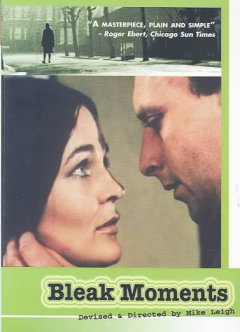
Classic Film Review: Bleak Moments (1971) plus Mike Leigh Q & A (Prince Charles Cinema, London.)

Classic Film Review: Bleak Moments (1971)

Directed by Mike Leigh

Written by Mike Leigh – Based on 1970 stage play by Mike Leigh

Produced by Leslie Blair

Cast: Anne Raitt, Sarah Stephenson, Eric Allan, Joolia Cappleman, Mike Bradwell, Donald Sumpter etc.

Cinematography by Bahram Manocheri

Camera Assistant: Roger Pratt

Edited by Leslie Blair


One of the quiet yet profound joys of cultural life is finding a creative or sporting figure—or team—whose journey you follow from an early age, growing alongside their work as it evolves. Whether it’s the cinematic brilliance of the Coen Brothers or Mike Leigh, the ever-shifting energy of Primal Scream, or the lifelong, often agonising commitment to Tottenham Hotspur FC, these long-term relationships offer a deep sense of continuity. They become personal landmarks in our emotional and cultural landscapes, threading through decades of change and grounding us with shared history, joy, and—especially in Spurs’ case—a touch of heartache.

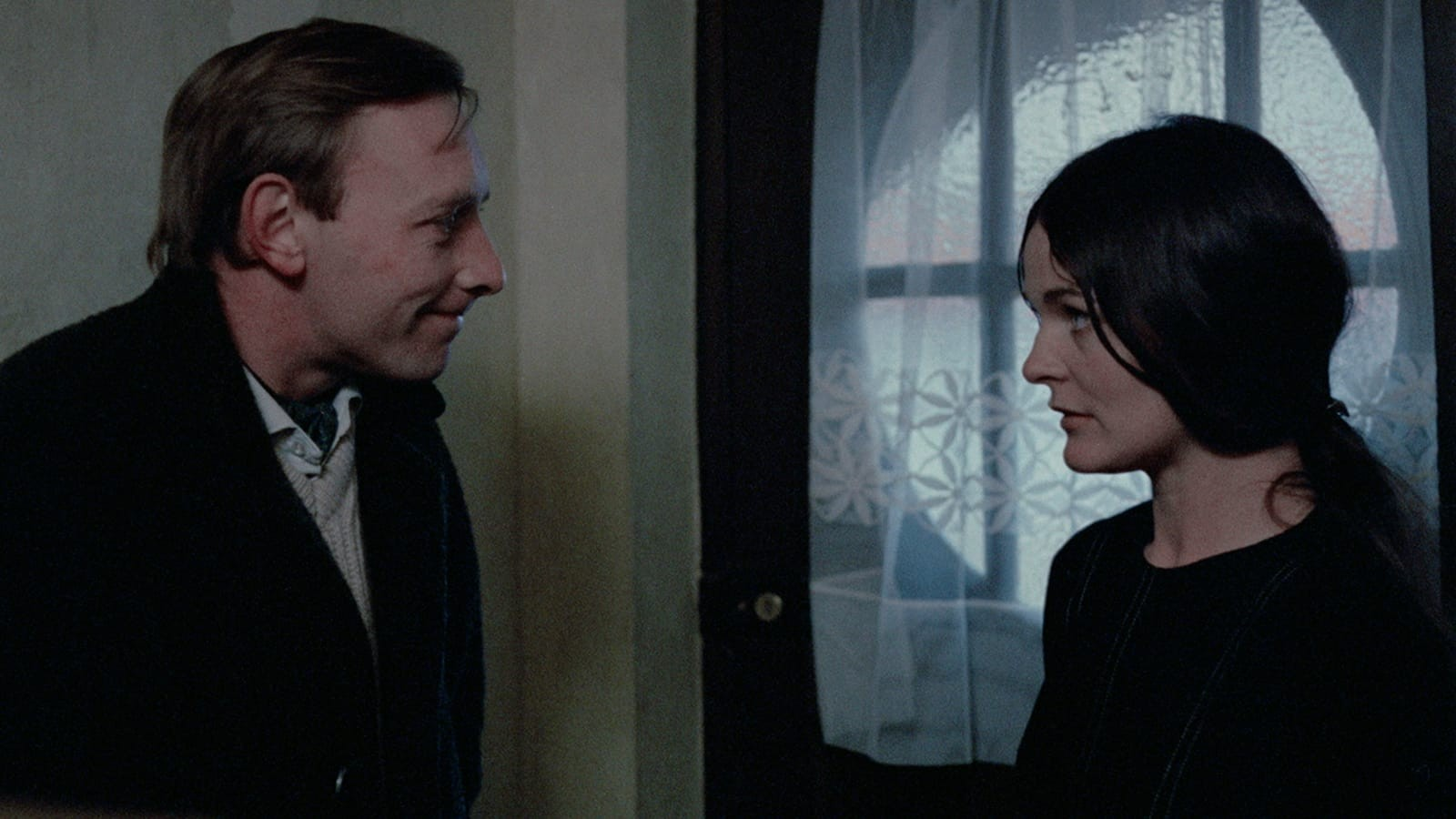
I was born just a year before Mike Leigh’s Bleak Moments debuted in 1971, and it became a defining cultural touchstone for me. First encountering it in the early 1980’s, I was captivated by its raw honesty and quiet power—a film I returned to again and again on that solid-format VHS tape over the years. It marked the beginning of a lifelong relationship with Leigh’s work, a body of cinema that has shaped and shadowed my own personal and cultural journey. That connection endures to this day, most recently renewed with his 2025 release, Hard Truths—a testament to a career and vision that continue to evolve with undiminished integrity.


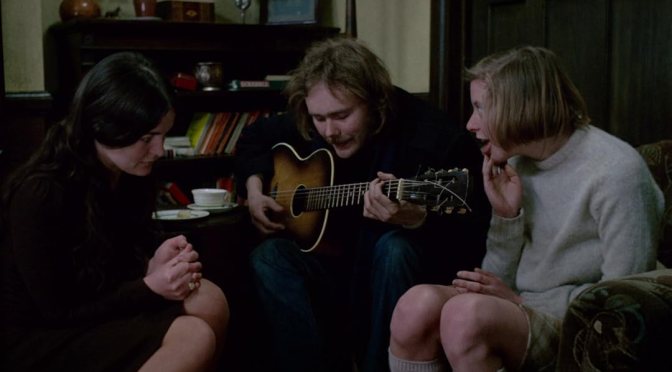
Bleak Moments centres on Sylvia (Anne Raitt), a lonely, introspective young woman navigating the quiet desolation of her suburban life while caring for her mentally challenged sister, Hilda (Sarah Stephenson). Trapped between duty and desire, Sylvia reaches tentatively toward human connection—most notably with a shy schoolteacher—yet every encounter is marked by awkward silences and emotional hesitations. Mike Leigh crafts a delicate, unflinching portrait of isolation and unmet longing, where the most powerful moments are found in what remains unsaid. Indeed, I would say it would have a powerful influence on awkward cinema or television such as Gervais and Merchant’s, seminal show The Office.

I hadn’t seen the film for twenty years and in a packed Prince Charles Cinema, what struck me was how Bleak Moments, while raw and unvarnished in style, unfolds with a beautifully episodic structure that gently accumulates emotional weight. Each scene offers a quiet vignette—moments of everyday awkwardness, tentative exchanges, and domestic stillness—that together create a deeply human portrait of loneliness and restraint. Despite its sombre tone, the film is laced with dry, observational humour and a deep sense of pathos, revealing the absurdity and ache of unspoken lives.

Mike Bradwell’s Norman and his dryly hilarious songs, and the most awkward of “romantic” dinner scenes in the Chinese restaurant just stood out to me as deeply funny. Raitt’s performance too is a masterclass of comedic understatement. Overall, these qualities—emotional nuance, character-driven storytelling, and a commitment to realism—would become defining hallmarks of Mike Leigh’s oeuvre, already fully formed in this striking debut. Finally, it was great to see and hear from Leigh, now in his eighties, answering some great questions with sharp wit and batting away some stupid ones too with his usual intelligence and droll honesty. Leigh remains a hero in my life’s cultural journey.


Cinema Review: Hard Truths (2024) – an unflinching look at a family struggling with depression.

CINEMA REVIEW: HARD TRUTHS (2024)

Directed by Mike Leigh

Written by Mike Leigh

Produced by Georgina Lowe

Main Cast: Marianne Jean-Baptiste, Michele Austin, David Webber, Tuwaine Barrett, Ani Nelson, Sophia Brown, Jonathan Livingstone, etc.

Cinematography by Dick Pope

*** MAY CONTAIN SPOILERS ***


Mike Leigh’s career has been defined by an unflinching exploration of everyday existence, shaped by a commitment to realism and a deep understanding of human behaviour. His films, whether contemporary or period pieces, dissect the nuances of ordinary lives, often capturing the struggles, aspirations, and quiet triumphs of working- and middle-class individuals. His signature improvisational approach—where actors develop their characters through extensive rehearsal—allows for an organic authenticity that makes his work resonate with honesty and emotional depth.

Leigh’s early films, such as Bleak Moments (1971) and Nuts in May (1976), established his interest in the mundanities and disappointments of daily life. His later films, such as High Hopes (1988) and Life is Sweet (1990), continued this trend, portraying ordinary people navigating personal and societal challenges with humour and pathos. Secrets & Lies (1996), one of his most acclaimed works, epitomizes his fascination with human vulnerability, as it dissects family relationships, race, and identity in a way that feels raw yet tender.

Leigh’s career trajectory has also included excursions into period dramas, notably the heart-wrenching, Vera Drake (2004) and arguably his most political film, Peterloo (2018). But rather than abandoning his focus on the intricacies of human experience, he applies the same observational precision to historical subjects. Topsy-Turvy (1999), about the creation of Gilbert and Sullivan’s The Mikado, examines the creative process with the same detail he grants his modern-day working-class protagonists. Mr. Turner (2014), a biopic of the painter J.M.W. Turner, similarly explores the artist’s struggles, eccentricities, and societal context without falling into the clichés of the genre. These films reveal that, for Leigh, the past is not a grand spectacle but an extension of the same human complexities that define his contemporary work.


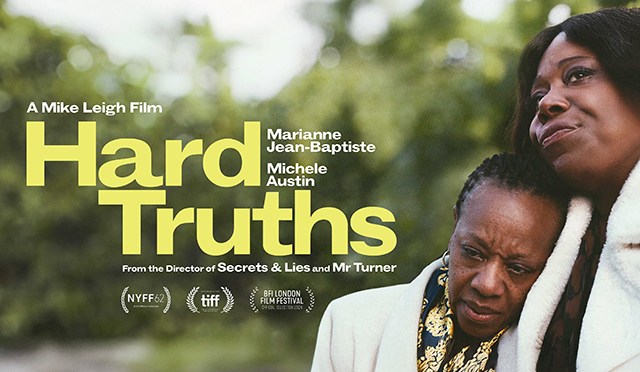
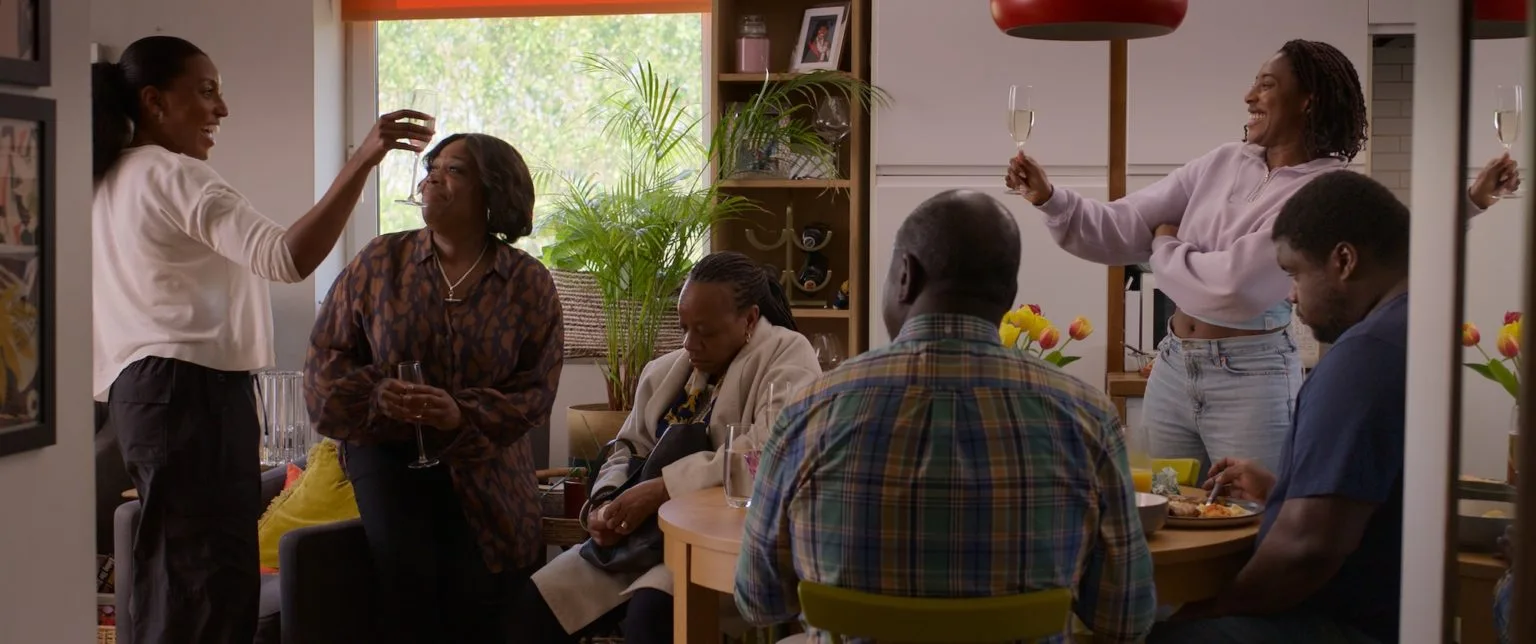
His latest film, Hard Truths (2024), follows in this tradition, delving into the stark realities of its characters with the same empathy and directness. Set in London in the present day, it focuses on the Deacon family unit and extended relations, notably two personality-divergent sisters, Pansy Deacon (Marianne Jean-Baptiste) and sibling, Chantelle (Michele Austin). Pansy is a middle-aged London housewife whose relentless irritability and sharp tongue mask a deep-seated inner turmoil. Her acerbic interactions—whether berating her husband Curtley, chastising her son Moses, or lashing out at unsuspecting strangers—serve as both a source of dark humour and a window into her dissatisfaction with life. Indeed, some of her rants are absolutely laugh-out-loud hilarious.

Leigh’s nuanced direction ensures that while Pansy’s outbursts may elicit laughter, they simultaneously reveal the tragic underpinnings of her character. Her vitriolic remarks, often delivered with biting wit, are symptomatic of her internal struggles, painting a portrait of a woman grappling with unarticulated pain. This duality is evident in scenes where Pansy’s caustic rants thinly veils her profound sense of isolation and despair. The film delves deeper into Pansy’s psyche during interactions with the more upbeat, Chantelle. A pivotal moment occurs during a Mother’s Day visit to their mother’s grave, where Chantelle confronts Pansy about her pervasive anger. Pansy’s anguished admission, “I don’t know!” encapsulates the bewildering nature of her depression, highlighting how her defensive humour serves as a barrier against this insidious mental illness.

Marianne Jean-Baptiste’s absorbing portrayal brings emotional depth to Pansy’s character, capturing the delicate interplay between her abrasive exterior and the fragility it conceals. Similarly, Michele Austin brings light and optimism to the screen, along with her effervescent daughters, somehow striving to combat the all-pervasive cloud of depression. Some of my favourite scenes of the film were with Chantelle in conversation with customers in her hair salon. Thus, in essence, Hard Truths (2024) presents a compelling character study that intertwines humour with the sombre realities of depression. Through Pansy Deacon, Leigh illustrates there are no easy answers to the pain of an affliction that remains silent and invisible but is ever-present within everyone’s lives.

Mark: 8 out of 11


Apple TV+ Film Review: Blitz (2024) – A fine testament to the Human Spirit during Wartime!

Apple TV+ Review: Blitz (2024)

Directed by Steve McQueen

Written by Steve McQueen

Produced by Tim Bevan, Eric Fellner, Steve McQueen, Anita Overland, Adam Somner, Arnon Milchan, Yariv Milchan, Michael Schaefer

Main Cast: Saoirse Ronan, Elliott Heffernan, Harris Dickinson, Benjamin Clementine, Kathy Burke, Paul Weller, Stephen Graham etc.

Cinematography by Yorick Le Saux

*** MAY CONTAIN SPOILERS ***


Officially classed as acclaimed filmmaker Steve McQueen’s first feature since the release of Widows (2018), Blitz (2024) is a WW2 drama of extremely high quality. But before I get into the review, lest we forget the series of films Steve McQueen delivered to the BBC a few years. The ‘Small Axe’ anthology should and shall be revisited as one of the most important documents of British history, such is its searing power, dramatic drive and the stunning rich tapestry of characterful moments. So, I urge you to watch, if you haven’t, what I consider to be Steve McQueen’s masterworks. I have reviewed the first one Mangrove (2020) here and the remaining of the collection here:


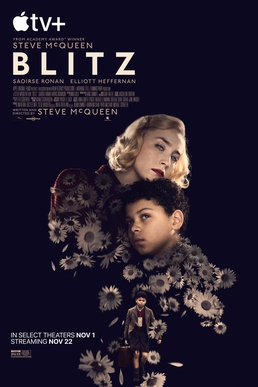
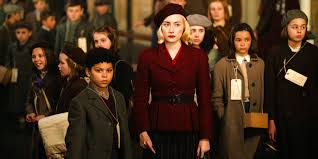
Blitz (2024) is a bigger budgeted production when compared to the ‘Small Axe’ anthology. But, similarly, it is a period piece, focusing on the working class and Black experience, this time set during the brutal bombing of London in 1940. McQueen shoots very much from the perspective of George (Elliot Heffernan), his mother, Rita (Saoirse Ronan) and grandfather, Gerald (Paul Weller). George, like many war children, is packed on a train to the relative safety of the countryside, while parents live in the hope of surviving the incessant German bombs.

After establishing the close family bond between the Hanways, and the wrenching emotion of sending her son away, Rita continues working in a munitions factory and sings beautifully on a national radio show. At the same time, George, finds trouble with a gang of child bullies on the train, before fighting back and jumping off. A tough and resourceful boy, George, makes the perilous choice to return to battered and burning London to reunite with his mother. The city, scarred by the relentless ‘Blitzkrieg’, is a treacherous labyrinth of collapsing buildings and choking smoke, but George’s determination burns brighter than the fires raging across the skyline.


Like a modern Oliver Twist, Blitz (2024) George’s journey through the devastated capital is both a physical and moral odyssey, with each encounter shaping his understanding of loyalty, survival, and the fragile threads that bind people together in times of crisis. George becomes trapped by his own choices, the bombs, bricks, buildings and characters he meets on the way. Some are friendly, but others exploit George preventing his return home. McQueen’s script also finds time to flashback to show Rita meeting George’s father, providing significant context to his mixed race background. Indeed, through George, McQueen explores themes relating to race and his emotional journey to find his place in the world as a person of colour.

Blitz (2024) is a superbly shot and designed film, with Yorick Le Saux’s cinematography rendering war torn London with an almost mythical beauty. However, Hans Zimmer’s overblown soundtrack is too much for me. Further, Steve McQueen’s hagiographic and episodic approach does somewhat diminish the raw drama and bloody horror of war. Notably, the under-use of Kathy Burke and Stephen Graham’s gutter snipe thieves. Plus a thrilling action set-piece during a flooded tube station that cuts away from George’s almost-demise, denying us suspense and dramatic catharsis. Thus, at times, the film sacrifices potential complexity during George’s journey, making his survival seem almost predestined rather than hard-fought. Still, Steve McQueen remains one of the country’s most important cinematic artists and Blitz (2024) is yet another fine testament to the strength and resilience of the human spirit.

Mark: 8 out of 11


Netflix Film Review: Violence, paternity and love all cook in The Kitchen (2024)

NETFLIX FILM REVIEW: THE KITCHEN (2024)

Directed by Kibwe Tavares and Daniel Kaluuya

Written by Daniel Kaluuya and Joe Murtagh

Produced by Daniel Emmerson and Daniel Kaluuya

Main Cast: Kane Robinson, Jedaiah Bannerman, Hope Ikpoku Jr, Teija Kabs, Demmy Ladipo and Ian Wright

Music by Labrinth and Alex Baranowski

Cinematography by Wyatt Garfield

*** MAY CONTAIN SPOILERS ***


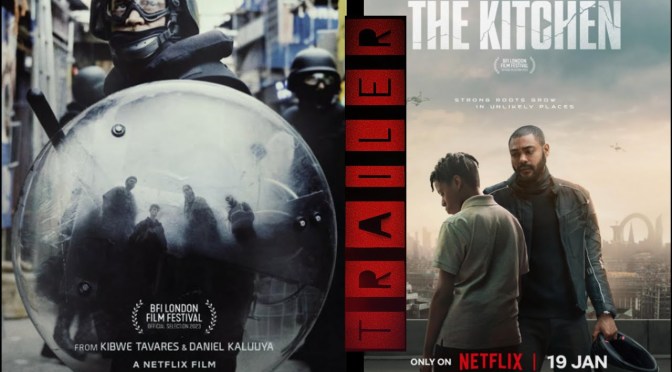
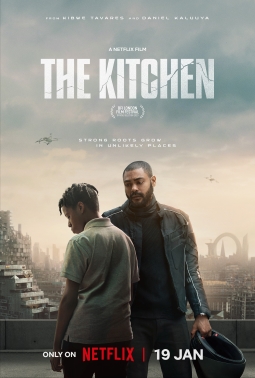
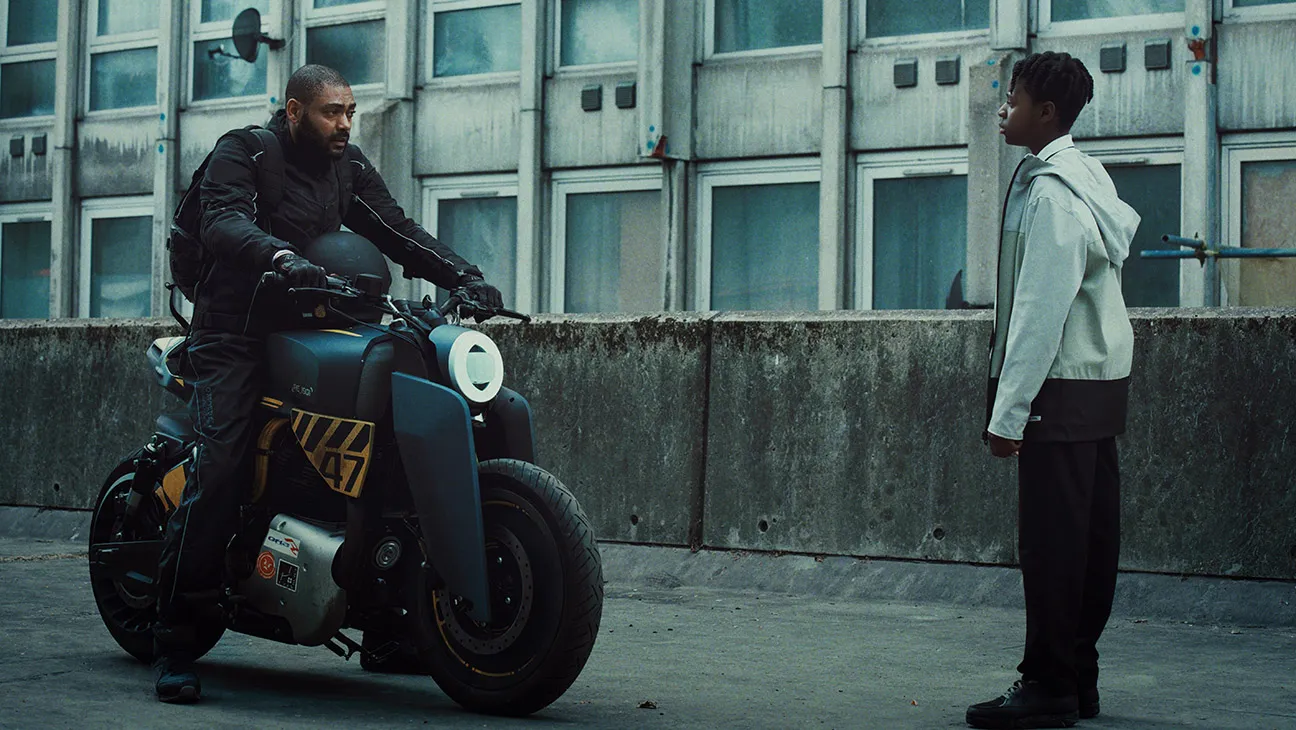
The Kitchen (2023) is a solid addition to the cinematic library of sci-fi dystopian narratives. It also combines thematic elements from rites of passage, action and family drama genres with much success. The story concentrates on Izi (Kane Robinson), who lives in London, 2044) where social housing is gone, except for “The Kitchen,” a community under threat from the wealthy. He works at ‘Life After Life’, a futuristic funeral service that turns unaffordable burials into trees families can visit before planting. After attending a funeral at his work he meets and forms an uneasy relationship with the son of the deceased, Benji (Jedaiah Bannerman). But is there more that connects the two?

Directed with imagination, energy and compelling flair by Kibwe Tavares and Daniel Kaluuya, The Kitchen (2023) focuses on Black culture as it faces relentless attacks from capitalist forces and oppressive law enforcement, painting a vivid portrait of a community fighting for survival. Moreover, the film explores the systematic erasure of cultural and physical spaces, where gentrification and state violence converge to push out the last bastion of working-class solidarity. This struggle becomes a powerful metaphor for resistance and resilience, underscored by music, tradition, community and collective memory.


At its heart, the film also delves deeply into paternal relationships, exploring the nature of both surrogate and absent fathers. Despite the futuristic setting, it is the relationships in the film which are most powerful. Benji is at a crossroads as to which direction his life may go, with the drama echoing the emotional intensity of Boys in the Hood (1991), This Is England (2006), Platoon (1986), and A Bronx Tale (1993). These connections explore themes of legacy, masculinity, crime and moral conflict within a fractured world. Through these intimate relationships the film compellingly reflects on generational trauma, grief and love.

Overall, The Kitchen (2023) is a stylish, superbly filmed and thought-provoking drama with a fantastic soundtrack and score. I would have preferred a lead protagonist who was more expressive and verbal. Kane Robinson is a fine actor, but I wanted Izi to explode on the screen rather than keep all that emotion and anger in. This and the over-familiar story beats ultimately do not take away from an excellent feature from the incredibly talented Tavares and Kaluuya.

Mark: 8 out of 11


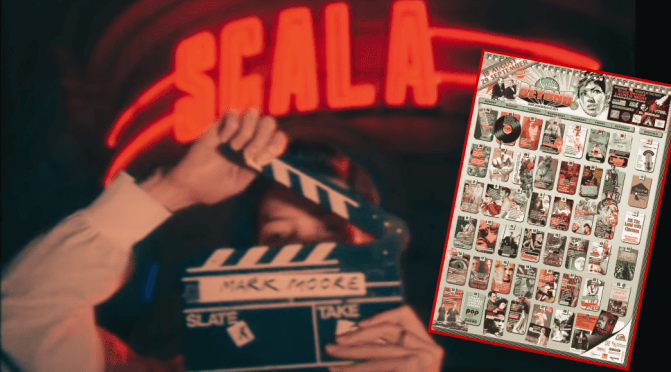
BFI Film Review: Scala (2023) – At the Altar of Nostalgia for the Scala Cinema!

BFI Film Review: Scala!!! (2023)

Directed by Ali Catterall & Jane Giles

Produced by Andrew Starke, Alan Marke & Jim Reid

Cinematography by Sarah Appleton

Edited by Andrew Starke and Edward Mills

Music by Barry Adamson


The Scala Cinema, nestled in the heart of London, was more than just a film theatre; it was a refuge, a haven for anyone with a passion for films that didn’t fit into the mainstream mold. I can still feel the sticky floors, the cats in the dark, hear the muffled sounds of the trains passing overhead, and see the hazy red glow that filled the theater. In the 1980s and 1990s, going to the Scala wasn’t just about watching a film; it was about being part of a community that celebrated the bizarre, the boundary-pushing, and the boldly artistic.

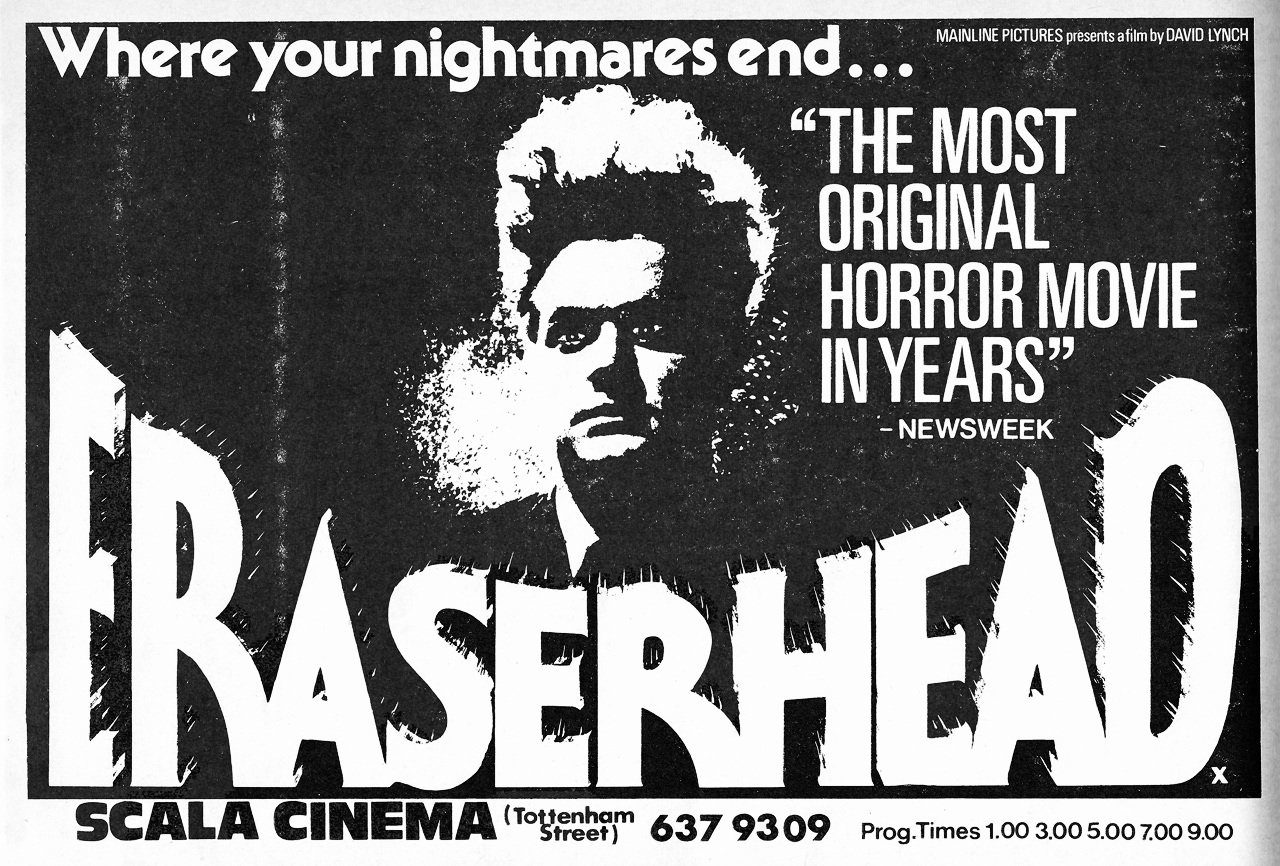
During those years, the Scala felt like my second home. It was where I could disappear into films that I couldn’t find anywhere else – obscure horror flicks, campy B-movies, gonzo-pornos, arthouse selections, and controversial classics from around the globe. It was my church. Films by David Lynch, John Waters, Yuen Woo-ping, Derek Jarman, Werner Herzog, Sam Raimi, Lucio Fulci, Russ Meyer, Kathryn Bigelow, Alex Cox, John Woo, Stanley Kubrick, Jane Campion, Orson Welles, Dario Argento, Alejandro Jodorowsky and many more – each screening felt like a small rebellion, a discovery that I’d carry with me. The Scala didn’t just show movies; it curated experiences. All-night marathons, double bills, and surprise screenings became a staple of my weekends, filling my mind with scenes that blurred the line between reality and the outrageous.


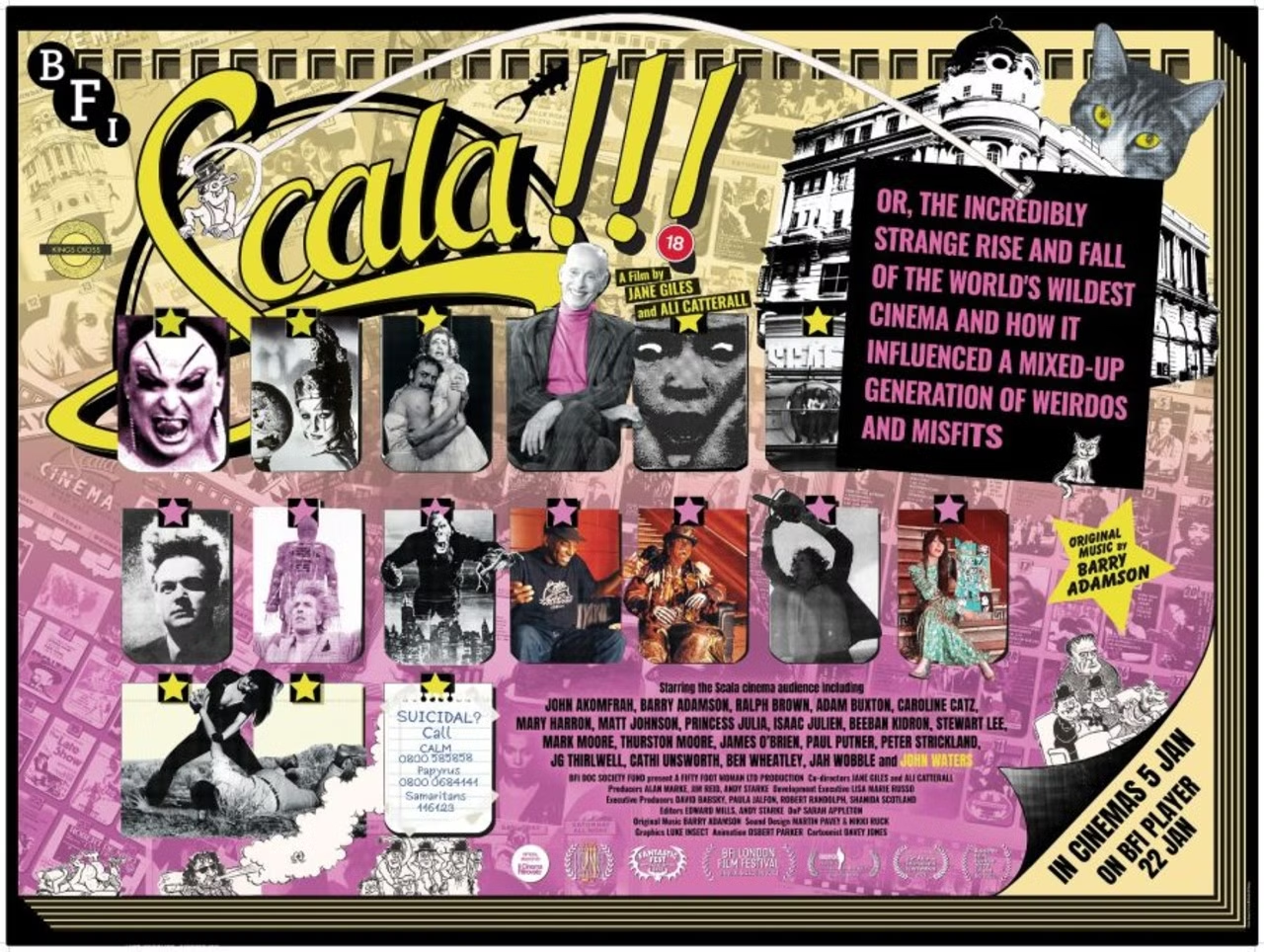
When I watched the Scala documentary on BFI Player, a flood of memories came rushing back. It was as though I’d been given a ticket back to those wild, late nights. I remembered how Scala regulars would shout lines at the screen or break into laughter at inopportune moments, making each viewing unique and unpredictable. The documentary captured not only the films but the spirit of the place – the staff who loved cinema as much as the patrons did, the strange but welcoming crowd, and the sense that Scala wasn’t just a venue but a movement. Watching it felt like reconnecting with a part of myself, an era when cinema was raw, thrilling, and unpolished.

The Scala in King’s Cross is a legend, and for those of us who were lucky enough to experience it, it’s a chapter we’ll always cherish. I was even there when they showed A Clockwork Orange (illegally), which led to the ill-fated court case which forced it to close. This documentary is both a valuable historical document and a joyous sharing of stories from those who worked there and attended the films shown, including: Mark Moore, Mary Harron, Isaac Julien, John Waters, Ben Wheatley; Barry Adamson, Matt Johnson, Adam Buxton, James O’Brien, Stewart Lee, Lisa Power and Graham Humphreys. Overall, the Scala Cinema wasn’t just about the films we watched; it was about finding a place where film became more than entertainment – they were a way of life.

Mark: 9 out of 11


31st RAINDANCE FILM FESTIVAL PREVIEW – ACTORS-TURNED-DIRECTORS!

31st RAINDANCE FILM FESTIVAL PREVIEW – ACTORS-TURNED-DIRECTORS!

As the Office Manager for the Raindance Film School, it is always exciting when the Raindance Film Festival is about to start. This year it runs from Wednesday 25 October 2023 to Saturday 4th November 2023 in Central London. All the amazing details can be found here: https://raindance.org/festival/

There are so many brilliant films to choose from, so it can be an impossibly difficult decision to narrow down one’s choice. If you have the time I recommend you buy a Festival Pass and go and watch everything. If you’re not fortunate enough to be able to do this you could thematically link your cinema choices.

I am always interested in following the careers of actors who become directors. The well-respected director, Dan Attias once said that,
“. . . the best training he had for directing was being an actor.” Indeed, there are many great actors who have become fine film directors, including: Clint Eastwood, Jordan Peele, Jodie Foster, George Clooney, Greta Gerwig, Denzel Washington and Ben Affleck. So, here are four brilliant actors-turned-directors who have films screening at the 31st Raindance Film Festival.


DAY OF THE FIGHT (2023)

The opening gala film is written directed by Jack Huston and promises to be an incendiary drama of power and redemption.


EMBERS (2023)

Directed by Christian Cooke, this film is a controversial and gripping drama about incarceration and sexual rehabilitation.


PARACHUTE (2023)

Pitch Perfect franchise actor, Brittany Snow, heads behind the camera with a gritty exploration of addiction and cathartic romance.


WARHOL (2023)

Okay, the ultra-talented Adam Ethan Crow was not specifically an actor. Yet, he was certainly a prominent presence on the stand-up comedy scene, before turning his abundant skills to filmmaking. His latest film, Warhol, is a multi-stranded drama that connects various characters to powerful effect.


Paul Laight is a screenwriter, filmmaker, and blogger. In 2005, he formed Fix Films and has written and produced many shorts and other promos. Many of his films have been screened all over the world at various film festivals. Paul is currently working on feature and short film scripts for future productions. His work can be found here: 

https://www.youtube.com/c/FixFilmsLtd

https://thecinemafix.com/


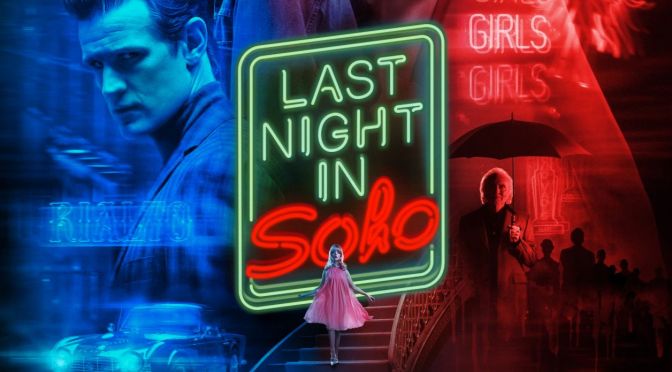
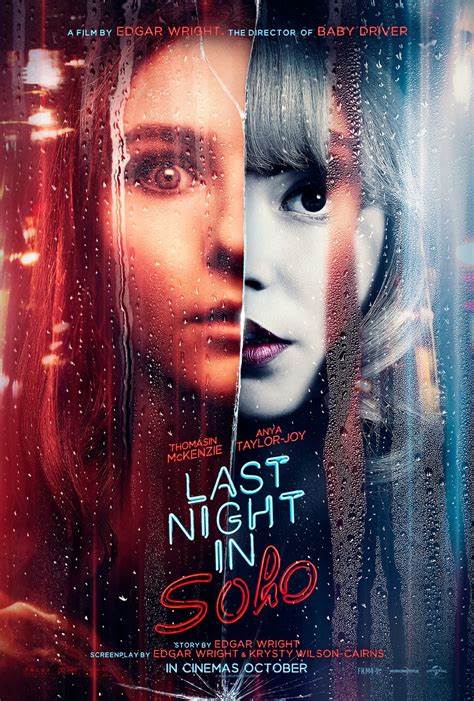
CINEMA REVIEW: LAST NIGHT IN SOHO (2021)

CINEMA REVIEW: LAST NIGHT IN SOHO (2021)

Directed by Edgar Wright

Screenplay by: Edgar Wright and Krysty Wilson-Cairns

Produced by: Nira Park, Tim Bevan, Eric Fellner and Edgar Wright

Cast: Thomasin McKenzie, Anya Taylor-Joy, Matt Smith, Michael Ajao, Terence Stamp, Diana Rigg, Rita Tushingham, etc.

Cinematography: Chung-hoon Chung

*** MAY CONTAIN SPOILERS ***


Edgar Wright is one of my favourite directors working today. His films possess an endless series of cinematic techniques such: long takes, quick cuts, swooping camera moves, canted frames, Steadicam, camera holds, frame switches, pans, scans, tilts, low-angles, metronomic editing, blurred dissolves, point-of-view and god’s-eye view shots. Moreover, Wright’s use of humour, music, colour, casting choices, and cross-genre collisions are spectacularly imaginative and entertaining. His latest film Last Night in Soho (2021) is no different. I was enthralled and excited throughout this ripping big-budget exploitation film, which juxtaposes influences such as Stephen King, Brian DePalma and Doctor Who, with a suggestion of Dario Argento and giallo cinema.

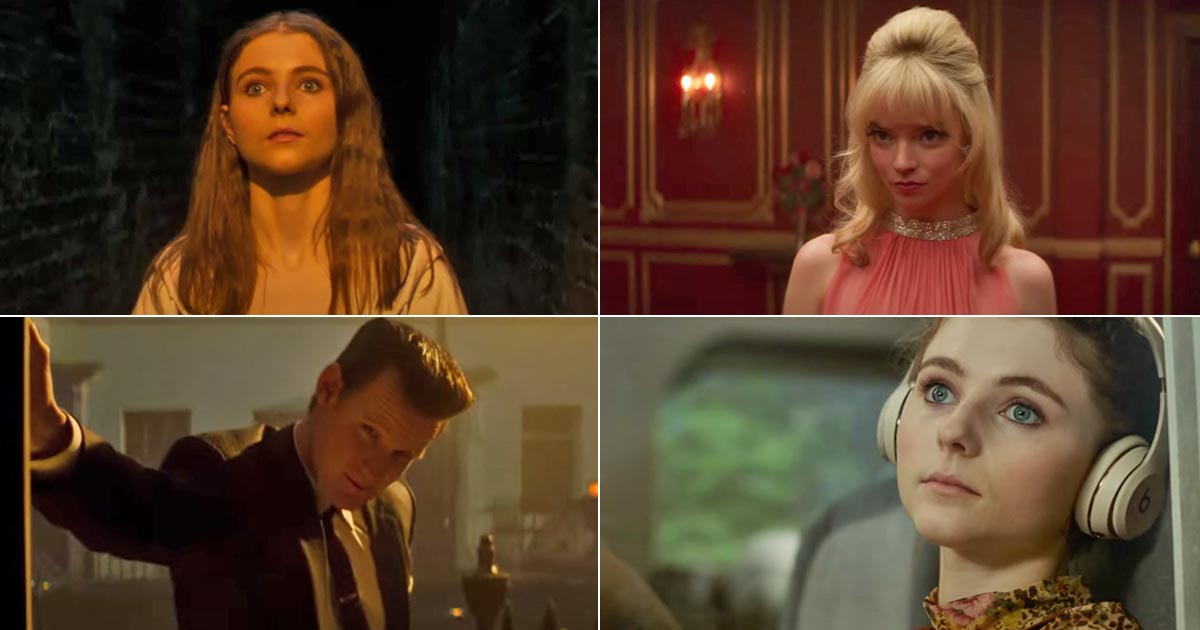
Last Night in Soho (2021) is both a love and hate letter to the Soho area of central London in the 1960’s and the now. If hate is too strong a word then at the very least the myriad of storylines collide to create a cautionary tale of one young person’s move from Cornwall to London to study fashion at the University of Arts. Major acting talent Thomasin Mackenzie is Ellie Turner, a passionate young woman who loves the sixties music and style, but also mourns the loss of her mother at an early age. Leaving her comfortable home she shares with her Grandmother (Rita Tushingham), Ellie experiences London and student life with initially mixed results. Finding it difficult to connect with her obnoxious room-mate, Jocasta, she moves into an antiquated bedsit, with imperious Diana Rigg as her landlady no less. All of a sudden her incredible journey into the glamorous and seedy past of Soho begins.


As with many of his films Wright establishes several storylines simultaneously. He brilliantly crosses rites-of-passage with period drama, romance, musical, detective and finally the horror genre. Ellie finds her feet at University, gets a job in a bar, receives praise for her initial designs and starts a budding romance with fellow student, John (Michael Ajao). At the same time her life becomes entwined in a surreal twist with that of Sandie (Anya Taylor-Joy), an engaging character desiring showbiz stardom who happens to live in Soho, but in the 1960’s. Ellie’s psychic link with Sandie brings her vivid dreams, but a striking empathic connection.

While Ellie is nervous and insecure within her London experiences, Sandie is the opposite. The theme of duality in their polar characters is both emotionally and visually breathtaking as their twin journey brings positive change and developing confidence in Ellie’s character. Yet, when Sandie’s career desires are exploited for nefarious gain by a local face called Jack (Matt Smith), both woman head for darker spaces in the shadows and smoke of the capital. Here the issue of mental health is intriguingly explored too. As Ellie is drawn further into Sandie’s nightmarish existence, she struggles to hold on to reality and the present.

Despite some minor wrinkles in the narrative and geographical London liberties taken, Edgar Wright has delivered one of the most thrilling and spectacularly energetic films of the year. The nostalgic and heavenly soundtrack is to die for, with so many songs I recall growing up listening to. Likewise, the cinematography and lighting design sparkle in hues of black, fluorescence, shadow and neon. Sure, Edgar Wright has his cake and eats it with mild virtue signalling relating to the “Me Too” movement. The male gaze eats up Anya Taylor Joy’s stunning charisma on screen, making us complicit in her downfall. Nonetheless, with issues relating to grief, mental health, sexual exploitation, identity, doppelgängers, urban breakdown and many more all enveloped into a craftily structured plot, you won’t find a more breathless cinematic experience all year.

Mark: 9 out of 11


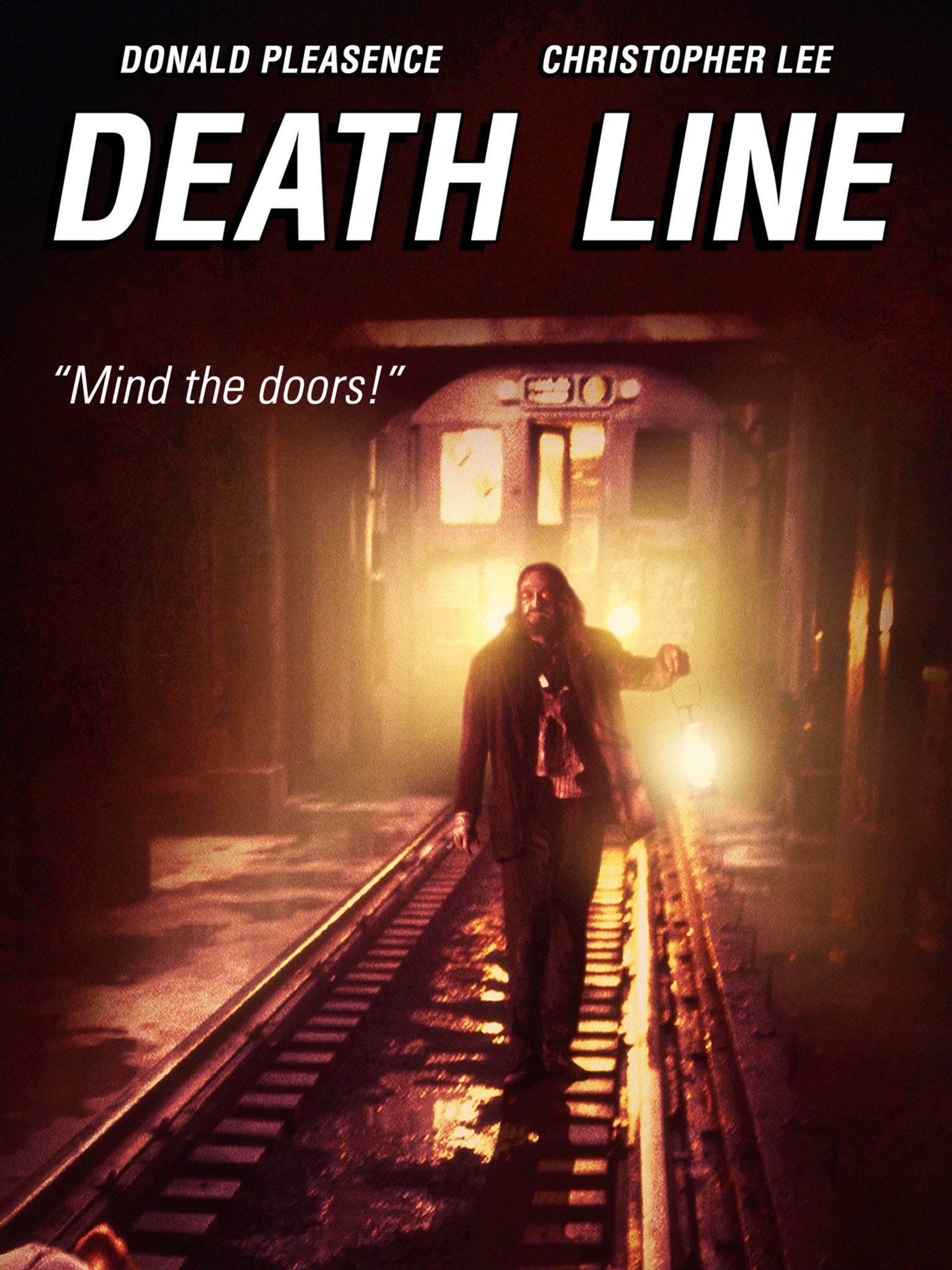
CULT FILM REVIEW: DEATHLINE (1972)

DEATHLINE (1972)

Directed (and story by) by: Gary Sherman

Screenplay by: Ceri Jones

Produced by: Paul Maslansky

Cast: Donald Pleasence, Norman Rossington, David Ladd, Sharon Gurney, Hugh Armstrong, Christopher Lee etc.

Cinematography: Alex Thomson

***CONTAINS MILD SPOILERS***


In my last review I wrote with nostalgia about trips to the video shop. Yes, an actual shop where you could hire films existed! Imagine that. Now, I further lament the splintered streaming marketplace where you have to pay a subscription to watch a film when I used to be able to see it on telly for free. Plus, there are TOO MANY platforms. Those £5.99 and £4.99 and £7.99 per month fees soon stack up. I used to love turning on Channel Four or BBC2 or latterly Film Four and there would be a cult horror film, classic film noir, World cinema, art film or early directorial release from a now famous director on there late at night – FOR FREE! Thankfully, aside from all the streaming stems I have to manage, a channel on digital TV called Talking Pictures does show some genuinely great movies that time and humanity may have forgotten. One such is Deathline (1972).

Deathline (1972) – (AKA Raw Meat in the U.S.) is a genuine cult classic horror film which is gruesome, darkly witty and incredibly moving in equal measures. In this era of constant remakes I am surprised no filmmaker has decided to transfer this grimy and quintessentially British movie into the modern day. In many ways I am glad they haven’t as it, despite some glaring flaws in characterisation of two main protagonists, borders on being a bona fide under-rated classic. The premise involves a series of missing persons who are disappearing around the area of Russell Square underground station. The sarcastic Inspector Calhoun (inimitable Donald Pleasence) is tasked with cracking the case. He does so with gallows humour and gallons of cups of tea.


Pleasence is not the only person who gives a memorable acting performance in Deathline (1972). Because the screenplay and direction spends a lot of the grisly running time creating a thematic and visual mythology around the antagonist. Indeed, while the killer, described in the credits as the ‘Man’ (Hugh Armstrong), commits several brutal slayings and abductions, the ghastly backstory given and Armstrong’s emotionally charged portrayal really make you empathise with his situation. The combination of pustular make-up effects, the rat-infested underground lair he inhabits, plus the tragic circumstances surrounding the ‘Man’s’ plight ensure he one of cinema’s most empathetic monsters since Karloff in Frankenstein (1931).

It’s a shame therefore that more wasn’t done to develop the leading couple in the film, students Alex Campbell (David Ladd) and Patricia Wilson (Sharon Gurney). While she is at least sympathetic, he is completely unlikeable and mostly unheroic. So much so I was rooting more for the plague-pocked ‘Man’ at the end rather than him. But hey I’m watching this for the gore and deaths aren’t I? Well, there’s plenty of that in between Inspector Calhoun’s chirpy working-class snipes and demands for cups of tea. Plus, director Gary Sherman gives us a tremendous, long take which establishes the cavernous setting for the murder and horror, utilising the dank London underground tunnel system to maximum impact. While Christopher Lee is given poster billing, he’s only in one scene as a privileged MI5 agent. Finally, did you know Marlon Brando was originally cast as the ‘Man’. Well, I’m kind of glad that was an offer he did refuse. Because Armstrong’s tragic human monster lives on long in the mind, even after the film’s haunting final echoes have faded.


YOU HAVE A NEW FOLLOWER (2020) – SHORT FILM YOUTUBE RELEASE

YOU HAVE A NEW FOLLOWER (2020) – SHORT FILM RELEASE

Hope you are well and safe!

Finally, I have decided to release my short film, You Have A New Follower (2020) on YouTube. It has been delayed due to the pandemic and other personal matters. It got several screenings at online and physical film festivals, however, not as many as hoped due to the outbreak of COVID-19.

I am very proud of the film as I have attempted to explore issues relating to mental health within the thriller genre. I hope it intrigues and interests you too. Below is link to the film and after that the credits and further film details.

You Have A New Follower (2020) – Fix Films Ltd


PITCH

“Watch your back…”

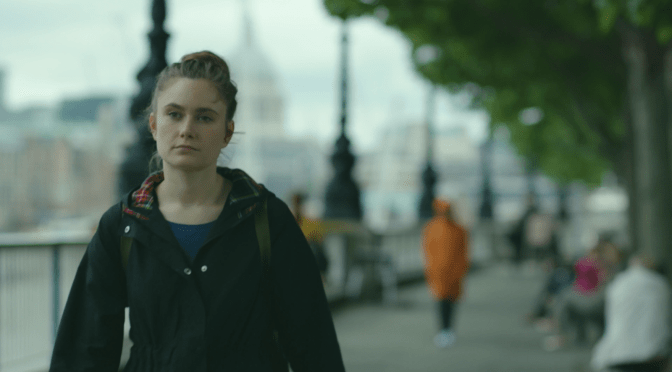
Astrid Nilsson’s life begins to unravel when she is stalked by a mysterious hooded figure.

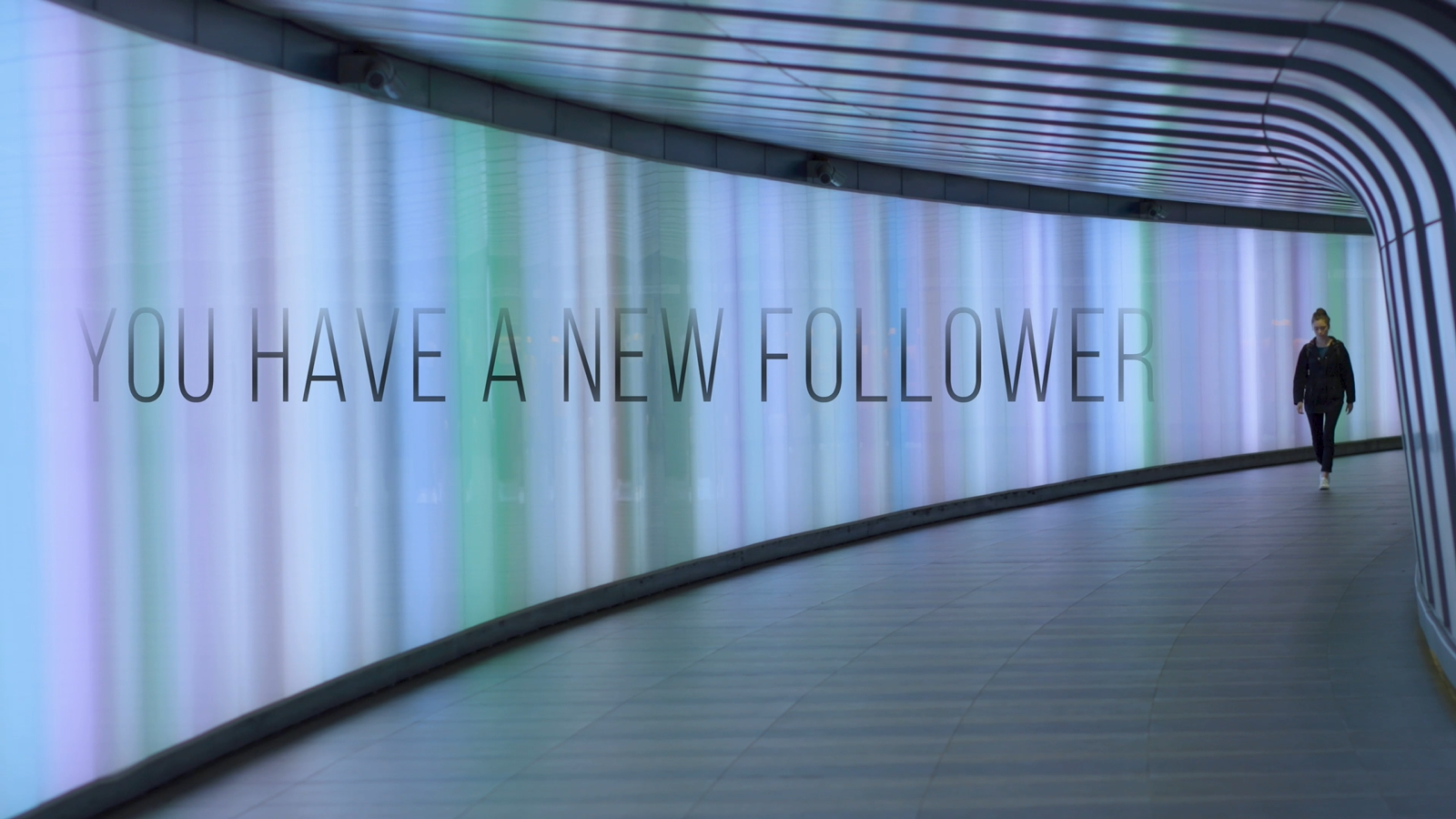
You Have a New Follower (2020) is the latest short film from Paul Laight and Fix Films. It was shot in London and combines mystery, suspense and science fiction genres with dramatic effect. It’s a short, low-budget film which seeks to explore themes of paranoia, anxiety, and identity within the thriller genre.

CAST & CREDITS

Directed by: Paul Laight & Tilde Jensen
Cast: Tilde Jensen, Mitchell Fisher
Written and Produced by: Paul Laight
Camera: Petros Gioumpasis
Lighting: Sakis Gioumpasis
Sound: Marina Fusella
Editors: Oliver McGuirk, Petros Gioumpasis
Composer: James Wedlock
Sound Design: Simos Lazaridis
Location Manager: Melissa Zajk
Production Assistant: Lue Henner

SCREENINGS

The Fix Film Night, London – February 2020
Cineshots, London – March 2020
Lift Off Sessions, UK – March 2020 (Online)
Fabulosis Short Film Night, London – May 2020 (Online film night) Unrestricted View Horror Festival, London – October 2020 – (Online festival)
Horror of Damned, Italy – November 2020 (Online festival)
Lulea International Film Festival, Sweden – November 2020 – (Online in 2020 and hopefully in Sweden in September 2021)

Website: www.fixfilms.co.uk
YouTube: www.youtube.com/c/FixFilmsLtd

A FIX FILMS PRODUCTION © 2020