
Classic Film Review: Bleak Moments (1971)
Directed by Mike Leigh
Written by Mike Leigh – Based on 1970 stage play by Mike Leigh
Produced by Leslie Blair
Cast: Anne Raitt, Sarah Stephenson, Eric Allan, Joolia Cappleman, Mike Bradwell, Donald Sumpter etc.
Cinematography by Bahram Manocheri
Camera Assistant: Roger Pratt
Edited by Leslie Blair
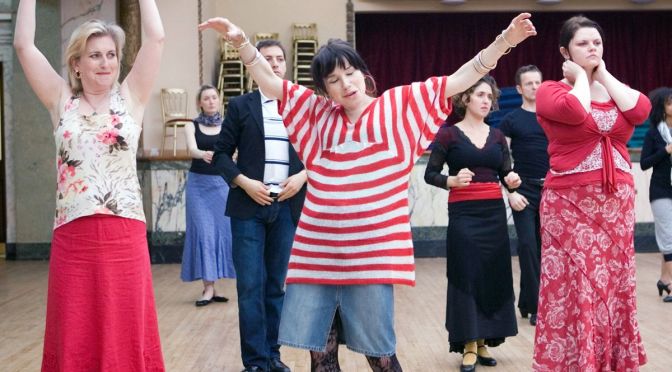
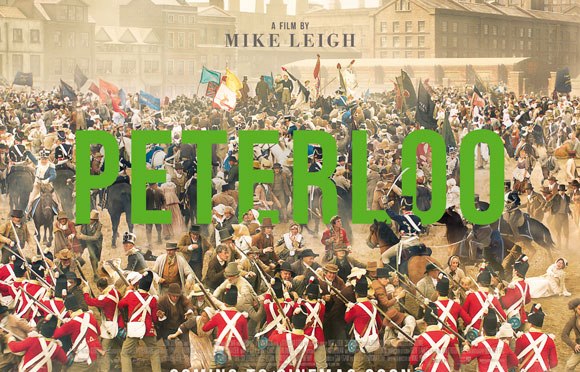
One of the quiet yet profound joys of cultural life is finding a creative or sporting figure—or team—whose journey you follow from an early age, growing alongside their work as it evolves. Whether it’s the cinematic brilliance of the Coen Brothers or Mike Leigh, the ever-shifting energy of Primal Scream, or the lifelong, often agonising commitment to Tottenham Hotspur FC, these long-term relationships offer a deep sense of continuity. They become personal landmarks in our emotional and cultural landscapes, threading through decades of change and grounding us with shared history, joy, and—especially in Spurs’ case—a touch of heartache.
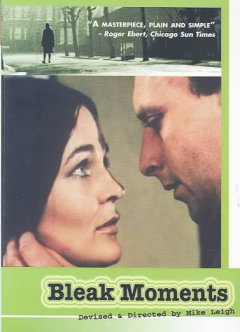
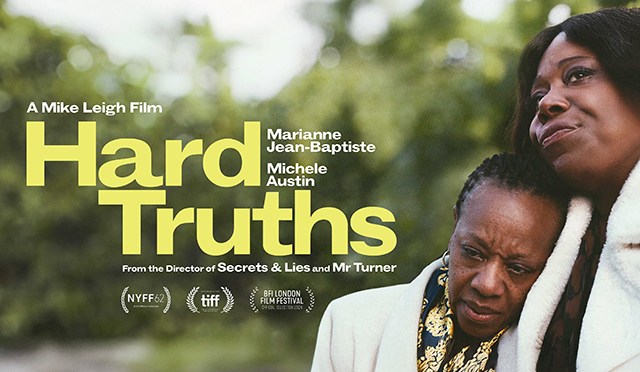
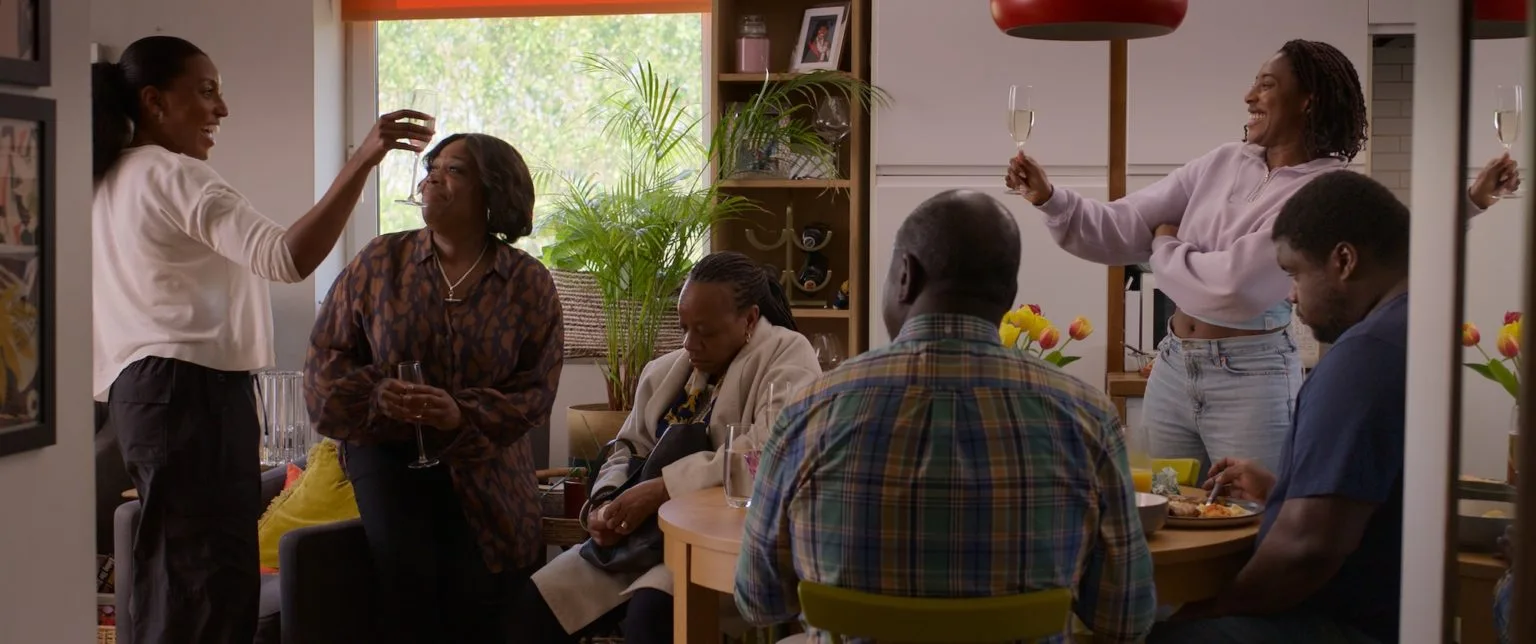
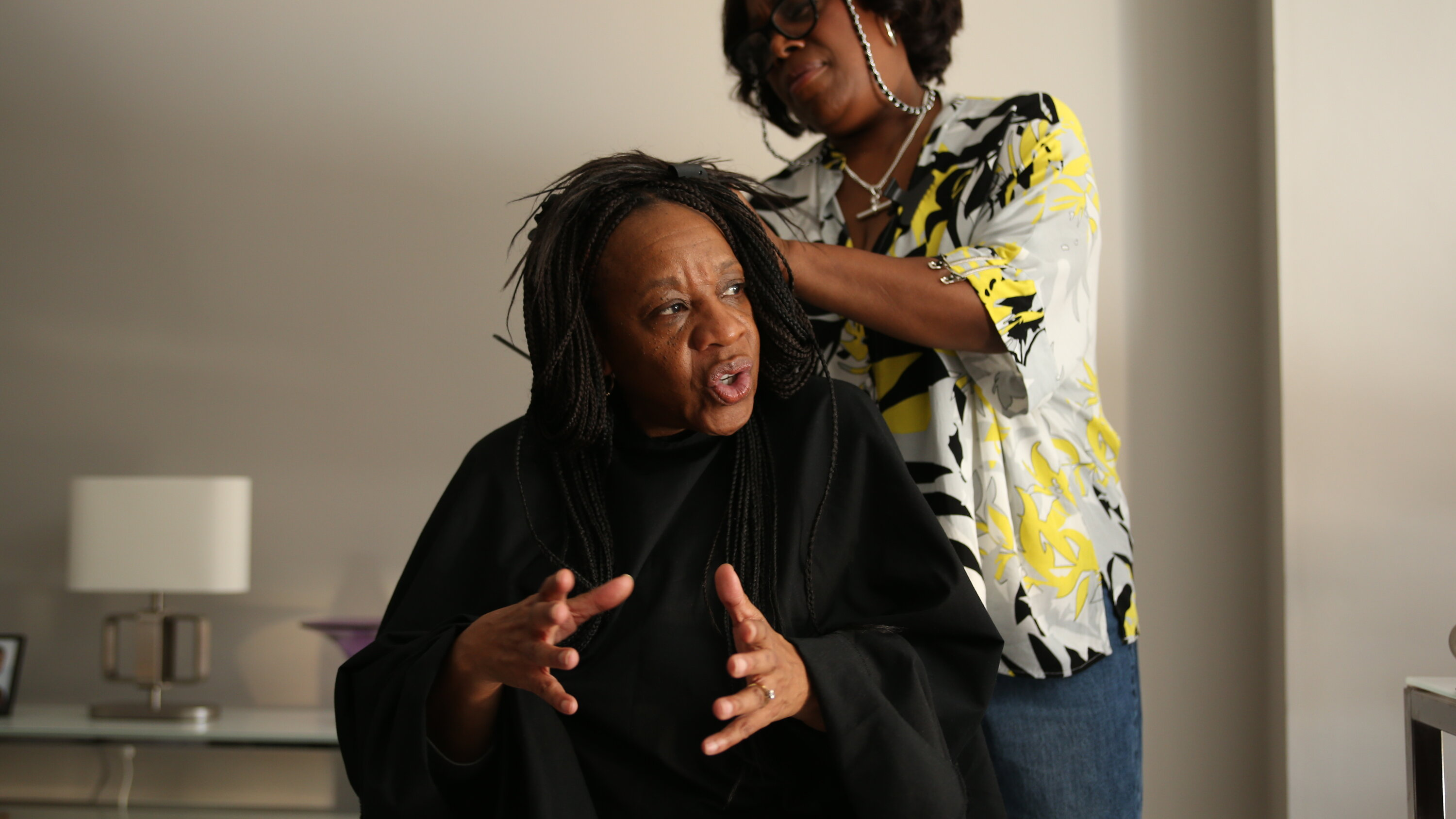
I was born just a year before Mike Leigh’s Bleak Moments debuted in 1971, and it became a defining cultural touchstone for me. First encountering it in the early 1980’s, I was captivated by its raw honesty and quiet power—a film I returned to again and again on that solid-format VHS tape over the years. It marked the beginning of a lifelong relationship with Leigh’s work, a body of cinema that has shaped and shadowed my own personal and cultural journey. That connection endures to this day, most recently renewed with his 2025 release, Hard Truths—a testament to a career and vision that continue to evolve with undiminished integrity.
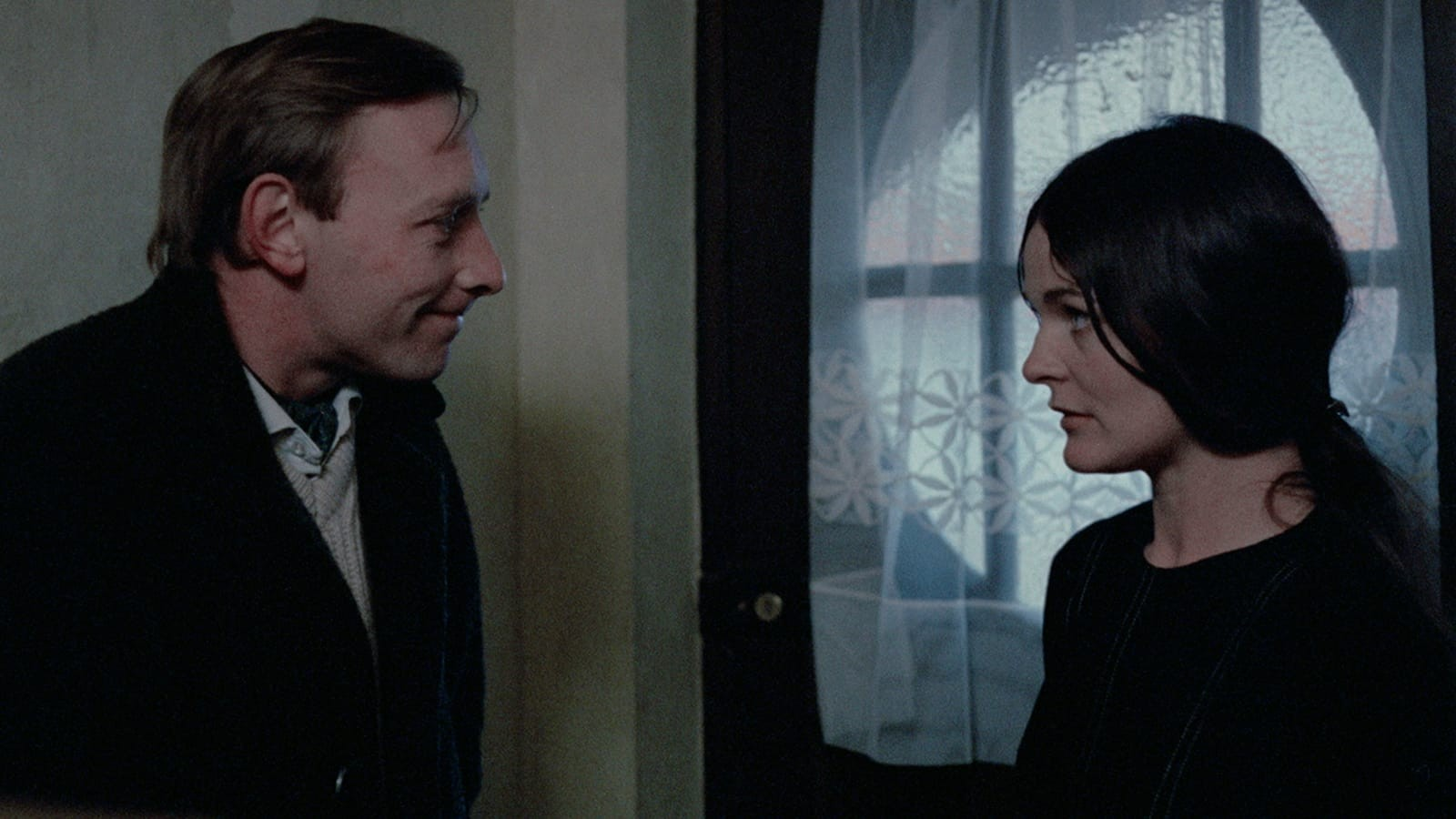
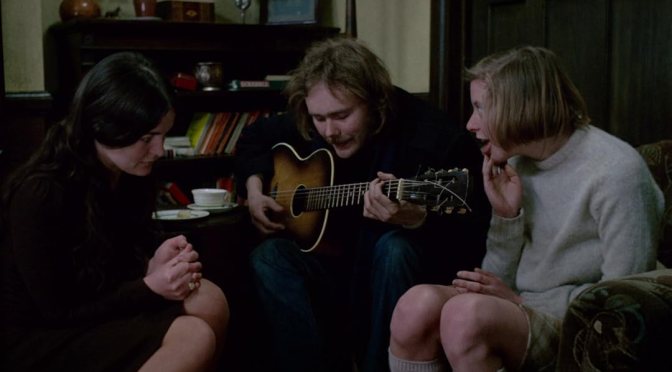
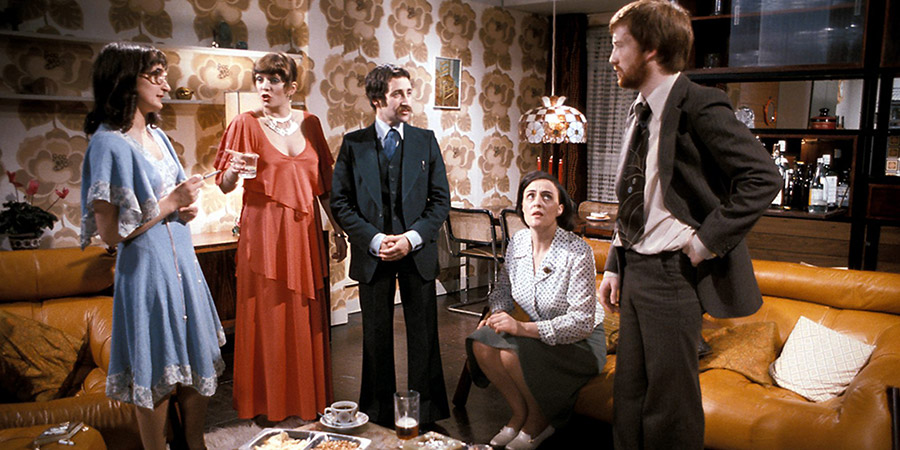
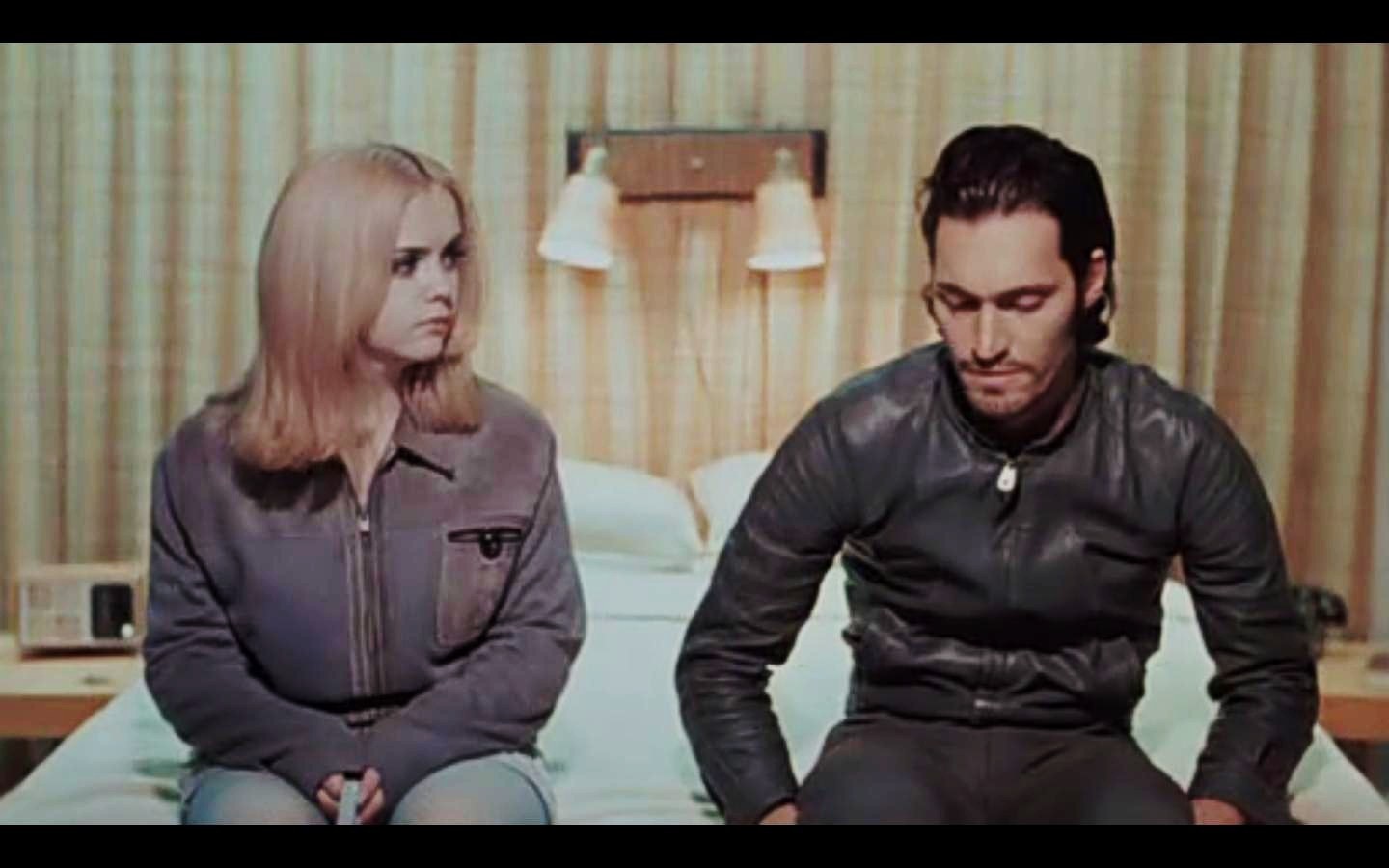
Bleak Moments centres on Sylvia (Anne Raitt), a lonely, introspective young woman navigating the quiet desolation of her suburban life while caring for her mentally challenged sister, Hilda (Sarah Stephenson). Trapped between duty and desire, Sylvia reaches tentatively toward human connection—most notably with a shy schoolteacher—yet every encounter is marked by awkward silences and emotional hesitations. Mike Leigh crafts a delicate, unflinching portrait of isolation and unmet longing, where the most powerful moments are found in what remains unsaid. Indeed, I would say it would have a powerful influence on awkward cinema or television such as Gervais and Merchant’s, seminal show The Office.
I hadn’t seen the film for twenty years and in a packed Prince Charles Cinema, what struck me was how Bleak Moments, while raw and unvarnished in style, unfolds with a beautifully episodic structure that gently accumulates emotional weight. Each scene offers a quiet vignette—moments of everyday awkwardness, tentative exchanges, and domestic stillness—that together create a deeply human portrait of loneliness and restraint. Despite its sombre tone, the film is laced with dry, observational humour and a deep sense of pathos, revealing the absurdity and ache of unspoken lives.
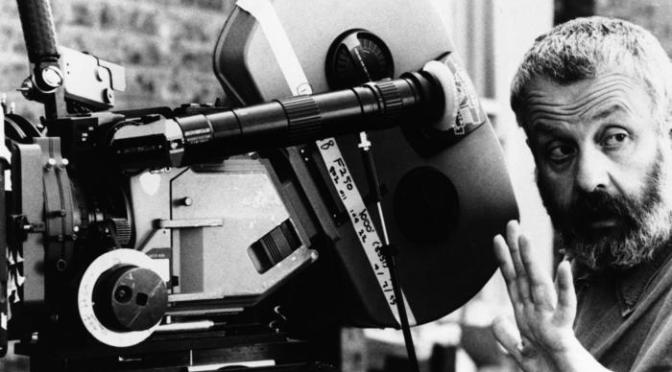
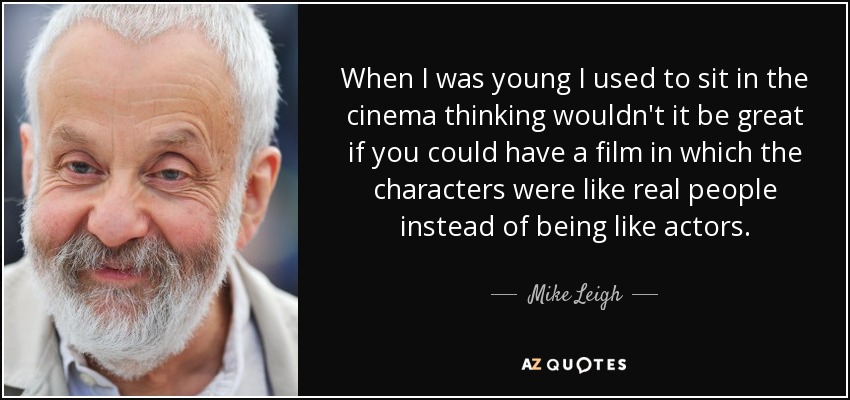
Mike Bradwell’s Norman and his dryly hilarious songs, and the most awkward of “romantic” dinner scenes in the Chinese restaurant just stood out to me as deeply funny. Raitt’s performance too is a masterclass of comedic understatement. Overall, these qualities—emotional nuance, character-driven storytelling, and a commitment to realism—would become defining hallmarks of Mike Leigh’s oeuvre, already fully formed in this striking debut. Finally, it was great to see and hear from Leigh, now in his eighties, answering some great questions with sharp wit and batting away some stupid ones too with his usual intelligence and droll honesty. Leigh remains a hero in my life’s cultural journey.
 The Cinema Fix presents