Tag Archives: quentin Tarantino

Cult Film Review: Thriller – A Cruel Picture (1974) – a shocking blend of X-rated exploitation and arthouse filmmaking!

Cult Film Review: Thriller – A Cruel Picture (1974)

Directed by Alex Fridolinski

Screenplay by Alex Fridolinski

Produced by Bo Arne Vibenius

Main cast: Christina Lindberg, Heinz Hopf, Despina Tomazani, etc.

Cinematography by Andreas Bellis

Edited by Brian Wikström

**Viewer discretion is advised – this film contains scenes that many will find disturbing**
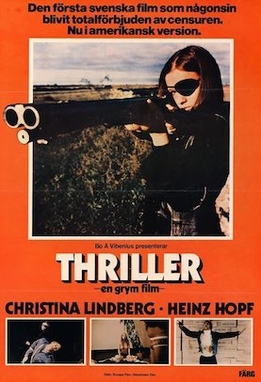


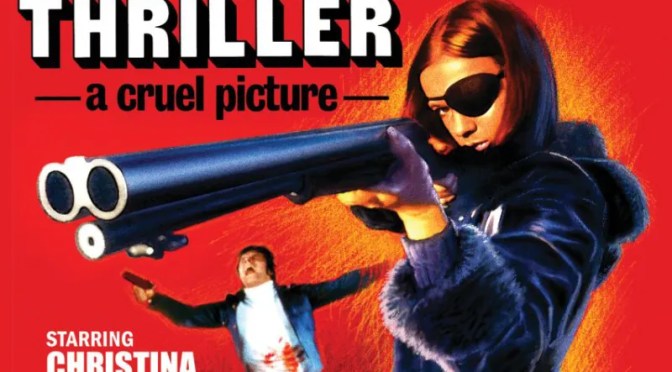
Thriller – A Cruel Picture (1973) (Swedish: Thriller – en grym film) is a 1973 Swedish exploitation film from writer-director Bo Arne Vibenius, working under the pseudonym Alex Fridolinski, starring Christina Lindberg and Heinz Hopf. Infamous for its unflinching depictions of sexual violence, drug abuse, and degradation, the film charts the ordeal of a mute young woman who is coerced into heroin addiction and forced into prostitution before embarking on a brutal campaign of revenge against her tormentors.

Released in the United States in a heavily cut version by American International Pictures—under lurid alternate titles such as They Call Her One Eye, Hooker’s Revenge, and The Swedish Vice-Girl—the film has earned a reputation as a deeply disturbing and confrontational work. Its graphic content and relentless tone make it a challenging and potentially distressing viewing experience, best avoided by those sensitive to extreme subject matter.

Unsurprisingly, due to the violent scenes, on-screen drug use, nudity and also inclusion of hardcore pornography, Thriller – A Cruel Picture (1973) was either banned outright or heavily censored on release. I had heard so much about this film on various YouTube videos expounding the shocking nature of the themes and scenes. Allied to this, Quentin Tarantino has also “championed” the movie and it’s star, Christina Lindberg. With this in mind the film I got tempted and purchased the recent Blu Ray version released in the UK. This version DOES NOT, thankfully, include the pornographic scenes which were filmed by the director with a Swedish couple who did live sex shows.

So, is Thriller – A Cruel Picture (1973) actually any good? Well, it is safe to say that it is a relentlessly harsh watch. That said, it would be unfair to dismiss the film outright as mere grindhouse provocation. Vibenius employs striking stylistic flourishes that elevate certain sequences into something oddly hypnotic. Most famously, the extended slow-motion shotgun reprisals—henchmen blasted backwards in balletic, almost operatic fashion—are staged with a visual patience that borders on the surreal. These, as well as the lengthy final act car pursuit sequence, are technically memorable, even as their brutality remains confronting.
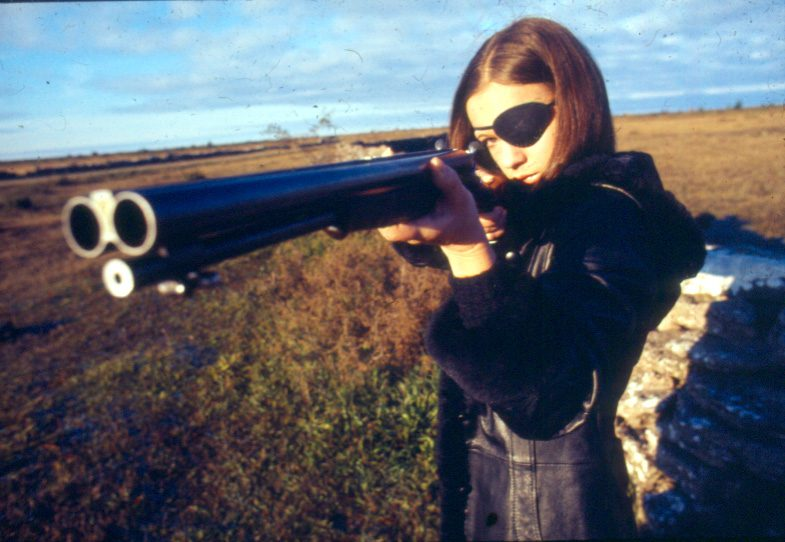


Where the film becomes almost nightmarish is in its internal logic. Once Madeline (Christina Lindberg) is captured and brutalized by the sadistic drug dealer Tony (Heinz Hopf), the narrative takes on a dreamlike, disjointed quality. Despite being forcibly addicted to heroin, she somehow manages to train herself in hand-to-hand combat, driving, and sharpshooting—preparing an elaborate revenge while still under the grip of addiction. The plotting feels less realistic than hallucinatory, as though the film operates on the logic of trauma and fantasy rather than grounded cause and effect.

A great deal of the film’s lasting impact rests on the striking screen presence of Christina Lindberg, as well as her character’s grim journey. Already known internationally in the late 1960s and early 1970s for her work as an erotic actress and glamour model, Lindberg brings an arresting, almost statuesque quality to the role. Her icy stare—especially once framed by the now-iconic eyepatch—gives the character a mythic, comic-book intensity. At the same time, the creative decision to render her character mute inevitably shapes how that performance is perceived. Silence becomes a stylistic device, amplifying the film’s cold and detached tone. The director’s choice to sidestep the demands of more dialogue-heavy dramatic scenes actually works in the film’s favour.

Overall, Thriller – A Cruel Picture (1973) is a film that oscillates between exploitation rawness and stark, almost avant-garde stylization. For hardened genre enthusiasts, it may be a grim curiosity with undeniable visual audacity. For many others, however, its graphic content and relentless tone will make it a deeply uncomfortable, even distressing experience. Proceed carefully.

SIX OF THE BEST #33 – MEMORABLE FILM DEATHS! ***Contains spoilers and graphic violence***

SIX OF THE BEST #33 – MEMORABLE FILM DEATHS!

Who doesn’t like a great movie death? Well, people who abhor violence and gore on the screen. But I am not one of those people. Thus, if done right in terms of combining emotional context and cinematic imagination, there’s nothing I like more than revelling or lamenting a character’s end in fine bloody fashion. Lastly, I hear you ask why no Zahler, Scorsese, Cronenberg, Miike, Peckinpah, Jackson, Fulci, Roth, Romero, Argento etc. on this list? So much death and only six make it, so please suggest any of the thousands I have missed off in the comments.

*** CONTAINS SPOILERS ***


ALIEN (1979) – “Do these eggs taste off?”

I think it may have been something Kane (John Hurt) ate or maybe something that ate him? Anyway, one of the most spectacularly surprising scenes ever still holds amazing power to this very day.


THE FURY (1978) – Separated at death!

This under-rated tele-kinetic thriller is a spiritual sequel to Carrie (1976). Adding a spy conspiracy plot to Amy Irving’s rites of passage character arc, it has a whip-cracking-pace and classic DePalma set-pieces. None more so than the explosive end of the baddie-in-black.


PSYCHO (1960) – Take a bath next time!

What more can be written about one of the most shockingly original scenes in cinema history? Not only did Hitchcock break all narrative rules killing off the main protagonist halfway through, he did it with one of the most ingenious uses of montage, music and murder ever.


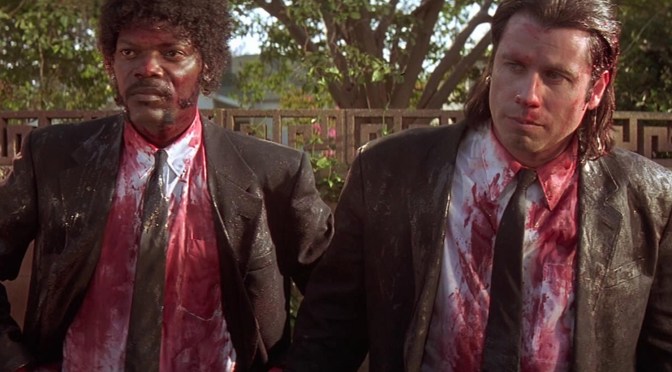
PULP FICTION (1994) – The original “face-off!”

Marvin never saw it coming. But let’s face it – none of us did!


ROBOCOP (1987) – Toxic Wasted!

Whoever designed this action scene, no doubt Paul Verhoeven had much to say, delivered one of the most excessive demises in 1980’s cinema. The vehicle crash, the toxic waste, the melting bad guy, the steam coming off his body and the final disintegration are just cinematic perfection.


WILD AT HEART (1990) – Bobby Peru loses his mind!

David Lynch’s vibrant adaptation of Barry Gifford’s romantic thriller contains many colourful characters. Willem Dafoe’s Bobby Peru is a particularly nasty piece of work and he gets his comeuppance in an incredibly visceral and disturbing way!

CULT FILM REVIEW: DJANGO (1966)

CULT FILM REVIEW: DJANGO (1966)

Directed by: Sergio Corbucci

Produced by: Sergio Corbucci, Manolo Bolognini

Screenplay by: Sergio Corbucci, Bruno Corbucci, Franco Rossetti, José Gutiérrez Maesso, Piero Vivarelli, Fernando Di Leo [Uncredited]

Story by: Sergio Corbucci, Bruno Corbucci

Based on: Yojimbo by Akira Kurosawa, Ryūzō Kikushima [both uncredited]

Cast: Franco Nero, Loredana Nusciak, José Bódalo, Ángel Álvarez, Eduardo Fajardo

Music by: Luis BacalovTheme song sung: by Rocky Roberts

***MAY CONTAIN SPOILERS***


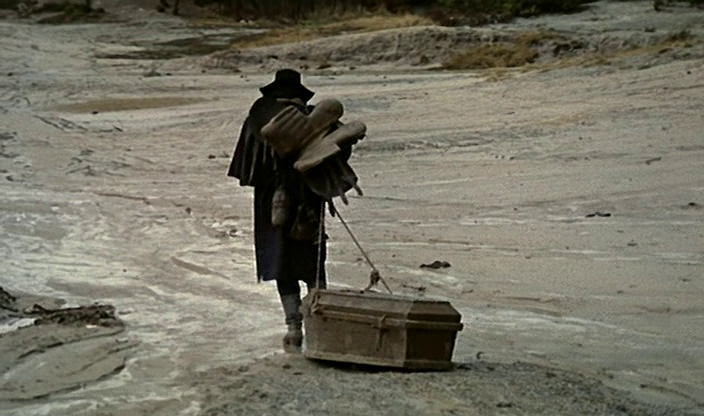
As the crooning voice of Rocky Roberts soars on the soundtrack, a lone figure adorned in dark clothes appears, saddle on his back, dragging a coffin across thick sand. Is he a hero or a criminal or a personification of death? Well, he is all three and his name is Django – the ‘D’ is silent. The opening credits and imagery of Sergio Corbucci’s cult Western, DJANGO (1966), is morbidly iconic, perfectly introducing us to the darkness, intensity and sardonic humour of what is to come.

The narrative of Django (1966) takes the tropes of a singular, tough, uncompromising anti-heroic ex-soldier, who has returned from the American Civil War, moving from town to town searching for the next payday. In the process he plots and wreaks havoc and death to all who stands against him. In his breakthrough role, the cool, handsome and blue-eyed, Franco Nero, is brilliantly cast in a similar part that would make a star of Clint Eastwood in A Fistful of Dollars (1964). The similarities do not stop there as Sergio Leone’s Spaghetti Western was, like Django (1966), heavily influenced by Akiro Kurosawa’s famous Samurai film, Yojimbo (1961). Yet while the stories owe much to Kurosawa’s seminal classic — as the Ronin character sets two opposing gangs against each other — both Leone and Corbucci instil their own distinctive style into their respective films.


Corbucci’s vision is even more cynical and violent than Leone. While Nero’s striking good looks glow like a silent matinee idol, he seemingly kills more soldiers, bandits and assorted bad guys than the Civil war itself. Django is a one-man killing machine and he never flinches at the sight of vermillion carnage. In fact, as a hollow and bitter man who has tasted the tragedy of senseless war, one can assume that killing is the only thing Django is good at now. It’s a barren muddy wasteland Django, and such adversaries as Major Jackson and General Hugo Rodriguez, exist within and nobody comes out of it clean. Mud and bullets and blood and burning crosses stain the land as the body count goes up and up as the film progresses. Redemption and hope are rarely even suggested in the hearts of the characters.

Corbucci presents chaos with style. There are a number of fantastic shoot-outs and set-pieces all directed with vibrant energy; all zooms, whip-pans and rapid cross cutting. You want to immediately know what is in THAT coffin at the start. You WILL find out and revel in the mayhem which ensues. Indeed, Django (1966) is not for the faint-hearted. Of course, when watching it now, it is nowhere near as shocking as many contemporary films, however, at the time of release the British Board of Censors saw fit to ban Django (1966). It did not get an official release until 1993. That’s a shame as Bacalov’s score alone provides glorious support to the brutal visuals. Finally, Django (1966), Corbucci and Nero’s cult legacy was secured when Quentin Tarantino delivered the incredible, Django Unchained (2012), an altogether different, but equally violent and memorable Western classic.


SIX OF THE BEST #30 – FAVOURITE FILM MONTAGES!

SIX OF THE BEST #30 – FAVOURITE FILM MONTAGES!

Who doesn’t love a film montage!? The passage of time edited and set to a memorable soundtrack is fine cinematic tradition. Not only is a montage a great way to tell a story visually, it can also give pace to a narrative, provide a perfect cinematic bridge to the final act or even supply emotional impetus at the start and middle of a film.

Here I choose six of my favourite movie montages. All have been selected due to both the style and content of the sequence, plus the music accompanying the montage. Of course, I could have chosen a more artistic aspect to montage by including examples from Eisenstein, Kubrick or the incredible editing in the The Godfather (1972), when Michael Corleone wipes out his rivals during his nephew’s baptism. That I will save for another day.


ROCKY (1976)

No film franchise has exploited the fight montage and training sequence to the max like Rocky. I could have chosen others, but the original remains the best. I love the urban locations and the Philadelphian streets are just so gritty as Stallone’s down-on-his-luck boxer gets a crack at the championship of the world! That music just soars too!

SCARFACE (1983)

With a combustible screenplay written by Oliver Stone, Scarface (1983), is a cocaine driven and incendiary viewing experience. Everything is ramped up to eleven, including: the violence, shouting, swearing, shooting, politicking, drug-taking, sex, killing, avarice, cocaine, money-making, decadence and corruption. It is an epic film with many classic scenes, but the 80’s pop-synth-driven montage here adds real pace to the brutal proceedings.


THE KARATE KID (1984)

Another fighting film and another John G. Avildsen pick! More than just a teenage Rocky rip-off, The Karate Kid (1984) is a terrific rites-of-passage drama that incorporates a love story and a boy overcoming bullies with the help of a wise mentor. Joe Esposito’s song, “You’re the Best” was originally chosen for Rocky III, but ultimately ended up here in the fantastic fighting tournament montage.


FERRIS BUELLER’S DAY OFF (1986)

John Hughes fast-paced-set-in-one-day-comedy-classic has some brilliant dialogue and is anchored superbly by Matthew Broderick’s cocky lead performance as mischievous Ferris Bueller. For all the craziness on show one of my favourite scenes is when Hughes slows the pace down at the museum. Here we get some wonderfully framed shots, sly humour and a beautiful instrumental version of The Smiths’ song, “Please, Please, Please, Let Me Get What I Want!”


UP (2009)

So many films struggle to establish empathy for their characters either through bad writing or poor creative choices. Pixar, however, are masterful at establishing both character identification and motivation. None more so than in this classic montage featuring the mostly blissful life of Carl and Ellie Fredericksen. With Michael Giacchino’s iconic score called “Married Life” providing energetic and poignant emotional support, this is one of the most moving four minutes in movie history.


DJANGO UNCHAINED (2012)

Tarantino’s epic Western runs the gamut of action, violence, comedy and drama, even throwing a buddy-buddy dynamic in there for good measure. While often known for his quotable dialogue, Tarantino’s films always feature crisp editing and a powerful visual storytelling too. I love this montage in Django Unchained (2012), with Django and King Schultz framed against the wonderful snowy vistas as Jim Croce sings his catchy tune.


SIX OF THE BEST #26 – ENNIO MORRICONE (R.I.P 1928-2020)

SIX OF THE BEST #26 – ENNIO MORRICONE – (R.I.P – 1928-2020)

“If you scroll through all the movies I’ve worked on, you can understand how I was a specialist in westerns, love stories, political movies, action thrillers, horror movies, and so on. So, in other words, I’m no specialist, because I’ve done everything. I’m a specialist in music.” Ennio Morricone


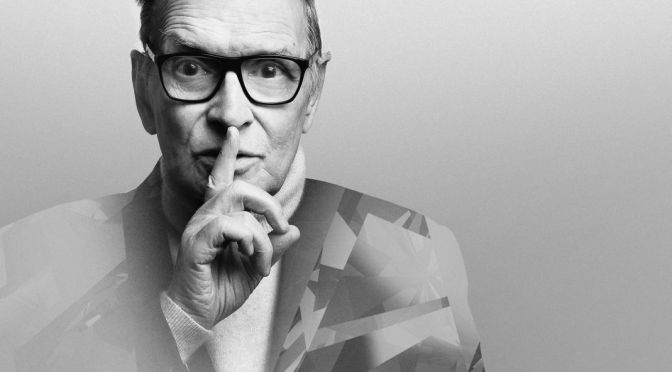
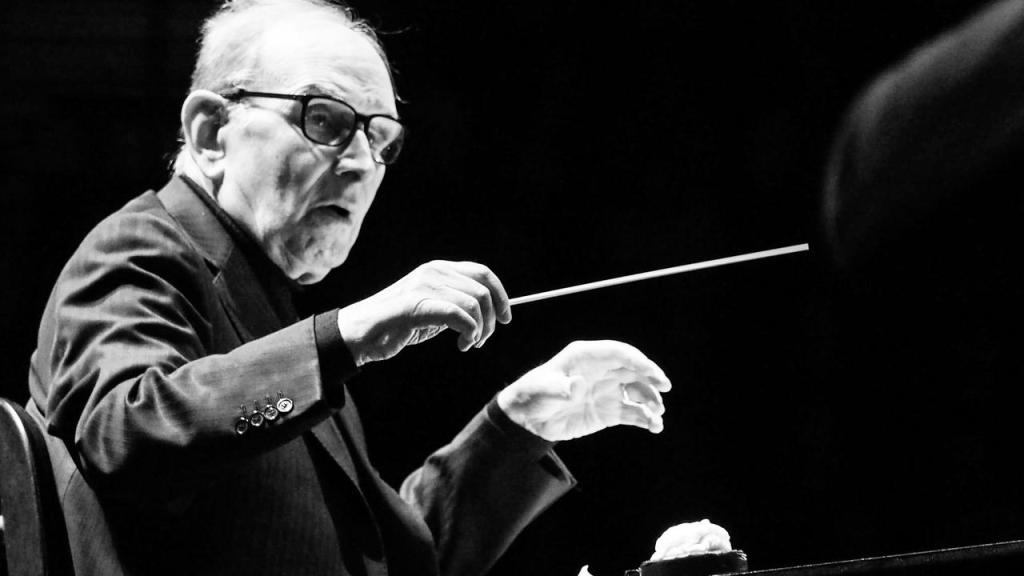
As if 2020 couldn’t get any more dramatic, one of the greatest musical composers and dramatists ever known has passed away. Ennio Morricone, rather incredibly, wrote the scores for over four hundred films and television works. He also managed to write well over one hundred classical pieces. To say Ennio Morricone was a prolific genius is somewhat of an understatement.

Morricone won six BAFTAs, eleven Nastro d’Argento, three Grammy Awards, three Golden Globes, six BAFTAs, ten David di Donatello, two European Film Awards, the Golden Lion Honorary Award and the Polar Music Prize. In 2007, he received the Academy Honorary Award for his outstanding commitment to cinema. Moreover, he was also nominated for a further six Oscars. Lastly, Morricone had to wait until 2016 to receive his only competitive Academy Award for the haunting score to Quentin Tarantino’s The Hateful Eight (2016). For Morricone to receive only one Oscar for musical composition is astounding and proves once again there is no justice in the world.

A meagre blog piece from a London-based hack will never be enough of a tribute to a composer who worked in every cinematic genre and with an incredible array of famous and infamous filmmakers. Notables include: Sergio Leone, Oliver Stone, Warren Beatty, John Carpenter, Quentin Tarantino, Sergio Corbucci, Dario Argento, Duccio Tessari, Sergio Sollima, Henri Verneuil, Bernardo Bertolucci, Mauro Bolognini, Giuliano Montaldo, Roland Joffé, Don Siegel, Mike Nichols, Brian De Palma, Barry Levinson and many more companies including advertisers, singers, recording artists and fashion designers. Morricone even found time to compose the 1978 World Cup theme song.

Thus, as a tribute to one of the greatest cinematic artists I have selected six of Morricone’s best film orchestrations. Although given his brilliance and spectacular output, one could certainly pick many more; even sixty of the best!! Riposa in pace, Ennio, il maestro!


THE GOOD, THE BAD AND THE UGLY (1966)


THE GREAT SILENCE (1968)


ONCE UPON A TIME IN THE WEST (1968)


ONCE UPON A TIME IN AMERICA (1984)


THE MISSION (1986)


THE HATEFUL EIGHT (2016)


FILMS THAT GOT AWAY #8 – DRAGGED ACROSS CONCRETE (2018)

FILMS THAT GOT AWAY #8 – DRAGGED ACROSS CONCRETE (2018)

Written and directed by: S. Craig Zahler

Produced by: Sefton Fincham, Jack Heller, Tyler Jackson, Keith Kjarval, Dallas Sonnier

Cast: Vince Vaughn, Mel Gibson, Tory Kittles, Michael Jai White, Jennifer Carpenter, Laurie Holden, Don Johnson, Thomas Kretschmann etc.

Cinematography: Benji Bakshi

*** MAY CONTAIN SPOILERS ***


As a major fan of S. Craig Zahler’s first two film releases, namely Bone Tomahawk (2015) and Brawl in Cell Block 99 (2017), I was really looking forward to another example of pulpy, slow burn and hard-bitten genre filmmaking with Dragged Across Concrete (2018). Thus, I was very upset when I found out the Mel Gibson and Vince Vaughn starring cop drama was not released in UK cinemas. I finally caught up with it on Amazon Prime and, while it was probably too long, it was a hypnotically powerful crime thriller.

Set in the city of Bulwark, the film opens with a lengthy preamble which introduces disparate characters whose paths are destined to cross later in the film. These include recent parolee, Henry Johns (Tory Kittles), grizzled-long-in-the-tooth-cop, Brett Ridgeman (Mel Gibson) and his younger, but equally cynical partner, Anthony Lusaretti (Vince Vaughn). Later, Zahler throws professional criminal, Lorentz Vogelmann (Thomas Kretschmann), and his dressed-in-black crew into the dark city soup. After a glacial set-up, the plot kicks in when Ridgeman and Lusaretti are suspended for what is perceived as a racially motivated attack on a suspect. Desiring a way out of the neo-noir and industrial decay, Ridgeman sets up a plan to steal from Vogelmann’s gang. Safe to say that given this is a Zahler film, we do not end up with a soft toy and candy apple ending.

Throwing a succession of anti-heroes at the audience and a litany of cursing and politically incorrect language makes Dragged Across Concrete (2018) a morally questionable film to experience. Do not watch if you are easily offended. Nonetheless, my feeling is Zahler, like Tarantino, is reflecting the world as it is rather than how it should be. Humanity is in the gutter and the only way out of it, in his mind, is to swear and fight and steal and kill. That isn’t to say that the characters are not empathetic. As Zahler’s hard-boiled dialogue is very poetic in places it draws you to them in a way Raymond Chandler used to do. Similarly, the performances from Gibson and Vaughn are brilliant. The scenes where they just sit in the car and eat sandwiches while staking out their quarry, are both hilarious and absorbing. Ultimately, it’s the lengthy second half robbery and final act ultra-violence which makes the film a pulsating and brutally rewarding experience.

Mark: 8.5 out of 11


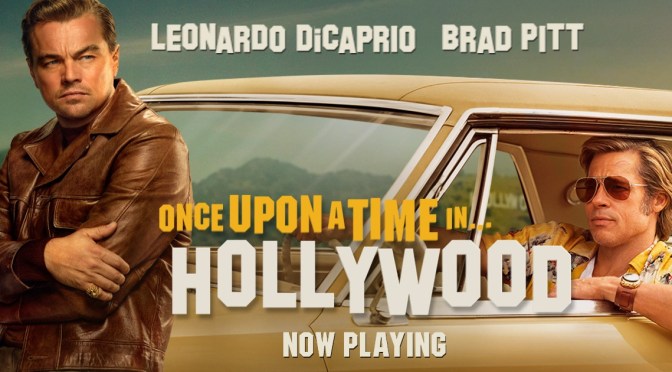
ONCE UPON A TIME IN HOLLYWOOD (2019) – FILM REVIEW – A $90 MILLION “ARTHOUSE” & FETISHISTIC CLASSIC!

ONCE UPON A TIME IN HOLLYWOOD (2019) – FILM REVIEW

Directed and Written by: Quentin Tarantino

Produced by: David Heyman, Shannon McIntosh, Quentin Tarantino

Cast: Leonardo DiCaprio, Brad Pitt, Margot Robbie, Emile Hirsch, Timothy Olyphant, Margaret Qualley, Austin Butler, Al Pacino, Mike Moh, Bruce Dern, Dakota Fanning, Damien Lewis, Kurt Russell and many, many more.

Cinematography: Robert Richardson

**MAY CONTAIN SPOILERS**

From watching the trailers for Quentin Tarantino’s ninth film, Once Upon A Time in Hollywood (2019), I remember thinking: this looks so cool and I’m glad they haven’t given away much of the story here. Because, I hate those darned trailers which give away the story!

So, you watch Quentin Tarantino’s ninth film and then you realise, after the excessive running time, THERE ISN’T REALLY ANY STORY as such! Okay, DiCaprio’s character suffers an existential career crisis but that’s kind of it. Instead, you get mostly a nigh-on three-hour historical and cultural nostalgia trip down memory lane filtered through the artistic and fetishistic vision of one of cinemas great filmmaking iconoclasts.

Once Upon A Time in Hollywood (2019), is essentially an arthouse character study where you get to hang out with two-and-a-half lead protagonists, plus a whole army of fictional and ‘real’ life supporting characters from the 1969 Hollywood era. Our two main “heroes” are neurotic, alcoholic B-movie actor, Rick Dalton (Leonardo DiCaprio), and tough, handsome and laconic, Cliff Booth (Brad Pitt). The two characters contrast and complement each other perfectly. Moreover, the star quality, chemistry and fine performances of the lead actors bind the movie together amazingly.

Brad Pitt is especially brilliant. His character is not, until the violent ending, given much to do story wise; however, he does it with such charm. He imbues a character who has accepted his place in the world with such easy-going humour and control, it is an absolute joy to watch. It’s an iceberg performance which seems shallow on the surface, but has hidden and unsaid depth. I really wanted to know more about his character, especially what appeared to be a very colourful backstory.

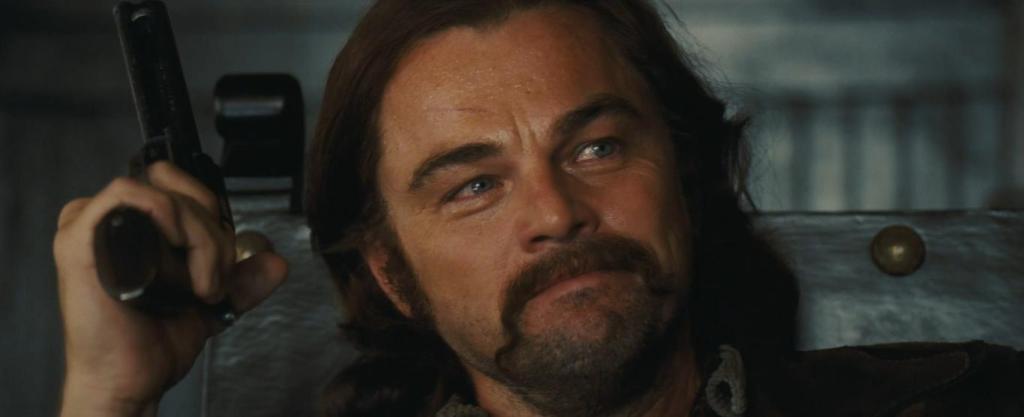
DiCaprio, on the other hand, has the showier performance. Edgy, hungover and insecure due to his characters’ fading Hollywood career, DiCaprio gives another fantastic movie performance. He commits to the Dalton character and features in some wonderful sketches which pay homage and parody B-movies, TV variety shows and old TV Westerns. What I loved was his ability to demonstrate different levels of acting skills. DiCaprio can fuck up Dalton’s acting on set one moment, but then deliver acting on a Shakespearean level the next.

Margot Robbie, who we know is a brilliant actor in her own right, alas, is not afforded the same level of care in regard to the characterisation of Sharon Tate. More of an ornamental character in the film, she looks great going to the cinema, packing a suitcase, driving and generally just being effervescent. Yet, it’s truly is one of the film’s major flaws that it doesn’t make more of Robbie’s acting talent. Even the fantastic ending, which Tarantino, takes incredible liberties with in regard to actual events, finds Tate’s character development unfortunately left bereft of emotion.

Similarly, the Hollywood cameos echoing throughout the films are pure style over substance. For example Steve McQueen, Roman Polanski and Bruce Lee feature but these are mostly inconsequential encounters. The Bruce Lee representation and scene is actually really funny as Cliff Booth and the martial arts star face off in a hilarious flashback. Typically, Tarantino has caused controversy with his Bruce Lee (Mike Moh) rendition. Personally, I respect that people may be offended, however, it’s more comedic and iconoclastic rather than overt racism. After all, this is a fairy-tale vision of Hollywood and not a documentary. Plus, Tarantino knows he’s going to piss people off so it’s obvious he’s playing with people here.

While Bruce Lee’s persona is playfully satirized or racist depending on your point-of-view, Tarantino’s representation of the Manson family is more damning. It’s clear he absolutely hates hippies, especially acid-looped killer hippies. Dalton and Booth represent the old-school, honest Hollywood working class, so are the antithesis of the drop-out youths. The culture clashes between this era and the new flower-power cults is something Tarantino explores. Charles Manson, who barely features, is a ghost-like figure though. Instead, it is the character of Tex (Austin Butler) and the females of the commune who are most prominent.

Margaret Qualley as Pussycat is especially hypnotic in her role. Exuding both sexuality and acid-drenched nihilism, Pussycat is a siren hitcher, luring drivers to symbolically crash against the cliffs. For me, Tarantino should have made way more of the old and new California culture clash themes, as they resonated powerfully when on screen. Plus, the scenes on the commune were actually quite creepy, so more should have been made of this threat from a dramatic perspective. Lastly, the irreverent and violent final act carnage exploits the clashing of these two different cultures, but more could have done throughout to enhance this dynamic.

Overall, Once Upon A Time In Hollywood (2019) is a near three-hour arthouse classic. If you like films about film and TV making, driving, feet, ensemble casts, films within films, cinema-going, Los Angeles, more feet; and hanging with the marvellous DiCaprio and Pitt in a 1969 setting, then you will love this beautifully rendered and lovingly crafted film about Hollywood. Otherwise, you will probably find it a boring, indulgent and style-over-substance folly. Either way you have to admire Tarantino’s exquisitely controlled writing and direction. He certainly does!!

Safe to say though Tarantino will not care either way, because most of his filmic output has made a lot of money at the box office. This has now allowed him the luxury, like that of true cinema artists such as Kubrick, Altman and Antonioni, to make whatever films a studio is prepared to give him the money for. He’s basically making films for himself and doesn’t care if the audience likes it or not.

I personally found myself magnetically drawn to Tarantino’s vision and from a purely filmmaking and artistic perspective I was totally immersed throughout. Having said that, if the incessant driving and shots of dirty feet were cut and Dalton and Booth had been given a proper plot, rather than the thin stranded narrative within the impressive gallery of cameos and set-pieces, I would definitely expect to be writing about one of the best films ever made.

Mark: 9.5 out of 11

SIX OF THE BEST #18 – FILM ANTHOLOGIES

SIX OF THE BEST #18 – FILM ANTHOLOGIES

While we all love a good proper feature film containing one continuous narrative, the anthology or portmanteau film has thrown up some fine cinematic entertainment over the years. Generally, an anthology film can be described as a collection of works with a linked theme, genre, style and author etc.

Thus, in my occasional Six of the Best series I have decided to pick some favourite ones. To make it more interesting I have chosen them from different genres. Otherwise, I would have just chosen all horror films. So, here are six of the film anthology films worth watching.

**MAY CONTAIN SPOILERS**


THE BALLAD OF BUSTER SCRUGGS (2018) – WESTERN

The Ballad of Buster Scruggs is a mischievous alchemy of stories. Here, the Coen Brothers reach into their cinematic bag of tricks to deliver an entertaining and memorable collection of characters, songs, bloody death, jokes, pathos, landscapes, snappy dialogue, dark humour and action. Coen’s films often improve with each viewing as their work is so full of stylish depth and this is no different. Quite often, you’re laughing so much you miss the philosophical happenstance which is occurring in many of these fine stories.

Image result for buster scruggs

DEAD OF NIGHT (1945) – HORROR

It seems sacrilege not to include the likes of George Romero’s Creepshow (1982) or one of Amicus’ unhinged collections such as Dr Terror’s House of Horror (1965). But, having watched this classic recently I can certainly say it has some brilliant and scary stories which stand the test of time. Full to the brim with the cream of British acting, writing and directing talent, the standout tale is Michael Redgrave’s troubled ventriloquist, although the whole film is a nightmarish treat for horror fans.

Image result for DEAD OF NIGHT

FANTASIA (1940) – ANIMATION

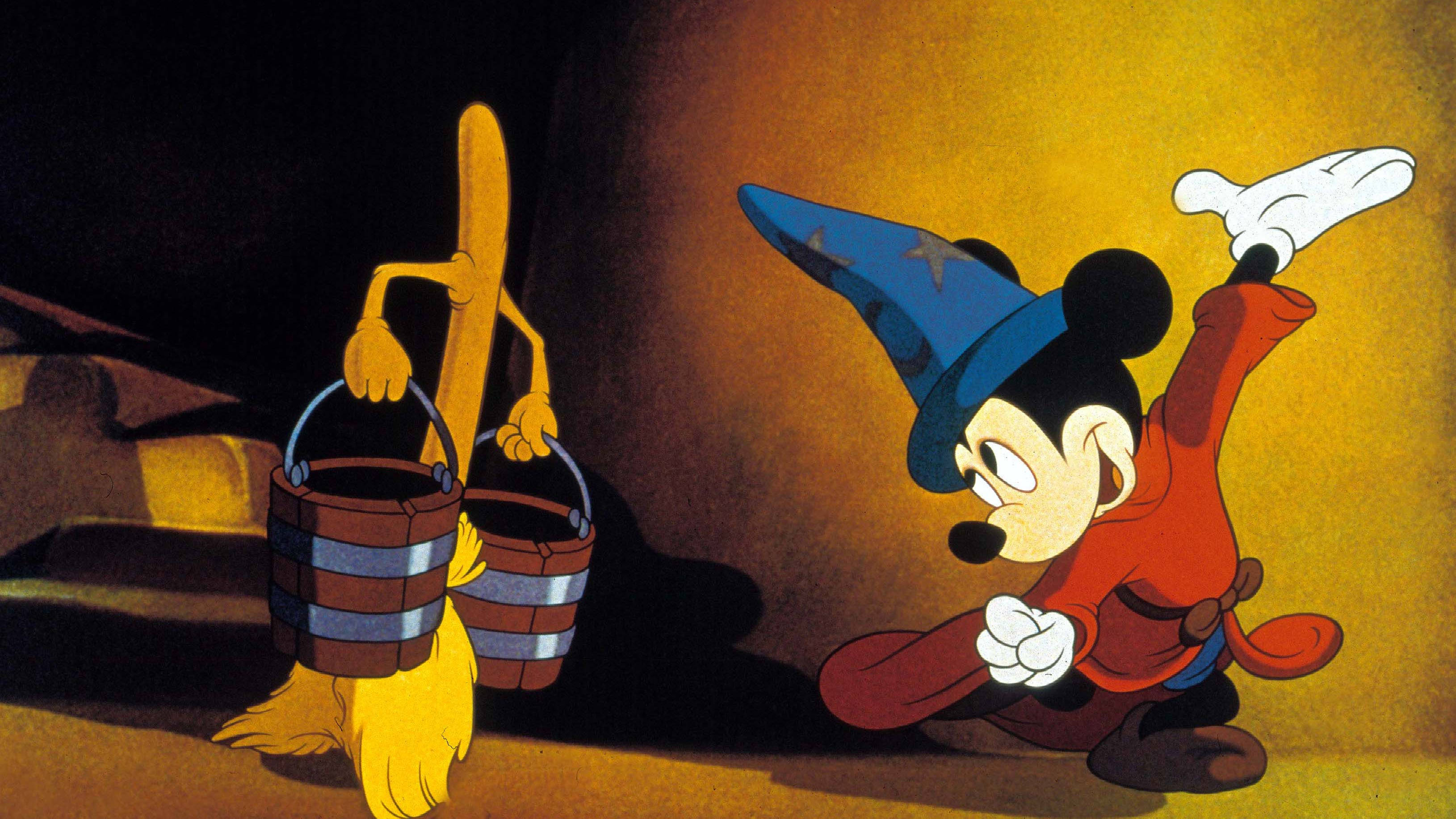
With the current trend for Disney to remake their back catalogue as “live” action films in mind, I very much doubt they will doing this with Fantasia. Conceived as a short to re-invigorate the slowing career of Mickey Mouse, the film is unlike any other Disney have made. It consists of experimental, non-narrative and hallucinogenic vignettes mainly set to wondrous classical music. A masterpiece of hand-drawn animation, style, colour and design, it’s certainly not just for kids. I recall many images giving me nightmares when saw it as a child and it remains a powerful cinematic work to this day.

Image result for fantasia

NIGHT ON EARTH (1991) – COMEDY

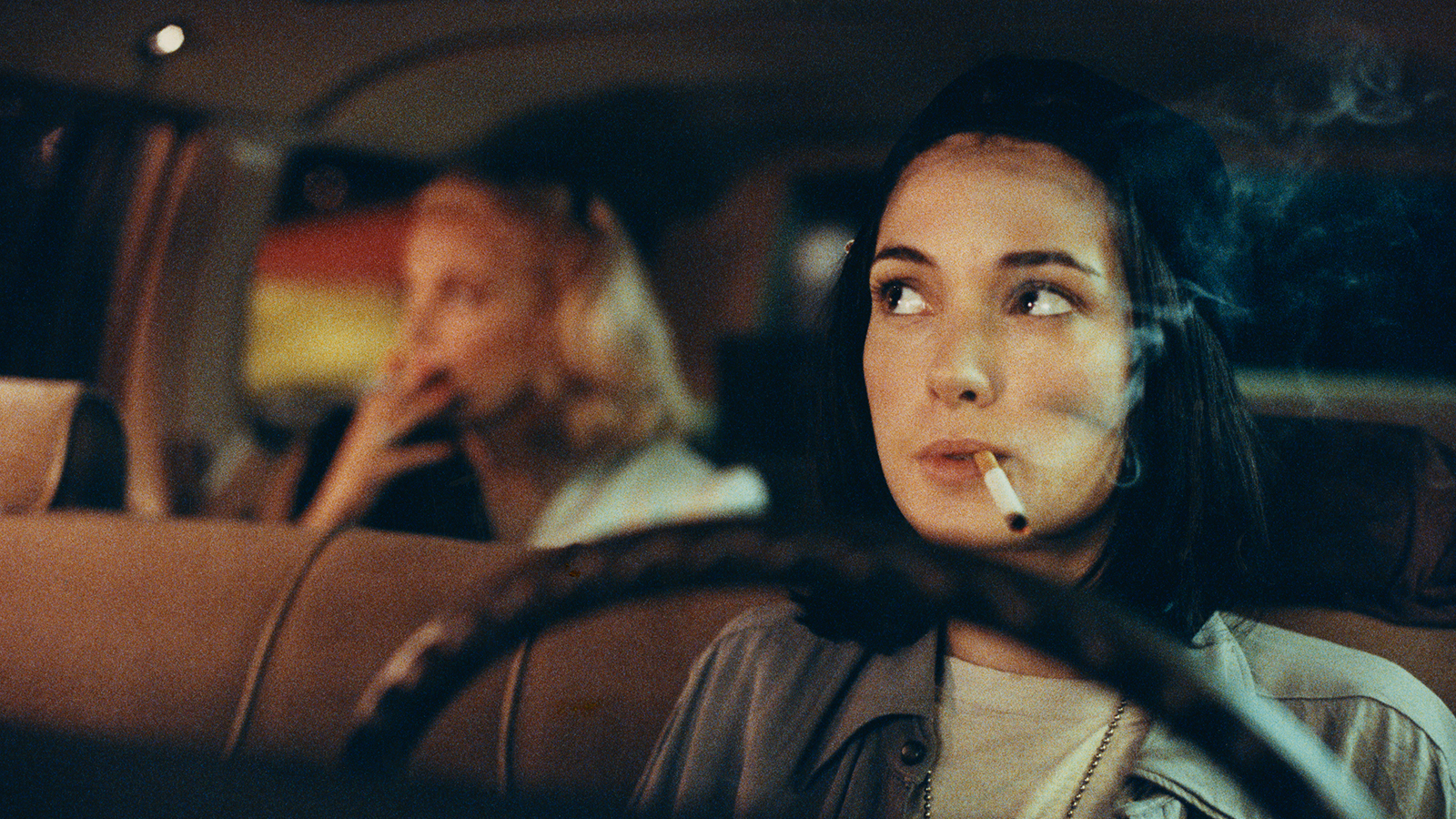
I was going to choose Woody Allen’s erotic sketch film, Everything You Wanted to Ask About Sex but were Afraid to Ask (1972), for the comedy section. However, I decided to select a more deadpan and character oriented film. What better then, than a Jim Jarmusch curiosity. I love the concept of the film as Jarmusch sets several themes and parameters in place. There are five slice-of-life vignettes set on the same night in the cities of Helsinki, New York, Rome, Paris and Los Angeles, all starring some of Jarmusch’s favourite actors. Relationships and quirky interactions between cab driver and passenger are explored in the filmmakers’ inimitable style.


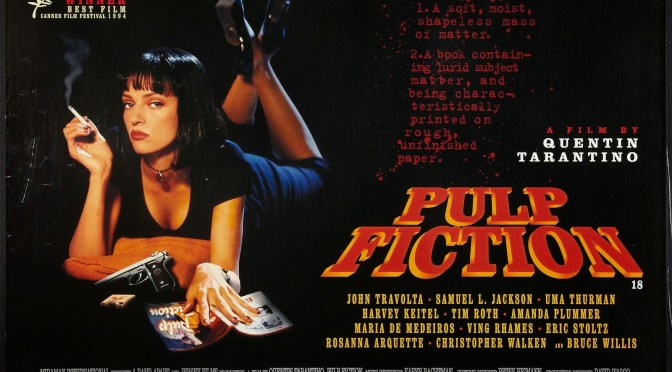
PULP FICTION (1994) – CRIME

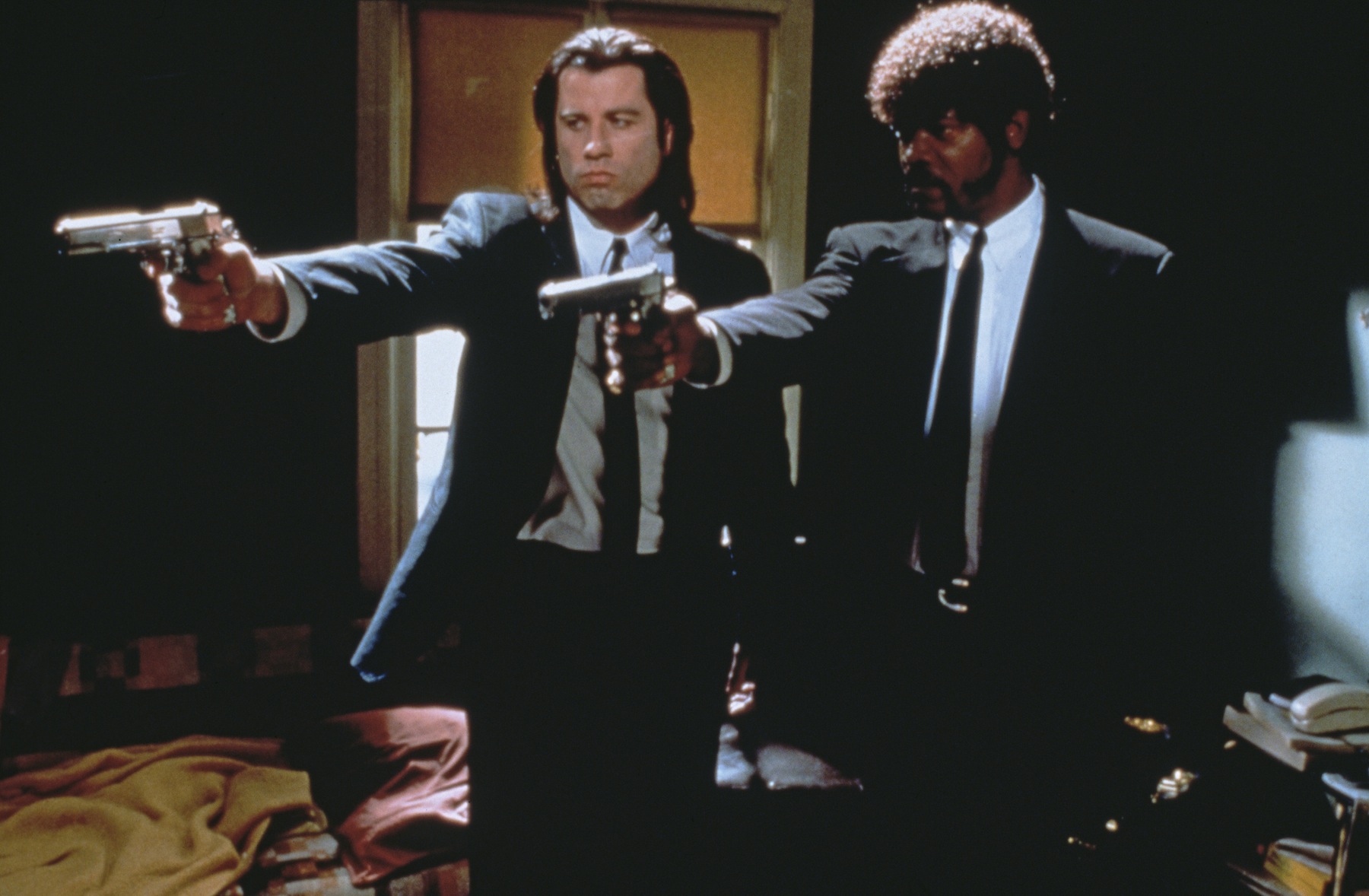
Quentin Tarantino’s second feature film remains a fresh masterpiece of colliding gangsters, uber-cool hitmen, fixers, boxers, sexual deviants, femme fatales, drug addicts and general criminal types. With an over-lapping timeline that kind of does a figure of eight, we get stories ranging from a couple robbing a diner; a boxer double-crossing a crime boss; and an employee almost killing his boss’s wife. Tarantino breathes life into the crime genre and the stock pulp characters with one of the greatest screenplays ever written; full of incredible dialogue, startling twists and a brilliant ensemble cast.


WILD TALES (2014) – DRAMA

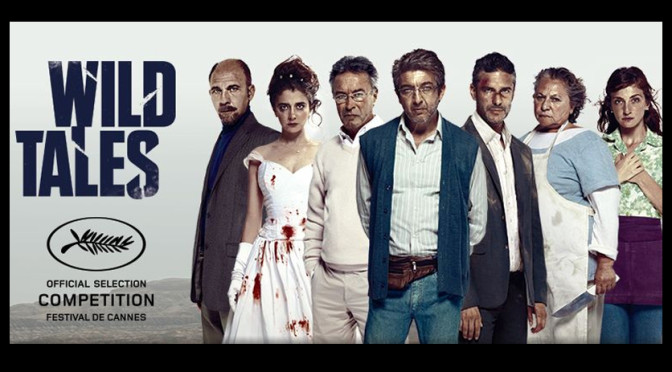
Damián Szifron conjures up a delectable and devilish set of stories mostly based around the themes of obsession and revenge.  It opens with a breath-taking little prologue featuring a horrific incident on a plane and culminates in arguably the wildest tale when the Bride goes on the rampage at her wedding.  Everyone’s favourite Argentinian actor Ricardo Darin pops up in the middle as an explosives expert who enacts revenge on City Parking fascists. I love the whole thing as the film delivers a full deck of twists that master of the macabre Roald Dahl would be proud of. 


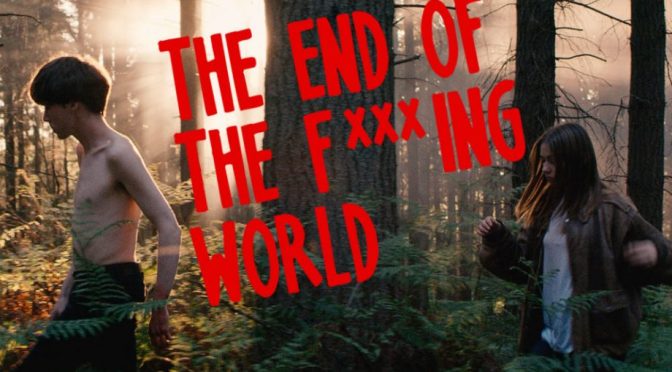
ALL 4 TV REVIEW: END OF THE F***KING WORLD (2017)

ALL 4 TV REVIEW: END OF THE F***KING WORLD (2017)

Directed by: Jonathan Entwhistle, Lucy Tcherniak

Producer: Kate Ogborn

Written by: Charlie Covell (based on comic novella by Charles Forsman)

Cast: Alex Lawther, Jessica Barden, Gemma Whelan, Wunmi Mosaku, Steve Oram, Christine Bottomley, Navin Chowdhry etc.

Original Network: Channel 4

**MAY CONTAIN SPOILERS**


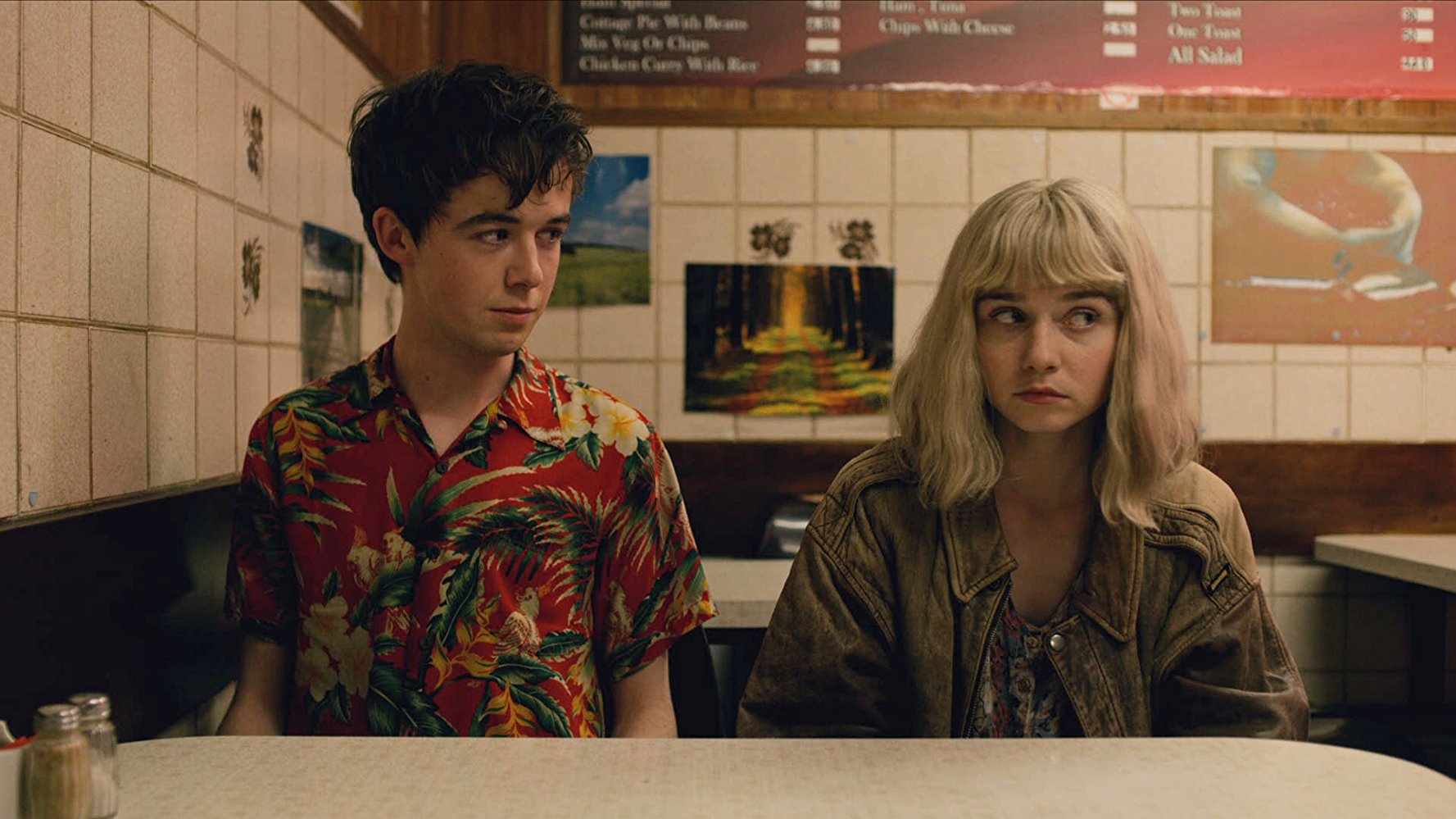
This Channel Four comedy-drama can be found on both ALL 4 and Netflix. It is certainly recommended for those who like their comedy darker than an Arctic winter’s day. It concerns a teenager called James (Alex Lawther) who believes he’s a psychopath, who decides to go from killing animals to people. Enter Jessica Barden’s equally maladjusted Alyssa, and we get eight episodes of acidic, violent, rites-of-passage and anti-romantic mischief.

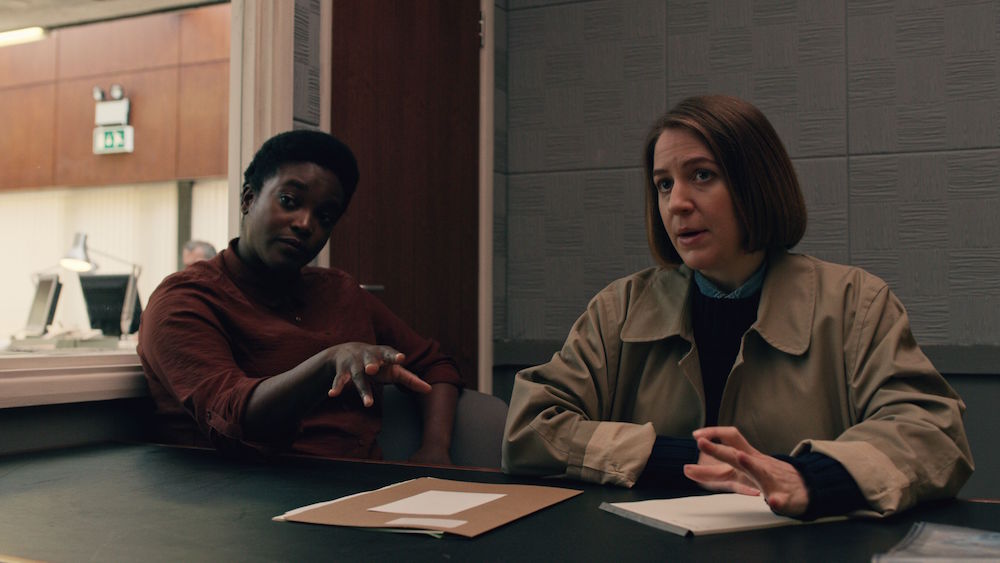
The first episode is arguably the strongest as it starts with a breakneck pace establishing James character history and how he meets Alyssa. They are both very nihilistic and unlikable but that’s the point. The series is an anathema to the conventional feel-good Hollywood sitcoms and comedy films. This is violent and nasty with lost kids ignored or endangered by the adults around them. Indeed, aside from Gemma Whelan’s likeable police officer there aren’t many characters to empathise with here.


It is a testament to the fine acting by rising stars Lawther and Barden that the show held my interest over the eight short episodes. As the two anti-heroes go on the run across country I was reminded of the Tarantino scripted films True Romance (1993) and Natural Born Killers (1994), but filmed in Surrey. Of course, End of the F***king World (2017) doesn’t benefit from Tarantino’s wicked dialogue, however, it compels with a journey into some very twisted places.

Nominated for a BAFTA for Best Drama Series, I didn’t enjoy as much as some reviewers and critics did. I think this is mainly due to the fact it doesn’t really have much to say other than life is shit. Also, the characters don’t particularly learn anything, change or have a particularly intriguing philosophy. Moreover, their story begins and ends in abject nihilism with little hope for a brighter future. Don’t get me wrong, I love dark comedies and dramas, but this was relentlessly depressing and probably would have been better as a punchier ninety-minute film rather than a series. Overall, though the smart script and malignant characters had a dark magnetism. That and the excellent performances make it worth a watching if you’re feeling in a “I-hate-the-world” kind of mood.

Mark: 8 out of 11


BARRY (2018 – PRESENT) – S1 & S2- HBO TV REVIEW

BARRY (2018 – PRESENT) – S1 & S2- HBO TV REVIEW

Created by: Alec Berg, Bill Hader

Producer(s): Aida Rodgers, Emily Heller

Writer(s): Alec Berg, Bill Hader, Emily Heller, Liz Sarnoff, Sarah Solemani, Ben Smith etc.

Director(s): Alec Berg, Maggie Carey, Bill Hader, Hiro Murai, Liza Johnson, Minkie Spiro etc.

Cast: Sarah Goldberg, Bill Hader, Stephen Root, Glenn Fleshler, Anthony Carrigan, Henry Winkler etc.

Original Network: HBO

**MAY CONTAIN SPOILERS**

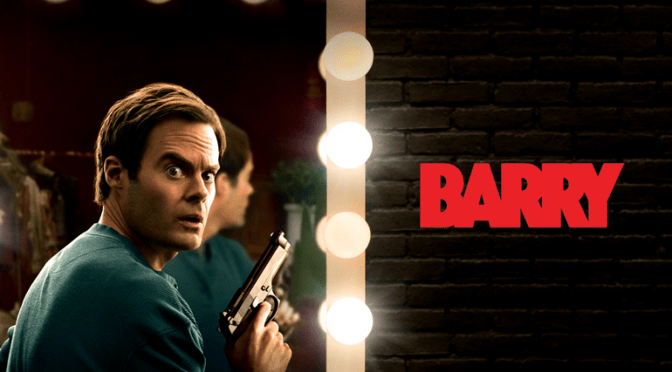
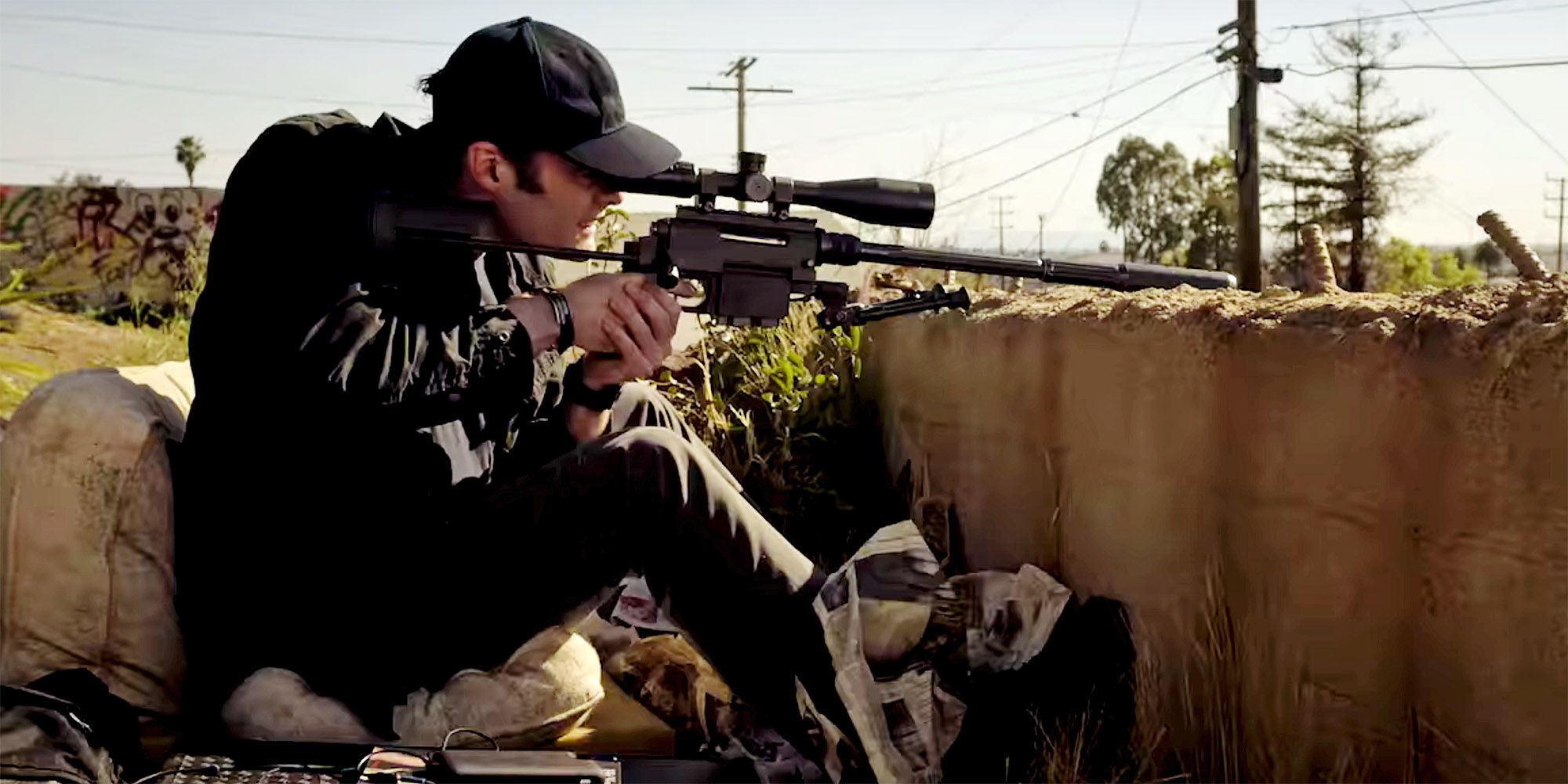
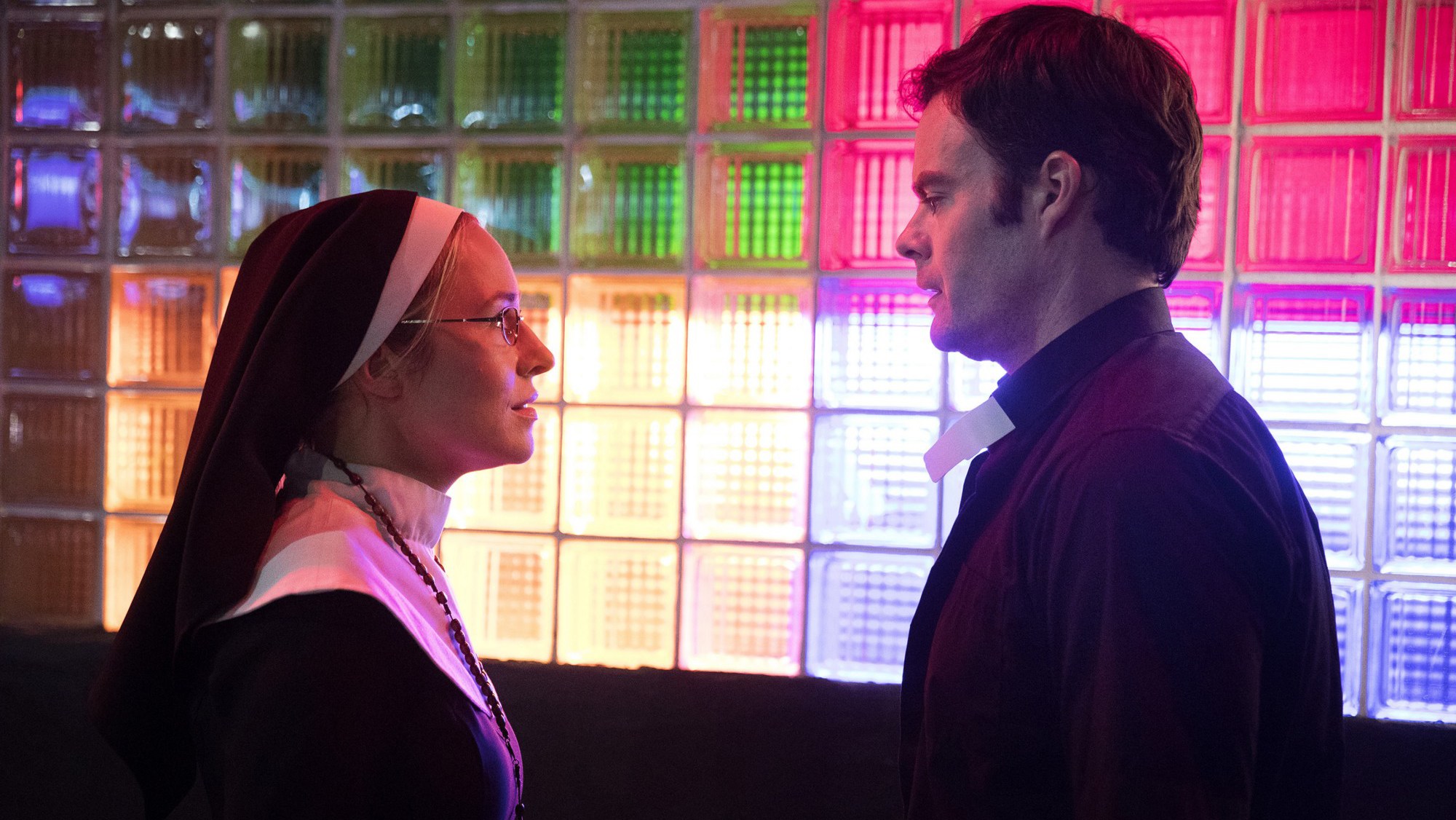
Critically acclaimed and Emmy award-winning dark comedy satire, Barry (2018) stars Bill Hader. He plays the eponymous lead, a hitman, who travels to Los Angeles for “work” and then finds himself joining an acting class by mistake. The comedy and drama of his finely written and directed HBO show derives from the dialectic juxtaposition of crime and war film tropes mixed with narcissistic and delusional Hollywood creative types. But is it any good? Yes and no!

Technically this is first rate and challenging entertainment; obsidian black in its’ humour and at times very compelling as drama. Stylistic influences are clearly the likes of: the Coens, Quentin Tarantino, Robert Altman and Elmore Leonard’s novel/film/TV series Get Shorty. However, I don’t think I liked it as much as those or as much as the panel of Emmy Award judges.

Personally, I don’t like, irrespective of their quality, shows or films titled after a single-name character. It’s just a personal thing. More importantly the show tries so hard to be cool. It has a knowing “everything-but-the-kitchen-sink-cultural-melange” vibe. Plus, tonally it is all over the shop. One scene will be a hilarious situation involving bad acting from the class; and the next Barry will be blowing someone away. How am I meant to feel about such a lunge from comedy to drama involving so many unlikeable characters?

As Barry Block/Berman, Bill Hader is absolutely brilliant. He wants out of the murder business and is haunted by events from the military. Because of this I have much sympathy for him. However, this empathy is tested by some of his more heinous actions. Hader nonetheless delivers an iceberg cool performance with a searing internal pain. In the second season especially, his post-traumatic stress is explored intensely; and when he explodes with anger it resonates powerfully. Conversely, I wanted more of this than the parodic Chechen and Bolivian gangsters, who just aren’t funny.

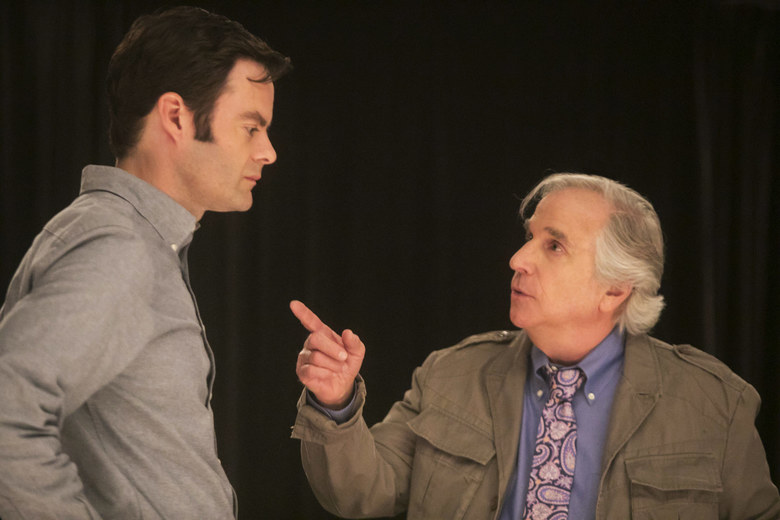
In support, Stephen Root is brilliant as Barry’s exploitative handler and so-called friend. Sarah Goldberg as the neurotic actress, Sally Reed is a revelation. This is especially the case in the second season when her character gets some interesting storylines and great monologues. Likewise, Henry Winkler steals many scenes as the acting coach, Gene Cousineau; forever name-dropping and shilling for a quick buck.

Overall, Barry can be recommended for the excellent cast and mostly complex characters. While I would have preferred the dumb comedy to be reduced, there are indeed some great episodes throughout the two seasons. So, if you are looking for an intense exploration of human existence you get an element of that within the mix of: humour, satire, violence, shoot-outs and plot twists. But maybe, like the lead character, Barry tries to do too much all at once; however, at least it tries.

Mark: 8 out of 11