Tag Archives: Stephen King

Cinema Review: The Running Man (2025) – Edgar Wright – a decent cardio cinema workout that breaks into intermittent sprints!

Cinema Review: The Running Man (2025)

Directed by Edgar Wright

Screenplay by Michael Bacall & Edgar Wright – Based on The Running Man by Stephen King

Produced by Simon Kinberg, Nira Park & Edgar Wright

Main Cast: Glen Powell, William H. Macy, Lee Pace, Michael Cera, Emilia Jones, Daniel Ezra, Jayme Lawson, Sean Hayes, Colman Domingo and Josh Brolin, etc.

Cinematography by Chung-hoon Chung

*** MAY CONTAIN SPOILERS ***
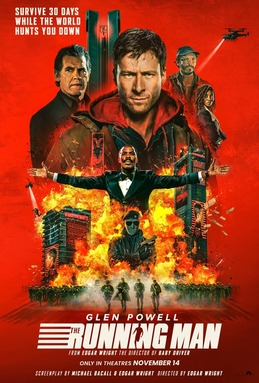


As a fan of Edgar Wright’s stylish, kinetic direction, the camp cult charm of the original Arnold Schwarzenegger 1980’s action romp, and of course Stephen King’s sharp literary concepts, I went into The Running Man (2025) with high hopes. The film certainly starts brilliantly where Wright unloads a barrage of inventive visual gags, flashy transitions, and razor-clean action choreography. The set-pieces are spectacular from the outset, and when the film is firing on all cylinders, it’s exactly the sort of propulsive, high-concept entertainment you’d expect from this creative cocktail.

It remains a fantastic concept with a near-future game-show rewarding contestants with great wealth as long as they survive a month on the run and are not killed by all manner of uber-mercenaries chasing them. But as a whole the script and tone never quite settle. As such, the film wavers between being a comedy-actioner and a revolutionary dystopic thriller. It can be both, but here the shifts feel abrupt and under-cooked. The last forty-five minutes and final act especially drag, weighed down by a new character who is introduced mainly to witness Richards (Glen Powell) strike back at his foes, without adding much thematic or emotional heft. Emilia Jones does okay but her character should’ve entered the story much earlier—ideally as one of the contestants—so her eventual role feels earned rather than tacked on.
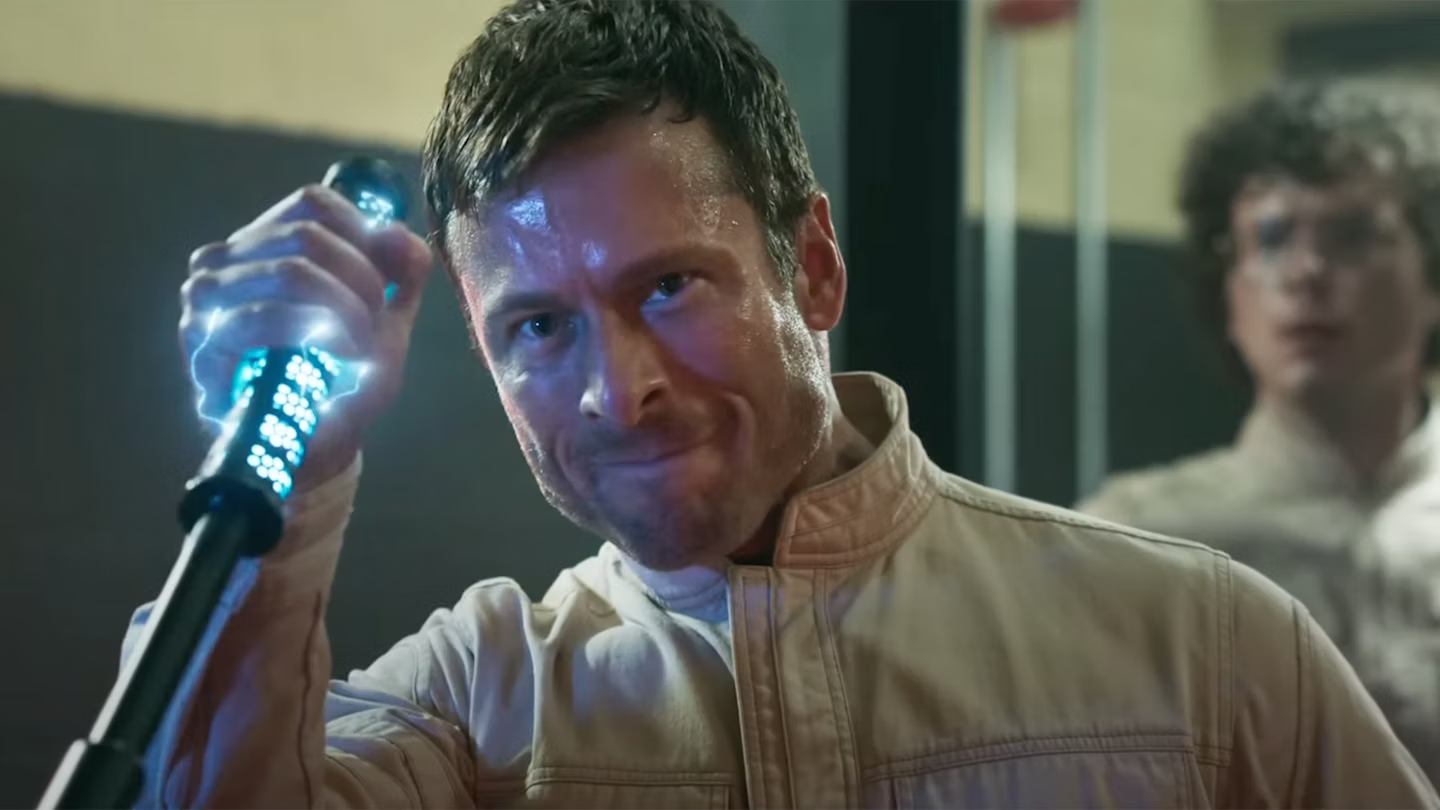


Powell is solid, charming, and physically believable in the role, but he’s not (at least yet) a true blockbuster star—more a handsome, reliable leading actor as demonstrated in the excellent, Hit Man (2024). I couldn’t help but imagine someone like Lee Pace in the part. Instead he is playing the lead henchmen. Pace is an actor with the gravitas and presence to anchor the story’s darker undercurrents and sell the rebellion with more weight. Indeed, Pace, Michael Cera, Colman Domingo, and Josh Brolin bring depth and texture to The Running Man (2025), each grounding the film’s wild energy with sharply defined performances. Pace delivers charismatic menace, while the underused Cera adds an unexpected nervy humour that sharpens the satire. Domingo, as always, lends personality as the show host, and Brolin rounds it out with rugged corporate authority that makes the world feel dangerous.

Ultimately, even Wright’s trademark ADHD-fueled visual dynamism can’t fully rescue a script that overreaches in ambition. Thus, The Running Man (2025) could have been truly great if it had taken just a little more time to breathe—letting its world, its fears, and its people settle in before the chaos kicked off. Beneath the neon splatter and bombastic satire is a sharp idea about media, violence, voyeurism, and manipulation, but the film races past its own potential. With a touch more patience to build tension, deepen the stakes, and let us actually care about the characters caught in the spectacle, its dystopia might have hit harder, felt richer, and lingered longer after the credits rolled. Still, the craft and energy make it an intermittently thrilling ride—just one that needed sharper focus to become the definitive The Running Man (2025) adaptation fans were hoping for.
Mark: 7 out of 11


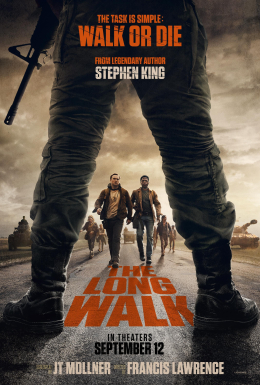
Cinema Review: The Long Walk (2025) – a compelling adaptation of Stephen King’s anti-war allegory!

Cinema Review: The Long Walk (2025)

Directed by Francis Lawrence

Screenplay by JT Mollner

Based on The Long Walk by Stephen King

Produced by Roy Lee, Steven Schneider, Francis Lawrence, Cameron MacConomy

Main Cast: Cooper Hoffman, David Jonsson, Garrett Wareing, Tut Nyuot, Charlie Plummer, Ben Wang, Roman Griffin Davis, Joshua Odjick, Judy Greer, Mark Hamill etc.

Cinematography by Jo Willems

*** MAY CONTAIN SPOILERS ***


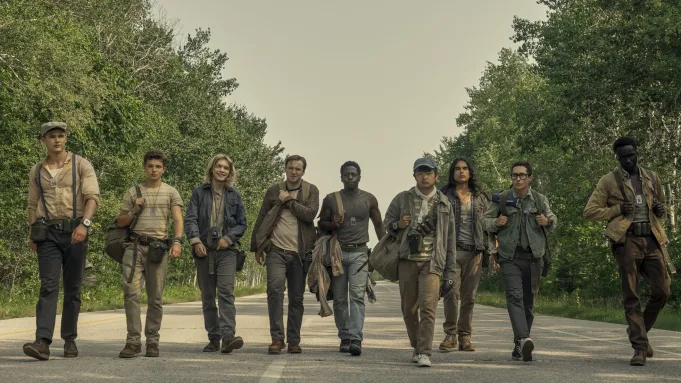
This compelling and moving anti-war film was adapted from the Stephen King novel, The Long Walk (1979), originally published under his pseudonym, Richard Bachman. The story is set in a dystopian alternative version of the United States ruled by a totalitarian regime; a new military-driven world order. The plot follows the fifty young male contestants of a gruelling annual walking contest, who must follow a set of rules or face the grim consequences. Ultimately, most of their fates are doomed as only the last boy standing gains the prize.

As an aside, I often wondered why King published under a pseudonym and after a quick net search I found that the author was limited to publishing one book per year, since publishing more would be “unacceptable” to the public. King therefore wanted to write under another name in order to increase his publication without saturating the market for the King “brand”. So, there you go. But what of The Long Walk (2025)? How does it compare to the plethora of other King film adaptations?


Grim, unrelenting, and devastatingly poignant, The Long Walk (2025) transforms a brutal endurance contest into an unmistakable anti-war allegory. Fifty young men, each plucked from a different state, march forward under the banner of national pride and promised glory — but what unfolds is the slow annihilation of their bodies and spirits. The premise, simple on the surface, becomes a searing critique of how nations sacrifice youth for power, money, and hollow ideals.

The film thrives on the camaraderie and conflict between the boys: fleeting alliances form, bitter rivalries crack open, and in moments of exhaustion or terror, we glimpse the fragile humanity beneath their forced bravado. Echoes of The Hunger Games franchise, also directed by Francis Lawrence, are impossible to miss. However, this story clearly influenced The Hunger Games and other examples of survivalist literature. Yet, The Long Walk (2025) is way more rawer, more intimate, and ultimately more scathing in its indictment of systemic cruelty.

Among the excellent ensemble cast, Cooper Hoffman as Ray and David Jonsson as Peter emerge with standout performances. Their characters, drawn together in unlikely connection, add emotional depth to the carnage, grounding the relentless attrition in genuine feeling. As their bond develops, the horror of the “Walk” feels sharper, the futility more unbearable. Overall, aside from slight repetition of action and an ending I’d have preferred to have gone a different way, The Long Walk (2025) carries hypnotic and bloody power. It is both a war story without a battlefield and a coming-of-age tale without the promise of adulthood — a haunting testament to how societies can destroy their own sons in pursuit of an impossible prize.

Mark: 8.5 out of 11


Cinema Review: The Monkey (2025) – a hilarious horror sketch-show with gore masking an inconsistent totemic tale!

Cinema Review: The Monkey (2025)

Directed by Osgood Perkins

Written by Osgood Perkins

Based on “The Monkey” by Stephen King

Produced by James Wan, Dave Caplan, Brian Kavanaugh-Jones, Chris Ferguson, etc.

Main Cast: Theo James, Tatiana Maslany, Christian Convery, Colin O’Brien, Rohan Campbell, Sarah Levy, Adam Scott and Elijah Wood.

Cinematography by Nico Aguilar


Following the financial success of his 2024 psychological thriller Longlegs (2024), Osgood Perkins has recently embarked on adapting Stephen King’s short story, The Monkey, into a feature film. While I didn’t quite connect with it Longlegs (2024) it had many impressed with its strange, atmospheric tension as well as Nic Cage’s crazy look and performance. The Monkey (2025), differs in tone though as it this adaptation with a blends horror and dark comedy, allowing Perkins to showcase his versatility as a filmmaker.

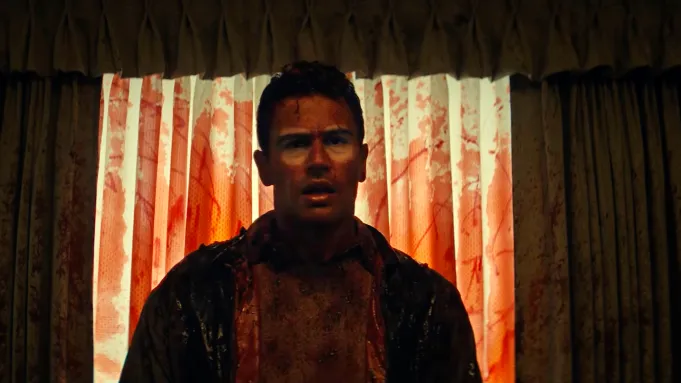
The narrative of The Monkey (2025) centres on twin brothers, portrayed by Theo James, who encounter a cursed toy monkey linked to a series of gruesome deaths. Perkins expands upon King’s original short story, infusing it with themes of family, fatherhood, reconciliation and a litany of grisly sudden deaths. Having found the simian death totem as teenagers, Hal and Bill Shelburn find their lives and those around them impacted in the most bloody explosive of ways. Indeed, there is much thought and planning given to these Saw and Final Destination franchise influenced on-screen set-pieces. In fact, the exquisite surprise and laugh-out-loud hilarity which occur throughout somewhat overpowers any emotional connection with the thinly-written protagonists.


The film’s gore and relentless pace are undeniably its strongest assets — the kills are extreme, inventive, and staged with a gleeful disregard for realism, echoing the chaotic energy of ’80s horror comedies. Each death sequence feels like a miniature horror short, packed with practical effects and over-the-top carnage. Perkins crafts these moments with a twisted sense of humour, making the film feel like a sketch-show carousel of nightmarish vignettes, each more outrageous than the last.

However, despite the visceral fun, The Monkey (2025) struggles to leave a lasting impression. Unlike the original Saw (2004) by James Wan and Leigh Whannell — a film that balanced its brutal horror with sharp social commentary and tightly woven mythology — Perkins’ adaptation lacks a deeper foundation. The cursed toy monkey serves as a simple harbinger of death, but the film never establishes consistent rules for how the curse operates or why it escalates the way it does. Without clear internal logic or meaningful subtext, the horror loses weight, and the emotional stakes fizzle.

While The Monkey (2025) succeeds as a frenetic, blood-soaked thrill ride, it ultimately feels ephemeral. The film’s surface-level scares and comedic flair make for an entertaining watch, but the absence of narrative substance or thematic resonance leaves it as little more than a fleeting novelty — a film you enjoy in the moment, but rarely think about after the credits roll.

Mark: 6.5 out of 11


CINEMA REVIEW: THE BLACK PHONE (2021)

CINEMA REVIEW: THE BLACK PHONE (2021)

Directed by Scott Derrickson

Screenplay by: Scott Derrickson & C. Robert Cargill

Based on “The Black Phone” by Joe Hill

Produced by: Jason Blum, Scott Derrickson, C. Robert Cargill

Main cast: Mason Thames, Madeleine McGraw, Jeremy Davies, James Ransone, Ethan Hawke


Cinematography Brett Jutkiewicz

** MAY CONTAIN SPOILERS **


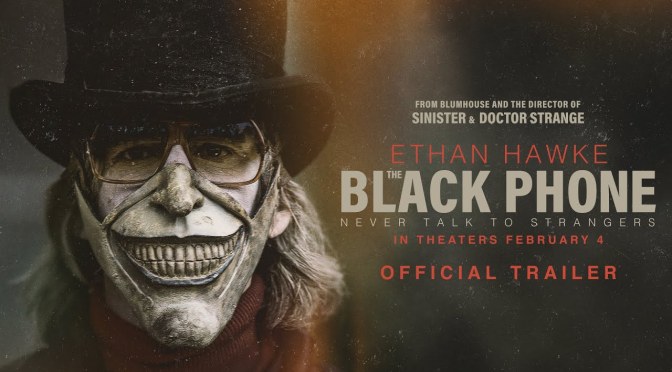
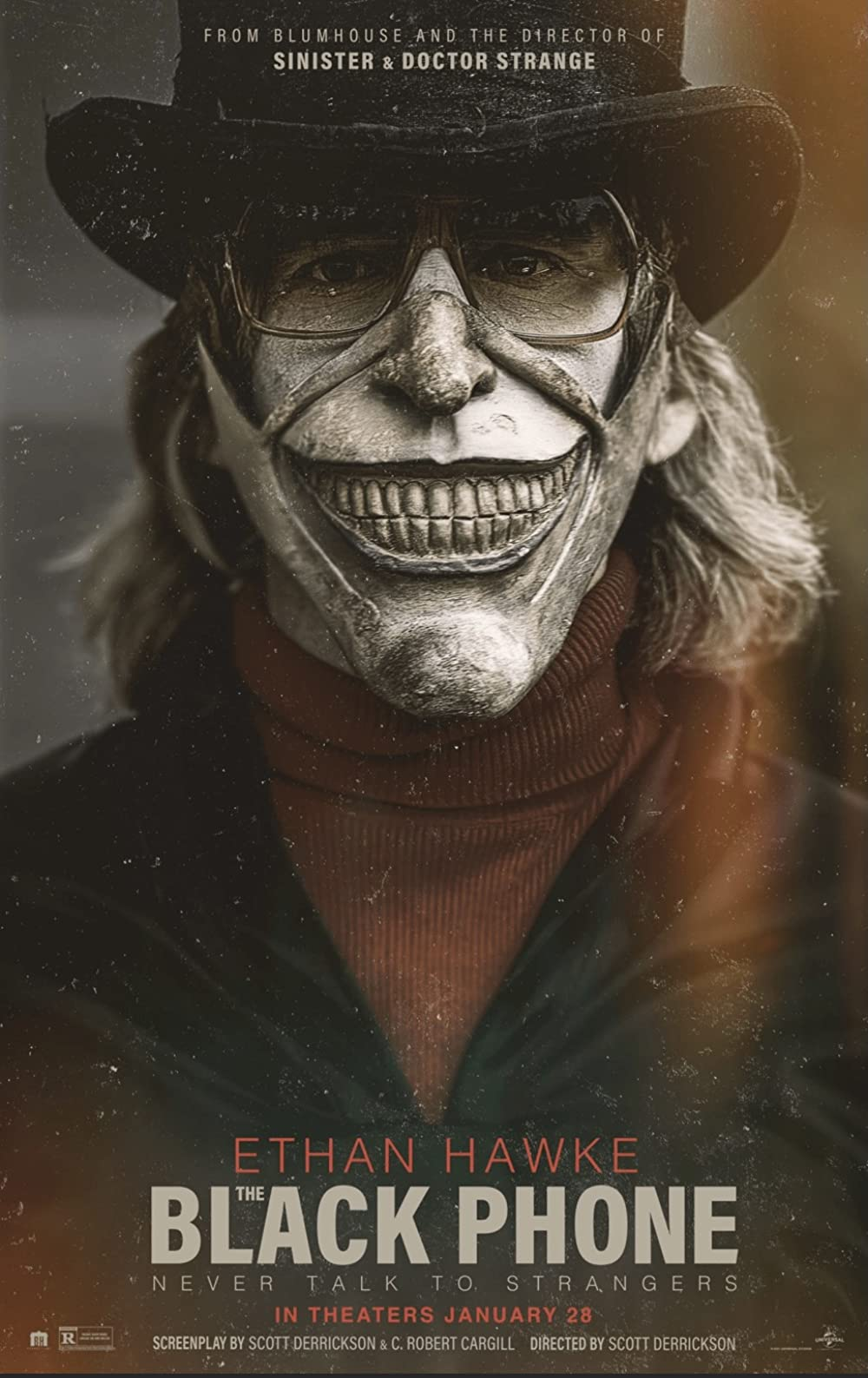
Halloween party-goers now have a new mask to wear on their faces in the guise of The Black Phone (2021) villain daubed, “The Grabber”. Although one must point out the mask is highly influenced by Japanese classic horror, Onibaba (1964). Anyway, the Grabber is a sick individual who prowls and abducts kids from the Denver suburbs in the 1970s, using black balloons and a creepy van as his signature. Portrayed by Ethan Hawke, he isn’t most subtle or interesting of killers, but his chilling behaviour drives this effective horror film from director Scott Derrickson.

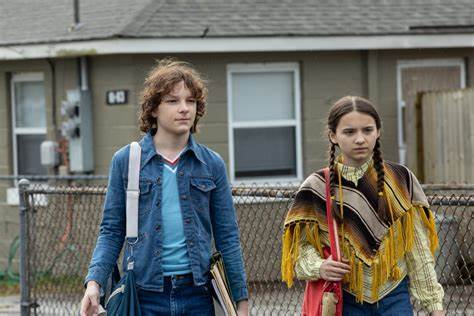
The story is the essence of every parent’s living nightmare. Their child goes missing having been snatched off the street in broad daylight. The film takes the time to establish many of the children’s characterisations so we have time to bond with them and feel the horror of their plight. Central to the story are teen brother, Finney (Mason Thames), and younger sister, Gwen (Madeline McGraw). Even without the threat of the murderer, their mother has passed and they are brought up by abusive and alcoholic father (Jeremy Davies). To add further woe, Finney, finds himself bullied by older kids at school. Could things get any worse? Of course! Finney finds himself the next victim of the evil Grabber!


Plunged into a gloomy and sound-proofed basement, Finney, is trapped with no way out from the Grabber’s nefarious plans. Ah, but Finney suddenly gets assistance from, not one, but two supernatural sources. Firstly, the titular black phone which hangs on the wall of the basement and scares us half to death when it rings. Who is on the other end? Well, lets just say they are not of the living. The second magical helper for Finney is that Gwen has the second sight in her dreams. Over time she is able to conveniently assist the police at significant stages of the narrative. Much suspense is raised from Finney’s attempts to escape as time begins to run out for him. His conversations on the black phone are imaginatively delivered as he reaches some weird dimension beyond life and death.

The Black Phone (2021) is both a suspenseful and silly ride, efficiently directed by expert genre filmmaker, Scott Derrickson. The characters are nicely written and you really root for them as the kids deal with all manner of terror. Themes relating to sibling community, stranger-danger, and sticking up for yourself against bullying are intelligently explored also. However, I must say the film has, for all the emotional depth felt and evocative 1970s locations and costumes displayed, a number of serious plot-holes struck me as incredibly questionable. I also thought Ethan Hawke’s villain while visually striking, lacked intelligence and a proper characterisation. I get that he is masked symbol of evil, but a great actor like Hawke was wasted in such casting. Overall though, The Black Phone (2021) is definitely a cinematic call worth answering.

Mark: 7.5 out of 11


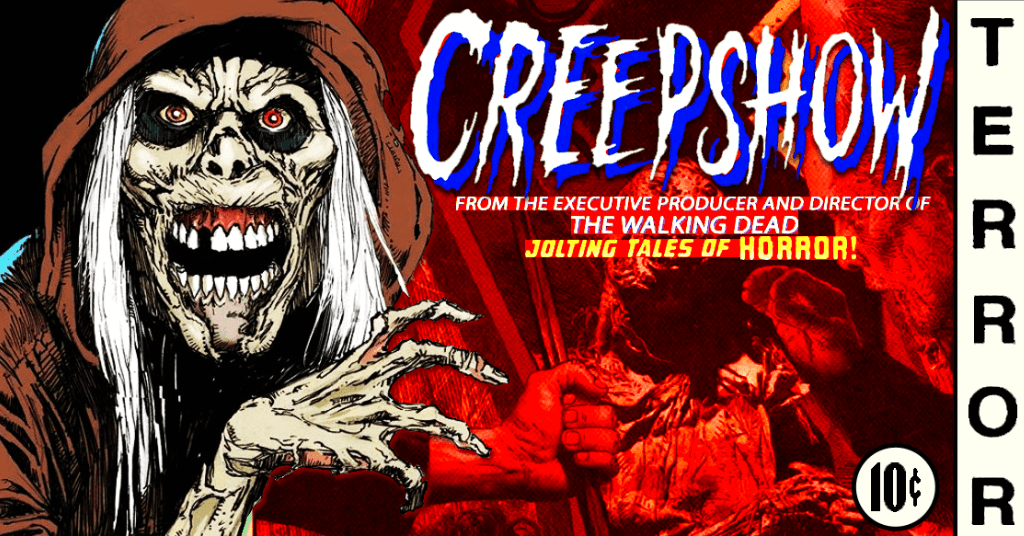
SHUDDER TV HORROR REVIEW: CREEPSHOW (2019)

SHUDDER TV HORROR REVIEW: CREEPSHOW (2019)

Directors (various): Rob Schrab, Greg Nicotero, Tom Savini, Roxanne Benjamin, John Harrison, David Bruckner, etc.

Writers (various): Stephen King, Rob Schrab, Joe Hill,  Paul Dini, Stephen Langford, David J. Schow, John Skipp, Dori Miller, John Esposito, Bruce Jones, Christopher Buehlman, Matt Venne, etc.

Cast (various): Adrienne Barbeau, Jesse C. Boyd, Giancarlo Esposito, Christopher Nathan, Tobin Bell, Cailie Fleming, Rachel Hendrix, David Shea, Guy Messenger, Diane D. Carter, David A. MacDonald, Jeffrey Combs, Nelson Bonilla, Callan Wilson, Kid Cudi, DJ Qualls, Antwan Mills, Jake Garber, Gino Crognale, David Arquette, Karen Strassman, Tommy Kane, Kermit Rolison, Bruce Davison, Hannah Barefoot, Tricia Helfer, Dylan Smitty, Afemo Omilami, Logan Allan, Addison Hershey, Will Kidrachuck, Big Boi, Nasim Bowlus, Carey Jones, Madison Bailey, Ian Gregg, Ravi Naidu, Connor Christie, Madison Thompson, Jason Jabbar Wardlaw Jr., Andrew Eakle, Julia Denton, Scott Johnson, Tom Olson, Erica Frene, Danielle Lyn, Michael Scialabba, Jordan Patrick, Dennis Bouldin, David Wise, etc.         

Streaming platform: Shudder / Amazon Prime

***MAY CONTAIN SPOILERS***


The anthology or portmanteau film has thrown up some fine cinematic entertainment over the years. Generally, an anthology film can be described as a collection of works with a linked theme, genre, style and author etc. The horror genre is an ideal subject matter for anthology and the feature film, Creepshow (1982), found two giants of horror — Stephen King and George A. Romero — marrying their mischievous minds to monstrous impact.

Creepshow (1982) consisted of five short stories. Two of these stories were adapted from King’s literary narratives, while the rest were from originals he wrote for the film. The film is bookended by prologue and epilogue scenes involving a young boy who is scolded for reading horror comics. Conversely, Creepshow is a homage to the EC horror comics of the 1950s, such as Tales from the Crypt and The Vault of Horror. Romero even hired long-time effects specialist Tom Savini to replicate comic-like effects during the film. The movie was a minor hit and a sequel would follow. As would an actual comic book series based on the film.


Unsurprisingly, in this era of endless remakes and reboots and universes, Creepshow has received the TV adaptation treatment. Released as Shudder original production, the series consisted of six episodes and twelve terrifying tales. Experienced horror writers and directors were employed and there are also some very familiar faces in the cast too. Was it any good? Well, as someone who watches a lot of short horror films on YouTube, I have to say that there’s always hits and misses in the genre. However, the production values of Shudder’s Creepshow are of an excellent quality. Moreover, the stories keep to the traditions of the original films, which usually involved some kind of morality tale, revenger’s story or character-driven plot. They aren’t simply just exercises in style or terror over substance.

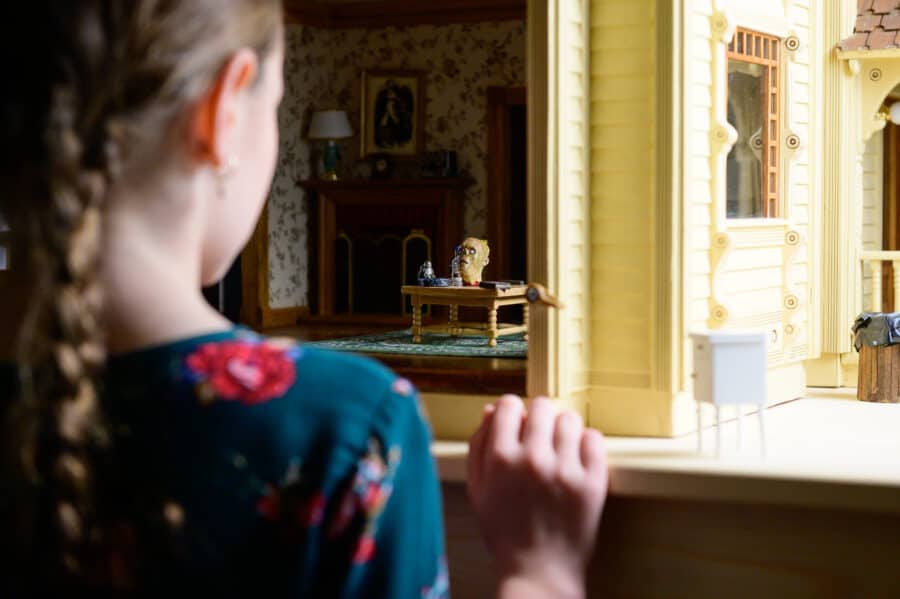
My favourites of the twelve were The House of the Head and Night of the Paw. In the former, a young girl discovers a terrifying toy head in her newly acquired dollhouse. This creepy concept really made me jump throughout and was devilishly clever too. In the Night of the Paw, we got another telling of the classic Monkey’s Paw story. Here a local mortician possesses a monkey’s paw that grants wishes which backfire horrifically. Of the other stories that I liked, Gray Matter was an atmospheric and nasty monster short. While Bad Wolf Down taps into the well-worn military versus werewolves’ theme, with stylish and bloody results.

Children and horror obviously feature a lot in Stephen King’s work. This is echoed in the stories called All Hallows Eve and The Companion. Both stories focussed on bullying and retribution in an imaginative fashion. Of the other stories, The Finger benefited from an unhinged performance by DJ Qualls. His character finds a finger which turns into something unspeakably evil. Meanwhile, Skincrawlers trod another often-used horror theme; that of the dangers of plastic surgery and (un)natural body enhancement. The remaining stories were also decent, although having said that the zombie tale, Times is Tough in Musky Holler, was arguably the weakest of the lot. Ultimately, Shudder’s Creepshow reboot was an entertaining horror anthology show, well written, directed and acted. My only reservation was it was all a bit slick and glossy. In fact, it could have done with a lower budget and the grittier touch of George Romero at times.

Mark: 8 out of 11


CLASSIC HORROR FILM DOUBLE BILL REVIEW – BLACK SUNDAY (1960) & BLACK SABBATH (1963)

CLASSIC HORROR FILM REVIEWS – BLACK SUNDAY (1960) & BLACK SABBATH (1963)

What better way to distance oneself from the horror of real life than by watching some classic horror films? Not that my life is that bad as I am alive and healthy and doing very well in the lockdown circumstances. Thankfully I am not having to deal with the sick people like those in the NHS and medical facilities across the world. Kudos to those individuals trying to save lives and cure the sick. Who could have predicted that these events could unfold? It’s like society has been cursed.

Talking of curses, the horror genre is one of my favourites. Although, to be honest, I do love most genres of film. Indeed, while I’m not a massive fan of romance or musicals, if the film itself is well made, then I will watch and most likely enjoy it. However, if I want to be sure to favour a film, then horror will be one of my go to genres. One such legendary filmmaker of horror movies was Italian director, Mario Bava. I’m ashamed to admit I had not seen many of his releases, if any. Shocking really as he was known by many as the ‘Master of Italian horror’. Thus, I corrected that by recently watching both Black Sunday/Mask of Satan (1960) and Black Sabbath (1963). Here are two short reviews of these atmospheric horror classics.


Best Horror Movies of the 1960s: From Psycho to Blind Beast | Collider
Black Sunday (1960)

BLACK SUNDAY (1960)

Director: Mario Bava

Cast: Barbara Steele, John Richardson, Andrea Checchi, Ivo Garrani

Given Mario Bava was a talented cinematographer who worked on many Italian film productions it’s no surprise that Black Sunday (1960) looks incredible. The transfer I watched on Blu-ray was pristine with the black and white photography really shimmering on the screen. The lighting is all shards and jagged amidst the foreboding darkness and shadows. The story itself is a creepy gothic tale of curses, witchcraft and revenge. It starts with a grim opening scene as Asa, a witch (Barbara Steele), and her lover being punished by her brother for sorcery. This involves placing a spiked mask on their faces and burying them alive. She damns them to hell with the promise she will return one day to wreak retribution. Guess what happens centuries later? While it runs out of story toward the end the opening hour is full of scary imagery and chilling moments. While it may seem mild by today’s standards, Black Sunday (1960), was in fact heavily censored on release and was even banned in the United Kingdom until 1968. While today’s horror films rely much on cheap jump scares, this one is a good old-fashioned creepfest, spreading a pervading aura of fear from start to finish.

Mark: 8 out of 11


BLACK SABBATH (1963)

Director: Mario Bava

Cast: Boris Karloff, Mark Damon, Michele Mercier, Susy Anderson, Jacqueline Pierreux etc.

The original title of this film was The Three Faces of Fear and this is a much more compelling title than the one we got. Don’t get me wrong Black Sabbath (1960) works, but given this is an anthology featuring three short horror films relating to fear, it seems like a marketing ploy echoing previous horror Black Sunday (1960). Anyway, the three stories are very different in setting and tone but all work well with Boris Karloff introducing them. The first is a pre-Giallo style contemporary murder story called The Telephone. Here a glamorous call-girl is stalked by an unknown person via constant telephone calls. It’s a slow burn build up of fear, as silence then sudden ringing raises the heartrate before the fine twist at the end. The second story is called The Wurdalak. A more traditional vampire story, it finds a handsome nobleman falling in love with a rural village girl, whose family are threatened by a bloodsucking Wurdalak. This was so creepy as we get severed heads and vampiric children in a story which reminded me of Stephen King’s Salem’s Lot. The final story, The Drop of Water is arguably the best. With more than a hint of The Tell-Tale Heart about it, the story finds a nurse stealing something from a dead woman, only for the vengeful ghost (or her guilty conscience) to take exception. Overall, this is a brilliant anthology horror film, which is still scary now and definitely stands the test of time.

Mark: 9 out of 11


HBO TV REVIEW – THE OUTSIDER (2020) – Stephen King's novel is given an impressive HBO going over!

HBO TV REVIEW – THE OUTSIDER (2020)

Developed by Richard Price – based on Stephen King’s novel

Writers: Dennis Lehane, Jessie Nickson-Lopez, Richard Price

Directors: Jason Bateman, Andrew Bernstein, Igor Martinovic, Karyn Kusama, Daina Reid, J.D. Dillard, Charlotte Brandstrom

Cast: Ben Mendelsohn, Bill Camp, Cynthia Erivo, Jason Bateman, Jeremy Bobb, Julianne Nicholson, Mare Winningham, Paddy Considine, Marc Menchaca, Max Beesley, Derek Cecil, Yul Vazquez etc.

Original Network: HBO

No. of Episodes: 10

*** MAY CONTAIN SPOILERS ***


Image result for HBOS THE OUTSIDER

When I first saw this advertised, I thought finally, someone has adapted Albert Camus’ classic existential novel, The Outsider. When I saw it was from HBO, I was even more stoked. However, I then realised it was actually a story developed from a recent novel by uber-writer, Stephen King. Nonetheless, my enthusiasm was not curbed or curtailed. Because lord does King certainly know his way around a crime and horror tale. Moreover, with character actors such as Ben Mendelsohn, Bill Camp, Paddy Considine, Mare Winningham and Jason Bateman in the cast, plus star-in-the-making Cynthia Erivo also in the mix, I knew this had to be good. Thus, it proved.

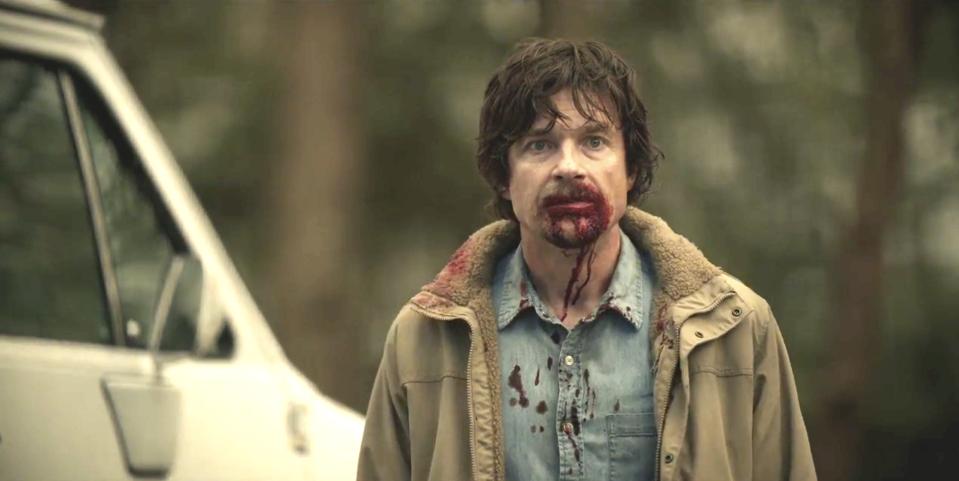
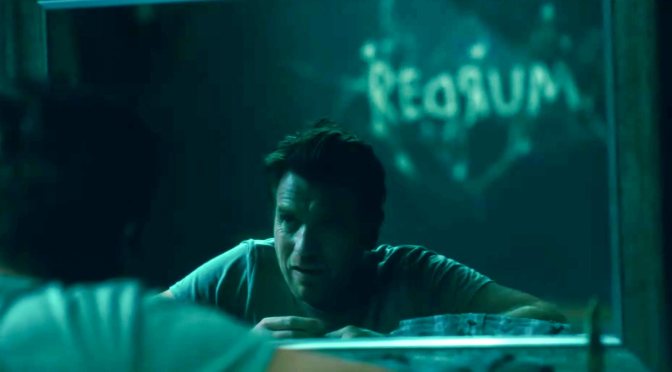
It goes without saying that being a HBO production this is a high quality rendition of Stephen King’s novel. The director of the first two episodes, Jason Bateman, brings the dark finish, tone and experience garnered from his superlative work on Netflix’s brilliant series, Ozark. Bateman is also cast as the main murder suspect, Terry Maitland, and he so metronomically good in the role. In a gripping opening episode Maitland is arrested for the murder of a local boy, Frank Peterson. The investigation is lead by Cherokee City detective, Ralph Anderson; an emotionally hollowed cop superbly portrayed by Ben Mendelsohn. Maitland protests his innocence, and when his ebullient attorney — the ever-impressive Bill Camp — shows he has a cast iron alibi, the narrative takes a decidedly strange turn.


Image result for HBOS THE OUTSIDER

Firstly, as I have alluded to, this must be one of the best casts assembled in a television show since, well, the last HBO series produced. Further, grandmaster screenwriter, Richard Price — who also co-adapted the superb The Night Of (2016) for HBO — has spring boarded King’s original brilliantly. Price and his co-writers fully flesh out a series of fascinating characters and a community ripped apart by a black monster lurking in the shadows. Indeed, grief and heartache stain the eye of this drama as death hangs heavy over the humans of this closeknit town.

The Outsider (2020) is so confident, we are not even introduced to another of the major assets of the series in Cynthia Erivo’s investigator, Holly Gibney, until the third episode. While the ‘Outsider’ of the title could be referring to the killer, Gibney’s character is very much an idiosyncratic loner too. Whether she is on the spectrum, it is not revealed. However, irrespective of her lack of social skills, she has an incredible memory, powerful determination and prodigious logic. Erivo, as Gibney, gives a masterclass of a performance radiating empathy, heart and fierce intelligence throughout.

Finally, some may feel the HBO series moves too slowly in the middle episodes, following the thrilling opening ones. However, I was engrossed in the methodical unravelling of the exposition to the audience. As Gibney discovers the true horror of the mystery then so do we. Stephen King has always been a genius at creating eerie suspense and this story is no different. I was pleased that this vision avoided the more hysterical supernatural elements which have blighted lesser King adaptations. Yet, while it is subtle in delivery, the show isn’t without a number of explosive moments, especially during a bullet-fest of a shootout in the final episode. Overall though it’s the creeping dread I felt while watching The Outsider (2020), that I’ll remember most. It’s the stuff of nightmares you see; and at times I was seeing more than double.

Mark: 9 out of 11


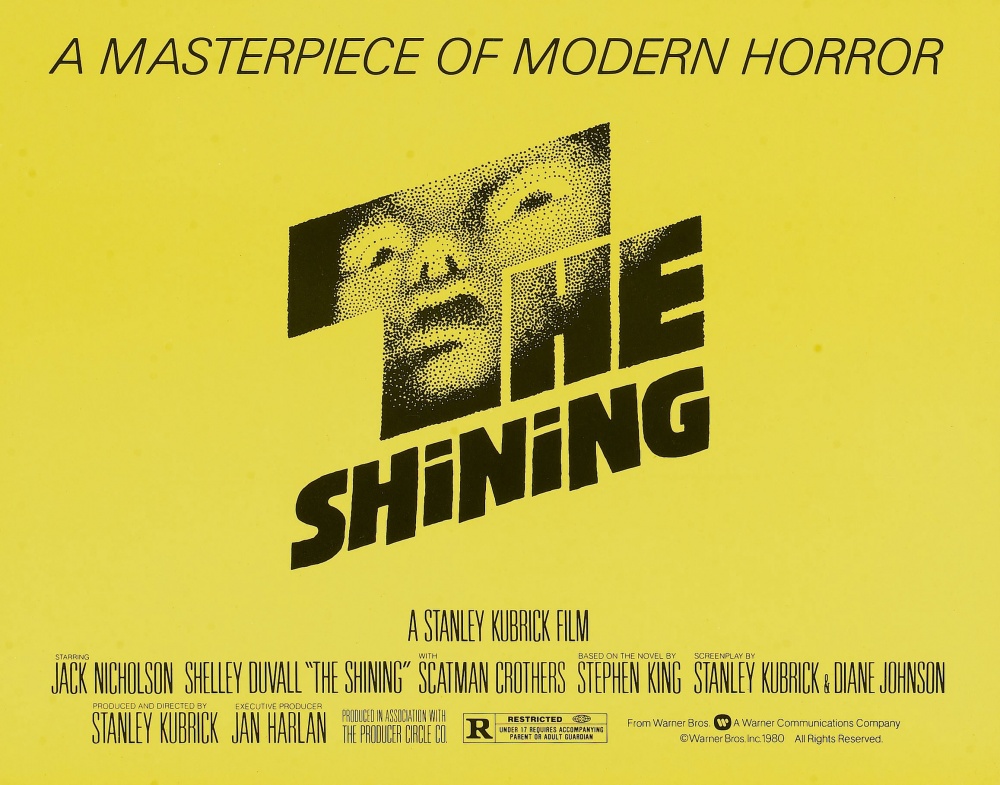
CLASSIC FILM SCENES #10 – THE SHINING – “HERE’S JOHNNY!”

CLASSIC FILM SCENES #10 – THE SHINING (1980) – “HERE’S JOHNNY!”

Directed and Produced by: Stanley Kubrick

Screenplay by: Stanley Kubrick & Diane Johnson – based on The Shining by Stephen King

Cast: Jack Nicholson, Shelley Duvall, Danny Lloyd and Scatman Crothers.

Music by: Wendy Carlos and Rachel Elkind

Cinematography: John Alcott

**CONTAINS SPOILERS**


With Stephen King’s latest adaptation Doctor Sleep (2019), hitting the cinemas, I thought it interesting to remind myself of the original classic horror film of which it is a sequel, The Shining (1980).

Uber-writer Stephen King was not a fan of Kubrick’s adaptation. Indeed, he was alleged to have been asked to cease complaining, in exchange for the book rights reverting back to him. Nonetheless, The Shining (1980) is quite rightly lauded as a horror classic. It slowly shows a writer’s descent into madness; something which is exacerbated by the ghosts living in the creepy Overlook Hotel.

Jack Nicholson plays Jack Torrance with a brooding menace throughout, exploding into full insanity after several encounters with the phantom hotel’s grim residents. In the famous “Here’s Johnny!” scene, Jack pursues his poor wife, Wendy, (Shelley Duvall) and gifted son, Danny, with an axe in hand. Wendy is trapped in the bathroom and Duvall’s petrified performance is chilling.

Beautifully framed, edited and acted, the scene is scary and nerve-wracking. The mania of Jack also casts a dark humour at the end. It took, according to Shelley Duvall, three days and sixty doors to shoot. Moreover, it has been widely reported the, “Heeerree’s Johnny!” line was famously improvised on set by Jack Nicholson. The rest they say is history.


DOCTOR SLEEP (2019) – CINEMA REVIEW

DOCTOR SLEEP (2019) – CINEMA REVIEW

Directed and Edited by: Mike Flanagan

Produced by: Trevor Macy, Jon Berg

Screenplay by: Mike Flanagan – Based on Doctor Sleep by Stephen King

Cast: Ewan McGregor, Rebecca Ferguson, Kyleigh Curran, Cliff Curtis, Zahn McClarnon, Cliff Curtis, Emily Alyn Lind, Bruce Greenwood, Carl Lumbly, Jacob Tremblay etc.

Music: The Newton Brothers

***MAY CONTAIN SPOILERS***


I read Stephen King’s classic novel The Shining when I was eleven. I didn’t quite understand the complexities of the supernatural elements, but I understood the emotion of a mother and child trapped within a traumatic family scenario. When I watched the film a year later in 1982, on VHS video, I recall not quite grasping the complex and creeping genius of Kubrick’s adaptation. I wanted them to get to the bit where the guy goes nuts with the axe!!

Flash forward many decades, and having seen The Shining (1980) more times than I can remember, I now feel that it’s one of the best horror films of all time. It is meticulously directed, edited and designed and feel like I understand it. Having said that, I still see something new in it every time I watch it. I guess what I’m trying to say is I grew up and grew older with King’s characters and Kubrick’s film, so a sequel has a lot to live up to.


While I haven’t read Stephen King’s novel Doctor Sleep, I was confident screenwriter and director, Mike Flanagan, was a good choice for the continuation of the story of Danny Torrance and his ‘Shining’ gift. Flanagan is a solid and unflashy genre filmmaker. He presents characters and narratives in a considered style, allowing the concepts to flourish and actors to shine. I would recommend you check out his previous work on The Haunting of Hill House (2018), Gerald’s Game (2017), Hush (2016) and the very under-rated, Before I Wake (2016).

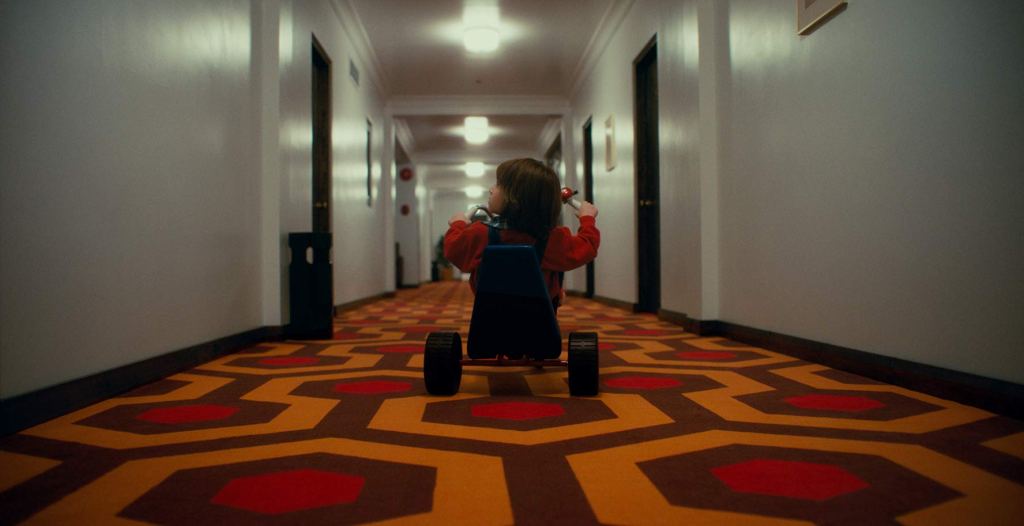
Doctor Sleep (2019) is a film, typically for King, about good versus evil. It’s also about recovery, addiction, finding yourself, death, defeating one’s demons and appreciating your inner gifts. It opens by re-establishing the trauma young Danny Torrance suffered at the Overlook Hotel. Flanagan takes great joy re-enacting scenes, locations and characters from the Kubrick adaptation. These are striking and impressive at first. I must say though, the shadow of the original The Shining (1980), arguably impinges too much in the final act. Nonetheless, as a fanatic of the original film, Flanagan is clearly having a lot of fun re-introducing ghosts of the past.


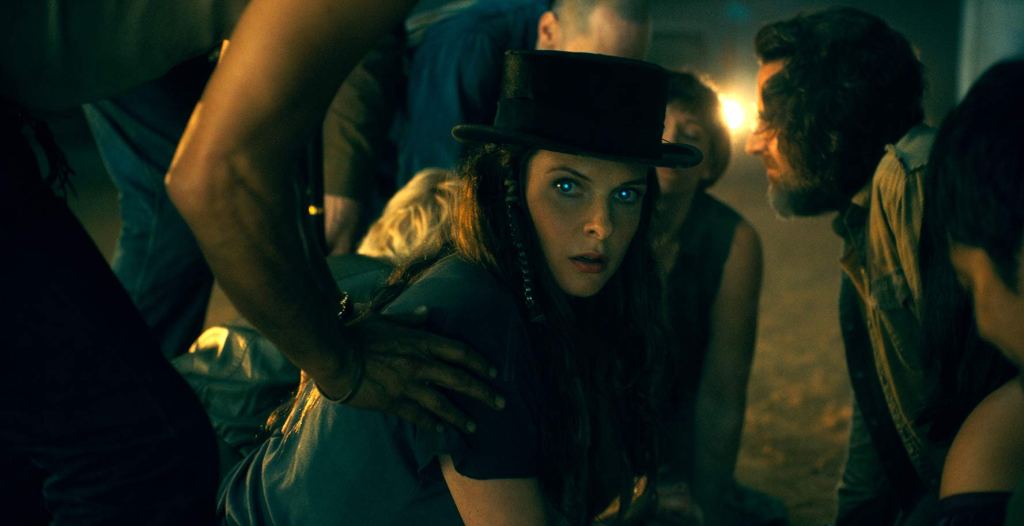
Thematically the film opens very strongly. As Danny Torrance attempts recovery from alcoholism, Ewan McGregor delivers a compelling performance. His scenes as an orderly in a hospice present some really moving moments, as he finally finds a place to utilize his telepathic gifts positively. The action really kicks in when he is contacted via ‘Shining’ by a teenage girl, Abra Stone (Kyleigh Curran). She is an incredible young talent and soon her gifts are putting her in danger. A nefarious troupe of energy vampires led by Rose the Hat (Rebecca Ferguson), feed off the ‘shine’ of these children to sustain their existence.

Rebecca Ferguson and Zahn McClarnon as Rose the Hat and Crow Daddy represent formidable nemeses in the narrative. Their group, ‘The True Knot’, reminded me off the vampires from Near Dark (1987) and also the carnival monsters from Ray Bradbury’s Something Wicked This Way Comes. Ferguson is especially alluring. She’s both sensual and attractive, but with a dark, wicked heart internally. I would have liked a bit more history of their vampiric troupe, but they were memorable villains and symbolic of the veracious nature of addiction.


Doctor Sleep (2019) is, above all else, another solid genre adaptation of King’s work. Indeed, Mike Flanagan has delivered a visually impressive and psychologically interesting film. Arguably, I felt, it was much stronger when concentrating on Danny’s movement toward recovery in the first half. Having said that this theme is played out in the inevitable face off with Rose the Hat at the end. The denouement, while generically necessary is still creepy and highly satisfying though.

As I said, the over-reliance on the images and scenes from the original The Shining (2019), while necessary, impact the sequel’s identity a tad. However, as a psychologically moving film it works very well. I suppose it could have been scarier in places, but Stephen King’s concepts retain power and really get under the skin in Flanagan’s capable hands. There is a powerful air of familiarity to the tale, but I love stories that delve into addiction and telepathic characters; especially in the horror genre. Ultimately, this is where Doctor Sleep (2019) shines. In fact, while it is a long film, it never drags and could have benefited from an episodic TV adaptation to explore the characters and fantastic concepts further.

Mark: 8.5 out of 11


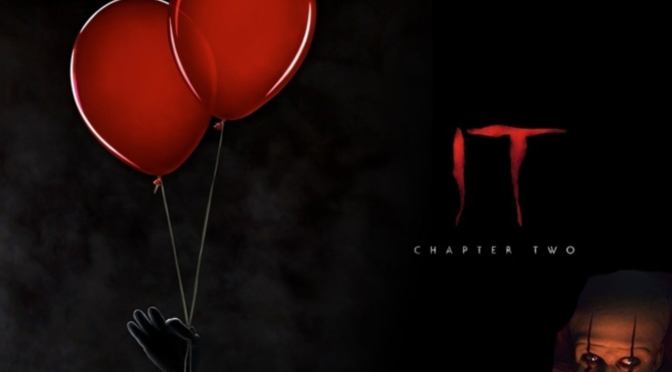
IT: CHAPTER 2 (2019) – MOVIE REVIEW

IT: CHAPTER 2 (2019) – MOVIE REVIEW

Directed by: Andy Muschietti

Based on: IT by Stephen King – Screenplay by Gary Dauberman

Produced by: Barbara Muschietti, Dan Lin, Roy Lee

Main Cast: Jessica Chastain, James McEvoy, Bill Hader, Bill Skarsgard, Isiah Mustafa, James Ransone, Jay Ryan, Andy Bean etc.

Cinematography: Checco Varese

**MAY CONTAIN SPOILERS**


Stephen King is clearly a genius. To be able to maintain creativity and longevity as a writer, plus give birth, as it were, to any number of iconic narratives, characters and events is a testament to his massive energy and talent. When I was young one of the scariest things I ever saw on TV was the horror serial Salem’s Lo(1979), which was about vampires taking over a small town. His book Carrie (1976) was also adapted into one of the best horror films of the seventies too. Moreover, during the 1980s, TV and cinema screens were peppered with King’s work notably: The Shining (1980)Stand by Me (1986) and the under-rated Pet Semetary (1989).  In 1990, Tommy Lee Wallace directed a mini-series of IT, with the terrifying Tim Curry as Pennywise the Clown. IT proved to be an excellent horror story until the – faithfully sticking to the novel of course – ridiculously silly ending.

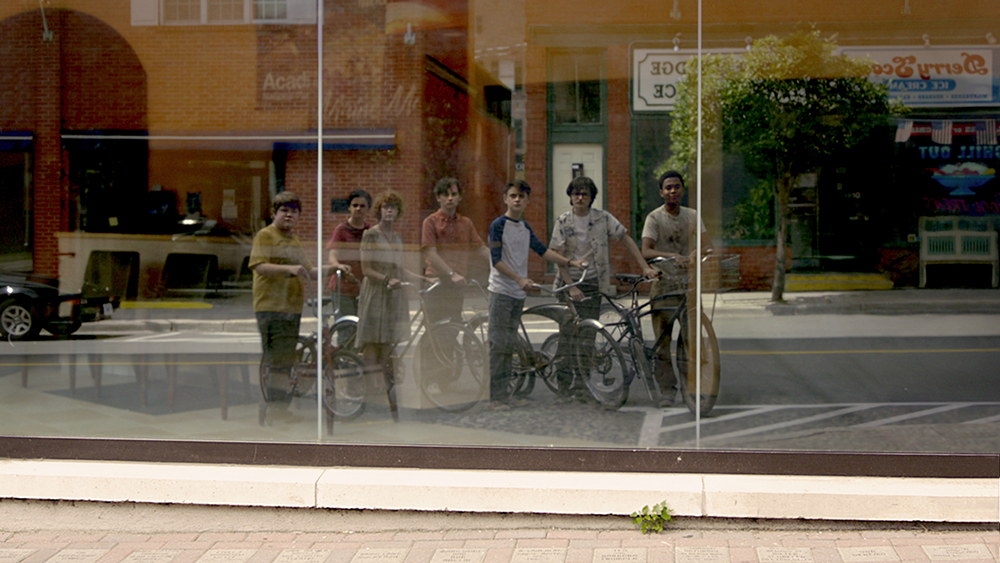
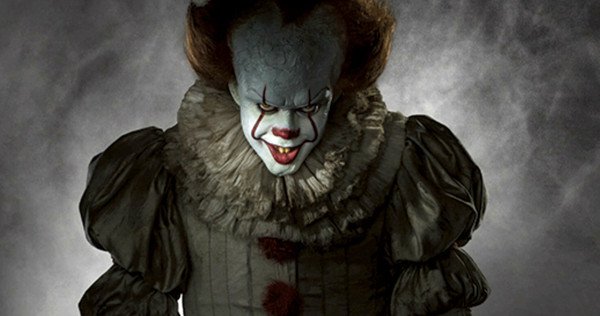
Flash forward twenty-seven years, IT: Chapter One (2017) and Pennywise (Bill Skarsgard) was back to haunt the dreams, drains and sewer pipes of Derry, Maine, using subconscious manipulation and fear to lure kids and adults to their death. Directed by Andy Muschietti, the film was a big box office hit and it’s a highly entertaining genre horror movie full of fantastic set-pieces. Thus, it was no surprise we got IT: Chapter Two, with the terrified kids now older, but equally afraid and under threat from that devilish clown.


PW-1

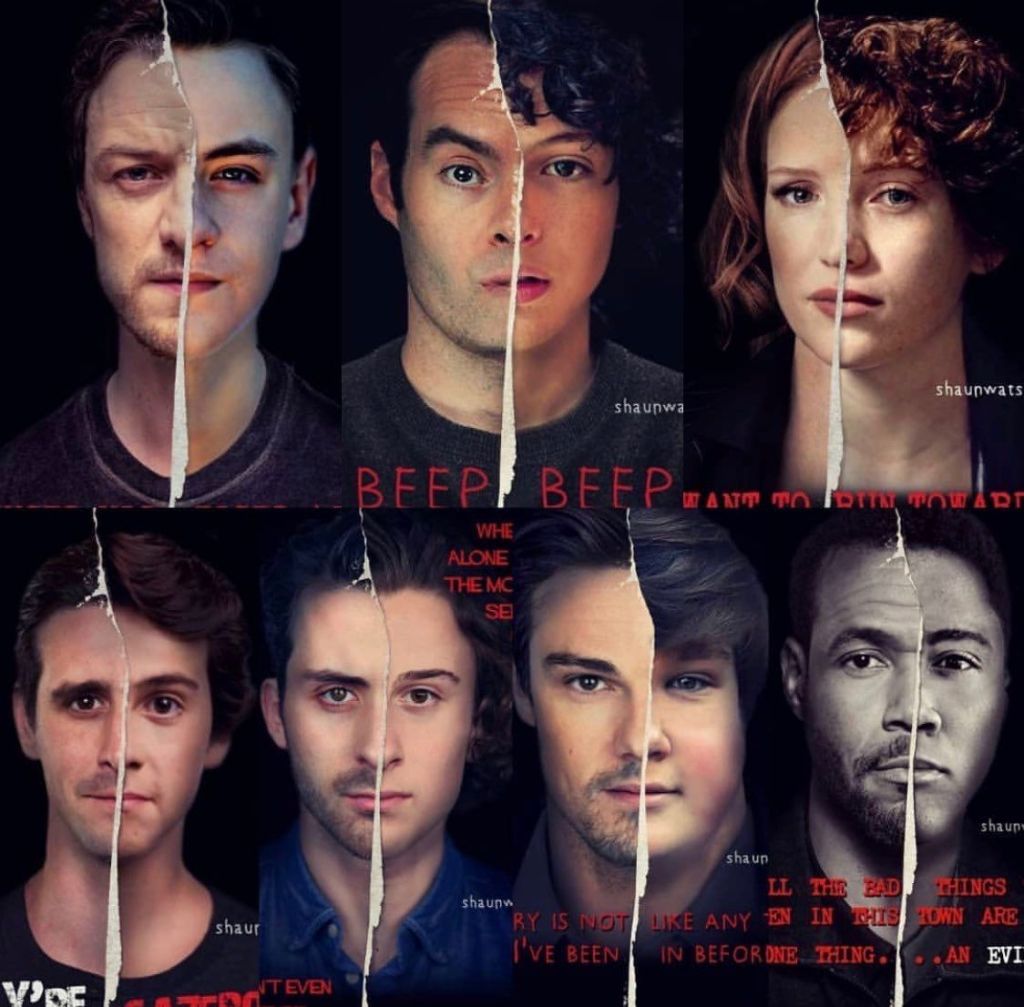
In preparation for IT: Chapter Two, I re-watched IT: Chapter One and must say I enjoyed it even more second time round. King’s imagination and ability to craft a great story full of memorable iconography such as the clown, balloons, deathly sewers, small-town existence and the strong theme of outsiders/losers versus bullies/abusers resonate perfectly within the jump-scare-horror tropes. The second film, though longer, doesn’t really develop the characters as much and we get more of the same scary scenarios but this time with the adults in place. Having said that the cast led by Jessica Chastain, James McEvoy and the brilliant Bill Hader create excellent characterisations and reflections of their younger selves.

Pennywise himself is arguably not as scary second time round either because his fear factor is lessened by familiarity. But the assorted monsters the ‘It’ creature conjures up still hold some surprise for our protagonists to face. The scariest was Bev’s demon, a creepy old woman who frightened the life out of me during the trailer and the film. What I also liked was the film confronting the frankly insane nature of Stephen King’s actual monster, which we are advised has existed since Earth even began. The filmmakers succeed where the 1990 mini-series failed, in making this inter-dimensional behemoth somehow plausible. I especially liked the in-jokes referencing the criticisms about King’s works often having terrible endings.

Thus, overall, I enjoyed this final chapter horror adaptation of King’s monster novel; and the ending worked this time. While there is a lot of repetition and recycling of horror moments of the first film, the themes of confronting and defeating bullies and demons from the past and present resonates powerfully. Lastly, like many of King’s works, it’s about the power of friendship and strength in togetherness. Because, only together can we overcome the fear of real, surreal and unreal demons lurking in the darkness of our towns, cities, rooms, homes, sewers and most of all, our minds.

Mark: 8 out of 11