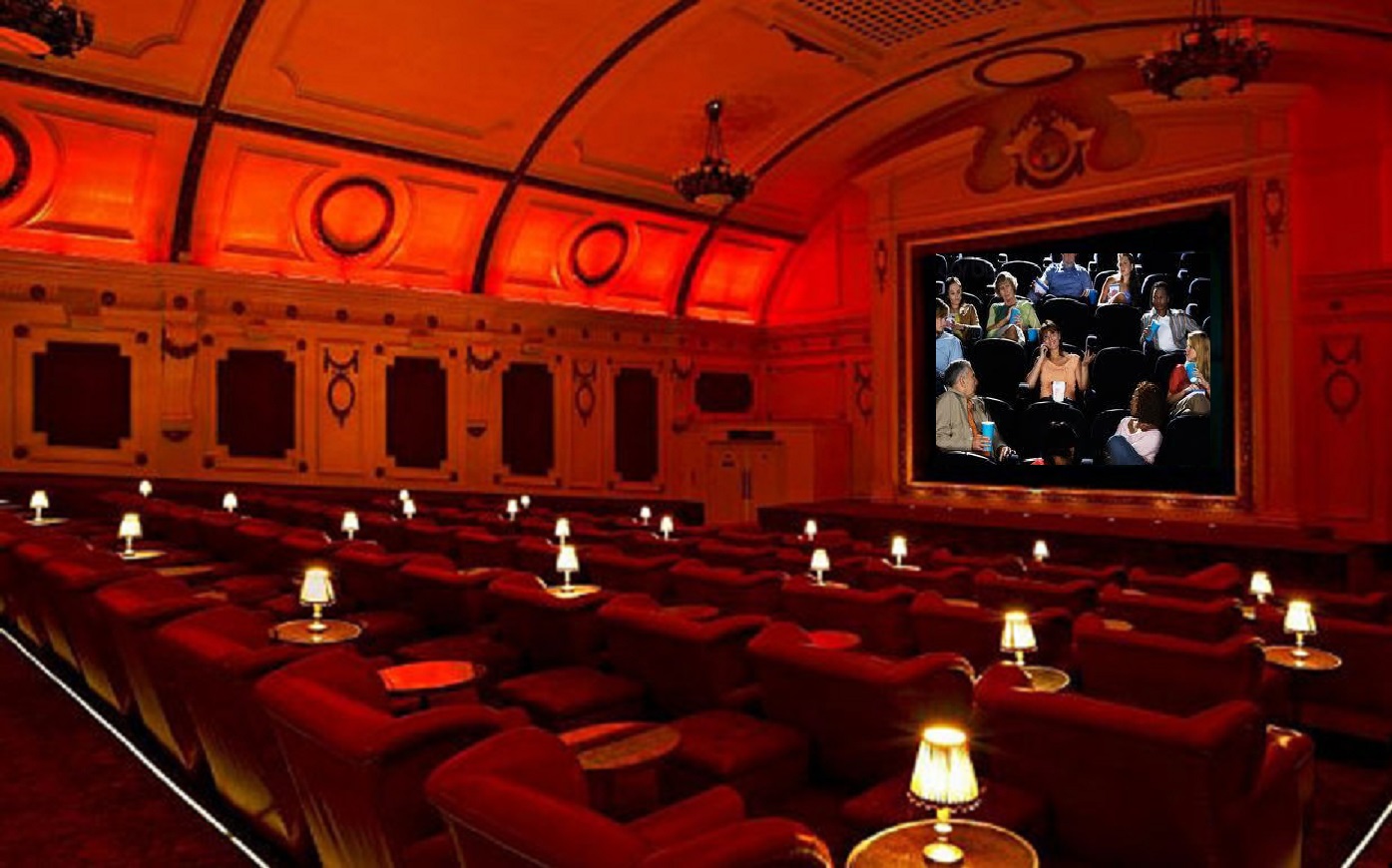
Following on from my rants about movie hair, “found footage” films and Zack Snyder the fourth entry in this series is about (drum roll please. . . ) what I hate at the CINEMA! Indeed, as this blog will testify I love the cinema and I LOVE FILMS!! As often affirmed I am not a religious person yet the cinema is the closest I get to a place of worship for me. However, there are some things I HATE about the cinema-going experience, so, I thought it would be fun to have a rant about it. I mean it’s easy disrespecting things you DON’T like such as: politicians, minor celebrities, cancer, self-service checkout machines, war, Piers Morgan and death! But how about having a go at something I DO like. So, here goes! Ten things I hate about the cinema. Enjoy!
#1 – PEOPLE
People generally piss me off at the cinema. I am a reasonably thoughtful person but when I go to the cinema I become a very selfish. I basically start to hate people. Especially if they are: in the way, talking, in the queue, in the toilet and breathing. I recall when I was a student, I loved going to the cinema for the first screening of the day because there was hardly anyone about. One of my greatest memories is when I saw The Shadow (1994) starring Alec Baldwin. THERE WAS NO ONE IN THE SCREENING at ALL!! That was my idea of heaven. Not a great film but a wonderful cinema memory.
#2 – TALKING
People who chat during the film SHOULD BE banned forever! In fact a law should be introduced that there’s NO talking from the trailers onwards. If you do you are forcibly removed from the screening room. I go to the cinema to escape reality; YOU or YOUR MATE’S voice-words are reality so SHUT THE FUCK UP! If you want to have a conversation piss-off to a pub or a shop or a busy road and PLAY IN THE TRAFFIC. Anywhere but the cinema I am in!
#3 – PHONES
Dear People, who use their phones at the cinema: see above! You ARE CUNTS!
#4 – CONFECTIONERY
ALL CONFECTIONERY SHOULD BE BANNED WHEN THE FILM STARTS. The rustling and crisping and slurping is TOO annoying for words. What is it with the cinema and NOT eating beforehand!? Eat BEFORE! I guess there’s some Freudian reason for stuffing over-priced popcorn, sugar and crisps into your gobs in the dark. If it’s an action-based film it’s not so bad as the sound of the film will drown it out. But in a drama which is character and dialogue based then the opening and rustling of packets drives me mad; especially when the people TRY TO BE QUIET! By trying to be quiet in a dead silent environment only heightens the noise you mug!
#5 – COST
While we’re on the subject of food, let’s face it: the price of popcorn is ridiculous. At present inflation is at an all-time low but NOT for cinema food. For what you get POPCORN is more expensive than COCAINE! And cocaine’s probably better for you. The price of food and drink at the cinema makes motorway service station prices look like Poundland. Also, I’ve seen a growing trend of so-called shopping ‘tasters’ at the ice cream stand. These cheapskates should be shot!! If you don’t know what the taste of cold-processed-sugared-crap is by now then just die! IT TASTES OF CHEMICALS and SUGAR!
#6 – PUNCTUALITY
GET TO THE FILM ON FUCKING TIME! I’ve made it on time! I am comfortable and have to get up, or have my view blocked, because you’re late. You shouldn’t be allowed in; especially if the film has started! There’s no excuse people – NO EXCUSE!
#7 – TRAILERS!
More and more trailers are just a summary of the WHOLE film! This is lazy! An example of a terrible trailer was a film called Fast Girls (2012) which essentially gave the WHOLE PLOT away in chronological order. Even Oscar winners Spotlight (2015) and Argo (2012) chose key dialogue scenes which span out the spine of the film and left nothing to the experience. I also lament the loss of the Voiceover Guy. I loved that guy; he really raised the sense of suspense or horror. To me a trailer should suggest and create intrigue rather give away the story or even mislead the audience. Indeed, the trailer for Sweeney Todd (2007) had NO musical numbers in it even though IT WAS A MUSICAL! Now HERE’S A PROPER TRAILER!
#8 – HEGEMONY
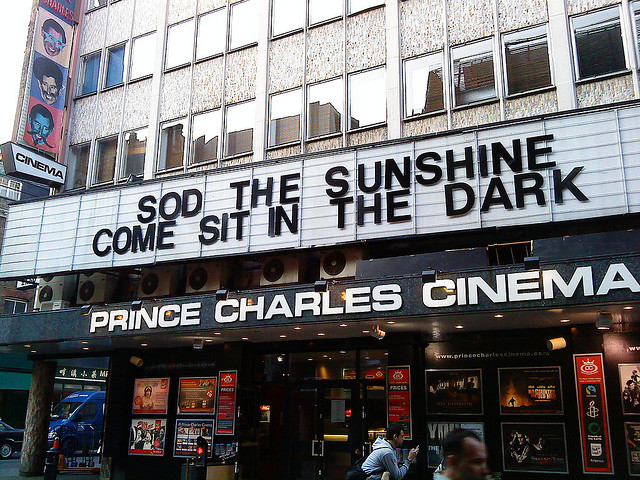
I like a decent blockbuster but the hegemonic domination of the multiplexes means smaller films don’t often get a chance. I used to love repertory cinemas such as the Scala in King’s Cross (which is now a nightclub and live music venue) but alas these cinemas are a dying breed. We do have Prince Charles which is great but even some independents are NOT truly independent like the PICTUREHOUSE chain, as they are owned by Cineworld. I’m probably just being nostalgic for a non-capitalist dream but it just irks me when a Marvel or Disney film is released on ALL the screens at the same time and smaller films vanish rapidly; lost in the huge capitalist machine that is greed.
#9 – ADVERTISING
Slowly but surely a film programme is getting longer and longer!! Showtime is advertised at 7.00pm but the film doesn’t start until fucking midnight. I’ve paid NOT to see adverts! To me it should be THREE adverts and THREE trailers and that’s it!! Plus the adverts get shown AFTER the TRAILERS too – THERE’S NO ESCAPE! I accept adverts, like politics, are a necessary evil in society but they’re STILL EVIL! If I pay £13 for a cinema ticket I’ve paid for the privilege of NOT being eye-punched to death by advertising. The amount of advertising actually makes me nostalgic for Pearl & Dean. Oh, for the good old days!
#10 – NOT THE CINEMA!
Basically, I know people are broke and the cinema is expensive but if you watch a BIG BLOCKBUSTER film on an illegal download – THEN YOU HAVEN’T SEEN IT!! I realise Hollywood isn’t going broke anytime soon and you’re probably NOT funding terrorism but you are disrespecting the cinema – so GO TO THE CINEMA!! Just don’t do any of the above THINGS I’ve listed above, and as long as you don’t go when I go, then go watch a movie where it’s meant to be seen! Not on an Iphone or a Tablet but at THE CINEMA! OBEY!
GLOBAL MOURNING: DEATH AND THE (ANTI) SOCIAL MEDIA by PAUL LAIGHT
“All that live must die, passing through nature to eternity.” William Shakespeare
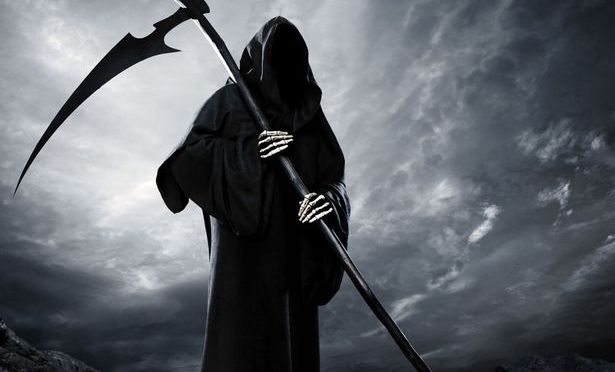
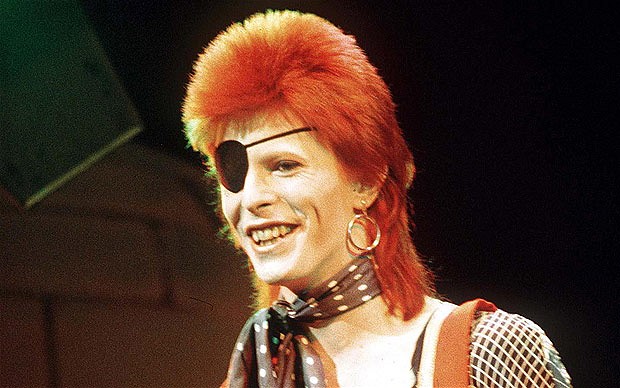
Death: the final frontier. The long anorexic finger of the reaper hangs over all of us and the annoying thing is we can do nothing about this. We are cold hard truth Cassandra. We know we are going to die; we just don’t know when. The cruel irony of life is we don’t know why we are here or where we are going when it ends. Today alone – according to Google – the utter bastard that is death has taken approximately 150,000 people worldwide due to: illness, war, old age, murder, accidents, suicide, natural disaster and so on. Of course we cannot grieve everyone but death is always magnified when we lose a famous or esteemed person. Recently we have lost musical genius David Bowie, acting gentleman Alan Rickman and hard-rocker Lemmy.
Of course these are sad losses to the art and entertainment worlds as all were esteemed entertainers who seemingly lived their lives to the full. Bowie especially had a phenomenal talent for Phoenix-from-the-flames-like reinvention and for me remains one of the greatest songwriters this country has ever produced; while Rickman was a fine acting talent who always brought gravitas to every role. Lemmy was well, Lemmy: a hard-drinking-hard-playing-hard-drug-taking-mad-man!
What I have observed is the various approaches to mourning across the world, media and more specifically the Internet, which generally explodes with a combination of emotions. More often than not humans also attack each other with Facebook and YouTube being especially brilliant for hilarious rows which quickly descend into personal attacks on parentage, religion, sexual preference; or whether someone’s Gran is a Nazi or not.
Ultimately, we all know death is a prick and people handle it in a variety of different ways, including:
Overwhelming outpouring of emotion for the life lost.
Praise and celebration of the artists’ work.
Irreverent comments where people say “I didn’t know them so why be upset?”
Aggressive comments which accuse people of “grief tourism”!
Humorous retorts such as, “Bowie is dead at 69. Rickman is dead at 69. Donald Trump is NOT DEAD at 69!”
Angry comments such as: “I hate you God – you took Bowie and Rickman but Rupert Murdoch is still living and now getting married!”
Personally I prefer the silent contemplative response and the people who are overly negative and criticise people for “grief tourism” irk me a bit. Indeed, it especially annoys me when the whole “you did not know them — so why are you grieving” statements come out. Well, I disagree with that because you do “know” them through their art and knowledge one has of their songs, acting, product and performances.
Surely, it’s instinctive to react to someone’s death? Are people really using a famous persons’ death to gain attention for themselves? Maybe they are; nothing surprises me with human beings. But to be honest, if they are holidaying in death and they’re not harming me then who cares! Let’s face it even the “grief-trolls” or “haters” or whatever-you –want-to-call them are scared of death and their defensive, satirical or ironic approach is a valid way of dealing with death and grief. Therefore, I respect their reaction as that is how THEY are grieving.
Ultimately, we’re all animals who get scared when illness and death comes a knocking and when a hero or an artist or someone famous dies we are all confronted with our OWN mortality and I suspect that is what we are most upset about. I mean who actually thought David Bowie would die – the guy is immortal surely?! But he has passed away and that is sad; but we should celebrate a wonderful life of creativity. We should also respect how a person chooses to grieve however over-the-top or emotional or irreverent or negative it may be. We are all human. Let’s just try and get on as we’re all in the same sinking boat. You win some – you lose some. Nothing lasts forever; apart from death that is.
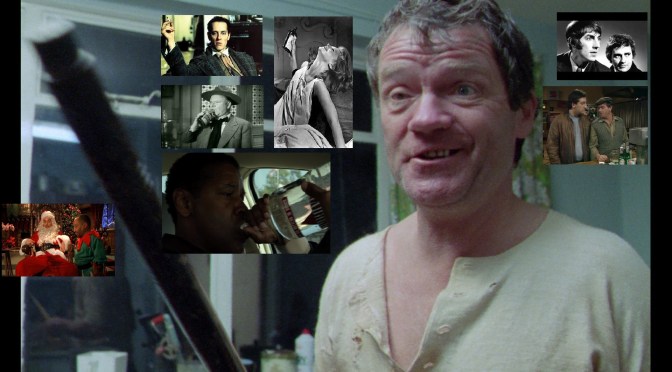
ALCOHOLICS ASSEMBLE! SOME “GREAT” ON-SCREEN DRUNKS!
“I was in love with a beautiful blonde once. She drove me to drink. It’s the one thing I’m indebted to her for.”
— W.C. Fields, Never Give a Sucker an Even Break
Cinema and booze have always been two of my favourite things to distract me before I stagger off to the great pub in the sky! So, why not have a look at some of the great drunks, characters and performances I have enjoyed over the years on the box or at the cinema.
AL PACINO – SCARFACE (1983)
While the rise of Pacino’s monstrous Cocaine-Capitalist owes much to narcotics and murder, he also plays a mean and nasty drunk. This is seen most notably in the restaurant scene where he spits and spews insults at his wife and the upper-middle classes surrounding him. Never has intoxication been so nasty and yet as sociologically adroit.
ARTHUR HOUSMAN – LAUREL AND HARDY (VARIOUS)
Laurel and Hardy are still the funniest people ever committed to celluloid but they had also had a fine “mess” of supporting actors. One of them was Arthur Housman, who was the go-to-guy when you wanted a funny lush. I reckon acting drunk is far more difficult than it looks but this guy nails it perfectly.
BARNEY GUMBLE – THE SIMPSONS (1989 – )
Barney Gumble’s status as a boozer is so legendary he actually makes Homer’s drinking look normal. Rarely is Barney sober and even his catchphrase is a supersonic belch from the pits of hell. Occasionally he will clean up or venture into normality but Barney will always be a hilarious alcoholic we’ve come to love.
BILLY BOB THORNTON – BAD SANTA (2003)
We all love a Christmas piss-up but Billy Bob Thornton’s drunken Santa does it all year round. He basically drinks in order to escape the shittiness of his life and a job he hates. This film is one of the greatest comedies of all time as Willie Stokes hits rock bottom and the self-destruct button too!
DEAN MARTIN – RIO BRAVO (1959)
Part of the original Rat Pack, Dean Martin, was known for his wild drinking ways off-stage. So, when he played drunkard, the Dude, in classic Western Rio Bravo (1959) there’s a thick varnishing of truth brought to the role. Martin’s Dude is a ridiculed because of his over-reliance on booze, thus the character attempts to get back some self-respect in a narrative heavy on machismo and redemption.
DENZIL WASHINGTON – FLIGHT (2012)
A jaw-dropping plane crash and landing introduces us to super-pilot Whip Whitaker. He should be celebrated as a hero but the character’s downfall is he performed this death-defying feat while high on drugs and alcohol. Washington is incredible in this brilliant evocation of a man battling addiction and his struggle is brilliantly orchestrated by Robert “Back to the Future” Zemeckis.
LEE REMICK & JACK LEMMON – DAYS OF WINE AND ROSES (1962)
This heart-breaking film — with brilliant performances from Lee Remick and Jack Lemmon — shows the power alcohol has as it systematically shakes you like a rabid dog until one’s soul is hollowed out. The story shows a couple succumbing to the demon drink after which their relationship is torn apart. It’s also demonstrates the power of AA in aiding treatment for recovery.
MICKEY ROURKE – BARFLY (1987)
Charles Bukowski was one of the great boozers of all time as he actually drank incessantly AND became a celebrated author. He didn’t just write about drinking and women but also his failure to reconcile with the futility of existence. Thankfully such dark materials made some great books as well as Barfly starring Mickey Rourke and Faye Dunaway. It’s painful to watch but a faithful rendition of Bukowski’s jet-black wit and mordant writing.
MICHAEL ELPHICK – AUF WEIDERSEHEN PET (1983 – 1984)
Elphick was a stalwart of British TV and cinema for years and brought a grizzled but often empathetic quality to his roles. He was comfortable as the lovable rogue and vicious hard man; none more so when he played psychotic drunken Irishmen McGowan in classic 80s comedy-drama Auf Weidersehen Pet. His character was so scary even Jimmy Nail’s Oz was fearful of him. Sadly, Elphick himself would pass away due to alcohol-related illness.
NICOLAS CAGE – LEAVING LAS VEGAS (1995)
The “Town Drunk” and “Tart with A Heart” are staple characters throughout our culture and these archetypes are breathed new life through incredible performances by Nicolas Cage and Elizabeth Shue. Cage’s writer is determined to drink himself to death while Shue’s hooker is just trying to survive. They are an unlikely romantic couple as this hard-hitting drama plays like a touching prayer to the bottle, the gutter and the emptiness of existence without love.
PETER COOK AND DUDLEY MOORE – DEREK AND CLIVE GET THE HORN (1979)
Derek and Clive were the filthy alter-egos of comedians Peter Cook and Dudley Moore. They released a series of sexually explicit, racist, sexist, homophobic, scatological and scurrilously hilarious albums in the 1970s. Moore and Cook basically got smashed and committed to tape a string of obnoxious sketches unsuitable to man nor beast. Both were alcoholics and the film version of Derek and Clive illustrates that. Dudley Moore would even have a box office hit as millionaire pisshead Arthur (1981) but this film, shot as they were kind of splitting up, is raw, funny and at times painful to watch.
RAY MILLAND – LOST WEEKEND (1949)
This dark noir is another filmic masterpiece from Billy Wilder. Ray Milland’s writer battles the bottle and those closest to him in an attempt to feed his addiction. Milland won an Oscar and not only lost weight but stayed in a mental institution in preparation. It’s an important film as it was one of the first to show alcoholic’s destructive nature rather than present the comedic drunk that had appeared mostly on screen up until that then.
RICHARD E. GRANT – WITHNAIL AND I (1987)
“We want the finest wines available to humanity. And we want them here, and we want them now!”
This often quoted but rarely bettered screenplay is one of the greatest I have ever witnessed and read; brimming with towering poetry, bilious insults and drunken repartee. Richard E. Grant is incredible as the paralytic, pathetic and cowardly actor who with Paul McGann’s eponymous ‘I’ for company laments a lack of career opportunities at the fag-end of the 1960s. It’s a hedonistic and bitter sweet joy with Withnail drinking every liquid known to humanity attempting to obliterate the now to avoid the tomorrow. Unbelievably, Richard E. Grant was teetotal so director Bruce Robinson had to get him “pissed” in preparation for a role he never bettered in his whole career.
W.C. FIELDS – VARIOUS
W. C. Fields was a comedy genius who began on the stages of Vaudeville as a juggler and became one of the most famous drunks on the silver screen. One may argue he simply transferred his alcoholic persona onto film but there’s some skill in being able to turn a weakness into a towering comedic strength. His one-liners and insults have gone down in history as some of the smartest and sarcastic ever written and when compiling this list his was one of the first name’s on it.
WILLIE ROSS – RITA SUE AND BOB TOO (1987)
Last but not least is the imperious drunk Willie Ross. His is the best lagging-pisshead acting I have ever seen on screen! His character in Rita, Sue and Bob Too was a racist, sexist, unemployable, drunken bully who when stood up to would simply cower amidst his own weak character and lack of bravado. Club comedian Ross also appeared in classic British TV drama Our Friends in The North as Daniel Craig vicious alcoholic father and also on stage in plays by Chekhov and Coward.
I have a confession to make. I am a love cheat. I love the cinema but, of late, I have been cheating on it with Television. I couldn’t help myself. TV used to be cinema’s bastard child but now it’s all grown up and wow, has it matured! Gone are the past memories of four channels with some programmes of high quality yet limited choice. Now we have four thousand channels to choose from and while much of it is light bum-fluffery there has been some great product, notably dramas such as: Game of Thrones, The Walking Dead, 24, The Sopranos, Hannibal, Boardwalk Empire, Breaking Bad, The Fall, Daredevil, Peaky Blinders, Doctor Who, True Detective, Band of Brothers and many more I have forgotten or just haven’t had time to watch. But never fear cinema I still love you.
The moment I purchase a cinema ticket, in fact even before I leave the front door knowing I am about to leave for the cinema I get the charge, the buzz and the anticipation of getting a movie fix. Because for me going to the cinema does what television cannot: it takes me out of my home. It takes me off the street. It takes me out of THIS world. It takes me to a dark secluded spot sat staring at a gigantic silver screen waiting for the moment the projectionist feeds celluloid through light, well digital files though a computer and then a lens or something; anyway, you get the picture. Then the movie starts and for the next few hours I’m transported to another world featuring: places, times, characters, sounds, images, events etc. that are beyond my imagination. And when the movie ends there’s a rush of excitement, a reaction to the cinematic assault on the senses. But, alas, the fix cannot last. Reality is soon knocking on my door.
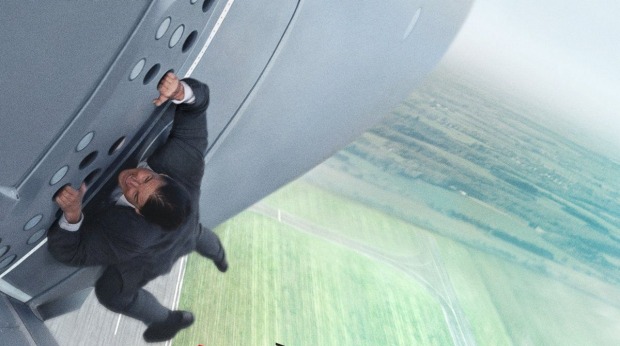
Cinema offers a wide-screen visual delight. Indeed, when television first came into people’s homes film producers were frightened that this new-fangled ‘radio with pictures’ would steal away audiences so Hollywood made bigger, though not necessarily better, movies; epics such as: The Robe (1953), The TenCommandments (1956), Ben Hur (1959) and Cleopatra (1963). Obviously, the epics just keep coming notably in the raft of summer blockbusters which infest the screen. This year has been no different with films such as: Ant-Man (2015), Avengers: Age of Ultron (2015), Jurassic World (2015), Fast and Furious 7 (2015), Mission Impossible: Rogue Nation etc. delivering with spectacular monsters, crashes and stunts.
While such blockbusters may lack depth of character than many TV dramas it’s the spectacle I crave at the cinema. That moment where you go giddy because you haven’t breathed for a minute until all the air rushes from your mouth as one simultaneously pushes your jaw back shut. Good old TV cannot do this though. The television set traditionally occupies a foremost place in the ‘living room’; it’s small compared to the cinema screen and has kind of replaced the hearth that used to provide heat and light. The TV glows and is reminiscent of the old-fashioned campsite fire where families or scouts swap ghost stories while capturing the heat from the flames.
Cinema offer a short, sharp hit compared to TV. Often, a longer running drama series on TV will require a six, ten, thirteen or even longer week commitment. Of course, the introduction of streaming or binge-watching has hacked this idea down to size but movies are still economical and quicker-paced, affording little in the way of fat to the storytelling. Cinema characteristically adopts a tight narrative organised around a particular problem or disruption that is resolved at the denouement where some TV shows, while resolving some plots, will hook us in with shocks to keep us watching and sometimes this can be frustrating as the two-hour or so closure and resolution that cinema offers is very satisfying to me. One of my favourite films Jaws (1975) is a great case in point. Here a shark terrorizes a local community in the United States and the cause-effect narrative takes us through a series of conflicts involving: shark attacks, pursuit of the shark and ultimately the killing of the shark. Thus, film is able to offer a satisfying conclusion to a thrilling story. Ultimately, film offers catharsis and the endings of films such as: Fight Club (1999), Chinatown (1974), The Godfather (1970) and Planet of the Apes (1968) all build to unforgettable climaxes.
Yet, the major concern I have with committing to a new TV drama is the length of time required to get in AND out of the story. I think long and hard about such a commitment but with film one knows it’s not going to be as such. Indeed, one of the reasons I have not watched Mad Men yet is the amount of seasons ahead of me. I’ve been married and I know how much hard work it is. I just don’t feel ready to commit just yet to Don Draper and his “crew”. Plus, with TV shows designed with advertisers in mind adverts can get on the nerves when in the midst of the narrative although the set-top box and Netflix revolution has put that issue aside as has the DVD box-set. Despite this though Cinema is still the preferred mode of voyeuristic, narcissistic and vicarious pleasure though as you sit in a comfy seat eating over-priced confectionery and have a non-stop viewing experience with all adverts before the main presentation. Of course, most films do have multiple examples of product placement, especially Tom “Dorian Gray” Cruise’s M:I franchise but that’s subliminally secreted within the narrative and action and thus not an issue for me. Overall, TV’s episodic form lends itself perfectly to advertisers yet once the movie has started it remains a satisfying whole and is never interrupted with a word from the sponsor.
While I admit that TV stories are gaining more and more complexity notably in regard to depth of characterisation and emotional power they are intrinsically “talking heads” and dialogue lead. TV is still anchored by a lack of screen-size and scope. Rarely does the action on a TV show reach the heights of the cinema although in recent times 24 and Daredevil have featured some spectacular set-pieces and fight scenes. Moreover, Hannibal has to be the most exquisitely edited TV show I have ever seen. But is it better than the cinema? Boardwalk Empire showed flashes of narrative genius with its parallel storytelling from past and present but does it reach the stunning narrative expertise of say Memento (2000);the story of Leonard Shelby (Guy Pearce) – a man with no short-term memory – which presents the complex plot BACKWARDS! Moreover cinema, unlike TV, is also able to breach huge temporal and spatial differences through editing. Perhaps the most famous single cut in cinema history appears in Stanley Kubrick’s 2001: A Space Odyssey (1968). Opening with the “Dawn of man”, apelike hominids learn how to use tools. As the ape/man smashes down the bone he then launches it into the air. One cut later and the audience are thrown thousands of years into the future and thousands of miles into space. Such vision demonstrates the power of cinema and takes the breath away.
The arch edict screenwriters should follow when writing for the screen is one should: “Show don’t tell.” Dialogue is also a vital tool in the screenwriter’s box as filmmaker’s such as Quentin Tarantino and The Coen Brothers have demonstrated in movies such as: Reservoir Dogs (1991), Pulp Fiction (1994), The Big Lebowski (1997) and Fargo (1996). Nonetheless they have married quirky, stylish dialogue with strong visual flair. Indeed, the screenwriter must be aware that cinema represents a marriage of sound and vision. While TV traditionally favours dialogue to further the story and action, cinema uses a whole host of devices to tell the story including: cuts, dissolves, wipes, flash-cuts, voice-over, overlapping dialogue, close-ups, point-of-view shots, shot-reverse-shot, Steadicam shots, crane shots, moving shots, dolly shots, wide-screen panoramic views, black-and-white film, colour film, and use of diegetic and non-diegetic music. Indeed, for me there is nothing more cinematic than great music being placed over fantastic images. Filmmakers such as Tarantino, the Coens, and Martin Scorcese are all aware of this. Tarantino uses non-diegetic music expertly in the infamous ear-slicing scene in Reservoir Dogs (1991).
And so I conclude with a mild apology to cinema. I have been seeing a lot of Television these days I DO STILL LOVE YOU! I love your form, style and content and the way they combine to move me emotionally and physically in a way television cannot. Movies will always reach the parts Television cannot. Something magical occurs when watching a film. A whole new world develops before my very eyes; heroes and heroines are thrown into adventure and conflict with events changing their lives forever. Be it falling in love, falling out of love, fighting for their lives or the lives of the ones they love, struggling against the odds to achieve their greatest desires or, tragically failing at the last obstacle. That for me is cinema. It’s an escape from reality the moment one leaves the house. Saying goodbye to the box, not only knowing it will be there when one comes back home but also knowing that it will rarely change my life. While its heat may keep the living room warm at night it cannot compete with film. I have seen the light. Je t’aime cinema!
**CONTAINS SWEARING AND SPOILERS AND OVER-USE OF CAPITALS**
Usually I’m very positive on this page but on occasions I feel the need to let rip at things that irk me. Loss of the Voice-Over Guy in film trailers pisses me off as does the generally poor expositional style of many trailers which TELL the whole story or give key plot points away IN THE TRAILER!!! E.g. Terminator: Genocide (2015). But there is one sub-genre of movie-making which has me tearing my nuts off with rage and that is the continued proliferation of FOUND FOOTAGE style films. And here are TEN reasons why!!!
1) THE BLAIR WITCH PROJECT(1999)
I hate this fucking film! Because of its ridiculous success it undoubtedly gave birth to an army of other bastards that have been stinking up the cinema and TV screens for the past few decades. Firstly, this film sucks! As both a story AND a horror story. If this film scares you then you are a moron! It’s an okay short film padded out to an overlong bore-fest which was only topped for boringness when Paranormal Activity (2007) came out.
I’m happy for the filmmakers for garnering such success but given they have not released anything of note since shows this was a fluke success. I mean the characters were awful and dumb; notably when one moron threw away the map and got them LOST! The ending isn’t bad but I was just so relieved when they all died! Verbal Kint once said, “The greatest trick the Devil pulled was convincing you he doesn’t exist.” I disagree: it was making this film so phenomenally successful.
2) UNNECESSARY!
Found footage is unnecessary to tell a story. I can see some benefit in perhaps framing your story like that if it’s Cannibal Holocaust (1980) and it’s documentary film crew blah-blah-blah! But in my opinion it ADDS NOTHING to the story as a stylistic device. Use flash-backs, montage, flash-forwards, voiceover, non-linear structures etc. but found footage is like one of those Chihuahua dogs: irritating, totally lacking in charm and completely pointless.
3)POISON
Like Hitler, Gangnam Style, Miley Cyrus, Adam Sandler, Ugg Boots etc. found footage films are inexplicably successful yet also poison humanity!! I admire low-budget/independent filmmakers and DO NOT begrudge any success these people have had BUT THE FILMS ARE RUBBISH!! The cinematic epitome of the Emperor’s New Clothes.
4) CLUMSY
It’s just SO clunky!! Even the best ever found footage film Chronicle (2012) which uses the device imaginatively suffered because they had to make up some reason for one of the characters to be filming. Oh, it’s my sister’s mum’s birthday and funeral and we need to film it for future posterity. Oh, I accidentally left my phone camera on while in the woods and am now being hunted down by my own shadow! No! STOP IT!!
5) THE FILMS LOOK SHIT!
Need I say more?!? Low budget does not mean the film needs to be shot through CCTV or infra-red or in low-grade digital footage grainier than hamster shit. Ten minutes or so is bearable but a whole film like that is just too much to handle!
6) LAZY
Oh, we’re gonna make a horror film shall but we don’t have much money: shall we use our imagination like say Sam Raimi or James Wan and construct a proper story with nasty monsters, witty dialogue, funny and horrific set-pieces OR shall we set up a fake camera and have doors move slightly or faces suddenly appear on screen or it’s quiet and then a shadow moves! Yeah, don’t bother with characters you may connect with or creating suspense through something called a story let’s make a found footage film because WE ARE LAZY!!
7) INSULTING
Occasionally, found footage is used well such as in Creep (2014) with Mark Duplass or REC (2007), but overall the films are an insult to the horror genre. I love horror films and there have been some really good ones recently such as: Insidious (2010), Saw (2004), The Conjuring (2013), The Babadook (2014), It Follows (2014), You’re Next (2011), Let The Right One In (2008), The Descent (2005), Cabin in the Woods (2012), Shaun of the Dead (2004) to name a few. And were any of them found footage films: HELL NO!!!
8) MORONS
It’s an invite for every talentless, breathing moron with a camera who think they can become a filmmaker. Don’t bother writing a script or creating decent characters or storyboarding imaginative cinematic moments – just don’t bother because you can just tripod a camera and PRETEND its close-circuit TV or a cameraman or videographer! Even horror legend George Romero got sucked into the talent vortex with the atrocious Diary of the Dead (2007) and Oscar winner Barry Levinson too with The Bay (2012). Stop the world I’m getting off!!
9) VERMIN
Like rats in London you’re never too far away from a found footage film. There’s too many of them – they are a plague upon the culture and humanity overall. Please STOP watching them because as they are cheap to make they spawn rubbish sequels! They are like the appendix; utterly pointless but when they burst on the cinema screen they are poisonous, painful and one must immediately seek medical help.
10) FOUND FOOTAGE FILMS ARE NOT SCARY!
Perhaps in the darkened cinema you could be tricked into THINKING they are scary when a shadow, door or tree moves but they’re not. Overall they are as scary as a Panda in a bib!
“I was looking for a job and then I found a job. Heaven knows I’m miserable now!” Stephen Patrick Morrissey
**CONTAINS MILD SPOILERS**
Cinema and television is often about reflection. What happens on screen reflects the dreams or loves or nightmares or hates of the audience. There is no greater scene in a movie I love more than a good sacking or resignation scene. Indeed, I’ve had many jobs I’ve hated. I’ve had many jobs which hated me. Plus, in my “career” as a wageslave I’ve been constructively dismissed, made redundant and resigned from various places of employment.
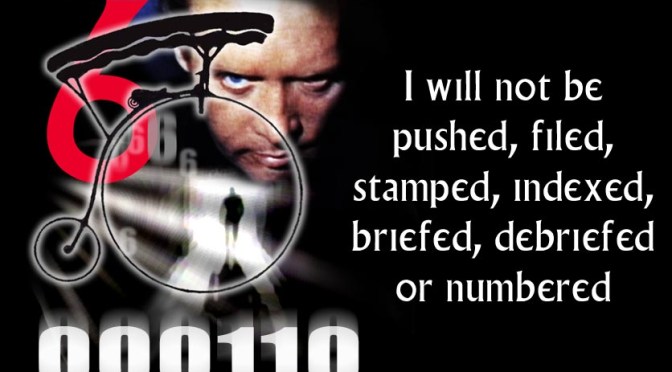
So, when I see it occur on screen I thrill at the idea of a character NOT being in work; of leaving employment; of being free and damning the consequences. Of course, this is all wish fulfilment and projection as I am a responsible person and continue to punch the clock. Nontheless, if you have a desire for a certain level of existence and especially if you have children you need to pay your way. But a sucker can dream and have the mirage of hope play out on a big screen. For your consideration I have pushed, filed, stamped, indexed, briefed, de-briefed, and ordered some cracking sacking or resignations scenes from television and film.
For your consideration I have pushed, filed, stamped, indexed, briefed, de-briefed, and ordered some cracking sacking or resignations scenes from television and film.
AMERICAN BEAUTY (1999)
This brilliant ensemble drama confirmed Kevin Spacey as an actor of some force and the scene where he turns the tables on his boss in just magnificent. I also love it when he’s interviews for the job at the fast food place because he wants a job with as little responsibility as possible. A mid-life crisis has never been so much fun!
BOYS FROM THE BLACKSTUFF (1982)
A tragic and darkly comic “poster-man” for Thatcher’s Britain, Yosser Hughes became synonymous with the catchphrase “Gissa job!” A pale, ghost of a man who would essentially get hired and fired on the spot due to his uncontrollable anger and violence. The whole series is classic British TV at its best and in Yosser’s Story I’m both laughing and crying inside at the same time.
BRIDESMAIDS (2011)
I’ve used this scene before on a previous blog item about great dialogue scenes and happy to use it here again. Kristen Wiig and the teenage nemesis exchange verbal blows ending in a cracking payoff right at the end. The scene has wonderful performances and cracking comic timing as they take the comedy staple of battling one-up-woman-ship right up to eleven.
“DO I NOT LIKE THAT!” ITV DOCUMENTARY (1994)
One of the greatest sporting documentaries ever! The tragi-comedy of Graham Taylor’s ill-fated attempt to get England to the 1994 World Cup is a brutally honest and painful to watch. Taylor is a fine football man but this whole documentary is one big sacking waiting to happen. David Brent doesn’t manage football teams; but if he did.
FIGHT CLUB (1999)
One of my favourite films of all time this is a wonderful, wonderful scene which captures the mood and violence of the thematics in a heartbeat. Smashing yourself up AND blaming your boss is just a magnificent way to leave a job. Awesome!
THE HUDSUCKER PROXY (1994)
While not one of the Coen Bros more celebrated films The Hudsucker Proxy has many wonderful visual tricks up its sleeve. The opening set-piece where the Chairman of the Board “resigns” is a wonderfully constructed sequence edited and shot with their usual flair, humour and precision.
KILL BILL: VOL. TWO (2004)
I really felt sorry for Michael Madsen’s Bud in this scene. Here’s a guy who is a part of infamous assassin team called The Viper Squad, in a deadbeat backwater town bouncing to make ends meet with a coked-up-douche-bag-boss to boot. For being late he is catigated in the most humiliating way and yet doesn’t react. Perhaps he’s above it all but I really wanted Bud to thump his scumbag boss but he just takes it and walks out.
NEED FOR SPEED (2014)
Great driving and car stunts do not save this video-game adaptation from being an also-ran as a narrative. However it does have a very memorable resignation scene which transplants some much needed humour in the over-serious petrol-headed plot. Here mechanic Fin quits his job in hilarious fashion.
NETWORK (1976)
“I’m mad as hell!” Stunning Paddy Chayefsky script holds a burning mirror up to the news media governed by a desire for ratings in Network. The film reflects flaming ire and wide-eyed fury via Peter Finch’s Howard Beale who not only is under threat of the sack but actually promises to “resign” permanently on live television. It’s a stunning film which in many ways is just, if not more, relevant today.
THE OFFICE (2001-2003)
Even though he probably deserved his sacking/redundancy for his somewhat eccentric management style I still felt sorry for David Brent. His self-delusion knows no bounds as he offers his resignation believing him to be irreplaceable only to find it accepted by the management. It’s made all the more amusing because he’s adorned in ridiculous fancy dress for Comic Relief. Priceless.
THE PRISONER (1967 -1968)
This TV show from the 1960s is an enigmatic masterpiece. Set in the mysterious Village we follow one-can-only-presume-a-former-spy called Number 6 (Patrick McGoohan) as he attempts to escape from his nefarious captors. Kafkaesque to the extreme it begins with one of the great resignation/credit sequences ever.
Cinema, historically, is seen as a visual medium telling its’ stories via wonderful imagery and sequences spliced together to traverse the collective vision of an omnipotent director. And there have been some incredible filmmakers who have created fantastic visual landscapes to be marvelled at such as: Stanley Kubrik, David Lean, Ridley Scott, David Fincher, Andrei Tarkovsky and er. . . Michael Bay. Yet, as much as I love the films of such ‘epic’ filmmakers you just can’t beat a brilliantly written piece of dialogue created by a screenwriter and delivered by an actor committed to the character and performance.
Bad dialogue will be on-the-nose, telling us the story specifically and reveal half-baked emotions from paper-thin characters; while great dialogue will tell us about character, theme, and subtext as well as make the audience laugh, cry and most importantly feel emotion. I love dialogue which is both funny and dramatic and reveals the nature and dynamics of characters’ relationships; especially scenes where characters verbally abuse each other or have gone into meltdown mode.
So, here’s a random list of some of my favourite dialogue scenes and why I like them so much. But, of course, the dialogue would probably be nothing without some fine performances too. I’m certain there’s many, many more scenes or monologues I’ve left out but as Osgood says to Jerry in SOME LIKE IT HOT – in one of the greatest final lines of any movie – “Nobody’s Perfect!”
(SPOILER ALERT and assumptions you have seen these films. If not, why not!?)
SOME LIKE IT HOT (1959)
“Nobody’s Perfect!”
Voted one of, if not the best comedy ever by the American Film Institute this scene is a gimme. It is genuinely the funniest ending to a great comedy. The dialogue is both hilarious and nails the characters’ personas right to the end. Cool heartthrob Joe (Tony Curtis) gets the ultimate blonde bombshell, Sugar (Marilyn Monroe) while hapless loser Jerry’s (Jack Lemmon) plan to marry for a big settlement backfires splendidly. Lemmon was one of the greatest screen actors ever as he was able to do comedy, pathos and drama with wonderful timing and he shows that in this highly witty scene.
RESERVOIR DOGS (1992)
“Why Am I Mr Pink?”
I love Tarantino’s dialogue. For me he’s the closest you’ll get to a 20th Century Shakespeare. All his films – apart from Death Proof (2007) which I hate – have wonderful characters, casting and set-pieces. Most of his scripts tend to be a tad overlong e.g. Kill Bill (2004) could and should have been one film. Therefore, because of its’ economy, muscular writing and fast pacing, Reservoir Dogs (1992), remains a major favourite of his ouevre. I love the temporally jigsawed order, testosteronic cast and above all else, the hard-boiled dialogue. It’s lean, bruised and biting; spat out by unreconstructed men who are destined to die a violent, painful death.
The Mr Pink (Steve Buscemi) ‘I don’t tip’ scene deserves to be on this list but the one where they all get their names from big Joe Cabot (Lawrence Tierney) is a diamond in a cluster of sparkling rough. Industrial language crackles from the screen and the hilarious argument that ensues further sums up Mr Pink’s petty-minded character. Interestingly, this scene was not in the original screenplay and was added to the film during shooting.
MILLER’S CROSSING (1990)
“If you can’t trust a fix. What can you trust?”
The opening scene of Miller’s Crossing – like the whole movie – perfectly encapsulates the 1920s/1930s language of America as represented by, not actuality, but the works of noir novelists Dashiell Hammett and Raymond Chandler. The Coens’ postmodern vision creates a world of violence, dames, sluggers, double-crosses and prohibition-led organized crime. The scene begins with a speech by Italian gang-leader Johnny Caspar (Jon Polito) who espouses his “ethical” modus operandi on fight-fixing to soon-to-be-rival Leo (Albert Finney). While the dialogue crackles and pops; the scene also foregrounds all the key characters on screen at the time and those to appear later in the movie – notably John Turturro’s slimy bookie Bernie Birnbaum. You could probably do a Top 100 of great dialogue scenes from Coen Brothers’ movies and this is certainly up there with the best of them.
Johnny Caspar: I’m talkin’ about friendship. I’m talkin’ about character. I’m talkin’ about – hell. Leo, I ain’t embarrassed to use the word – I’m talkin’ about ethics. It’s gettin’ so a businessman can’t expect no return from a fixed fight. Now, if you can’t trust a fix, what can you trust? For a good return, you gotta go bettin’ on chance – and then you’re back with anarchy, right back in the jungle.
MISERY (1990)
“He didn’t get out of the cockadoodie car!!”
Kathy Bates deservedly won an Oscar for her barnstorming performance as Annie Wilkes. Stephen King’s Wilkes’ is a charismatic lunatic who takes the ‘I’m your number one fan’ maxim to the extreme. This scene reveals more, in some ways, than the memorably gruesome ‘hobbling’ scene. It shows Wilkes’ skewed understanding of narrative by revealing her disgust at ‘cheating’ cliffhangers of Saturday morning serials. While her language is funny, the delivery and anger in Bates’ performance is very unnerving as demonstrated by Caan’s stunned reaction when he realises he is in the company of a very disturbed individual. Lastly, I actually agree with her! They always cheated in those TV shows!
WITHNAIL & I (1986)
“What’s your name – Mcfuck?!”
Definitely in my top-ten-line-for-line-best-dialogue-ever-movies, WITHNAIL & I simply bursts with memorable spats, insults, one-liners and speeches. I recall being incredibly drunk following a birthday party and watching this scene over and over again and almost choking on my own laughter. It’s still quite early in the film but the relationship between permanently inebriated cowardly ‘thespian’ Withnail (Richard E. Grant) and the eponymous ‘I’ (Paul McGann) is perfectly crystallized in their exchanges with the dangerously lubricated Irish barfly.
Withnail not only reveals his ineptitude in facing physical confrontation but is more than happy to stitch his companion up in a scene which is later mirrored during their run-in with a randy bull. Moreover, the scene slyly sets up the character of Monty (Richard Griffiths) and the disastrous trip to the country, demonstrating great writing in burying such exposition within the comical encounter. Bruce Robinson, arguably, never reached the heights of Withnail and I again unfortunately. But his screenplay is one of the greatest ever written; conversely making it one of the funniest and tragic films of all time.
ANNIE HALL (1977)
“I have to go Duane – I’m due back on Planet Earth.”
Arguably the most brilliant and prolific screenwriter/directors ever, Woody Allen’s movies – especially his ‘early, funny films’ – are jammed with gags, slapstick and cracking one-liners. Allen’s cinematic art would mature and his hilarious romantic comedy Annie Hall forms a creative bridge between the joke-driven all-out comedies and the more dramatic works featured in Allen’s oeuvre. Annie Hall is obviously still of full of punchline-led scenes as it tells a classic boy-meets-girl-boy-breaks-up-with-girl-boy-analyses-where-it-all-went-wrong tale, only Allen could pull off.
I could’ve picked any number of great scenes from Annie Hall but one I always remember features the majestically intense – even as a youngster – Christopher Walken. It’s his only scene but he still stands out as Annie’s brother, Duane: a psychotic loner with suicidal tendencies. His short but very dramatic monologue is perfectly delivered as Duane confesses a desire to kill himself in an automobile accident. Comedy arrives by virtue of Allen’s squirming reactions in the car with Duane and the final pay-off is an absolute treat.
BRIDESMAIDS (2011)
“I feel bad for your face!”
I love this scene because it really sums up Kristen Wiig’s unhappy-go-lucky-loser-status in the film. Wiig’s Annie suffers a severe case of arrested development throughout and in the squabble with the young girl she should really be mature and know better. Annie’s in negative equity romantically and forever in the shadow of other more successful women and just as things cannot get any worse she enters into a ping-pong argument with this brattish teenager that escalates WAY out of control. It culminates in a wonderfully rude topper of a punchline that left me laughing my head off. There’s also an element of wish fulfilment in there too as I would love to have let rip in a similar fashion during my time in customer service.
GLENGARRY GLEN ROSS – (1992)
“Fuck you! That’s my name!”
In Glengarry Glen Ross, Alec Baldwin plays the character Blake, almost earning the silver-tongued raconteur an Oscar for the role. He’s in ONE scene. ONE scene, yet because of David Mamet’s mercurial speech he steals the whole film. This is no mean feat given the cast contains an annual Oscar Best Actor nominee list: Jack Lemmon, Al Pacino, Kevin Spacey, Ed Harris, Alan Arkin and Jonathan Pryce. Blake’s speech is a rallying call for the sales team to raise their game, full of acronymic inspiration and cursing and flat-track bullying. It quickly turns to a litany of threats, abuse and monetary grandstanding as the sales guys just don’t respond to Blake’s aggressive personality. I fucking hate sales jobs and they suck because of guys like Blake who do not care about the customer – just the dough! Although having said that if I’d heard Mamet’s speech delivered by Baldwin I’d be ready to sell snow to the Eskimos. He’s that good!
DOCTOR WHO: A SPACE (AND TIME) ODYSSEY – PART THREE
**CONTAINS MASSIVE SPOILERS**
MATT SMITH
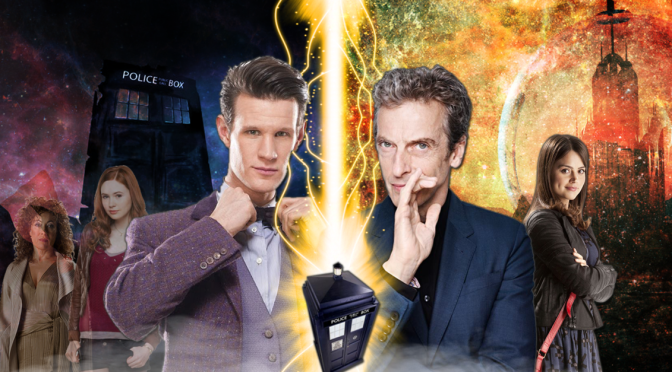
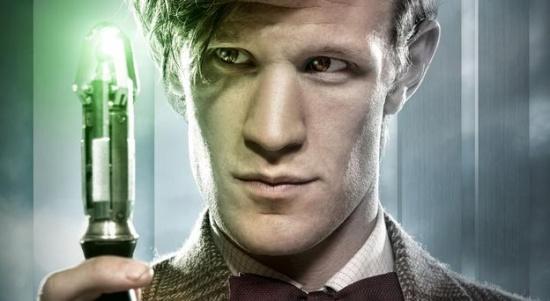
Suddenly the Doctor was very, very young; almost a child in vision and attitude as played by the tall-stick-insecty-excitable-Tigger that was Matt Smith. My brain exploded. I was used to the Doctor being an elder statesman and of course this shifted somewhat with Eccleston and Tennant, however, they seemed older. These were actors who had done Shakespeare (I think) and looked like they’d lived. Not Matt Smith. He was an unknown. He looked like he had just left school and was on a gap year to India or a kibbutz. He was posh. His Doctor wore a bow-tie! A bow-tie! Never fear though because Matt Smith made the role his own over 4 years, a multitude of brain-twisting episodes and seven specials. His strengths were his physicality, mania, fun and playfulness and there was a lot of Patrick Troughton in his performance; playing the fool before revealing a devilish plan by wrong-footing the villain and audience.
Here are my favourite episodes of SEASON FIVE.
EPISODE 5.10 – VINCENT AND THE DOCTOR – Writer: Richard Curtis
Steven Moffat had written some amazing Doctor Who episodes so it made sense he would take over the production running reigns. The 5th season of the rebooted genesis veered from Davies’ strong science fictional, yet plausible, arcs to something more akin to science fantasy under Moffat. Quite frankly, I found some of the plot twists utterly barmy but still very much loved many of the episodes. Indeed, The Eleventh Hour was a fantastic introduction to Matt Smith and his feisty companion Amy Pond. Plus, the finale involving the Pandorica opening and subsequent Big Bang were impressive works of television.
However, my favourite episode of the whole season was one, which while rewriting history in a most memorable way, had at its heart a very warm, tragic and human story. Vincent and The Doctor was about depression, art, failure, creative perception and did what we all would hope to do with time-travel: right the injustices of the past. At the heart of the story is the Doctor and Amy’s meeting with Vincent Van Gogh and the artist’s battle with his demons, both literally and symbolically. The monster of course is depression and the writer Richard Curtis handles the subject deftly and gives Vincent an incredibly emotional denouement to the artists’ life; something denied him in reality.
EPISODE 5.10 – THE LODGER – Writer: Gareth Roberts
This season was brimming with imagination and great science fiction and the story arc involving the “cracks in the Universe” worked paradoxically but still created SO many unanswered questions. Moffatt asked us to take a massive leap of faith and his ambition and vision was to be applauded; but with the fantasy, complex structural conceits occurring at such it was sometimes tough to keep up on first watch.
Thus, The Lodger was a welcome moment in the season when The Doctor – with Amy ‘chilling’ on the TARDIS – came into the lives of Craig (James Corden) and Sophie (Daisy Haggard). The Doctor had a big impact on Craig’s life playing accidental matchmaker, impressing his mates with his football skills and his boss at work. Utilising Matt Smith’s great comedy timing and buddy-buddy act with the excellent Corden, The Lodger relies not just on laughs and but emotion too. Throw in a nefarious alien presence to deal with and you have a wonderful episode that is a lot of fun.
Here are my favourite episodes of SEASON SIX
EPISODE 6.3 – THE DOCTOR’S WIFE – Writer: Neil Gaiman
This is the season where Steven Moffat really made things VERY complicated with all manner of twisty, turny, space operatic plots delivered at a whizz-bang pace that at times left me dazed and confused. It was paradox upon paradox as the Doctor faces an existential crisis being given the knowledge of his own death and also knowing his mysterious assassin. Also, thrown into the mix is Amy’s pregnancy, a weird eye-patched villainess as well as horrific memory-melding monsters called THE SILENCE. Moreover, enigmatic River Song pops up all over the place just to confuse the viewer further! These stories encapsulated within: The Impossible Astronaut, Day of the Moon, A Good Man Goes to War, Let’s Kill Hitler, The Wedding of River Song etc. are all great and full of wonderful ideas and I think in time will be considered classic Doctor Who. However, they don’t quite make my list.
The Doctor’s Wife was an immediate and cracking hit for me with a wonderful concept, beautiful effects and stunning cast including Suranne Jones as a physical incarnation of the TARDIS. Doctor, Rory and Amy pass through a rift which means the TARDIS ends up in a weird isolated place run by a nasty sentient being called HOUSE. In HAL-like fashion, House (voiced by Michael Sheen) steals the TARDIS along with Rory and Amy on board and it is left to the Doctor and an odd, sparkly female being called Idris to save the day. It’s a lovely relationship between Idris (the TARDIS personified) and Matt Smith’s frantic Doctor as they exchange flirtatious banter while constructing a makeshift TARDIS from the scraps lying around the amidst the crumbling tip that is the place on which they are trapped. Suranne Jones is amazing and beautiful as Idris and there is great chemistry between her and Smith as they race to save Amy and Rory from the murderous HOUSE.
EPISODE 6.10 – THE GIRL WHO WAITED – Writer: Tom McCrae
This is what time-travel films and TV shows are all about for me: presenting complicated paradoxical timelines where individuals eventually face different versions of themselves and must deal with a moral dilemma. It’s occurred to the Doctor many times before in the classic older and the newer series but in The Girl Who Waited it was Amy Pond who becomes trapped on Chen7 in a timeline that splits her character into younger and older versions of herself. So, when the Doctor and Rory attempt to save her trapped soul they overshoot by 36 years and find a bitter, rabid Amy now characterised as an ass-kicking-Sarah-Connor-survivalist-type who refuses to save her younger self. It’s a heart-wrenching episode which can be considered Doctor-lite, however, Karen Gillen owns it; giving two great performances. The relationship between Rory and Amy hangs heavy in the air as there is papable sense of loss to the core of The Girl Who Waited.
Here are my favourite episodes of SEASON SEVEN
EPISODE 7.1 – ASYLUM OF THE DALEKS – Writer: Steven Moffat
This season wasn’t as mind-blowing in terms of the over-complex story arc as Season SIX, but it still tested the grey cells and by the time we got to the excellent-almost-made-this-list-season-finale The Name of the Doctor plausibility was on the creative rack screaming for mercy; in a good way. The season traversed the loss of not one, but TWO companions in Amy and Rory, and introduced Clara Oswin Oswald in her various incarnations. One may argue the whole Clara-in-the-Doctor’s-timeline arc was quite baffling and needn’t be so insane but I enjoyed the mystery of the “Impossible Girl”; and it was great to see all the old Doctors again.
Anyway, the season opener Asylum of the Daleks is an absolute cracker as the Doctor, Amy and Rory are “summoned” by the Daleks to venture into the Dalek “nut-house” and save them from a bunch of crazy rogue Daleks threatening their very existence. Oooh, what a switcheroo; the Doctor SAVING the Daleks! The production values of Doctor Who just got bigger and better as the seasons progressed and with an Army of Daleks and the planet Skaro on show here the special effects teams were producing TV work of the highest order in shiny, shiny high-definition. Arguably, though the writer(s) could have dug the season into a narrative hole in relation to what comes after but Jenna Coleman’s appearance was a fine touch and her lightness in performance was a fine counter-point to the heavy nature of the insane Dalek asylum. The subplot of Rory and Amy’s marriage difficulties, the crazy Daleks and the sadness in the final reveal really added to the drama and pulled at the heartstrings. This episode breathed further life into the Daleks as one, if not the greatest, of the Doctor’s greatest foes.
EPISODE 7.5 – ANGELS TAKE MANHATTAN – Writer: Steven Moffat
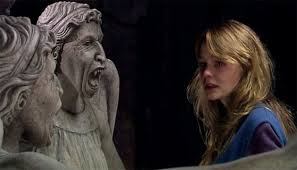
Angels Take Manhattan wins out over episodes I loved like: Cold War, Hide and The Snowmen, because it is just so heart-wrenching. Matt Smith excels in a very dramatic show which finds the Doctor lose Amy and Rory to old foes the Weeping Angels! The opening of the episode begins in a film noir style story and is framed like a detective novel as Moffat delivers a meta-fictional structure combined with a spooky haunted hotel story. It’s full of grand twists and turns which pull the viewer from past to present and back again. Moffat ratchets up the scares by introducing us to new version of the ‘Angels’ like little buggers the Weeping Cherubs. And get this: the STATUE OF LIBERTY is a WEEPING ANGEL! Incredible! Saying goodbye to a companion is always tough but Amy and Rory went out in great style and are still out there somewhere.
PETER CAPALDI
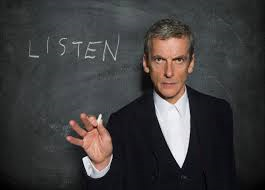
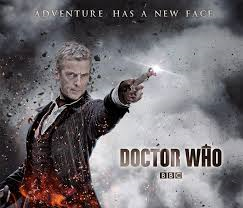
Malcolm Tucker as Doctor Who? Say that again: Malcolm Tucker as Doctor Who? Yes! This is where the whole-huge-behemoth-new-Doctor-Who-binge-catch-up began for me. Peter Capaldi is a great actor and has been in many fine shows, not least the iconic-Machiavellian-sweary-political-demon in the awesome Thick of It. So, when it was announced he would replace Smith the younger, I was back into the Whoniverse like the proverbial rat up a drainpipe. This would be, in my mind, the return to an older, darker Doctor spitting out words of wisdom and barbs to his companions while shooting venomous looks and ire at his villains. The season kind of was like that and kind of wasn’t. I think Capaldi is a fine, fine Doctor and probably would have been better in the previous era as his visage and ability is probably more suited to age of Troughton, Pertwee and Baker. But, overall, he brought a real depth and dark sarcasm to the series which leavened out the more ridiculous and fluffy aspects of the show; the slushy romance and kids basically.
Here are my favourite episodes of SEASON EIGHT
EPISODE 8.8 – MUMMY ON THE ORIENT EXPRESS – Writer: Jamie Mathieson
I struggled big time picking two out because I enjoyed most of the episodes of this season. Many of them had moments of greatness in them but they also had some elements which I personally didn’t like such as: over-reliance on Danny and Clara’s Hollyoaks romance. Having said that there were some memorable concepts, baddies and nods to film genres including: heist movies; earth-saving trees; hatching moons; a Dinosaur in ye olde London; half-faced clockwork Victorians; chilling 2D Boneless; the mysterious Missy; the Doctor as a child; an analysis of a Dalek’s soul; Robin Hood and a shrinking TARDIS!
Capaldi was brilliant as I thought he would be and I loved one of his opening gambits to Clara: “Am I a good man?” Then, just then, I thought we are really going to take a deep look at WHO the Doctor really is! Indeed, the army of writers led by Moffat developed this character subtext very well notably in the episode Listen, where not much occurred on the page yet in the murky margins and shadows there was impressive suspense and terror. However, my first choice is the awesomely titled Mummy on the Orient Express and this crammed so many great things into the 45 minutes running time. The Doctor and Clara are on one last voyage before going their separate ways yet a vicious Mummy (AKA The Foretold) is killing passengers who only have 66 seconds to live once he targets his victim. It’s great fun and kind of scary and as the Doctor cracks the case he shares some fine one-liners and banter with a terrific cast including Frank Skinner and David Bamber. Brilliant script too.
EPISODE 8.11 – DARK WATER – Writer: Steven Moffat
This episode is pitch black darkness personified. It opens with Danny Pink’s death, before moving onto a tricky scene where Clara fails to get to the Doctor to change this event. Yet, the Doctor rewards Clara’s desperate attempt to trick him by saying they are “going to hell”. Thus, they attempt to track Danny’s spirit and end up in the NETHERSPHERE or “Promised Land” where they finally get to meet the enigmatic Missy who had popped up at the end of quite a few episodes throughout the season.
Death casts a looming shadow over this episode and even I had my pillow over my face when I heard the screams of the dead cry: “Don’t cremate me!” in one particularly harrowing scene. Further, we also get to delve into Danny’s backstory such as that of the child he killed when serving in the army which, along with Clara’s grief, added texture to the theme of mortality within the show. By the time the Cybermen are marching down St Paul’s (in tribute to The Invasion from 1968) steps I was gripped. The performances are superb from Jenna Coleman, Peter Capaldi and the Mistress herself Michelle Gomez, who demonstrates a gleeful mania to great effect. A superb episode with thankfully no kids to ruin it and one which the second part Death in Heaven had to go some to match.
SPECIAL MENTION: THE DAY OF THE DOCTOR – 50TH ANNIVERSARY SPECIAL
I’ll round up this run through of the Whoniverse with a special mention of The Day of the Doctor, which was the closest we’d get to a new Doctor Who movie. It was a spectacular piece of writing by Steven Moffat and a brilliant story which rewrote the whole Doctor Who narrative. It brought THREE Doctors (Matt Smith, David Tennant and John Hurt’s War Doctor) into a mixture of high concept sci-fi and operatic drama which soared in tribute to fifty years of the Timelord. The chemistry between the Doctors was a joy (and Tom Baker popped in at the end too) as they go back to the Time War era and review the decision to destroy Gallifrey and the end the war with the nefarious Daleks. This was a Doctor Who production of the highest order and it demonstrates the power and prowess of the show that it was shown simultaneously in 94 countries hitting the Guinness Book of Records for largest ever live simulcast!
Finally, in doing this piece I have read a lot of critical, blog and online forum reviews during my research I have realised Doctor Who is MORE than a TV show. It’s a huge cult with fans all over the world who are as passionate about the show as people are about religion or their chosen football team. If I’m honest the old show I watched as a child holds so many great memories but nostalgia can be a cruel guide so it could be easy to dismiss the new show “because it’s not as good as when I was a kid!”. But, the reboot has on the whole. has been brilliant too. I may not like everything about it but it still retains that magical quality I experienced as an earthly child growing up on a high-rise estate in South London.
It was so important to get the casting right for the new Doctor Who. They could have gone for someone more comedic but in casting serious stage and screen actor Eccleston I think they got it spot on.
Famous for his dramatic roles in: Let Him Have It (1991), Shallow Grave (1994), Jude (1996), Our Friends in the North (1996), 28 Weeks Later (2002) and many more; he brought a depth and earthy humanity to the Gallifreyan. He also brought a certain pathos, danger and aggression which gave meat to the drama and grounded us in a believable reality despite facing foes such as the Autons, Slitheen, Reapers, plus old favourites the Daleks and Cybermen.
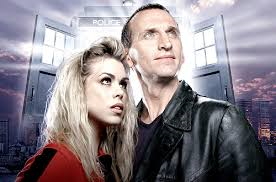
Billie Piper’s working class shop girl Rose Tyler was a wonderful companion to Eccleston’s Doctor. Despite, on occasions, seeming to reign in the darker edges it was a cracking shame he only did 13 episodes.
Here are my favourite two episodes of SEASON ONE.
EPISODE 1.6 – DALEK – Writer: Robert Shearman
This episode found the Doctor and Rose going underground in Utah, 2012. There, a megalomaniac collector, Van Statten, has all manner of alien artefacts including a Dalek that is being experimented on. This was a very gripping episode and one where Ecclestone’s dramatic muscles were really flexed. I loved the fact the Dalek was defeated having been ‘infected’ with humanity. It also had a great bit of dialogue when the Doctor is told: “You would have made a good Dalek!”
EPISODE 1.9 – THE DOCTOR DANCES – Writer: Steven Moffat
This episode concluded what began with The Empty Child. I loved the wartime setting and the gas-masked creatures really sent chills down the spine. The subtext of war children hung heavy over the episode and in their own way both Rose and the Doctor are orphans. The episode introduced dashing space and time con-artist Captain Jack Harkness and, while not a fan of John Barrowman, the character added intergalactic pizazz to the show. In this thrilling episode the emotional barriers come down between Rose and the Doctor too as they dance together during a touching moment amidst the horrors of World War II.
DAVID TENNANT
So the legend goes a young child by the name of David McDonald once proclaimed his intention to become an actor because of his love of Doctor Who. His parents scoffed at this suggestion. But flash-forward through time and that dream became a reality.
Having appeared on stage and screen, even sharing a scene with Eccleston in Jude (1996), the now-monikered David Tennant would become a Time Lord! Arguably, Tennant is probably the perfect Doctor Who: funny, serious, crazy, good-looking, smart, tricksy, great hair, honest and at times slightly scary.
While Eccleston was excellent with the drama he sometimes struggled with the one-liners but Tennant encompassed all the emotions taking the baton from his predecessor and running riot with some incredible performances in many, many great episodes.
Here are my favourite two episodes of SEASON TWO.
EPISODE 2.4 – THE GIRL IN THE FIREPLACE – Writer – Steven Moffat
What would happen if the Doctor fell in love? This incredible episode asks that question and others with a mind-bending yet very romantic intertwining of the Timelord and Sophia Myles hot French historical figure Madame De Pompadour. 3000 years in the future Rose, Mickey and the Doctor find a floating space vessel with temporal windows to the past. The Clockwork Android crew on the spaceship require De Pompadour’s brain to save their ship but the Doctor comes to the rescue on horseback! Yes there’s a horse on a spaceship in this one too plus: humour, romance, action and under-the-bed-frights. The pace zings along and the chemistry between Myles and Tennant is electric. This is great because it collapses the historical with imaginative sci-fi concepts and a very touching love story.
EPISODE 2.13 – DOOMSDAY – Writer: Russell T. Davies
And so it came to pass Rose and the Doctor part in the most spectacular of ways, amidst a war on Earth between Cybermen and Daleks. Rose Tyler (Billie Piper) was a brilliant companion both sparky and brave and loyal until the end sacrificing herself to save the man she loves; the Doctor. It’s a great episode full of action and emotion as the Doctors’ greatest enemies’ face-off on Earth and as the Doctor and Rose’ bid a sad goodbye, Rose’s familial backstories dovetail with great effect as she is reunited with her mother and ‘dead’ father in a parallel universe from which she cannot return. Russell T. Davies’ strength as a writer was making the science fiction seem very real and imbue the fantastical with real emotional kick. Tennant just rocks in the episode too!
Here are my favourite episodes of SEASON THREE.
EPISODE 3.8 – HUMAN NATURE – Writer: Paul Cornell
In this stunning episode we get Tennant’s Doctor BUT he isn’t the Doctor; he’s actually a teacher called John Smith hiding from aliens so deep under cover he doesn’t know his real identity. It’s a wonderful concept and much fun is had by Tennant in his performance while the episode brims with dramatic irony as Mr Smith has weird deja vu of a life he believes he has lived only in his dreams. Martha (Freema Agyeman) had a tough role following Billie Piper but she excels here and the story – set in 1913 on the eve of war – doesn’t shy away from critiquing the racial and class politics of the day. There’s a lovely Remains of the Day subplot as the Mr Smith/Doctor falls for Jessica Hynes’ matron just as the Family of Blood come to call. Again, wartime is used to fine effect and of course the real Doctor comes back just in the nick of time to save the day.
EPISODE 3.10 – BLINK – Writer Steven Moffat
What makes a classic Doctor Who episode? Is it the story and the action and the science fiction and the laughs? Yes, of course! But what REALLY makes is a great monster: a seemingly undefeatable foe that tests the Doctor and his companion to the limit of their powers. Daleks, Cybermen, Sontarans, The Master, The Autons, Ice Warriors etc. were awesome but Blink introduced the terrifying WEEPING ANGELS. I shiver with fear at the thought of these seemingly harmless statues which move when you are not looking at them. So, don’t BLINK or they’re on you like the taxman for non-declaration of earnings; and they’ll drain your life just as quick. This is a blinding Doctor-light episode and contains a lovely Carey Mulligan playing Sally Sparrow. The writing and structure are tricky yet superb and while the Doctor and Martha mainly appear via obscure video messages Moffat really pulls all the strings together on this one.
EPISODE 4.7 – THE UNICORN AND THE WASP – Writer: Gareth Roberts
Most of the episodes I have chosen so far have been quite heavy. Indeed, I almost chose The Fires Of Pompeii over this one as it had a terrific moral dilemma at its heart with Catherine Tate’s warm-hearted Donna attempting to change the paths of history at the destruction of Pompeii. However, I chose this light and fluffy episode over it because I’m a sucker for Agatha Christie murder mysteries. It skilfully throws Christie’s actual 3-day disappearance in with a monstrous wasp, a cunning jewel thief and a wicked murder plot. The Doctor and Donna play detective in a ripping yarn which features an early appearance from Oscar nominee Felicity Jones.
EPISODE 4.10 – THE FOREST OF THE DEAD – Writer: Steven Moffat
This two-parter began with the episode equally brilliant Silence in the Library which set up a thrilling plot involving the first appearance of the enigmatic ‘companion’ that is River Song (Alex Kingston). It also established the nasty microscopic dust-mite Vashta Nerada i.e. “the shadows that melt the flesh”. Moffat once again conjures up a mind-bending plot which jumps from a 51st Century Library — that has somehow become a humanity vacuum — and a strange dream world which Donna gets sucked into. It was this surreal and somewhat Bunuelian nightmare place which stayed with me as Donna gets married, has children and then loses them all in a matter of moments. As the Vashta Nerada kill off River’s space crew one by one the Doctor must save Donna and the Library! Does he do it? Spoilers, darling!
Okay, so I’ve had to cheat here. I’ve added another episode because as Season 4 was extended by a series of specials which would see the handover from Davies to Moffatt as showrunner and the eventual passing of the TARDIS from Tennant to Matt Smith.
EPISODE 4.15 – THE PLANET OF THE DEAD – Writers: Russell T. Davies and Gareth Roberts
Planet of the Dead was the first Doctor Who episode to be filmed in high definition and was another fun episode full of verve and pace. I liked the fact the Doctor was companion-lite in The Next Doctor, Waters of Mars and this exciting segment. It was full of great images including a bus stranded in the desert with echoes of Flight of the Phoenix and in the guise of foxy Michelle Ryan we had more than a nod to the videogame character Lara Croft. I love Doctor episodes when they’re in the far flung netherworlds of space and this was a lovely light bit of sci-fi fluffery before the imperious drama and pathos of Stolen Earth/Journey’s End.
I loved Doctor Who as a child. I am 44 years of age and STILL that child.
For a kid growing up on a Battersea council estate in the 1970s, Doctor Who was an eccentric, colourful, funny, tempestuous and brave hero who fought men, women, aliens, monsters and a plethora of villains and bullies across time and space. The Doctor is the original Guardian of the Galaxy who every Saturday (and later midweek) would travel into my home via the TARDIS and cut a blaze across the living room all to the wonderfully eerie and memorable theme tune. Moreover, he’s a sci-fi James Bond but without the testosterone, misogyny and faint whiff of STDs.
Of course he has his companions and gadgets but Doctor Who is more complex than 007 due to the plethora of fascinating concepts pertaining to temporal and spatial ideas which can brilliantly propel us to any moment in time and place from past to present to future.
Allied to this the mystery and suspense created by utopian and dystopian locations and societies; use of historical figures; incredible and fantastical aliens; and finally allegorical narratives which comment on the politics, socio-economics and scientific aspects of humanity all make Doctor Who one of the greatest dramas in televisual history.
I read someone once write that Doctor Who is a kids show adults can watch. I think it’s the other way round. Doctor Who is a scientist, an action man, an enigma, a righter-of-wrongs, moral, amoral, simple, complex, protector of children and the underdog; sometimes even a villain; but above all else an Earthly treasure and long may he continue.
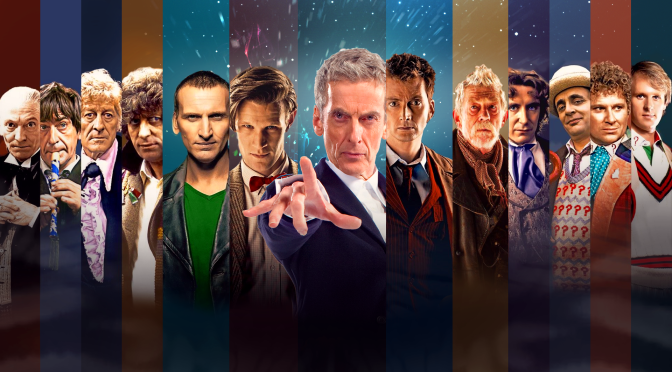
My Doctor Who childhood timeline contains vague recollections of William Hartnell and Patrick Troughton repeats; misty then firmer visions of John Pertwee; solid memories of my favourite – the bold, bellowing, mischievous – Tom Baker; and the young, dashing Peter Davison. I continued watching as the show as it slid down the BBC management’s pecking order.
Indeed, controller Michael Grade hated it while Colin Baker was in tenure. Thus, the nonsensical visual mess, over-synthed-80s-soundtrack and miscast Sylvester McCoy would become final nails in Doctor Who’s creative coffin. They were dark days indeed for the Timelord who went into permanent stasis.
The show was consigned to a televisual black-hole never to be seen again. So it seemed until It briefly sparked as a BBC TV movie starring the handsome and quirky Paul McGann. Yet that star burst as quickly as it arrived. Flash-forward to 2005 and Doctor Who was relaunched with Russell Davies as the showrunner and serious actor Christopher Eccleston adorned in a cool black leather jacket commandeering the TARDIS. We were ready, once again, to go boldly go where no Gallifreyan had gone before. Sorry, wrong show.
With one foot in the past I watched the Eccelston season and really enjoyed the reboot. But somewhere along the line I lost touch around 2nd season David Tennant. Thus, when one of my favourite actors, Peter Capaldi, was announced as the 12th Doctor I decided to get back on board the TARDIS and in 2014 did a massive catch-up on the show. And you know what? I loved it.
So, in appreciation of Doctor Who, circa 2005 onwards, this piece looks back in admiration at 10 years of the “new” Doctor. I’ll list my favouritest TWO (not necessarily the best) episodes of EACH SEASON; and with so many good episodes I am probably wrong! Remember it’s just the internet and my opinion so let’s do this: GERONIMO!!!














 The Cinema Fix presents