Category Archives: Film Festivals

LONDON FILM FESTIVAL REVIEW – PETERLOO (2018)

LONDON FILM FESTIVAL REVIEW – PETERLOO (2018)

Directed by: Mike Leigh

Produced by: Georgina Lowe

Written by: Mike Leigh

Starring: David Bamber, Alastair Mackenzie,  James Dangerfield, Eileen Davies, Liam Gerrard, Bronwyn James, Philip Jackson, Rory Kinnear, Nico Mirallegro, Maxine Peake, Pearce Quigley, Tim McInnerny plus many more.

Music by: Gary Yershon

Cinematography: Dick Pope

Production company: Film4 Productions, British Film Institute, Thin Man Films

**CONTAINS HISTORICAL SPOILERS**

peter

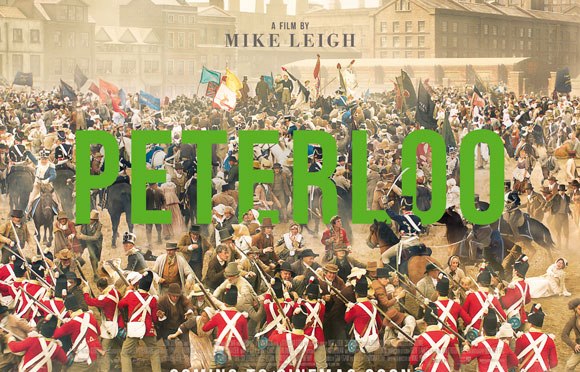
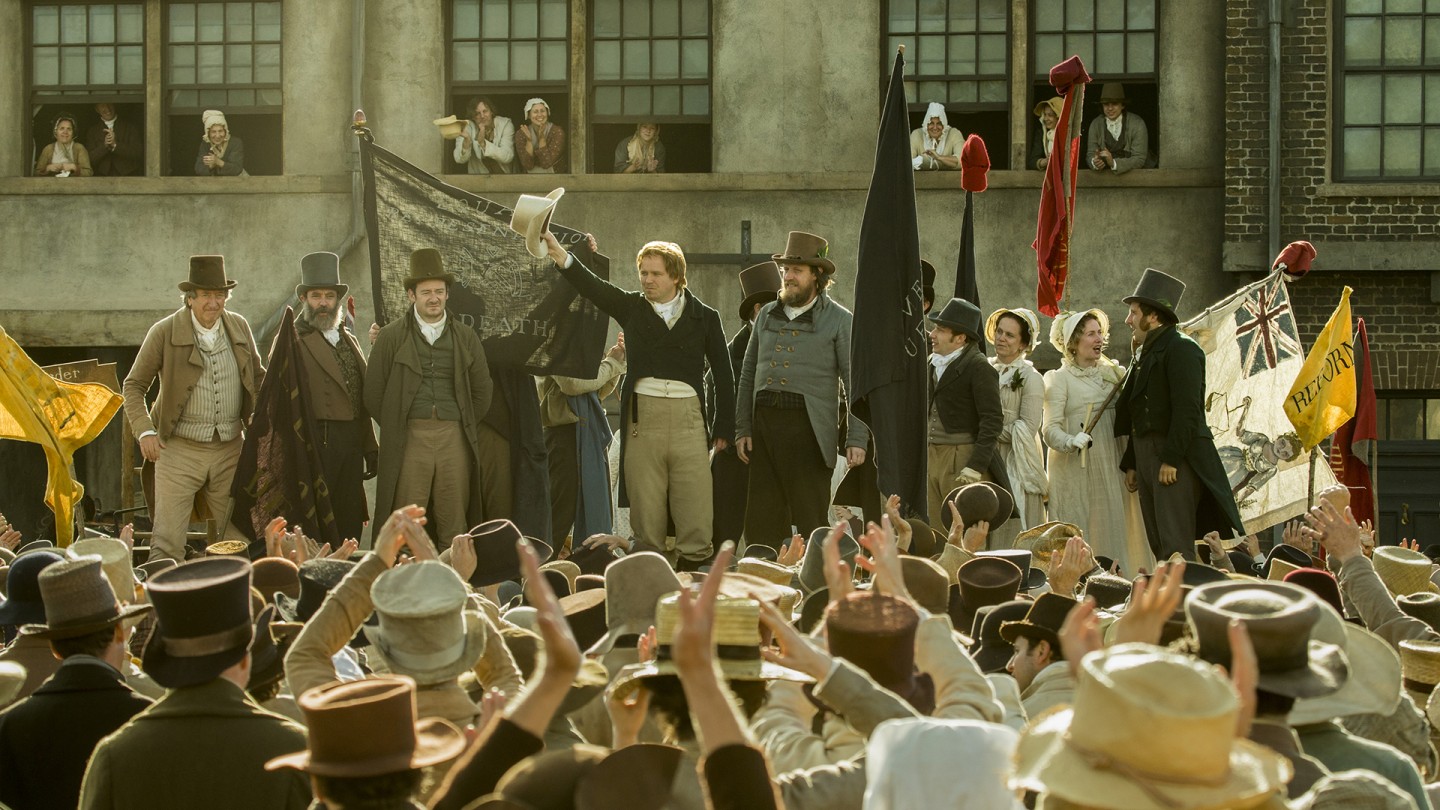
Peterloo (2018) is a film of voices, of speech, of reform and of freedom. It is Mike Leigh’s thirteenth feature film production and clearly a labour of love for him, his production team and the army of actors who put their hearts and souls into this powerful work of cinema. Four years in the making, this historical document, as well as paying tribute to those who campaigned for the vote in the 1800s, is also a passionate love letter to Northern England and the proud working classes of the era.

The film begins in 1815 at the battle of Waterloo and then brings us into the factories and streets of Manchester and surrounding Northern areas. As with many Mike Leigh films you can feel the palpable authenticity in the settings, accents and places the characters live. Leigh also cuts to local magistrates who hold up the draconian laws designed to keep the poor in their place; handing out savage justice such as the death penalty to one man for stealing a coat. We also visit London and experience those ruling classes who inhabit the Houses of Parliament and Royal palaces, lording over the oppressed workers.

peterloo_1920x1080

The character strokes are broad at first before Leigh further develops their personalities. The dialogue is delivered formally initially as the characters educate the audience regarding various laws affecting them. This seems jarring but also serves the documentary and historical nature of the piece. As the narrative strands build steadily to the fateful march the editing throughout cross-cuts between the ruling, working and legal classes representing their differing perspectives. The march was intended to be a peaceful demonstration; a plea for Parliamentary reform and the desire to be heard. Surely, that’s the right of everyone in a civilised society?  Well, not in 1819.

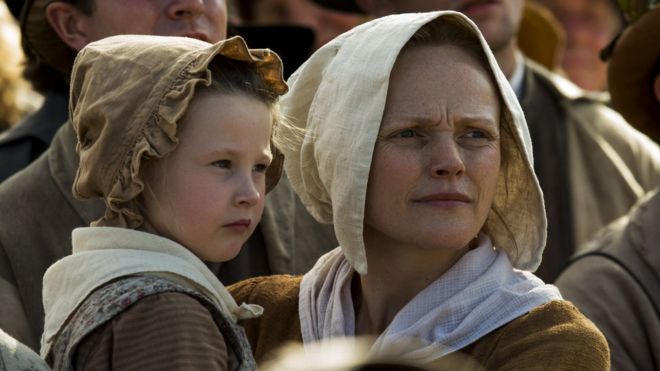
With the film driven by a whole host of wonderfully written speeches, it could be argued, Peterloo, lacks the warmth and humour of Leigh’s other more personal films. However, there are some formidable performances amidst the huge cast. Maxine Peake is earthy and convincing in her representation of a mother struggling to make ends meet. Rory Kinnear brings an intelligence and pride to the confident character of Henry Hunt; a wealthy landowner committed to reform and repeal of the onerous ‘Corn Laws’. As is the case with Leigh’s other films the acting is uniformly impressive because you know months of planning and rehearsal would have been committed to the production.

peterloo

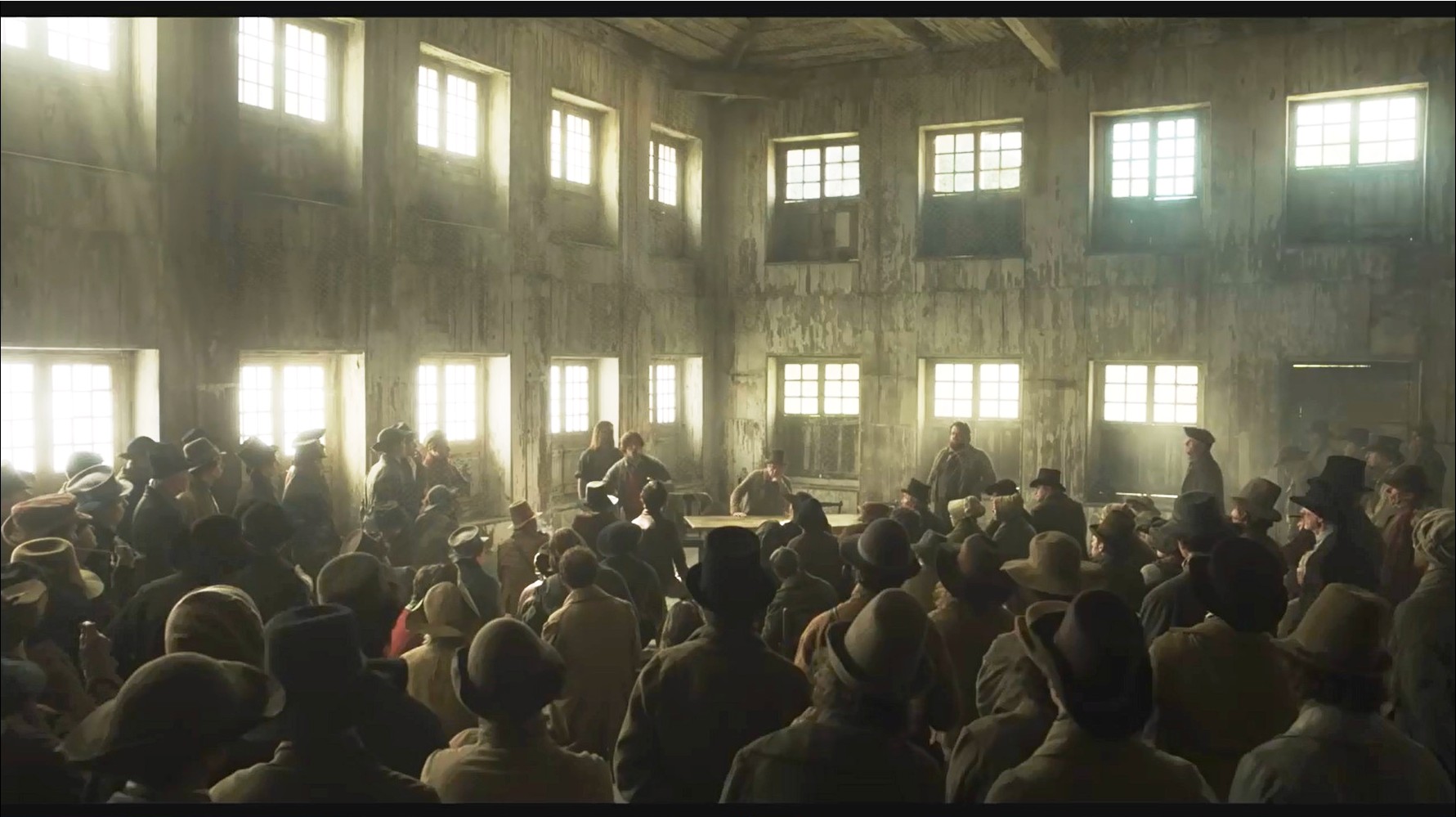
The film is also shot beautifully by cinematographer Dick Pope. There is a strong leaning toward a naturalistic lighting palette. Interiors are often bathed in sunlight shining through windows onto the shadowed faces of the characters. His camera is placed ideally to capture the rural and industrial locations of the era. There’s also some wonderful framing within arches and factories. Lastly, Leigh’s meticulous approach to authenticity reveals the machinery from the time, such as the looms and printing presses. Similarly, you can almost feel the reality of the epoch through the excellent costume design.

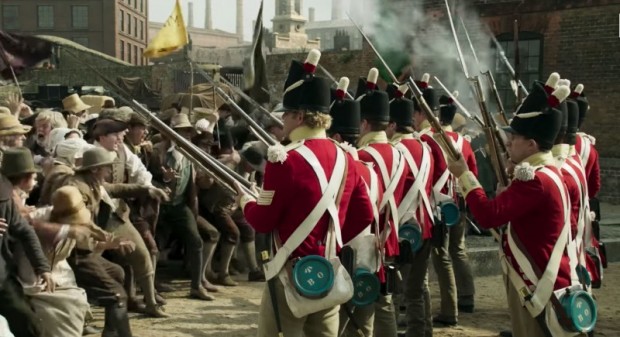
The final act brings us to the fateful day itself. Mike Leigh handles the massive crowd scenes expertly and shows the injustice and barbarism brought about by the cavalry and law enforcements attacking up to 80,000 people who are protesting for change. Having spent a few hours establishing the characters and their relevant causes the emotional impact of the attacks by the ruling classes is palpable. This is ultimately very powerful cinema which resonated with me because it reminded of the historical events down the ages where people have been murdered or injured while trying to make their voices heard.

_103036547_cut

Peterloo may not be for everyone as it is a long epic with a plethora of dialogue heavy scenes. Yet, I was enthralled as the language and passion of such discourse is very eloquent and heartfelt. The sheer scale of the filmmaking itself is also impressive even if the narrative lacks a specific personal focus throughout. Mike Leigh’s approach is very clear as it represents the working class as victims to an oppressive regime which has no regard for human suffering. Indeed, it should be every person’s basic right to have a voice and given past and current social and political events Peterloo contains a message that remains very valid today.

Mark: 9.5 out of 11
PETERLOO (2018) will be released in the UK on 2nd November 2018

LONDON FILM FESTIVAL REVIEW – BORDER (2018)

LONDON FILM FESTIVAL REVIEW – BORDER (2018)

Directed by: Ali Abbasi

Produced by: Nina Bisgaard, Peter Gustafsson, Petra Jonsson

Screenplay by: Ali Abbasi, Isabella Eklöf, John Ajvide Lindqvist

Based on: Border by John Ajvide Lindqvist

Starring: Eva Melander, Jorgen Thorsson, Ann Petrén, Sten Ljunggren

Music by: Christoffer Berg, Martin Derkov

Cinematography: Nadim Carlsen

**SPOILER FREE REVIEW**

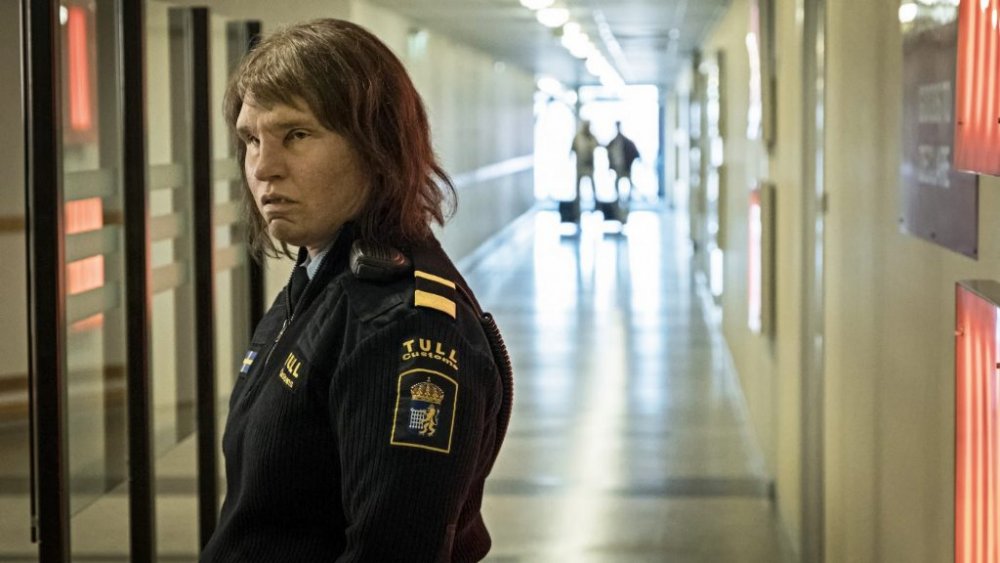
grans-2018-001-eva-melander-corridor

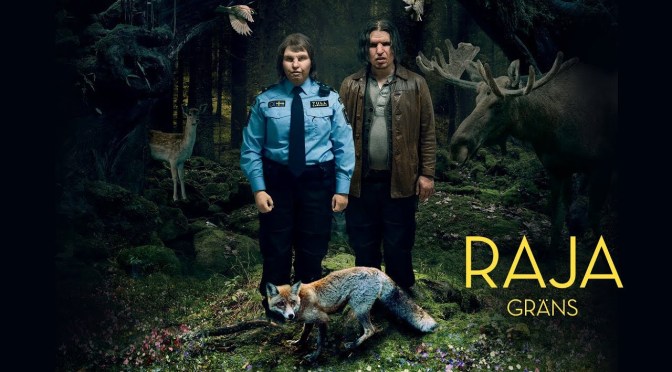
If you go down to the woods today you’re sure of a big surprise. Indeed, one of Border’s many strengths is the constant way co-writer and director Ali Abbasi invokes the strangeness of John Ajvide Lindqvist’s original short story to constantly shock and move us. Because while linear in structure and reliant on structural beats from the rites of passage, romance, fantasy and crime genres, Border, is one of the most original and interesting films you could see all year.

We open with the lead protagonist, Tina, working for the Swedish Border Agency. She is a seemingly sad and isolated individual with, what she believes is, a chromosome deficiency in her genetics. Her features leave her open to cruel ridicule from members of the public. However, she is excellent at her job. In fact, her hook is the ability to literally smell fear or guilt on the people coming through customs. Subsequently, Tina’s superiors start to use her to investigate more serious crimes.

Border (1)

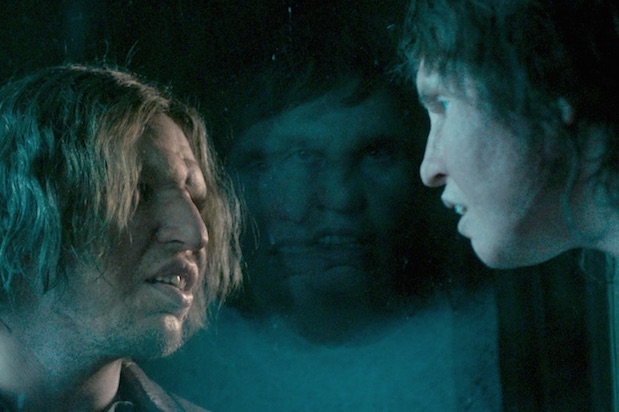
As this is occurring Tina meets Vore, a man with a similar “condition” to her and this is when her life really begins to spiral into very dark and exciting places. Similar to another film I saw called Beast (2017) the film is, at its heart, about sexual awakening and breaking free of the constrictions of society and family. Eva Melander, beneath the very convincing prosthetics, gives an outstanding performance of a woman finding out an incredible truth about herself and her past.

As a character study this film is very powerful. Tina’s world is turned upside down and she is faced with some horrific choices at the end. Arguably, the crime element of the story doesn’t quite meld with her rites of passage journey. Moreover, some of the fantasy elements from Scandinavian folklore required further research after the fade out. Yet, this remains very brave filmmaking with fascinating themes relating to: ritual and child abuse; nature versus nurture; good versus evil; and how those humanity believes to be outsiders should not be treated as monsters but instead with respect and love.

Mark: 8.5 out of 11
LONDON FILM FESTIVAL REVIEW – DOGMAN (2018)

LONDON FILM FESTIVAL REVIEW – DOGMAN (2018)

Directed by: Matteo Garrone

Produced by: Matteo Garrone, Jeremy Thomas, Jean Labadie, Paolo Del Brocco

Written by: Ugo Chiti, Maurizio Raucci, Matteo Garrone, Massimo Gaudioso

Starring: Marcello Fonte, Edoardo Pesce, Alida Baldari Calabria

Music by: Michele Braga

Cinematography: Nicolaj Brüel

**SPOILER FREE REVIEW**

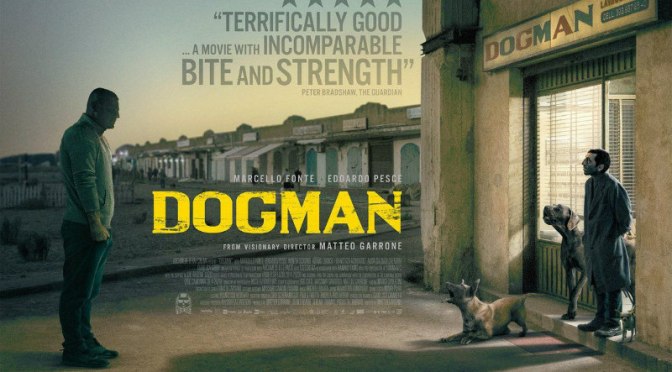
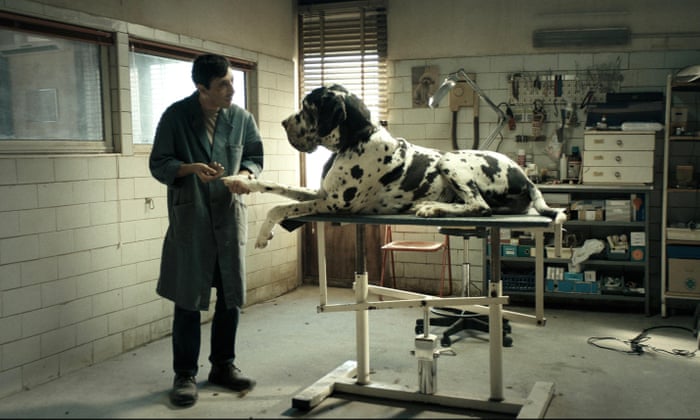
cannes_dogman_marcello_fonte

If you were the Italian Tourist Board you would certainly NOT direct potential visitors to view Matteo Garrone’s films about contemporary Italian life. His brutal depiction of Neapolitan gangsters in Gomorrah (2008) was violent and unforgiving. Similarly, his grim snap-shot of Roman contemporary life, in Dogman (2018), is again a hopeless, violent and nihilistic experience.  While there are glimmers of kindness and some possibility of escape, Dogman offers its characters little more than gut-wrenching pain and emptiness. It’s genuinely high quality filmmaking but up there with, Lean of Pete (2018), as one of the most depressing films I have seen all year.

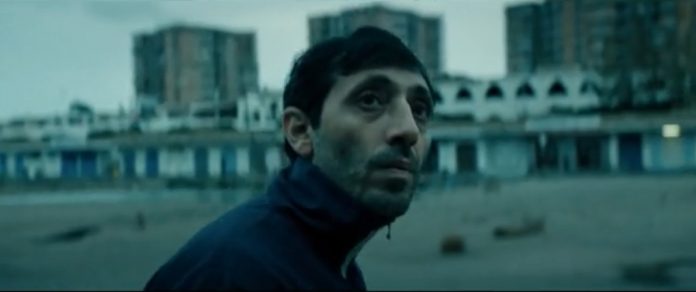
Dogman starts in positive enough fashion with Marcello Forte as an Italian everyman making a living as a dog sitter, walker and groomer. His interaction with the animals he looks after is both humorous and touching. In order to make ends meet though and provide for the young daughter he worships, Marcello deals small quantities of cocaine. This inevitably opens the door for possible trouble. Forte is incredibly well cast. He has a kind but haunting face. It is dominated by big eyes, a crooked smile and wonky teeth. He loves his job, his animals, his friends and family. Like a dog in character, he tries so hard to be loyal and liked but every one of his decisions seems to lead to tragedy. His loyalty to the local thug, Simoncino is illogical and the main cause of Marcello’s downfall.

dogman

Now, I enjoy a decent villain. Often the villain in a movie can be thrilling to watch and sometimes the best aspect of a movie. But Edoardo Pesce’s nemesis Simoncino is the epitome of evil; he is TOO real. He is a drug-addled-ex-boxer-bruiser who has absolutely no sense of loyalty or honour. He terrorises the local businesses and bullies Marcello mercilessly. Marcello tries his hardest to keep his head above water but the likes of Simoncino and his continued poor choices combine to drown his soul. The scariest thing is that Simoncino feels real in his animalistic tendenicies. He is genuinely frightening like some rabid beast, unleashed and out of control.

Overall, this film made me feel really sad. Marcello looks like a clown without the make-up and his pained expression plagues the film especially in the latter stages of the drama. You just want Marcello to get some luck but life just won’t cut him a break. This is a haunting character study of the outsider; a man who is literally like a dog himself. He is faithful, loyal and eager to please but ultimately let down by the human cruelty of those who bully and exploit him.

Mark: 8.5 out of 11

LONDON FILM FESTIVAL REVIEW – THE BALLAD OF BUSTER SCRUGGS (2018)

LONDON FILM FESTIVAL REVIEW – THE BALLAD OF BUSTER SCRUGGS (2018)

Directed by: Joel Coen & Ethan Coen

Produced by: Joel Coen & Ethan Coen, Megan Ellison, Sue Naegle, Robert Graf

Written by: Joel Coen & Ethan Coen

Starring: Tyne Daly, James Franco, Brendan Gleeson, Bill Heck, Zoe Kazan, Liam Neeson, Tim Blake Nelson, Tom Waits and many more.

Music by: Carter Burwell

Cinematography: Bruno Delbonnel

**SPOILER FREE REVIEW**

1535740329680

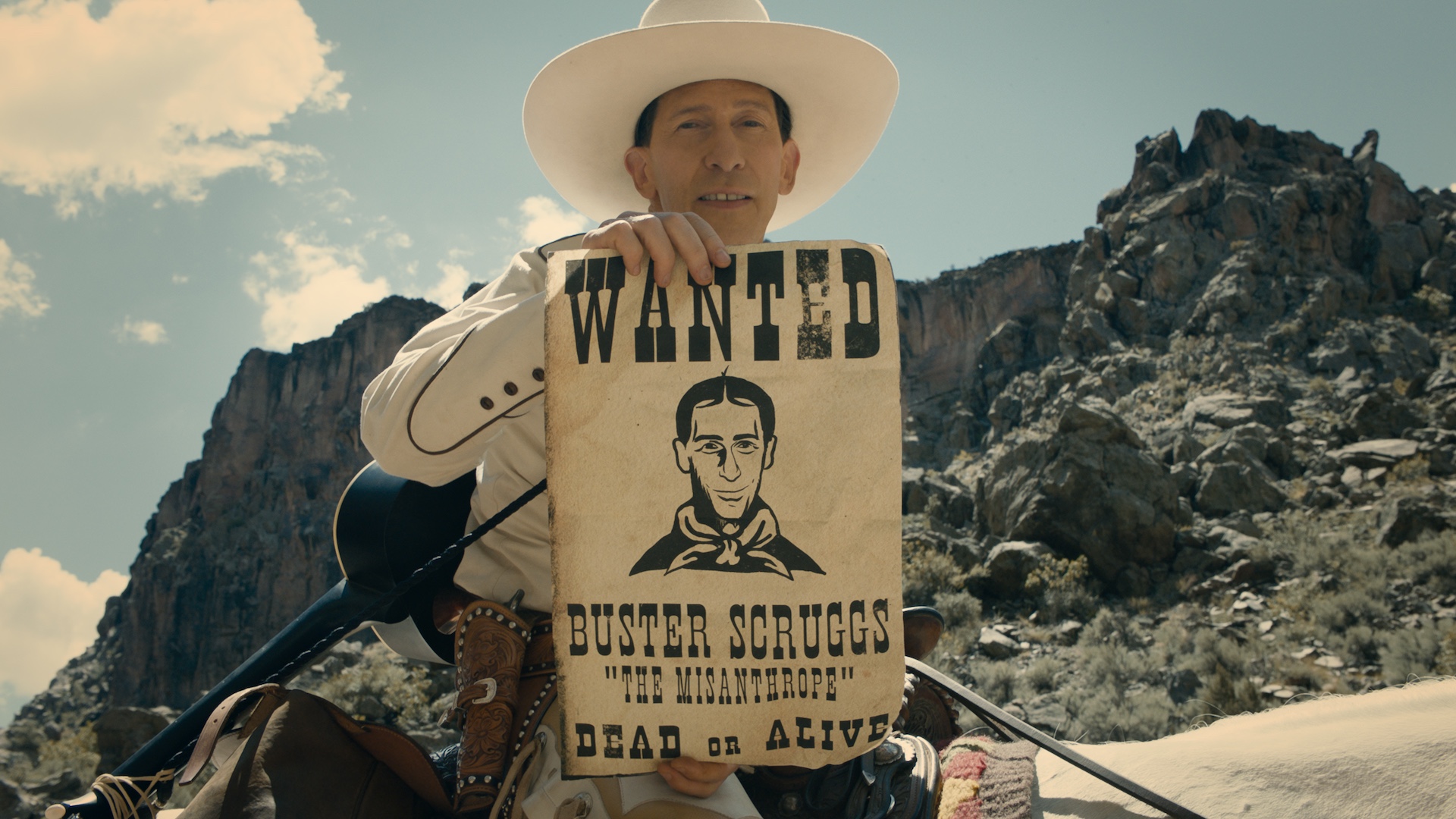
Soon to be appearing on the streaming behemoth Netflix, the Coen Brothers latest film is a difficult one to recommend to those not familiar with their quirky vision of humanity and existence. Set within the Western genre the film presents six stories seemingly unconnected but those which resonate resoundingly on the theme of death. The stories are called:  The Ballad of Buster Scruggs; Near Algodones; Meal Ticket; All Gold Canyon; The Gal Who Got Rattled; and The Mortal Remains respectively.

The closest film this anthology resembles from recent times is the riotous black comedy Wild Tales (2014). Moreover, if you ever saw the Coens’ eccentric mid-life crisis comedy A Serious Man (2009), you may recall the prologue which depicted a short stand-alone piece about a ghostly dybbuk visiting a woman at night. Indeed, that story was seemingly unconnected to the film which followed, however, the Coens’ are such skilled storytellers you sense there is a link be it symbolically or thematically.

screen-shot-2018-09-12-at-12-21-31-pm.png

Overall, The Ballad of Buster Scruggs is a genuine mixed bag, in a good way. Their mischievous alchemy combines genres – within the Western setting – such as: musical, comedy, horror, crime, thriller and even romance. Moreover, the filmmakers have reached into their decades of film experience and cinematic bag of tricks to deliver an entertaining and memorable collection of: characters, songs, bloody deaths, jokes, landscapes, snappy dialogue, dark humour and spitfire action.

The cast are uniformly brilliant and as well as some familiar faces there are some newer actors added to the Coens’ stable of performers. Bill Heck, especially, in the story The Gal Who Got Rattled, impressed in his role as a likable cowboy. Overall, and in a similar vein to Hail Caesar (2016), this feels like Coens-lite, without the existential depth of say No Country for Old Men (2007) or humanity of Fargo (1996). However, the Coen’s films often improve with each viewing as their work is so full of stylish depth. Quite often, you’re laughing so much you miss the philosophical happenstance which is occurring between the lines.

Mark 8.5 out of 11
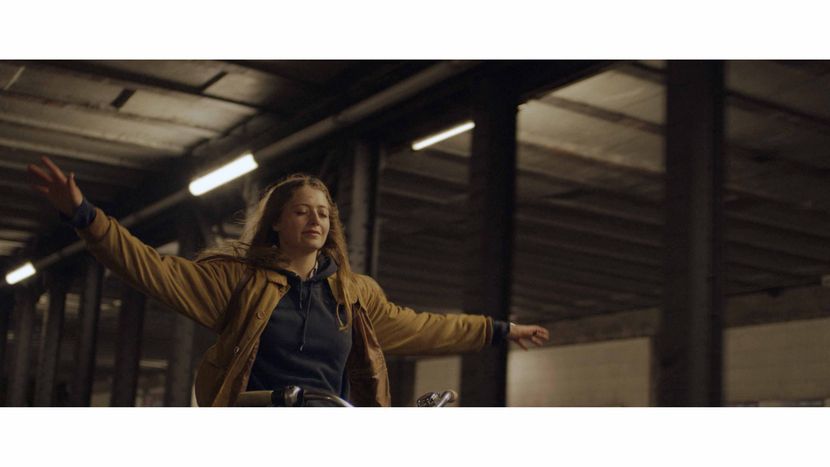
LONDON SHORT FILM – 90 SECOND SCI-FI CHALLENGE SCREENING!

LONDON SHORT FILM – 90 SECOND SCI-FI CHALLENGE SCREENING!

I’m writing this as a thank you to the London Short Film meet-up group who kindly screened, along with 15 other brilliant films earlier this week, my short film DON’T TRUST ME (2018).

DON’T TRUST ME (2018) is a 90 second short sci-fi thriller made for the LONDON SHORT FILM – Meet-Up Group competition.

Written, directed and edited by Paul Laight it starred the brilliant MELANIE GAYLE. She stars as a temporal scientist faced by her worst fears when an experiment goes wrong.

2018_UTU_Security_Pass

It was shot one fun Saturday in a few hours, for a budget of around £20 and a bag of crisps!! Please check out the film here:

The competition winner was brilliant too and called THE PERFECT CURE (2018) – that can also be seen here:

Do check out www.londonshortfilm.com for film screenings and competitions and loads of fun stuff.

Also check out my website too: www.fixfilms.co.uk

THE KILLING OF A SACRED DEER – LONDON FILM FESTIVAL 2017 – REVIEW

THE KILLING OF A SACRED DEER – LFF 2017 – REVIEW

I started writing film reviews a few years ago and the main reason was because I wanted to try and understand why I liked or disliked a film. I also wanted to improve my creative writing by understanding the thought process of others.  Living filmmakers whose work I have consistently enjoyed, save for the odd one here or there, are: Martin Scorsese, Quentin Tarantino, The Coen Brothers, Lynn Ramsay, Jonathan Glazer, Woody Allen (even some of the later ones), Park Chan Wook, David Fincher, Edgar Wright, Jacques Audiard, Darren Aronofsky, Kathryn Bigelow; and many others no doubt!

Such directors capture the quintessence of what cinema is for me. Not simply just in style and form but also powerful themes, imaginative concepts and sheer bloody entertainment. Filmmakers, of late, you can add to that list are: Denis Villeneuve, S. Craig ZAHLER and Greek filmmaker Yorgos Lanthimos. I have now seen three of his films, namely: Dogtooth (2009), The Lobster (2015) and his next release The Killing of a Sacred Deer (2017), and they all defy conventional film conventions to deliver absurd, surreal, funny, dark, thought-provoking and imaginative visions of human nature. Also, let’s not forget the writer too; so kudos to his writing partner Efthymis Filippou, who combines with Lanthimos to create such memorable cinematic offerings.

the-killing-of-a-sacred-deer-cannes-win

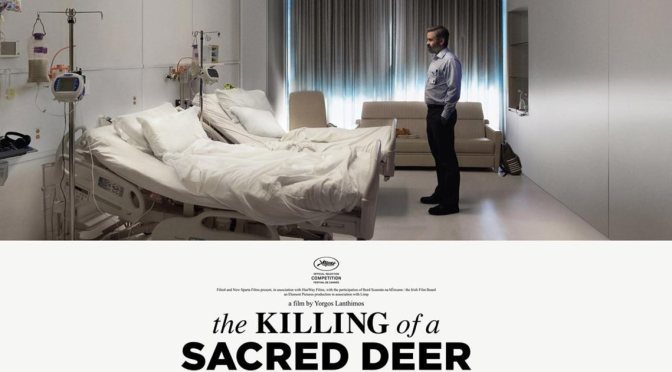
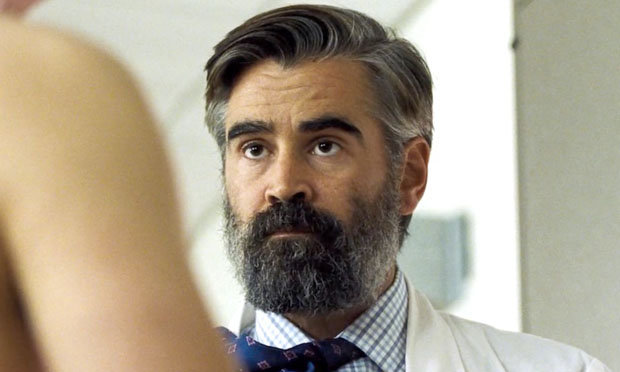
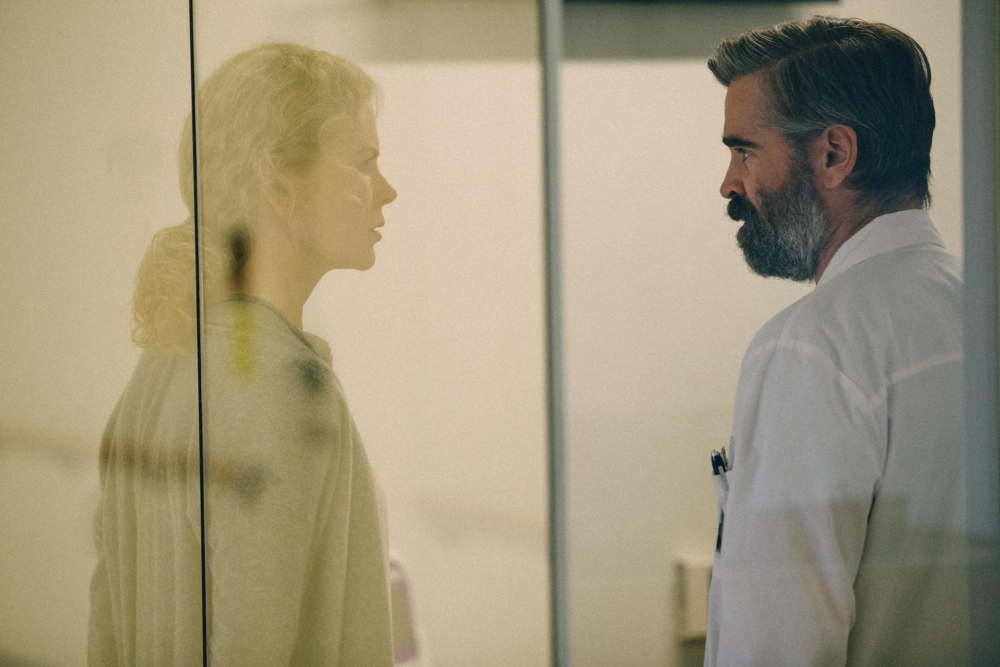
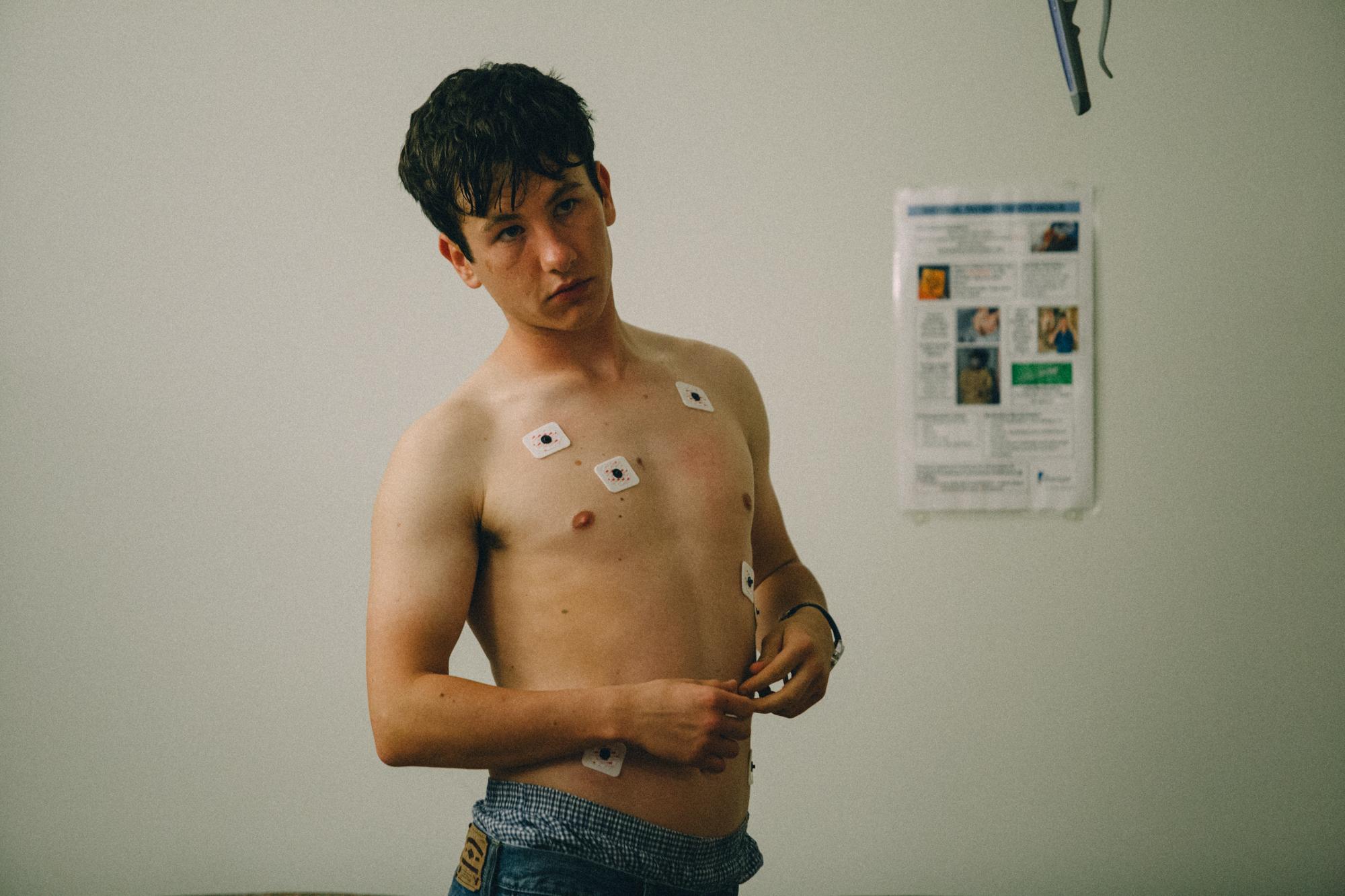
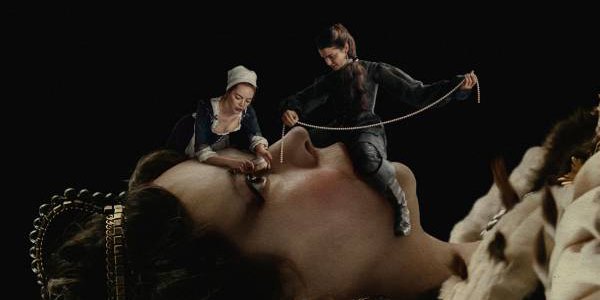
The story itself begins in a reasonably conventional fashion. Colin Farrell’s successful surgeon, Steven Murphy, is happily married to his wife, Anna, portrayed with glacial precision by Nicole Kidman. They have two healthy and intelligent children, a boy and a girl, and their lives are a picture of upper middle class contentment. Steven and Anna’s family equilibrium is skewed when a teenage boy, Martin, brilliantly portrayed by Barry Keoghan, inveigles his way into their lives through a combination of innocent charm and surreptitious pathos. Martin is a dark angel representative of the cloud of sickness and guilt and remorse and his actions force Steven and Anna to have to face up to a parents’ worst nightmares.

killing_deer

Lanthimos and Filippou, in Godardian fashion, constantly calls attention to cinema form; especially with a strangely effective form of anti-acting where, Farrell notably, dryly delivers dialogue as unconnected non-sequiturs. The words also constantly surprise us as the characters speak at each other with phrases that create humour and emotional disassociation. Nonetheless, such artifice only adds to the off-centre and sinister nature of the piece. The film is also beautifully shot with a wonderful symmetry to the composition of many shots. I also liked the choice of wide-angle lenses and the flowing Steadicam shots. Many were pitched at just over head-height, and provided an eerie floating sensation throughout the drama.

killing-of-a-sacred-deer

Colin Farrell (as he did in The Lobster (2015), Nicole Kidman and the rest of the cast buy completely into Lanthimos and Filippou’s striking vision which takes its’ influence from l Greek tragedy. But while Farrell excels in another praiseworthy under-stated deadpan performance, Barry Keoghan steals the show. The young actor follows up his impactful supporting appearance in Dunkirk (2017), with a compelling character study and eerily mature portrayal. Overall, this is a gripping, absurd thriller-turned-horror film which constantly wrong-footed me with its plot turns. It is a truly chilling, yet darkly comical and surreal genre film that manages to be somehow extremely accessible too.

(Mark: 9 out of 11)

THREE BILLBOARDS OUTSIDE EBBING, MISSOURI (2017) – LONDON FILM FESTIVAL REVIEW 2017

THREE BILLBOARDS OUTSIDE EBBING, MISSOURI (2017)

“There’s no question that a great script is absolutely essential, maybe the essential thing for a movie to succeed.”Sydney Pollack

Directors are often held up by critics and audience alike as the God’s of film; controlling and pointing and designing and envisioning and corralling their mass creative power to thrust upon the cinema screen. Of course, with many directors or auteurs, the lofty praise is deserved but hey, did they create that vision or story or character arc in a vacuum? No, they had blueprint on a page first. They had a screenplay written by themselves or a determined writer or writing team sitting in a windowless office smoking a thousand cigarettes while slaving to get words on a page in some semblance of a coherent filmic fashion. It seems obvious to say but a great screenplay is the (skeleton) key for any great film; it’s the bones with which to hang the meat and muscle and later the clothes of any movie.  Without powerful bones a film will not stand strong. It will fall.

mcdormand

Screenwriter (and director) Martin McDonagh has, in Three Billboards Outside Ebbing, Missouri constructed one of, if not the most, formidable screenplays of the year.  As a playwright he won many awards for his works and his film, In Bruges (2008), was a deceptively simple story of two hitmen on the run which, with rich thematic power, became a darkly hilarious existential comedy-drama. His follow-up Seven Psychopaths (2012) was a heady mix of criminals versus writers in a meta-fictional Hollywood-based narrative; which while brilliantly written and performed arguably lacked the punch of In Bruges. Now, with Three Billboards Outside Ebbing, Missouri, McDonagh has delivered his best film to date; a highly emotional human drama which contains some of incredible characterization, dialogue and zinging one-liners which bounce off the page and crackle on the screen.

woody-harrelson-sam-rockwell-three-billboards-outside-ebbing-missouri-600x324-585x324

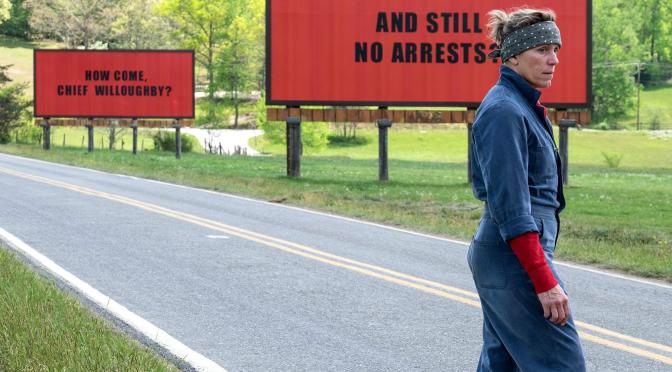
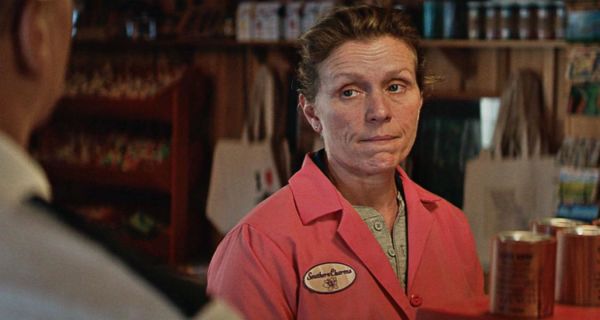
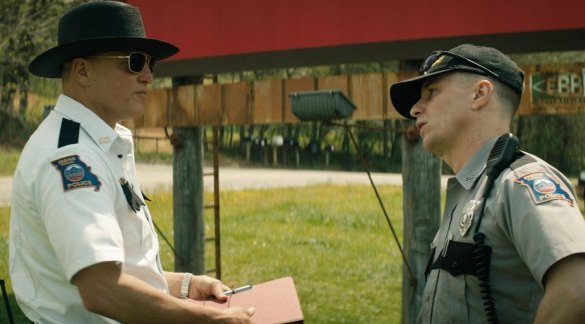
Eschewing a more traditional structure the script’s inciting event – the murder of a young girl called Angela Hayes (Kathryn Newton) – has already occurred and therefore we are thrust immediately into the grief of main protagonist Mildred Hayes, portrayed with an iron veneer by the remarkable Frances McDormand. Her study of a grieving Mother, who is no longer prepared to sit by and wait for her daughter’s killers to be found, is awe-inspiring. Firing a rocket into the patriarchal-dominated police department ran by Chief Bill Willoughby (Woody Harrelson) she sets in motion a series of unforgettably tragic, violent and blackly comedic scenes.  In using the three billboards to question Willoughby’s investigation she utilises physical media as a larger form of the ‘Scarlet Letter’; an old fashioned “name and shame” device. Because Mildred, is refreshingly traditional and old-fashioned and in rural, small-town America the Internet just won’t hack it for her. She is about direct, in-your-face and ballsy action.

As a study of grief this is similar in feel to the majestic Manchester-by-the-Sea (2016) and no doubt, like Kenneth Lonergan, McDonagh will be picking up many awards for his nuanced screenplay. He imbues each of the characters with a flawed, yet rounded humanity. He takes risks by making his main protagonist, despite her loss, kind of unlikeable. Yet we are always with Mildred because she is righteous and swimming against the tide of authority and masculine dominance. Plus, she surprises us with her actions and language and violence. Below the tough exterior though there is also a vulnerability which makes us love her too and empathise fully with her loss.

Three_Billboards_Outside_Ebbing_Missouri-232587360-large

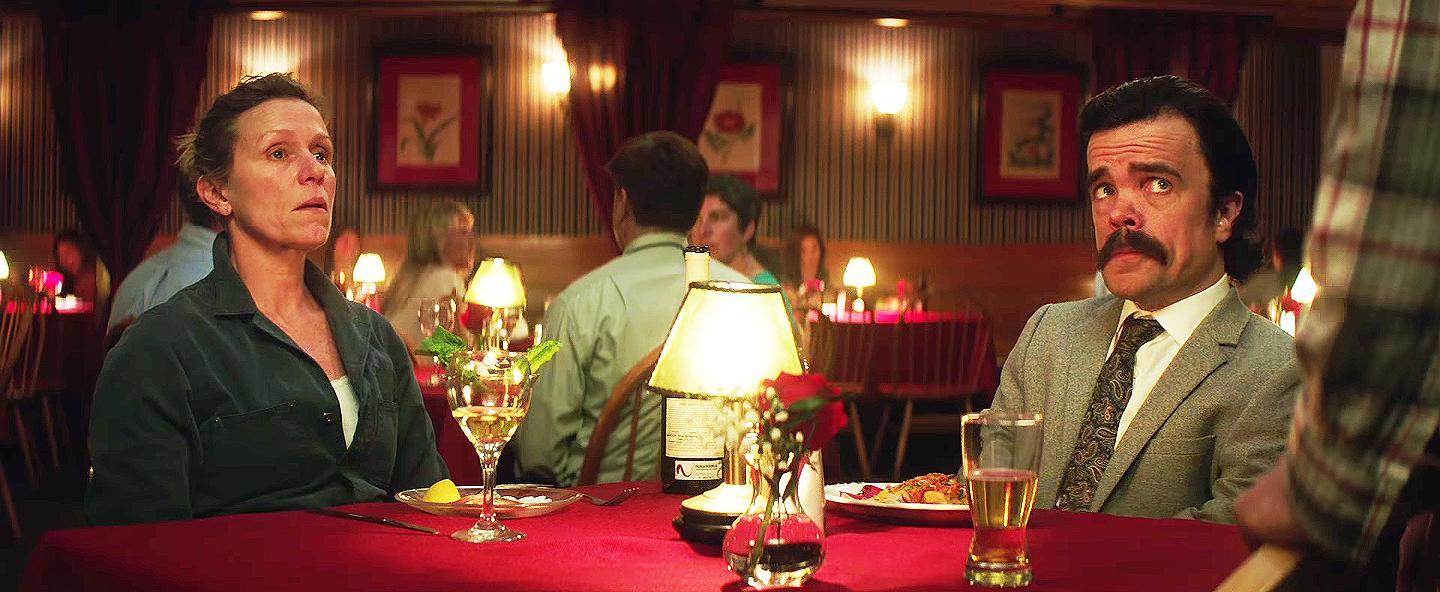
McDonagh and his filmmaking team have also put together a phenomenal ensemble cast including: Woody Harrelson, Peter Dinklage, John Hawkes, and Abbie Cornish etc. Sam Rockwell is especially memorable as the immature, inept and thuggish mother’s boy, Jason Dixon. His scenes with both Frances McDormand and his on-screen Mother, played with deadpan gusto by Sandy Martin, crack with complex emotion and humour. Collectively they portray imperfect characters whose lives have not just been dealt a bum hand but their situation is exacerbated by poor decisions based on emotion and frustration with life and the world. Ultimately, this is an excellent cinematic experience funny, shocking and moving; only possible because of the expert script from a great writer.

(Mark: 10 out of 11 – and the script goes up to 11!)
BRAWL IN CELL BLOCK 99 (2017) – LONDON FILM FESTIVAL 2017 REVIEW

BRAWL IN CELL BLOCK 99 (2017) – REVIEW

“Through me you go into a city of weeping; through me you go into eternal pain; through me you go amongst the lost people.”
Dante Alighieri, The Inferno

**CONTAINS MINIMAL SPOILERS**

The concept of Katabasis is a descent of some kind, such as moving downhill, or a military retreat, or in this context, a violent journey into the underworld. The term has multiple related meanings in poetry, psychology and Greek Mythology. Heroes such as: Orpheus, Odysseus and Lazarus went down into the depths of Hades to locate lost loved ones, collect information and battle their demons. Conversely, writer-director S. Craig Waller has produced something akin to Sam Peckinpah reinventing the story of Orpheus. But instead of employing beautiful music to crush the enemy, Waller’s anti-hero Bradley Thomas, uses his fists, head, body, bats, bars, guns, and hulking power to defeat his foes.

Brawl-In-Cell-Block-99-Trailer

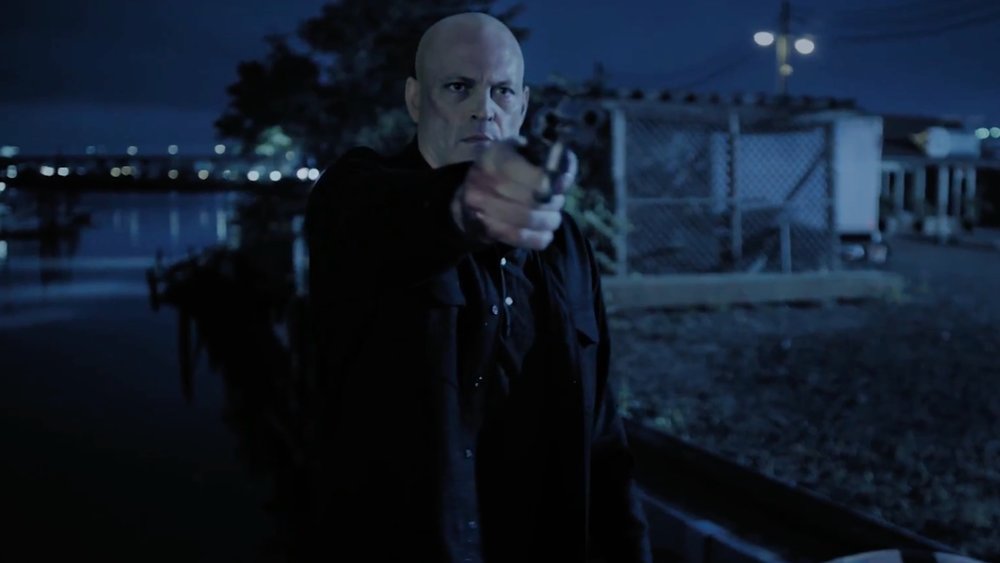
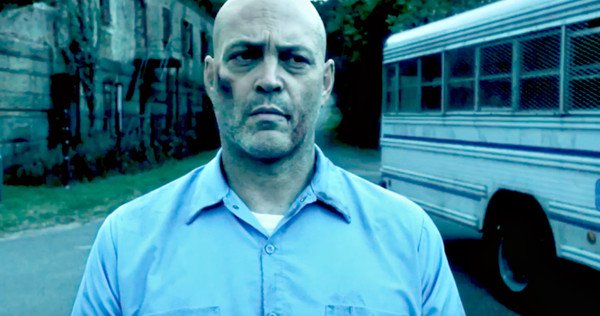
The story opens with a stunning shot from behind of Vince Vaughn’s bald, bulking head emblazoned with a startling crucifix tattoo. As a means of establishing character and showing us the world we’re in it is emphatic, visceral and deviously economic. You know immediately not to mess with Bradley Thomas as he is a coiled spring of masculine power, yet he also has a strong moral compass. Finding himself out-of-work and in difficult financial times, Thomas takes up drug courier work to support his pregnant wife portrayed by Jennifer Carpenter. All is going smoothly until a deal with a Mexican drug cartel goes awry and, from when Thomas enters prison, all manner of sickening and brutal hell breaks loose.

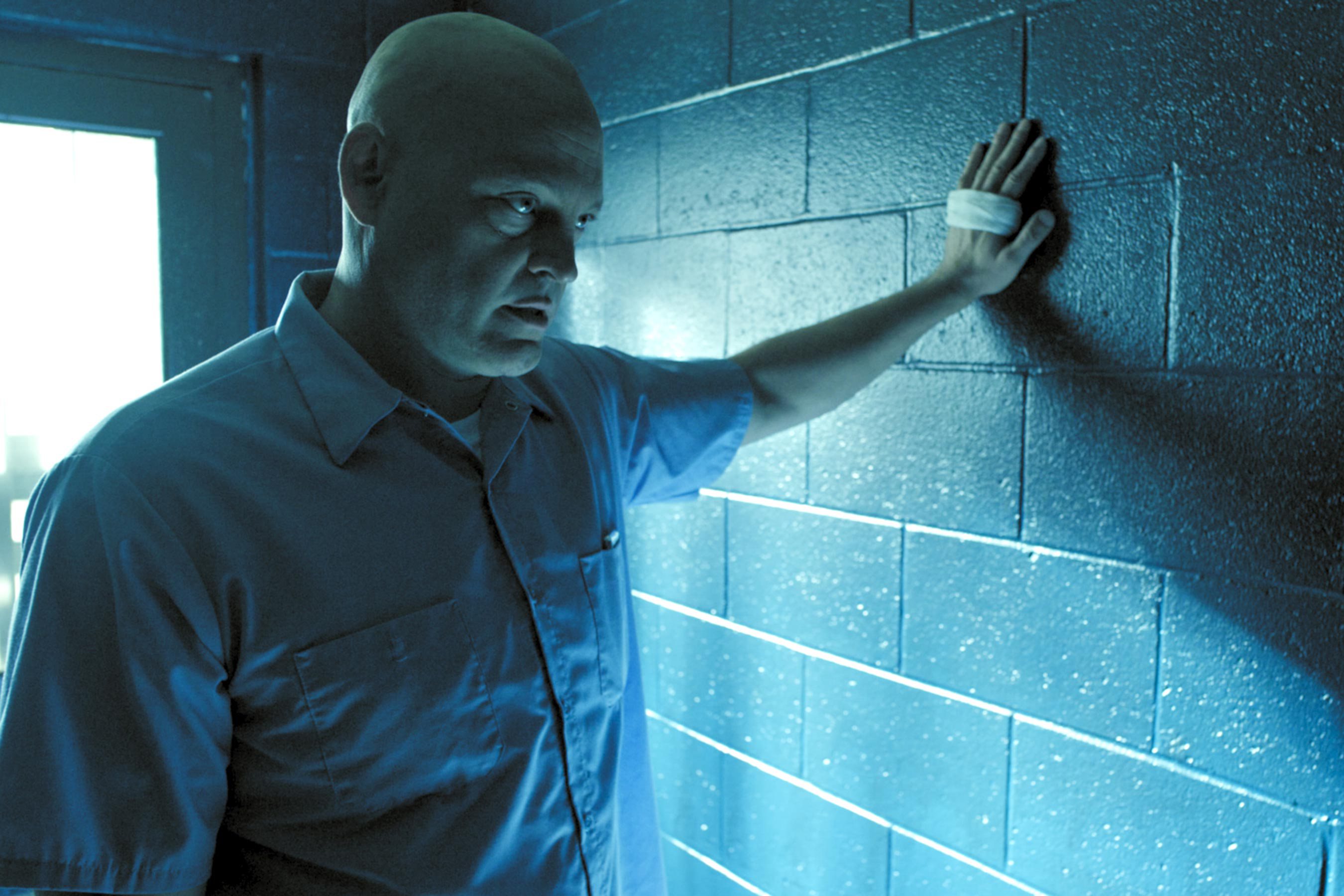
The film is shot on a low budget but the style is impressive. The cinematographer, Benji Bakshi, along with the director Waller, are brave in their choices; utilising natural light, drained colours, shadows and darkness. Often Thomas’ is lit by a slit or shaft or box of light as his character finds himself trapped in corridors and cells as well as his own life choices. Much will also be made of the ultra-violence which includes some impressive bone-crunching Foley sound work. But, the hyper-real violence, while reminiscent of the cartoon horror gore of early Peter Jackson and Sam Raimi’s Evil Dead series, is paradoxically not exploitative. This is because it is contextualised within the brutal crime setting and driven by Thomas’ powerful desire to save the people he loves.

brawl_2

The screenplay, also written by Waller, is full of witty one-liners and deadpan repartee between hard-bitten, desperate criminals and jailers who look as though they have been transported right out of hard-pipe thrillers such as: John Carpenter’s Assault on Precinct 13 (1976), Sam Peckinpah’s Bring Me the Head of Alfredo Garcia (1974) and Don Siegel’s crime gem Charley Varrick (1973).  While over two hours long the plot moves pretty quickly, yet Waller takes his time deliberately building character, suspense and tension before busting out into spectacular violence. Having previously directed the stunning B-movie Western Bone Tomahawk (2015), S. Craig Waller is certainly making a name for himself as an independent film director of some note.

Waller finds a compelling cinematic partner-in-crime in Vince Vaughn too. Vaughn, who burst on the scene with a hilarious performance in brilliant indie-hit Swingers (1996), could be argued to have not lived up to his full acting potential. While he has performed in some excellent movies his CV is also peppered with unfunny comedies, soporific romances and bland family films. Don’t get me wrong, we have to pay the mortgage but there’s always been a nagging sense Vaughn was not utilising his meaty acting ability. Having said that in Hacksaw Ridge (2016) and now Brawl in Cell Block 99, he proves himself to be a character actor of some force. Indeed, his natural comedic timing, muscular frame and searing intensity are all utilised here to mesmeric impact in a career-best performance.

brawl.jpg

Katabasis, as aforementioned, is about descent; but the archetypal hero will usually return triumphant in victory. Brawl in Cell Block 99 offers an alternative vision of moral redemption though within Bradley Thomas’ avenging-angel-versus-the-devil narrative. As such, Brawl in Cell Block 99 joins a list of recent lower-budgeted-independent-minded movies such as: Cold in July (2014), Green Room (2015), Out of the Furnace (2013) and Hell or High Water (2016), which rip into the dark underbelly of United States’ industrial and criminal landscape leaving us in no doubt to the destructive nature of the American dream.

(Mark: 9 out of 11)

‘THRILL OF THE CHASE’ (SHORTS SCREENING) – LONDON FILM FESTIVAL 2017 – REVIEW

‘THRILL OF THE CHASE’ – SHORT FILM REVIEWS

As I’ve written before I’m an avid short film viewer and maker. To tell an impactful story in a lesser period of time to a feature film can be a very difficult but ultimately rewarding experience. Plus, as a member of the audience and filmmaker myself I love seeing the different ways other creatives tell their stories in this medium.

till-one-cries-2-lff17-793

‘Thrill of the Chase’ was curated by the London Film Festival and featured five shorts from Europe and I must say they were of the highest quality. I mean some of the budgets on these must have been very good because they were shot, acted and edited to an exceptionally brilliant standard.The first short, 1745, was a period pursuit drama. Two slaves, wearing big, colourful, tartan, traditional and unwieldy dresses of the Jacobean era, have escaped from a nearby castle and are chased by a steely Scottish Laird, hell bent on recovering his “property”. It’s incredibly well shot as the colour of the costumes countered the misty, green and vast mountainous landscapes up close and from a spectacular god’s-eye view. Overall, it’s a commendable story of two women escaping patriarchal oppression and abuse, set amidst an exquisite looking but harsh Scottish Highlands.

Next up was Oksijan. Set in the harsh contemporary now it also involved a set of characters escaping an oppressive regime. This time is was a group of Asylum seekers, adults and children, encased in the potential moving tomb of an articulated lorry transporting them from a refugee camp. Their deadly journey from Calais to the United Kingdom was made perilous by the air running out. A thrilling and suspenseful short it both raised the pulse and important issues in regard to the plight of human beings fleeing war torn countries.

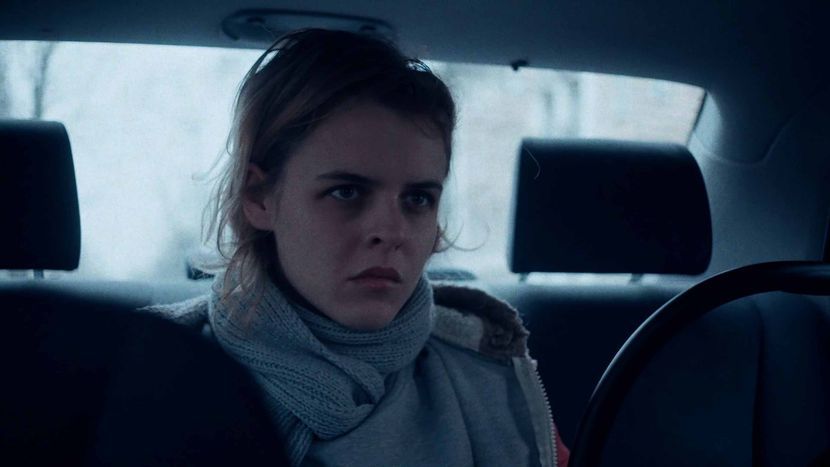
After Scottish and English film productions we next had Hot and Cold from Poland. This was a very harsh film, thirty-five minutes long, and all shot in one take. Technically, it was incredible as the camera follows a young junkie mother throughout her day and her encounter with woman looking to get revenge on her husband. It’s a towering study of motherhood, grief and addiction which creates a claustrophobic nightmarish drama with the colour-bled bleakness of Polish council estates. I wasn’t sure the one-take was actually necessary as the narrative could’ve been pruned but it was very powerful nonetheless.

hot-and-cold-taxi-lff17-668

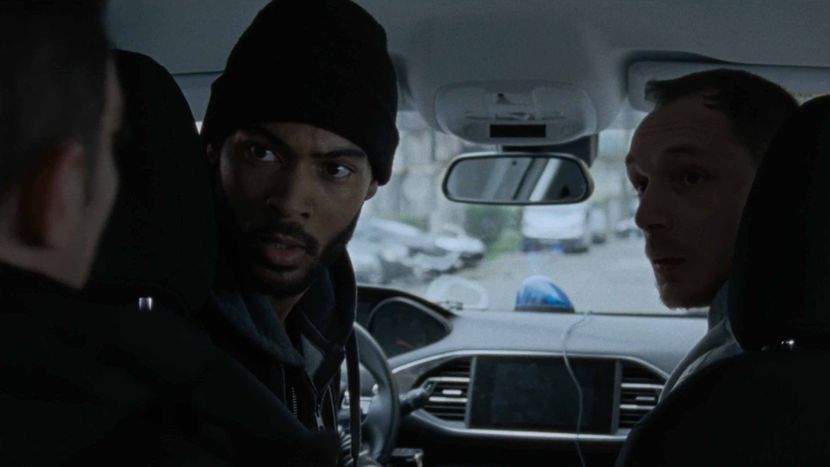
The final two films came from France and Germany respectively. Both reminded me of mini-versions of excellent feature films. The French film Les Miserables (not the Victor Hugo version) concerned cops on a dangerous estate and their heavy-handed dealings with gang-members. It’s well filmed and acted, containing the bruising feel of the classic French movie La Haine (1995).

Similarly, the final short was another drama but this time of the romantic kind. Till One Cries concerned two drug-addled millennials sharing a crazy night within an urban German milieu. It reminded me somewhat, without the shot-all-in-one-take business, of the brilliant crime-romance Victoria (2015) and showed the hedonistic highs and lows of two free-wheeling characters.

les-miserables-cars-lff17-688

Overall, the programme was full of gripping drama and thought-provoking subject matter. I’d say the ‘Thrill of the Chase’ title was slightly misleading in my mind, as the films tended toward, not your classic genre thrillers, but rather more social realism and cinema verité than movie artifice. Indeed, it may have benefited throwing in a shorter, punchier thriller with an element of comedy to break up the incredibly heavy themes of the films presented. Nevertheless, this was a set of Premier League short films, in terms of production, performance and storytelling quality.  

FILMWORKER (2017) – LONDON FILM FESTIVAL REVIEW

FILMWORKER (2017) – LONDON FILM FESTIVAL REVIEW

Stanley Kubrick is the greatest filmmaker who ever lived. That is a fact.  He made films in all genres but indelibly stamped his own genius on the war, comedy, thriller, horror, satire, crime, science-fiction, historical and drama films he adapted and created for the big screen. His work contains a litany of iconic images, searing soundtracks, stupendous performances, great intelligence and provocative thought which ensures his films linger in the memory of those who have witnessed them. All hail a true cinematic master.

filmworker_h_2017

But, while Kubrick is famous – or infamous depending on your point-of-view – for his meticulous perfection and incredible cinematic vision he did not work alone. He had an array of film technicians, cinematographers, designers, researchers, editors and assistants who slaved for him on his various projects. One such individual was self-confessed ‘filmworker’ Leon Vitali. He was a rising star in the acting profession and subsequently cast in Kubrick’s classic period drama Barry Lyndon (1975). Yet, having seemingly fallen under the spell of Kubrick’s omnipotent charisma and incredible vision he offered his assistance on Kubrick’s next production. So taken was he with the great man he was prepared to take any role available. Turning his back on acting – save for the occasional supporting role in the director’s work – Leon would become a faithful servant to the all-powerful Master.

Director, Tony Zierra, has crafted a very insightful, informative and touching documentary about both Leon Vitali and the filmmaking process. It reaches beyond the lights, camera and action of movie-making to dig deep into the dark recesses of Kubrick’s creative work which involved, for many: long sleepless nights, obsessive attention to detail, Sisyphean research and the occasional nervous breakdown. Vitali, himself, lived on the edge of insomnia while contributing to such film classics as: The Shining (1980), Full Metal Jacket (1987), and Eyes Wide Shut (1999).

filmworker_3

Vitali proves a fascinating character who, during his interviews, reveals a dedication, poignancy, love and sense of grief in regard to his working relationship with Kubrick. Indeed, Vitali seems to not have recovered from Kubrick’s passing following the completion of Eyes Wide Shut (1999); due to a seeming lack of recognition for Vitali’s contribution from Warner Brothers and the Kubrick Estate. Overall, I was completely drawn into this sensitive soul’s story of a man who seemed lost without his Master.

But this is not a negative or tragic documentary. It is instead a celebration of creative arts and the Vitali’s contribution to Kubrick’s life-work. His tasks were legion and included assisting with: casting, print transference, overseeing artwork, Film Festival releases, pre-production, stills photography; and acting as Kubrick’s studio conduit when he wanted to lambast someone. The film features many interviews, notably from Vitali but also: Ryan O’Neal, Matthew Modine, R. Lee Ermey, Phil Rosenthal, Pernilla August, Stellan Skarsgard, Danny Lloyd (all grown-up) and many, many more interesting people. They provide rounded commentary to Vitali’s contribution and their experience within the film industry; and more importantly the working process of Stanley Kubrick. Indeed, many of these anecdotes were very humorous and provided a real insight into the director’s way of working.

filmworker_2

Filmworker’s director Tony Zierra spoke eruditely after the screening too revealing his desire to represent the unheralded under-dogs within the film industry. He is very successful in doing so as he presents a touching tribute to one such under-dog in Leon Vitali. Ultimately, Filmworker is a documentary about filmmaking, obsession and the lesser known people working behind the camera.  It is highly recommended for fans of Stanley Kubrick and people who are intrigued by the filmmaking process. Most of all it stands as a fine tribute to the dedication of Leon Vitali; bringing him out of the shadows and into the light, giving him the credit he deserves for his excellent film work.

(MARK: 8.5 out of 11)