Category Archives: Reviews

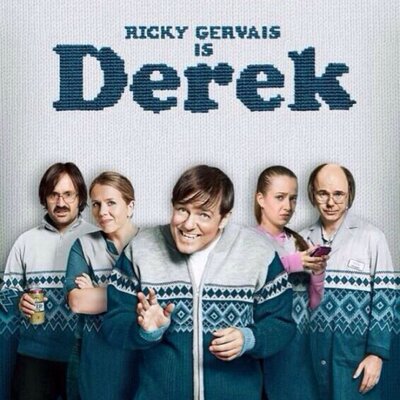
ALL 4 TV REVIEW – DEREK (2013 – 2014)

ALL 4 TV REVIEW – DEREK (2013 – 2014)

Created, written and directed by: Ricky Gervais

Producer: Charlie Hanson

Cast: Ricky Gervais, Kerry Godliman, David Earl, Karl Pilkington, Brett Goldstein, Colin Hoult, Holli Dempsey, Ruth Bratt, Arthur Nightingale, Doc Brown, Joe Wilkinson etc.

Original Network: Channel 4

**MAY CONTAINS SPOILERS**

So, let’s address the elephant in the room with my review of ALL 4/Netflix bittersweet comedy, Derek. Is it acceptable for a person to seemingly inhabit the character of someone who could be perceived to be mentally challenged or disabled? Not forgetting, the person is a successful TV writer/actor, Ricky Gervais. After all we’re in a progressive age where it is right to be sensitive of perceptions and reactions to the representations of people of colour, religion, race, heritage and mental capacity. Is it in poor taste for Ricky Gervais to ultimately, get seemingly cheap laughs out of a gurning, simple man?

Well, on the surface and initial watch Derek, could be deemed offensive for reasons of poor taste. However, having watched series one, two and the final hour-long special for the third time, I have decided that, while it may have puerile and childish humour, Gervais has created a positive, and in some cases, heroic role model who promotes kindness to the elderly, animals, friends and basically everyone, whether they are horrible or not. The comedy and pathos derive not simply from cheap shots, but, organically from a set of outsiders and forgotten people inhabiting a care home. Lastly, Gervais is a talented actor and while he’s no Daniel Day Lewis in My Left Foot (1989), his character of Derek Noakes is a genuinely fine human being worth spending time with.

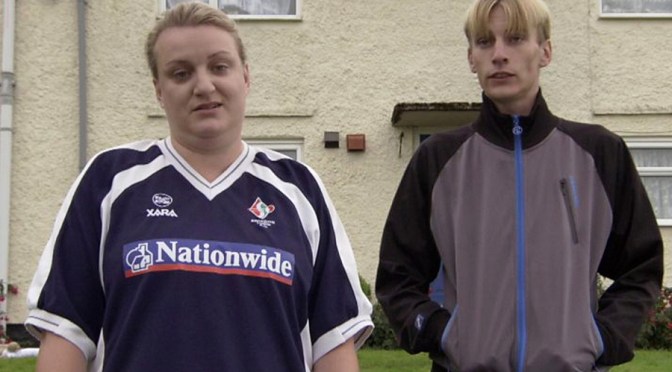
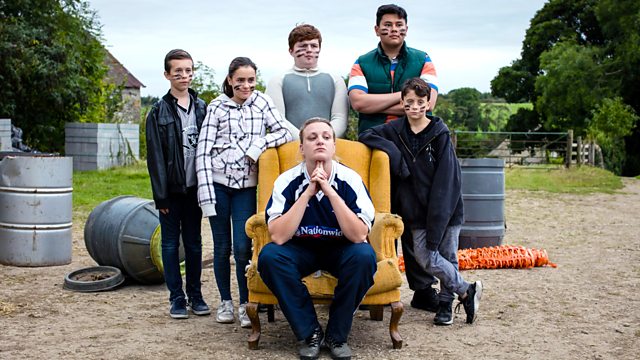
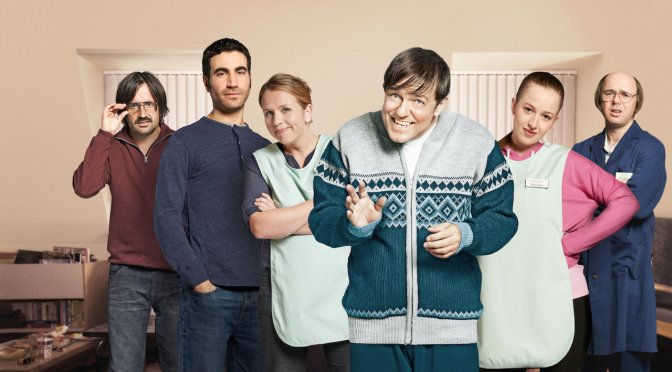
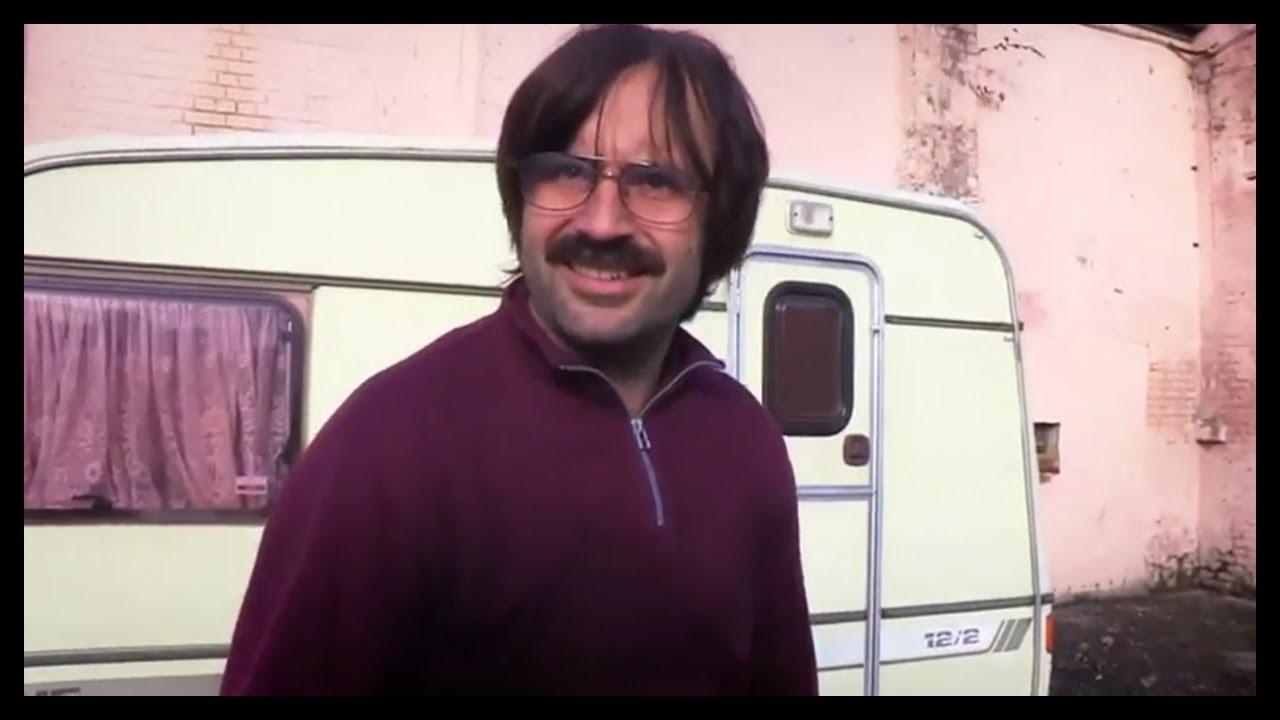
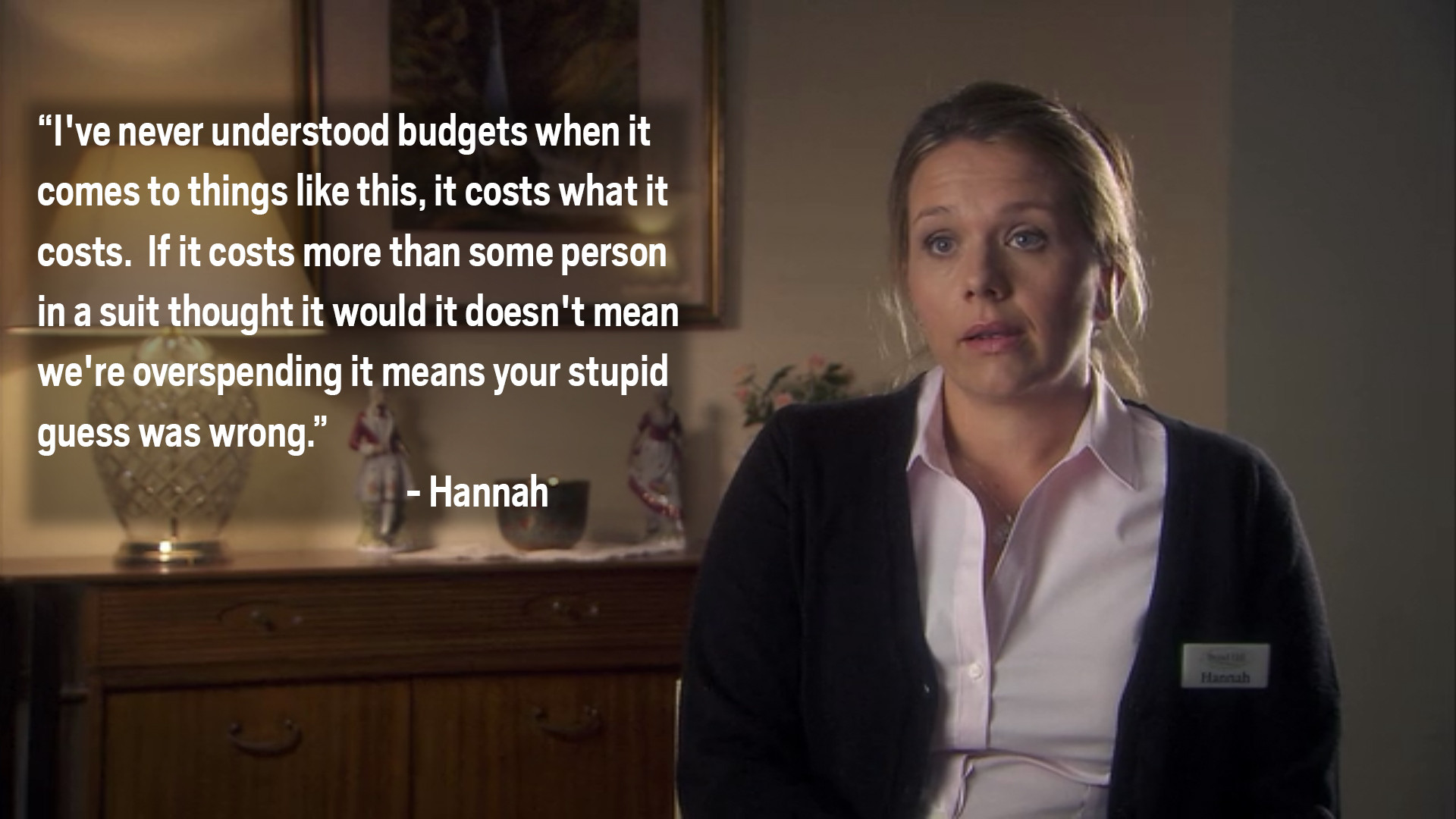
Moving past the controversial issues of taste the most important question remains: is Derek funny? Well, it is both funny and very moving, encompassing themes relating to life, death, grief, romance, love, redemption, depression and memory. Set in a care called Broad Hill it features a collection of disparate ensemble of characters who are existentially trapped within their day-to-day lives. These include hard-working Hannah (Kerry Godliman), gruff handyman, Dougie (Karl Pilkington), alcoholic wastrel, Kev (David Earl), and the titular, Derek. Furthermore, the care home becomes a haven for characters doing community service such as Vicky (Holli Dempsey) and of course the elderly residents who are cared for at Broad Hill.

Shot in Gervais’ often used mockumentary style, each episode unfolds in a gentle slice-of-life style as the Broad Hill employees go about their business. A common theme running through the series is the pressure the staff, notably Hannah, find themselves under looking after old people who have been dumped by their family and society at large. Moreover, the children or grandchildren of the residents are mostly represented as greedy, callous or self-absorbed. Gervais has commented that the show is a tribute to family members who worked in care homes and Derek succeeds in that context.

In representing the working classes and societal outsiders, Derek also works very well. I’ll be honest there is some easy humour to be had from the sexual perversity and drunken antics of Kev, portrayed with greasy acumen by David Earl. However, in Season 2, Kevin’s sad decline comes into focus as his alcoholism causes his health to fail and the friends he has alienated have tough choices to make. Nonetheless, the comedic interactions between Pilkington, Gervais, Earl and Kerry Godliman are priceless. These, plus Brett Goldstein as Hannah’s boyfriend, Tom, are all gifted performers and they shine throughout the episodes.

Gervais faced much critical controversy when Derek was first released. But having watched it again I actually think this was undeserved. Derek is not a figure of fun but rather a complex human being and richly empathetic character. If you find it offensive or do not enjoy Gervais’ performance then I understand that. Ultimately though, the series has some childish humour such as characters writing obscenities on crabs at the seaside, Dougie’s stupid hair, and Kev crapping himself at a staff meeting. However, it also has some fine comedic set-pieces as occurs when Derek, Dougie and Kevin put on a play about Duran Duran at a talent night. Plus, the scene where Kev and Derek try and sell their autographs of “famous” people is pure comedy gold.

Overall, Derek is a life-affirming comedy full of eccentric characters on the fringe of society. Somehow, they all band together to create this weird dysfunctional but very caring family. It’s a show about life, death, gain, loss and the human spirit. Moreover, through Derek’s homespun philosophical musings we get a lot of simple, yet effective life lessons. Yes, it’s full of toilet and school-playground humour, and at times is really mawkish and sentimental, but it is also full of heart and poignancy all performed by a fantastic ensemble cast.

Mark: 9 out of 11

ALL 4 TV REVIEW: END OF THE F***KING WORLD (2017)

ALL 4 TV REVIEW: END OF THE F***KING WORLD (2017)

Directed by: Jonathan Entwhistle, Lucy Tcherniak

Producer: Kate Ogborn

Written by: Charlie Covell (based on comic novella by Charles Forsman)

Cast: Alex Lawther, Jessica Barden, Gemma Whelan, Wunmi Mosaku, Steve Oram, Christine Bottomley, Navin Chowdhry etc.

Original Network: Channel 4

**MAY CONTAIN SPOILERS**


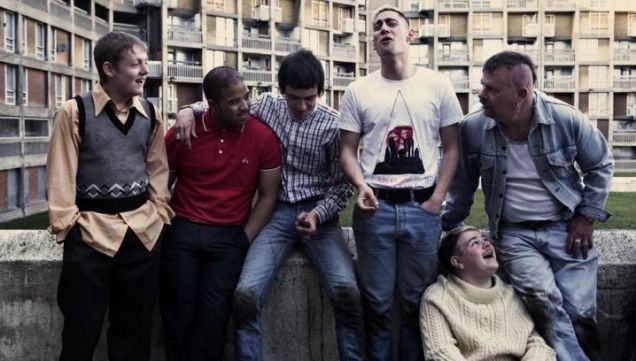
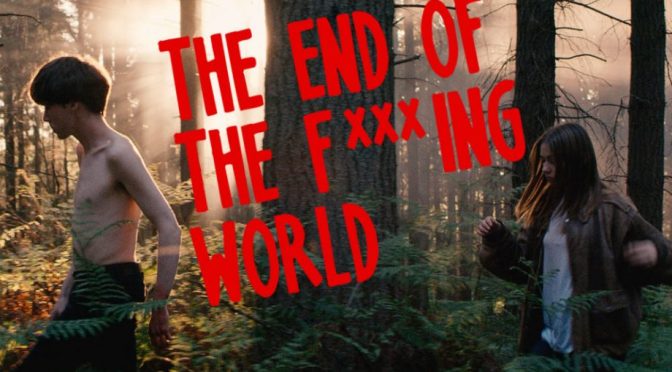
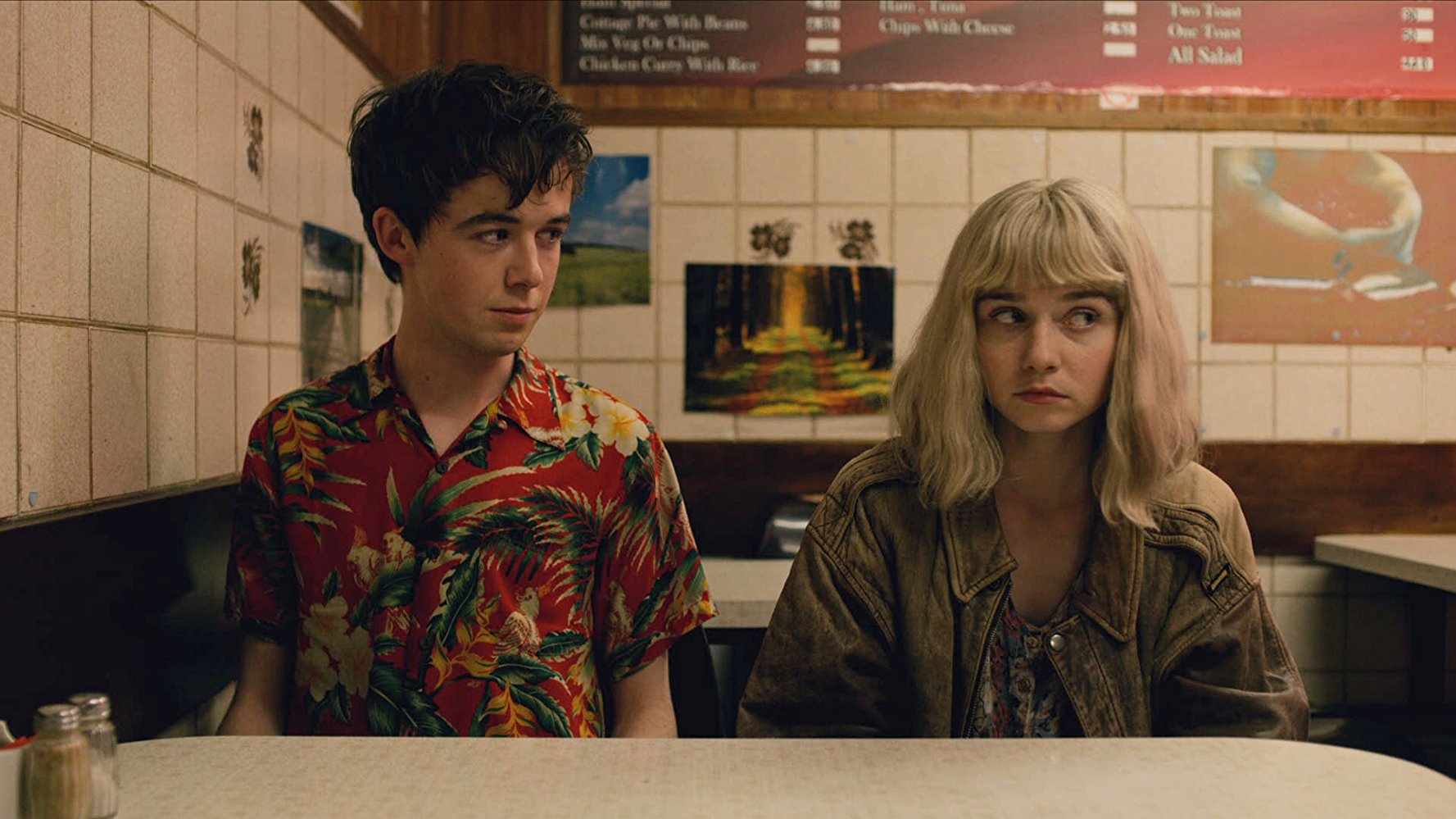
This Channel Four comedy-drama can be found on both ALL 4 and Netflix. It is certainly recommended for those who like their comedy darker than an Arctic winter’s day. It concerns a teenager called James (Alex Lawther) who believes he’s a psychopath, who decides to go from killing animals to people. Enter Jessica Barden’s equally maladjusted Alyssa, and we get eight episodes of acidic, violent, rites-of-passage and anti-romantic mischief.

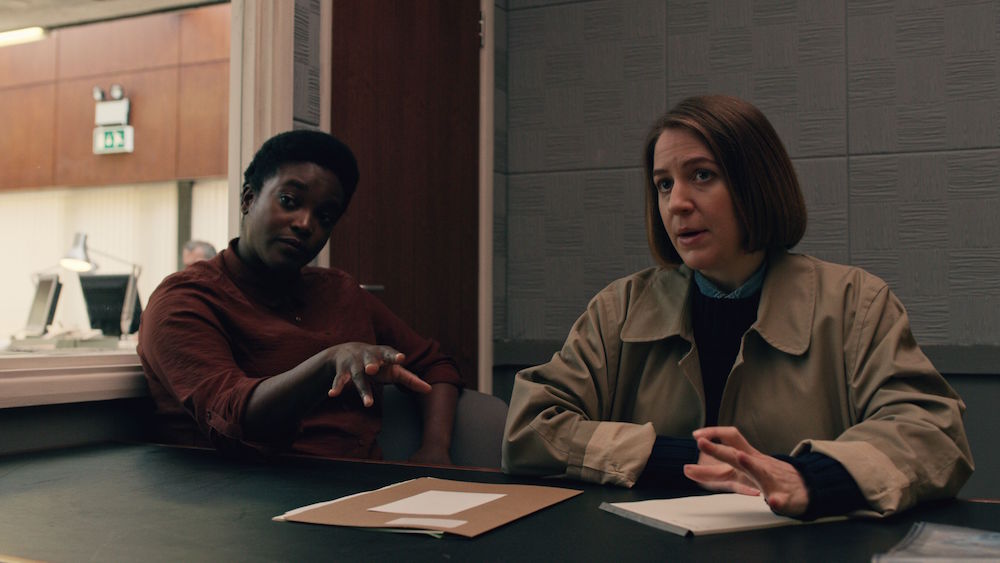
The first episode is arguably the strongest as it starts with a breakneck pace establishing James character history and how he meets Alyssa. They are both very nihilistic and unlikable but that’s the point. The series is an anathema to the conventional feel-good Hollywood sitcoms and comedy films. This is violent and nasty with lost kids ignored or endangered by the adults around them. Indeed, aside from Gemma Whelan’s likeable police officer there aren’t many characters to empathise with here.


It is a testament to the fine acting by rising stars Lawther and Barden that the show held my interest over the eight short episodes. As the two anti-heroes go on the run across country I was reminded of the Tarantino scripted films True Romance (1993) and Natural Born Killers (1994), but filmed in Surrey. Of course, End of the F***king World (2017) doesn’t benefit from Tarantino’s wicked dialogue, however, it compels with a journey into some very twisted places.

Nominated for a BAFTA for Best Drama Series, I didn’t enjoy as much as some reviewers and critics did. I think this is mainly due to the fact it doesn’t really have much to say other than life is shit. Also, the characters don’t particularly learn anything, change or have a particularly intriguing philosophy. Moreover, their story begins and ends in abject nihilism with little hope for a brighter future. Don’t get me wrong, I love dark comedies and dramas, but this was relentlessly depressing and probably would have been better as a punchier ninety-minute film rather than a series. Overall, though the smart script and malignant characters had a dark magnetism. That and the excellent performances make it worth a watching if you’re feeling in a “I-hate-the-world” kind of mood.

Mark: 8 out of 11


ALL 4 FILM REVIEW – LONGFORD (2006)

ALL 4 FILM REVIEW – LONGFORD (2006)

Directed by: Tom Hooper

Producer: Helen Flint

Written by: Peter Morgan

Cast: Jim Broadbent, Samantha Morton, Andy Serkis, Lindsay Duncan, Robert Pugh etc.

Original Network: Channel 4

**CONTAINS SPOILERS**

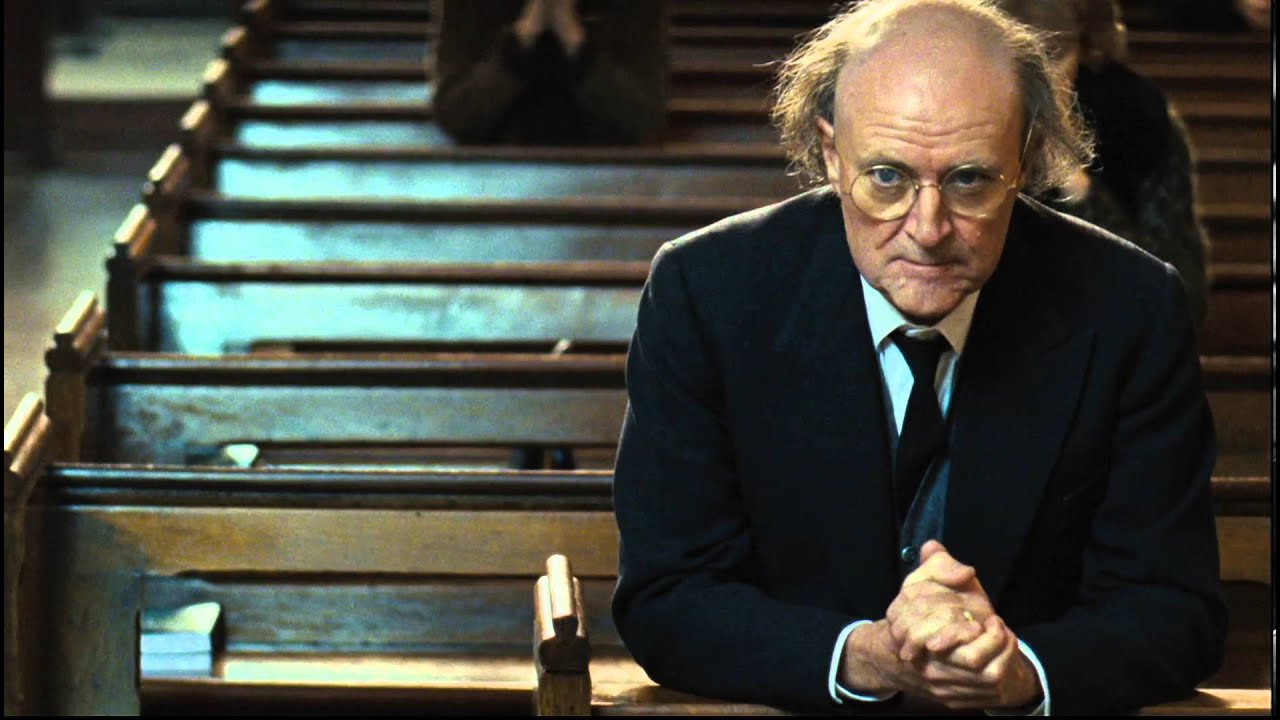
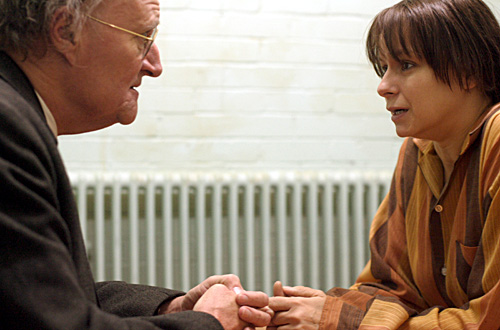
Continuing my look back on the films and shows on ALL 4, this drama is really Premier League television filmmaking of the highest quality. Written by esteemed screenwriter, Peter Morgan and directed by celebrated director of Oscar winner, The King’s Speech (2010), Tom Hooper, Longford (2006), features fine acting from Jim Broadbent, Samantha Morton, Andy Serkis and Lindsay Duncan.

A much respected but also much maligned character around the House of Lords and Parliament in Westminster, Lord Longford, or Frank as he preferred to be known, came from a very privileged background. However, in various post-war political positions he campaigned vehemently for the underclasses, especially where the prison system was concerned. A complex but kind man he had no issue switching allegiances of politics or faith during his lifetime if he felt it was the right thing to do.

The story begins in the late 1960s with Longford celebrating his programme for rehabilitating ex-convicts. When he receives a letter from infamous child killer Myra Hindley, he takes up her case. Now, I remember Lord Longford when I was growing up and the furore over his constant attempts to grant Hindley parole was often in the news. I’m still struck by what a massive naive and stubborn heart he had. The public outrage was constant, but Longford never gave up this campaign.

Myra Hindley and Ian Brady killed five children between 1963 and 1965 and were described as “two sadistic killers of the utmost depravity.” This character study shows Longford battling his doubts over Hindley and Jim Broadbent’s performance is so compelling. You feel empathy and horror at his decision to represent Hindley, portrayed with nervy guile by Samantha Morton. The scenes between the two are a masterclass in acting with Morton conveying pitiful vulnerability to draw the Longford in. I personally felt Hindley was manipulating Longford but due, in part to her religious conversion, he chooses to ignore such thoughts.

Andy Serkis’ performance as Ian Brady, on the other hand, is one of pure, unadulterated evil. He warns Longford he is being played for a fool, but this only confirms Longford’s belief that Brady controlled Hindley during the murders. Brady’s character is only in a couple of scenes but his cold Scottish brogue chills the heart like an Arctic wind. Obviously, Serkis has gone onto bigger things, but I don’t think he has ever given a more memorable performance.

Overall, this is an exceptional film about the sad aftermath of one of the most heinous crimes ever committed in Britain. Longford, while admirable in his philosophy, proves the adage, there’s no fool like an old fool. Peter Morgan’s script is just brilliant at catching the emotions of the characters, as Hooper’s direction draws formidable performances from a fine cast. The nation was right to be outraged at Longford’s actions, but this film illustrates his motivations in a highly compelling way.

Mark: 9 out of 11

MIDSOMMAR (2019) – CINEMA REVIEW – AMAZING FILMMAKING LET DOWN BY WEAK STORYTELLING!

MIDSOMMAR (2019) – CINEMA REVIEW

Written and directed by: Ari Aster

Produced by: Lars Knudsen, Patrik Andersson

Cast: Florence Pugh, Jack Reynor, William Jackson Harper, Vilhelm Blomgren, Will Poulter etc.

Music: The Haxen Cloak

Cinematography: Pawel Pogorzelski

**MAY CONTAIN SPOILERS**

Midsommar (2019), is ultra-talented filmmaker Ari Aster’s second feature film. His first Hereditary (2018), was two-thirds domestic horror masterpiece and one-third insane, symbolic, nonsensical and demonic denouement. Both films have a lot in common. Both have communes or cults at the centre led by strong matriarchal figures. Both find seemingly innocent characters suffering from grief being lured to a fateful demise. Both have incredibly rich visual systems full of striking imagery, sudden violence and mythological folklore. Both, especially Midsommar (2019), are overlong, pretentious and indulgent B-movie stories masquerading as art.

I have to say, and I am not coming from simply a mainstream perspective, Ari Aster is a film artist. However, unlike many great film artists he has, in my opinion, not managed to marry his vision with coherent and emotionally powerful storytelling. Midsommar, for example, takes an age to kick its narrative into gear and when it finally gets started it drags and drags and drags. How many long, drifting tracking master shots can you abide? How many drawn-out-so-pleased-with-myself takes do you have the patience for? Well, get a strong coffee because when the story cries out for pace, Aster puts the brakes on, marvelling in his own indulgent genius. I might add that a plethora of characters screaming and crying does not make good drama either, unless there is sufficient context.

The narrative is very simple. In a nutshell, it’s Eli Roth’s Hostel (2005) meets British horror classic The Wicker Man (1973). Florence Pugh, Jack Reynor, William Jackson Harper and Will Poulter are college students who take a summer break to experience a communal pageant in rural Sweden. While they are PHD students they are not particularly intelligent given the choices they make later in the film.

Moreover, aside from Pugh’s grief-stricken Dani, the script doesn’t particularly imbue them with much in the way of empathetic characterisation. Indeed, the film relies on Pugh’s dominant performance to create emotion for our protagonists. Aside from providing some comic relief there is no actual point to Will Poulter’s character at all. Lastly, there is some absolutely terrible dialogue throughout this film too.

As the film crawls along slowly, it’s reliant on the music to inform us we’re meant to be scared. Then when the gore does kick in during a particularly shocking ritual, I was almost falling asleep. Don’t get me wrong the production design is flawless with an amazing setting and incredible concepts from Aster. The death and torture scenes are particularly memorable. However, the overall pace and rhythm of the film is so bloody slow I just did not care about anyone by the end.

I don’t mind methodical films establishing dread and psychological fear, but I think Aster has been watching too many Kubrick films. Aster seems to believe slow equals art. What Kubrick did though was usually to have characters that were engaging. They may not have been likeable, but Kubrick’s characters hit you in the heart and mind. Not since The Blair Witch Project (1999) have I wanted such dumb characters (Pugh aside) to die so painfully in a horror film. Likewise, the characters in the Swedish commune are mere ciphers of Aster’s fantasy horror and two-dimensional at best.

Visually stunning Midsommar (2019), will no doubt impress critics and other reviewers. However, at nearly two-and-a-half hours it’s an indulgent-arty-collage-of-film-masquerading-as-therapy. The ending was so loopy that the audience I was with were laughing at how ridiculous it was. Perhaps that was the filmmakers’ aim, but I’m not so sure. Yes, I get that this is meant to be allegorical and symbolic about grief and guilt and religion and a relationship break-up and fate and cultural differences. Furthermore, I get the intellectual depth of the themes on show, but Aster tortures the audience as much as his characters. Mostly, it just doesn’t take so long to tell this kind of derivative narrative, however beautiful and artistic the film is presented.

Mark: 6 out of 11

ALL 4 TV REVIEW: CRASHING (2016)

ALL 4 TV REVIEW: CRASHING (2016)

Created and written by: Phoebe Waller-Bridge

Producer: Ben Wheeler

Directed by George Kane

Cast: Phoebe Waller-Bridge, Jonathan Bailey, Julie Dray, Louise Ford, Damien Moloney, Amit Shah, Susan Wokoma, Adrian Scarborough etc.

Original Network: Channel 4 Television (UK)

**MAY CONTAIN SPOILERS**

While Netflix, Sky, Fox, Disney and Amazon dominate much of the digital television output across the English-speaking world, Britain has, in the BBC, ITV and Channel 4 a lot to offer in regard to TV entertainment. I watch a lot of the main drama and comedy from the BBC, but I thought perhaps I needed a little catch-up on some Channel 4 shows I may have missed.

Thus, I set up an account at ALL 4https://www.channel4.com/ – and had a little look about. There are hundreds of films, comedies and dramas on their channel produced in the UK, Europe and the globe in general. So, I will be writing some reviews of stuff I’ve been catching up on that I can recommend. I have to state ALL 4 is great value because it is ad-driven and there is NO monthly subscription.

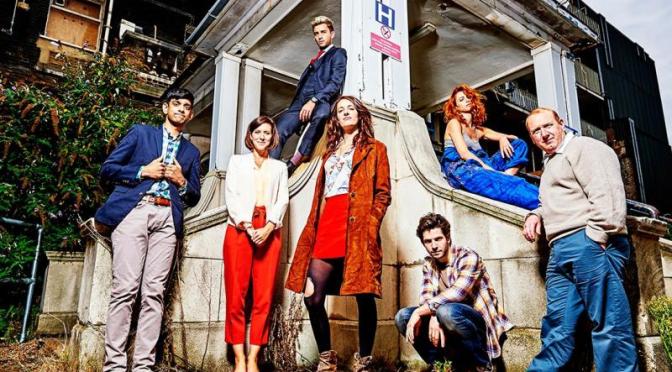
Crashing (2016), is a comedy centred around property guardians. Such people rent disused properties at a discounted rate but have to “protect” the property and leave virtually immediately when the landlord demands. It’s a great set-up for a television format as it allows for a mixture of various characters to connect in comedic, dramatic, romantic and hysterical ways. The setting, a disused hospital, is also great with the abandoned building providing a strong visual theme throughout.

Written by Phoebe Waller-Bridge, prior to her Fleabag and Killing Eve fame, the script pulls focus on six such property guardians. Waller-Bridge is Lulu, a twenty-something party girl drifting into London town looking for childhood friend Anthony. You can obviously see elements of her Fleabag persona in Lulu notably the way she uses alcohol, flirting and chaotic sexuality to hide her true feelings. Other characters are: said friend, Anthony; his girlfriend, neurotic Kate; middle-aged depressive Colin; French artist, Melody; awkward professional, Fred; and grieving, but charismatic estate agent, Sam. Kate, especially, is a progenitor for Fleabag’s hyper-stressed sister, Claire.

Waller-Bridge has created an interesting chorus of variant personalities who laugh and conflict and romance and sex in a very entertaining six episodes. I would say the show is more comedic than dramatic and there are some really funny moments which tend toward the slapstick, bodily functions, comedic misunderstanding or are just simply sex-driven. Who-fancies-who-or-who-is-fucking-who is a believable running theme through the show but there is some pathos there, especially with Colin, Fred and Sam’s characters. Overall, this is an under-rated comedy gem which, while it only ran for just one season, is definitely worth watching for the fast-paced writing and excellent ensemble acting.

Mark: 8 out of 11

SHORT SIGHTED CINEMA 2019 – BRITISH SHORT FILM PROGRAMME REVIEW

THE SHORTEST NIGHTS – 2019

On Sunday the 30th June 2019 I did two of my favourite things. I took a long walk through the city of London and watched loads of short films.

London is obviously a very busy city and hive of activity during the week. However, on a Sunday it, despite there still being traffic, is way more peaceful. Well, especially from eight in the morning until around lunchtime. Indeed, until I got to the tourist trap that is Westminster it had been a pleasure to walk down the Thames Embankment and through the city of London.

I set out to walk from Clapham to Hackney and my destination was the Yard Theatre, Hackney. I made the walk of around ten miles in good time and the event was The Shortest Nights 2019 – Short Film Festival.

Details can be found here:

https://shortsightedcinema.com/

The Shortest Nights is an annual celebration of British short film. They bring you five cutting-edge programmes across a range of themes and genres featuring new works from emerging British filmmakers.

The people running the event are so enthusiastic and put on a great array of different British short film productions. Overall, there were thirty-nine short films and I watched all of them. It was a great day and I was especially impressed by the: comedies, horrors, documentaries, dramas, animation and art-house films on show.

There were low-to-high budget short films of brilliant quality and the programmes were broken down into five categories. So, if you ever get a chance to go to their film events I recommend it to all filmmakers and film fans alike.

TOY STORY 4 (2019) – MOVIE REVIEW

TOY STORY 4 (2019) – MOVIE REVIEW

Directed by: Josh Cooley

Produced by: Jonas Rivera, Mark Nielsen

Screenplay by: Stephany Folsom, Andrew Stanton

Story by: John Lasseter, Rashida Jones, Will McCormack, Josh Cooley, Valerie LaPointe, Martin Hynes, Stephany Folsom, Andrew Stanton

Cast: Tom Hanks, Tim Allen, Annie Potts, Tony Hales, Keegan Michael-Key, Jordan Peele, Madeleine McGraw, Christina Hendricks, Keanu Reeves, Joan Cusack, John Ratzenberger, Timothy Dalton etc.

Production company(s): Walt Disney, Pixar Animation

**MAY CONTAIN SPOILERS**


I almost don’t feel qualified any more to review a sequel that was neither expected or necessary. After all, it’s a sequel to a film trilogy which was almost perfect in its’ delivery and execution. But, having paid big bucks for Pixar in 2006, I doubt Toy Story 4 will be the last unnecessary sequel of their products. After all, Disney are in show BUSINESS!!

I also don’t feel qualified as I am so cynical and jaded that the characters of Toy Story do not interest me anymore. In my mind their story is done. Plus, it’s really for kids, isn’t it? However, that isn’t to say that Pixar/Disney have not, once again, created an incredible technical tapestry of some genius. The colour, texture and attention to detail on show are incredible as usual. Similarly, the ultra-talented voice acting of Tom Hanks, Tim Allen, Wallace Shawn, John Ratzenberger, Annie Potts etc. are joined by the brilliant Key and Peele, Christina Hendricks and Tony Hales for the latest release.


Hales offers the voice of potentially one of the worst characters Pixar have ever created: Forky. In fact I think they set out to invent one of the worst characters as a challenge to see if they could make it work. You know what? I think they did make it work. Forky is something the toys’ owner, Bonnie, creates on her first day of kindergarten and with the magic of make-believe he becomes, unknown to her, sentient. We then get the experience of watching a fictitious plastic spork suffering an existential crisis and attempting suicide-by-trash. That’s when good old Woody then tries to teach him his worth.

The sheer goofiness of all this strange plotting works for and against the film. It’s so surreal I thought David Lynch had a hand in the story. Having said that the writer and story credits almost number a football team, so the Frankensteinesque patchwork nature of the screenplay is unsurprisingly. The stitching that holds it all together is Woody’s character. Many of the other toys, including Buzz, are almost sidelined for Woody’s hysterical attempts to control everything around him.


There were a myriad of plots strangling the narrative of Toy Story 4, but the character of Gabby Gabby, voiced by Christina Hendricks, was arguably the most interesting. Echoing the villainy and bitterness of Lotso from the previous sequel, her ventriloquist dummy hench-toys were very creepy and her character added a dark heart amidst the kaleidoscope of wondrous colours. I could take or leave Bo Peep’s, Bonnie’s and Forky’s escapades, but Woody’s encounter with Gabby Gabby was my favourite. Oh, not to forget, Keanu Reeves hilarious little cameo as stunt-toy, Duke Caboom.

Overall, Pixar and Disney do this kind of film amazingly well. Once again one marvels at the technical quality of the animation on show. The story, themes and characters, however, felt a bit recycled and if they do more of these films I think they probably need to jump the shark and allow the toys to finally be seen and heard. How many times can the same joke work? I’m not sure. What is certain though, as long as it makes money Disney will have no issues selling it to the kids. I’m just so old and jaded I’m ready for the attic with all the other discarded and tired toys.

Mark: 8 out of 11

DEADWOOD (2019) – HBO FILM REVIEW

DEADWOOD (2019) – HBO FILM REVIEW

Created and written by: David Milch

Directed by: Daniel Minahan

Cast: Timothy Olyphant, Ian McShane, Molly Parker, Dayton Callie, Kim Dickens, Brad Dourif, John Hawkes, Paula Malcolmson, and Robin Weigert, Keone Young, William Sanderson, Gerald McCraney etc.

Cinematography: David Klein

Original Network: HBO

**MAY CONTAIN SPOILERS**

David Milch’s formidable Western TV classic was a show I’d never ever seen. So, I took great pleasure drinking in its’ flavours and palette at the end of 2017.  I was so glad I did because Deadwood is one of the most brilliantly written shows I’ve seen; and while the dialogue is clearly anachronistic it feels paradoxically authentic. Throughout the thirty-six episodes the monologues sing from the screen as a litany of character actors drawl and deliver words of filth, comedy and great tragedy. At times the dialogue is so dense it reaches sonorous Shakespearean heights.

After three brilliant seasons of Wild West slice-of-life the show was cancelled and the various narrative strands were left loose. But Deadwood (2019) returns one final time with a movie that further elucidates desperate times brimming with whores, bandits, con-artists, killers and a twisted and violent rendition of the American dream. With most of the original cast returning and the action set some ten years after the final season ended in 1889, here we find scores to be settled, relationships to be consolidated and revenging to be done.

The main thrust of the film shows nefarious Senator George Hearst at constant loggerheads with the townsfolk, especially the noble but angry Marshall Bullock; Trixie the prostitute who tried to kill Hearst; and Ian McShane’s gutter-mouthed bar owner, Al Swearengen. Al’s body and health are crumbling due to his heavy drinking and he becomes more a liver-failed spectator amidst the dirty narrative twists and turns.

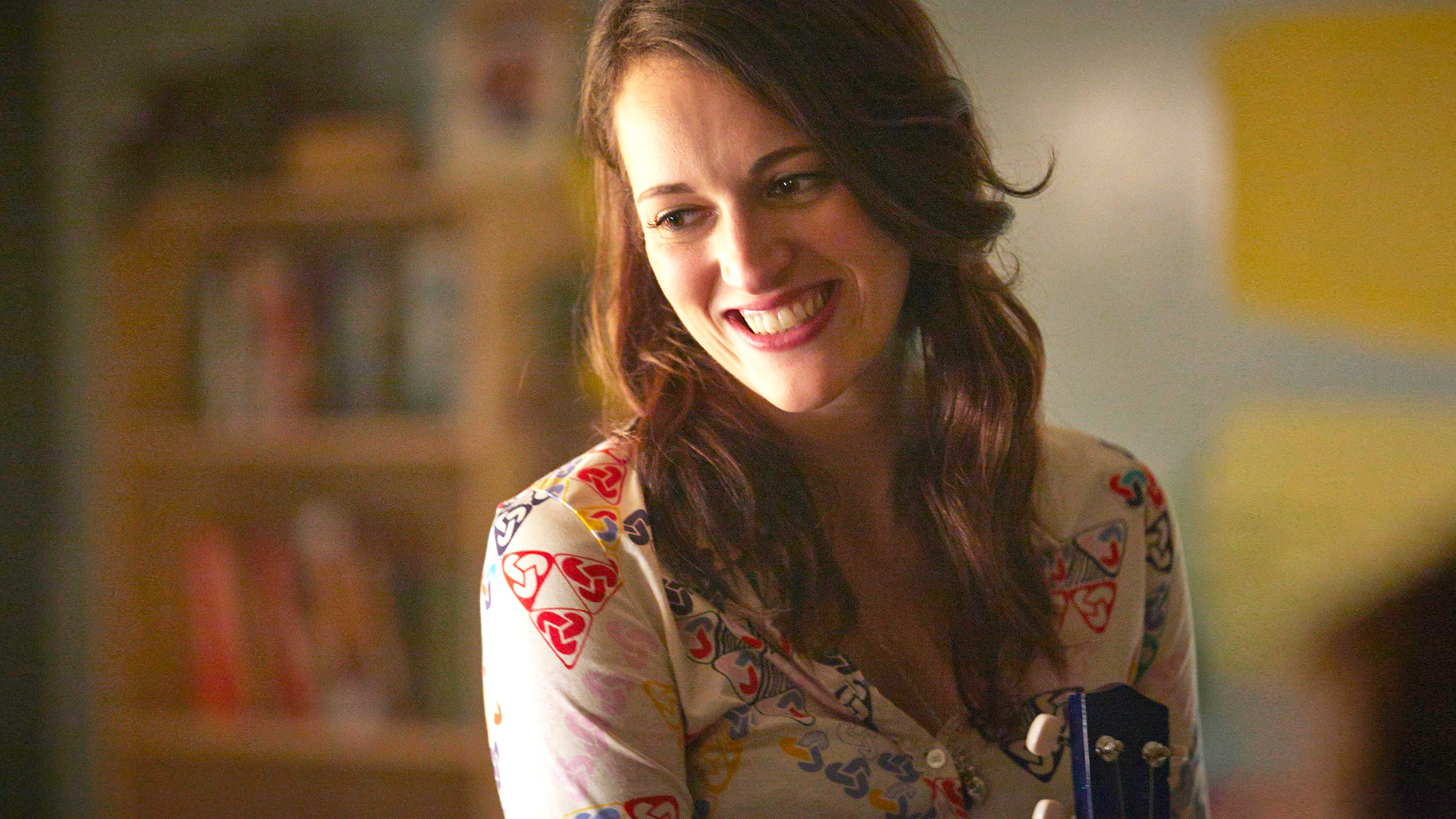
Given it was more about the characters, performance and dialogue I actually didn’t mind the open-ending provided by the cancellation of the show. I liked that their lives just went on off-screen until they became the proverbial quintessence of dust. However, there is much to enjoy in getting a belly full of these hard-bitten, drunken characters again. As send-offs go the film is a filthy joy. I especially enjoyed seeing Timothy Olyphant as Bullock, Paula Malcolmson as Trixie, Ian McShane as Al; and the marvellous Robin Weigert as Calamity Jane. They all enrich the proceedings with incredible acting performances.

Deadwood may represent a series of distant Wild West memories but its’ grizzled and bloody vision of humanity is just as valid today. The streets of society now may have pavement and tarmac and skyscrapers but they are still besmirched with blood and greed and revenge of the Wild West. While arguably unnecessary this final film is an ebullient and entertaining drift back to the past with enough spittle, blood, anger, justice, love, profanity and mud to please the die-hard Deadwood  fans.
Mark: 9.5 out of 11

BRIGHTBURN (2019) – MOVIE REVIEW

BRIGHTBURN (2019) – MOVIE REVIEW

Directed by: David Yarovesky

Produced by: James Gunn, Kenneth Huang

Written by: Brian Gunn, Mark Gunn

Cast: Elizabeth Banks, David Denman, Jackson A. Dunn, Matt Jones, Meredith Hagner, Gregory Alan Williams etc.

**MAY CONTAIN SPOILERS**

What if Superman was evil? As concepts go Brightburn (2019) has a simple but highly impressive one. The trailer too was brilliant and it was only when I saw a few negative reviews did I baulk at going to see the brisk B-movie-super-hero-horror-film. So, does a great pitch, and cool trailer lead to a great movie? In part yes; and in part no!

With the indie-turned-blockbuster director, James Gunn, in the wings producing the film, Brightburn clearly has a pedigree in superhero, comedy and horror film-making. I loved his low budget gem Super (2010) and his work helming the Guardians of the Galaxy films is also impressive. One wonders if Brightburn may have worked better with James Gunn directing but we will never know.

Set, unsurprisingly in Brightburn, Kansas, the story completely steals the Superman origin narrative and twists it in a fun and gory way. Farming couple Tori and Kyle Breyer are desperate for a kid and have failed to conceive naturally. Fortunately, or so it seems at first, a child falls from the skies, and rather than tell the authorities they adopt the kid as their own.
Flash-forward and Brandon is now twelve years old and puberty is fast approaching; cue bodily changes but not the kind his parents were expecting. As Brandon deals with school bullies and his first crush he suddenly begins going into trances and attempting to unlock that red glowy thing in the barn. What could it all mean? Mayhem! Bloody mayhem is what it means!

I really enjoyed Brightburn. It’s script is a bit dumb and some of the character choices are pretty ridiculous, especially when Brandon starts behaving violently at school and around the house. However, I loved the fast-pace, the concept, the dark horror, the red-masked image system, and the gore. Moreover, while many were given away in the trailer, there are some brilliant set-pieces and scares throughout.

Some of the negative reviews I have seen may have come from the wrong angle on Brightburn. Its not really meant to be taken seriously despite the compelling and dramatic performance from Elizabeth Banks. For me it’s to be watched as an imaginative low-budget B-movie feature, somewhat reminiscent of those “kids-go-bad” 1980’s horrors I used to rent from local video store.

There’s an element of depth as it touches on themes relating to puberty, adoption and the trials of parenthood; ultimately though it’s about the rise of an evil anti-hero in a gas mask with glowing red eyes!! In a nutshell, Brightburn is one for B-movie horror fans everywhere and I definitely want them to expand the universe.

Mark: 8 out of 11

TO BOLDLY REVIEW #6 – STAR TREK: NEXT GENERATION – SEASON 1 (1987 – 1988)

TO BOLDLY REVIEW #6 – STAR TREK: NEXT GENERATION – SEASON 1

Based on Star Trek & Created by: Gene Roddenberry

Season 1 writers (selected): John F. Black, Diane Duane, D.C. Fontana, Maurice Hurley, Robert Lewin, Richard Manning, Kathryn Powers, Gene Roddenberry, Joseph Stefano, Tracy Torme etc.

Season 1 directors (selected): Colin Bucksey, Rob Bowman, Cliff Bole, Les Landau, Kim Manners, Win Phelps, Mike Vejar etc.

Main Cast: Patrick Stewart, Jonathan Frakes, LeVar Burton, Denise Crosby, Michael Dorn, Gates McFadden, Marina Sirtis, Brent Spiner, Wil Wheaton etc.

Music/Composers: Alexander Courage, Jerry Goldsmith, Dennis McCarthy, Ron Jones, Jay Chattaway

Production Company(s): Paramount Television, CBS Television

**THIS ARTICLE CONTAINS SPOILERS**

“MAKE IT SO. . .”

So, my cultural journey beyond the stars continues with a review of the first season of Star Trek: Next Generation. It took some serious time for what was originally known as Phase II to take off. Indeed, they finally hit warp speed during the late 1980’s. Roddenberry, the original Enterprise crew, plus swarms of Paramount employees had kept themselves busy with the ‘Original Series’ cinema releases, but, in 1986, a new TV series was announced.

Then, almost a year later in September 1987, Star Trek: Next Generation was released. TNG featured: a new crew, a more advanced class of Enterprise, and a variety of new aliens, planets and galaxies to boldly explore. While there was an initial decree to avoid all the old enemies from the original series, the Klingons, Romulans and more, slowly bled into the show as it was further developed.

FIRST CONTACT

Much has been written about Star Trek in general and the internet is brimming with articles, features, interviews, podcasts, fan films and documentaries which would take an immortal’s lifetime to read. So, my approach to this piece is to concentrate on the characters, narratives, themes and concepts which leapt out while watching it.

Overall, I really enjoyed most of Star Trek: Next Generation – Season 1. I have read that die-hard fans were resistant to the idea their favourite show from the 1960’s was getting a makeover. However, Paramount/CBS Studios chucked $1.3 million at each episode and shot on 35MM film, thus demonstrating a commitment to a quality product.

Even watching it now I am impressed by the production values, cast, direction and science fiction concepts. Obviously some of the effects are a bit dated compared to what we experience today but I always prefer in-camera effects and prosthesis, anyway. Having said that Star Trek has always been about strong ideas and themes for me.

In terms of story and character there are some very strong episodes and some pretty weak ones. Gene Roddenberry, his producers and raft of writers were, reported to be consistently at loggerheads throughout the production. So much so very few of the original TNG writing team remained by the end. It’s a testament to the rock-solid formula of the show that such issues did not hinder the ultimate consistency of entertainment while I was watching.

My main criticism is that some episodes felt like first drafts. Plus, there was, on occasions, a few episodes which were top heavy in set-up and rushed toward the end. Nonetheless, Roddenberry’s original format is always fascinating and you could certainly feel that when they successfully married: the science fiction concepts, characters, tone and dialogue you got many great episodes.

THE FAMILY UNIT

Holding the narratives and show together was an exceptionally brilliant set of actors. I mean, in the cold light of space, Star Trek: Next Generation could be deemed just men, women and aliens in silly outfits. Of course, we know it’s much more intelligent than that. So with acting heavyweight Patrick Stewart leading the way, all the cast were committed to their roles formidably. They had to be for it to work so well.

To me TNG was structured around a quasi-family unit, as opposed to the naval/military hierarchy of the ‘Original Series’. Captain Jean-Luc Picard majestically leads from the front with authority and a keen sense of fair play. Dr Beverly Crusher is the pseudo-matriarch, both professional and caring. Further, the other main members of the crew are, very loosely speaking, the children.

Riker I’d suggest is the first son and heir apparent, closely followed in the hierarchy by Geordi. The likes of data and Wesley are the younger, gifted children, full of intelligence and enquiry. The sensitive, Troi and tougher Yasha represent the older daughters, while I’m not quite sure how the Klingon, Worf, fits in. Perhaps, he’s a bastard son or long lost cousin seeking affirmation of the family unit. Thus, these characters as a ‘family’ support the spine of the show, all combining with varying strength and characteristics to form a whole that propels both drama and emotion.

THE REST IS HISTORY. . .

Star Trek: Next Generation consisted of TWENTY-SIX episodes!! While no doubt well paid, this remains an incredible workload for the cast and crew. Initially, the season got off to a difficult start in terms of ratings and reviews. Nonetheless, by the end of the season , the class of the production and format shone through. Furthermore, it would be nominated for seven Emmy TV awards. Ratings would also improve and it became the highest rated syndication series by the end of the run. To conclude, I would like to look at six episodes from season 1 which I felt stood out while I watched them.

THE BIG GOODBYE – EPISODE 12

The ‘Holodeck‘ plays a huge part in the series as a whole. It’s a fantastic way to marry the past and future together. In this clever episode Picard attempts to escape into one of his favourite film noir simulations but gets more than he bargained for. Then when the holodeck malfunctions, Picard and his crew find themselves in the midst of a simulated “real-life” and perilous gangster mystery.

DATALORE – EPISODE 13

I love a good Jekyll and Hyde story and this one explores the origin of much respected android, Data. Brett Spiner is such a good television actor and he nails both roles as Data and his “brother” Lore, who, as genre conventions require, is basically bad Data and hell-bent on taking control of the Enterprise.

HEART OF GLORY – EPISODE 20

Obviously the stories involving the Federation are always interesting but often I really enjoy the more personal narratives. In this episode Michael Dorn as Worf finds his allegiances between the Enterprise and fellow Klingons tested. It’s a fine character exploration as we get to see Worf’s warrior persona versus the more reasoned Starfleet side.

THE ARSENAL OF FREEDOM – EPISODE 21

War, or threat of war has always been at the heart of many great episodes. The concept that a planet of arms dealers who are killed by their own hi-tech product was a great idea. It also gave the crew and Enterprise major threats on the planet they visit and in space. The action, character development and suspense make this a very thrilling episode all-round.

SYMBIOSIS – EPISODE 22

Social commentary was a key component of the ‘Original Series’. Many episodes tapped into the zeitgeist of the 1960’s issues relating to war, race, religion and gender etc. TNG continued this tradition with Symbiosis which expertly explores the nature of narcotic addiction and how it can be exploited to negative effect by an alien race. I especially enjoyed the grey ending where the ‘Prime Directive‘ comes into play.

CONSPIRACY – EPISODE 25

A major rule throughout Star Trek is that the Federation is not to be shown as corrupt. There have been exceptions to this in certain feature films and they get around this in Conspiracy with the Federation top brass invaded by parasitic aliens. The narrative was very strong and felt like a feature film story in scale. I also loved the David Cronenberg-style monsters appearance in the gory finale.