Tag Archives: Cinema

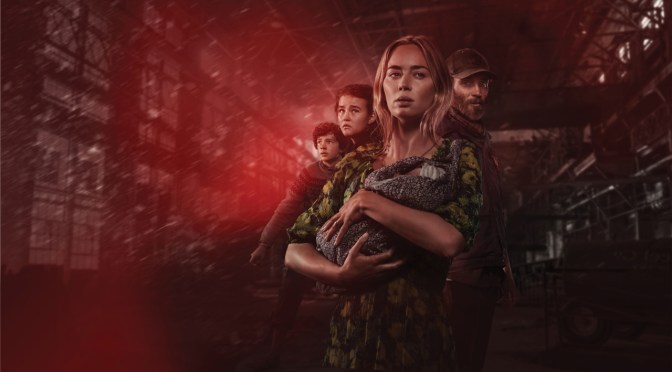
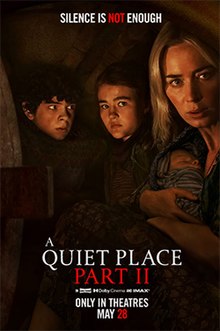
CINEMA REVIEW: A QUIET PLACE PART II (2021)

CINEMA REVIEW: A QUIET PLACE PART II (2021)

Directed by: John Krasinski

Produced by: Michael Bay, Andrew Form, Brad Fuller, John Krasinski

Written by: John Krasinski

Based on characters created by Bryan Woods and Scott Beck

Cast: Emily Blunt, Cillian Murphy, Millicent Simmonds, Noah Jupe, Djimon Hounsou and John Krasinski

Music by: Marco Beltrami

Cinematography: Polly Morgan

*** MAY CONTAIN SPOILERS ***


Ah, the difficult second album. Well, how do you follow up a genuine classic horror thriller such as A Quiet Place (2018)? I mean, it had everything, including a simple but devastating premise and an imaginative set of rules for the monstrous dangers facing the Abbott family. With hardly any fanfare or major marketing campaign the original film really got audiences flexing their “word-of-mouth” muscles. Throughout  A Quiet Place (2018) my heart was literally living in my mouth, as my fingers and knuckles clenched and whitened during the whole tense escapade. Plus, Emily Blunt and John Krasinski’s “every-couple” and their three children brought a believable humanity to the characters, with Blunt especially on phenomenal form in her reaction and character work.

The sequel opens with a prequel sequence which illuminates how the world descended into chaos. Sadly, and not surprisingly, we only get a short time with John Krasinski’s action-dad, Lee Abbott, before he dives back behind the camera to direct this rattlingly good and highly tense horror/sci-fi mash-up. Thus, the weight of part two is left with Emily Blunt, Millicent Simmonds and the less effective, Noah Jupe character. Once again, the trio, plus baby, rely on dead silence in an attempt to remain uneaten by the blind-but-deadly alien creatures hellbent on making Earth’s inhabitants lunch. Along the way they bump into an apparent loner, Emmett, portrayed by Cillian Murphy. His jaded, shell of a man, hides a tragic secret and the last thing he wants is other people around to attract more devourers.


The story develops as the relationship between the Abbott’s and Emmett, while initially distrusting, becomes less hostile. However, he still wants them gone, much to Emily Blunt’s frustration. After all, any good mother wants to protect her children, as evacuating the factory setting could mean certain death. I have to admit I felt Emily Blunt’s major acting talents were not as well utilised as the first film. Indeed, it was Simmonds’ character, Regan, who had more development and heroic moments. It is Regan who is determined to discover a way out from the dark recesses of the filthy basement and clanking pipes. She may be foolhardy to some, but Regan has guts and makes important life-changing decisions for her family. Simmonds is compelling as she gives another mature performance in the role.

Overall, A Quiet Place – Part 2 (2021) is not as much as a surprise as the original film. How could it be?! I mean we now know what defeats the monsters, yet that doesn’t stop them being fierce predators and foes. Moreover, the use of sound design that was so brilliant in the first film is presented equally superbly in the sequel. While the film lacks for a decent plotline, as anyone who has their fill of zombie apocalypse films could testify, there remains some incredibly exciting chases and well directed set-pieces. Krasinski clearly had the Spielberg playbook to hand and that is certainly not a criticism, because I think he is definitely a talent to keeps tabs on. Thus, as my first film back at the cinema after yet another lockdown, I can definitely recommend A Quiet Place – Part 2 (2021), to take one’s mind off the horrors of real life for ninety-odd pulsating minutes.

Mark 8.5 out of 11


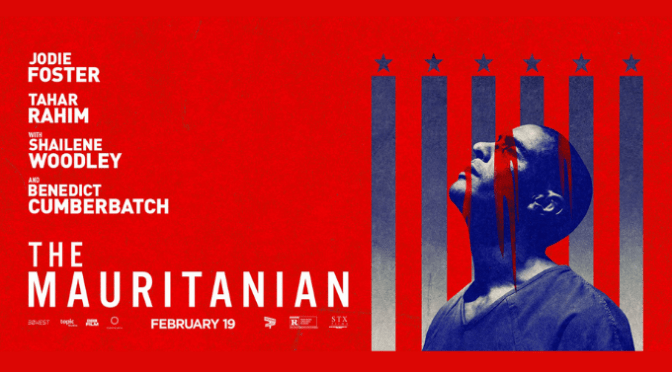
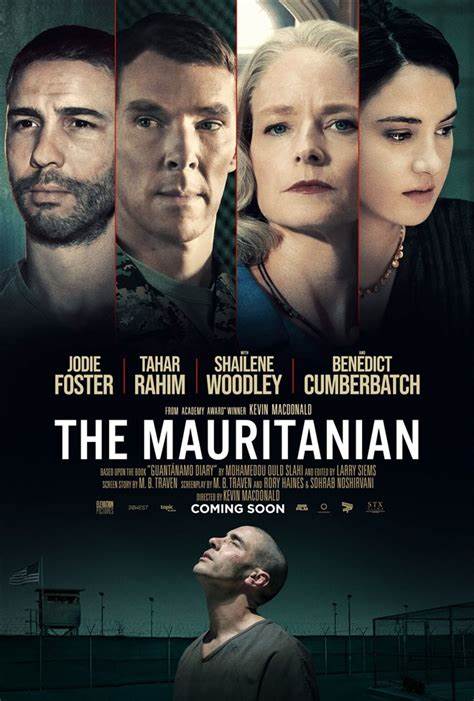
AMAZON FILM REVIEW: THE MAURITANIAN (2021)

AMAZON FILM REVIEW: THE MAURITANIAN (2021)

Directed by: Kevin Macdonald

Produced by: Adam Ackland, Michael Bronner, Benedict Cumberbatch, Leah Clarke, Christine Holder, Mark Holder, Beatriz Levin, Lloyd Levin, Branwen Prestwood-Smith, etc.

Screenplay by: M.B. Traven, Rory Haines, Sohrab Noshirvani

Based on: Guantanamo Diary by Mohamedou Ould Slahi

Cast: Jodie Foster, Tahar Rahim, Shailene Woodley, Benedict Cumberbatch, Zachary Levi etc.

Music by: Tom Hodge

Cinematograph: Alwin H. Kuchler

***CONTAINS MASSIVE SPOILERS***


“…a writ requiring a person under arrest to be brought before a judge or into court, especially to secure the person’s release unless lawful grounds are shown for their detention.” — Basic definition of Habeus Corpus


Mohamedou Ould Slahi is a Mauritanian man who was held for fourteen years from 2002 to 2016 without charge in the Guantanamo Bay detention camp. FOURTEEN YEARS without a trial. Let that sink in.

If ever there was a living embodiment of a Kafkaesque experience then this is that. Surely, whatever crime you have or haven’t committed you should be presented to a court of law and evidence be brought to try you for the alleged crimes. Clearly, the United States have, in this singular case against Mohamedou Ould Slahi, by denying him a trial — plus torturing him for years too — committed a heinous war crime. Yes, the 9/11 atrocities were abominable acts of violence, but that does not give anyone the right to wreak revenge against other human beings without concrete evidence to justify such acts. It’s a basic tenet of existence that separates us from the beasts in the jungle, every person deserves a fair trial! To be honest the U.S. administration who were responsible for this and and many other crimes are worse than animals.

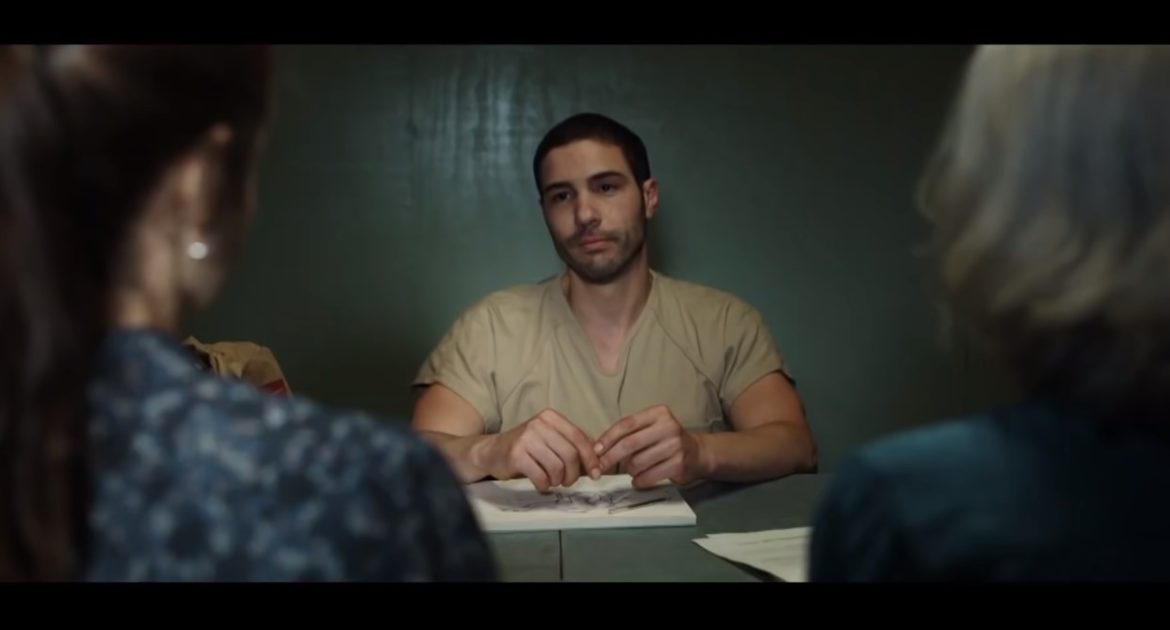
The Mauritanian (2021) is an adaptation of Mohamedou Ould Slahi’s best selling memoir, Guantanamo Diary. It opens with Ould Slahi (Tahar Rahim) attending a wedding in his place of birth. He is then picked up by local Mauritanian police and after that is imprisoned indefinitely, unknown to him, by the American military. The structure of the film compellingly builds his experiences in jail and the brutal torture he endures as the Americans attempt to gather intelligence to prove that he is a key member of the terrorist cells who organised the 9/11 attacks. As the story reveals his horrendous ordeal, lawyers represented by Nancy Hollander (Jodie Foster) and Teri Duncan (Shailene Woodley) take up his case to, at the very least, enable Ould Slahi to get a fair trial.


As well as highlighting the horrors of how Ould Slahi was treated this film is a damning indictment of American foreign policy, notably under the George Bush administration. The fact that Ould Slahi and his lawyers were successful in achieving a win against his imprisonment was not the end of his entrapment. You honestly won’t believe what occurred even after he won his case. But what about the film you may be asking? Well, I am just staggered this and many other sitautions occur in the world so this is more of an emotional review than a cinematic appraisal.

Overall, The Mauritanian (2021) is an exceptional drama which is directed effectively by seasoned filmmaker, Kevin Macdonald. As Ould Slahi, Tahar Rahim is absolutely exceptional. He brings a humanity and humour to the character’s struggle. What I absorbed most from his portrayal, and this is reflected in a moving credits sequence excerpt, is how Ould Slahi retained his humour even in the most trying times. Furthermore, while their character’s smack of white saviour personalities, the legal team — based on the real people — are expertly represented by Jodie Foster and Shailene Woodley. Foster especially shows her usual sterling gravitas in the role. Benedict Cumberbatch, arguably miscast as the military lawyer suffering a crisis of conscience, gives his usual excellent performance.

Lastly, The Mauritanian (2021), because of a slightly choppy screenplay, I felt the book deserved a longer telling via a television series. Yet, the film remains an important narrative about how bloodlust, greed and desire for revenge means humans commit horrific acts in the name of war. Mohamedou Ould Slahi was denied his freedom and human rights for crimes never proved. How he survived is an incredible feat of human endurance. Thus, whether he was innocent or guilty his freedom was earned and then some.

Mark: 9 out of 11


UNDER-RATED CLASSICS #9 – WILD BILL (2011)

UNDER-RATED CLASSICS #9 – WILD BILL (2011)

Directed by: Dexter Fletcher

Produced by: Tim Cole & Sam Tromans

Written by: Dexter Fletcher, Danny King

Cast: Charlie Creed-Miles, Will Poulter, Liz White, Sammy Williams, Charlotte Spencer, Leo Gregory, Neil Maskell, Iwan Rheon, Olivia Williams, Andy Serkis etc.

Music by: Christian Henson

Cinematography: George Richmond

***MAY CONTAIN SPOILERS ***


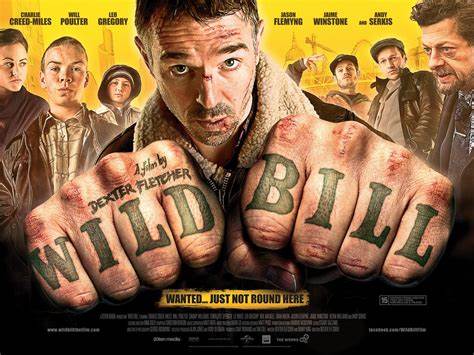
With so much British filmmaking talent behind and in front of the camera being absorbed by the big film and television studios in America, and the lack of cash within the British film industry too, it’s rare that a British film gets made and then distributed properly. Even if a film such as the earthy London-set crime drama, Wild Bill (2011), does find its way to British cinemas it can be cruelly enveloped by the Hollywood film behemoth, swallowed up at the multiplexes and seen by very few popcorn guzzlers. Which is a damn shame as Wild Bill (2011) is a tidy, low-budget, and extremely under-rated classic in my book. Made for just £700,000 and directed by the now in-demand actor-turned-filmmaker, Dexter Fletcher, the film marries family conflict, humour, violence, South London gangsters all in a moving tale of redemption.

For the record, for me, an under-rated classic can be a film I love, plus satisfy the following criteria:

  1. Must not have won an Oscar.
  2. Must not have won a BAFTA.
  3. Must not appear in the AFI Top 100 list.
  4. Must not appear in the IMDB Top 250 list.
  5. Must not appear in the BFI 100 Great British films.
  6. Must not appear in the all-time highest grossing movies of list.

Unfortunately, Wild Bill (2011), does not meet any of these criteria. In fact, not many people have even heard of the film, let alone seen it. But it’s on Netflix so do try and catch it. Read on for some reasons why.


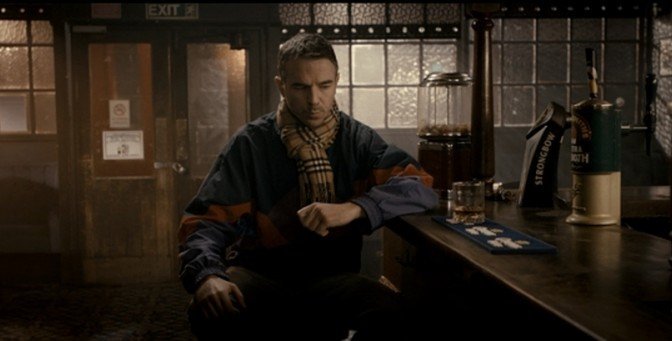
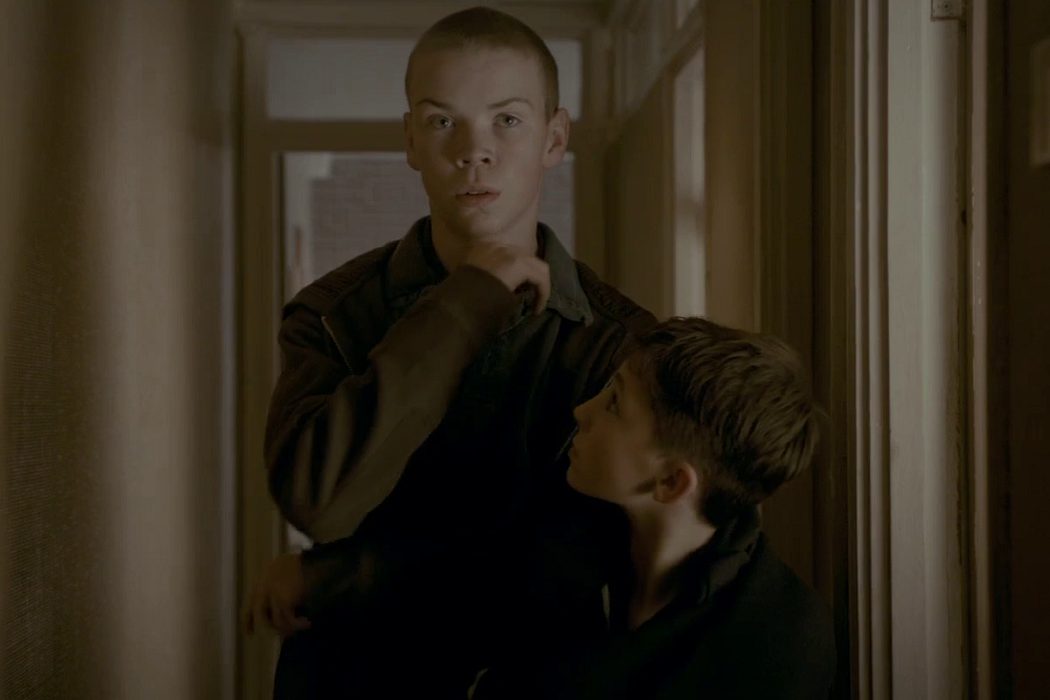
The main character nicknamed, portrayed by the excellent character actor, Charlie Creed-Miles, is the titular “Wild Bill”. He has just been released from prison having been a dealer and fighter and general menace to society. There is immediately tension because you wonder if the man will return to his bad old ways. Surprised to find his wife has buggered off to Spain, Bill is hardly given a warm welcome by his older son, Dean, as Will Poulter give another very mature performance. Indeed, Dean hates Bill, and while he is only fifteen, he has been the breadwinner looking after his young brother, Jimmy (Sammy Williams). Forced to stay together by Social Services, much of the film finds the father and son resisting, then attempting to find some common ground. The attempts at family harmony are not aided by the career thugs, including Leo Gregory and Neil Maskell’s characters, attempting to get Bill back on their crack dealing crew. It’s during such struggles that Bill strives to be positive and not return to his violent ways. However, there is only so far a man can be pushed.

Wild Bill (2011) is beautifully filmed with some fantastic London vistas as well as some gritty, urban locations to savour. Sure, the film also has a familiar set of character archetypes and narrative tropes. These include the ex-con trying to go straight, the tart with a heart, the local drug dealers terrorizing the estate, a teenage mum, estate kids getting pulled into crime, the white dealer who thinks he’s black; and the “Mr Big” crime boss played with threatening glee by Andy Serkis. Yet, the characters never become stereotypes as the writing and narrative avoid most of the cliches usually present in plain bad cockney gangster films. Ultimately, the writers, director and actors really make us care about Bill and his boys. I mean, after many false starts he really tries to make a go of it as a father. Bill may not have always made the best decisions in life, but he has guts and heart; very much like Wild Bill (2011) as a whole.


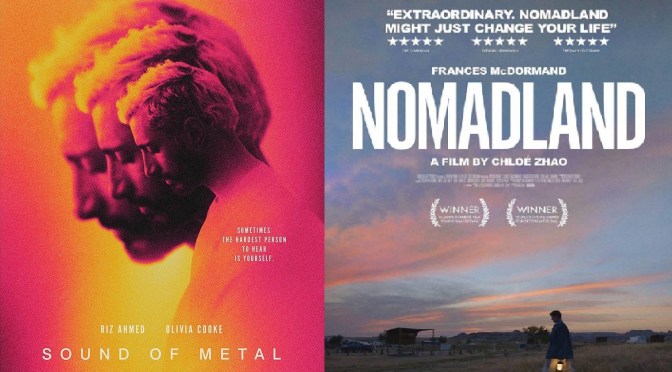
“CINEMA” REVIEWS: NOMADLAND (2020) & SOUND OF METAL (2019)

“CINEMA” REVIEWS: NOMADLAND (2020) & SOUND OF METAL (2019)

Due to the being very busy at my day job I have fallen slightly behind with my film reviews. Thus, I am consolidating two quality dramas I have watched in a double bill review presentation. In fact, it is quite apt that these two films are critiqued together as they are both Oscar winners, both focus on an individual’s struggle against difficult personal trauma, both films represent an alternative vision of America and are told in a meditative and absorbing style.


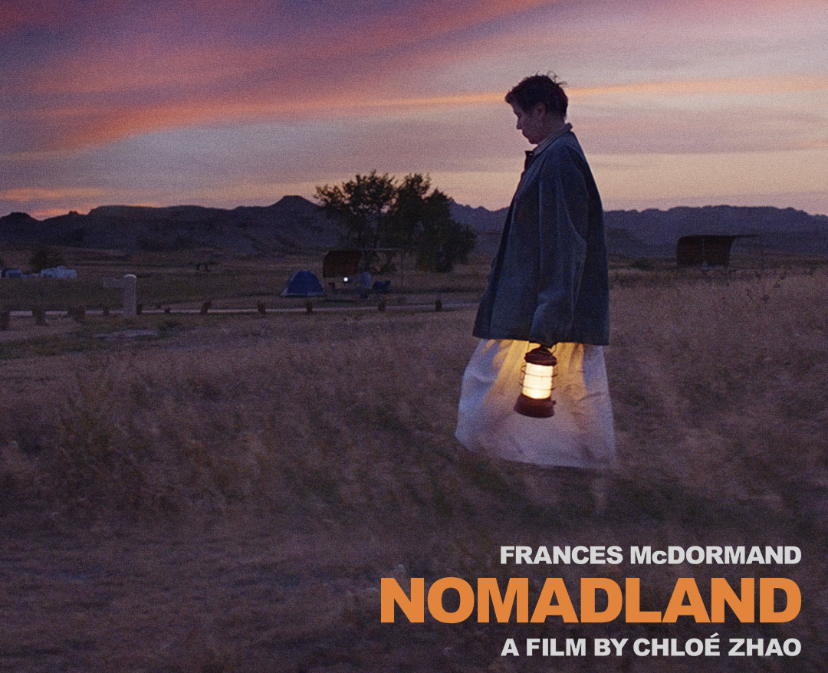
NOMADLAND (2020)

Directed and written by: Chloé Zhao

Produced by: Frances McDormand, Peter Spears, Mollye Asher, Dan Janvey, Chloé Zhao

Based on: Nomadland: Surviving America in the Twenty-First Century by Jessica Bruder

Cast: Frances McDormand, David Strathairn, Linda May, Swankie etc.


Winning the Oscar for Best Picture, Best Director and Best Actress in a leading role, perhaps upsold my expectations for Nomadland (2020). It is an example of amazing filmmaking without being a particular brilliant film. I get why it won Best Picture, but that was more to do with there not being one specifically superb standout film among the nominees. Frances McDormand isn’t even very memorable as the lead protagonist, Fern. Don’t get me wrong she is highly empathetic and admirable in her resilience to stick to the road, living in her van and scrapping by independently. However, the film is one-paced. It is all set-up and little pay-off, with the odd flat tyre, van breakdown and Fern having to shit in a bucket providing occasional spikes in the drama.

Much praise though goes to the incredible cinematography and Chloe Zhao’s intelligent and naturalistic direction. She really gets into the weeds of the flailing American dream, as well as providing insight into the lives of working-class people disenfranchised by American capitalism. Moreover, Zhao’s use of non-professional actors is quite astounding, as at times you feel like you are watching a pseudo-documentary. Ultimately, Nomadland (2020) though, is arguably too meditative and glacially paced. It remains a brave and quietly powerful film, but it’s just too quiet for my dramatic needs.

Mark: 8 out of 11


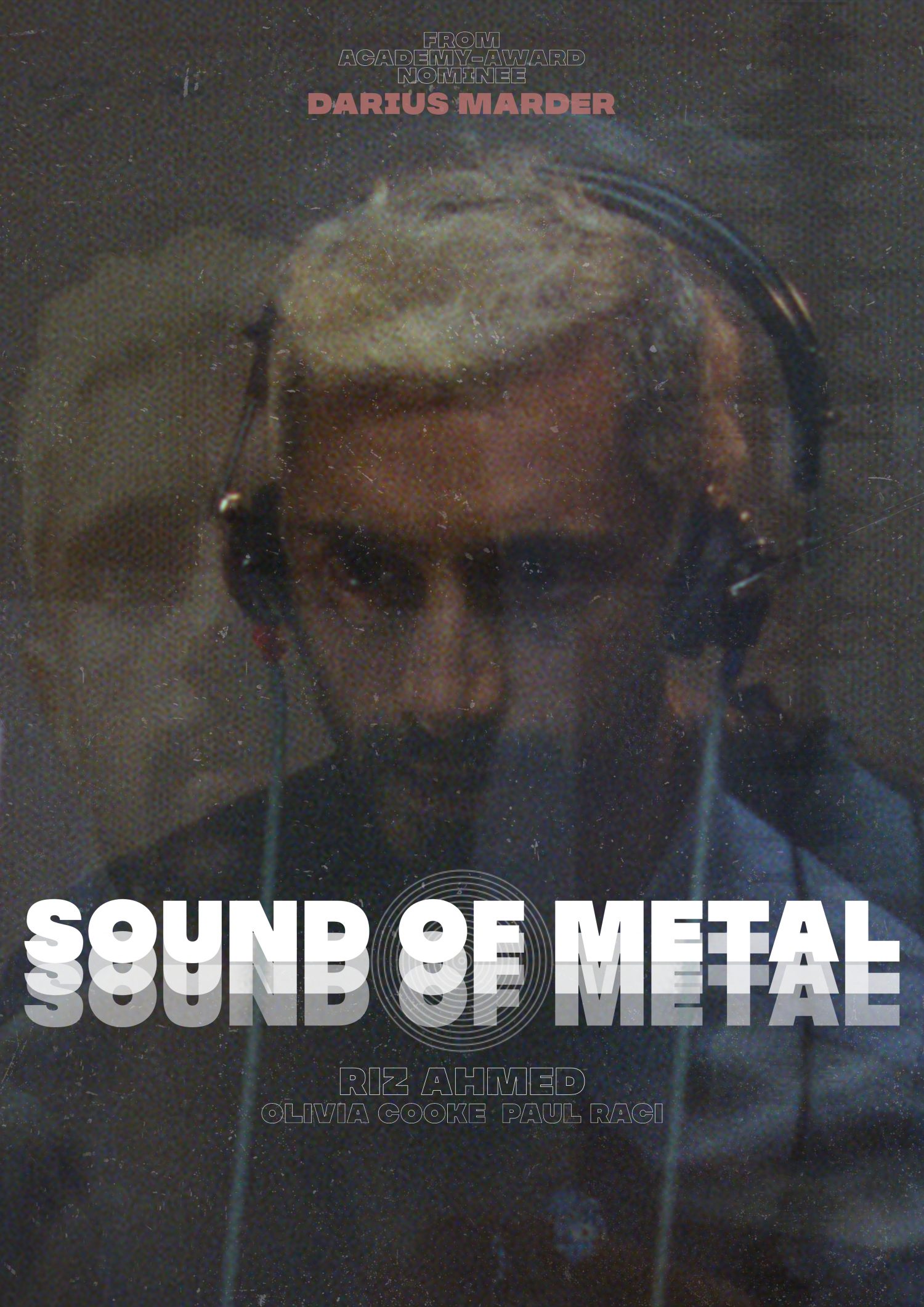
SOUND OF METAL (2019)

Directed by: Darius Marder

Produced by: Bill Benz, Kathy Benz, Bert Hamelinck, Sacha Ben Harroche

Screenplay by: Darius Marder, Abraham Marder

Cast: Riz Ahmed, Olivia Cooke, Paul Raci, Mathieu Amalric etc.


Sound of Metal (2019) is another quiet drama, however, it really begins with a load of noise. It derives from Riz Ahmed’s drummer, Ruben, thrashing on stage with his girlfriend, Lou, as she fronts their heavy metal band giving an energetic performance to a lustful crowd. Ruben and Lou live out of their R.V. travelling and gigging around America, but he soon discovers his hearing has been severely damaged. Doctors offer hope in the form of an operation, but it’s extremely expensive. As Ruben is an addict, he also seeks spiritual help at a shelter for deaf people in recovery. There he meets, Joe (Paul Raci), the facilitator at the shelter and Ruben’s slow road to recuperation begins.

Riz Ahmed is outstanding as Ruben, a talented, bright and strong-willed individual who finds himself tested by a loss of hearing. His journey is a slow-moving but compelling one. I especially enjoyed the process where Ruben learns to cope, sign and believe that deafness should not be considered a disability. Indeed, the scenes Ruben shares with the wiser Joe are incredibly moving and thought provoking. Further, Darius Marder directs with a sure hand and really uses the sound effects powerfully, getting us into Ruben’s head both literally and figuratively. Overall, Sound of Metal (2019) beats along steadily but with incredible purpose and rhythm. It teaches us that losing a major sense need not be the end of one’s life, but rather the beginning of an altogether different one.

Mark: 9 out of 11


R.I.P – HELEN MCCRORY (1968 – 2021) – SIX GREAT SCENES!

R.I.P – HELEN MCCRORY (1968 – 2021) – SIX GREAT SCENES!

“I’m heartbroken to announce that after a heroic battle with cancer, the beautiful and mighty woman that is Helen McCrory has died peacefully at home, surrounded by a wave of love from friends and family. ‘She died as she lived. Fearlessly. God, we love her and know how lucky we are to have had her in our lives. ‘She blazed so brightly. Go now, Little One, into the air, and thank you.”Damian Lewis


Sad news that one of my favourite actors, Helen McCrory, passed away on the 16th of April 2021 from cancer.

Helen McCrory had an amazing career on stage, television and in cinema. She began studying acting at the Drama Centre in King’s Cross, London. After which she rapidly gained fabulous onstage notices, appearing in theatrical productions at the Donmar Warehouse, National Theatre and Almeida Theatre. It didn’t take long before she was starring in prominent roles on television and cinema screens.

An actress of immense quality and charisma, McCrory would bring a sophistication and heart and magnificent class to every role she inhabited. Her characters were always strong, independent and a little bit dangerous. In tribute, I have chosen six scenes which showcase her incredible talents. No words can describe how big a loss Helen McCrory is to the world and my condolences go out to her family.

*** THE FOLLOWING SCENES CONTAIN SPOILERS ***


HESTER – THE DEEP BLUE SEA (2016 STAGE PRODUCTION)

I haven’t even seen this production, but this excerpt from the play immediately makes me feel so much for Helen McCrory’s character. She gives such a beautifully magnetic performance.


ROSANNA CALVIERRI – DOCTOR WHO (2010)

I personally would have loved to have seen Helen McCrory star as Doctor Who. But she made a wonderfully dark-hearted villain in this episode. This scene is so brilliant as it builds slowly with two fine actors bringing both humour and pathos and stirring drama to their characters.


NARCISSA MALFOY – HARRY POTTER AND THE HALF-BLOOD PRINCE (2009)

Originally cast in the role of Bellatrix Lestrange, McCrory had to leave the role out due to pregnancy. Eventually cast as the wonderfully name, Narcissa Malfoy, Helen McCrory’s evocative voice and elegance perfectly enlivened the character.


TABITHA – INSIDE NO. 9 (2014)

Many of Helen McCrory’s earlier roles found her portraying strong young women, however, as she matured she grew even more powerful and was also cast in darker more gothic roles. Once such character was the enigmatic Tabitha in the awesome anthology series, Inside No.9 episode, The Harrowing.


POLLY GRAY – PEAKY BLINDERS (2013 – 2019)

The BBC’s flagship drama is a muscular-bleeding-tattooed-up-parade-of-masculinity, but it also presents a set of powerful female characters too who are just as deadly. Helen McCrory as tough-talking, Polly Gray, more than holds her own as a leader within Cillian Murphy’s gang.


MRS POOLE – PENNY DREADFUL (2014 – 2015)

One of my favourite television dramas of recent years had a some incredibly beautiful writing, a wondrous cast and the most elegant of bloody horror. Helen McCrory revelled in the role of Evelyn Poole/Madam Kali, stealing every scene with an over-the-top performance as the immortal uber-witch casting spells and wreaking havoc throughout.


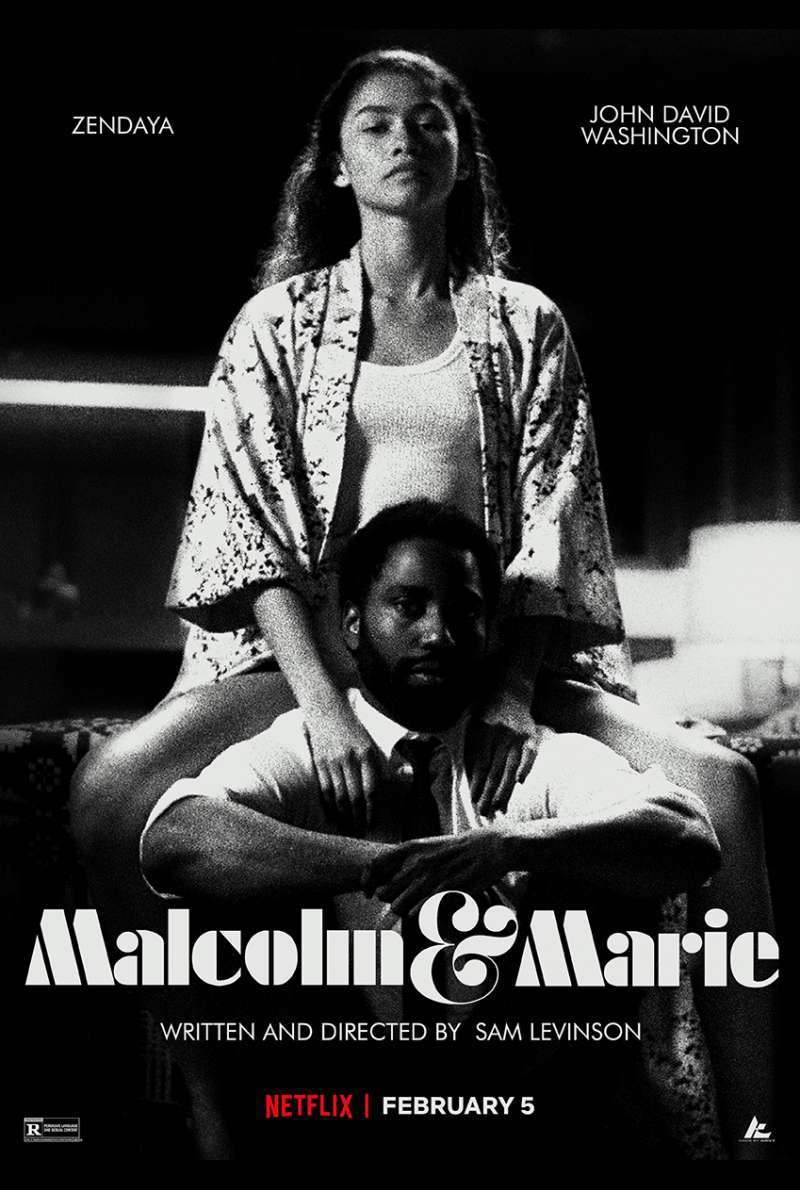
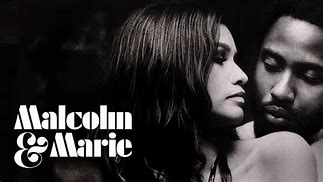
NETFLIX FILM REVIEW: MALCOLM AND MARIE (2021)

NETFLIX FILM REVIEW: MALCOLM AND MARIE (2021)

Directed by: Sam Levinson

Produced by:  Kevin Turen, Ashley Levinson, Sam Levinson, Zendaya, John David Washington

Written by: Sam Levinson

Cast: Zendaya, John David Washington

Music by: Labrinth

Cinematography: Marcell Rév

*** MAY CONTAIN SPOILERS ***


The Oscar nominations came out this week and due to the ongoing pandemic situation and consequent lockdowns, there are a number of films on the esteemed list which have yet to reach these shores, either at the cinema or via streaming platforms. Having said that, and I am aware space for nominees are limited and it has been a pretty strange year for cinema, but I was extremely surprised that Delroy Lindo did not receive an acting nomination in lead or supporting category. Similarly, I was also bewildered that Sam Levinson’s striking romantic drama, Malcolm and Marie (2021), had not received nominations in either screenplay or acting categories. Further, I was utterly shocked that critic’s reviews for the intense two-hander had been pretty mixed. Hey, it’s just opinions but I was really gripped by this highly theatrical and gorgeously cinematic two-hour argument in black-and-white. Personally, I think most of the deriders are wrong. But that’s just my view.

Maybe the film wasn’t liked because John David Washington’s, Malcolm, an up-and-coming filmmaker celebrating a successful premiere that evening, launches into a wonderfully eloquent rant about a review which he feels pigeonholes and patronises his film in purely political terms. I mean it’s actually a positive review, but who doesn’t enjoy ire toward professional critics. I mean, everyone has an opinion, or a view and the Internet has caused a mass proliferation and gaping spew of words and views and brain-thoughts in extremis. But Levinson’s script and Washington’s grandstanding acting spits that if you earn a living as a critic then you are essentially Satan! Perhaps some reviewers took umbrage with this? I loved the whole scene’s energy and Malcolm’s savage attack had me applauding throughout.


But Malcolm and Marie (2021) is more than Levinson getting back at those individuals who gave him bad reviews. It’s a sharp, funny, sexy and poignant exploration of a relationship close to breaking point. Malcolm and Marie may be different fighting weights, but they both punch hard and often. He is on a high after his film premiere success, but Marie is upset because he did not thank her during his speech. From there the conflict rises from light sparring to harsh emotional knockout blows. Both Malcolm and Marie tear at each other’s skin and flesh and figurative organs in an attempt to resolve the ever-increasing divide between them. Malcolm and Marie (2021), may not be for everyone, but any person who has been in a heated war of words with a partner or spouse, will identify with the inescapable tension on display. Levinson’s expert screenplay rides a rollercoaster journey of emotions as one moment you side with Marie and the next you’re with Malcolm. Yet, before you know it, you’re disliking both these complex, narcissistic, egotistical and infuriating humans.

Both Zendaya and John David Washington deserve so much praise for their performances in, Malcolm and Marie (2021). Washington has already demonstrated his massive talent in BlacKkKlansman (2018), while Zendaya excelled in recent HBO drama, Euphoria (2019). Levinson too directs with a deft skill. I was especially impressed by the way he balances the comedy and drama of these flailing humans, poking and picking at the scabs of each other’s past behaviour. Indeed, as well as containing some brilliant dialogue, the erudite script really sang to me. At times the coruscating repartee reminded me of Edward Albee’s acclaimed play, Who’s Afraid of Virginia Wolf. Nonetheless, for a dialogue and performance driven film, the precise framing and sumptuous black-and-white photography by Marcell Rév render the visuals wholly cinematic.

Sure, by the end of Malcolm and Marie (2021) is anything really resolved? And who is ultimately interested in this couple’s first world problems? Well, I’ve witnessed my parents fighting and also experienced such exhausting relationship arguments before. So, I must say that overall, I thoroughly enjoyed witnessing Malcolm and Marie’s nocturnal battle. Especially because I watched it all from the safety, warmth and comfort of my own home.

Mark: 8.5 out of 11


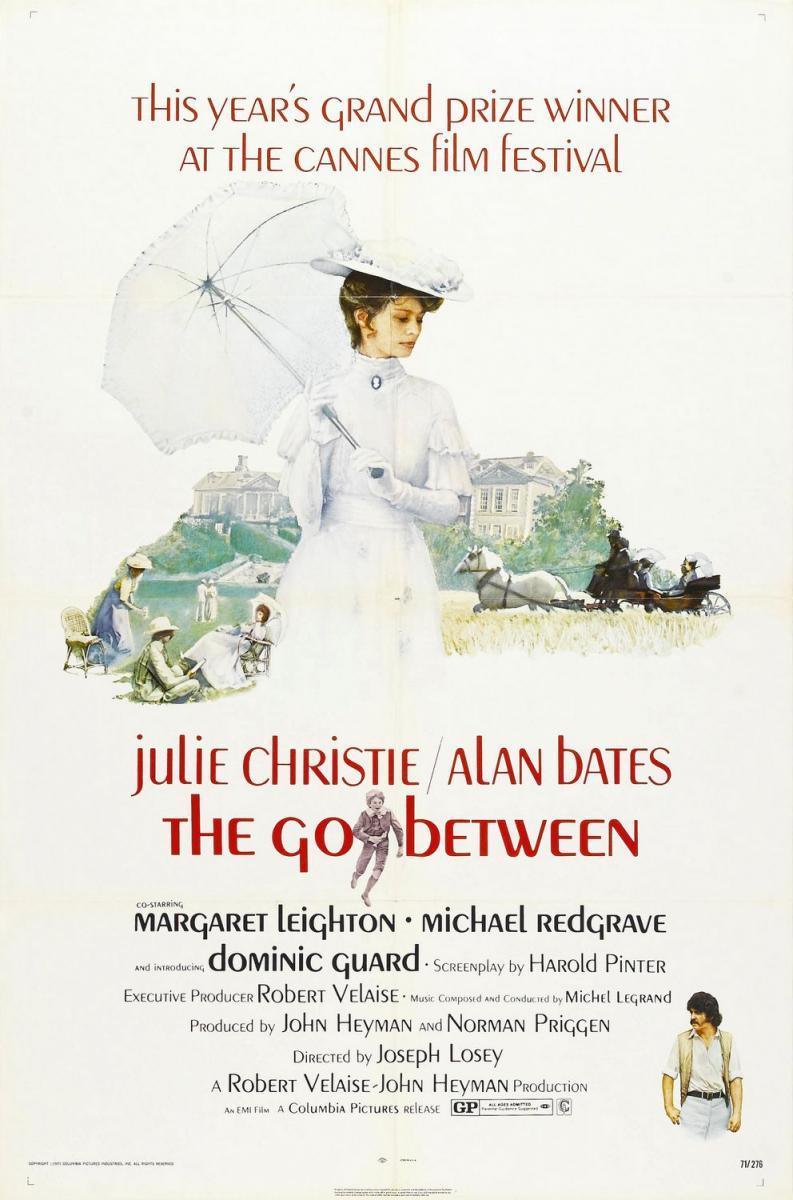
CLASSIC FILM REVIEW – THE GO-BETWEEN (1971)

CLASSIC FILM REVIEW – THE GO-BETWEEN (1971)

Directed by: Joseph Losey

Produced by: John Heyman, Denis Johnson, Norman Priggen

Screenplay by: Harold Pinter

Based on: The Go-Between by L. P. Hartley

Cast: Julie Christie, Alan Bates, Margaret Leighton, Edward Fox, Dominic Guard, Michael Redgrave, etc.

Music by: Michel Legrand


The Go-Between (1971) is one of those expert works of understated cinema which I was sure I had seen before. Yet, I would come to discover I had never seen it when I caught it on the rather marvellous digital channel, Talking Pictures. But then I love that when you find a period classic and watch it for the first time. It’s like unearthing gold in your living room. Because the film is a heartfelt rites-of-passage drama which subtly pulls at the loose end of the knitted cardigan that is the British class system. Nevertheless, while the romance, lies and regret unfold under the surface, The Go-Between (1971) certainly retains much dramatic power.

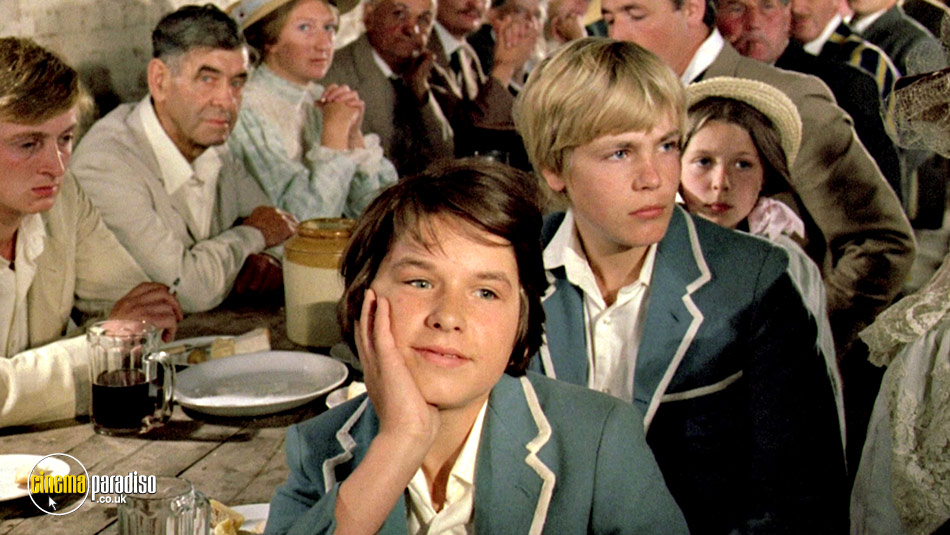
Adapted by acclaimed playwright, Harold Pinter, from the esteemed novel by L.P. Hartley, The Go-Between (1971) stars Julie Christie and Alan Bates as secret lovers separated by the chasm of class and tradition. Bates’ Ted Burgess is a charismatic and muscular farmer with a reputation as a ladies man. Christie is the beautiful and slyly rebellious daughter of the Lord of the Manor, Marian, promised in marriage to Edward Fox’s Viscount Hugh Trimingham. With peering eyes and suspicion coming from Marian’s mother, the lustful affair requires stealth, thus they enlist the help of Dominic Guard’s intelligent but less-privileged, Leo Colston. He is there as guest of Marian’s young brother as both attend the same boarding school; Leo there on a scholarship. The narrative develops very much through Leo’s sweet innocent eyes. The outsider’s point-of-view is expertly presented as it is both objective and allows the audience to make up their own mind about the characters.


Leo is pure of heart and believes he is helping by running notes back and forth between Burgess and Marian. He also makes friends with the cuckolded Viscount, as Fox gives a fine performance of a man who may or may not know whether his potential wife is being unfaithful. I think that is one of the strengths of the book and film, in that it explores the theme of duty versus passion. Burgess and Marian represent freedom, lust and nature, which are opposite to the “doing your duty” arrangements of the upper classes. Of course, dramatically speaking something has to give where the love affair is concerned. Sadly, tragedy intervenes, resulting in the loss of Leo’s innocence, and adding a layer of guilt which gravely haunts him in his later years.

Everything about The Go-Between (1971) reeks of quality. From the production design, locations, costumes, score by Michel Legrand and Gerry Fisher’s exquisite cinematography. Unsurprisingly, Harold Pinter would receive an Academy Award for his confident adaptation. Further, Joseph Losey is not a filmmaker whose work I am not particularly well acquainted with, but the performances from Fox, Bates, Christie and young Dominic Guard are assured testament to his stellar ability to convey meaning and emotion between the lines. Indeed, while some films smash you over the head with emotional melodrama, something I love too, The Go-Between (1971) instead slowly squeezes at your heart and mind. Lastly, this is not simply a damning indictment of the class system, but a lament for loss of innocence, illustrating how monolithic tradition dictates love, fate and tragedy are inextricably entwined.


SIX OF THE BEST #30 – FAVOURITE FILM MONTAGES!

SIX OF THE BEST #30 – FAVOURITE FILM MONTAGES!

Who doesn’t love a film montage!? The passage of time edited and set to a memorable soundtrack is fine cinematic tradition. Not only is a montage a great way to tell a story visually, it can also give pace to a narrative, provide a perfect cinematic bridge to the final act or even supply emotional impetus at the start and middle of a film.

Here I choose six of my favourite movie montages. All have been selected due to both the style and content of the sequence, plus the music accompanying the montage. Of course, I could have chosen a more artistic aspect to montage by including examples from Eisenstein, Kubrick or the incredible editing in the The Godfather (1972), when Michael Corleone wipes out his rivals during his nephew’s baptism. That I will save for another day.


ROCKY (1976)

No film franchise has exploited the fight montage and training sequence to the max like Rocky. I could have chosen others, but the original remains the best. I love the urban locations and the Philadelphian streets are just so gritty as Stallone’s down-on-his-luck boxer gets a crack at the championship of the world! That music just soars too!

SCARFACE (1983)

With a combustible screenplay written by Oliver Stone, Scarface (1983), is a cocaine driven and incendiary viewing experience. Everything is ramped up to eleven, including: the violence, shouting, swearing, shooting, politicking, drug-taking, sex, killing, avarice, cocaine, money-making, decadence and corruption. It is an epic film with many classic scenes, but the 80’s pop-synth-driven montage here adds real pace to the brutal proceedings.


THE KARATE KID (1984)

Another fighting film and another John G. Avildsen pick! More than just a teenage Rocky rip-off, The Karate Kid (1984) is a terrific rites-of-passage drama that incorporates a love story and a boy overcoming bullies with the help of a wise mentor. Joe Esposito’s song, “You’re the Best” was originally chosen for Rocky III, but ultimately ended up here in the fantastic fighting tournament montage.


FERRIS BUELLER’S DAY OFF (1986)

John Hughes fast-paced-set-in-one-day-comedy-classic has some brilliant dialogue and is anchored superbly by Matthew Broderick’s cocky lead performance as mischievous Ferris Bueller. For all the craziness on show one of my favourite scenes is when Hughes slows the pace down at the museum. Here we get some wonderfully framed shots, sly humour and a beautiful instrumental version of The Smiths’ song, “Please, Please, Please, Let Me Get What I Want!”


UP (2009)

So many films struggle to establish empathy for their characters either through bad writing or poor creative choices. Pixar, however, are masterful at establishing both character identification and motivation. None more so than in this classic montage featuring the mostly blissful life of Carl and Ellie Fredericksen. With Michael Giacchino’s iconic score called “Married Life” providing energetic and poignant emotional support, this is one of the most moving four minutes in movie history.


DJANGO UNCHAINED (2012)

Tarantino’s epic Western runs the gamut of action, violence, comedy and drama, even throwing a buddy-buddy dynamic in there for good measure. While often known for his quotable dialogue, Tarantino’s films always feature crisp editing and a powerful visual storytelling too. I love this montage in Django Unchained (2012), with Django and King Schultz framed against the wonderful snowy vistas as Jim Croce sings his catchy tune.


DISNEY + FILM REVIEW: SOUL (2020)

DISNEY + FILM REVIEW: SOUL (2020)

Directed by: Pete Docter

Produced by: Dana Murray

Written by: Pete Doctor, Mike Jones, Kemp Powers

Cast: Jamie Foxx, Tina Fey, Graham Norton, Rachel House, Alice Braga, Richard Ayoade, Phylicia Rashad, Donnell Rawlings, Questlove, Angela Bassett etc.

Music by: Trent Reznor, Atticus Ross, Jon Batiste[a]

Cinematography: Matt Aspbury, Ian Megibben

*** MAY CONTAIN SPOILERS ***


Death, the loss of childhood innocence, grief, mid-life crises, missing children, the end of the word due to human greed, ghosts, female emancipation within patriarchal society, the afterlife, use of fear as energy, neuropsychological exploration of emotions, oh, and death again are all heavy themes and subjects for a film. But they are not just from the works of heavyweight filmmakers such as Werner Herzog, Akira Kurosawa, Ingmar Bergman or Stanley Kubrick. They are subjects investigated and probed and rendered entertainment in a fantastic style by the ever-impressive Pixar studio. Their latest film Soul (2020) is yet another extravaganza of high concepts, existential themes, and scintillating visual world-building.

Soul (2020) centres around Joe Gardner (Jamie Foxx), a music teacher who longs to immerse himself in a career as a jazz musician. It’s not necessarily suggested in the opening scenes as to why Joe hasn’t made it as he clearly has musical talent. However, his dominant mother Libby (Phylicia Rashad) objects to his frivolous desire to play piano, plus Joe, like many artists out there just cannot get a break. A chance arises though when he gets an opportunity to audition for esteemed singer, Dorothea Williams (Angela Bassett). Joe’s exquisite piano playing wins over Dorothea, but then tragedy strikes as an excited Joe falls down a manhole and dies. Being a Pixar film committed to venturing into the afterlife, as it did previously with Coco (2017), Joe finds himself, not in the ‘Land of the Dead’ but rather the ‘Great Before/Beyond’ instead.


As Joe moves toward the light with the many other souls he refuses to accept this is the end. He rejects the unknown glowing light of the ‘Great Beyond’ and escapes to a world full of young, old and lost souls called the ‘Great Before’. Here he meets a cynical soul called 22 (Tina Fey), who is refusing to claim the badges required to begin her own life on Earth. This is where the story gets a bit sticky for me. I mean I enjoy narratives about life, death and the afterlife including the brilliant A Matter of Life and Death (1946) and both excellent versions of Heaven Can Wait (1943 / 1978). However, Soul (2020) I think tries to do too much as 22’s story threatens to dominate Joe’s pursuit to get his life and career back. Moreover, the ridiculous sight of Joe’s soul ending up in a therapy cat also felt like a contrived lean toward giving the kids something to laugh at. Indeed, I felt this water-and-oil decision, while funny, undermined the more intrinsically vital themes within the narrative.

Ultimately though, having succumbed to the cultural pressure of signing up to Disney +, I did thoroughly enjoy Pixar’s Soul (2020). Jamie Foxx and Tina Fey create a fine double act with their brilliant comedic timing and performances. Moreover, Graham Norton and Richard Ayoade provide humorous voice support, and of course, the animation is incredible. Although I would actually have preferred to stay on the exquisitely drawn streets of New York more than the ‘Fantasiaeque’ lysergic acid look of the afterlife. Still, once again, Pixar have been clinical in delivering an intelligent film that delves into existential themes relating to the meaning of life. Joe’s journey, like his music, is full of verve, beauty and many surprising twists, ensuring his soul is certainly one that is worth saving.

Mark: 9 out of 11


MY CINEMATIC ROMANCE #22 – MARTIN SCORSESE

MY CINEMATIC ROMANCE #22 – MARTIN SCORSESE

Cinema is a matter of what’s in the frame and what’s out.
— Martin Scorsese

I recently had a three-week career break while I was looking for a new job. I have since gratefully located employment and that would explain why I have not been as active on this blog as before. Because looking for work is more time consuming than an actual job! Anyway, aside from spending the day on the computer searching for gainful employment I also caught up on some TV shows and films that had been on my planner for a while. One of the those I watched was the HBO produced TV drama called VINYL (2016). Created, directed (first episode only) and produced by, among others, Martin Scorsese.

Vinyl (2016) was an incendiary, nostalgic and snorting cavalcade of 1970’s rock and roll music centred around a drug addicted record executive, portrayed by Bobby Cannavale, whose business and personal life are collapsing due to his addictive and self-destructive behaviour. Overall, the ten episodes were scintillating entertainment: loud, over-the-top, ballsy, in-your-face and darkly hilarious. The characters were despicable scumbags at best, yet Scorsese’s sensational style ensures the audience enthusiastically rubber-necks these human car crashes.

Alas, due to low ratings, poor critical response and the huge budget, HBO did not renew Vinyl (2016) for a second season. Thus, Scorsese’s blistering TV rock and roll creation was no more. However, in my latest piece in the My Cinematic Romance series, I have selected five of Scorsese cinematic classics. I could’ve, of course, chosen many, many more but have challenged myself to pick only ONE film from each of the last five decades of the master filmmaker Martin Scorsese. Don’t worry Marty – I thought Vinyl (2016) absolutely rocked. F*ck the critics! You are a true genius.


Vinyl – Co-Creator/Executive Producer Mick Jagger with Bobby Cannavale and Co-Creator/Executive Producer/Director of Pilot of Martin Scorsese on the set ©2016 HBO, photo by Niko Tavernise

TAXI DRIVER (1976)

Paul Schrader’s incredible screenplay about a lost soul travelling the mean streets of New York while on the edge of insanity, is given dark life by Scorsese’s evocative direction and Robert DeNiro’s fearless performance. One of the most memorably nightmarish thrillers and character studies of the 1970s; a period which arguably represents the most exceptional decade of American cinema. Having both the writer and director admit to substance addiction in the 1970’s, lends further to the monstrously illusory vision of urban decay within the pores of this amazing work of cinema.


RAGING BULL (1980)

Boxing champion Jake La Motta represented another morally complex vision of masculinity in crisis for both Robert DeNiro and Martin Scorsese. Both in and out of the ring he is man in pain who hurts those he loves and, above all else, himself. Each battering jab and uppercut and hook is felt by the audience via incredible editing and sound design. Overall, Scorsese delivers a brutal profile in stark black-and-white and a knockout box of cinematic tricks. Unsurprisingly, DeNiro won a Best Acting Oscar at the 1981 Academy Awards. Rather surprisingly, Ordinary People (1980) was winner of Best Picture. Go figure!


GOODFELLAS (1990)

As far back as I can remember, this has been one of my favourite films of all time. Ray Liotta’s voiceover introduces and tells the story of the rise and fall of gangster, Henry Hill, while expertly supported by Scorsese’s selection of memorable shots, music and sequences. Further, Scorsese’s major skill here is too, is to make us both enamoured and disgusted by the actions of these charismatic criminals and killers. There are so many classic scenes in this incredible epic and the cast of Liotta, DeNiro and scene-stealing, Joe Pesci, make it one of those films that can be watched over and over. Did I forget to mention that it also has one of the greatest cinema soundtracks ever!


THE DEPARTED (2006)

A truly remarkable remake of Infernal Affairs (2002), the film is shot and edited, as expected, with immaculate precision; crammed with unrelenting and bone-crushing thrills and violence. Thematically, it’s powerful too. Throughout, honesty and truth are obliterated by lies and death. Costigan and Sullivan are no more than pawns at the hands of a corrupt system that lets people down from a great height. This is literally the case where Martin Sheen’s Captain Queenan is concerned. An immense cast including DiCaprio, Damon, Wahlberg and scenery-chewing, Jack Nicholson, take a twisting Kafkaesque plot where criminals and cops collide; ultimately chasing their shadows and souls to a treacherous, bloody and bitter end.


THE WOLF OF WALL STREET (2013)

The Wolf of Wall Street (2013) feels like a greatest hits package combining all of the finer ingredients from Scorsese’s other films. You’ve got the classic swooning camera moves; the direct address to camera; cat-and-dog couples fighting as seen in Casino (1995) and Goodfellas (1990); the boat-in-peril sequence as seen in Cape Fear (1991); the multi-character voiceovers; the dumb criminals putting themselves in the shit; characters turning on each other and ratting each other out as seen in The Departed (2006); plus many more. But whereas Scorsese used to deal with outsiders, oddballs and working class criminals like Travis Bickle, Rupert Pupkin or Henry Hill, he presents via Jordan Belfort a white-collar criminal and venal member of the “Master-Race”, getting his just desserts in an incendiary morality tale of major power.