Tag Archives: love

CINEMA REVIEW: PAST LIVES (2023)

CINEMA REVIEW: PAST LIVES (2023)

Directed by Celine Song

Written by Celine Song

Produced by: David Hinojosa, Christine Vachon and Pamela Koffler, etc.

Main cast: Greta Lee, Teo Yoo, John Magaro, Ji Hye Yoon, Choi Won-young, etc.

Cinematography: Shabier Kirchner

Edited by: Keith Fraas

*** MAY CONTAIN SPOILERS ***
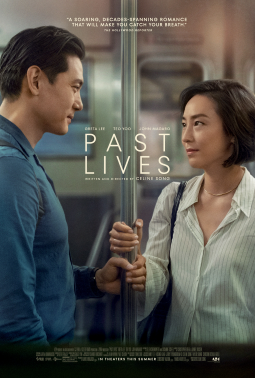


“It’s an in-yeon if two strangers even walk past each other in the street and their clothes accidentally brush, because it means there must have been something between them in their past lives. If two people get married, they say it’s because there have been 8,000 layers of in-yeon over 8,000 lifetimes.”Nora from Past Lives (2023)


Are we fated to connect with the ones we love through each life we lead? Is love a connecting force for good which enriches and links us to our forever soulmate? Or is it a complex chemical reaction driven by three chemicals in the brain such as noradrenaline that stimulates adrenaline production, dopamine, and phenylethylamine. Be it spiritual or chemical, love drives many of the highs of our lives, but it is also responsible for disappointing lows. Safe to say that love and romance are also a staple for many emotionally charged and beautiful works of cinema, of which Celine Song’s Past Lives (2023) is certainly one of them.

Past Lives (2023) is a love story which transports the audience across time and continents through the spiritual and spatial connection of characters, Na Young (Greta Lee) and Hae Sung (Teo Yoo). The opening act establishes the relationship of the two as schoolfriends in Seoul. Alas, any potential fledgling romance for the teenagers is blocked as Na Young’s family moves to Canada, leaving Hae Sung’s alone with his future unknown. The film then moves twelve years forward where Na Young, now known as Nora, lives in New York. Through a chance quirk of social media fate, she reconnects with Hae Sung. Is that adolescent spark still there?
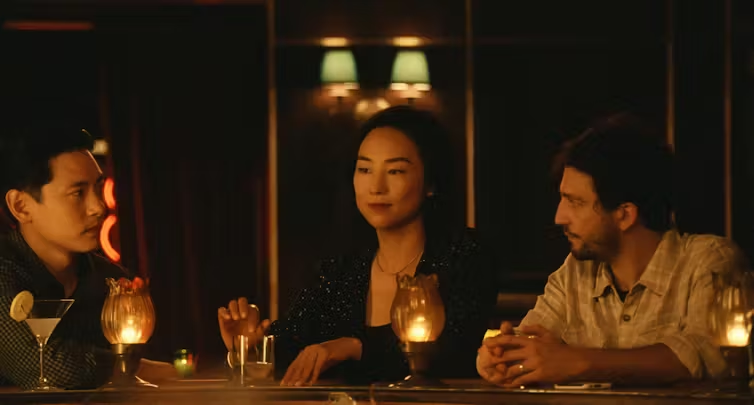


In the second act, Song’s elegantly devised screenplay explores and Nora Hae Sung’s long distance relationship over several heartfelt online calls. But complex emotional circumstances dictate the two cannot reconcile the friendship further. The two drift apart and they take other partners as another twelve years pass. With Nora in a strong relationship with the sensitive and kindly, Arthur (John Magaro), it would appear Nora and Hae Sung’s friendship is at an end. Or is it? Because Song delivers one of the most powerfully moving third acts I have seen at the cinema in some years.

Without explosions, or car chases, or superheroes or fast-paced cutting or extraordinary heroes defeating powerful foes, Past Lives (2023), is one of the most impactful and stirring films of this year. Celine Song achieves this with a delicate hand in the writing and direction, plus a purposeful naturalistic cinematographic palette delivered by Shabier Kirchner. Above all else Song creates two honest characters who you root for from the start, as the one feels the romantic electricity build on the screen. Indeed, Greta Lee and Teo Yoo’s on-screen chemistry is an acting masterclass, with John Magaro further providing touching support within the triangle.

Now, I am not without sensitivity, but it’s virtually impossible to make me cry at the cinema. But Past Lives (2023) almost did. It made my heart swell and ache. It made me laugh as well, because Song’s script has lovely humour throughout. Above all else, whether it is karma or chemicals, it made me grateful to have known love.
Mark: 10 out of 11


CINEMA REVIEW: DECISION TO LEAVE (2022)

CINEMA REVIEW: DECISION TO LEAVE (2022)

Directed by: Park Chan-wook

Written by: Jeong Seo-kyeong, Park Chan-wook

Produced by: Park Chan-wook

Main cast: Tang Wei, Park Hae-il, Lee Jung-hyun, Go Kyung-pyo, etc.

Cinematography Kim Ji-yong

Edited by Kim Sang-bum

*** MAY CONTAIN SPOILERS ***


Park Chan-wook is a proper filmmaker. Like Quentin Tarantino and Martin Scorsese, he embraces the artifice of the visual and aural medium crafting intelligent, thematically surprising and stylistically dazzling works of cinema. While watching his work one can see the clockwork precision of his filmic mind devising every frame, sound, camera move, cut, character action, acting nuance, being thought out expertly. In short: Park Chan-wook’s films are always an event for me and demand attention.

Chan-wook’s only Hollywood directed film was an under-rated gem of a noir thriller called Stoker (2013), after which he returned home to direct erotically charged period thriller, The Handmaiden (2016). This was a bigger-budgeted and thematically richer affair, taking a complex con-artist-twisting-plot and interweaving an explicit feminist love story. Of course, lest we forget Chan-wook’s classic early work, notably the gonzo revenger, Old Boy (2003). I re-watched it recently at the Raindance Film Festival and the furiously inventive exploitation film retains its beautifully transgressive power.

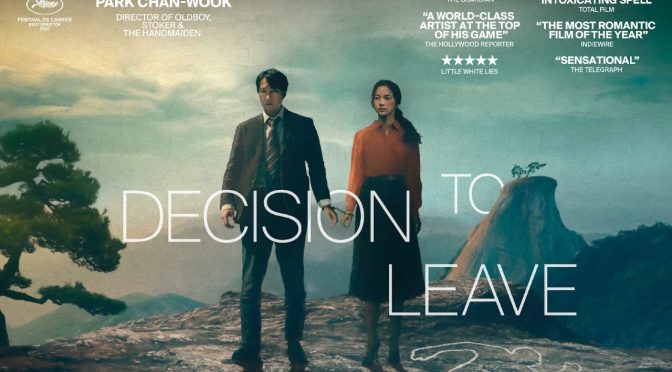
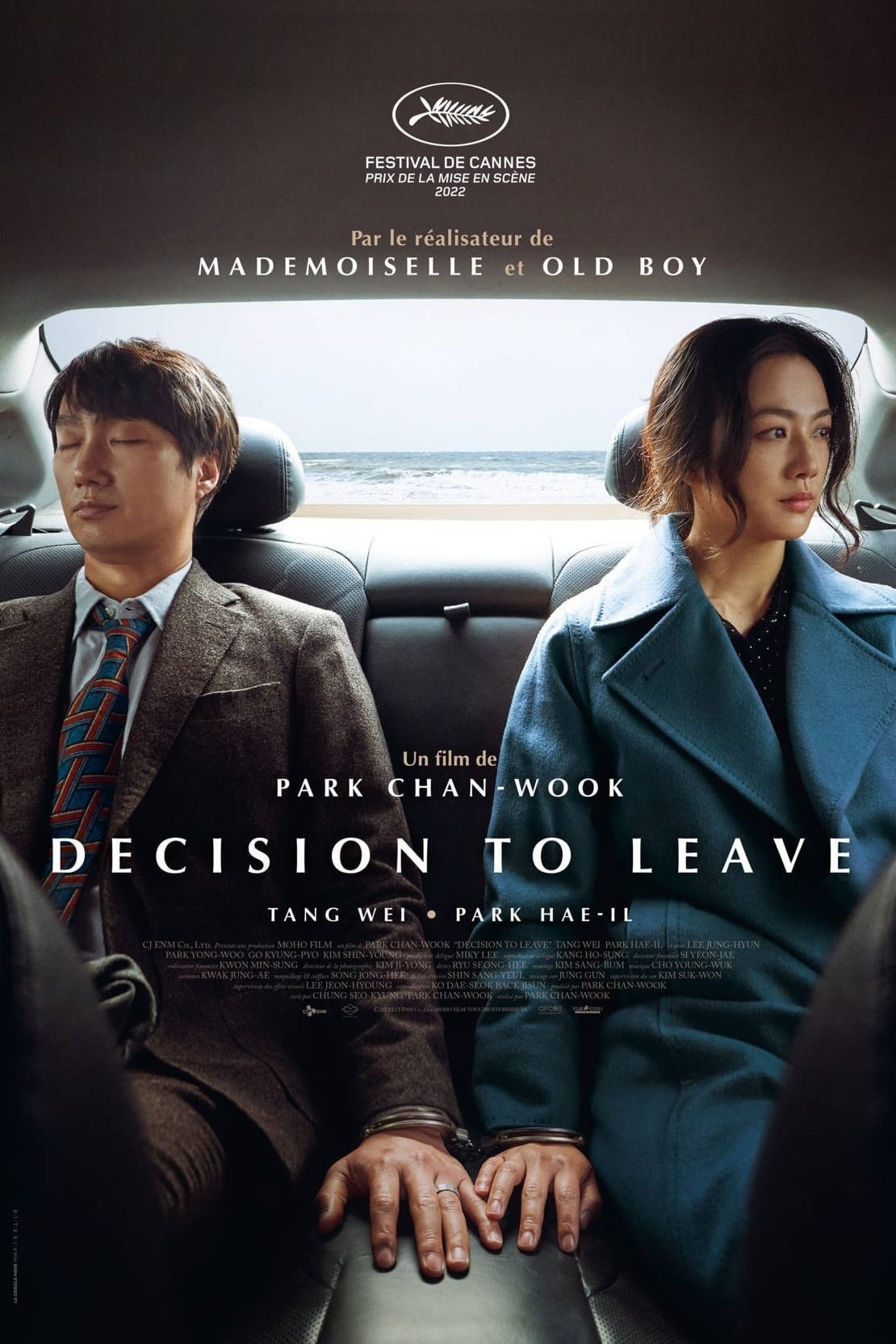
Like The Handmaiden (2016), Decision to Leave (2022) is a romance story set within a complex genre plot. While the former was a period crime film, Decision to Leave (2022) is a contemporary set police procedural with a central premise highly reminiscent of Basic Instinct (1992). Tang Wei as Song Seo-rae is suspected of killing her husband and as investigating cop, Park Hae-il as Det. Jang Hae-jun, delves deeper he finds himself more and more attracted to her. Where The Handmaiden (2016) and Basic Instinct (1992) used nudity and sexual imagery liberally, Decision to Leave (2022) is far more subtle and cerebral. The compelling romance is built on two fine lead performances, the cunning twists in the crime plot and Chan-wook’s masterful visuals with mountain, coastal and city landscapes being employed to powerful impact.


Now I must admit after watching Decision to Leave (2022) I was left slightly underwhelmed at the end from an emotional perspective. The visuals and storytelling were phenomenal, with Chan-wook and his writing partner crafting a devious series of inventive cat-and-mouse set-pieces. The suspense and doubt instilled as to whether Song Seo-rae is a murderer, despite her cast-iron alibi, is palpable. Simultaneously, the arc of the married mid-life crisis-detective, drawn to the suspect, flirting with disaster through flawed choices, creates much tension also. However, I didn’t immediately warm to the detective’s persona and wasn’t sure if I really cared. But I suspect, due to the complexity of the passion on show, a further watch will cement Chan-wook’s specific and symbolic vision.

Beneath the melding of romance, crime, mystery and action genres, I also considered the potential subtext in the screenplay. I wondered if Decision to Leave (2022) sought to explore the socio-political relationship between the nations of South Korea and China via the characters? Song Seo-rae is a Chinese migrant who came to Korea and via marriage was able to remain. An enigmatic soul she uses her wiles to survive, serenely attracting a series of men. But death follows her as closely as the male. Detective Hae-jun is drawn to her both professionally and romantically, no doubt thrilled by the danger. Yet, Chan-wook denies displaying physical consummation, and this makes the film more erotic than endless sex scenes do.

Lastly, Decision to Leave’s (2022) examination of language, both bodily and verbal, is deftly presented as a theme within the romance. The central crime of murder creates suspicion between the Korean and Chinese characters, but there’s a mutual and irresistible pull that cannot be denied. Song Seo-rae’s use of her phone translation application during her exchanges with the Detective create both a barrier and paradoxical intimacy. It’s just one of the fascinating bits of business, as well as the chainmail gauntlet used by the Detective, which elevate an already impressive script. But did Decision to Leave (2022) need to be so evasively complex and full of radiant ambiguity? The ending especially is both poetically exquisite and frustratingly cryptic. With a Park Chan-wook film, would I have it any other way?

Mark: 8.5 out of 11


CINEMA REVIEW: BONES AND ALL (2022)

CINEMA REVIEW: BONES AND ALL (2022)

Directed by Luca Guadagnino

Screenplay by David Kajganich

Based on Bones & All by Camille DeAngelis

Produced by: Luca Guadagnino, Theresa Park, Marco Morabito, David Kajganich, Francesco Melzi d’Eril, Lorenzo Mieli, Gabriele Moratti, Peter Spears, Timothée Chalamet

Cast: Taylor Russell, Timothée Chalamet, Michael Stuhlbarg, André Holland, Chloë Sevigny, David Gordon Green, Jessica Harper, Jake Horowitz, Mark Rylance, etc.

Cinematography: Arseni Khachaturan

*** CONTAINS STORY SPOILERS ***


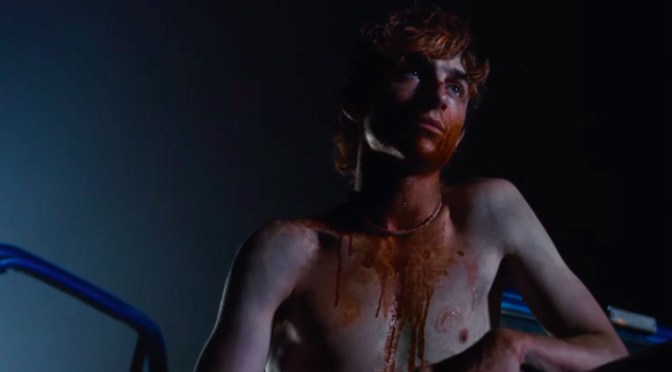
After reviewing The Menu (2022) last time out, here’s another film where food and eating and death are at the very marrow of the narrative. I must confess though it’s very difficult to discuss the excellent hybrid genre film, Bones and All (2022) without giving away the main ingredient within this film. So, I give prior warning that I’m going to have to reveal it in the review. I will state therefore if this film had been called, Fine Young Cannibals, I would not have been surprised in the least. Because the theme of people eating human meat is at the heart of the story.

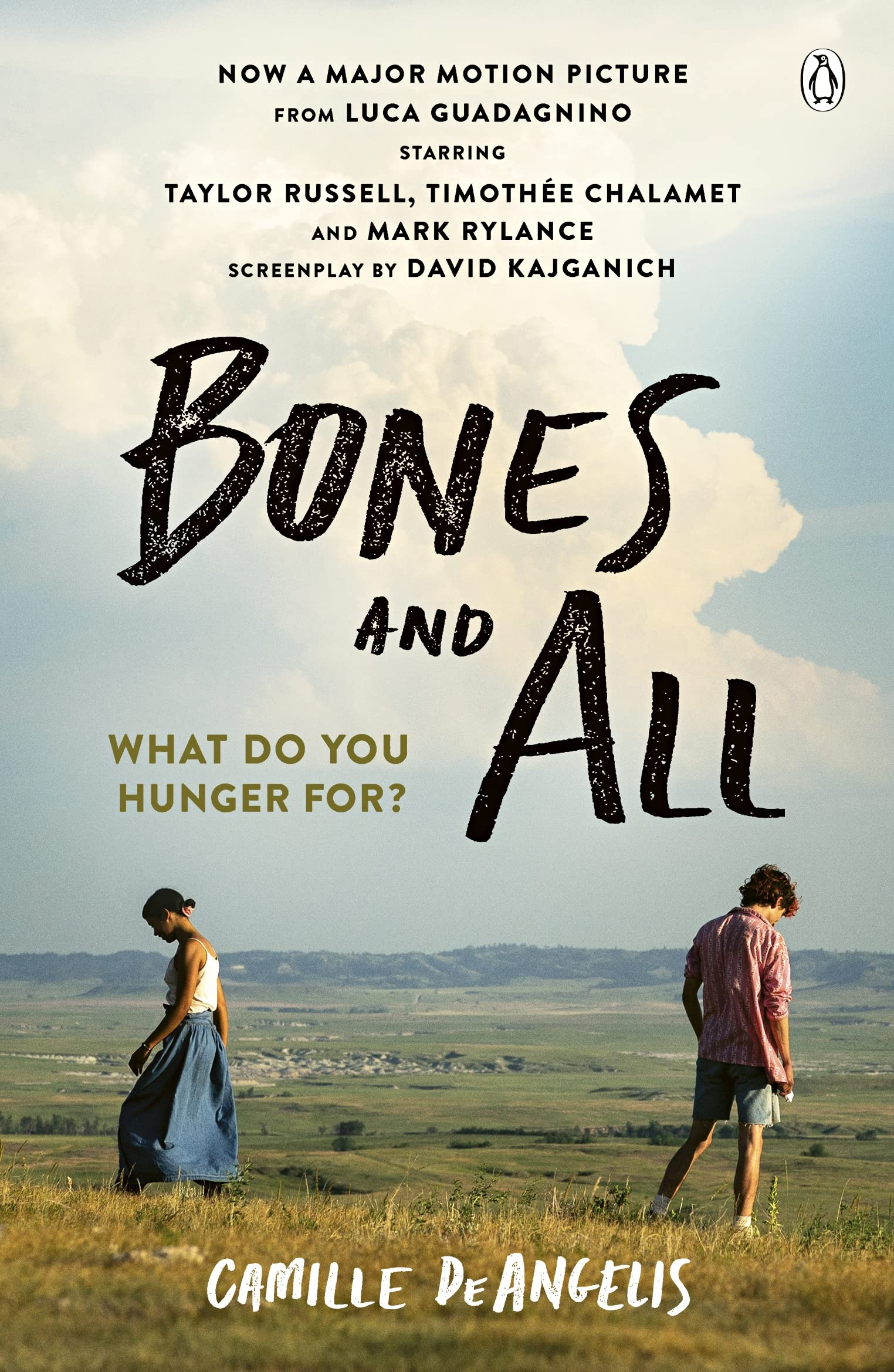
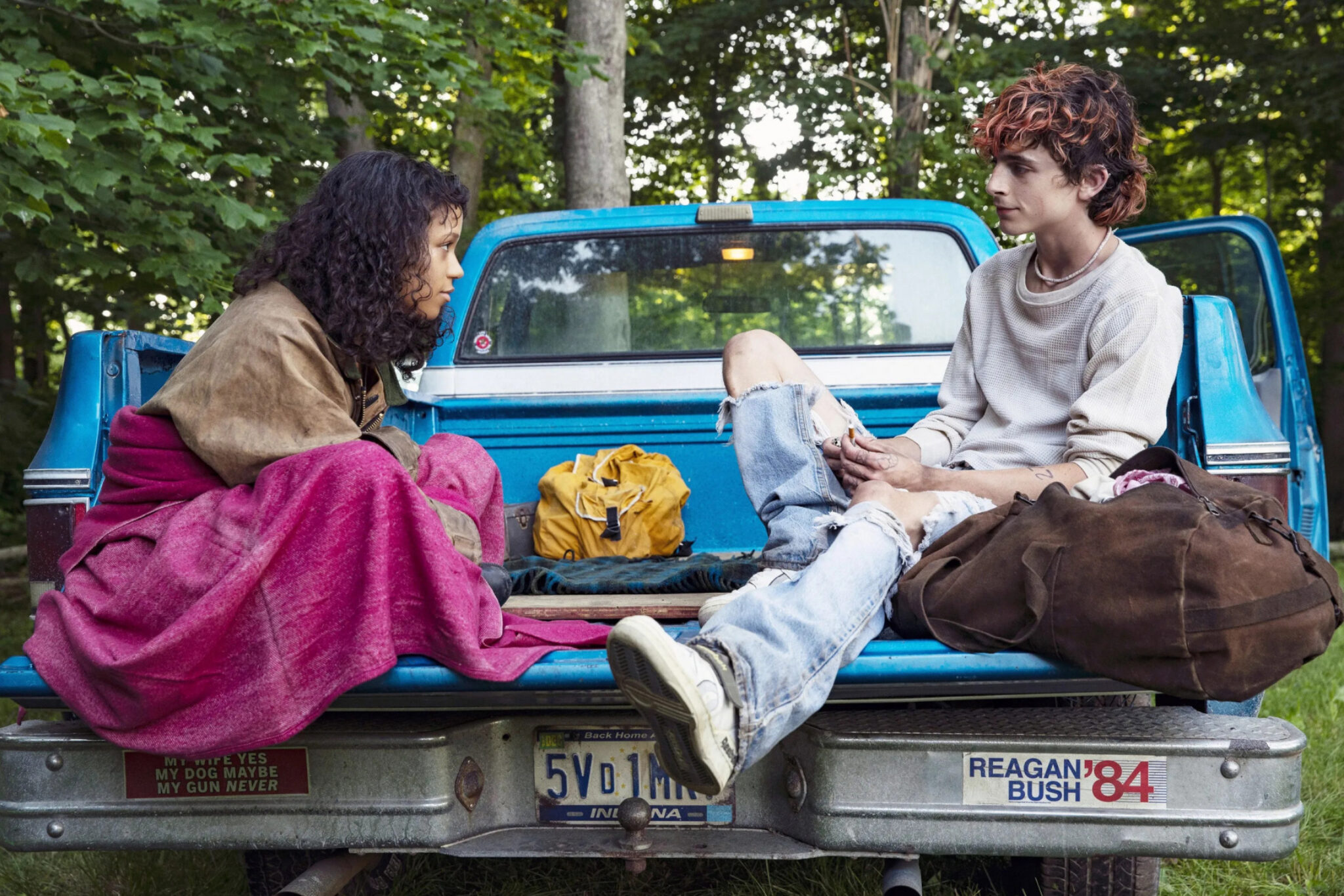
Bones and All (2022) is not a B-movie zombie film with bloody images of flesh-eating monsters devouring people. Yes, there are some gory scenes to satisfy horror fans, however, this arthouse adaptation of Camille DeAngelis’ 2016 novel, is more subtle and sympathetic to the young protagonists with a yearning for mortal flesh. Here murder and cannibalism occur, but it is represented as a curse for both Maren (Taylor Russell) and Lee (Timothee Chalamet), who struggle with their consumptive urges. Moreover, the feeding on flesh is highly symbolic, representing a sensual and almost religious experience for the couple. As they travel across various States, they grow as characters and people. They also explore their own love and share other people’s bodies, romance bleeding through in the process.


Bones and All (2022) is set in the 1980s. It begins with teenager Maren living with her father (Andre Holland) in Virginia. After hitting eighteen years of age, and causing a particularly nasty event at a friend’s sleepover, she is abandoned by him. Left with a cassette tape explaining her family history, Maren sets out to find her mother, meeting Lee along the way. The two are immediately drawn to each other and while driving set about sating their desire for fresh meat. This causes conflict between the couple as it is clear they are not comfortable with the nasty business of killing. Unlike the pursuing serial-killer-trophy-collecting antagonist, Sully (Mark Rylance). He is a venal force of nature, taking animalistic glee during the sacrifice of his victims.

Bones and All (2022) is directed with glacial majesty by Luca Guadagnino. He expertly blends and cooks the genres of horror, period drama, rites-of-passage, romance and road movie with a well balanced approach to tone. Extracting attractive performances from Chalamet and Russell, their onscreen chemistry is potent and touching. Acting legend Mark Rylance steals the show though as the slithery Sully. Overall, I felt the film could have been cut for pace slightly and the Romeo and Juliet-with-a-twist ending was too tragic for me. I think, despite their cannibalistic needs, Maren and Lee deserved a future together. But ultimately it’s all a matter of taste.

Mark: 8 out of 11


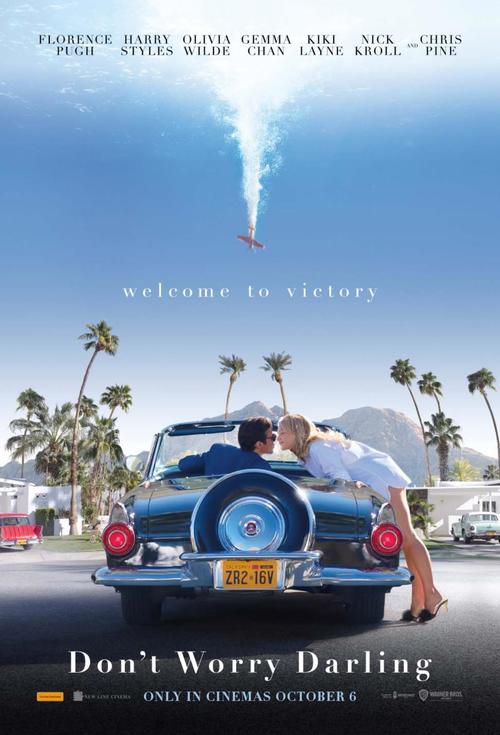
CINEMA REVIEW: DON’T WORRY DARLING (2022)

CINEMA REVIEW – DON’T WORRY DARLING (2022)

Directed by: Olivia Wilde

Screenplay by: Katie Silberman – Story by Carey Van Dyke, Shane Van Dyke and Katie Silberman

Produced by: Olivia Wilde, Katie Silberman, Miri Yoon, Roy Lee

Main Cast: Florence Pugh, Harry Styles, Olivia Wilde, Gemma Chan, KiKi Layne, Nick Kroll, Chris Pine etc.

Cinematography Matthew Libatique

*** MAY CONTAIN SPOILERS ***


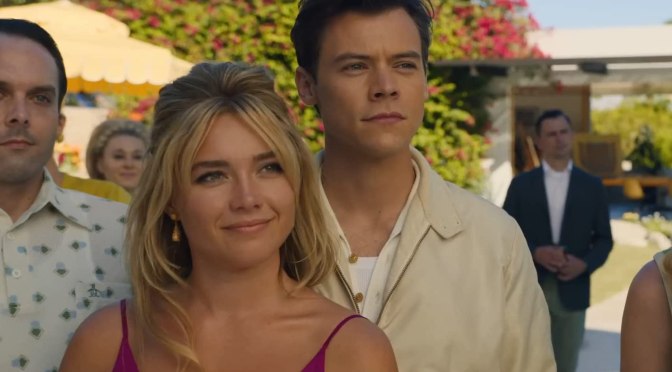
Part arthouse character study, part science fiction social satire and eventually a rushed concertinaed thriller, the Olivia Wilde directed, Don’t Worry Darling (2022) is a visual feast, anchored by Florence Pugh’s devastatingly brilliant performance. However, the ambition of the themes remains hamstrung by pacing and structure which fails to serve the story to its full potential.

Set within a utopian 1950’s sun blanched town called Victory, Wilde and her writers throw us straight into the hedonistic lives of a set of youthful and dynamic couples, drinking, partying and sexing. They work and play hard. Well, the husbands work as the dutiful women stay at home cleaning and churning out kids. So far-so-Stepford Wives! At the heart of Don’t Worry Darling (2022) is Pugh as the loyal but inquisitive, Alice. Her husband, Jack (Harry Styles) is ambitious, seeking the approval of big boss, the hubristic Frank (Chris Pine). When Alice begins to experience Kafkaesque dreams of feeling trapped by her daily life, she slowly realises all is not quite perfect in paradise.


No one does anguish and anxiety on screen like Florence Pugh. As Alice falls deeper down the rabbit hole of despair, Pugh produces true cinematic power once again. Olivia Wilde also brings a compelling image system to fully visualise Alice’s hellish descent. In comparison, the male characters are far less developed and the exchanges between Pugh and Styles, especially in the final act, are really lacking in dramatic punch. Styles himself I felt was miscast, but he does have an engaging screen presence. It’s just I didn’t feel enough threat from him.

Structurally, Don’t Worry Darling (2022) is also flawed. The major reveal comes way too late to assuage the pacing issues. While the narrative contains some striking visual set-pieces there are too many parties, barbecues and social events getting in the way of the potential thrills that could have occurred if Alice had discovered her plight much earlier. Overall, there is too much set-up and not enough punch. The longer you wait to reveal the twist, the bigger the revelation needs to be. The Outer Limits and The Twilight Zone have done this style of story with more emotional impact and better economy. Pugh and Wilde though prove once again they are major talents and thematically speaking it’s good that men get another kick in. Men are fast becoming the go-to villains of this century and long may it continue.

Mark: 6.5 out of 11


“CINEMA” REVIEWS: FRESH (2022) + WHERE THE CRAWDADS SING (2022)

“CINEMA” REVIEWS: FRESH (2022) + WHERE THE CRAWDADS SING (2022)

Two entirely different types of film on the surface, one a black comedy-horror and the other a romantic murder-mystery. Although both feature examples of the female outsider fighting against variant elements of toxic masculinity and the patriarchy. What they also have in common is impressive acting performances from rising star, Daisy Edgar-Jones. Thus, I thought it interesting to review said films side-by-side. With the usual marks out of eleven.

*** MAY CONTAIN SPOILERS ***


FRESH (2022)

Directed by Mimi Cave

Written by Lauryn Kahn

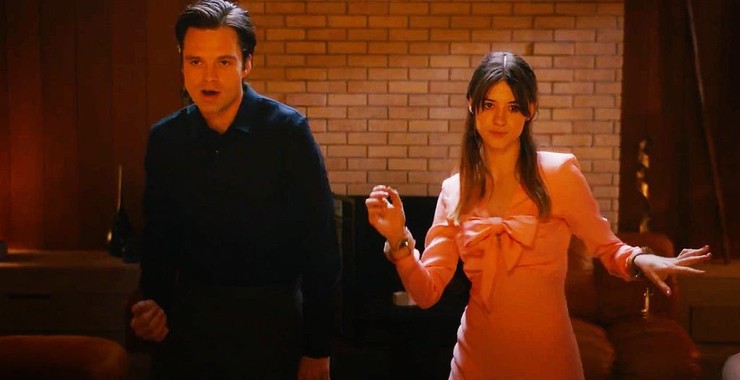
Main cast: Daisy Edgar-Jones, Sebastian Stan, Jonica T Gibbs, Charlotte Le Bon, Andrea Bang etc.

Essentially a beat-by-beat replica of Get Out (2017) as the main protagonist finds themself under threat from a nefarious force as their best friend desperately seeks to rescue them from grisly danger. Rather than raising important points about racism within the horror genre, Mimi Cave’s deliciously directed horror story with comedic elements, explores the precarious threat of singledom, toxic masculinity, gastronomy and relationships.

Daisy Edgar-Jones portrays cynical twenty-something, Noa, who is sick of the dating game and feels isolated where romance is concerned. I empathised with her decision to remain single, but then she has a meat cute with likeable charmer, Steve (Sebastian Stan), in the supermarket. They go on a date and more than hit-it-off. Before you can say “no-don’t-go-away-for-the-weekend-with-a-man-you-hardly-know!” Noa goes away with Steve and the plot ingredients really come to the boil.

Sebastian Stan and Daisy Edgar-Jones have fine chemistry throughout and are attractive protagonists. The first half of the film builds raw suspense, before the revelation arguably over-cooks the central relationship on the menu. Providing excellent support to the leads is Noa’s bestie, Mollie (Jonica T. Gibbs), who turns detective to locate Noa before the knives come out for her. Fresh (2022) runs out of steam toward the end as the plotting unravels with the characters making dumb horror movie decisions. However, I really want to see what writer, Lauren Kahn and director, Mimi Cave, deliver next as their debut feature Fresh (2022) is a very tasty starter.

Mark: 8 out of 11


WHERE THE CRAWDADS SING (2022)

Directed by Olivia Newman

Screenplay by Lucy Alibar (Based on Where the Crawdads Sing by Delia Owens)


Main cast: Daisy Edgar-Jones, Taylor John Smith, Harris Dickinson, Michael Hyatt, Sterling Macer, Jr., David Strathairn etc.

Adapted from the best-selling phenomenon written by Delia Owens, I went into Where the Crawdads Sing (2022) cold without any prior knowledge of the story. I hadn’t read the novel and even the trailer, thankfully, didn’t give swathes of plot away when I saw it. But what’s it all about? Well, it’s a sprawling cake mix of genres including murder-mystery, court drama, period piece, romance, and rites-of-passage with a movie-of-the-week cherry on top feel.

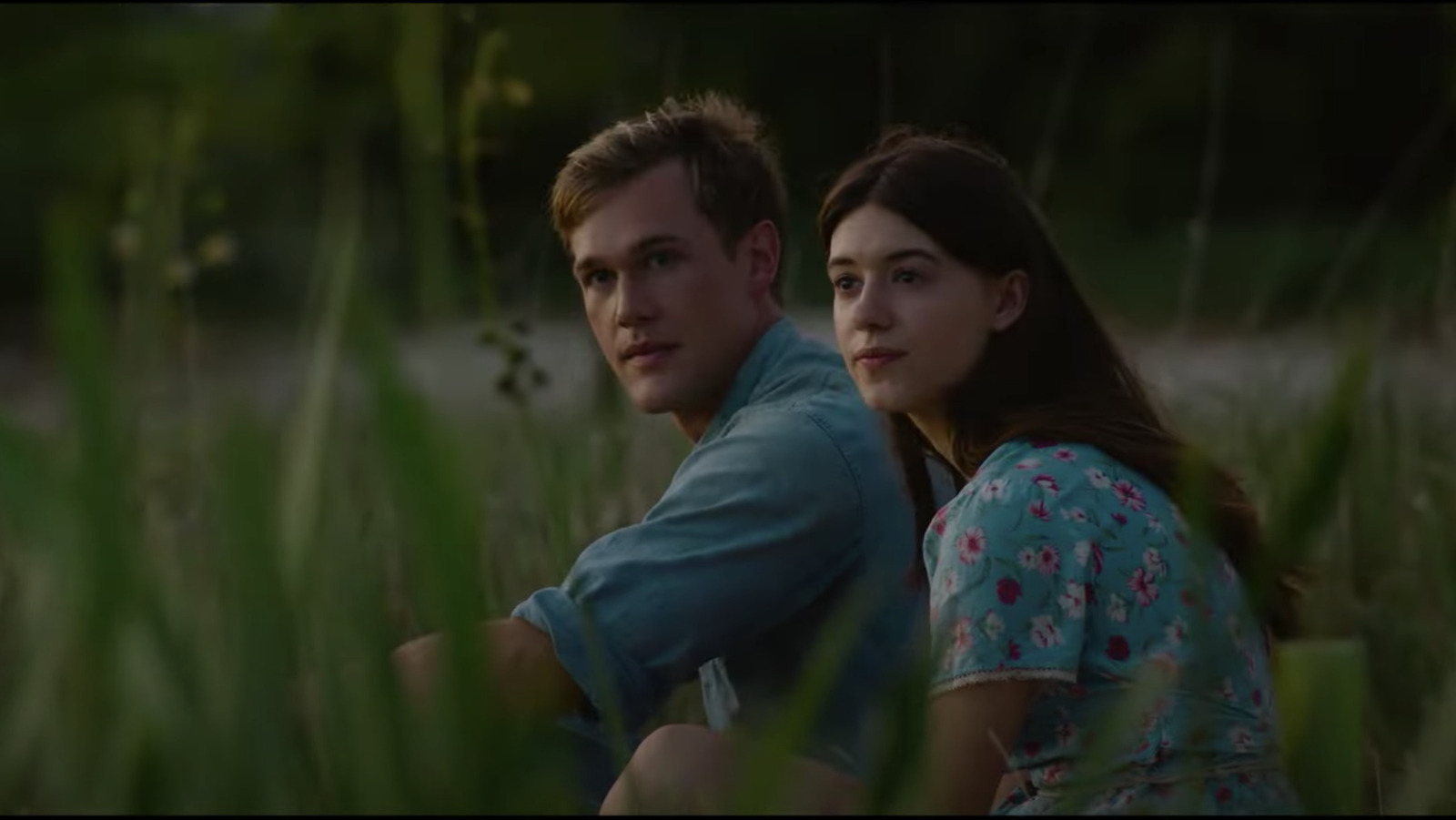
Daisy Edgar-Jones sensitively portrays Kya Clark, a young girl living in the North Carolina marsh, dealing with all manner of drama and trouble throughout her life. Considered an outcast and weirdo by the town locals of Barkley Cove, the film quickly places Kya as the main suspect in the murder of a privileged jock, Chase Andrews (Harris Dickinson). Via flashbacks we are then introduced to the misery of Kya’s abusive childhood, with her father frightening away Kya’s mother and brothers with his drunken battery. When Kya is ultimately abandoned by everyone, she finds some solace in her fledgling romance with Tate Walker (Taylor John Smith) and her interest in wildlife and art.

There are many elements of Where the Crawdads Sing (2022) that felt extremely familiar, notably the Nicholas Sparks-inspired love triangle. Kya having to choose between generic good boy/bad boy types. However, it is integral to the character-driven aspect of Kya growing from a shy caterpillar and blossoming into a radiant butterfly. While the arguably patronising characterisation of the black characters did not convince, Kya’s character arc is certainly compelling, thanks to Edgar-Jones intelligent performance. Moreover, I enjoyed the locations and some wonderful scenery too. Overall, while it is undemanding and generic, I found Where the Crawdads Sing (2022) a pleasing diversion with a couple of obvious, but decent twists in the tale. The kind of film my mum would love.

Mark: 6.5 out of 11

CLASSIC FILM REVIEW: WINGS OF DESIRE (1987)

CLASSIC FILM REVIEW: WINGS OF DESIRE (1987)

Directed by: Wim Wenders

Written by: Wim Wenders, Peter Handke, Richard Reitinger

Produced by: Wim Wenders, Anatole Dauman

Cast: Bruno Ganz, Solveig Dommartin, Otto Sander, Curt Bois, Peter Falk, Nick Cave, etc.

Cinematography: Henri Alekan

*** MAY CONTAIN SPOILERS ***


I hadn’t seen Wim Wenders cinematic masterpiece, Wings of Desire (1987), for many years. Probably thirty-three years. I’m glad I waited so long because I think I am mature enough now to appreciate the poetry of the filmmaking style and the soulful gravity of the characters and themes on display.

I am of the belief that cinema is a collaborative craft in general. Yet, on fleeting occasions a film will be released that transcends the craft of the medium and become art. Wings of Desire (1987) is such a film. Moreover, while I am not a religious person watching Wings of Desire (1987) is as close to experiencing a spiritual filmic happening as I could have. It truly is a thing of transcendent beauty concerned as it is with the afterlife, the soul, humanity, angels, life, love, death and rebirth.

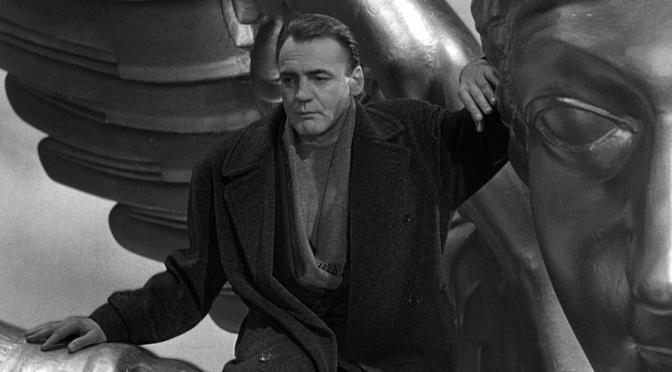
Angels walk amongst the living in a Berlin separated by the wall. Voices reveal their inner most thoughts as said Angels listen, watch, witness and gather human experience, thoughts and emotions. The Angels led by Damiel (Bruno Ganz) and Cassiel (Otto Sander) inhabit Berlin aiming to assemble, preserve and testify reality. In a stunningly beautiful opening sequence the gliding camerawork, chiming harps, poetic voiceovers and sublime photography introduces both a majestic world and compelling characterisations. The monochrome film sets a moody glow illuminating and beautifying the urban locales. If you didn’t know, the black & white sequences were shot through a filter made from a stocking that belonged to cinematographer Henri Alekan’s grandmother.


Wim Wenders directs Wings of Desire (1987) with an assured confidence throughout. Every stylistic and formal choice is driven by the characters’ hearts and an imaginative vision of both reality and the afterlife. It is incredible that Wenders and his production team did not have a traditional script when filming began. Thus, the poetic feel of the film derives from a series of experimental concepts and improvisatory creative choices. Having said that, there is a strong narrative spine amidst the seemingly loose narrative and episodic bones. The anchor amidst these hypnotic vignettes is Damiel’s journey of falling in love, ceasing to be immortal and becoming human.

As Damiel experiences the pain of existing outside human life, Bruno Ganz’s performance is heartbreakingly moving. Damiel also finds love too for Solveig Dammartin’s circus artist. His romantic longing and empathy for her and humanity overall is unforgettable. I mean this celestial and immortal being desires the opportunity to feel, taste and love. There is also humour amidst the pathos too, with a supporting story that follows the actor, Peter Falk, working on a film in Berlin. His brilliant scenes provide a quirky counterpoint to Damiel’s celestial crisis and fledgling romance. Indeed, Peter Falk called his role in Wings of Desire (1987) “the craziest thing I was ever offered”. When Wenders told him his part had not been developed yet, Falk responded, “I’ve worked that way with John Cassavetes. I prefer working without a script.”

Wings of Desire (1987) is deservedly acclaimed as one of the best films ever made. I couldn’t agree more, such is its cinematic power and beauty. It combines both visual, aural and literary styles almost to perfection. Thematically it is just as impressive. While it is a universal story about life, death, love and sacrifice, the fact it is set in Berlin adds an incredible gravitas. The politics and separation caused by the Cold War course through the veins of the film like ice. Nevertheless, Wim Wenders and his creative team wholly reject the gloom of oppression, choosing hope, life and love over said deathly wall.*

Mark: 10 out of 11


(*Note: Interestingly, filming the actual Berlin Wall was prohibited, so a replica of the wall twice had to be built close to the original. The first fake wall warped in the rain because the contractor cheated the producers and built it from wood.)

AMAZON FILM REVIEW: BEING THE RICARDOS (2021)

AMAZON FILM REVIEW: BEING THE RICARDOS (2021)

Directed and written by: Aaron Sorkin

Produced by: Todd Black, Jason Blumenthal, Steve Tisch

Cast: Nicole Kidman, Javier Bardem, J. K. Simmons, Nina Arianda, Tony Hale, Alia Shawkat, Jake Lacy, Clark Gregg, etc.

Cinematography: Jeff Cronenweth

*** MAY CONTAIN SPOILERS ***


Lucille Ball and Desi Arnaz were entertainment, musical and business pioneers during the classic Hollywood television period. Lucille Ball alone was nominated for 13 Primetime Emmy Awards, winning five times, and the recipient of many other accolades, before being inducted into the Television Hall of Fame. Not only did the married couple produce and star in the seminal U.S. situation comedy, I Love Lucy, but their Desilu Studios production company would be the driving force behind creating famous TV series including Star Trek and Mission: Impossible. The couple broke viewing records and barriers in regard to race, gender and business practices. While they were not of my era, I recognise both Lucille Ball and Desi Arnaz as consummate professionals, business trailblazers and iconic stars.

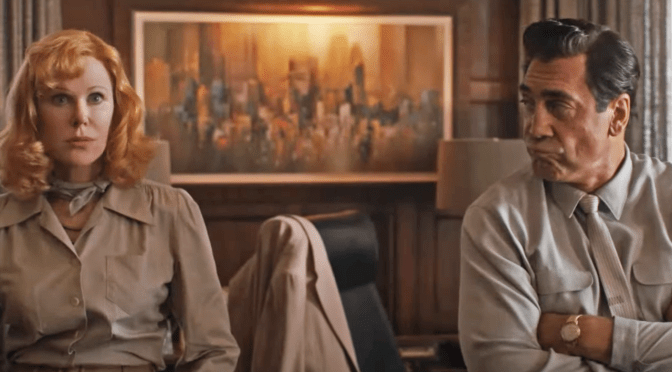
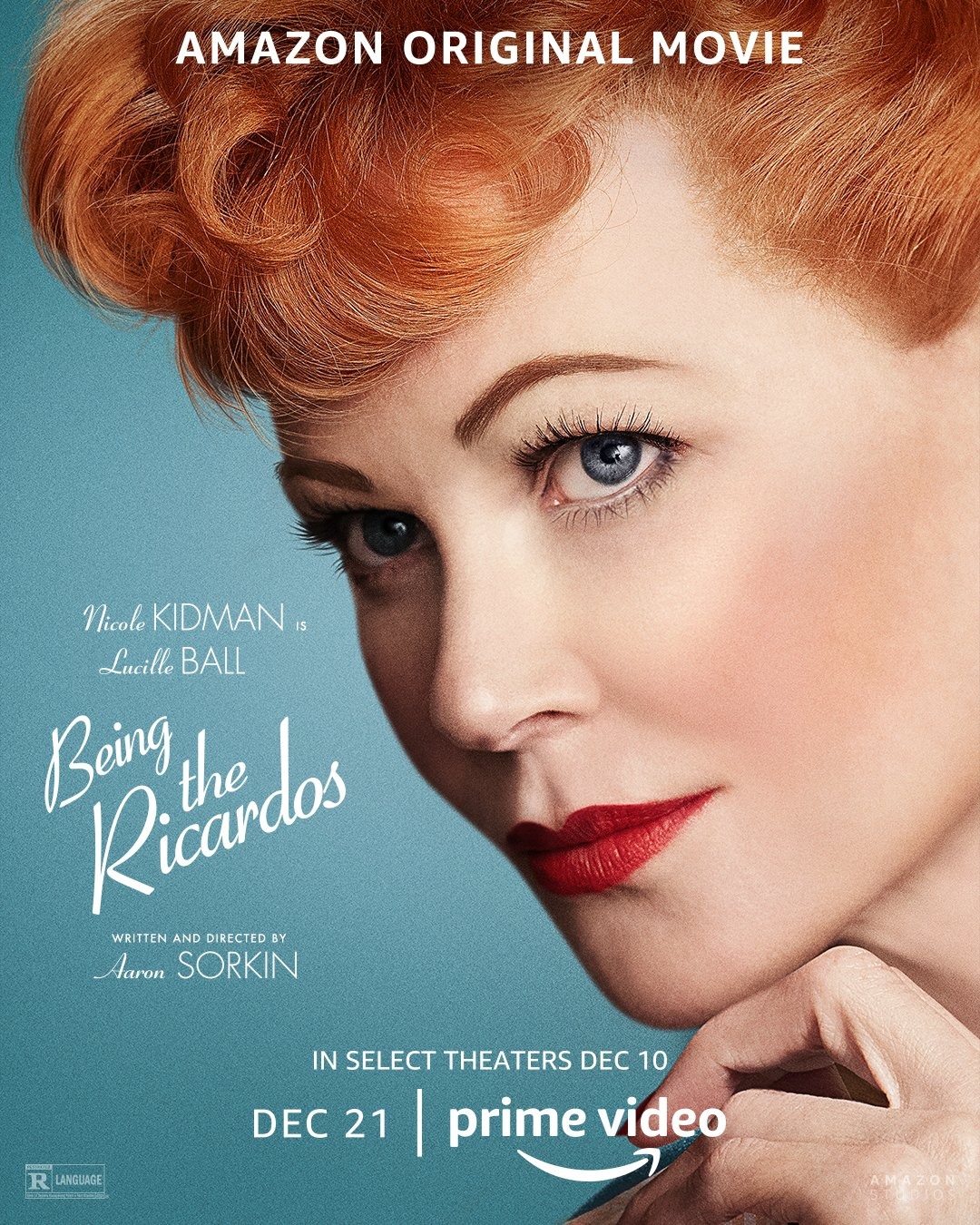
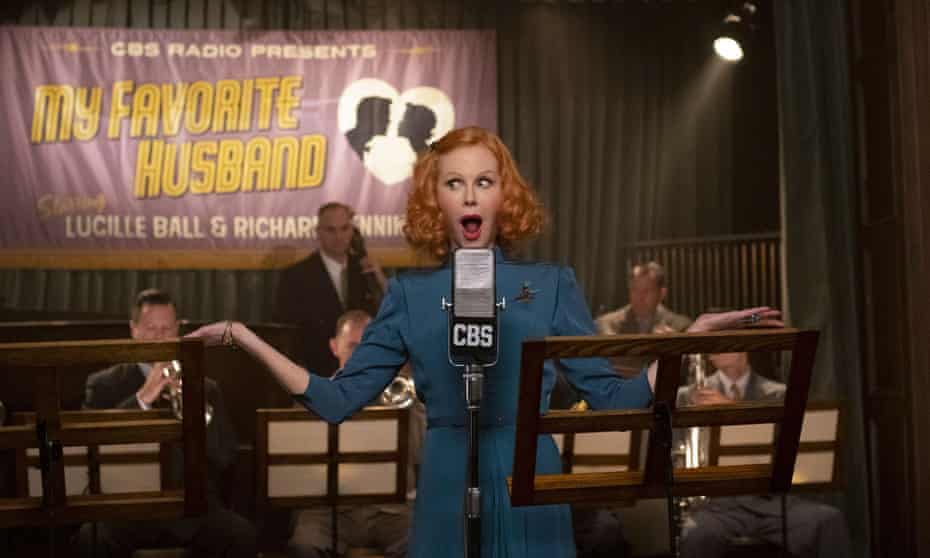
Aaron Sorkin’s Being the Ricardos (2021), adapts a week-in-the-life of Lucille Ball (Nicole Kidman) and Desi Arnaz (Javier Bardem) as they prepare, audition and perform the episode ‘Fred and Ethel Fight’ of I Love Lucy. At the same time, Lucille faces shocking revelations about her alleged Communist past. Moreover, her marriage to Desi is also tested by suspicions he has slept with other women. Interspersed around these events Sorkin flashes back to reveal how the couple met, and Lucille’s flailing film career as a dramatic actress was re-ignited by a chance switch to radio comedy. As a consummate screenwriter Sorkin hops between these time periods with great aplomb and his customary whip-cracking dialogue fires zingers throughout. The production process of the TV episode is particularly brilliant, with crafty Nina Arianda and the awesome J. K. Simmons providing superb support as Lucille and Desi’s supporting couple, William Frawley and Vivian Vance, respectively.


Being the Ricardos (2021) spins a great many plates within the running time and it is rock solid entertainment. As he did with The Trial of the Chicago Seven (2020), Aaron Sorkin arguably takes liberties with the time of events to compress and finesse the truth for the sake of dramatic and comedic effect. But that’s fine as this is not a documentary. What we get instead is an authentic production design which expertly evokes the mood, look, glamour, costumes and sounds of the era. It also explores the business, sexual and ideological politics of age with Desi and Lucille facing and pushing back at sponsor and studio demands. Those who know I Love Lucy will be overjoyed at the recreation of some memorable comedy sketches.

At the heart of the film Nicole Kidman and Javier Bardem combine formidably to breathe life into these legendary talents. Kidman is an actor who is extremely brave taking on the role of an icon. Sure, she gets paid millions of dollars, but her performance as Lucille Ball is energetic and intelligent and very funny. It could be easy to criticise her casting but Kidman does sterling work here. She gives Ball’s characterisation an effervescence, intelligence and perfectionist approach to her craft one cannot help but admire. Javier Bardem is a cinematic dream. With effortless panache he lights up the screen and just is so damned charming. Together they create fine on-screen chemistry as Sorkin’s bullet-paced dialogue is delivered superbly by the stars and terrific ensemble cast.

Ultimately, neither dramatic enough to tug the heartstrings or funny enough to be called an all-out comedy classic, Being the Ricardos (2021) remains another intelligent Aaron Sorkin rendition of real people and actual events. It’s a classy affair with a stunning cast and script, overall paying fine tribute to the genius of Lucille Ball and Desi Arnaz.

Mark: 8.5 out of 11


NETFLIX FILM REVIEW: THE POWER OF THE DOG (2021)

NETFLIX REVIEW: THE POWER OF THE DOG (2021)

Directed by: Jane Campion

Screenplay by: Jane Campion

Based on: The Power of the Dog by Thomas Savage

Produced by: Emile Sherman, Iain Canning, Roger Frappier, Jane Campion, Tanya Seghatchian

Cast: Benedict Cumberbatch, Kirsten Dunst, Jesse Plemons, Kodi Smit-McPhee, Thomasin McKenzie, Genevieve Lemon, Keith Carradine, Frances Conroy etc.

Cinematography: Ari Wegner

*** MAY CONTAIN SPOILERS ***


Set in 1925 amidst the spectacular terrain of Montana, The Power of the Dog (2021), centres around a ranching family’s everyday relationships, romances, hatreds and choices. Two brothers run the Burbank ranch, Phil (Benedict Cumberbatch) and George (Jesse Plemons). George is the kinder man who leans more toward progress and business. Phil is more of the land and the traditional cowboy. However, he is incredibly intelligent and could have made more of his education. Instead, he is driven to follow in his hero and mentor, Bronco Henry’s wake, work the ranch and command men.

While hiding a deep secret, Phil is absorbed by the cowboy lifestyle and thrives on controlling those around him. But when George meets Rose (Kirsten Dunst) at a cattle drive inn, he falls for her. Soon they marry and George agrees to provide for Rose and her son Peter (Kodi Smit-McPhee). Phil immediately becomes upset by the intruder to the family equilibrium. Soon Rose and Peter fall foul of his bullying and superiority complex. Thus, begins a series of subtle and ambiguous clashes where Phil and Rose clash, before the bright, androgynous Peter manoeuvres to protect his beloved mother.


The stunning cinematography and vistas of, The Power of the Dog (2021), are more luminous dressing when compared to the compelling characterisation and incredible performances delivered via Jane Campion’s confident direction. Indeed, Benedict Cumberbatch, Kirsten Dunst and Kodi Smit-McPhee are so good you could have set the story on an empty soundstage (like Dogville (2003) and the searing properties of the drama would have been carried just as potently. Cumberbatch is exceptional. This is an Oscar winning performance. His bitter and envious alpha male broods and hides behind violence and biting words. Every now and then he threatens to burst, but is pulled back. Phil wants to love but is so trapped by social expectations and prejudices that he is trapped tragically by the era. The sensitive Peter doesn’t care what people think and that sadly makes him a victim. But still waters run very deep. Peter has a plan.

This film will give you heartburn. It’s subtle and bubbles like acid, reaches the throat before scarring the pit of your stomach. Now, I’m not always a fan of oblique and poetic cinema, especially within a narrative presented as a quasi-Western. Mostly I like to be punched in the gut, not branded slowly from the inside out. Yet Jane Campion’s expert adaptation of Thomas Savage’s novel, The Power of the Dog (2021), contains some bite. You just don’t see when and how it happens. Expect awards galore for this fine drama.

Mark: 8.5 out of 11

GREAT ENSEMBLE FILM CASTS #6 – AUGUST: OSAGE COUNTY (2013)

GREAT ENSEMBLE FILM CASTS #6 – AUGUST: OSAGE COUNTY (2013)

Directed by: John Wells

Screenplay by: Tracy Letts

Based on: August: Osage County by Tracy Letts

Produced by: George Clooney, Grant Heslov, Jean Doumanian, Steve Traxler

Cast: Meryl Streep, Julia Roberts, Ewan McGregor, Chris Cooper, Abigail Breslin, Benedict Cumberbatch, Juliette Lewis, Margo Martindale, Dermot Mulroney, Julianne Nicholson, Sam Shepard, Misty Upham, etc.

Cinematography: Adriano Goldman

*** MAY CONTAIN SPOILERS ***


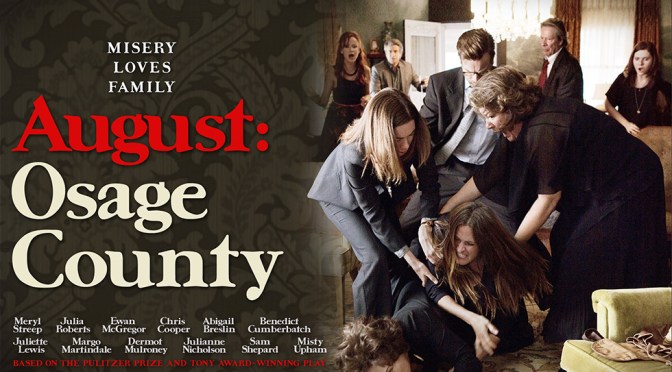
Unsurprisingly, the play, August: Osage County, from the typewriter of Tracey Letts – the formidable playwright behind Killer Joe and Bug – about a family suffering loss of a “loved” one was not going to be a feelgood and uplifting affair. Instead, over the period of a month we are introduced to a whole host of characters with a variety of anger, addiction and attitude issues. Brought together by apparent grief, when patriarch, Beverley Weston (Sam Shepard) drowns, the extended Weston family fight and vent spleen at each over current and past dramas, with many a secret soon to be revealed.

Winning the Pulitzer Prize for Drama in 2008, Letts play was subsequently adapted into the dark, feel-bad and tragi-comedy film in 2013. Directed by John Wells, August: Osage County (2013), brought together an unbelievable ensemble cast of actors who did spectacular work with Letts acerbic and razor-sharp dialogue. Given that many of the personalities in the narrative are dominant matriarchal characters, the casting of Meryl Streep and Margo Martindale in the roles of Violet Weston and Mattie Fae respectively, is certain to create sparks on the screen. So, it proves.

Streep has delivered so many memorable characterisations over the years, but as Violet Weston I’m not sure she’s been so bilious and cancerous, both literally and symbolically. Her daughters, portrayed by Julia Roberts, Juliette Lewis and Julianne Nicholson, all have their own issues to deal with, but with such a vicious mother it’s a surprise they aren’t in a psychiatric ward. As harsh truths and bitter revelations unfold over the dinner and kitchen table conversations, Letts shows the complex nature of family existence; how it traps us with people we have nothing in common with. Women are seemingly in charge of the Weston family as the men, represented by Ewan McGregor, Benedict Cumberbatch, Sam Shephard and Chris Cooper, appear more passive and bullied.

Altogether, August: Osage County (2013), is a difficult to watch as there’s not a lot of love shown in the Weston household. Nonetheless, as an acting and writing tour-de-force there are few films that can best it. I guess we all have family problems and many ups and downs to deal with in life. What we can learn from this play and film is that this is definitely NOT the way to behave to people you’re meant to love and care for.


UNDER-RATED CLASSICS #9 – WILD BILL (2011)

UNDER-RATED CLASSICS #9 – WILD BILL (2011)

Directed by: Dexter Fletcher

Produced by: Tim Cole & Sam Tromans

Written by: Dexter Fletcher, Danny King

Cast: Charlie Creed-Miles, Will Poulter, Liz White, Sammy Williams, Charlotte Spencer, Leo Gregory, Neil Maskell, Iwan Rheon, Olivia Williams, Andy Serkis etc.

Music by: Christian Henson

Cinematography: George Richmond

***MAY CONTAIN SPOILERS ***


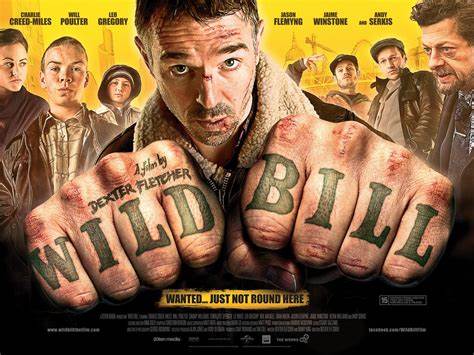
With so much British filmmaking talent behind and in front of the camera being absorbed by the big film and television studios in America, and the lack of cash within the British film industry too, it’s rare that a British film gets made and then distributed properly. Even if a film such as the earthy London-set crime drama, Wild Bill (2011), does find its way to British cinemas it can be cruelly enveloped by the Hollywood film behemoth, swallowed up at the multiplexes and seen by very few popcorn guzzlers. Which is a damn shame as Wild Bill (2011) is a tidy, low-budget, and extremely under-rated classic in my book. Made for just £700,000 and directed by the now in-demand actor-turned-filmmaker, Dexter Fletcher, the film marries family conflict, humour, violence, South London gangsters all in a moving tale of redemption.

For the record, for me, an under-rated classic can be a film I love, plus satisfy the following criteria:

  1. Must not have won an Oscar.
  2. Must not have won a BAFTA.
  3. Must not appear in the AFI Top 100 list.
  4. Must not appear in the IMDB Top 250 list.
  5. Must not appear in the BFI 100 Great British films.
  6. Must not appear in the all-time highest grossing movies of list.

Unfortunately, Wild Bill (2011), does not meet any of these criteria. In fact, not many people have even heard of the film, let alone seen it. But it’s on Netflix so do try and catch it. Read on for some reasons why.


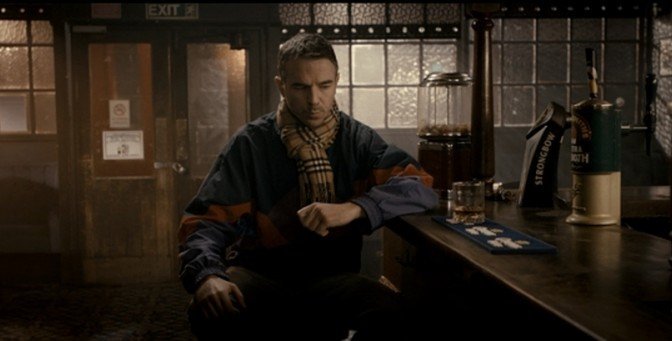
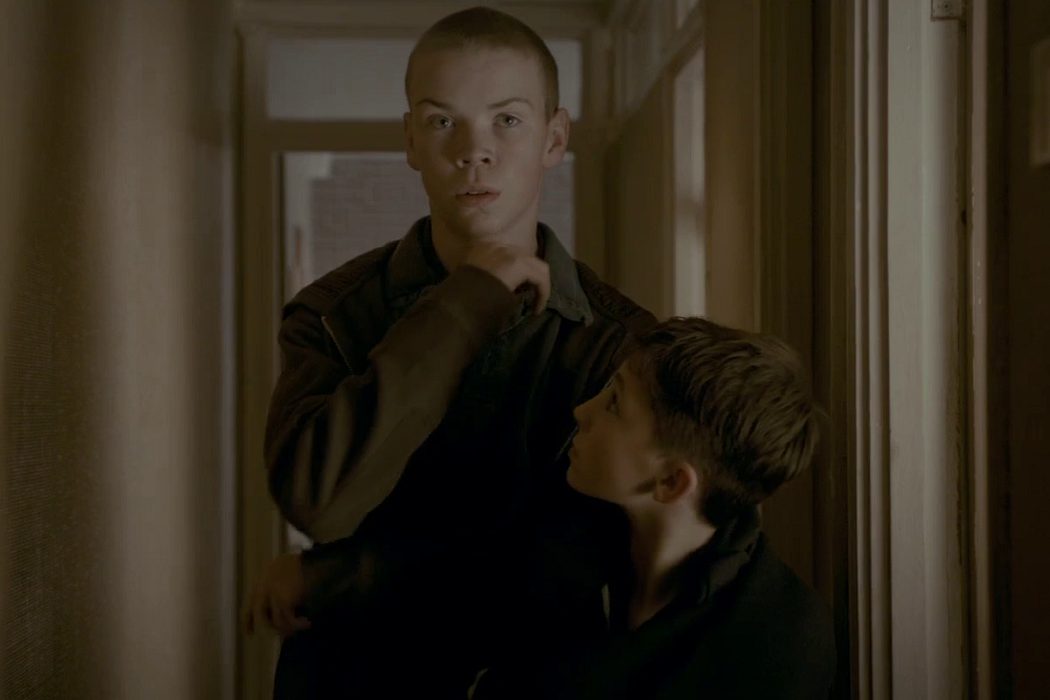
The main character nicknamed, portrayed by the excellent character actor, Charlie Creed-Miles, is the titular “Wild Bill”. He has just been released from prison having been a dealer and fighter and general menace to society. There is immediately tension because you wonder if the man will return to his bad old ways. Surprised to find his wife has buggered off to Spain, Bill is hardly given a warm welcome by his older son, Dean, as Will Poulter give another very mature performance. Indeed, Dean hates Bill, and while he is only fifteen, he has been the breadwinner looking after his young brother, Jimmy (Sammy Williams). Forced to stay together by Social Services, much of the film finds the father and son resisting, then attempting to find some common ground. The attempts at family harmony are not aided by the career thugs, including Leo Gregory and Neil Maskell’s characters, attempting to get Bill back on their crack dealing crew. It’s during such struggles that Bill strives to be positive and not return to his violent ways. However, there is only so far a man can be pushed.

Wild Bill (2011) is beautifully filmed with some fantastic London vistas as well as some gritty, urban locations to savour. Sure, the film also has a familiar set of character archetypes and narrative tropes. These include the ex-con trying to go straight, the tart with a heart, the local drug dealers terrorizing the estate, a teenage mum, estate kids getting pulled into crime, the white dealer who thinks he’s black; and the “Mr Big” crime boss played with threatening glee by Andy Serkis. Yet, the characters never become stereotypes as the writing and narrative avoid most of the cliches usually present in plain bad cockney gangster films. Ultimately, the writers, director and actors really make us care about Bill and his boys. I mean, after many false starts he really tries to make a go of it as a father. Bill may not have always made the best decisions in life, but he has guts and heart; very much like Wild Bill (2011) as a whole.