JOKER (2019) – CINEMA REVIEW

JOKER (2019) – CINEMA REVIEW

Directed by: Todd Phillips

Produced by: Todd Phillips, Bradley Cooper, Emma Tillinger Koskoff

Written by Todd Phillips, Scott Silver

Based on : DC Comics’ Joker created by Bill Finger, Bob Kane & Jerry Robinson

Cast: Joaquin Phoenix, Robert DeNiro, Bill Camp, Zazie Beetz, Francis Conroy, Glen Fleshler, Brian Tyree Henry, Marc Maron etc.

Music: Hildur Guðnadóttir

Cinematography: Lawrence Sher

**** MAY CONTAIN SPOILERS ****
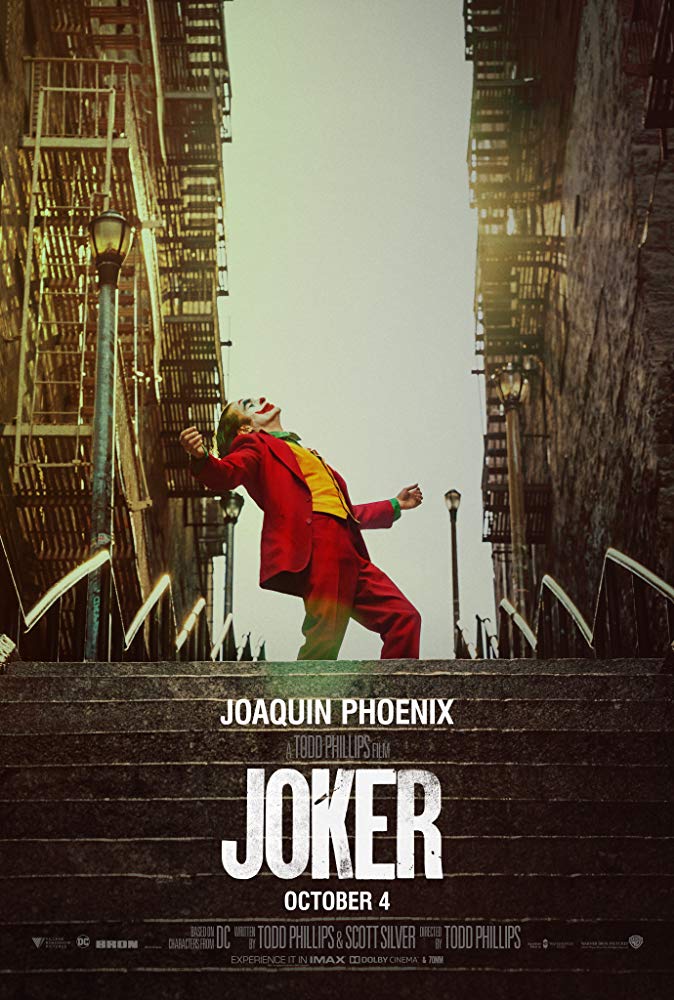


“Is it just me – or is it getting crazier out there?”

There’s no let up for poor coulrophobes. You wait so long for an evil clown and two come along in quick succession! First Pennywise hits the big screen twice. Now, Todd Phillips and Joaquin Phoenix deliver an incendiary cinematic masterpiece, based on DC’s uber-villain, Joker.

With Marvel’s cinematic universe heroically saving the world and making Disney a lot of money in the process, everything was looking a bit bright in the comic book film world. Not anymore, because Joker (2019) brings darkness, chaos, delusions and insanity to the screen. This film doesn’t reflect a safe world full of heroes, but instead illustrates one without them or a shred of hope.
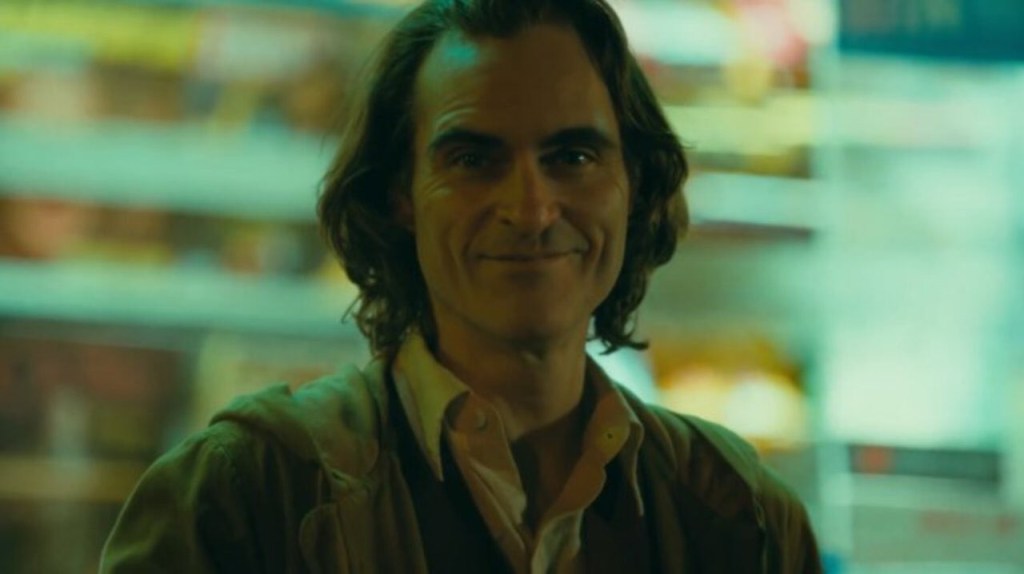


The year is 1981. The place is Gotham. The symbol of this urban disintegration will be downtrodden clown, Arthur Fleck (Joaquin Phoenix). Crime and garbage ravage the city and social services budgets are being cut. Arthur struggles with his mental health, his clown work and his unwell mother (Francis Conroy). He attempts to find solace in stand-up comedy, but his psychological problems stretch to uncontrollable laughing fits, making people laugh AT him, as opposed to WITH him. He seeks potential romance with a neighbour, Sophie (Zasie Beetz), but his world begins to collapse when he loses his job and his medication is cut off. Attacked by kids on the street and bankers on the tube, Arthur is forced to fight back. But, violence begets violence, as a new, more dominant persona comes to the fore.

Joker (2019) is a bravura and risk-taking character study charting the downward spiral of both a city on the edge; and an individual losing touch with the real world. Rather than being cared for by the system, Arthur is thrown to the gutter, only to rise up with fire, violence, colour, costume and maniacal chuckling. From the mean streets of Gotham comes not calm, but social unrest and protests; not a hero but a painted villain, dancing and plotting bloody murder.
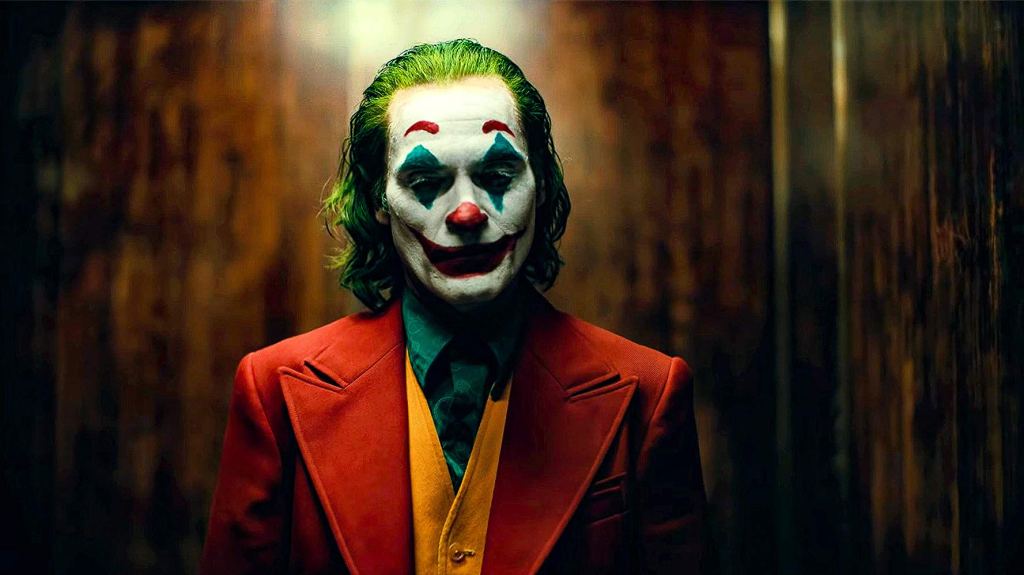


I have read that there have been complaints that the film trivialises mental health. Well, having experienced a close family member suffer mental breakdown and have a friend commit suicide due to extreme anxiety, I actually think Joker (2019) presents madness in a very truthful way. Mental health is scary, unpredictable, difficult to treat and prone to startling bursts of uncontrollable energy. It’s hard to comprehend what happens in people’s brains to make them act a certain way and this film captures that. The reason the film is scary is because mental health is scary. If it is not treated, then people can harm themselves and others. Therein lies the truth and tragedy of mental illness.

Joaquin Phoenix is absolutely incredible as Arthur Fleck/Joker. Hysterical laughter echoes and haunts the screen. Every cigarette he smokes drags nicotine anxiety into his ravaged lungs. As violent outbursts jolt and as his skinny body dances, I felt a gamut of emotions including: fear, humour, shock and sadness. Fleck’s transformation into Joker is a slow-burn trajectory and masterful acting performance. He tries to avoid violence and confrontation, but it’s drawn to him like a moth to a flame. He tries to make people laugh, but sadly only ends up hurting them. Joker is an outsider desperate to step inside and be part of society, but, even down to his unknown parentage, he is rejected at every turn.


As well as Phoenix, Todd Phillips deserves much kudos for creating an incredibly dark, but impressive cinematic experience. He is ably assisted by the startling cinematography of Lawrence Sher, who captures that gritty, paranoiac and urban look perfectly. Much praise also to Hildur Guðnadóttir, who, for me, has orchestrated the musical score of the year. Lastly, the genius of marrying cinematic classics like Taxi Driver (1976) and The King of Comedy (1983), with a DC comic-book super-villain is an absolute masterstroke. Indeed, Joker (2019), is one of the most memorable and compelling films of 2019. Why so serious? Watch it and discover for yourself.

Mark: 10 out of 11


LFF REVIEW – JOJO RABBIT (2019) – SPOILER FREE

LFF REVIEW – JOJO RABBIT (2019)

Written and Directed by: Taika Waititi

Based on: Caging Skies by Christine Leunens

Produced by: Carthew Neal, Taika Waititi, Chelsea Winstanley

Cast: Roman Griffin Davis, Thomasin McKenzie, Taika Waititi, Sam Rockwell, Scarlett Johansson, Rebel Wilson, Alfie Allen etc.

***SPOILER FREE***


After watching the astounding Joker (2019) earlier in the day, and having my psyche shook by that descent into hell, I needed something lighter to watch afterwards. A comedy about the Nazis, World War II and Hitler himself, therefore, probably wasn’t the ideal choice. Nonetheless, I really enjoyed Taika Waititi’s furiously funny war satire.

Essentially, JoJo Rabbit (2019), is a rites-of-passage comedy with a heavy dose of pathos, tragedy and combat thrown in. The story concerns JoJo Betzler (Roman Griffin Davis), a young German boy who has a staunch commitment to the Hitler Youth and the Nazi Party. So much so he conjures up a vision of Hitler (Taika Waititi), to act as a kind of spirit guide through his everyday life. Safe to say, Hitler isn’t the best teacher, especially with Waititi’s mischievous and ridiculous representation.

JoJo Rabbit (2019) has a wonderful character arc for the lead protagonist, who benefits from an empathetic performance by sterling young actor, Roman Griffin Davis. JoJo, through his wartime experiences slowly learns the horrors of Nazi propaganda and the real truth about the Jewish people. It’s a heartwarming and touching story which advocates love over hate, even in the face of such dark terror.


This image has an empty alt attribute; its file name is jojo-rabbit-trailer.jpg

While Waititi’s comedic turn as Hitler threatens to plunge the film into tonal chaos, Scarlet Johansson and Thomasin McKenzie ground the film in emotional depth with moving acting portrayals. Sam Rockwell also contributes brilliantly as a German Captain, charged with training JoJo and other Hitler Youth members. Stephen Merchant is also ideally cast as a fastidious Gestapo Officer. The scene where he and his Nazi cohorts search JoJo’s house is one of many memorable scenes throughout the film.

Overall, Jojo Rabbit (2019), takes an incredible risk creating humour out of such tragic events as war and the Holocaust. But, by ridiculing Hitler and the Nazis, there is a sense that Waititi is taking back power through rapid humour. Conversely, the jokes come thick and fast. There are sight gags, physical humour, puns, cartoon violence, illustrations, slapstick and so many zinging one-liners in the irreverent screenplay.

At times it was like ‘Monty Python’s Flying Germans’, such was fast pace, sketchy and surreal nature of the jokes. One could argue that the jokes undermine the more tragic elements of the story. It’s a tough thing to do, to make you laugh AND cry; as the bombs fall and bullets fly. Nevertheless, by the end, Waititi manages to just about retain the balance between parody and pathos.

Mark: 9 out of 11


LFF REVIEW – THE LIGHTHOUSE (2019) – SPOILER FREE

LFF REVIEW – THE LIGHTHOUSE (2019)

Directed by: Robert Eggers

Written by: Max Eggers, Robert Eggers

Produced by: Rodrigo Texeira, Jay Van Hoy, Lourenco Sant Anna, Robert Eggers, Youree Henley

Cast: Willem Dafoe, Robert Pattinson

Cinematography: Jarin Blaschke

******* SPOILER FREE ********


Robert Eggers debut feature, The Witch (2015), was a startling debut and deserved the critical acclaim it received. Alas, personally, it left me cold as a story, because I felt little empathy for the characters. By the end, I was totally disconnected from the madness that ensued. Yet, while it failed as a horror film, it did have great performances from the cast and an incredible eye for period detail and language.

Obviously, a talented filmmaker such as Eggers is not going to care what I think; and quite right he is too. Building on the folklore and legends of yesteryear established in The Witch (2015), he has once again delivered a highly ambitious cinematic work on a relatively low budget with The Lighthouse (2019). Indeed, with a superbly researched screenplay full of salty dialogue, authentic locations and insane visuals, I connected way more to this than his debut film.

Shot on black-and-white 35mm with a 1: 19 aspect ratio, Eggers has left us in no doubt his intention to aim for the cinema for the purists among you. Formally though, these creative choices also force the audience into the same claustrophobic, black-hearted watery hell our characters must endure. Moreover, Eggers takes joy in oppressing his characters and the audience. The Lighthouse (2019) is a brilliant but harsh to watch. I mean I felt like I’d been working on a bloody lighthouse myself, such was my mental exhaustion by the end.

The film benefits from two incredible acting performances by Willem Dafoe and Robert Pattinson. Dafoe represents the experienced sea-dog, with Pattinson as the younger and more secretive, Winslow, The two men drink, eat, work, spar, clash, fart, shout, drink some more and slowly but surely begin to unravel amidst the isolation of the unforgiving rocks, crashing waves and squawking gulls. Full of incredible imagery, devilish sounds and creeping dread, ultimately, The Lighthouse (2019) is a hard film to endure, but an even harder one to forget.

Mark: 8.5 out of 11


READY OR NOT (2019) – MOVIE REVIEW

READY OR NOT (2019) – MOVIE REVIEW

Directed by: Matt Bettinelli-Olpin & Tyler Gillett

Produced by: Tripp Vinson, James Vanderbilt, Willem Sherak, Bradley J. Fischer

Written by: Guy Busick, R. Christopher Murphy

Cast: Samara Weaving, Adam Brody, Mark O’Brien, Henry Czerny, Andie Macdowell etc.

Music by: Brian Tyler

Cinematography: Brett Jutkiewicz

******* MAY CONTAIN SPOILERS ********


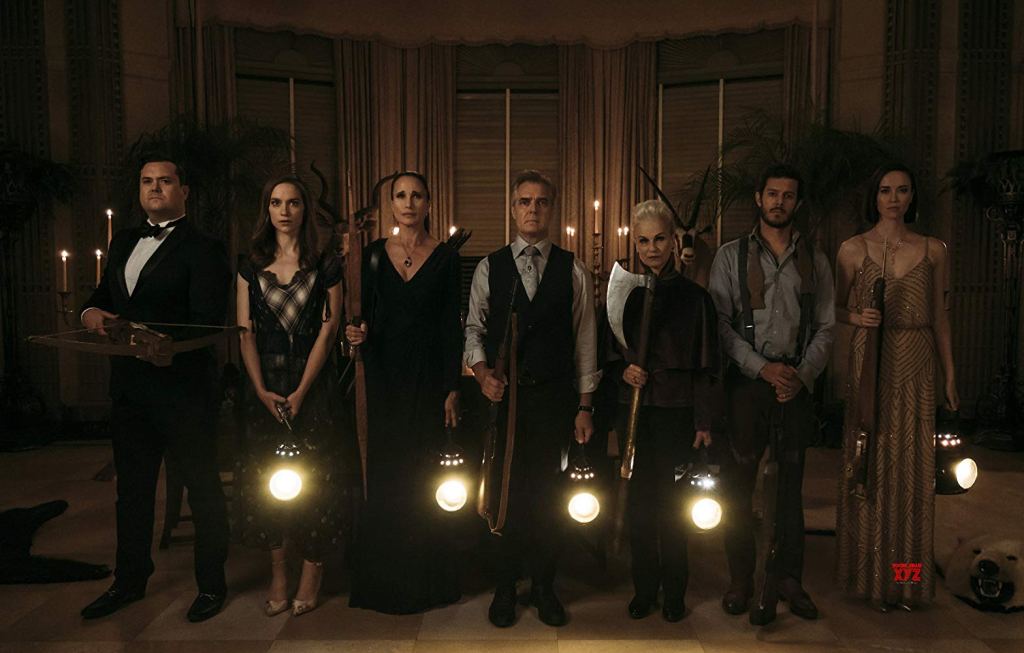
I hadn’t heard too much buzz about this reasonably low-budget fun cat-and-mouse-horror B-movie, but the poster really grabbed me. Thus, as I have an Odeon Limitless Card, I thought why not take a chance. I’m glad I did too because Ready or Not (2019) is a highly efficient, violent, funny and pacy horror film.

After a quick flashback, which foregrounds the gore to come, we are introduced to soon-to-be-wed Alex (Mark O’Brien) and Grace (Samara Weaving). They are to be married amidst the opulent surroundings of the Le Domas family home. The huge commanding property and the gigantic grounds establish we are in the playground of the wealthy and these rich kids play rough.

After an uneventful wedding ceremony the fun really begins. Well, I say fun, because essentially it’s a game of “Hide and Seek” meets Hard Target (1993) meets Saw (2004) meets Get Out (2017). The similarity to Jordan Peele’s classic horror is loose, however, there is an element of social satire with the millionaire family hunting down a person of perceived lower social standing.


But the Le Domas family, headed by Henry Czerny and Andie MacDowell, are about to meet their match in Grace. Raised in foster homes she is a fighter and imbued with terrific energy by star-in-the-making Samara Weaving. Moreover, Grace, like Ellen Ripley and Sarah Connor, raises her game and battles back. As the body count rises and the blood spills across the screen, Grace’s wedding dress becomes a symbol of carnage, as opposed to love.

Ready or Not (2019) is an unpretentious ninety-minute movie gem. It’s not the most original work I will watch all year, but it had me very entertained with some great tension and blood-curdling deaths. The theme of the rich sacrificing the underclasses for continued existence could have been developed further, but why let it get in the way of a bloody good game of hide and seek.

Mark: 8 out of 11


LFF REVIEW – THE ANTENNA (2019) – SPOILER FREE

LFF 2019 REVIEW – THE ANTENNA (2019)

Director: Orcun Behram

Writer: Orcun Behram

Cast: Ihsan Onal, Gül Arici, Elif Cakman, Murat Saglam

**********SPOILER FREE REVIEW**********


The London Film Festival is here once again and I have booked in to watch a number of big studio and independent films. Not as many as my wife, who is determined to break herself on the cinematic wheel.

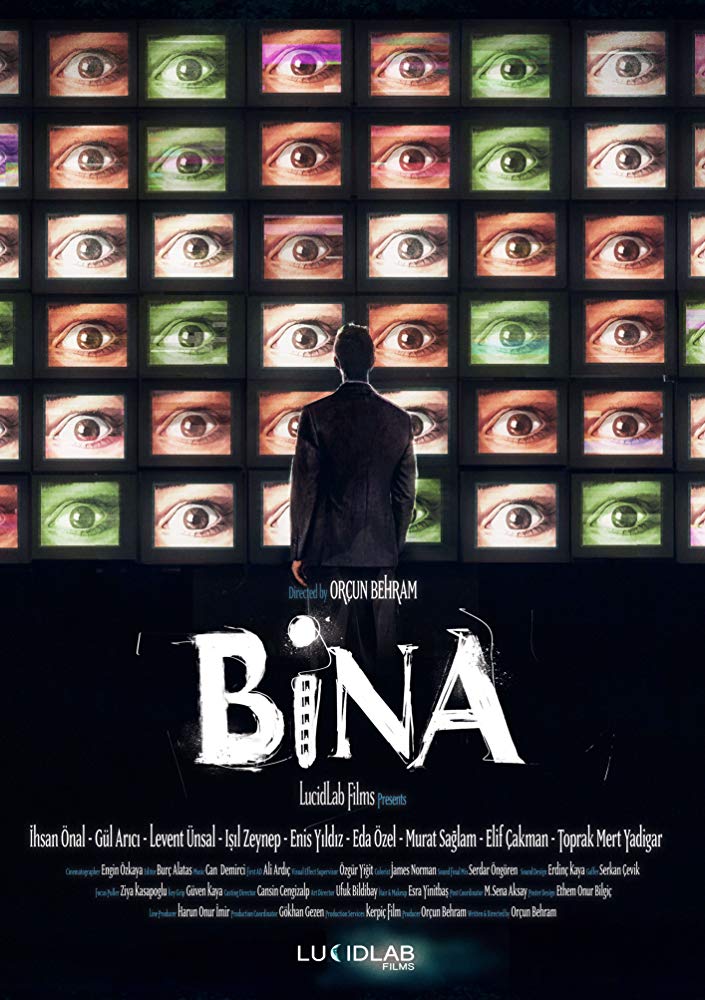
It really is kid in a candy store time at the London Film Festival with all manner of films on show. The first I chose was a low budget Turkish film. It’s a psychological and socio-political horror film called The Antenna (2019).

As we follow the lowly security guard, Mehmet (Ihsan Onal), and various families on the council estate, all manner of weird things start to occur when a new Satellite dish is installed. The slow pace, sharp camera angles, creepy imagery and haunting sound all combine to create an under-the-skin paranoia and fear.

Clearly the Turkish filmmaker, Orcun Behram, is a very talented director who has been learning from the best, notably David Cronenberg and David Lynch. His surreal, dystopian vision of an oppressed tower block in an unnamed state becomes an allegorical critique of Government and media control.

I was really gripped by the film, but once you get the powerful and horrific message the filmmaker is making, The Antenna (2019) feels too long. The sinister pace worked at the beginning but as the film progressed it felt draining. Indeed, while the incredible visuals and soundscape serve the message impressively, it arguably needed to be trimmed for pace to make the horror on show even more powerful.

Mark: 8 out of 11


A TEST OF CHARACTER: BRIEFLY EXPLORING CINEMATIC PERSONAS

A TEST OF CHARACTER: BRIEFLY EXPLORING CINEMATIC PERSONAS

“Just because you are a character, doesn’t mean you HAVE character.”

Winston Wolf – Pulp Fiction (1994)


What makes one film character more interesting than others? Obviously, the actor who plays them brings much to the role, but the writing, their story and personality are what draws us specifically to them. While film studios have utilised the star system and cast well regarded actors to sell their movies, the actual personas of the characters are just as, if not, more important.

Having strong characters to support the genre, concept and plot of their works is integral to writers, directors and actors. Thus, I’d like to explore some general character traits which help define a strong film character. I would like to consider the following: LIKEABILITY, EMPATHY, EXPERTISE, RESILIENCE, HUMOUR, COOLNESS and COMPLEXITY. There are obviously many other aspects to a character we could consider but I’ll stick to these for now.

To support this, I will list five film characters in each category. If I have missed anything glaring, then please feel free to shout out and comment.

*******CONTAINS FILM SPOILERS*******


LIKEABILITY

Does a character have to be likeable for you to root for them? Not at all! However, if they are a positive character it does help you to warm to their stories and emotions. That isn’t to say you cannot appreciate unlikeable characters, however, they are more complicated and I will come to those later.


FIVE LIKEABLE FILM CHARACTERS

  1. GEORGE BAILEY – IT’S A WONDERFUL LIFE (1946)
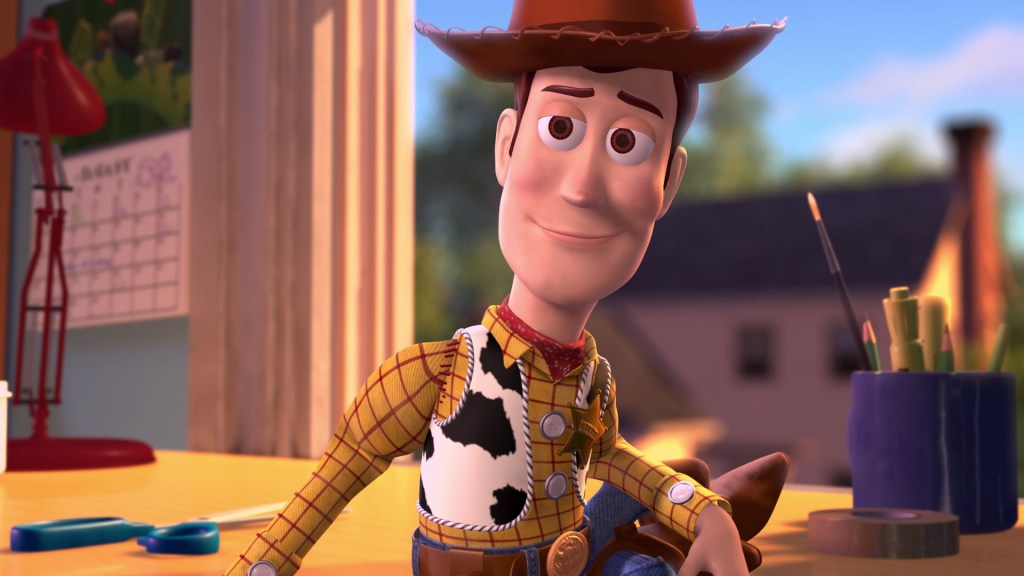
  2. WOODY – TOY STORY (1995)
  3. SAMWISE GAMJEE – LORD OF THE RINGS (2001)
  4. MARGE GUNDERSON – FARGO (1996)
  5. ATTICUS FINCH – TO KILL A MOCKINGBIRD (1962)


EMPATHY

Empathy and sympathy are two sides of the same coin, but can also contain variants. You can sympathise with a character but not necessarily empathise with their actions; and vice versa. For me, empathetic aspects are what I look for most in a character. They could still be pretty unlikeable, but if I feel drawn to their plight I will still connect with their story. Nonetheless, the characters I list here are both empathetic and mostly sympathetic too.


FIVE EMPATHETIC FILM CHARACTERS

  1. ROCKY BALBOA – ROCKY (1976)
  2. MARTY PILETTI – MARTY (1955)
  3. FORREST GUMP – FORREST GUMP (1994)
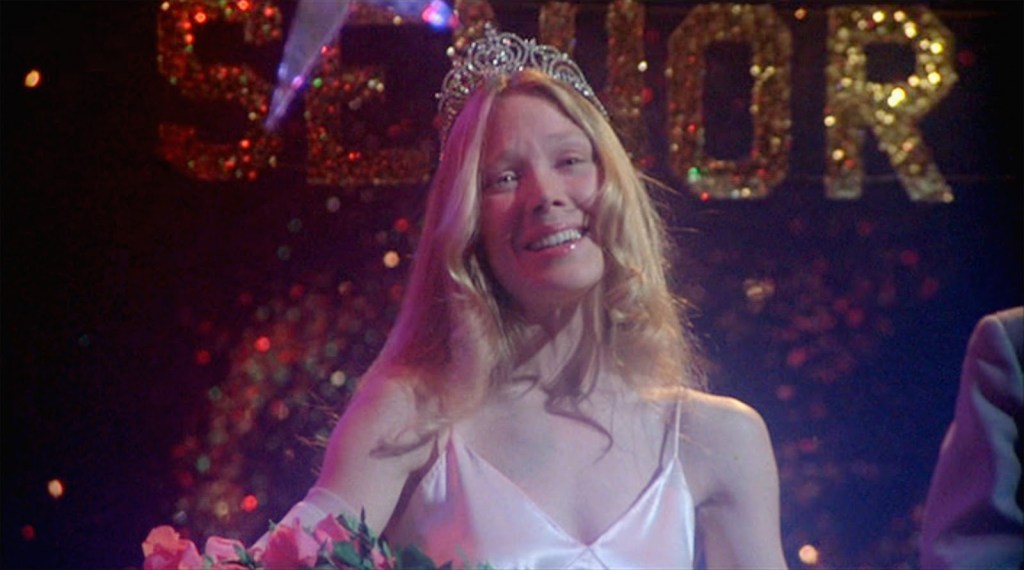
  4. CARRIE WHITE – CARRIE (1976)
  5. KING KONG – KING KONG (1933)


EXPERTISE

I have read a lot of screenwriting books and many of them say if you cannot make a character likeable or sympathetic, make them excel at something. Their expertise in their chosen field will draw you into their world, empathise and even admire their actions. If they are on the right side of the law that will obviously increase identification with such a character. Having said that there are many experts who are villains and I, like many, love a good nemesis too.


FIVE EXPERT FILM CHARACTERS

  1. TONY STARK – IRON MAN (2008)
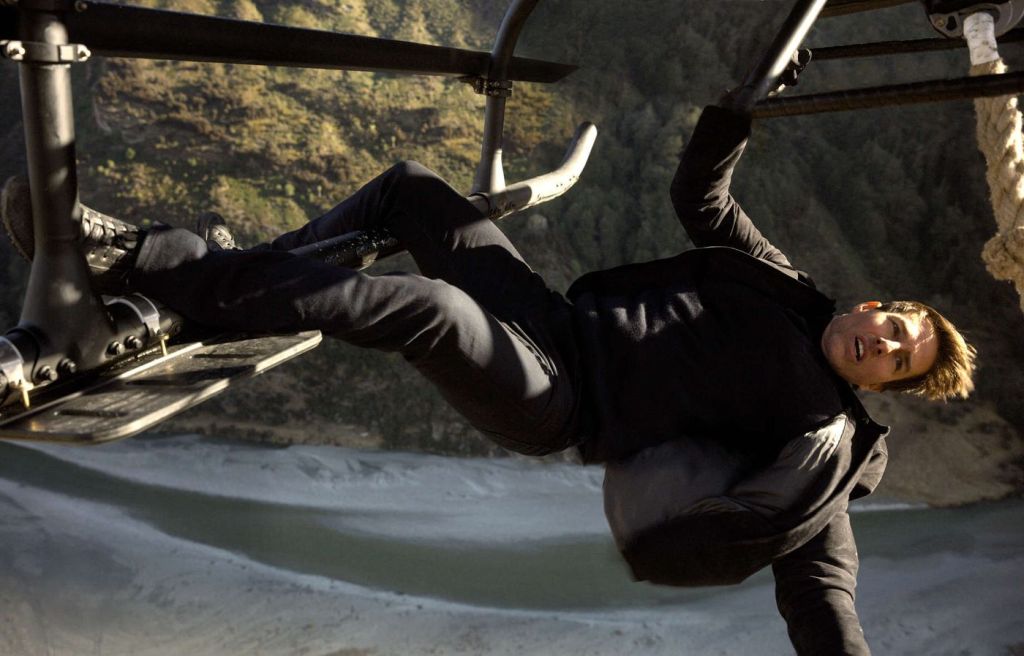
  2. ETHAN HUNT – MISSION IMPOSSIBLE franchise.
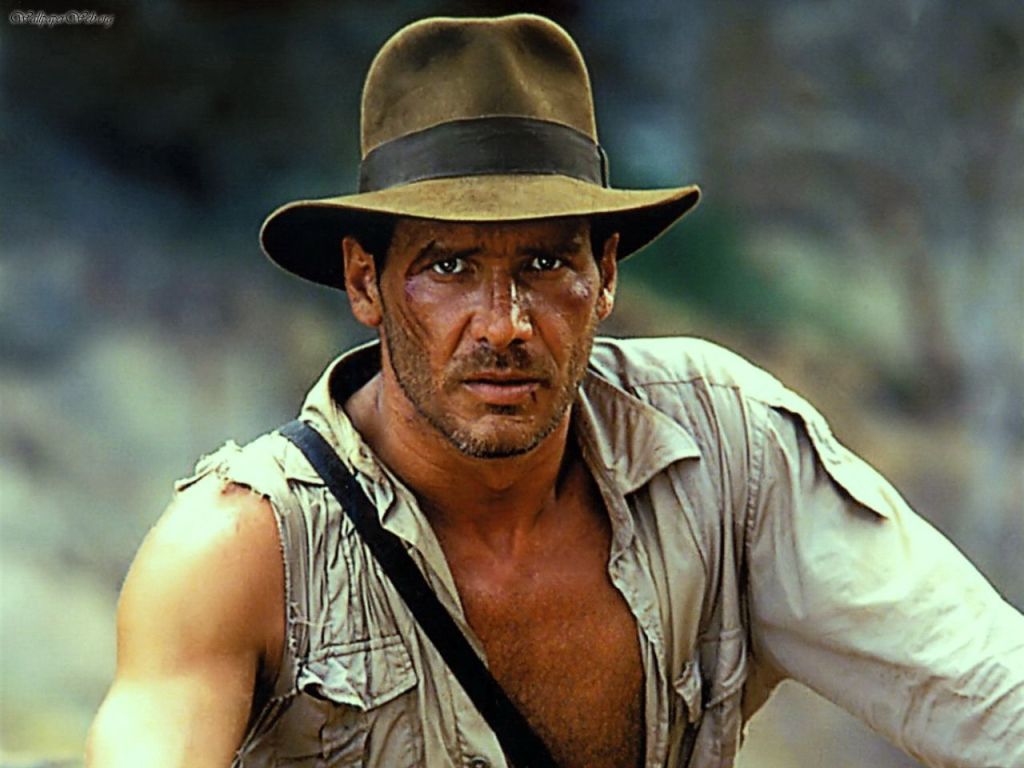
  3. INDIANA JONES – RAIDERS OF THE LOST ARK (1981)
  4. HANNIBAL LECTER – SILENCE OF THE LAMBS (1991)
  5. DETECTIVE WILLIAM SOMERSET – SEVEN (1995)


RESILIENCE

Resilience or the overcoming of insurmountable odds is a sure-fire way of getting an audience on side. The fact a character refuses to give in despite overwhelming odds creates all manner of means with which to identify with a character. When watching a film we also want to see characters who mirror our own personalities. So, to watch characters who never give in is very appealing to me.


FIVE RESILIENT FILM CHARACTERS

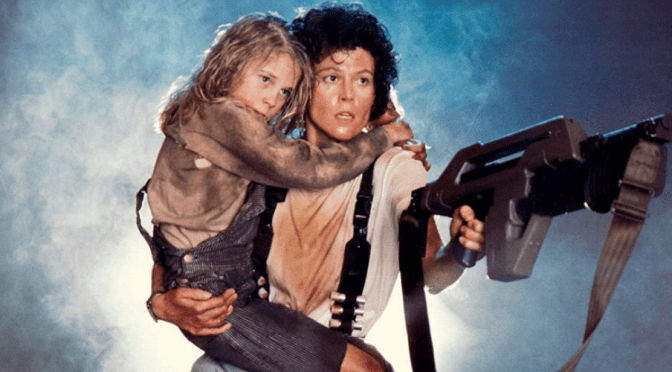
  1. ELLEN RIPLEY – ALIEN (1979)
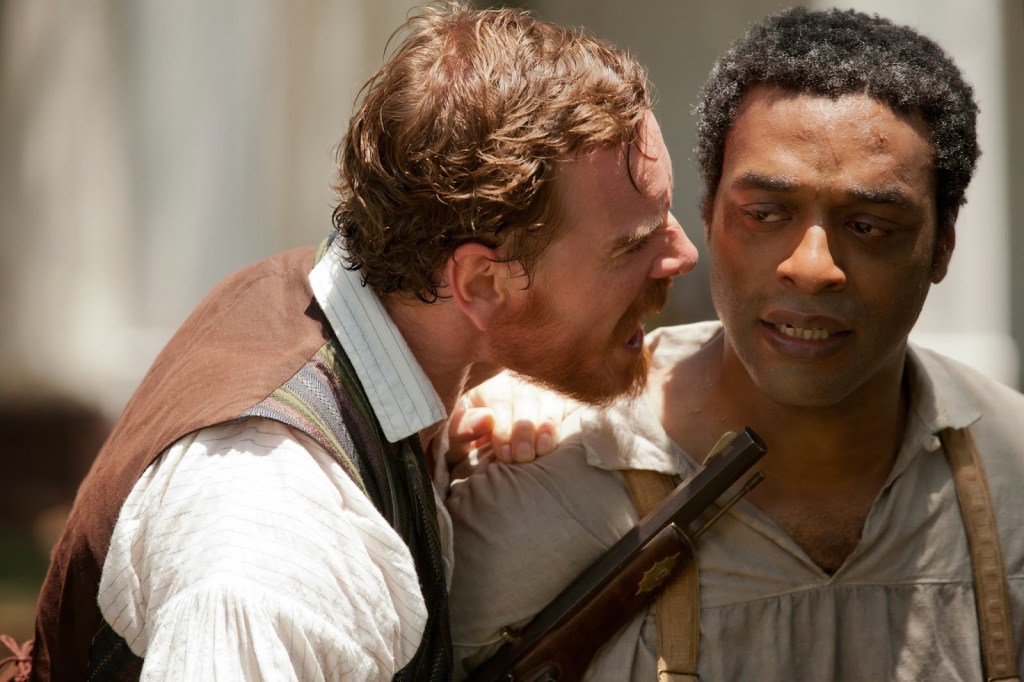
  2. SOLOMON NORTHUP – TWELVE YEARS A SLAVE (2013)
  3. CELIE JOHNSON – THE COLOR PURPLE (1985)
  4. ANDY DUFRESNE – THE SHAWSHANK REDEMPTION (1994)
  5. OH-DAE-SU – OLDBOY (2003)


HUMOUR

Obviously making an audience laugh is a fine way of making the one like a character. It’s also a good way to mask a characters’ agendas or be employed as a defence mechanism or weapon too. Funny characters are not just limited to comedy films as humour can enhance action, romantic and drama genres too.


FIVE HUMOROUS FILM CHARACTERS

  1. ACE VENTURA – ACE VENTURA: PET DETECTIVE (1994)
  2. PETER PARKER – SPIDERMAN (2002)
  3. JUNO MACGUFF – JUNO (2007)
  4. AXEL FOLEY – BEVERLEY HILLS COP (1984)
  5. RANDALL P. MCMURPHY – ONE FLEW OVER THE CUCKOO’S NEST (1975)


COOLNESS

Arguably the most difficult one to quantify and even write, because it could be the actor who the one bringing the cool to the role. However, I think there are great examples of characters who are written that way too. Usually, a cool character will be someone of few words or a reserved demeanour or simply designated cool by their skills, actions and even what they wear.

FIVE COOL FILM CHARACTERS

  1. VIRGIL HILTS – THE GREAT ESCAPE (1963)
  2. CLIFF BOOTH – ONCE UPON A TIME IN HOLLYWOOD (2019)
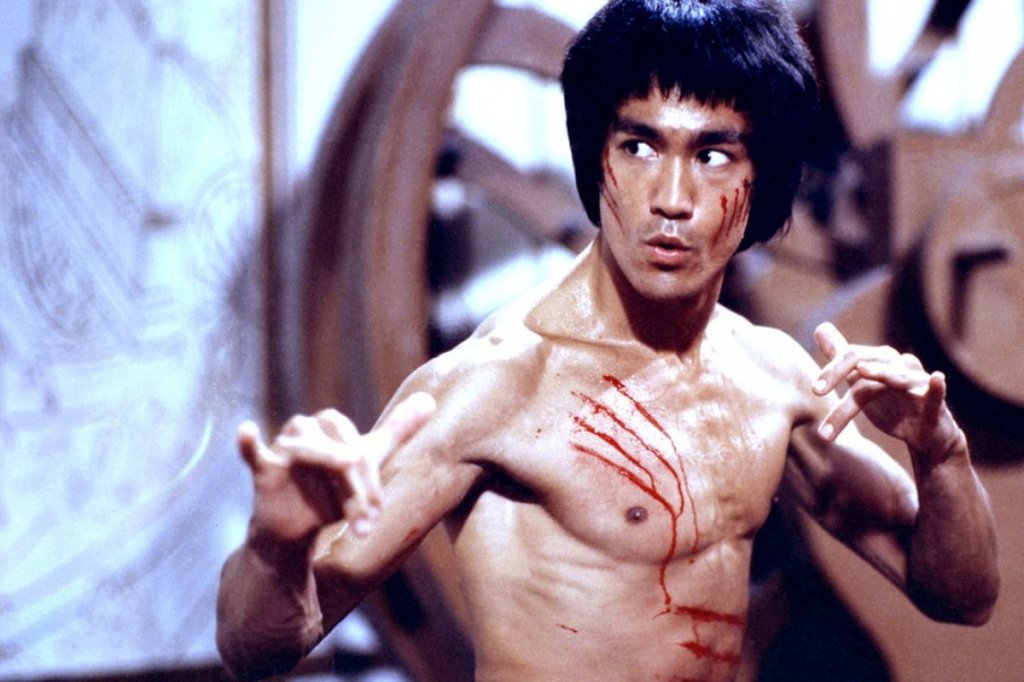
  3. LEE – ENTER THE DRAGON (1973)
  4. HOLLY GOLIGHTLY – BREAKFAST AT TIFFANY’S (1961)
  5. MAX ROCKATANSKY – MAD MAX (1979)


COMPLEXITY

Complexity can be defined it many ways. It could be they are conflicted souls, searching for their place in the world. Or characters who are behaving badly while striving to be good. They could just be presenting a certain persona while hiding their real self. Or they could just be totally screwed and have mentally flipped. Complex characters are often unpredictable, but always compelling.

FIVE COMPLEX FILM CHARACTERS

  1. HOWARD BEALE – NETWORK (1976)
  2. MIRANDA PRIESTLY – THE DEVIL WEARS PRADA (2006)
  3. DARTH VADER – STAR WARS (1977)
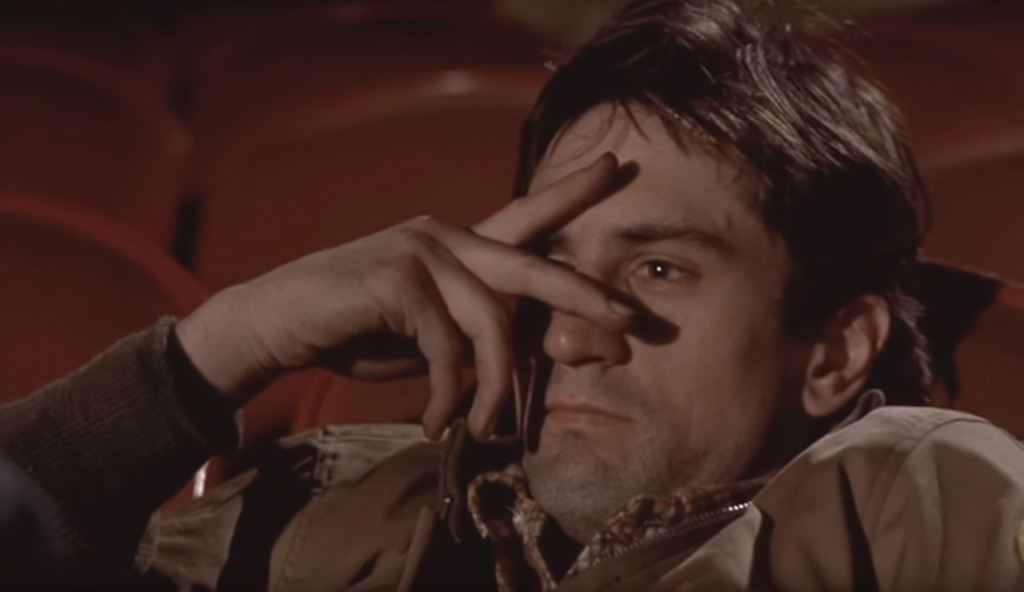
  4. TRAVIS BICKLE – TAXI DRIVER (1976)
  5. JOHNNY FLETCHER – NAKED (1993)

TO BE CONTINUED. . .

There are so many wonderful characters in the world of cinema. Those mentioned above are just a few. The aspects I speak of too are just brief sketches really in such a fascinating area. Certain characters are more than simply likeable, empathetic, cool, complex and funny. Some of are a collision of all the facets I have noted above. Lastly, as well as different elements to their personas, characters can also be defined as an archetype or genre type. But, that is another story for another article.


Image result for old boy octopus

AD ASTRA (2019) – CINEMA REVIEW

AD ASTRA (2019) – CINEMA REVIEW

Directed by: James Gray

Produced by: Brad Pitt, Dede Gardner, Jeremy Kleiner, James Gray, Anthony Katagas, Rodrigo Teixeira, Arnon Milchan

Written by: James Gray, Ethan Gross

Cast: Brad Pitt, Tommy Lee Jones, Ruth Negga, Donald Sutherland, Liv Tyler etc.

Music: Max Richter

Cinematography: Hoyte Van Hoytema

**MAY CONTAIN SPOILERS**


There’s a moment toward the end when Brad Pitt’s intrepid astronaut, Roy McBride, is floating in space, and he asks himself (via a voice-over), should I carry on? Is there any point? In the vastness of space, nearing the endgame of an epic mission full of danger, he asks himself if it is worth, existentially speaking, continuing. It’s a central theme to the whole film and perfectly encapsulates McBride’s character. Externally he is heroic, however, internally he is perpetually questioning whether life is worth living. I often find myself doing this, but not in space. It’s usually when my alarm goes off in the morning and I have to go to work.

But McBride is not pathetic like me. I cannot even get on a plane for fear of crashing. He is on a mission to save Earth. Because, in the near future, catastrophic destruction is threatening us. Thus, he is given the task of venturing to Neptune, via Mars and experience all manner of space obstacles in order to track down the person or persons who may have caused the beginning of the end. This individual is alleged to be his father, portrayed by Tommy Lee Jones. So begins McBride’s very personal journey to the stars; to the heart of the darkest space.


A while ago I wrote an article about Hollywood making unofficial “remakes” as part of their film output – you can read the article here. Essentially, I proposed that in amidst their sequel, prequels, adaptations and superhero movie releases, you will get original screenplays and content too. However, sometimes these original ideas are thinly veiled carbon copies of ideas and structures from other films or literary sources.

For example, Star Wars (1977) used The Hidden Fortress (1958) structure and characters as an original starting point. Likewise, James Gray’s stunningly crafted science-fiction drama. Ad Astra (2019) is clearly using Joseph Conrad’s Heart of Darkness and Francis Ford Coppola’s Apocalypse Now (1979), as, not just influences, but total structural replication.

This in no way effected my enjoyment of this enthralling epic. What did happen though is that the story structure felt very familiar. The narrative unfolds in a staccato style with elegantly shot space transportation sequences and McBride’s psyche testing stops, spiked with bursts of action, fighting and surprising twists. When Clifford finally reaches Kurtz, I mean his father, his character and the audience have experienced some truly thrilling and visually spectacular moments. We also experience the psychological and philosophical musings of McBride. But, arguably these are nowhere near as poetic as Martin Sheen’s voice-over from the Coppola war classic.


In most scenes the visuals steal the show. The cinematography by Hoyte Van Hoytema and production design creates a hive of imagery which, amidst the darkness, bursts with colour and light. I genuinely, especially on Mars, felt like I was in a moving art installation. Having said that, Brad Pitt’s subtle but emotional performance and Max Richter’s sumptuous score also enhance the emotional pull of the story. Pitt, I expect to win a Best Supporting Oscar as Cliff Booth in Once Upon A Time in Hollywood (2019), but he could also get a Best Actor nomination here.

James Gray directs with a deft and “less is more” hand throughout. While the production itself looks epic, the psychology of the film is one of introspection. His themes of obsession, journey and existentialism drew me in the way they did in his last film, The Lost City of Z (2016). Ultimately, although the film’s screenplay could have ironed out some thin characterisations and plot inconsistencies, Gray demonstrates that the very existence of his films certainly make life worth living.

Mark: 9 out of 11


CLASSIC FILM SCENES #9 – RIFIFI (1955) – THE SILENT ROBBERY

CLASSIC FILM SCENES #9 – RIFIFI (1955) – THE SILENT HEIST

Directed by: Jules Dassin

Produced by: Henri Berard, Pierre Cabaud, Rene Bezard

Written by: August Le Breton, Jules Dassin, Rene Bezard

Cast: Jean Servais, Robert Hossein, Magali Noel, Janine Darcey, Pierre Grasset, Marcel Lupovici, Robert Manuel etc.

Cinematography: Philippe Agostini

**CONTAINS SPOILERS**


I was reminded of this classic low budget crime film recently while watching the brilliant 1980s set spy drama, The Americans. In it, Elizabeth Jennings (Keri Russell) is once again undercover manipulating a source, who happens to be a film geek. There she “bumps” into said source while watching Rififi (1955).

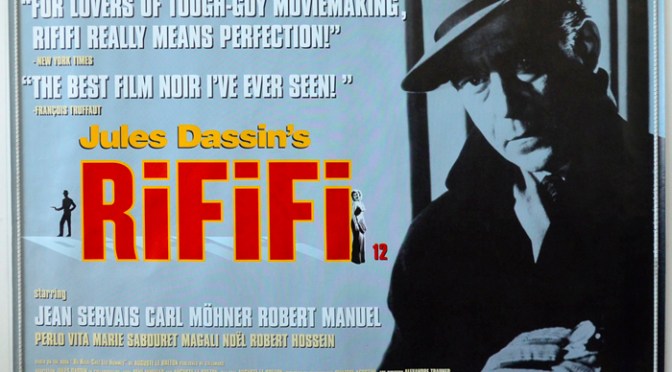
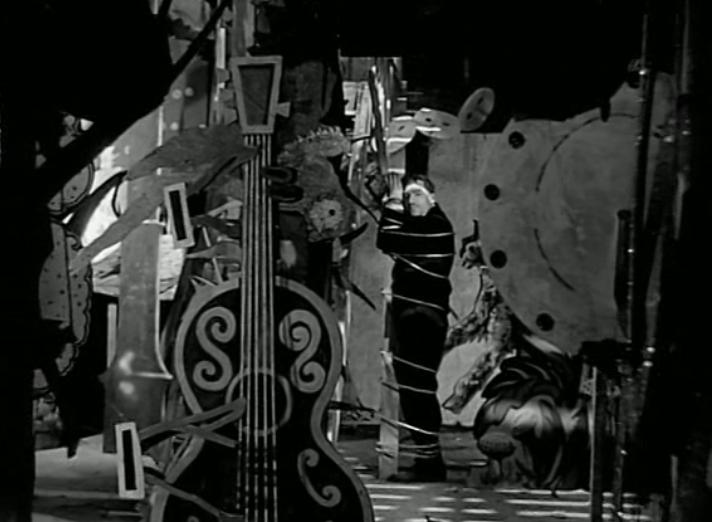
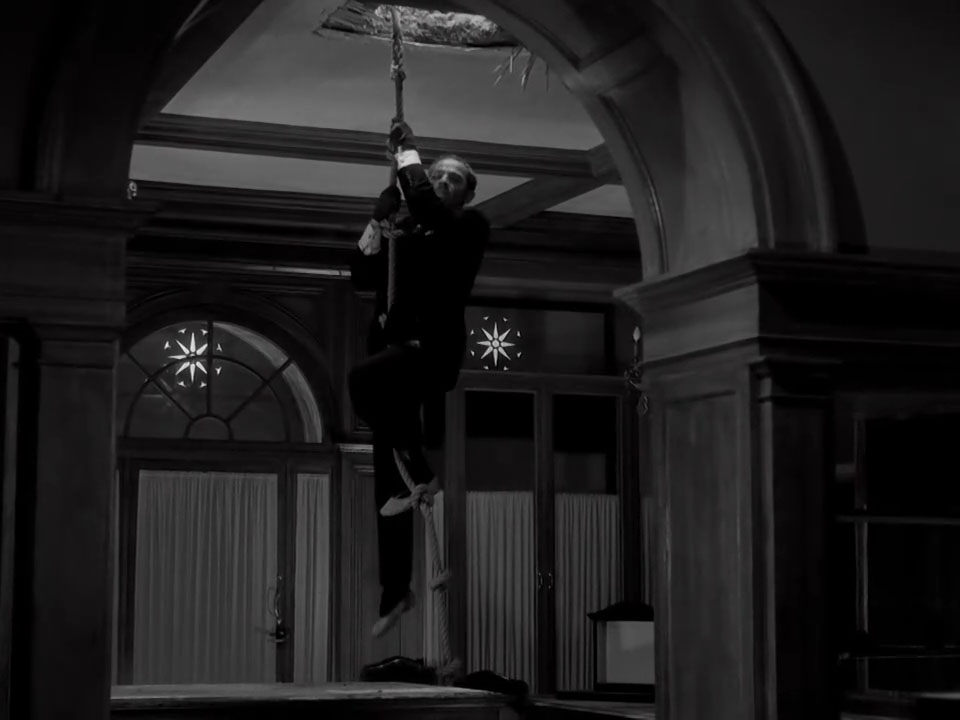
If you haven’t seen Rififi (1955), it’s a genuinely brilliant example of the heist movie. Directed by Jules Dassin, the standout sequence in the silent heist in the middle of the film. Lasting around 30 minutes there is NO dialogue and NO music. It is pure cinema of the highest quality and absolutely absorbing. We may not vindicate the actions of these criminals, but we are dragged into the cleverness of their crime.


Shot for what was a pretty low budget of $200,000, it features a cast of mostly unknowns or actors whose career, like the characters they play, was in decline. However, due to the sublime direction, tricky plot and stylish photography, Rififi, is a great example of ideas and ingenuity outweighing budgetary constraints.

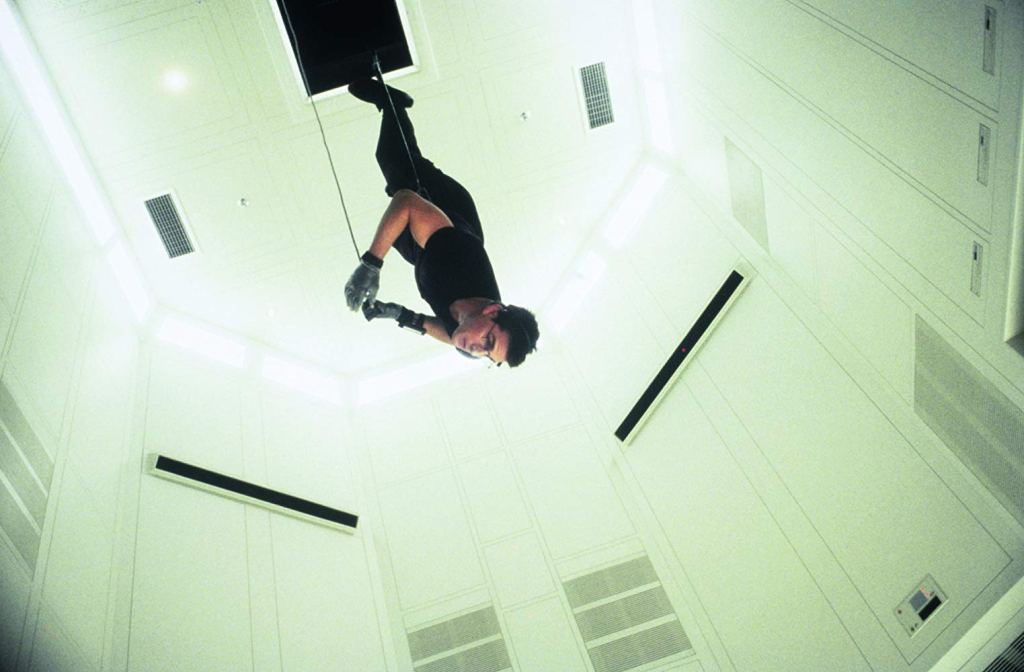
Rififi was a critical and commercial success in France and other countries. However, it was banned too in some countries because the governments were afraid the robbery would be copied by actual criminals. Moreover, the film and the silent heist legacy live on. Brian DePalma’s film Mission Impossible (1996) clearly riffed on the set-piece with the elaborate Langley heist sequence. Interestingly, Keri Russell herself would appear in Mission Impossible III (2006); as an American agent this time.


THE FAREWELL (2019) – CINEMA REVIEW

THE FAREWELL (2019) – CINEMA REVIEW

Written and directed by: Lulu Wang

Produced by: Daniele Melia, Peter Saraf, Marc Turtletaub, Andrew Miano, Chris Weitz, Jane Zheng, Lulu Wang, Anita Gou

Main Cast: Awkwafina, Tzi Ma, Tzi Ma, Diana Lin, Jiang Yongbo, Zhao Shuzhen, Lu Hong, Chen Han, Aoi Mizuhara etc.

Cinematography: Anna Franquesca Solano

Music: Alex Weston

**MAY CONTAIN SPOILERS**


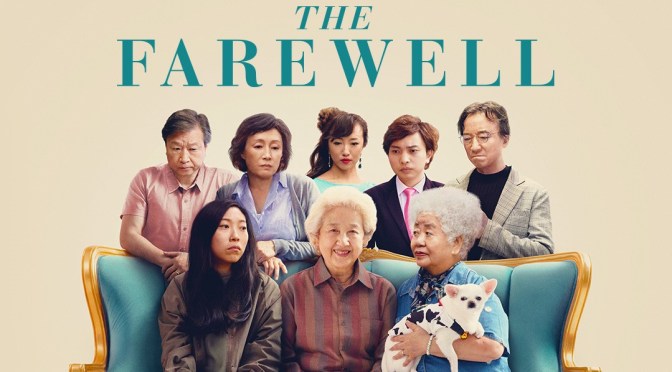
High concept film pitches usually take a tremendously marketable idea that can hook you in seconds, but also cost tens of millions of dollars to make. Sometimes though you’ll get a lower budget, more art-house character film, which will have an equally alluring premise for a fraction of the price. Lulu Wang’s second directorial release, The Farewell (2019), is one such film.

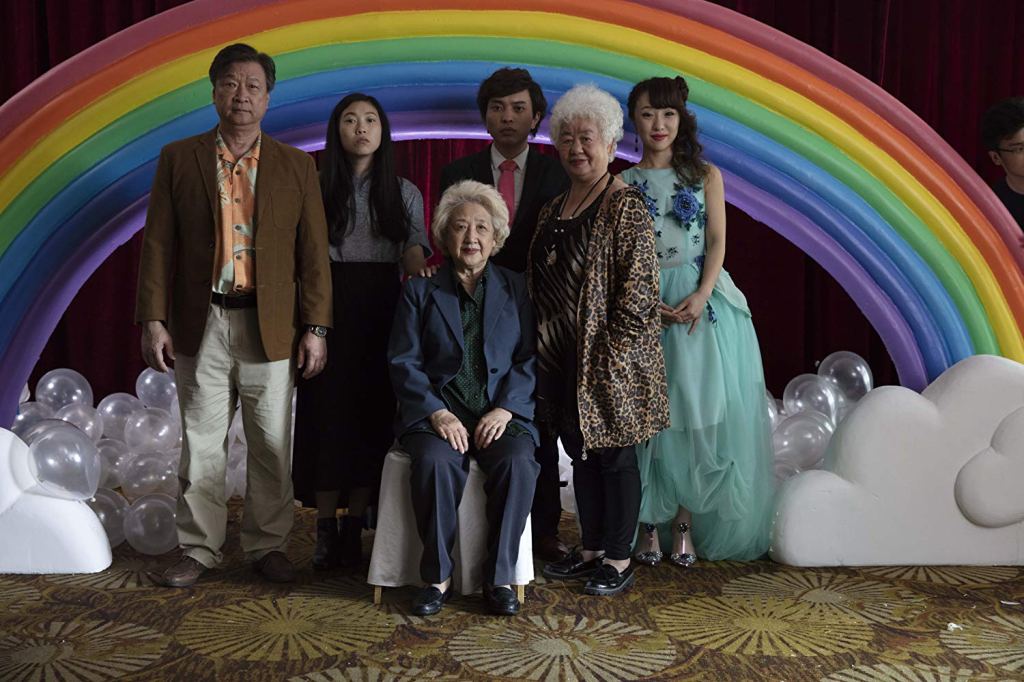
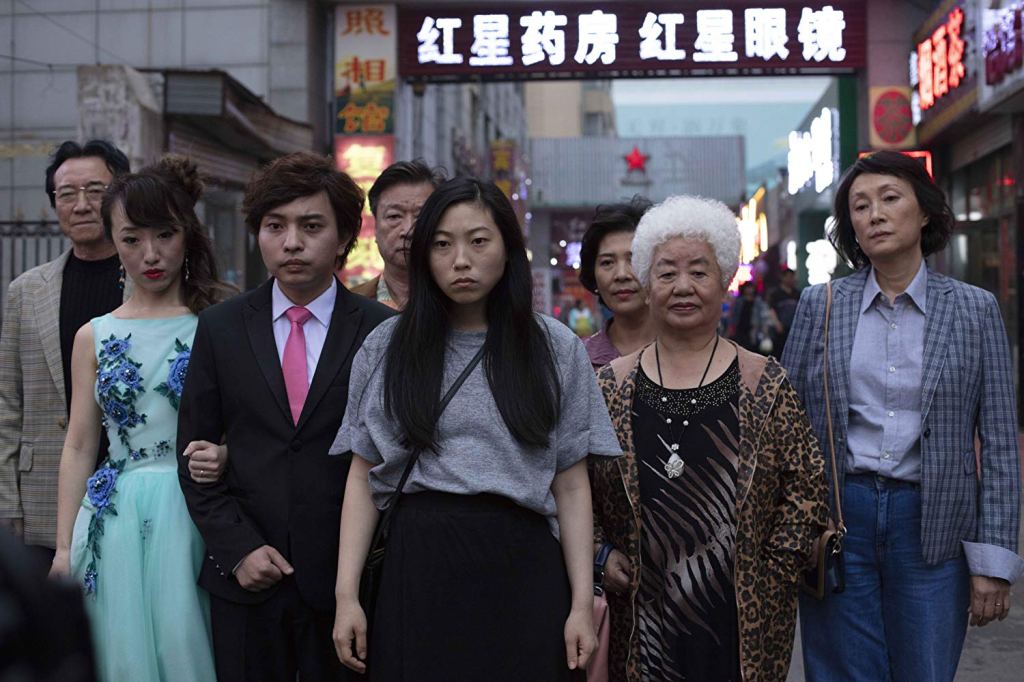
Based on a true story or “actual lie” as the prologue text reveals, the narrative revolves around a Chinese family and their decision not to reveal to their paternal Grandmother, or Nai-Nai (Zhao Shuzhen), that she has terminal cancer. This leads to a bittersweet series of scenes, full of comedy and pathos, as the whole family must keep the secret while arranging a fake family wedding in China.


While it is an ensemble cast generally, the audience conduit is Awkwafina’s Billi Wang. As her character, along with her mother and father, have lived in America for several years she believes that the Grandmother she loves has a right to know about her illness. As the scenes unfold, she clashes with various family members creating a palpable suspense as to whether Billi will reveal the truth. Moreover, we get many scenes where the family debate the various cultural and philosophical reasons why Nai-Nai should or should not be told. These I found very thoughtful and engaged both my heart and mind in equal measure.


Overall, it’s a low-key character study but nonetheless gripping, funny and sad throughout. I was especially drawn in because I wondered what I would have done in that situation. Personally, I think it is best to tell the person they are ill, but as the film wore on, I could see the other side of the argument too. In other hands this could have been turned into a poorly conceived farcical comedy, but as this is based on the writer and director’s Lulu Wang’s real-life experiences, we ultimately get a very touching film about life, death, family, love, culture and truth.

Personally, I would have liked Billi’s character to have been a bit more fleshed out at the start. Mainly because I was unsure of her personality and she just seemed a bit depressed. I mean was she a writer or a pianist and what was her job? Having said that, Awkwafina provides subtle brilliance in her role as Billi, yet, Zhao Shuzhen steals the show as the effervescent Nai-Nai, whose character shows an unabated lust for life throughout this fine film.

Mark: 8.5 out of 11


ALL 4 CLASSIC TV REVIEW – “THE COMIC STRIP PRESENTS”

ALL 4 CLASSIC TV REVIEW – “THE COMIC STRIP PRESENTS. . . “

I have been continuing my cultural trawl through the online streaming platform ALL 4, which, if you didn’t know, screens television films and programmes from Channel 4’s roster, past and present. My next port of call was re-watching the twenty-three comedy films – ranging from thirty to six minutes – written and directed by the anarchic comedy collective called The Comic Strip.

The Comic Strip were pioneers of the late 1970s and early 1980’s alternative comedy scene. Much like punk rock did for music, alternative comedy sought to satirise and lampoon the status quo, railing against the capitalist, sexist and homophobic right wing politics of the day. This energetic and crazy comedy troupe consisted of now established comedic and acting luminaries such as: Peter Richardson, Rik Mayall (R.I.P), Adrian Edmondson, Dawn French, Jennifer Saunders, Nigel Planer, Robbie Coltrane, Keith Allen, and Alexei Sayle etc.


Peter Richardson booked and opened the first The Comic Strip show at the Revuebar’s Boulevard Theatre on October 7th 1980. Soon the company had television executives clamouring for these anti-establishment comedic talents. The BBC would soon get Mayall, Planer, Edmondson and Richardson signed up for the anarchic student comedy The Young Ones, and the rest, they say, is comedy history. Richardson would drop out of the classic BBC comedy show, but signed a deal with Channel 4 to write, produce and direct a series of films called The Comic Strip Presents. . .

Channel 4 was a perfect platform for the The Comic Strip as they were a brand new channel whose remit was to provide an alternative creative output to the more traditional British TV channels. Thus, on the launch night of Channel 4 in November 1982, their very first comedy film was released called Five Go Mad in Dorset (1982). Immediately, it caused controversy as the show mercilessly satirised Enid Blyton’s wholesome “Famous Five” with a scurrilous deconstruction of middle-class values. The first series consisted of six short half-hour films and were so successful they would run for another five seasons, plus many comedy specials and feature films too.


The Comic Strip Presents. . . above all else is extremely funny and took many risks in its productions, even to the extent that some episodes verge on avant garde incomprehensibility. The following episodes, however, perfectly marry that punk and anarchic spirit with reasonable narrative and genre cohesion. Well, I say that because I grew up with watching these legendary and always quotable comedy programmes.

To an outsider watching the first time round they may find them, like comedy masterpieces such as Monty Python, Spike Milligan, The Young Ones, The League of Gentleman and The Mighty Boosh, too surreal for their taste. But compared to some of today’s television they can seem quite tame and even dated. Having said that, at the time many of these shows were considered cutting-edge and even “dangerous”, shaking up the conservative complacency with satirical swipes, slapstick parodies, nihilistic irony and genre pastiche.

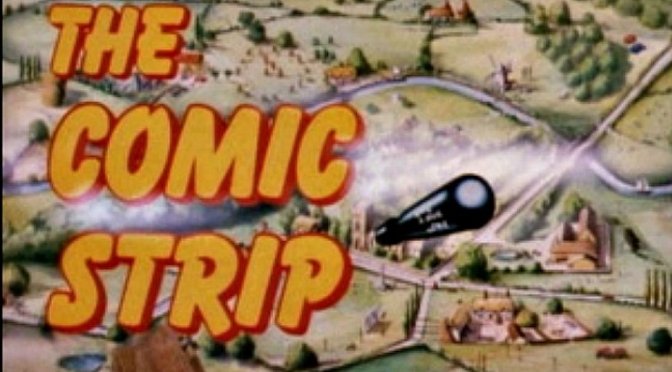
ALL 4/Channel 4, currently hold twenty-three episodes and I re-watched them all before writing this article. Please be aware that I am aware that there are a number of episodes produced for the BBC before The Comic Strip Presents. . . went back to Channel 4. But it’s at its’ original channel that I am focusing on today. Overall, for me, The Comic Strip Presents. . . is part of my cultural DNA and something I shall always treasure. The opening intro-ident with the bomb falling into the countryside and “Quando, Quando, Quando” playing is as iconic as it comes. Anyway, enough of the talking bollocks, here are some of their programmes I recommend you watch immediately!


BAD NEWS TOUR (1983) / MORE BAD NEWS (1988)

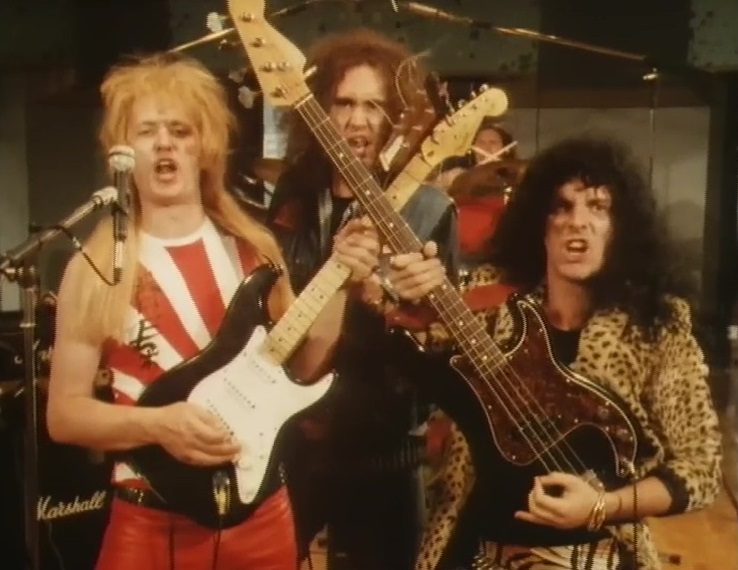
Two riotously funny fly-on-the-wall mockumentaries about the infamous British rock band, Bad News!


DIRTY MOVIE (1984)

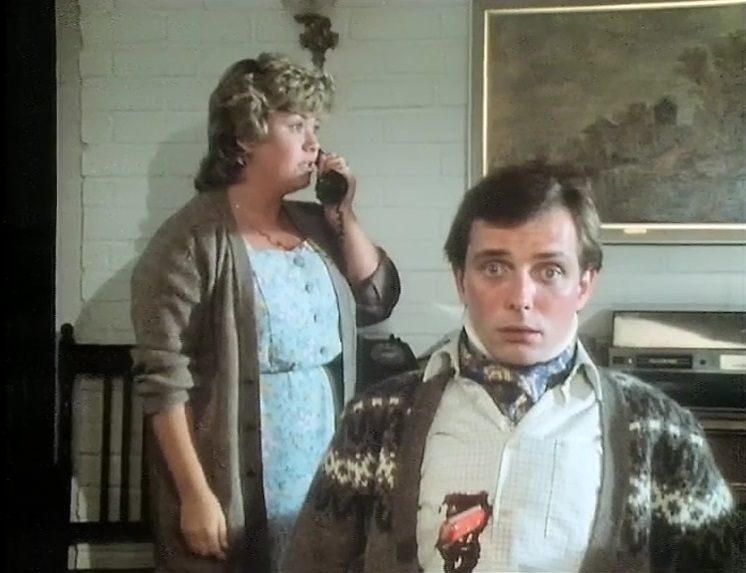
Rik Mayall features as a slimy cinema-owner who wants to watch a porno in his cinema, in this silly, post-modern slapstick classic.


EDDIE MONSOON – A LIFE? (1984)

Adrian Edmondson stars as suicidal TV producer Eddie Monsoon, facing both financial and mental ruin.


THE BULLSHITTERS (1984)

British TV action show The Professionals is mercilessly lampooned with Keith Allen and Peter Richardson as tough-guy cops, Bonehead and Foyle.


THE STRIKE (1988)

Brilliant comedy which satirises the Hollywood adaptation of the British Miner’s Strike; starring Al Pacino (Peter Richardson) as Arthur Scargill!


MR JOLLY LIVES NEXT DOOR (1988)

Genuinely one of the funniest comedy films ever made, with Rik Mayall and Adrian Edmondson as Dreamytime Escorts! Together they have to “take out” Nicholas Parsons and cause mayhem in the process.


FOUR MEN IN A CAR (1998) / FOUR MEN IN A PLANE (2000)

Hilarious comedies about four salesmen out on the road who argue and conflict all the time. In each episode they manage to get themselves stranded on the motorway and in a barren desert.


Thoughts on Cinema and Filmmaking