Tag Archives: horror

WHAT’S IN A NAME? A BRIEF CONSIDERATION OF FILM TITLES

WHAT’S IN A NAME? A BRIEF CONSIDERATION OF FILM TITLES

While reviewing the entertaining HBO show Barry, it struck me that I have an irrational dislike of film and TV programmes which resort to using people’s singular names in the title. Why, though? Let’s be honest: it’s not a big deal. So, why does it bother me? To answer this question I decided to a hold a brief whimsical exploration of such titles.

Titles are important. They create the first contact for the audience. They pull you in or push you away before you even know who made the film or who stars in it. I mean, who doesn’t want to watch a film called: Jaws (1975) or Alien (1979) or The Terminator (1984)? Conversely, who wants to watch a film called The Sisterhood of the Travelling Pants 2 (2008)?

Obviously, big decisions are made at the title-naming stage of any works. Or are they? I think naming a film after a single name, on the surface, just seems a tad lazy. But, on reflection, using single names for the titles of a film or TV show can be impactful and to the point.

It’s weird, because I don’t mind place name titles at all. In fact, Fargo (1996), is one of my favourite films. The singular title just works. Similarly, so does Chinatown (1974). Fargo, especially, names both a place and the two syllables within the place — ‘far’ and ‘go’ — suggest the actions of the characters in the story. Chinatown, on the other hand, is more poetic; naming a place but also hinting at something exotic and mysterious. Either that or a cultural area where you can visit and perhaps get a certain kind of food.

I also don’t object to personal names being part of the title. For example, Rosemary’s Baby (1968), is such a great title because it’s better than just plain old ‘Rosemary’. What does the singular Rosemary tell us? Very little. But add the ‘baby’ element and you conjure up suspense and a desire to know what will happen to Rosemary and her child. Similarly, When Harry Met Sally (1986), is a simple yet delightful title which tells you the character names, events and we’re most likely to witness some form of romance.

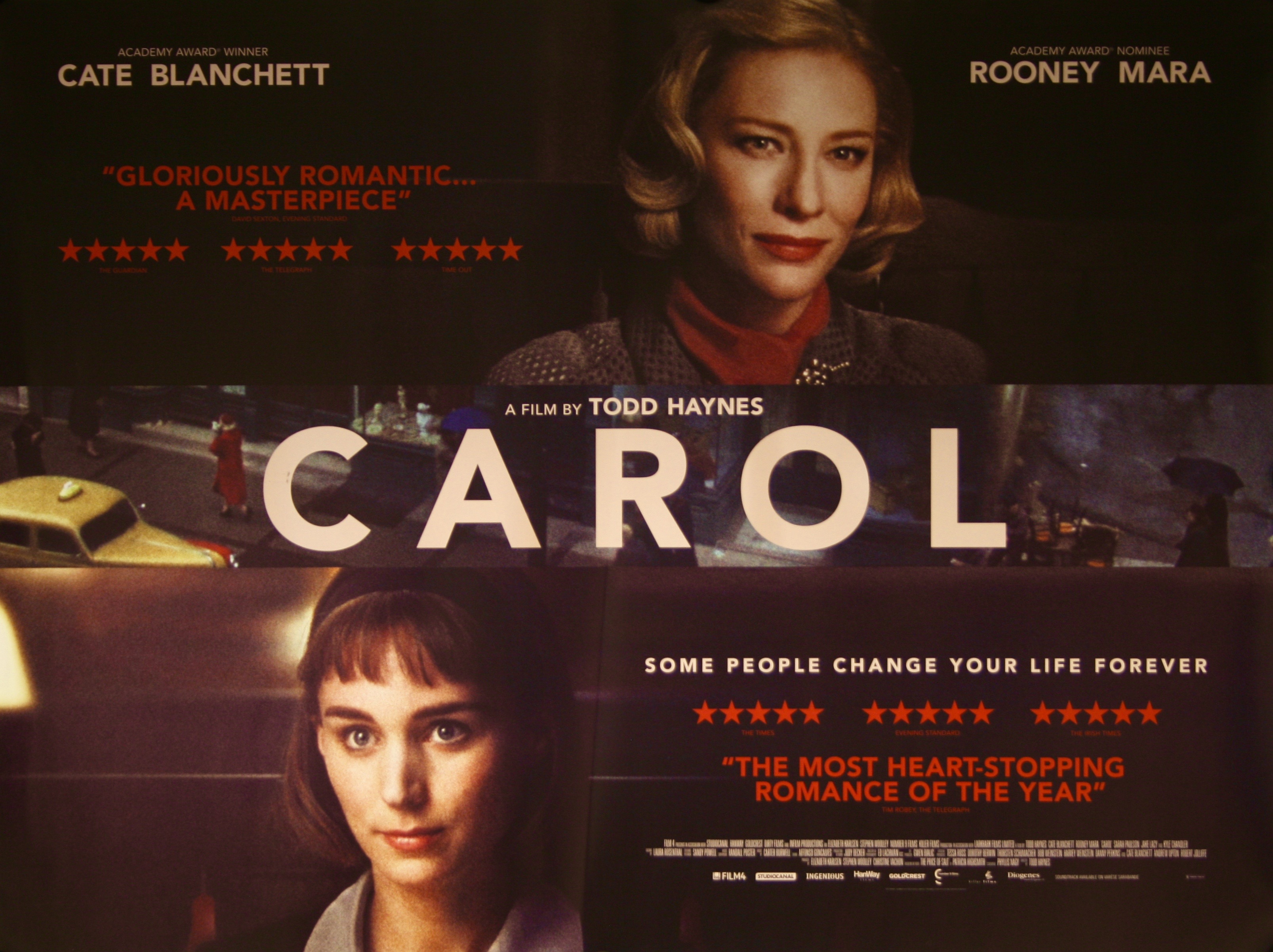
It may be that the film is an adaptation and just named after the original source material. Rebecca (1940), by Daphne Du Maurier is a good example of this. Rebecca works for me though as the name has a haunting feel; and this is certainly confirmed once you read the book or watch the film. On the other hand, the film Carol (2015), feels benign in comparison. Based on Patricia Highsmith’s literary classic, it’s a sumptuous and touching romance, however, the title did not draw me in. It was only when I saw the cast and that it was directed by Todd Haynes, I decided to watch it.

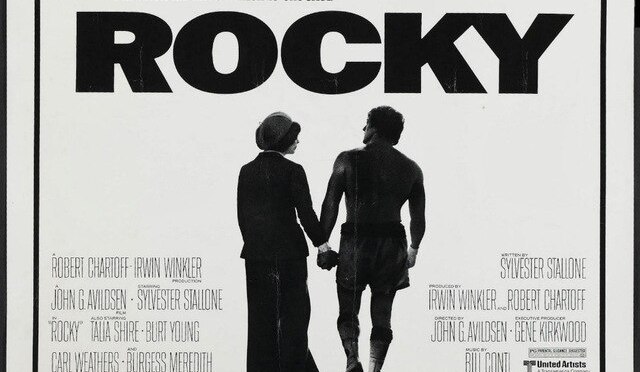
The best singular name film is Rocky (1975). Here is a classic underdog story of a boxer who is Rocky by name and rocky by nature. He’s streetwise but lacking intellect and seems to have literal rocks in his head. He’s scrabbling around trying to make ends meet with a head as hard as rock too. But, because of this he can take the blows and punches and still come back for more. We love the character because he never gives in; he literally rocks!

In conclusion, like everything, there are good and bad examples of film titles. Some singular named titles work way better than others. Titles like: Barry (2018), Dave (1993) and even a fine film like Carol, seem weak to me. Meanwhile, a title like Rocky just works perfectly. Anyway, here are eleven singular named film titles which also fly against my pet annoyance and mostly work really well.

Top Eleven “Single Name” Films

  1. Rocky (1975)
  2. Carrie (1976)
  3. Jezebel (1938)
  4. Lolita (1962)
  5. Amelie (2001)
  6. Tarzan (1932 etc.)
  7. Rebecca (1940)
  8. Leon (1994)
  9. Matilda (1996)
  10. Marty (1955)
  11. Nell (1994)

GAME OF THRONES – SEASON 8 – HBO TV REVIEW – AN EMOTIONAL FAREWELL FULL OF HIGHS AND LOWS!

GAME OF THRONES – SEASON 8 – HBO TV REVIEW

Lord of Light! Come to us in our darkness. We offer you these false gods. Take them and cast your light upon us. For the night is dark and full of terrors.“― Melisandre prays to R’hllor

Created by: George R.R. Martin, David Benioff, D.B. Weiss

Based on: A Song of Fire and Ice by George R.R. Martin

Executive Producers: George R.R. Martin, David Benioff, D.B. Weiss, Carolyn Strauss, Bernadette Caulfield, Bryan Cogman, Miguel Sapochnik, David Nutter

Producers: Mark Huffam, Frank Doelger, Chris Newman, Greg Spence, Lisa McAtackney, Bryan Cogman, Duncan Moggach

Writers – Season 8: David Benioff, D.B. Weiss, Dave Hill, Brian Cogman

Directors – Season 8: David Benioff, D.B. Weiss, Miguel Sapochnik, David Nutter

Main cast: Peter Dinklage, Nikolaj Coster-Waldau, Lena Headey, Emilia Clarke, Kit Harington, Maisie Williams, Liam Cunningham, Nathalie Emmanuel, Alfie Allen, John Bradley, Isaac Hempstead Wright, Gwendoline Christie, Conleth Hill, Rory McCann, Jerome Flynn, Iain Glen, Carice Van Houten etc.

**SPOILER FREE REVIEW**

THE BELLS!

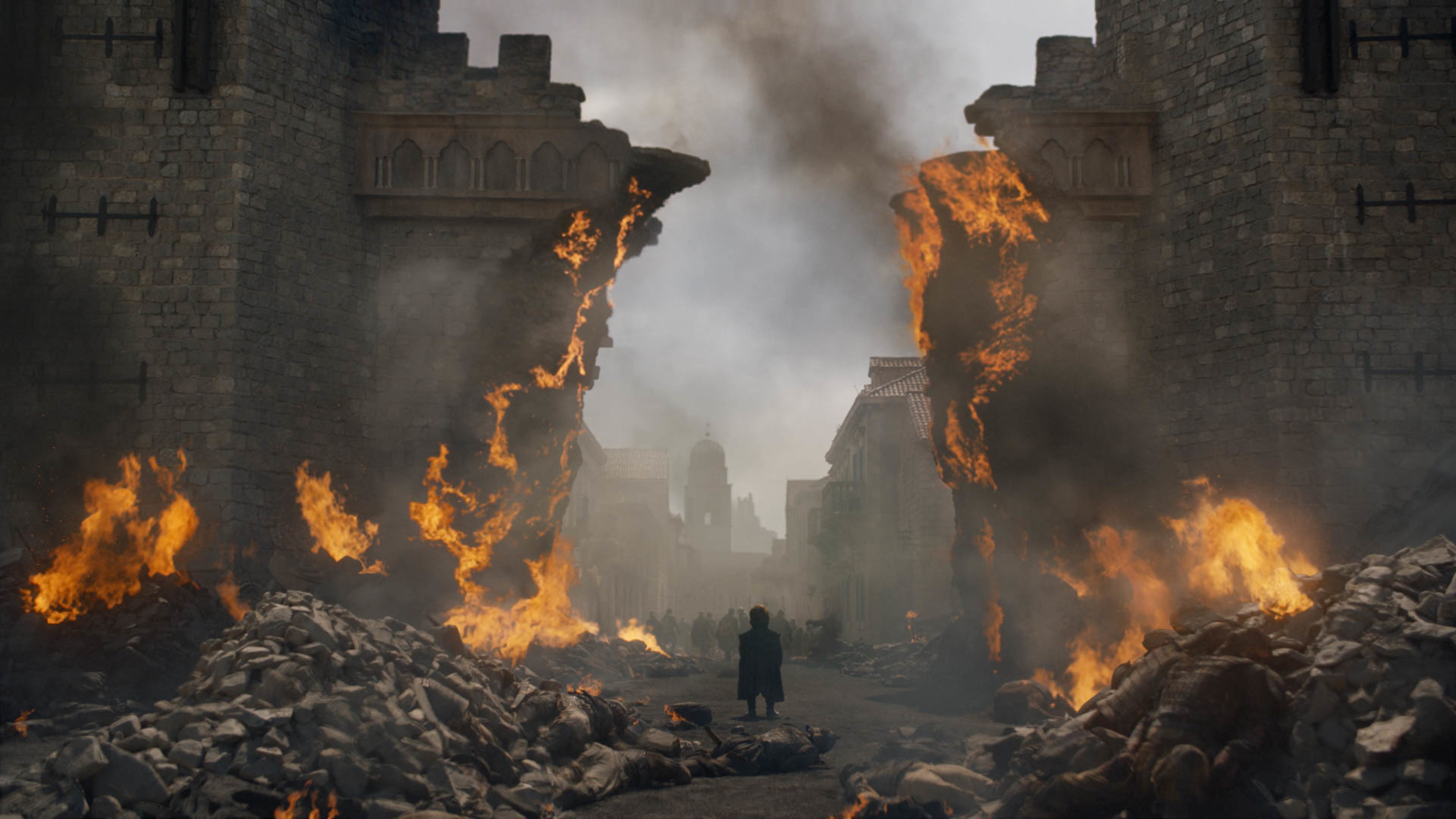
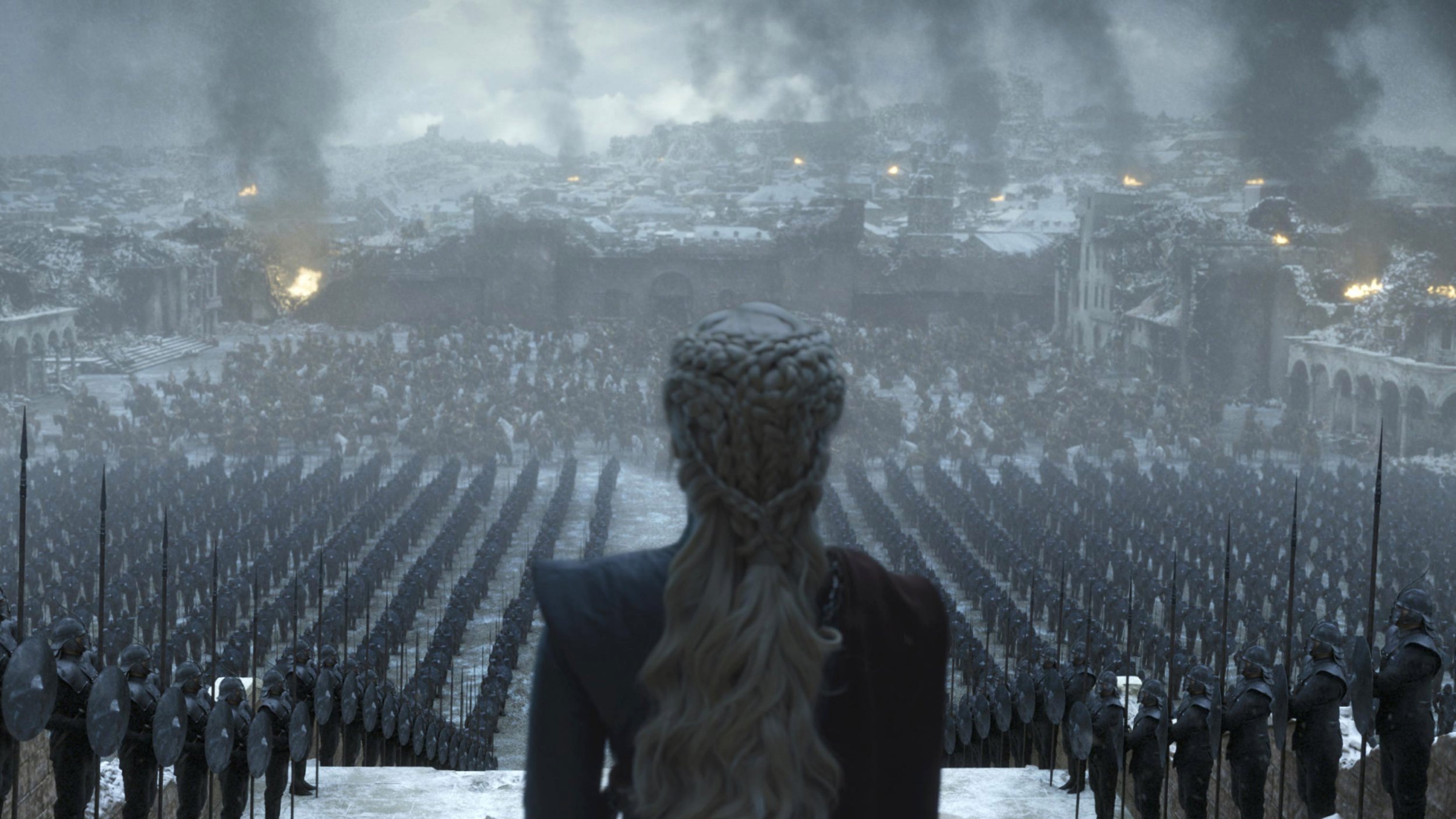
Those damned bells. The first chime sent a chill in the air. Everything stopped for what seemed like an eternity. The second chime clanged. The third and then the fourth and suddenly the fate of a television show went from glorious triumph to a just about earned pyrrhic victory by the final episode credits. Thus, in the space of a minute or so, and the carnage that followed, Game of Thrones virtually threw seven seasons and 5 episodes under a narrative bus.

I’m of course talking about a key character and plot wrench in Season 8, episode 5, called The Bells. While what followed after Queen Daenerys’ decision to carry out her actions, was as spectacular a television set-piece as you could ever see, unfortunately it led to a badly judged final episode called The Iron Throne. In this final episode the writers gave us a series of baffling creative decisions which flew in the face of character arcs and also many rules of the Westeros world. Don’t get me wrong, strong shocks and massive twists have always been part of the books and show. However, some of the decisions made were just mystifying.

“NOT TODAY!”

This is a spoiler-free and more emotional outburst so I won’t go into specifics. In my review of Season 7 — found here — I defended the writers, who I believe could be forgiven some sleight-of-hand contrivances and geographical inconsistencies, because the show was still one of the most entertaining programmes around. Conversely, the first seven seasons gave me some of the greatest televisual enjoyment I have ever experienced. Moreover, the novels are an incredible testament to the brilliant imagination, scope and mind of author George R.R. Martin.

In terms of character, plotting, dialogue, action, reversals, twists, shocks, romance, performance, political intrigue, editing, direction and jaw-dropping-heart-pounding-tension Game of Thrones is ONE OF THE GREATEST TV SHOWS EVER! Moreover, as aforementioned, George R. R. Martin’s books are just something else too. Indeed, the third book, A Storm of Swords, is one of the best works of fiction I have had the pleasure to read. But yet, Season 8 had some more amazing action and events too. It’s just THAT ending; THAT final episode.

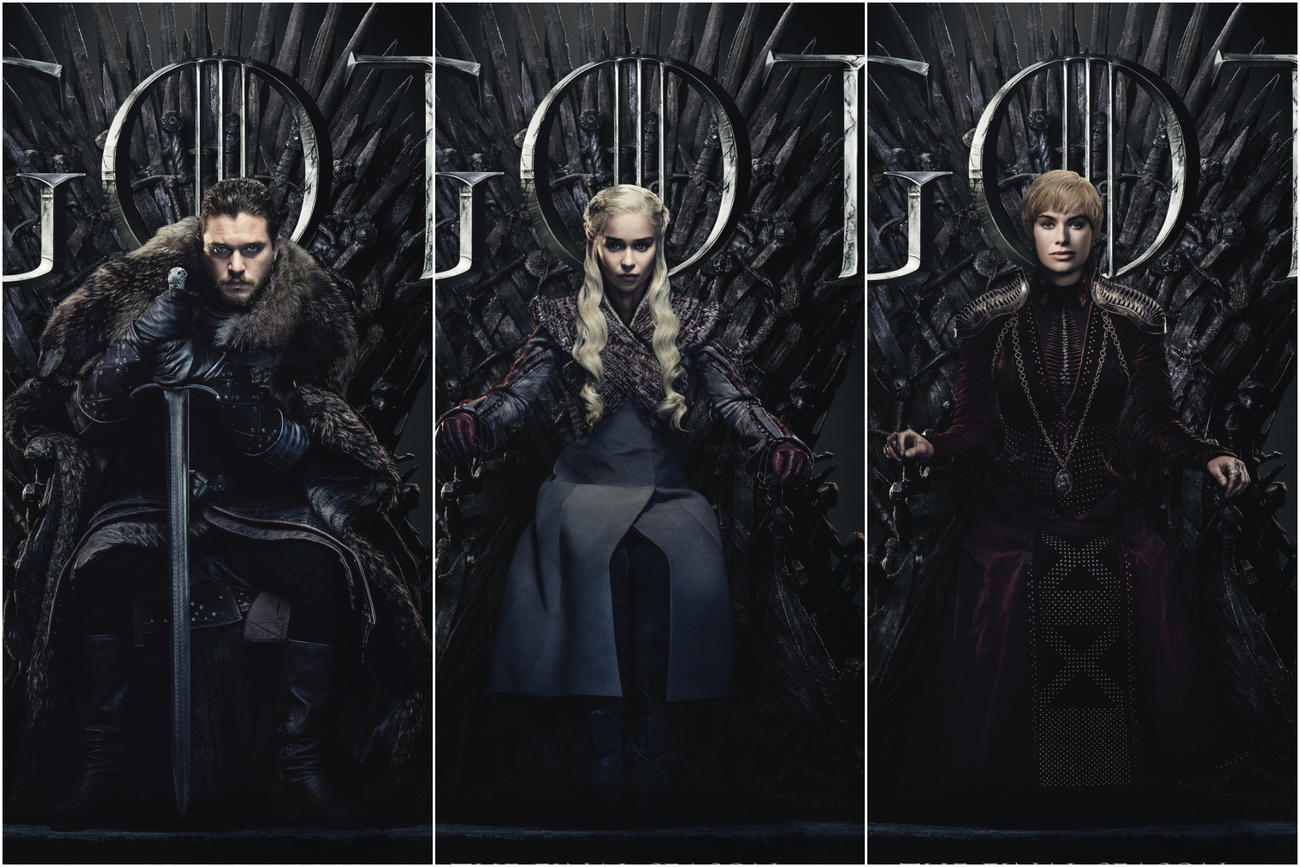
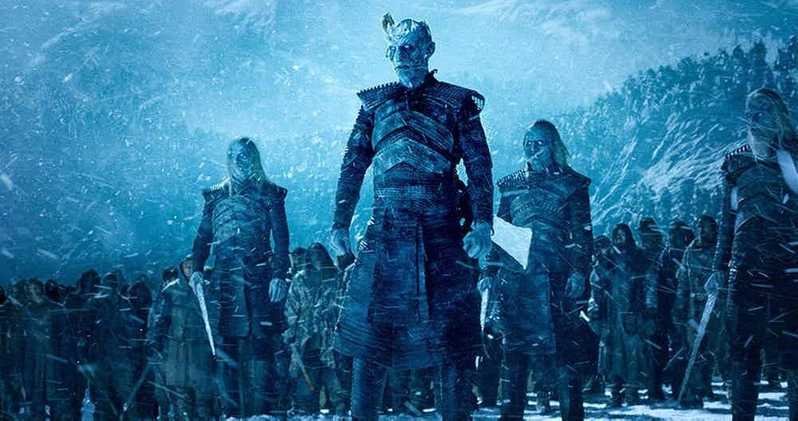
Highlights of Season 8 were the build up to the attack by the dead. Winter had finally arrived i.e. death. It comes for us all and our heroes were witnessing a manifestation of death via the White Walkers and Others; all led by the ghoulish Night King. Then when battle commenced the third episode called The Long Night, was an incredible action feast, containing moments of high drama, horror and heroism from many characters we have come to love and even some we hate.

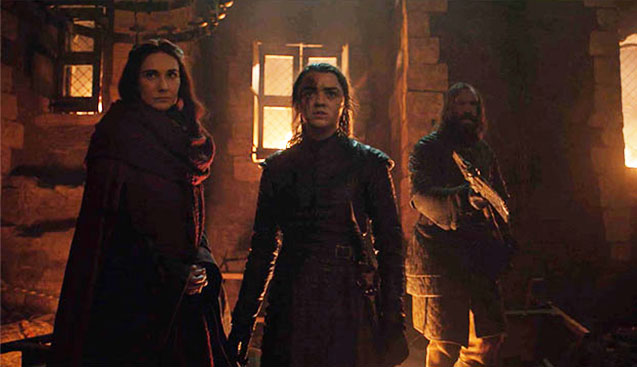
I didn’t even mind that the black night meant it was difficult to see some action. Moonlight, fire, the Red Women and dragons lit up the sky enough to see what was occurring. The blackness was in context and added to the doom facing our characters. My issue was that the fight with the Night King was an end-of-the-world event. Surely, this battle should have closed the show. But no, there was more to follow; the final battle for the Iron Throne itself. In my view, anything following The Last Night could be open to anti-climax. So, it proved.

HEROES AND VILLAINS

Let me reiterate: I still loved Season 8 and I DID NOT SIGN A PETITION for the writers to take the black! These so-called fans signing on-line petitions need to get a life and if they want to take a stand need to take a good LOOK AT THE REAL WORLD! But there was no smoke without fire for the online pitchfork hordes. I too did not agree with how rushed the final season was and many of the character choices that were made. During The Long Night and The Bells episodes I witnessed two of the finest television episodes ever seen from a production perspective. They were jaw-dropping. But from a structural stand-point they were as broken as Bran.

It would appear the showrunners were working from George RR Martin’s template as to how it may end. However, we definitely got a bullet-point conclusion; leaving it hitting certain emotional plot events without earning them. Basically, the complexity of characterisation was lost in favour of wrapping up the storylines too quickly. However, I still cannot praise the massive crew and cast who made this TV show. It genuinely made my life worth living from a cultural perspective.

WINTER HAS GONE!

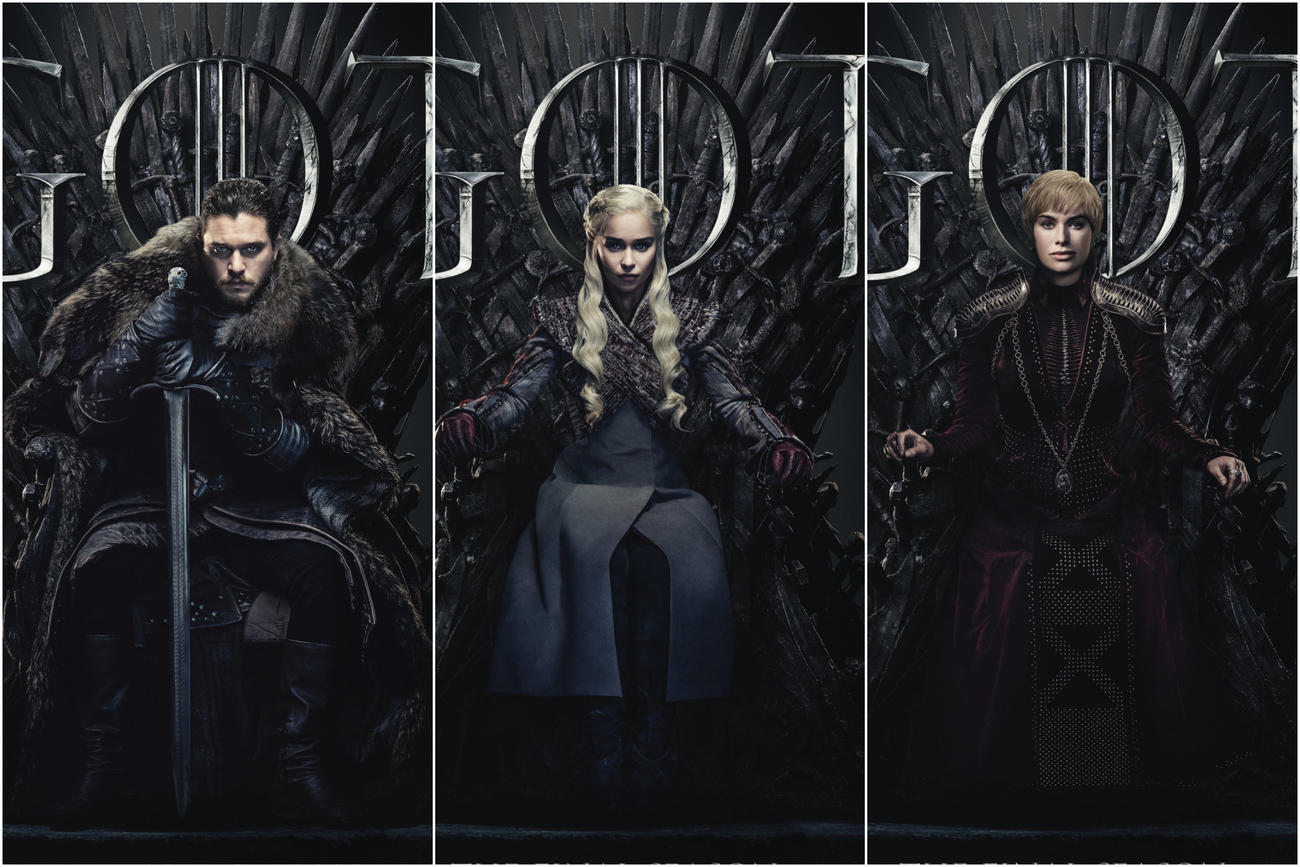
The main reason for watching and loving the show was for the heroism in the face of death and darkness. Life can be shitty and tough and Game of Thrones was about escape for me. Personally, I felt characters such as Jon Snow, Daenerys and Jamie deserved more heroic endings, but instead got disappointing ones. Similarly, Cersei’s visceral flame just fizzled out. I know they aren’t real people but I wanted their conclusions to be more rousing. The likes of Arya, Sansa, Brienne of Tarth, Samwell Tarly; and even Sandor Clegane got somewhat satisfying endings. I guess you can’t have everything, though.

Don’t get me wrong, Game of Thrones has a propensity to surprise and shock and amaze and it definitely did that in Season 8; right up until THAT vanilla ending. Because as the troubadour once sung, “It’s better to burn out than fade away;” so it’s a shame the lord of light diminished somewhat at the end. Still, it’s all about the journey and the quest rather the final destination. Winter and come and winter has gone and it’s a one I will never forget!

Game of Thrones – Season 8 – Mark: 9 out of 11

Game of Thrones – Overall – Mark: 11 out of 11

CLASSIC MOVIE SCENES #8 – DEAD MAN’S SHOES (2004) – RICHARD MEETS SONNY

CLASSIC MOVIE SCENES #8 – DEAD MAN’S SHOES (2004) – RICHARD MEETS SONNY

Directed by: Shane Meadows

Produced by: Mark Herbert, Louise Meadows

Written by: Paddy Considine, Paul Fraser, Shane Meadows

Cast: Paddy Considine, Toby Kebbell, Gary Stretch, Stuart Wolfenden etc.

Cinematography: Danny Cohen

**MAY CONTAIN SPOILERS**

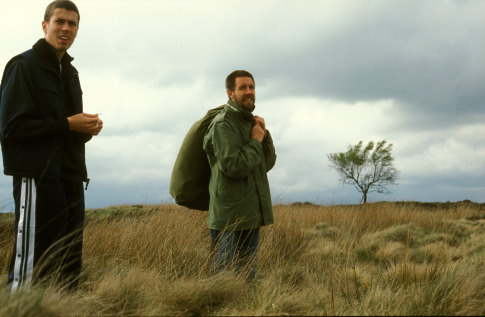
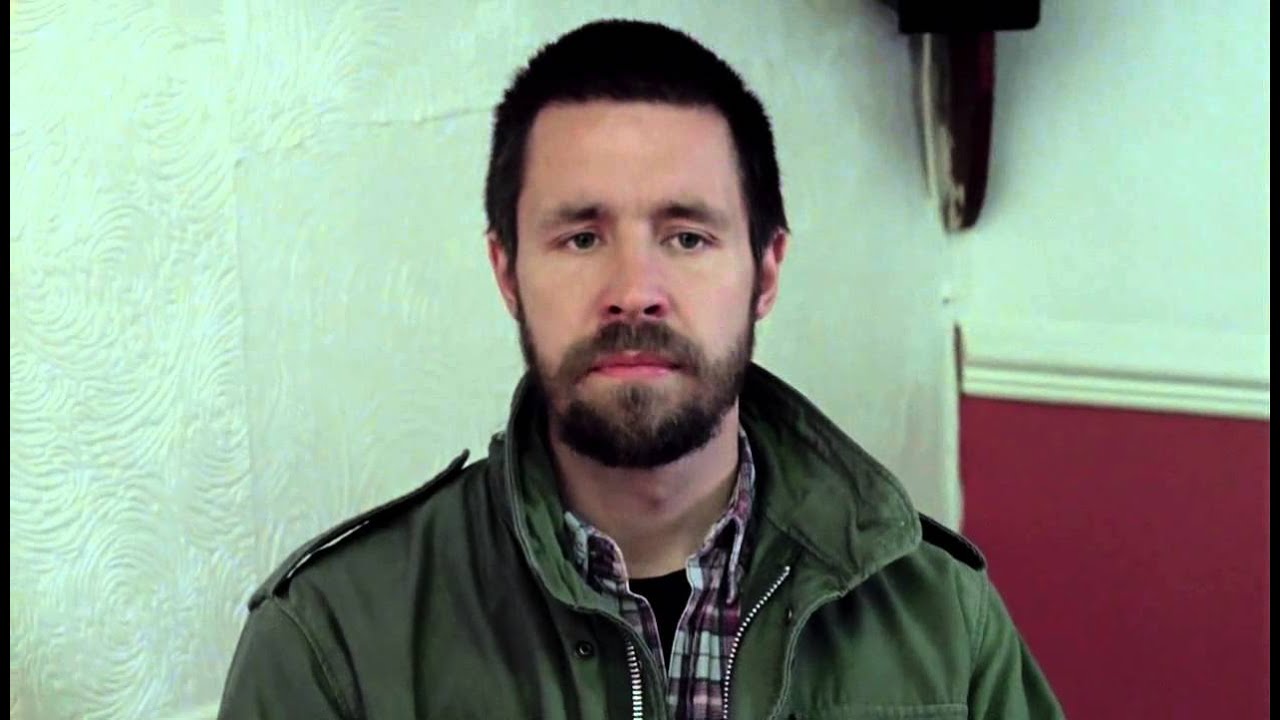
Shane Meadows’ Dead Man’s Shoes (2004) is both a revenge thriller and a metaphor for the lost youth of England. Specifically, the youth of the Midlands discarded and forgotten by society.

Paddy Considine gives an incredible performance full of intensity, guilt, pathos, pain, self-loathing and regret. He portrays, Richard, a returning soldier, out to get back at those that hurt his brother, Anthony (Toby Kebbell). The film asks: can revenge absolve guilt? Alas, there is no easy answer.

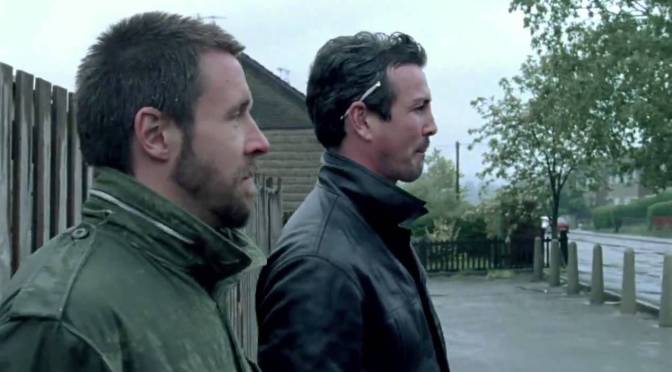
The film was shot in three weeks on a shoestring budget. Among many, many brilliant and disturbing scenes is the one where Richard initially meets main gang-leader, Sonny (Gary Stretch). It’s a short but impactful scene full of menace and suspense. Richard makes it plain he is coming for Sonny and his motley crew of low level criminals. Apparently a larger scale confrontation was scripted, but due to budget constraints this scene replaced it; proving that more often than not less is definitely more.

UNDER-RATED CLASSICS #4 – TRIANGLE (2009)

UNDER-RATED FILM CLASSICS #4 – TRIANGLE (2009)

Written and directed by: Christopher Smith

Produced by: Jason Newmark, Julie Baines, Chris Brown

Starring: Melissa George, Michael Dorman, Rachael Carpani, Henry Nixon, Emma Lung, Liam Hemsworth

Music by: Christian Henson

Cinematography: Robert Humphreys

**MAY CONTAIN SPOILERS**

I started this series a while ago and posted a few times on the subject with multiple entries; however, I have now decided to make it a feature, like ‘Classic Movie Scenes’, that concentrates on singular films. My rules are simple. An under-rated classic can be a film I love, plus not be one of the following:

  • Must not have won an Oscar.
  • Must not have won a BAFTA.
  • Must not appear in the AFI Top 100 list.
  • Must not appear in the IMDB Top 250 list.
  • Must not appear in the BFI 100 Great British films.
  • Must not appear in the all-time highest grossing movies of list.

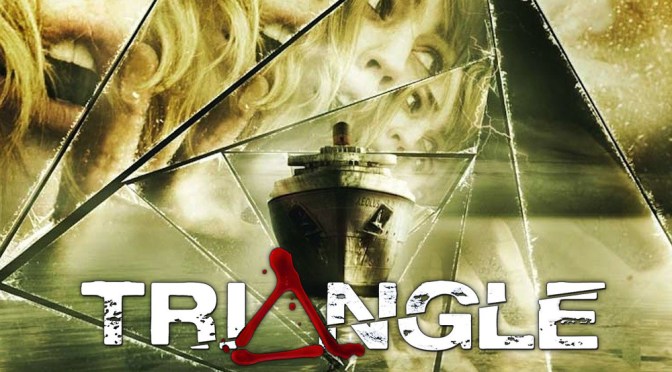
So, here’s a film, called Triangle (2009) which I recently caught again on the Horror Channel and given the critical acclaim many films get, I just cannot work out why this isn’t considered more of a classic.

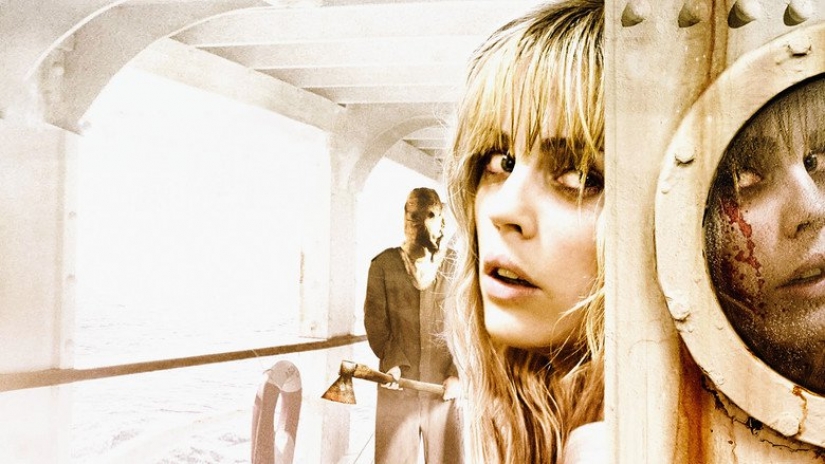
This is an absolute cracker of a Sisyphean-time-loop-paradox-movie. Melissa George portrays a single mother hoping to escape her stress with a yacht trip with wealthier friends. However, things don’t go according to plan as a massive storm knocks the group way off course.

Without giving anything away this film then went into a loopy and gripping direction with an exceptionally clever criss-cross narrative. The plot is both ingenious and creepy as violent events and startling deaths begin to mount up. Melissa George carries the film incredibly well with a performance which crackles with pathos and fear. Lastly, director/writer Christopher Smith’s work should have heralded more illustrious and bigger budget films based on this incredible existential horror classic.

THE NETFLIX MEMORANDUM – INCLUDING REVIEWS OF: AFTERLIFE, THE SINNER (S2), RUSSIAN DOLL, DAREDEVIL (s3) ETC.

THE NETFLIX MEMORANDUM – INCLUDING REVIEWS OF: AFTERLIFE, THE DIRT, RUSSIAN DOLL, DAREDEVIL ETC.

For some insane reason I have given up alcohol for the year and the weight of reality and time burdens my everyday existence. First world problems abide. Anyway, while my liver breathes a huge sigh of relief, my mind still desires stimulus. Thus, I have, in my constant sobriety, had even more time to stream and watch even more films and television. These bitesize reviews look at the latest stuff I’ve seen on the behemoth streamer Netflix; with the usual marks out of eleven.

**MAY CONTAIN SPOILERS**

Image result for netflix

AFTERLIFE (2019)

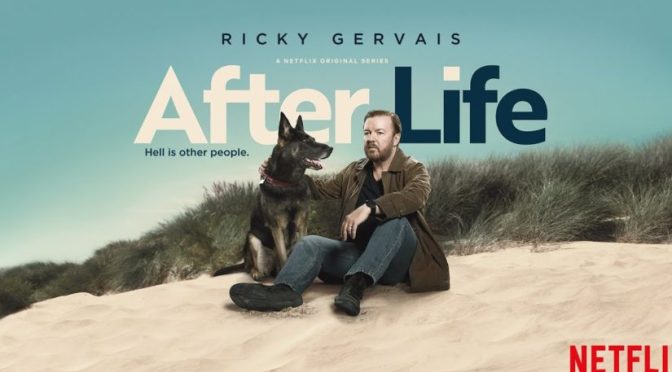
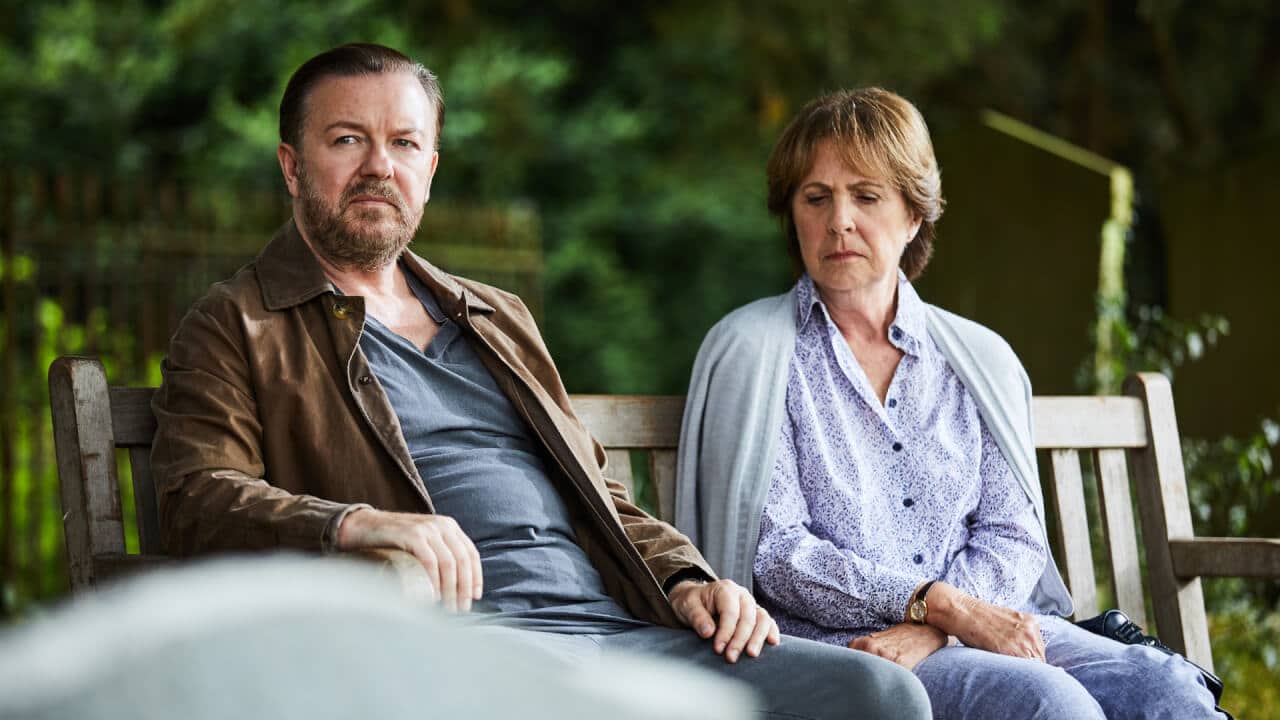
Ricky Gervais’ latest fictional piece is a really enjoyable tragi-comedy. His everyman, Tony, is suffering severe grief following the passing of his wife. Sadly he allows misanthropy and suicidal thoughts to overcome his daily existence in the fictional town of Tambury. The comedy is founded on dark materials but filled with deep humanity as we watch Tony wrestle with his demons.

I especially loved the eccentric characters and jokes concerning Tony’s job as a reporter with the local newspaper. The supporting cast are a joy too and include brilliant comedians like: David Earl, Kerry Godliman, Joe Wilkinson, Tom Basden and Diane Morgan. The ensemble cast and fine writing combine to create a simple, funny and emotional journey through one’s man’s fight with depression and grief. (Mark: 9 out of 11)

ABDUCTED IN PLAIN SIGHT (2019)

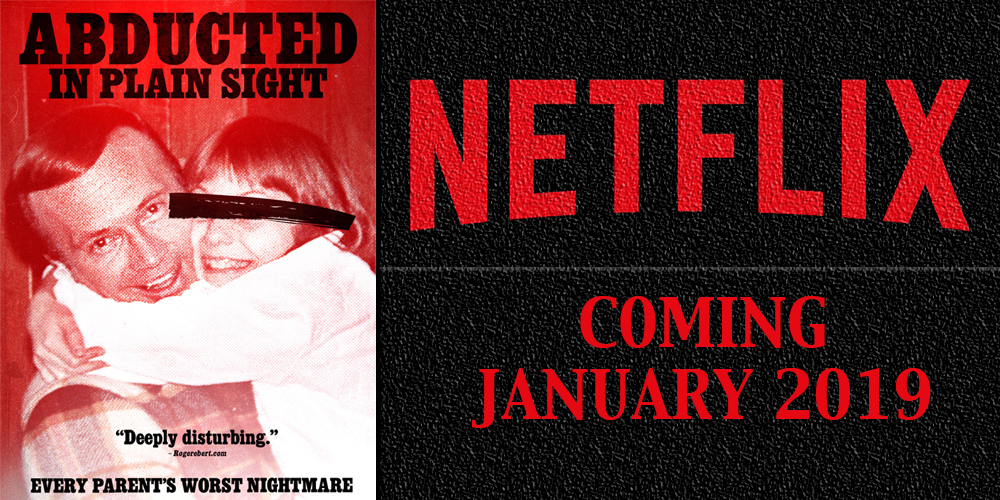
I keep telling myself not to watch such true crime documentaries as they make me feel really sad about the state of human behaviour. This story from the United States was in documentary film form so I got pulled back in by not having to sit through ten episodes of horror. Also, I’d heard it was a pretty incredible story too so my interest was piqued by that.

Safe to say this grim tale of grooming, paedophilia and abduction that one family suffered at the hands of a human monster in the 1970s, is something you wish you could un-see. As a documentary film it is very well made but it does make you lament the gullibility of some people and sickness of others. (Mark: 6 out of 11)

DAREDEVIL (2018) – SEASON 3

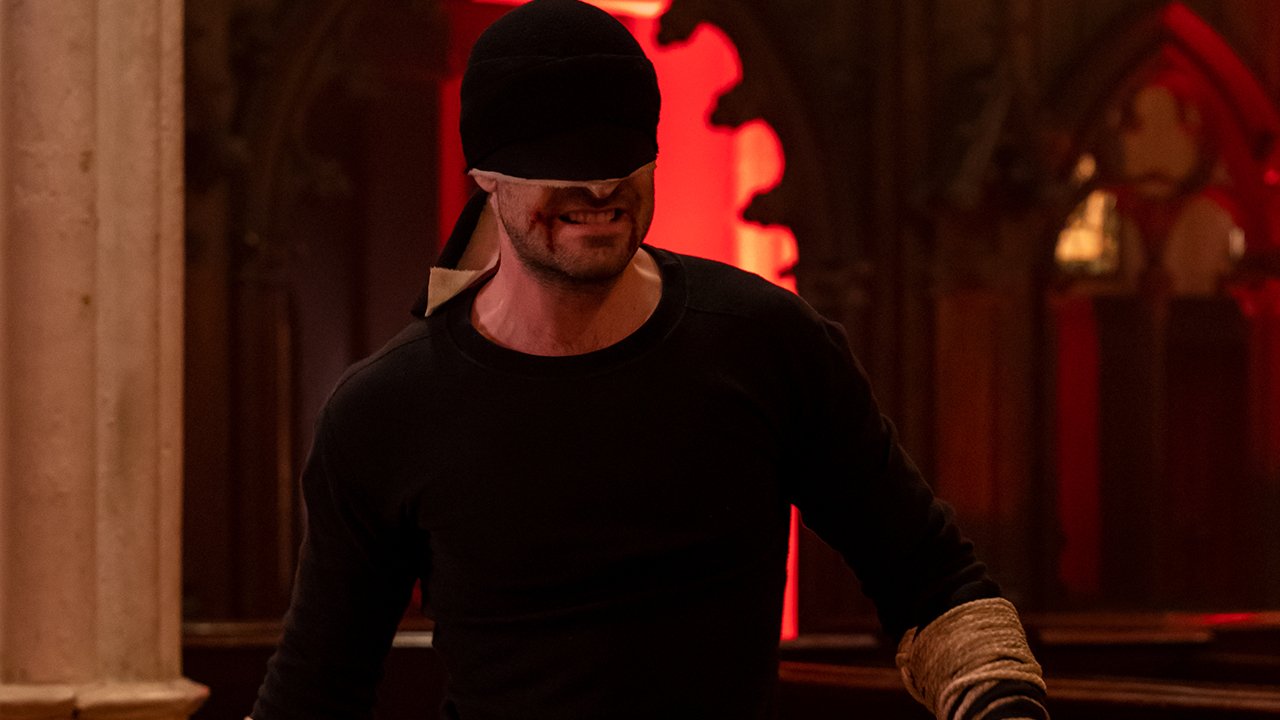
I’d say Matt Murdoch’s Daredevil is my favourite of the Marvel/Netflix streamed offerings. Charlie Cox is a fine actor and the drama, fighting and villainous rendition of Wilson Fisk by Vincent D’Onofrio, make it essential viewing. While it takes a huge gulp to believe that a blind guy could be that great at fighting criminals with sight, once you buy into that premise the show offers a lot of fun.

While not scaling the heights of Season 1, and lacking the brutal Punisher (John Bernthal) side-plot of Season 2, this latest Season 3 finds Murdoch up against Fisk again and a new psychopath in rogue FBI agent, Ben Poindexter. Like other Marvel adaptations on Netflix it’s still five episodes too long and bogged down with plodding angst and lengthy dialogue scenes, so doesn’t quite hit the bulls-eye throughout. Nonetheless, it’s still compelling drama and the hand-to-hand fight scenes are an absolute sensation. (Mark: 8 out of 11)

THE DIRT (2019)

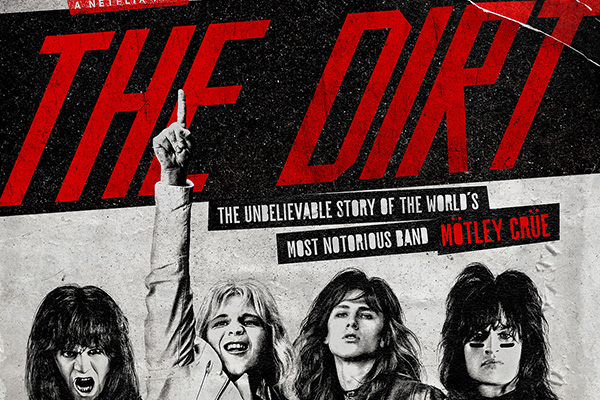
Crazed rock stars take drugs, smash up hotel rooms, screw groupies and almost die due to their excess is the unsurprising narrative ups and downs of this Motley Crue biopic. It’s not a bad watch but is essentially like a poorer version of This is Spinal Tap, without the incredible gag-rate. The film fleshes out the caricature members of the band showing their human side; Douglas Booth and Iwan Rheon bringing depth to their paper-thin roles. Moreover, while the era and stadium shows are really well emulated the direction lacks alot of imagination.

I mean, there was an intense film about addiction and human excess in here, and while we do get some moving scenes, notably with singer Vince Neil’s life struggles and Nikki Sixx’s heroin dependancy; ultimately the film did not dig deep enough into their characters. Still, fans of the band and their energetic rock music will love it no doubt. (Mark: 6 out of 11)

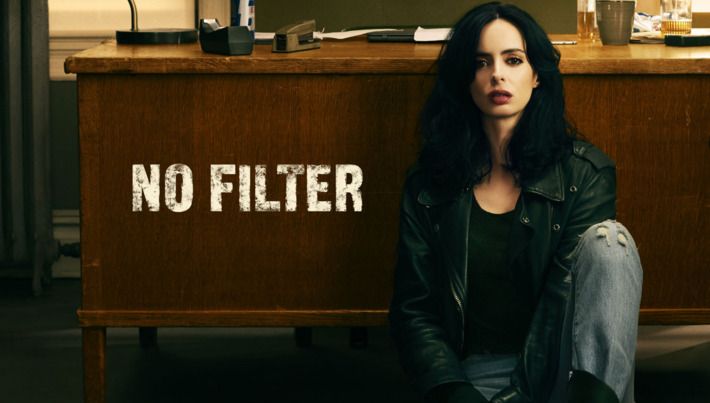
JESSICA JONES (2018) – SEASON 2

Kristen Ritter is back as Marvel’s hard-drinking, misanthropic and super-powered private investigator; and she remains very pissed off. Season 1 of Jessica Jones was absolutely brilliant due to David Tennant’s incredible villain, Kilgrave, and Jones’ character arc reflecting the damaging nature of controlling relationships.

Season 2, alas, is a plodding let-down full of filler episodes and weak sub-plots which quite frankly bored me. While Ritter holds the season together, the investigation into her past gets dragged down by soap operatics and a severe lack of pace and action. Mark: 6 out of 11

POLAR (2019)

Mads Mikkelsen is one of my favourite actors and he is on good form as a crack hit-man daubed ‘The Black Kaiser’. There’s a decent B-movie in here somewhere but the attention-deficient and showy direction detract from a potentially interesting story of regret and redemption. Moreover, while the action scenes are deftly realised the stupid characterisation, exploitative sex scenes and amoral violence drag the film into the unwatchable territory.

The least said about Matt Lucas’ performance as the amoral ‘Mr Big’ the better; here a usually excellent comic actor is given appalling direction that, like most of the film, lacks subtlety, tone and emotion. (Mark: 3 out of 11)

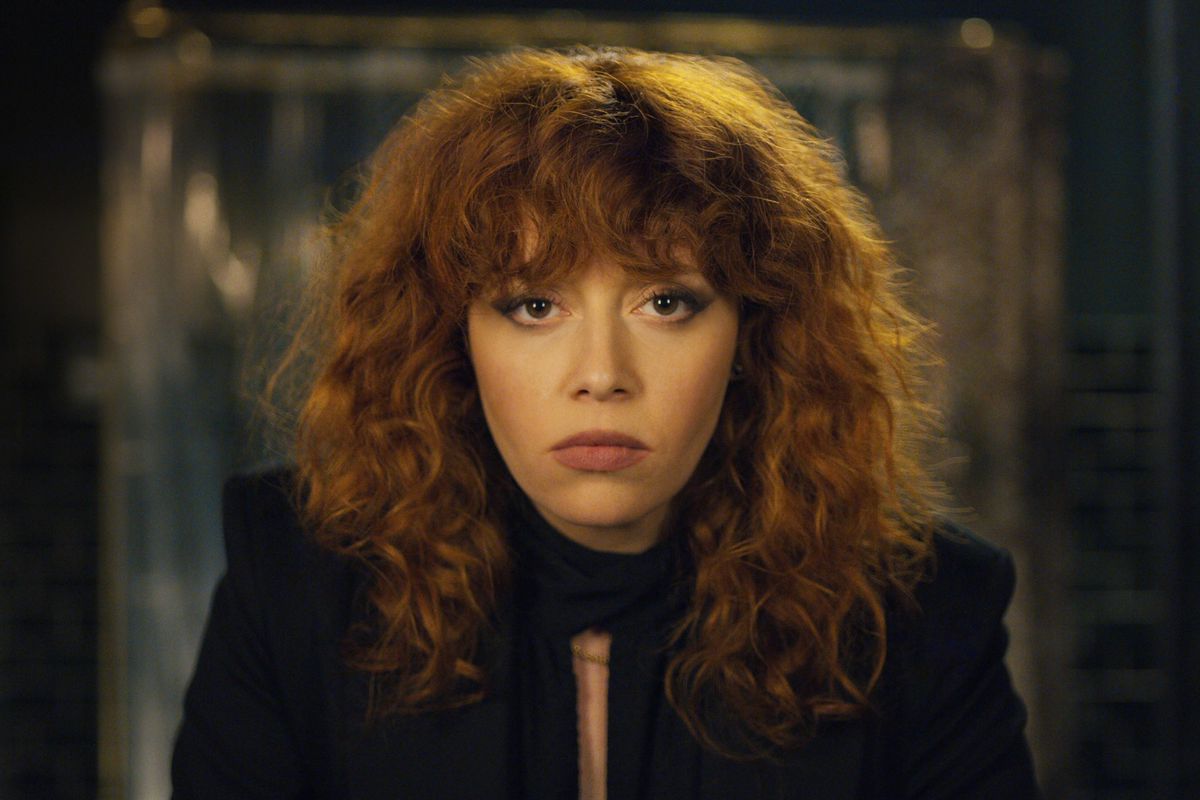
RUSSIAN DOLL (2019)

Another Groundhog Day copy gets a run out with Natasha Lyonne’s sassy computer programmer finding herself living out the same day over and over with various insane diversions along the way. It starts off really interestingly with lots of crazy deaths, character revelations and existential suffering. However, it soon runs out of steam, adding up to eight dramatically paper-thin episodes, more style than content.

Lyonne, is a fine actor who I like very much, delivers every line like New York comedian Andrew Dice Clay and this grated on me in the end as I felt I was watching a stand-up performance rather than a fully-rounded character searching for the meaning of life. (Mark: 6.5 out of 11)

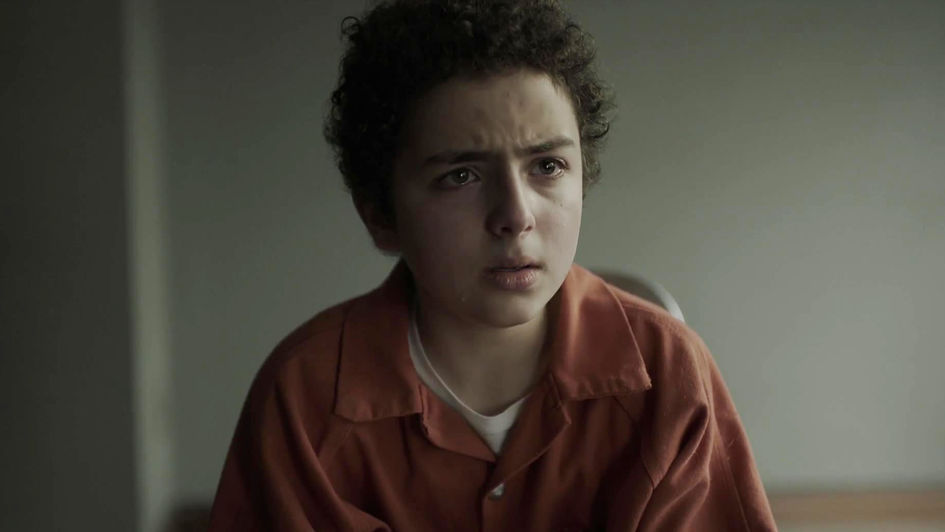
THE SINNER (2018) – SEASON 2

After the surprisingly excellent Season 1 of The Sinner, I was really looking forward to the second season. The cop show format is twisted in a really interesting way as we see the accused commit the crime, yet find the cop, in this case the impressive Bill Pullman, empathising with the criminal. Pullman’s Harry Ambrose is a brilliant creation. He’s not flashy or loquacious but a determined and dogged cop with his own personal demons.

Drawn to the troubled or underdog Ambrose digs for justice and redemption. In this story he sees his own past in the crimes of a 13 year-old boy accused of murder and is determined to find answers. Here the boy in question is given a compelling performance by Elisha Henig; and his characters’ commune existence and family history had me gripped throughout. A supporting cast including Carrie Coon and Tracy Letts also add real quality to this stirring psychological drama with themes relating to: physical and psychological abuse; religious cults; family tragedy; mental illness; and the darkness of the human spirit. (Mark: 9 out of 11)

US (2019) – CINEMA REVIEW

US (2019) – CINEMA REVIEW

Directed by: Jordan Peele

Produced by: Jason Blum, Ian Cooper, Sean McKittrick, Jordan Peele

Written by: Jordan Peele

Starring: Lupita Nyong’o, Winston Duke, Elisabeth Moss, Tim Heidecker, Shahadi Wright Joseph, Evan Alex etc.

Music: Michael Abels

Cinematography: Mike Gioulakis

**MAY CONTAIN SPOILERS**

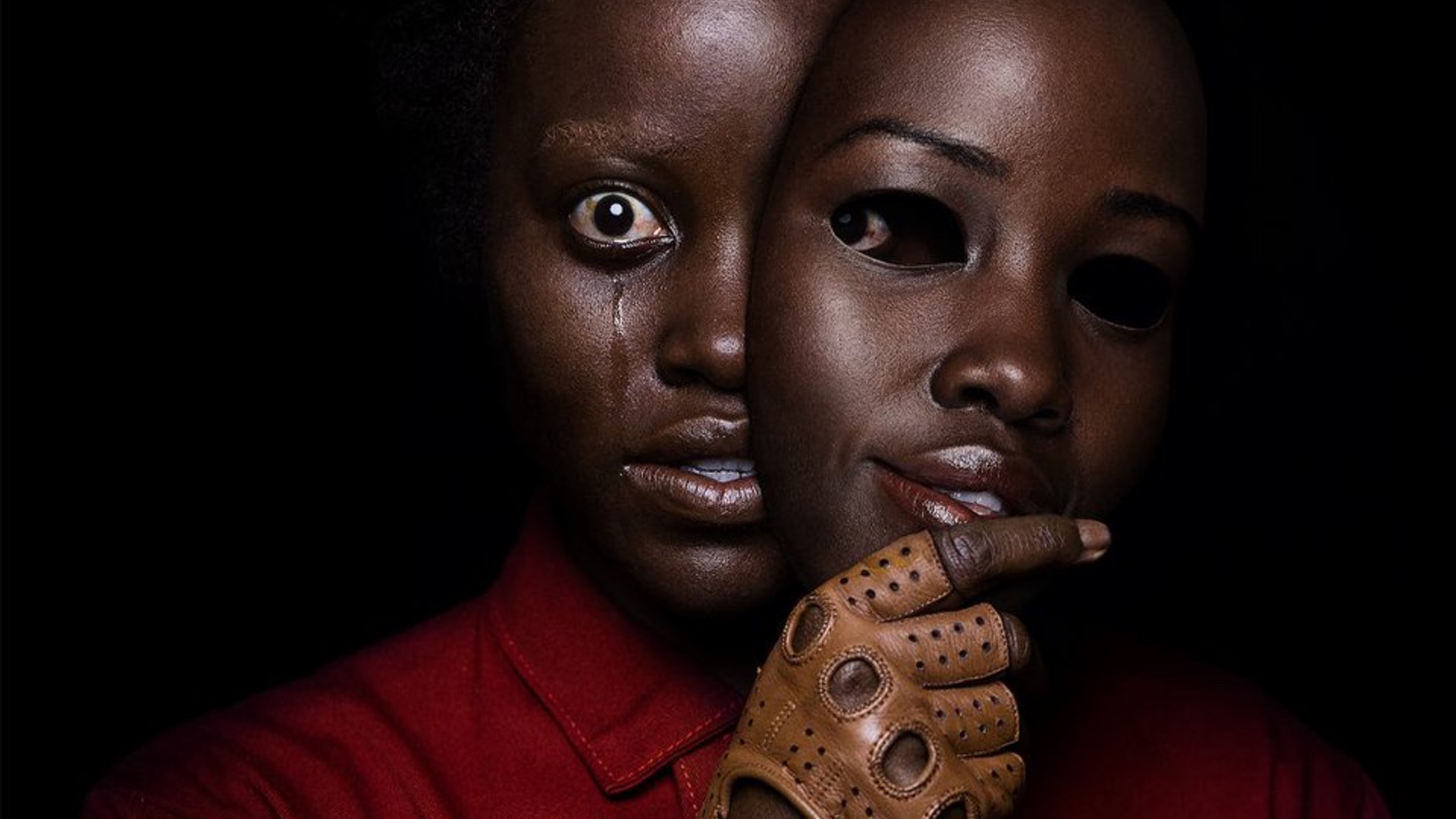
Orson Welles is reportedly quoted as saying, “A movie in production is the greatest train set a boy could ever have.” Thus, Jordan Peele proves this point with an unstoppable cinematic train ride in Us (2019); that while threatening to career off the rails on occasions, proves to be a thrilling work of horror-meets-social-satire entertainment.

The film centres on an everyday normal family of four — the Wilsons: Adelaide (Lupita Nyong’o), Gabe (Winston Duke), and their two children — as they visit their summer home by the beach. Haunted by a scary incident in a hall of mirrors when a child, Adelaide is afraid to return to the beach where it occurred, until her husband’s goofy enthusiasm wins her over.

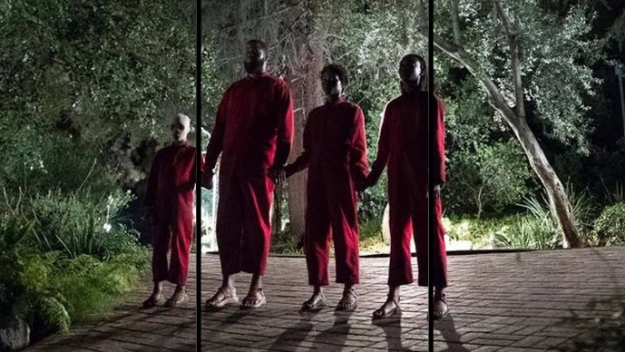
Events begin to turn and twist askew when their son, Jason, seems to go missing for a while. Even though he returns, paranoia and fear sneaks into Adelaide’s psyche. Things become even stranger when a mysterious family of four appear in the Wilsons’ drive in the dead of night. This is when the true face of horror surfaces and a pulsating home invasion and prolonged chase sequence ensues.

Peele has clearly seen a lot of horror films. As such the early scenes build tension perfectly with: stormy weather; a strange drifter with biblical sign haunting the boardwalk; creepy hall of mirrors; the choral soundtrack reminiscent of Rosemary’s Baby (1968); the son, Jason wearing a Jaws (1975) movie t-shirt; the flock of seagulls on the beach echoing Hitchcock’s The Birds (1963); and so it goes.

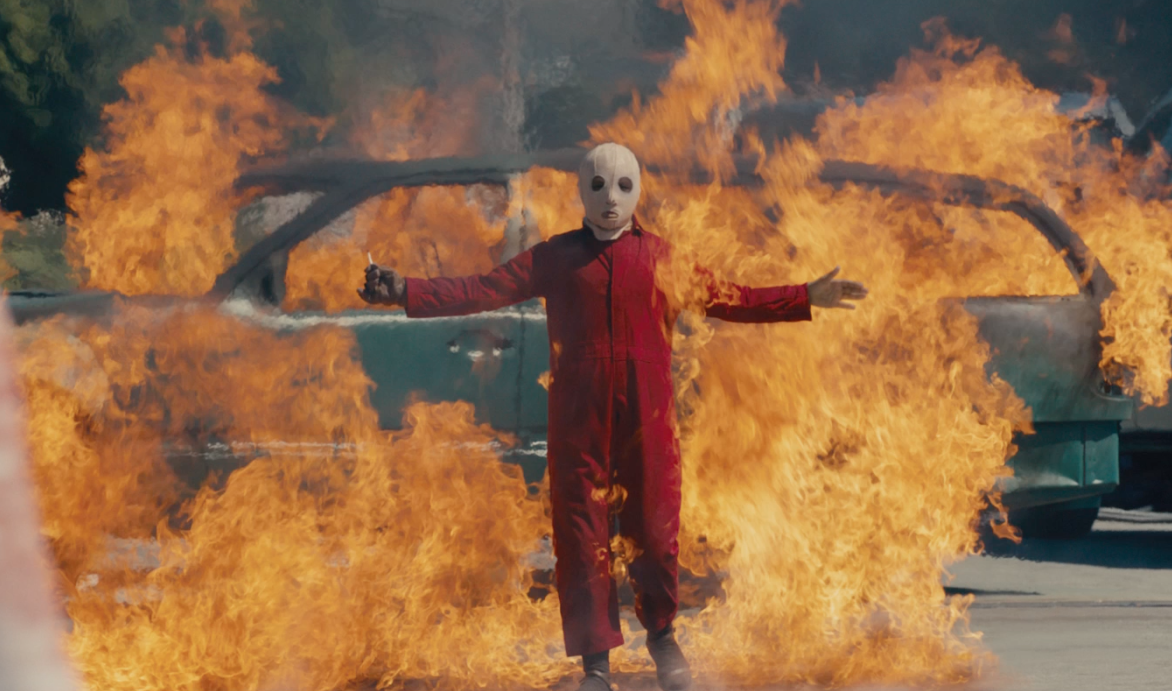
Such horror tropes build a huge wall of tension so effectively it’s almost a relief when released during the big doppelganger reveal. Subsequently, the blood-letting ensues in some meaty fights and exchanges involving weapons, such as: baseball bats, metal pokers, ornaments and golf clubs. The doppelgangers themselves are clearly a reflection of the self; twisted visions of humanity turning against the characters, as they literally become their own worst enemies.

The cast are expertly marshalled by Peele, as he gets doubly great performances from all the actors. The logistics of shooting doubles must have been tough, especially so many at a time. The featured cast are very good, notably Winston Duke as Gabe Wilson. He offers some light, comedic and physical humour amidst the gore. Meanwhile, Lupita Nyong’o steals the show in the dominant twin roles of Adelaide and the nefarious Red.

It’s Adelaide’s personal journey of double/split identity which provides the spine of the film. As she fights to save her family she must also literally battle the demon inside and outside herself. This thematic is the most powerful of the film for me, as Nyong’o’s acting is full of emotional resonance.

Perhaps, not as successful, when compared to Get Out, is the attempt to marry the personal conflict to the socio-political landscape. While Peele’s first film was an overt satire of slavery and white America oppression and exploitation, Us’ targets are intellectually more ambiguous and open to interpretation. I mean take your pick from: class, capitalism, consumerism, race, de-politicization, narcissism, over-population, split personalities, government conspiracies; and over-arching fear of ‘the other’.

These and many more themes are on Peele’s radar, as is his overall critique of the United States (U.S. = US – geddit!). That they don’t quite gel coherently is not a criticism but a positive indictment of his ambition. Conversely, while I felt the underlying power of Peele’s call-to-arms and desire for human unity in Us, one could argue the fire, smoke and mirrors of these ideas subtract from the power of the families’ personal struggle. Moreover, what is the solution to the government copying us or burying our doubles underground? Is it to kill the others and hold hands in unity? Who knows? What I can say is such naive idealism in horror has never been so entertaining.

After the success of the slavery-soul-swapping and genre bending thriller, Get Out, Jordan Peele has tasked himself with trying to top that fine movie. Well, if Get Out was the starter, Us is the main meal. In fact, one could argue the film is so full of ideas that it threatens to fail due to sensory overload. However, Peele is such a multi-talented storyteller he skilfully delivers, wholly thanks to great writing, masterful film production, an exceptional soundtrack and an incredible cast.

Mark: 9.5 out of 11

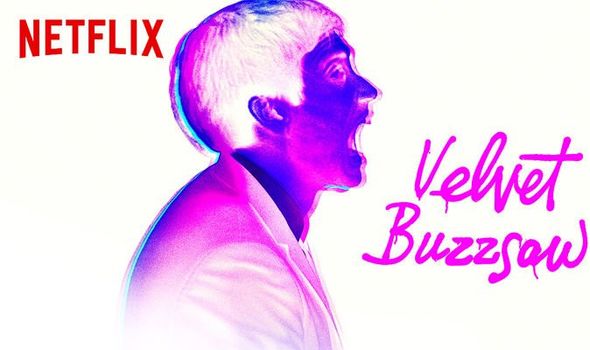
VELVET BUZZSAW (2019) – NETFLIX FILM REVIEW

VELVET BUZZSAW (2019) – NETFLIX FILM REVIEW

Written and directed by: Dan Gilroy

Produced by: Jennifer Fox

Starring: Jake Gyllenhaal, Rene Russo, Toni Collette, Tom Sturridge, John Malcovich, Zawe Ashton, Daveed Diggs, Billy Magnussen, Natalia Dyer etc.

Picture the scene: a starving child in Africa passively stares at a camera while a fly irritates their big sad eyes, and they do not know when their next meal is coming from. Meanwhile, in a New York auction house a painting by Cezanne or Gauguin or Picasso is selling for over $200 million dollars! What the fuck is wrong with the world?!  I’m not saying these paintings aren’t great art it’s just that there is NO WAY that amount of money should be paid for a painting when there is starvation, disease, and poverty in the world. It’s just an indictment of the sickness of humanity, that we place such value on what effectively amounts to canvas and paint placed in a particular manner by some dead person. It’s utter madness!!

DON’T GET ME STARTED ON SO-CALLED MODERN ART!!

Yeah, sure, maybe I DON’T GET IT!! Maybe one should be allowed to express themselves from a creative and emotional perspective but THEY ALSO WANT PRAISE FOR IT!!! And MONEY! And adulation! Of course, certain painters, sculptors and creative types expressing themselves can become a transcendental experience but mostly it’s a bunch of pretentious wankers conning us into thinking what they are doing is important. Come the fictitious revolution occuring in my imagination, most modern artists will be on the hypothetical spikes adorning the made-up barricades.

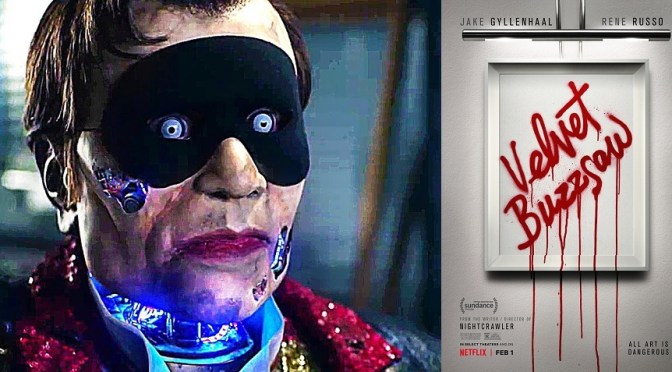
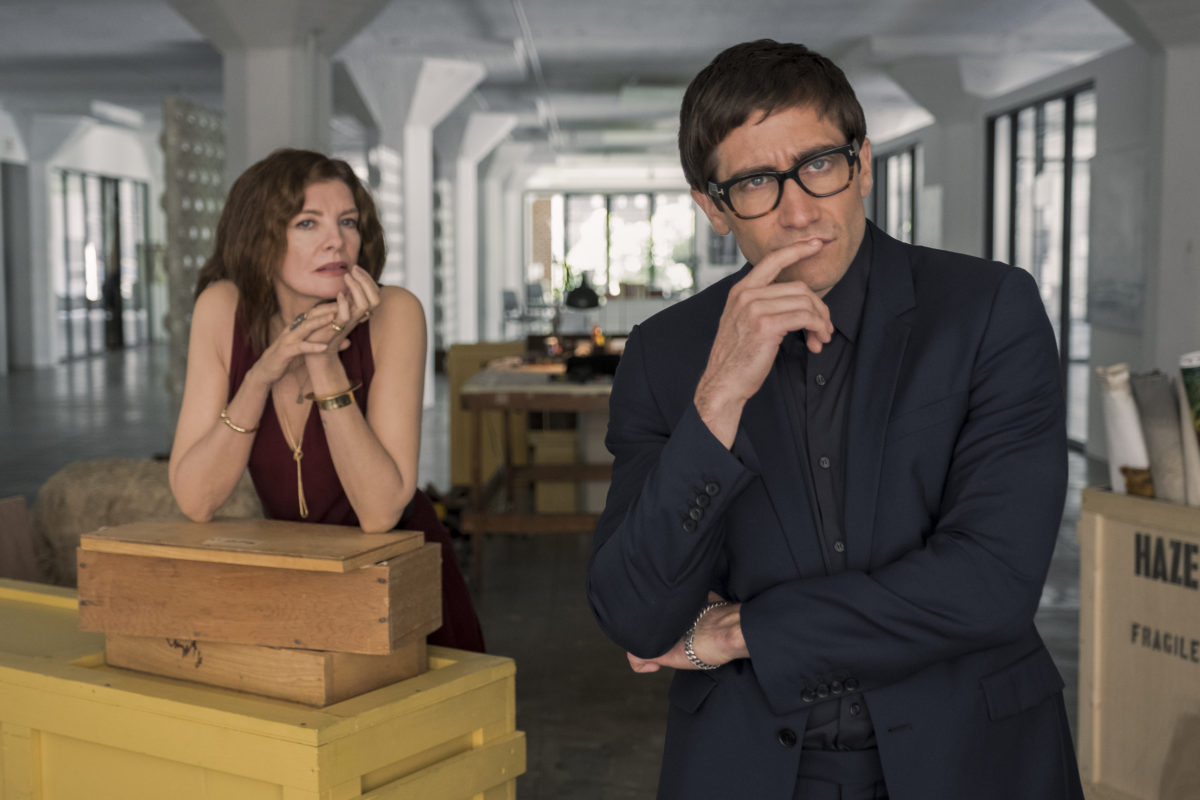
Tony Gilroy’s third film Velvet Buzzsaw (2019) taps into some of the ire I feel for the art world. It’s full of fake plastic and unlikable characters who spend their days stabbing and fucking each other in the back, all trying to sell us the next big fat artistic lie. When a never-famous painter dies his work becomes a cause celebre and further in-fighting ensues in an attempt to monetize his apparent genius. Jake Gyllenhaal leads an impressive ensemble cast as arsehole critic, Morf Vandewalt; while Rene Russo, Toni Collette, Tom Sturridge, John Malcovich and Zawe Ashton revel in their narcissitic and parasitic roles as agents, artists and art-whores.

Ultimately, this is a very broad comedic satire with some decent horror deaths thrown in. At times I felt like it should have been shot with a cast of unknowns on 16mm film, rather than the A-list hi-definition gloss presented. Firmly in the B-movie territory of say Final Destination and Driller Killer, it’s neither scary or bloody enough to make a convincing horror or gorefest. Having said that there are some fantastic deaths, very witty dialogue and memorable images throughout. Lastly, Gilroy’s work has kind of gone backwards since his phenomenal debut Nightcrawler, and this, without wishing to sound like a pretentious critic, is certainly a very minor work. Overall, though I enjoyed the coruscating digs at the modern art-world and all the arseholes who inhabit it; so that made it well worth a watch.

Mark: 7.5 out of 11

GLASS (2019) – MOVIE REVIEW

GLASS (2019) – MOVIE REVIEW

Directed by: M. Night Shyamalan

Produced by: M. Night Shyamalan, Jason Blum, Marc Bienstock, Ashwin Rajan

Written by: M. Night Shyamalan

Starring: James McAvoy, Bruce Willis, Anya Taylor-Joy, Sarah Paulson, Samuel L. Jackson

Music by: West Dylan Thordson

**CONTAINS SPOILERS FROM SHYAMALAN’S PRIOR FILMS**

M. Night Shyamalan is arguably one of the most critically divisive directors working today. Not because his films are particularly controversial, but mainly because he is a risk-taker that tests the boundaries of genre expectations. He has so many different ideas and concepts that quite often his movies have back-fired spectacularly, however, when he gets it right his genre films are highly entertaining and compelling. Films such as: The Sixth Sense (1999), Unbreakable (2000), Signs (2002), and The Village (2004), were for me, brilliant genre films full of invention, suspense and wicked twists. Many people felt The Village stretched the limits of suspending disbelief, but it was a masterpiece compared to his filmic failures like: The Lady in the Water (2006), The Happening (2008) and The Last Airbender (2010).

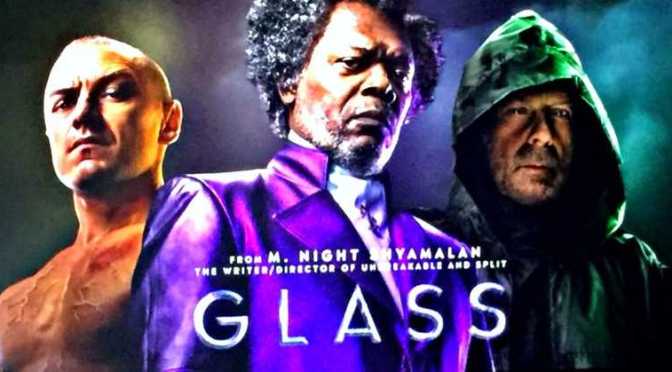
I missed seeing the apparent disaster that was After Earth (2013), yet it was opined that Shyamalan returned to some essence of form with the horror film The Visit (2015). However, I still felt there were some dodgy creative decisions in that, such as the story-filler-white-middle-class-rapping kid in amidst a creepy thriller. Yet, with Split (2016), Shyamalan was back to his best, weaving an exploitational B-movie kidnap-plot with a searing psycho-performance from James McAvoy. The ending, which found Anya Taylor-Joy’s ultra resilient Casey fighting back against McAvoy’s twenty-plus split-personality maniac, then brilliantly linked the film to Shyamalan’s Unbreakable (2000). Therefore Glass (2019), becomes the third part of an unlikely trilogy; three films where Shyamalan strives to create his own universe and mythology within a more realistic superhero and super-villain world.

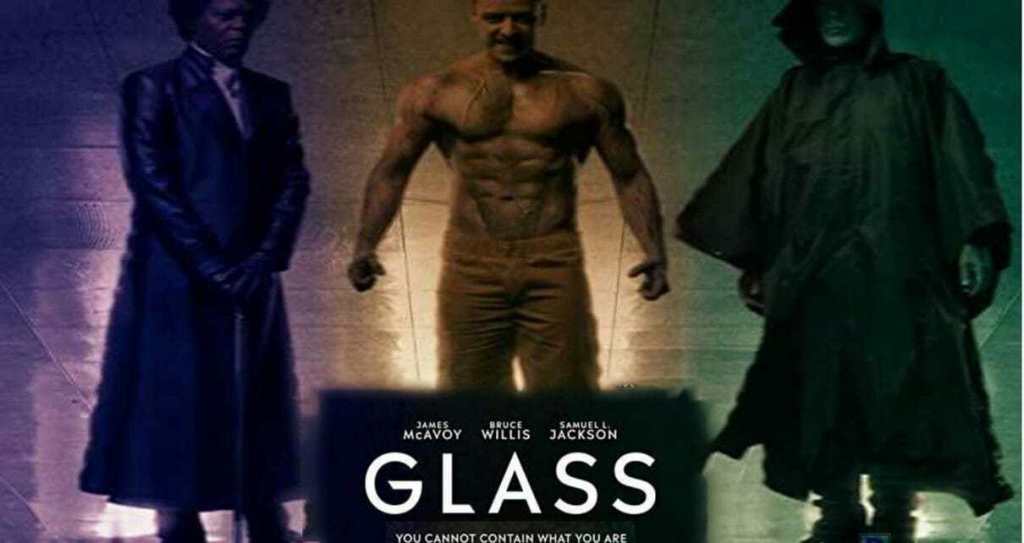
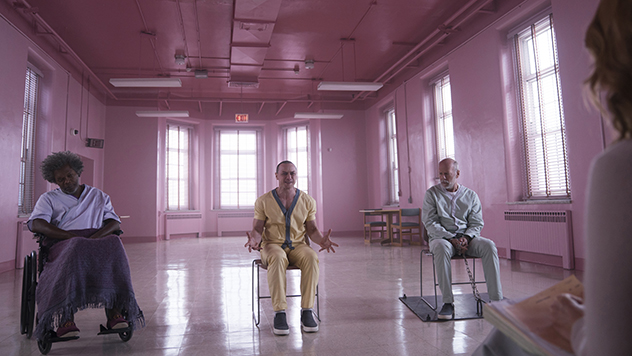
Glass starts three weeks after the end of Split  and opens with a terrific and bruising encounter between McEvoy’s dominant “Beast” personality and David Dunn’s (Bruce Willis) vigilante, daubed “The Overseer” by the media. Captured by authorities, the two are locked up and analyzed by Sarah Paulson’s seemingly sympathetic psychiatrist, Dr Ellie Staple. Enter Samuel L. Jackon’s Elijah Price, who is ALSO being held at the same mental health facility. I mean what could go wrong? Does the catatonic Price have villainous plans for The Horde and The Overseer? What do you think?

What I love about Shyamalan’s screenwriting, and this is something which he could equally be criticized for, is you can hear the cogs of contrivance creaking with every plot turn. Yet his ideas really capture your imagination and you genuinely want to know what happens next. Personally, as a fan of say Agatha Christie, I love theatrical exposition and clear “rules-of-the-world” mechanics. Shyamalan gets his three big-hitters in the same place and cinematic fireworks, however unlikely and full of plot-holes it may be, ensue. Woven within the fights, monologues and narrative misdirections are very clever meta-textual references to comic-book structures. This adds a welcome context to the denouement, which contains at least two incredible revealing twists.

Ultimately, I feel, unlike certain critics, that Glass is a fun and entertaining end to the trilogy. Yes, it tests the believability grid but Shyamalan must be applauded for striving, once again, toward some form of originality within his chosen genre.  It arguably goes down a deep rabbit hole at the end which is hard to get out of; but the impressive cast keep you in the light for the most part. James McAvoy is simply, once again, outstanding. Why hasn’t he been nominated for an Oscar? Who knows! Jackson and Willis are always solid performers, although I felt that Dunn’s character was slightly thrown away at the end. Anya Taylor-Joy also stood out and she is going to be a big star if she carries on delivering wide-eyed and steely performances such as these. Thus, Shyamalan gives us another big hit and something very different from the Marvel and DC superhero universes; something altogether more human.

Mark: 8.5 out of 11

THE CINEMA FIX: TWELVE FAVOURITE FILMS OF 2018

TWELVE FAVOURITE FILMS OF 2018

Hello 2019! So, here are my favourite twelve films of last year. It was a very decent and enjoyable year across cinema and streaming platforms and these are, not necessarily the best, but the ones I enjoyed the most that were released in the last twelve months. I obviously may have missed some films so please do point must see movies if I have. For the record I have taken into account all cinema, Netflix and film festival releases I have seen. Lastly, for comparison I also include 2017’s list first.

Favourite films of 2017!

A GHOST STORY (2017)
BABY DRIVER (2017)
BLADERUNNER 2049 (2017)
BRAWL IN CELL BLOCK 99 (2017)
COLOSSAL (2016)

THE DISASTER ARTIST (2017)
DUNKIRK (2017)
FENCES (2016)
INGRID GOES WEST (2017)
SILENCE (2016)
THREE BILLBOARDS OUTSIDE EBBING, MISSOURI (2017
WAR FOR THE PLANET OF THE APES (2017)

Favourite films of 2018!

A QUIET PLACE (2018)

Image result for a quiet place photos

A STAR IS BORN (2018)

Image result for A STAR IS BORN

BLACKKKLANSMAN (2018)

THE FAVOURITE (2018)

FIRST REFORMED (2018)

Image result for FIRST REFORMED

FIRST MAN (2018)

Image result for FIRST MAN

GAME NIGHT (2018)

Image result for GAME NIGHT

PETERLOO (2018)

Related image

PHANTOM THREAD (2017)

Image result for PHANTOM THREAD FILM POSTER

SORRY TO BOTHER YOU (2018)

THE SHAPE OF WATER (2017)

Image result for SHAPE OF WATER FILM POSTER

UPGRADE (2018)

Image result for UPGRADE FILM POSTER

BIRD BOX (2018) and ROMA (2018) – NETFLIX “CINEMA” REVIEWS 

BIRD BOX (2018) & ROMA (2018) – NETFLIX “CINEMA” REVIEWS

Firstly, may I wish you all a happy holiday season and thank all the people who have visited and read my reviews and articles this year. There are a lot of film review sites out there so it’s great so get so many visitors in a saturated online market.

For my final reviews of the year I have decided to double-up two Netflix releases. I watched them pretty much back-to-back in the hope, on top of enjoying them for entertainment purposes; I may be able to add them to my 2018 favourites.

So, here are my quick and concise reviews of Birdbox (2018) and Roma (2018) with the usual marks out of eleven. By the way, if you’re interested my favourite films and TV show lists of 2018 will appear early in January. Happy 2019 in advance!

**MAY CONTAIN SPOILERS**

BIRD BOX (2018)

Directed by: Susanne Bier

Produced by: Chris Morgan, Scott Stuber, Dylan Clark, Clayton Townsend

Screenplay by: Eric Heisserer / Based on: Bird Box by Josh Malerman

Starring: Sandra Bullock, Trevante Rhodes, John Malkovich, Danielle Macdonald etc.

It’s the end of the world as we know it: AGAIN!  I’d say that many of us may be getting apocalypse fatigue by now. So much so that if the end of the world does happen we’ll be mentally ready. Thus, any genre film about the end of the world must fight against the tide of similar films and TV shows released in the last decade or so to gain our attention or praise. Bird Box, for me, was a very entertaining and thrilling addition to the sub-genre. It benefits from an excellent ensemble cast and sterling lead performances from Sandra Bullock and Trevante Rhodes. Moreover, John Malkovich steals every scene he’s in as a cynical and obnoxious lawyer.

The story involves an invisible alien or natural force which infects the world’s population once they look; seeing it is deadly. It grips an individuals’ mind and then forces them to do horrific acts of violence to themselves. The film establishes Bullock’s character, blindfolded, with her two children just about surviving in the wilderness. After which we flash back five years and find Bullock’s pregnant character thrown into a memorably gripping set-piece. After which anyone familiar with George A. Romero’s zombie-film template will recognise many of the twists and turns in the story. Indeed, Bird Box is not that original because the superior, A Quiet Place (2018), also had a very similar premise but used sound rather than vision as the danger. Nonetheless, as a genre film Bird box rips along compellingly and Suzanne Bier has created some intense horror moments throughout.  

Mark: 8 out of 11

ROMA (2018)

Directed by: Alfonso Cuarón

Produced by: Alfonso Cuarón, Gabriela Rodriguez, Nicolas Celis

Written by: Alfonso Cuarón

Starring: Yalitza Aparicio, Marina de Tavira

Alfonso Cuarón writes, directs, edits and shoots a clear love and hate letter to his Mexican childhood. It contains the love he feels for his mother and the maid who helped raise him; and ire towards the men that negatively affected his young life and his country of birth. Set in the 1970s it covers around a year in the life of one middle-class family living in Mexico City; the main focus being the young help, Cleo. We follow her as she carries out her mundane tasks on a daily basis in an Upstairs Downstairs thematic structure. She is committed to her work and it is clear that she dotes and loves the children as if they are her own. As a historical film the era aesthetics are incredibly realistic and Cuaron’s cinematography, presented in crisp black and white imagery, is virtually perfect. You feel like you are there with the characters in 1970s Mexico. Historically too, the film evokes between the lines the politically charged danger of the era; however, Roma is more of a personal film than determinedly socio-political.

Cuarón is an auteur at the height of his powers. His direction on both Children of Men (2006) and Gravity (2013) was phenomenal; utilising technological brilliance with fierce storytelling acumen. Likewise, in Roma his stylistic choices are fascinating, although I think it actually works against the themes and content at times. The long take pans and tracking shots, while expertly done, slow the pace of the story and in my humble opinion are repetitive and overdone. Moreover, Cuaron the editor has fallen in love with own work and to me would have been a masterpiece if trimmed to two hours. There are at least four incredible standout cinematic scenes – that I won’t spoil – which all linger long in the memory. Furthermore, the characters, led by the humble Cleo are empathetic and at times tragically formed against the backdrop of political unrest. Yet, despite evoking the Italian neo-realist era of post-war filmmaking, Cuaron’s film feels padded at times, lacking the economy of Rossellini’s and De Sica’s work. Overall, it’s a touching work of cinema about birth, life and death, which arguably did not need the stylistic flourishes to tell such a simple, slice-of-life story.                                           

Mark: 8.5 out of 11