Tag Archives: Western

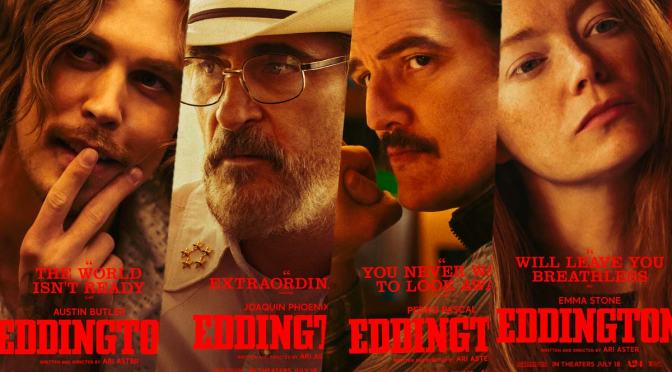
Cinema Review: Eddington (2025) – a daring Western satire on COVID-era America, US politics and the poison of social media!

Cinema Review: Eddington (2025)

Directed by Ari Aster

Written by Ari Aster

Produced by: Lars Knudsen, Ari Aster & Ann Ruark

Main Cast: Joaquin Phoenix, Pedro Pascal, Luke Grimes, Deirdre O’Connell, Micheal Ward, Austin Butler and Emma Stone.

Cinematography by Darius Khondji

*** MAY CONTAIN SPOILERS ***
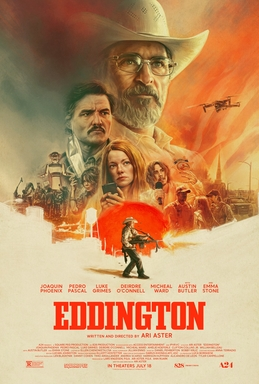


Ari Aster’s first two horror films, Hereditary (2018) and Midsommar (2019) were rightly critically acclaimed and delivered at the box office too. His third film Beau is Afraid (2023) was a flop when compared and in my view not surprising. The film was arguably, depending on your view, a hilarious, risk-taking arthouse tragi-comedy or a self-indulgent act of egregious career self-sabotage. Safe to say I did not enjoy it, so approached the latest A24-produced film of Aster’s, Eddington (2025), with emotional caution.

Thankfully Aster’s screenplay, characters and all-round production of Eddington (2025), are far more accessible and focused than his third feature. Pedro Pascal and Joaquin Phoenix anchor Eddington (2025) superbly, as Aster delivers a blistering small-town allegory that uses a public health crisis as the spark for something far larger. What begins with Mayor Ted Garcia (Pascal) dutifully following the Governor’s lockdown orders quickly escalates when Sheriff Joe Cross (Phoenix) refuses to comply and runs for Mayor himself. This casts the town and people into a conflict that mirrors America’s own political division.
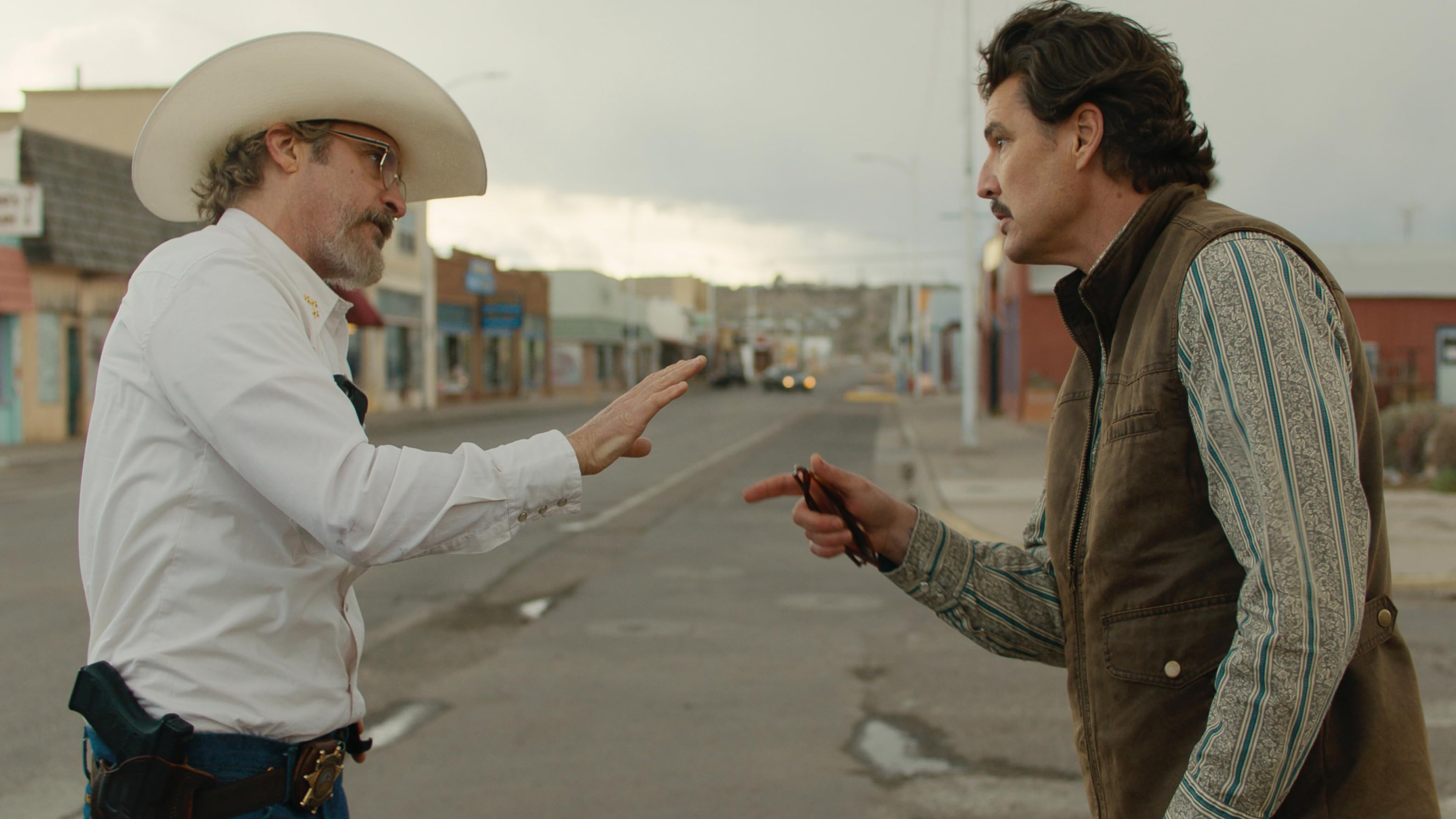


Phoenix brings his trademark intensity to Sheriff Cross, whose defiance feels equal parts principled and unhinged, while Pascal’s Mayor, revealed to be a corporate puppet, balances him as a leader losing grip on his authority. Thus, Eddington (2025) is a powerful film whose strength lies in the performances and a brave, intelligent screenplay which asks many questions. The main issues I had were under-developed character arcs for Emma Stone’s and Austin Butler’s characters. Further, as in previous films Aster relies heavily on left-field plot turns, which go more for shock, rather than understandable character development. Indeed, the final act Western-style shootout, while incredibly exciting, seems out-of-sync with the thoughtful build-up and drama established in the first hour.

Ultimately, Director Ari Aster resists turning Eddington (2025) into just a COVID-era-morality tale; instead, the film confidently threads together a powerful mix of left and right-wing US politics, toxic masculinity, historical sexual abuse, conspiracy and alternative theories, cultish religious fervour, white saviour virtue-signalling, homegrown terrorism, algorithmic influence of social media, and the creeping threat of corporate greed. Each theme and subplot fold back into the central question: who really controls the narrative in modern America or is it a nation spiraling out of control toward inevitable civil war? The result is a tense, unsettling portrait of a town—and a country—at war with itself.
Mark: 8 out of 11


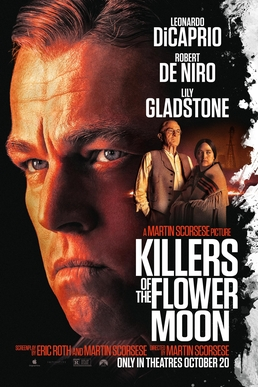
CINEMA REVIEW: KILLERS OF THE FLOWER MOON (2023)

CINEMA REVIEW: KILLERS OF THE FLOWER MOON (2023)

Directed by: Martin Scorsese

Screenplay by: Eric Roth and Martin Scorsese

Based on: Killers of the Flower Moon by David Grann

Produced by: Dan Friedkin, Bradley Thomas, Martin Scorsese and Daniel Lupi

Main cast: Leonardo DiCaprio, Robert De Niro, Lily Gladstone, Jesse Plemons, John Lithgow, Tantoo Cardinal, Scott Shephard, etc.

Cinematography: Rodrigo Prieto

Edited by: Thelma Schoonmaker

*** MAY CONTAIN SPOILERS ***


Who can tell how the world and society as we know it would’ve evolved if Christopher Columbus, the explorer credited with finding the Americas in 1492, had not landed and begun the first steps toward colonising this uncharted part of Earth. Of course, there were existing natives in the Americas and over time they would experience first contact with Spanish, Portuguese, British and other European, predominantly white, settlers. It may be that the natives would have had equally difficult experiences, and colonists brought with them many positive things. But one has to surmise they would not have had their land and lives gradually taken from them over the centuries without the European invasion.

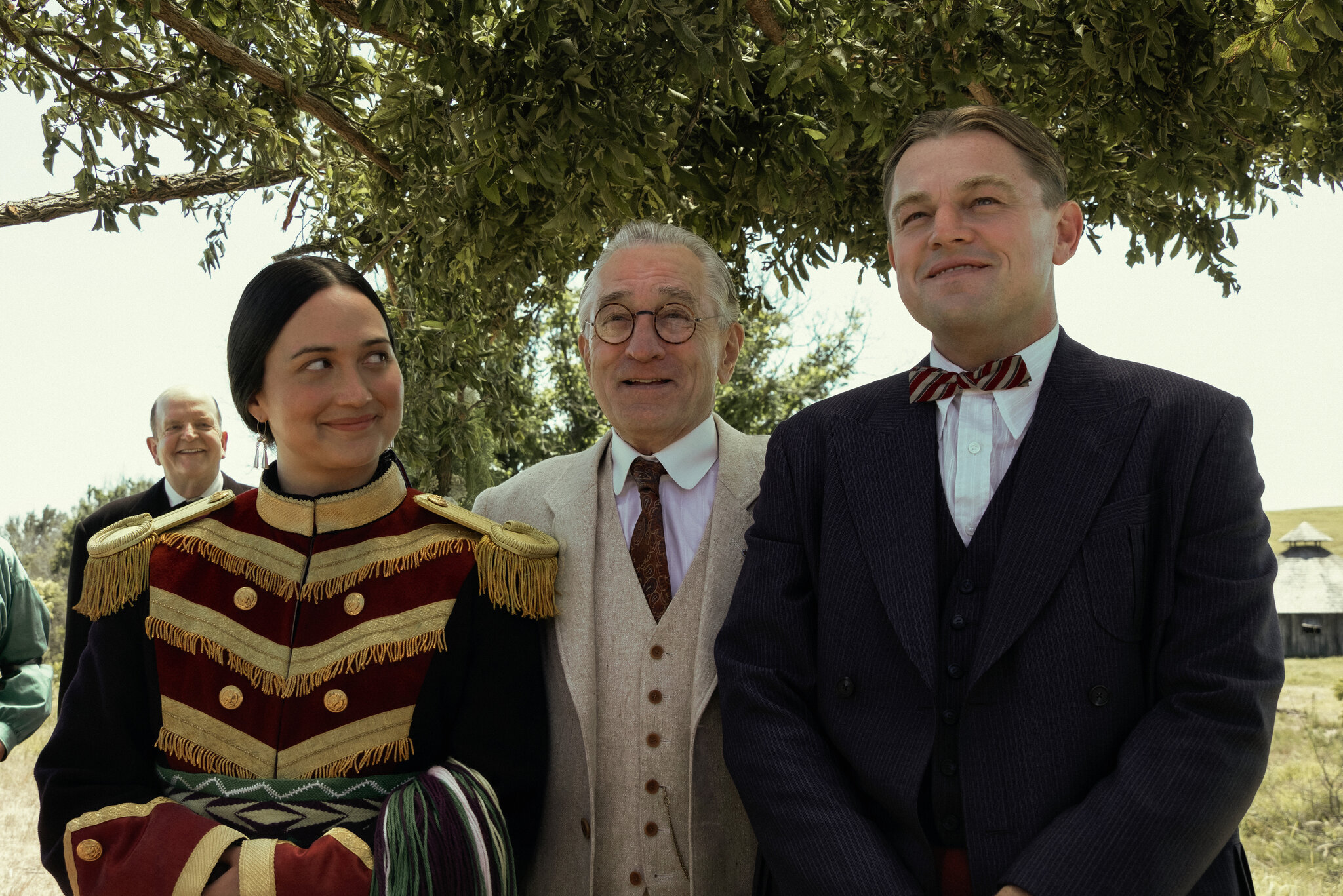
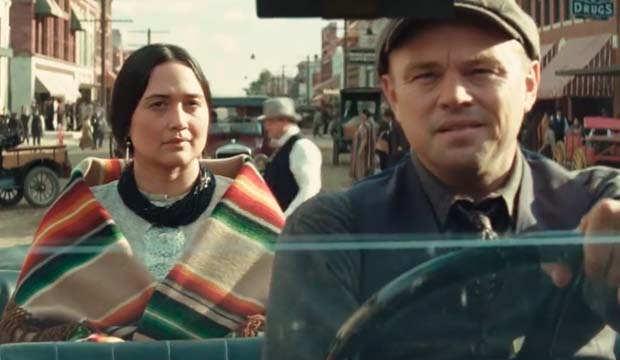
The violent theft of land and wealth from Native Americans forms the bedrock of the narrative of Martin Scorsese’s latest epic drama, Killers of the Flower Moon (2023). Adapted from David Grann’s critically acclaimed nonfiction book, the film centres on the series of murders of wealthy Osage people that occurred in Oklahoma in the early 1920s. The motive for the heinous culling was the greed of white men. Such individuals lusted after the richness present after big oil deposits were discovered beneath the Osage people’s land. Whereas Grann’s book is a monumental study of the murders, perpetrators, the Osage culture, politics of the era, and how the newly formed FBI delved into the crimes, Scorsese’s incredibly slow and long adaptation does all that, while also exploring the romance and murderous treachery between Osage native, Mollie (Lily Gladstone) and war veteran, Ernest Burkhart (Leonardo DiCaprio).


Opening by establishing how the oil erupted and blackened the green land, the film then firmly sets up how the American businessmen used the legality of the headright system to manipulate the flow of sudden wealth that came to the Osage people. One such man is William King Hale (Robert DeNiro) who presents himself as a benefactor to the Osage, but truly speaks with a forked tongue. Having left the infantry unit after World War One, Hale’s nephew Ernest joins him to work and ultimately do his bidding. Hale cajoles Ernest to romance wealthy Mollie and get further feet under the table and closer to that beloved black gold money. Yet, enough is never enough for the likes of Hale and driven by another formidable Scorsese directed performance, De Niro delivers a deviously evil characterisation.

DiCaprio here takes the less charismatic role as the doltish Ernest. As Hale urges him to do further misdeeds the banality of everyday evil is palpable in Ernest’s actions. Along with a litany of professional and thuggish cowboy types Ernest and Hale’s other minions wreak havoc on the Osage people, committing arson, murder, poisonings, robbery, and shootings. All just for more money. The tragedy is that Ernest clearly has feelings for Mollie, serenely portrayed by a revelatory Lily Gladstone, but he just cannot stand up for himself against his wicked uncle. So much so that I just wondered why the hefty runtime was concentrating on Ernest’s character. I mean, Scorsese and DiCaprio give us little in the way of anti-heroism to bounce off, or even some cathartic sense of redemption. Ernest starts out as a loser and finished the story the same. Over three hours spent with a gurning idiot left me frustrated.

Directed, as one would expect with a masterful hand, mind and eye by Scorsese, who once again surrounds himself with an incredibly talented cast and production crew. Not to forget the unbelievable $200 million budget. But Scorsese’s movement of late to ultra-long and methodical cinema is an artistic choice that requires much patience. While Killers of the Flower Moon (2023 is thematically very powerful, beautifully filmed, and contains a number of exceptionally impressive sequences, there was genuinely not enough story to justify such a long running time. Whereas The Irishman (2019) was slow, it was methodically thrilling and absorbing throughout. Killers of the Flower Moon (2023) on the other hand becomes repetitive in its reveals of greedy Cowboys breaking bad and raising hell to the cost of the Osage. The introduction of the FBI and their subsequent investigation comes way too late to save the over-bloated length and pace. However, there is no doubt, the film remains vital in highlighting the historial horror perpetrated upon the Osage land and people. Perhaps Apple TV should have just given the money to the Osage descendants as reparation?

Mark: 8 out of 11


CINEMA REVIEW: NOPE (2022)

CINEMA REVIEW: NOPE (2022)

Directed by Jordan Peele

Written by Jordan Peele

Produced by: Jordan Peele and Ian Cooper


Cast: Daniel Kaluuya, Keke Palmer, Steven Yeun, Michael Wincott, Brandon Perea, Wrenn Schmidt, Barbie Ferreira, Keith David, etc.

Cinematography: Hoyte van Hoytema

*** MAY CONTAIN SPOILERS ***


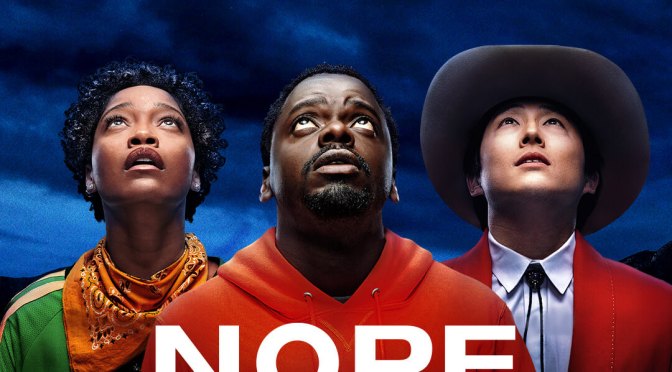
Following on from the Oscar winning, Get Out (2017), and the should-have-won-an-Oscar-for-Best-Actress-in-Lupita-Nyong’o, Us (2019), Jordan Peele is back with the enigmatically titled, and equally ambiguous sci-fi-Western-horror film, NOPE (2022). Taking on writing and directing duties again, Peele has delivered a majestic looking cinematic feast, brimming with incredibly memorable images involving horses, chimpanzees, cinema, waving inflatables, surveillance cameras, carnival shows, and something very large that comes from beyond the clouds.

So, what’s Nope (2022) actually about? Well, put simply it’s all about cowboys and girls overcoming a monster. But it is much more than that. Because, narratively speaking it is difficult to sum up in a few sentences. Peele builds his most complex film to date by delivering a series of visually powerful set-pieces throughout. He also challenges the audience with an intelligent visual system which thematically links television, cinema, cameras, Hollywood, animals and a spectacular eye in the sky. Like Tarantino’s Once Upon a Time in Hollywood (2019), Joel Coen’s The Tragedy of Macbeth (2021) and Martin Scorsese’s religious epics, Nope (2022), is what I consider to be a big-budget, arthouse blockbuster.


The film, which is divided into chapters, establishes brother, OJ (Daniel Kaluuya) and sister, Emerald (Keke Palmer), trying valiantly to keep the family ranch from going under. Once thriving under their father’s management, the ranch would supply horses to the Hollywood conveyor belt of A-list and B-movie Westerns. With such work now in short supply, OJ is forced to sell horses to local theme park owner, Ricky “Jupe” Park (Steven Yeun), however, he vows to get them back when business improves. But a bigger threat is soon looming over the ranch.

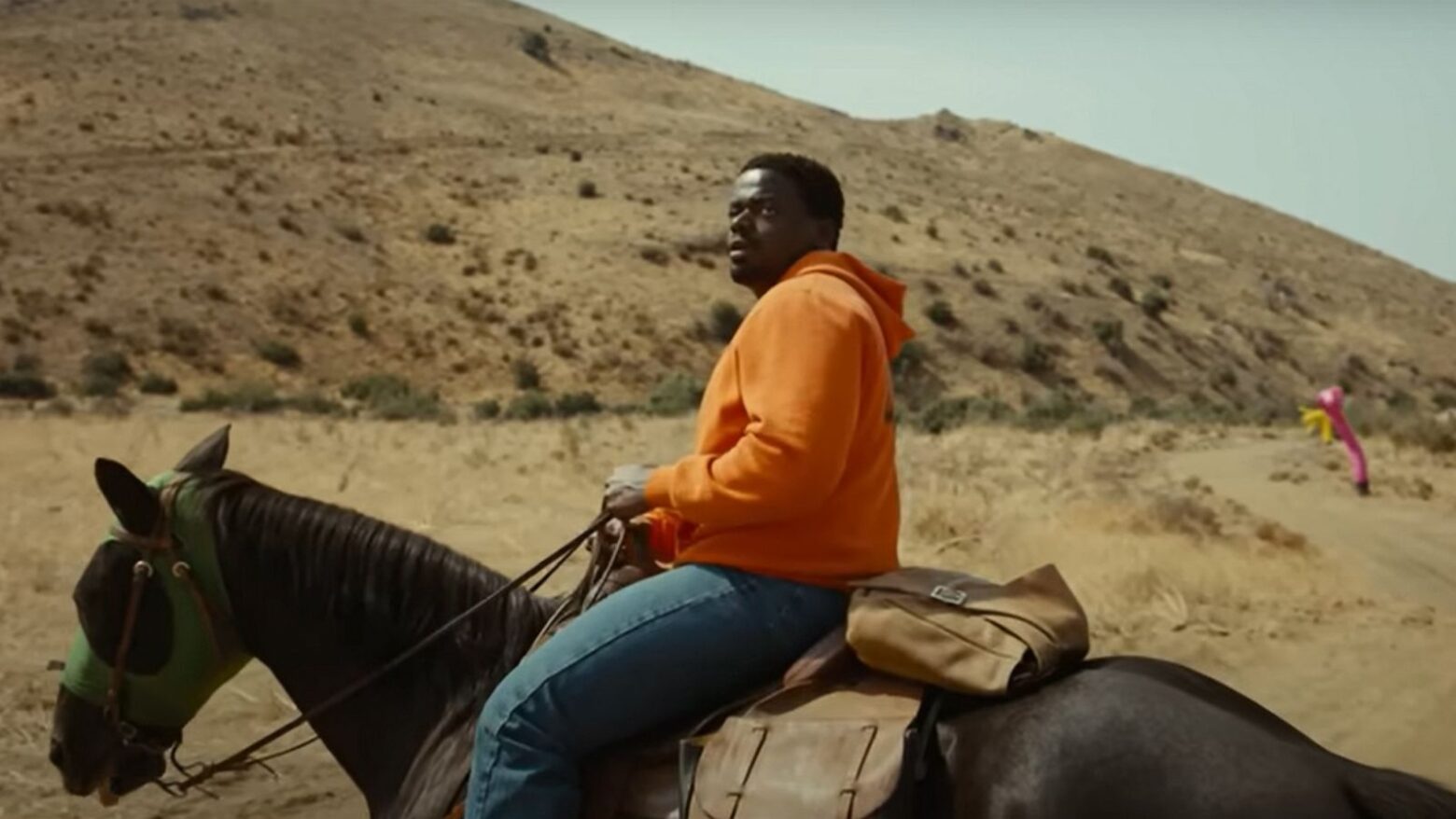
Kaluuya’s performance as OJ is laconic, invoking pure Robert Mitchum. Did I like and root for OJ? Sort of. Keke Palmer as Emerald brought the energy to the screen, but I never felt the two characters really gelled with the themes successfully. Peele’s intellectual leaps, while thought-provoking, barriered an emotional connection within Nope (2022). Likewise, Yuen’s Jupe is given a tremendously imaginative and powerful backstory which brings us into his character, but ultimately fails to pay off dramatically. In fact, these scenes felt like they were from a different film altogether. Indeed, Peele uses the sci-fi monster genre to hang his view of the world on, not always to maximum impact.

While the characterisations and themes arguably fail to gel within the screenplay, it is visually where Nope (2022) really soars. Hoyte van Hoytema should sweep the board come awards time. Further, Peele creates an optical banquet by juxtaposing the majestic vistas of the Californian landscape with modern camera and surveillance equipment, plus those colourful inflatable dummies. Then there’s the thing that is “Not Of Planet Earth”. What is it and what does it represent? Who is watching and controlling and feeding on us? Peele’s challenging concepts are to be applauded within the genre blockbuster, but I just wanted to be scared and care a bit more. On additional viewings, Nope (2022), may be considered a masterpiece, but at the moment it could be one of those great films which I kind of didn’t like. As discussed previously here.

Mark: 8 out of 11


CULT FILM REVIEW: DJANGO (1966)

CULT FILM REVIEW: DJANGO (1966)

Directed by: Sergio Corbucci

Produced by: Sergio Corbucci, Manolo Bolognini

Screenplay by: Sergio Corbucci, Bruno Corbucci, Franco Rossetti, José Gutiérrez Maesso, Piero Vivarelli, Fernando Di Leo [Uncredited]

Story by: Sergio Corbucci, Bruno Corbucci

Based on: Yojimbo by Akira Kurosawa, Ryūzō Kikushima [both uncredited]

Cast: Franco Nero, Loredana Nusciak, José Bódalo, Ángel Álvarez, Eduardo Fajardo

Music by: Luis BacalovTheme song sung: by Rocky Roberts

***MAY CONTAIN SPOILERS***


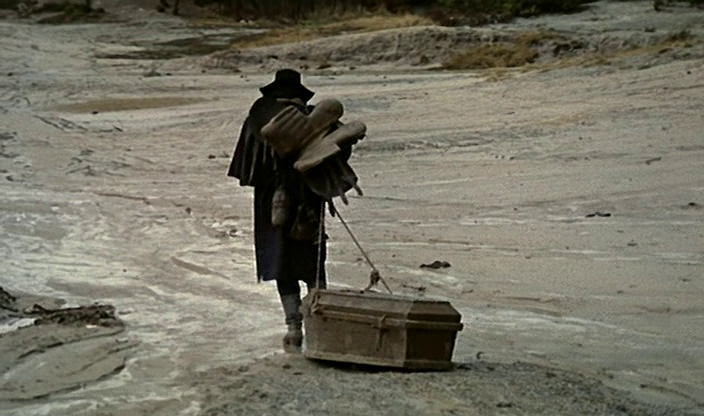
As the crooning voice of Rocky Roberts soars on the soundtrack, a lone figure adorned in dark clothes appears, saddle on his back, dragging a coffin across thick sand. Is he a hero or a criminal or a personification of death? Well, he is all three and his name is Django – the ‘D’ is silent. The opening credits and imagery of Sergio Corbucci’s cult Western, DJANGO (1966), is morbidly iconic, perfectly introducing us to the darkness, intensity and sardonic humour of what is to come.

The narrative of Django (1966) takes the tropes of a singular, tough, uncompromising anti-heroic ex-soldier, who has returned from the American Civil War, moving from town to town searching for the next payday. In the process he plots and wreaks havoc and death to all who stands against him. In his breakthrough role, the cool, handsome and blue-eyed, Franco Nero, is brilliantly cast in a similar part that would make a star of Clint Eastwood in A Fistful of Dollars (1964). The similarities do not stop there as Sergio Leone’s Spaghetti Western was, like Django (1966), heavily influenced by Akiro Kurosawa’s famous Samurai film, Yojimbo (1961). Yet while the stories owe much to Kurosawa’s seminal classic — as the Ronin character sets two opposing gangs against each other — both Leone and Corbucci instil their own distinctive style into their respective films.


Corbucci’s vision is even more cynical and violent than Leone. While Nero’s striking good looks glow like a silent matinee idol, he seemingly kills more soldiers, bandits and assorted bad guys than the Civil war itself. Django is a one-man killing machine and he never flinches at the sight of vermillion carnage. In fact, as a hollow and bitter man who has tasted the tragedy of senseless war, one can assume that killing is the only thing Django is good at now. It’s a barren muddy wasteland Django, and such adversaries as Major Jackson and General Hugo Rodriguez, exist within and nobody comes out of it clean. Mud and bullets and blood and burning crosses stain the land as the body count goes up and up as the film progresses. Redemption and hope are rarely even suggested in the hearts of the characters.

Corbucci presents chaos with style. There are a number of fantastic shoot-outs and set-pieces all directed with vibrant energy; all zooms, whip-pans and rapid cross cutting. You want to immediately know what is in THAT coffin at the start. You WILL find out and revel in the mayhem which ensues. Indeed, Django (1966) is not for the faint-hearted. Of course, when watching it now, it is nowhere near as shocking as many contemporary films, however, at the time of release the British Board of Censors saw fit to ban Django (1966). It did not get an official release until 1993. That’s a shame as Bacalov’s score alone provides glorious support to the brutal visuals. Finally, Django (1966), Corbucci and Nero’s cult legacy was secured when Quentin Tarantino delivered the incredible, Django Unchained (2012), an altogether different, but equally violent and memorable Western classic.


MY CINEMATIC ROMANCE #20 – KATHRYN BIGELOW

MY CINEMATIC ROMANCE #20 – KATHRYN BIGELOW

If there’s specific resistance to women making movies, I just choose to ignore that as an obstacle for two reasons: I can’t change my gender, and I refuse to stop making movies. It’s irrelevant who or what directed a movie, the important thing is that you either respond to it or you don’t. There should be more women directing; I think there’s just not the awareness that it’s really possible. It is.“— Kathryn Bigelow in 1990


Having most recently directed the searing period drama, Detroit (2017), Bigelow has been making feature films, since her debut, The Loveless (1981), for over thirty-nine years. With a strong academic background, having studied at the San Francisco Art Institute and Columbia University, it’s fascinating to review a career which has eschewed arthouse cinema and essentially been spent working mainly on big-budget genre films. However, one can see in her directorial canon that Bigelow, while striving for commercial success, is constantly testing the boundaries of genre storytelling.

Along with a powerful visual style that attains symbiosis with the core material, she intelligently explores themes relating to violence, individual freedom versus the system, masculinity in crisis, gender representations and socio-political corruption. Lastly, her characters are often outsiders, morally complex and dealing with deep personal trauma. In short: Bigelow’s worldview is one of both healthy scepticism and cynicism, but also an element of hope within the longing for control. So, here are five of Kathryn Bigelow’s most impactful cinematic releases.

***ARTICLE CONTAINS FILM SPOILERS***


NEAR DARK (1987)

While The Lost Boys (1987) is rightly regarded as a very entertaining 80’s vampire film, Near Dark (1987) is way, way superior. Despite not catching fire at the box office, this neo-horror-western contains a fantastic cast of James Cameron alumni, including: Lance Henriksen, Bill Paxton and Jenette Goldstein. These great character actors inhabit this snarling gang of vampires perfectly as the film contains shockingly brutal violence and hard-bitten dialogue amidst a tender love story.


BLUE STEEL (1990)

While Jamie Lee Curtis is generally better known for her horror and comedy film performances, Kathryn Bigelow made excellent use of her dramatic acting ability as a rookie police officer caught up with Ron Silver’s psychotic commodities trader. Blue Steel (1990) is a variegated genre film which takes a standard police procedural narrative and twists it into something far more psychologically compelling. Lee Curtis excels, as does vicious bad-guy Silver, aptly named Eugene Hunt!


POINT BREAK (1991)

This classic heist meets surfing movie meets gay subtext bromance is jam-packed with classic action scenes and faux-deep philosophical musings. Keanu Reeves is the daftly named cop, Johnny Utah, who goes undercover, amidst the beach brigade to find a bunch of bank robbers. His suspicions fall on Patrick Swayze’s elemental surfer-dude-god and a dangerous “bromantic” game of cat-and-mouse ensues. Bigelow scored her first major hit with Point Break (1991), infusing it with some incredibly visceral stunt, surfing, robbery and chase sequences in an exhilarating film experience.


THE HURT LOCKER (2008)

After the box office failures of her previous three films, the under-rated sci-fi thriller, Strange Days (1995), enigmatic mystery, The Weight of Water (2000), and stodgy cold war film, K-19: The Widowmaker (2002), Bigelow’s seemingly took a career break. She would, however, come back with her most critically acclaimed and Oscar-winning film, The Hurt Locker (2008). From a brilliant script by Mark Boal and led by Jeremy Renner’s standout lead performance, The Hurt Locker (2008), put the audience right at the heart of a bomb disposal unit in Iraq. Putting aside the politics for a moment, the film is full of incredibly tense and superbly edited scenes which have your heart in your mouth. Simultaneously too, the film also shows the devastating emotional, physical and mental effect war has on the people of Iraq and the soldiers sent to fight this horrifically unjust conflict.


ZERO DARK THIRTY (2012)

Whereas The Hurt Locker (2008) had highly emotional and empathetic protagonists, Bigelow and Boal’s next film Zero Dark Thirty (2012), is a much more clinical and technically efficient cinematic experience. In parts, both a war drama and espionage thriller, the story also has a feel of an old-fashioned Western as American military and CIA operatives, led by the excellent Jessica Chastain and Jason Clarke, hunt down Osama Bin Laden. Politically speaking this is a film which makes me feel very uncomfortable for a number of reasons. It plays out like a revenge story. It also seems to both criticize and vindicate torture in the early scenes. This makes me uneasy as I understand the 9/11 attacks were just horrific, yet they seemed to get used as a motive for many more atrocities by the United States government. I guess that was what Bigelow and Boal were going for. They attempted to create a morally and emotionally complex war thriller that lets you interpret the events yourself and conclude one’s own judgements.


SIX OF THE BEST #18 – FILM ANTHOLOGIES

SIX OF THE BEST #18 – FILM ANTHOLOGIES

While we all love a good proper feature film containing one continuous narrative, the anthology or portmanteau film has thrown up some fine cinematic entertainment over the years. Generally, an anthology film can be described as a collection of works with a linked theme, genre, style and author etc.

Thus, in my occasional Six of the Best series I have decided to pick some favourite ones. To make it more interesting I have chosen them from different genres. Otherwise, I would have just chosen all horror films. So, here are six of the film anthology films worth watching.

**MAY CONTAIN SPOILERS**


THE BALLAD OF BUSTER SCRUGGS (2018) – WESTERN

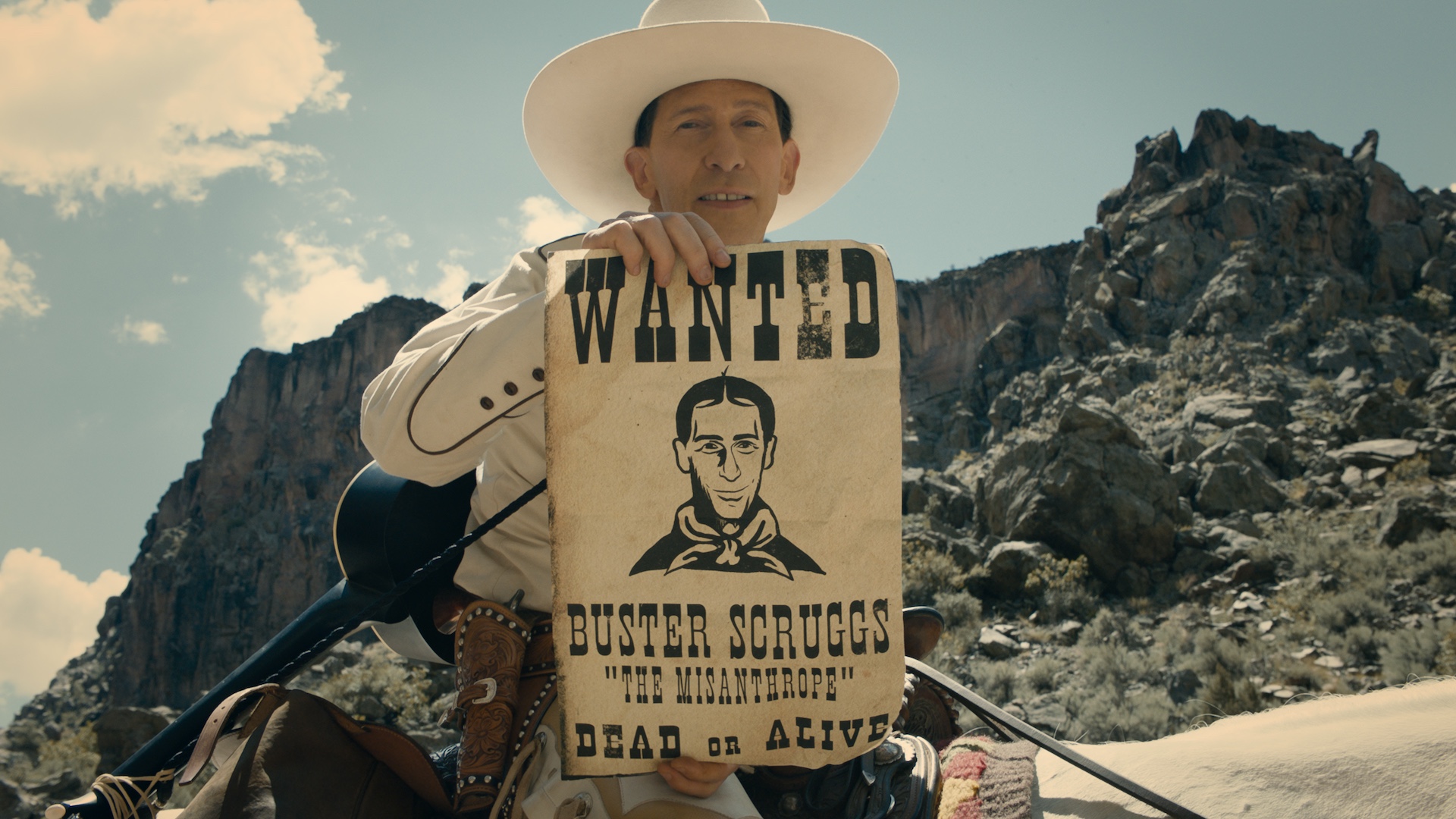
The Ballad of Buster Scruggs is a mischievous alchemy of stories. Here, the Coen Brothers reach into their cinematic bag of tricks to deliver an entertaining and memorable collection of characters, songs, bloody death, jokes, pathos, landscapes, snappy dialogue, dark humour and action. Coen’s films often improve with each viewing as their work is so full of stylish depth and this is no different. Quite often, you’re laughing so much you miss the philosophical happenstance which is occurring in many of these fine stories.

Image result for buster scruggs

DEAD OF NIGHT (1945) – HORROR

It seems sacrilege not to include the likes of George Romero’s Creepshow (1982) or one of Amicus’ unhinged collections such as Dr Terror’s House of Horror (1965). But, having watched this classic recently I can certainly say it has some brilliant and scary stories which stand the test of time. Full to the brim with the cream of British acting, writing and directing talent, the standout tale is Michael Redgrave’s troubled ventriloquist, although the whole film is a nightmarish treat for horror fans.

Image result for DEAD OF NIGHT

FANTASIA (1940) – ANIMATION

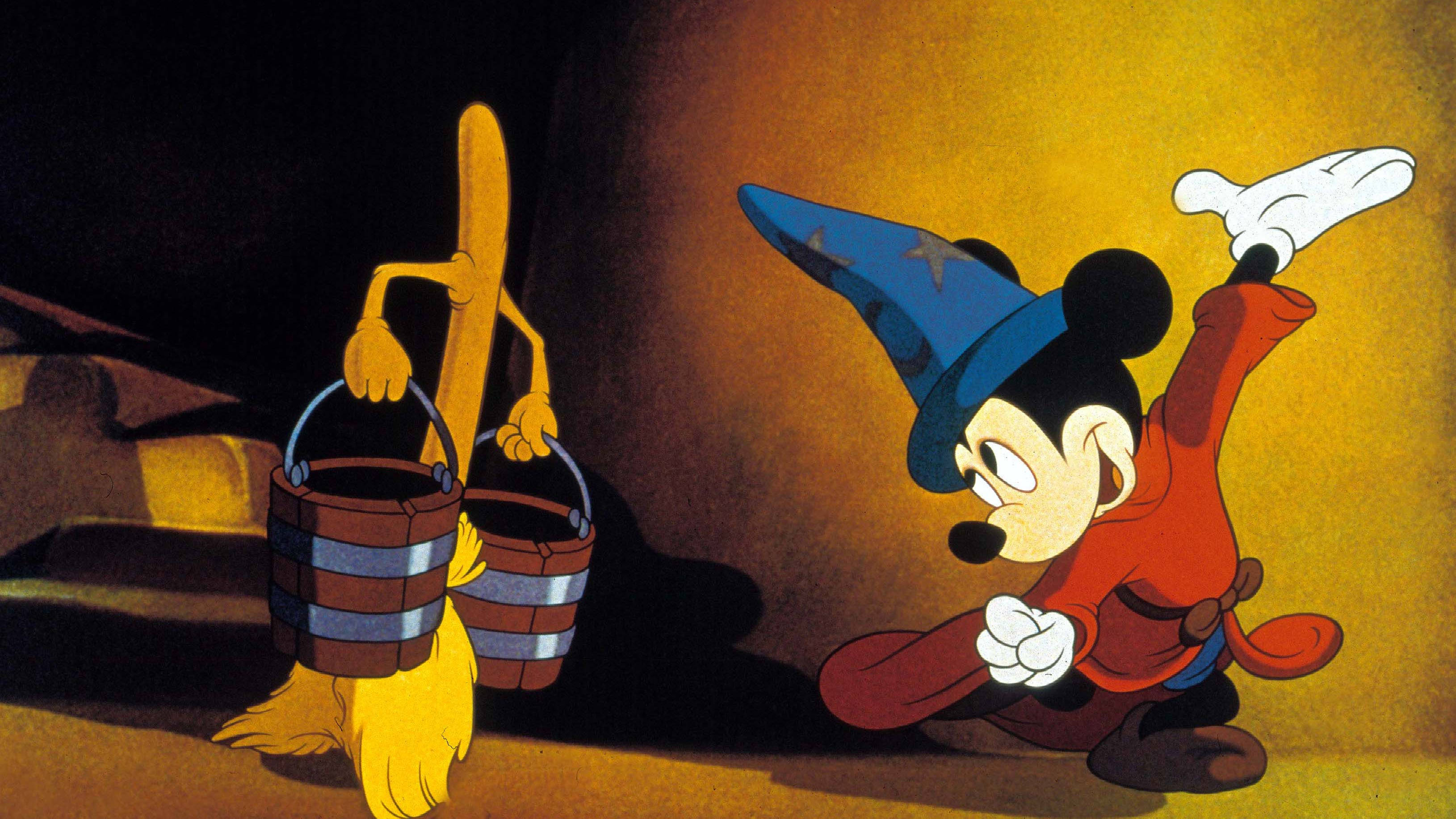
With the current trend for Disney to remake their back catalogue as “live” action films in mind, I very much doubt they will doing this with Fantasia. Conceived as a short to re-invigorate the slowing career of Mickey Mouse, the film is unlike any other Disney have made. It consists of experimental, non-narrative and hallucinogenic vignettes mainly set to wondrous classical music. A masterpiece of hand-drawn animation, style, colour and design, it’s certainly not just for kids. I recall many images giving me nightmares when saw it as a child and it remains a powerful cinematic work to this day.

Image result for fantasia

NIGHT ON EARTH (1991) – COMEDY

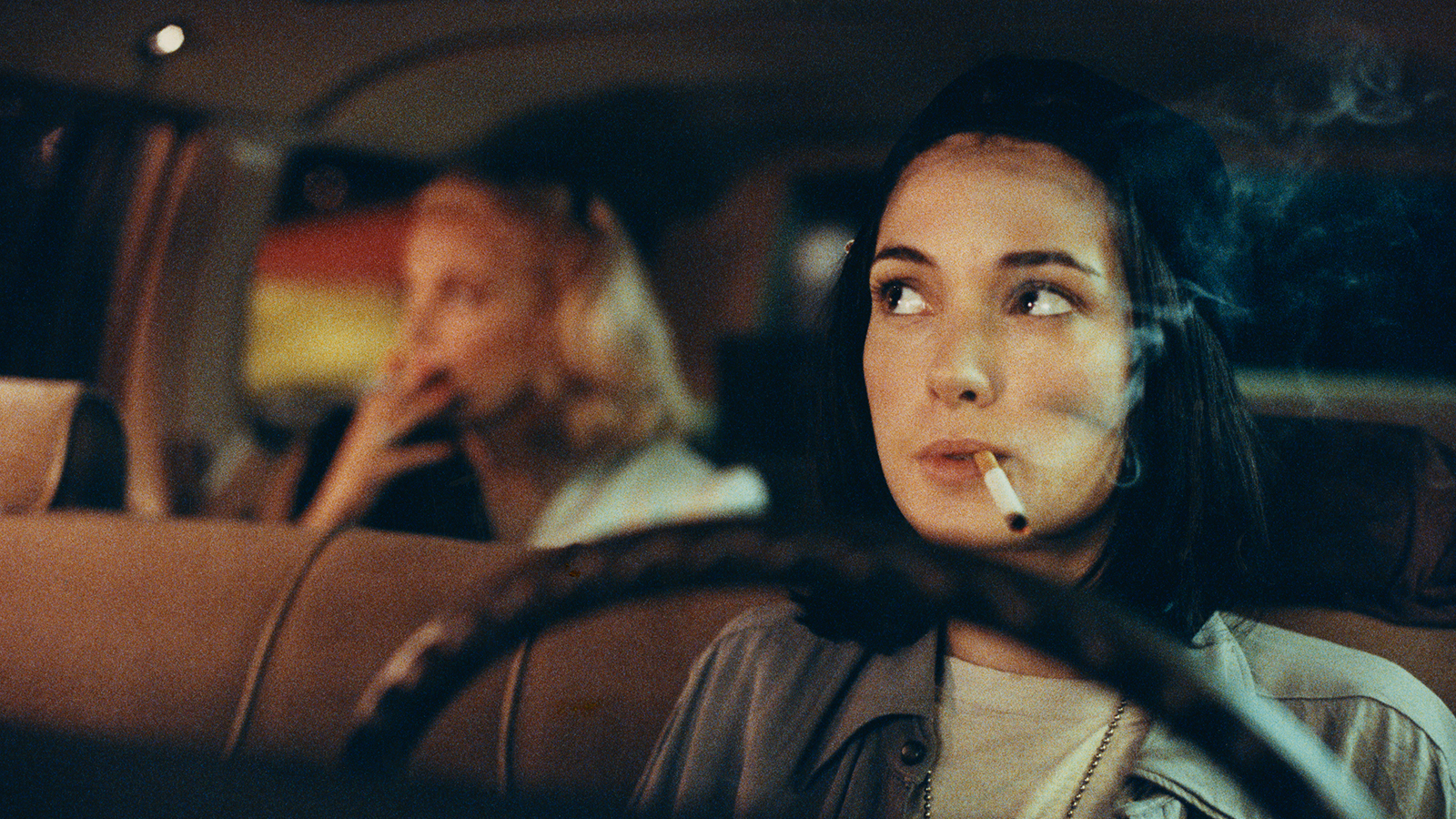
I was going to choose Woody Allen’s erotic sketch film, Everything You Wanted to Ask About Sex but were Afraid to Ask (1972), for the comedy section. However, I decided to select a more deadpan and character oriented film. What better then, than a Jim Jarmusch curiosity. I love the concept of the film as Jarmusch sets several themes and parameters in place. There are five slice-of-life vignettes set on the same night in the cities of Helsinki, New York, Rome, Paris and Los Angeles, all starring some of Jarmusch’s favourite actors. Relationships and quirky interactions between cab driver and passenger are explored in the filmmakers’ inimitable style.


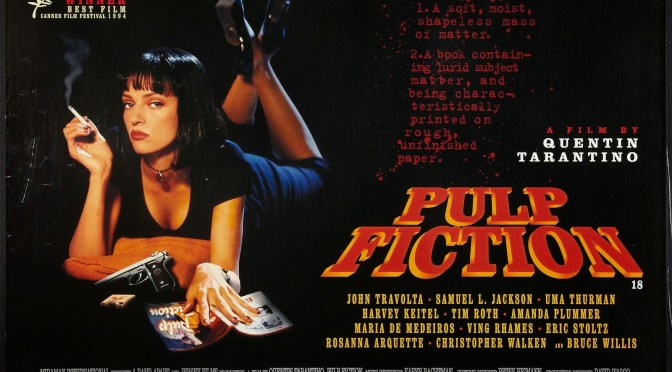
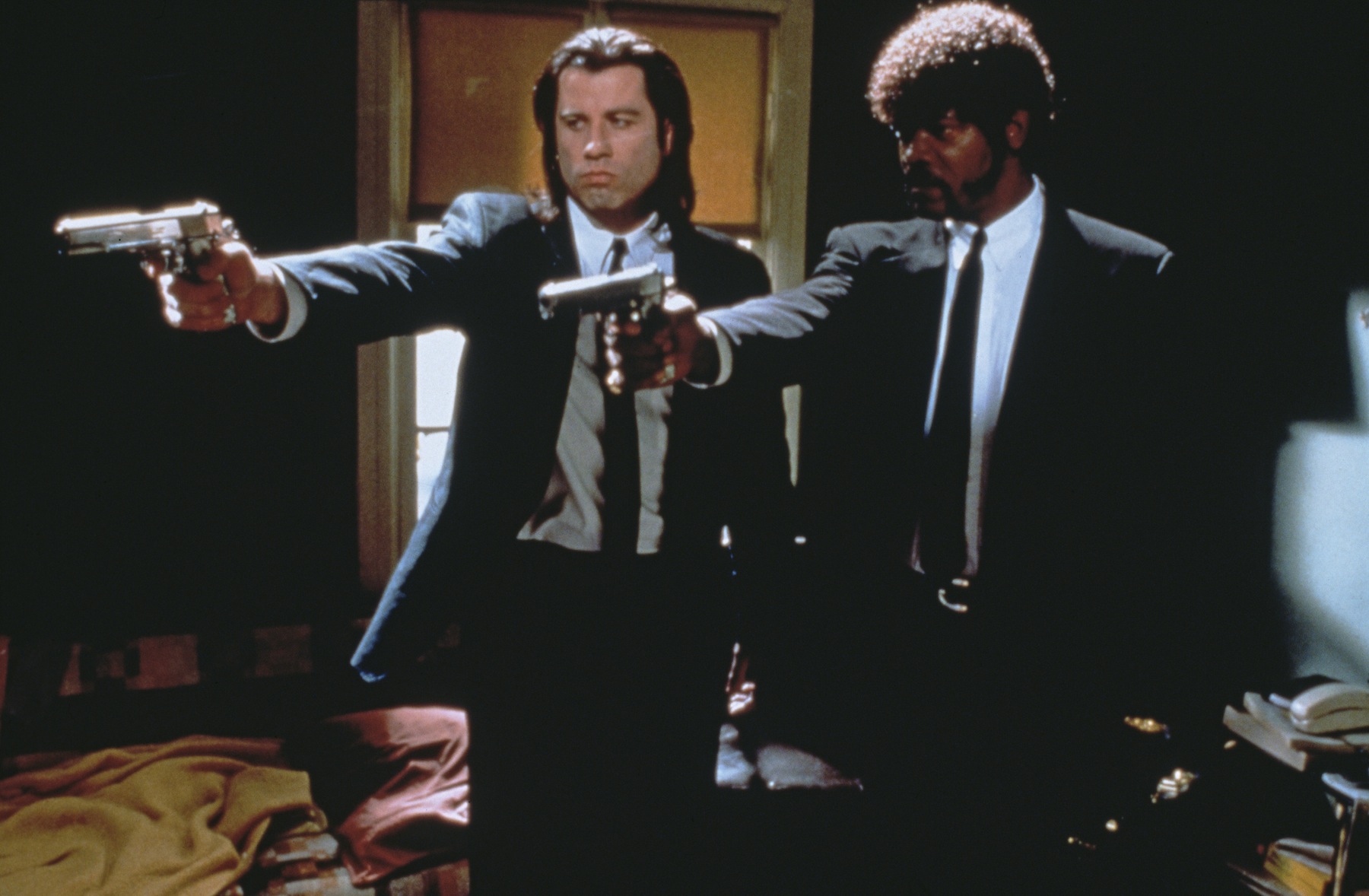
PULP FICTION (1994) – CRIME

Quentin Tarantino’s second feature film remains a fresh masterpiece of colliding gangsters, uber-cool hitmen, fixers, boxers, sexual deviants, femme fatales, drug addicts and general criminal types. With an over-lapping timeline that kind of does a figure of eight, we get stories ranging from a couple robbing a diner; a boxer double-crossing a crime boss; and an employee almost killing his boss’s wife. Tarantino breathes life into the crime genre and the stock pulp characters with one of the greatest screenplays ever written; full of incredible dialogue, startling twists and a brilliant ensemble cast.


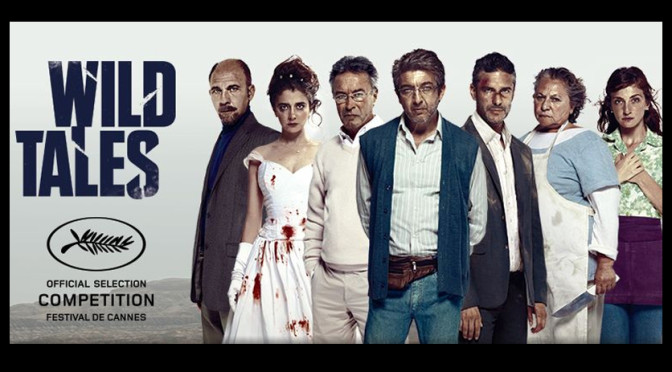
WILD TALES (2014) – DRAMA

Damián Szifron conjures up a delectable and devilish set of stories mostly based around the themes of obsession and revenge.  It opens with a breath-taking little prologue featuring a horrific incident on a plane and culminates in arguably the wildest tale when the Bride goes on the rampage at her wedding.  Everyone’s favourite Argentinian actor Ricardo Darin pops up in the middle as an explosives expert who enacts revenge on City Parking fascists. I love the whole thing as the film delivers a full deck of twists that master of the macabre Roald Dahl would be proud of. 


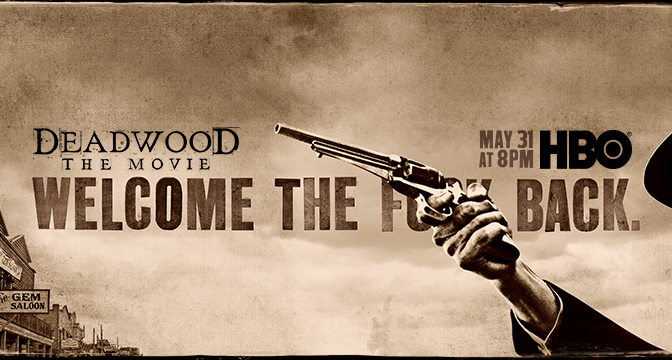
DEADWOOD (2019) – HBO FILM REVIEW

DEADWOOD (2019) – HBO FILM REVIEW

Created and written by: David Milch

Directed by: Daniel Minahan

Cast: Timothy Olyphant, Ian McShane, Molly Parker, Dayton Callie, Kim Dickens, Brad Dourif, John Hawkes, Paula Malcolmson, and Robin Weigert, Keone Young, William Sanderson, Gerald McCraney etc.

Cinematography: David Klein

Original Network: HBO

**MAY CONTAIN SPOILERS**

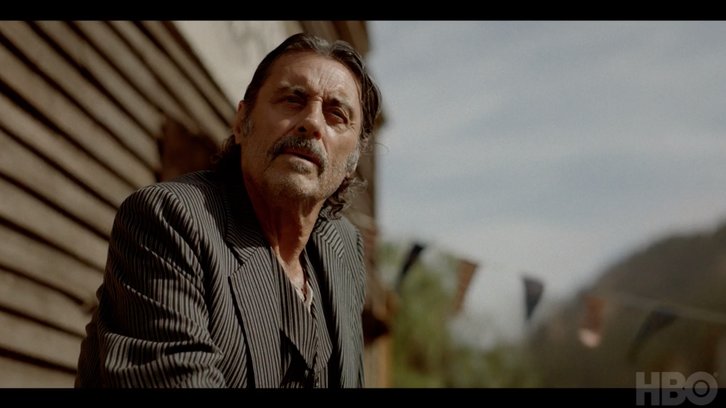
David Milch’s formidable Western TV classic was a show I’d never ever seen. So, I took great pleasure drinking in its’ flavours and palette at the end of 2017.  I was so glad I did because Deadwood is one of the most brilliantly written shows I’ve seen; and while the dialogue is clearly anachronistic it feels paradoxically authentic. Throughout the thirty-six episodes the monologues sing from the screen as a litany of character actors drawl and deliver words of filth, comedy and great tragedy. At times the dialogue is so dense it reaches sonorous Shakespearean heights.

After three brilliant seasons of Wild West slice-of-life the show was cancelled and the various narrative strands were left loose. But Deadwood (2019) returns one final time with a movie that further elucidates desperate times brimming with whores, bandits, con-artists, killers and a twisted and violent rendition of the American dream. With most of the original cast returning and the action set some ten years after the final season ended in 1889, here we find scores to be settled, relationships to be consolidated and revenging to be done.

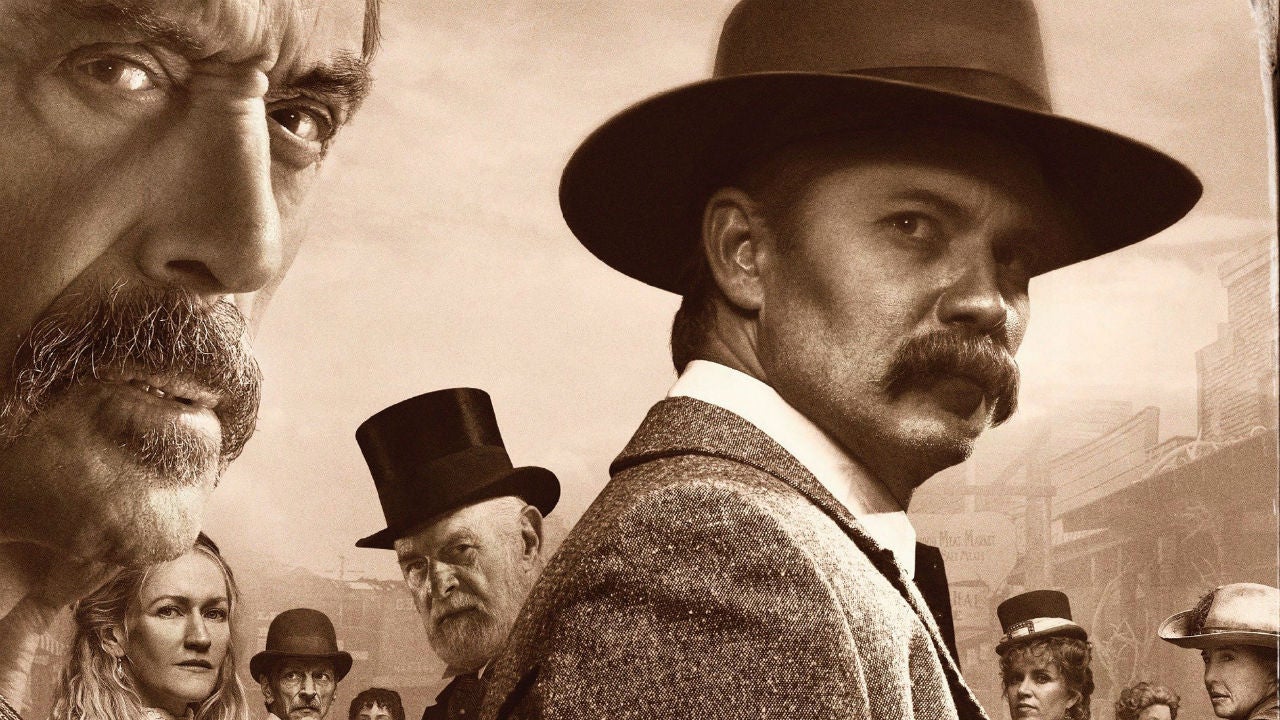
The main thrust of the film shows nefarious Senator George Hearst at constant loggerheads with the townsfolk, especially the noble but angry Marshall Bullock; Trixie the prostitute who tried to kill Hearst; and Ian McShane’s gutter-mouthed bar owner, Al Swearengen. Al’s body and health are crumbling due to his heavy drinking and he becomes more a liver-failed spectator amidst the dirty narrative twists and turns.

Given it was more about the characters, performance and dialogue I actually didn’t mind the open-ending provided by the cancellation of the show. I liked that their lives just went on off-screen until they became the proverbial quintessence of dust. However, there is much to enjoy in getting a belly full of these hard-bitten, drunken characters again. As send-offs go the film is a filthy joy. I especially enjoyed seeing Timothy Olyphant as Bullock, Paula Malcolmson as Trixie, Ian McShane as Al; and the marvellous Robin Weigert as Calamity Jane. They all enrich the proceedings with incredible acting performances.

Deadwood may represent a series of distant Wild West memories but its’ grizzled and bloody vision of humanity is just as valid today. The streets of society now may have pavement and tarmac and skyscrapers but they are still besmirched with blood and greed and revenge of the Wild West. While arguably unnecessary this final film is an ebullient and entertaining drift back to the past with enough spittle, blood, anger, justice, love, profanity and mud to please the die-hard Deadwood  fans.

Mark: 9.5 out of 11

MY CINEMATIC ROMANCE #15 – JACQUES AUDIARD – WITH: THE SISTERS BROTHERS (2018) – CINEMA REVIEW

MY CINEMATIC ROMANCE #15 – JACQUES AUDIARD

Experienced French filmmaker Jacques Audiard, makes what I call proper films. I mean, have you watched the cinema of yesteryear, notably the 1970s, with stories about characters that are deeply flawed and even possibly unlikeable. Well, Audiard still makes those kind of films. He takes risks representing human beings on the edge of society and perhaps struggling with life; people who often make left-field decisions to improve or escape their existential plight.

For my latest piece in the My Cinematic Romance series, I will look at some key Audiard films well worth watching. I will also incorporate a mini-review of his most recent release, tragi-comedy Western, The Sisters Brothers. If you haven’t seen much of Audiard’s work and are drawn to intense human character studies with absorbing narratives, then I highly recommend it.

**MAY CONTAIN SPOILERS**

THE SISTERS BROTHERS (2018) – CINEMA REVIEW

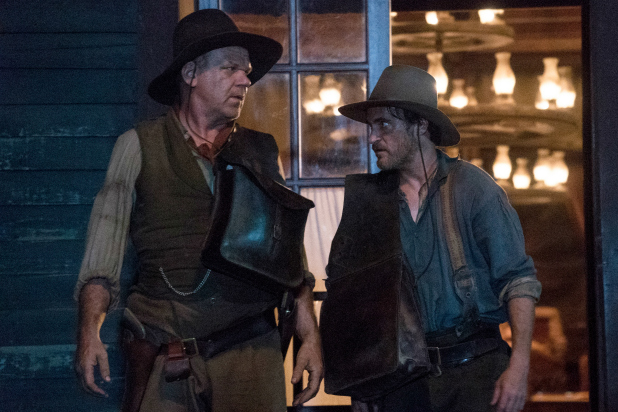
Starring a quartet of fantastic scene-stealing actors in: Riz Ahmed, Jake Gyllenhaal, Joaquin Phoenix and John C. Reilly, this Western bends the genres between drama, comedy and tragedy. Based on Patrick DeWitt’s critically acclaimed novel, the film is set in the 1850s during the Californian Gold Rush. It centres on the titular brethren, easier-going, Eli (Reilly), and drunken Charlie (Phoenix); hired bounty hunters who kill mainly for an enigmatic individual called the Commodore.

The film unfolds in what I would call a curious romp fashion; and it is certainly guaranteed to attain future cult status. Moreover, it also echoes the tone and eccentricity of recent Westerns like: The Ballad of Buster Scruggs (2018) and Slow West (2015). While Reilly and Phoenix’ characters form a humorous double-act in terms of verbal exchanges, their actions betray the fact they are cynical, hard-bitten and murderous. A product of their amoral milieu they remain the antithesis of the stylish and charming outlaws Butch Cassidy and the Sundance Kid.

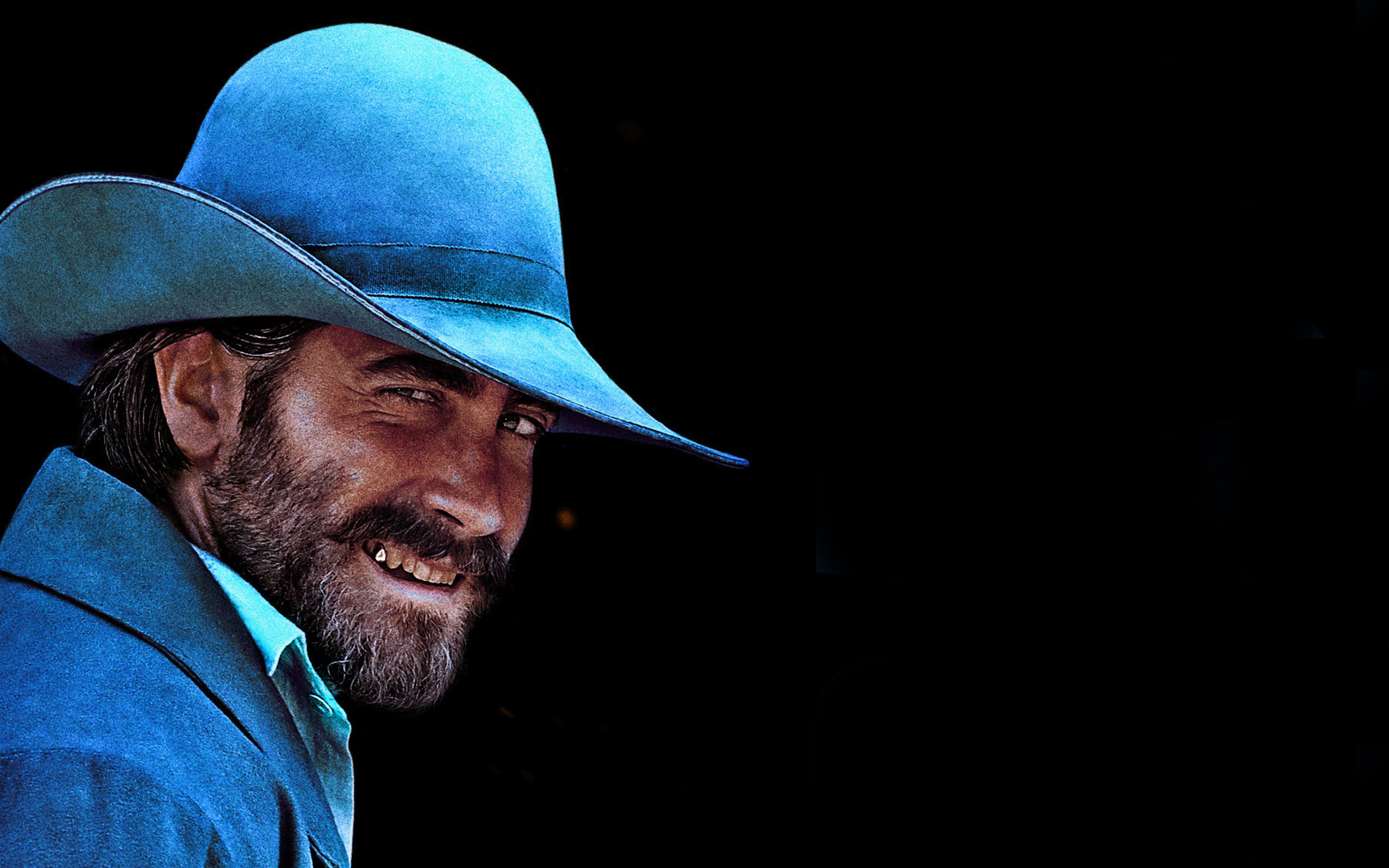
Their latest quarry and target for the Commodore is Ahmed’s idealistic chemist, Herbert Warm. Assisting them is Gyllenhaal’s likeable tracker, John Morris. The brothers’ haphazard pursuit of Warm is a fun and bloody journey replete with: chaotic shootouts, barnstorming brawls, hilarious bickering and right-turn narrative twists. Overall, it’s probably too idiosyncratic to impact the box office, yet, Audiard directs with his usual love for morally ambiguous characters. Lastly, the natural lighting and colour scheme is beautifully shot throughout; while Alexandre Desplat’s score resonates impeccably. Thus, these elements plus Phoenix and Reilly’s tremenodous on-screen sparring make this a very enjoyable picaresque Western tale.

Mark: 8.5 out of 11

OTHER RECOMMENDED AUDIARD FILMS

READ MY LIPS (2001)

This Audiard thriller centres on Emmanuelle Devos’ office worker, Carla, and has echoes of Hitchcock and Coppola’s paranoiac classic The Conversation (1974). Hiding her deafness from colleagues, Carla enters into a robbery plot with Vincent Cassel’s ex-con and a fascinating serpentine double-crossing narrative ensues.

A PROPHET (2009)

This is one of the best prison films I have ever seen. It is a perfect example of the emotional power of linear filmmaking. As we follow Tahar Rahim’s lowly prisoner rise through the prison ranks using: violence, luck, cunning and smarts, we feel every emotion and tension he does during an incredibly compelling journey.

RUST AND BONE (2012)

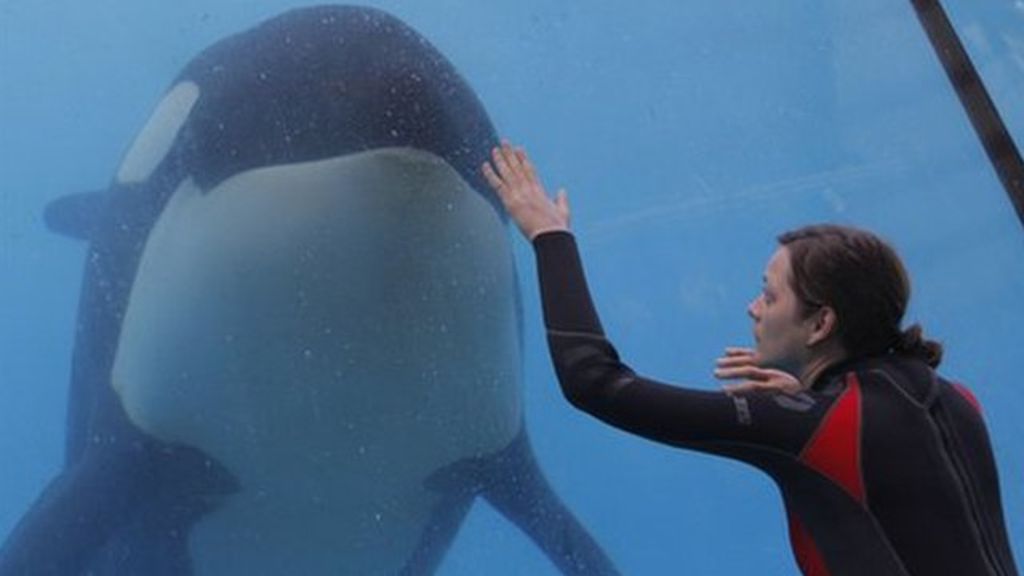
Marion Cotillard and Matthias Schoenaerts fizz with passion, star quality and brute sexuality in this “opposites-attract” romance drama. Cotillard is a Marine Park employee who falls for Schoenaerts low level criminal but obviously the path of love is a jagged one. Full of beautiful imagery and brutal violence, it’s a memorable character drama full of bitterness, redemption and pain.

DHEEPAN (2015)

Dheepan starts as a humane story of survival and the immigrant experience, before crossing over into explosive thriller territory by the end. Further, Audiard casts his leads with unknown actors and wrings every ounce of feeling from the sympathetic characters. As the Sri Lankan Tamil, Dheepan, and his “wife”, struggle with life on a Paris council estate, what may seem small in scale is in fact emotionally very epic.

LONDON FILM FESTIVAL REVIEW – THE BALLAD OF BUSTER SCRUGGS (2018)

LONDON FILM FESTIVAL REVIEW – THE BALLAD OF BUSTER SCRUGGS (2018)

Directed by: Joel Coen & Ethan Coen

Produced by: Joel Coen & Ethan Coen, Megan Ellison, Sue Naegle, Robert Graf

Written by: Joel Coen & Ethan Coen

Starring: Tyne Daly, James Franco, Brendan Gleeson, Bill Heck, Zoe Kazan, Liam Neeson, Tim Blake Nelson, Tom Waits and many more.

Music by: Carter Burwell

Cinematography: Bruno Delbonnel

**SPOILER FREE REVIEW**

1535740329680

Soon to be appearing on the streaming behemoth Netflix, the Coen Brothers latest film is a difficult one to recommend to those not familiar with their quirky vision of humanity and existence. Set within the Western genre the film presents six stories seemingly unconnected but those which resonate resoundingly on the theme of death. The stories are called:  The Ballad of Buster Scruggs; Near Algodones; Meal Ticket; All Gold Canyon; The Gal Who Got Rattled; and The Mortal Remains respectively.

The closest film this anthology resembles from recent times is the riotous black comedy Wild Tales (2014). Moreover, if you ever saw the Coens’ eccentric mid-life crisis comedy A Serious Man (2009), you may recall the prologue which depicted a short stand-alone piece about a ghostly dybbuk visiting a woman at night. Indeed, that story was seemingly unconnected to the film which followed, however, the Coens’ are such skilled storytellers you sense there is a link be it symbolically or thematically.

screen-shot-2018-09-12-at-12-21-31-pm.png

Overall, The Ballad of Buster Scruggs is a genuine mixed bag, in a good way. Their mischievous alchemy combines genres – within the Western setting – such as: musical, comedy, horror, crime, thriller and even romance. Moreover, the filmmakers have reached into their decades of film experience and cinematic bag of tricks to deliver an entertaining and memorable collection of: characters, songs, bloody deaths, jokes, landscapes, snappy dialogue, dark humour and spitfire action.

The cast are uniformly brilliant and as well as some familiar faces there are some newer actors added to the Coens’ stable of performers. Bill Heck, especially, in the story The Gal Who Got Rattled, impressed in his role as a likable cowboy. Overall, and in a similar vein to Hail Caesar (2016), this feels like Coens-lite, without the existential depth of say No Country for Old Men (2007) or humanity of Fargo (1996). However, the Coen’s films often improve with each viewing as their work is so full of stylish depth. Quite often, you’re laughing so much you miss the philosophical happenstance which is occurring between the lines.

Mark 8.5 out of 11

WESTWORLD (2018) – SEASON 2 – HBO TV REVIEW

WESTWORLD (2018) – SEASON 2 – HBO TV REVIEW

Starring: Evan Rachel Wood, Thandie Newton, Jeffrey Wright, James Marsden, Tessa Thompson, Luke Hemsworth, Simon Quarterman, Talulah Riley, Rodrigo Santoro, Ed Harris, Angela Sarafyan, Anthony Hopkins etc.

Created by: Jonathan Nolan and Lisa Joy

Written by: Lisa Joy, Jonathan Nolan, Carly Wray, Dan Dietz, Gina Atwater, Ron Fitzgerald, Robert Patino etc.

Original network: HBO

westworld-season-2-maeve-1519928088

** MAY CONTAIN SPOILERS HA! HA! **

Where does one start when reviewing HBO’s latest season of Westworld?  I could start at the beginning by clearly establishing the world, concepts and themes of this review. I could also begin by building in empathy and sympathy via a structured linear approach which would be easy for the reader to follow and create audience enjoyment and emotion via the action and events. Or, I could take the alternative route  by starting at the end, drip feed events via fractured timelines; develop a maze like structure full of dead ends and unreliable narrators; only to retroactively switch focus and continuity to confuse you beyond belief. Guess what Westworld’s writers did?  They took the latter course and over ten spectacularly beautiful looking episodes — acted, designed and directed with wonderful precision — we ultimately got a legion of stories which did not, for me, make any narrative or emotional sense.

This television show could have been one of the most memorable creations of recent years; up there with Penny Dreadful and Game of Thrones; but alas it is not. With HBO spending a huge amount of money on it you’d have thought that they may have attempted to reign in the writers’ unnecessarily clever-clever approach to structure. Creator Jonathan Nolan has written some wonderful screenplays, Memento (2000) for example, remains one of the best low-budget films ever made; yet, that was within the discipline of a feature length film. Over ten episodes his, and writing partner Lisa Joy’s, choices to create an ever-shifting jigsaw narrative within an Escher painting style, left me with a headache and questioning the very nature of reasoning. I enjoy intelligently structured works, but NOT to the detriment of character empathy and narrative comprehension.

wws2-d

Westworld is a stellar production and has some wonderful ideas and concepts relating to: coding, Artificial Intelligence, robot and human mortality, corporate espionage; android sentience and humanization; plus it challenges values of human versus computerized existence. However, exploration of such themes are very often lost amidst the jumbled and unnecessary complex timelines, which jump back and forward in days and years from scene to scene. It’s a narrative tragedy that the stories of Maeve, Teddy and Bernard, portrayed brilliantly by Thandie Newton, Geoffrey Wright and James Marsden, respectively, are lost at sea in a wave after wave of confusing plot and character turns. Anthony Hopkins was once again excellent as the A: I overlord Robert Ford, while, Evan Rachel Wood brought a deadly coolness and strength to her role of the “death-bringer” Dolores/Wyatt. Furthermore, the violence, action and blood-letting were amazing, reminding one of Sam Peckinpah in the high definition digital age. But for every intriguing story involving the host robots many other strands fell flat, notably Ed Harris’ “Man-in-Black” storyline. While it was good to see the acting brilliance of Harris, and Peter Mullan too, I did not care enough Harris’ character and his refusal to succumb to death became rather grating.

Westworld-Season-2-Finale-1-700x300

Two years ago I wrote a highly praiseworthy review of Westworld – Season 1, which can be read HERE. Moreover, I even spent a whole week mapping out many of the plot strands and the order with which the show was structured in my article: Westworld: Post-Mapping the Network. That piece was my attempt to gain some sense of the events and order with which they occurred; and can be read HERE.  I will not be doing the same for the second season. Unfortunately, I do not believe there is any cultural reward in applying the same endeavour and analysis. There are really too many characters and storylines and the lack of clear exposition does the show no favours.

Overall, the show continues to amaze with its successful merging of Western and Science Fiction locations, costumes, props and hardware. The introduction of Shogun World was also a delicious diversion; however, that location was really filler to the other stories. It’s such a shame though as much of the visual pageantry is lost in a vacuum of confusing storylines and worst of all, by the finale’s end, I just did not care. There are some great episodes of televisual genius in Season 2 but the original concept, by Michael Crichton, of sentient hosts rising up murdering their human slave-masters, is lost in a myriad of temporal turmoil and chronological catastrophe!

(Mark for the production: 10 out of 11)

(Mark for narrative: 5 out of 11)