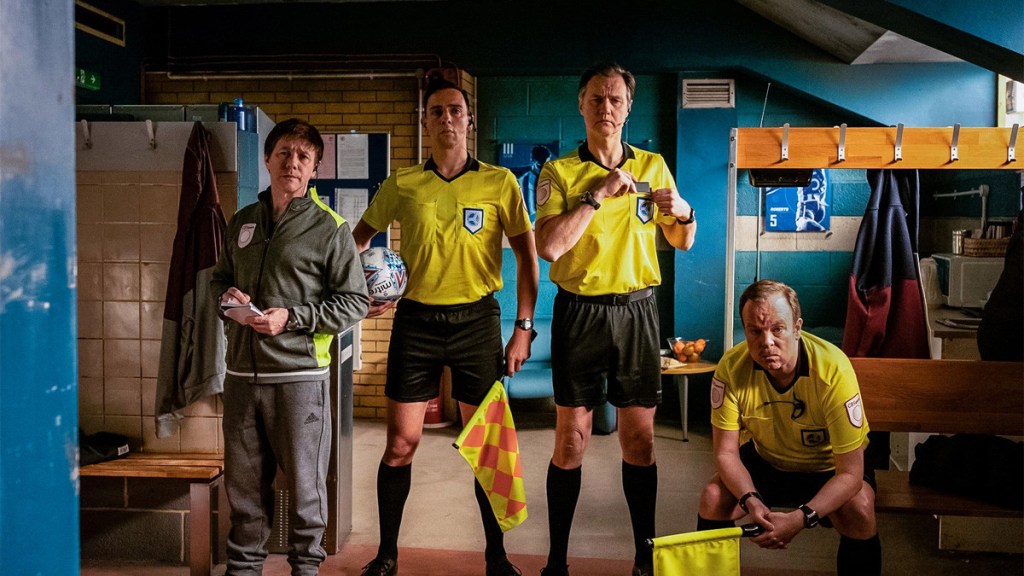
Created and Written by: Karl Pilkington and Richard Yee
Directed by: Richard Yee
Cast: Karl Pilkington, Sondra James, Marama Corlett, Cokey Falkow, Lou Sanders, Shola Adewusi, Cavan Clerkin, Finn Bennett and more.
Original Network: Sky One
**MAY CONTAIN SPOILERS**
I’m a late developer when it comes to appreciating the Northern homespun charm and philosophies of one-time radio producer, but now TV presenter, writer and actor, Karl Pilkington. I only caught up with his melancholic and eccentric outpourings when I recently listened to recordings of The Ricky Gervais Guide To. . . podcast show, featuring Gervais, Pilkington and Steven Merchant. The two high status comedians basically take a subject and throw themes and shit at Karl Pilkington and he delights them with a mixture of odd, but also weirdly wise rants and musings. Subsequently, I watched the hilarious shows An Idiot Abroad and The Moaning of Life. Then, having decided he was not being bullied and was actually a real person, I firmly emerged a big Karl Pilkington fan.
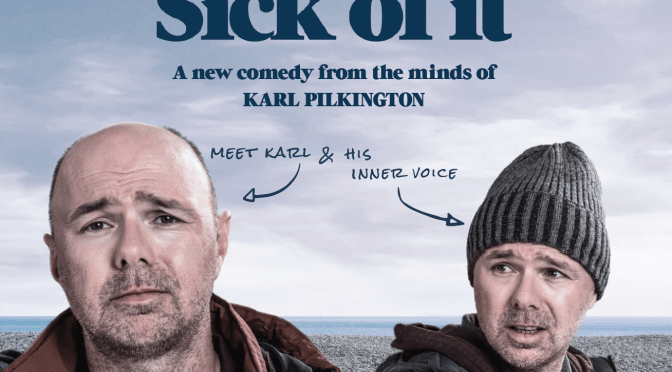
Pilkington’s first major venture into fictional storytelling, as opposed to crazy and hilarious travel programmes or stooge-like appearances with Gervais and Merchant, is called, appropriately enough, Sick of It. There have been two seasons and twelve entertaining episodes so far screened on Sky television. Karl portrays a downtrodden taxi driver called, wait for it, Karl, who having been dumped by his girlfriend is now living with his Aunt Norma (Sondra James) in Ladbroke Grove, West London. While he has featured in small roles previously, this is Pilkington’s first major acting gig. It’s interesting too as he also plays the part of his own “inner voice”, So, you get two Karl Pilkington’s for the price of one. While not having much range his acting is actually pretty good. Furthermore, he’s a likeable everyman character, both empathetic and droll.
The alter ego or inner voice character is essentially Karl’s self-doubt, insecurity and negativity personified. Only seen by Karl and the audience, he provides some very funny rants throughout the two seasons. Having said that, the writing and performances are strong enough that the show could definitely have worked without the “double” element. To conclude, Sick of It is a bittersweet slice-of-life character comedy, with some very funny episodes. I especially enjoyed the ones where he escapes London to go on holiday or returns to his hometown of Manchester. Lastly, I imagine the show will appeal to Karl Pilkington fans mainly, yet, those who identify with individuals dealing with loss, loneliness, depression, failed romances and the perils of everyday living will find something to enjoy in the show also.
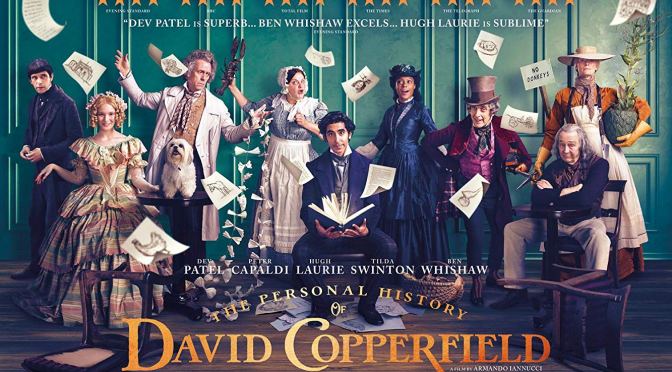
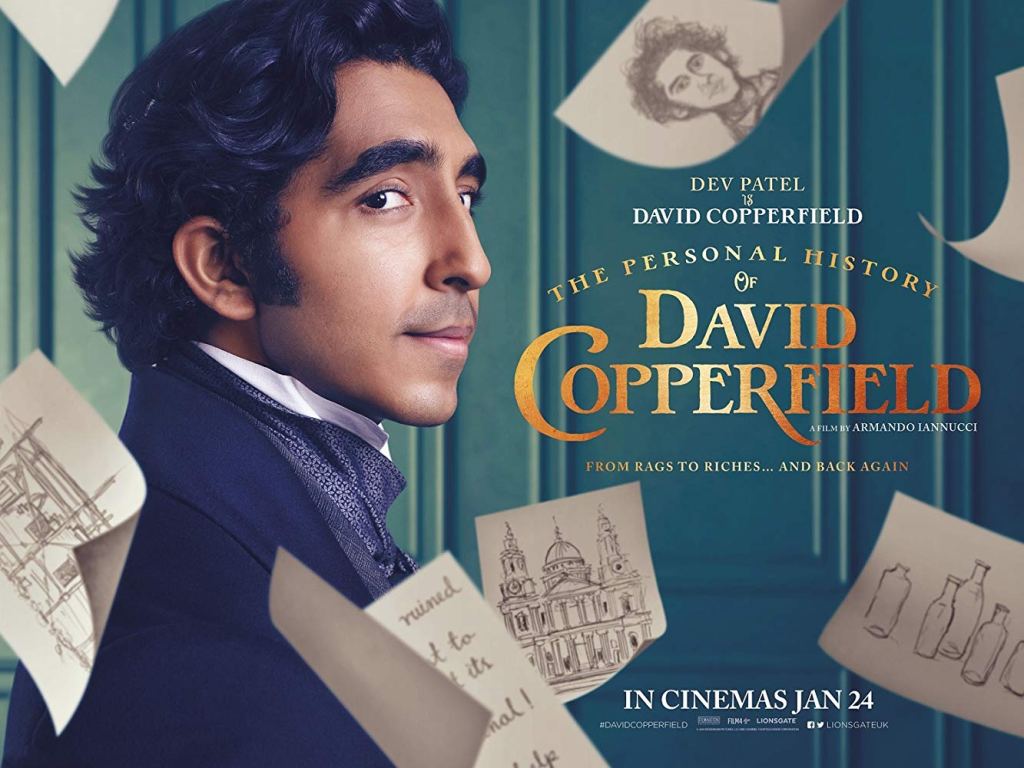
THE PERSONAL HISTORY OF DAVID COPPERFIELD (2019) – CINEMA REVIEW
Directed by: Armando Iannucci
Produced by: Armando Iannucci, Kevin Loader
Screenplay by: Simon Blackwell, Armando Iannucci
Based on: David Copperfield by Charles Dickens
Cast: Dev Patel, Aneurin Barnard, Peter Capaldi, Morfydd Clark, Daisy May Cooper, Rosalind Eleazar, Hugh Laurie, Ben Whishaw, Tilda Swinton, Benedict Wong, Anthony Welsh, Paul Whitehouse etc.
Music by: Christopher Willis
Cinematography: Zac Nicholson
**MAY CONTAIN SPOILERS**
Armando Iannucci is a bona fide genius if you ask me. For over thirty years I have been listening, watching and laughing at his various collaborative comedic works. These include notables such as: The Day Today, I’m Alan Partridge, The Thick of It, Time Trumpet, Veep, In the Loop (2009), andThe Death of Stalin (2017). Now, one can include the wonderful delectation of an adaptation that is The Personal History of David Copperfield (2019). While I am embarrassed to say I am not as familiar with this Charles Dickens novel as I am his other books, Iannucci has taken his own inimitable style and married it perfectly to Dickens’ narratively opulent Victoriana vision. The result is an entertaining comedic and dramatic romp, tantamount to a quasi-greatest hits package of a Dickens masterwork.
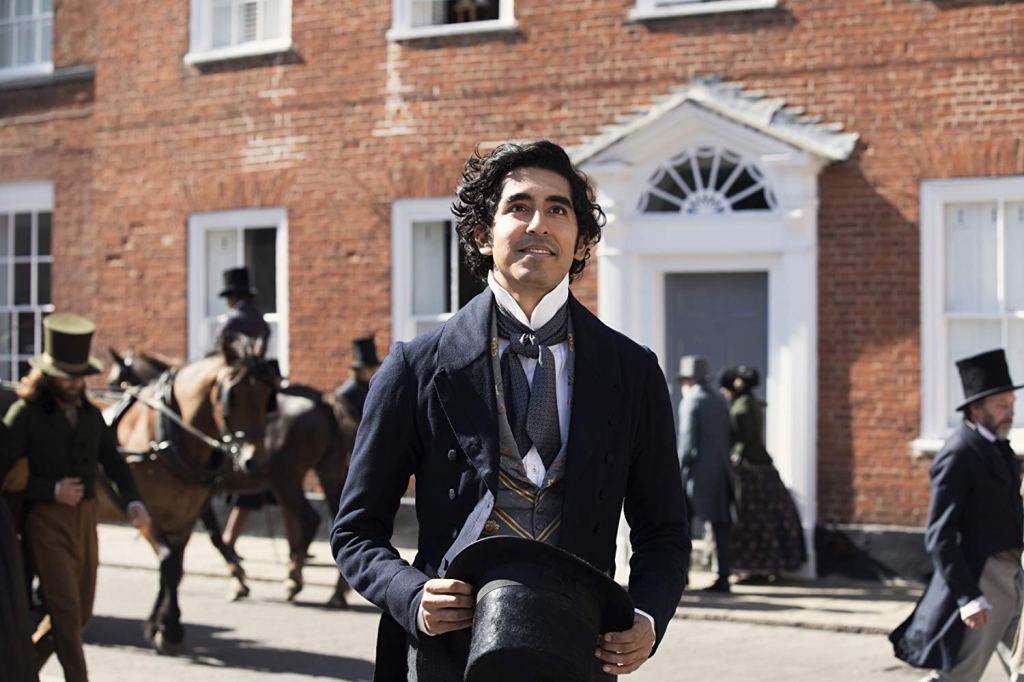
Dev Patel stars as the eponymous hero in adulthood, while the young David is portrayed with energy and charm by Jairaj Varsani. As a child, his father passed, David is brought up by his mother, Clara and the ebullient housekeeper, Peggotty. Peggotty, portrayed brilliantly by Daisy May Cooper, encourages David’s word-smithery and youthful imagination. But this being Charles Dickens, David’s innocent and magical childhood soon gives way to tragedy and he soon finds himself at the mercy of fate. Conversely, the narrative is more of a chronicle of David’s life and contains what I call an “up-and-down” structure.
Through the rollercoaster that is David’s life he finds family love, then industrial pain via his stepfather condemning him to years of child labour. Then in an attempt to overcome his cruel fate he finds positive gain through family, creativity, romantic love, friendship and education. But destiny tests him by having this all taken away once again. Throughout, Dev Patel shines brightly. His David Copperfield is as tough as they come, as he rolls with the punch’s life throws at him. Moreover, he is a fantastic conduit and spine within the structure. Through him we are introduced to some wonderfully vivid characters; some likeable and some not so. Indeed, Iannucci’s casting is a primary joy with Peter Capaldi as Mr Micawber, Hugh Laurie as Mr Dick, Tilda Swinton as Betsy Trotwood, Ben Whishaw as Uriah Heep and Aneurin Barnard as Steerforth, all giving splendid renditions of their respective characters.
Overall, Iannucci and his scriptwriting partner, Simon Blackwell, mine Dickens’ novel for much comedy gold and there are so many hilarious one-liners and funny situations. Moreover, there’s some depth here too as it’s a story of an individual finding their soul, identity and place in a cruel world. One could argue a feature film is not enough to do the novel justice, and it would probably best be served as a television mini-series. However, for a whip-cracking, razor-sharp and heart-warming two hours, in the company of one the greatest novelists, one of the greatest modern satirists, wonderful set design; and finally one of the most impressive ensemble casts gathered in recent memory, this film is highly recommended.
Produced by: Jodi Matterson, Bruna Papandrea, Steve Hutensky, Keith Calder, Jessica Calder
Cast: Lupita Nyong’o, Alexander England, Kat Stewart, Diesel La Torraca, Josh Gad etc.
**MAY CONTAIN SPOILERS**
While I’m not a massive fan of awards ceremonies, I do check out the nominations for the big ones. The Academy Awards or ‘Oscars’ are obviously the most esteemed annual celebration of commercial filmmaking. But, they often get their nominations, from an artistic and diversity perspective, horrifically wrong. Of course, it’s a matter of opinion, but this year I do not know how Lupita Nyong’o was not nominated for her performances in Jordan Peele’s brilliant horror satire, Us (2019). She is now proving herself to be one of the best actresses around and definitely should have been nominated in the ‘Best Actress in a Leading Role’ category.
As well as Us (2019), Nyong’o also appeared in another horror film released last year called Little Monsters (2019). This one got away from me though because for some reason it did not get a major cinema release in the UK. Little Monsters (2019) is nowhere as imaginative, dark or intelligent as Jordan Peele’s searing exploration of duality, class, race and identity. However, as zombie-romance-comedies go it’s a lot of fun. Nyong’o portrays a likeable, professional and positive school teacher who, along with Alexander England’s failed musician loser, Dave, must protect a group of children from hordes of zombies on a school trip.
It’s an unpretentious, funny and gory comedy romp that owes a massive debt in tone and delivery to Shaun of the Dead (2004). Furthermore, stock genre conventions such as the slow zombies, ubiquitous military nuke ticking time bomb ending, loser character redemption and cute children who “think it’s all a game”, are all relied upon heavily. Nonetheless, the script is fast-paced, witty and has a lot of heart. The direction is effective, although there were probably too many songs in there as filler. Overall, this is a fun film with a brilliant turn by Josh Gad as foul-mouthed children’s TV presenter, and of course, the starry effervescence of ultra-talented, Lupita Nyong’o.
THE CINEMA FIX PRESENTS – TWELVE FAVOURITE TV SHOWS OF 2019!
Bit late with this one, but following on from my twelve favourite films of 2019, here are the twelve favourite television shows I watched. I must admit I am still way behind on many AMAZON shows and don’t have APPLE TV+ or DISNEY +, so there’s probably loads of good TV stuff I have missed. For comparison I include last year’s favourites here:
FAVOURITE TWELVE TV SHOWS OF 2018
Atlanta (2018) – Season 2 – Fox
Billions (2018) – Season 4 – Showtime / Sky Atlantic
Black Mirror (2017) – Season 4 – Netflix
Bodyguard (2018) – BBC
The Deuce (2018) – Season 2 – HBO – Sky Atlantic
The Handmaid’s Tale (2018) – Season 2 – Hulu / Channel 4
Inside No. 9 (2018) – Season 4 – BBC
Killing Eve (2018) – Season 1 – BBC
Patrick Melrose (2018) – Showtime / Sky Atlantic
Vanity Fair (2018) – ITV
A Very English Scandal (2018) – BBC
FAVOURITE TWELVE TV SHOWS OF 2019
Now, this was TOUGH! Television productions just got better and better! I cannot believe I had to leave the following off the list. Yet, here are the honourable mentions: Afterlife (Season 1), Billions (Season 4), Black Mirror (Season 5), Euphoria (2019), Ghosts (2019), The Handmaid’s Tale (Season 3), Line of Duty (Season 5), The Loudest Voice (2019), My Brilliant Friend (2018), Ozark (Season 2), Stranger Things (Season 3); and the baffling genius of Watchmen (2019). But I decided to limit myself to twelve favourite shows and here they are:
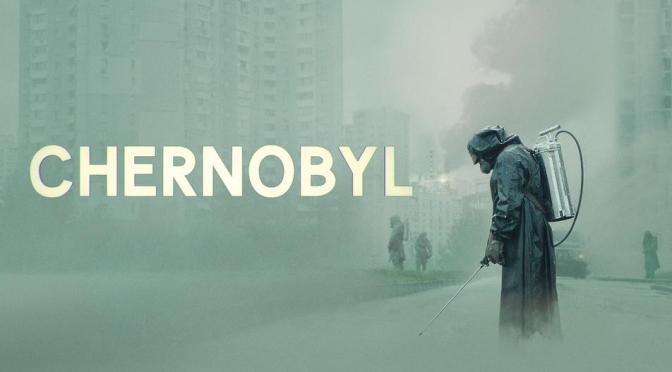
CHERNOBYL (2019) – HBO / SKY ATLANTIC
“… an incredible TV drama. This tragic event teaches us to never take anything for granted. We have built our own gallows.”
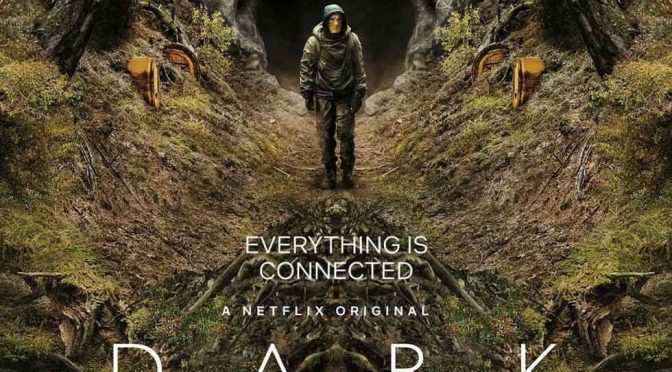
DARK (2019) – SEASON 2 – NETFLIX
“… confused in a good way and totally immersed in the Tenebrae. You will be lost — searching for the light — yet you will be astounded too .”
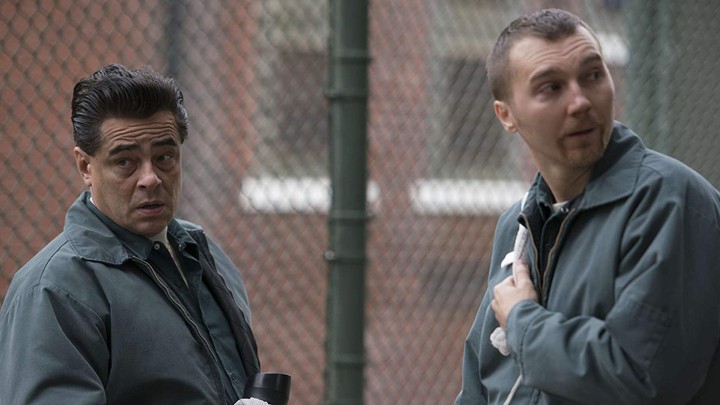
ESCAPE AT DANNEMORA (2018) – SHOWTIME / SKY ATLANTIC
“… These are not likeable characters, but the Showtime production delivers as compelling a character drama as you’re likely to see all year.”
FLEABAG (2019) – SEASON 2 – BBC
“… Waller-Bridge takes familiar themes and situations and spins comedic and dramatic gold from them. Deserves all the praise and awards going.”
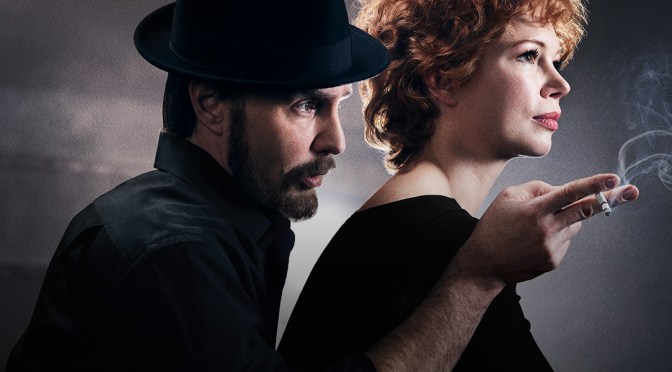
FOSSE / VERDON (2019) – FX / BBC
“… If you’re interested in the life and work of Fosse and Verdon then you will absolutely love this warts and all biopic. Rockwell and Williams are incredible.”
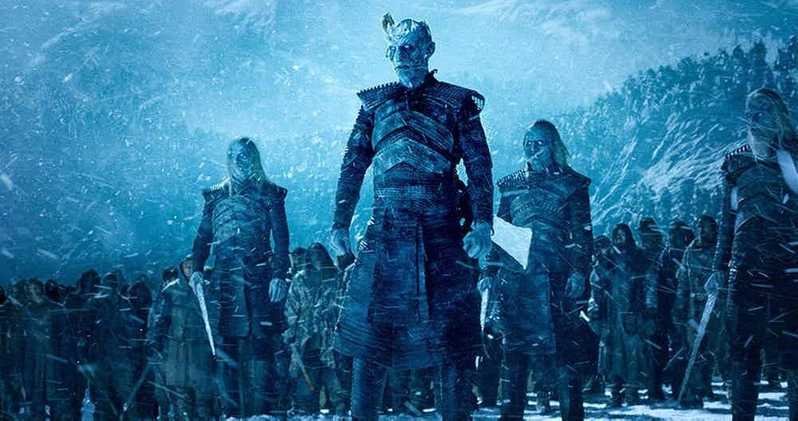
GAME OF THRONES (2019) – SEASON 8 – HBO / SKY ATLANTIC
“… despite the incredibly disappointing final episode, it was all about the journey rather the final destination. Winter has come and winter has gone and it’s one I will never forget!”
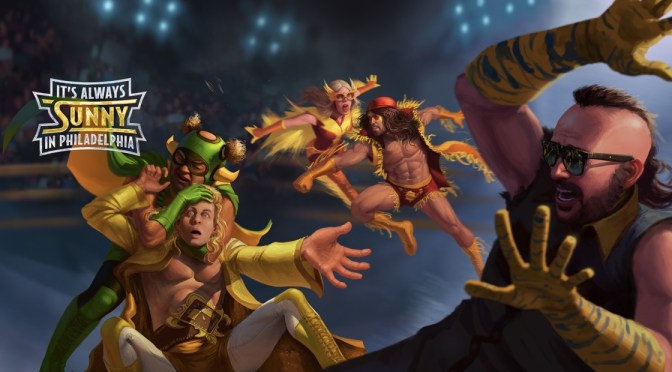
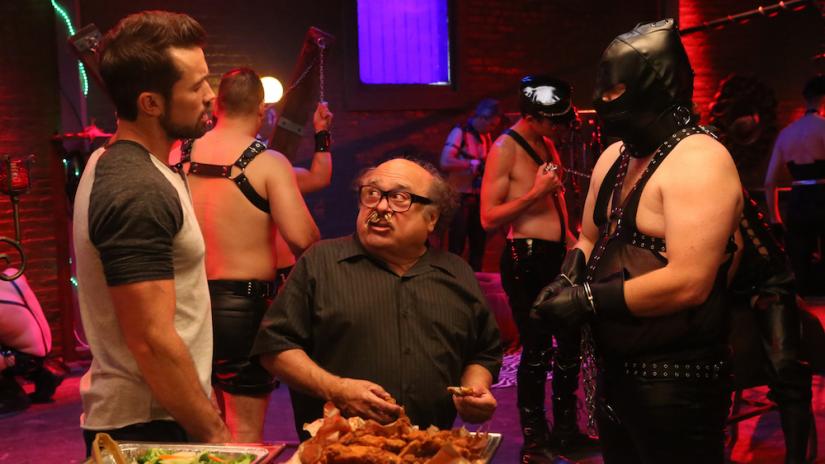
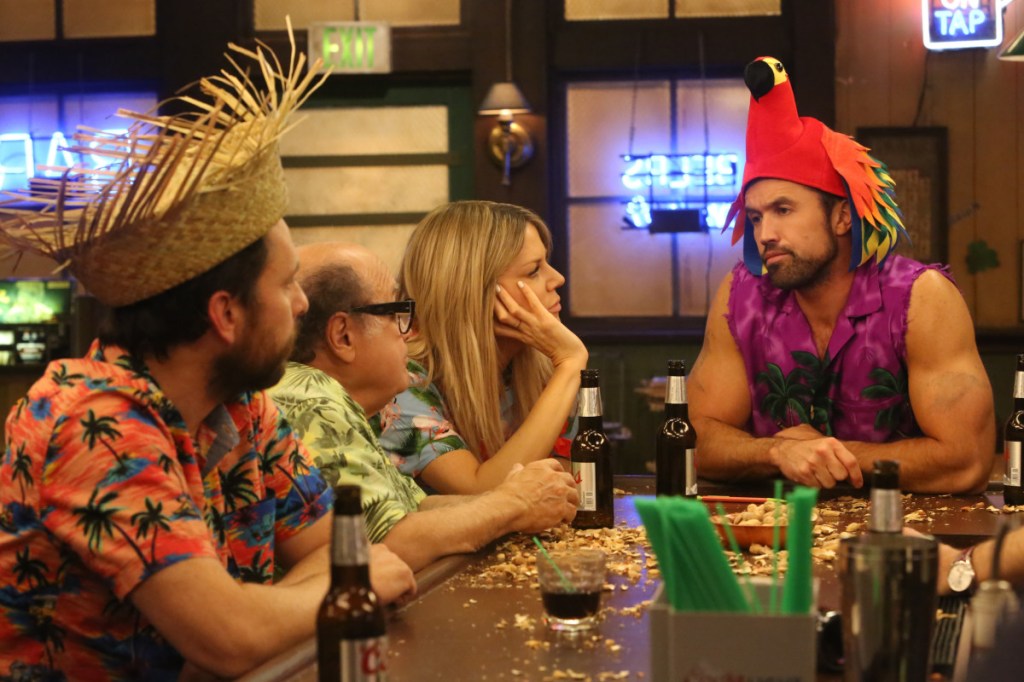
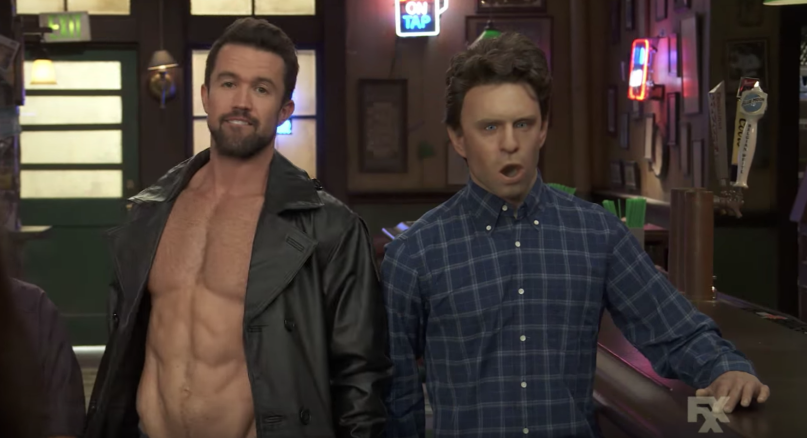
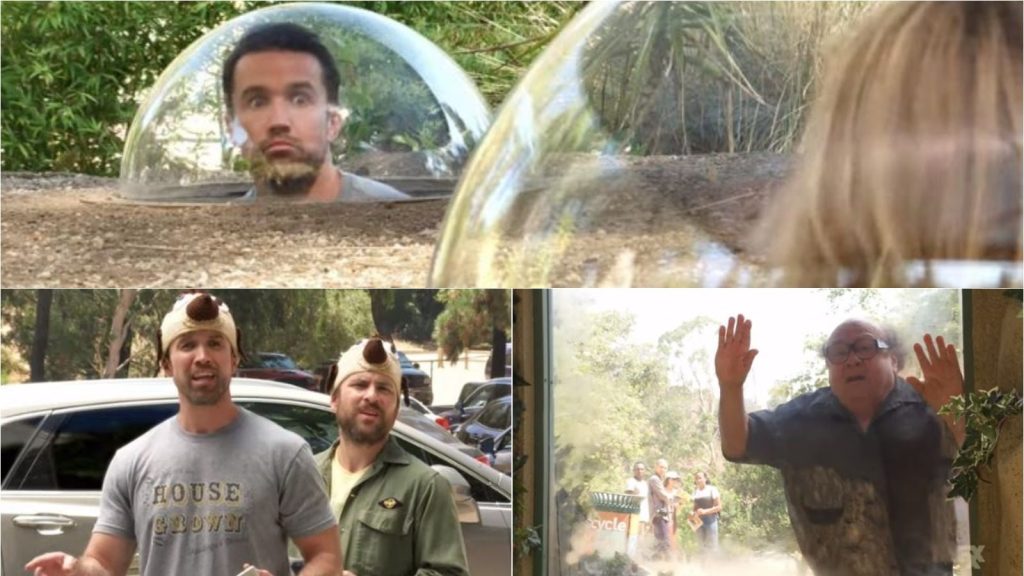
IT’S ALWAYS SUNNY IN PHILADELPHIA (2019) – SEASON 13 – FX / NETFLIX
“… The season takes joy in referencing the #MeToo and Time’s Up and Inception. The latter becoming a hilarious meta-textual delight. By the thirteenth episode,I had thoroughly enjoyed the scatter-gun chaos!”
MINDHUNTER (2019) – SEASON 2 – NETFLIX
“… with gripping narratives, great direction, memorable performances and the production team’s accurate eye for period detail in mind, I just did not want the latest season ofto end.”
SUCCESSION (2019) – SEASON 2 – HBO / SKY ATLANTIC
“… Ultimately, this is Shakespearean television of the highest quality. Succession (2019), is what we would get if Billy Wilder did TV.”
UNBELIEVABLE (2019) – NETFLIX
“… thoughtful, suspenseful and, at times, heartfelt drama. It highlights the shocking nature of sexual crimes against women and the very different ways police departments handle such situations.”
THE VIRTUES (2019) – CHANNEL 4
“… a more individual focused, personal and painful character study. Stephen Graham is absolutely amazing as the character of Joseph.”
WHEN THEY SEE US (2019) – NETFLIX
“… Beautifully written, acted and directed, this is an incredible work of television. It combines both a fascinating style and a brutal vision of the struggle of these characters experience.”
THE CINEMA FIX PRESENTS – TWELVE FAVOURITE FILMS OF 2019!
Hello 2020!
So, here are my TWELVE FAVOURITE FILMS I watched last year at the cinema, at film festivals and on streaming platforms such as Netflix, Curzon and Amazon etc.!
It was another very good year full of entertaining and thought-provoking cinema. If I have missed any films out it’s because I did not enjoy them as much as you — or have not seen them yet. If I have missed any must-see films then please point out any glaring omissions.
For comparison here are my FAVOURITE FILMS OF 2018:
A Quiet Place (2018)
A Star is Born (2018)
BlacKKKlansman (2018)
The Favourite (2018)
First Reformed (2018)
First Man (2018)
Game Night (2018)
Peterloo (2018)
Phantom Thread (2017)
Sorry To Bother You (2018)
The Shape of Water (2017)
Upgrade (2018)
12 FAVOURITE FILMS OF 2019
So, here are the films I enjoyed watching most of all last year. Films I also really liked but narrowly miss out on this list are: Doctor Sleep (2019), Green Book (2018), Harriet (2019), Little Women (2019), Paddleton (2019), Ready or Not (2019), The Report (2019) and Vice (2018).
AD ASTRA (2019)
“James Gray’s existential space epic finds Brad Pitt journeying into the abyss of space with tremendous results.“
AVENGERS: ENDGAME (2019)
“…the Marvel production team deserve so much credit for bringing this multi-stranded story home in such a thrilling fashion.”
CAPERNAUM (2018)
“…With incredible scenes of documentary realism the director Nadine Labaki has delivered a powerful piece of cinema.”
DOLEMITE IS MY NAME (2019)
“… it’s a testament to the ability, talent and infectiousness of EddieMurphy. Comedian and B-movie star, Rudy Ray Moore, is a part he was born to play.”
THE FAREWELL (2019)
“… Awkwafina provides subtle brilliance in her role as Billi, yet, Zhao Shuzhen steals the show as the effervescent Nai-Nai in this funny and moving drama.”
THE IRISHMAN (2019)
“… Netflix have an absolute monster of a gangster film here, with Scorsese once again delivering a very special cinematic offering.”
JOJO RABBIT (2019)
“… Taika Waititi just manages to balance parody and pathos in this risky, but brilliant rites-of-passage comedy-war film.”
JOKER (2019)
“… marrying Taxi Driver (1976) with a DC comic-book super-villain is a masterstroke; making it one of the most compelling films of 2019.”
KNIVES OUT (2019)
“… Rian Johnson is back on the form with this breathless murder mystery, which works brilliantly as fast-paced, witty and intricate film entertainment.”
MARRIAGE STORY (2019)
“… an emotional and funny relationship drama that’s full of standout scenes, with Adam Driver and Scarlett Johansson on top form.”
ONCE UPON A TIME IN HOLLYWOOD (2019)
“… a near three-hour arthouse classic, especially if you like films about film and TV making, driving, feet, cinema-going, Los Angeles, more feet; and hanging with the marvellous DiCaprio and Pitt.”
US (2019)
“… Jordan Peele skilfully delivers another great horror film, thanks to clever writing, masterful film production and an incredible cast.”
Produced by: Guy Ritchie, Ivan Atkinson, Bill Block
Story by: Guy Ritchie, Ivan Atkinson Marn Davies
Cast: Matthew McConaughey, Charlie Hunnam, Henry Golding, Michelle Dockery, Jeremy Strong, Eddie Marsan, Colin Farrell, Hugh Grant etc.
**MAY CONTAIN SPOILERS**
THE GENTLEMEN (2020)
Having dipped a big foot in the Hollywood studio pool with franchise hits like Sherlock Holmes and most recently Disney’s live action version ofAladdin (2019), Guy Ritchie is back to the crime genre where he made his mark. His reboot of The Man From Uncle (2015) was very under-rated, and while his King Arthur: Legend of the Sword(2017) didn’t quite work as a swords and geezer epic, Ritchie remains an excellent genre director and almost always produces very entertaining movies.
With Lock, Stock and Two Smoking Barrels (1998), Snatch (2000) and Rock N Rolla (2008), Ritchie excelled at carving himself a name in fast-paced-twisting-crime stories. They are full of hard nuts, femme fatales, dodgy geezers, businessmen, travellers, assassins, gamblers, plus working- and upper-class types all trying to outwit and out do each other in a variety of dodgy dealings. The films also feature fine ensemble casts, crunching violence, colourful language and cracking soundtracks. All of this combines to create fine entertainment all round. It may lack subtlety, suspense and emotion, but crime has never been so much fun.
The Gentlemen (2020) continues Guy Ritchie’s decent form in the gangster comedy genre. Matthew McConaughey is the “Kingpin”, Mickey Pearson, whose underground marijuana empire is about to come under threat from various rival gangs. The plot is essentially a story of a capitalistic hostile takeover with added bullets, punch-ups, YouTube viral videos, boxers, junkies and copious use of the C-word.
Ritchie may not be everyone’s cup of tea, but he certainly knows how to put together a movie. Using lashings of music to compliment the freeze frames, voice-overs, whip-pans, flashbacks, flash-forwards, close-ups, canted frames, slow motion and anything else that smashes the story along is fine by me. Plus, don’t forget the over-the-top, but ever quotable zinging dialogue and the unreliable narrator that is Hugh Grant’s weasly tabloid newspaper investigator. Grant is the standout performer here along with Colin Farrell and Charlie Hunnam’s cool but deadly fixer and second-in-command. Able support also comes from Jeremy Strong, Michelle Dockery, Eddie Marsan and Henry Golding.
Overall, The Gentlemen (2020) is not a particularly subtle film. In fact, many may find the language rather offensive in this age of the woke generation. Don’t get me wrong I’m all for political correctness and equality, but sometimes it’s just great to have a laugh and Ritchie provides this in many hilarious scenes of action and dialogue. There’s an element of substance provided in regard to the destruction drugs can cause and very mild analysis of England’s class system. However, such themes only skim the surface in what is a wonderfully irreverent, over-the-top, violent, offensive and entertaining crime comedy.
Release Date: September 25th 2019 – December 11th 2019
UK Release: Comedy Central
Another year passes and another year of South Park! It has now incredibly reached its twenty-third season and the energy, humour, satire and desire to surprise and shock is still very much there in the latest ten episodes. However, I think that in Trey Parker’s desire to reinvent and reinvigorate the format, he seems to have taken a few missteps along the way. Because, while containing some sublime moments of comedy and wonderfully grotesque episodes, the latest season does not consistently reach the heights of previous ones. One could argue this is the weakest season in a long time.
Don’t get me wrong, I am just a humble worker drone and totally respect Trey Parker’s satirical genius. Yet, having worked on South Park for over thirty years Parker has arguably moved the furniture around too much in Season 23. I can understand why he has re-jigged the format, but for me, concentrating mostly on Randy Marsh’s Tegridy Farm enterprise in the first six episodes, many characters we love like Butters, Kyle, Kenny, Mr Garrison, Wendy, and even Cartman are sidelined to mere supporting roles. Of course, they do feature, but not as much as I would have preferred. I guess Parker just wanted a change and in recent seasons this has garnered many fantastic episodes. In Season 23 though, the over reliance and prolonged attempts at stoner and weed humour just did not make me laugh. Plus, Towelie as a comedy character has never worked and I wish he had over-dosed permanently, never to return.
There are some fine comedic moments throughout, and the themes are as strong as ever. Parker takes many satirical swipes at all manner of sociological, political, gender, health, economical and media targets. Through some excellent writing he successfully lampoons: media censorship, China, the anti-vaccine movement, plant-based food, transgenderism in sport, the PC or ‘woke/snowflake’ generation, drug abuse, streaming services, Christmas greed, addiction, drunk drivers, immigration detention centres, and, very briefly, the Trump administration. Ultimately, the season features several very good episodes, but arguably only Band in China and Turd Burglars hit the heights of classic South Park episodes of past seasons. Nonetheless, Trey Parker on autopilot is still one of the greatest writers and comedic voices around. If only he had a little less ‘Tegridy’, this season could have been another classic.
Cast: Scarlett Johansson, Adam Driver, Laura Dern, Alan Alda, Ray Liotta, Julie Hagerty, Azhy Robertson, Merrit Weaver etc.
Cinematography: Robbie Ryan
Distributed by: Netflix
**MAY CONTAIN SPOILERS**
I think one of the trickiest things that can hinder a writer, is that doubt whether it is worth telling one’s story. This is especially true of privileged or first world narratives involving wealthy characters or those deemed not having to struggle daily. For me the way to beat such doubt is to write the hell out of your story. Moreover, you’ve got to make the story relevant to all audiences by concentrating on universal themes and creating empathetic characters. Noah Baumbach achieves this by writing and directing the hell out of Marriage Story (2019); a moving drama that focuses on something we can all relate to — a relationship break-up.
The film centres on a couple of creatives, Nicole and Charlie Barber, portrayed by Scarlett Johansson and Adam Driver. Charlie is a New York theatre director; Nicole is a Los Angeles actress. They have both been committed to forging successful careers. The film opens brilliantly as they attend relationship mediation, attempting to divorce amicably without the use of lawyers. Baumbach’s superb script starts strongly with each character delivering bittersweet monologues that describe what attracts them most to each other. Sadly, for them and their young son, Henry (Azhy Robertson), mediation fails and it’s not long before they are drawn into the Kafkaesque, manipulative and financially draining American legal system.
This is a gem of a film which finds a seemingly suited couple learning that their differences have slowly been driving a wedge between them. Charlie is a controlled and respected director who has worked his way up from nothing. Nicole is a more privileged, but equally talented actress; however, her free-spirited nature is locked in his shadows. Geographically too they are very different. While he is originally from Indiana, he has made New York his home. Moreover, while his avant garde plays have gained him critical acclaim, she yearns for the sunlight of Los Angeles and the offer of TV work. Thus, through sheer brilliance of the writing we, in a short period of time, understand and empathise with both characters’ situations.
As the narrative develops Baumbach’s script is brought to life with two incredible central performances by Adam Driver and Scarlett Johansson. They imbue Nicole and Charlie with a humanity and warmth, that even when we do not agree with their actions, we are still with them. As the story was inspired by his own divorce, Baumbach cares very much about these people. Indeed, he gives each actor the chance to shine during a number of fine monologues, bitter exchanges and heartfelt scenes of acceptance and potential reconciliation. Further, the supporting cast members are also really great too. Ray Liotta as a bitter shark of a lawyer and Laura Dern, as his legal adversary, have some wonderfully biting lines of dialogue. Meanwhile, Alan Alda, as Charlie’s other legal representative, is arguably too nice and avuncular for this cutthroat business. Together these collective legal minds, while shining a plausibly negative light on divorce proceedings, added strong energy to the comedy and drama of the film.
Ultimately, I have always respected Noah Baumbach’s films because he is a very solid independent writer and director. However, with Marriage Story (2019), he has matured beyond belief to create a compelling and funny relationship drama. It is full of standout scenes, with Adam Driver ever impressing and Scarlett Johansson delivering the best performance of her career. Lastly, as someone who has experienced a very difficult break-up involving a child, I felt every moment of grief, heartache, humour, love and relief on the screen. Yet, it’s worth reliving those moments because you know you survived; and so will Charlie, Nicole and their son, Henry.
I haven’t done one of these articles for a while, but in light of the Conservative Party victory in the General Election the other day, I thought it interesting to lean toward a more political filmmaker for my latest post. Thus, I once again pick five highly recommended films by one of my favourite cinema creatives. Today, I look at the work of Ken Loach.
Loach is now, at time of writing, eighty-three year’s old, and has just released a new film called Sorry We Missed You (2019). At the cinema alone he has singularly directed twenty-five films, plus been involved with many television productions too. His ‘Wednesday Play’ Cathy Come Home (1966), was voted in the top ten best British television programmes of all time at the turn of the millennium. It was so powerful in its depiction of a struggling homeless character, the issues were raised in Parliament at the time. His work continues to address socio-political issues even now and has often provoked controversy.
Loach works generally in the dramatic or social realist genre. However, his raw, almost documentary style, which centres on working or characters from the under-classes, does have much comedy going through it too. Structurally his films build empathy with his characters in a generally linear fashion; slices of life which more often than not result in tragedy. While the landscapes he displays are quite depressing, his characters aren’t victims though. They are always strong and passionate and striving for the best outcome. However, poor life choices, poverty, bureaucracy, gangsters, criminality, addiction, military, and unfair government laws and procedures provide fierce obstacles.
Some have accused Loach of, over the years, being a ‘Champagne Socialist’, comfortably attacking the ruling classes from a position of privilege. He’s also been accused of vicariously holidaying in the land of the under-privileged, for what gain I’m unsure of. Personally, I am always compelled by Loach’s cinema, the issues raised and the characters he presents. He is a true humanist director and storyteller, who has made some consistently brilliant films. Whether you agree with his politics or views, he is at least attempting to reflect the injustices in the world and the underdogs within in it. Here are five films which capture this perfectly.
**CONTAINS SPOILERS**
KES (1969)
Based on Barry Hines’ novel, Kesis one of the finest British films ever. It concerns the everyday existence of Billy Casper (David Bradley) and his attempts to survive the harsh realities of Northern life in Barnsley. Billy struggles at school, but finds salvation when he adopts and trains a young kestrel. Kes represents a microcosm of working-class life where the kids are either damned or sent down the pit to work. Simultaneously warm, harsh, bitter, funny and tragic, Kes is a memorable early work from Ken Loach and deserves revisiting over and over again.
MY NAME IS JOE (1998)
Anchored by an incredible leading performance from Peter Mullen, My Name is Joe, centres on Joe Kavanagh and his attempts to stay sober. Joe has been a destructive alcoholic for some years and uses AA to control his drinking. The narrative drive comes from Joe’s attempt to assist recovering drug addict, Liam (David McKay), plus Joe’s blossoming romance with a local health worker, Sarah (Louise Goodall). It’s a raw rendition of Scottish working-class life with romance and tragedy lying side-by-side in a moving portrait of addiction, love and life’s everyday struggles.
THE WIND THAT SHAKES THE BARLEY (2006)
Incredibly controversial when released, Loach’s war drama is set in 1920’s, Cork, Ireland. It centres on the conflict between the Irish Republican Army and the British army, as civil war broke out prior to the Anglo-Irish Treaty. The lead protagonists are two brothers portrayed by Cillian Murphy and Padraic Delaney. As the war and violence heightens the two brothers, their families and their compatriots are devastated by harsh British rule. Loach was described as “anti-English and traitorous” by the English press and Conservative politicians, when the film was released. However, irrespective of your politics, it is a stunningly human work of cinema; both shocking and heart-wrenching in equal measures.
LOOKING FOR ERIC (2009)
Films about football (soccer in the U.S.A) and footballers can be very tricky to get right as the game itself arguably works better as a live spectacle, rather than at the cinema. However, Loach scored a big win with this really moving story about a lowly postman, Eric Bishop (Steve Evets), who is struggling with family, love and work pressures. Depressed and almost suicidal, Eric finds unlikely help in the magical appearance of Manchester United football legend, Eric Cantona. Sprinkling the kitchen sink realism with fantasy is a departure for Loach, and Paul Laverty’s wonderful script brilliantly espouses the need for teamwork, fraternity and community within its touching narrative.
I, DANIEL BLAKE (2016)
Having worked for the Benefits Agency a few decades ago, I have some understanding of social security and government assistance schemes. Via the titular character of Daniel Blake (the brilliant Davey Johns), Loach savagely criticises Conservative austerity measures. The systematic turning of the screw has seen many British people have their benefits stopped because of somewhat Kafkaesque measures. Of course, the system should work to stop people abusing it, but many deserving people suffered too. This is demonstrated here in this heartfelt drama of one man, who having suffered a heart attack, battles for his pride and future.
Now I would like to broaden the subject and have a go at defining some basic film character archetypes. My definition of this has some crossover with personas, but archetypes are not necessarily the component which make up the character – they ARE the character!
Archetypes are a common or typical shorthand; a tool writers, directors and actors can use to define character during the creative process. They are not stereotyping though. They are standardized models and structures that can be built upon to fully flesh out a character.
The archetypes I would like to consider are: Everyman/Woman, Hero, Super-Hero, Anti-Hero, Nemesis, Mentor, Sidekick and Lover/Romantic Interest. Obviously, many of these archetypes can combine, especially in more complex films, plus I’m sure there are loads of others. However, I will limit myself to these for now.
EVERYMAN / WOMAN
The staple for many, many movies is an everyman or woman or boy or girl (or gender fluid) character who is easy to relate to for the audience. It could be Tom Hanks in Castaway (2000), or Tom Hanks in Sully (2016), or Tom Hanks in basically everything – even Toy Story (1995). They tend toward the working or ordinary class with regular jobs and family units. Their stories will be everyday, or they will find themselves facing incredible situations. Alfred Hitchcock favoured everyman and woman characters who would be thrown into dangerous situations. Actors who excel in such roles include: Hanks, James Stewart, Meryl Streep, Amy Adams, Francis McDormand, Jack Lemmon and many more.
HERO
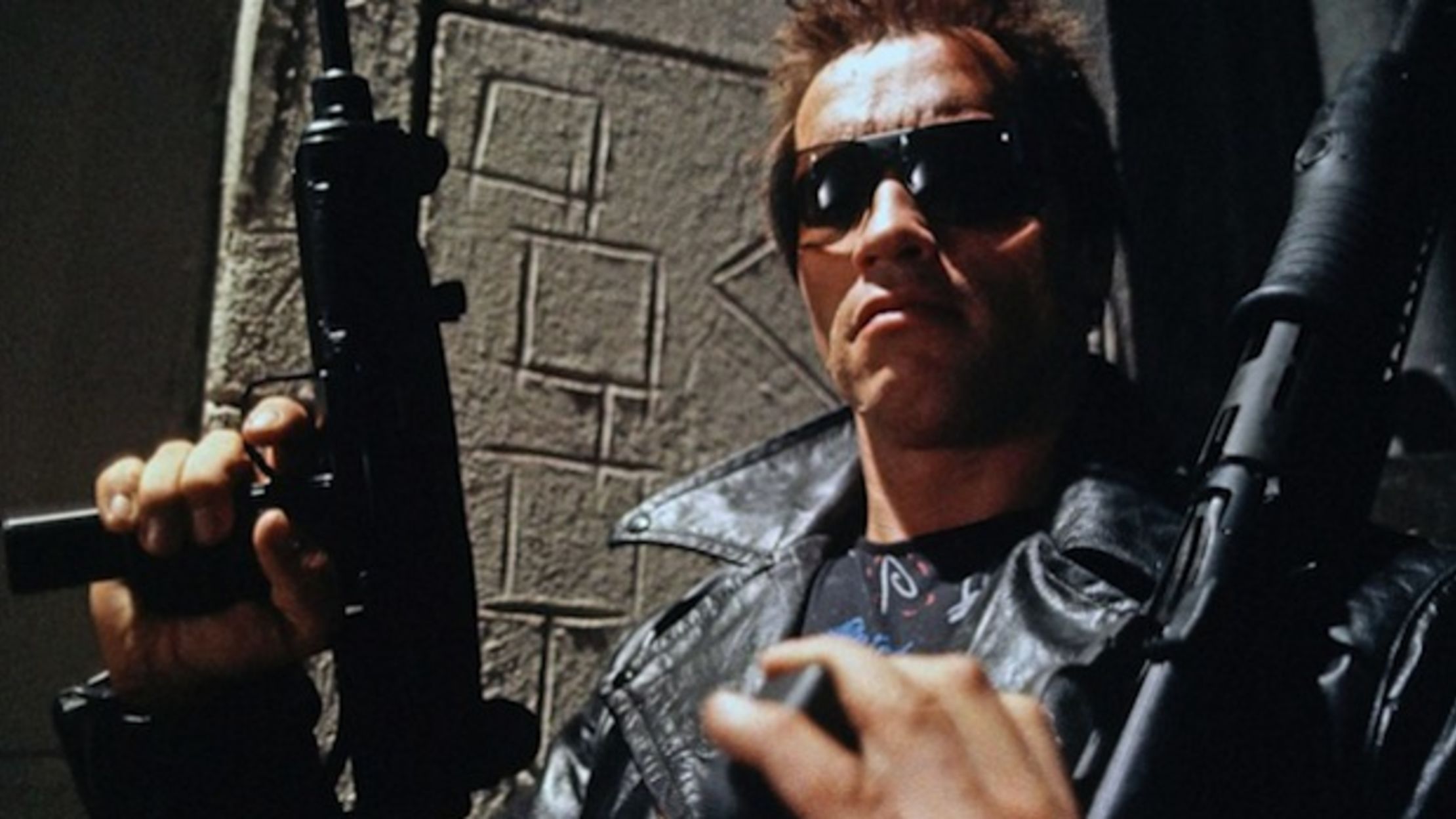
Many characters can begin ordinary or everyday, but over the course of a film become heroes. Luke Skywalker for instance is an bright farm kid with dreams of joining the academy. A series of contrasting events then cause his rise to discovery and heroism. On the other hand, some heroes are fully formed such as James Bond and Indiana Jones. The everyman character and hero are often combined, like with John McCLane or underdog characters such as Rocky Balboa. My favourite hero arcs are stories where the character starts in lower status such as The Terminator (1984), Django Unchained (2012) and Harriet (2019).
SUPER-HERO
So what’s the difference between a hero and a super-hero? For me the hero may be capable of incredible feats of action and endeavour, yet he or she is ultimately mortal. Thus, while they may be a super-hero on the surface, Batman and Iron Man are heroes to me; albeit mechanically improved ones. Superman, Wonder Woman and Thor, for example, have god-like powers, thus defining them as SUPER! Obviously, there are crossovers as illustrated by Peter Parker, Captain America and Captain Marvel. All of them begin as everyboy/man/woman characters and become super-heroes due to military experimentation or being impacted by incredible events which cause physical transformation.
ANTI-HERO
I love a good anti-hero. I think they are my favourite character archetype. They can be charismatic and just on the side of the righteous, but misanthropic and sarcastic like say, Wolverine or Blade. They can be on the wrong side of the law, but redeem themselves at the end of a film like Danny Archer and Han Solo. They can be outsiders or loners like Travis Bickle. They can be hard on the outside and soft on the inner like Juno. Moreover, certain actors have cornered the market on anti-heroes such as Jack Nicholson, Ellen Page, Leonardo DiCaprio and Clint Eastwood. My favourite anti-heroes are often cursed with supernatural forces causing them to be trapped by certain powers. The ‘Wolfman’, Lawrence Talbot, and Carrie White are fine instances of this.
NEMESIS
Given it is pantomime season there’s no harm is looking at villains! For me the greatest villains are the ones which actually have a valid cause or point. Of course, I don’t agree with their actions as they will generally involve killing people or destroying the Earth or Universe. However, villains such as Robert DeNiro’s heinous Max Cady had valid motivation. Likewise, Thanos’ plan to wipe out half of everyone was founded on sound environmental ideology. This doesn’t make it right though. Sympathetic nemeses are also interesting like Marvel’s Erik Killmonger. Moreover, King Kong for example, begins life as a threatening monster, but ultimately ends up being sympathetic compared to man. Nonetheless, you cannot beat a good old fashioned baddie like Hannibal Lecter, The Terminator, Hans Gruber, Nurse Ratched and one of my favourites, The Wicked Witch of the West.
MENTOR
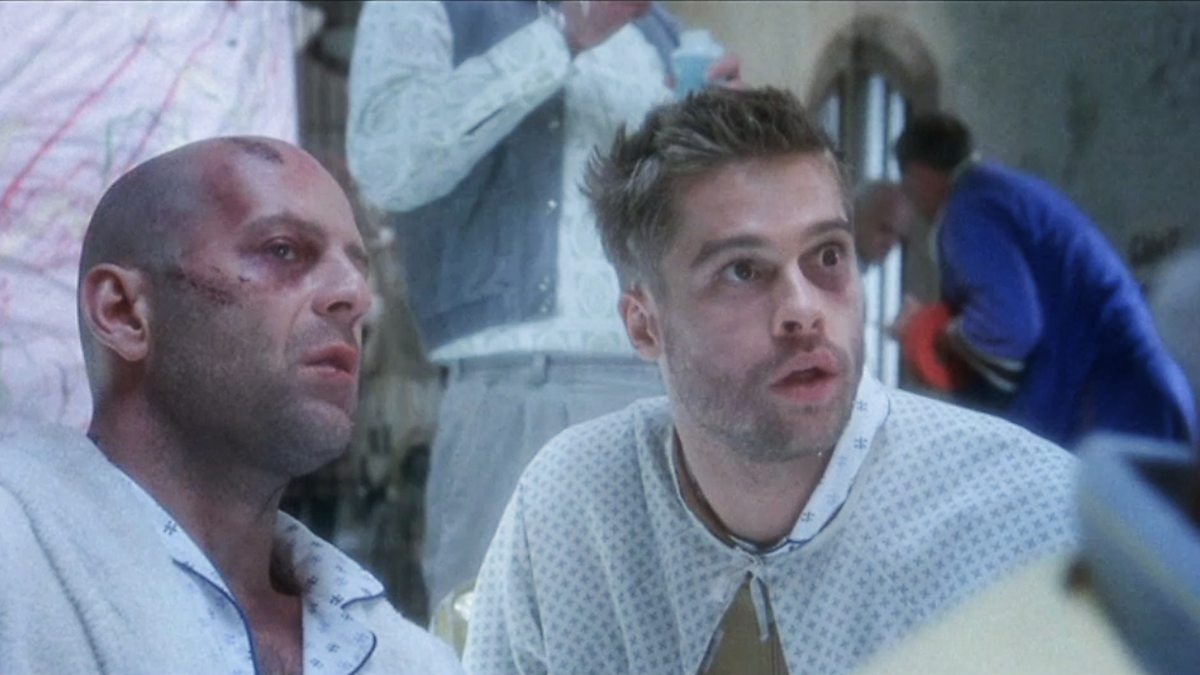
The Mentor character can take many forms. They are very valuable in supporting a hero or heroine on their adventures, plus providing vital exposition or the rules of the world information. The archetypal mentor archetype is a wise, older character like Morpheus, Alfred Pennyworth, Gandalf, Mr Miyagi, or Obi Wan Kenobi. Moreover, they will often have powers and magically assist those around them. The wonderfully helpful Mary Poppins is a great example of this. Every so often mentoring is rejected by the younger partner. A case in point being Brad Pitt’s Detective Mills eschewing Morgan Freeman’s Somerset’s sage advice with deadly results. Then again, mentoring can take a more twisted and controlling turn as seen with The Devil Wears Prada’s (2006), Miranda Priestly, and in Paul Thomas Anderson’s recent arthouse classic, The Phantom Thread (2017).
SIDEKICK
The sidekick is a lower status character that can be an ally, helper, friend or even enemy that also provides comic relief or dramatic tension. Different from the bromance or traditional buddy character, because that double-act dynamic is on an equal level of status. Great sidekicks include: Hermione Granger, Short Round, Robin, Chewbacca, Dr Watson and many more. Often, the sidekick actually becomes more interesting, funny and memorable than the lead protagonist. Examples of this include the brilliant Hit Girl, Igor, Donkey and the aforementioned Hermione. Sometimes the sidekick takes a darker route such as Loki and Lady Macbeth, who use their influence for evil rather than good.
THE LOVER / ROMANTIC INTEREST
So, the love interest can be a romantic extension of the sidekick but can also be a mentor and even a villain. I would differentiate the love interest character from traditional romantic comedies or dramas. For instance, in When Harry Met Sally (1989), Sally and Harry are of equal status and classed as everyman and woman archetypes. However, in James Bond films the love interest is traditionally a female conquest. More in depth love interest characters are those that are not just trophies; they become equal in the story. Princess Leia is a heroine and love interest, likewise Marion Ravenwood in Raiders of the Lost Ark (1981). Most recently, and a reflection of our progressive times, Diana Prince/Wonder Woman found a fine love interest in Chris Pine’s heroic Steve Trevor. Thankfully, the outdated “damsel in distress” stereotype is being consigned to the past and now we have characters of all backgrounds and gender represented on an equal basis.
CONCLUSION
As I said earlier this list is just an exploration of archetypes. There are a number I could have included. That stock character the wife or husband is one which always appears regularly in films. Often, they are waiting by the phone or television screen as some disaster befalls their partner. Lastly, I could have included the double-act, the team or the ensemble archetype; where one or more characters combine to create a whole. But, I think I’ll save that for another essay.