Tag Archives: Film

CINEMA REVIEW: A QUIET PLACE PART II (2021)

CINEMA REVIEW: A QUIET PLACE PART II (2021)

Directed by: John Krasinski

Produced by: Michael Bay, Andrew Form, Brad Fuller, John Krasinski

Written by: John Krasinski

Based on characters created by Bryan Woods and Scott Beck

Cast: Emily Blunt, Cillian Murphy, Millicent Simmonds, Noah Jupe, Djimon Hounsou and John Krasinski

Music by: Marco Beltrami

Cinematography: Polly Morgan

*** MAY CONTAIN SPOILERS ***


Ah, the difficult second album. Well, how do you follow up a genuine classic horror thriller such as A Quiet Place (2018)? I mean, it had everything, including a simple but devastating premise and an imaginative set of rules for the monstrous dangers facing the Abbott family. With hardly any fanfare or major marketing campaign the original film really got audiences flexing their “word-of-mouth” muscles. Throughout  A Quiet Place (2018) my heart was literally living in my mouth, as my fingers and knuckles clenched and whitened during the whole tense escapade. Plus, Emily Blunt and John Krasinski’s “every-couple” and their three children brought a believable humanity to the characters, with Blunt especially on phenomenal form in her reaction and character work.

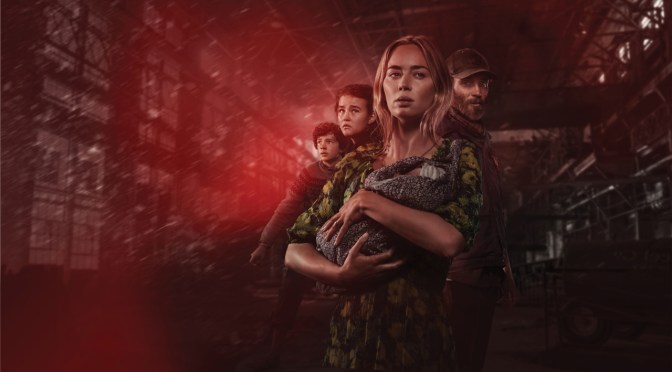
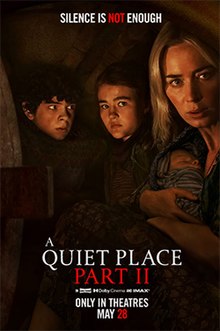
The sequel opens with a prequel sequence which illuminates how the world descended into chaos. Sadly, and not surprisingly, we only get a short time with John Krasinski’s action-dad, Lee Abbott, before he dives back behind the camera to direct this rattlingly good and highly tense horror/sci-fi mash-up. Thus, the weight of part two is left with Emily Blunt, Millicent Simmonds and the less effective, Noah Jupe character. Once again, the trio, plus baby, rely on dead silence in an attempt to remain uneaten by the blind-but-deadly alien creatures hellbent on making Earth’s inhabitants lunch. Along the way they bump into an apparent loner, Emmett, portrayed by Cillian Murphy. His jaded, shell of a man, hides a tragic secret and the last thing he wants is other people around to attract more devourers.


The story develops as the relationship between the Abbott’s and Emmett, while initially distrusting, becomes less hostile. However, he still wants them gone, much to Emily Blunt’s frustration. After all, any good mother wants to protect her children, as evacuating the factory setting could mean certain death. I have to admit I felt Emily Blunt’s major acting talents were not as well utilised as the first film. Indeed, it was Simmonds’ character, Regan, who had more development and heroic moments. It is Regan who is determined to discover a way out from the dark recesses of the filthy basement and clanking pipes. She may be foolhardy to some, but Regan has guts and makes important life-changing decisions for her family. Simmonds is compelling as she gives another mature performance in the role.

Overall, A Quiet Place – Part 2 (2021) is not as much as a surprise as the original film. How could it be?! I mean we now know what defeats the monsters, yet that doesn’t stop them being fierce predators and foes. Moreover, the use of sound design that was so brilliant in the first film is presented equally superbly in the sequel. While the film lacks for a decent plotline, as anyone who has their fill of zombie apocalypse films could testify, there remains some incredibly exciting chases and well directed set-pieces. Krasinski clearly had the Spielberg playbook to hand and that is certainly not a criticism, because I think he is definitely a talent to keeps tabs on. Thus, as my first film back at the cinema after yet another lockdown, I can definitely recommend A Quiet Place – Part 2 (2021), to take one’s mind off the horrors of real life for ninety-odd pulsating minutes.
Mark 8.5 out of 11


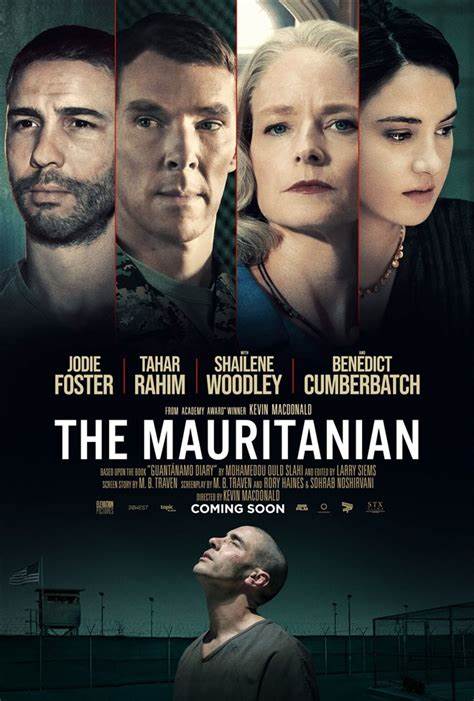
AMAZON FILM REVIEW: THE MAURITANIAN (2021)

AMAZON FILM REVIEW: THE MAURITANIAN (2021)

Directed by: Kevin Macdonald

Produced by: Adam Ackland, Michael Bronner, Benedict Cumberbatch, Leah Clarke, Christine Holder, Mark Holder, Beatriz Levin, Lloyd Levin, Branwen Prestwood-Smith, etc.

Screenplay by: M.B. Traven, Rory Haines, Sohrab Noshirvani

Based on: Guantanamo Diary by Mohamedou Ould Slahi

Cast: Jodie Foster, Tahar Rahim, Shailene Woodley, Benedict Cumberbatch, Zachary Levi etc.

Music by: Tom Hodge

Cinematograph: Alwin H. Kuchler

***CONTAINS MASSIVE SPOILERS***


“…a writ requiring a person under arrest to be brought before a judge or into court, especially to secure the person’s release unless lawful grounds are shown for their detention.” — Basic definition of Habeus Corpus


Mohamedou Ould Slahi is a Mauritanian man who was held for fourteen years from 2002 to 2016 without charge in the Guantanamo Bay detention camp. FOURTEEN YEARS without a trial. Let that sink in.

If ever there was a living embodiment of a Kafkaesque experience then this is that. Surely, whatever crime you have or haven’t committed you should be presented to a court of law and evidence be brought to try you for the alleged crimes. Clearly, the United States have, in this singular case against Mohamedou Ould Slahi, by denying him a trial — plus torturing him for years too — committed a heinous war crime. Yes, the 9/11 atrocities were abominable acts of violence, but that does not give anyone the right to wreak revenge against other human beings without concrete evidence to justify such acts. It’s a basic tenet of existence that separates us from the beasts in the jungle, every person deserves a fair trial! To be honest the U.S. administration who were responsible for this and and many other crimes are worse than animals.

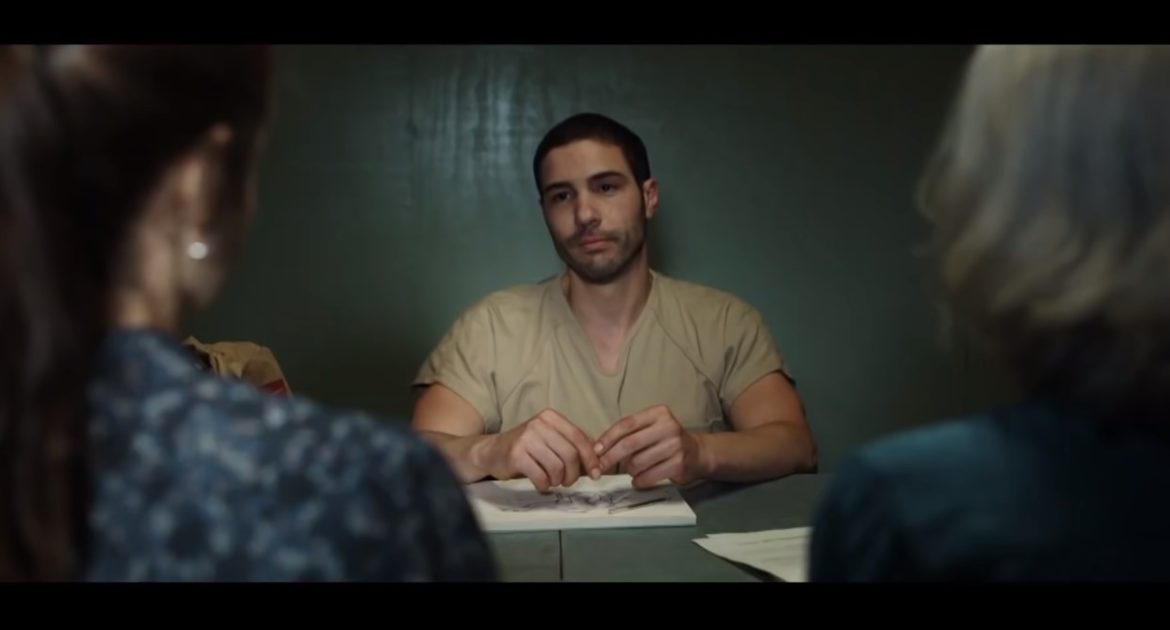
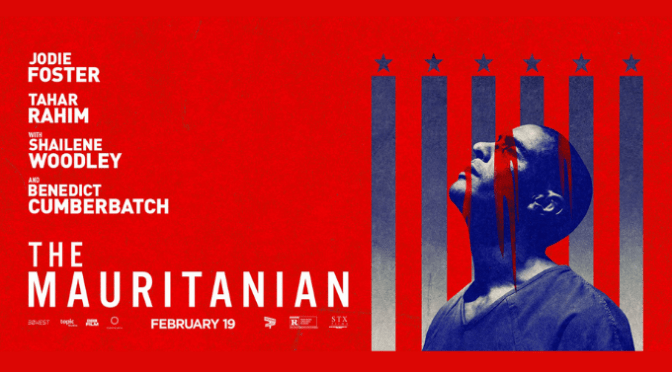
The Mauritanian (2021) is an adaptation of Mohamedou Ould Slahi’s best selling memoir, Guantanamo Diary. It opens with Ould Slahi (Tahar Rahim) attending a wedding in his place of birth. He is then picked up by local Mauritanian police and after that is imprisoned indefinitely, unknown to him, by the American military. The structure of the film compellingly builds his experiences in jail and the brutal torture he endures as the Americans attempt to gather intelligence to prove that he is a key member of the terrorist cells who organised the 9/11 attacks. As the story reveals his horrendous ordeal, lawyers represented by Nancy Hollander (Jodie Foster) and Teri Duncan (Shailene Woodley) take up his case to, at the very least, enable Ould Slahi to get a fair trial.


As well as highlighting the horrors of how Ould Slahi was treated this film is a damning indictment of American foreign policy, notably under the George Bush administration. The fact that Ould Slahi and his lawyers were successful in achieving a win against his imprisonment was not the end of his entrapment. You honestly won’t believe what occurred even after he won his case. But what about the film you may be asking? Well, I am just staggered this and many other sitautions occur in the world so this is more of an emotional review than a cinematic appraisal.

Overall, The Mauritanian (2021) is an exceptional drama which is directed effectively by seasoned filmmaker, Kevin Macdonald. As Ould Slahi, Tahar Rahim is absolutely exceptional. He brings a humanity and humour to the character’s struggle. What I absorbed most from his portrayal, and this is reflected in a moving credits sequence excerpt, is how Ould Slahi retained his humour even in the most trying times. Furthermore, while their character’s smack of white saviour personalities, the legal team — based on the real people — are expertly represented by Jodie Foster and Shailene Woodley. Foster especially shows her usual sterling gravitas in the role. Benedict Cumberbatch, arguably miscast as the military lawyer suffering a crisis of conscience, gives his usual excellent performance.

Lastly, The Mauritanian (2021), because of a slightly choppy screenplay, I felt the book deserved a longer telling via a television series. Yet, the film remains an important narrative about how bloodlust, greed and desire for revenge means humans commit horrific acts in the name of war. Mohamedou Ould Slahi was denied his freedom and human rights for crimes never proved. How he survived is an incredible feat of human endurance. Thus, whether he was innocent or guilty his freedom was earned and then some.

Mark: 9 out of 11


CULT FILM REVIEW: HOUSE/ハウス – (1977)

CULT FILM REVIEW: HOUSE (1977)

Directed by: Nobuhiko Obayashi

Produced by: Nobuhiko Obayashi, Yorihiko Yamada

Screenplay by: Chiho Katsura

Story by: Chigumi Obayashi

Cast: Kimiko Ikegami, Miki Jinbo, Ai Matubara, Kumiko Oba, Mieko Sato, Eriko Tanaka, Masayo Miyako, Yōko Minamida

Music by: Asei Kobayashi, Mickie Yoshino

***MAY CONTAIN SPOILERS***


This Japanese film from the late 1970s is absolutely nuts, but a riotous genre mash-up of rites-of-passage, horror, musical, martial arts, romance, fantasy, comedy and anti-war genre movie styles. If you are a fan of the work of Takashi Miike’s both energetic and often insane genre films, you can definitely see how, House (1977), may have had a major influence on his and many other Asian filmmaker’s cinematic works.

Initially receiving negative reviews, but big box office in Japan on release, House (1977), opens by introducing a set of seven teenage girls called, Gorgeous, King Fu, Prof, Melody, Fantasy, Mac and Sweet. The names give them their major characteristics too. Kung Fu for example loves martial arts, Fantasy is a daydreamer and Melody loves music etc. You get the idea. As each character is introduced in a basic fashion, the energetic performances of the actors and the quirky screenplay develops their characters beyond the initial stereotypes. Gorgeous is especially well developed as she is suffering the loss of her mother and has rejected her father’s choice of stepmother. Eschewing her kindly father’s protestations, she decides to visit her aged Aunt in the countryside.


When Gorgeous’ friend’s school trip is cancelled due to several bizarre plot turns, and a couple of crazy musical numbers later, the girls join her on the visit to the creepy house. When they finally arrive Gorgeous’ aunt behaves extremely oddly. She rarely gets visitors and only has a white cat for company. When the girls begin to disappear one-by-one and Fantasy’s daydreams begin to turn to nightmares, the true horror of the situation takes shape. The house itself is a malevolent force and has trapped the girls. What appeared to be a lovely summer vacation is now the total opposite.

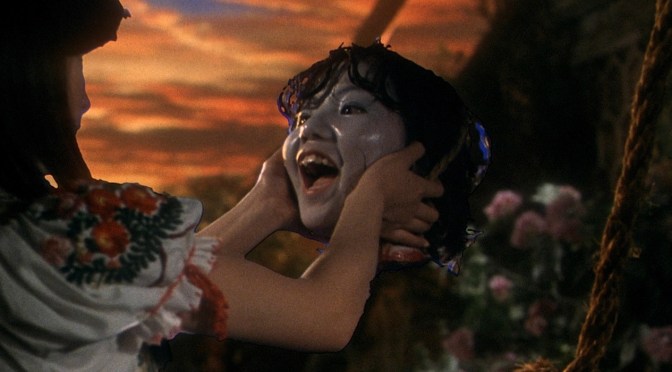
Now, what I have described actually seems quite normal in terms of the narrative content. It’s a standard horror plot of characters imprisoned by supernatural forces and trying desperately to stay alive. However, director, Nobuhiko Obayashi, who devised the story with his daughter, presents a series of images and sounds David Lynch would have been proud to have devised. These include: a mirror attacking the viewer, a watermelon being pulled out of a well appearing like a human head, a pile of futons falling on and attacking a character, a carnivorous piano with biting keys and all manner of surreal fights and deaths. Allied to this the eccentric and jolly music works against the horror and suspense, so one is both laughing and disturbed simultaneously.

Ultimately, House (1977) is one wacky viewing experience, but it also taps into themes of friendship, romance, grief, as well as drawing on the horror of destruction Japan suffered when the atomic bombs hit Nagasaki and Hiroshima. It is fast paced with an abundance of imaginative ideas, film styles and practical effects throughout. Thus, if you love the work of aforementioned Miike, Lynch and Sam Raimi, you are bound to want to stay in House (1977) for the rapid eighty-eight minutes duration.


UNDER-RATED CLASSICS #9 – WILD BILL (2011)

UNDER-RATED CLASSICS #9 – WILD BILL (2011)

Directed by: Dexter Fletcher

Produced by: Tim Cole & Sam Tromans

Written by: Dexter Fletcher, Danny King

Cast: Charlie Creed-Miles, Will Poulter, Liz White, Sammy Williams, Charlotte Spencer, Leo Gregory, Neil Maskell, Iwan Rheon, Olivia Williams, Andy Serkis etc.

Music by: Christian Henson

Cinematography: George Richmond

***MAY CONTAIN SPOILERS ***


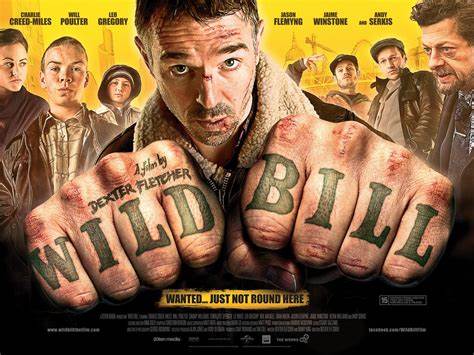
With so much British filmmaking talent behind and in front of the camera being absorbed by the big film and television studios in America, and the lack of cash within the British film industry too, it’s rare that a British film gets made and then distributed properly. Even if a film such as the earthy London-set crime drama, Wild Bill (2011), does find its way to British cinemas it can be cruelly enveloped by the Hollywood film behemoth, swallowed up at the multiplexes and seen by very few popcorn guzzlers. Which is a damn shame as Wild Bill (2011) is a tidy, low-budget, and extremely under-rated classic in my book. Made for just £700,000 and directed by the now in-demand actor-turned-filmmaker, Dexter Fletcher, the film marries family conflict, humour, violence, South London gangsters all in a moving tale of redemption.

For the record, for me, an under-rated classic can be a film I love, plus satisfy the following criteria:

  1. Must not have won an Oscar.
  2. Must not have won a BAFTA.
  3. Must not appear in the AFI Top 100 list.
  4. Must not appear in the IMDB Top 250 list.
  5. Must not appear in the BFI 100 Great British films.
  6. Must not appear in the all-time highest grossing movies of list.

Unfortunately, Wild Bill (2011), does not meet any of these criteria. In fact, not many people have even heard of the film, let alone seen it. But it’s on Netflix so do try and catch it. Read on for some reasons why.


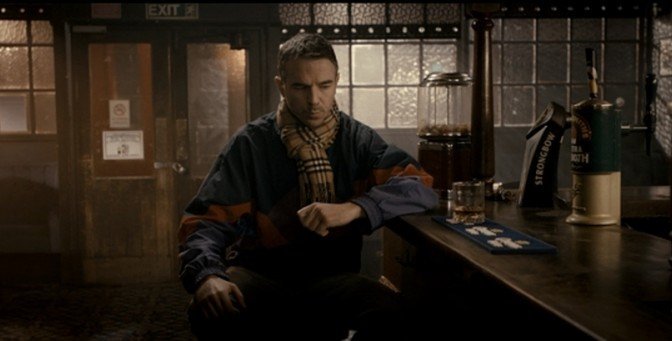
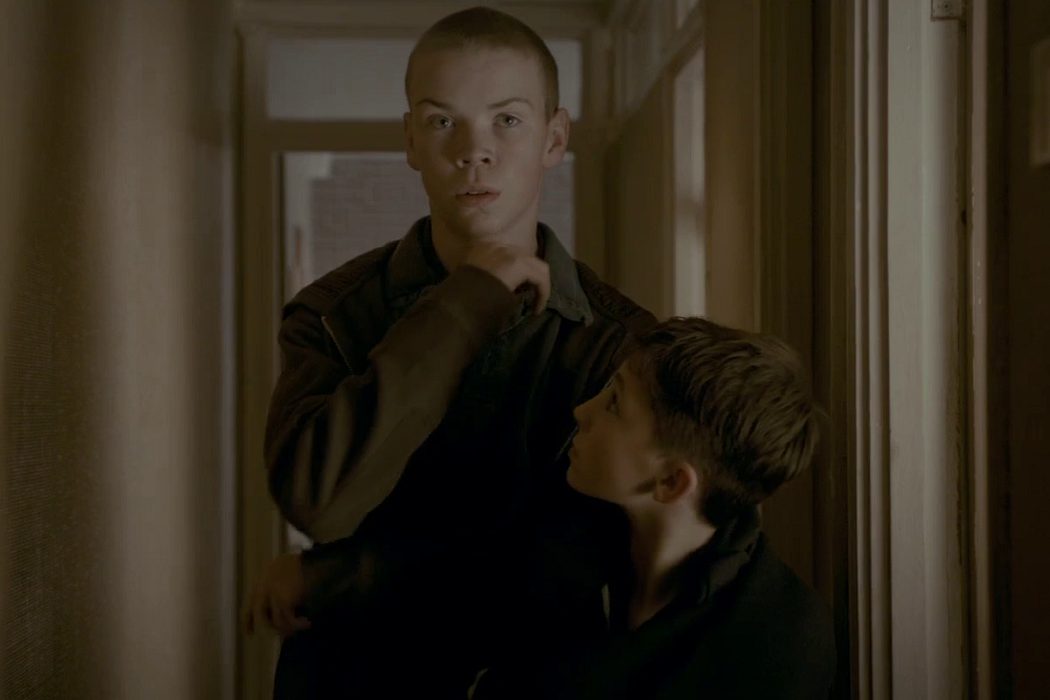
The main character nicknamed, portrayed by the excellent character actor, Charlie Creed-Miles, is the titular “Wild Bill”. He has just been released from prison having been a dealer and fighter and general menace to society. There is immediately tension because you wonder if the man will return to his bad old ways. Surprised to find his wife has buggered off to Spain, Bill is hardly given a warm welcome by his older son, Dean, as Will Poulter give another very mature performance. Indeed, Dean hates Bill, and while he is only fifteen, he has been the breadwinner looking after his young brother, Jimmy (Sammy Williams). Forced to stay together by Social Services, much of the film finds the father and son resisting, then attempting to find some common ground. The attempts at family harmony are not aided by the career thugs, including Leo Gregory and Neil Maskell’s characters, attempting to get Bill back on their crack dealing crew. It’s during such struggles that Bill strives to be positive and not return to his violent ways. However, there is only so far a man can be pushed.

Wild Bill (2011) is beautifully filmed with some fantastic London vistas as well as some gritty, urban locations to savour. Sure, the film also has a familiar set of character archetypes and narrative tropes. These include the ex-con trying to go straight, the tart with a heart, the local drug dealers terrorizing the estate, a teenage mum, estate kids getting pulled into crime, the white dealer who thinks he’s black; and the “Mr Big” crime boss played with threatening glee by Andy Serkis. Yet, the characters never become stereotypes as the writing and narrative avoid most of the cliches usually present in plain bad cockney gangster films. Ultimately, the writers, director and actors really make us care about Bill and his boys. I mean, after many false starts he really tries to make a go of it as a father. Bill may not have always made the best decisions in life, but he has guts and heart; very much like Wild Bill (2011) as a whole.


AMAZON FILM REVIEW – I CARE A LOT (2020)

AMAZON FILM REVIEW – I CARE A LOT (2020)

Directed by: J Blakeson

Produced by: Teddy Schwarzman, Ben Stillman, Michael Heimler, J Blakeson

Written by: J Blakeson

Cast: Rosamund Pike, Peter Dinklage, Eiza González, Chris Messina, Macon Blair, Alicia Witt, Damian Young, Isiah Whitlock Jr., Dianne Wiest, etc.

Music by: Marc Canham

**MAY CONTAIN SPOILERS**


Strange that this highly entertaining and acid-humoured thriller should be a Netflix release overseas, but in the U.K. released via Amazon Prime. Anyway, streaming platform aside was I Care A Lot (2020) any good? Firstly, let’s talk about genre. Do you enjoy watching films without any redeemable or essentially heroic characters? Do you enjoy spending time with criminals? Whether they are the charismatic kind like those in Goodfellas (1990) or Layercake (2004), or romantic kind in Drive (2011), or ultra-ambitious types such as Lou Bloom in neo-noir masterpiece, Nightcrawler (2014). If you do, then you will both love and hate Rosamund Pike’s confident sociopath, Marla Grayson!

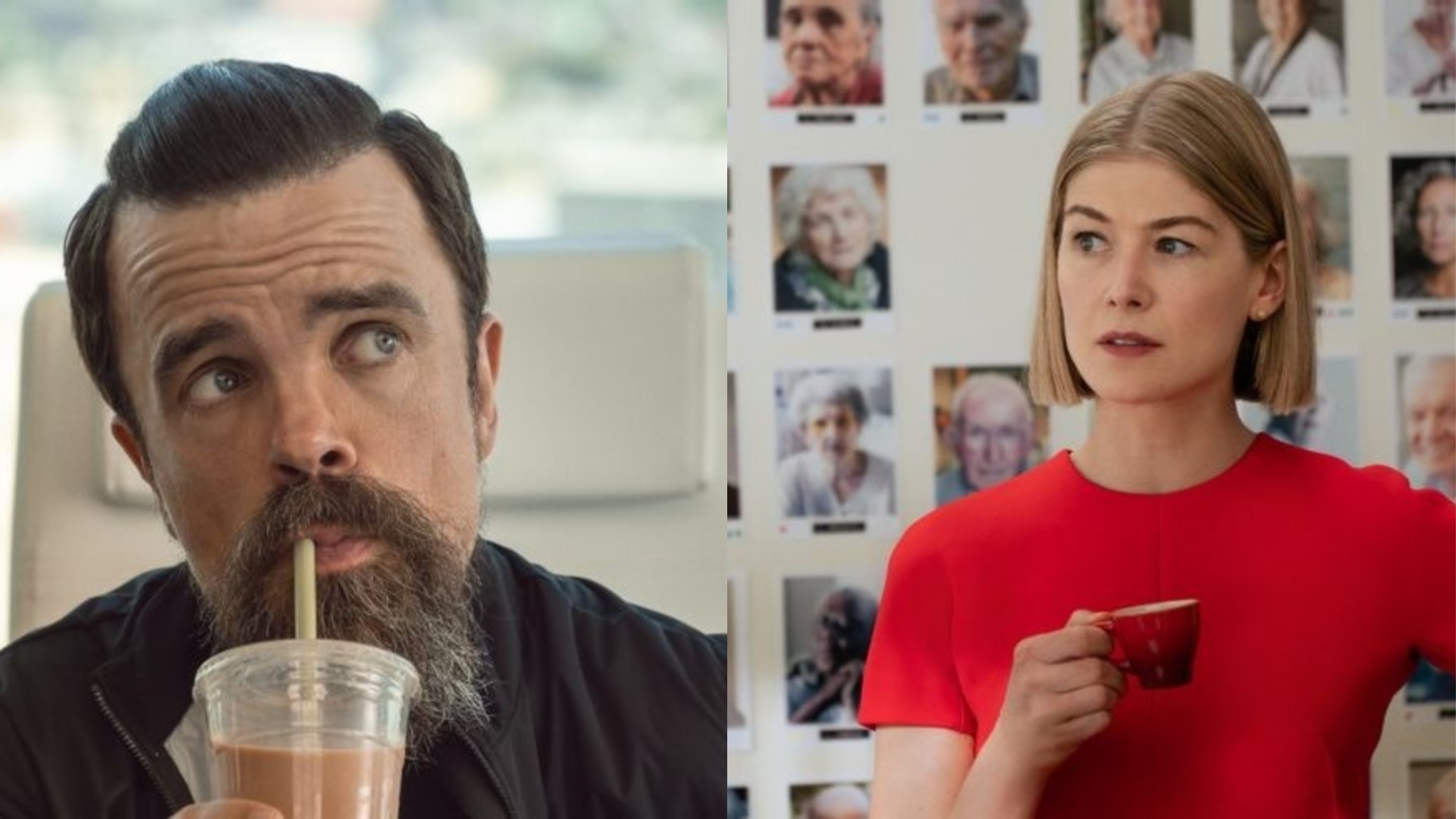
J Blakeson’s razor-sharp and barb-cracking screenplay opens with Marla’s brutally honest statement of intent. She wants it all and doesn’t care who she crushes to get it. Unlike, Lou Bloom, who was on his knees broke when we meet him, Marla already has a successful, legal but morally repugnant business going on. Marla and her associate and partner, Fran (Eiza Gonzalez) run a successful ‘Guardian Angel’ corporation. Their modus operandi is to exploit the elderly and tie them up in legal knots to asset-strip their money, properties and belongings. Complicit Doctors and retirement home directors are also in on the con, while the most frightening thing is that the American justice system assists the process. If I had had a gun, I would have shot the television after forty minutes, such was my anger toward Marla and her sordid business practices. Then she inadvertently makes a fatal mistake in choosing her next mark, Dianne Wiest’s wealthy “cherry,” Jennifer Peterson. That is a rich retiree with NO relatives or children. Marla thinks it is Christmas come early – it has not!


See the source image

Without wishing to give away too much away, Peter Dinklage’s rich businessman, Roman, enters the narrative and Marla’s devious planning suddenly comes under threat. Here the film moves from spot-on satire into extremely generic territory losing the dynamism of the first half of the film. Indeed, the first hour of I Care A Lot (2020) was a fantastic critique of the care system in the USA, and no doubt across the world. In blood-boiling fashion the film tells us that getting old is extremely expensive. One can work all one’s life and then see your savings and properties ripped away by expensive health care, homes for the elderly, pharmaceutical companies jacking up their products, greedy carers and pernicious lawyers. Marla Grayson is a grinning symbol of this corrupt system and nothing will get in her way – not even Roman and his associates. This is perfectly encapsulated in a fine scene where Marla ruthlessly negotiates with Chris Messina’s slippery lawyer. But the suited shark is just the starter as Roman is now on the warpath.

Peter Dinklage again proves what a brilliant actor he is as Roman. He is extremely good at rage in many scenes. His and Marla’s ongoing battle comes to a head in the final act, and when he turns the tables on her I was so happy that she would get her comeuppance. I felt maybe the direction lost some focus in the second half of the film as J Blakeson arguably felt the audience should somehow side with Marla as she finds her life under threat. I can safely say that I wanted her to die in the most painful way possible. Because unlike the ‘Driver’ (Ryan Gosling) in Drive (2011), Marla Grayson is utterly beyond redemption. Not that she would care what anybody else thought! Overall, that’s why I found the film incredibly entertaining. It may have lost sharpness when it moved from socio-political tubthumping into more standard crime film territory, it continually made me feel proper emotion, anger mainly. Sure, it may be slightly overlong, but J Blakeson crams a lot of twists and shocks into into, I Care A Lot (2020).

Mark: 8.5 out of 11


NETFLIX FILM REVIEW: MALCOLM AND MARIE (2021)

NETFLIX FILM REVIEW: MALCOLM AND MARIE (2021)

Directed by: Sam Levinson

Produced by:  Kevin Turen, Ashley Levinson, Sam Levinson, Zendaya, John David Washington

Written by: Sam Levinson

Cast: Zendaya, John David Washington

Music by: Labrinth

Cinematography: Marcell Rév

*** MAY CONTAIN SPOILERS ***


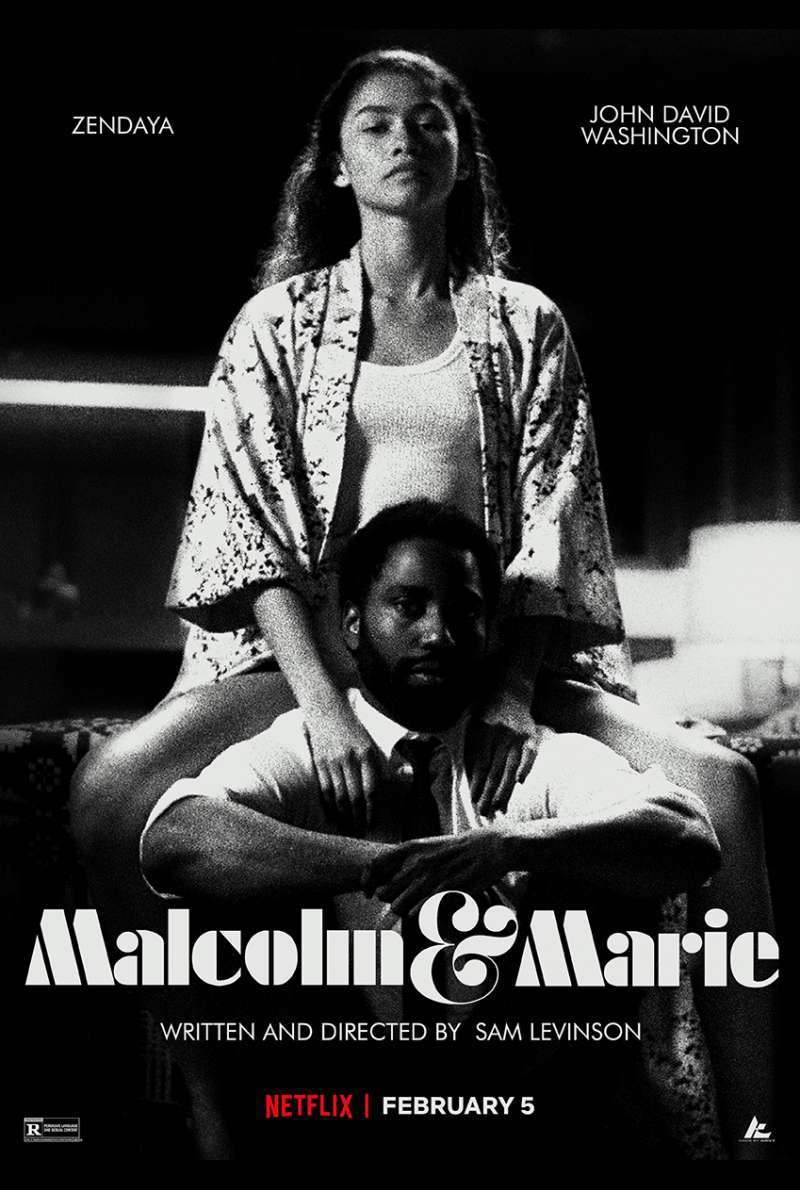
The Oscar nominations came out this week and due to the ongoing pandemic situation and consequent lockdowns, there are a number of films on the esteemed list which have yet to reach these shores, either at the cinema or via streaming platforms. Having said that, and I am aware space for nominees are limited and it has been a pretty strange year for cinema, but I was extremely surprised that Delroy Lindo did not receive an acting nomination in lead or supporting category. Similarly, I was also bewildered that Sam Levinson’s striking romantic drama, Malcolm and Marie (2021), had not received nominations in either screenplay or acting categories. Further, I was utterly shocked that critic’s reviews for the intense two-hander had been pretty mixed. Hey, it’s just opinions but I was really gripped by this highly theatrical and gorgeously cinematic two-hour argument in black-and-white. Personally, I think most of the deriders are wrong. But that’s just my view.

Maybe the film wasn’t liked because John David Washington’s, Malcolm, an up-and-coming filmmaker celebrating a successful premiere that evening, launches into a wonderfully eloquent rant about a review which he feels pigeonholes and patronises his film in purely political terms. I mean it’s actually a positive review, but who doesn’t enjoy ire toward professional critics. I mean, everyone has an opinion, or a view and the Internet has caused a mass proliferation and gaping spew of words and views and brain-thoughts in extremis. But Levinson’s script and Washington’s grandstanding acting spits that if you earn a living as a critic then you are essentially Satan! Perhaps some reviewers took umbrage with this? I loved the whole scene’s energy and Malcolm’s savage attack had me applauding throughout.


But Malcolm and Marie (2021) is more than Levinson getting back at those individuals who gave him bad reviews. It’s a sharp, funny, sexy and poignant exploration of a relationship close to breaking point. Malcolm and Marie may be different fighting weights, but they both punch hard and often. He is on a high after his film premiere success, but Marie is upset because he did not thank her during his speech. From there the conflict rises from light sparring to harsh emotional knockout blows. Both Malcolm and Marie tear at each other’s skin and flesh and figurative organs in an attempt to resolve the ever-increasing divide between them. Malcolm and Marie (2021), may not be for everyone, but any person who has been in a heated war of words with a partner or spouse, will identify with the inescapable tension on display. Levinson’s expert screenplay rides a rollercoaster journey of emotions as one moment you side with Marie and the next you’re with Malcolm. Yet, before you know it, you’re disliking both these complex, narcissistic, egotistical and infuriating humans.

Both Zendaya and John David Washington deserve so much praise for their performances in, Malcolm and Marie (2021). Washington has already demonstrated his massive talent in BlacKkKlansman (2018), while Zendaya excelled in recent HBO drama, Euphoria (2019). Levinson too directs with a deft skill. I was especially impressed by the way he balances the comedy and drama of these flailing humans, poking and picking at the scabs of each other’s past behaviour. Indeed, as well as containing some brilliant dialogue, the erudite script really sang to me. At times the coruscating repartee reminded me of Edward Albee’s acclaimed play, Who’s Afraid of Virginia Wolf. Nonetheless, for a dialogue and performance driven film, the precise framing and sumptuous black-and-white photography by Marcell Rév render the visuals wholly cinematic.

Sure, by the end of Malcolm and Marie (2021) is anything really resolved? And who is ultimately interested in this couple’s first world problems? Well, I’ve witnessed my parents fighting and also experienced such exhausting relationship arguments before. So, I must say that overall, I thoroughly enjoyed witnessing Malcolm and Marie’s nocturnal battle. Especially because I watched it all from the safety, warmth and comfort of my own home.

Mark: 8.5 out of 11


FILMS THAT GOT AWAY #12: THE DAY SHALL COME (2019) + SIX OF THE BEST #29 – CHRIS MORRIS THINGS YOU MUST WATCH!

THE DAY SHALL COME (2020) – FILM REVIEW

Directed by:  Chris Morris

Produced by: Iain Canning, Anne Carey, Emile Sherman

Written by: Chris Morris, Jesse Armstrong

Cast: Marchánt Davis, Anna Kendrick, Danielle Brooks, Kayvan Novak, Denis O’Hare, Jim Gaffigan etc.


Chris Morris is a bona fide genius. A natural prankster, a fearless satirist, writer, actor, producer, director and enfant terrible of radio, television and more recently cinema. He has been suspended by Greater London Radio and by the BBC and described by the Daily Mail as “the most loathed man on TV.” Which to me is a highly positive thing. Moreover, Morris is genuinely one of my cultural heroes and certainly one of the funniest artists to have graced the planet.

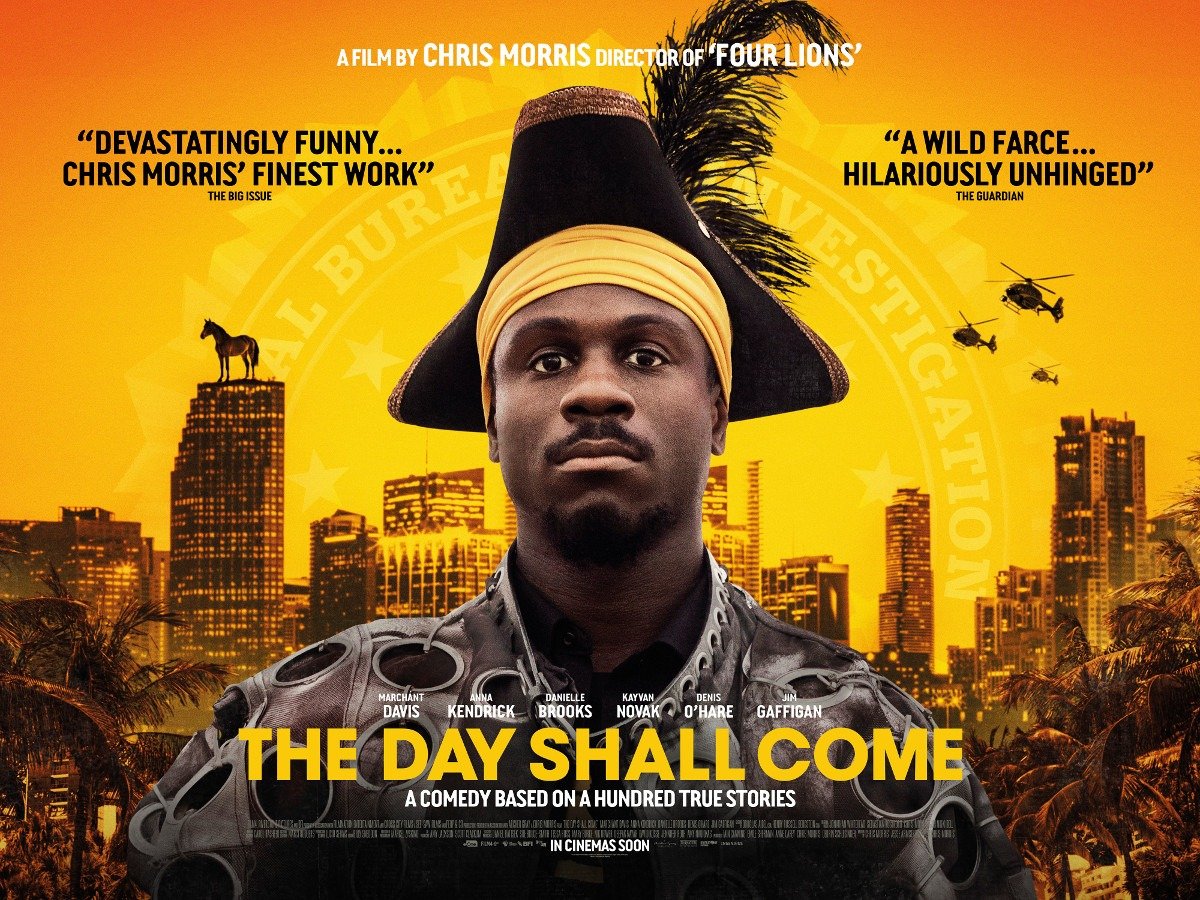
Morris’ latest cinema release is called The Day Shall Come (2019), and given I am such a fan of his work it did not make any sense why I have only just seen the film. Perhaps I had seen some negative reviews or maybe it was released at the same time as the London Film Festival in 2019? Thus, it meant I could not find time to watch it. Anyway, the story is somewhat of a mixed bag and definitely not as focussed or blisteringly funny as Morris’ prior directorial masterwork, Four Lions (2010). Centring on the idiotic efforts of the F.B.I’s terrorist taskforce to bring down targets that threaten United States security, operative Kendra Glack (Anna Kendrick) and her boss, Andy Mudd (Denis O’Hare) pull focus on Marchánt Davis as Moses Al Shabaz, an impoverished preacher, running the hapless ‘Star of Six’ commune. Moses, who is possibly bi-polar, is a likeable fool with delusions of grandeur, however, the FBI decide he is a threat and try to fit him up in many farcical scenes of entrapment.

There are funny moments and some delightfully bizarre dialogue exchanges. Furthermore, Davis excels in his role as the eccentric Moses and the under-used Danielle Brooks brings much needed humanity to her role as his wife. However, the film is full of mostly unlikeable and unlikely characters, meaning Morris’ satirical bullets rarely hit their target. Kendrick is miscast and while there are a few laugh-out-loud moments throughout, I just felt like the script was continually trying to squeeze square blocks into round holes. I even watched it twice to see if maybe I had missed something first time round. Goes to show even for a creative magician such as Chris Morris, certain tricks don’t always come off.

Mark: 7.5 out of 11


SIX OF THE BEST #29 – CHRIS MORRIS THINGS YOU MUST WATCH!

NEWSREADER: The main stories so far: Jimmy Savile drops dead at the Stoke Mandeville Boxing Day bash—but the patients are far from mourning.

CORRESPONDENT: The majority, if not all of them, are extremely relieved that he’s now dead, although I suspect that some of them will be sorry that he didn’t suffer a great deal more.

— The Chris Morris Music Show, 16 December 1994


While The Day Shall Come (2019) does not reach the dizzy heights of Chris Morris’ best output, it is still a highly thought-provoking critique of American law enforcement practices. Arguably though it misses more marks than it hits. Here are six of the best things that Chris Morris has been involved in and I urge you to try and find them on a streaming platform or on DVD or online somewhere. If you love obsidian black and controversial comedy then Chris Morris is your man!

CHRIS MORRIS RADIO SHOWS!

Morris’ creative career really formed on radio. He worked at Radio Bristol, Greater London Radio and made the The Chris Morris Radio Show on BBC Radio 1. He gained notoriety and was suspended from the BBC for announcing Conservative politician Michael Heseltine was dead. In fact, fake obituaries were one of his early favourite pranks. Later, Morris joined forces with another comedy legend, Armando Iannucci, to help create the seminal spoof news show called, On the Hour. The rest they say is history.


THE DAY TODAY (1994)

The Day Today was a TV comedy show that parodied current affairs programmes. Broadcast in 1994 on BBC2, it was created by Armando Iannucci and Chris Morris and an adaptation of the radio programme On the Hour. The genius and surreal satire The Day Today found Morris winning the 1994 British Comedy Award for Best Newcomer. The rest of the cast including Steve Coogan, Rebecca Front, Doon Mackichan, Patrick Marber and David Schneider were incredibly good too. I wonder what happened to them?!


BRASS EYE (1997)

Chris Morris took the ferocious journalistic character he created on The Day Today (1994) into Brass Eye (1997), with one of the most scurrilous and controversial works of television ever. Once again, Morris was lampooning current affairs shows and the often hysterical way the media sensationalise issues such as drugs, sex and crime. Morris fooled many celebrities and politicians during the filming of Brass Eye (1997), getting them to commit to absurd, but fake media campaigns. A 2001 special was planned but cancelled due to fear of further controversy and litigation against Channel 4.


JAM (2000)

Ever pushing the boundaries of radio and television genre form and style, Morris’ cult sketch show Jam (2000), is a truly dark and twisted experience. Unsettling and bleak it presented unconnected and surreal sketches, unfolding over an ambient soundtrack. Buried late at night on the Channel 4 schedule it was incredibly striking in style and content with a superb cast including: Amelia Bullimore, Julia Davis, Mark Heap and Kevin Eldon.


NATHAN BARLEY (2005)

This absurdist comedy found Morris working with another comedy genius in Charlie Brooker. Here they took inspiration from Brooker’s TVGoHome – a 2001 E4 TV show parodying television – as the focus of a fly-on-the-wall documentary called Cunt. With energetic fool and influencer Nathan Barley as the lead idiot, the sitcom delivered six delicious episodes which skewered hipster characters and pretentious Shoreditch-based culture. The cast included: Julian Barratt, Ben Whishaw, Richard Ayoade, Nicholas Burns, Claire Keelan etc. and Nathan Barley is a highly recommended comedy that seems as vital now as it did in 2005.


FOUR LIONS (2010)

Oh my word! How the hell this film did NOT get banned is something that still shocks me. It is one of the the funniest and controversial films ever about the darkest subjects, namely terrorism and radicalised Jihadis. How Morris and his co-writers, Jesse Armstrong and Sam Bain, managed to successfully satirise, demonise and humanise Muslim fundamentalists is beyond belief. The wicked script and unbelievably good performances by Riz Ahmed, Nigel Lindsay and Kayvan Novak help make Four Lions (2010) one of the finest socio-political comedies of all time. It’s hilarious and actually moving at the end as I pitied, recoiled and felt for these poor misguided fools. Deservedly, Chris Morris won the award for Outstanding Debut by a British Writer, Director or Producer at the BAFTAS in 2011.


YOU HAVE A NEW FOLLOWER (2020) – SHORT FILM YOUTUBE RELEASE

YOU HAVE A NEW FOLLOWER (2020) – SHORT FILM RELEASE

Hope you are well and safe!

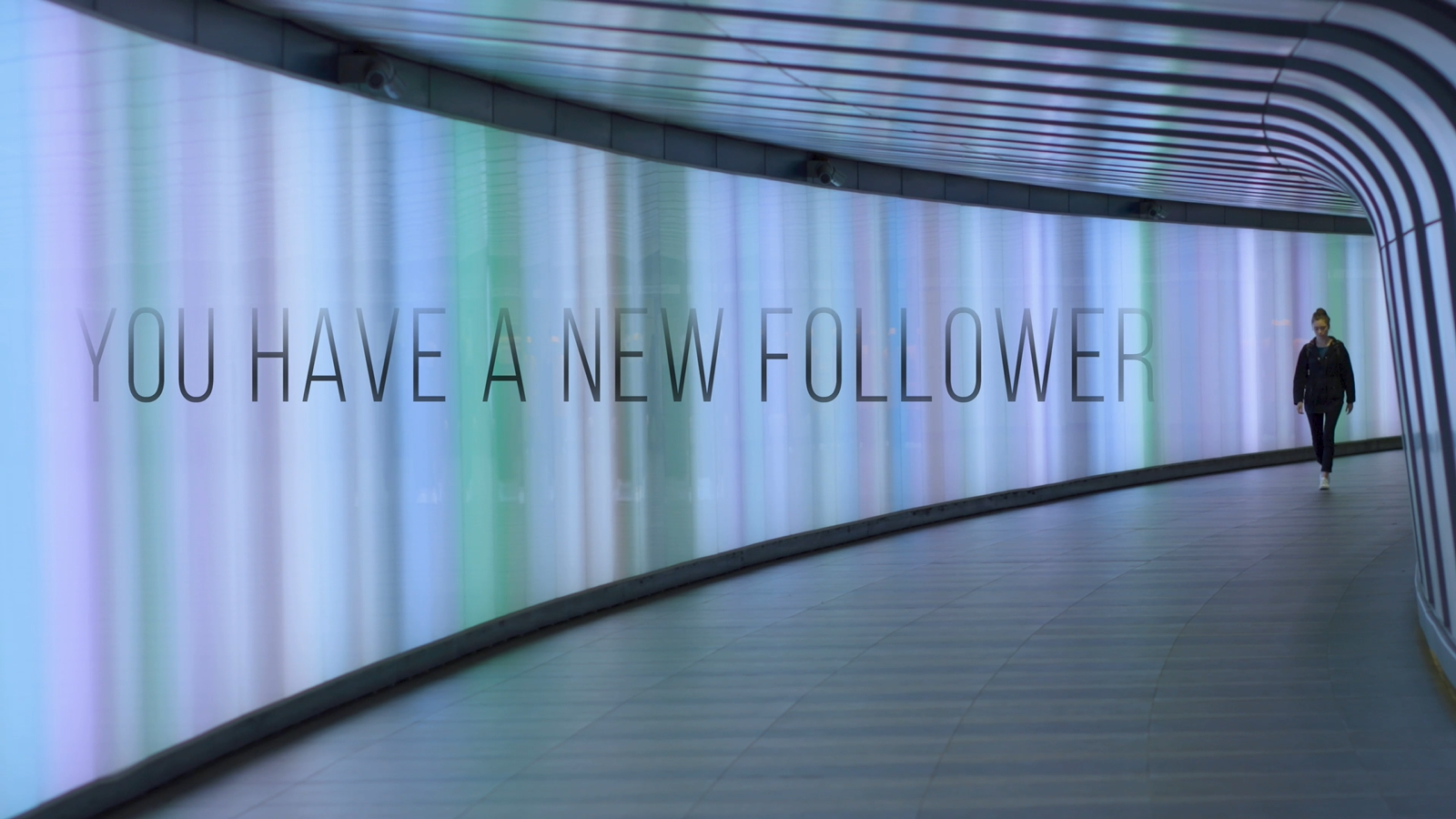
Finally, I have decided to release my short film, You Have A New Follower (2020) on YouTube. It has been delayed due to the pandemic and other personal matters. It got several screenings at online and physical film festivals, however, not as many as hoped due to the outbreak of COVID-19.

I am very proud of the film as I have attempted to explore issues relating to mental health within the thriller genre. I hope it intrigues and interests you too. Below is link to the film and after that the credits and further film details.

You Have A New Follower (2020) – Fix Films Ltd


PITCH

“Watch your back…”

Astrid Nilsson’s life begins to unravel when she is stalked by a mysterious hooded figure.

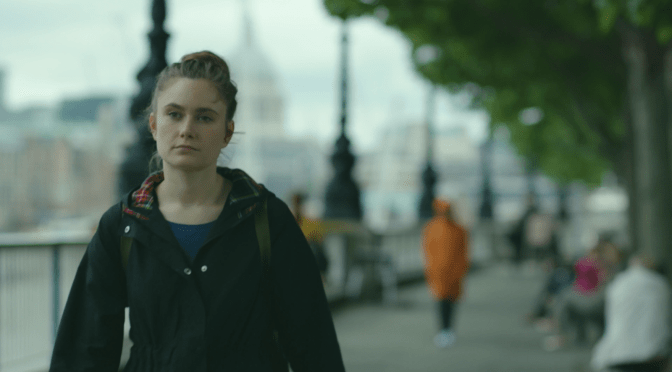
You Have a New Follower (2020) is the latest short film from Paul Laight and Fix Films. It was shot in London and combines mystery, suspense and science fiction genres with dramatic effect. It’s a short, low-budget film which seeks to explore themes of paranoia, anxiety, and identity within the thriller genre.

CAST & CREDITS

Directed by: Paul Laight & Tilde Jensen
Cast: Tilde Jensen, Mitchell Fisher
Written and Produced by: Paul Laight
Camera: Petros Gioumpasis
Lighting: Sakis Gioumpasis
Sound: Marina Fusella
Editors: Oliver McGuirk, Petros Gioumpasis
Composer: James Wedlock
Sound Design: Simos Lazaridis
Location Manager: Melissa Zajk
Production Assistant: Lue Henner

SCREENINGS

The Fix Film Night, London – February 2020
Cineshots, London – March 2020
Lift Off Sessions, UK – March 2020 (Online)
Fabulosis Short Film Night, London – May 2020 (Online film night) Unrestricted View Horror Festival, London – October 2020 – (Online festival)
Horror of Damned, Italy – November 2020 (Online festival)
Lulea International Film Festival, Sweden – November 2020 – (Online in 2020 and hopefully in Sweden in September 2021)

Website: www.fixfilms.co.uk
YouTube: www.youtube.com/c/FixFilmsLtd

A FIX FILMS PRODUCTION © 2020


DISNEY + FILM REVIEW: SOUL (2020)

DISNEY + FILM REVIEW: SOUL (2020)

Directed by: Pete Docter

Produced by: Dana Murray

Written by: Pete Doctor, Mike Jones, Kemp Powers

Cast: Jamie Foxx, Tina Fey, Graham Norton, Rachel House, Alice Braga, Richard Ayoade, Phylicia Rashad, Donnell Rawlings, Questlove, Angela Bassett etc.

Music by: Trent Reznor, Atticus Ross, Jon Batiste[a]

Cinematography: Matt Aspbury, Ian Megibben

*** MAY CONTAIN SPOILERS ***


Death, the loss of childhood innocence, grief, mid-life crises, missing children, the end of the word due to human greed, ghosts, female emancipation within patriarchal society, the afterlife, use of fear as energy, neuropsychological exploration of emotions, oh, and death again are all heavy themes and subjects for a film. But they are not just from the works of heavyweight filmmakers such as Werner Herzog, Akira Kurosawa, Ingmar Bergman or Stanley Kubrick. They are subjects investigated and probed and rendered entertainment in a fantastic style by the ever-impressive Pixar studio. Their latest film Soul (2020) is yet another extravaganza of high concepts, existential themes, and scintillating visual world-building.

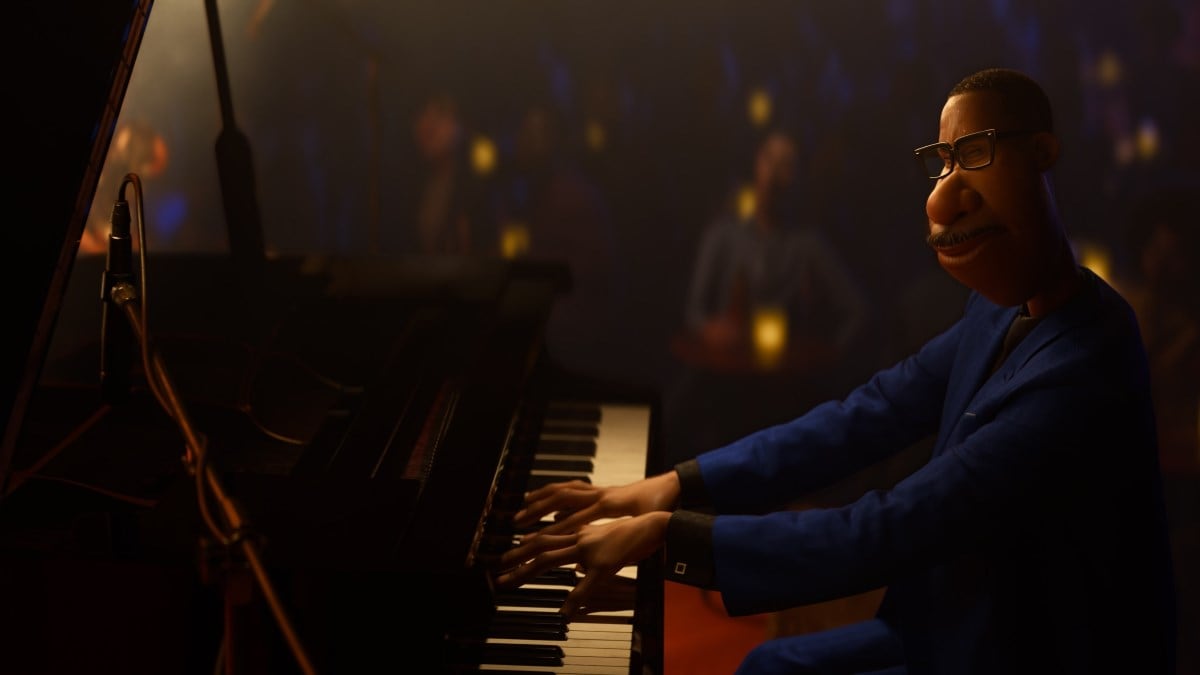
Soul (2020) centres around Joe Gardner (Jamie Foxx), a music teacher who longs to immerse himself in a career as a jazz musician. It’s not necessarily suggested in the opening scenes as to why Joe hasn’t made it as he clearly has musical talent. However, his dominant mother Libby (Phylicia Rashad) objects to his frivolous desire to play piano, plus Joe, like many artists out there just cannot get a break. A chance arises though when he gets an opportunity to audition for esteemed singer, Dorothea Williams (Angela Bassett). Joe’s exquisite piano playing wins over Dorothea, but then tragedy strikes as an excited Joe falls down a manhole and dies. Being a Pixar film committed to venturing into the afterlife, as it did previously with Coco (2017), Joe finds himself, not in the ‘Land of the Dead’ but rather the ‘Great Before/Beyond’ instead.


As Joe moves toward the light with the many other souls he refuses to accept this is the end. He rejects the unknown glowing light of the ‘Great Beyond’ and escapes to a world full of young, old and lost souls called the ‘Great Before’. Here he meets a cynical soul called 22 (Tina Fey), who is refusing to claim the badges required to begin her own life on Earth. This is where the story gets a bit sticky for me. I mean I enjoy narratives about life, death and the afterlife including the brilliant A Matter of Life and Death (1946) and both excellent versions of Heaven Can Wait (1943 / 1978). However, Soul (2020) I think tries to do too much as 22’s story threatens to dominate Joe’s pursuit to get his life and career back. Moreover, the ridiculous sight of Joe’s soul ending up in a therapy cat also felt like a contrived lean toward giving the kids something to laugh at. Indeed, I felt this water-and-oil decision, while funny, undermined the more intrinsically vital themes within the narrative.

Ultimately though, having succumbed to the cultural pressure of signing up to Disney +, I did thoroughly enjoy Pixar’s Soul (2020). Jamie Foxx and Tina Fey create a fine double act with their brilliant comedic timing and performances. Moreover, Graham Norton and Richard Ayoade provide humorous voice support, and of course, the animation is incredible. Although I would actually have preferred to stay on the exquisitely drawn streets of New York more than the ‘Fantasiaeque’ lysergic acid look of the afterlife. Still, once again, Pixar have been clinical in delivering an intelligent film that delves into existential themes relating to the meaning of life. Joe’s journey, like his music, is full of verve, beauty and many surprising twists, ensuring his soul is certainly one that is worth saving.

Mark: 9 out of 11


BBC FILM REVIEW: MANGROVE (2020)

BBC FILM REVIEW: MANGROVE (2020)

Directed by: Steve McQueen

Produced by: Anita Overland, Michael Elliot

Screenplay by: Steve McQueen, Alastair Siddons

Cast: Letitia Wright, Shaun Parkes, Malachi Kirby, Rochenda Sandall, Nathaniel Martello-White, Richie Campbell, Alex Jennings, Jack Lowden, Darren Braithwaite, Sam Spruell, Samuel West, Llewella Gideon, Jodhi May, Gary Beadle, Jumayn Hunter, Duane Facey-Pearson, etc.

Music by: Mica Levi

Cinematography: Shabier Kirchner

Original Network: shown on the BBC as part of the Small Axe anthology

***CONTAINS HISTORICAL SPOILERS***


“So, if you are the big tree… We are the small axe… Ready to cut you down… To cut you down…” — Bob Marley song, Small Axe


You wait for a thought-provoking courtroom drama about individuals battling an oppressive legal system and end up watching two in two days. It wasn’t a specific plan to follow up my viewing of The Trial of the Chicago Seven (2020), by watching Steve McQueen’s majestic adaptation of the ‘Mangrove Nine’ narrative, but it was most certainly historically and culturally serendipitous. However, while Aaron Sorkin’s entertaining distillation of the 1968-1969 events, which occurred at the Democratic National Convention and subsequently in the U.S. courts, were delivered in an irreverent and satirical style, Steve McQueen’s approach to the systematic racism and brutality of the police force and legal battle which followed in Mangrove (2020), is treated with far more intensity and power.

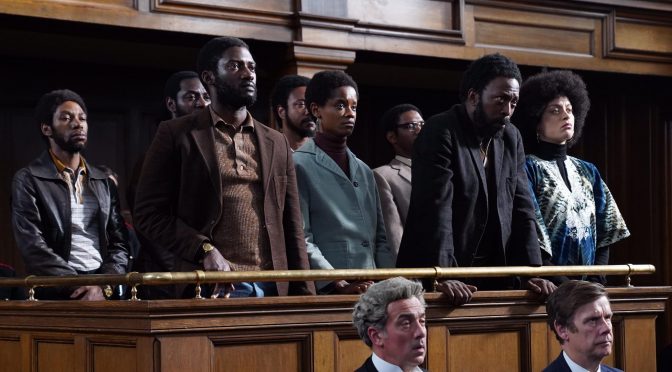
Mangrove (2020) is the first in a set of five films curated, written and directed by Steve McQueen, in what has become known as the ‘Small Axe’ anthology. It premiered at the London Film Festival in 2020, before being released on the BBC television network. The aim of the ultra-talented McQueen, and his writers, cast and crew is to reflect important historical figures and events from West Indian culture in the 1960s, 1970s and 1980s. Mangrove (2020) centres on the trial of the ‘Mangrove 9’, namely Frank Crichlow, Darcus Howe, Althea Jones-Lecointe, Barbara Beese, Rupert Boyce, Rhodan Gordon, Anthony Innis, Rothwell Kentish; and Godfrey Millett. They were seen as leaders of protests which occurred in August 1970, that resulted in battles with police on the Notting Hill streets. While original charges were thrown out by a magistrate, the then Director of Public Prosecutions decided the case should go to court in 1971.


The excellent screenplay by McQueen and his co-writer Alastair Siddons expertly establishes the era and setting of the story. Similarly, the production design perfectly captures the look of late 1960’s West London. Shaun Parkes’ portrayal of Frank Critchlow is both moving and influential in drawing the viewer into the character’s desires and culture. Critchlow opens the Mangrove Restaurant in 1968 with a longing to establish a place that serves West Indian food; and provide a meeting place within the community. Alas, due to the heavy-handed approach by the police in the area, led mercilessly by Sam Spruell’s P. C. Frank Pulley, Critchlow’s dream is left in tatters by constant raids and arrests. It is the Metropolitan Police’s belief that the Mangrove Restaurant is a hive of criminal activity and drug use. No drugs were found during these raids, thus Critchlow filed charges himself of unlawful arrest. Eventually, Critchlow, Howe, Jones-Lecointe and others became involved in marching and protesting at what they saw as clear racial prejudice by the police.

My emotions while watching the events unfold, from the clashes with police to the subsequence court case, was that it is tragic that there was such violence and division between people of the Commonwealth and the authorities. After all, West Indians were invited by the British Government to come to here in the 1950’s, to help rebuild post-war Britain. Obviously, not all British people rejected them, however, clearly there was an incredible amount of racism and abuse, here illustrated by the police’s horrific attitude in Mangrove (2020). Thus, Steve McQueen and his exceptional cast deserve all the plaudits coming their way in bringing such a vital legal case to the screens. The Mangrove 9’s case is emblematic of the horror of ignorance that has occurred in British history and that we must continue to stamp out vitriolic actions based purely on cultural difference and the colour of an individual’s skin. In representing such important events and individuals moreover, Steve McQueen has delivered one of the most powerful films of 2020.

Mark: 10 out of 11