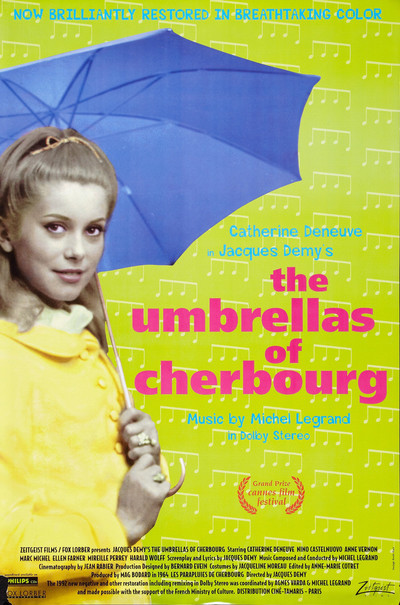
FILMS THAT GOT AWAY #6 – THE UMBRELLAS OF CHERBOURG (1964)
Written and Directed by: Jacques Demy
Produced by: Mag Bodard
Music by: Michel Legrand
Cast: Catherine Deneuve, Anne Vernon, Nino Castelnuovo, Marc Michel, Ellen Farmer, Mirielle Perrey etc.
**MAY CONTAIN SPOILERS**
I knew there were good reasons to get married. The obvious one is the positive nature of a caring relationship and not becoming a lonely, bitter old man. The other is that given my wife loves films too, she will introduce me to the occasional classic film I may have missed. Thus, we went to the BFI and watched the classic musical The Umbrellas of Cherbourg (1964). While she is a massive fan of the musical genre, I can take or leave it generally. Every now and then though I will really love a musical film. The Umbrellas of Cherbourg (1964) is now one of them.
Starting in 1957 and structured over three acts that end in 1963, we follow the lives and loves of two main protagonists, Genevieve (Catherine Deneuve) and Guy (Nino Castelnuovo). The ups and downs of their romance drives the narrative. The two struggle to keep their love alive amidst the obstacles of military conflict, social convention and family pressure. While the story is relatively simple, Jacques Demy’s wonderful script and direction warms you to the two young lovers. So much so, by the emotionally gut-wrenching ending, even a grizzled cynic like myself felt like crying.
The Umbrellas of Cherbourg (1964) is not your classic all-singing-all-dancing musical. It is more an opera of everyday life and love. The actors sing the dialogue all the way through and once I got used to this, the device really worked well for the story. Of course, Michel Legrand’s incredible score literally drenches the colourful sets and mise-en-scene with wonder. Moreover, Demy’s cinematographer, Jean Rabier, works miracles; his camera gliding around the actors in small spaces such as shops, garages, apartments and French cafes. Lastly, Catherine Deneuve and Nino Castelnuovo are such an attractive, but beautifully tragic screen couple. Clearly their touching story, amazing music and Jacques Demy’s cinematic brilliance had a massive influence of Damian Chazelle’s splendidLa La Land (2016).
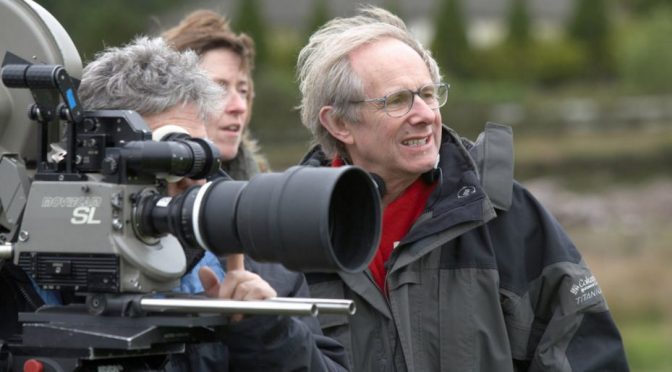
I haven’t done one of these articles for a while, but in light of the Conservative Party victory in the General Election the other day, I thought it interesting to lean toward a more political filmmaker for my latest post. Thus, I once again pick five highly recommended films by one of my favourite cinema creatives. Today, I look at the work of Ken Loach.
Loach is now, at time of writing, eighty-three year’s old, and has just released a new film called Sorry We Missed You (2019). At the cinema alone he has singularly directed twenty-five films, plus been involved with many television productions too. His ‘Wednesday Play’ Cathy Come Home (1966), was voted in the top ten best British television programmes of all time at the turn of the millennium. It was so powerful in its depiction of a struggling homeless character, the issues were raised in Parliament at the time. His work continues to address socio-political issues even now and has often provoked controversy.
Loach works generally in the dramatic or social realist genre. However, his raw, almost documentary style, which centres on working or characters from the under-classes, does have much comedy going through it too. Structurally his films build empathy with his characters in a generally linear fashion; slices of life which more often than not result in tragedy. While the landscapes he displays are quite depressing, his characters aren’t victims though. They are always strong and passionate and striving for the best outcome. However, poor life choices, poverty, bureaucracy, gangsters, criminality, addiction, military, and unfair government laws and procedures provide fierce obstacles.
Some have accused Loach of, over the years, being a ‘Champagne Socialist’, comfortably attacking the ruling classes from a position of privilege. He’s also been accused of vicariously holidaying in the land of the under-privileged, for what gain I’m unsure of. Personally, I am always compelled by Loach’s cinema, the issues raised and the characters he presents. He is a true humanist director and storyteller, who has made some consistently brilliant films. Whether you agree with his politics or views, he is at least attempting to reflect the injustices in the world and the underdogs within in it. Here are five films which capture this perfectly.
**CONTAINS SPOILERS**
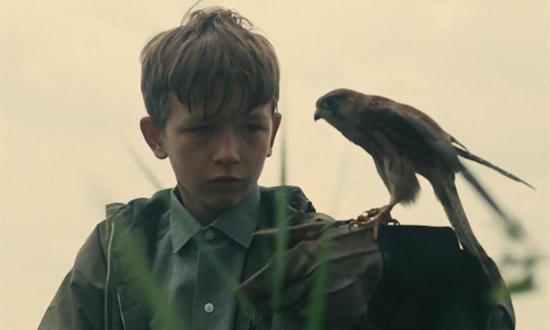
KES (1969)
Based on Barry Hines’ novel, Kesis one of the finest British films ever. It concerns the everyday existence of Billy Casper (David Bradley) and his attempts to survive the harsh realities of Northern life in Barnsley. Billy struggles at school, but finds salvation when he adopts and trains a young kestrel. Kes represents a microcosm of working-class life where the kids are either damned or sent down the pit to work. Simultaneously warm, harsh, bitter, funny and tragic, Kes is a memorable early work from Ken Loach and deserves revisiting over and over again.
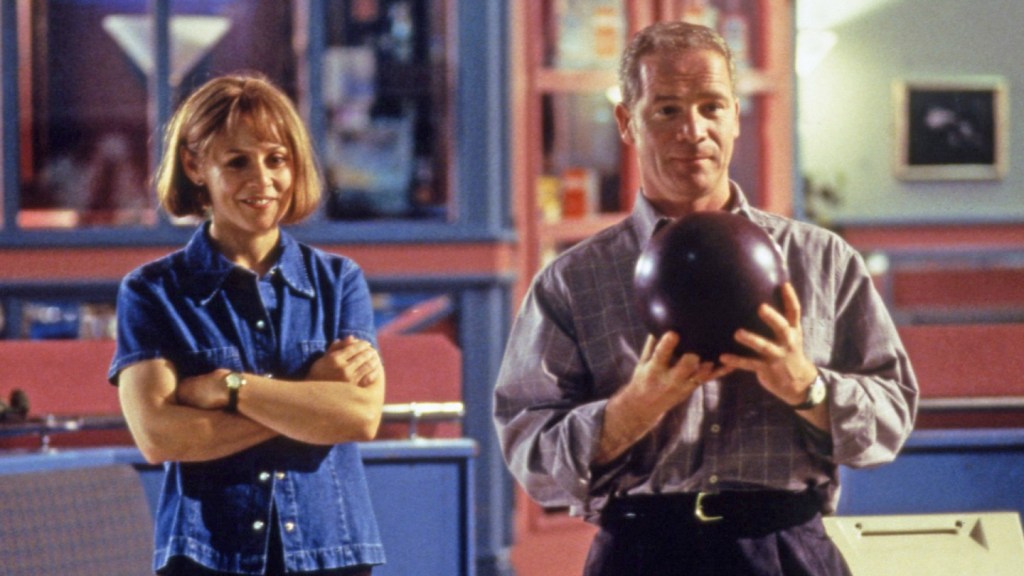
MY NAME IS JOE (1998)
Anchored by an incredible leading performance from Peter Mullen, My Name is Joe, centres on Joe Kavanagh and his attempts to stay sober. Joe has been a destructive alcoholic for some years and uses AA to control his drinking. The narrative drive comes from Joe’s attempt to assist recovering drug addict, Liam (David McKay), plus Joe’s blossoming romance with a local health worker, Sarah (Louise Goodall). It’s a raw rendition of Scottish working-class life with romance and tragedy lying side-by-side in a moving portrait of addiction, love and life’s everyday struggles.
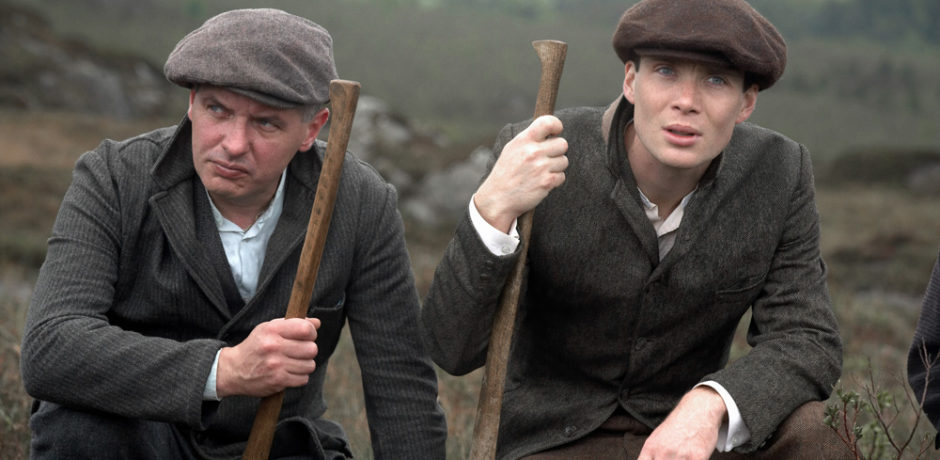
THE WIND THAT SHAKES THE BARLEY (2006)
Incredibly controversial when released, Loach’s war drama is set in 1920’s, Cork, Ireland. It centres on the conflict between the Irish Republican Army and the British army, as civil war broke out prior to the Anglo-Irish Treaty. The lead protagonists are two brothers portrayed by Cillian Murphy and Padraic Delaney. As the war and violence heightens the two brothers, their families and their compatriots are devastated by harsh British rule. Loach was described as “anti-English and traitorous” by the English press and Conservative politicians, when the film was released. However, irrespective of your politics, it is a stunningly human work of cinema; both shocking and heart-wrenching in equal measures.
LOOKING FOR ERIC (2009)
Films about football (soccer in the U.S.A) and footballers can be very tricky to get right as the game itself arguably works better as a live spectacle, rather than at the cinema. However, Loach scored a big win with this really moving story about a lowly postman, Eric Bishop (Steve Evets), who is struggling with family, love and work pressures. Depressed and almost suicidal, Eric finds unlikely help in the magical appearance of Manchester United football legend, Eric Cantona. Sprinkling the kitchen sink realism with fantasy is a departure for Loach, and Paul Laverty’s wonderful script brilliantly espouses the need for teamwork, fraternity and community within its touching narrative.
I, DANIEL BLAKE (2016)
Having worked for the Benefits Agency a few decades ago, I have some understanding of social security and government assistance schemes. Via the titular character of Daniel Blake (the brilliant Davey Johns), Loach savagely criticises Conservative austerity measures. The systematic turning of the screw has seen many British people have their benefits stopped because of somewhat Kafkaesque measures. Of course, the system should work to stop people abusing it, but many deserving people suffered too. This is demonstrated here in this heartfelt drama of one man, who having suffered a heart attack, battles for his pride and future.

I started this blog in October 2013 with a review of a low budget sci-fi film called Arrival of Wang (2013). 500 posts later and I am still going. I, like many, don’t make any money out of writing this blog, but I really enjoy it. I have also made connections with other bloggers and film fans all over the world and I find that brilliant too.
I thought it may be interesting to look at the TOP TEN most viewed reviews or articles I have written. So, excluding views for the Home page/Archives clicks, here are the top ten articles with links in the heading.
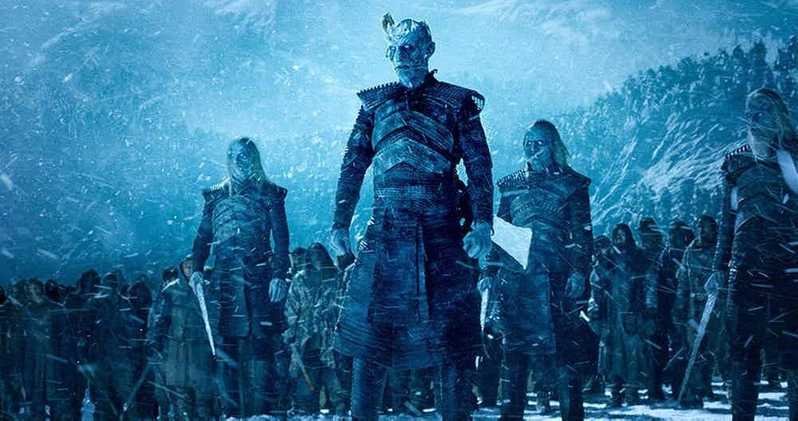
HBO’s adaptation of George R. R. Martin is one of the greatest television narratives ever. Full of action, intrigue, treachery, quests, sex and murder, it also had some great dialogue. Here I listed six great speeches from the show.
Another classic European film review gets decent numbers. This is an academic essay more than a review, but a worthy analysis of Louis Malle’s brilliant wartime set drama.
I still cannot believe that Rik Mayall is dead. He was such a hero of mine growing up and genuinely one of the funniest people that ever existed. R.I.P Rik Mayall! This article is a tribute to both his genius and my love of one of his hilarious TV comedies: Mr Jolly Lives Next Door.
Another classic film scene from another classic film gets into the top ten! I should probably write more of these!! Sergio Leone’s gangster epic is rarely screened on television but it is as amazing as it is long.
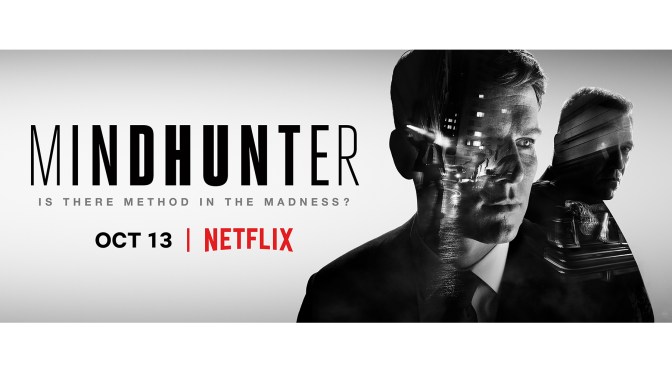
Ken Loach is one of my favourite filmmakers in terms of both quality and consistency of cinematic output. His incredibly raw depiction of Northern life in Kes (1969) gave us many memorable scenes, including this one about the injustices of the education system.
Aside from reviews of past and present films and TV shows, I occasionally do more focused articles. This one picked some great films that tell their story in one hundred minutes or less. Maybe I should do one about classic films over one hundred and eighty minutes too?
Perhaps it’s because “sex” is included in the tags of this review of Park Chan-Wook’s erotically charged crime noir, or because it is brilliantly written, who knows! Anyway, it’s the highest seen new release review so it must be of some interest to some people.
THE END OF THE WORLD
Well, that’s the top ten most viewed articles out of the five hundred I have posted. For the record, the LEAST viewed article with only SEVEN VIEWS is this one: APOCALYPSE WHEN? VISIONS OF FUTURE EARTH! It goes to show that no one is interested in reading about filmic visions of the end of the world. C’est la vie!
Now I would like to broaden the subject and have a go at defining some basic film character archetypes. My definition of this has some crossover with personas, but archetypes are not necessarily the component which make up the character – they ARE the character!
Archetypes are a common or typical shorthand; a tool writers, directors and actors can use to define character during the creative process. They are not stereotyping though. They are standardized models and structures that can be built upon to fully flesh out a character.
The archetypes I would like to consider are: Everyman/Woman, Hero, Super-Hero, Anti-Hero, Nemesis, Mentor, Sidekick and Lover/Romantic Interest. Obviously, many of these archetypes can combine, especially in more complex films, plus I’m sure there are loads of others. However, I will limit myself to these for now.
EVERYMAN / WOMAN
The staple for many, many movies is an everyman or woman or boy or girl (or gender fluid) character who is easy to relate to for the audience. It could be Tom Hanks in Castaway (2000), or Tom Hanks in Sully (2016), or Tom Hanks in basically everything – even Toy Story (1995). They tend toward the working or ordinary class with regular jobs and family units. Their stories will be everyday, or they will find themselves facing incredible situations. Alfred Hitchcock favoured everyman and woman characters who would be thrown into dangerous situations. Actors who excel in such roles include: Hanks, James Stewart, Meryl Streep, Amy Adams, Francis McDormand, Jack Lemmon and many more.
HERO
Many characters can begin ordinary or everyday, but over the course of a film become heroes. Luke Skywalker for instance is an bright farm kid with dreams of joining the academy. A series of contrasting events then cause his rise to discovery and heroism. On the other hand, some heroes are fully formed such as James Bond and Indiana Jones. The everyman character and hero are often combined, like with John McCLane or underdog characters such as Rocky Balboa. My favourite hero arcs are stories where the character starts in lower status such as The Terminator (1984), Django Unchained (2012) and Harriet (2019).
SUPER-HERO
So what’s the difference between a hero and a super-hero? For me the hero may be capable of incredible feats of action and endeavour, yet he or she is ultimately mortal. Thus, while they may be a super-hero on the surface, Batman and Iron Man are heroes to me; albeit mechanically improved ones. Superman, Wonder Woman and Thor, for example, have god-like powers, thus defining them as SUPER! Obviously, there are crossovers as illustrated by Peter Parker, Captain America and Captain Marvel. All of them begin as everyboy/man/woman characters and become super-heroes due to military experimentation or being impacted by incredible events which cause physical transformation.
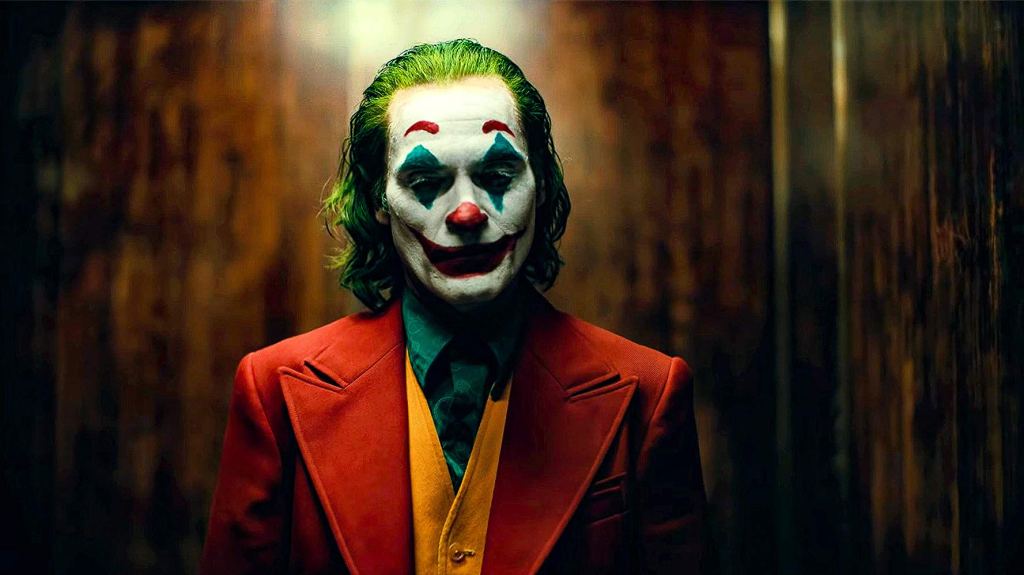
ANTI-HERO
I love a good anti-hero. I think they are my favourite character archetype. They can be charismatic and just on the side of the righteous, but misanthropic and sarcastic like say, Wolverine or Blade. They can be on the wrong side of the law, but redeem themselves at the end of a film like Danny Archer and Han Solo. They can be outsiders or loners like Travis Bickle. They can be hard on the outside and soft on the inner like Juno. Moreover, certain actors have cornered the market on anti-heroes such as Jack Nicholson, Ellen Page, Leonardo DiCaprio and Clint Eastwood. My favourite anti-heroes are often cursed with supernatural forces causing them to be trapped by certain powers. The ‘Wolfman’, Lawrence Talbot, and Carrie White are fine instances of this.
NEMESIS
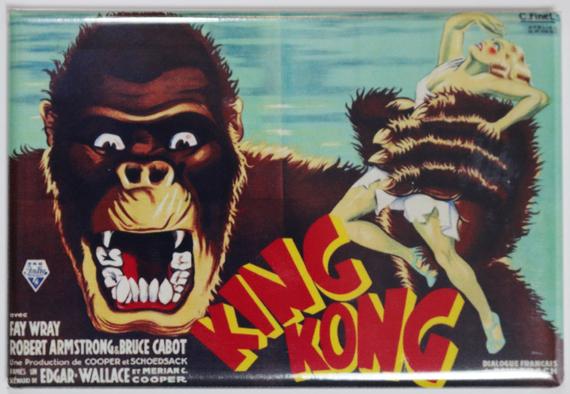
Given it is pantomime season there’s no harm is looking at villains! For me the greatest villains are the ones which actually have a valid cause or point. Of course, I don’t agree with their actions as they will generally involve killing people or destroying the Earth or Universe. However, villains such as Robert DeNiro’s heinous Max Cady had valid motivation. Likewise, Thanos’ plan to wipe out half of everyone was founded on sound environmental ideology. This doesn’t make it right though. Sympathetic nemeses are also interesting like Marvel’s Erik Killmonger. Moreover, King Kong for example, begins life as a threatening monster, but ultimately ends up being sympathetic compared to man. Nonetheless, you cannot beat a good old fashioned baddie like Hannibal Lecter, The Terminator, Hans Gruber, Nurse Ratched and one of my favourites, The Wicked Witch of the West.
MENTOR
The Mentor character can take many forms. They are very valuable in supporting a hero or heroine on their adventures, plus providing vital exposition or the rules of the world information. The archetypal mentor archetype is a wise, older character like Morpheus, Alfred Pennyworth, Gandalf, Mr Miyagi, or Obi Wan Kenobi. Moreover, they will often have powers and magically assist those around them. The wonderfully helpful Mary Poppins is a great example of this. Every so often mentoring is rejected by the younger partner. A case in point being Brad Pitt’s Detective Mills eschewing Morgan Freeman’s Somerset’s sage advice with deadly results. Then again, mentoring can take a more twisted and controlling turn as seen with The Devil Wears Prada’s (2006), Miranda Priestly, and in Paul Thomas Anderson’s recent arthouse classic, The Phantom Thread (2017).
SIDEKICK
The sidekick is a lower status character that can be an ally, helper, friend or even enemy that also provides comic relief or dramatic tension. Different from the bromance or traditional buddy character, because that double-act dynamic is on an equal level of status. Great sidekicks include: Hermione Granger, Short Round, Robin, Chewbacca, Dr Watson and many more. Often, the sidekick actually becomes more interesting, funny and memorable than the lead protagonist. Examples of this include the brilliant Hit Girl, Igor, Donkey and the aforementioned Hermione. Sometimes the sidekick takes a darker route such as Loki and Lady Macbeth, who use their influence for evil rather than good.
THE LOVER / ROMANTIC INTEREST
So, the love interest can be a romantic extension of the sidekick but can also be a mentor and even a villain. I would differentiate the love interest character from traditional romantic comedies or dramas. For instance, in When Harry Met Sally (1989), Sally and Harry are of equal status and classed as everyman and woman archetypes. However, in James Bond films the love interest is traditionally a female conquest. More in depth love interest characters are those that are not just trophies; they become equal in the story. Princess Leia is a heroine and love interest, likewise Marion Ravenwood in Raiders of the Lost Ark (1981). Most recently, and a reflection of our progressive times, Diana Prince/Wonder Woman found a fine love interest in Chris Pine’s heroic Steve Trevor. Thankfully, the outdated “damsel in distress” stereotype is being consigned to the past and now we have characters of all backgrounds and gender represented on an equal basis.
CONCLUSION
As I said earlier this list is just an exploration of archetypes. There are a number I could have included. That stock character the wife or husband is one which always appears regularly in films. Often, they are waiting by the phone or television screen as some disaster befalls their partner. Lastly, I could have included the double-act, the team or the ensemble archetype; where one or more characters combine to create a whole. But, I think I’ll save that for another essay.
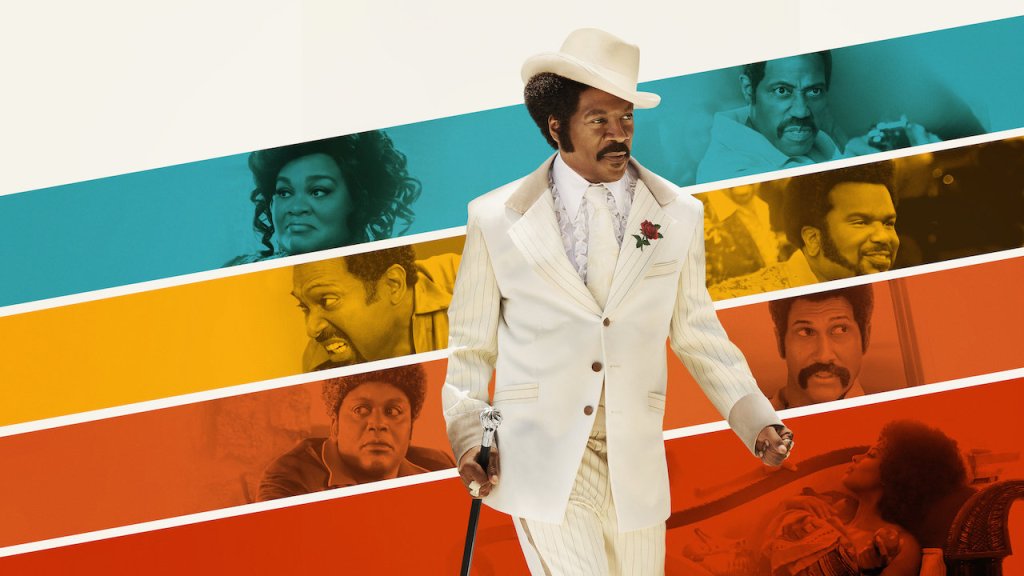
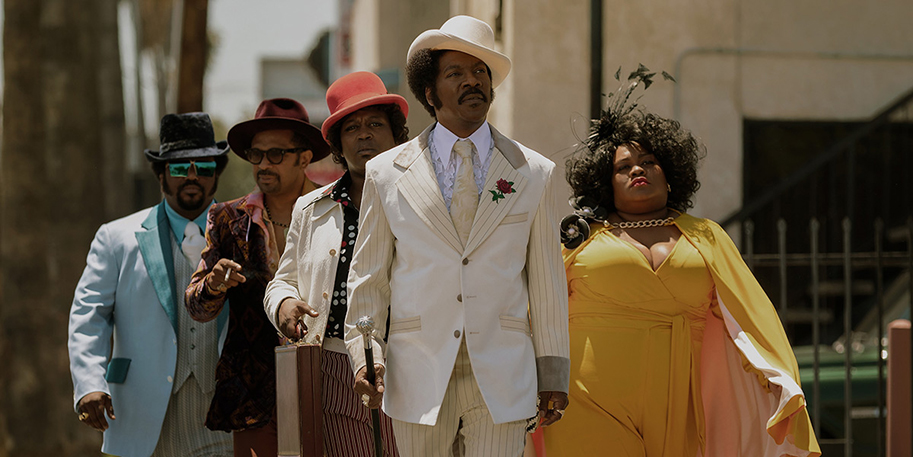
Cast: Eddie Murphy, Da’Vine Joy Randolph, Keegan-Michael Key, Mike Epps, Wesley Snipes, Titus Burgess, Craig Robinson etc.
Music: Scott Bonnar
Distribution: Netflix
**MAY CONTAIN SPOILERS**
DOLEMITE IS MY NAME (2019)
It’s obvious to say that as I, like many others, love watching films, love writing about films and love talking about films with other film lovers. But, does that mean one also loves films that are actually about making films? Yes, of course it does! I love watching and writing about films that are about filmmaking. Therefore it stands to reason I would love Eddie Murphy’s latest role as comedian/actor/filmmaker/singer, Rudy Ray Moore.
Having burst on the cinema screen in the early 1980’s in a series of classic hits, notably 48 Hrs. (1982), Trading Places (1983) and Beverley Hills Cop (1984), Murphy became one of the most bankable movie stars in the world. His talent, stamina and comedic genius have meant his career is still going strong, despite many career ups and downs. However, it’s a bit disappointing that Murphy hasn’t stuck with more dramatic roles or character driven roles, as he cast himself in more family and light comedy-oriented films. This is because Murphy is an incredible actor, as demonstrated once again in Dolemite is My Name (2019).
Set in 1970’s Los Angeles, Dolemite is My Name (2019) finds Rudy as a struggling comedian, compere and record shop manager still trying to crack his dream of becoming famous. Time and opportunity have knocked him back for years, but he still has the energy and drive to continue. I identified with Rudy as I have a dream of being a successful filmmaker, but if I’m honest that ship has not just sailed, it’s crashed on the rocks. But I will carry on. Because I really enjoy it.
Inspiration comes to Rudy when he creates a new character and begins rapping routines in the clubs as flamboyant pimp, “Dolemite.” Recording his own comedy albums and selling them out of the trunk of his car slowly brings dividends, and Moore becomes a cult hit. Then the fun really starts as Rudy decides he wants to make a movie. But he has no money, crew or equipment. Cue many fantastic filmmaking scenes that make fun and pay homage to Moore’s energy as a producer/actor/writer and kung-fu “artist”.
Accompanying Murphy as Moore in this delightful and hilarious film is a stellar ensemble cast that includes: Titus Burgess, Da’Voy Joy Randolph, Keegan-Michael Key and Craig Robinson. Not forgetting a scene-stealing turn by Wesley Snipes as a wide-eyed drunken movie actor-turned-director, D’Urville Martin. The cast, given energetic direction by Craig Brewer, fashion likeable characters and performances. Moreover, the funky music, colourful costumes, wicked dancing and comedy timing hit their marks constantly.
Overall, I’m a sucker for films about filmmaking and this one is highly recommended. Dolemite is My Name (2019) could have been a bit more dramatic in places and perhaps commented more on the socio-politics of the era and Blaxploitation film genre. However, as a film about Rudy Ray Moore’s energy, passion and never-say-die attitude it is a fine cinematic tribute. Above all else, it’s a testament to the ability, talent and infectiousness of Eddie Murphy. Rudy Ray Moore is a part he was born to play and he smashes it out of the park.
Having briefly explored what makes up film character personas in this article here, I thought it would be fun to start a new feature which looks at memorable film characters. So, with Terminator: Dark Fate (2019) in the cinema, I wanted to look at one of the greatest character narrative arcs ever in my opinion. When I say character arc, I am talking of the transformation of a character throughout a film or films. Because for me, the arc of Sarah Connor is absolutely brilliant.
I haven’t seen Terminator: Dark Fate (2019), as for me, the Terminator franchise is a spent force narratively speaking. I’m sure it’s a great spectacle, but I am more interested in speaking about James Cameron’s first two genre masterpieces. I am specifically intrigued by Sarah Connor movement from timid waitress to hardcore rebel fighter. Thus, Lena Headey and Emilia Clarke’s turns as the character are ignored here.
The genius of James Cameron’s original filmThe Terminator (1984) is how it is both simple and complex at the same time. It takes time travel tropes, which while very familiar today, were extremely fresh and exciting back in the 1980s. Mashing up ideas from literary science fiction, Star Trek , The Twilight Zoneand films likeWestworld (1973), Cameron gave us one of the greatest bad guys and heroines ever committed to film. Plus, he did it all on a $7 million budget!!
At the heart of the sci-fi, war and thriller genres is an intriguing character study and even a love story. The Terminator (1984) introduces Sarah Connor as a waitress who is having a bad day. It’s about to get worse. She has been murdered and it’s on TV. Well, it’s not her, but someone with the same name as her. Very quickly she is confronted by a man from the future, Kyle Reese (Michael Biehn), claiming she is the mother of the person who will be a future saviour. How do you process THAT?!? Mind blown!!
Kyle Reese and Sarah Connor then find themselves pursued by a futuristic cyborg (Arnold Schwarzenegger), hell bent on her destruction. Here she learns more and more about the future and how machines will take control, but her son, John, will lead the resistance. Thus, over the course of the film, as Sarah learns about her fate, the audience learns too. Sarah begins as a conduit and passive, before transforming slowly into an aggressive and battle-hardened fighter.
When the events of Terminator 2: Judgement Day (1991), come around we meet a whole different kind of Sarah Connor. She has transformed into a muscular and angry revolutionary. Not surprisingly, her narratives about future robots and the apocalypse find her sectioned. But, we know she is telling the truth. Moreover, due to her toughness, guile and resourcefulness, she is now very capable. No four walls will hold Sarah Connor.
Finally, Linda Hamilton’s performance must be praised too. In the first film she is a small character, quiet, likeable and lacking confidence. Over the course of the two films her physical, mental and emotional transformation is very impressively rendered. Cameron’s writing and Hamilton’s commitment to the role make Sarah Connor a highly memorable film character for me.
I am still perplexed how the Netflix business model works, however, the amount of viewing I get for my subscription fee is quite incredible. In the last month or so I have squeezed even more value out of it too.
Having caught up with some Amazon, Netflix and Sky television shows of late, I realised I had missed a number of film releases on Netflix. I have since rectified that by watching loads of them in an unofficial Netflix Film Festival.
So, here are some quick-fire reviews of newer film releases, ones I missed on initial cinema release and some re-watches too. All are marked out of eleven and organised in order of enjoyment.
**SPOILER FREE**
HIGHLY RECOMMENDED!
BLACK 47 (2018)
Excellent chase thriller set in Ireland during the famine of the 1840s. Like Rambo meets Irish historical drama, it was both gritty and compelling throughout. Mark: 8 out of 11
BLINDSPOTTING (2018)
This excellent urban comedy-drama impresses with humour, poetry and adroit social commentary. Daveed Diggs and Rafael Casal excel as friends trying to steer clear of the law – Mark: 8 out of 11
COLOSSAL (2016)
This quarter-life crisis drama meets monster movie is tonally uneven, but full of fantastic ideas. Anne Hathaway is great as the party person trying to get her shit together! Mark: 9 out of 11
EL CAMINO (2019)
Did you ever wonder what happened to Jesse Pinkmon (Aaron Paul) after Breaking Bad finished? I didn’t. But this neo-Western fills in the gaps in an entertaining and solid fashion. Mark: 8 out of 11
THE GUILTY (2018)
Danish thriller findsan emergency call handler (Jacob Cedergren), striving to save a woman’s life. Tense, claustrophobic and full of twists, it’s low budget but high in suspense. Mark: 9 out of 11
PADDLETON (2019)
Starring the affable Mark Duplass and the brilliant Ray Romano, this low-key story of friendship is both funny and moving in equal measures. Mark: 8.5 out of 11
PRETTY GOOD!
AT ETERNITY’S GATE (2018)
Pretentious, elegant and beautifully told story of the last days of Vincent Van Gogh (Willem Dafoe) Mark: 7 out of 11
BETWEEN TWO FERNS: THE MOVIE (2019)
Sporadically hilarious talk show parody, with Zach Galifianakis asking dumb questions to a host of celebrities. Mark: 7.5 out of 11
I AM MOTHER (2019)
Almost brilliant science fiction film, full of great concepts and visuals. It’s let down by a very confusing ending. Mark: 7 out of 11
IN THE SHADOW OF THE MOON (2019)
Very effective mixture of sci-fi and B-movie thriller genres, finds Boyd Holbrook’s cop chasing a serial killer. Mark: 7.5 out of 11
WILDLIFE (2018)
Interesting portrait of a dysfunctional 1960s U.S. family. The acting is great but the story rarely catches fire. Mark: 7 out of 11
NOT TOO BAD!
ADRIFT (2018)
Love, disaster and survival set on a yacht – Mark: 6 out of 11
A FUTILE AND STUPID GESTURE (2018)
Amusing look at the history of satirical magazine, National Lampoon – Mark: 6.5 out of 11
CHARLIE WILSON’S WAR (2007)
Hit and miss historical satire about the war in Afghanistan. Mark: 6 out of 11
HUNTER KILLER (2018)
Efficient Cold War B-movie with dodgy plotting, but decent action set-pieces – Mark: 6 out of 11
KILL THE MESSENGER (2014)
Interesting but undramatic profile of a journalist who uncovers a US Government conspiracy. Mark: 6 out of 11
MURDER MYSTERY (2019)
The cast get a luxury holiday as the audience get a frothy and silly Agatha Christie knock-off! Mark: 6 out of 11
RATTLESNAKE (2019)
Entertaining and tense, race-against-time thriller which finds a mother with an unenviable dilemma. Mark: 6.5 out of 11
THE MAN WHO KILLED HITLER AND THEN BIGFOOT (2018)
Sam Elliott excels in this weird, slow-moving drama, which in no way lives up to the fantastic title. Mark: 5.5 out of 11
THE RED SEA DIVING RESORT (2019)
Great cast and worthy narrative cannot save this political thriller from falling short by the end. Mark: 5.5 out of 11
SHAFT (2019)
Samuel L. Jackson acting talent cannot quite save another reboot of the classic 1970’s private investigator. Mark: 5.5 out of 11
AVOID!
HAPPYTIME MURDERS (2018)
Gross out puppet comedy which is horrific in every way! Mark: 2 out of 11
IN THE TALL GRASS (2019)
Decent horror story, ultimately gets lost in the weeds! Mark: 4 out of 11
SUBURBICON (2017)
Two narratives fail to gel in this 1950’s set misfire! Mark: 4 out of 11
Written by: Jeff Fradley, Danny McBride, David Gordon Green
Based on characters created by John Carpenter and Debra Hill
Cast: Jamie Lee Curtis, Judy Greer, Andi Matichak, Will Patton, Virginia Gardner etc.
Music by: John Carpenter, Cody Carpenter, Daniel Davies
***MAY CONTAIN SPOILERS***
John Carpenter’sHalloween (1978) is a seminal horror film experience. It spawned an army of sequels and sidequels and reboots which darkened the cinemas, mostly failing to get anywhere near Carpenter’s low-budget masterpiece in terms of quality and scares. It also gave birth, along with Black Christmas (1974), to the slasher film genre. Of course Hitchcock’s classicPsycho (1960), could make claim to that too, but following the success of Carpenter’s Halloween (1978), the bloodgates opened. What followed was a deluge of stabbing and slashing copycat killer movies from the late 1970s onwards.
Flash forward to 2018 and with Halloween (2018), we now have the ELEVENTH film in the franchise. Having read some decent reviews I sat down to watch it last night on, aptly enough, Halloween night. My expectations were pretty low, but I was encouraged by the return of Jamie Lee Curtis, plus David Gordon Green has proved himself a very solid filmmaker in the past. Movies like decent stoner comedy, Pineapple Express (2008), and dramas Joe (2013), and Stronger (2017), were very watchable. Least said about Your Highness(2011), the better.
The film opens with an excellent set-piece establishing Michael Myers, some forty years older, in a maximum security mental health institution. Two reporters have come for an interview for their latest true crime podcast. Safe to say Myers isn’t interested in communicating. The editing and imagery and music combine to create a very unsettling experience, so the film starts strongly. We then re-establish Myers’ narrative counterpart, Laurie Strode (Jamie Lee Curtis).
Now, you have to swallow the fact that this is a direct sequel to the original Carpenter classic. None of the other films happened; which essentially works, despite some wonky dialogue and exposition. Thankfully, with Lee Curtis on excellent form as the post-traumatised Strode, we have a flawed but compelling heroine to root for. Strode has been waiting for Myers and preparing with firepower, high security and wits in order to defeat him. Sub-plots involving Strode’s daughter (Judy Greer) and granddaughter (Andi Matichak) are developed, but kind of lose their way as the murderous Myers mayhem begins. Still, at least they tried to write some depth into the screenplay.
After a very strong start the film begins to unravel in the middle. The machinations of the plot to get Myers on the Halloween rampage felt random and illogical in places. An important event occurs off-screen and this impacted my commitment to the story. This isn’t really a criticism as such, because genre conventions and a high death rate need to be met. However, despite some well directed set-pieces, whenever Laurie Strode was off-screen the film lost some emotional power. Having said that, if it is deaths with knives, hammers, cars and crow-bars you want, this film contains that and more.
Overall, I really wanted to enjoy this film more than I did. I think the work of Gordon Green and Curtis is especially good. The script however, suffered during a messy second act, although the final showdown was really well executed (sorry.) With $250 million made at the box office, it goes to show though that the Halloween franchise is alive and kicking and two further sequels are planned. It has some scary moments, some brilliant gore and the iconic music still haunts me to this day. Nonetheless, this reboot doesn’t hold a pumpkin flame to the original. Then again, not many horror films do.
Having finished watching all six seasons of the absolutely amazing series The Americans (2013 – 2018) at the end of the summer, I thought it prudent to try and catch up with some of the other television shows I’d missed or had on my planner.
It is becoming clearer and clearer that television, especially many of the shows from Showtime, HBO and Netflix, are reaching and surpassing cinematic quality. The budgets, writing, production values and casts are incredible. It’s been like this for a while, and long may it continue I say.
So, here are a collection of the excellent TV shows I have completed watching in the last month or so, with the usual marks out of 11.
**SPOILER FREE**
CITY ON A HILL (2019) – SEASON 1 – SHOWTIME / SKY ATLANTIC
This crime drama set in 1990’s Boston is essentially a combination of The Wire meets Ben Affleck’s cracking film, The Town (2010). Kevin Bacon and Aldis Hodge lead the cast in this always watchable story of cops and robbers. Bacon is especially excellent as the anti-heroic FBI agent, Jackie Rohr. Good performances, violent action and earthy Bostonian dialogue inflect this genre piece, which blurs the lines between the good, the bad and the downright ugly.
Mark: 8 out of 11
A CONFESSION (2019) – ITV
Martin Freeman, Imelda Staunton and Siobhan Finneran are all uniformly excellent in this true crime drama. Set in Wiltshire, it follows Detective Superintendent Steve Fulcher (Freeman), as his investigative team search for a missing young woman. What follows is a series of compelling events which grip you throughout. Seasoned scriptwriter Jeff Pope delivers a meticulously researched screenplay that explores the emotional impact of criminal behaviour, and how police procedure effects justice for victims and their families.
Mark: 8 out of 11
DARK (2019) – SEASON 2 – NETFLIX
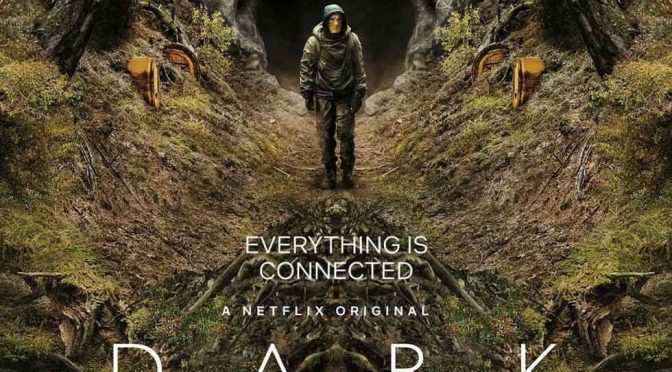
What can I say about Dark (2019) – Season 2? Well, for starters it is easily one of the best television dramas I have seen in a long time. It’s edgy, nightmarish, confusing, twisted and to be honest, virtually unreviewable. I say that because I don’t want to give away any spoilers but, trust me, if you like emotionally, structurally and artistically complex plots involving multiple characters, locations and timelines then this German thriller is for you. It had me confused in a good way and totally immersed in the tenebrae. You will be lost, searching for the light, yet you will be astounded too by the audacity of the writing and looping madness on show.
Mark: 10 out of 11
EUPHORIA (2019) – HBO / SKY ATLANTIC
Having recently watched Sam Levinson uneven but stylish low-budget crime drama, Assassination Nation (2018), I thought I’d give this big budget HBO U.S. drama a watch. The ensemble cast of mainly young actors are led brilliantly by the ultra-talented Zendaya. She portrays just-out-of-rehab, Rue, who battles drug addiction on a daily basis. Her new best friend Jules (Hunter Schafer) also has issues to deal relating to identity, sex and love. In fact, pretty much all the characters are fucked up somehow in this giddy, glossy, sexy, dirty and often shockingly dark profile of high school existence.
Mark: 9 out of 11
THE HANDMAID’S TALE (2019) – SEASON 3 – HULU / CHANNEL 4
Season 3 of the iconic Margaret Atwood literary adaptation, continues to play strongly with the emotions, the nerves and the heartstrings. Centred around the dictatorial and fascistic Republic of Gilead, the plight of oppressed woman such as June Osborne (Elizabeth Moss) and other ‘Handmaid’s’ is a grim mix of tense drama and suffocating horror. Having said that, misery has never looked so beautifully shot as Moss’ performance and the cinematography are both exquisitely framed. The narrative is slightly slow in delivery, yet as June finds strength in rebellion and civil disobedience, you’re never too far from startling turns of violence and empowerment within the narrative.
Mark: 9 out of 11
THE LOUDEST VOICE (2019) – SEASON 1 – SHOWTIME / SKY ATLANTIC
I don’t tend to watch the news as it’s all quite depressing. However, I was drawn to this drama about Fox News and its’ leader, Roger Ailes, because it features a great cast. They include, an unrecognizable Russell Crowe, Naomi Watts, Sienna Miller and Seth MacFarlane. The narrative covers Ailes starting Fox News for Rupert Murdoch in 1996, and subsequent global news events from then to the present. Crowe revels in his role as the monstrous Ailes, who advocates making Fox the number one news outlet on TV, by pushing his own agendas amidst sensational news storytelling. I have seen a few negative reviews for this show, but I really enjoyed it. As a profile of a big, corporate predator who preyed on those around him, it was both sickening and enthralling at the same time.
While I haven’t seen it yet, I was slightly intrigued by the release of Will Smith’s action film, Gemini Man (2019).Any film which examines the nature of the double or doppelganger always interests me. As you may be aware the word doppelganger is of German origin. It means “double walker” or “double goer” and I just love it. I love the way it sounds and the mysterious connotations it conjures up. It kind of sounds evil as well; like nothing good can come of it.
There have been many films, books and television programmes featuring doubles. They can occur for various reasons such as: twins, clones, shape-shifters, split personalities, mental breakdown and ghostly or other fantastical elements. We must not forget time-travel or inter-connected timeline plots either. Different versions of the same character existing simultaneously in alternate or exact timelines are very prevalent in fiction also.
In this occasional ‘Six of the Best’ series, I would like to consider six “double” or doppelganger films which are definitely worth watching. To make it interesting I would like to consider the more symbolic, fantastical and unexplained kind of films out there. I cannot avoid the twin or clone plots in certain examples, but the temporal double stories have, sort of, been explored here in an article about time travel films.
***CONTAINS MASSIVE SPOILERS***
THE ARMY OF DARKNESS (1992)
Having done some online research of films featuring doubles, Sam Raimi’s riotous Evil Dead 3: Army of Darkness (1992), is cruelly missed from many of those lists. In this gory and over-the-top medieval horror romp, Ash (Bruce Campbell), finds himself in battle against hordes of Deadites. This is all because he gets a spell wrong and splits in two. He then comes face-to-face with his vicious double, Evil Ash. I hate it when that happens – don’t you! While not the deepest of the films listed here, it’s worth watching because you get TWO Bruce Campbell’s for the price of one!
THE DOUBLE LIFE OF VERONIQUE (1991)
The antithesis of the genre joy that is Army of Darkness, can be found in this profound study of identity, directed by Krzysztof Kieslowski. It concerns two identical women, Weronika and Veronique (both Irene Jacob), who live in Warsaw and Paris, respectively. Aside from one fleeting moment they never meet, but somehow, telepathically, artistically and emotionally, they are connected to each other. A beautiful, yet obtuse narrative, allied with Kieslowski’s poetic style make this a difficult film to understand. However, it contains fine symbolic power and is open to a myriad of interpretations.
ENEMY (2013)
Denis Villeneuve’s directs this adaptation of Jose Saramago’s book called The Double or The Duplicated Man. In it Jake Gyllenhaal plays both a college professor, Adam Bell and his exact lookalike, actor, Anthony Claire. Their two lives become entwined and that’s not the weirdest thing about the film. Part Kafkaesque nightmare and part Freudian examination of the subconscious, this film quietly unhinges the viewer with a slow pace and collection of striking visual motifs. Gyllenhaal is as mesmerizing as ever in this existentially challenging urban horror tale.
THE PRESTIGE (2006)
The doppelganger trope is integral to the story here and uses both twins and clones in its compelling thematic and visual system. Yet, these are not revealed until the very end, as the screenwriters Jonathan and Christopher Nolan literally dissect the characters’ souls within the fascinating world of magicians and their mysterious secrets. At the heart of the story we witness the tricks of warring magicians, portrayed by Christian Bale and Hugh Jackman, and the lengths they will go to amaze an audience. By the end, the film becomes a chilling and fantastic warning about the dangers of obsession and rivalry.
US (2019)
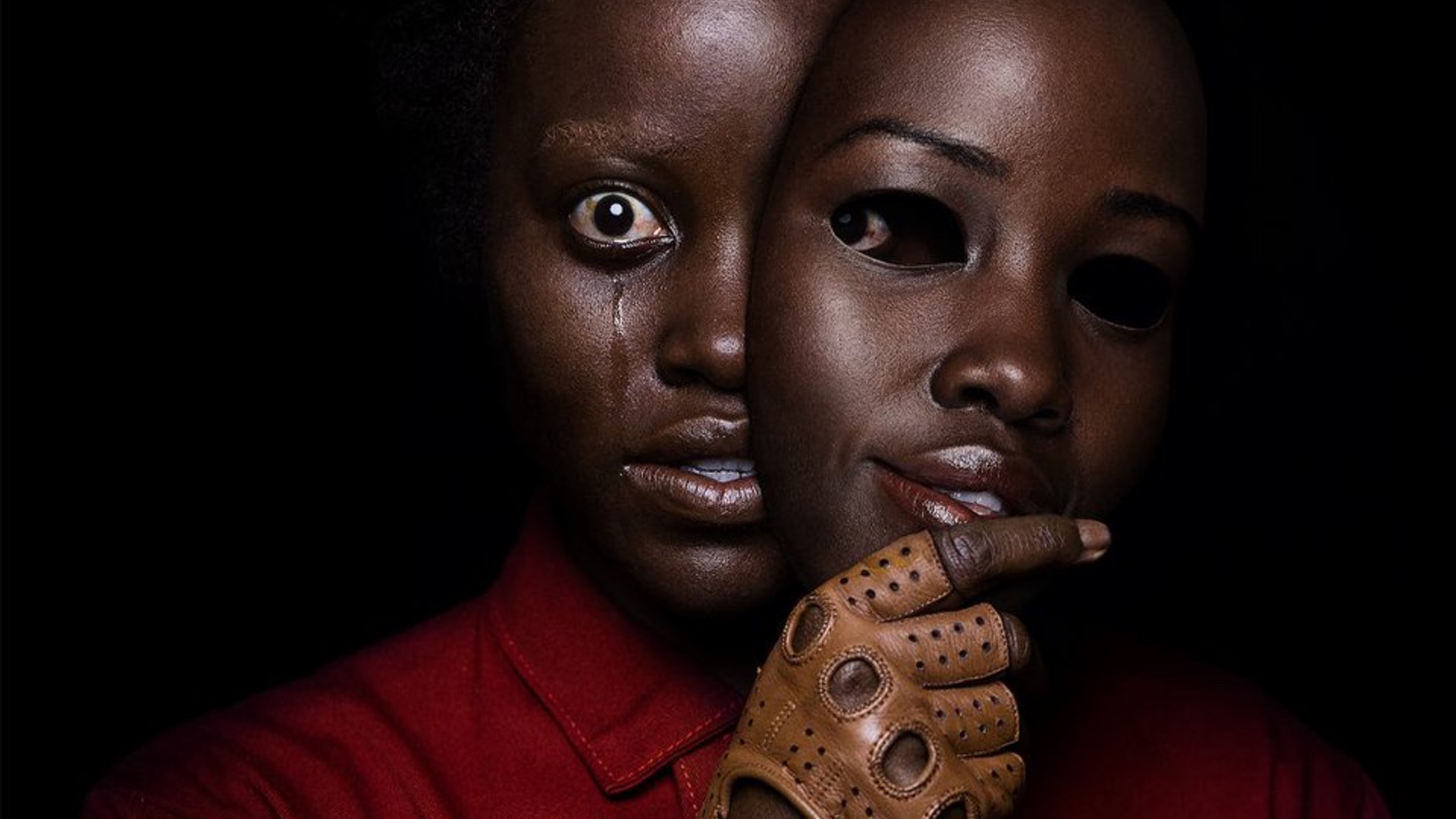
The incredibly talented Jordan Peele delivered one of my favourite films of the year. It did not contain just one (or is it two) doppelganger(s), but a whole family of them. Working in the horror genre is an ideal setting for the “double” thematic, as the fantasy elements coalesce perfectly with the psychological ones. Symbolically the film is very strong. It can be interpreted on many levels, including as a critique of the United States (U.S. = US – get it?); and a powerful exploration of split identities. Indeed, in Us (2019), the lead protagonists battle external and inner demons, both political and personal, which can plague all of us during our lives.
VERTIGO (1958)
Alfred Hitchcock’s classic psychological thriller is very complex and actually reflects the directors’ obsession with the moulding of an individual to look a certain way. On the surface, the story of a burnt out cop, Scottie Ferguson (James Stewart) attempting to overcome his fear of heights, while tracking a friend’s wife, is initially quite simple. But in Hitchcock’s and his writer’s hands it become a tour-de-force of mistaken, double and theft of identity. A tragic figure, Scottie Ferguson is exploited and left bereft of love and comfort as he attempts, like Hitchcock himself, to find that perfect, yet elusive, blonde.